In today’s competitive digital landscape, D2C marketing strategies are critical for brands looking to scale efficiently and stand out. With rising competition and shrinking attention spans, choosing the best advertising options for D2C brands is no longer optional it’s essential for driving visibility, conversions, and long-term loyalty.
Unlike traditional retail models, direct-to-consumer advertising enables brands to build direct relationships with customers, control their narrative, and optimize every touchpoint in the buyer journey. From performance marketing for D2C to customer acquisition strategies across digital and offline channels, brands must adopt a multi-channel approach to remain competitive.
This blog explores the top advertising channels for D2C brands, combining digital marketing, content-led engagement, and offline visibility strategies to help businesses drive scalable growth, improve customer engagement, and maximize ROI in an increasingly crowded marketplace.
Why Advertising Strategy Matters for D2C Brands
For D2C brands, success depends on building direct relationships with customers. Unlike traditional retail, direct-to-consumer advertising is key to driving awareness, engagement and sales. A strong advertising strategy helps brands reach the right audience, boost visibility and retain customers. By combining online and offline channels, D2C brands can create trust, enhance recall and ensure every marketing effort delivers maximum impact.
1. Social Media Advertising
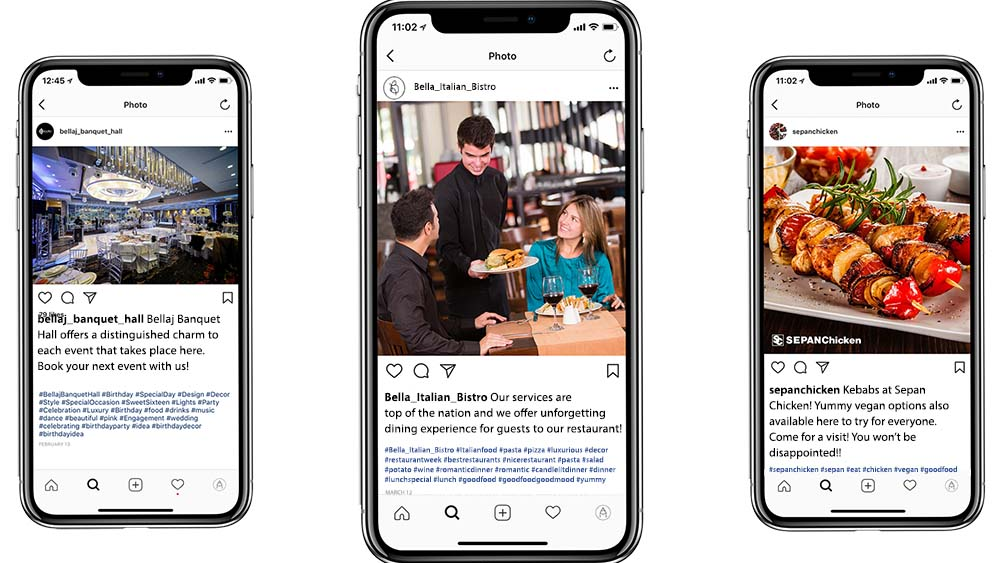
Social media platforms are among the most powerful advertising options for D2C brands. Channels like Instagram, Facebook and LinkedIn allow precise targeting based on interests, behaviour and demographics, helping brands reach the right audience. 84% of marketers say social media is crucial for brand awareness and 70% of consumers discover new brands through social ads.
These platforms not only boost visibility but also drive conversions. Social ads account for 52% of top-performing conversion channels, while social media contributes to 30% of website traffic for brands. This makes it an essential tool for building awareness, engagement and growth for D2C businesses.
2. Influencer Marketing
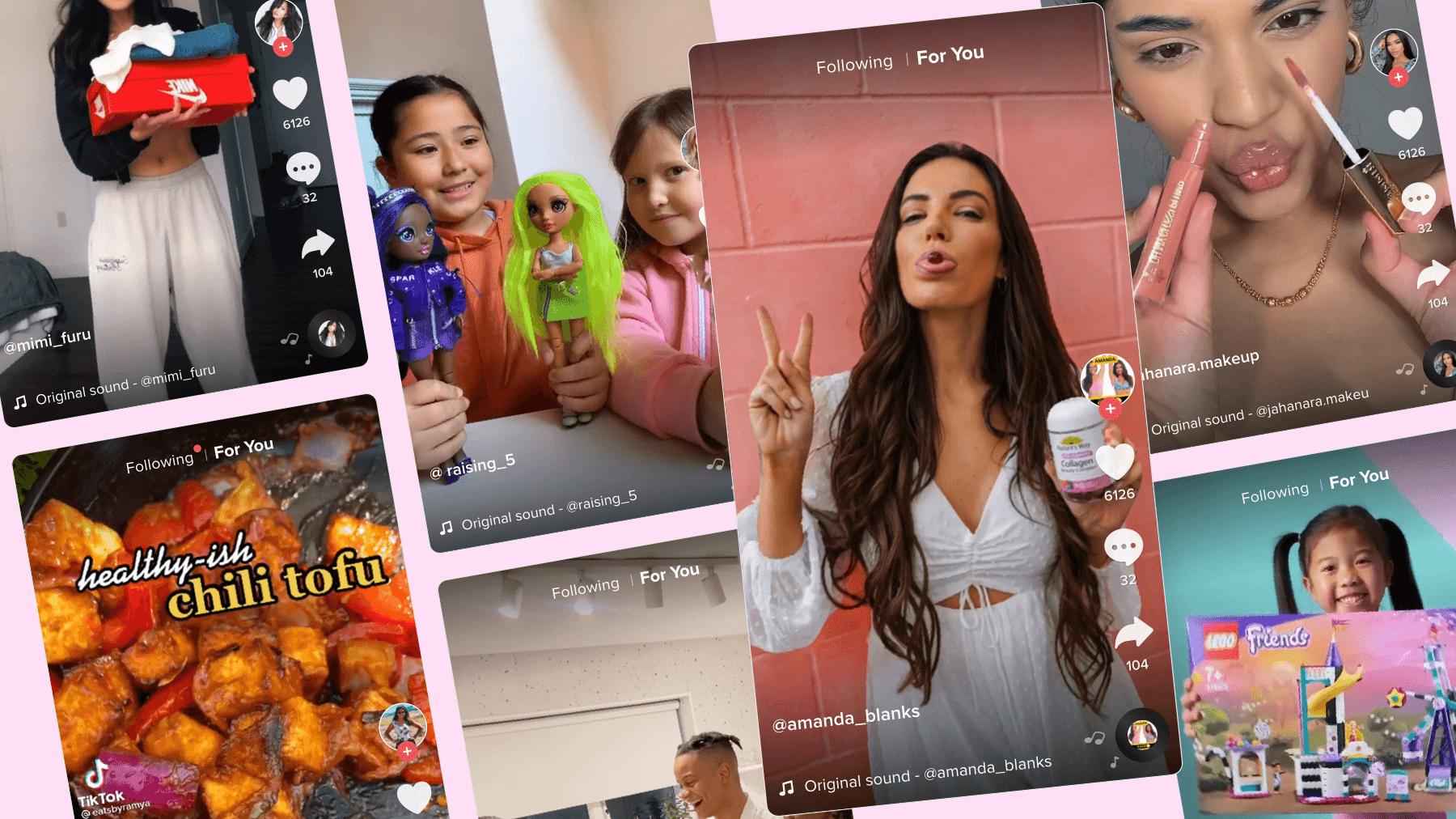
Influencer marketing helps D2C brands reach niche audiences through creators who have trust and credibility. Collaborating with influencers allows products to be showcased in real life, relatable contexts.
The popular options D2C brands explore, influencer marketing strengthens authenticity and social proof.
3. Search Engine Advertising
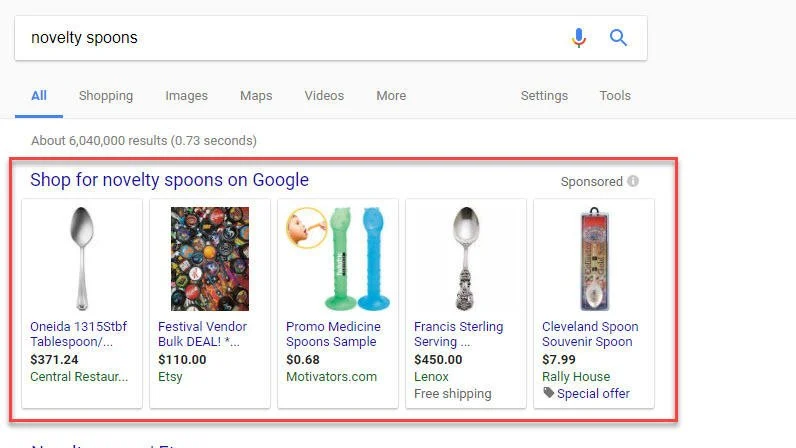
Search engine advertising helps D2C brands reach users with high purchase intent, people actively searching for products or solutions online. Paid search ads appear at the top of search results when customers are ready to buy, making this one of the most performance‑driven advertising options for D2C brands. Studies show that over 60% of online shoppers click on paid search results when researching products and search ads drive a significant share of conversions for direct‑to‑consumer businesses.
4. Marketplace Advertising
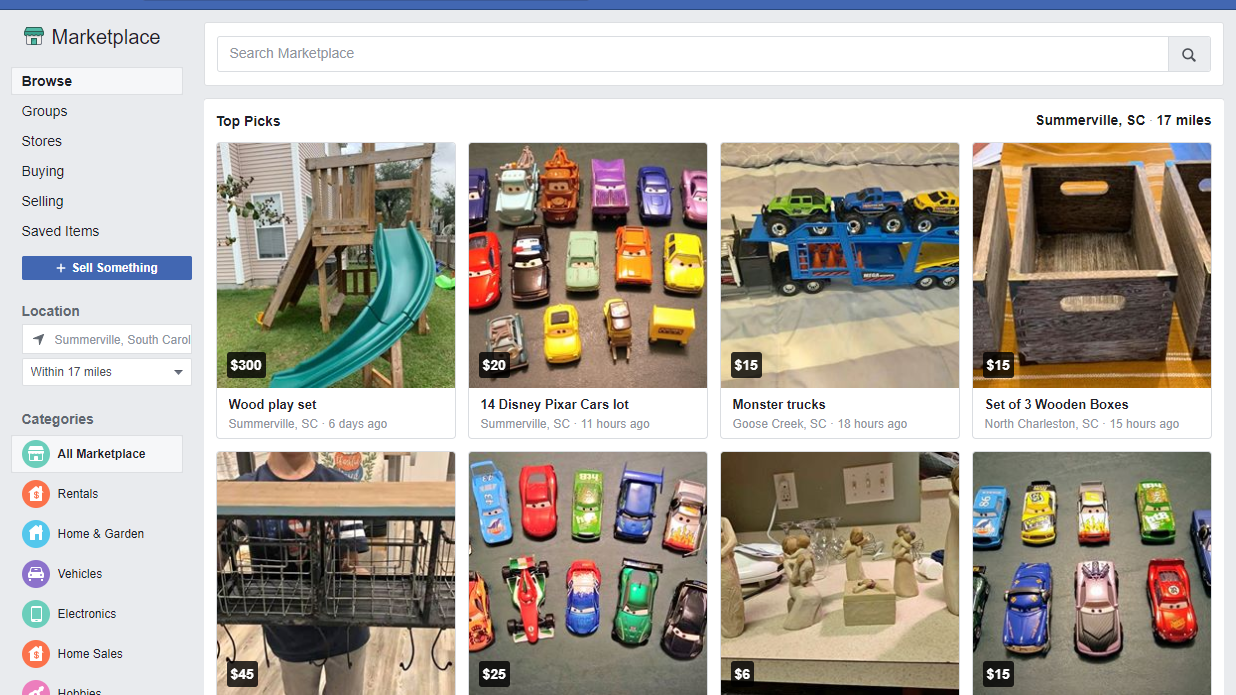
Advertising on marketplaces such as Facebook, Amazon and Flipkart enables D2C brands to reach customers who are already in a purchase mindset. Sponsored listings and product ads help improve visibility and competitiveness.
This option supports conversion focused advertising options that D2C brands use to scale sales.
5. Content Marketing
Content marketing helps D2C brands educate and engage customers through blogs, videos, guides and tutorials. By providing valuable information, brands build authority and connect meaningfully with their audience. Studies show that 70% of consumers prefer learning about products through content rather than traditional ads and brands using content marketing see higher customer retention and engagement rates.
As a long-term strategy, content marketing drives organic growth, strengthens trust and positions D2C brands as reliable, knowledgeable players in their industry.

6. Email and SMS Marketing
Email and SMS campaigns allow D2C brands to communicate directly with existing customers. These channels are effective for promotions, product launches and customer retention.
They remain cost effective advertising options for repeat engagement and loyalty building.
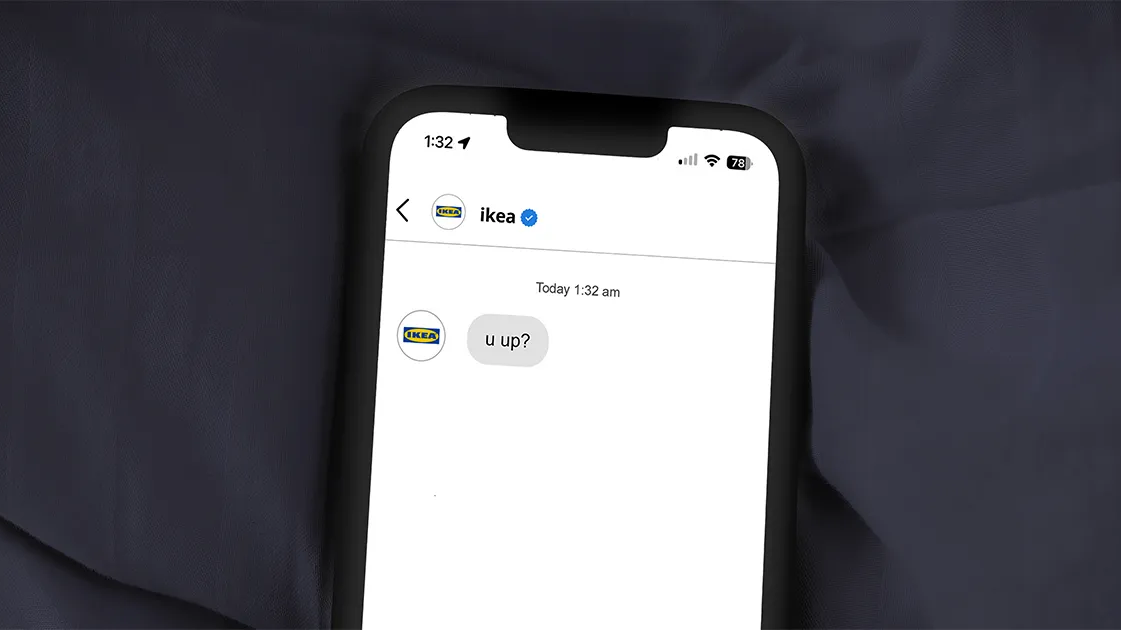
7. Outdoor Advertising
Outdoor advertising helps D2C brands build mass visibility beyond digital platforms. Formats such as hoardings, transit media and street-level advertising improve brand recall in real world environments.
This option is useful for brands looking to scale awareness using offline advertising options that D2C brands rely on.
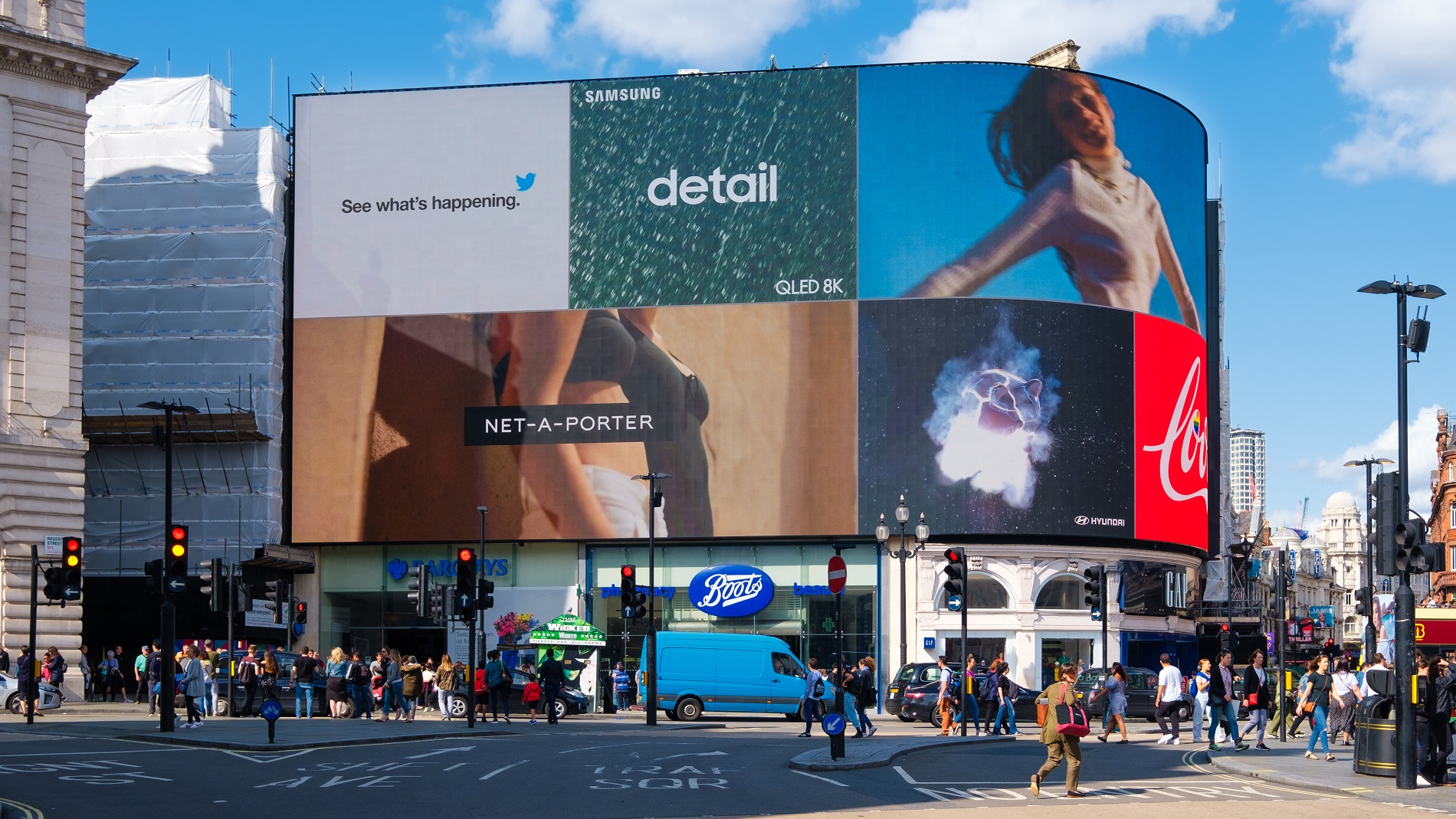
8. In Store and Retail Advertising
Pop-up stores and retail collaborations give D2C brands a chance to create physical touchpoints with customers. In-store displays, branding and experiential setups enhance engagement and build trust. Research shows that 68% of consumers are more likely to purchase after interacting with a brand in a physical setting and experiential campaigns significantly improve brand recall.
These offline initiatives help D2C brands bridge the gap between online presence and real-world experience, strengthening customer relationships and driving long-term loyalty.
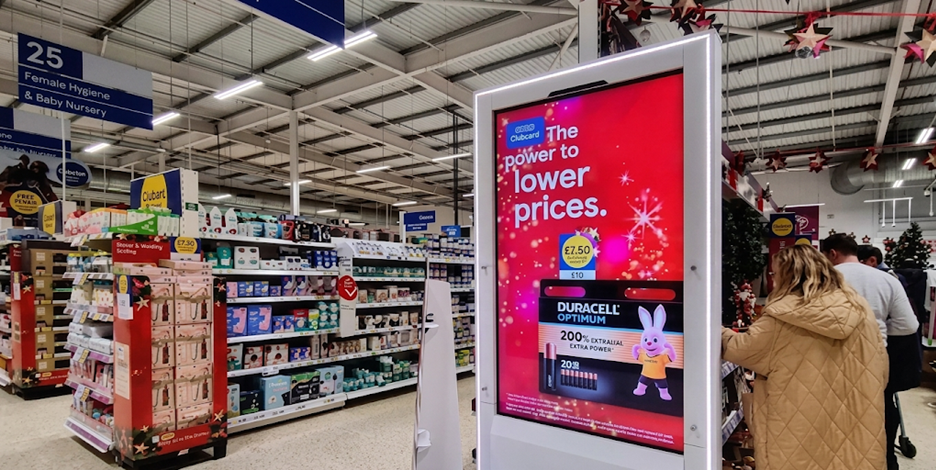
9. Referral and Loyalty Programs
Referral programs encourage existing customers to be brand advocates. Incentives motivate customers to share products and return for repeat purchases.
This option strengthens organic growth and works well for paid advertising options.

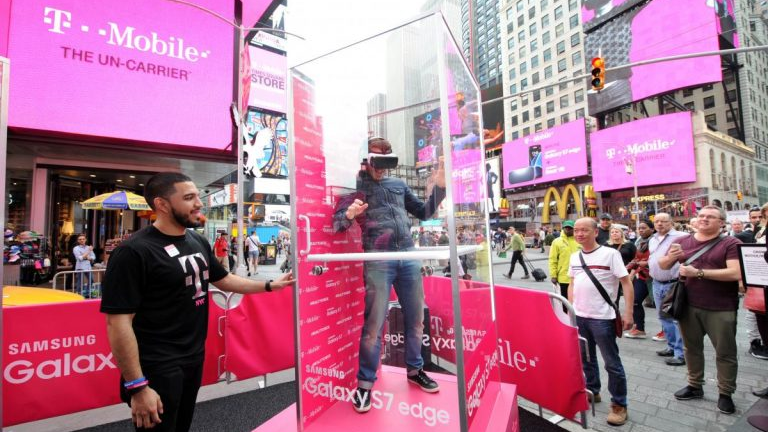
10. Event and Experiential Marketing
Events and experiential marketing enable D2C brands to create memorable, hands-on interactions with customers. Product trials, pop-up events and live demonstrations boost engagement and brand connection. Studies show that experiential campaigns can increase brand recall by up to 70% and significantly influence purchase decisions.
These strategies help D2C brands deepen customer relationships, build trust and leave lasting impressions that drive loyalty and repeat engagement.
How D2C Brands Choose the Right Advertising Options
Choosing the right channels depends on factors such as product category, audience behaviour and brand growth stage. Early stage D2C brands focus more on performance driven digital channels, while growing brands benefit from adding offline and experiential formats.
Using a combination of advertising options, D2C brands trust delivers better results than relying on a single channel.
Benefits of Using the Right Advertising Options for D2C Brands
- Improved brand visibility and reach
- Stronger customer engagement
- Better conversion and retention rates
- Scalable growth opportunities
- Balanced online and offline presence
Frequently Asked Questions (FAQ’s)
1. What are the most effective advertising strategies for D2C brands?
The most effective strategies include social media advertising, search engine marketing, influencer collaborations, content marketing, and offline campaigns for brand recall.
2. How do D2C brands acquire customers online?
D2C brands acquire customers through performance marketing channels like paid search, social media ads, influencer marketing, and content-driven organic traffic.
3. Which advertising channels deliver the highest ROI for D2C brands?
Search engine advertising and social media ads typically deliver the highest ROI due to high-intent targeting and measurable performance.
4. Why is a multi-channel advertising strategy important for D2C brands?
A multi-channel approach helps D2C brands maximize reach, improve customer engagement, and reduce dependency on a single platform for growth.
5. How can D2C brands improve customer retention through marketing?
D2C brands can improve retention using email marketing, SMS campaigns, loyalty programs, and personalized remarketing strategies.
Advertising plays a central role in the success of D2C brands. By selecting the right advertising options, brands build awareness, drive sales and create lasting customer relationships.
From digital platforms to offline channels, the most effective advertising options D2C brands use are those aligned with their audience and business goals. With strategic planning and consistent execution, D2C brands achieve sustainable and measurable growth.
Why Choose Ginger Media Group for Affordable Offline Marketing
Ginger Media helps startups execute affordable offline marketing campaigns with clarity, transparency and measurable impact. With strong expertise across outdoor, transit, print and on ground activations, Ginger Media focuses on cost effective solutions that deliver real visibility without unnecessary spending. From planning and execution to monitoring and reporting, the team ensures startups get the best value from every offline campaign. By combining strategic media selection with on ground execution strength, Ginger Media enables brands to scale offline marketing efficiently and confidently.
]]>Did you know that 72% of parents still trust what they see in the real world like banners, hoardings and local events. When choosing a school? Unlike fleeting digital ads, offline marketing quietly builds trust, sparks conversations and keeps your institute top of mind. One well-placed banner or newspaper feature can turn a familiar name into a parent’s first choice.
It’s more than visibility, it’s about connection. Local campaigns and community presence make your institute feel reliable and authentic. Studies show schools that combine offline strategies with digital outreach see up to 30% more admission enquiries. By using creative, consistent offline ads, your school doesn’t just get noticed and it becomes the school parents can’t stop talking about.
Why Offline Advertising Matters in Education
Choosing the right school or college isn’t instant, it’s a careful process. Parents observe, compare and look for signs of reliability before making a decision. This is where offline advertising shines. A well-placed banner, a newspaper feature or a community event can create a strong, trustworthy presence that digital ads alone can’t match.
Offline channels also let institutes target the local community directly, reaching parents and students in their own neighborhoods. When done consistently, these efforts boost recall, reinforce credibility and perfectly complement online campaigns. In short, offline advertising doesn’t just inform, it builds trust, familiarity and loyalty before the admission forms even arrive.
1. Newspaper Advertising
Newspapers remain one of the most trusted sources of information for parents. Publishing admission announcements, exam results or institutional achievements instantly signals credibility and seriousness.
For schools and colleges, newspapers are more than just ads, they reach decision-makers who value reliable, traditional media. This makes them a powerful offline tool to create trust, showcase accomplishments and strengthen your institute’s reputation in the community.

2. Flyer and Pamphlet Distribution
Flyers are one of the most commonly used offline advertising options that education institutes depend on. When distributed near residential areas, schools, and coaching centres, they reach parents and students directly.
This approach works well for promoting admissions, scholarship programs and new academic batches.

3. Outdoor Hoardings Near Academic Zones
Hoardings placed near school areas, junctions and residential neighbourhoods help create strong visual recall. Even smaller hoardings are impactful when positioned thoughtfully.
As visible offline advertising options, hoardings help institutes establish authority and recognition within their local market.

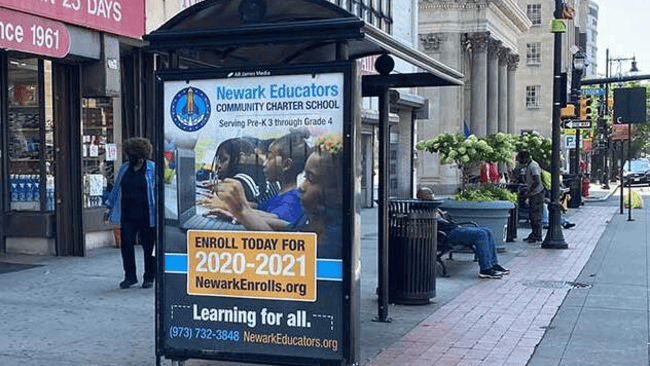
4. Bus Shelter Advertising
Bus shelters see daily footfall from parents, students and commuters. While waiting, people naturally notice and absorb the advertisements around them, giving your message longer attention and impact.
This makes bus shelters ideal for offline campaigns focused on repeated exposure and steady brand recognition, helping your institute stay visible and memorable in the community.
5. School Diary and Stationery Branding
Branded school diaries, notebooks and stationery keep your institute in sight all year long. Every time a student writes, flips a page or takes notes, your brand is subtly reinforced.
This daily exposure makes stationery branding a quiet yet powerful offline advertising tool, creating familiarity and trust without being intrusive and is one of the most effective traditional marketing methods for schools and colleges.

6. Flex Banners and Admission Signage
Flex banners placed near campuses, main roads and tuition centres are commonly used during admission seasons. They are simple to install, affordable and easy to update.
This makes them one of the quickest offline advertising options for communicating timely information.

7. Education Fairs and Community Events
Education fairs and local events give institutes the chance to meet parents and students face-to-face. These interactions let you answer questions, explain your offerings and build real, personal connections that ads alone can’t achieve.
By combining visibility with meaningful engagement, such events make offline advertising more memorable and trustworthy, helping your institute stand out in the community.

8. Wall Paintings in Residential Areas
Wall paintings offer long term visibility and are effective in semi urban and rural locations. They help institutes to become familiar names within the community over time.
As part of offline advertising options for education, wall paintings deliver consistent exposure at a relatively low cost.

How to Choose the Right Offline Advertising Options
Not all offline channels work the same for every school. Choosing the right media depends on who you want to reach, where they are and what your admission goals are. Studies show that parents are 60% more likely to trust institutes they see regularly in their neighbourhoods, so aligning your advertising with local habits is key.
Schools and colleges get the best results by mixing multiple offline options from newspapers and bus shelters to community events and branded stationery. This approach not only increases visibility but also builds trust and recall, turning casual observers into engaged parents ready to enquire. In offline marketing, it’s not just about being seen, it’s about being seen in the right place, at the right time and with the right message.
Benefits of Offline Advertising for Education Institutes
- Builds trust and credibility among parents and students
- Strengthens local visibility
- Supports admission focused campaigns
- Improves long term brand recall
- Complements digital marketing efforts
Frequently Asked Questions (FAQ’s)
1. Why does offline advertising matter for schools?
Because parents trust what they see around them. Banners, newspapers and local ads help schools feel familiar and reliable.
2. Which offline ads work best for schools?
Simple formats like newspaper ads, hoardings, flyers, bus shelter ads and education fairs usually bring strong visibility.
3. Is offline advertising still useful today?
Yes. When schools combine offline ads with digital marketing, they often reach more parents and get better enquiries.
4. Is offline advertising expensive?
Not always. Options like flyers, flex banners and wall paintings are affordable and still very effective locally.
5. How does offline advertising help increase admissions?
Seeing a school’s name regularly in the neighbourhood builds familiarity, making parents more likely to enquire during admission season.
Offline advertising continues to be a valuable tool for education institutes looking to grow visibility and admissions. By choosing the right offline advertising options, institutes connect with parents and students in a more meaningful way.
From print media to outdoor formats, traditional advertising methods for education play an important role in shaping trust and perception. With thoughtful planning and consistent execution, offline advertising can deliver reliable and lasting results.
Why Choose Ginger Media Group for Affordable Offline Marketing
Ginger Media helps startups execute affordable offline marketing campaigns with clarity, transparency and measurable impact. With strong expertise across outdoor, transit, print and on ground activations, Ginger Media focuses on cost effective solutions that deliver real visibility without unnecessary spending. From planning and execution to monitoring and reporting, the team ensures startups get the best value from every offline campaign. By combining strategic media selection with on ground execution strength, Ginger Media enables brands to scale offline marketing efficiently and confidently.
]]>Outdoor advertising remains one of the most effective offline marketing channels, helping brands achieve strong visibility and audience engagement in a crowded market. Studies show that over 70% of consumers notice outdoor ads and nearly half have made a purchase influenced by them. From billboards to transit displays and digital out-of-home (DOOH), these campaigns deliver real-world exposure that drives campaign performance and enhances overall brand impact.
However, measuring the ROI of outdoor advertising is often a challenge for marketers. Without clear performance tracking and data-driven insights, it’s difficult to justify budgets or optimize campaigns. This guide outlines 8 practical steps to evaluate advertising impact, improve budget allocation and make smarter marketing decisions with measurable results.
Why Measuring ROI in Outdoor Advertising Is Important?
Measuring ROI in outdoor advertising is essential for brands to understand the real business value of their campaigns. Outdoor ads operate in physical environments, so tracking audience engagement, exposure and brand visibility requires clear, practical methods. Studies show that brands monitoring outdoor campaign performance experience up to 20% higher consumer recall and stronger awareness.
Effective ROI measurement provides actionable insights into audience reach and overall advertising impact, enabling smarter budget allocation and improved campaign strategies. By linking performance to measurable outcomes, brands can optimize future campaigns, enhance marketing effectiveness and ensure outdoor advertising contributes meaningfully to data-driven business decisions.
8 Steps to Measure ROI of Outdoor Advertising
Step 1: Define Clear Campaign Objectives
The first step in measuring ROI is setting clear and measurable campaign objectives. These objectives may include increasing brand awareness, driving store visits, generating leads or improving sales performance.
Research shows that campaigns with clearly defined goals are over 50% more likely to achieve measurable results compared to those without. Having specific, quantifiable targets ensures that success metrics are aligned with business outcomes and provides a strong foundation for evaluation, enabling marketers to track performance, optimize strategies and demonstrate the tangible impact of outdoor advertising investments.
Step 2: Identify Target Audience and Locations
Understanding the target audience and selecting the right locations is key to outdoor advertising success. Ads placed in high-traffic areas aligned with audience behavior can increase engagement by up to 30%, according to industry studies. Strategic location planning ensures campaigns reach the right people at the right time, maximizing visibility and interaction.
This step not only boosts campaign performance but also makes ROI measurement more precise, allowing marketers to link exposure directly to outcomes like brand recall, store visits or lead generation and ultimately demonstrate the real value of outdoor advertising investments.
Step 3: Track Reach and Impressions
Reach and impressions show how many people actually saw an outdoor ad. Using traffic data, footfall and location analytics, brands can target high-visibility spots, reaching up to 60% of daily commuters in prime areas.
Tracking these metrics helps marketers gauge campaign exposure and directly link it to ROI, whether through store visits, inquiries or sales, making every outdoor campaign more measurable and effective.
Step 4: Use Location Based Data and Footfall Analysis
Footfall analysis shows how outdoor advertising drives people to physical locations like stores or event venues. Using GPS data and mobile location insights, brands can identify high-traffic areas that boost visits, with studies indicating targeted ads can increase store footfall by up to 25%.
This step is especially valuable for campaigns focused on offline engagement, helping marketers connect exposure to actual visits and measure ROI more effectively.
Step 5: Monitor Brand Recall and Awareness
Brand recall studies and surveys measure how well audiences remember an outdoor campaign. Post-campaign surveys reveal insights into message retention and brand recognition, with research showing that memorable outdoor ads can increase recall by up to 70%.
Monitoring brand awareness is crucial for evaluating the long-term impact of campaigns and linking audience perception to overall ROI.
Step 6: Track Lead Generation and Sales Impact
Curious how outdoor ads actually turn heads into action? For performance-focused campaigns, brands track leads, inquiries and sales generated from outdoor advertising. By leveraging unique phone numbers, QR codes, and custom landing pages, marketers can accurately attribute responses, with studies showing tracked campaigns can increase conversions by up to 35%.
This approach connects outdoor exposure to tangible business results, making ROI measurement precise and helping brands understand the true impact of their campaigns.
Step 7: Compare Campaign Costs with Outcomes
To know if your outdoor campaign really paid off, brands calculate ROI by comparing total campaign costs with measurable results. Costs usually cover media placement, production and execution and studies show that campaigns with detailed ROI tracking can improve marketing efficiency by up to 25%.
This comparison helps marketers understand how effectively their budget was used, identify high-performing strategies and determine whether investments delivered the expected business returns, making every outdoor advertising decision more data-driven and impactful.
Step 8: Analyse Results and Optimize Future Campaigns
The final step is analysing campaign data to see what worked and what didn’t. Insights from past outdoor campaigns can improve targeting, messaging and placement strategies, with studies showing that brands who optimize based on data achieve up to 30% higher ROI in future campaigns.
Continuous review and refinement ensure that every subsequent outdoor ad delivers stronger results, better engagement, and measurable business impact.
Common Challenges in Measuring Outdoor Advertising ROI
Outdoor advertising measurement comes with challenges like limited real-time data, tricky attribution and no universal measurement standard. But brands that combine multiple tracking methods gain clearer, more accurate insights, with studies showing up to 40% better performance accuracy.
Following a structured measurement approach not only helps evaluate campaigns effectively but also empowers marketers to make smarter, data-driven decisions, optimize strategies and ensure every outdoor ad investment delivers maximum ROI and business impact.
Measuring ROI in outdoor advertising takes a clear strategy, the right tools and consistent tracking. By following these 8 steps, brands can accurately assess ROI, gain deeper insights into campaign performance and confidently justify their marketing investments. As outdoor advertising evolves, adopting data-driven measurement practices ensures every campaign delivers maximum impact, stronger engagement and long-term marketing success for the brand.
Frequently Asked Questions (FAQs)
1. How is ROI calculated in outdoor advertising?
ROI in outdoor advertising is calculated by comparing the total campaign cost with the measurable outcomes it generates. These outcomes may include increased store visits, leads, website traffic, or sales attributed to the campaign. Marketers typically use the formula:
ROI = (Revenue generated – Campaign cost) ÷ Campaign cost × 100.
This calculation helps brands determine whether the campaign delivered a profitable return.
2. What metrics are commonly used to measure outdoor advertising performance?
The most common metrics include reach, impressions, footfall data, brand recall, engagement levels, leads generated, and sales impact. Additional tools such as QR codes, custom URLs, location analytics, and surveys help marketers track how audiences interact with outdoor advertisements and connect exposure to measurable outcomes.
3. Can outdoor advertising ROI be tracked accurately without digital tools?
While digital tools make tracking easier, outdoor advertising ROI can still be measured using traditional methods such as customer surveys, coupon codes, unique phone numbers, and in-store feedback. However, combining these methods with digital tracking technologies like GPS-based footfall analysis and QR code tracking significantly improves measurement accuracy.
4. How long does it take to measure the results of an outdoor advertising campaign?
The timeframe depends on the campaign objective. Campaigns focused on brand awareness may take several weeks or months to reflect results through recall studies and surveys. Performance-driven campaigns, such as those aimed at generating leads or store visits, can often show measurable results within a few days or weeks after launch.
5. What tools help improve ROI tracking for outdoor advertising campaigns?
Several tools can enhance measurement accuracy, including mobile location analytics, QR codes, unique landing pages, call tracking numbers, brand recall surveys, and campaign management platforms. These tools allow marketers to link audience exposure to real actions such as store visits, inquiries, and purchases, enabling more precise ROI evaluation.
Why Choose Ginger Media Group for Affordable Offline Marketing
Ginger Media helps startups run affordable offline marketing campaigns with full clarity, transparency and measurable impact. With expertise across outdoor, transit, print and on-ground activations, the team delivers cost-effective solutions that maximize visibility without unnecessary spending. From planning and execution to monitoring and reporting, Ginger Media ensures every campaign generates real results. By combining strategic media selection with strong on-ground execution, Ginger Media empowers startups to scale offline marketing efficiently, make data-driven decisions and confidently achieve meaningful brand growth.
]]>Ready to talk with a marketing expert?

A Pragmatic and innovative way to enthrall your target group is just a click away!
Get in Touch
Rukmini Knowledge Park, Kattigenahalli, SH 104, Srinivasa Nagar, Bengaluru, Karnataka 560064
+91-990 247 8800
contact@gingermediagroup.com
Popular in Television Advertising
Udaya TV AdvertisingSun TV AdvertisingStar Plus AdvertisingTV 9 AdvertisingZee TV AdvertisingNDTV India AdvertisingColors TV AdvertisingPopular in Airport Advertising
Spice Jet AdvertisingMumbai Airport AdvertisingDelhi Airport AdvertisingEmirites AdvertisingIndiGo Airlines Domestic India AdvertisingPopular in Newspaper Advertising
Deccan Herald AdvertisingPrajavani AdvertisingThe Hindu AdvertisingEconomic Times AdvertisingDainik Jagran AdvertisingHindustan Times AdvertisingPopular in Magazine Advertising
Forbes AdvertisingCosmopolitan AdvertisingBusiness World AdvertisingVogue Magazine AdvertisingPopular in Sports Advertising
IPL AdvertisingPopular in Outdoor Advertising
Billboard AdvertisingBus Shelter AdvertisingMetro Pillar AdvertisingUnipole Advertising© Ginger Media Group 2025. All Rights Reserved.