And that is exactly why media choices matter more than ever. Today, nearly 65% of e-commerce advertising budgets go into digital media, because brands want reach that can be tracked and scaled. In India alone, digital media already makes up about 46% of the total advertising market, a clear sign that customers now discover brands online first. For an e-commerce brand, selecting the right advertising media is no longer just about promotion, it directly decides your visibility, traffic flow and sales pipeline.
In this blog, we break down the 8 best advertising media for e-commerce brands in a simple and effective way, so you can build campaigns that truly drive visibility, traffic, trust and conversions.
1. Social Media Advertising
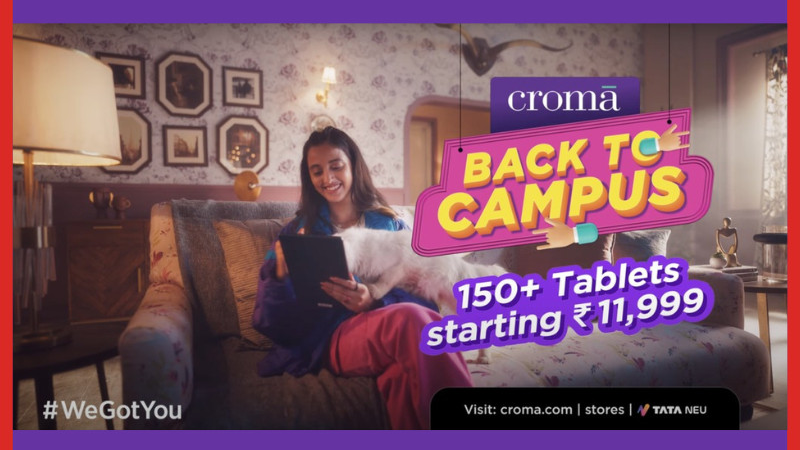
Social media is one of the most used advertising channels for e-commerce brands today. Platforms like Instagram and Facebook help brands reach users while they scroll every day, enabling fast, targeted and high-frequency exposure.
It works especially well for:
- Brand awareness
- New product launches
- Offers and discounts
This makes social media a strong e-commerce media option for quick and scalable reach.
2. Search Engine Advertising (Google Ads)
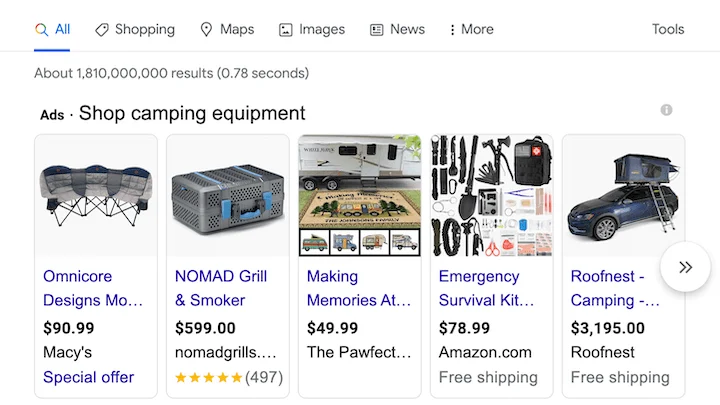
Search ads appear when users are actively searching for products or services on platforms like Google Ads and Microsoft Advertising. This makes search advertising one of the most effective media options for e-commerce, as brands reach customers at the exact moment of intent.
It is especially useful for:
- High-intent customers
- Product-specific searches
- Quick conversions
This makes search ads a powerful e-commerce media option for fast, performance-driven reach.
3. Influencer Marketing
Influencer marketing helps e-commerce brands build trust on platforms like Instagram and YouTube. When people see products being used by creators in real-life content, they feel more confident about buying.
This advertising media works best when influencers closely match the brand’s target audience, helping drive higher credibility, better engagement and stronger purchase intent.

4. Marketplace Advertising
Platforms like Amazon and Flipkart offer in-app advertising formats that reach users who are already browsing products and ready to purchase.
For many e-commerce brands, marketplace ads support faster sales and higher conversions, making them a strong media option for reaching high-intent shoppers at the point of buying.
5. Video Advertising
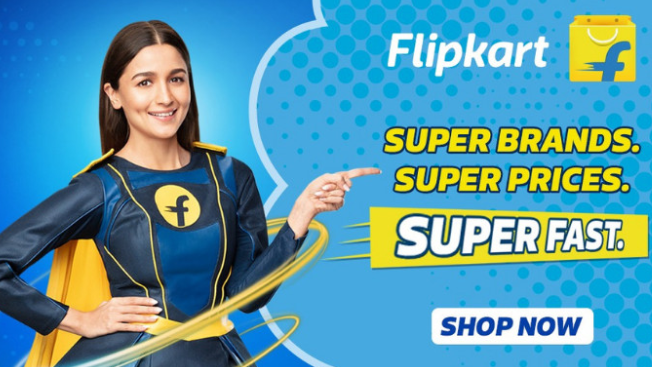
Videos explain products better than images, making video advertising one of the most effective tools for e-commerce brands. Platforms like YouTube and short-video formats on Instagram help brands capture attention quickly and communicate product value clearly.
They help in:
- Product demos
- Brand storytelling
- Higher engagement
This makes video ads and short reels a powerful e-commerce media option for driving interest and purchase intent.

6. Display Advertising
Display ads appear on websites and apps as banner formats through platforms like Google Ads and Facebook. This advertising media helps brands stay visible to users who have already visited or interacted with them.
It supports:
- Retargeting
- Brand recall
- Repeat visits
This makes display advertising a strong e-commerce media option for re-engaging users and driving return traffic.
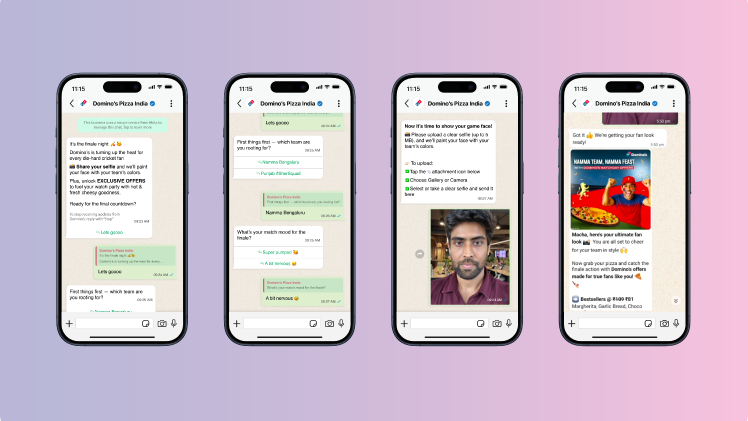
7. Email & WhatsApp Marketing
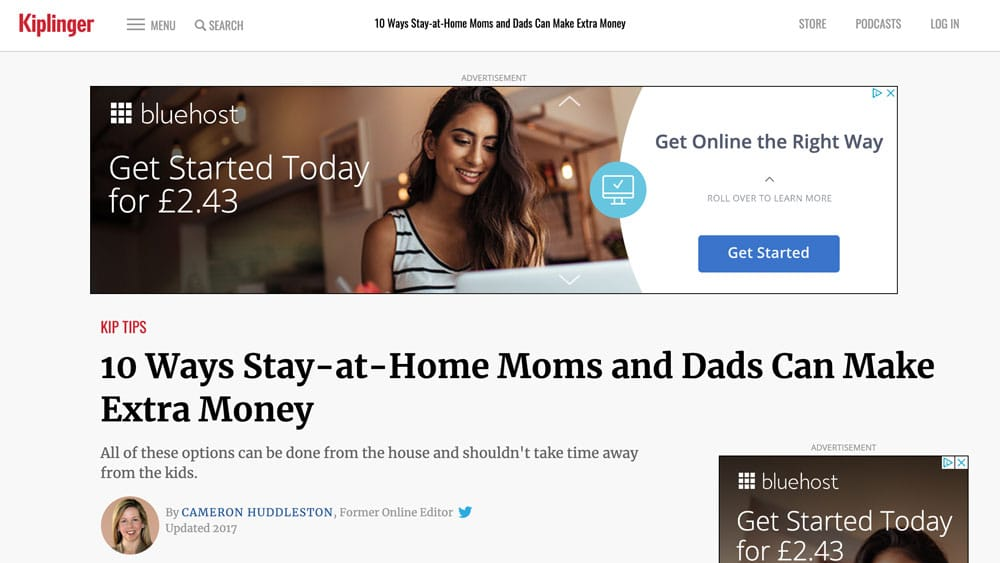
Email and WhatsApp are direct media channels that e-commerce brands use to communicate with their existing customers in a fast and personal way.
These channels are effective for:
- Order updates
- Offers
- Repeat purchases
This makes email and WhatsApp a strong e-commerce media option for retention and repeat sales.
8. Offline Advertising
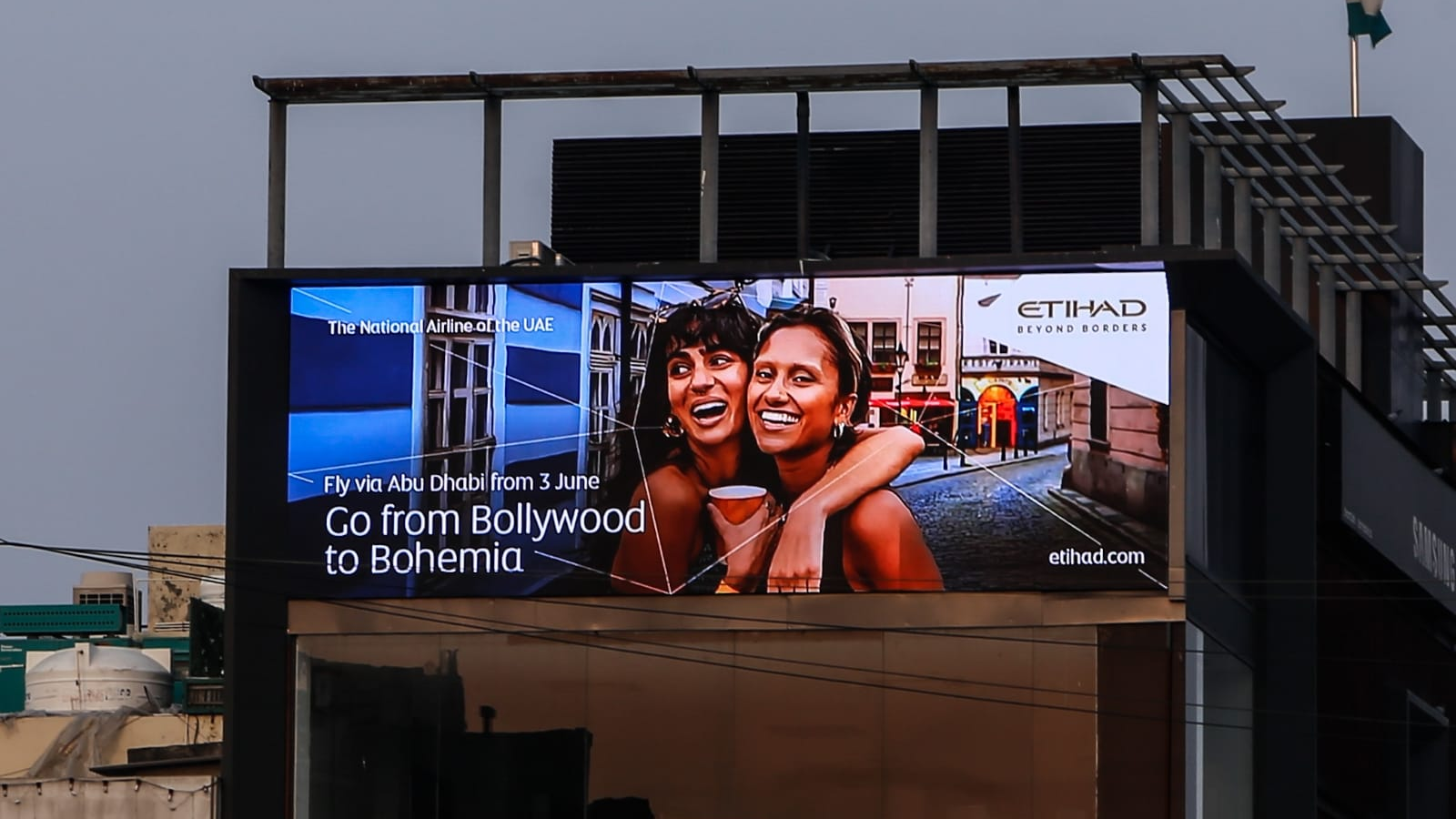
Even for online brands, offline ads help build trust and improve campaign credibility. Hoardings, metro advertising across Delhi Metro Rail Corporation, and society branding support digital campaigns by giving brands strong physical presence in everyday life.
This online-offline combination makes advertising media in e-commerce more effective, as repeated real-world exposure strengthens recall and builds confidence before users finally convert online.
Advantages of Advertising Media for E-commerce Brands
Advertising across platforms such as Google Ads and Instagram helps e-commerce brands reach large audiences with precise targeting and measurable results.
It offers:
- Wide reach
- Better targeting
- Supports sales growth
Disadvantages of Advertising Media for E-commerce Brands
With more brands competing on the same digital platforms, campaigns face higher pressure to perform efficiently.
Common challenges include:
- High competition
- Rising costs
- Need for constant optimisation
Choosing the right advertising media is important for e-commerce success. Not every medium works the same way for every brand. The best results come from selecting the best advertising media for e-commerce based on brand goals and audience needs.
With the right planning and execution, advertising media help e-commerce brands grow steadily and sustainably.
Why Ginger Media Group is Perfect for E-commerce Advertising
E-commerce advertising needs the right mix of digital and offline media. Ginger Media Group understands how advertising media for e-commerce brands should be planned and executed.
The focus stays on planning, compliance, and visibility, helping brands choose media that support their goals. With a clear understanding of audience behaviour and execution, Ginger Media Group helps brands achieve effective advertising media strategies with real impact.
]]>Delhi NCR is one of India’s busiest and most dynamic regions, home to over 30 million residents and millions more who commute daily for work, shopping and education. This high footfall makes it a hotspot for brands seeking strong visibility. In fact, outdoor advertising in Tier‑1 cities like Delhi has grown by around 18% year-on-year, with billboards, transit media and digital screens delivering continuous 24/7 impressions that keep brands top-of-mind.
With so many advertising options available, choosing the right locations is key to maximizing impact. From bustling metro corridors and busy expressways to iconic shopping districts, the right placement ensures your brand reaches its audience effectively. In this blog, we explore the top 10 high-impact places to advertise in Delhi NCR and reveal how brands can achieve maximum visibility and engagement.
1. Connaught Place (CP)
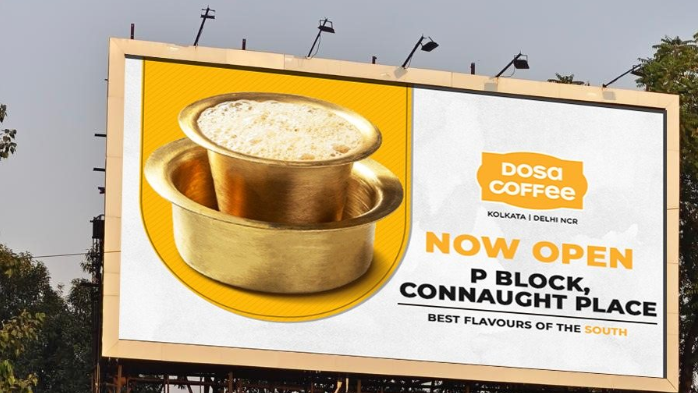
Connaught Place is one of Delhi’s top advertising spots, attracting 50,000+ visitors daily, including shoppers, tourists and students. Its central location and proximity to Rajiv Chowk Metro ensure maximum brand visibility.
Ideal for national and premium brands, advertising here benefits from strong recall. With commercial rents rising around 14 % year-on-year, campaigns enjoy high engagement in a bustling retail and entertainment hub.
2. South Delhi (Hauz Khas, GK, Saket)
South Delhi is famous for its upscale residential areas and busy shopping zones, attracting tens of thousands of daily visitors across malls, markets and high streets. Areas like Hauz Khas, GK and Saket see heavy footfall, making them prime spots for outdoor advertising.
These locations are ideal for lifestyle and FMCG brands, as outdoor ads here effectively reach urban consumers. With retail and commercial activity growing steadily, campaigns enjoy high visibility and engagement among a diverse, affluent audience.

3. Gurgaon (Cyber City & Golf Course Road)
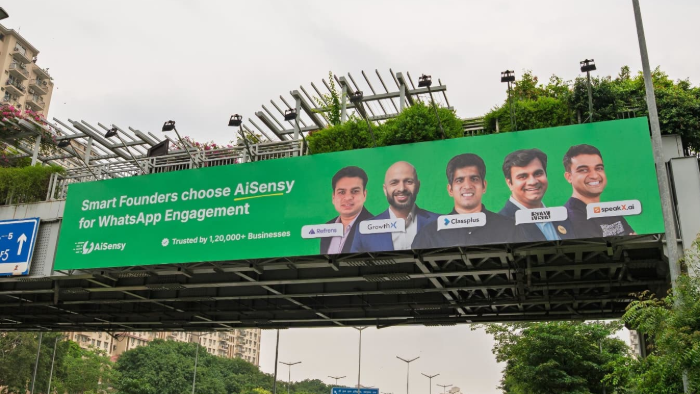
Gurgaon is a major corporate hub, with over 200,000 professionals working in areas like Cyber City and Golf Course Road. The high daily footfall of office-goers and business visitors makes it a prime spot for brand visibility in Delhi NCR.
These locations are ideal for tech, finance, and premium brands, as outdoor and transit ads effectively reach decision-makers and urban professionals. With corporate activity booming and commercial rents rising steadily, campaigns here enjoy strong recall and engagement.
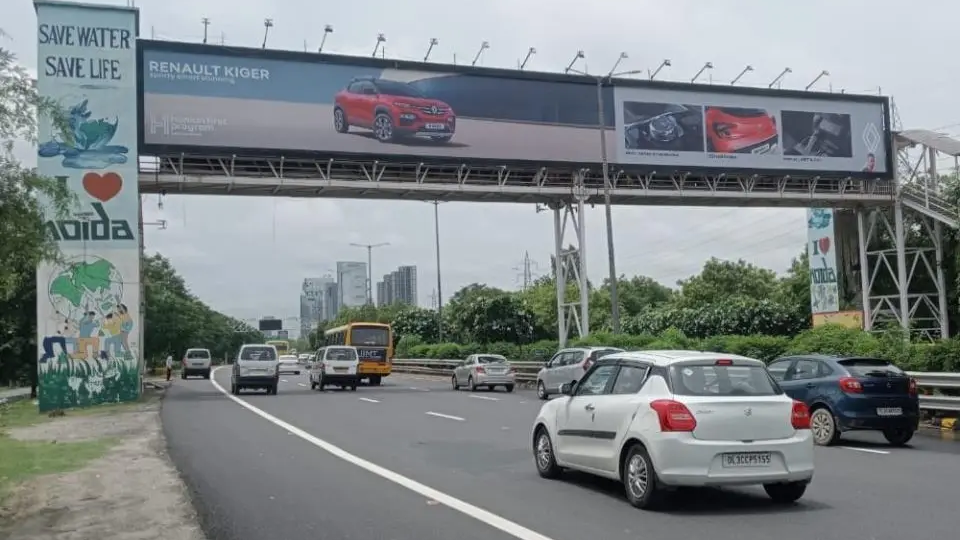
4. Noida (Sector 18 & Expressway)
Noida Sector 18 is a bustling shopping and office hub, attracting over 100,000 visitors daily across malls, markets and corporate offices. The nearby Noida-Greater Noida Expressway sees heavy traffic, making it one of the most effective advertising routes in Delhi NCR.
These areas are ideal for mass and local brands, as outdoor ads here reach a wide, urban audience. With constant commuter and shopper activity, campaigns enjoy high visibility and strong engagement throughout the day.
5. Metro Stations and Metro Routes
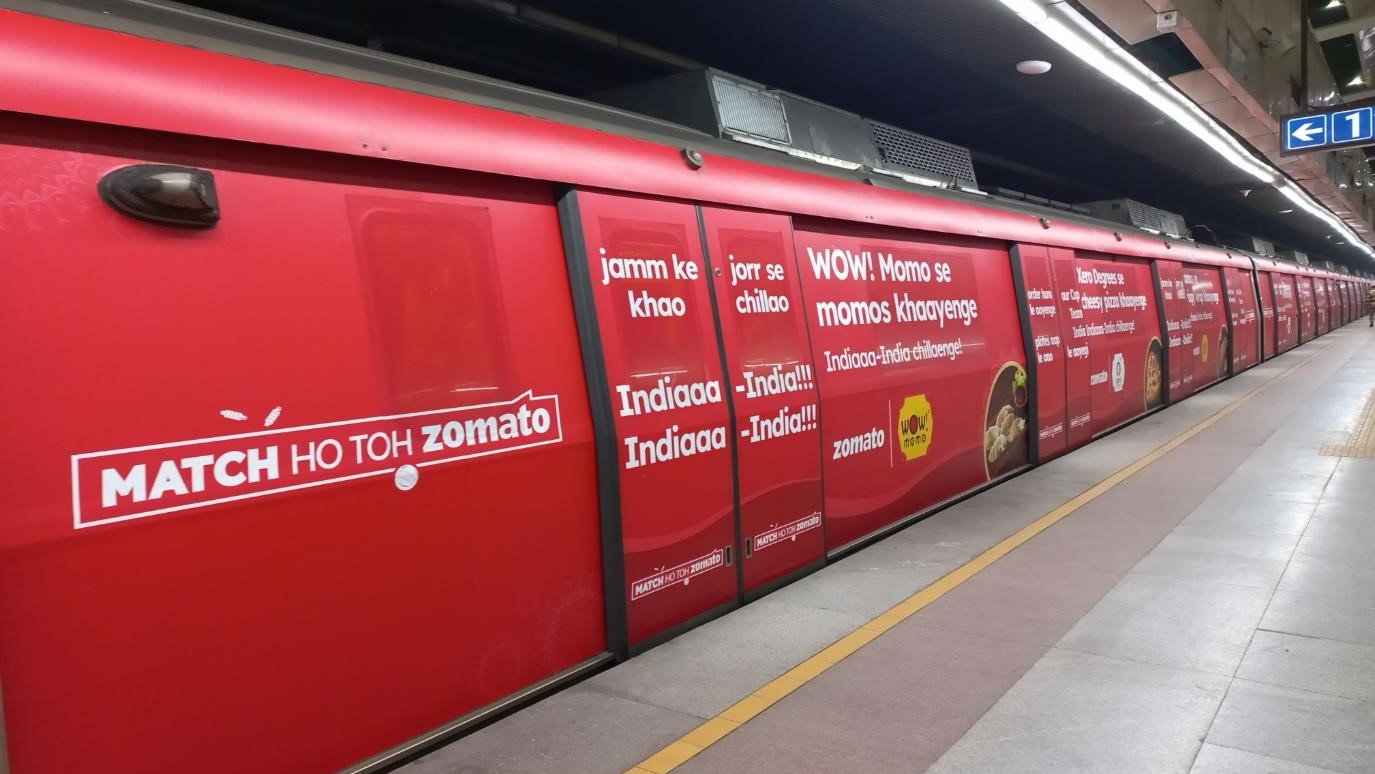
Delhi Metro stations see over 3 million daily commuters, making them some of the busiest spots for advertising in the city. High footfall at stations like Rajiv Chowk, Kashmere Gate and Hauz Khas ensures brands get repeated exposure to a diverse urban audience.
Advertising in metro stations is one of the smartest ways to achieve daily visibility in Delhi NCR. With both static and digital ad formats, campaigns enjoy strong recall and engagement among office-goers, students and tourists alike.
.
6. Major Roads & Flyovers
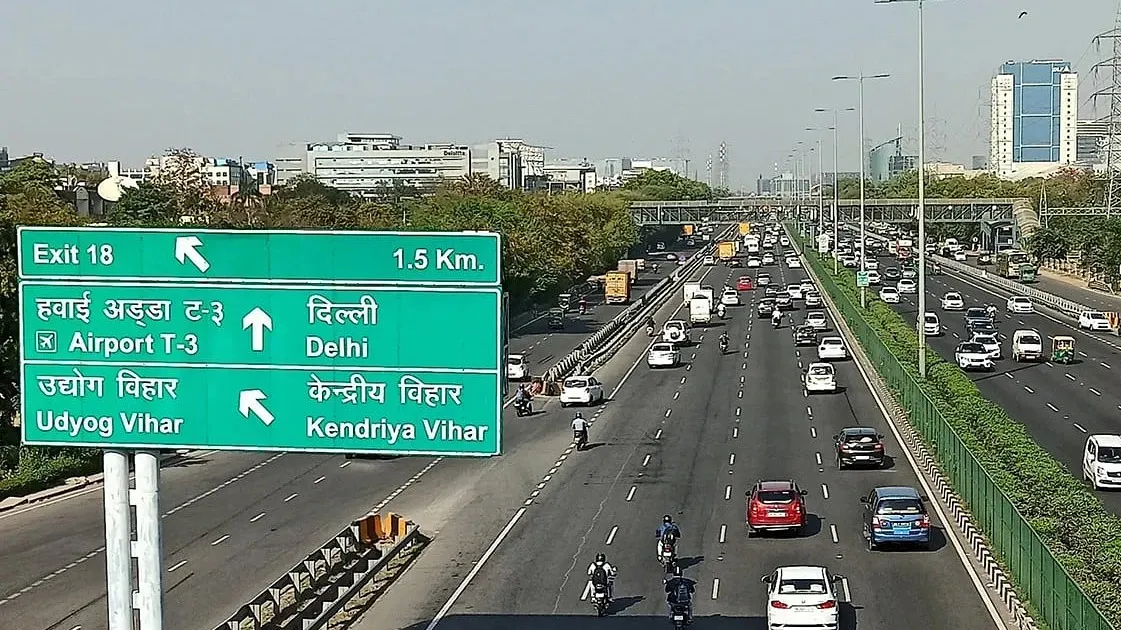
Roads like Ring Road and NH‑48, along with major flyovers, carry lakhs of vehicles every day, making them some of the highest-traffic corridors in Delhi NCR. Hoardings along these routes deliver continuous exposure to commuters during peak and non-peak hours.
Because of the heavy and consistent traffic flow, these corridors are counted among the top advertising spots in Delhi for mass reach, helping brands achieve strong visibility and fast awareness across a wide urban audience.
7. Residential Areas & Housing Societies
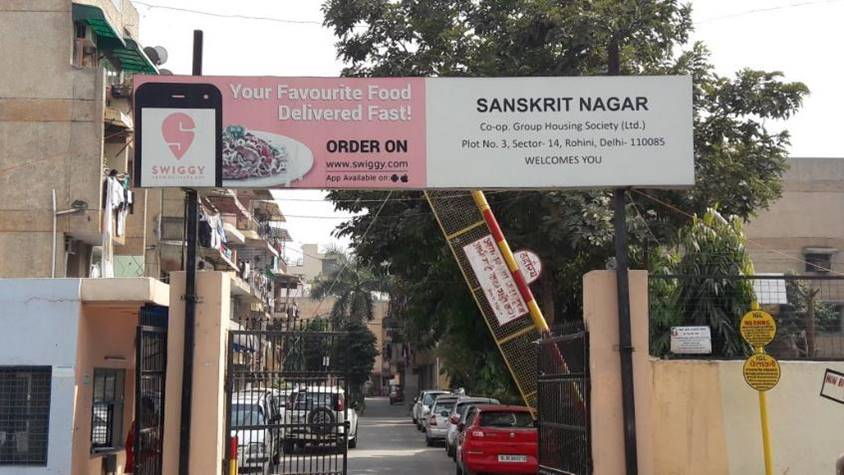
Advertising near residential areas helps brands stay close to daily consumers. Society gates, walls and nearby roads offer good local visibility.
These are effective advertising options in Delhi NCR for FMCG and service brands.
8. Markets & Shopping Streets
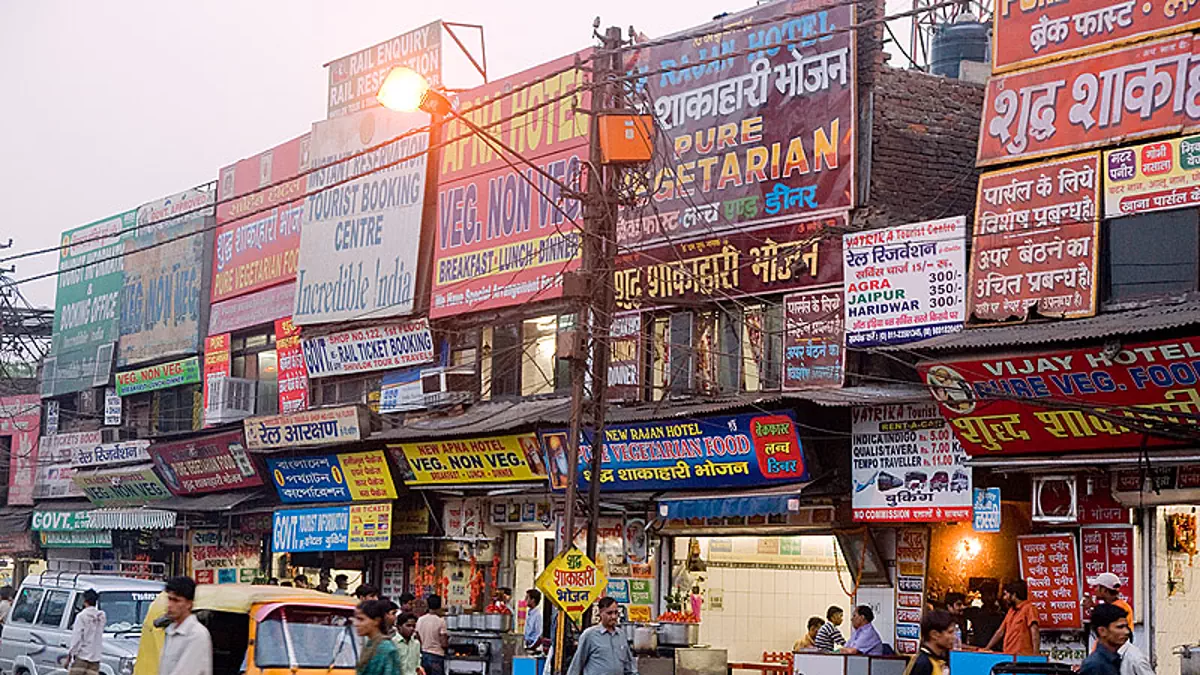
Lajpat Nagar, Karol Bagh and Chandni Chowk are among Delhi’s busiest retail zones, attracting thousands of shoppers and visitors every day due to dense markets, street shopping and strong public transport connectivity.
Advertising in these locations supports local sales and quick brand recall, making them some of the best places to advertise in Delhi for retail-focused brands that want fast visibility and high walk-in driven impact.
9. Bus Shelters & Bus Routes
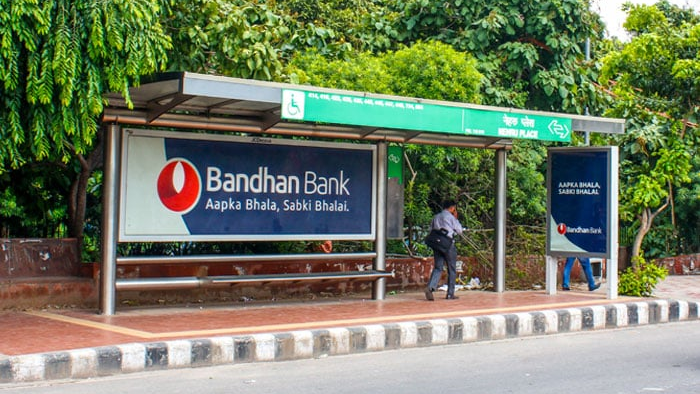
Bus shelters provide longer viewing time as people wait. They are cost effective and visible.
This is a practical choice for effective advertising in Delhi.
10. Malls & Commercial Complexes
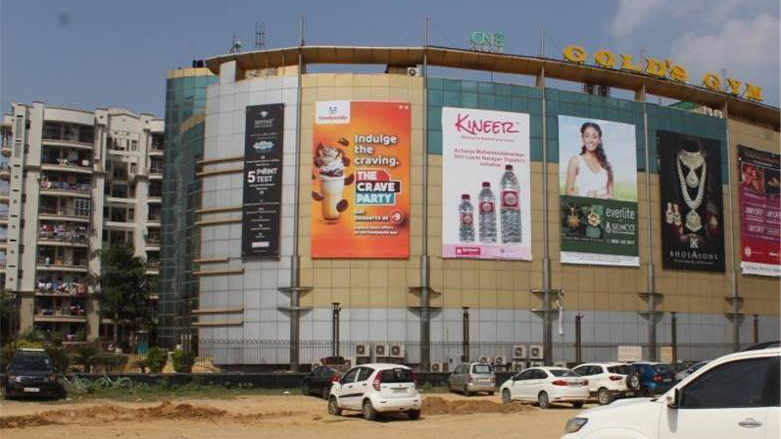
Malls attract families and urban shoppers. Advertising inside and outside malls gives premium brand visibility.
They are strong advertising options in Delhi NCR for new product promotions.
Advantages of Advertising in Delhi NCR
- High audience reach
- Multiple advertising formats
- Strong brand recall
Disadvantages of Advertising in Delhi NCR
- High cost in premium areas
- Permission complexity
- Heavy competition
Choosing the right places to advertise in Delhi NCR is key to successful outdoor advertising. Different brands perform best in different locations, depending on their goals. The best results come from matching the location with the target audience.
With the right planning, advertising options in Delhi NCR can deliver strong visibility, trust and long-term brand value.
Why Ginger Media Group is Perfect for Advertising in Delhi NCR
Advertising in Delhi NCR goes beyond choosing popular locations. It demands the right placement, correct permissions and strong on ground execution.
Ginger Media Group understands the region at a local level across markets, metro routes, residential areas, highways and corporate zones.
The focus stays on planning, compliance, and visibility, ensuring every installation delivers the right impact.
This ground level approach delivers effective advertising in Delhi NCR with better control and real impact.
]]>Outdoor advertising is everywhere, from hoardings on highways to colorful banners in city centers. In India, the Out-of-Home (OOH) advertising market crossed ₹5,200 crore in 2024 and is expected to grow even more. Around 81% of adults notice billboards and 40% visit stores after seeing outdoor ads, showing how powerful these campaigns can be.
But with great visibility comes responsibility. Placing ads without the right permissions can lead to fines, ad removal or campaign delays in cities like Delhi, thousands of illegal hoardings have been taken down in enforcement drives. That’s why understanding the 8 essential permissions for outdoor advertising in India is key to running campaigns that are both effective and compliant.
1. Municipal Corporation Permission
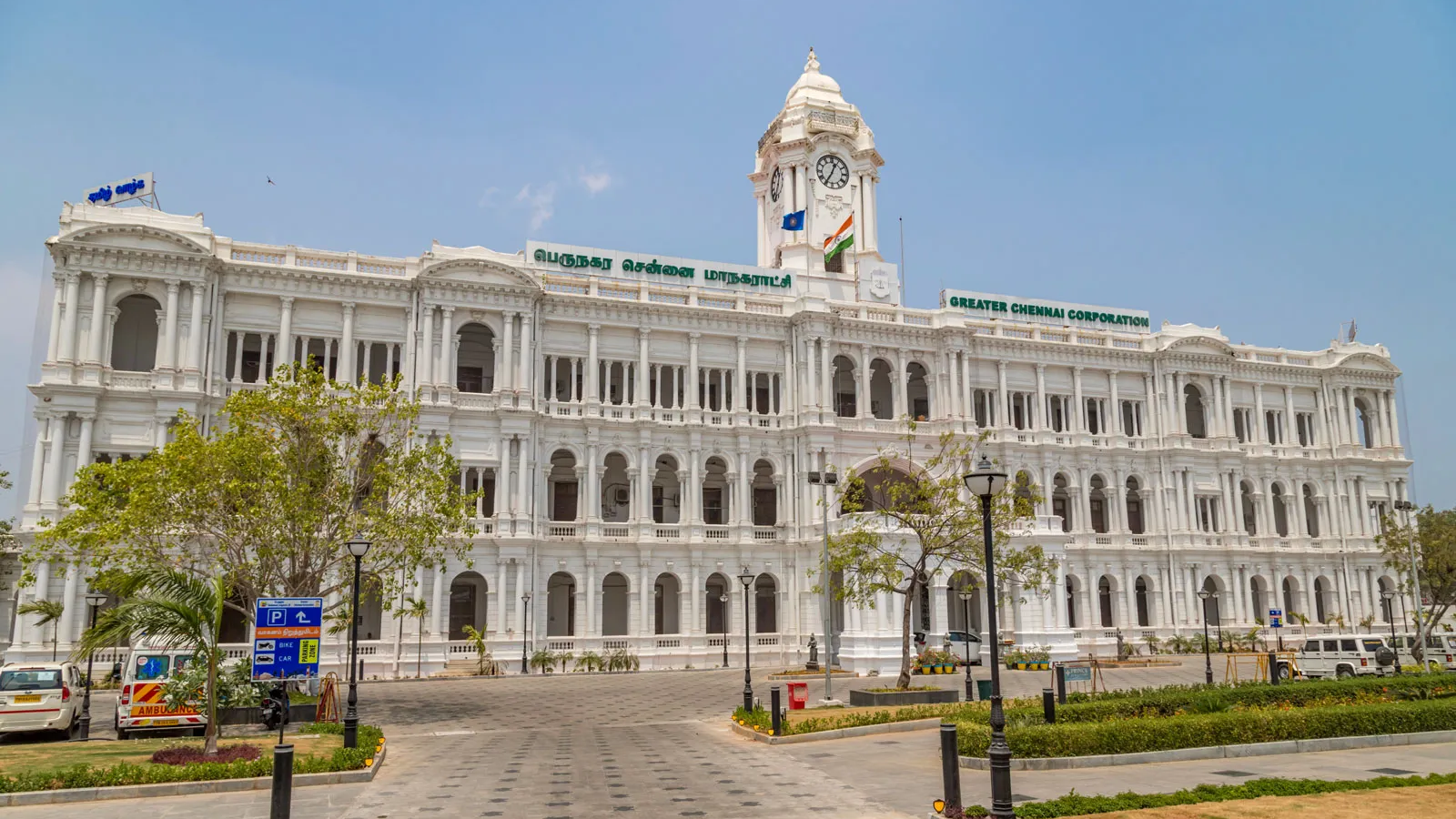
The first permission required is from the local municipal corporation. Any outdoor advertising placed on roads, footpaths, walls or public land needs approval from the municipal body.
This permission ensures that the advertisement does not damage public property or break city rules. It is one of the most basic permissions required for outdoor advertising.
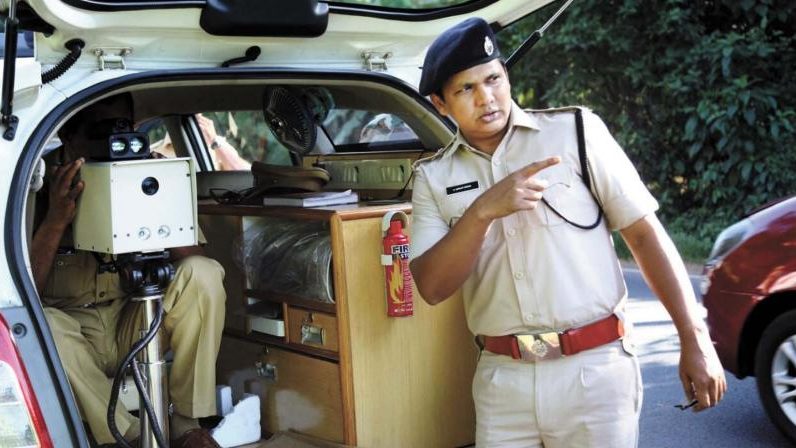
2. Traffic Police Permission
If you’re planning to put up an ad near roads, junctions or traffic signals, you’ll need permission from the traffic police. This isn’t just bureaucracy, it’s to make sure your ad doesn’t distract drivers, block their view or create safety risks. Even a well-designed hoarding can become a hazard if placed incorrectly.
In fact, traffic police approvals are one of the most common permissions required for outdoor ads in busy cities. Skipping this step can lead to fines or even getting your ad taken down, so it’s always better to get the green light before your campaign goes live.
3. Property Owner Permission
When outdoor advertising is placed on private property like a building wall, shop front or private land, permission from the property owner is required.
Even if all other approvals are taken, without the owners permission, the ad can be removed. This is an important required outdoor advertising permission.

4. Police Department Permission
In some cases, police department permission is required. This usually applies to large hoardings, night time installations or ads placed in sensitive areas.
This permission helps maintain public order and safety during installation.

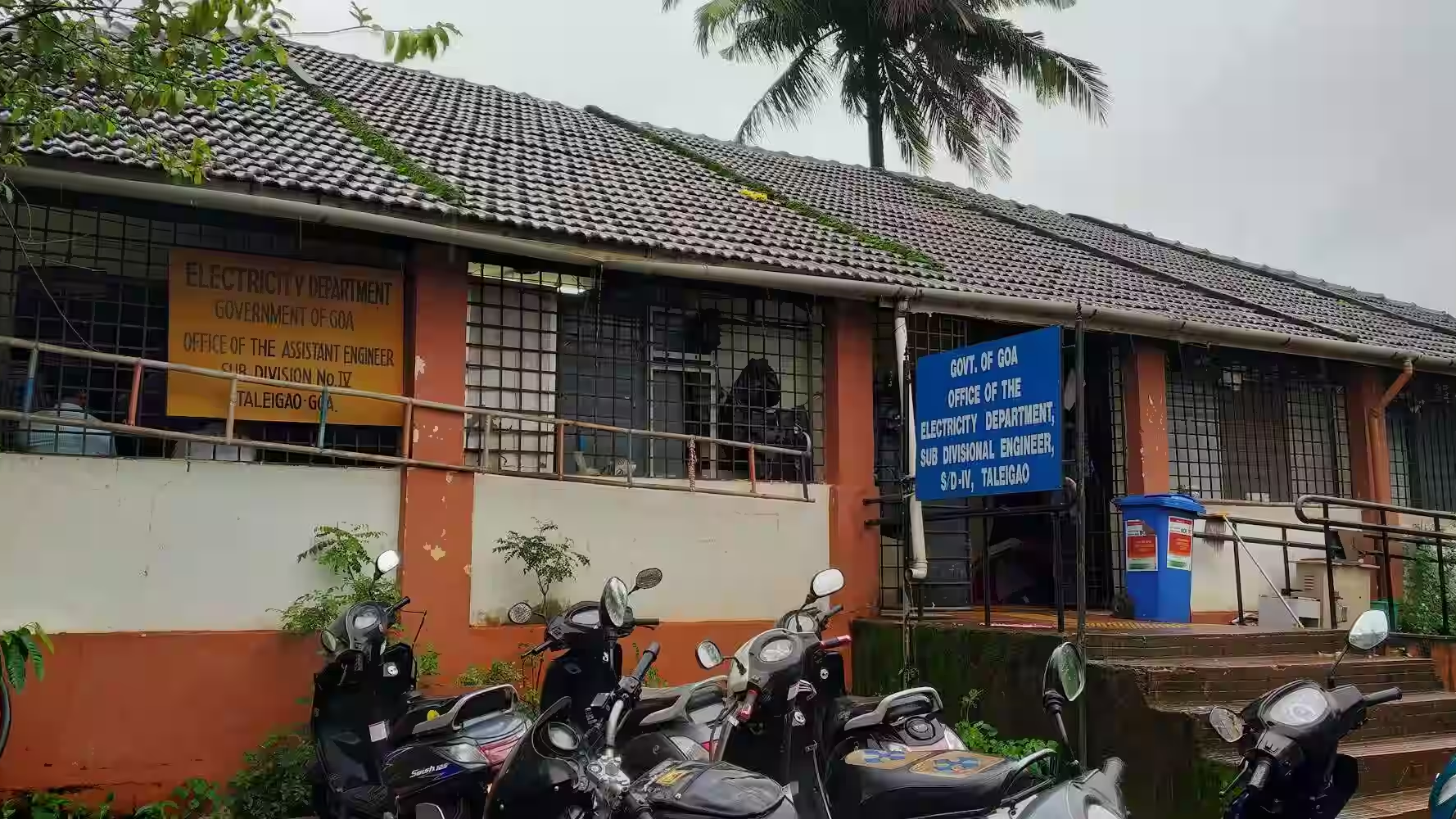
5. Electricity Department Permission
If the outdoor advertisement uses lighting, LED screens or electric connections, approval from the electricity department is needed.
This permission ensures safe use of power and avoids illegal or unsafe connections. It is an important permission required for outdoor advertising in India.
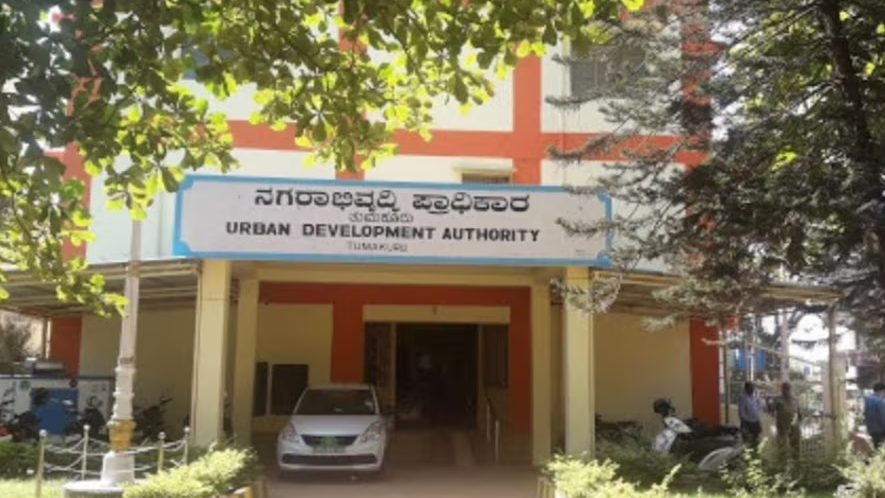
6. Urban Development Authority Permission
In planned cities or specific zones, permission from the urban development authority is required. This ensures that the advertisement follows city planning rules. This permission is usually needed in metro cities and special development zones.
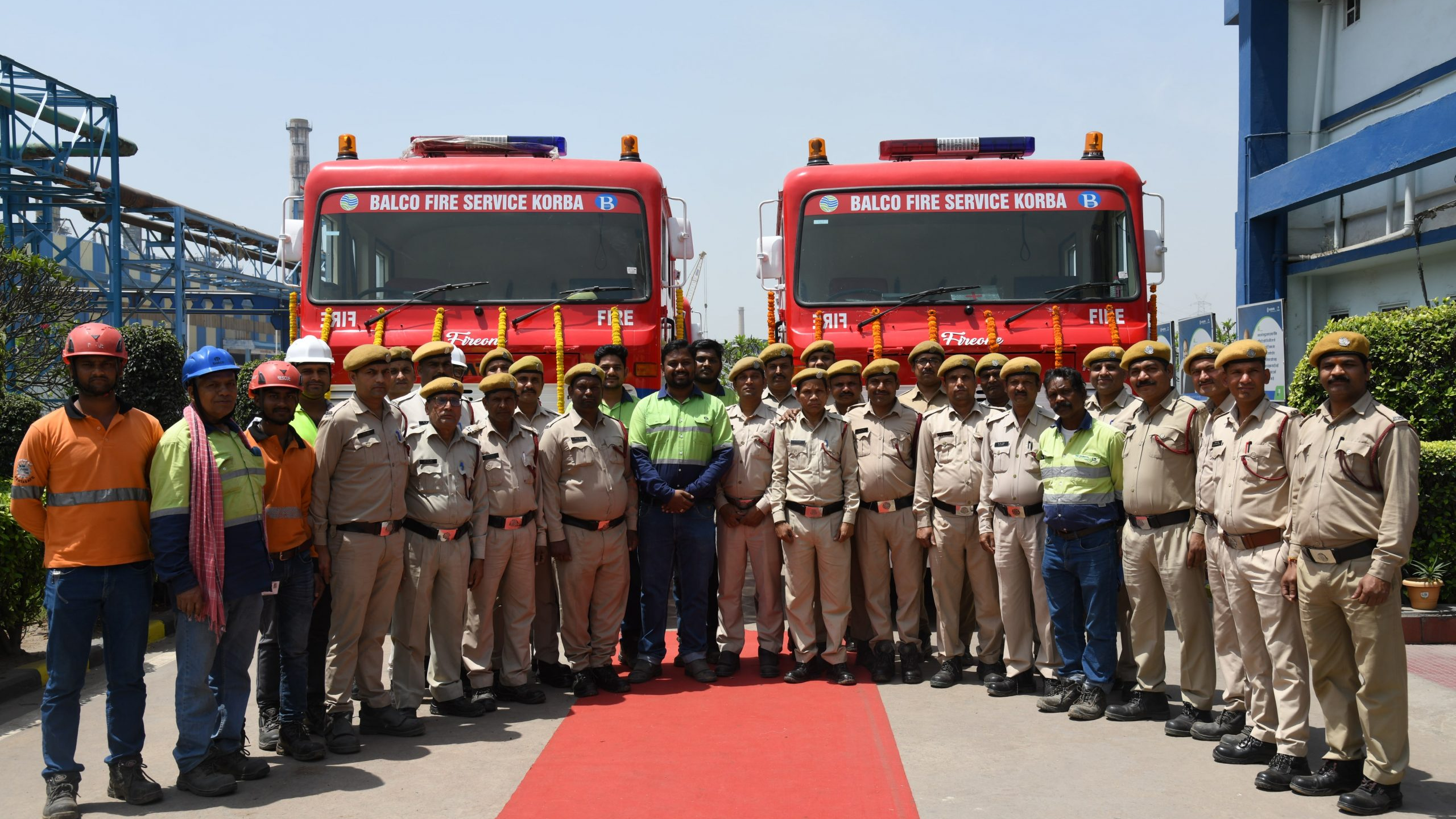
7. Fire Safety Permission
If your campaign involves large hoardings or illuminated boards, you’ll need fire safety clearance. This isn’t just a formality, it ensures that the structure is safe and doesn’t pose any fire hazards to the public. A flashy board is great for attention, but safety always comes first.
Fire safety approval is crucial for protecting people in crowded areas. Without it, your ad could be pulled down, or worse, create dangerous situations, so getting this clearance before installation is always a must.
8. Advertisement Tax and License
Most municipal corporations require brands to pay advertisement tax. After payment, a license is issued.
Without paying the tax and getting the license, outdoor advertising is considered illegal. This is a mandatory permission required for outdoor advertising.

Why Permissions Are Important
Taking the right permissions helps brands avoid:
- Legal problems
- Campaign delays
- Extra costs
- Ad removals
Permissions also help ensure safety, order and proper use of public spaces.
Advantages of Taking Permissions for Outdoor Advertising
- Legal and safe execution
- Avoids penalties and ad removal
- Smooth campaign execution
Disadvantages of Taking Permissions for Outdoor Advertising
- Time consuming process
- Additional costs
- Complex coordination
Understanding the permissions required for outdoor advertising in India is very important before starting any campaign. Each permission plays a role in making outdoor advertising legal and safe.
Outdoor advertising is effective when it is planned properly and executed with the right approvals.
Why Ginger Media Group Understands Outdoor Advertising Permissions
Ginger Media Group doesn’t just handle outdoor advertising, we understand the real challenges that happen on the ground. From navigating complex permissions to ensuring safety and visibility, we know that every detail matters. Permissions aren’t just paperwork; they’re what keep your campaign running smoothly without fines or delays.
That’s why we plan every campaign with rules, timelines and flawless execution in mind. Our approach ensures your hoardings, banners and displays reach the right audience safely and effectively, giving your brand maximum impact while keeping compliance and public safety a top priority.
]]>In India’s fast-moving Tier 1 cities like Mumbai, Bengaluru and Delhi, urban audiences are bombarded with thousands of brand messages every day, studies show people encounter over 5,000 outdoor ads each month and 40% take action after seeing one during their daily commute. This constant exposure makes brand visibility a strategic must-have, not just an option. When brands appear consistently in the right places, they move from being noticed to being trusted and remembered.
Despite digital channels dominating ad spend, India’s out-of-home (OOH) advertising market is growing at about 5.8% annually, outpacing global averages, driven by expanding metro networks, high footfall zones and transit hubs. In urban markets, 82% of OOH campaigns reach city audiences, proving that visibility in real-world environments significantly boosts recall and influences purchase behaviour. In cities that never stop, winning attention requires being seen, often and everywhere.
Why Brand Visibility Matters in Tier 1 Cities?
In Tier 1 cities, people encounter hundreds of brand messages daily. Research shows ads in real‑world spaces like billboards and transit stops are remembered up to 70% more than online ads. When brands appear at the right time and place, they don’t just get noticed, they connect.
Strong visibility means showing up consistently during daily routines like commuting, shopping or relaxing. Repeated exposure builds familiarity, trust and recall, making consumers more likely to choose brands they’ve seen before. In busy urban life, being part of everyday experiences turns visibility into preference.
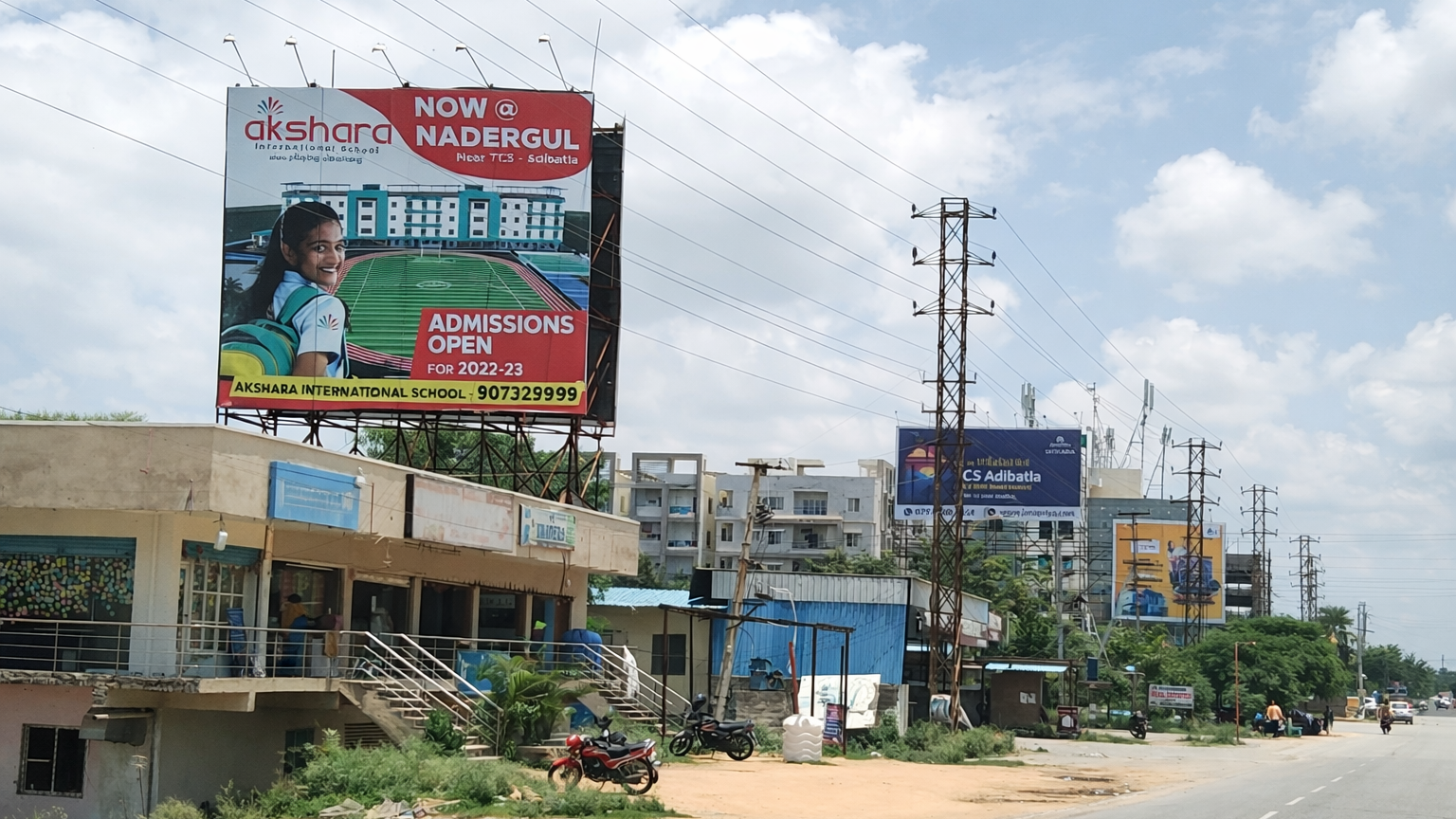
1. Billboards and Hoardings
Billboards and hoardings remain the backbone of outdoor advertising. In Tier 1 cities, they can be seen over 1,000 times a day, and viewers are 62% more likely to recall a brand after seeing one. With 50% of India’s outdoor ad market made up of hoardings, repeated exposure on busy roads, flyovers and junctions builds familiarity and ensures quick brand recognition.
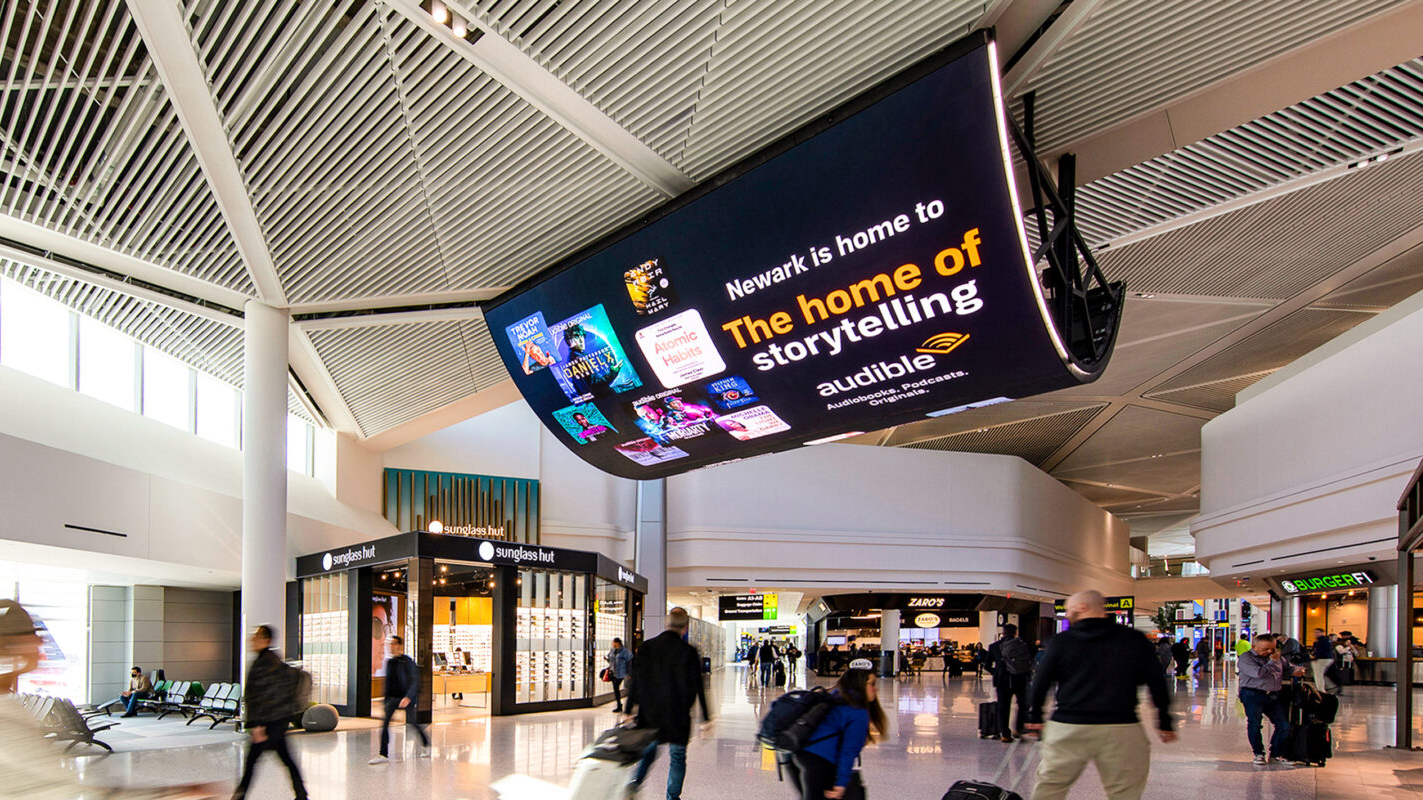
2. Airport Advertising
Airports are prime spots where people naturally take notice while waiting for flights. With travelers spending 2–3 hours on average at airports, ads get more eyes and up to 80% higher recall than regular outdoor ads.
For brands, this means reaching business travelers and frequent flyers in a concentrated, attentive audience. In Tier 1 cities, airport advertising is one of the most trusted ways to build visibility, recognition and lasting brand recall.
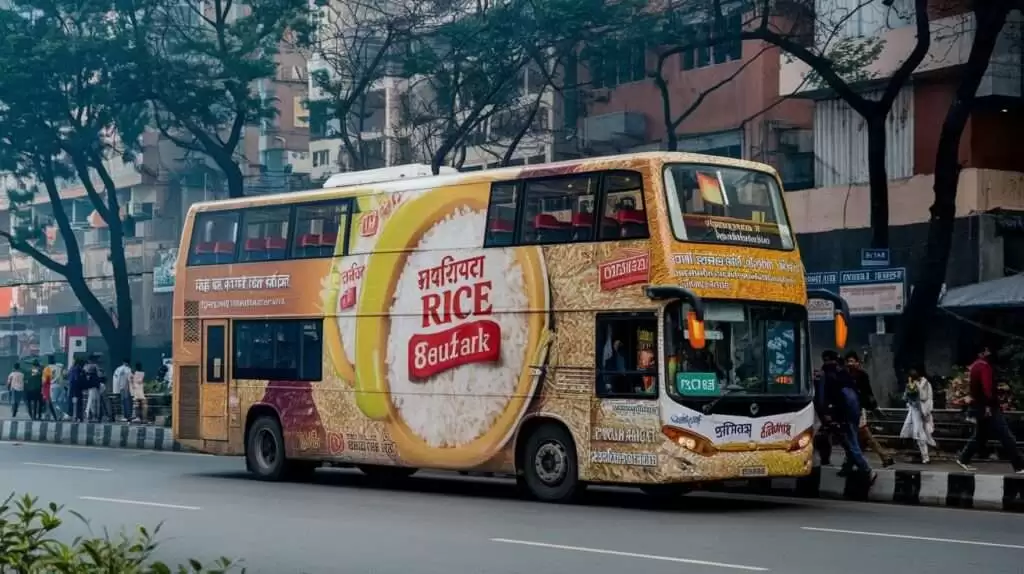
3. Transit Advertising
Transit advertising literally moves with the city. Buses, autos, cabs and metro trains travel through residential neighborhoods, commercial hubs and business districts every day, putting brands in front of thousands of eyes on the go. Studies show that well‑placed transit ads can increase brand recall by up to 70% among urban commuters.
This constant movement means brands are seen repeatedly across multiple city zones, reaching a wide and diverse audience. For Tier 1 cities, transit advertising is a cost-effective way to stay top-of-mind, ensuring visibility wherever people live, work and travel.
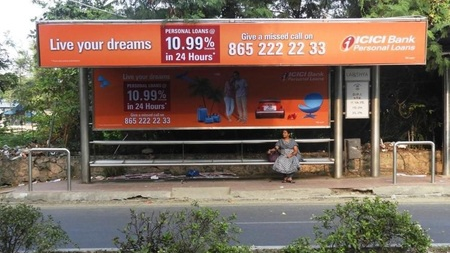
4. Bus Shelter Advertising
Bus shelters act as calm pause points in the hustle of Tier 1 cities. People waiting for buses naturally notice their surroundings, giving brands a moment of focused attention. Studies show that ads at bus shelters have up to 65% higher recall than standard outdoor placements.
This brief but meaningful engagement makes bus shelter advertising a steady and effective way to stay visible in high footfall areas. For urban brands, it ensures repeated exposure during daily commutes, helping build familiarity and trust among city audiences.
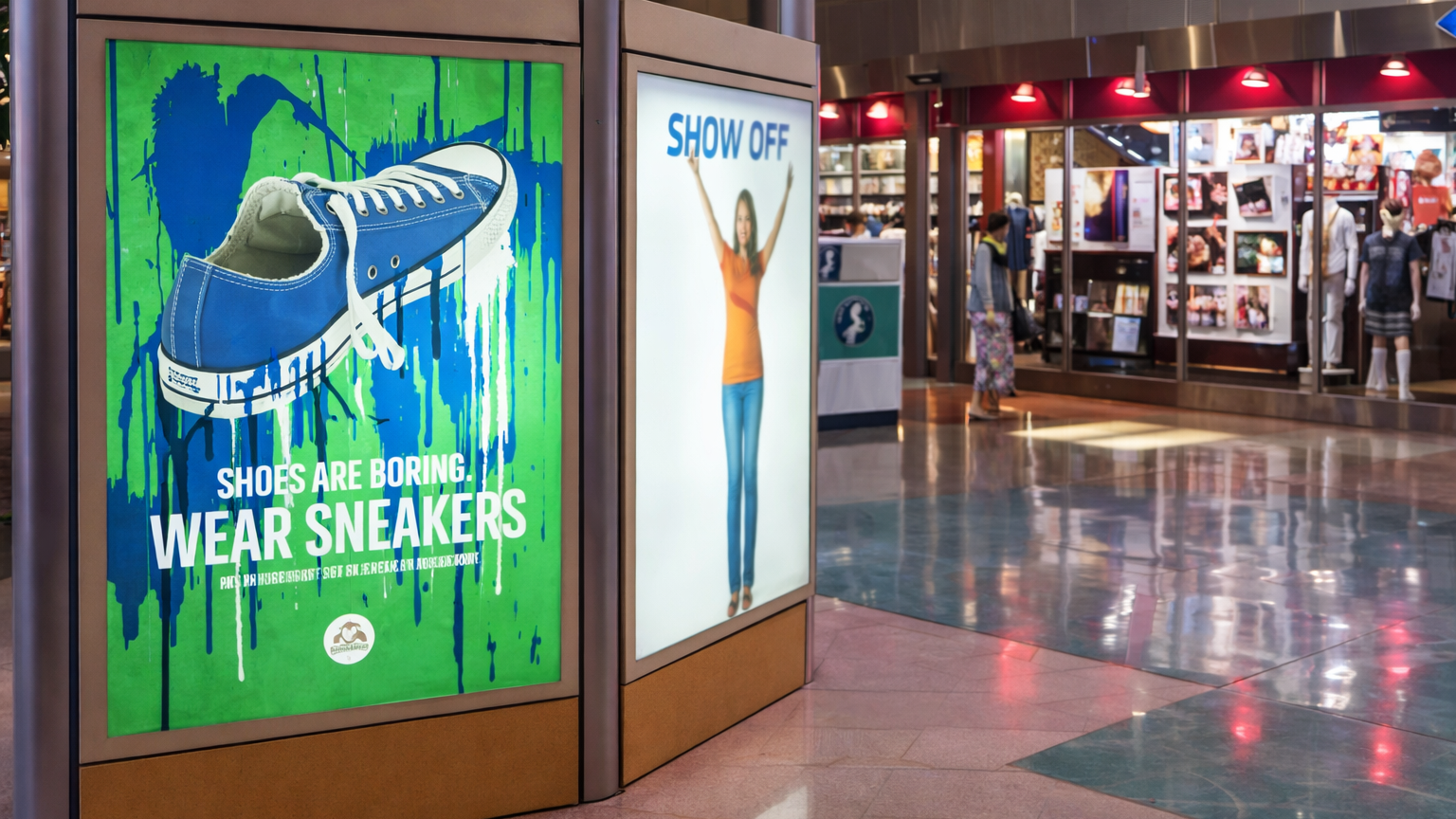
5. Mall Advertising
Malls are vibrant social hubs where people shop, eat, and hang out with friends and family. With visitors spending an average of 2–3 hours per visit, ads in these spaces enjoy extended exposure and higher attention.
Mall advertising lets brands reach audiences in a relaxed, receptive mindset, increasing the chance of positive brand recall and association. In Tier 1 cities, this makes malls an effective space for visibility, engagement and building lasting connections with consumers.
6. Metro Station Branding
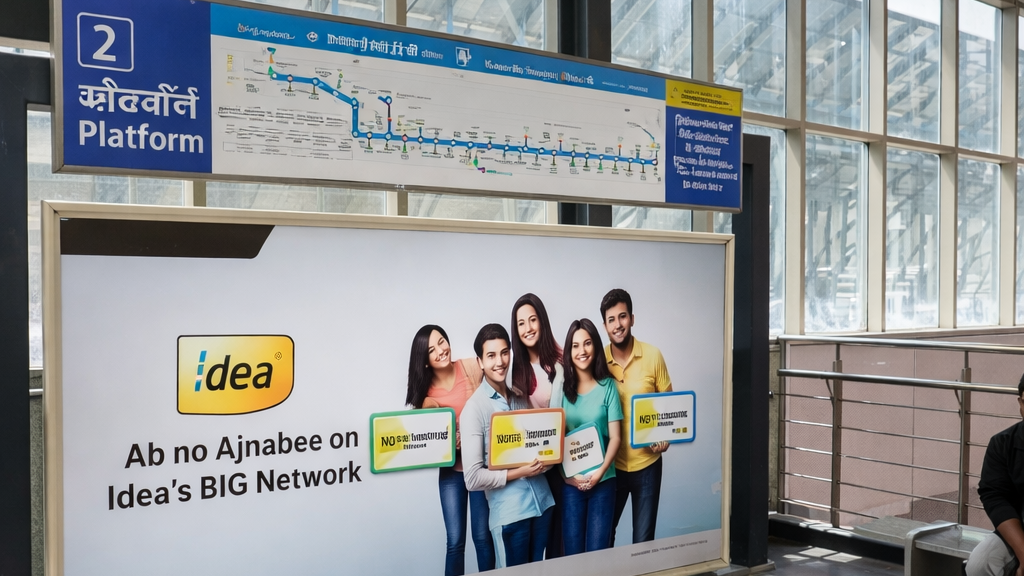
Metro stations are part of the daily routines for thousands of commuters. Entry gates, platforms, stairways and walkways offer multiple touchpoints for advertising.
People pass through these stations daily and metro branding helps brands become familiar faces in everyday life.
7. High Street Retail Branding
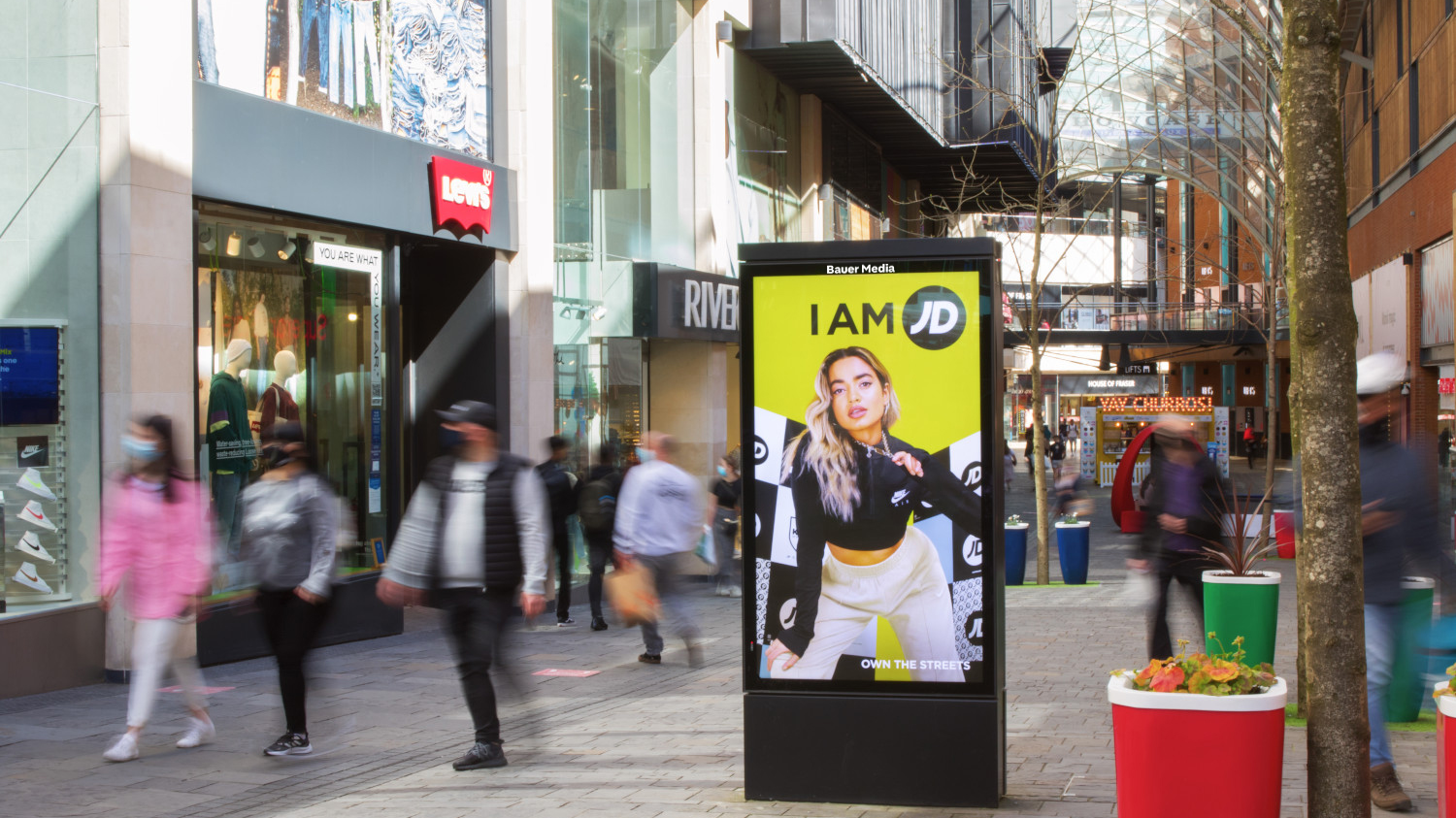
High street areas are busy shopping streets filled with stores, cafes, and showrooms. People regularly walk through these areas with a buying mindset.
Advertising here keeps brands close to the point of purchase, making high street retail branding a practical brand visibility solution in Tier 1 cities.
8. Corporate Park Advertising
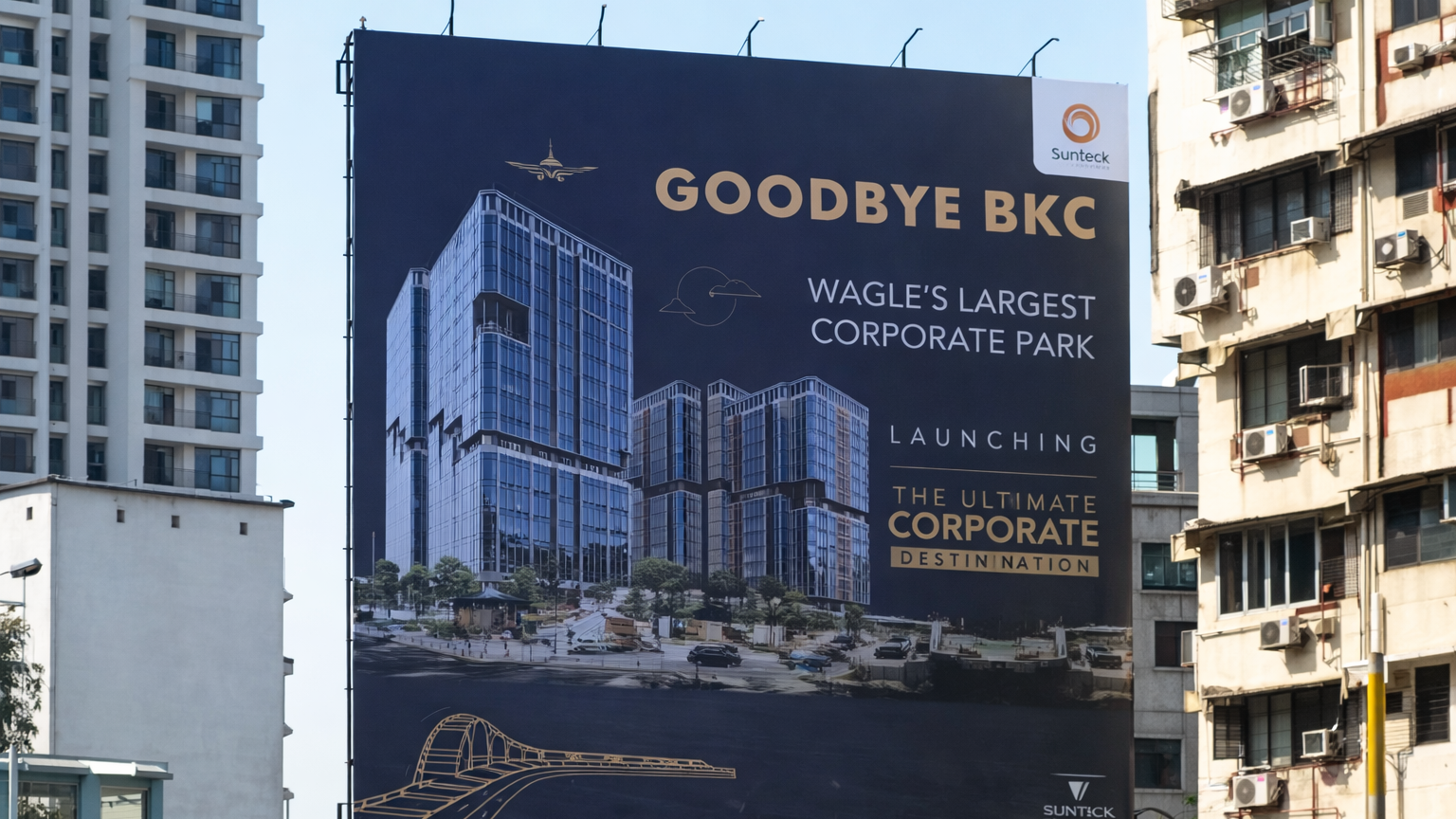
Corporate parks are busy work hubs where professionals spend most of their weekdays. With employees averaging 8–9 hours daily on campus, ads placed in these zones get repeated exposure to a concentrated, attentive audience.
This makes corporate park advertising ideal for brands aiming to reach working professionals consistently and subtly. In Tier 1 cities, it ensures visibility during daily routines, helping brands stay top-of-mind without being intrusive.
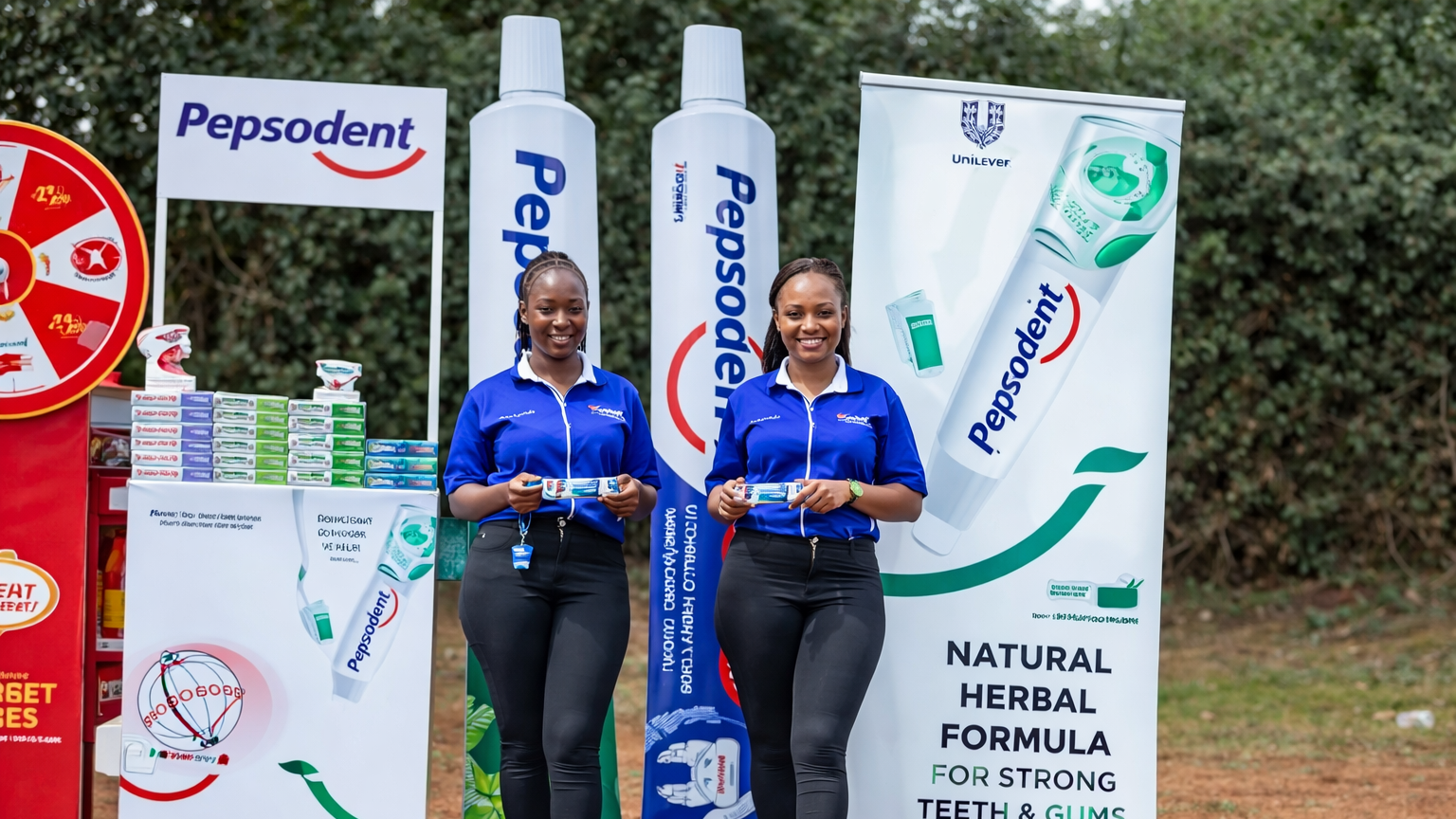
9. On Ground Activations
On ground activations bring brands directly to people. Whether it is sampling, demos or interactive setups, these activities create real connections.
In busy city areas, on ground activations help brands stand out by offering experiences instead of just visuals.
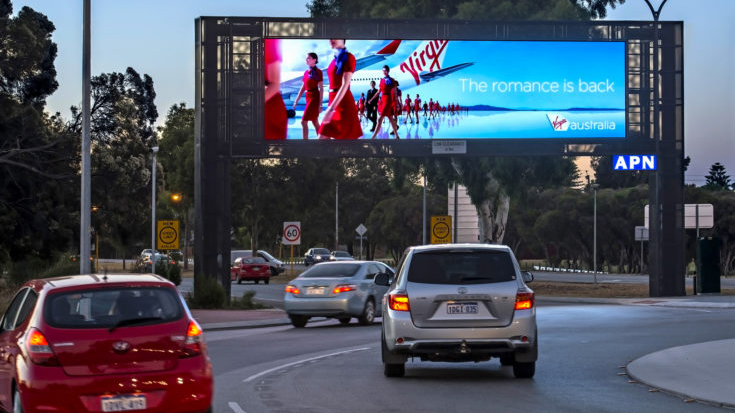
10. Digital Outdoor Screen Advertising
Digital outdoor screens add motion and flexibility to brand communication. Brands update creatives quickly and display engaging content.
In crowded urban spaces, digital screens naturally attract attention, making them a modern and effective brand visibility solution.
How to Choose the Right Brand Visibility Solutions
The best results come from understanding where people spend their time. Instead of choosing random locations, brands should focus on daily movement patterns and lifestyle habits.
Using a mix of brand visibility solutions across transit, retail, and public spaces helps brands stay visible throughout the day and across different environments.
Benefits of Strong Brand Visibility
• Builds familiarity and trust
• Improves brand recall
• Reaches audiences during real life moments
• Supports long term brand growth
• Strengthens presence in competitive cities
Tier 1 cities offer endless opportunities for brands, and visibility is planned thoughtfully. By using the right brand visibility solutions, brands naturally blend into the daily lives of urban audiences.
From billboards to digital outdoor screens, the top 10 brand visibility solutions in Tier 1 cities help brands stay relevant, recognizable, and remembered. With consistent presence and smart placement, visibility turns into trust and trust turns into growth.
Why Choose Ginger Media Group for Affordable Offline Marketing
Ginger Media helps startups execute affordable offline marketing campaigns with clarity, transparency and measurable impact. With strong expertise across outdoor, transit, print and on ground activations, Ginger Media focuses on cost effective solutions that deliver real visibility without unnecessary spending. From planning and execution to monitoring and reporting, the team ensures startups get the best value from every offline campaign. By combining strategic media selection with on ground execution strength, Ginger Media enables brands to scale offline marketing efficiently and confidently.
]]>Outdoor advertising for FMCG brands plays a vital role in keeping products visible in consumers’ everyday lives. FMCG items are bought frequently and often on impulse, so brands must stay familiar and top of mind. By placing messages along roads, transit routes, shopping areas and near retail zones, outdoor media ensures repeated exposure in real-world environments where purchase decisions are made.
Research shows that out-of-home advertising can boost brand awareness by up to 47% and that 82% of consumers recall an outdoor ad seen in the past month. These high recall rates, combined with constant visibility near points of purchase, make outdoor advertising a powerful tool for fast-moving consumer goods.
Why Outdoor Advertising Works for FMCG Brands
FMCG purchase decisions are quick and instinctive, shoppers choose brands they recognise. Outdoor advertising builds this familiarity through repeated real-world exposure that isn’t ignored or skipped like digital ads. Unlike online ads that can be closed, OOH messages remain in the physical world, seen on daily commutes, while running errands or near stores.
Stats show outdoor ads can increase ad recall by more than 50% and influence nearly half of consumers to take action after seeing them. Because of this consistent visibility, outdoor advertising drives consumer comfort with a brand and increases the likelihood of choosing it at the shelf turning awareness into real purchase behaviour.
10 Best Outdoor Advertising Options for FMCG Brands
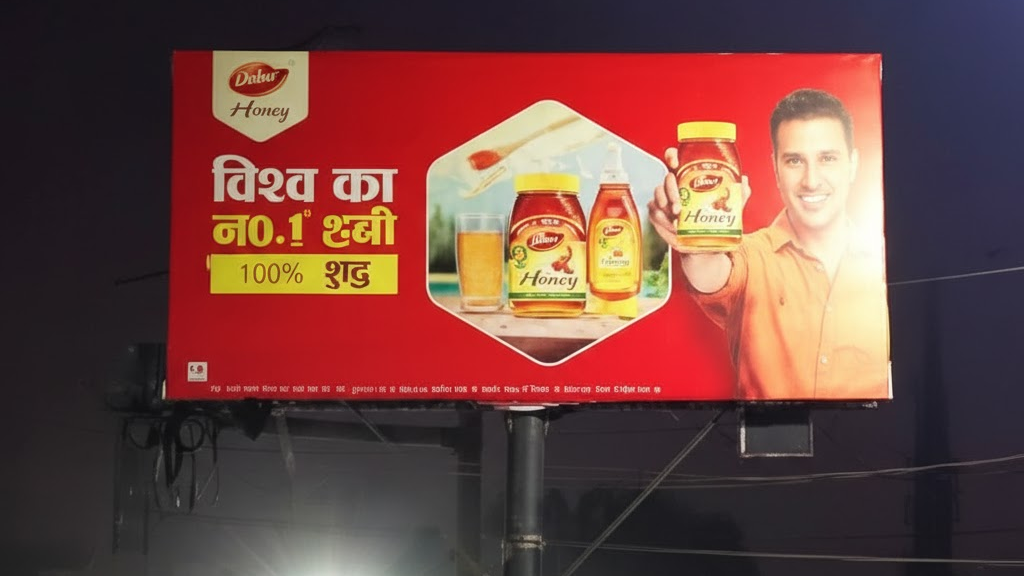
1. Billboards and Hoardings
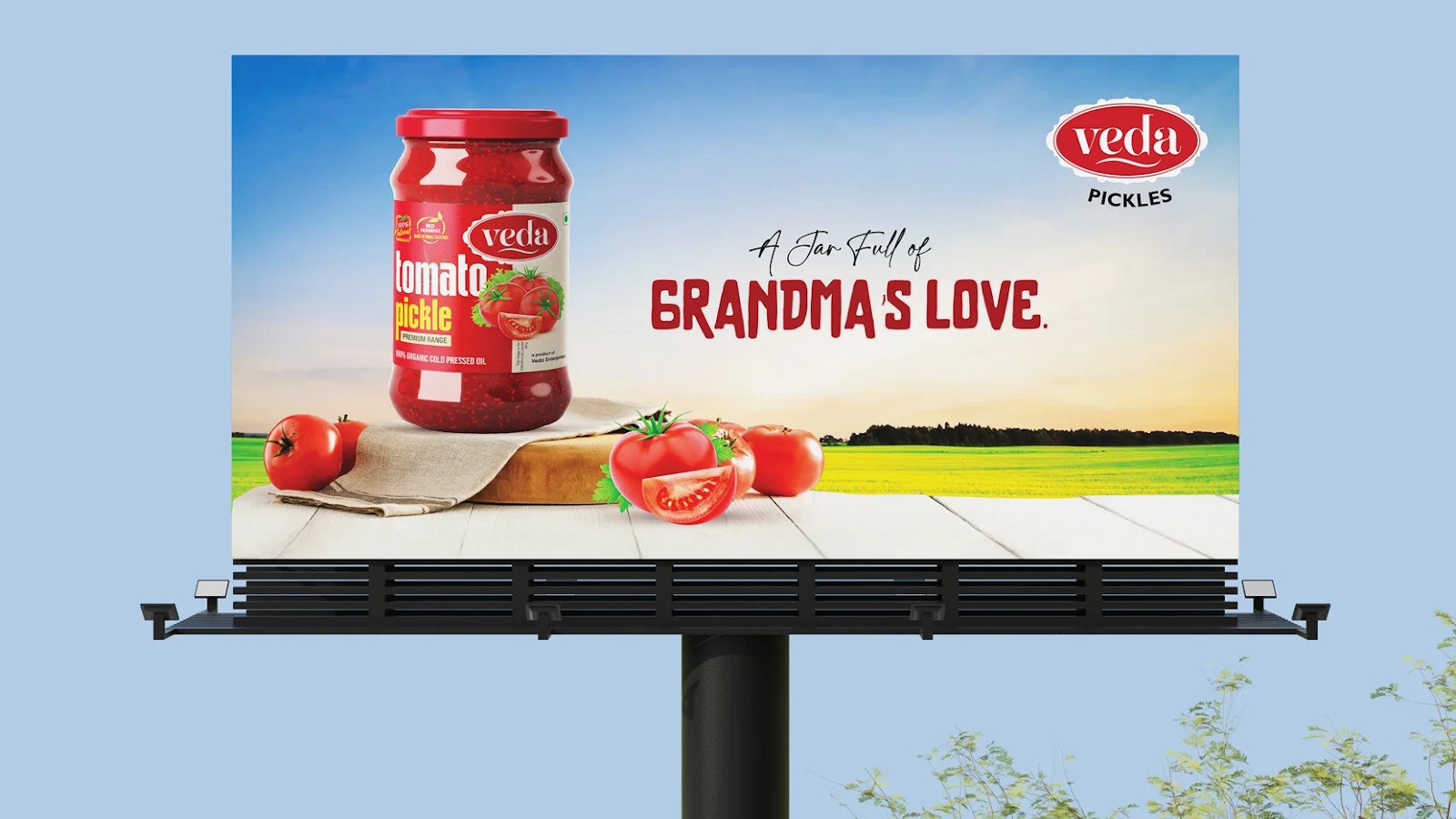
Billboards are the first thing people think of when talking about outdoor advertising and for good reason. They offer massive visibility and uninterrupted exposure all day.
For FMCG brands, billboards are most effective when the message is kept clear, focused and easy to absorb at a glance. A clear product visual, strong colours and a simple message are enough. People glance, recognise and move on. Placed near residential areas, markets, highways or busy junctions, billboards help FMCG brands stay visible.
2. Digital Billboards
Digital billboards attract attention because people naturally respond to movement. Studies show digital OOH can deliver up to 30% higher attention than static billboards, making it easier for FMCG brands to stand out in crowded city locations.
One screen can display multiple product variants and time-based offers across the day, and research suggests DOOH recall can reach nearly 70% within 24 hours. This helps shoppers remember the brand and feel more confident choosing it at the shelf.
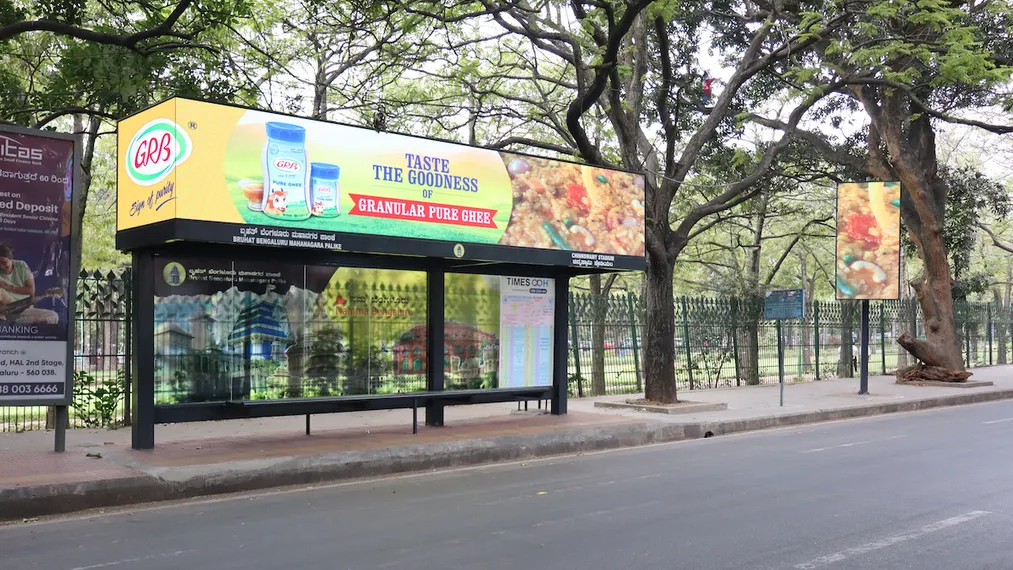
3. Bus Shelter Advertising
Bus shelters work quietly but powerfully because people waiting there are naturally unhurried and observant. On average, commuters spend 5–10 minutes at a bus stop, giving FMCG brands a rare, calm window of attention. Industry studies also show that over 70% of people recall ads seen at transit locations, making bus shelters highly effective for launching new snacks, beverages and everyday household products.
Back-lit panels further strengthen impact, especially after sunset. Research indicates that illuminated formats can improve ad noticeability by around 20–30% in low-light conditions, helping FMCG brands stay visible during evening commutes and post-work shopping hours, right when many purchase decisions are made.
4. Transit Advertising (Buses, Autos, and Cabs)
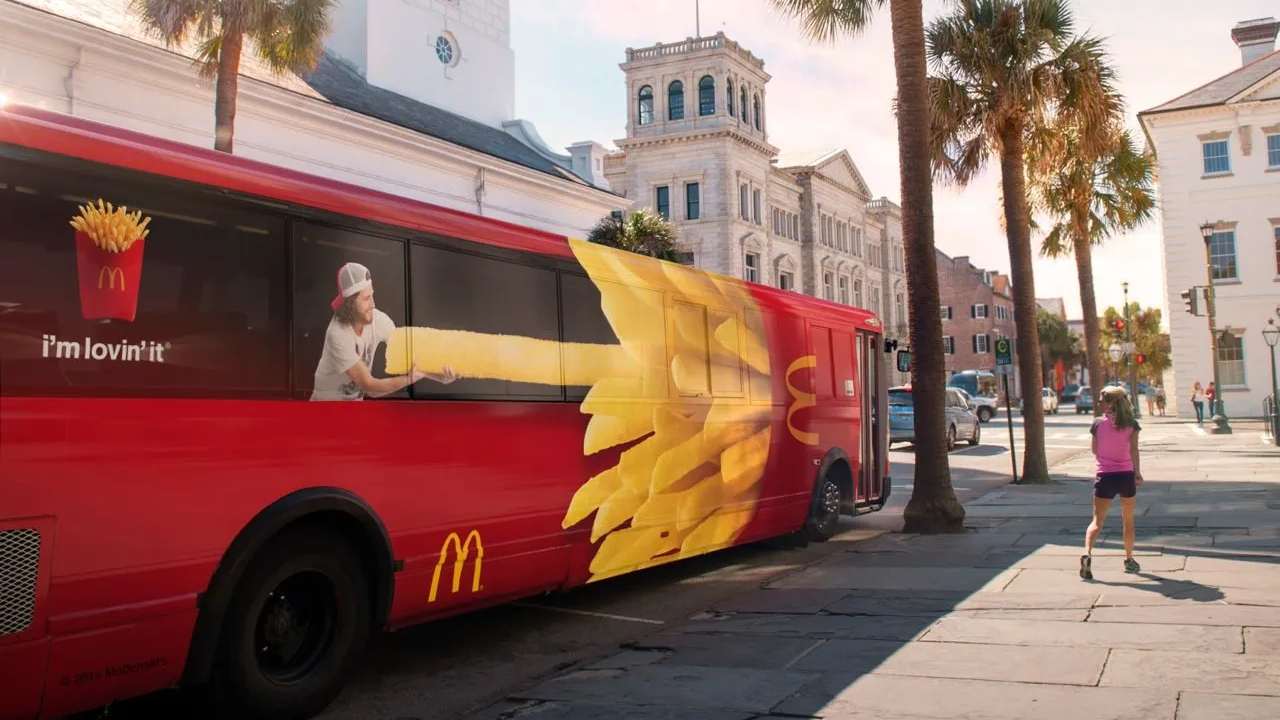
Transit advertising helps brands travel with people, bringing messages into many different neighbourhoods each day. Research shows moving ads on buses, autos and cabs can reach up to 89% of urban commuters weekly, giving FMCG brands broad, diverse visibility beyond fixed screens.
Because the vehicles move through residential areas, office corridors, markets and commercial hubs, a single transit campaign can deliver scale without multiple static installations. This constant movement drives repeated exposure, one of the key drivers of recall and familiarity that makes FMCG brands more likely to be chosen at the shelf.
5. Pole Boards and Street Furniture
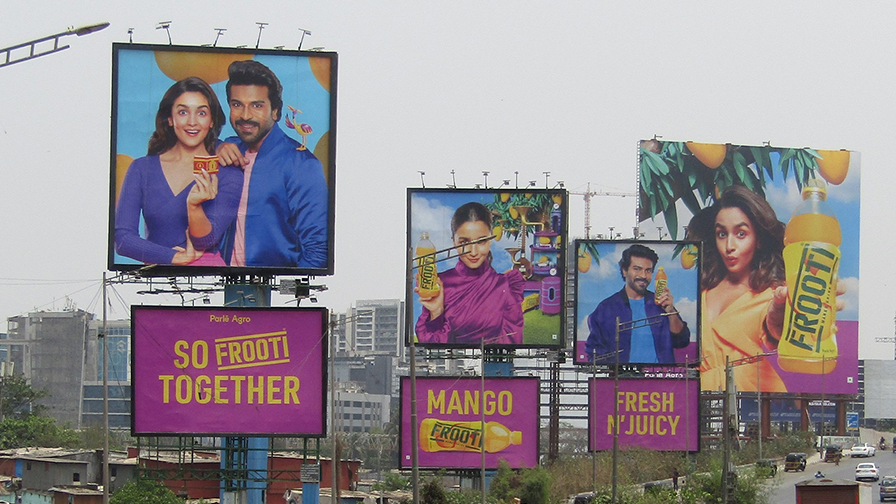
Pole boards may look small, but they are powerful because of frequency and repetition. Studies show that repeated exposure to the same outdoor message can improve brand familiarity by over 40%, which is critical for FMCG brands where quick recognition strongly influences purchase decisions.
When people see the same logo and colours along their daily routes, the brand begins to feel familiar and trustworthy. Research also confirms that simple and consistent creatives are remembered significantly better than detailed messages in short viewing environments, making pole boards most effective when they focus on strong branding rather than heavy copy.
6. Standee Advertising Near Retail Stores
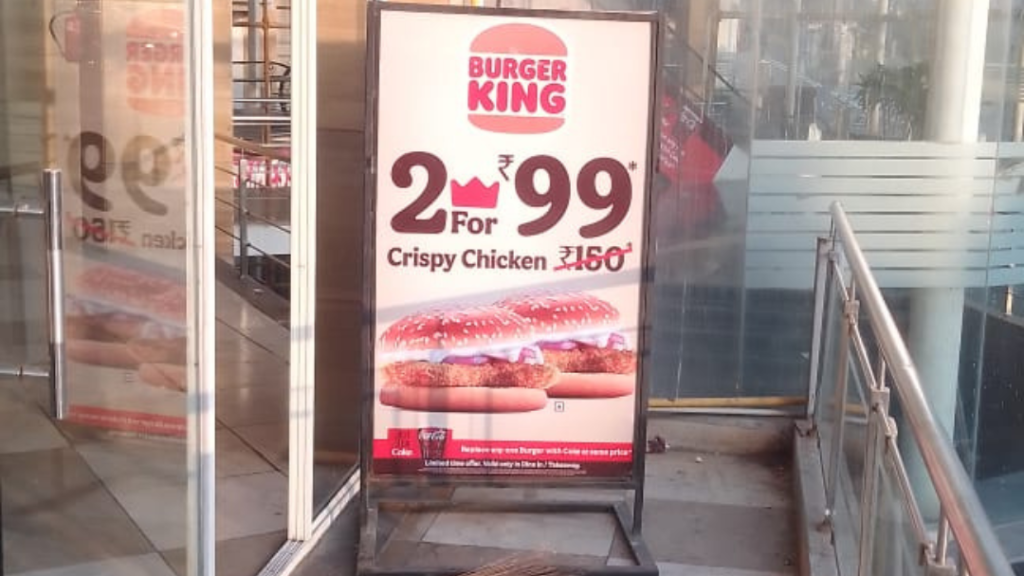
This is where outdoor advertising meets the real buying moment. Studies show that more than 70% of FMCG purchase decisions are made inside or just outside the store, which makes standees near kirana stores and supermarkets extremely powerful. When shoppers see a familiar brand right before entering, it refreshes memory and nudges quick, instinct-based choices.
A clear visual, price cue or limited-time offer works especially well because research also indicates that over 60% of FMCG purchases are impulse-driven. Standees are affordable, quick to install and highly flexible, making them one of the most effective formats for last-mile visibility and immediate in-store influence.
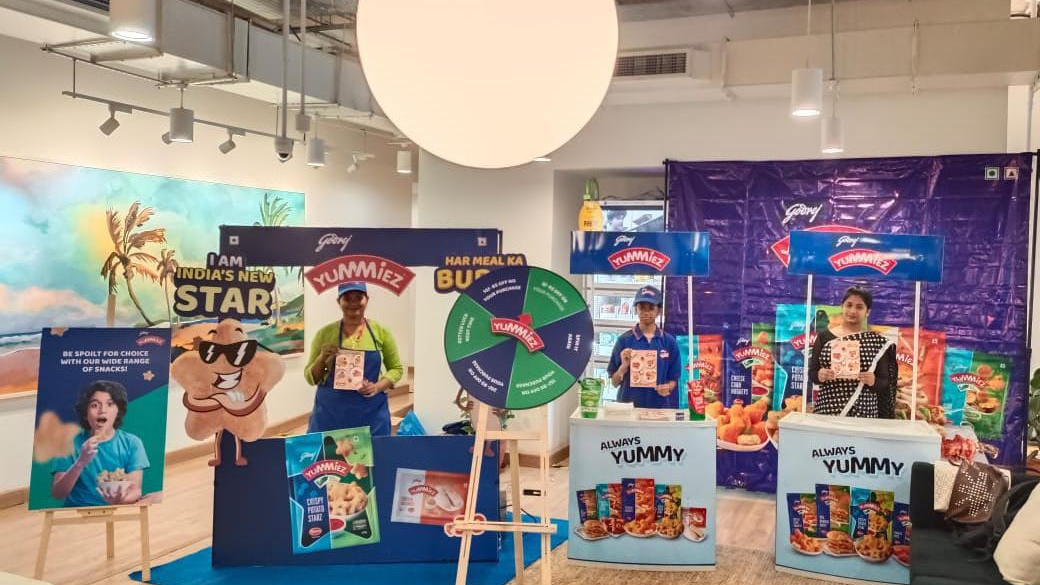
7. Mall Advertising
Malls offer a very different advertising environment because people visit them with leisure and purchase intent, making visitors more receptive to brand messages. Research shows that mall visitors spend an average of 90–120 minutes per visit, which increases the likelihood that they will notice and engage with advertising formats like corridor panels, digital screens, food court branding and escalator wraps.
This relaxed mindset matters for FMCG brands, as studies indicate that consumers exposed to mall advertising are up to 35% more likely to consider a brand during in-store decisions. By staying visible throughout the visit, mall ads not only build stronger brand perception but also support on-site promotions, turning casual attention into potential purchase action.
8. In Store Branding
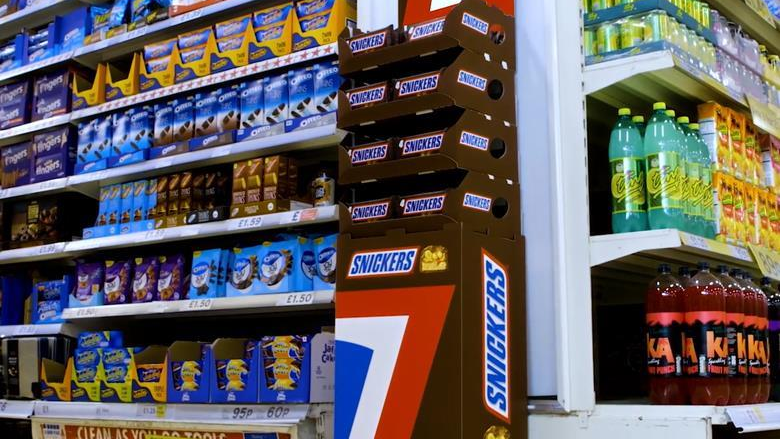
In store branding plays a huge role in FMCG marketing. Even if consumers have seen the brand outside, the final decision often happens at the shelf.
Shelf branding, danglers, floor stickers and display units guide attention and reinforce familiarity. When consumers see a brand repeatedly outside and then again inside the store, the choice feels natural.
This combination of outdoor visibility and in store presence is extremely powerful for FMCG brands.
9. Airport Advertising
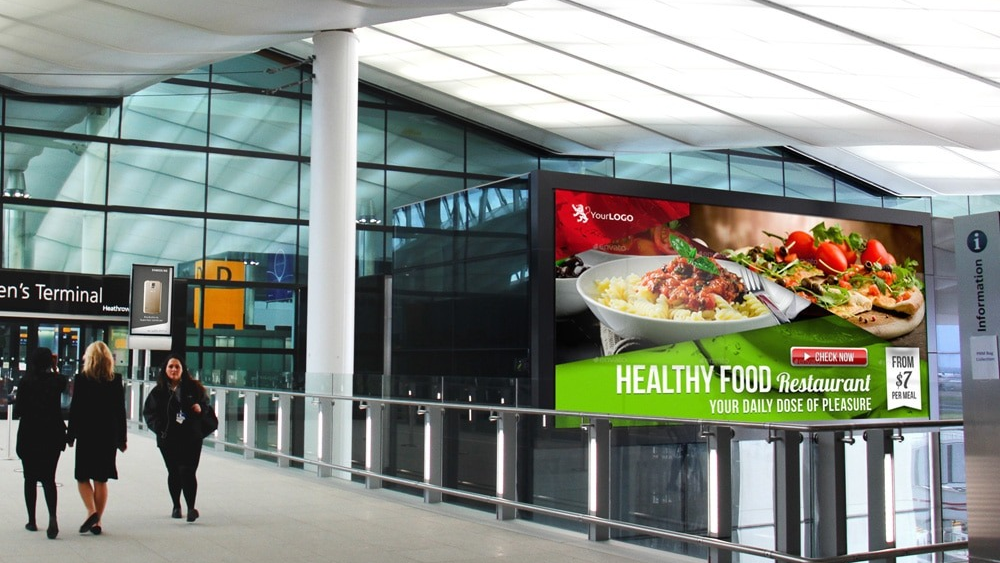
Airport advertising offers a premium, high-attention environment because travellers typically spend 90–120 minutes inside airport terminals, creating longer and repeated exposure to the same brand messages. Airports also have controlled, clutter-free media zones, which means ads are more visible and less likely to be ignored.
For FMCG brands, this matters because travel retail is one of the strongest impulse-purchase environments, with shoppers buying during waiting and boarding time. High dwell time combined with a premium setting helps improve brand credibility, recall and immediate in-terminal sales, making airport advertising especially effective for reaching urban and well-travelled audiences.
10. On Ground Activations and Sampling
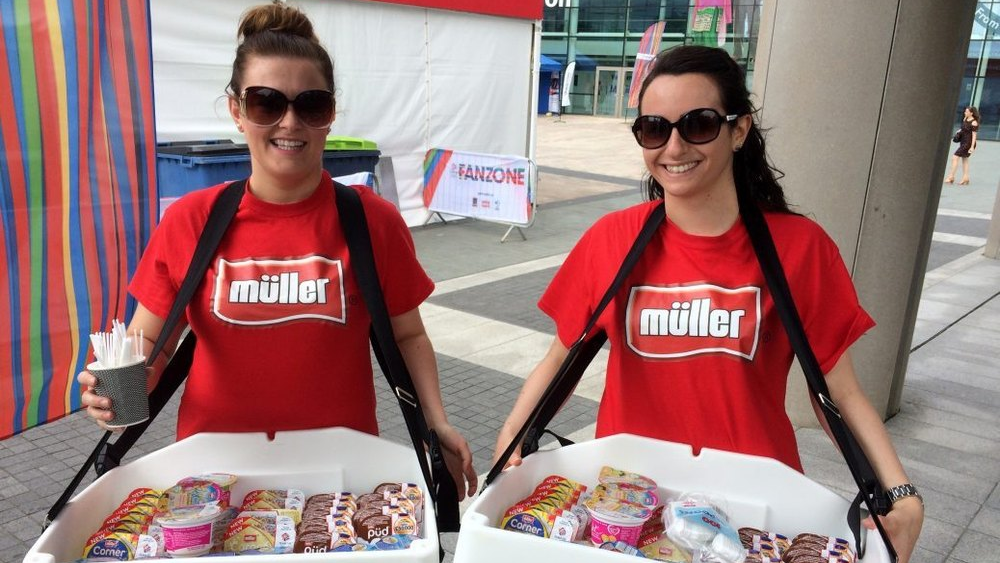
On-ground activities bring outdoor advertising to life by letting people actually experience the brand, not just see it. Studies show that product sampling can increase purchase intent by over 60%, because people trust a product much more once they have tasted or tried it, especially for food, beverages and personal care brands.
In fact, nearly 70% of consumers say they are more likely to buy after a live brand interaction. When these activations are supported by nearby outdoor ads, the brand feels familiar before and after the experience, making the moment more memorable and increasing the chance of purchase.
How FMCG Brands Choose the Right Outdoor Advertising Options
There is no single outdoor format that works for every FMCG brand. The right choice depends on the campaign goal.
If the focus is awareness, large formats like billboards and transit media work well. If the goal is sales, retail level formats like standees and in store branding become more important.
Most successful FMCG campaigns use a mix of formats. This ensures the brand stays visible across different moments of the consumers daily journey.
Benefits of Outdoor Advertising for FMCG Brands
- Keeps brands present in everyday environments
- Builds familiarity through repeated exposure
- Supports impulse buying behaviour
- Reaches consumers close to purchase points
- Strengthens long term brand recall
Outdoor advertising remains one of the strongest tools for FMCG brands to stay visible, familiar and relevant. When chosen wisely, the right outdoor advertising options help brands become part of consumers’ everyday lives.
From billboards and transit media to retail level branding and activations, each format plays a role in influencing awareness and purchase decisions. With thoughtful planning and consistent execution, outdoor advertising continues to deliver real value for FMCG brands
Why Choose Ginger Media Group for Affordable Offline Marketing
Ginger Media helps startups execute affordable offline marketing campaigns with clarity, transparency and measurable impact. With strong expertise across outdoor, transit, print and on ground activations, Ginger Media focuses on cost effective solutions that deliver real visibility without unnecessary spending. From planning and execution to monitoring and reporting, the team ensures startups get the best value from every offline campaign. By combining strategic media selection with on ground execution strength, Ginger Media enables brands to scale offline marketing efficiently and confidently.
]]>Mall advertising in India is rapidly emerging as one of the most effective offline marketing strategies for brands looking to increase visibility, boost brand recall, and influence purchase decisions. With over 700 shopping malls across major cities like Mumbai, Bengaluru, and Delhi NCR, brands now have access to high footfall advertising locations that deliver consistent consumer engagement and measurable impact.
Unlike traditional outdoor advertising formats such as billboards or roadside banners, mall advertising offers a clutter-free, controlled environment with higher attention span and stronger ad recall rates. Studies indicate that digital out-of-home (DOOH) advertising in malls can drive up to 47% higher recall, while strategic placements near retail zones can increase purchase intent by up to 30%.
For brands aiming to cut through digital noise and connect with urban consumers at the right moment, mall advertising locations in India provide a strategic advantage by combining visibility, engagement, and conversion potential. As competition intensifies, choosing the right mall advertising zones becomes critical for maximizing campaign effectiveness and ROI.
This blend of high footfall, extended dwell time, targeted urban audiences and measurable impact makes mall media one of the smartest offline investments for modern marketing strategies and the stakes are only going up as brands look beyond digital clutter to capture real consumer attention.
Why Mall Advertising Matters for Brands
Mall advertising gives brands a rare advantage, access to consumers in a premium, distraction-free and purchase-friendly environment. Unlike roadside advertising that competes with traffic and visual clutter, malls offer longer dwell time, relaxed browsing behaviour and higher attention levels. This makes mall advertising especially effective for lifestyle, retail, entertainment and consumer-focused brands that rely on emotional connection and visual impact.
By selecting the right mall advertising locations, brands can significantly improve recall and influence buying decisions at the right moment. Strategically placed media across entrances, corridors, food courts and leisure zones ensure repeated exposure throughout the visitor journey, helping brands stay top-of-mind from arrival to checkout.
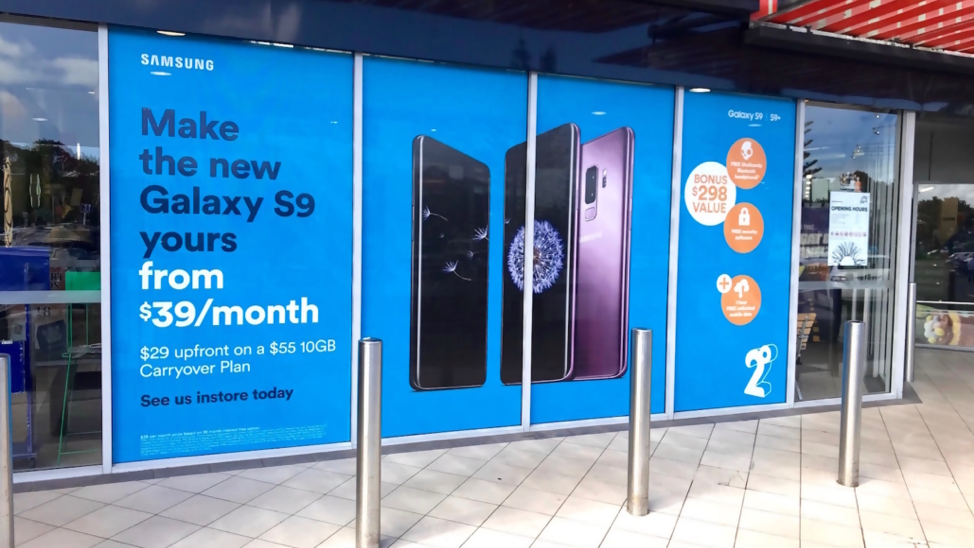
1. Mall Entrance and Exit Zones
Mall entrances and exits are among the highest-impact advertising locations inside a mall because 100% of visitors pass through these zones, making them unavoidable touchpoints for brand exposure. Studies show that placements at mall entrances can deliver up to 3–5 times higher viewer recall compared to interior panels, simply because they capture attention at the very beginning of the visit.
Entrance advertising helps brands create a powerful first impression setting the tone for the entire mall experience. Likewise, exit placements act as a final reinforcement, boosting message retention when visitors are about to leave. Research in shopper behaviour suggests that exit advertising can increase overall recall by 15–25%, as visitors mentally revisit their experience and exposures while exiting the space.
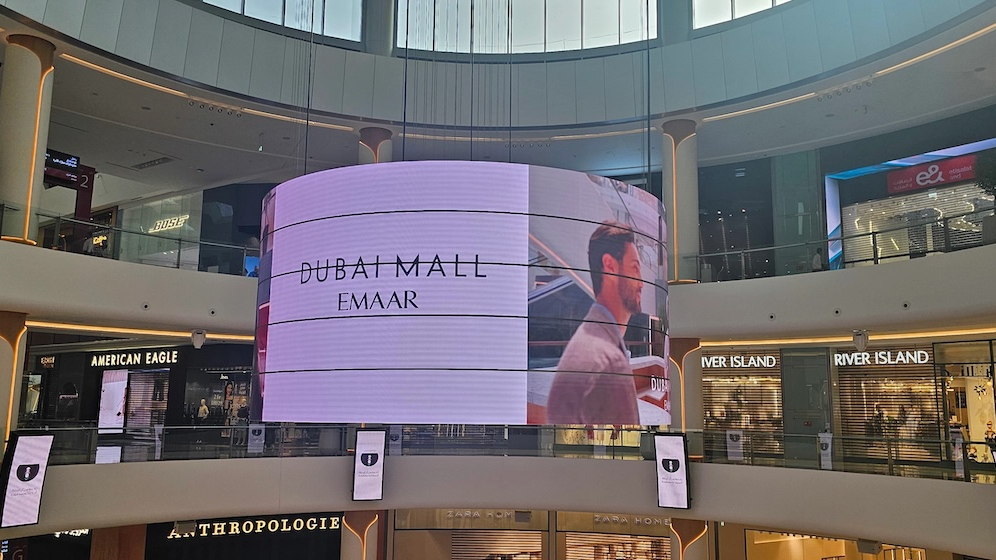
2. Atrium and Central Court Areas
Atriums are large open spaces usually located at the centre of malls. These areas host exhibitions, launches and seasonal events, which naturally draw attention from visitors across multiple floors.
Atrium branding allows brands to establish a dominant presence within the mall environment and is ideal for large format or experiential advertising.
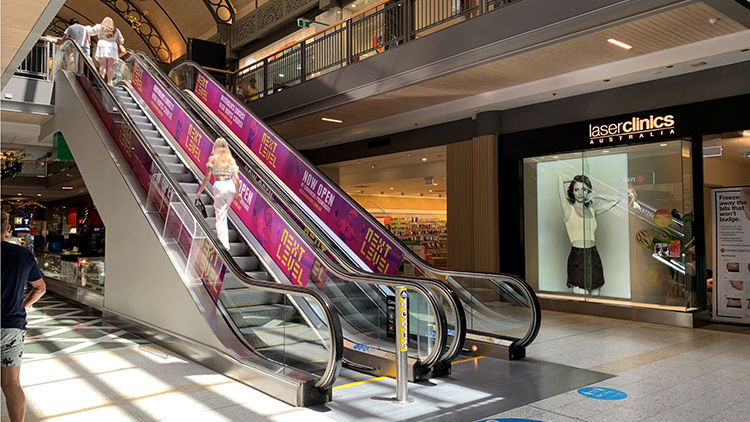
3. Escalator Side Panels
Escalators create short but highly focused attention moments, with shoppers typically spending 20–40 seconds in one viewing direction. This gives advertising panels alongside escalators clear, uninterrupted visibility and higher noticeability than fast-moving corridor formats.
From a shopper’s point of view, it feels like a natural pause in the visit. Simple visuals and sharp messages work best here, while repeated rides between floors help reinforce brand presence multiple times in a single mall visit.
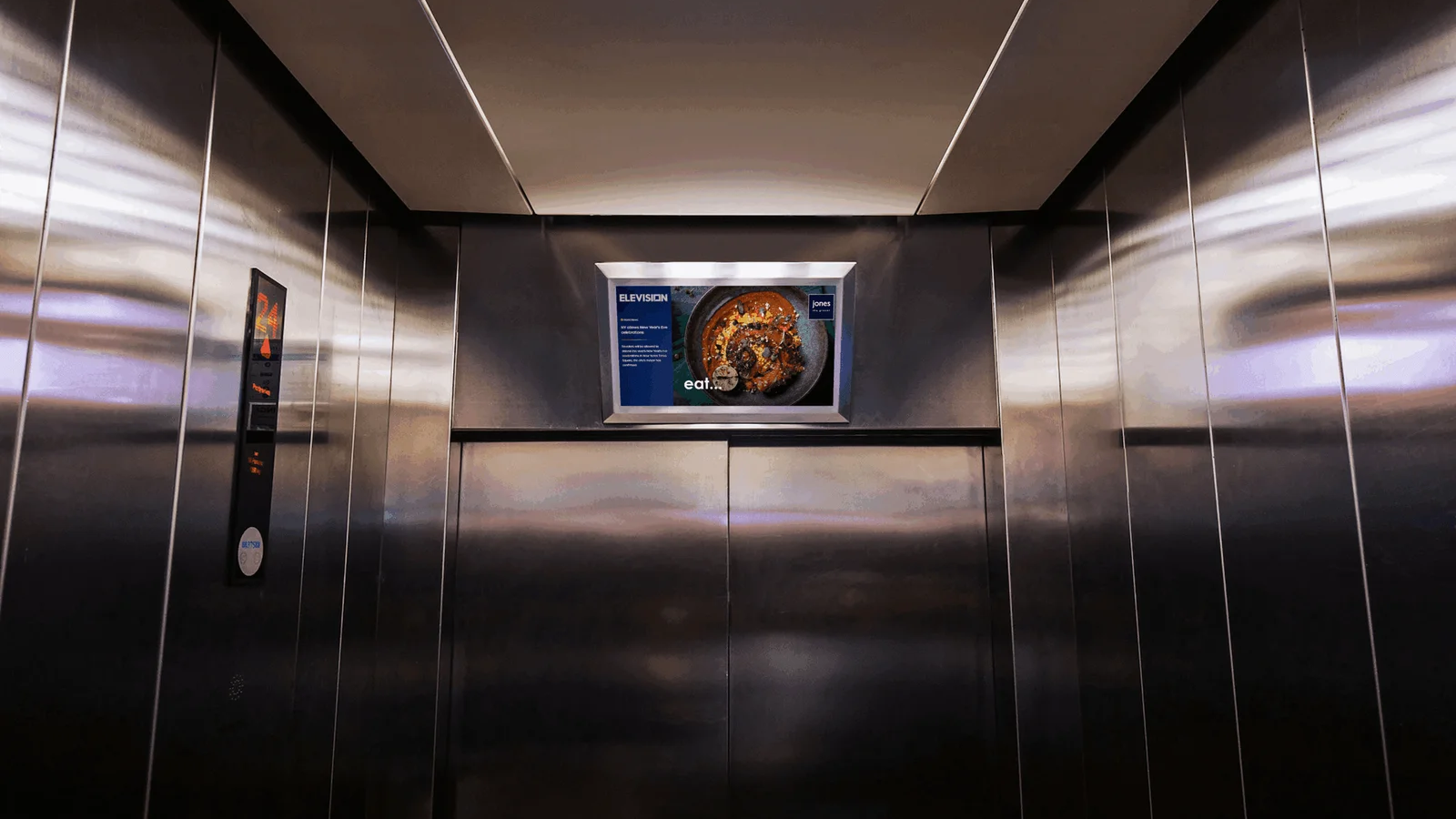
4. Elevator Doors and Interior Panels
Elevators offer true captive viewing time inside multi-level malls. A typical elevator ride lasts around 15–30 seconds, during which visitors stand close to the panels or doors with very limited visual distractions, giving ads clear and uninterrupted attention.
From a human perspective, people naturally look around while waiting or riding, which makes this space perfect for simple, high-impact creatives and short messages. Because the exposure happens at close range, elevator advertising consistently delivers strong recall and message retention during the mall visit.
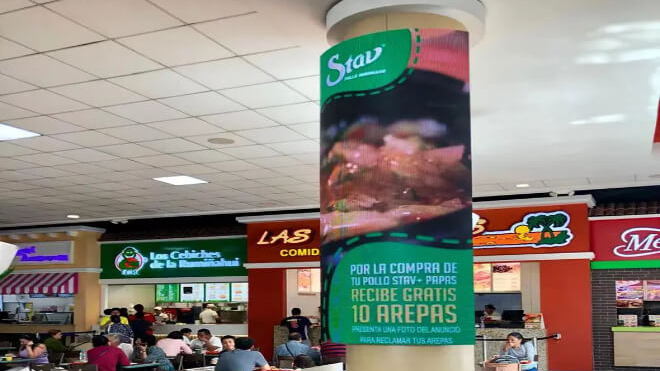
5. Food Court Advertising Zones
Food courts attract steady footfall and longer dwell time, as visitors spend several minutes seated. This relaxed environment makes audiences more receptive to brand communication.
Advertising in food courts works particularly well for FMCG, food and beverage brands, entertainment platforms and lifestyle services.
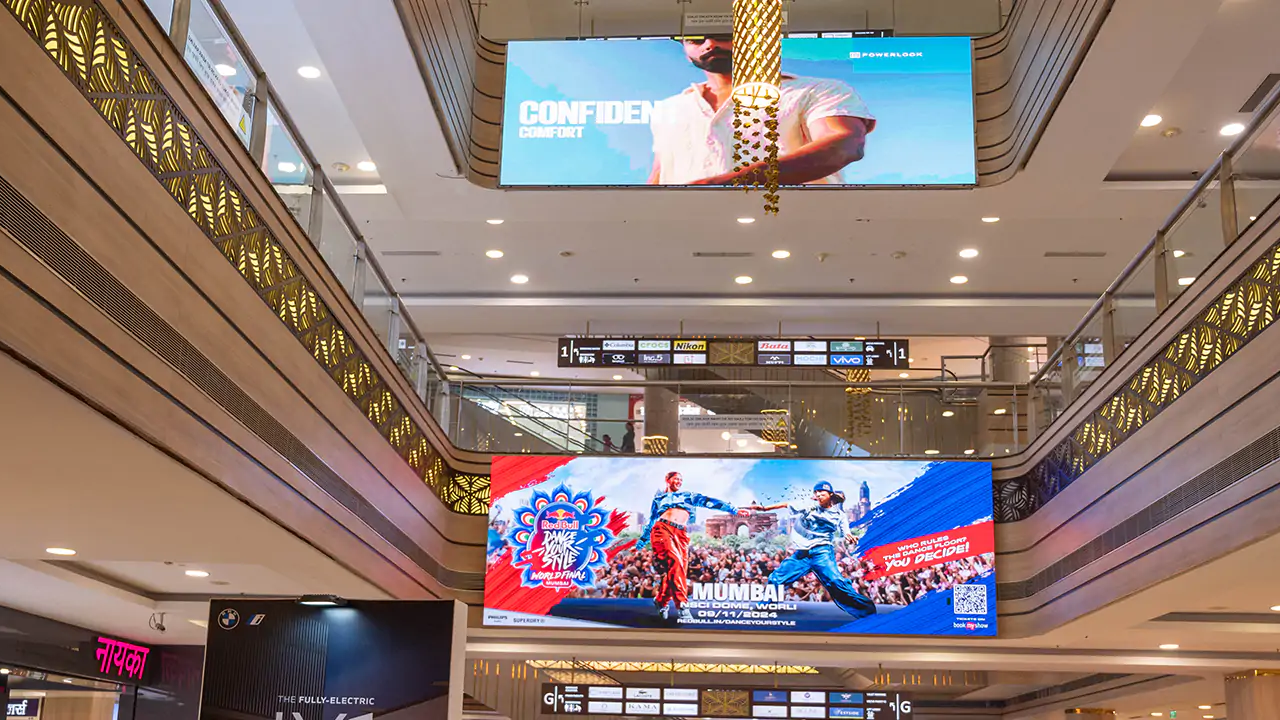
6. Digital Screens and Video Walls
Digital screens placed across corridors, atriums and waiting areas provide dynamic visibility. Motion based content naturally attracts attention and enhances message retention.
These mall advertising locations also allow brands to rotate creatives and adapt messaging all day.
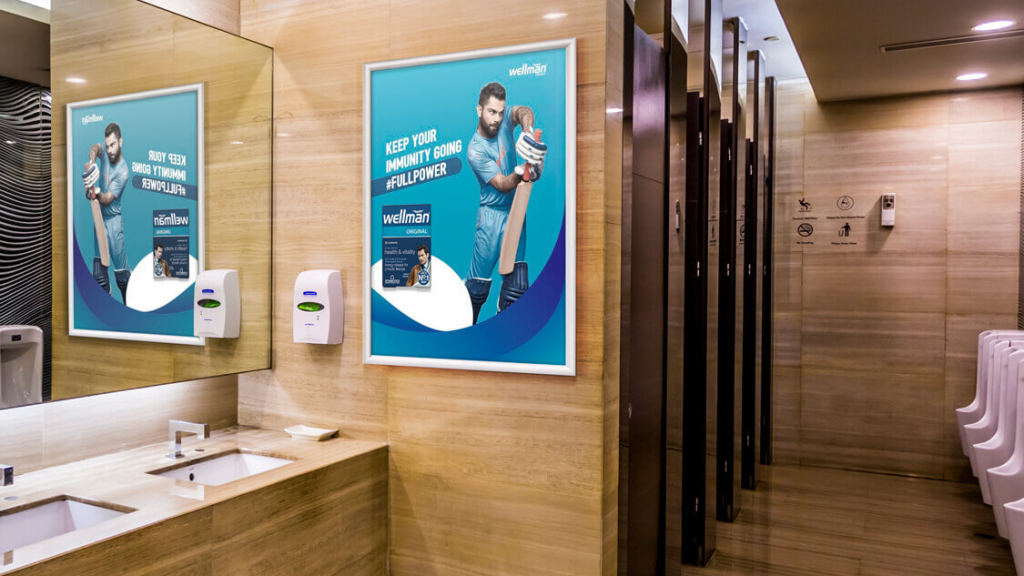
7. Restroom Mirror and Door Branding
Restroom advertising offers interruption free viewing moments. Mirror panels and door branding ensure direct and repeated visibility during a mall visit.
This placement supports high frequency exposure and subtle brand reinforcement.
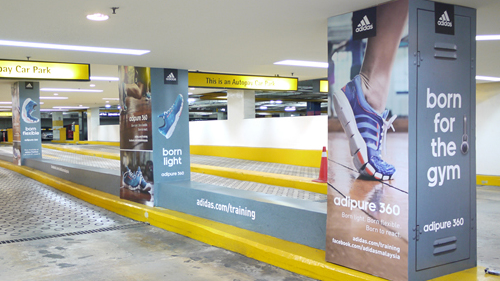
8. Parking Area Advertising
Parking areas capture attention at two powerful moments, right before visitors enter the mall and just after they finish their visit. On average, shoppers spend 1–3 minutes parking, walking toward lifts or waiting near elevators, giving brands a calm and uncluttered window for visibility.
From a customer’s point of view, this feels like a natural part of the journey. Advertising here helps brands stay present at both the start and the end of the mall experience, reinforcing recall and creating a continuous brand presence across the entire visit.
9. Storefront and Corridor Panels
Corridor panels and storefront adjacency placements guide shoppers through retail zones, where visitors typically spend 60–70% of their total mall time. Research on in-store and retail media consistently shows that ads placed close to stores can lift brand recall by 20–35% and increase store entry or consideration by 10–25%.
Because these placements sit just a few steps away from browsing and purchase points, they directly influence last-minute decisions, making them some of the most effective advertising locations within malls for retail-focused campaigns.
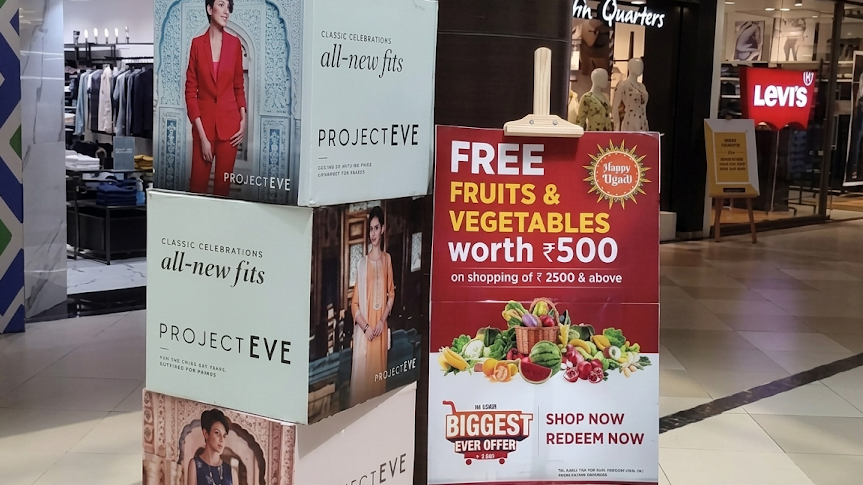
10. Event and Activation Spaces
Malls regularly host product launches, exhibitions and festive activities that naturally attract high crowd concentration and longer engagement time. Industry benchmarks for mall activations show that experiential and event-led formats generate 2–4× higher interaction time compared to static displays and can improve brand recall by 30–40%.
Because visitors can see, touch and experience the brand in real time, event zones allow brands to move beyond visibility and create strong emotional connections and memorable brand experiences that last well beyond the mall visit.
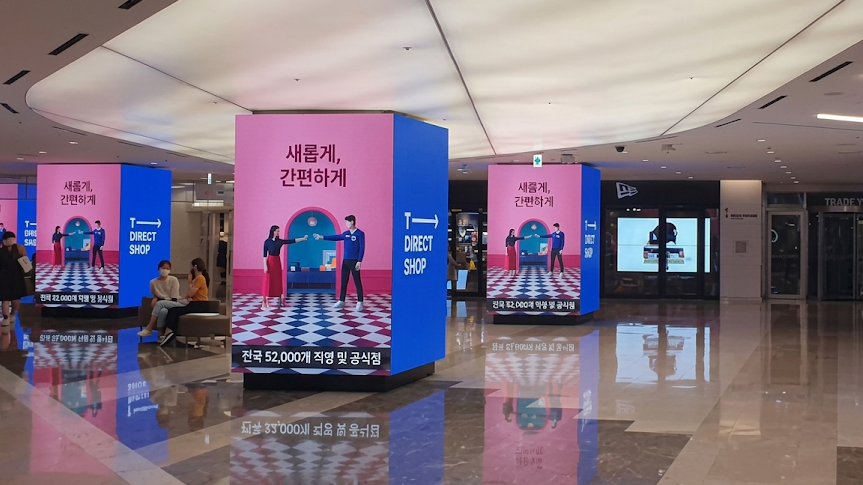
How Brands Strategically Select High-Impact Mall Advertising Zones
Choosing the right mall advertising locations depends on three key factors like campaign objective, target audience and available budget. For awareness-led campaigns, brands usually prioritise entrances, atriums and large digital screens, which together deliver the highest visibility and reach inside a mall. Industry benchmarks indicate that high-traffic entry and central zones can account for 40–50% of total in-mall impressions, making them ideal for rapid brand exposure.
Benefits of Mall Advertising in India
- Access to premium urban audiences
- Longer dwell time and focused visibility
- Controlled and clutter free environment
- Multiple advertising formats within one location
- Strong brand recall and engagement
Mall advertising offers brands a powerful way to connect with consumers in premium, high footfall environments. By selecting the right mall advertising locations, brands achieve consistent visibility and meaningful engagement.
From entrances and atriums to food courts and event spaces, the most effective mall advertising locations India offers combine audience presence, dwell time and strategic placement. With thoughtful planning and execution, mall advertising continues to play a valuable role in offline marketing strategies.
Why Choose Ginger Media Group for Affordable Offline Marketing
Ginger Media helps startups execute affordable offline marketing campaigns with a strong focus on clarity, transparency and real business impact. With hands-on expertise across outdoor, transit, print and on-ground activations, Ginger Media designs cost-effective media solutions that deliver genuine visibility without unnecessary or inefficient spending.
From planning and execution to monitoring and reporting, the team ensures startups receive complete control and confidence over every offline campaign. By combining smart media selection with strong on-ground execution capabilities, Ginger Media enables brands to scale offline marketing efficiently and consistently.
]]>In today’s competitive digital landscape, D2C marketing strategies are critical for brands looking to scale efficiently and stand out. With rising competition and shrinking attention spans, choosing the best advertising options for D2C brands is no longer optional it’s essential for driving visibility, conversions, and long-term loyalty.
Unlike traditional retail models, direct-to-consumer advertising enables brands to build direct relationships with customers, control their narrative, and optimize every touchpoint in the buyer journey. From performance marketing for D2C to customer acquisition strategies across digital and offline channels, brands must adopt a multi-channel approach to remain competitive.
This blog explores the top advertising channels for D2C brands, combining digital marketing, content-led engagement, and offline visibility strategies to help businesses drive scalable growth, improve customer engagement, and maximize ROI in an increasingly crowded marketplace.
Why Advertising Strategy Matters for D2C Brands
For D2C brands, success depends on building direct relationships with customers. Unlike traditional retail, direct-to-consumer advertising is key to driving awareness, engagement and sales. A strong advertising strategy helps brands reach the right audience, boost visibility and retain customers. By combining online and offline channels, D2C brands can create trust, enhance recall and ensure every marketing effort delivers maximum impact.
1. Social Media Advertising
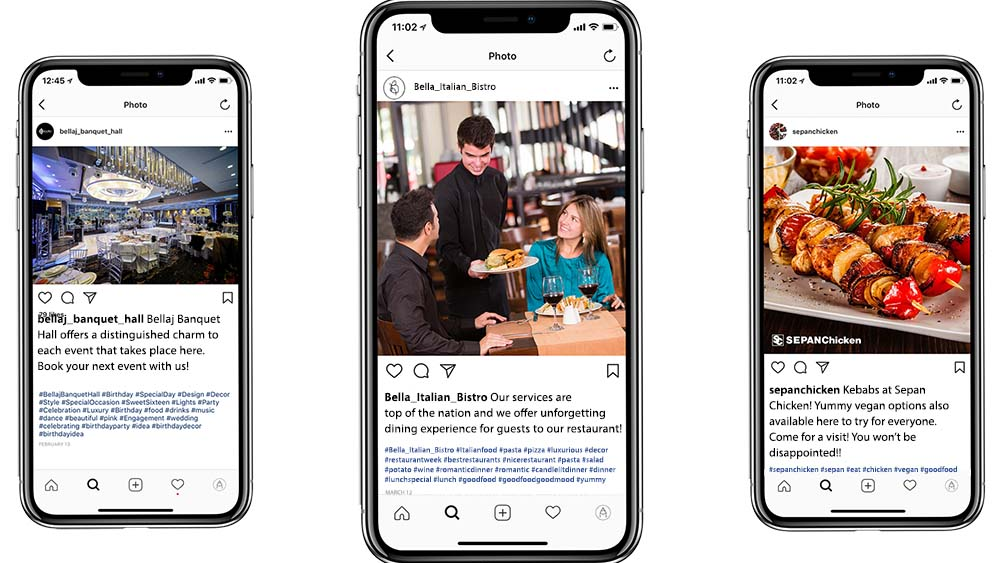
Social media platforms are among the most powerful advertising options for D2C brands. Channels like Instagram, Facebook and LinkedIn allow precise targeting based on interests, behaviour and demographics, helping brands reach the right audience. 84% of marketers say social media is crucial for brand awareness and 70% of consumers discover new brands through social ads.
These platforms not only boost visibility but also drive conversions. Social ads account for 52% of top-performing conversion channels, while social media contributes to 30% of website traffic for brands. This makes it an essential tool for building awareness, engagement and growth for D2C businesses.
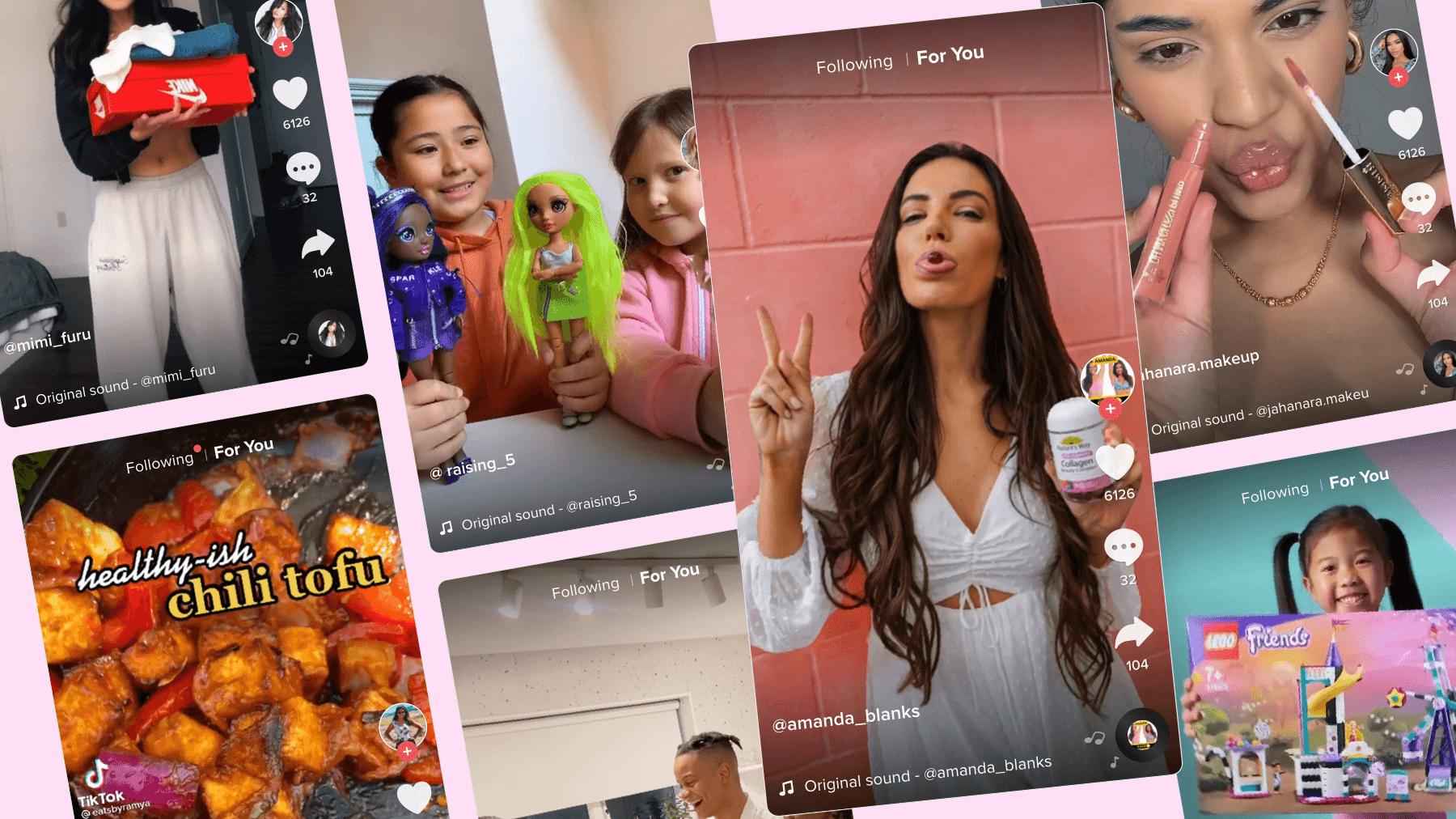
2. Influencer Marketing
Influencer marketing helps D2C brands reach niche audiences through creators who have trust and credibility. Collaborating with influencers allows products to be showcased in real life, relatable contexts.
The popular options D2C brands explore, influencer marketing strengthens authenticity and social proof.
3. Search Engine Advertising
Search engine advertising helps D2C brands reach users with high purchase intent, people actively searching for products or solutions online. Paid search ads appear at the top of search results when customers are ready to buy, making this one of the most performance‑driven advertising options for D2C brands. Studies show that over 60% of online shoppers click on paid search results when researching products and search ads drive a significant share of conversions for direct‑to‑consumer businesses.
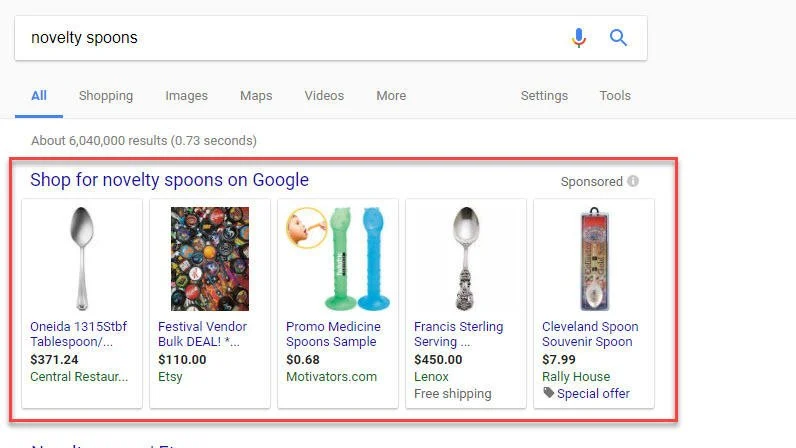
4. Marketplace Advertising
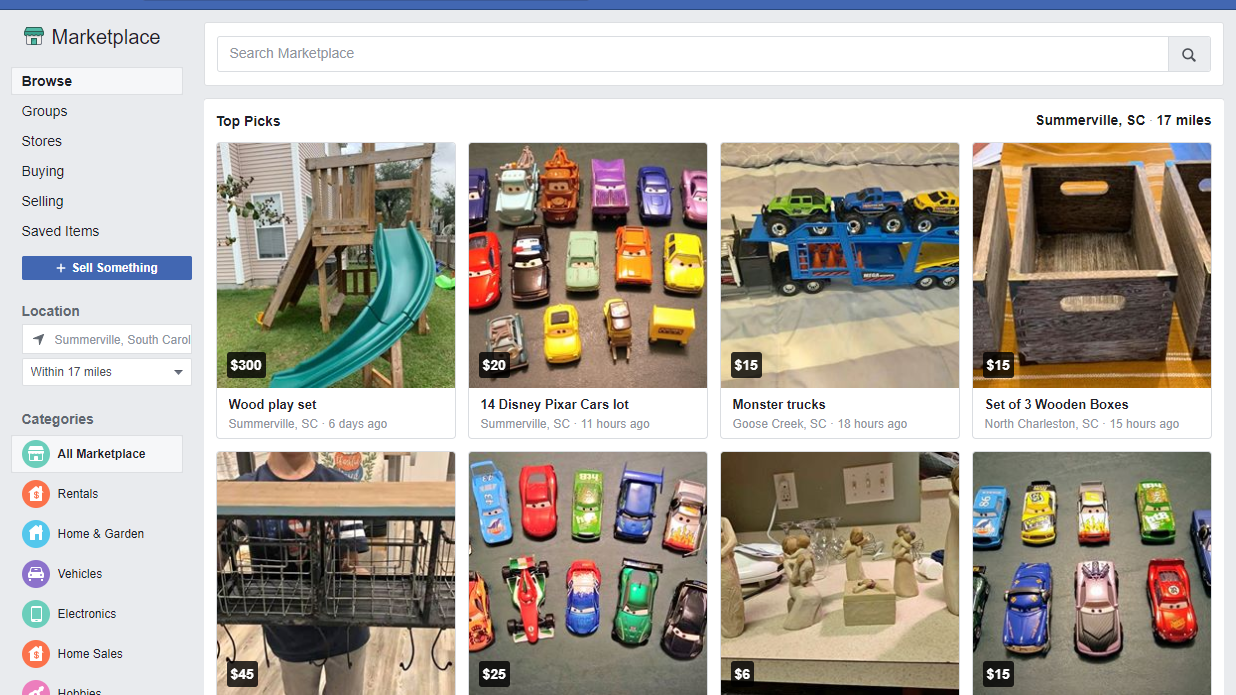
Advertising on marketplaces such as Facebook, Amazon and Flipkart enables D2C brands to reach customers who are already in a purchase mindset. Sponsored listings and product ads help improve visibility and competitiveness.
This option supports conversion focused advertising options that D2C brands use to scale sales.
5. Content Marketing
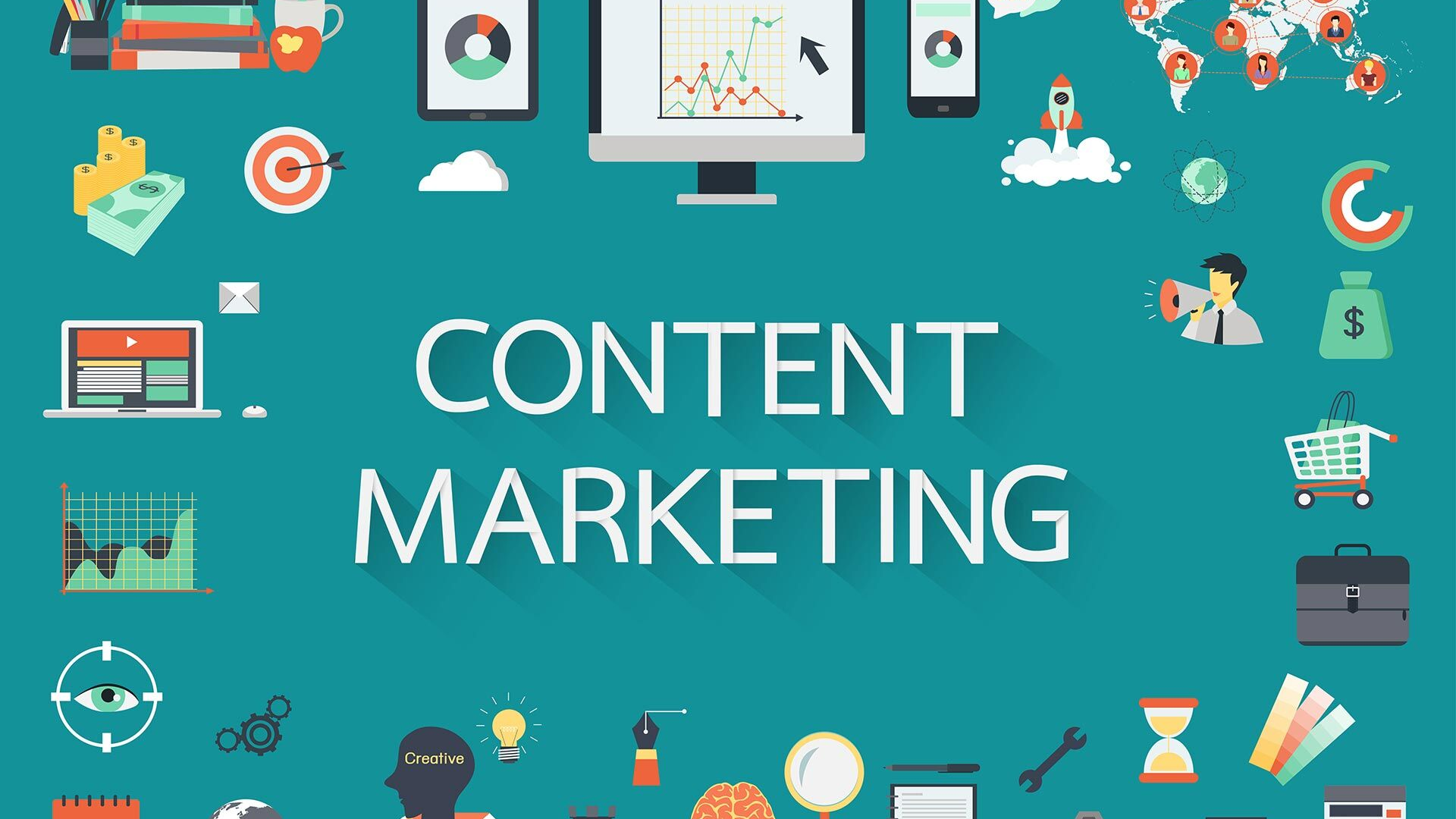
Content marketing helps D2C brands educate and engage customers through blogs, videos, guides and tutorials. By providing valuable information, brands build authority and connect meaningfully with their audience. Studies show that 70% of consumers prefer learning about products through content rather than traditional ads and brands using content marketing see higher customer retention and engagement rates.
As a long-term strategy, content marketing drives organic growth, strengthens trust and positions D2C brands as reliable, knowledgeable players in their industry.
6. Email and SMS Marketing
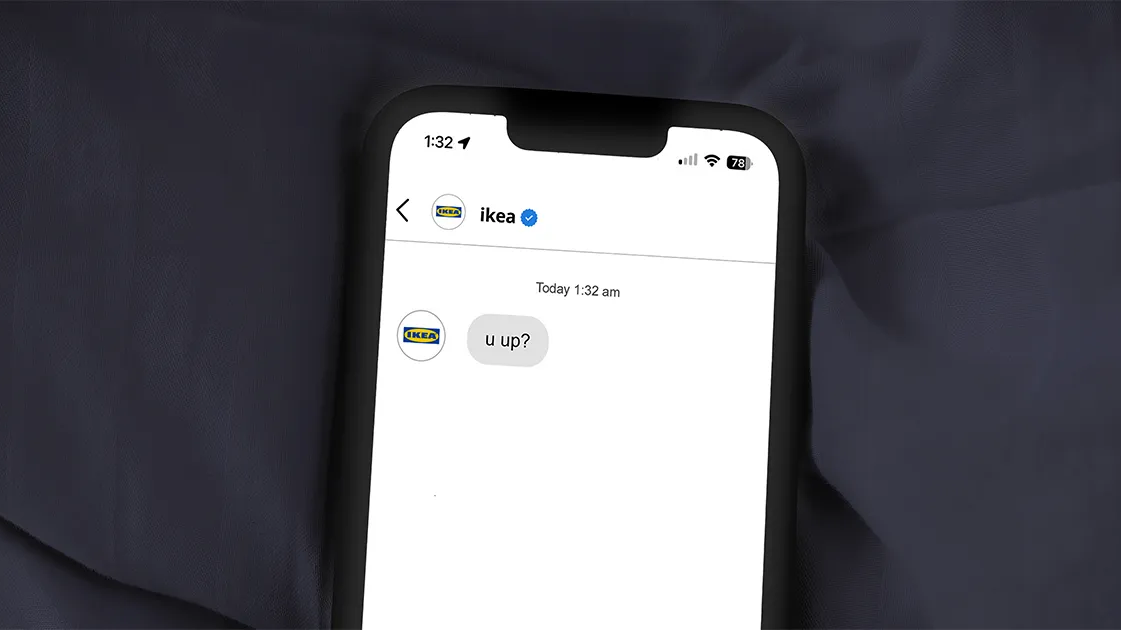
Email and SMS campaigns allow D2C brands to communicate directly with existing customers. These channels are effective for promotions, product launches and customer retention.
They remain cost effective advertising options for repeat engagement and loyalty building.
7. Outdoor Advertising
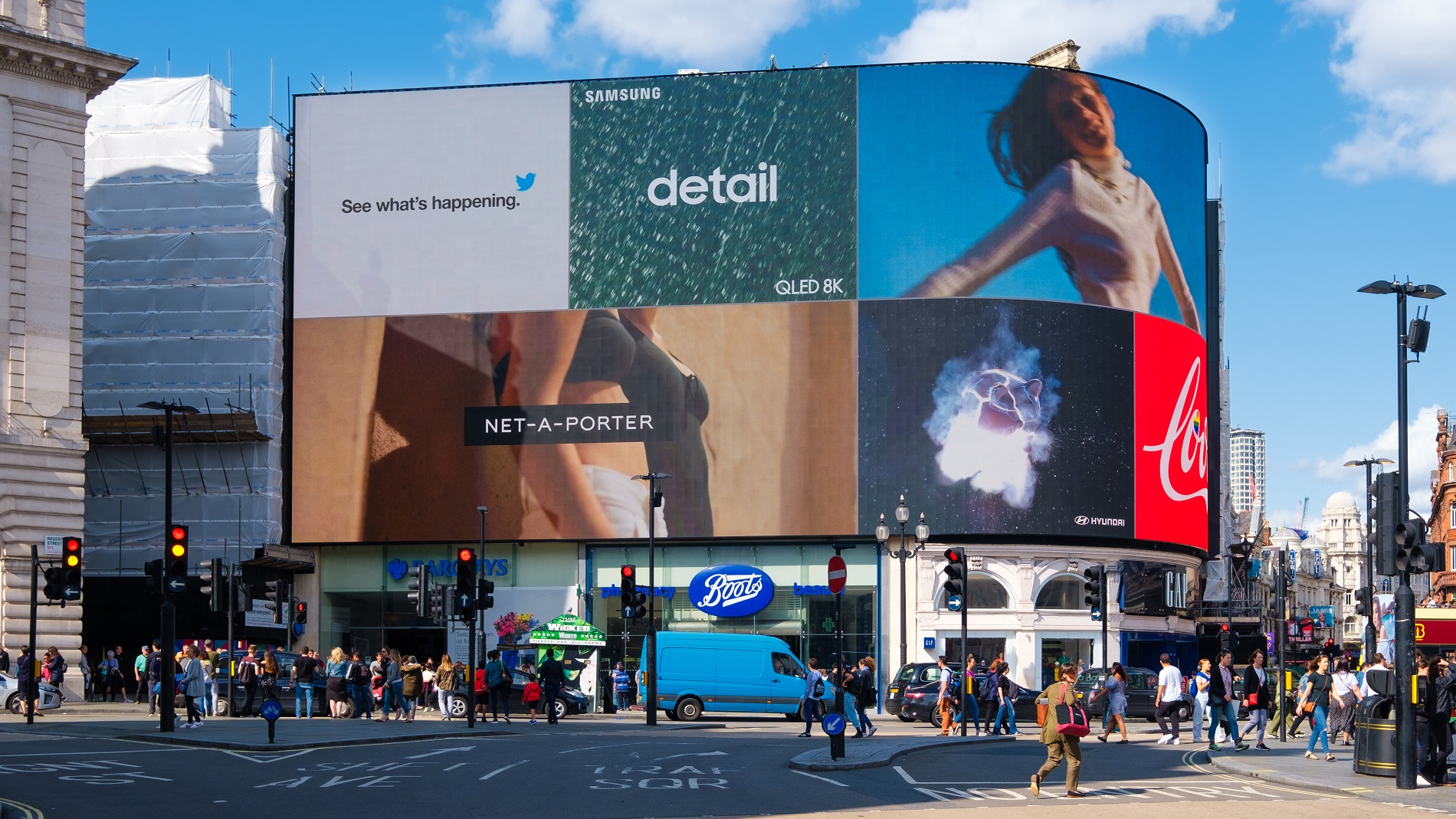
Outdoor advertising helps D2C brands build mass visibility beyond digital platforms. Formats such as hoardings, transit media and street-level advertising improve brand recall in real world environments.
This option is useful for brands looking to scale awareness using offline advertising options that D2C brands rely on.
8. In Store and Retail Advertising
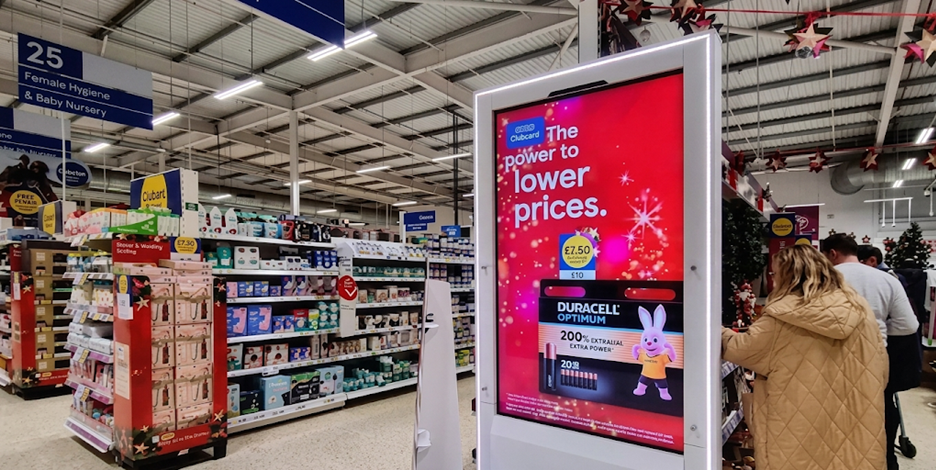
Pop-up stores and retail collaborations give D2C brands a chance to create physical touchpoints with customers. In-store displays, branding and experiential setups enhance engagement and build trust. Research shows that 68% of consumers are more likely to purchase after interacting with a brand in a physical setting and experiential campaigns significantly improve brand recall.
These offline initiatives help D2C brands bridge the gap between online presence and real-world experience, strengthening customer relationships and driving long-term loyalty.
9. Referral and Loyalty Programs
Referral programs encourage existing customers to be brand advocates. Incentives motivate customers to share products and return for repeat purchases.
This option strengthens organic growth and works well for paid advertising options.

10. Event and Experiential Marketing
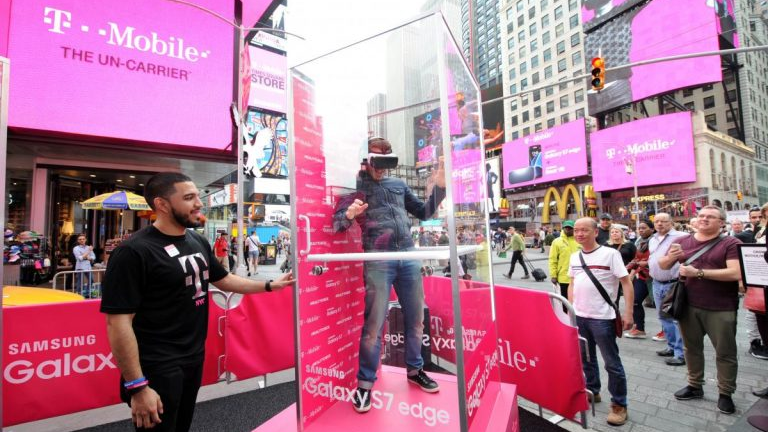
Events and experiential marketing enable D2C brands to create memorable, hands-on interactions with customers. Product trials, pop-up events and live demonstrations boost engagement and brand connection. Studies show that experiential campaigns can increase brand recall by up to 70% and significantly influence purchase decisions.
These strategies help D2C brands deepen customer relationships, build trust and leave lasting impressions that drive loyalty and repeat engagement.
How D2C Brands Choose the Right Advertising Options
Choosing the right channels depends on factors such as product category, audience behaviour and brand growth stage. Early stage D2C brands focus more on performance driven digital channels, while growing brands benefit from adding offline and experiential formats.
Using a combination of advertising options, D2C brands trust delivers better results than relying on a single channel.
Benefits of Using the Right Advertising Options for D2C Brands
- Improved brand visibility and reach
- Stronger customer engagement
- Better conversion and retention rates
- Scalable growth opportunities
- Balanced online and offline presence
Frequently Asked Questions (FAQ’s)
1. What are the most effective advertising strategies for D2C brands?
The most effective strategies include social media advertising, search engine marketing, influencer collaborations, content marketing, and offline campaigns for brand recall.
2. How do D2C brands acquire customers online?
D2C brands acquire customers through performance marketing channels like paid search, social media ads, influencer marketing, and content-driven organic traffic.
3. Which advertising channels deliver the highest ROI for D2C brands?
Search engine advertising and social media ads typically deliver the highest ROI due to high-intent targeting and measurable performance.
4. Why is a multi-channel advertising strategy important for D2C brands?
A multi-channel approach helps D2C brands maximize reach, improve customer engagement, and reduce dependency on a single platform for growth.
5. How can D2C brands improve customer retention through marketing?
D2C brands can improve retention using email marketing, SMS campaigns, loyalty programs, and personalized remarketing strategies.
Advertising plays a central role in the success of D2C brands. By selecting the right advertising options, brands build awareness, drive sales and create lasting customer relationships.
From digital platforms to offline channels, the most effective advertising options D2C brands use are those aligned with their audience and business goals. With strategic planning and consistent execution, D2C brands achieve sustainable and measurable growth.
Why Choose Ginger Media Group for Affordable Offline Marketing
Ginger Media helps startups execute affordable offline marketing campaigns with clarity, transparency and measurable impact. With strong expertise across outdoor, transit, print and on ground activations, Ginger Media focuses on cost effective solutions that deliver real visibility without unnecessary spending. From planning and execution to monitoring and reporting, the team ensures startups get the best value from every offline campaign. By combining strategic media selection with on ground execution strength, Ginger Media enables brands to scale offline marketing efficiently and confidently.
]]>Did you know that 72% of parents still trust what they see in the real world like banners, hoardings and local events. When choosing a school? Unlike fleeting digital ads, offline marketing quietly builds trust, sparks conversations and keeps your institute top of mind. One well-placed banner or newspaper feature can turn a familiar name into a parent’s first choice.
It’s more than visibility, it’s about connection. Local campaigns and community presence make your institute feel reliable and authentic. Studies show schools that combine offline strategies with digital outreach see up to 30% more admission enquiries. By using creative, consistent offline ads, your school doesn’t just get noticed and it becomes the school parents can’t stop talking about.
Why Offline Advertising Matters in Education
Choosing the right school or college isn’t instant, it’s a careful process. Parents observe, compare and look for signs of reliability before making a decision. This is where offline advertising shines. A well-placed banner, a newspaper feature or a community event can create a strong, trustworthy presence that digital ads alone can’t match.
Offline channels also let institutes target the local community directly, reaching parents and students in their own neighborhoods. When done consistently, these efforts boost recall, reinforce credibility and perfectly complement online campaigns. In short, offline advertising doesn’t just inform, it builds trust, familiarity and loyalty before the admission forms even arrive.
1. Newspaper Advertising
Newspapers remain one of the most trusted sources of information for parents. Publishing admission announcements, exam results or institutional achievements instantly signals credibility and seriousness.
For schools and colleges, newspapers are more than just ads, they reach decision-makers who value reliable, traditional media. This makes them a powerful offline tool to create trust, showcase accomplishments and strengthen your institute’s reputation in the community.

2. Flyer and Pamphlet Distribution
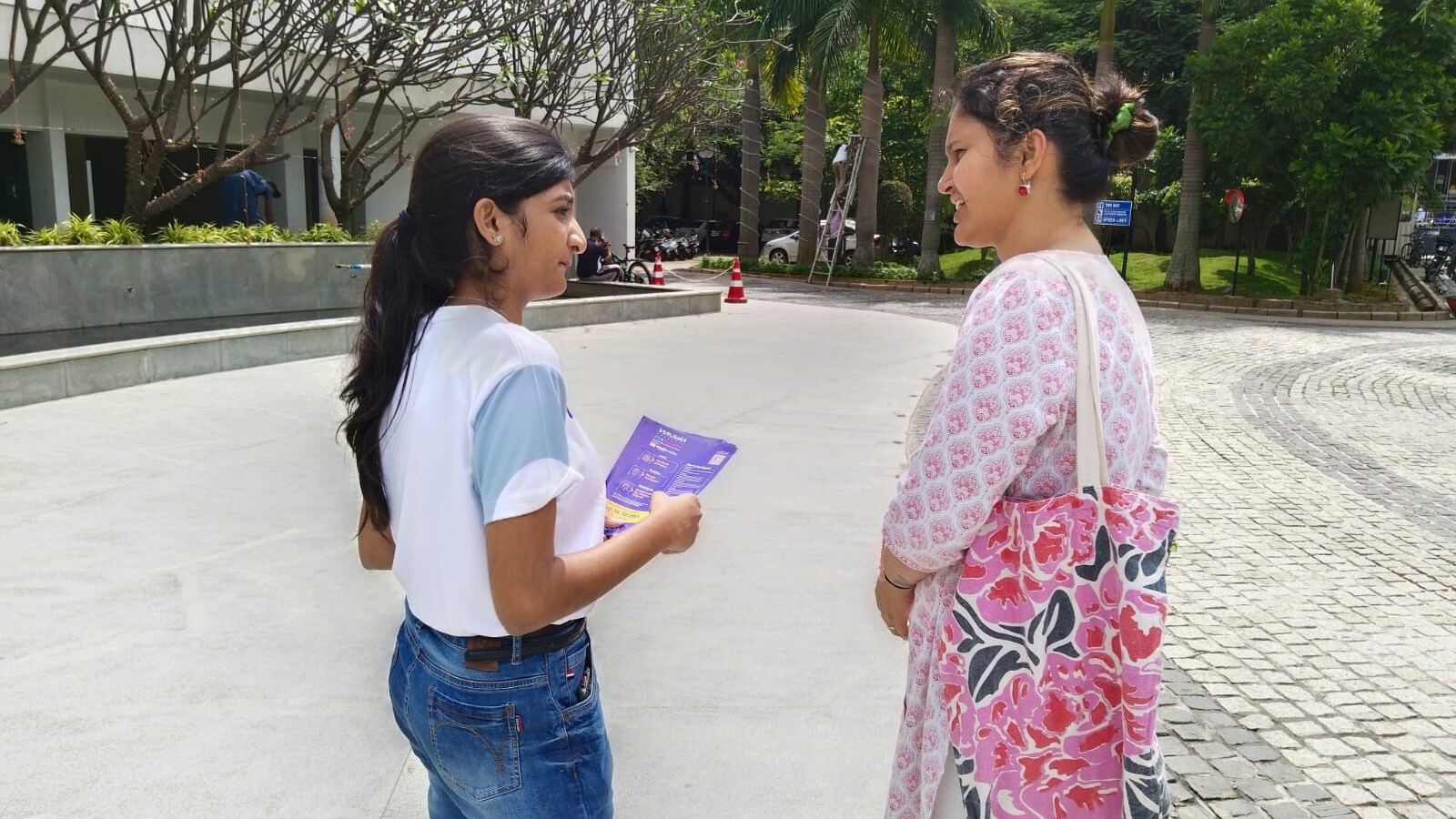
Flyers are one of the most commonly used offline advertising options that education institutes depend on. When distributed near residential areas, schools, and coaching centres, they reach parents and students directly.
This approach works well for promoting admissions, scholarship programs and new academic batches.
3. Outdoor Hoardings Near Academic Zones
Hoardings placed near school areas, junctions and residential neighbourhoods help create strong visual recall. Even smaller hoardings are impactful when positioned thoughtfully.
As visible offline advertising options, hoardings help institutes establish authority and recognition within their local market.

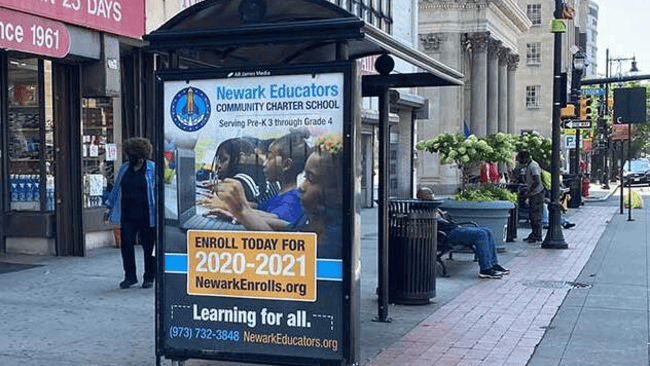
4. Bus Shelter Advertising
Bus shelters see daily footfall from parents, students and commuters. While waiting, people naturally notice and absorb the advertisements around them, giving your message longer attention and impact.
This makes bus shelters ideal for offline campaigns focused on repeated exposure and steady brand recognition, helping your institute stay visible and memorable in the community.
5. School Diary and Stationery Branding
Branded school diaries, notebooks and stationery keep your institute in sight all year long. Every time a student writes, flips a page or takes notes, your brand is subtly reinforced.
This daily exposure makes stationery branding a quiet yet powerful offline advertising tool, creating familiarity and trust without being intrusive and is one of the most effective traditional marketing methods for schools and colleges.

6. Flex Banners and Admission Signage
Flex banners placed near campuses, main roads and tuition centres are commonly used during admission seasons. They are simple to install, affordable and easy to update.
This makes them one of the quickest offline advertising options for communicating timely information.

7. Education Fairs and Community Events
Education fairs and local events give institutes the chance to meet parents and students face-to-face. These interactions let you answer questions, explain your offerings and build real, personal connections that ads alone can’t achieve.
By combining visibility with meaningful engagement, such events make offline advertising more memorable and trustworthy, helping your institute stand out in the community.

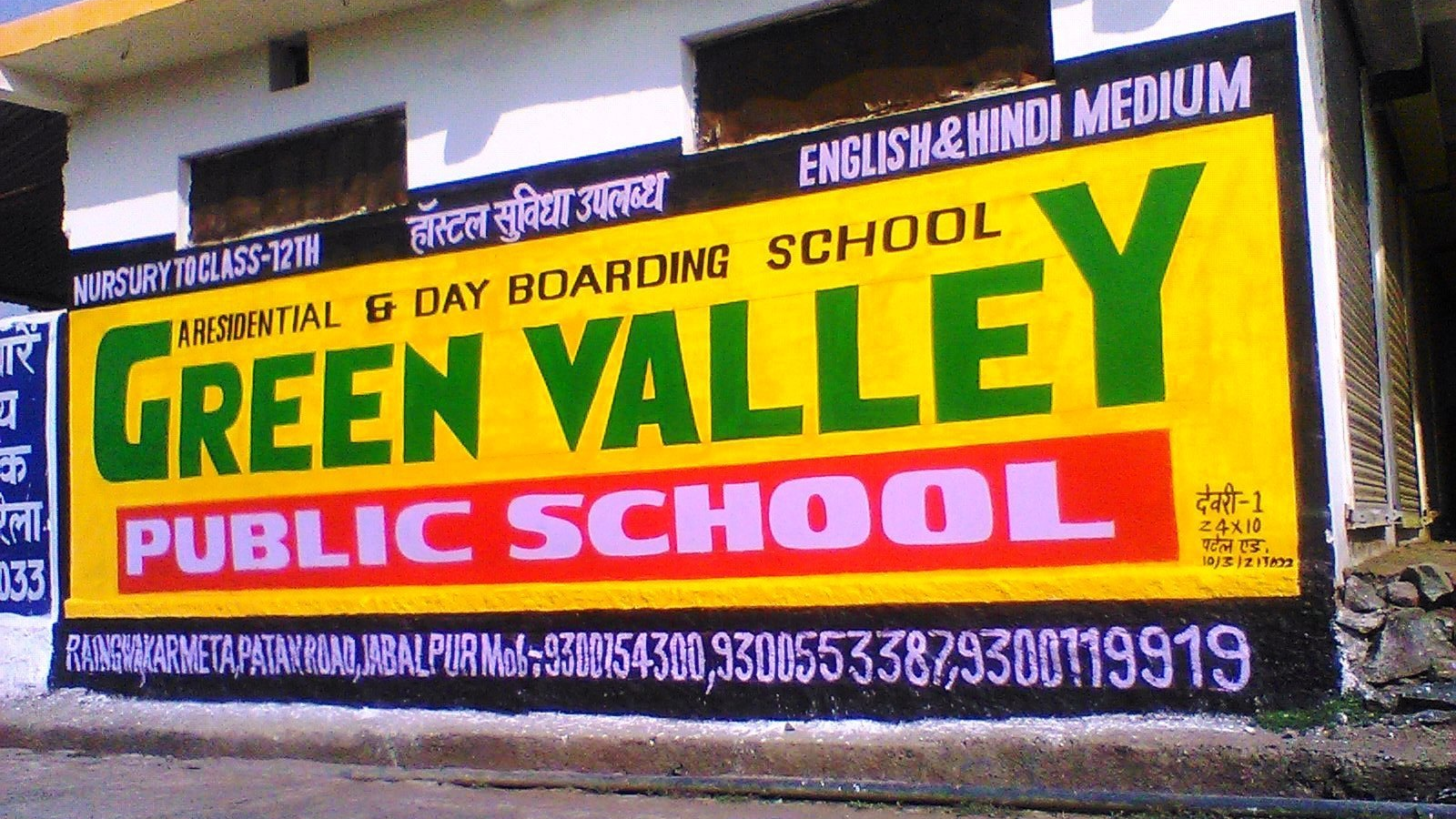
8. Wall Paintings in Residential Areas
Wall paintings offer long term visibility and are effective in semi urban and rural locations. They help institutes to become familiar names within the community over time.
As part of offline advertising options for education, wall paintings deliver consistent exposure at a relatively low cost.
How to Choose the Right Offline Advertising Options
Not all offline channels work the same for every school. Choosing the right media depends on who you want to reach, where they are and what your admission goals are. Studies show that parents are 60% more likely to trust institutes they see regularly in their neighbourhoods, so aligning your advertising with local habits is key.
Schools and colleges get the best results by mixing multiple offline options from newspapers and bus shelters to community events and branded stationery. This approach not only increases visibility but also builds trust and recall, turning casual observers into engaged parents ready to enquire. In offline marketing, it’s not just about being seen, it’s about being seen in the right place, at the right time and with the right message.
Benefits of Offline Advertising for Education Institutes
- Builds trust and credibility among parents and students
- Strengthens local visibility
- Supports admission focused campaigns
- Improves long term brand recall
- Complements digital marketing efforts
Frequently Asked Questions (FAQ’s)
1. Why does offline advertising matter for schools?
Because parents trust what they see around them. Banners, newspapers and local ads help schools feel familiar and reliable.
2. Which offline ads work best for schools?
Simple formats like newspaper ads, hoardings, flyers, bus shelter ads and education fairs usually bring strong visibility.
3. Is offline advertising still useful today?
Yes. When schools combine offline ads with digital marketing, they often reach more parents and get better enquiries.
4. Is offline advertising expensive?
Not always. Options like flyers, flex banners and wall paintings are affordable and still very effective locally.
5. How does offline advertising help increase admissions?
Seeing a school’s name regularly in the neighbourhood builds familiarity, making parents more likely to enquire during admission season.
Offline advertising continues to be a valuable tool for education institutes looking to grow visibility and admissions. By choosing the right offline advertising options, institutes connect with parents and students in a more meaningful way.
From print media to outdoor formats, traditional advertising methods for education play an important role in shaping trust and perception. With thoughtful planning and consistent execution, offline advertising can deliver reliable and lasting results.
Why Choose Ginger Media Group for Affordable Offline Marketing
Ginger Media helps startups execute affordable offline marketing campaigns with clarity, transparency and measurable impact. With strong expertise across outdoor, transit, print and on ground activations, Ginger Media focuses on cost effective solutions that deliver real visibility without unnecessary spending. From planning and execution to monitoring and reporting, the team ensures startups get the best value from every offline campaign. By combining strategic media selection with on ground execution strength, Ginger Media enables brands to scale offline marketing efficiently and confidently.
]]>Outdoor advertising remains one of the most effective offline marketing channels, helping brands achieve strong visibility and audience engagement in a crowded market. Studies show that over 70% of consumers notice outdoor ads and nearly half have made a purchase influenced by them. From billboards to transit displays and digital out-of-home (DOOH), these campaigns deliver real-world exposure that drives campaign performance and enhances overall brand impact.
However, measuring the ROI of outdoor advertising is often a challenge for marketers. Without clear performance tracking and data-driven insights, it’s difficult to justify budgets or optimize campaigns. This guide outlines 8 practical steps to evaluate advertising impact, improve budget allocation and make smarter marketing decisions with measurable results.
Why Measuring ROI in Outdoor Advertising Is Important?
Measuring ROI in outdoor advertising is essential for brands to understand the real business value of their campaigns. Outdoor ads operate in physical environments, so tracking audience engagement, exposure and brand visibility requires clear, practical methods. Studies show that brands monitoring outdoor campaign performance experience up to 20% higher consumer recall and stronger awareness.
Effective ROI measurement provides actionable insights into audience reach and overall advertising impact, enabling smarter budget allocation and improved campaign strategies. By linking performance to measurable outcomes, brands can optimize future campaigns, enhance marketing effectiveness and ensure outdoor advertising contributes meaningfully to data-driven business decisions.
8 Steps to Measure ROI of Outdoor Advertising
Step 1: Define Clear Campaign Objectives
The first step in measuring ROI is setting clear and measurable campaign objectives. These objectives may include increasing brand awareness, driving store visits, generating leads or improving sales performance.
Research shows that campaigns with clearly defined goals are over 50% more likely to achieve measurable results compared to those without. Having specific, quantifiable targets ensures that success metrics are aligned with business outcomes and provides a strong foundation for evaluation, enabling marketers to track performance, optimize strategies and demonstrate the tangible impact of outdoor advertising investments.
Step 2: Identify Target Audience and Locations
Understanding the target audience and selecting the right locations is key to outdoor advertising success. Ads placed in high-traffic areas aligned with audience behavior can increase engagement by up to 30%, according to industry studies. Strategic location planning ensures campaigns reach the right people at the right time, maximizing visibility and interaction.
This step not only boosts campaign performance but also makes ROI measurement more precise, allowing marketers to link exposure directly to outcomes like brand recall, store visits or lead generation and ultimately demonstrate the real value of outdoor advertising investments.
Step 3: Track Reach and Impressions
Reach and impressions show how many people actually saw an outdoor ad. Using traffic data, footfall and location analytics, brands can target high-visibility spots, reaching up to 60% of daily commuters in prime areas.
Tracking these metrics helps marketers gauge campaign exposure and directly link it to ROI, whether through store visits, inquiries or sales, making every outdoor campaign more measurable and effective.
Step 4: Use Location Based Data and Footfall Analysis
Footfall analysis shows how outdoor advertising drives people to physical locations like stores or event venues. Using GPS data and mobile location insights, brands can identify high-traffic areas that boost visits, with studies indicating targeted ads can increase store footfall by up to 25%.
This step is especially valuable for campaigns focused on offline engagement, helping marketers connect exposure to actual visits and measure ROI more effectively.
Step 5: Monitor Brand Recall and Awareness
Brand recall studies and surveys measure how well audiences remember an outdoor campaign. Post-campaign surveys reveal insights into message retention and brand recognition, with research showing that memorable outdoor ads can increase recall by up to 70%.
Monitoring brand awareness is crucial for evaluating the long-term impact of campaigns and linking audience perception to overall ROI.
Step 6: Track Lead Generation and Sales Impact
Curious how outdoor ads actually turn heads into action? For performance-focused campaigns, brands track leads, inquiries and sales generated from outdoor advertising. By leveraging unique phone numbers, QR codes, and custom landing pages, marketers can accurately attribute responses, with studies showing tracked campaigns can increase conversions by up to 35%.
This approach connects outdoor exposure to tangible business results, making ROI measurement precise and helping brands understand the true impact of their campaigns.
Step 7: Compare Campaign Costs with Outcomes
To know if your outdoor campaign really paid off, brands calculate ROI by comparing total campaign costs with measurable results. Costs usually cover media placement, production and execution and studies show that campaigns with detailed ROI tracking can improve marketing efficiency by up to 25%.
This comparison helps marketers understand how effectively their budget was used, identify high-performing strategies and determine whether investments delivered the expected business returns, making every outdoor advertising decision more data-driven and impactful.
Step 8: Analyse Results and Optimize Future Campaigns
The final step is analysing campaign data to see what worked and what didn’t. Insights from past outdoor campaigns can improve targeting, messaging and placement strategies, with studies showing that brands who optimize based on data achieve up to 30% higher ROI in future campaigns.
Continuous review and refinement ensure that every subsequent outdoor ad delivers stronger results, better engagement, and measurable business impact.
Common Challenges in Measuring Outdoor Advertising ROI
Outdoor advertising measurement comes with challenges like limited real-time data, tricky attribution and no universal measurement standard. But brands that combine multiple tracking methods gain clearer, more accurate insights, with studies showing up to 40% better performance accuracy.
Following a structured measurement approach not only helps evaluate campaigns effectively but also empowers marketers to make smarter, data-driven decisions, optimize strategies and ensure every outdoor ad investment delivers maximum ROI and business impact.
Measuring ROI in outdoor advertising takes a clear strategy, the right tools and consistent tracking. By following these 8 steps, brands can accurately assess ROI, gain deeper insights into campaign performance and confidently justify their marketing investments. As outdoor advertising evolves, adopting data-driven measurement practices ensures every campaign delivers maximum impact, stronger engagement and long-term marketing success for the brand.
Frequently Asked Questions (FAQs)
1. How is ROI calculated in outdoor advertising?
ROI in outdoor advertising is calculated by comparing the total campaign cost with the measurable outcomes it generates. These outcomes may include increased store visits, leads, website traffic, or sales attributed to the campaign. Marketers typically use the formula:
ROI = (Revenue generated – Campaign cost) ÷ Campaign cost × 100.
This calculation helps brands determine whether the campaign delivered a profitable return.
2. What metrics are commonly used to measure outdoor advertising performance?
The most common metrics include reach, impressions, footfall data, brand recall, engagement levels, leads generated, and sales impact. Additional tools such as QR codes, custom URLs, location analytics, and surveys help marketers track how audiences interact with outdoor advertisements and connect exposure to measurable outcomes.
3. Can outdoor advertising ROI be tracked accurately without digital tools?
While digital tools make tracking easier, outdoor advertising ROI can still be measured using traditional methods such as customer surveys, coupon codes, unique phone numbers, and in-store feedback. However, combining these methods with digital tracking technologies like GPS-based footfall analysis and QR code tracking significantly improves measurement accuracy.
4. How long does it take to measure the results of an outdoor advertising campaign?
The timeframe depends on the campaign objective. Campaigns focused on brand awareness may take several weeks or months to reflect results through recall studies and surveys. Performance-driven campaigns, such as those aimed at generating leads or store visits, can often show measurable results within a few days or weeks after launch.
5. What tools help improve ROI tracking for outdoor advertising campaigns?
Several tools can enhance measurement accuracy, including mobile location analytics, QR codes, unique landing pages, call tracking numbers, brand recall surveys, and campaign management platforms. These tools allow marketers to link audience exposure to real actions such as store visits, inquiries, and purchases, enabling more precise ROI evaluation.
Why Choose Ginger Media Group for Affordable Offline Marketing
Ginger Media helps startups run affordable offline marketing campaigns with full clarity, transparency and measurable impact. With expertise across outdoor, transit, print and on-ground activations, the team delivers cost-effective solutions that maximize visibility without unnecessary spending. From planning and execution to monitoring and reporting, Ginger Media ensures every campaign generates real results. By combining strategic media selection with strong on-ground execution, Ginger Media empowers startups to scale offline marketing efficiently, make data-driven decisions and confidently achieve meaningful brand growth.
]]>Ready to talk with a marketing expert?

A Pragmatic and innovative way to enthrall your target group is just a click away!
Get in Touch
Rukmini Knowledge Park, Kattigenahalli, SH 104, Srinivasa Nagar, Bengaluru, Karnataka 560064
+91-990 247 8800
contact@gingermediagroup.com
Popular in Television Advertising
Udaya TV AdvertisingSun TV AdvertisingStar Plus AdvertisingTV 9 AdvertisingZee TV AdvertisingNDTV India AdvertisingColors TV AdvertisingPopular in Airport Advertising
Spice Jet AdvertisingMumbai Airport AdvertisingDelhi Airport AdvertisingEmirites AdvertisingIndiGo Airlines Domestic India AdvertisingPopular in Newspaper Advertising
Deccan Herald AdvertisingPrajavani AdvertisingThe Hindu AdvertisingEconomic Times AdvertisingDainik Jagran AdvertisingHindustan Times AdvertisingPopular in Magazine Advertising
Forbes AdvertisingCosmopolitan AdvertisingBusiness World AdvertisingVogue Magazine AdvertisingPopular in Sports Advertising
IPL AdvertisingPopular in Outdoor Advertising
Billboard AdvertisingBus Shelter AdvertisingMetro Pillar AdvertisingUnipole Advertising© Ginger Media Group 2025. All Rights Reserved.