Below are the top 10 affordable offline advertising options for startups, explained with real life brand references so you can see how these channels are actually used on the ground.
1. Flyers & Pamphlet Distribution
Flyers are often dismissed as “cheap marketing,” yet several startups used them deliberately to create early traction.
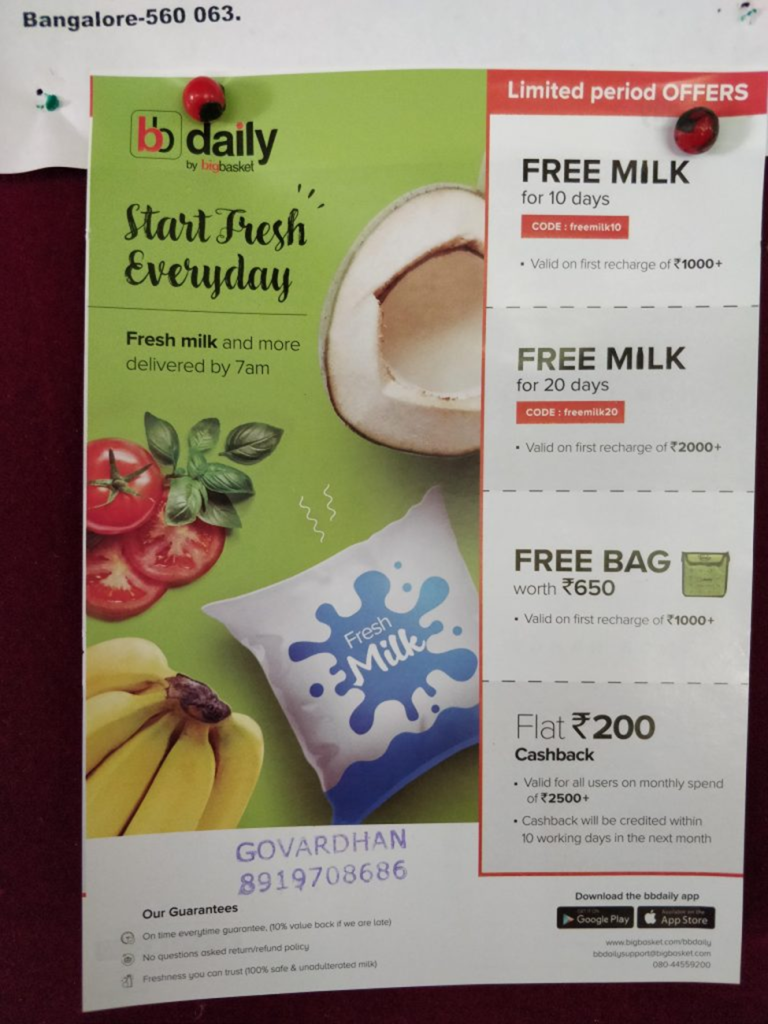
BigBasket used hyperlocal flyer distribution in gated societies, apartment complexes, and residential clusters to introduce the idea of online grocery shopping at a time when the habit was still new. The flyers were practical, not flashy. They focused on everyday problems long queues, carrying heavy grocery bags, and lack of time and positioned BigBasket as a simple solution.
For startups today, flyers work best when distribution is intentionally narrow, message driven, and paired with a simple next step like a call or QR scan.
2. Local Newspaper Advertisements
Local newspapers continue to play a quiet but powerful role in categories where trust matters.
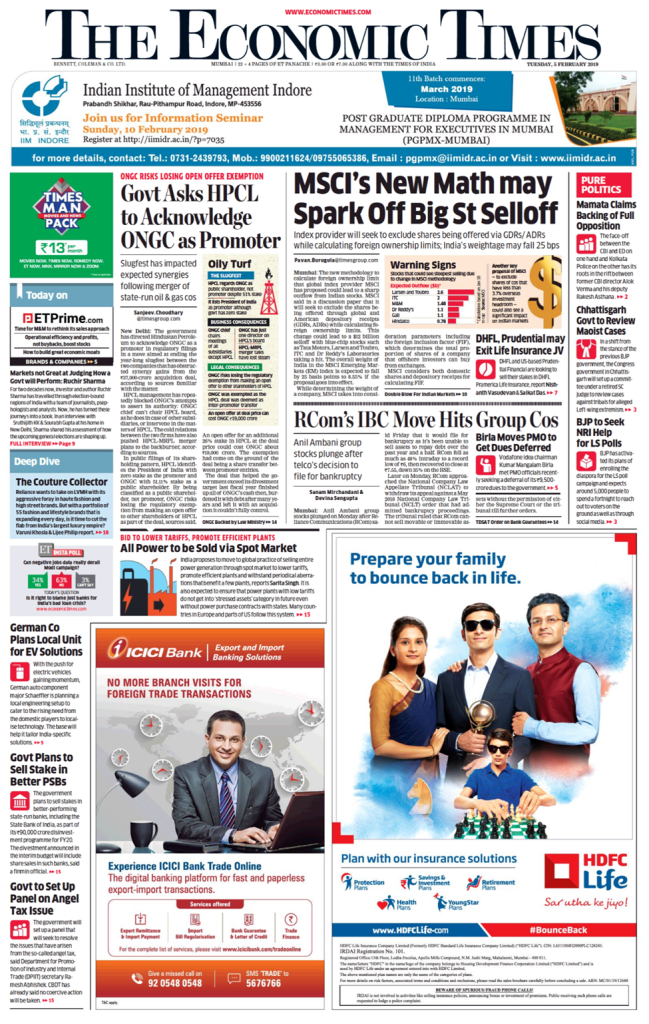
A reliable example is HDFC Life, which has consistently used regional and vernacular newspapers to build credibility in Tier-2 and Tier-3 markets.
The ads didn’t push complex products. Instead, they addressed life protection, family security, and long term planning in simple language.
For industries like finance, healthcare, education, or real estate, print isn’t about immediate conversion, it’s about legitimacy.
3. Metro Jingle Style Audio Ads
Most ads demand attention. Metro jingle ads don’t. They simply exist in the background of everyday life.
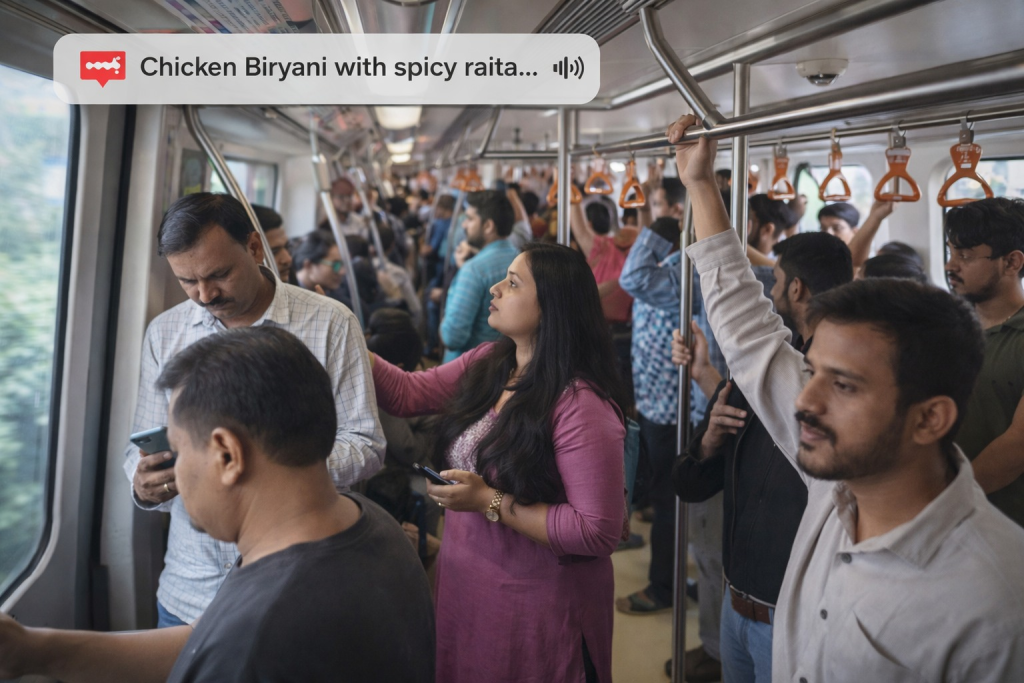
You’re standing on the platform. Trains are delayed. You’re tired. Hungry. Mentally planning what to eat once you get home. And in between the usual announcements, a short, playful jingle plays. It doesn’t sell. It doesn’t shout. It just lands.
That’s the power of metro jingle ads.
Brands like Zomato used this format to slip into a moment people already live through daily. The jingles sounded familiar, almost like the metro’s own voice, light, witty, and relatable. No features. No offers. Just a gentle reminder that food is one decision away.
4. Auto, Cab & Bus Branding
Transit advertising is one of the most underutilized offline channels for startups with local or city wide audiences.
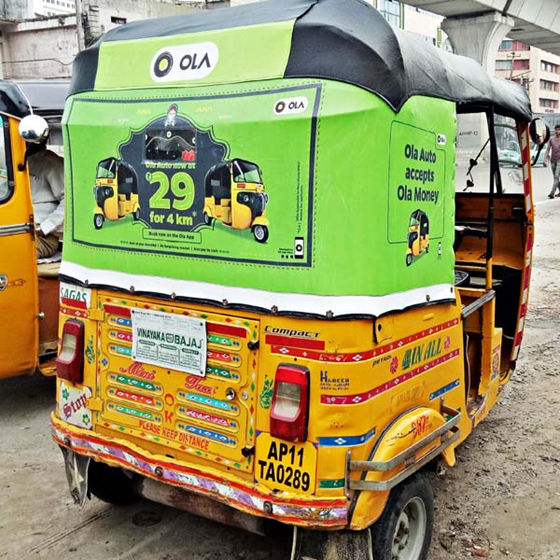
Ola extensively used auto rickshaw and cab branding in its early expansion days. Instead of high cost hoardings, Ola focused on moving visibility, ensuring its brand was seen across neighborhoods daily.
Even for non mobility startups, auto back panels and cab stickers offer consistent impressions at a fraction of traditional outdoor costs.
The power here lies in repetition seeing the same brand across streets builds subconscious familiarity.
5. Event Sponsorships
You don’t need to sponsor mega events to make an impact.
Red Bull is globally known for event marketing, but its strategy started small. Local college festivals, niche sports events, and community gatherings were the foundation before global scale.
Indian startups have followed similar paths sponsoring hackathons, startup meetups, and college fests where their exact audience already exists.
Event sponsorships work when the brand integrates naturally into the experience, not when it simply puts up banners.

6. Posters & Wall Branding in High Footfall Areas
Posters still matter when placed where attention naturally pauses.
Paytm used wall posters and shop front branding aggressively during its early merchant onboarding phase. Small kirana stores, mobile shops, and cafes became brand touchpoints long before QR payments were mainstream.
The messaging was simple, visual-heavy, and repetitive. Over time, Paytm became a familiar name even among users who hadn’t adopted digital payments yet.
For startups, posters work best when they dominate specific micro locations instead of trying to cover an entire city.

7. In Store Branding & Retail Tie Ups
Retail partnerships allow startups to borrow trust and footfall.
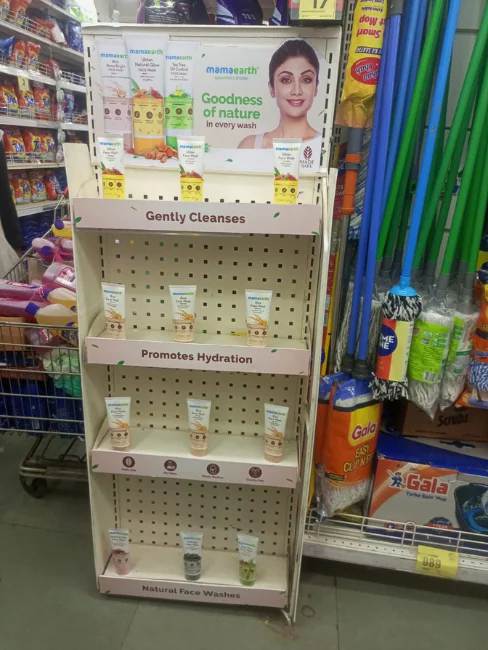
Mamaearth used in store standees, shelf branding, and counter displays across pharmacy and cosmetic stores during its early offline push. Instead of opening exclusive stores immediately, the brand focused on visibility where purchase decisions already happened.
Customers discovered the brand physically first and later transitioned to online purchases.
This approach is especially effective for D2C startups looking to bridge offline discovery with online scale.
8. Cinema Advertising
Cinema advertising is often perceived as expensive, but regional theaters offer affordable entry points.
Britannia has consistently used cinema screen advertising, especially in regional and single screen theatres, to strengthen mass market brand recall. The ads were short, emotionally familiar, and centered around everyday family moments not product features.The captive environment of cinema halls made even short ads memorable.
For startups, cinema ads work best when focused on brand presence, not feature explanations.

9. Newspaper Inserts & Door Drops
Newspaper inserts allow startups to enter households directly.
Lenskart used newspaper inserts during local store launches to drive footfall. These inserts often included limited time offers or free eye check up announcements.
Rather than blanket distribution, inserts were limited to neighborhoods near physical stores, ensuring relevance.
This tactic works particularly well for startups with local outlets or service areas.

10. Small Outdoor Hoardings & Directional Boards
Not all outdoor advertising requires massive budgets.
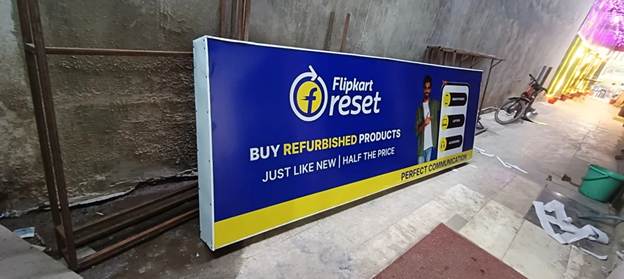
Flipkart used small format hoardings and directional signage during sale seasons, especially near residential clusters and arterial roads. These weren’t brand building creatives, they were location based reminders.
For startups, small hoardings near stores, offices, or service zones can quietly outperform large, expensive billboards.
The key is clarity and placement, not size.
Final Thoughts: Offline Advertising Rewards Discipline, Not Spend
Affordable offline advertising options remain powerful not because they’re cheap, but because they’re human, tangible, and persistent.
When you embed your brand into the physical spaces your audience occupies, something interesting happens: your brand stops being just another face on a screen and becomes a presence people recognize and recall instantly.
Modern brands like Slice, BigBasket, Zepto, Mamaearth, Unacademy, Amazon Prime Video, Lenskart, Urban Company, and Fastrack prove that offline advertising continues to deliver value especially when executed with purpose, measurement, and integration.
If you’re ready to build a campaign that bridges offline strength with online precision, I can help you design a channel wise playbook, draft campaign creatives, and set tracking frameworks. Just let me know.
Why startup’s should choose GINGER MEDIA GROUP for Affordable Offline Advertising
Startups should choose GINGER MEDIA GROUP because they genuinely understand how tight budgets and fast decisions work in early stage companies. They help startups get noticed in the real world through affordable, well planned offline campaigns that actually reach people where they live, travel and shop. With clear pricing, quick execution, and a strong focus on real impact not just promises GINGERMEDIAGROUP makes offline advertising simple, practical and effective for growing brands.
]]>Unlike a hoarding that sits in one place, waiting for someone to look up, cab ads travel with your audience. They show up at office gates, metro stations, malls, crowded intersections, and right inside the cab, where riders spend 20 – 40 minutes looking around. It’s offline visibility, which isn’t dependent on luck; it’s built into the way NCR moves.
Cab Advertising in Delhi NCR
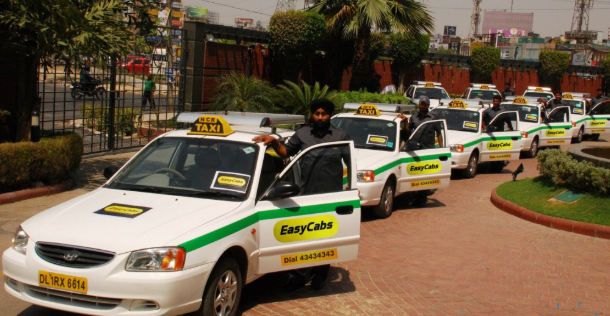
Cab branding basically means that one’s brand is featured on an Ola/Uber cab, local taxi fleets, or corporate car fleets. These brands may be featured outside the cabs through wraps and stickers or inside the cab with seatback posters, QR codes, and digital screens. These cabs will naturally go through high traffic-high attention zones across Delhi, Gurugram, and Noida; hence, they are perfect for brands looking to build salience throughout the day.
One of the huge benefits in 2026 is how cab ads complement digital marketing. People may have seen your ad on Instagram and the next morning see the same branding on the cab, which enhances recall and makes the brand feel familiar.
How Brands Advertise on Cabs in 2026: Formats That Actually Work
1. Full Body Wraps
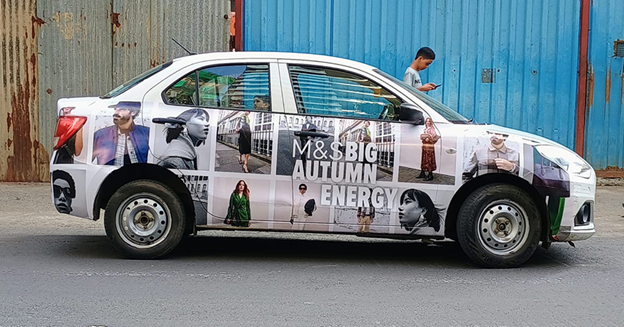
Full body wraps turn the entire cab into a moving billboard. The car is fully covered with your branding, making it impossible to miss on busy Delhi NCR roads. This format offers maximum visibility and is ideal for major launches, high-impact city-wide campaigns, and brands aiming for strong recall across Gurugram, Noida, and South Delhi.
2. Partial Wraps
Partial wraps cover only select areas, like the doors or side panels. They provide strong on-road visibility at a more affordable price point. This format works well for brands wanting good reach across high traffic routes without the higher cost of a full wrap.

3. Stickers on the Rear Windshield
Rear windshield ads are extremely effective in Delhi NCR traffic. Vehicles stuck behind the cab naturally end up viewing the sticker repeatedly. This makes it ideal for short messages, quick CTAs, promo codes, and high-frequency recall during peak hour congestion.

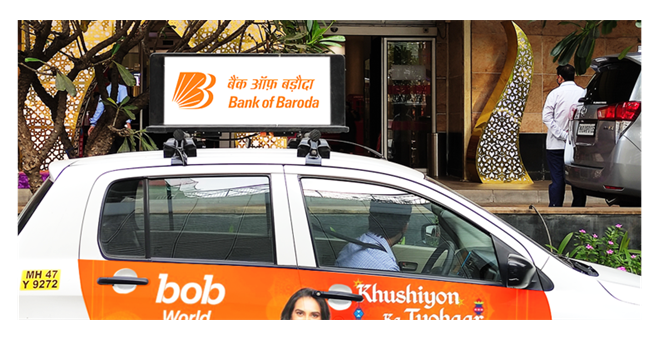
4. Roof Toppers
Roof toppers offer elevated, long-distance visibility. They work especially well in commercial zones, marketplaces, and during evening traffic. With lit toppers, the cab becomes even more noticeable at night, making this format perfect for restaurants, entertainment apps, and brands targeting late-hour commuters.
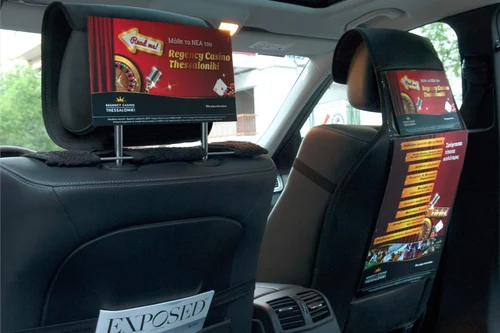
5. In Cab Branding
In-cab advertising includes seatback posters, flyers, branded seat covers, and digital screens. Riders spend 20–40 minutes inside the cab, giving your message extended exposure. This format is great for app installs, QR code scans, offers, and campaigns that require rider engagement.
How Cab Advertising Campaigns Run in NCR
Cab advertising in NCR is driven by routes, not just vehicles. Campaigns are planned around high-movement corridors, corporate hubs, airport routes, and dense commuter zones to ensure repeated, meaningful exposure. Fleet selection focuses on ride frequency and route consistency, while execution depends on accurate branding, daily monitoring, and on-ground coordination. With traffic patterns changing constantly, structured tracking and reporting are critical to ensure campaigns run as planned. Media groups with strong on-ground control, like Ginger Media Group, help brands turn moving inventory into reliable visibility.

Who Should Use Cab Advertising in Delhi NCR?
Cab ads work particularly well for brands that require recurring visibility, especially in urban pockets. This includes:
- Tech startups
- Food delivery and quick commerce
- Gyms, clinics, salons, coaching centres
- Colleges and edtech brands
- Retail stores and malls
- Developers of real estate
- FMCG brands during festive seasons
- Apps looking for awareness or installs
If your target audience moves around the city, cab branding helps you stay in their line of sight consistently.
How Much Reach Do Cab Ads Provide?
Cab ads act as mobile billboards, generating thousands of daily impressions as they traverse busy routes, traffic hotspots, and high footfall zones. Research suggests a single cab can reach 15,000 – 30,000 people per day, and in dense traffic areas, even up to 50,000 impressions. A fleet of 50 – 100 vehicles can deliver hundreds of thousands to millions of impressions per month, offering repeated exposure that drives strong brand recall. In NCR’s bustling corridors, this makes cab advertising a powerful tool for wide, consistent reach.
Best Practices for High ROI Cab Advertising
To get the most out of your campaign:
- Choose routes according to your audience’s daily movement.
- Keep creatives bold, simple, and readable in 2–3 seconds.
- Use QR codes or short URLs for tracking.
- Run campaigns for at least 4–8 weeks for stronger recall.
- Pair cab ads with digital campaigns for a complete funnel.
Conclusion
Cab branding in Delhi NCR is the smartest, high-visibility marketing strategy in 2026. It leverages the movement of the city very well, builds regular offline exposure, and also supports digital ads. For any brand looking to reach people where they actually are on roads, in traffic, and in cabs, this would be among the most cost-effective and high-frequency media available today.
Use a small fleet first, test the outcome in your key zones, and scale up once you see the impact. In a city that never stops moving, this is one advertising format that moves right along with it.
Why choose Ginger Media Group for Cab Advertising in Delhi NCR
In the fast-moving streets of Delhi NCR, your brand needs to move with the city literally. Ginger Media Group leverages its strong network of trusted vendors and fleet partners to make cab advertising execution seamless. Our deep on-ground presence across NCR ensures that every cab is installed correctly, follows the planned routes, and stays on schedule without the usual delays or coordination headaches. From strategic route planning and vibrant creative design to real-time deployment and performance tracking, we handle every detail. Each cab becomes a dynamic, attention-grabbing storyteller, reaching millions of commuters across metro lines, business hubs, and busy neighborhoods, driving recall, engagement, and measurable impact.
]]>Why should businesses focus on radio advertising?
- Targeted Reach: Tailor your message to specific demographics.
- Cost-Effective: Offers higher ROI compared to many digital ads.
- Local Engagement: Connect with the community through local content.
- High Listenership: Millions tune in daily, especially during commutes.
- Brand Personalization: Build trust and relatability through engaging storytelling.
- Diversified Audience: Reach varied listener groups across multiple genres.
This blog will give a lively overview of the top 10 radio stations in Mumbai the kind of unique offers each station is making, the kind of people listening to the stations, and how businesses can use these as opportunities for good advertising. Over 60% of the population listens to the radio regularly in Mumbai. That itself is a great reason to not ignore radio while planning your overall marketing strategy. Let’s see this dynamic media landscape!
Top 10 Radio Stations in Mumbai: Your Ultimate Guide
Mumbai is often said to be the pulsating heart of India, as it is abuzz with its vibrant culture and diverse communities; it also throws in an interesting mix of radio stations. You can hear all the Bollywood numbers, or melodious songs from the soothing rain to the most soothing melodies. Take a trip down the top ten radio stations of Mumbai, noting their unique characteristics and what they have to say.
Why Listen to Radio in Mumbai?
Let’s get into the list, but before that, here are some reasons why radio remains a favorite medium in Mumbai:
- Variety of Content: Whether it is music, talk shows, or news updates, radio has everything.
- Accessibility: Other media need internet access; radio can be accessed with a receiver.
- Local Flavor: Radio stations often feature local talent, music, and events that reflect the culture of Mumbai.
Top 10 Radio Stations in Mumbai
1. Radio City 91.1 FM
Synopsis:
Radio City is famous for its dynamic playlist that plays everything from current Bollywood numbers to local music.
Key Features
- Multiple Shows: Their morning shows run to late-night talk shows and have a myriad of programs on the air.
- Interactivity: Encourages viewers through games, and contests, so it’s much fun.
- Audience Interaction: Interacts with the audience through social media.
2. Red FM 93.5
Profile:
“Bajaate Raho!” – is one of the famous slogans for Red FM, which has made its space in the list of popular radio stations in India due to its music mixed with some fun talk shows.
Features:
- Catchy Shows: “Hello Bollywood” where it provides listeners with the latest updates of Bollywood.
- Listener Engagement: Often holds giveaways and listener games.
- Local Flavor: The station features much local flavor and regional music.
3. Radio Mirchi 98.3 FM
Summary:
This is one of the best radio stations in India, popular for its different styles and vivacious presenters.
Key Features:
- Different Music: Mostly Bollywood but a good number of international numbers are also included.
- Popular Shows: Like “Kaun Banega Crorepati,” which gives an old-fashioned game-show flavor to the broadcast.
- Interviews with Bollywood Stars: Almost daily, the station features interviews with Bollywood stars which give listeners a peek into the life of these celebrities.
4. Big FM 92.7
About:
Big FM 92.7 is very nostalgic. They have old songs, besides modern songs.
Features:
- Old is Gold: There is more emphasis on the old songs from the 60s and 70s in Bollywood.
- Emotional Connection: Programmes that remind the listeners of their youthful days.
- Family Programming: Shows that engage the whole family, hence it’s a favorite in most homes.
5. Radio One 94.3 FM
Overview:
Radio One is an English FM station targeting the urban Mumbai populace.
Key Features:
- Fresh Content: International hits mixed with Indian music make for a refreshing radio mix.
- Talk Shows: Thought-provoking discussions on everything from lifestyle to current events.
- Quality Production: Quality audio and entertaining content make them a favorite of expats.
6. AIR FM Gold 100.7
Summary:
The All India Radio (AIR) FM Gold station airs classic Indian music with informal programming that is informative.
Key Features:
- Educational Content: It broadcasts several informative shows on health culture, and education.
- Awareness Programs: Features social issues through various programs.
- Vast Coverage: It is a government station so widely spread.
7. Radio Tadka 107.9 FM
Synopsis:
Mainly entertaining the local music enthusiasts, Radio Tadka serves the regionals with the best of Bollywood sounds.
Main Attributes:
- Local Artiste: More frequently presents the locals and their fresh creations.
- Cultural Shows: Includes cultural activities as they showcase events like festivals, local happenings, etc.
- Social Events: Active participation in events that increase socialization at the grassroots level.
8. Radio Nasha 91.9 FM
Description:
With the conviction of entertaining the listeners with the “golden era of Bollywood”, Radio Nasha brings the classic tracks back to life.
Features:
- Nostalgia Factor: A huge focus on hits from the 70s, 80s, and 90s.
- Theme-Based Shows: Programs based on themes from classic movies.
- Special Features: “Reminiscing Sundays” brings to mind some of the memorable performances of yesteryears.
9. Fever FM 104.0
Overview:
Fever FM has taken to the airwaves pretty quickly, carving out an image as one of the hip destinations for new-generation listeners in modern music sounds.
Features:
- Youth-Centric: Focuses on music popular among millennials, including regional and international sounds.
- Interactive Content: Engages listeners with live requests and social media shout-outs.
- Variety Shows: A mix of music, interviews, and listener interactivity provides a well-rounded experience.
10. Radio Mango 91.9 FM
Overview:
It’s the first FM station in Kerala, but that has helped this radio to do well in the city of Mumbai with regional programs.
Features:
- Keralite Programmes: The number of Keralites is sizable in Mumbai and the Malayalam music and culture are catered to.
- Cultural Promotions: Segments highlighting Kerala’s food, culture, and festivals are there.
- Community Engagement: It promotes local events and gatherings of Keralite migrants.
Conclusion: Tune In and Enjoy!
Mumbai’s radio stations reflect the city’s vibrant and heterogeneous character. Each station brings its flair and programming to the bustling soundscape of this urban metropolis. Whether you’re a fan of Bollywood hits, talk shows, or engaging discussions, there’s a station tailored to your preferences.
FAQs About Mumbai Radio Stations
- What are the most popular genres on Mumbai radio?
- Mainly Bollywood, but many stations also have regional, oldies, and international music.
- Are these stations available online?
- Yes, most radio stations have an online presence and can be streamed live through their websites or apps.
- Do radio stations host local events?
- Yes, many stations engage with their communities through events, contests, and live broadcasts from local festivals.
Conclusion
Radio is one of the biggest entertainment and information providers in Mumbai. With such an enormous variety of options, there is sure to be a station that appeals to you. Listening to the radio not only entertains you with great music and discussions but also supports local talent and connects you to the spirit of Mumbai. So, get your radio sets ready and let the waves of Mumbai soothe and inspire you!
Conclusion
In conclusion, Mumbai’s radio landscape is as vibrant and diverse as the city itself, offering a multitude of stations that cater to a variety of tastes, preferences, and cultural influences. From the nostalgic melodies of classic Bollywood hits to the latest chart-toppers and informative talk shows, the top 10 radio stations highlighted in this post reflect the dynamic spirit of Mumbai. Whether you want to find some interesting stuff, the latest news, or just a break from music while on your way to work, these radio stations give you quality programs that connect you to the pulse of the city. We hope that this list will inspire you to tune in and explore the rich auditory experiences Mumbai has to offer.
Outline
- Popular Cultural Influence: Radio stations in Mumbai play a very important role in shaping the local culture by promoting regional music, entertainment news, and community engagement. They reflect the city’s diverse demographics, connecting people through a shared love for music and storytelling.
- Innovative Programming: Most of the best radio stations have innovative programming strategies that are more than just the traditional formats. This includes interactive listener participation, themed shows, and collaborations with local artists, making the listening experience more engaging and personalized for audiences.
- Access and Reach: Along with this increase in digital media, radio stations have reached greater heights in the form of online streaming and mobile apps. With this kind of access, any person in any corner of the world can now tune into this fantastic radio culture from Mumbai and thus create a sort of sense of community.
Ready to talk with a marketing expert?
A Pragmatic and innovative way to enthrall your target group is just a click away!
Get in Touch
Rukmini Knowledge Park, Kattigenahalli, SH 104, Srinivasa Nagar, Bengaluru, Karnataka 560064
+91-990 247 8800
contact@gingermediagroup.com
Popular in Television Advertising
Udaya TV AdvertisingSun TV AdvertisingStar Plus AdvertisingTV 9 AdvertisingZee TV AdvertisingNDTV India AdvertisingColors TV AdvertisingPopular in Airport Advertising
Spice Jet AdvertisingMumbai Airport AdvertisingDelhi Airport AdvertisingEmirites AdvertisingIndiGo Airlines Domestic India AdvertisingPopular in Newspaper Advertising
Deccan Herald AdvertisingPrajavani AdvertisingThe Hindu AdvertisingEconomic Times AdvertisingDainik Jagran AdvertisingHindustan Times AdvertisingPopular in Magazine Advertising
Forbes AdvertisingCosmopolitan AdvertisingBusiness World AdvertisingVogue Magazine AdvertisingPopular in Sports Advertising
IPL AdvertisingPopular in Outdoor Advertising
Billboard AdvertisingBus Shelter AdvertisingMetro Pillar AdvertisingUnipole Advertising© Ginger Media Group 2025. All Rights Reserved.