Moreover, personalised campaigns tailored to specific demographics leverage data analytics for effective targeting. Virtual reality and immersive technologies provide a sneak peek into India’s tourist hotspots, enhancing engagement. Sustainable and responsible tourism is a key theme, emphasising eco-friendly practices and community involvement.
Inclusivity is another trend, promoting lesser-known destinations and highlighting the warmth of Indian hospitality. Compelling narratives focus on experiential journeys, creating emotional connections. With these trends, tourism advertisements in India are evolving to attract visitors and foster a sense of exploration and cultural appreciation.
Importance of Tourism Advertisements in India
Tourism advertisement India play a crucial role in showcasing the country’s rich cultural heritage, diverse landscapes, and vibrant traditions. These ads are powerful tools to attract visitors and boost the tourism industry, significantly contributing to the country’s economy. By highlighting iconic landmarks like the Taj Mahal, serene beaches, and bustling markets, these advertisements create an allure that captivates potential travellers.
Tourism ads promote popular destinations and shed light on lesser-known gems, encouraging exploration beyond the mainstream. Moreover, they contribute to fostering a positive image of India globally, dispelling misconceptions and attracting diverse tourists. This trend highlights India’s diverse and rich culinary heritage, enticing travellers with a flavorful journey.
These ads evoke a sense of wanderlust through enticing visuals and compelling narratives, prompting people to embark on memorable journeys. Tourism advertisements in India serve as ambassadors, inviting the world to experience the country’s beauty, hospitality, and cultural richness, fostering economic growth and cross-cultural exchanges.
Impact of Advertisement on Tourists

Tourism advertisement India plays a crucial role in shaping the experiences of tourists. These vibrant promotions showcase the country’s rich cultural heritage, diverse landscapes, and unique attractions. Advertisements Create awareness, enticing travellers with glimpses of breathtaking destinations like the Taj Mahal, vibrant markets, and scenic landscapes.
The impact is significant as it influences tourists’ decision-making processes. Compelling visuals and captivating narratives spark curiosity, encouraging people to explore India. Effective advertisements contribute to economic growth by attracting a steady influx of tourists, increasing local businesses’ revenue.
Moreover, advertisements serve as cultural ambassadors, fostering a positive image of India globally. Tourists often arrive with expectations shaped by these ads, contributing to the overall experience. However, it’s essential to maintain authenticity in advertising to ensure visitors encounter the true essence of India. Tourism advertisements in India are powerful tools that boost the economy and shape tourists’ perceptions, impacting their travel choices and experiences.
Top 8 Trends for 2023 Tourism Advertisements in India
Discover the latest trends in 2023 Indian tourism ads:
Hyper-Personalisation

In the dynamic world of tourism advertisement India, hyper-personalisation emerges as a key player. Understanding your audience becomes paramount — it’s like knowing your friend’s favourite flavour of ice cream. Imagine this: you’re planning a family holiday, and recently, you searched for “family holidays in Goa.” Now, picture scrolling through your feed and voila! An ad pops up, showcasing a cheerful family building sandcastles on a Goan beach. It’s not magic; it’s hyper-personalisation at its finest.
This strategy tailors ads based on what people like you are interested in and have done before. It’s like a personalised tour guide whispering, “Hey, I know you love family vacations, so check out this beautiful beach in Goa!”
In the tourism, where every click counts, hyper-personalisation is the secret sauce. It transforms advertisements from random pitches to tailored experiences, making potential travellers feel like the ad was made just for them. So, in the bustling world of tourism advertisement in India, remember the mantra: Know your audience, and let hyper-personalisation be your guide.
Micro-Influencers
In the vibrant tourism advertisement India, a new trend is taking the spotlight – micro-influencers. Forget the big celebrities; think local! These are social media rockstars from your favourite destinations. They’re like the cool kids next door who know all the hidden gems. Why?
Because when it comes to travel, we trust the advice of someone who feels like a friend. Micro-influencers are just that – your friendly neighbourhood guides. They’ve got engaged followers who hang onto their every recommendation.
Picture this: Instead of a big movie star promoting a fancy hotel, imagine a local Instagram guru sharing their favourite cosy homestay in the hills. It feels real, like getting tips from a friend who knows the place inside out.
So, in the world of tourism advertisement in India, it’s time to ditch the flashy celebs and tap into the authenticity of micro-influencers. They bring the charm, the realness, and the relatability that travellers crave.
Experiential Marketing
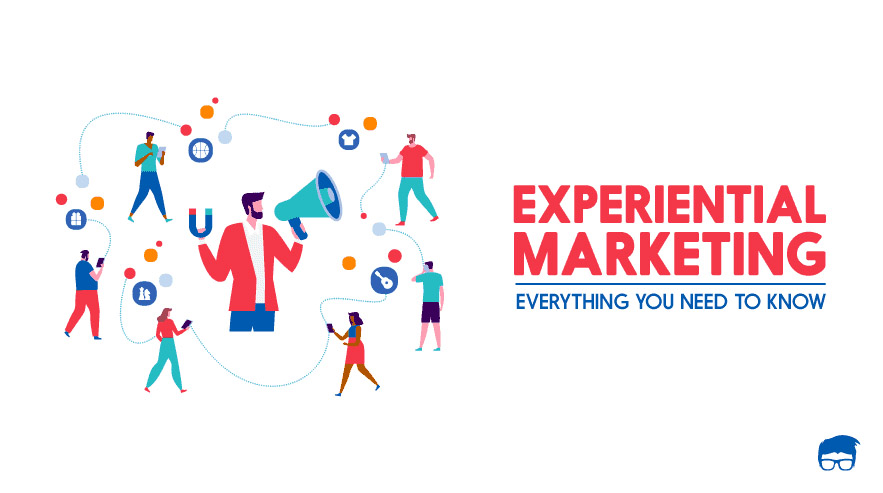
In the colourful area of tourism advertisement India, a captivating strategy is stealing the show: experiential marketing. It’s not just about showcasing places; it’s about selling the feeling, the thrill, and the joy of a destination.
Imagine this: Instead of a static image of a serene beach, picture an immersive video. Feel the rush of bungee jumping in Rishikesh, smell the aromatic spices in cooking classes in Kerala, or hear the roar of a tiger during a wildlife safari in Rajasthan. It’s like taking a sneak peek into the adventure that awaits.
Experiential marketing is all about stirring emotions and creating a connection. It’s not just saying, “Visit Rishikesh,” but showing the sheer excitement of taking that daring leap. It’s not just suggesting a trip to Kerala but letting you savour the flavours of a culture through a cooking class. So, in the tourism advertisement in India, remember: It’s not about the destination; it’s about the experience. Let the videos do the talking, the feeling, and the inviting. It’s not just a place; it’s a vibrant, immersive adventure waiting to be explored.
Sustainable Tourism

In the heart of tourism advertisement India, a rising star is taking the spotlight – sustainable tourism. Imagine a world where your vacation not only brings joy but also cares for the planet. That’s the magic of highlighting eco-friendly practices and responsible travel options.
Picture this: Ads not just showcase beautiful areas but also boast about how they are being preserved for generations to come.
It’s like inviting travellers to be Earth’s allies. From solar-powered hotels to wildlife conservation efforts, the focus is on experiences that don’t harm our planet. Sustainable tourism isn’t just a trend; it’s a movement. It’s about attracting travellers who care about the environment.
It’s saying, “Come, explore the beauty of India, and let’s ensure it stays beautiful.” These ads are a call to action, a promise that your adventure won’t leave a trail of harm but a footprint of care. So, in the world of tourism advertisement in India, let’s embrace the green wave. It’s not just a trip; it’s a journey that leaves the Earth smiling.
Short-Form Video Dominance
In the dynamic tourism advertisement India, short-form videos are stealing the spotlight. Think TikTok, Reels, and Shorts – these bite-sized wonders are the new rulers of the game, capturing attention in under 60 seconds to make an advertisement to promote tourism in India.
Imagine scrolling through your phone and stumbling upon a mini escape to India’s wonders – a burst of vibrant culture, breathtaking areas, and exciting activities all packed into a short video. It’s like a quick magic carpet ride into the heart of the destination.
Short-form video dominance is not just a trend; it’s a revolution. It’s about engaging viewers swiftly, leaving them in awe, and making them crave more. Whether it’s the majestic Taj Mahal, the bustling markets, or the serene backwaters, these videos are like postcards that come to life.
So, in the world of tourism advertisement in India, it’s time to embrace the short and snappy. These videos are the modern storytellers, weaving tales of beauty and adventure in just a few seconds. Let the reels roll, the TikToks dance, and the Shorts charm – India’s wonders await in a quick, delightful package.
Authenticity and Transparency

In the vibrant world of tourism advertisement in India, authenticity and transparency are the true stars. Forget the filters; it’s time to showcase the real, unfiltered beauty of India. Picture this: instead of polished perfection, ads that embrace imperfections tell the genuine stories that make India special.
Imagine flipping through a travel brochure and seeing not just glossy images but real moments captured by travellers like you. It’s about featuring user-generated content, snapshots of laughter, awe, and discovery. These are the stories that build trust and relatability.
Authenticity isn’t about hiding flaws; it’s about celebrating the uniqueness of each experience. It’s the bustling markets, the unexpected encounters, and the imperfect yet charming corners that make India unforgettable.
So, in the tourism advertisement in India, let’s wear our hearts on our sleeves. Let’s create ads that don’t just sell a destination but share the genuine emotions of those who’ve explored it. It’s time to connect on a real level because in authenticity, we find the true magic of India.
AI-powered Chatbots

In the exciting world of tourism advertisement in India, there’s a game-changer on the scene – AI-powered chatbots. Imagine having a friendly virtual assistant available 24/7 to make your travel dreams come true.
These chatbots are like travel wizards, ready to answer your questions, suggest amazing places, and even help you book your dream trip. No more stressing over time zones or waiting for office hours – the chatbots have your back.
Picture this: You’re curious about the best spots in India, and boom, a chatbot pops up, guiding you through the wonders of the country. It’s like having a travel buddy who never sleeps, always ready to share the best tips and tricks.
In tourism advertisement in India, AI-powered chatbots are the heroes of seamless travel planning. They bring the magic of instant assistance, turning the journey from stressful to stress-free. So, pack your bags and let the chatbots handle the rest – your Indian adventure awaits hassle-free!
Focus on Local Experiences

In the diverse area of tourism advertisement in India, there’s a call to go beyond the iconic Taj Mahal and explore the rich tapestry of local experiences. Imagine ads that are like treasure maps, leading you to hidden gems in every corner.
Think about cosy homestays in the Northeast, where you don’t just visit a place but become part of it. Picture yourself savouring the flavours of Tamil Nadu through culinary adventures that go beyond the ordinary. Feel the vibrancy of traditional festivals in West Bengal, where every dance and celebration tells a story.
It’s time to discover India beyond the postcard images. These ads are like invitations to a journey where each step unveils a new, authentic experience. From the misty mountains of the Northeast to the spicy trails of Tamil Nadu and the lively festivals in West Bengal, let the local experiences be the stars of your Indian adventure. It’s not just a trip; it’s a tapestry of memories waiting to be woven.
Final Thoughts
In 2023, tourism advertisement in India will change how they promote travel by focusing on personalised adventures, immersive experiences, and eco-friendly practices. These trends will captivate people and make them want to discover India’s rich cultural tapestry and varied areas. Advertisements now focus on showcasing customisable itineraries. So, prepare an advertisement to promote tourism in india!
]]>The ability to create travel advertisements that genuinely fascinate and arouse wanderlust is a priceless talent. The objective is always the same, whether you’re marketing the breathtaking scenery of a mountainous area, the lively culture of a busy metropolis, or the tranquil beauty of a remote island: to incite, fascinate, and inspire visitors to go off on an incredible adventure.
It’s important to provide a compelling tale rather than just showcasing sights. It all comes down to sharing the essence of your place with visitors and allowing them to get fully immersed in the diverse history, cuisine, customs, and experiences that lie around every corner.
It takes a combination of imagination, perception, and knowledge of what inspires travelers to make an advertisement which promotes tourism. By combining eye-catching imagery, gripping storytelling, and a true representation of the spirit of your place, you can create an advertising that not only encourages but also begs visitors to experience the enchantment for themselves.
Elements of an Enticing Tour Ad

Creating a captivating travel advertising requires a delicate craft that brings together a variety of components to create an enticing picture of a place. An attractive tourist advertisement can have many different elements, such as intriguing narration that inspires wanderlust or visually stunning imagery that instantly transports viewers to gorgeous locations.
These advertisements, which embrace the attraction of one-of-a-kind encounters, genuineness, customization, and the impact of influencers, are meant to pique interest and encourage investigation.
1. Captivating Visuals
Captivating images are essential to drawing viewers in. Attention is quickly drawn to spectacular monuments, lively cultures, bucolic landscapes, and immersive experiences captured in high-quality photos and films. The advertisement must visually appealingly convey the destination’s beauty, inspiring curiosity and wanderlust via the use of quality photography and cinematography.
Images that arouse feelings and pique interest are essential to a successful tourist advertisement. Through the use of striking photography and films that highlight the gorgeous landscape, culturally rich activities, and dynamic local life, the commercial offers a visual feast that invites viewers to picture themselves in that alluring atmosphere.
2. Compelling Storyline
Telling a story that is compelling creates an emotional bond with the audience. An immersive and relevant voyage is created by telling tales of adventure, historical importance, personal experiences of travelers, or local customs.
The plot should strike a chord with the audience, making them want to participate in the narrative. Storytelling effectively in travel advertisements entails developing a compelling narrative arc that captivates viewers and piques their interest in the trip.
The marketing enhances depth and authenticity by using visitor transformation stories, historical legends, or personal anecdotes. This makes the campaign more relatable and captivating.
3. Experiences That Are Unique
Promoting unique or off-the-beaten-path experiences makes a place stand out. Travelers looking for something unique are drawn in by unique experiences, whether it’s a cooking lesson with a local chef, a cultural event, wildlife encounters, or adventure activities.
Presenting unique experiences that visitors won’t readily obtain elsewhere is the foundation of any compelling tourist advertising. The advertisement entices viewers with the promise of unique and unforgettable experiences by highlighting activities, events, or opportunities that are exceptional or special to the area.
4. Testimonials And Reviews

Sincere endorsements and gratifying comments from prior guests give the advertisement more authority and reliability. By sharing real-life experiences and comments, you establish credibility and help prospective visitors picture themselves having a great trip.
Including firsthand accounts and endorsements from visitors who have visited the location promotes authenticity and trust. These first-hand reports encourage others to think about taking a similar trip by providing insights into the destination’s appeal, attraction, and the transformational effect it had on visitors.
5. Cultural Immersion
Highlighting regional customs, artwork, music, food, and historical landmarks highlights the depth of a place’s culture. Emphasizing chances for visitors to fully engage with the culture of the place encourages a sense of exploration and community.
The main attraction for tourists looking for real experiences is cultural immersion. People who are curious in different cultures and want to learn more about them are drawn to the commercial because it highlights the customs, traditions, handcrafted crafts, food, and relationships with locals.
6. Customization & Personalization
Adapting events to specific interests and preferences enhances the advertisement’s worth. Promoting individualized experiences, customizable itineraries, and tailored services enables prospective tourists to picture a vacation that suits their unique needs.
Travelers may customize their trip with a variety of alternatives provided by an alluring tourist advertisement. Showing that a place can accommodate a wide range of likes and preferences, whether it be in terms of lodging, activities, or custom itineraries, makes the location more appealing.
7. Call To Action (CTA)
An engaging call to action elicits instant participation. A succinct and compelling CTA persuades users to take the next action in order to experience the place, whether that action is making travel arrangements, subscribing to a newsletter, or obtaining additional information.
Potential passengers must be directed toward the intended activity with the help of a well-written call to action. Whether it’s urging people to ‘Book Now,’ ‘Explore Further,’ ‘Subscribe for Updates,’ or ‘Plan Your Adventure,’ an effective call to action (CTA) inspires viewers to go beyond simple curiosity and take proactive measures toward actually experiencing the place.
8. Influencer Partnerships
Having a relationship with personalities or influencers that have a strong following within the target audience may greatly increase engagement. Influencers that have been to the location may increase their reach and credibility with their followers by providing genuine endorsements and interesting material.
The advertisement can reach a wider audience by working with influencers who are really connected to the target or destination. By utilizing their power, narrative skills, and captivating content production, they can draw in more visitors and foster a sense of trust among prospective tourists.
9. Interactive And Entertaining Content
Including immersive or interactive features in your content keeps people interested and involved. Engaging audiences with interactive maps, quizzes, virtual tours, and 360-degree movies increases their desire to visit the location.
Adding interactive components to the advertisement, like gamified experiences or virtual tours, improves viewer engagement. In addition to offering an immersive sneak peek at the location, these characteristics also make for an engaging and memorable experience, which raises the possibility of more research and eventual trip.
10. Light On Safety And Sustainability
Stressing eco-friendliness, safety precautions, and a dedication to sustainable tourism demonstrates good stewardship. Conscious tourists are drawn to destinations that support their efforts to protect the environment and ensure the safety of their visitors.
An alluring tourist advertisement should highlight the destination’s commitment to both safety and environmental effect, as these issues are becoming increasingly pressing. Emphasizing eco-friendly programs, sustainable practices, and safety procedures shows a dedication to responsible tourism and draws tourists who value these things while planning their trips.
How To Use Offline Advertising To Reach The Target Audience

In the tourist industry, offline advertising is still a powerful means of connecting with potential customers and creating a true, immersive experience. Here’s a detailed look at using offline advertising techniques:
1. Print Media
Newspapers, travel magazines, and brochures are examples of traditional print media that are still relevant in the travel and tourist sector. By strategically placing eye-catching ads in these magazines, marketers may target readers who are already keen travelers. Maximizing participation within these media involves tailoring the material to certain demographics and specialty interests.
2. Billboards and Signage
By placing billboards and signage strategically in high-traffic locations like bus terminals, airports, and well-known tourist destinations, you can guarantee exposure to both residents and tourists. These spectacular images leave a lasting impact and encourage prospective tourists to check out the promoted location.
3. Travel Trade Exhibitions and Events
Attending travel exhibitions, fairs, and events enables one to communicate directly with a specific audience. These platforms provide chances to highlight the attractions of the location, interact with travelers, and develop alliances with travel companies, creating a network that increases the advertisement’s reach.
4. Brochures and Visitor Centers
Giving out well-designed pamphlets and educational materials at tourist centers, lodging establishments, and travel agencies gives tourists looking for information concrete tools. These resources serve as guides, outlining the main attractions and activities of the place and enticing visitors to continue their exploration.
Summing Up
A skillful fusion of storytelling, visual appeal, authenticity, and interaction goes into creating a tourist commercial that is captivating enough to pique viewers’ interest and encourage travel. An advertising has the power to arouse feelings, pique curiosity, and kindle a desire to explore by displaying the destination’s singular experiences, cultural diversity, and scenic beauty through arresting imagery and engaging tales.
Ads that incorporate aspects such as customization, social proof, and a compelling call to action are more likely to strike a chord with viewers and inspire them to take the next step toward visiting the featured location.
In the end, a great tourism campaign isn’t just about promoting a destination; it’s also about inspiring tourists to go off on their own life-changing adventure by painting a picture of their ideal trip and promising them wonderful moments and experiences.
]]>We’ll walk you through the best cinema hall in India options for an amazing movie night, from opulent surroundings to state-of-the-art technology.
Revolutionizing Cinema
In recent times, there has been a significant surge in the variety of movie choices available, intensifying the competition among cinema owners and managers. Technological advancements and innovations have also expanded viewership by providing real-time theatrical experiences, including 3D and 4D alternatives for movie enthusiasts.
The key is to offer consumers a distinctive and enjoyable experience that distinguishes your cinema from others. Here are some practical methods to enhance the customer experience at your movie theater and ensure repeat patronage.
Around the globe, the majority of people prefer watching movies on large screens, and India is no exception. Best cinema hall in India are elevating comfort to unprecedented levels, making them stand out. So, what sets these theaters apart?
- Plush, reclining seats: One of the most crucial factors that every customer appreciates is premium seating. Leading theaters feature seats that allow patrons to recline comfortably.
- High-quality audio: This includes cutting-edge features such as Tremor-FX, realistic 3D effects, DTS, and other advanced techniques to ensure excellent sound quality.
- In-seat service: While most customers desire the convenience of having food and beverages brought to their seats, many theaters now have an integrated button on seats for this purpose.
- Nested seats for couples, parents, and children: with armrests that can be adjusted come as a welcome feature. Top theaters offer nested seats for those wanting to sit closer together, enhancing their movie experience.
- Reasonable ticket prices: The best theaters not only provide the aforementioned amenities but also maintain fair ticket prices.
India’s Top 10 Theatres for an Unforgettable Movie Experience
Embarking on a cinematic journey in India transcends the traditional notion of watching movies; it becomes an immersive experience steeped in luxury, technology, and cultural grandeur. As the country’s film industry continues to thrive, so does the demand for best cinema hall in India that redefine the very essence of movie-watching.
From the regal ambiance of historic venues to the cutting-edge technology of modern multiplexes, India boasts a diverse array of cinematic destinations that stand out for their unique offerings. In this exploration of the best cinema hall in India, we delve into the cinematic havens, each promising not just a screening but a cinematic extravaganza that captivates the senses and leaves an indelible mark on every movie enthusiast.
1. PVR Director’s Cut, New Delhi
Distinguished as the pinnacle of cinematic excellence in India, PVR Director’s Cut in New Delhi stands head and shoulders above the rest in the list of the best cinema hall in India. The venue is not merely a theater; it’s an immersive entertainment experience.
Boasting a café, bar, bakery, and bookshop within its premises, PVR Director’s Cut ensures that patrons are enveloped in luxury from the moment they step inside. Each seat in the theater is not just a place to sit; it’s a personal enclave, complete with an individual lamp, creating an atmosphere of exclusivity.
The ambiance is further enhanced by strategically placed smoky regions, adding a touch of mystique to the overall experience.
2. PVR Superplex, Noida

Securing its status as the second-best cinematic destination in India, PVR Superplex in Noida, nestled within the Logix Town Center Shopping Mall, offers a plethora of cinematic delights. The inclusion of IMAX, 4DX, Playhouse, and regular theaters ensures that there is a screening option for every cinematic preference.
Beyond the diverse screening choices, PVR Superplex stands out as India’s second-largest theater by screen count. This cinematic haven is not just a place to watch movies; it’s a comprehensive entertainment destination.
3. PVR Koramangala, Gold Cinemas, Bangalore

Earning its place as India’s third-best theater, PVR Koramangala in Bangalore is synonymous with a lavish cinematic affair on the best cinema hall in India. The theater transcends the traditional movie-watching experience by providing each customer with their own server, ensuring personalized attention and service.
The gastronomic delights continue with a delectable finger food buffet, elevating the visit to a multisensory extravaganza. This cinema has become a cultural landmark in Bangalore, known for its commitment to delivering a high-end cinematic experience.
4. INOX Laserplex, CR2, Nariman Point
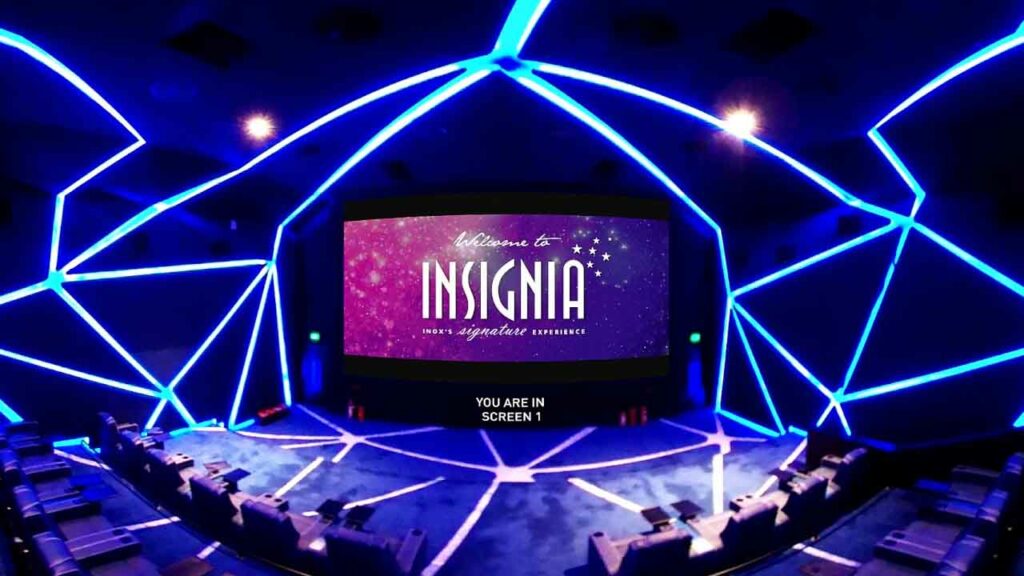
As one of India’s premier theaters, INOX Laserplex in Nariman Point has mastered the art of offering a superior cinematic experience at a modest ticket price. The theater introduces a special screen, “Insignia,” where patrons are treated to a premium movie experience, setting it apart from the crowd.
INOX Laserplex strikes a harmonious balance between affordability and luxury, making it a standout choice for cinephiles seeking quality entertainment on the best cinema hall in India list.
5. PVR Lulu Mall, Kochi

Heralded as the epitome of cinematic excellence in Kerala and beyond, PVR Lulu Mall in Kochi is a cinematic marvel. With nine screens, this cinema transforms movie-watching into a truly unique and immersive experience.
Beyond its grandeur, the theater accommodates up to 3000 people, solidifying its status as one of India’s largest multiplexes in terms of both area and seat count. PVR Lulu Mall is not just a cinema; it’s an entertainment destination that captivates the senses.
6. Ariesplex SL Cinemas, TVM, Kerala

Standing tall as one of Kerala’s and India’s foremost theaters, Ariesplex SL Cinemas in Thiruvananthapuram is a haven for cinephiles seeking the highest quality in amenities and facilities.
The imported seats from Belgium not only add a touch of sophistication but also symbolize the cinema’s commitment to excellence. Ariesplex is a trailblazer, boasting the distinction of featuring South India’s first 4K projector, ensuring a visual feast for every movie enthusiast.
7. Raj Mandir, Jaipur

As one of India’s premier theaters on the list of best cinema hall in India, Raj Mandir in Jaipur is a cinematic gem that transcends time. Operating for a remarkable 250 years, it stands as one of the oldest and largest single-screen cinemas in the country.
Beyond its cinematic offerings, Raj Mandir is a cultural and architectural spectacle, captivating visitors with its unrivaled regal and majestic décor. A visit to this iconic venue is not just about watching a movie; it’s a journey through history and grandeur.
8. PVR Plaza, Connaught Place, New Delhi

Revered as one of the best theaters in India, PVR Plaza in Connaught Place, New Delhi, is a cinematic sanctuary for those seeking unparalleled comfort and cutting-edge movie viewing. Beyond the plush and comfortable seating, the theater prides itself on delivering excellent service that complements the overall cinematic experience.
PVR Plaza is not just a place to watch movies; it’s a destination that blends luxury with technology, setting a standard for cinematic indulgence.
9. Mayajaal Multiplex, Chennai

Boasting the title of India’s largest movie theater with an impressive 16 screens, Mayajaal Multiplex in Chennai has been a beacon of cinematic excellence since its establishment in 1997. The high level of services provided by this cinematic giant has earned it a stellar reputation among moviegoers.
Mayajaal Multiplex is not just a venue for movies; it’s an institution that has evolved over the years, consistently delivering a superb cinema experience to its patrons.
10. Prasad’s, Hyderabad

Holding the world record for the most attended screens on the list of best cinema hall in India, Prasad’s in Hyderabad is more than just an IMAX theater; it’s an immersive cinematic ecosystem. With a reputation for hosting major movie premieres, including blockbuster franchises like Spiderman and Harry Potter, Prasad’s has become a preferred choice for those seeking the thrill of debut shows.
Beyond the silver screen, the theater features a gaming zone and food courts, creating a holistic entertainment experience that goes beyond the boundaries of traditional movie-watching.
Choosing Your Ideal Cinema Hall
Selecting the perfect best cinema hall in India is more than just picking a place to watch a movie; it’s about curating an entire sensory experience. In a cinematic landscape that offers a multitude of options, each theater brings its unique charm, amenities, and ambiance to the table.
Whether you seek the opulence of historical venues, the cutting-edge technology of modern multiplexes, or the immersive comfort of boutique cinemas, the decision of where to watch a film is a nuanced one.
Let’s delve into the key factors that should guide your decision when choosing your ideal cinema hall, ensuring that every movie night becomes an unforgettable experience.
1. Location and Accessibility:
Consider the location of the cinema hall concerning your residence or the area you plan to visit. Opting for a cinema in close proximity not only saves travel time but also enhances the overall convenience of your movie outing.
Additionally, assess the accessibility in terms of parking facilities, public transportation, and the general ease of reaching the venue. A well-located cinema hall sets the stage for a seamless and stress-free cinematic experience.
2. Variety of Screens and Viewing Options:
The diversity of screening options can significantly impact your movie-watching experience. Multiplexes often boast a range of screens, from standard to IMAX and 3D. Consider the variety of movies you enjoy and whether the cinema hall offers the kind of screening that complements your preferences.
Some theaters go beyond the traditional and feature innovative formats like 4D, enhancing the immersion and engagement levels for certain genres. Choosing a cinema with a diverse range of screens allows you to tailor your experience based on the movie you’re eager to see.
3. Audio and Visual Quality:
Superior audio and visual quality are paramount in creating an immersive cinematic experience. Look for theaters equipped with state-of-the-art sound systems, high-resolution screens, and advanced projection technologies.
The combination of crisp visuals and surround sound enhances the overall impact of the film, making every scene come to life. Cinemas that invest in cutting-edge audiovisual technology contribute to a heightened sense of realism, drawing you deeper into the narrative.
4. Seating Comfort and Arrangement:
The comfort of your seat plays a crucial role in your overall enjoyment of the movie. Top-notch cinemas prioritize plush, ergonomic seating that allows for relaxation throughout the screening. Some venues even offer premium options such as reclining seats or tiered arrangements for unobstructed views.
Consider your preferences and any additional amenities like blankets or cushions that may enhance your comfort. A well-thought-out seating arrangement ensures that your focus remains on the film without unnecessary distractions.
5. Ancillary Services and Amenities:
Beyond the movie itself, the ancillary services and amenities provided by a cinema can elevate your experience. Check if the cinema offers in-seat service for food and beverages, allowing you to enjoy snacks without leaving your seat.
Some venues feature cafes, bars, or lounges, providing a space to unwind before or after the movie. Additionally, cinemas with clean facilities, well-maintained restrooms, and a welcoming ambiance contribute to an overall enjoyable outing.
6. Ambiance and Atmosphere:
The ambiance of the best cinema hall in India contributes significantly to the overall atmosphere of the movie-watching experience. Historical theaters often carry a sense of charm and nostalgia, while modern multiplexes may boast sleek and contemporary designs.
Consider the architectural aesthetics, interior decor, and general ambiance to ensure it aligns with your preferences. Whether you seek a classic and regal setting or a trendy and modern atmosphere, choosing a cinema with the right ambiance enhances the overall enjoyment of your cinematic escapade.
7. Ticket Pricing and Membership Programs:
While seeking an optimal cinematic experience, it’s essential to consider your budget. Explore the ticket pricing of various cinemas in your preferred location and assess whether any membership programs or loyalty schemes are available.
Some cinemas offer subscription services that provide discounts, early access to screenings, or exclusive perks. Balancing the quality of the cinematic experience with reasonable pricing ensures that your movie outings remain enjoyable without breaking the bank.
In conclusion, the process of choosing your best cinema hall in India involves thoughtful consideration of various factors that collectively shape your movie-watching experience.
Whether you prioritize location, technological features, comfort, or ambiance, finding a cinema that aligns with your preferences ensures each visit becomes a memorable cinematic journey. Ultimately, the best cinema hall in India is the one that resonates with your personal tastes, transforming every film screening into an extraordinary event.
Wrapping up
In conclusion, the world of cinema in India beckons cinephiles to embark on a journey beyond the ordinary, where the choice of a movie theater becomes a pivotal determinant of the overall cinematic experience. India’s top ten theaters are each a unique gem contributing to the diverse tapestry of the country’s cinematic landscape.
From the luxurious escapade offered by PVR Director’s Cut to the comprehensive entertainment destination of PVR Superplex, and the cultural and architectural marvel that is Raj Mandir, these theaters transcend mere screenings, promising unforgettable cinematic extravaganzas.
]]>Professional advertising is not about self-promotion but establishing a brand with which potential clients or collaborators identify. The critical elements of professional ads in areas such as law and academics are expertise, credibility, and an ethical tone. Here’s how professionals can make ads that build trust, attract the right audience, and help establish credibility in their field.
- Targeted Communication: Tailored messaging to reach the specific target audience and appeal to their unique needs.
- Establishment of Credibility/Authority: Featuring credentials and experience to foster client trust through collaboration or notable achievements.
- Value Proposition / Unique Selling Points: Highlighting what sets the professional apart and why they’re the right choice for clients.
- High Professionalism: Maintaining high standards, especially in professions where public confidence is essential.
- Measurable Outcomes: Using data to measure the ad’s effectiveness and refine strategies over time.
What Is Professional Advertising?
Professional advertising is a strategic approach used by lawyers, professors, and consultants who want to build credibility and authority in a specific field. Unlike consumer advertising, professional advertising focuses on authority, ethics, and appealing to a well-educated audience.
Main Features
- Selective Audience Targeting: Messages are tailored for a specialized, educated audience seeking professional expertise.
- Emphasis on Authority: Professional ads focus on accomplishments, experience, and quality commitment.
- Authority-Building Goal: The main objective is to position the professional as an authority in their field.
- Ethical Restraints: Ads must be honest, transparent, and adhere to ethical standards.
- More competent Promotion: Rather than pushy selling, the focus is establishing authority and community contribution.
Characteristics of Professional Advertising
Professional advertising differs from traditional ads because it targets a knowledgeable audience. This category defines effective ads by credibility, targeted messaging, and value-based content. Below, we explore the core elements that characterize professional advertising:
Credibility and Authenticity

- Qualifications Showcase: Displaying education history, certifications, and achievements builds trust.
- Visual Authority: A clean, organized layout reinforces the image of a competent professional.
- Business Language: Professional ads use respectful language to convey authority and approachability.
- Data-Driven Information: Case studies, client testimonials, or data underscore reliability and trustworthiness.
- Experience Highlight: Years of practice or specific work accomplishments assure potential clients of competence.
Targeted Communication

- Audience Segmentation: Tailoring the message to appeal to a specific, educated audience.
- Client-Centric Messaging: Addressing the target audience’s needs, like legal solutions or academic advancements.
- Knowledge-Level Targeting: Ads tailored to the audience’s expertise level improve understanding and impact.
- Client-Centered Language: Using language that speaks directly to audience concerns fosters rapport.
- Strategic Platform Selection: Placing ads in media frequented by the target audience boosts reach and engagement.
Value Proposition and Unique Selling Points

- Defining Unique Value: Emphasizing the professional’s unique qualities and specialties.
- Client-Centric Benefits: Outlining specific ways clients benefit from the professional’s expertise.
- Tangible Outcomes: Highlighting successful cases, career upgrades, or academic achievements.
- Consistent Branding: Maintaining consistent logos, colors, and taglines reinforces brand identity.
- Professional Image: Using quality images and authoritative language conveys value and credibility.
Emotional Connection

- Relatable Storytelling: Narratives of challenges overcome or successful client experiences create connection.
- Testimonial Power: Client stories of satisfaction and achievement build emotional appeal.
- Ethical Transparency: Honest, transparent messaging aligns with client needs and fosters trust.
- Visual Appeal: Color schemes and imagery that evoke warmth and trust increase ad appeal.
- Impactful Success Stories: Showcasing positive client experiences leaves a lasting impression.
Ethical and Professional Tone

- Transparent Communication: Using honest, transparent language shows respect for the audience.
- Upholding Professional Standards: Ads should adhere to professional ethics and industry-specific rules.
- Careful Image Selection: Images should convey professionalism and align with the message.
- Avoiding Exaggeration: Statements should be truthful, avoiding any overpromises.
- Respectful Language: Maintaining a civil tone reflects the profession’s ethos.
Long-Term View

- Beyond Short-Term Considerations:
- Professional advertising is not just about short-term gains. It focuses on building lasting client relationships and maintaining consistency over time.
- A long-term approach is fundamental to ensure consistency in the brand’s perception, allowing for reinforcement of key messages and adaptation to changing market dynamics.
- Example of Long-Term Strategy:
- Consider an advertiser promoting a course, such as a lecturer on campus. The aim is not only to enroll students in the next session but also to build a reputation for a quality educational course that recruits students over many sessions throughout the academic year.
- Design for Longevity:
- Advertisement design for professionals should reflect this long-term view, focusing on enduring brand images rather than trends that might peak and fade quickly.
- It’s about creating lasting and relevant branding, reinforcing the brand’s image and message consistently over time.
Measurable Results

- Importance of Measurable Outcomes:
- Measurable results are crucial for professional advertising, enabling fine-tuning strategies for maximum efficiency.
- Professionals in fields like law or education rely heavily on metrics and analytics to gauge the effectiveness of their campaigns.
- Examples of Measurable Metrics:
- Key indicators of the campaign’s success include metrics such as website visitors, conversion rates, and the number of enrolled students.
- Measurement allows professionals to identify the strengths and weaknesses of their advertisements, providing valuable data for future decisions.
- Trackable Advertisement Elements:
- Professional advertisement designs often include trackable elements, such as unique URLs, QR codes, or specific calls to action.
- These features make collecting data on the advertisement’s performance easier, enabling a more precise assessment of its success or failure.
- Refinement Through Data:
- Measuring and analyzing results helps refine the approach, ensuring better outcomes in future campaigns.
- Data-driven decisions help optimize advertisement strategies to align with the desired objectives, leading to more effective and efficient results.
5 Ways to Make Professional Advertising Stand Out
To make an impact, professionals must use unique approaches that connect with their audience. The following strategies can enhance brand identity, engage the audience, and foster trust.
Branding and Visual Identity through Differentiation

- Consistency: Keeping colors, logos, and fonts consistent across platforms makes the brand recognizable.
- Professional Design: Clean, modern design aligned with industry standards upholds credibility.
- Memorable Imagery: High-quality images reinforce the impression of authority and trust.
- Color Psychology: Colors associated with trust (like blue) or innovation (like green) shape audience perception.
- Tailored Aesthetic: Design elements that resonate with the profession (e.g., academic imagery for professors) reinforce brand identity.
Compelling Storytelling

- Relatable Stories: Real-life experiences resonate with potential clients and bring the ad to life.
- Highlighting Success: Showcasing successful outcomes demonstrates impact and reliability.
- Emotional Appeal: Stories of overcoming challenges create a powerful emotional connection.
- Visual Storytelling: Images and videos enhance engagement and memorability.
- Consistency in Voice: A uniform tone across platforms reinforces a cohesive brand image.
Interactive and Multi-Platform Approach

- Diverse Channel Presence: Engaging on social media, websites, and print ads broadens audience reach.
- Interactive Content: Polls, Q&As, or live sessions foster engagement and audience connection.
- Cross-Platform Consistency: Ensuring message alignment across platforms strengthens brand identity.
- Audience Feedback: Gathering feedback helps refine future messaging.
- Visual Adaptability: Creating visuals that work well across platforms enhances professionalism.
Value-Driven Content

- Educational Value: Providing informative content establishes authority and builds trust.
- Solution-Oriented Messaging: Positioning oneself as a solution provider boosts credibility.
- Sharing Resources: Offering guides, webinars, or articles adds value and authority.
- Trend Awareness: Demonstrating expertise on industry trends keeps content relevant.
- Client-Focused Tips: Practical tips aligned with client needs to make content valuable and relevant.
Client or Student Testimonials

- Authentic Testimonials: Real client feedback serves as powerful social proof.
- Video Testimonials: Videos add a personal, interactive touch to testimonials.
- Highlighting Success Stories: Testimonials showing client success reinforce credibility.
- Diversity of Voices: Featuring testimonials from varied clients portrays inclusivity.
- Detailed Case Studies: In-depth case studies demonstrate expertise and positive outcomes.
Final Thoughts
Professional advertising is the art of balancing authority, engagement, and trust. These elements, when combined, create a strong brand presence and attract the right audience. Effective professional advertising isn’t just about grabbing attention but making a lasting impression. Below are some core takeaways for long-term success in professional advertising:
- Long-Term Commitment: Professional advertising requires ongoing efforts to connect with and retain an audience.
- Adapt to Trends: Continuously updating ads to align with current trends keeps them relevant and effective.
- Core Values Reflection: Consistently conveying core values builds a reliable, consistent brand image.
- Ethical Consistency: Following ethical guidelines ensures long-term credibility and trust.
- Audience-Centric Approach: Advertising that meets audience needs remains valued and influential.
Yet, it can be challenging to extract the signal from the noise and determine which trends are important given the abundance of information and interruptions. We’ll look at some ideas and tactics in this article to help you with your question of – how to find what’s trending, and spot marketing fads and stay on top of them. We’ll explore a range of techniques to help you identify emerging trends and modify your marketing plan to remain effective and relevant.
Whether you’re a small business owner, marketing expert, or entrepreneur, this guide will offer insightful information and useful advice for identifying marketing trends and achieving success in the cutthroat business environment of today.
What are marketing trends?
To stay current with the newest developments and latest marketing trends, the industry of marketing must constantly change. The newest methods, approaches, and strategies being employed by marketers to successfully reach their target demographic are known as marketing trends. These trends are ever-changing, and staying on top of them is vital for any company looking to stay ahead of the pack.
For example, the emphasis on personalisation has become one of the most important marketing trends in recent years. Consumers are seeking more individualised experiences, thus companies that can provide individualised content, offers, and recommendations will likely prosper. An increasing tendency towards sustainability and ethical corporate practices has also been observed. Consumers are growing more aware of how their purchases affect society and the environment.
Ultimately any company that intends to remain successful and relevant must stay on top of the latest marketing trends. Businesses may engage with their consumers more effectively and create solid relationships that foster growth and success by implementing current trends and ideas.
Why should companies stay on top of the current marketing trends?
Have you ever wondered why some companies seem to be more successful than others? Well, one of the key reasons is that they keep up with the most recent marketing trends. Staying relevant and competitive in the fast-paced business world of today requires responding to shifts in consumer behaviour and preferences as well as developments in technology and marketing.
Companies that keep up with the latest marketing trends can discover new opportunities, engage their target audience more efficiently, and differentiate themselves from the competition. For example, with the rise of social media and influencer marketing, companies that incorporate these strategies into their marketing campaigns are more likely to engage with younger, tech-savvy audiences.
Also, keeping up with marketing trends can help businesses avoid costly blunders like investing in out-of-date or inefficient marketing tactics. So, if you want to stay ahead of the game and grow your business, it’s important to stay on top of the current marketing trends!
How to find what’s trending?
Keep up-to-date with thought leaders and marketing publications


Gaining insightful knowledge about consumers and market trends requires keeping up with industry thought leaders and media publications. Experts in the field and well-known publications provide in-depth knowledge about trends, which is useful for predicting future trends. It’s critical to have as much knowledge as you can about your customers and the individuals who affect them in order to secure long-term success.
For firms to adapt and stay ahead of rivals, it’s also crucial to pay attention to the recent researches and studies in the sector and their impacts on marketing. Continuous monitoring is required since the industry is always changing. Businesses can make wise judgements and seize opportunities to strengthen their position by keeping a close eye on key influencers and being up to date on industry developments.
Get feedback from your customers


Businesses must communicate with clients in order to comprehend their demands and make wise decisions. Regular quantitative customer feedback surveys can yield insightful data about customers’ shifting needs and habits. Finding strategies to enhance business performance requires paying close attention to client input.
The instant feedback, which may be more helpful than internet surveys, can be obtained through in-store sections where customers can write down their opinions about products or complete surveys. Businesses can acquire a thorough understanding of current market trends and make future plans by collecting client feedback. Businesses can take the competitive edge on market prospects and strengthen their presence in the industry by utilising the knowledge of their consumers.
Keep an eye on your competitors


Successful companies don’t just follow the pack; they experiment and make fresh discoveries to set themselves apart from rivals. But, researching your rivals can give you useful information about how they are positioned in the market and how they respond to new trends. Analyzing your competitors doesn’t have to be expensive; all it takes is a quick glance at their website, client testimonials, and social media presence to get crucial details about how you stack up.
Making a long-term business plan and adjusting it to market developments require knowledge of your competition. You can develop strategies to accomplish comparable objectives and take advantage of underserved markets by studying the lessons of successful businesses. Understanding the tactics of your rivals can also help you foresee future problems and respond to market trends.
Spend some time on social media


Social networking sites can be useful resources for spotting market trends. Businesses may find subjects and conversations that are creating a lot of attention by monitoring well-known social media platforms like Twitter, Facebook, and Instagram. Businesses can monitor brand mentions, industry keywords, and hashtags relevant to their niche or industry using social media listening technologies.
Whether it be through Twitter’s hashtag trends or viral Facebook posts, these platforms are intended to show off trending themes. Reddit is also great for a quick glance because it only takes one click to look at popular threads and use the search feature to find user-generated material.
Collaborate with experts


To acquire insights into current marketing trends, collaboration with experts can be a very useful technique. Consultants may give firms a distinctive view of the market and useful guidance on how to negotiate the challenging and constantly shifting terrain of marketing trends. Experts can offer firms a lot of knowledge on current trends, consumer behaviour, and upcoming technology because they usually have years of experience in the sector.
Businesses that might lack the resources or knowledge to do their research may find this to be extremely helpful. Access to new technology and tools can also be made available to enterprises through collaboration with experts. Experts may give firms access to their network of contacts and are frequently at the forefront of new advancements in their field.
Using free and paid tools and analytics


For the purpose of analysing market trends and creating a long-term business plan, digital tools and analytics are essential. The accuracy and accessibility of data have significantly increased during the last ten years. Digital technologies like Google Trends, Buzzsumo, and review websites like Yelp can all offer insightful information about consumer attitudes and behaviour. But, gathering data is just one part of the process; comprehending it is another.
Effective data processing and analysis require analytics tools and pre-assembled datasets. For instance, a company can examine Yelp customer reviews to see how consumers feel about its goods or services. Businesses may get useful information about customer behaviour and market trends by leveraging digital tools and analytics, which enables them to create long-term plans of action that are both efficient and successful.
Key takeaways from this article….
In conclusion, keeping up with the latest marketing trends is crucial for any business to stay competitive in today’s fast-paced market. With the constantly evolving technology and changing consumer behavior, it’s essential to stay informed about what’s happening in the industry. By utilizing the tools and resources available, such as social media listening, data analytics, and industry reports, businesses can gain valuable insights. Whether it’s through influencer marketing, personalized experiences, or video content, the key is to keep experimenting and testing new ideas to see what works best for your brand. By staying ahead of the curve, businesses can position themselves for success and achieve their marketing goals.
]]>High Footfall
- Millions of people throng shopping malls, making these shopping malls the perfect locations for advertising.
Diverse Audience
- Malls allow the brands to reach other consumer segments with a much more diversified audience.
Buying Frame of Mind
- Customers often visit malls with an intent to purchase, making conversions more likely to occur.
Better Recall
- Many shoppers remember advertising they view in malls.
Offline Touch Point
- Mall advertising bridges the virtual gap by grabbing the attention of consumers in the physical world.
A recent study discovered that, compared to video advertising, advertisements in malls attracted more shopping crowds. Furthermore, the most recent business survey revealed that mall advertisements and advertisements in shopping centers can reach an astounding number of consumers: 75% of the respondents reported they could recall seeing an advertising sign in malls, whereas only 45% could in the online space. Mall branding and multiplex marketing can, therefore, be beneficial for your business when trying to build relationships with real people and prospects in the offline space.
What Do You Mean By Mall Advertising?
Branding in shopping malls is one of the innovative and pragmatic advertising media now available for raising and reaching the target audience. Shopping mall advertisements include digitized and traditional illuminated images as well as hoardings mounted indoor and outdoor in the mall for brand promotion. Advertising in shopping centers makes great use of both classic as well as contemporary methods for enhancing market presence.
Benefits of Mall Advertising
Visibility
- Mall advertising allows for pride of place in high-traffic locations.
Connect
- Brands can connect with customers directly through interactive displays.
Experiential
- Malls are a unique environment for experiential marketing.
Tactical Placement
- Advertising adjacent to complementary businesses increases visibility.
Creative Design
- Innovative advertising designs may have a significant influence on shopper behavior.
There are many other reasons for mall advertising. It offers endless contact and connecting possibilities with the target market, as it builds meaningful relationships and enhances sales. One factor to consider is attracting customers to the mall. The more people visiting a mall, the more exposed your marketing is going to be. Different types of advertising signs vary in the number of whom and people that visit malls.
Therefore, the location and media wherein you decide to choose your mall branding campaign are very significant. Moreover, it enables you to reach out to people of all ages. With such strong advertising techniques as well as beautiful design elements, mall branding could prove one of the most potent tools for promoting your product among the audience.
Why Some Big Brands Still Invest In Mall Advertising?
Why do big brands like Lakme invest in mall branding? What are their reasons behind mall advertising? If such a question has ever crossed your mind, we have the answers. There are numerous mall branding benefits that these big brands leverage. It is the best strategic way by which customers can be increased, market presence can be built, and sales can be enhanced through shopping mall advertisements.
Mass Reach
- Mall ads reach a large target audience within a very short time.
Customer Intent
- There is a 30% possibility that the customer may need that specific product being advertised.
Equal Opportunity
- It is effective for small and big businesses to be able to engage customers.
Competition Visibility
- Competitors use mall advertisements to signify a promotional event.
Brand Loyalty
- Continuous visibility in malls tends to enhance the recognition and loyalty of the brand.
For the advertising agencies and also for the business, time is always essential. The advertising of a company in a mall gives a platform or an opportunity to reach many potential clients within the smallest fraction of time. Business size is also not discriminated against because it has proven to be effective for both small and gigantic business sizes because the main objectives are direct; that is, to attract attention and enhance the conversion rate.
For instance, other major competitors in the cosmetics market, such as NYX, and MAC Cosmetics, have used billboard and banner advertising in shopping malls for promotional events-themed pop-up stores and new product launches.
Top Reasons for Mall Advertising 2024

We understand that you might have some concerns in mind about the effectiveness of mall marketing campaigns. Internet shopping was a trend that seemed to seal the fate of the greatest number of malls that sprouted during the earlier years. But there are even more compelling reasons to believe that this trend is changing, and we’ve summed up those small branding benefits for you so you can make an informed choice.
High Density of Traffic
- Malls are preferred by a large number of people, thus generating a vast market base for shop owners.
Increasing Footfalls
- Following the pandemic, mall footfalls have been increasing at a very fast pace, giving hope to retailers.
Undeniably Attractive
- The consumer cannot ignore such advertisements if these can be seen in malls.
Easily Accessible Places
- Shopping malls are generally situated at places so that consumers can easily reach the malls.
Consumer Purchasing
- Consumers can make purchases from the very premises where they can see ads.
Malls are a great platform for businesses interested in increasing brand awareness and generating more revenue. In addition, footfall in malls has been magnified hundreds of times since the pandemic, and businesses whose products can be purchased within the mall experience the maximum advantage of this magnified footfall. Consumers cannot but get attracted to all the advertisements that line malls, and therefore, there is a very minimal likelihood of this advertisement remaining unnoticed.

The Bottom Line
If you are interested in promoting your business by mall advertising, there are quite a few options; all it needs is creativity.
Creative Techniques
- Use creative techniques for attracting attention.
Diversified Forms
- Use diversified forms of billboard advertisements and digital screens.
Engagement Activities
- Engage the attention of the customers by using interactive campaigns and demos.

Data-Driven Messages
- Make use of the data of customers to craft their messages.
Brand Association
- Build an emotional connection between consumers and the brand.
From large billboards to interactive screens, so many means are available to attract customers! With your innovative, spellbinding advertisements, you can devise something that simply stuns the minds of customers and attracts the attention of every buyer who walks into the mall. The outcome will certainly be magical when such a shrewd blend of strategies is utilized.

Final Thoughts
The ways of mall marketing have proved to be an excellent and effective method through which brands reach out to consumers.

- Good Footfall: These malls bring a massive number of potential customers to their aid.
- Brand Recall: Mall advertisement has greatly increased brand recall among the minds of shoppers.
- Local Engagement: These malls enable brands to engage profoundly with local communities.
- Multi-Channel Opportunities: Online and offline high stakes of engagement can reach each other; thus, multi-channel opportunities are possible in malls.
- Cost-Effective Advertising: Mall marketing has brought good returns for brands in terms of ROI.
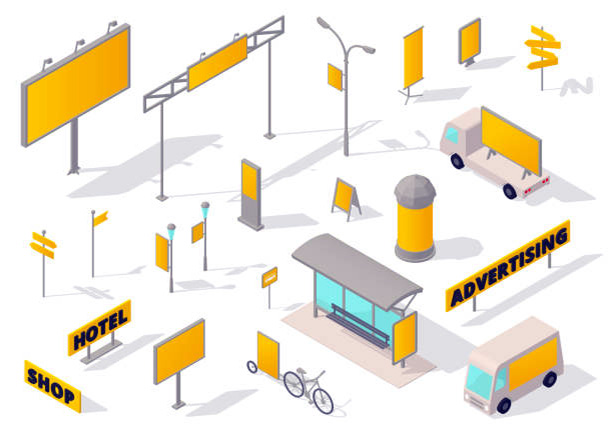
Through the specific advantages that mall advertising presents to a brand, the promotion of a brand may become quite intense and eventually translate into sales. Shopping centers are indeed very dynamic environments where businesses can have direct engagement with their target audiences in a truly memorable and compelling way.
]]>
Put yourself in this situation; you are squeezed between a line of cars at a slow crawl, losing energy and in one hell of an appetite! And then, instantly, you see a mouth-watering pizza slice from nowhere on an advertising billboard. Are you looking for something you could contact, like an agent, a place, a number, or anything that can help you find it?
And that, ladies and gentlemen, is the power of billboard marketing—it can have you deciding in less than 30 seconds and even make an impression for longer. The only stipulation is that it must be outlandish and bizarre!
What Is Billboard Branding
One among the out-of-home branding media is billboard advertising located on highways or at other busy places, whereby businesses place ads regarding their goods and offerings.
A billboard is a big, shining, one-way sign typically associated with visibility, boldness, and difference. It is seen as a fantastic opportunity to generate creative and valuable content that could resonate with all the audience.
Sustained exposure across the board makes it a brilliant marketing strategy to yield that most coveted percentage of views. The latter makes for a strong identity with gigantic type dimensions, attention-getting visuals where the product benefits are clearly shown, and additional essentials like price.
While billboards are one of the oldest forms of advertising, they are still highly effective. 71% of consumers stated that they still remember what is written on billboards, which people engage with every day, and 77% also believe that they are more believable than other forms of paid advertising.
This, in addition to 10% annual growth and ROI of 497% through 2021, is a compelling reason for billboard advertising.
Advantages/Disadvantages of Billboard Advertising
So, going forward from our understanding of billboard advertising this far, let’s ponder why billboard advertising is effective and how COOL BILLBOARD ADVERTISING can benefit any business.

Pros:
- For awareness, a good sign solution is an aesthetically angled billboard advertisement.
- Unlike many other advertising methods, the audience that reach-billboards can reach is a much broader demographic.
- Billboard advertising is the best solution for raising an office’s regional marketing strategy if a business needs it.
- Most of the time, when someone sees an ad with a billboard recommending them, they feel motivated to visit
Cons:
- Billboards — billboards will teach you very little. Well, a message this short might be too weak to convert them into customers.
- Since billboards are typically passed at high speeds, it usually equates to a shorter engagement time > that takes more effort to learn the information. Even if your ad is unique, the reader may need to remember your contact information.
- Billboards are seen even by those who do not wish to see them, making them a bad fit for a precision marketing strategy. They are also ineffective for audience targeting on a per-interest level.
- Moreover, billboard ads might need help tracing consumer engagement and activity signals.
Best Brands Picking This Billboard Advertising
The list below is some of the e only among all-time billboard ads—great BIG laughs and maybe a few of the best forms of making their point.
Panasonic

Panasonic presented the need for a “safety cutting mechanism” on their nose hair trimmer in a funny but pretty dramatic way by placing billboards across electric lines and poles.
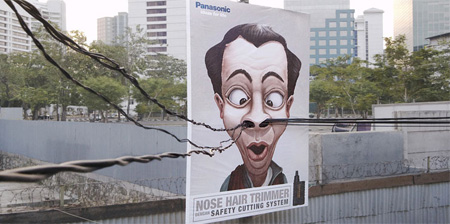
Spotify


Spotify, meanwhile, launched a different type of billboard campaign—one that drew on insights from consumer data to create personalized ads. To attract passersby’s attention and keep them entertained, Spotify posted playful details about how its users listen to music on billboards.
Ponds


And guess what, even this pond has a billboard for promoting its pimple…. Its canvas edge hides a face on their billboard. It’s a great way to bring words and visuals together to get the point across!
Chevrolet


Chevrolet penny billboard Worked It: The Chevrolet Aveo broke a tradition with its promised starting price and made it up. The new car got a special 769,500 pennies —just under £4000 facelift. They closed the traffic down, and passers-by picked up all the pennies within thirty minutes.
Top 10 Interesting Reasons for You to Choose Billboard Advertising 2023
Billboards are one of the traditional marketing activities that is still working today. But do you still wonder why businesses advertise on billboards? Next, have a quick read of these ten reasons and find out why this tried and tested type of branding continues to be just as popular as ever!
They get noticed!
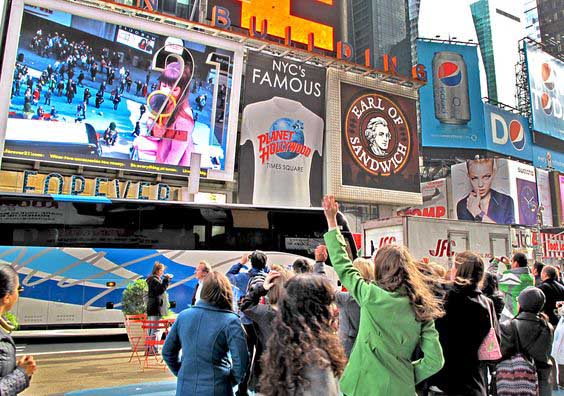

- During TV viewing, someone could get up and change the channel or scroll past an online ad, but while driving a car, the road ahead demands concentration.
- If you want consumers to see your ad, hop in during their commute. Billboards are put up at prime locations around junctions and major highways, where they are sure to catch the eyes of people passing by.
Does not cost a fortune

- Like all banner advertisements, the value of a billboard ad changes, and when your campaign goes on air, it can significantly affect how much you pay for it.
- While billboard advertising prices vary depending on location, they are still relatively cheap compared to other methods of promotion.
- Many other factors will also affect the price, such as the size of your billboard (based on how much space you need), the traffic around it, and the number of people expected to see your bill.
You can choose the locations
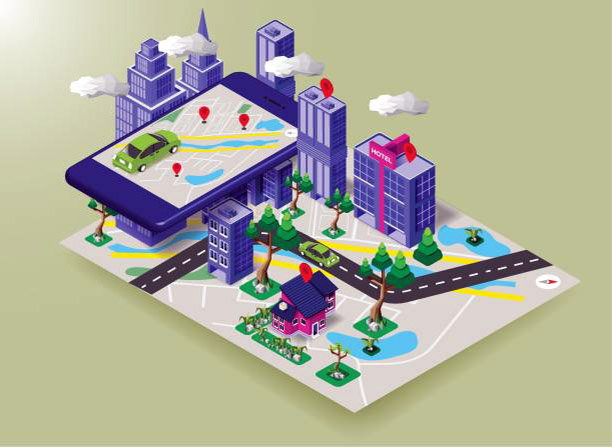
- Because billboards are everywhere, you can choose where to pitch. If you position your billboard near a busy junction or an exit from the motorway, you can find yourself appealing to some types of clients or not considered in other clients’ minds.
- Because they are so prominent and recognizable, using the correct placement can allow you to access a large audience quickly. However, it is likely key for small businesses, particularly if you want footfall to have an impulse spending pattern close to your business site.
Influence a whole lot, simultaneously
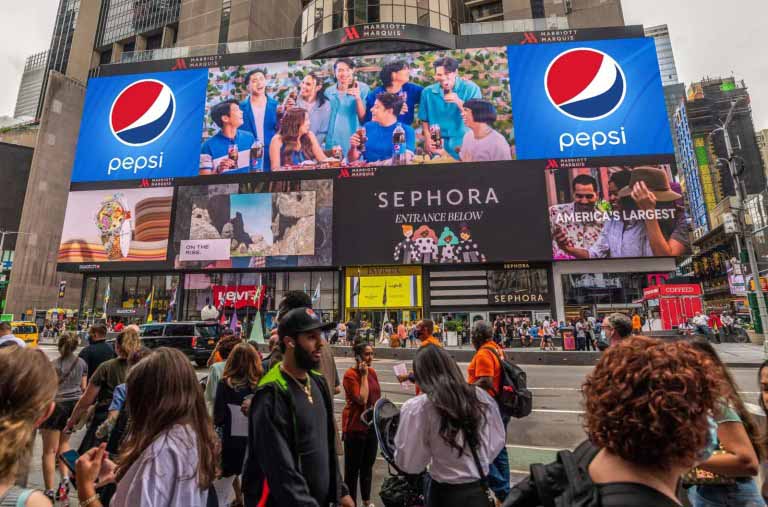
- The most striking feature of billboard advertising is its visibility. In a world where you feel like everyone lives on their devices, billboards are beneficial. Here is one thing on the surface as to why that benefit is unclear.
- Advertisement is the possibility that dozens — or even hundreds — of people will see your advertisements at once. These people may be in a shopping center or walking down the street, and there is a good chance they will see your billboard ad many times.
They do their job 24/7
- Due to their high cost, paid online or television advertisements can only air a few times per day. On the other hand, billboards nowadays offer a steady presence that aids in reaching out to the masses, which offers similar benefits for advertisers.
- Studies show that 88% of drivers look at billboards on purpose. Even if a customer looks away from your ad after it has been viewed, they almost always will remember important things such as your brand’s logo or the names of the products you offer.
Increase sales

- One of the most significant advantages of billboards is that they can increase sales and help keep a business profitable. That influence spawns from lengthy time in play and robust group size will discover that their conversion rates are associated, whereas mileage may vary depending upon your sales ability.
- You can be confident that billboards boast an extremely high conversion rate for customers who see your advertisement and walk into your store. Additionally, 32% of Americans visited a business they saw advertised on a billboard within a week of seeing the ad.
Promotes impulsive purchases

Billboards target a shopper’s impulse to buy, but only if your ad pulls viewers in, as it is lucrative. It appears that people generally buy on a whim when driving—68% said the point of purchase is en route, typically coming back from work. Most other types of advertising cannot influence this kind of immediate purchase.

Make their odd personalities something the viewers enjoy

- One more element regarding this nature of billboard marketing is the art of engaging with quirkiness. Artistic billboard advertisers can now make the most of billboards, which could catch the gaze of customers.
- Brighter colors, wiser typography, and all of that other 3D stuff or architecture popping out of its normal boxiness will help attract anyone to the contents and may even keep them engaged, whether you go with a traditional print display board or digital canvas.
Has a high return on investment


- Bills On An Artistic Kill Shot When it ever comes to killing the game, a billboard is an artistic kill shot. According to estimates, advertisers spend a lot on billboard advertising. This ROI is fantastic compared to other advertising forms like radio or TV.
- They are also the most efficient cost-per-thousand impressions (CPM) tool.
Effective outdoor use

Billboards have flexibility when it comes to audiences and physical designs. If marketing can’t take you indoors with great connection use anywhere on highways, then having opportunities builds audience impact.
Final Thoughts
- Billboards offer a broad, uninterrupted exposure.
- It is an ideal way to attract local traffic.
- Advertising formats make creative banners highly unique!
- Investing helps break market barriers through visuals.
In this guide, we’ll explore the significance of OOH advertising, dive into the emerging trends reshaping the industry, and discuss the future of this dynamic field.
Understanding Out-of-Home Advertising
OOH advertising encompasses any advertising that reaches the consumer while they are outside their home. This includes billboards, transit ads, posters, digital screens, and street furniture like bus shelters and benches. OOH advertising is everywhere—from the city streets to the highways and public transportation systems.
One of the greatest strengths of OOH advertising is its ability to reach a vast audience. Whether you’re a local business or a multinational corporation, OOH provides visibility that digital advertising often can’t match. The best part? It’s not easy to ignore. While online ads can be skipped or blocked, OOH advertising commands attention as consumers go about their daily lives.
Why OOH Advertising Matters
- High Visibility: OOH ads are strategically placed in high-traffic areas, making them highly visible to a diverse audience. This visibility fosters brand recognition and recall, which is essential for any marketing strategy.
- Constant Presence: Unlike digital ads, which can be easily dismissed, OOH advertisements have a continuous presence. This leads to repeated exposure, reinforcing brand messages over time.
- Community Connection: OOH advertising allows businesses to connect with their local communities. Local businesses can effectively promote events, special offers, or new products while fostering a sense of community involvement.
- Complementary to Digital Strategies: OOH advertising works seamlessly with digital marketing efforts. Brands can enhance their overall reach and impact by creating a cohesive message across platforms.
- Creative Storytelling: OOH provides a platform for brands to tell their stories in innovative and memorable ways, creating emotional connections with consumers.
- Data-Driven Decisions: With technological advances, measuring the effectiveness of OOH advertising has become more accessible. Marketers can utilize data to track audience engagement and campaign performance.
- Cost-Effectiveness: Compared to many digital channels, OOH can be more budget-friendly. This allows brands, especially smaller businesses, to reach large audiences without breaking the bank.
As the marketing landscape evolves, OOH advertising remains a potent tool for brands to engage consumers effectively.
Emerging Trends in Out-of-Home Advertising
The OOH advertising landscape is not static; it’s constantly evolving. Here are some of the latest trends that are shaping the future of OOH advertising:
3D Billboards: Creating Eye-Catching Experiences

Imagine walking down a busy street and seeing a billboard that seems to pop out at you. 3D billboards are captivating giants that utilize depth and dimension to engage viewers. These eye-catching designs create memorable experiences, making it hard for passersby to ignore the advertisement.
- Enhanced Engagement: The dimensional aspect encourages viewers to stop and take notice, leading to increased interaction and recall.
- Unique Storytelling: 3D billboards allow brands to tell their stories creatively, enhancing the consumer experience and creating memorable impressions.
- Photo Opportunities: Many people love to snap pictures with stunning 3D billboards, amplifying organic social media reach as they share their experiences.
- Brand Differentiation: 3D billboards help brands stand out and make a lasting impression on consumers in a crowded advertising landscape in a crowded advertising landscape.
- Innovative Designs: Brands continually experiment with new 3D concepts, pushing the boundaries of creativity in OOH advertising.
Programmatic Digital OOH: The Future of Advertising
Programmatic digital OOH advertising leverages data and automation to enhance campaign effectiveness. Marketers can adjust messages based on real-time factors like time of day, weather, and demographics, making the ads more relevant and impactful.
- Dynamic Content: Advertisers can change their messages based on external factors, optimizing relevance for their target audience.
- Improved Targeting: Marketers can reach specific demographics, increasing the likelihood of engagement and conversion rates.
- Real-Time Analytics: This technology allows marketers to access real-time data, making it easier to assess campaign performance and adjust strategies.
- Cost Efficiency: Programmatic buying reduces wastage by ensuring ad spending is targeted toward the most relevant audience segments.
- Seamless Integration: Programmatic digital OOH integrates well with online and mobile advertising efforts, providing a comprehensive marketing approach.
Creativity-Stimulated Advertisements: Thinking Outside the Box

Modern ads are evolving into interactive presentations that inspire responses from consumers. Brands can capture attention and foster deeper connections using novel materials and engaging designs.
- Interactive Elements: Brands incorporate interactive features, encouraging consumer participation and enhancing engagement.
- Unique Textures and Materials: Advertisers are experimenting with various materials to create tactile experiences that engage viewers’ senses.
- Visual Storytelling: Creative ads often tell a story, utilizing visuals to convey messages effectively and memorably.
- Cultural Relevance: Ads that resonate with current trends or cultural moments often see higher engagement rates, emphasizing the importance of staying relevant.
- Artistic Collaborations: Brands are partnering with artists to create visually stunning and thought-provoking installations that capture attention and create buzz.
Targeted and Location-Based Advertisements
These ads utilize real-time geolocation technology to send tailored messages to specific audiences. This precision increases engagement and conversion rates by ensuring the right message reaches the right people.
- Real-Time Customization: Location-based ads can change dynamically based on the user’s location, ensuring relevance and timeliness.
- Higher Engagement Rates: Targeted ads perform better as they cater specifically to the interests and needs of the audience.
- Enhanced Customer Experience: Consumers appreciate receiving relevant information, creating a more positive brand perception.
- Data-Driven Insights: Advertisers can collect consumer behavior and preferences data, enabling them to refine their targeting strategies continuously.
- Cross-Platform Integration: Location-based ads can be integrated with mobile and online advertising, creating a cohesive consumer journey.
Multi-Channel Focused Advertisements: Bridging the Gap
Advertisers integrate traditional OOH displays with digital channels to create cohesive brand experiences. For instance, billboard QR codes direct consumers to interactive online content, bridging the gap between offline and online interactions.
- Unified Brand Messaging: Multi-channel campaigns ensure consistent messaging across all touchpoints, enhancing brand recall.
- Increased Consumer Engagement: By linking physical ads to digital content, brands can engage consumers more deeply and encourage interaction.
- Social Media Amplification: Multi-channel campaigns often encourage social sharing, allowing brands to expand their reach through user-generated content.
- Data Collection Opportunities: Integrating online components provides brands with valuable consumer preferences and behavior data, informing future campaigns.
- Adaptive Marketing Strategies: Multi-channel approaches allow brands to adapt their strategies based on real-time feedback from various platforms.
Mobile Adverts: Engaging Consumers on the Go

OOH advertising now includes interactive elements that allow passersby to engage with signs using QR codes or NFC tags. This trend connects physical displays to the digital realm, expanding audience reach and engagement.
- Instant Access to Information: Mobile adverts provide consumers immediate access to relevant content, enhancing their overall experience.
- Convenience: The ability to engage with OOH ads through mobile devices makes it easier for consumers to interact with brands on their terms.
- Enhanced User Experience: By creating a link between physical ads and online content, brands can offer consumers an enriched experience that adds value.
- Consumer Engagement Metrics: Marketers can track interactions with mobile ads, providing insights into consumer behavior and preferences.
- Bridging the Digital Divide: Mobile integration allows brands to connect effectively with consumers who may not engage with traditional advertising methods.
Cost-Effective Ads
- Focus on Cost-Efficiency: There is a strong trend towards achieving impactful advertising without excessive spending.
- Digital Screens and Technology: Utilizing digital screens reduces the need for printing, lowering overall costs.
- Real-Time Adaptation: Digital ads allow for quick adjustments, enabling real-time updates to messaging based on audience response.
- Shared Advertising Boards: Marketers can collaborate on shared boards, splitting costs while increasing reach.
- Cooperative Ad Campaigns: Partnering with other businesses allows advertisers to pool resources and maximize exposure.
- High Demand for Resource Optimization: These strategies enable brands to convey a unique and powerful message while keeping expenses low.
The Future of OOH Advertising
As technology continues to advance, the future of OOH advertising looks promising. Here are some key factors to consider as the industry evolves:
Integration with Augmented and Virtual Reality
Augmented Reality (AR) and Virtual Reality (VR) transform how consumers interact with advertisements. Imagine walking past a billboard that lets you virtually try on sunglasses or see how a new car looks in your driveway. These technologies create immersive experiences that can captivate consumers.
Sustainability and Eco-Friendly Practices
As consumers become increasingly aware of environmental issues, brands adapt their OOH advertising strategies to be more sustainable. This includes using eco-friendly materials, minimizing waste, and opting for digital formats that reduce paper usage.
Enhanced Data Analytics
The use of data analytics in OOH advertising will continue to grow. Brands will have access to more sophisticated metrics to measure the effectiveness of their campaigns, leading to better targeting and personalization of advertisements.
Greater Focus on Personalization
The future of OOH advertising lies in personalization. By leveraging data and technology, brands can tailor their messages to specific audiences based on location, demographics, and behaviors. This shift toward personalization will make OOH advertising even more relevant and effective.
Continued Adaptation to Consumer Behavior
The way consumers engage with advertising is continually evolving. OOH advert remains relevant in an increasingly competitive landscape; it must adapt to changing consumer behaviors, preferences, and lifestyles to remain ought.
Out-of-home advertising continues to be a vital component of modern marketing strategies. As brands navigate the complexities of consumer engagement in a digital world, OOH offers unique opportunities for connection and impact. The emerging trends in OOH advertising reflect the industry’s adaptability, creativity, and commitment to staying relevant in an ever-changing environment.
- OOH advertising remains a powerful brand promotion, bridging the gap between physical and digital experiences.
- Technology and innovation are redefining traditional advertising practices, leading to more dynamic and engaging campaigns.
- Creative storytelling and personalization will be essential to successful OOH campaigns in the future.
- OOH advertising complements digital marketing strategies, offering a holistic approach to consumer engagement.
- Embracing emerging trends and adapting to consumer behavior will ensure that brands remain competitive and relevant.
By embracing the latest trends and understanding the future of OOH advertising, brands can effectively engage consumers and leave a lasting impression.
]]>
- It builds consumer trust by giving honest and dependable messages.
- It brings fairness by removing lies and exaggeration.
- Long-term loyalty is encouraged since a consumer does not cherish dishonesty.
- Society as it honors cultural and social ethos.
- It protects the helpless from exploitation or defamatory material.
This article will enlighten the reader about the ten most critical ethical principles advertisers must know. The article will include widely practiced ethical issues and helpful information.

Truthfulness and Honesty

Honesty and truthfulness are essential factors in forming trust with consumers, and they are among the most critical ethical commitments in advertising. When they are lacking, brands’ credibility is damaged, and customers are alienated.
- Product truthfulness: An honest description creates an understanding among customers about the products’ real features or limitations.
- Avoids deception: This is because false advertisement often leads to a breakdown of trust, possible violation of law, and dissatisfied customers.
- Long-term loyalty: People tend to be loyal to brands that are truthful rather than exaggerating.
- It makes consumer decisions: Information allows consumers to make an informed purchasing decision.
- Promotes responsible marketing: Truthful advertising sets a standard and deters misleading practices in the industry.
By emphasizing truthfulness, brands can develop truthful communication that increases credibility and strengthens consumer relationships.
Transparency in Advertisement

Transparency builds a healthy relationship between a consumer and business, mainly because it is based on trust and respect. Ads that are transparent give consumers honest and clear information.
- Correct product information: Proper prices, features, and risks help avoid misleading consumers.
- Transparent data practices: Data collecting and usage practices should be disclosed to ensure consumer confidence, especially for digital ad data.
- Preclude hidden charges: All prices should be communicated clearly so that the customers are not dissatisfied with the charges and have an image of fairness in the branding.
- Simple language: Use simple language in the advertisement to reach more people.
- Responsible Disclosure: The merits and demerits with limitations must be disclosed for the proper decision of the consumers.
Consumer confidence in the reliable advertising environment is only strengthened and facilitates better brand relationships if:
Fair Competition

There would be fair competition, and hence, the marketplace would be healthy because consumers would choose according to merit rather than manipulation. It would also prompt brands to compete ethically for quality and not create misleading tactics.
- Respect competitors: For fair play, avoid making false claims or disparaging comments against competitors.
- Promotes innovation: In case the brands concentrate on merit, they will try to innovate, and eventually, this will help the entire industry.
- Enhances consumer trust: Ethical competitiveness breeds trust; thus, the brand reputation becomes more potent.
- Deters fraudulent activities: Decreased deceptive practice creates a safer and fairer advertisement market.
- Encourages creativity: Fair competition encourages creativity in new innovative ideas to benefit the brand and consumer.
To defend fair competition, brands create an environment where quality goods and services are promoted above deceitful practices.
Respect for Consumer Privacy

Respecting customer privacy will be highly essential in a data-driven advertising world.
- Informed consent: Provide the customer’s consent to the collection of personal data to build trust.
- Data protection: Safe measures should be against data misuse.
- Data use: Data utilization should be defined instead of secretive practices.
- Use minimum intrusive techniques: Eliminate unnecessary data collection procedures that make customers nervous.
- Compliance with regulations: Respect privacy laws and regulations like GDPR to maintain an ethical level.
Respecting privacy enhances customer confidence, thus leading to more effective advertisements that resonate with ethical standards.
Authentic Storytelling

Authentic storytelling has a deep connection between brands and consumers, making them have trust and loyalty without stretching or lying.
- Real stories of brands: Use genuine stories to connect customers to the advertisements, thus gaining credibility and relatability.
- Truth above marketing: One should not be marketing the product but should have honest value delivery.
- Enabling customer relationship: Living stories give an emotional linkage through which brand loyalty arises.
- No ulterior message communication: Communication without the ulterior motive in the story is straightforward.
- Storytelling is value expression: Valid storytelling always reinforces a brand’s values, offering a stable outlook to the consumer.
Legitimate storytelling provides the basis for authentic consumer relationships, leading to loyalty.
Social Responsibility

Social responsibility in advertisements emphasizes creating a positive good for society while avoiding doing harm or exploitation.
- Diversity: Stereotyping is a big no, but ensure diversity with inclusive representation across various groups.
- Sustainability: Help the environment by having green products or green practices appealing to an environment-conscious customer base.
- Positive social influence: Be educational or empowering rather than misleading or exploitative.
- Do not manipulate: Exploiting vulnerabilities must be strictly avoided, especially against the most vulnerable groups.
- Community involvement: The corporation involves itself in community affairs that foster goodwill and trust in the public eye.
Ethical advertising focuses on social accountability. Such a firm comes up with advertisement messages that strike a positive chord with the hearts of its audiences. Moreover, its contribution impacts positively on society’s general well-being.
Advertised Message Integrity

Advertised message integrity helps maintain credibility and honesty in advertisements because they do not exaggerate or make false promises about their products, which can confuse consumers.
- Accuracy in product representation: Represent the product to meet consumer expectations.
- Avoid deception: Keep the techniques transparent so that there is no misleading impression about the products and services.
- Winning consumer’s trust: Consumers build trust based on truthfulness that enhances brand loyalty.
- Message consistency: The message should be communicated in one place across all communication media, keeping on repeating the word ‘trustworthiness’.
- Not attacking others: Avoid all types of malicious attacks or false campaigning against competitors to create a healthy environment in the marketplace.
It builds a foundation for integrity in advertisements as building blocks for brand reputation amidst competitive market environments.
Cultural Sensitivity

Cultural sensitivity advertising respects and celebrates different value systems and does not offend the communities.
- Understand cultural nuances: Research and respect different values to avoid errors that may offend. Embody diversity by creating representations of various cultural backgrounds within campaigns.
- Avoid stereotypes, Where one may alienate the groups or marginalized them.
- Collaborate with cultural experts: Work with advisors to ensure that campaigns resonate positively with every audience.
- Show empathy: Be conscious of the richness of culture and celebrate this diversity, showing respect.
- Culturally sensitive advertisement: Reaches a broader target market, creating trust and reinforcing the brand identity worldwide.
Safeguarding Vulnerable Target Audiences, Especially Children

Advertisements must take extra care to protect vulnerable groups, including children who are very sensitive to ads. This is done through appropriate age-related content that ensures it does not breach the ethical limits of advertisement.
- Do not take advantage: Avoid using vulnerable target audiences’ innocence in the ads to children.
- Respect for parental authority: Get permission when gathering data about children or using tailored ads.
- Content appropriateness: Ensure that your ads to children are child-friendly, respectful, and positive.
- Transparent data policies: Explain how you collect data and what privacy practices are in place to respect family consent policies.
- Educative messages: Use advertising for positive values and education, not consumerism.
Vulnerable audiences are protected by a responsible brand’s commitment to responsible advertising and societal well-being.
Environmental Responsibility

Environmental sensitivity in advertising educates consumers on embracing green practices for practical consumer benefit and the planet’s survival.
- Position sustainable products: Position your product to raise awareness of earth-friendly products that reduce natural impacts.
- Abstain from wasteful practices: Use materials and methods that ensure minimal waste pollution.
- Create consumer awareness: Educate audiences on sustainable purchasing to elicit conscious consumer behavior.
- Environmental impact transparency: Communicate the impact level of products to help guide informed choice.
- Support environmental initiatives: Align with environmental organizations to increase community influence.
Environmental responsibility is one aspect of reasonable care toward the global good, attracting conscious environmental consumers while raising consumer loyalty.
Final Thoughts
Ad ethics is not merely adhering to regulations in the form of legal laws but ensuring mutual trust and respect among customers and brands. Ethical advertisement is long-term, resulting in loyalty from the consumer and an honest marketplace.
- Strengthens the brand’s reputation because consumers are expected to be honest and transparent.
- Establishes trust and loyalty as, over time, consumers love ethical practices.
- Develops a fair marketplace by eliminating false practices and promoting competition.
- Protects vulnerable people by removing exploitation.
- Builds society and values ethics, therefore making the world better.
Ultimately, ethical advertising principles are vital for creating consumer trust, respecting cultural norms, promoting long-term brand loyalty, and shaping an industry that aligns with societal values.
]]>Ready to talk with a marketing expert?

A Pragmatic and innovative way to enthrall your target group is just a click away!
Get in Touch
Rukmini Knowledge Park, Kattigenahalli, SH 104, Srinivasa Nagar, Bengaluru, Karnataka 560064
+91-990 247 8800
contact@gingermediagroup.com
Popular in Television Advertising
Udaya TV AdvertisingSun TV AdvertisingStar Plus AdvertisingTV 9 AdvertisingZee TV AdvertisingNDTV India AdvertisingColors TV AdvertisingPopular in Airport Advertising
Spice Jet AdvertisingMumbai Airport AdvertisingDelhi Airport AdvertisingEmirites AdvertisingIndiGo Airlines Domestic India AdvertisingPopular in Newspaper Advertising
Deccan Herald AdvertisingPrajavani AdvertisingThe Hindu AdvertisingEconomic Times AdvertisingDainik Jagran AdvertisingHindustan Times AdvertisingPopular in Magazine Advertising
Forbes AdvertisingCosmopolitan AdvertisingBusiness World AdvertisingVogue Magazine AdvertisingPopular in Sports Advertising
IPL AdvertisingPopular in Outdoor Advertising
Billboard AdvertisingBus Shelter AdvertisingMetro Pillar AdvertisingUnipole Advertising© Ginger Media Group 2025. All Rights Reserved.