Understanding Electronic Brands
What are Electronic Brands?

Electronic brands refer to firms or companies that produce, market, and sell diverse products such as smartphones, television sets, audio equipment, and white goods. Because electronic brands generally have a universal appeal, they balance the adaptation needed at the local level with a single global strategy.
What are the Key Characteristics of Electronic Brands:
- International Reach: Many electronic brands happen to be multinationals that can reach differentiated consumer markets.
- Innovation: The real badge of an electronic brand always comes with innovation, carrying the latest products to the shelves.
- Multichannel Marketing: Electronic brands use a wide range of marketing channels, from influencer marketing to traditional advertisement.
- Strong Branding: Strong branding efforts are created to have a long-term impact and stimulate customer loyalty.
- Engagement: Building relationships with customers through direct engagement and feedback.
Notable Electronic Brands in India

An international group with a local emergence exists in the electronic market in India. A few of the most popular electronics vendors include:
- Samsung is branded across diversified categories, from devices such as smartphones and TVs to home appliances.
- Sony: Sony is famous for its high-quality, innovative, and reliable audio-visual electronic products.
- LG: They offer a wide variety of electronics in stores, including refrigerators, washing machines, televisions, and more.
- Xiaomi: The brand is popular for low-end budget smartphones and smart home products and is positioned through aggressive marketing campaigns.
- Apple: The company boasts premium products such as iPhones, iPads, and MacBooks and loyal brand support.
Why Offline Marketing Is Relevant
The online-first supremacy should not be a reason to overlook the effectiveness of offline marketing. Electronic brands use offline marketing strategies to reach awareness, trust, and engagement. Some of these strategies have been outlined below:
- Print media
- Television advertising
- Outdoor billboards
- Face-to-face interaction through events and trade shows
Why Offline Marketing Matters:
- Mass Reach: While online marketing allows a brand to connect with the masses, offline marketing is helpful in reaching audiences who are less active online.
- Trust Building: Reputed brands gain trust based on a strong presence in the offline market.
- Emotional Connection: Traditional marketing can help a brand create an emotional connection to the consumer.
- Direct Engagement: Events and promotions are ways to interact directly with customers and strengthen their relationships.
- Visibility: Using billboards and print ads further helps build a brand’s visibility within local markets.
Offline Marketing Case Studies That Hit All The Right Notes
Many electronics companies have employed targeted strategies targeting emerging markets with such practicum offline marketing campaigns. Below, we discuss eight effective strategies with related case studies:
Brand Ambassador Strategy: Samsung

A classic case is the brand Samsung, which has used celebrity endorsement to support the brand. In association with popular celebrities, it produced a good story for consumers.
Critical Aspects of Samsung’s Strategy:
- Celebrity Endorsements: Samsung associates with sportspersons, film stars, and influencers who represent the brand’s values.
- Emotional Connection: Customers become more emotionally attached to the products when they see their favorite stars using them.
- Increased Visibility: Media attention rises with the presence of celebrity campaigns, thus enhancing brand awareness.
- Associative Branding: Positive characteristics of the ambassadors get attached to the products.
- Market Influence: Celebrity influence on the consumers makes them buy, thus triggering higher sales and even brand loyalty.
Case Study: Samsung and Cricket
In India, Samsung partnered with cricketing heroes to endorse the Galaxy series. This allowed Samsung to reach out to a huge cricket fan following and reinforce brand credibility through the popularity of the players. Samsung’s campaigns included high-impact television commercials, social media promotions, and event activations that directly interacted with fans, leading to considerable growth in sales and brand awareness.
External Brand Partnerships: Godrej

Godrej uses the external brand partnership strategy, where it aligns with other influential brands to expand marketing coverage. This, in turn, affects the two brands, allowing both brands to attain growth by achieving shared audiences.
Benefits of Godrej’s Strategy:
- Shared Audiences: Both brands can leverage the customers of the other brands by partnership.
- Improved Credibility: Association with leading brands enhances levels of trust and reputation.
- Increased Market Coverage: Partnerships provide a broader marketing influence and consumer touchpoints.
- Innovative Co-Branding: The new products created through co-branding can vary for different market segments.
- Customer Loyalty: Co-branding fosters customer loyalty towards the joint brand.
Godrej and Cadbury Case Study
Godrej collaborated with Cadbury for a promotion, and in advertisements, its home appliances were paired with Cadbury’s festive products. The campaign included advertisements where both brands were present, thus increasing their visibility during the festive season. Both brands witnessed increased sales in the campaign while creating a festive association with quality products.
Engagement Marketing: boAt

The boat is one of the young stars in consumer electronics, particularly in the audio space. Engagement marketing has been heavily leveraged to build memorable experiences for customers.
boAt’s Strategies High Points
- Events with Interaction: boAt organizes many concerts and music fests featuring famous artists, which makes the experience different for its consumers.
- Social Media Interaction: Consumers attending these events send pictures on their social media pages, connecting them with even more people.
- Building Communities: Community building among consumers fosters loyalty toward the brand.
- Innovative Campaigns: Innovative ideas that make things exciting and the brand different.
- Customer Feedback: Engaging events provide very insightful information about consumer preferences.
Case Study: boAt Music Festival
boAt conducts a music festival with all famous artists to create a vibrant atmosphere for the target group. This kind of engagement helps increase brand awareness, boost sales, and gives a community that celebrates music through boAt and quality audio experiences.
New Product Launching Strategy for Toshiba

Toshiba’s innovative launch strategy differentiates the firm from its competitors while coming with an interest in making noise around a new product through a creative marketing strategy design.
Critical Elements of Toshiba Strategy:
- Innovative Product Design: A new product representing something new in the market.
- Thematic Marketing: Campaigns based on relevant themes.
- Cross-Promotion: Incorporation of new products with what Toshiba is already providing.
- Interactive Advertising: Innovative, involving hands-on experiences to talk to the consumer.
- Storytelling Campaign: Creating a narrative that resonates with the audience and makes the product attractive.
Case Study: Toshiba’s Launch of 4K TV
Toshiba launched its new 4K TV model by hosting a thematic launch with a “movie night” screen experience. The pièce de résistance of the campaign was when people were invited to watch the TV but enjoy mainstream movies, too. This created massive news coverage and huge buzz, directly translating into solid sales in the first few weeks and excellent brand recall.
Billboard Campaign: Croma

The electronics retailing chain Croma has utilized billboards to make the brand and product offerings available.
Advantages of Croma’s Billboard Strategy:
- High Visibility: Billboards quickly grab attention in high-traffic locations.
- Product Display: The display of various products grabs the potential customer’s attention. Locations: Billboards at targeted locations increase reach.
- Cost-effective: Much cheaper than other advertising channels with a large audience.
- Lead Generation: Arousing footfall in the physical stores through attractive promotions.
Case Study: Croma Festive Campaign
Croma launched a billboard campaign across the city during the Diwali festival. The campaign centered on all its products, including home appliances and electronics. It was replete with colorful visuals and offers that ensured massive footfalls into its stores. The presence of the hoardings lifted sales during the festive period.
Launch Strategy: Panasonic

Panasonic’s “Future of Innovation” campaign reinforces the route of technological advancement and quality products. The campaign blends storytelling and customer activity well.
Critical Elements within the Launch Strategy of Panasonic:
- Clear Brand Messaging: Communication of a strong identity on innovation.
- Multi-Platform Promotion: Using multiple channels to maximize the reach of the campaign.
- Engagement: Involvement of customers through events and promotions.
- Storytelling Approach: Weave narratives that speak to target audiences.
- Long-term View: Marketing activities and key brand promises are aligned.
Case Study: Panasonic Smart Home Application Range Launch
During the launch of the smart home application range, Panasonic created an engaging exhibition where people could experience the benefits and attributes of its offerings. Experience was the best teacher for this technology, and customers were reminded of the brand’s innovative nature. This significantly increased sales figures and further enhanced brand loyalty.
Lenovo Influencer Marketing

Lenovo’s go-to-market channel has succeeded in its offline marketing efforts, with influencer marketing being the cornerstone. Once the material is made, the company works with some of these boldface names and creates content to reach their target consumer.
- Influencer marketing is a critical component of Lenovo’s marketing strategy.
- The company collaborates with high-profile individuals to produce content that resonates with its target audience.
- Partnerships with notable business people have helped raise Lenovo’s visibility in the market.
- These marketing strategies have led to a significant increase in brand recognition and customer loyalty.
- Brand loyalty and customer acquisition have improved due to these marketing efforts.
Kenstar Using Shahrukh Khan Strategy

Kenstar has enlisted the help of Bollywood superstar Shahrukh Khan to promote all its products. Brand ambassador Shahrukh Khan led offline marketing initiatives such as organizing mall and theater activations.
- Shahrukh Khan was chosen as the brand ambassador to promote Kenstar products.
- The brand utilized offline marketing initiatives, including mall and theater activations.
- Kenstar used print media for advertising, featuring Shahrukh Khan in magazine and newspaper ads.
- These strategies aimed to improve brand visibility and create a stronger connection with the audience.
- The celebrity endorsement helped broaden Kenstar’s customer base and raise brand awareness.
Final Thoughts
Emerging markets present an immense opportunity for electronic brands. Utilizing an offline marketing strategy remains crucial for organizations in terms of accessibility, trust, and engagement. The methods and case studies highlighted above emphasize the practical application of offline marketing techniques, thus demonstrating how electronic brands can utilize offline marketing for better reach, sales, and brand loyalty.
In summary, offline marketing strategies create a strong impact, especially when electronic brands want to penetrate emerging markets. From celebrity endorsements to experiential marketing, brands have multiple avenues to connect with consumers. The critical aspects of a successful strategy include understanding the audience, building relationships, and creating memorable experiences. Electronic brands can ensure their growth and resilience in competitive markets by embracing these strategies.
]]>The role of event sponsorships in offline advertising activities is a significantly less invasive approach to connecting with customers. It assists in fostering a natural conversation with targeted audiences in a bid to enhance connections and foster loyalty.
With sponsorship, new connections are frequently made based on shared interests, which makes it simpler to establish trust between a company and its customers. As a start-up or small firm, businesses may consider including sponsorship in their overall public relations plan due to its quick positioning potential.
What is Event Marketing?

Event marketing is offline marketing activities that use real-time engagement to promote a brand, product, or service. Companies can take part in events both online and offline as hosts, co-hosts, participants, or sponsors.
Event marketing in traditional marketing activities is the best method of engaging your audience, showcasing your brand, and generating results. Conferences, expos, seminars, workshops, networking events, and cocktail parties are examples of offline events. These may be as basic as hosting a group of clients, prospective customers, or business partners.
One of the most important reasons for organizations to engage in or hold a marketing event is to create and build their brand. Being able to define a brand is essential due to the increasingly severe competition in practically every industry.
Meaning of Sponsoring an Event

Event sponsorship is a part of offline advertising activities and public relations techniques in which a firm offers financial or in-kind assistance to an event or organization. The goals frequently involve increasing public knowledge and awareness of the firm or influencing public opinion.
When a business agrees to support an event financially, it also benefits by enhancing its brand. The sponsored group consents to provide a certain number of offline advertising activities with prominent brand placement to the sponsor.
The role of event sponsorships in offline advertising activities differs from advertising as event sponsorship is a long-term partnership between the sponsoring business and the event organizers. Although they are both beneficial, sponsorship connects the company to an event and an emotion more closely than advertising does.
For instance, the first premium automation channel from Maruti Suzuki, NEXA, announced its partnership with the 20th IIFA Awards 2020. Maruti Suzuki intended to integrate glamour, beauty, and celebrity “Indian Cinema” with the premium-ness and inspirational designs provided by NEXA through this union. The suspenseful awards show has established itself as a blend of B-town celebs, music, fashion trends, and a first-rate event.
The Role of Event Sponsorships in Offline Advertising
For traditional marketing brands, the role of event sponsorships in offline advertising activities is a great way to reach out to their target audience in a more direct manner. Explore the role of event sponsorships in offline advertising in more detail below;
Brand Visibility

In traditional marketing, event sponsorships get the brand in front of large audiences. The larger the event, the more press and social media mention a company receives before, during, and after the event. Many sponsorships provide businesses with prominent advertisements, signage, or radio spots that increase brand recognition.
Event sponsorships provide you with the opportunity to build relationships with potential customers and boost brand awareness. It also helps you create an emotional connection with the audience by associating the brand with positive experiences and memories.
Lead Generation

The role of event sponsorships in offline advertising activities helps brands to put themselves out there. With the help of these offline marketing activities, firms may expose themselves to potential consumers and show off their human side by sponsoring events.
Building brand loyalty begins with making an emotional connection in traditional marketing. Through sponsoring events, firms may learn about their consumers, advertise their products, and establish a mailing list. Event organizers frequently share information in advance regarding guests or attendance rates.
Media Exposure

The role of event sponsorships in offline advertising becomes vast as it provides media exposure to the company. For many small businesses, media coverage is incredibly expensive. But, brands can benefit from that event’s media coverage if they can sponsor a regional event or trade exhibition for its sector.
The names of sponsors are frequently mentioned in media coverage, particularly if the logo is connected to the event’s name or branding in traditional marketing. Positive publicity raises the awareness of your products and services, particularly if brands have a media strategy in place to capitalize on the exposure.
Power Over Rivals

Businesses may differentiate themselves from the competition by sponsoring events as a part of offline marketing activities. Supporting causes, events, or initiatives may have a beneficial effect on how consumers see a brand and cause them to associate it favourably.
Sponsoring an event, particularly an exclusive sponsorship, distinguishes businesses from their competitors by attempting to instil something positive in the minds of consumers. If the rival has a larger advertising budget, this strategy is quite beneficial.
Positive Publicity And Word-Of-Mouth

People frequently think that a firm is credible and reliable when it sponsors events or groups. Customers are therefore more likely to buy the services or goods linked to the firms sponsoring high-profile events.
Sponsorships provide companies with the opportunity to be seen as helping and advancing the community, which generates a lot of goodwill. Strategic sponsorship supports traditional marketing. If customers like using the product, they will willingly promote it to others. The word will spread throughout communities, expanding brand reach.
Brand Promotion

Events offer a fantastic backdrop for introducing new features or items. By publicizing launches and other incentives, such as giveaways, on social media before the event, brands may improve their visitors.
Consumer events enable brands to generate leads as well as immediate revenues. A simple strategy to attract new clients is to set up a branded booth to serve hungry concertgoers. Many corporations make the majority of their purchases during trade exhibitions, and they may rapidly gain their respect as a sponsor.
Builds Relationships

Sponsors will frequently get access to unique networking settings, VIP receptions, and activities with prominent figures in the business. These occasions may be used to establish commercial ties and meet important customers.
You may strengthen the relationship between your business and its target market by having in-person encounters. Engaging potential consumers by offering product demonstrations or branded products is an important role of event sponsorships in offline advertising.
Brand Awareness And Recognition

Many event sponsorships come as a package that may include branding-related gifts, experiential events, press coverage, and social media mentions. The package provides the brand with several possibilities to interact with the audience through various media, which by repetition fosters familiarity and good sentiments.
Customers now hear a brand’s message more than once, yet they never see it as being overused as a result of the change in media in offline marketing activities. They receive new delivery options, and the variety of delivery options ensures increased connection rates.
Conclusion
Event sponsorships are becoming a crucial component of offline advertising. This type of traditional marketing is employed by businesses to broaden brand recognition, cultivate customer connections, and increase revenue.
The role of event sponsorships in offline advertising offers businesses a platform to communicate their message in a fun and participatory way. Businesses may reach a wider audience with this kind of advertising than they might be able to with more conventional marketing strategies like radio, television, or print ads.
]]>What is Café Coffee Day?

Café Coffee Day, popularly known as CCD, is India’s homegrown coffee house chain, owned by Coffee Day Enterprises. It opened its doors in 1996 in Bangalore, Karnataka, and has since become synonymous with coffee culture in India.
Main Points:
- Inspiration: The German coffee brand Tchibo inspired the brand and aimed to introduce coffee culture to India.
- Foundation: The first CCD outlet was launched in 1996 with the slogan, “A lot can happen over coffee.”
- Export Market: CCD exports its coffee beans to international markets, including the United States, Europe, and Japan.
- Over 1,000 Outlets: CCD now operates more than 1,000 outlets across India, catering to a broad audience, particularly the youth.
- Customer-Centric: By focusing on customer demographics and psychographics, CCD has managed to stay relevant despite the evolving coffee market.
The atmosphere at CCD outlets has made them a hub for students, professionals, and families alike. The brand has successfully tapped into the concept of coffee being more than just a beverage—it’s an experience.
Why Does Café Coffee Day Market?

CCD has always prioritized marketing as a core component of its success. CCD’s marketing strategies have helped it discover a distinct identity in a competitive market with brands like Starbucks and Barista.
Key Marketing Reasons:
- Generating Demand: CCD uses marketing to ensure that it’s always at the top of customers’ minds when they think about coffee.
- Relevance: By constantly running new campaigns and introducing fresh products, CCD stays relevant to its target audience, especially the youth.
- Creating Competition: Marketing helps CCD differentiate itself from competitors by focusing on its unique brand values.
- Increasing Access: With outlets in malls, business districts, and universities, CCD makes coffee accessible to many customers.
- Affordability: CCD offers various pricing options, making it a destination for students, office-goers, and families.
Marketing has played a crucial role in transforming CCD into a social and cultural experience rather than just a place to get coffee.
Best Offline Marketing Campaigns by Café Coffee Day
CCD has consistently launched innovative offline marketing campaigns that have resonated with its audience. These campaigns reflect CCD’s deep understanding of its consumer base and its ability to craft messages that appeal to them.
Sit Down Campaign

The “Sit Down” campaign was one of CCD’s most memorable and impactful marketing efforts. The campaign encouraged people to take a break from their fast-paced lives, sit down, and enjoy meaningful conversations over coffee.
Main Components:
- Slogan: “All the greatest things happen when people sit down and talk,” emphasizing CCD as a place for connections.
- Target Audience: Youth professionals and students were the primary targets, reinforcing CCD’s image as a space for relaxation and socializing.
- TV Commercial: The campaign featured a two-minute TV commercial showing people from different walks of life coming together at CCD.
- Emotional Connection: The campaign successfully positioned CCD as more than just a coffee shop; it symbolized relationships and friendships.
This campaign helped CCD strengthen its position as a social hub and significantly increased footfall, especially among the youth.
Local for Vocal with Wow! Momo

After the COVID-19 pandemic, CCD launched the “Local for Vocal” campaign in collaboration with Wow! Momo. The goal was to promote local brands and create a unique dining experience by offering coffee and momos.
Key Campaign Elements:
- Partnership: CCD introduced Wow! Momo stalls in select outlets, offering customers coffee and momos.
- Target Audience: The campaign targeted millennials and Gen Z, who appreciate quick, affordable meals.
- Pandemic Impact: The campaign helped maintain steady footfall during the pandemic when other restaurants struggled.
- Social Media Presence: The campaign gained traction on social media, where CCD has a significant following.
- Increased Sales: Both brands saw a noticeable increase due to the collaboration.
The campaign was a win-win for both brands, as it tapped into the demand for comfort food and supported the “Vocal for Local” initiative.
Hershey’s Kisses for Mother’s Day

CCD teamed up with Hershey’s for a unique Mother’s Day campaign, offering cappuccinos topped with foam shaped like Hershey’s Kisses. The campaign was designed to tug at customers’ heartstrings and create a memorable experience.
Key Campaign Highlights:
- Mother’s Day Special: CCD offered cappuccinos with Hershey’s Kisses foam for a limited time.
- Emotional Appeal: The slogan “Say it with a Kiss” emphasises the emotional connection between mothers and their children.
- Target Audience: The campaign resonated with millennials and Gen Z, who are drawn to brands that evoke emotional responses.
- Social Media Engagement: Customers shared photos of their cappuccinos on social media, creating a buzz around the campaign.
- Brand Partnership: Hershey’s partnership with Hershey’s helped both brands increase awareness and engagement.
This campaign leveraged emotional marketing to create a strong connection with customers, reinforcing CCD’s reputation as a brand that cares about memorable moments.
Engagement Campaigns through Social Media

Social media has been crucial to CCD’s marketing strategy, helping the brand engage with its audience and create a sense of community. With over 5 million followers on platforms like Instagram, Facebook, and Twitter, CCD runs creative campaigns that resonate with coffee lovers.
Important Attributes:
- Campaigns: Initiatives like “What’s Your Coffee Mood?” and “School of Cool” help CCD connect with its audience.
- Interactive Content: CCD frequently runs online polls, quizzes, and contests to keep its followers engaged.
- Seasonal Offers: CCD posts special offers on Instagram during festivals and seasons, driving foot traffic to its outlets.
- User-Generated Content: CCD encourages customers to share their coffee experiences on social media using the hashtag #CaféCoffeeDay.
- Influencer Marketing: CCD collaborates with social media influencers to expand its reach among millennials and Gen Z.
Through its social media campaigns, CCD has built a loyal online community that regularly engages with the brand.
Channels Will Shift for Varying Target Audiences
CCD tailors its marketing strategies to different customer segments based on their unique preferences and needs. This segmentation ensures that CCD’s marketing messages are relevant and practical.
Key Approaches:
- Youth Campaigns: CCD’s calm, laid-back image attracts young customers.
- Corporate Tie-In: CCD offers loyalty cards and discounts for office-goers, making it a convenient choice for working professionals.
- Product Innovations: CCD introduces new products like cold brews and vegan snacks to appeal to health-conscious customers.
- Regional Adaptations: CCD tailors its offerings to regional preferences, such as offering more tea options in North India.
- Event Sponsorships: CCD sponsors cultural and educational events targeting students and professionals.
By catering to the needs of different customer segments, CCD ensures that its marketing efforts are always relevant and practical.

Case Studies of CCD’s Marketing Campaigns
Two case studies demonstrate how CCD’s marketing campaigns have delivered tangible results.
Case Study 1: Impact of Sit Down Campaign on Foot Traffic
The “Sit Down” campaign significantly impacted CCD’s foot traffic, particularly among students and young professionals.
Key Outcomes:
- 15% Increase in Footfalls: The campaign led to a 15% increase in foot traffic at CCD outlets, especially in urban areas.
- Increased Stay Time: Customers who came for a quick coffee stayed longer and ordered more items, increasing the average transaction value.
- Social Media Buzz: The campaign generated significant buzz on social media, with customers sharing their “Sit Down” moments.
The success of this campaign shows how CCD used emotional marketing to drive foot traffic and customer loyalty.

Case Study 2: Wow! Momo Partnership Boosts Sales
The partnership with Wow! During the “Local for Vocal” campaign, Momo helped both brands boost their sales, even during the pandemic.
Key Results:
- 20% Sales Growth: The tie-up led to a 20% increase in sales for both CCD and Wow! Momo.
- Increased Footfall: The presence of Wow! Momo kiosks in CCD outlets attracted customers who might have yet to visit otherwise.
- Synergies in Brand Awareness: Both brands benefited from increased awareness and engagement among their target audiences.
This case study highlights the importance of strategic partnerships in marketing.
Conclusion
Café Coffee Day has mastered combining innovative products with effective marketing campaigns. Its ability to connect emotionally with its customers and stay relevant through strategic collaborations and partnerships has made CCD a beloved brand in India.
Final Thoughts:
- Emotional Marketing: CCD’s campaigns often evoke strong emotions, making them memorable for customers.
- Collaborations: Strategic partnerships with brands like Wow! Momo and Hershey’s have helped CCD stay relevant in a competitive market.
- Social Media Engagement: CCD’s strong presence allows it to maintain a close relationship with its audience.
- Targeting Youth: CCD has established itself as a social hub by consistently targeting young professionals and students.
- Constant Innovation: CCD’s ability to introduce new products and adapt to customer preferences keeps its marketing campaigns fresh and engaging.
]]>
Domino’s, the largest pizza franchise in the US, has been spreading smiles through their pizzas delivered worldwide. Indeed, the effective marketing strategies complemented by the authentic taste of their pizzas have brought them global success. From the beginning, Domino’s has always ensured that the cumulative effect of all messages across all channels was more significant than the sum of its parts. This paper will present some of Domino’s Pizza’s successful campaigns and marketing initiatives, which reflect this approach.
About Domino’s
Domino’s Pizza is one of the world’s leading pizza chains, boasting a vast restaurant and franchise network. The first Indian outlet was opened in New Delhi in 1996. Today, Domino’s is synonymous with pizza delivery and fast food.
- Global Presence: Domino’s is the world’s biggest pizza chain, and in 2018, it gained more retail sales than Pizza Hut did.
- Franchise System: Domino’s uses a franchise system in which franchisees have complete control over stores operating in demarcated territories.
- Flexibility in Marketing: The marketing plans change yearly but stay consistent for ultimate success.
- Customer-Friendly Approach: The marketing system is flexible and adaptable as the approach becomes sensitive to the market’s demands and requirements.
- Significant Investments: The company makes intensive investments in online marketing, which results in very high engagement and presence among customers.
This high product quality, excellent delivery of those products, and reasonable customer satisfaction give the brand an ideal footing in these fast-food markets. This combined campaign gives the brand tremendous power over the rest, making it the most desirable.
Why Does Domino Shine So Much in India?

Through critical pizza delivery services, Domino’s became one of India’s leading and most significant food corporations. The following essential factors of success summarize the reasons for its success in such a competitive market.
- Quick Delivery Mechanism: Domino’s has made its mark on speed because it reaches the customers’ pizzas very quickly, ultimately improving the experience of eating from that place.
- Affordability: A wide range of products at various price levels makes the brand available to many people.
- Menu Adaptation: The fusion of local and Western tastes has helped the brand cater to the Indian palate, which is as diverse as possible.
- Top-Class Customer Care: This approach takes care of high customer satisfaction and loyalty levels.
- Market Capitalization: The brand’s market position has increased significantly, along with effective advertisement strategies.
This way, Domino’s strategic marketing campaigns effectively reach more customers. The company minimizes delivery radii and maximizes efficiency by expanding its retail presence instead of relying on third-party services. This brand has effectively blended local tastes into its products, making it more effective and appealing to the Indian audience.
Offline Marketing Campaigns of Domino’s
Domino’s has managed to run several successful offline marketing campaigns, demonstrating an innovative approach toward advertising. Some of its most notable campaigns are mentioned below:

Steady Pizza Guerilla Marketing Campaign

Domino’s realized a vast gap exists between how the food looks online and what is delivered. This led to the Steady Pizza campaign, where clear pizza boxes are used so customers can see the state of their pizza at the time of delivery.
Official Sponsorship of RCB in IPL

Domino’s capitalized on the IPL cricket season by becoming the official sponsor for the Royal Challengers Bangalore (RCB). Thus, the brand’s logo was featured on RCB jerseys during the 2018 season, along with television and digital ad campaigns featuring RCB players.
#OrderKarnaSafeHai

The response came in the form of #OrderKarnaSafeHai. It was about creating trust, promoting the safety of online ordering, and offering zero-contact delivery at all of its branches in India.
“Khushiyon ki Home Delivery” Advertisement Campaign

This rebranding exercise changed the old “Hungry Kya?” tagline to “Khushiyon ki Home Delivery.” The focus remains on their 30-minute delivery commitment, wherein receipt of food from Domino’s is synonymous with the receipt of happiness.
Domino’s 1500th Store Opening

The chain marked the opening of its 1500th store in Noida with a full-fledged digital media campaign. The campaign included a promotional video, updates on social media, and a contest for free 1500 pizzas to get 1500 slices; this indicates the brand’s ability to reach and engage with the community.
“Paving for Pizza” Campaign

In 2018, Domino’s launched the “Paving for Pizza” initiative through which customers could submit the location of potholes. The brand funded the repairs, reiterating its commitment to community welfare while integrating its marketing strategy.
Domino’s AnyWare Campaign

This campaign made ordering pizza easy for customers, as they could order using various devices. It featured celebrities in advertisements that emphasized the convenience and accessibility of ordering pizza.
Packaging Marketing Campaigns

Domino’s highlights proper packaging as a marketing tool. Its recyclable square cardboard boxes protect the pizza and serve as a branding mechanism, creating a unique market presence.
Domino’s Pizza Delivery Boy Marketing Campaigns

Domino’s delivery personnel’s unique uniforms and branding distinguish it in the delivery space. Their recognizability assists in reinforcing brand identity and customer recall.
Major Takeaways
Domino’s advertisement campaigns align closely with market success, reflecting an intense effort towards the customer-first principle. The campaigns are always created to touch the innermost core of the customer, hence becoming relevant and engaging.
- Customer-Centric Approach: The advertisements are designed to address customer needs and preferences.
- Social Responsibility: Programs like “Paving for Pizza” make the brand socially responsible, building goodwill in consumers’ minds.
- Combination of Online and Offline Campaigns: Proper integration of various marketing channels increases a campaign’s long-term effectiveness.
- Community Engagement: Domino’s initiatives regarding welfare activities boost public perception of the company, thus fostering brand loyalty.
- Strong Brand Identity: Consistent identity increases brand recognition and customer loyalty across all mediums.
Domino’s uses social campaigning and innovative marketing practices to attract widespread attention and participation. By efficiently utilizing both offline and online means, Domino’s continues to be one of the leading companies in this saturated food delivery services marketplace.
Final Thoughts
Considering its successful campaigns related to the marketing policies adopted by Domino’s, an organization that shows tremendous execution of marketing principles does exist and is quite well represented in the food industry, specifically under the banner of Domino’s Pizza.
- Innovative Campaigns: The branding strategies are changing regularly to avoid feeling stale and uninteresting in the market.
- Flexibility: Domino’s marketing strategy offers flexibility to cope with the dynamics that prevail in the market scenario.
- Community Focus: Schemes for the welfare activities of the community help build a good reputation for the brand, thus increasing loyalty.
- Recognition: Domino’s maintains consistent branding and marketing strategies and establishes a robust market reputation.
- Customer Trust: Campaigns for building trust during more challenging times enhance the relationship-building processes. The commitment to understanding and addressing consumer needs keeps driving Domino’s success. Through creative marketing initiatives and efforts toward more than just satisfying customer needs, Domino’s Pizza manages to be among the top three fast-food chains globally.
It is similar to watching a baby fall and get up again. Some things go hand in hand with experience.
You figured getting together the courage and assets to launch your start-up at long last, thinking this was the most exceedingly awful piece of the “make it on your own” venture? Wrong! That was just the beginning.
You haven’t arrived at five stars yet, and trust me, it will be all in all a ride: flighty, tiring, unpredictable, and once in a while nerve-wracking.
Let us look into 5 mistakes young entrepreneurs make that hamper their growth.
1. Going head first in and starting to build right away

This choice has a lot of energy, courage, and grit. Nonetheless, there are a few alarming realities — 72% of all new products flop, and the most common reason why new businesses fizzle is that they assemble something people don’t need.
So, while very courageous, to hop into construct mode is like going for a bicycle ride and realizing there is a 72% opportunity you will go face-first into a divider.
Many such start-ups were truly unique but were ahead of their time. In short, customers at that time did not need the services offered.
Let us take a familiar example. We all know SKYPE, a video calling application. But how many people have used skype regularly in the last five years? How many people switched to ZOOM?
No matter how good the product is, Modesty is essential.
2. The Team

Whenever people launch their first start-up, they are loaded with energy.
It will be challenging to break up if we decide to do so. For instance, after having the company’s value determined by an outside expert, we might buy out a co-founder to get rid of them. The condition that they are willing to sell is also included in it.
Working together can be fun. However, it is almost always tricky. We frequently see disastrous group dynamics happening between prime founders perilously centred around how to manage each other rather than how to settle client trouble spots and make the business profitable.
This is impossible due to the enormous amount of energy required by a new venture.
3. Having Realistic Strategies

Indeed, you have the objective. Be that as it may, have you drafted a realistic and durable strategy to determine how you’re turning out to get there?
Assuming that you believe your strategy to be efficient and centre around your fundamental needs: fostering your start-up and conversing with potential and current clients to distinguish market needs. That is all there is to it. Try not to forget about these targets by getting up to speed on small details that won’t have an effect eventually.
When you have this, streamline and separate your arrangement. Draft out your goals into an achievable step-by-step strategy you can follow. In the first place, record your fundamental goals and targets. Then, set up undertakings that require a particular arrangement of activities. Your strategy needs to be realistic.
4. How Much Capital do you need?

Before you start:
- Set your funds up.
- Try not to kid yourself; you can’t be optimistic about this resource.
- Sort out precisely how much cash you want.
- Consider the number of months you’ll have the option to work before you hit bottom financially and how much credit is available for crises.
Get to the point of enduring through that phase. Taking care of just the initial costs of your start-up won’t cut it; you’ll likewise have to factor in obscure difficulties or deferrals in your estimations and make monetary safety nets to avoid any problems down the road.
Regarding supporting your start-up, find the choice that suits you best. Consider bank loans, private moneylenders, angles, or the correct financial partner to back you up.
Furthermore, in particular, monitor your capital. Make a spreadsheet to separate your month-to-month expenses. On one side, record every one of the expense costs, and on the other, your income. Incorporate your variable and fixed costs.
It’s simple math: Profit equals revenue minus expenses.
5. Preparing for Failure
Between the thrills and excitement, your start-up will be epic — yet, at most times, a fantastic wreck. Beginning a business is more complex than you naturally suspect. Challenging situations will come. So, are you ready for disappointment?
Whenever a tough spot comes, acknowledge and manage it. Gain from your errors, and turn your business model on a case-by-case basis. Gain consistent criticism so you can change your item to more readily address clients’ issues. Make sure to evaluate novel thoughts.
Your start-up achievement could take more time than you naturally suspected, yet don’t get disappointed on the off chance that you don’t come in first on the market. You want to make an alluring item or administration that addresses the client’s issues better than the opposition. This is the only way you can create income later on.
]]>OOH, attribution reporting helps you to understand:
- How your marketing activities perform in the real world.
- How to optimize and prioritize your next campaign.
- How your target audience responds to specific brand messaging.
Benefits of Station Branding
Acquisition of rights to a station’s branding allows you to utilize advanced technologies and an excellent mix of AI that can really boost the foot traffic at your store and scrolls at your website. Station branding helps not just in expanding local store visits, but it also tracks real-time customer responses to do things better the next time.
Brands that invest in station branding gain access to a unique marketing platform that allows for direct engagement with a captive audience. The strategic placement of branding in high-traffic areas ensures that your message reaches a wide variety of potential customers, which is particularly beneficial in urban environments where commuters are constantly on the move.
- Increased Visibility: Branding rights ensure that your brand is prominently displayed in high-traffic areas, maximizing visibility. The positioning of ads within the station ensures that commuters will encounter your branding multiple times, creating a lasting impression.
- Targeted Marketing: With the ability to reach a captive audience, station branding allows for targeted marketing strategies tailored to commuters. Ads can be designed to resonate with the demographic that uses the station, enhancing the relevance of the messaging.
- Enhanced Customer Engagement: Interactive and engaging advertisements at stations foster a connection with commuters, encouraging them to engage with the brand. This can include digital displays that allow for real-time interaction or promotions that are specifically designed for that location.
- Cost-Effective Advertising: Compared to traditional advertising methods, station branding can be a more cost-effective solution with a longer-lasting impact. The ability to reach a concentrated audience over time often results in higher return on investment (ROI) compared to other forms of advertising.
- Data Collection and Analysis: Station branding can be integrated with technology to collect valuable data on customer behavior, preferences, and foot traffic. This information can be leveraged to refine marketing strategies and improve future campaigns.
For example, LIC, the largest Indian state-owned insurance company, created ripples in the branding space by purchasing the station branding rights of the Andheri Metro Station in Mumbai. The metro station was named LIC Andheri, and this strategic location facilitated mass visibility of the brand and offered a ground for innovative communication with its commuters.
Station Branding is Less Cluttered
There is no scope for any mixing or clutter. At stations, there are limited places for brand promotion. Therefore, it does not allow multiple brands to get in, leading to less distraction. This uncluttered environment is one of the most significant advantages of station branding.
- Focused Attention: With fewer brands competing for attention, commuters can focus on your messaging without being overwhelmed. This clarity allows for a more significant impact on the audience, as they can easily absorb the information being presented.
- Streamlined Messaging: A less cluttered environment allows for clear and concise messaging, enhancing brand recall. The simplicity of your advertising can be a powerful tool in ensuring that your brand remains top-of-mind for potential customers.
- Visual Impact: The ability to create visually striking displays that stand out in a minimalistic setting is crucial. When there’s less competition for visual space, your brand’s aesthetic can take center stage, making it more memorable.
- Reduced Competition: The exclusivity of station branding can make your brand the center of attention. Since there are fewer advertisements in the vicinity, your message can dominate the visual landscape.
- Higher Engagement Rates: With less distraction, consumers are more likely to engage with your advertisements and absorb your brand message. This heightened engagement can lead to increased interest and, ultimately, conversions.
The focused advertising space at stations allows brands to convey their messages more effectively, ensuring that commuters remember their offerings. The overall impact of a less cluttered advertising space cannot be overstated—it allows brands to truly shine and resonate with their audience.
High Brand Reinforcement
A person who journeys daily to the office or college may come to know the unique selling propositions (USPs) as well as promotional offers of the brand. This constant exposure leads to capturing the minds of daily travelers, effectively reinforcing brand recognition.
- Consistency in Exposure: Frequent exposure to branding reinforces brand loyalty and recognition over time. Daily commuters are likely to see your brand repeatedly, which helps solidify your brand in their minds.
- Emotional Connection: Daily commuters form emotional connections with brands they encounter regularly. This emotional connection can lead to brand loyalty, where customers are more likely to choose your brand over competitors due to familiarity.
- Increased Curiosity: As commuters see your branding frequently, they may develop curiosity about your offerings, leading to engagement. This curiosity can be leveraged to create special promotions or events that encourage interaction.
- Influence on Purchase Decisions: Reinforced branding can significantly impact the decision-making process for potential customers. When faced with options, consumers are more inclined to choose brands they recognize and trust.
- Building Trust: Regular interactions help build trust in the brand, making consumers feel more comfortable with their purchasing decisions. Trust is a crucial component of customer loyalty, and frequent visibility contributes significantly to this.
The visibility is highly increased, and people are more attracted and attentive toward your brand offerings. Since it’s a non-intrusive method of advertising, consumers are more receptive to respond. This high level of reinforcement can translate into significant business growth over time.

High Brand Awareness and Recall
This is the reason people tend to choose and pick products and services they see frequently. The increased frequency helps in creating a sense of faith in the brand and its services, reinforcing its presence in the consumer’s mind.
- Frequent Touchpoints: The more often customers see your brand, the more likely they are to remember it. These repeated interactions help establish your brand as a staple in their daily lives.
- Credibility Boost: Regular exposure in public areas enhances the credibility of your brand, making it more trustworthy. When consumers see your branding consistently, it communicates stability and reliability.
- Word of Mouth: Increased awareness leads to higher chances of customers discussing your brand, further amplifying reach. Satisfied customers are more likely to recommend your brand to friends and family, expanding your customer base.
- Familiarity Breeds Trust: When customers are familiar with your brand, they are more likely to trust it over lesser-known competitors. This trust is essential in converting potential customers into loyal patrons.
- Effective Messaging: With continuous exposure, your brand messaging becomes ingrained in the audience’s minds, leading to long-term recall. The effectiveness of your messaging can significantly impact customer engagement and loyalty.
Metro smart cards or metro or train wraps allow awareness to spread at a much quicker pace than expected. The ease of access to information, combined with high visibility, ensures that commuters are always aware of your brand.
Station Branding Can Be Highly Spacious
Station branding allows sufficient space throughout the station for hoarding advertising, railing advertising, putting backlit panels, and many more. This ample space is a crucial advantage for brands looking to make a significant impact.
- Diverse Advertising Formats: The spacious environment at stations allows for various advertising formats, increasing creativity in campaigns. Brands can explore different media types, from large-scale prints to interactive digital displays.
- Visibility Across Platforms: Utilizing multiple advertising platforms within the station increases the chances of reaching a broader audience. The strategic placement of ads allows for comprehensive visibility across different commuter routes.
- Strategic Placement: Brands can strategically place advertisements to capture the attention of commuters at different points. This placement can be tailored based on peak foot traffic times and locations within the station.
- Enhanced Interaction: Spacious branding opportunities can allow for interactive displays that engage the audience further. Interactive technology, such as touch screens or QR codes, can create a more immersive experience.
- Greater Reach: With a well-planned branding strategy, brands can achieve greater reach and visibility within the station. The expansive nature of the branding space allows for comprehensive campaigns that target various demographics.
Branding in DMRC (Delhi Metro Rail Corporation) can be a great idea. With a highly intensive network of almost 103 Delhi Metro Stations, DMRC covers the major lines of Red, Violet, Green, and Blue. It operates metro stations in the National Capital of the Delhi Region.
People associated with the city have felt that metros and trains are part of the city, making them an easy, convenient, and feasible traveling option. This perceived convenience adds to the effectiveness of station branding.
The footfall is never less, and thus it is one of the best modes to attract customers. Metro stations have intriguing yet informative ads. There is less clutter and a proper place where the branding can be organized effectively, making it easy for people to see and connect with the brand emotionally.
Bisleri International Pvt. Ltd., one of the most notable mineral water brands, has signed an agreement with Mumbai Metro to set up a number of kiosks across major stations, making healthy mineral water easily accessible to commuters. This strategic move not only reinforces Bisleri’s brand presence but also meets a practical need for travelers.
Final Thoughts
With a suitable OOH advertising collaboration at train, metro, and bus stations, your brand is going to develop a great push towards an efficient and smart offline marketing campaign that would fail to captivate a large audience.
Key Takeaways:
- Station branding provides high visibility with targeted marketing to a captive audience.
- A less cluttered environment enhances brand recall and engagement.
- Regular exposure reinforces brand loyalty and trust among consumers.
- Spacious advertising opportunities allow for diverse formats and strategic placements.
Investing in station branding can offer brands a significant advantage in establishing a strong presence in high-traffic areas, leading to increased awareness, engagement, and ultimately, sales.
]]>
- Strategic Location-Based Advertising: Through DOOH advertising, consumers are permitted maximum flexibility and location-based engagement in their daily lives.
- Crackle-Savvy Screens: It is yet another channel by which brands would be able to reach audiences through crystal-clear animated content.
- Personalized Communications: Swiggy Instamart uses targeted communications to reach local demographics.
- Creative Campaigns: The brand applies creativity to compete within the heated competition.
- Mass Execution: DOOH advertisements in various cities help Swiggy connect with the maximum of its target audience.
Digital out-of-home (DOOH) advertising is essentially a new form of outdoor advertising media. It can be grouped into three categories, namely billboards, street furniture, and transit displays. Since the world today is highly technically advanced, DOOH helps advertisers deliver full-body animated images pointing out the story of their brand in an engaging and personalized manner.
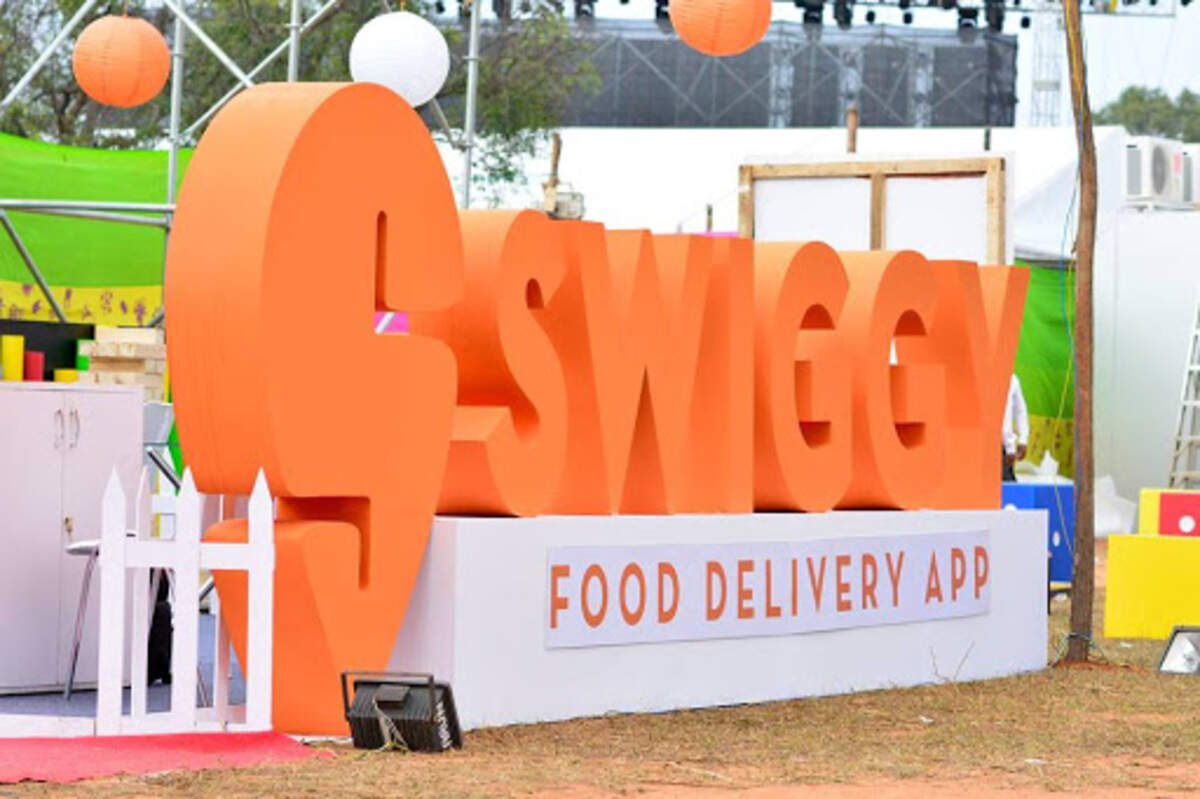
Swiggy Instamart is a grocery and essentials delivery offshoot by Swiggy. This has hugely tapped into DOOH advertising to create a large market share. The recent campaigns undertaken by the brand exemplify the success of this method of advertising and assert how novel ideas are a requirement in today’s fast-paced market scenario.
Why Do People Like DOOH Advertising?
Increased Visibility
One of the advantages about DOOH advertising is that it catches people’s attention in heavily trafficked areas. While a print advertisement may just fit quite well into the surrounding environment, DOOH breaks away from the status quo because it assumes dynamic forms.
- Captures Attention of Passers-By: Since it is digital, it animates and captures people’s attention who are walking or driving by.
- Strategic Location: As messages are going to be viewed by the masses, advertisers can take strategic locations where their messages would reach a large audience.
- Real-Time Content Update: Brands can update their content at any time, so they can update according to a trend or event.
- Data-Driven Insights: In most cases, DOOH platforms present analytics for the brands to measure engagement with their audience.
- Increased Brand Recall: Visual and audio elements of DOOH may also heighten the experience for the consumer, making the brand much more memorable.
Flexibility and Customization
DOOH advertising offers extreme flexibility, allowing brands to customise messages based on location, time, and demographics. This kind of customisation further enhances the efficacy of campaigns.
- Localised Messaging: Brands can tailor their messages to resonate with specific local audiences and address regional preferences and cultural nuances.
- Dynamic Content: It can display varied content at diverse time points. Therefore, their campaigns canoptimisedized to reflect the difference in consubehaviourvior at different times of the day.
- Creative Freedom: They are provided with interactive elements in the digital format. Thus, it has opened up and made possible a lot of creative avenues that brands can undertake to engage with the consumers.
- Real-Time Data-Based Promotions: Brands will run their promotions based on the real-time data—for instance, the weather situation or any local event happening at that time.
- Link-Up with Social Media: DOOH can be integrated with social media campaigns, thereby amplifying the reach and impact of advertising efforts.
Cost-Effective Solutions
The cost of investing in DOOH advertising might come across as very high at inception but usually outweighs the cost in the long term.
- Wide Audience Coverage: A single campaign will get the brand to thousands of potential customers, making it a cost-effective means of mass advertisement.
- High Reach Rates: DOOH ads have more reach rates than traditional media, hence displaying a higher ROI.
- Print Costs Decline: The digital nature of DOOH eliminates the need for printed materials, leading to total cost-cutting in advertising.
- Campaign Lifetime Is Higher: DOOH campaigns can be extended to run longer, maximising the impact of an initial investment.
- Improved Brand Image: The entire image of a brand could be uplifted by a well-executed DOOH campaign so that a brand becomes more attractive to a target consumer.
Practical Example of Swiggy Instamart Using DOOH Advertising
Campaign Summary
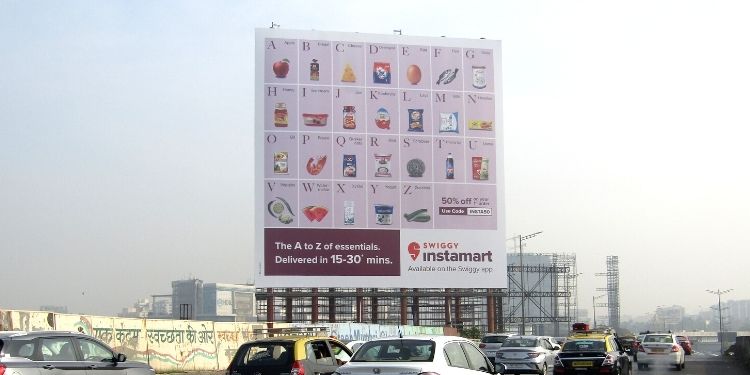
Swiggy Instamart has set a new benchmark in DOOH by establishing something appreciable in the horizon of brand visibility regarding food delivery services, which have to deal with the competition level that hails it as steep. The brand contracted Phantom Ideas, a creative agency based out of Bangalore, and they executed an exhaustive campaign, wisely reminding people of the service’s quick deliveries.
- Innovative Creatives: In total, 36 different creative advertisements were placed across various outdoor platforms, creating a powerful visual experience.
- Mass Heli-publication: The campaign rolled out across 17 cities, covering more than 10,000 hoardings, bus shelters, and airports.
- Urban Attack: Having soaked in at the high-density population locations, Swiggy reached maximum areas and interacted with its target group.
- Catchy One-Word Headlines: Capturing the promise of Swiggy delivering food fast.
- Visual Storytelling: It made use of vibrant and appealing visuals, which emotionally connected with the audience.
Creative Messaging
Swiggy Instamart’s campaign, through the creative expression of DOOH, was yet again successful in making the lead. Well, to the point, a concise headline was crucial to making communication concise for fast-moving consumer lifestyles.
- Variety Avenue: The campaign was talking about the wide varieties of products that would be delivered at speed—targeting the unmet consumer need.
- Speed Focus: Swiggy has highlighted the promise of instant delivery to position itself as the new solution when grocery needs are urgent.
- Visual Interest: Vibrant colours have been used, and captivating designs have attracted attention and elicited social shares.
- Resonating with the Consumer: The creatives are designed to resonate with the everyday consumer experience, making the brand more relatable.
Havas Media Partnership
Swiggy Instamart collaborated with Havas Media Tribes Group in another different yet equally impactful campaign to strengthen the presence of DOOH.
- Powerful Messages: Some of the great messages used in the campaign are “Till Supply Instantly” and “Till Comfort Instantly,” which bring out the quick service that Swiggy will offer.
- Transit Display: Everywhere, colourful transit displays were erected that engaged commuters with a memorable brand experience.
- Deep Penetration Approach: The campaign focused on deep penetration by ensuring the brand message reaches every potential customer of Swiggy.
- Comprehensive Coverage: The outdoor campaign aired all its advertisements across various formats, such as traditional billboards, uni poles, and bus shelters.
- Large Format Landmark Advertisements: Swiggy also featured Asia’s biggest billboard at the Bandra Western Express Highway in Mumbai.
Impact on Brand Visibility
Success Measurement
The success of Swiggy Instamart’s DOOH Campaigns can be measured by brand visibility, engagement rates, and consumer feedback.
- Brand Awareness: Wide reach and high frequency of communication helped increase brand awareness among consumers.
- Positive Consumer Response: The brand received positive feedback from Swiggy as consumers appreciated the prompt service offered by them.
- Higher Engagement Levels: As the DOOH advertisements were interactive, recall levels were also better since the individual would remember the brand after watching.
- Social Media Buzz: The extremely striking visual appeal of these advertisements made them go viral on social media, thus giving Swiggy that much mileage.
- Market Penetration: The campaigns penetrated all markets they were set to penetrate with new prospective customers and retention of existing customers.
Lessons Learnt
This strategy of Swiggy explains to other brands how to take this potential channel.
- Dive into Creativity: Whenever the marketplace is crowded, unique and creatively presented content makes all the difference.
- Know Your Target Audience: Knowing one’s target audience and calibrating the message significantly increases message effectiveness.
- Use Data: Brands can optimize their DOOH campaigns in real-time using data analytics to get maximum bang for their buck.
- Consistency: This is where a message goes through different channels. This is how brand identity and trust are set up with the consumers.
- Alignment to the Trend: Brands must adapt to new trends that evolve in ads to remain updated.
Conclusion
DOOH advertising, such as Swiggy Instamart’s experience, has also established the fact that this is a highly potential advertising medium because of its implementation in marketing nowadays.
- Dynamic Engagement: It is meaningful to the audience to make dynamic content that has participative engagement.
- Location-Based Strategies: Brands can finally target locations to really connect with their audience.
- Creative Collaboration: It bridges the potential of imaginative collaboration through advertising campaigns with good quality and reach.
- Measurable Impact: Results of DOOH advertising can be measured and analysed for continuity and improvement.
- Future of Advertising: The future of advertising will definitely be fashioned by innovative approaches like DOOH, advancing technology in time.
Swiggy Instamart has strategically used DOOH advertising that speaks volumes of its intentions toward brand growth while also being a benchmark for others in the industry. For businesses that look for or desire to increase their visibility and reach consumers, embracing DOOH advertising may be the key to unlocking new opportunities.
If you are a medium-sized Indian business, making the most of digital advertising strategies with a focus on dynamic outreach could be your game-changer.
]]>This blog will examine seven billboard ads that showcase groundbreaking creativity. These examples will give insights into how brands can leverage traditional advertising in novel ways, combining the familiar with the unexpected to make a lasting impression on their audience.
Introduction: Why Billboards Remain a Vital Advertising Tool
Even in an era dominated by digital and social media advertising, billboards are a critical tool in a marketer’s arsenal. They reach people in public spaces, creating a lasting impact that’s hard to ignore.
- High Visibility and Large Reach: Billboard ads are placed in high-traffic areas, making them visible to thousands of people daily. Whether on highways or busy city streets, they command attention.
- Memorable and Effective for Brand Recall: Billboards uniquely imprint a brand’s message in people’s minds. Seeing an ad multiple times a week reinforces brand recall, making the brand more memorable.
- Limitless Creativity: Billboards offer an ideal canvas for creativity. With larger-than-life visuals, brands can be imaginative and craft visually striking ads.
- Localised Targeting: Billboards are a great way to target specific geographic areas. A business can place billboards near its location or in areas where it wants to increase visibility.
- Capturing Impulse Decisions: Billboards often drive immediate action. For instance, seeing a restaurant billboard while hungry can lead to an unplanned visit, demonstrating the power of well-placed ads.
Let’s examine seven innovative billboard campaigns that harness these advantages while pushing creative boundaries.

IKEA’s Directional Billboard Campaign
IKEA has long been known for its inventive advertising, and its directional billboard campaign exemplifies this. Rather than just displaying an ad, IKEA’s billboards provided step-by-step directions to nearby stores, turning the ad into a practical guide.
- Guiding the Way: The billboards were strategically placed, each showing how many steps or minutes it would take for pedestrians to reach an IKEA store. This functioned both as a helpful guide and as an effective ad.
- Promoting Active Lifestyles: By highlighting the walking distance, IKEA indirectly promoted physical activity. This aligned with health-conscious trends, positioning IKEA as a brand that supports healthy living.
- Hyperlocal Advertising: Unlike typical billboards for broad audiences, IKEA’s campaign was customised for local pedestrians, increasing relevance and engagement.
- Simplistic Design: The billboards featured a minimalist design, with the distance prominently displayed, making the ad easy to digest at a glance – critical in high-traffic locations.
- Community Connection: This campaign fostered a sense of locality and community, as people felt that IKEA was directly engaging with them in their neighbourhoods, making the brand feel more accessible.
The campaign’s success is a testament to IKEA’s understanding of customer needs. By transforming a simple billboard into an informative tool, IKEA combined utility with advertising, leaving a lasting impression.

Carlsberg’s Interactive Billboard Offering Free Beer

Carlsberg turned heads with an interactive billboard that offered free beer to passersby, elevating brand engagement to an unprecedented level. Instead of just showing an image, the ad gave people a memorable experience.
- Creating Interaction: This interactive billboard didn’t just display a message; it dispensed free beer. This novel approach made the ad memorable, as people could actively engage with it.
- Generating Goodwill: Giving away a sample created a positive brand impression and encouraged people to associate Carlsberg with generosity and good times.
- Going Viral: The ad became an instant hit on social media, with many people sharing photos and videos of their experience. This organic reach amplified the campaign’s success well beyond the physical billboard.
- Product Confidence: The tagline “Probably the best poster in the world” was a clever play on Carlsberg’s famous slogan. It reinforced confidence in the product while creating an iconic ad.
- Responsible Consumption: Carlsberg ensured the campaign included measures to promote responsible drinking, adding a socially responsible element to the ad.
This campaign exemplified how to go beyond traditional advertising by incorporating an experiential aspect, creating a memorable moment for consumers and generating extensive brand loyalty.

BMW i3’s Illuminated Billboard for Eco-Friendly Messaging

BMW used an illuminated billboard to advertise its electric vehicle, the BMW i3. The campaign aimed to convey its eco-friendly nature with visually compelling effects that stood out day and night.
- Highlighting Eco-Friendly Innovation: With glowing elements, BMW showcased the i3’s advanced, eco-friendly technology, emphasising the brand’s commitment to innovation.
- Attracting Attention with Light: The glow-effect billboard was impossible to miss at night, and it captivated viewers intrigued by its futuristic appeal.
- Sustainable Messaging: The ad promoted the eco-conscious aspects of BMW’s i3, positioning it as a sustainable choice for car buyers interested in reducing their carbon footprint.
- Integrating Digital Features: BMW encouraged people to download an app for a virtual test drive, seamlessly blending traditional and digital media for an enriched experience.
- Sophisticated Brand Image: BMW’s billboard, with its sleek design and high-tech visuals, reinforced its image as a leader in luxury and innovation, making the i3 an aspirational product.
Through this innovative campaign, BMW reached a broad audience while positioning its product as both luxurious and environmentally responsible, a message that resonated strongly with modern consumers.

McDonald’s and Burger King’s Playful Billboard Rivalry

McDonald’s took a humorous approach by displaying the distance between the nearest Burger King and its location. This lighthearted rivalry created a buzz and was widely appreciated by both brands’ fans.
- Using Humor for Engagement: The playful tone of the ad generated a lot of attention, as humour is an excellent tool for making ads memorable and engaging.
- Creating Competitive Tension: By mentioning Burger King, McDonald’s also targeted the competitors’ fans, sparking curiosity among people loyal to both brands.
- Highlighting Brand Loyalty: The distance comparison subtly suggested that McDonald’s was worth going the extra mile for, creating an impression of superior quality.
- Encouraging Social Sharing: The friendly jab between the brands went viral, with people sharing the ad on social media and generating a free wave of publicity.
- Humanising the Brand: Such humour helped McDonald’s appear more relatable and approachable, adding a fun personality to the brand.
This billboard successfully demonstrated how playful competition can enhance brand appeal while attracting customers through clever, light-hearted messaging.
Panasonic’s Creative Nose Hair Trimmer Billboard

Panasonic launched a clever campaign for its nose hair trimmer, using electric pole wires near the billboard as “nose hair.” This imaginative concept made the ad hard to miss.
- Ingenious Use of Environment: By incorporating the surroundings into the ad, Panasonic created a standout billboard that blended humour and functionality.
- Relatable Humor: The use of “nose hair” struck a chord with the audience, as it addressed a universally relatable grooming need in a fun way.
- Effective Product Placement: The ad demonstrated the nose hair trimmer’s effectiveness, communicating its purpose without the need for detailed text.
- Going Viral for Creativity: The unconventional approach made the ad a sensation online, with many people sharing it on social media for its sheer ingenuity.
- Cost-Effective Advertising: The billboard’s unique design attracted significant attention with a limited budget, proving that creative ideas often matter more than high production costs.
Panasonic’s nose hair trimmer billboard is a prime example of how unconventional thinking can lead to an effective, memorable advertisement.
McDonald’s 24-Hour Digital Billboard for Night-Time Crowds

To promote its 24-hour Availability, McDonald’s launched a digital billboard that displayed real-time updates, reinforcing its commitment to being there whenever hunger strikes.
- Targeting Night-Time Audiences: By advertising its 24-hour service, McDonald’s catered to late-night drivers, travellers, and anyone looking for a quick meal after hours.
- Real-Time Relevance: The digital billboard displayed the current time, making it engaging and timely, an essential feature for capturing people’s attention.
- Minimalist Design with Clarity: The ad’s straightforward design made the message clear and essential for quick viewing during late-night commutes.
- Strategic Placement: Positioned in high-traffic areas, especially near highways, the billboard effectively attracted hungry drivers on the go.
- Highlighting Convenience: The message reinforced McDonald’s as a convenient, always-open option that meets the needs of reliability and accessibility.
This digital campaign is an excellent example of how McDonald’s has adapted traditional billboards to deliver a message relevant to modern lifestyles, especially for night-time commuters.
BIC Razor’s Grass-Cutting Billboard

BIC promoted its razors with a highly creative billboard that featured natural grass cut neatly to resemble a clean shave, emphasising the precision of BIC razors.
- Literal Representation of the Product: The use of grass demonstrated the product’s function very literally, showcasing the product’s effectiveness.
- Unique Material Usage: Natural grass made the billboard a multi-sensory experience, enticing people with its visual appeal and encouraging touch.
- Sustainability Messaging: The campaign subtly emphasised sustainability using natural materials, which resonates with eco-conscious consumers.
- Visual Impact: The stark contrast of green grass against a clean-cut design made the billboard stand out, demanding attention from passersby.
- Social Media Buzz: This innovative approach led to numerous social media shares, as people were excited to share their experiences with such a unique ad.
BIC’s grass-cutting billboard exemplifies how unique materials and creativity can turn a simple advertisement into an engaging experience.
Final Thoughts
Billboards continue to evolve, demonstrating the power of creativity in advertising. The seven examples we’ve discussed showcase how brands can leverage traditional outdoor advertising innovatively. Whether through interactivity, humour, or unique materials, these billboards capture attention, engage audiences, and leave lasting impressions.
- Creativity is Key: Unique ideas resonate with audiences, driving engagement and brand loyalty.
- Utilise Surroundings: Incorporating the environment into your message can create memorable experiences.
- Connect Emotionally: Humor and relatable messaging foster deeper connections with consumers.
- Embrace Technology: Digital billboards provide opportunities for real-time engagement and interactivity.
- Consistency Matters: Successful campaigns reinforce brand messages, increasing recall and trust.
In conclusion, these innovative billboard ads illustrate the transformative power of creativity in outdoor advertising. By pushing the boundaries of what billboards can achieve, brands can forge deeper connections with their audiences and stand out in a crowded marketplace.
]]>
The Branding of the film Drishyam 2, starring superstar Mohanlal was conducted through Cup branding.
Drishyam 2 Creating a Buzz
The OTT platform with Ginger Media Group has used colour-changing technology on paper cups. Everyone in India is asking about the cup branding tale of Drishyam 2, and Amazon Prime. ‘George Kutty is back’, ‘Will George Kutty be able to protect his family this time?’ These lines are spreading like a fire among people.
Here are the details of the Cast of the Movie Drishyam 2.
The cast includes Superstar Mohanlal, Meena, Siddique, Asha Sharath, Murali Gopy, Ansible, Esther, and Saikumar. ‘Drishyam 2’ is a gripping tale of investigation and a family which is threatened by it.
Who was Behind the marketing campaign for Drishyam 2?
The Magic Paper Cup Advertising
In this first-ever kind of activity. The cups are printed with the ‘George Kutty is Back’ statement on a black surface with white ink. The cup transforms into a colourful message showcasing the whole branding of the movie. The actor and graphics pop out when any hot beverage is poured into the cups. And once the hot beverage is taken out, then the cup changes back to a normal black one. Mohanlal himself shared the amazing look of cups on his official Facebook page.
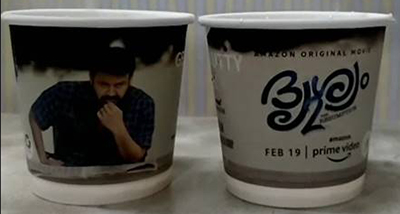
Execution of the Campaign
The idea and execution of the campaign were done by Ginger Cup, a part of Ginger Media Group. The cup distribution was conducted across several cities in Kerala. In Thrissur, Calicut, Cochin, and Trivandrum, the cups were distributed at tea and coffee joints. People were really very excited about the whole campaign. When they poured hot tea inside the cup then the magic began. And the Social media accounts were full of photos of magic cups.
Ginger Media group always comes up with a new ideas for their clients. Execution can be clearly seen from their official YouTube channel and other social media accounts.
]]>In today’s fragmented media environment, brands are constantly on the lookout for new and innovative ways to engage with their target group.
Despite being occupants of a digital era, online advertising is beginning to frustrate media buyers as ad blockers are in widespread use. Even if a user does not use ad blockers, it is difficult to stand out as they are bombarded with several marketing messages on a daily basis.
Thus, to overcome these problems, brands are resorting to OOH (Out-of-Home) advertising to instil a sense of trust among their target group. The latest buzzword ‘OOH’ refers to advertising that takes place when someone is outside of their home. Billboards, signage and branded paper cups are fitting examples of OOH media. They cannot be blocked or skipped.
If you’re looking to reach a mass audience, Outdoor advertising is the answer. Today, the medium is continuing to outperform as most people spend time outside their home.
Importance of Measuring Marketing Campaigns
Though out-of-home advertising has gained immense recognition in recent times, there are still few media buyers that are reluctant to leverage on the benefits of the channel. The main reason being that tracking OOH campaigns is seemingly difficult compared to direct mails and newspaper adverts. Thankfully, in recent times, the industry that has struggled to calculate impressions has come up with innovative strategies and tools.
Therefore, it’s safe to say that choosing an outdoor medium is not just powerful but measurable as well.
Be it any campaign, actively tracking and measuring various metrics is important if you want to hit a particular goal. If you do not continually evaluate the effectiveness of a campaign, the time and money spent on marketing may be wasted.

Strategies to track OOH Campaigns
The following advertising metrics will help you track the success of OOH campaigns and measure return on investment (ROI)
Location: The most crucial factor when executing an OOH campaign is choosing the ideal location. Your aim is to target a particular demographic, with the right message and facilitate a strong CTA. Once you have determined your target market, the next step would be to use locations where a maximum number of people from your TG resides.
Code specific campaigns: Another highly effective method to track OOH campaigns is by printing discount vouchers, coupon codes and QR codes on your OOH media. Based on the number of people who visited your site and used the code during checkout, you can determine the effectiveness of the campaign.
Before and after sales: A simple way to calculate the performance of an OOH campaign is by looking at the sales conversion before and after running the ad. If there’s been a significant improvement, your campaign may be working.
Keyword analytics: If your campaign is associated with a memorable tagline or slogan, chances are your audience will go back and type keywords into a search engine. If those key searches turn up in your analytics, it’s again proof of the efficacy of your campaign. Similarly, hashtag metrics is also an effective method.
While tracking OOH campaigns, it is important to familiarise yourself with these terms:
- · DEC: Daily Effective Circulation –number of vehicles and pedestrians that pass a billboard per day.
- · OTC: Opportunity to Contact –how many people could walk past and see your outdoor advert.
- · VAC: Visually Adjusted Contact –number of people who saw the advert during the outdoor campaign
Today, cup branding has emerged as an effective medium in the OOH space. The main reason being that it can effectively be tracked post the campaign. Contrary to oversized billboards, paper cup ads are small yet powerful.
After every coffee cup advertising campaign, the team at GingerCup captures on-site photographs, conducts surveys and feedback, and records vendor responses.
 The responses to QR codes, coupon codes and microsites are also examined in detail.

The Baahubali 2 marketing team used cup branding in their marketing mix before the release of the film. The pre-bookings recorded were pulse-raising as nearly 1 million tickets were sold online within 24 hours.
To know more, email contact@www.gingercup.com.
]]>Ready to talk with a marketing expert?

A Pragmatic and innovative way to enthrall your target group is just a click away!
Get in Touch
Rukmini Knowledge Park, Kattigenahalli, SH 104, Srinivasa Nagar, Bengaluru, Karnataka 560064
+91-990 247 8800
contact@gingermediagroup.com
Popular in Television Advertising
Udaya TV AdvertisingSun TV AdvertisingStar Plus AdvertisingTV 9 AdvertisingZee TV AdvertisingNDTV India AdvertisingColors TV AdvertisingPopular in Airport Advertising
Spice Jet AdvertisingMumbai Airport AdvertisingDelhi Airport AdvertisingEmirites AdvertisingIndiGo Airlines Domestic India AdvertisingPopular in Newspaper Advertising
Deccan Herald AdvertisingPrajavani AdvertisingThe Hindu AdvertisingEconomic Times AdvertisingDainik Jagran AdvertisingHindustan Times AdvertisingPopular in Magazine Advertising
Forbes AdvertisingCosmopolitan AdvertisingBusiness World AdvertisingVogue Magazine AdvertisingPopular in Sports Advertising
IPL AdvertisingPopular in Outdoor Advertising
Billboard AdvertisingBus Shelter AdvertisingMetro Pillar AdvertisingUnipole Advertising© Ginger Media Group 2025. All Rights Reserved.