Introduction
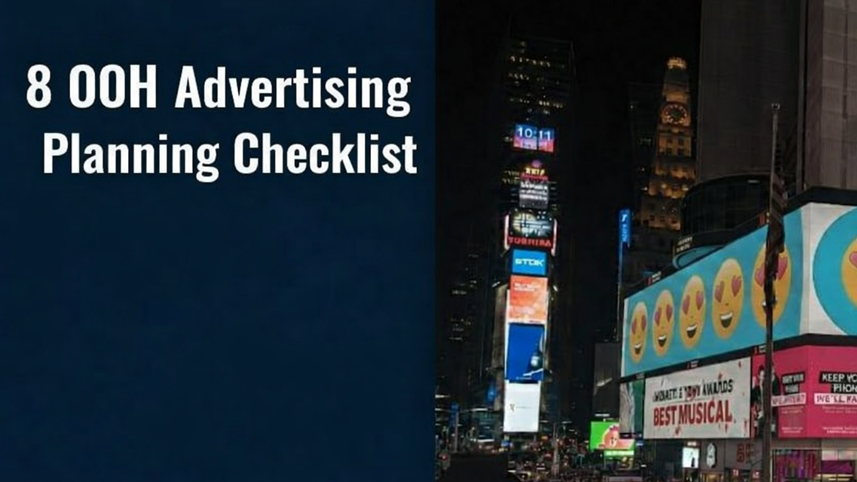
Out-of-home (OOH) advertising remains one of the most powerful offline marketing tools for brands aiming to capture attention at scale. Whether it’s billboards, transit media, or street-level displays, OOH advertising places brand messages directly into real-world environments, where people actually engage with them. OOH advertising becomes part of everyday life, delivering consistent visibility and stronger brand recall. This is why many marketers include it as a core component in their advertising planning and broader campaign strategies.
To maximize results, brands rely on a structured OOH advertising planning checklist. A well-defined advertising planning checklist helps ensure the right locations, formats, messaging, and timing are aligned for maximum impact. Effective OOH advertising planning not only improves reach but also enhances campaign efficiency and ROI.
However, visibility alone doesn’t guarantee success. Many OOH campaigns fail because of poor planning, resulting in wasted budgets and missed opportunities. A strong, structured planning approach ensures your campaign reaches the right audience, in the right locations, with the right message and also maximizes impact and ROI. In this blog, we walk you through 8 essential steps to plan, execute and manage high‑impact OOH advertising campaigns that deliver measurable results.
1. Define Clear Campaign Objectives
Every successful OOH campaign starts with clear objectives. Brands need to define what they want to achieve before selecting media or designing creatives. Objectives may include building brand awareness which OOH can increase by up to 25%, launching a new product, driving store visits or strengthening market presence.
Clear goals guide all advertising planning decisions. When objectives are well defined, it is easier to choose suitable formats, locations and campaign duration. Studies show that OOH campaigns with defined objectives are 70% more likely to meet their marketing goals, ensuring the campaign stays focused and aligned with business outcomes.
2. Identify the Target Audience
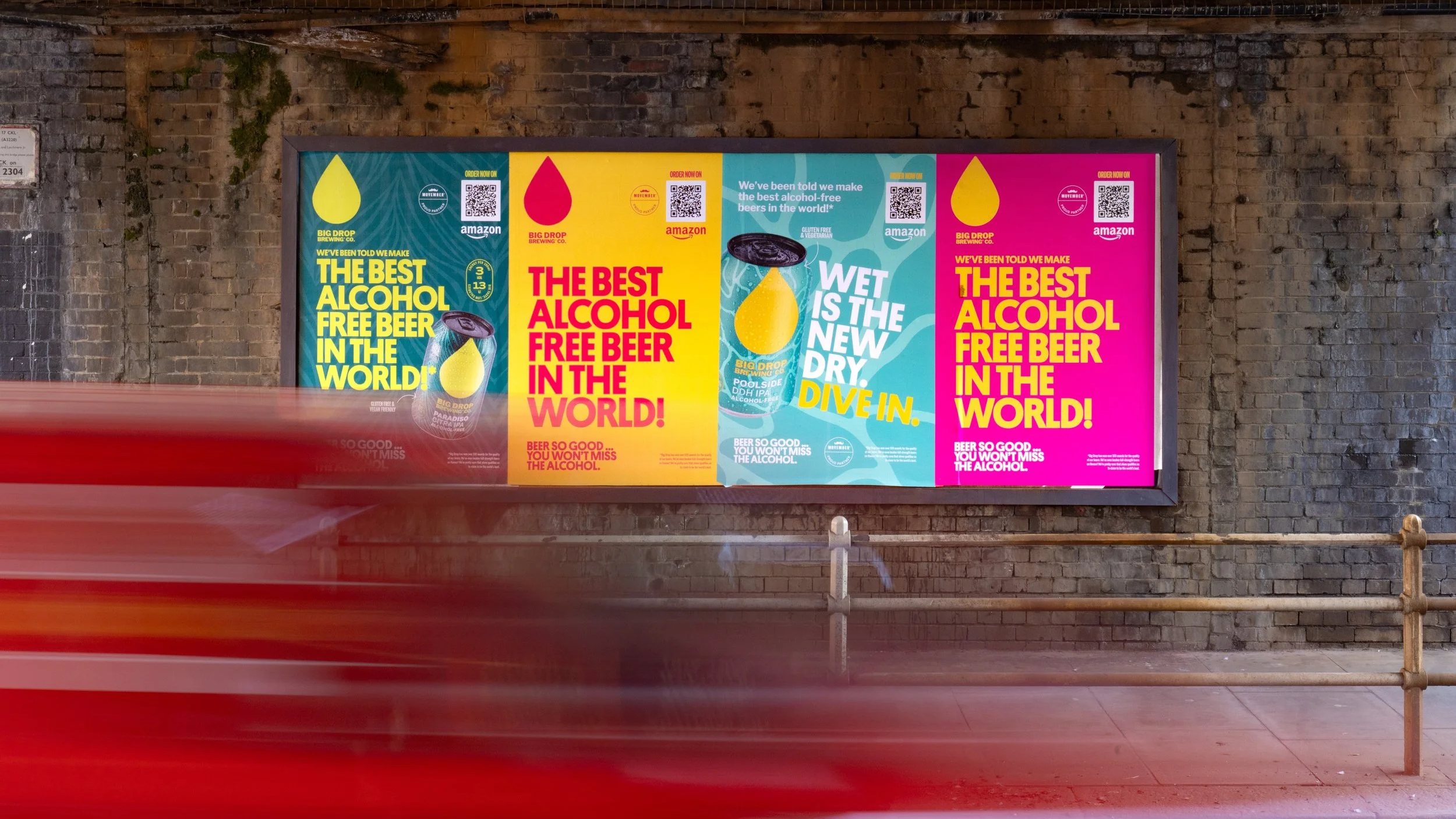
Understanding the target audience is critical in OOH advertising. Factors such as age, profession, lifestyle, income group and daily movement patterns influence where and how ads should be placed.
Research shows that OOH campaigns targeting the right audience can increase ad recall by up to 47%. Campaigns perform best when they match audience behavior, knowing where your audience travels, works, studies or socializes helps improve relevance and attention. Accurate audience profiling strengthens outdoor advertising strategies by ensuring that messages reach the right people at the right time, maximizing engagement and campaign effectiveness.

3. Select the Right OOH Media Formats
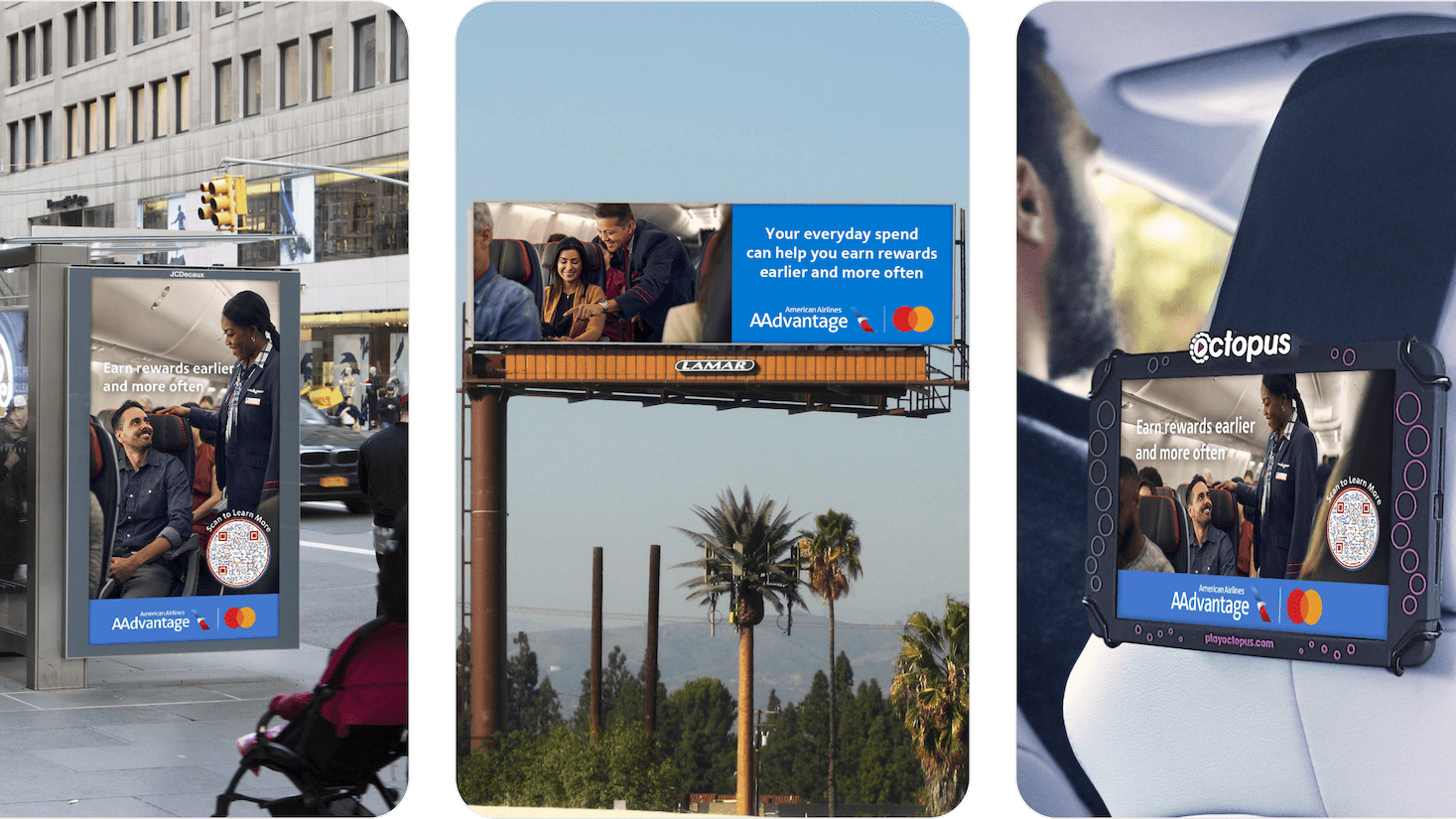
Different objectives require different OOH formats. Billboards are ideal for mass visibility, reaching up to 70,000 people per day in busy locations, while bus shelters and street furniture work well for repeated exposure in local neighborhoods. Transit media such as buses, metros and autos provide mobility and frequency, allowing brands to reach commuters multiple times a week.
Selecting the right formats is a core part of any OOH advertising planning checklist. Brands should consider visibility, dwell time, audience proximity and message complexity when choosing formats. A well-balanced media mix can increase campaign effectiveness by 30% or more, ensuring the brand message reaches the right audience in the most impactful way.
4. Choose Strategic Locations
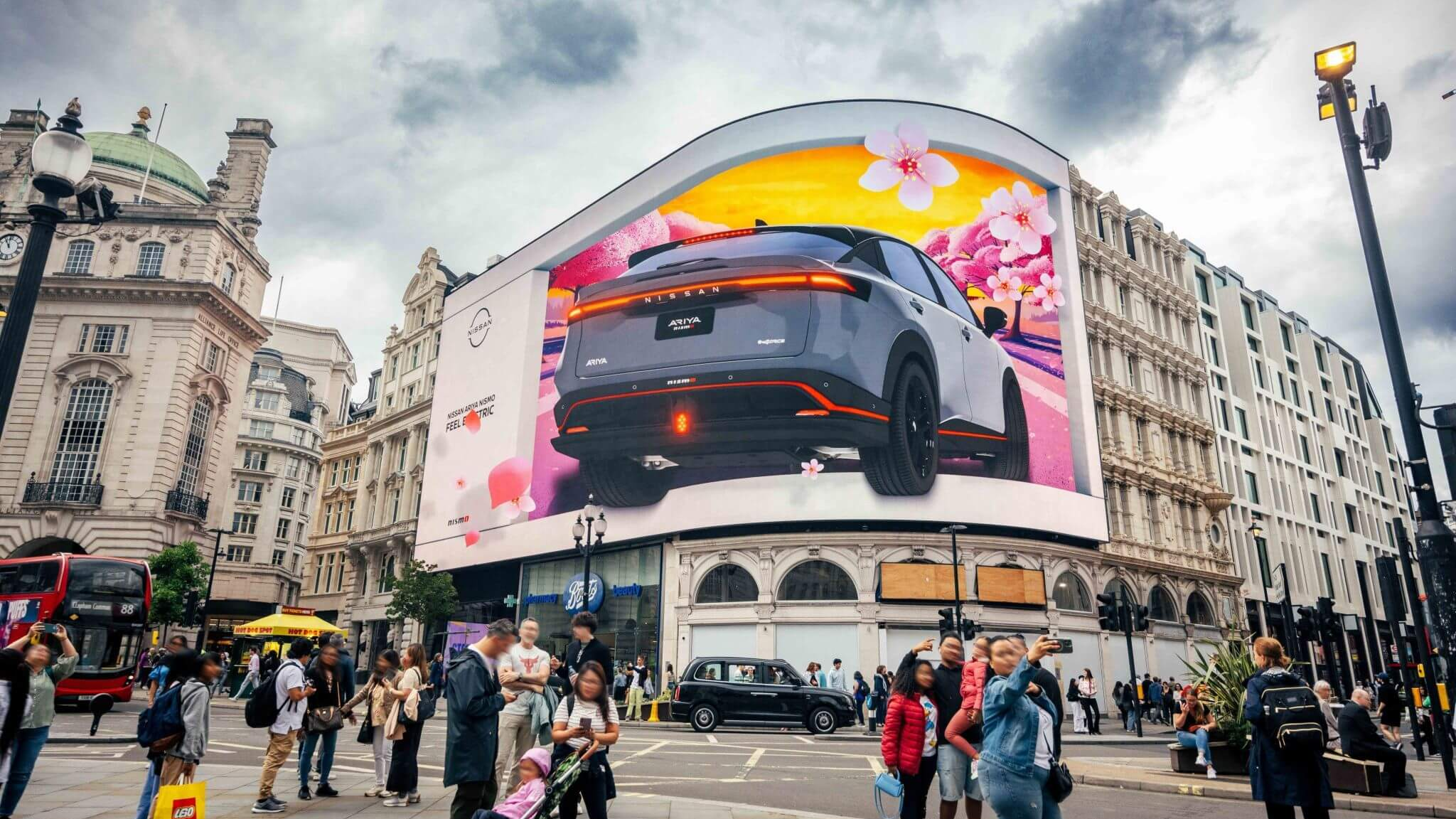
Location selection plays a major role in the success of OOH campaigns. High footfall areas, commuting routes, business districts, residential zones, and activity hubs ensure repeated exposure. Studies show that OOH ads placed in high-traffic locations can boost brand recall by up to 60%.
Strategic location planning supports effective advertising by improving recall and reducing wastage. Rather than choosing locations based on availability alone, brands should focus on relevance, traffic patterns and audience concentration. The right location can increase campaign impact by nearly 40%, helping brands get maximum results even with a limited budget.
5. Plan Campaign Duration and Timing
Campaign duration and timing influence how often audiences see an ad and how well they remember it. Research shows that OOH campaigns running for 4–6 weeks can increase brand recall by up to 50%, while longer-term placements help build familiarity and trust over time. Short-term campaigns are effective for product launches or events, giving a quick burst of visibility.
Timing should align with audience movement patterns, seasonal trends and business cycles. Properly planned duration ensures optimal exposure without overspending, making campaigns more efficient and impactful.

6. Design Clear and Impactful Creatives
OOH creatives must communicate messages quickly and clearly. People usually view outdoor ads for only 3–5 seconds, so simplicity is key. Short messages, bold visuals, readable fonts and strong colour contrast are essential design elements.
Well-designed creatives can increase message retention by up to 70%, making the campaign more effective. Avoid clutter, excessive text or complex visuals. A strong creative ensures that the audience understands the message instantly, even from a distance, improving the overall impact of your OOH campaign.

7. Allocate and Control the Budget
Budget planning is an important part of any advertising checklist. OOH budgets typically include media costs, production expenses, installation, maintenance and monitoring. On average, media costs can account for 50–70% of an OOH campaign budget, while production and installation make up the rest.
Clear budget allocation helps brands avoid overspending and ensures smooth execution. Studies show that campaigns with well-planned budgets are 60% more likely to stay on track and meet objectives. Tracking costs across all stages allows better control and accountability, helping brands maximize visibility and results without unnecessary expenses.

8. Monitor Execution and Measure Performance
Monitoring ensures that OOH ads are installed correctly, remain visible and comply with agreed placements throughout the campaign. Studies show that regular monitoring can improve campaign effectiveness by up to 25% by preventing issues like damaged creatives or incorrect locations.
Measuring performance can include footfall analysis, brand recall surveys, location-based data and response tracking. Campaigns that track results are 40% more likely to achieve their marketing goals, providing valuable insights to improve future OOH advertising efforts. Proper monitoring completes the OOH advertising planning checklist and ensures each campaign delivers maximum impact.

Common OOH Advertising Planning Mistakes
Many brands underestimate the importance of planning in OOH campaigns. Common mistakes include choosing locations without audience relevance, using unclear creatives, ignoring campaign timing and failing to monitor execution. Research shows that up to 60% of OOH campaigns underperform due to poor planning.
Avoiding these mistakes improves OOH advertising planning and ensures campaigns deliver consistent results. Learning from past campaigns can increase effectiveness by 30–40%, helping brands refine strategies and achieve better long-term performance.
Benefits of a Structured OOH Advertising Planning Checklist
- Better alignment with campaign goals
- Improved media and location selection
- More efficient budget utilization
- Stronger message recall
- Smoother execution and coordination
- Better measurement and optimization
Frequently Asked Questions (FAQ’s)
1. What is OOH advertising?
OOH advertising (Out-of-Home advertising) refers to any form of advertising that reaches consumers outside their homes, such as billboards, transit ads, and street displays. It is widely used to build large-scale brand awareness.
2. What is an OOH advertising planning checklist?
An OOH advertising planning checklist is a structured guide that helps marketers plan campaigns effectively. It typically includes location selection, audience targeting, format choice, budgeting, and performance tracking.
3. What are the benefits of OOH advertising?
The key benefits include high visibility, wide audience reach, strong brand recall, geographic targeting, and continuous exposure in real-world environments.
4. What are the most effective OOH advertising strategies?
Effective strategies focus on selecting high-traffic locations, using clear and impactful messaging, leveraging creative visuals, and integrating campaigns with digital channels for better engagement and measurement.
OOH advertising is a powerful medium, but its success depends heavily on how well it is planned. A structured OOH advertising planning checklist helps brands approach campaigns with clarity, precision and purpose.
By following these eight steps, brands can strengthen outdoor advertising strategies, improve OOH campaign management and achieve consistent, measurable impact from their investments. With thoughtful planning and execution, OOH advertising delivers long lasting brand visibility and real business value.
Why Choose Ginger Media Group for Affordable Offline Marketing
Ginger Media helps startups execute affordable offline marketing campaigns with clarity, transparency and measurable impact. With strong expertise across outdoor, transit, print, and on ground activations, Ginger Media focuses on cost effective solutions that deliver real visibility without unnecessary spending. From planning and execution to monitoring and reporting, the team ensures startups get the best value from every offline campaign. By combining strategic media selection with on ground execution strength, Ginger Media enables brands to scale offline marketing efficiently and confidently.
Ready to amplify your brand with Ginger Media?
Stop guessing and start growing. Our marketing experts are ready to help you craft a campaign that delivers real results.
Contact Now