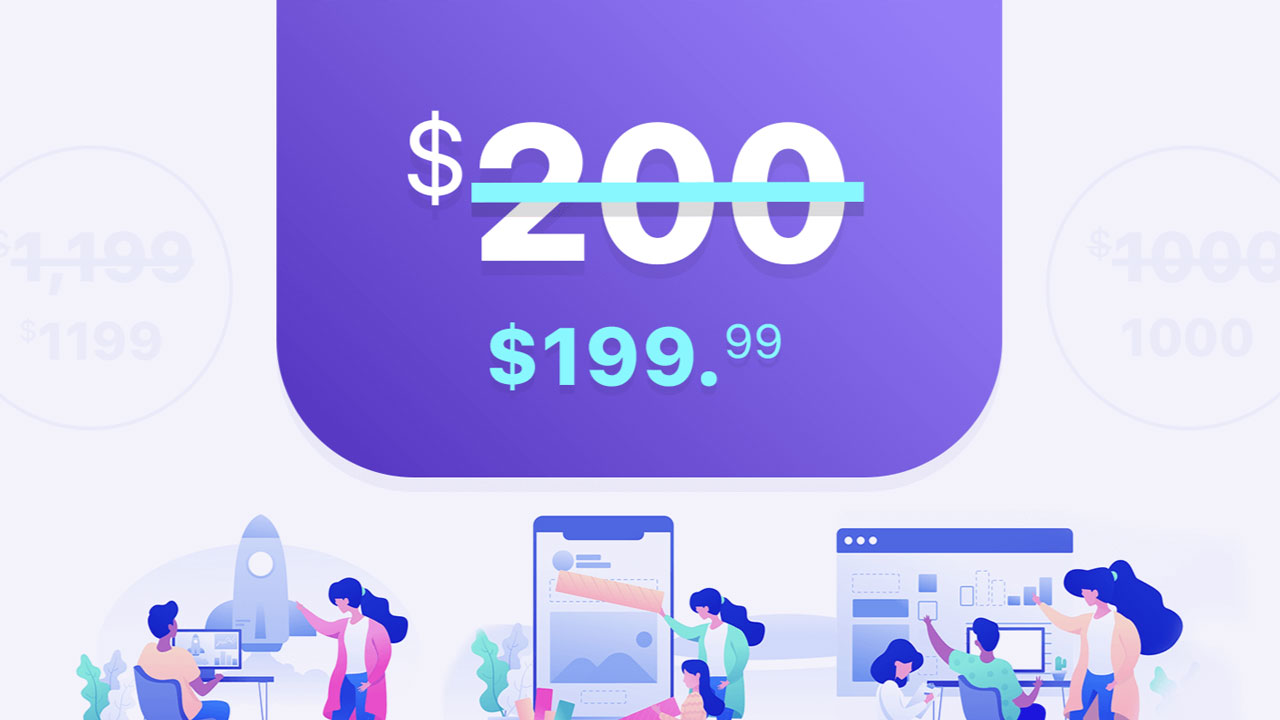
You can see how brands like Bata and Liberty keep pricing their shoes with tags like “Rs 999 only” or “Rs 1499 only.” Similarly, grocery stores often have offers like “3 for Rs 99.” What is most important about pricing is the fact that it should not be just a number; it is a marketing strategy that plays with the perceptions of consumers. Psychological pricing is very widely used for consumer goods in an attempt to make those products look affordable to customers. This blog will explain what psychological pricing is, its advantages and disadvantages, and how it influences consumer behavior.
Psychological Pricing
Psychological pricing uses people’s perception of numbers. According to researchers, people process prices starting from the leftmost digit and usually ignore the rightmost digits. As such, it gives the illusion that prices are cheaper than they are. Many businesses apply this pricing technique as a means of intensifying competitive advantage. The ultimate objective of psychological pricing is to meet the consumers’ psychological needs and make them believe they are saving a lot.
Some of the major examples under psychological pricing include:

- Playing with Prices: At the time of retailing, the commodities are priced at Rs 999 rather than Rs 1000. This will appear cheaper, and the customers will believe they are spending many more rupees than they do.
- Comparative Advantage: A “50% off” sale is mathematically identical to “Buy One, Get One Free,” but customers generally prefer the latter—it just seems like a better deal.
- Time-Limited Offers: Creating perceived scarcity by proclaiming, “Hurry, only a few hours left!” forces customers to speed up purchases.
- Pricing with Rounding: For instance, pricing at Rs 99.99 instead of Rs 100 creates an illusion regarding the pricing, although the difference is merely marginal.
- Bundle Deals: Price offers like “3 for Rs 99” create an impression in the customer’s mind that he or she is getting a deal when, in fact, he or she isn’t because the per-unit price may be equivalent to the regular price.

Benefits of Psychological Pricing
Psychological pricing allows businesses to offer several benefits, especially in achieving more sales and revenues as well as maximizing profit. One advantage is that it creates a perception of value and pushes customers to make a decision faster.
Some of the major advantages are as follows:
Lower Price Band Perception
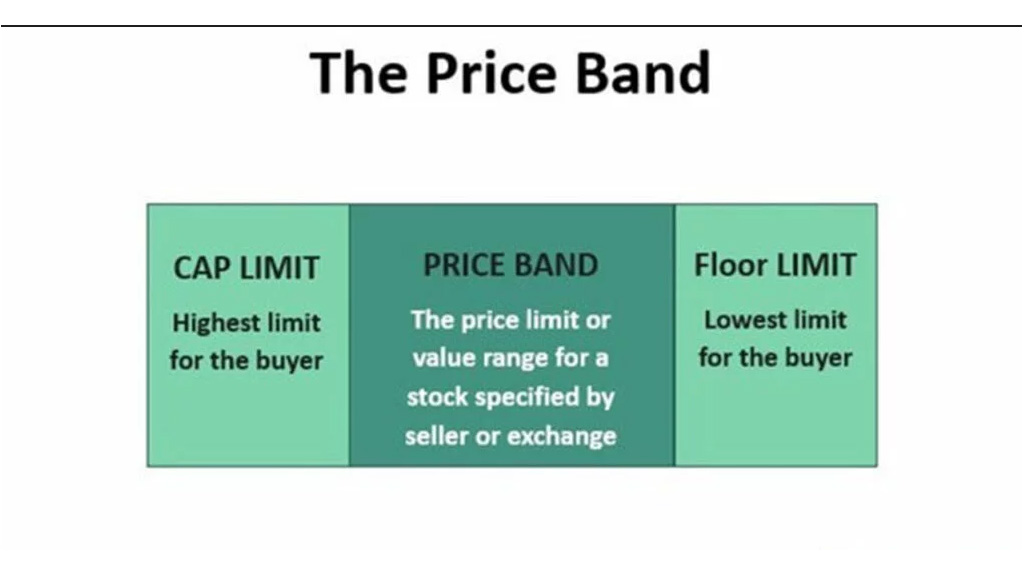
- Expensive products can be made to appear better valued if priced in a more affordable price band. For example, a Rs 39,999 product will appear as Rs 30,000 when, in fact, it is almost Rs 40,000.
More Return on Investment
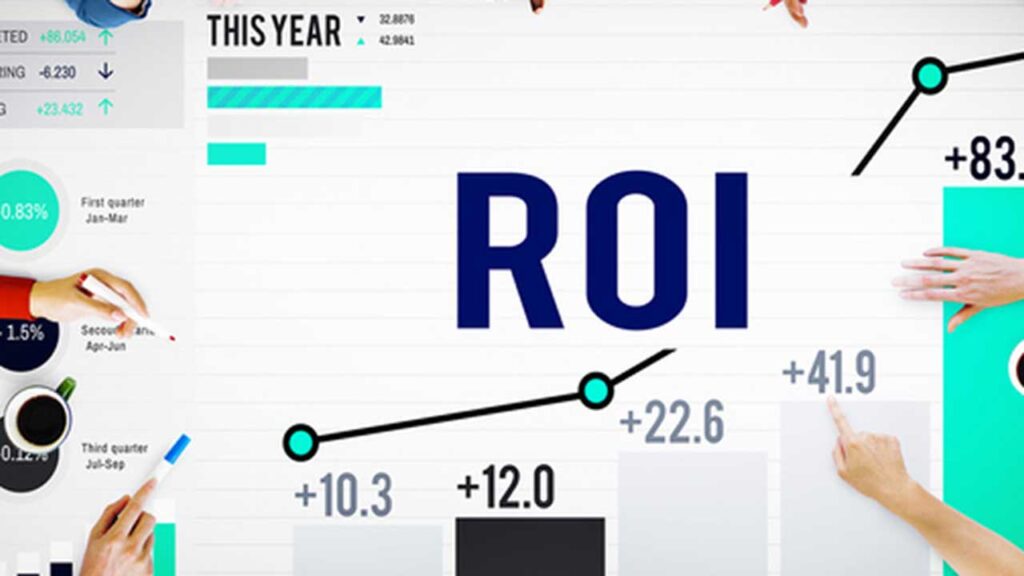
- With the help of psychological pricing, companies can increase sales. Whenever consumers feel that they are getting a good bargain, they like the idea of getting one and buying one in order to increase the overall return on investment.
Customer Engagement

- If it is a food chain or shop, psychological pricing engages the customers through discounts given to customers and makes them feel that they should not miss their offers.
Customer Loyalty
- Low prices influence loyal customers. Psychology makes the customer come back to the brand, offering value.
Value Perception:
- Psychological pricing makes the product look cheap even though its actual price difference is not significant. This makes the product look like a better value.

Disadvantages of Psychological Pricing
While psychological pricing has many benefits, it must be remembered that it also has disadvantages. Some companies use this strategy excessively, thereby damaging their brand image or creating false expectations of their products.
The main disadvantages are as follows:
Create Long-Term Pricing Expectations
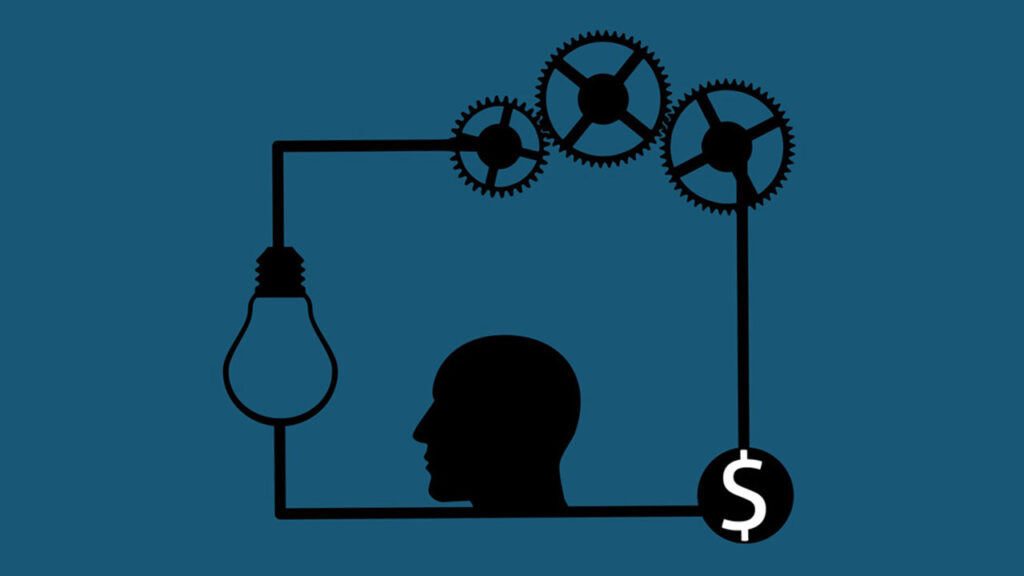
- While psychological pricing has many benefits, it must be remembered that it also has disadvantages. Some companies use this strategy excessively, thereby damaging their brand image or creating false expectations of their products.
Customer Unsatisfaction
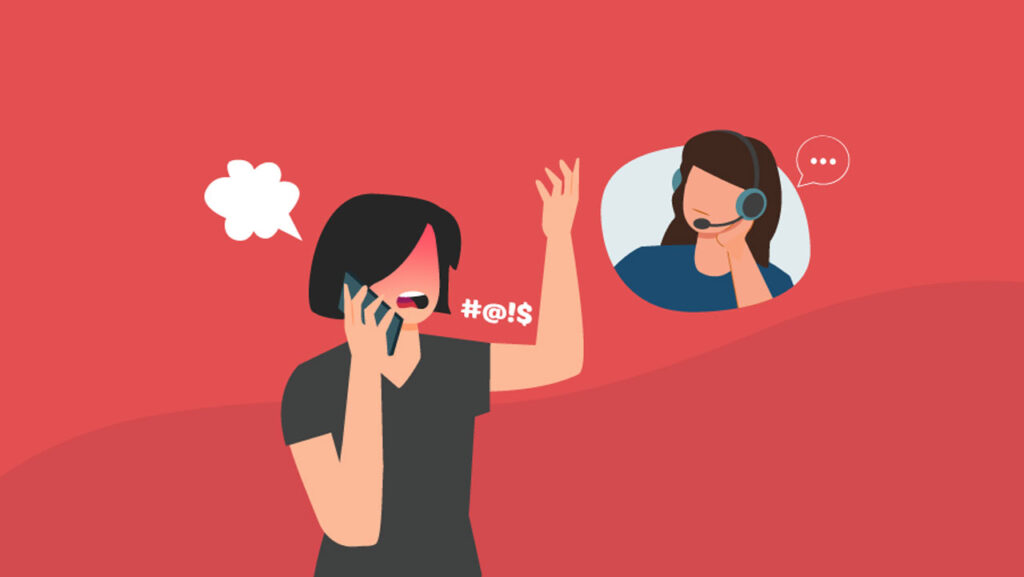
- Besides psychological pricing, the hidden costs will make the customer feel deceived and unsatisfied.
Loss of More Customers
- If all firms employ similar tactics, the customers become skeptical. They feel they are being manipulated, or the real price is not presented, and they need to switch to the competitor’s product.
Sales Are Not Guaranteed
- The theory, as such, does not state that the consumers will buy more because it is sold cheaper. If they believe the product is of a lower quality, they will not buy it.
Not Extremely Effective
- Sometimes, people also do not pay much attention to small differences in prices. Thus, psychological pricing is not all that effective after all. A product tagged at Rs 99.99 is still considered to be priced at Rs 100.
Common Psychological Pricing Devices
Many psychological pricing techniques are used to give the consumer a sense of urgency, value, or scarcity to make him act in an accelerated decision-making process. The most common techniques include the following:
- Charm Pricing: Prices end at .99 or .95. That makes the price seem cheaper than it is. For example, Rs 999 sounds more attractive than Rs 1000 because the difference is only one rupee.
- Bundle Pricing: It is a promotional device through which some items are sold at one price (e.g., “3 for Rs 99”). Consumers feel they are getting a deal while the per-item price is the same as it would have been if they had purchased each item separately.
- Price Anchoring: The actual price is laid alongside the discounting price in a shop. That way, the discount would look larger. The product was originally Rs 2000, and it now retails for Rs 999; that is a huge bargain.
- Time Limits: Flash sales or “limited-time” discounts make customers purchase on impulse because they would have felt deprived had they not made the required purchases.
- Loss Leader Pricing: Selling a product at a loss to attract customers into a store or onto a website to buy higher-margin items.
How Psychological Pricing Influences Consumer Behavior
Psychological pricing influences consumer perception of value and the decision to buy. Businesses can make their product more attractive by appealing to the emotional response of the customer rather than lowering the price.
Psychological pricing consequently affects the behavior of the consumers as follows:
- Creation of Value Perceived: A consumer will believe he is getting a fantastic deal when they pay Rs 999, while in reality, it is but a pittance above Rs 1000.
- Inducement to Impulse Buying: Time-limited offers and discounting also stimulate impulse buying. Customers are subjected to the vagaries of urgent decision-making without overthinking.
- Avoidance of Price Resistance: With charm pricing, the business will not face price resistance from the customers. For instance, Rs 99.99 sounds psychologically far different from Rs 100, although the difference is indeed very minor.
- Customer Satisfaction: Consumers feel pleased and satisfied with their purchase decisions when they are convinced to get a bargain.
- Price Anchoring Effect: Placing the comparative price next to the actual price of offering a discount makes the discount look very high, therefore providing better value in the perception of a customer.
Final Thoughts
Psychological pricing can powerfully influence consumer behavior and, therefore, drive sales. Knowing how consumers read numbers allows businesses to strategically set prices with the aim of making these products more appealing to customers, i.e., less expensive. On the other hand, psychological pricing can be in balance with transparency to avoid losing customers because of distrust. Proper use of psychological pricing can increase the perceived value of products and services, driving sales simply by attracting more customers; it can further ensure customer loyalty through appealing price quotes.
- Drive impulse buying with scarcity-based offers.
- Offset small, almost insignificant changes in price that reap significantly higher profits.
Applying psychological pricing may be thought to be weird, but it truly is an effective marketing tool if applied carefully and strategically. From the utilization of consumer psychology, the opportunity for businesses to tweak prices with optimization in sales increases, which eventually leads to a better brand perception.
Ready to amplify your brand with Ginger Media?
Stop guessing and start growing. Our marketing experts are ready to help you craft a campaign that delivers real results.
Contact Now