Understanding Television Advertising

Television advertising, through the power of a visual medium, has been an impactful way of getting across the message over the years. As brands progress to permanently imprint themselves through the unique power this medium delivers, it is imperative to acknowledge and appreciate the subtleties of works.
The Mechanics of Television Advertising
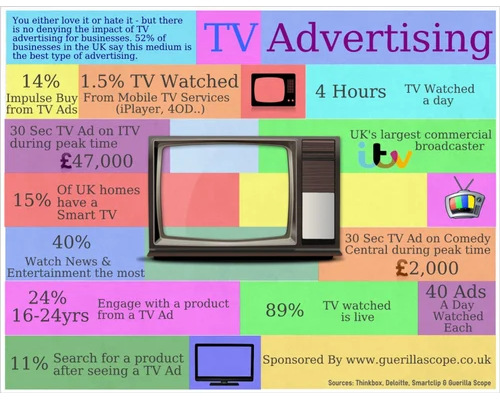
The art of television advertising hinges on several fundamental tenets: captivate the audience and effectively communicate the intended messages.
- Market Reach and Demographics: Despite a large number of U.S. households owning at least one TV, television remains a top media platform. However, the prevalence of TV in homes offers advertisers a broad market where specific demographic groups can be easily targeted, for instance, from toddlers to octogenarians, making them successful.
- Creative Storytelling: Many campaigns have made an impact through an engrossing, quite often d, dramatic story. For example, memorable examples such as the ads for the Super Bowl, which brands like Budweiser or Apple will make the audience think the sketch they did was epic.
- Time Slots and Scheduling: Advertisers should think carefully when picking the time slots as prime time is known to bring in more viewers, but at the same time, it costs them a fortune. Results of a survey show that the probability of top-rated commercial campaigns happening during prime time is twice that of off-peak periods. Therefore, commercials broadcasted during peak periods tend to engage viewers more.
Challenges and Benefits of Television Advertising
- Television advertising has proven to be a dynamic tool for bringing together the advertising world and consumers, although it is also facing setbacks. The variable nature of producing and airing advertising content on TV and its cost, which is usually very high, might also be a problem for most small businesses. On the other hand, such a commercial for 30 seconds at a significant event could cost around 1 million dollars, which may even lead to fear of a bad investment return.
- That said, it is hardly possible to record the success of a television spot through a direct mechanism, as in the case of digital ads. The success of television media mainly comes from market research and indirect measurement approaches, like questionnaires that enable the assessment of the effectiveness of an ad campaign. Also, as far as what the measurement of success encompasses, each platform has different terms of the partnership.
- However, the other side is the development of OTT platforms such as Netflix and Hulu, which have brought new technology to the audience and changed their habits. The declining traditional TV viewing patterns prompt advertisers to develop innovative strategies. The companies have now started looking into the possibilities of including products in the product placements and sponsorships they must create.
The Future of Television Advertising

Television advertising is a versatile, ever-changing medium that revolves around new technology and human behaviour preferences. The overlaps between the conventional and digital modes of advertising are vital for successful campaigns. To cover all bases, brands include omnichannel campaigns synchronising their TV promotions with the digital arm to ensure maximum touchpoint and engagement. Businesses harness the potential of data mining to provide customers with exclusive and personalised experiences tailored to them. Specifically, advertisers have access to consumer insights and are, therefore, equipped to modify their marketing messages to distinct isolated markets.
- Emerging Technologies: With the rise of augmented reality (AR) and virtual reality (VR), TV is no longer a limitation to marketing and has become more than what the potential of the old world could have been. Marketers nowadays are capable of creating real-life-like experiences through the usage of these technologies, which, therefore, results in more memorable and engaging advertisements.
In summary, understanding television advertising includes identifying its mechanics, resolving its difficulties, and seizing the opportunities of new trends. In this ever-changing environment, businesses should be up to date and always seek creativity, which is how they lure their target customers in.
Conclusion
However, television advertising is still helpful for brands that want to reach a broader audience via memorable and emotional branding messages. As the aspect of technology and how people interact and behave continue to change, it becomes more and more critical for businesses to grasp the key components and importance of television advertising if they want to become a force in their markets. Among other elements, three key areas are vital in the concept of television advertising such as:
- Broad Reach: In the ideal case, TVC is a way to advertise for brands across gender, age, and socio-economic groups of life to create visibility in the marketplace.
- Emotional Impact: The combination of the visuals and sound elements in television exposes the advertising world to creative convincing that intensifies the emotional bond with the viewers.
- Brand Recognition: By broadcasting on TV, you get regular exposure that builds equity, and thus, the name gets the required level of recognition to attract even more loyal consumers.
- Targeting Opportunities: Advances in data analysis enable advertisers to personalize messages and thus appeal to distinct customer segments, which ultimately results in higher penetration of the message and better campaign performance.
- Measurable Outcomes: Marketers can use television ad analysis to fine-tune their strategies depending on what analytics tells them about returns.
The advertising sector is undergoing a digital marketing revolution. It’s a trendy thing today, and despite the competition in the field, it remains a crucial strategic point encouraging engagement among companies using captivating brand messages generated for consumption, which leads to the establishment of customer relations, acceleration of sales and consumption, etc. Advertising not only remains an integral part of marketing but also is a media with a twist wherein that marketer who wants to court its offering, with its advancing yet traditional advertising means the most, must delve into the medium’s essence.
]]>- Strategic Communication: Advertising is not about conveying a message but rather creating a story that gives the user power.
- Emotional Engagement: Advertising alone can be an effective device for emotional engagement between a brand and a consumer.
- Long-term Impact: Advertising is not about short-term sales; it is a vehicle for building brand identity and loyalty over the long haul.
As we examine this topic, it becomes clear that advertising goes beyond a message; it is a multidimensional approach designed to communicate value and create lasting ties.
Functions of Advertising
1. Building Brand Awareness

Brand awareness is always at the root of a successful marketing plan. Without that, even the greatest products and services can remain in obscurity. It is through advertising that a brand becomes visible and therefore acknowledged by its target audience. Here are three must points regarding brand awareness:
- Target Audience Identification:
Identification of the target group based on demography, interests, and behaviour is equally significant. To achieve this, detailed market research, surveys, and data analysis about the consumer are essential. Using tools like Google Analytics and insights from social media, brands can obtain valuable information related to customers’ preferences and online behaviour. - Compelling Messaging:
A compelling message that communicates with the audience must be created once the target audience is defined. It needs to indicate how the USPs of the brand have helped it uphold its core values and what benefits it has effectively offered to them. - Strategic Channel Selection:
Selecting social media, TV, print, or digital platforms through which the message can be amplified makes the effectiveness of advertising more profound. Maximum reach and impact will then enable that brand to top the consumer’s mind.
Brand awareness builds a foundation for future interactions. Familiarity is of the essence in a competitive marketplace.
2. Persuasion and Influence

Persuasion and influence are intrinsic to advertising. It’s constructed to not only inform but influence the attitudes of, and eventually the behaviour of, the target consumers. There are three primary characteristics of that function:
- Emotional Appeals:
Appeals that create a sense of happiness, nostalgia, or sympathy make the consumer develop a stronger bond between the consumer and the appeal. For example, an advertisement where a family enjoys their food as a family can be felt in the warmth it evolves and then the consumer associates the latter with the brand. - USPs – Clear Difference Communication in Advertisements:
Advertisers must clearly communicate in their ads what differentiates the offering from a competitor in terms of quality, newness, and service. Comparative advertising has its own value if done judiciously. - Validation by Testimonials:
Testimonials, endorsements, and user-generated pieces of evidence are powerful tools with which a brand’s claims are validated. It gives credence, makes it attractive, and influences the consumer’s way of thinking about the offering.
Advertising functions therefore include persuasion and influence as it acts to shape consumers’ views of the brands and their offerings.
3. Production of Sales and Revenue

The very point of advertising is to create sales and revenue. In this respect, three points summarize the above function:
- Creating Urgency:
Terms like “limited-time offer” or “exclusive discounts” appeal to the customer’s fear of missing out. This strategy is most effective, though, during promotions and seasonal sales. - Long-Term Brand Loyalty:
A good advertisement campaign can definitely increase direct sales, but it can also help in long-term brand loyalty and repeat purchases. Continuous messages, quality goods, and concern for customer satisfaction may lead to sustained business growth. - Measuring Success:
Through the use of metrics like return on investment (ROI) and customer lifetime value (CLV), brands can determine how successful their advertising has been, depending on the sales and revenues it yielded. This also means that in future strategies, those metrics and values could be utilised to alter and improve the advertising campaign.
General Purpose of Advertising:
The most obvious main purpose of advertising is to increase sales and revenue for a business. This is what keeps and expands a business.
4. Communication to the Target Markets
Communication with the target markets involves education through advertisement. While the primary job of advertising is to induce sales, educating the target group is another very important task. Here are three essential characteristics of educative advertising:
- Informative Messages:
Advertising can communicate valuable information to audiences for intelligent decision-making. This is especially helpful when new products are launched or complex offerings are involved.
Educational advertising does a lot of work in showing why a product should be bought based on its features and benefits. For example, a technology company can have its ads demonstrate how to use a new gadget while highlighting unique functionalities and ease of use. - Positioning as a Subject Matter Expert:
Helpful content—tutorials, guides, or explainer videos—boosts the trustworthiness and credibility of a brand with the target audience. That is to say, it will not only educate them but also empower their reputation virtually.
Educational advertising and consumer decision-making
Educational advertising often results in an empowered consumer decision and thus enriches the experience of a customer.
5. Customer Loyalty

Customer loyalty is the foundation upon which long-term business success is built, and advertising can be critical in developing it. Here are three points on customer loyalty through advertising:
- Loyalty Programs:
Advertising schemes for loyalty programs such as points-based schemes, exclusive discounts, or pre-sale access to sales increase repeated purchases and, in turn, customer retention. These schemes give a feeling of belonging. - Consistent Messaging:
Customers are bound to love the brand because consistency on all channels begets loyalty. When a customer sees an ad that speaks to his belief system and his very life, he is likely to identify with the brand. - Creating Advocates:
After some time, the emotional attachment will culminate into loyalty, and happy customers become advocates for a brand, referring other people by word of mouth. This organic source of promotion can do wonders to extend the reach and credibility of a brand.
Emotional loyalty through advertising not only brings repeat business but also helps the consumer become a passionate advocate for the brand.
Final Thoughts
The functions of advertising are highly diverse. Each purpose has a very specific role that fits under marketing’s vast purview. Here are three final takeaways:
- Integral Marketing Strategy:
Understanding the diverse functions of advertising helps brands create integral marketing strategies that cater to consumers’ various needs. - Strategic Integration:
A firm’s message across all channels will be consistent with an effective marketing approach through the use of advertising functions. - Long-term Success:
Good advertising will communicate value, inspire trust, and will eventually have a brand that is more meaningful to the consumer in the long run.
Suppose the real core functions of advertising are understood and effectively applied. In that case, it is possible to handle the intricacies of consumer behaviour, increase brand presence, and cause long-run growth. Taking on board these functions of advertising will enable the brands to reach even better connections with the target audience, thus resulting in more success for themselves in the competitive marketplace.
]]>Ready to talk with a marketing expert?

A Pragmatic and innovative way to enthrall your target group is just a click away!
Get in Touch
Rukmini Knowledge Park, Kattigenahalli, SH 104, Srinivasa Nagar, Bengaluru, Karnataka 560064
+91-990 247 8800
contact@gingermediagroup.com
Popular in Television Advertising
Udaya TV AdvertisingSun TV AdvertisingStar Plus AdvertisingTV 9 AdvertisingZee TV AdvertisingNDTV India AdvertisingColors TV AdvertisingPopular in Airport Advertising
Spice Jet AdvertisingMumbai Airport AdvertisingDelhi Airport AdvertisingEmirites AdvertisingIndiGo Airlines Domestic India AdvertisingPopular in Newspaper Advertising
Deccan Herald AdvertisingPrajavani AdvertisingThe Hindu AdvertisingEconomic Times AdvertisingDainik Jagran AdvertisingHindustan Times AdvertisingPopular in Magazine Advertising
Forbes AdvertisingCosmopolitan AdvertisingBusiness World AdvertisingVogue Magazine AdvertisingPopular in Sports Advertising
IPL AdvertisingPopular in Outdoor Advertising
Billboard AdvertisingBus Shelter AdvertisingMetro Pillar AdvertisingUnipole Advertising© Ginger Media Group 2025. All Rights Reserved.