Advertising is constantly changing; as new concepts and strategies keep emerging to optimize marketing efforts, so does the level of engagement with the target audience. One concept that has taken centre stage in recent years is FCP. Advertising FCPs can have a variety of meanings, such as Full-Cycle Performance, Full Composition Picture, or Full Cost Pricing, and each yields a different view and style toward enhancing advertising performance. Regardless of which one it is, FCP, at the bottom line, ensures that better results are realised, resources are best allocated, and the overall marketing performance is enhanced.
Why FCP Matters:

- Holistic Strategy: FCP focuses on the advertising process, from planning to implementation and measurement, ensuring no piece is left hanging.
- ROI Enhanced: Businesses use the FCP philosophy to identify where changes need to be made, optimise resources, and maximise returns on investment.
- Data-Driven Decision Making: FCP adopts data-driven decisions using performance monitoring and analysis, enabling businesses to steer their strategy for constant improvement.
This blog will discuss the three critical understandings of FCP and how they have influenced today’s advertising strategies. We will break down the concept into three parts: how it is essential, what constitutes it, and the advantages of the main points.
1. Full-Cycle Performance in Advertisement

Full-cycle performance (FCP) is a holistic approach that considers every stage of the advertisement campaign—from its planning phase to its execution and analysis—to make strategic adjustments. It helps advertisers improve every step in the campaign’s lifecycle, maximising efficiency and effectiveness.
Core Components of Full-Cycle Performance:
- Enhanced Decision Making: Full-cycle performance enables advertisers to gather insights from data analysis to make informed decisions about campaign targeting, budgeting, and creative changes.
- Knowing which strategies yield the best results allows advertisers to focus on high-impact areas.
- Cost Efficiency: Analyzing the different stages of the campaign identifies areas of potential savings and better allocation, ensuring that every dollar spent is effective.
- It avoids wasteful spending and ensures investments are focused where people are engaged.
- Customer Alignment: FCP aligns advertising with customer choices, enhancing the ability to reach target audiences and potentially boosting brand loyalty.
- Brands can adapt their messaging to better connect with customers, fostering stronger relationships and long-lasting engagement.
- Continuous Improvement: Organizations can keep up with shifting market conditions and customer behaviour through regular strategy assessment and improvement.
- Campaigns are continuously optimised to meet the latest trends and audience expectations.
How to Implement Full-Cycle Performance:
- Plan Strategically: Set clear objectives and KPIs for the campaign.
- Track Progress: Measure performance metrics at every step of the campaign lifecycle.
- Data-Driven Adjustments: Make strategy tweaks based on insights gained from performance analysis.
2. Full Composition Picture in Advertising

Another interpretation of FCP is Full Composition Picture, a concept that focuses on delivering a cohesive and comprehensive message through various media formats. It ensures that every element of the advertisement—visual, textual, or auditory—harmonises into a unified message.
Critical Components of Full Composition Picture:
- Visual Elements: Visuals are crucial in capturing the audience’s attention. FCP emphasises the importance of explicit images, graphics, and videos that appeal to and reflect the brand’s personality.
- Maintaining visual coherence across platforms helps establish the brand’s identity and message.
- Narrative Structure: The storytelling style helps connect customers to the brand’s message. A good FCP tells a cohesive, compelling story that guides viewers on a journey aligned with the brand’s core values.
- A strong narrative ensures customers leave with a lasting memory of the advertisement.
- Brand Consistency: Message consistency and a unified tone and style across all channels are critical to establishing brand loyalty and recognition.
- FCP ensures that every advertisement’s visual, text and sound elements complement each other, reinforcing the brand’s identity.
Benefits of Full Composition Picture:
- Improved Audience Reaction: The advertisement’s cohesive storyline and strong visuals enhance it, encouraging the desired response from audiences.
- Simplified Production: FCP ensures creative aspects align with strategic goals, simplifying the management of multiple types of advertisements across various media platforms.
- Consistent messaging and visual cues help make the brand easier for the audience to remember.
3. Full Cost Pricing in Advertising
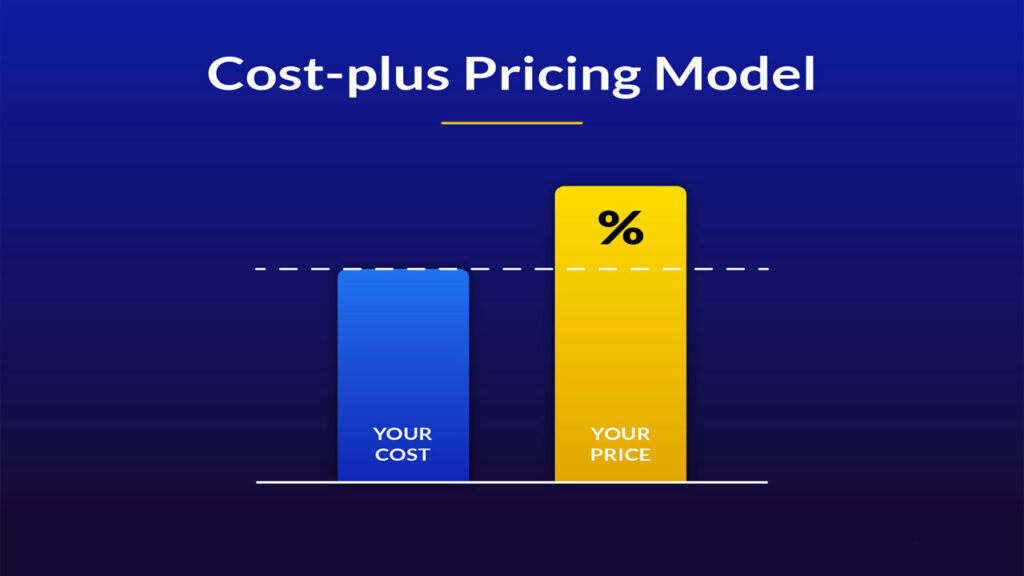
The third definition of FCP is Full Cost Pricing, which involves understanding all the costs incurred in advertising. This practice enables businesses to charge enough to cover total costs and generate profits for sustainable growth.
Critical Principles of Full Cost Pricing:
- Emphasis on Total Costs: Full Cost Pricing accounts for direct costs (e.g., media placements) and indirect costs (e.g., creative development, project management).
- Understanding the complete cost structure ensures campaigns are priced with profit margins in mind.
- Cost-Activity Relationship: Identifying the cost relationship between different advertising activities helps optimise resources and budgeting.
- Allows businesses to pinpoint cost-intensive areas that can be optimised for cost-efficiency.
- Profit-Based Pricing Strategies: With a clear understanding of costs, businesses can develop pricing strategies that maximise profitability without sacrificing campaign quality.
- Ensures long-term financial sustainability and better marketing practices.
Advantages of Full Cost Pricing:
- Adequate Budgeting: Helps organisations use resources more effectively, optimising budgets for a higher ROI.
- Higher Profit Margins: With full-cost knowledge, businesses can price their offerings to cover expenses and generate profits.
- Data-Driven Decision Making: Full cost pricing facilitates strategic budgeting, aligning financial goals with marketing decisions.
Final Thoughts
In conclusion, FCP offers three unique interpretations—full—cycle Performance, Full Composition Picture, and Full Cost Pricing—each providing valuable insights for optimizing advertising strategies. Applying these principles can lead to improved performance, increased customer satisfaction, and sustainable business growth.
- Full-cycle performance helps businesses analyse and improve each phase of the advertising cycle.
- Complete Composition Picture ensures coherent storytelling and visual consistency across all platforms.
- Full Cost Pricing provides a deeper understanding of campaign costs, enabling better budgeting and profitability.
Now that you understand the impact of FCP, you can begin transforming your advertising campaigns into more effective and impactful endeavours. Take the first step today and unlock your business’s full potential with FCP!
]]>The fast-moving world of advertising creates an acute need for content management efficiency. A robust content management system is essential when companies need help to keep up with market and customer expectations, which change rapidly. ECM, or Enterprise Content Management, fills the bill. ECM is a technological solution and a strategic approach to managing documents and content during their lifecycle. Organisations can ensure their teams have information at their fingertips, and businesses can execute their advertising campaigns agilely and precisely by effectively organising, storing, and accessing content. This blog fully delves into the meaning of the ECM, describing the following monumental impact on advertising strategies and how ECM contributes to improved operational efficiency, better decision-making, and overall business success.
What is ECM?
Definition of ECM
ECM stands for Enterprise Content Management, a framework that encompasses creating, storing, managing, and disseminating an organisation’s content.
- Optimize information management: The ability to control and check the organisation’s digital assets, which include marketing collateral, communication with clients, compliance documentation, and internal reports.
Why ECM in Advertising

- Timely information access: Campaign data history, market research, and creative assets have become essential in the advertising world when making advertisements.
- Focus on strategy and creativity: ECM ensures that an organisation does not waste too much time searching for information and gets the teams focused on creating impact campaigns.
- Emphasis on Compliance and Security:
- Protecting sensitive information: Advertising typically deals with confidential information, and ECM ensures all content is handled securely.
- Compliance: The controls for access, encryption, and audit trails ensure no dangers based on data breaches, owing to industry compliance standards.
Key ECM Functions
Content Capture

- Digitalisation: Converting paper-based documents to a centralised system and importing digital files into a system.
- Accessibility: All valuable information would be easily found and accessible, thereby limiting the loss of documents.
Content Management
- Efficacious storage and retrieval: One should be able to find documents quickly. This ensures workability.
- Facilitates team productivity: It saves time looking up information, allowing time to focus on high-value tasks like campaign optimisation.
Content Delivery

- Real-time information sharing refers to distributing controlled content to stakeholders so that everyone can access the latest materials.
- Better coordination: Facilitates teams to coordinate in real-time with one another on campaign goals.
Benefits of ECM

- Bases better decisions:
- Information accessed quickly: Teams make decisions shortly based on information.
- Any change at the live moment: The marketing team, which is aware of analytics at each moment, can react based on that moment and thereby enhance performance campaigns.
- Cost-effective:
- Better document storage: Eliminates the use of paper and all related costs.
- Operational costs going sharply low: Organizations pursue ECM and save significantly from printing and storing services.
- Improved Communication and Collaboration:
- Shared workspace and version control: This enhances teamwork and transparency among the employees.
- Real-time collaboration Minimizes errors; all team members are focused on the project’s goals, which further enhances campaign deliverability.
Basic ECM Principles
- Focus on Activities:

- Business activities: It allows a clearer idea of the business activities followed and the bottlenecks there. Streamlining such activities improves efficiency.
- Workflow mapping can highlight potential areas for improvement and enhance a team’s performance.
- Activities and Cost:

- Financial implications assessment: It clarifies the expenses incurred by content management approaches to allow investment prioritisation.
- Resource allocation: Resources are channelled where the return on investment is excellent.
- Continuous Improvement:
- Constant reviews and feedback: Necessary for response to dynamic requirements and compliance with emerging law.
- Optimising performance: Organizations can try calibrating their content management processes to improve outcomes.
Implementation Approach to ECM
- Analyse present activities:
- Review existing content management practices: Show what works correctly and what can be improved as a foundation for a successful ECM roadmap.
- Identify Cost Drivers:
- Find out who drives the cost of content management. Focusing on identifying cost drivers will facilitate streamlining the ECM implementation process.
- Implement Performance Metrics:
- Track content management metrics: Measures like the time it takes to retrieve documents and the percentage of user engagement levels indicate how healthy things are being executed.
- Engagement of personnel in the adoption process of ECM: Employee training and employee input will ensure that the system satisfies their needs, thus achieving buy-in.
- Levelling Technology:
- Implement technology solutions: Document management systems and workflow automation tools enhance overall effectiveness and enable the implementation of ECM.
Case Studies of ECM Used in Advertising
Example 1
- Centralised campaign documents: A large advertising agency centralised customer campaign documents in a central ECM system, decreasing retrieval times by 70% and significantly improving client service and operations efficiency.
- Compliance documentation management: A multinational marketing firm implemented ECM to streamline compliance documentation. Improved regulatory filing accuracy reduced its audit preparation time by 50%.
- Streamline the workflow of content: A digital media agency leveraged ECM to digitise client records and campaign materials, thereby reducing administrative costs and enhancing collaboration between teams, which eventually resulted in faster project turnarounds.
Final Thoughts: Using ECM for Advertising Success
Generally, ECM is a crucial strategy for any business to achieve higher efficiency, collaboration, and customer involvement in their advertising campaigns. With a practical understanding of content lifecycle management, proper resource allocation for creating and distributing the content, and a strategic emphasis on continuous improvement, enormous potential in operations processes and decision-making strategies can be unlocked.
Advertising Success with ECM Key Takeaways
- Streamlined Content Creation: Better coordination and collaboration between teams and companies saves time when creating content.
- Better Audience Engagement: Develop personalised and targeted advertisement content that will better connect with the audience.
- Improved Compliance and Security: Safeguards sensitive information by complying with respective industry standards, thereby reducing the potential risks associated with managing content.
Today is the day to embrace ECM and feel its transforming effects on your advertisement strategy. With ECM incorporated into your operations, you can be driven towards efficiency and great business success in today’s competitive landscape!
]]>Ready to talk with a marketing expert?

A Pragmatic and innovative way to enthrall your target group is just a click away!
Get in Touch
Rukmini Knowledge Park, Kattigenahalli, SH 104, Srinivasa Nagar, Bengaluru, Karnataka 560064
+91-990 247 8800
contact@gingermediagroup.com
Popular in Television Advertising
Udaya TV AdvertisingSun TV AdvertisingStar Plus AdvertisingTV 9 AdvertisingZee TV AdvertisingNDTV India AdvertisingColors TV AdvertisingPopular in Airport Advertising
Spice Jet AdvertisingMumbai Airport AdvertisingDelhi Airport AdvertisingEmirites AdvertisingIndiGo Airlines Domestic India AdvertisingPopular in Newspaper Advertising
Deccan Herald AdvertisingPrajavani AdvertisingThe Hindu AdvertisingEconomic Times AdvertisingDainik Jagran AdvertisingHindustan Times AdvertisingPopular in Magazine Advertising
Forbes AdvertisingCosmopolitan AdvertisingBusiness World AdvertisingVogue Magazine AdvertisingPopular in Sports Advertising
IPL AdvertisingPopular in Outdoor Advertising
Billboard AdvertisingBus Shelter AdvertisingMetro Pillar AdvertisingUnipole Advertising© Ginger Media Group 2025. All Rights Reserved.