The need to understand professional advertising arises from the ever-evolving landscape of consumer behaviour and technological advancements. As consumers become more discerning, businesses must adopt a strategic approach that leverages data analytics, audience segmentation, and creative storytelling to connect with potential customers. Implementing professional advertising allows companies to enhance brand awareness, generate leads, and foster customer loyalty.
Moreover, a professional advertising approach ensures consistency across various channels, reinforcing the brand message and improving overall recognition. By investing in high-quality advertising initiatives, businesses can differentiate themselves from competitors and establish credibility in their industry.
In conclusion, understanding and implementing professional advertising is not just beneficial—it’s essential for any business aiming to thrive in a dynamic marketplace. It is an investment that can lead to increased visibility, customer engagement, and business growth.
Overview of Professional Advertising
Professional Advertising refers to marketing strategies and promotional efforts designed to reach professionals in various industries. This includes targeted campaigns aimed at doctors, lawyers, engineers, and specialists who often make purchasing decisions based on specific expertise and knowledge. Professional advertising can take many forms, including trade publications, industry conferences, and online platforms tailored to professionals.
Importance of Knowing Professional Advertising
Understanding professional advertising is crucial for businesses that engage with niche markets effectively. Here are a few key reasons why knowledge of this term is impactful:
- Targeted Outreach: By recognising the nuances of professional advertising, companies can tailor their messages to resonate with their audience’s unique needs and preferences. This targeted approach increases the likelihood of conversion.
- Building Credibility: Effective professional advertising helps establish a brand’s credibility and thought leadership in its sector. By presenting information that addresses professionals’ specific challenges and interests, businesses can position themselves as trusted resources.
- Strategic Decision-Making: Knowing the implications of professional advertising allows organisations to make informed marketing decisions. Companies can allocate resources effectively by analysing industry trends and audience behaviours and creating campaigns that drive results.
- Enhanced ROI: Businesses that understand professional advertising techniques can create more efficient marketing strategies that deliver higher returns on investment. This is particularly relevant in competitive sectors where every dollar spent needs to be justified.
Professional Advertising: Definition, Purpose, Function, and Application
Definition
Professional advertising is the strategic use of promotional content to persuade a specific audience to utilise professional services. Unlike general advertising, which can target broader consumer demographics, professional advertising focuses on highly specialised fields such as medical, legal, financial, engineering, and other professional services. The advertising can take various forms, including digital marketing, print media, social media campaigns, and direct outreach, all geared toward enhancing the visibility and reputation of a professional service provider.
Purpose
Professional advertising primarily aims to communicate the value of a particular service or professional expertise to potential clients. Some key objectives include:
- Brand Awareness: To establish and increase brand recognition among target audiences.
- Lead Generation: To attract potential clients seeking specific professional services.
- Reputation Building: To enhance credibility and trust in the services offered, especially important in fields where clients rely on expertise.
- Encouraging Action: Prompt potential clients to make decisions, such as booking a consultation or availing themselves of the services.
- Market Differentiation: To highlight unique selling propositions (USPs) that differentiate a professional from competitors.
Function
Professional advertising functions through well-crafted strategies that align with business goals. Key functions include:
- Market Research: Understanding the target audience’s needs, preferences, and pain points effectively to tailor the advertising message.
- Message Development: Crafting compelling messages and narratives that resonate with the audience, emphasising outcomes and benefits.
- Multi-Channel Approach: Utilizing various platforms and media (like websites, social media, newsletters, and seminars) to reach professionals and clients effectively.
- Performance Analysis: Monitoring and evaluating the effectiveness of advertising campaigns through metrics such as engagement rates, conversion rates, and return on investment (ROI).
Application in Real-World Scenarios
Here are several examples showcasing the application of professional advertising in different industries:
- Healthcare Advertising
Scenario: A dental clinic wants to attract new patients.
Application: The clinic runs targeted social media campaigns showcasing patient testimonials, before-and-after photos, and special check-up promotions. It also uses search engine marketing (SEM) to appear in search results when potential patients look for dental services in its area. - Legal Services
Scenario: A law firm specialising in personal injury cases.
Application: The law firm invests in content marketing by publishing articles and case studies that educate potential clients about their rights. It also engages in community seminars where it offers free legal advice, advertising its services and expertise in the process. - Financial Consulting
Scenario: A financial advisor looking to reach high-net-worth individuals.
Application: The advisor uses targeted email marketing to share insightful financial tips, market updates, and invitations to exclusive seminars. Additionally, they leverage LinkedIn for networking and sharing expert insights, establishing themselves as a thought leader in the financial services sector. - Engineering Services
Scenario: An engineering consulting firm aiming to secure bids for large construction projects.
Application: The firm positions itself through professional presentations, industry publications, and attending relevant trade shows. It uses case studies to demonstrate past projects, emphasizing innovation and successful outcomes for prospective clients.
The Importance of Understanding Professional Advertising for Business Success
In today’s highly competitive business landscape, understanding professional advertising is crucial for organisations aiming to thrive and maintain their market presence. Effective advertising strategies can significantly impact brand awareness, customer engagement, and profitability. Here’s why mastering professional advertising is essential for any business:
- Building Brand Identity
Professional advertising helps businesses create a distinct brand identity that resonates with their target audience. By effectively communicating the brand’s values, mission, and unique selling propositions, companies can differentiate themselves from competitors and develop a strong emotional connection with consumers. A well-defined brand identity fosters trust and loyalty, vital for long-term success. - Expanding Reach and Exposure
In an era of abundant information, standing out is imperative. Understanding professional advertising allows businesses to craft campaigns that increase their visibility across various platforms, including social media, print, and digital channels. By utilising strategic advertising techniques, companies can reach a broader audience, engaging potential customers who may need to become more familiar with their products or services.
Final Thoughts
Professional advertising is integral to promoting specialised services and connecting businesses with a discerning clientele. It allows companies to thrive and achieve long-term success through strategic planning, understanding market trends, and creating compelling narratives. The examples and insights provided demonstrate that effective advertising is not just a tool but a powerful driver of brand recognition, customer engagement, and business growth.
]]>- Definition of outdoor advertising
- Purpose of outdoor advertising
- Why it matters for business purposes
- Examples in the real world that show why outdoor advertising is powerful
- How to successfully execute your campaigns
- Final thoughts on the full potential for outdoor advertising
Let’s step into the world of outdoor advertising examples and find their importance in modern marketing.
What Is Outdoor Advertising?

Outdoor advertising is any advertisement reaching consumers outside the walls of their home. It covers the most popular outdoor posters, including billboards, posters across bus shelters, and digital screens. Other forms of transit advertising include visible ones on buses, trains, or subway stations. Generally, outdoor advertisements are placed in prime locations to maximize visibility.
Key Characteristics of Outdoor Advertising
- Visibility: Outdoor ads are positioned at strategic locations that attract a large audience.
- Reach: It reaches consumers at the points of their daily activity. Therefore, it is likely to be most remembered.
- Creativity: Outdoor formats offer a vast canvas that can be used to create massive visuals that are striking.
- Different formats such as billboards, street furniture, and transit ads offer a lot of versatility.
- They often supplement digital campaigns in order to provide seamless brand experiences to consumers.
- It fulfills two missions that are crucial to an advertiser: building up the marketer’s brand image and prompting consumer action right away by grabbing the people’s attention at public areas.
Why Understanding Outdoor Advertising Matters for a Business
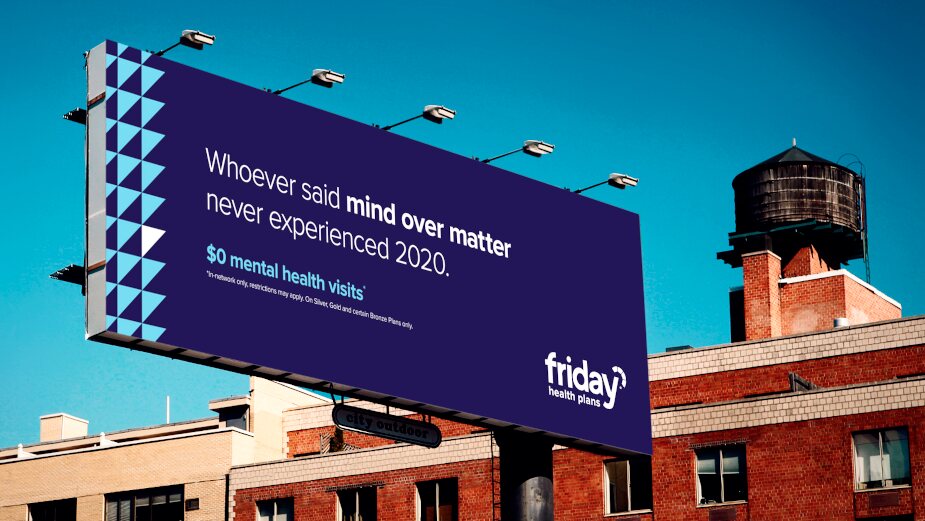
A business needs to stand out creatively in market competition today as it seeks to capture attention for its consumers. For example, outdoor advertising offers an excellent opportunity to stand out and have one’s brand placed in the minds of people.
Why should a business give much attention to outdoor advertising examples?
1. Higher Brand Visibility

Outdoor advertising provides unparalleled presence—the consumer is exposed to your advert outside his or her household in his or her natural environment. Whether it is a billboard on a busy highway or a transit ad in a bustling subway, outdoor advertising ensures that your brand will reach a great population.
- Reach maximization: Businesses get a chance to post their brand in highly trafficked areas.
- Recognition: Repetition of visuals drives brand recognition over time.
- Eye-catching visuals: At times, fantastic and innovative designs catch the eyeballs immediately.
- Sheer size: Advertisements outdoors mostly can offer great scopes for large format sizes so the message received will have an impact big time.
- Long-lasting impression: The people passing through are bound to remember due to the ad as they move ahead with their daily routine.
With these examples in place, brands can zero in on the right location and creative approach to garner the most attention.
2. Target Specific Demographics

The greatest benefit of out-of-home advertising is that it enables geographic and demographic targeting. Through savvy selection of location and time, brand messages can strike the desired target.
- Localized messaging: Every message may be primarily addressed to specific neighborhoods or territories.
- Demographic insight: Becoming aware of foot traffic demographics is an epiphany to strike the right cross-section, hence brands become all the more effective.
- Strategic locations: Advertising near shops, event premises, or transit centers may reach consumers better.
- Seasonal alignment: Outdoor advertising can be scheduled for seasons or events in which the message is likely to hold more importance.
- Behavioral targeting: Advertising near places of interest may generally cater to the habits and interests of a particular group.
Analysis of outdoor advertising examples enables businesses to find the right locations and tailor their campaign.
3. Ideas for Creativity

Out-of-home advertising is creative because the advertisements must be fast enough to catch a view. Inspiration from examples of outdoor ads gives businesses the motivation and leads them to stretch the bounds of creativity.
- Creative designs: Large-scale visuals can narrate a brand story or evoke emotions.
- Bold messages: The messages in outdoor ads must be simple and powerful enough to read in one’s time.
- Interactive elements: Some campaigns are integrated with QR codes or augmented reality to engage the passersby.
- Creative formats: There are digital screens, 3D elements, live installations, and so on, that can add a difference to outdoor advertisements.
- Team-up campaigns: Brands can get creative by collaborating with other brands or using cross-promotions.
How successful brands have creatively used outdoor advertising can help businesses devise campaigns that are more interesting.
4. Digital Campaign Integration
Outdoor advertising doesn’t have to stand alone. In fact, many companies mix their outdoor efforts with digital outreach, overall heightening reach and ensuring that the message makes a more significant impression across channels.
- Omnichannel marketing: The combination of out-of-home with digital marketing efforts creates an uninterrupted brand experience by channel.
- Hashtags and social media: Many out-of-home ads drive engagement on social media via specific hashtags.
- Mobile integration: Technologies with QR or NFC enable an individual to easily interact with advertisements using the cell phone.
- Cross-channel consistency: Consistency in messaging across outdoor media and digital outlets may be easier to leverage for the strengthening of brand recognition.
Also, the outdoor campaign will most likely get consumers onto the websites or social media pages, which in turn will enhance the reachability of the campaign.
By exploring examples of outdoor advertising that capture a seamless coexistence between the physical and the digital world, businesses can develop a coherent and effective strategy.
5. Impact Measurement and ROI

Excellent outdoor advertising campaigns will be highly innovative yet measurable as well. Analyzing case studies may help businesses understand how their campaigns would be tracked in terms of performance and returned on investment thereafter.
- Trackable results: Digital billboards and interactive ads will provide “live data” around engagement.
- Countable traffic: Companies will be aware of increased website traffic or foot traffic tied to their outdoor advertising effort.
- Analysis after the campaign: Campaign evaluation on outdoor advertising will ensure companies take lessons on future efforts.
- Informed campaign: Campaigns are created at times that will create an impression that is optimum in terms of audience behavior, ad placement, and formats.
- Long-term return on investment: There is a long-term impact on outdoor advertising as it influences the consumers much after the campaign is done.
With outdoor advertising examples, businesses might find ways to measure success for their campaigns and make decisions to improve their marketing efforts in the future.
Real-World Outdoor Advertising Examples

Let’s have some of the most notable examples of outdoor advertising campaigns that would really catch the attention of its target audience and spur brand engagement.
- Coca-Cola’s “Share a Coke” Campaign
Location: Worldwide
Description: Coca-Cola replaced its original logo with popular names on its bottles and extended the campaign on billboards. The personalization challenged people to “Share a Coke” with a friend whose name was on the bottle, and it caused a huge buzz.
Success: The brand engagement increased and recorded high sales growth. - McDonald’s Billboards
Location: Major highways
Description: Simple yet effective, McDonald’s billboards with its signature burger and fries. The idea is to attract the attention of passing car drivers and invite them for spontaneous visits to restaurants located at or near highways.
Success: Increased foot traffic at locations near highways. - Netflix’s “Stranger Things” Billboard
Location: Los Angeles
Description: In an attempt to get people excited about the fact that a new season of the show Stranger Things was coming out on Netflix, the company created a retro-style billboard that sent the crowd back into the 1980s. The campaign was going viral both online and offline.
Success: Spiking social media engagement and view on the television series. - Apple’s “Shot on iPhone”
Location: Cities around the globe
Description: Apple unveiled some amazing photographs taken with the iPhone on billboards in many countries. The campaign focused on the camera feature and also on the authenticity of the phone.
Success: Enhanced sales of iPhone and the confidence of consumers towards the product. - Spotify’s Hyper-Targeted Billboards
Location: Various cities
Description: Spotify utilized data regarding the playlists that its customers listened to, devising hyper-targeted billboards that reflected exactly what was listened to in each city, making this campaign feel hyper-relevant to every space.
Success: Increased user engagement and initiated conversations on Spotify’s innovative approach to outdoor advertisements.
These examples prove how impactful outdoor advertising can be when combined with creativity, strategic placement, and consumer involvement.
Final Thoughts
Outdoor advertisement is an important aspect of a marketing strategy where businesses are provided with a platform to enhance their visibility and engage with their target audiences while generating high brand awareness. As stated above through examples, a successful outdoor campaign is:
- With the advent of heavy traffic zones, visibility and impact.
- Creative design coupled with impactful messaging.
- Strategic placements in specific demographics.
- Integration with digital campaigns for a comprehensive brand experience.
- Measuring the impact and ROI and refining future campaigns.
By understanding outdoor advertisement examples with these strategies, businesses will be able to leverage this medium toward brand success.
]]>What is Covert Advertising?

Covert advertising, sometimes known as stealth marketing, is a method by which businesses communicate their offerings without distracting or interrupting the addressee. In Full contrast to standard marketing, which dispatches direct and thereby aggressive messages, stealth advertising is embedded into the content without causing it to stand out or seem bothersome to consumers.
Importance of Covert Advertising
Covert advertising is a way of advertising that can effectively replace “desensitized” traditional marketing tactics. Research by Nielsen discovered that 84 percent of people around the world think that online ads are intrusive, while covert advertising, selling things discreetly, socializes and promotes the products subtly through relatable content and, therefore, is the preferred way.
Case Studies and Examples
- Product Placement in Film and TV: Product placement in movies and TV series has been happening since the industry-entertainment business was recognized; for example, the Coke intro in every episode of The Friends Show series subtly spreads brand awareness. Let the audience see and make a decision.
- Influencer Endorsements: Influencers are known to incorporate product mentions into their daily posts and stories without them being the main topic. This is one way for them to engage their followers without implicitly promoting the products. The relatedness and trustworthiness of the influencer’s relationship to the product will make a difference.
Frameworks Guiding Covert Advertising
Your customers hold particular beliefs. Business people may get various psychological ideas understood, such as the Elaboration Likelihood Model (ELM), which tells how to make people agree by either the deep cognitive process or the superficial cues. Stealth advertising focuses mainly on the peripheral route, assuming previous knowledge and emotions precede logic.
Benefits and Challenges of Covert Advertising
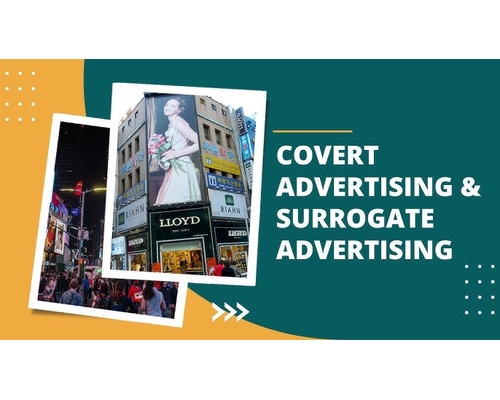
Although the accomplishment of covert advertising lies in producing engagement and relatability, the task of being secret while doing this also brings some challenges.
Benefits:
- Enhanced Consumer Trust: Some people can think of it as less of an intrusion and more of a genuine consumer approach. Thus, they will develop stronger bonds with the brands.
- Increased Recall: When a brand is integrated into captivating stories, readers are more likely to remember it.
Examples:
- One of the well-known YouTube channels describing a specific skincare routine mostly incorporates into practice products endorsed by the creator without the hint that it is an advertisement. Such viral videos create sufficient interest and even convert some viewers to buyers.
Challenges:
- Transparency Issues: Transparency issues can occur in cases where truthfulness is not obtained because consumers do not even know what they are consuming.
- Regulatory Scrutiny: Brands that are not transparent about marketing may face public backlash as the public is more likely to act on the word of mouth of their trusted peers or family members who they have a good relationship with or even for what a stranger said who gained their trust -influencers and their followers in particular.
Practical Strategies:
- Balance Authenticity and Disclosure: Companies must carefully distinguish between openness and subtleness; customers must know when a post sponsor is involved.
- Leverage User-Generated Content: Having a loyal fan base to encourage your audience to exchange their stories is the main target of covert advertising while creating a community, yet another way to do this.
Emerging Trends and Implications for Covert Advertising
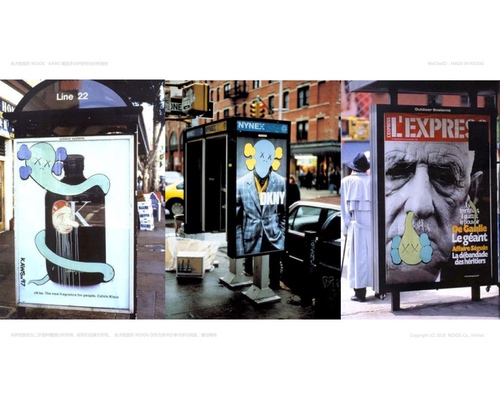
As consumers become smarter, the landscape of covert advertising is changing. For brands, knowledge of the latest is important for adapting their strategies effectively.
Current Trends:
- Social Media Integration: The new trend is that platforms like TikTok are popular with influencers who create exciting content for brands, combining the individual’s creativity with the topic’s virality to get consumer attention.
- Augmented Reality (AR) Experiences: The ongoing development of AR brands is trial and error. Companies are currently trying to develop virtual products that engage and inform their customers rather than just advertise.
Implications for the Industry:
With changes in gadgetry, so is the art of disguise commercials; advertisers must use the credibility of customers responsibly and respect their privacy in the marketing process. Brands that embrace consumer intelligence are bound to form a strong connection and, therefore, have an edge in a market with numerous competitors. To sum up, covert advertising opens up a new space for companies to connect with their customers more deeply. By understanding the strategies, considering the pros and cons, and looking at cutting-edge techniques, firms can make this landscape manageable and maintain a bond with their customers.
Conclusion
Today’s marketplace is driven by companies striving to establish authentic relations with their audiences through knowledge of covert advertising and the skills to modify such strategies if necessary. Covert advertising, which is the non-intrusive integration of promotional content into entertainment or media, is a great way for the brand to be known and involved in communication with consumers. Determine the probable consequences of the ethics and practical considerations of these actions and thus produce the kind of promotion that speaks to the demographic effectively.
Key Takeaways:
- Definition: Covert advertising subtly integrates promotional material into content to make it more agreeable for the consumer and less noticeable than traditional ads.
- Strategies: Successful covert advertising, which includes product placement, influencer partnerships, and narrative-driven advertising that is sales without being obvious to the target of the advertisement, is non-aggressively successful clandestine advertising.
- Implications: The effectiveness of the employed method might provoke ethical debates about transparency and trust in honesty, with the customer making a moral choice between these two.
- Examples: The best campaigns that use undercover marketing are known to be the ones by Coca-Cola in Hollywood, Nike with their endorsements of athletes, and media streaming companies that show brands in the scenes of the series without disturbing the flow of the stories.
The key to covert advertising involves companies that want to continue attracting new customers in a dynamic media ecosystem while building and sustaining healthy relationships with existing customers.
]]>Ready to talk with a marketing expert?

A Pragmatic and innovative way to enthrall your target group is just a click away!
Get in Touch
Rukmini Knowledge Park, Kattigenahalli, SH 104, Srinivasa Nagar, Bengaluru, Karnataka 560064
+91-990 247 8800
contact@gingermediagroup.com
Popular in Television Advertising
Udaya TV AdvertisingSun TV AdvertisingStar Plus AdvertisingTV 9 AdvertisingZee TV AdvertisingNDTV India AdvertisingColors TV AdvertisingPopular in Airport Advertising
Spice Jet AdvertisingMumbai Airport AdvertisingDelhi Airport AdvertisingEmirites AdvertisingIndiGo Airlines Domestic India AdvertisingPopular in Newspaper Advertising
Deccan Herald AdvertisingPrajavani AdvertisingThe Hindu AdvertisingEconomic Times AdvertisingDainik Jagran AdvertisingHindustan Times AdvertisingPopular in Magazine Advertising
Forbes AdvertisingCosmopolitan AdvertisingBusiness World AdvertisingVogue Magazine AdvertisingPopular in Sports Advertising
IPL AdvertisingPopular in Outdoor Advertising
Billboard AdvertisingBus Shelter AdvertisingMetro Pillar AdvertisingUnipole Advertising© Ginger Media Group 2025. All Rights Reserved.