The need to understand professional advertising arises from the ever-evolving landscape of consumer behaviour and technological advancements. As consumers become more discerning, businesses must adopt a strategic approach that leverages data analytics, audience segmentation, and creative storytelling to connect with potential customers. Implementing professional advertising allows companies to enhance brand awareness, generate leads, and foster customer loyalty.
Moreover, a professional advertising approach ensures consistency across various channels, reinforcing the brand message and improving overall recognition. By investing in high-quality advertising initiatives, businesses can differentiate themselves from competitors and establish credibility in their industry.
In conclusion, understanding and implementing professional advertising is not just beneficial—it’s essential for any business aiming to thrive in a dynamic marketplace. It is an investment that can lead to increased visibility, customer engagement, and business growth.
Overview of Professional Advertising
Professional Advertising refers to marketing strategies and promotional efforts designed to reach professionals in various industries. This includes targeted campaigns aimed at doctors, lawyers, engineers, and specialists who often make purchasing decisions based on specific expertise and knowledge. Professional advertising can take many forms, including trade publications, industry conferences, and online platforms tailored to professionals.
Importance of Knowing Professional Advertising
Understanding professional advertising is crucial for businesses that engage with niche markets effectively. Here are a few key reasons why knowledge of this term is impactful:
- Targeted Outreach: By recognising the nuances of professional advertising, companies can tailor their messages to resonate with their audience’s unique needs and preferences. This targeted approach increases the likelihood of conversion.
- Building Credibility: Effective professional advertising helps establish a brand’s credibility and thought leadership in its sector. By presenting information that addresses professionals’ specific challenges and interests, businesses can position themselves as trusted resources.
- Strategic Decision-Making: Knowing the implications of professional advertising allows organisations to make informed marketing decisions. Companies can allocate resources effectively by analysing industry trends and audience behaviours and creating campaigns that drive results.
- Enhanced ROI: Businesses that understand professional advertising techniques can create more efficient marketing strategies that deliver higher returns on investment. This is particularly relevant in competitive sectors where every dollar spent needs to be justified.
Professional Advertising: Definition, Purpose, Function, and Application
Definition
Professional advertising is the strategic use of promotional content to persuade a specific audience to utilise professional services. Unlike general advertising, which can target broader consumer demographics, professional advertising focuses on highly specialised fields such as medical, legal, financial, engineering, and other professional services. The advertising can take various forms, including digital marketing, print media, social media campaigns, and direct outreach, all geared toward enhancing the visibility and reputation of a professional service provider.
Purpose
Professional advertising primarily aims to communicate the value of a particular service or professional expertise to potential clients. Some key objectives include:
- Brand Awareness: To establish and increase brand recognition among target audiences.
- Lead Generation: To attract potential clients seeking specific professional services.
- Reputation Building: To enhance credibility and trust in the services offered, especially important in fields where clients rely on expertise.
- Encouraging Action: Prompt potential clients to make decisions, such as booking a consultation or availing themselves of the services.
- Market Differentiation: To highlight unique selling propositions (USPs) that differentiate a professional from competitors.
Function
Professional advertising functions through well-crafted strategies that align with business goals. Key functions include:
- Market Research: Understanding the target audience’s needs, preferences, and pain points effectively to tailor the advertising message.
- Message Development: Crafting compelling messages and narratives that resonate with the audience, emphasising outcomes and benefits.
- Multi-Channel Approach: Utilizing various platforms and media (like websites, social media, newsletters, and seminars) to reach professionals and clients effectively.
- Performance Analysis: Monitoring and evaluating the effectiveness of advertising campaigns through metrics such as engagement rates, conversion rates, and return on investment (ROI).
Application in Real-World Scenarios
Here are several examples showcasing the application of professional advertising in different industries:
- Healthcare Advertising
Scenario: A dental clinic wants to attract new patients.
Application: The clinic runs targeted social media campaigns showcasing patient testimonials, before-and-after photos, and special check-up promotions. It also uses search engine marketing (SEM) to appear in search results when potential patients look for dental services in its area. - Legal Services
Scenario: A law firm specialising in personal injury cases.
Application: The law firm invests in content marketing by publishing articles and case studies that educate potential clients about their rights. It also engages in community seminars where it offers free legal advice, advertising its services and expertise in the process. - Financial Consulting
Scenario: A financial advisor looking to reach high-net-worth individuals.
Application: The advisor uses targeted email marketing to share insightful financial tips, market updates, and invitations to exclusive seminars. Additionally, they leverage LinkedIn for networking and sharing expert insights, establishing themselves as a thought leader in the financial services sector. - Engineering Services
Scenario: An engineering consulting firm aiming to secure bids for large construction projects.
Application: The firm positions itself through professional presentations, industry publications, and attending relevant trade shows. It uses case studies to demonstrate past projects, emphasizing innovation and successful outcomes for prospective clients.
The Importance of Understanding Professional Advertising for Business Success
In today’s highly competitive business landscape, understanding professional advertising is crucial for organisations aiming to thrive and maintain their market presence. Effective advertising strategies can significantly impact brand awareness, customer engagement, and profitability. Here’s why mastering professional advertising is essential for any business:
- Building Brand Identity
Professional advertising helps businesses create a distinct brand identity that resonates with their target audience. By effectively communicating the brand’s values, mission, and unique selling propositions, companies can differentiate themselves from competitors and develop a strong emotional connection with consumers. A well-defined brand identity fosters trust and loyalty, vital for long-term success. - Expanding Reach and Exposure
In an era of abundant information, standing out is imperative. Understanding professional advertising allows businesses to craft campaigns that increase their visibility across various platforms, including social media, print, and digital channels. By utilising strategic advertising techniques, companies can reach a broader audience, engaging potential customers who may need to become more familiar with their products or services.
Final Thoughts
Professional advertising is integral to promoting specialised services and connecting businesses with a discerning clientele. It allows companies to thrive and achieve long-term success through strategic planning, understanding market trends, and creating compelling narratives. The examples and insights provided demonstrate that effective advertising is not just a tool but a powerful driver of brand recognition, customer engagement, and business growth.
]]>- Strategic Communication: Advertising is not about conveying a message but rather creating a story that gives the user power.
- Emotional Engagement: Advertising alone can be an effective device for emotional engagement between a brand and a consumer.
- Long-term Impact: Advertising is not about short-term sales; it is a vehicle for building brand identity and loyalty over the long haul.
As we examine this topic, it becomes clear that advertising goes beyond a message; it is a multidimensional approach designed to communicate value and create lasting ties.
Functions of Advertising
1. Building Brand Awareness

Brand awareness is always at the root of a successful marketing plan. Without that, even the greatest products and services can remain in obscurity. It is through advertising that a brand becomes visible and therefore acknowledged by its target audience. Here are three must points regarding brand awareness:
- Target Audience Identification:
Identification of the target group based on demography, interests, and behaviour is equally significant. To achieve this, detailed market research, surveys, and data analysis about the consumer are essential. Using tools like Google Analytics and insights from social media, brands can obtain valuable information related to customers’ preferences and online behaviour. - Compelling Messaging:
A compelling message that communicates with the audience must be created once the target audience is defined. It needs to indicate how the USPs of the brand have helped it uphold its core values and what benefits it has effectively offered to them. - Strategic Channel Selection:
Selecting social media, TV, print, or digital platforms through which the message can be amplified makes the effectiveness of advertising more profound. Maximum reach and impact will then enable that brand to top the consumer’s mind.
Brand awareness builds a foundation for future interactions. Familiarity is of the essence in a competitive marketplace.
2. Persuasion and Influence

Persuasion and influence are intrinsic to advertising. It’s constructed to not only inform but influence the attitudes of, and eventually the behaviour of, the target consumers. There are three primary characteristics of that function:
- Emotional Appeals:
Appeals that create a sense of happiness, nostalgia, or sympathy make the consumer develop a stronger bond between the consumer and the appeal. For example, an advertisement where a family enjoys their food as a family can be felt in the warmth it evolves and then the consumer associates the latter with the brand. - USPs – Clear Difference Communication in Advertisements:
Advertisers must clearly communicate in their ads what differentiates the offering from a competitor in terms of quality, newness, and service. Comparative advertising has its own value if done judiciously. - Validation by Testimonials:
Testimonials, endorsements, and user-generated pieces of evidence are powerful tools with which a brand’s claims are validated. It gives credence, makes it attractive, and influences the consumer’s way of thinking about the offering.
Advertising functions therefore include persuasion and influence as it acts to shape consumers’ views of the brands and their offerings.
3. Production of Sales and Revenue

The very point of advertising is to create sales and revenue. In this respect, three points summarize the above function:
- Creating Urgency:
Terms like “limited-time offer” or “exclusive discounts” appeal to the customer’s fear of missing out. This strategy is most effective, though, during promotions and seasonal sales. - Long-Term Brand Loyalty:
A good advertisement campaign can definitely increase direct sales, but it can also help in long-term brand loyalty and repeat purchases. Continuous messages, quality goods, and concern for customer satisfaction may lead to sustained business growth. - Measuring Success:
Through the use of metrics like return on investment (ROI) and customer lifetime value (CLV), brands can determine how successful their advertising has been, depending on the sales and revenues it yielded. This also means that in future strategies, those metrics and values could be utilised to alter and improve the advertising campaign.
General Purpose of Advertising:
The most obvious main purpose of advertising is to increase sales and revenue for a business. This is what keeps and expands a business.
4. Communication to the Target Markets
Communication with the target markets involves education through advertisement. While the primary job of advertising is to induce sales, educating the target group is another very important task. Here are three essential characteristics of educative advertising:
- Informative Messages:
Advertising can communicate valuable information to audiences for intelligent decision-making. This is especially helpful when new products are launched or complex offerings are involved.
Educational advertising does a lot of work in showing why a product should be bought based on its features and benefits. For example, a technology company can have its ads demonstrate how to use a new gadget while highlighting unique functionalities and ease of use. - Positioning as a Subject Matter Expert:
Helpful content—tutorials, guides, or explainer videos—boosts the trustworthiness and credibility of a brand with the target audience. That is to say, it will not only educate them but also empower their reputation virtually.
Educational advertising and consumer decision-making
Educational advertising often results in an empowered consumer decision and thus enriches the experience of a customer.
5. Customer Loyalty

Customer loyalty is the foundation upon which long-term business success is built, and advertising can be critical in developing it. Here are three points on customer loyalty through advertising:
- Loyalty Programs:
Advertising schemes for loyalty programs such as points-based schemes, exclusive discounts, or pre-sale access to sales increase repeated purchases and, in turn, customer retention. These schemes give a feeling of belonging. - Consistent Messaging:
Customers are bound to love the brand because consistency on all channels begets loyalty. When a customer sees an ad that speaks to his belief system and his very life, he is likely to identify with the brand. - Creating Advocates:
After some time, the emotional attachment will culminate into loyalty, and happy customers become advocates for a brand, referring other people by word of mouth. This organic source of promotion can do wonders to extend the reach and credibility of a brand.
Emotional loyalty through advertising not only brings repeat business but also helps the consumer become a passionate advocate for the brand.
Final Thoughts
The functions of advertising are highly diverse. Each purpose has a very specific role that fits under marketing’s vast purview. Here are three final takeaways:
- Integral Marketing Strategy:
Understanding the diverse functions of advertising helps brands create integral marketing strategies that cater to consumers’ various needs. - Strategic Integration:
A firm’s message across all channels will be consistent with an effective marketing approach through the use of advertising functions. - Long-term Success:
Good advertising will communicate value, inspire trust, and will eventually have a brand that is more meaningful to the consumer in the long run.
Suppose the real core functions of advertising are understood and effectively applied. In that case, it is possible to handle the intricacies of consumer behaviour, increase brand presence, and cause long-run growth. Taking on board these functions of advertising will enable the brands to reach even better connections with the target audience, thus resulting in more success for themselves in the competitive marketplace.
]]>Advertising: Definition and Fundamental Concepts
- Advertising is a strategic communication process to promote products, services, or ideas to a specific audience.
- It combines various methods, from traditional media, including print and television, to digital channels, such as social media and search engines.
- Advertising is not only meant to inform customers about product specifications; its primary function is to encourage them to buy the product or contact the company.
The Role of Advertising in Modern Business
Advertising has many vital roles in the corporate world. First, it is a leading marketing technique for creating a brand that people recognize so that those who can show a product and get a feeling of simulation would buy it. For example, companies like Coca-Cola and Apple rely on advertising to maintain world recognition and customer patronage.
- Statistics & Insights: As per Statist, global advertising expenditures were estimated to be more than $700 billion in 2021, representing the high valuation that businesses give to advertising in their overall marketing strategies.
- Frameworks/Methodologies: One of the most well-known models is the AIDA model (Attention, Interest, Desire, Action), which describes a series of steps a buyer takes before buying a good. By being conversant with the model, advertisers can develop focused messages that are relevant at every stage.
Types of Advertising and Their Applications
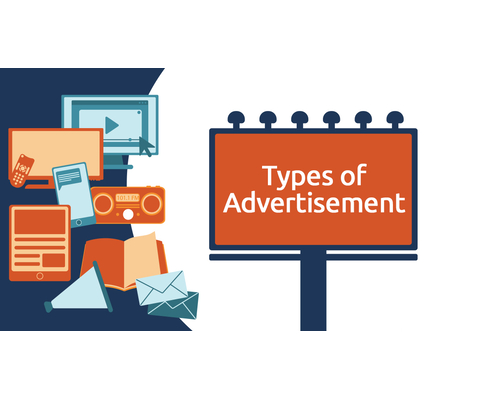
Advertising can take different forms and be designed to meet specific goals and target different groups of people. Traditional marketing encompasses print ads, TV commercials, and billboards, while digital marketing includes social media ads, search engine marketing, and email marketing campaigns.
- Real-World Applications: A good case is Nike, which employs digital advertising in conjunction with the influencers known on Instagram and TikTok to grab the younger generation’s attention. This illustrates how brands are adapting to digital trends.
- Challenges and Benefits: Advertising, on the one hand, is the best way to enhance a company’s visibility and revenue. Nonetheless, marketers have to be cautious because people could become tired of seeing the same ads all the time and might also be skeptical consumers. Advertisers primarily concentrate on personalization and targeted advertisements that use data analytics to ensure their effectiveness with consumers and minimize disturbances.
- Practical Strategies: To facilitate the creation of advertising, companies have to clear up the messages they want to send and pick the right mediums that best speak to their target groups. Another trick to using A/B testing that can dramatically improve ad performance is advertisers doing it to see which messages or formats work best.
Emerging Trends in Advertising

The advertising industry is developing mainly influenced by different trends that shape its future. One significant trend is the establishment of data-driven advertising, where companies use customer data in a very focused and tailored way to create ads.
- Insights and Trends: TikTok, a new platform, has introduced companies to video content, which is more interesting than a traditional picklist environment but needs user participation. In fact, the power of machine learning and AI can make real-time decisions and optimize complex targeting for any programmatic and automatic media buying, which is the most recent development in advertising space technology.
- Implications for the Industry: These shifts indicate that advertisers will have to be able to learn and evolve through listening to the clients and analyzing the market. On the other hand, companies that need to catch up on these issues may be refrained from the marketplace. For a business that aims to maximize the use of advertising, grasping its multiple characteristics is the first point. By reading the trendsetters and invigorating plans, firms can increase their visibility in all marketing channels, engage their audience, and push their businesses to grow.
Conclusion
Through the course of the conclusion, it is gradually mentioned that with the high pace of competition in the current marketplace, advertisers must become proficient in advertising. In the same way, they have to interact with their target audience closely. Advertising supplies the condition where creative ideas go hand in hand with strategy; this eventually drives how consumers react and allows brands to develop customer loyalty. By examining different aspects of advertising, such as types, business models, and psychological impacts, companies can develop creative campaigns that successfully meet customers and realize quantifiable outcomes.
Key Takeaways:
- Definition and Role: Advertising promotes products or services to sway a consumer’s perception and behavior.
- Components: It encompasses systematic planning, creative provision, messaging, and the proper media channels.
- Types of Advertising: Whether digital or traditional, all the types have their strength and are personalized for different audience segments.
- Targeting and Segmentation: Good commercial communication should include a clear understanding of the selected target group and then aim at catching the right people’s attention by just with the people who are being targeted to ensure their active participation.
- Impact on Consumer Behavior: Advertising influences customer choices and brand image, and thus, thinking about wording is very important.
- Cultural Relevance: Catchy advertising linked to the latest fashion fads and propriety values touches customers more personally. For businesses to integrate dynamic and fast-paced operations in the global marketplace, the essentials of advertising should be clear to them—business speak.
Key Points:
- Impact on Consumer Behaviour: Advertising significantly influences the marketing of products and services.
- Persuasive Communication Strategies: More strategies will be talked over that capture attention in an attempt to try out sales.
- Ethical Requiring Situations: Responsible practices in advertisements need honest and transparent terms.
Consumers are getting increasingly choosier, demanding brands that interpret themselves along with values. That said, it challenges companies to strategize on ethical aspects of advertising that resonate well with socially aware consumers. By this, more morally driven branding attracts more emotions from consumers. This will lead to brand loyalty and eventually promote profitability.
- Conscious Consumers: Today’s consumers want brands that support their value proposition.
- Emotional: Ethical advertising generates more relationship-building for brands with customers.
- Financial: Companies committed to ethical practices usually experience customer loyalty and increased sales.
Persuasion is the thin line between great art and manipulation. Though persuasive advertising is necessary to help drive sales, it must be used carefully not to tread any lines beyond ethical territories. The list should always include ensuring a strategy does not take advantage of consumer vulnerabilities or distribute false information. The goal should be an enlightening and inspiring marketing campaign rather than a deceptive one that manipulates consumers.
Ad Ethics
Advertising ethics is the morality approach to advertisement creation and distribution. Most of these aspects relate to issues such as truthfulness, fairness,, and respect toward the audiences. Ethical advertisements promote products or services without misleading customers or taking advantage of the vulnerable population.
Key Points:
- Moral Principles: Advertising ethics includes honesty, fairness, and audience respect.
- Enforcement of Responsibility: Advertisers should be mindful of the broader consequences of their advertisements.
- Influence through Regulation: Adherence to codes contributes to developing responsible advertising.
Feeling responsible is the most critical concern of advertisement ethics. It’s not just to the clients but certainly to society that advertisers have been entrusted with a responsibility to understand and take cognizance of the more tremendous implications of their messages and their ramifications on public perception or behavior. As media consumers evolve further, the ethical environment becomes more confusing, challenging advertisers to proactively deal with possible ethical dilemmas that develop out of advertisements.
In addition, the regulatory environment, to a large extent, dictates the ethics of advertising. Agencies and organizations establish norms that will ensure the industry embodies ethical behavior. The advertiser needs to be informed of the general direction of the regulations and strive to adapt to them, yet do more than the bare minimum from the law. By engendering an ethical culture within themselves, the advertisers contribute to how consumers perceive the marketplace; the more trust there is in the market, the easier it is to build consumer confidence.
Necessity of Ethics in Advertising
Building Consumer Confidence

Trust is one of the main parameters behind any healthy business relationship. Ethical advertising builds trust between brands and the consumers. If customers believe the brand to be honest and transparent, then they will want to spend time with that brand and buy it again and again. Conversely, unethical advertising can cause a lot of damage to the brand’s reputation while inviting customer dissatisfaction and loss of loyalty.
Key Take Away:
- Trust Building: Ethical practices lead to repeat purchases or repeat customers.
- Social Media Ripple Effect: The consumers share experiences promptly, making the ethical advertisement force multiply expeditiously.
- Long-Term Investment: Trust built through ethical advertisement may ensure significant returns.
It is an age where, with endless information at their disposal, consumers express their feelings—whether negative or positive- on social media. This time-sensitivity piques the opportunities for responsible, ethical advertisement. The brands that emphasize honesty build positive talk among the customers, as honesty generates conversations naturally. Otherwise, unethical maneuvers can land a brand in a situation of swift backlash; thus, harm can remain for a longer time and extend beyond transactions to the brand experience. Whenever consumers trust that a brand is running ethical affairs, they can easily endorse the brand to other consumers; this makes positive brand equity. Hence, creating trust through ethical advertisement is an investment in the long run, which fetches high returns.
Building Brand Prestige

A sound ethical ground not only builds trust but also strengthens a brand’s reputation in the marketplace. Most importantly, consumers are increasingly drawn to companies that operate on social responsibility and ethics. Ethical advertisements will help companies stand out and attract socially responsible consumers away from their competitors.
Key Take-Aways:
- Differentiation: Ethical advertisement makes a difference in a competitive marketplace.
- Positive Asset: A sound reputation is an asset that will help brands hold out against crises and fluctuations in market conditions.
- Ethical Practice: Leads to higher employee morale and retention.
A good reputation is a valuable asset to a brand. The better the reputation, the easier it is for a company to overcome market conditions and other crises. Brands with a questionable reputation will find it hard to regain consumer trust even when they have cleared their names from any crime. Ethical advertisement is thus necessary to ensure a good reputation for a brand in the long term.
Fair advertising practices lead to higher employee satisfaction and retention rates. Employees would be proud to work for brands that reflect their values. Such an atmosphere at work would be reflected in authentic brand messages, furthering the brand’s esteem in the consumer’s eyes.
Promoting Fair Competition

Ethical advertising promotes fair competition in industries. The reason is that when brands follow the same principles of truthfulness and transparency, a level playing field exists. Unethical practices like false advertising or deceptive marketing would be a blow to competition and thus create an uneven marketplace.
Key Points:
- Level Playing Field: Ethical standards ensure fair competition between brands.
- Encourage Innovation: Genuine value-based differentiation drives ethical practices among brands.
- Adherence to Ethical Standards: Promotes industry credibility through regulatory enforcement.
Competition and fairgrounds support innovation and creativity because brands must create grounds for differentiation based on real value rather than pseudo strategies. Healthy competition may lead to better products and services; hence, consumers’ welfare is incorporated into the effects. Ethical advertising would spur success for individual brands and the health of the market at large.
In addition, there are cases where regulatory agencies demand that different ethical practices to the standards be adopted so that equal competition is received and enjoyed by all. Whatever ethical practice an advertiser adopts ensures that the industry is credible. This joint adoption of ethics establishes consumer confidence and a marketplace where businesses compete on merit and value.
Promoting Social Responsibility

Advertising will influence the attitudes and behaviors of society. Therefore, an advertiser can bring social change by building campaigns based on ethical values. Examples include advertisements on inclusivity, diversity, or environmental sustainability issues that go a long way as consumers are emotionally charged to act.
Key Points:
- Positive Influence: Ethical advertising yields social change and responsibility.
- Identity with Movements: Brands that align with leading causes align with the socially conscious consumer.
- Building Community: This ethical approach towards advertising might bring a sense of belonging and connection with consumers.
Using responsible social advertising, brands can have their voice in initiating those conversations about issues that need to be discussed and align themselves with movements that call for change. Sustainability would be an excellent example of that—it creates a brand image and endangers consumers’ consumption choices. It creates a domino effect where people are inspired enough to make that change in their lives, too.
Socially responsible advertising also creates a group feeling among consumers. Brands that engage with social causes express concern for their audience’s values and concerns, growing the emotional bond between the brand and its customers. This association will increase loyalty and advocacy as consumers are empowered to support brands sharing their values.
Critical Ethical Issues in Advertising
False and Misleading Claims
False and misleading ads are among the most significant ethical issues advertising faces. There may be the exaggeration of the benefits of a product made by an advertiser, critical information may not be added in the ads, or ambiguous language might be used against consumers to mislead them. Such practices are unethical and have legal repercussions under the law of consumer protection.
Key Takeaways:
- Legal Consequences: False and misleading advertisements may lead to potential legal action against it and also give space for branding its reputation.
- Consumer Awareness: The Scourge of Social Media Increases Scrutiny of Advertising Claims.
- Cultural Shift: Brands Must Champion Truthfulness to Protect Industry Integrity.
The invention of social media has made it easier for consumers to vocalize their opinions; therefore, the scrutiny of advertisements is higher than in previous years. Misleading brand practices are mainly exposed by consumers, which destroys their reputations. In addition, regulatory agencies are becoming astute in enforcing stiffer punishments on brands that mislead consumers.
To address this issue, there has to be a cultural shift in the organization, establishing truth-telling as a norm when advertising to the public. Advertisers must develop robust verification processes to prove every advertisement claims one big lie. This would ensure consumer security, simultaneously strengthening the profession of advertising.
]]>Ready to talk with a marketing expert?

A Pragmatic and innovative way to enthrall your target group is just a click away!
Get in Touch
Rukmini Knowledge Park, Kattigenahalli, SH 104, Srinivasa Nagar, Bengaluru, Karnataka 560064
+91-990 247 8800
contact@gingermediagroup.com
Popular in Television Advertising
Udaya TV AdvertisingSun TV AdvertisingStar Plus AdvertisingTV 9 AdvertisingZee TV AdvertisingNDTV India AdvertisingColors TV AdvertisingPopular in Airport Advertising
Spice Jet AdvertisingMumbai Airport AdvertisingDelhi Airport AdvertisingEmirites AdvertisingIndiGo Airlines Domestic India AdvertisingPopular in Newspaper Advertising
Deccan Herald AdvertisingPrajavani AdvertisingThe Hindu AdvertisingEconomic Times AdvertisingDainik Jagran AdvertisingHindustan Times AdvertisingPopular in Magazine Advertising
Forbes AdvertisingCosmopolitan AdvertisingBusiness World AdvertisingVogue Magazine AdvertisingPopular in Sports Advertising
IPL AdvertisingPopular in Outdoor Advertising
Billboard AdvertisingBus Shelter AdvertisingMetro Pillar AdvertisingUnipole Advertising© Ginger Media Group 2025. All Rights Reserved.