Key points to consider:
- Effective advertising on television caters to the masses.
- A TV ad can uplift brand recognition and loyalty.
- Storytelling speaks to the audience’s heart and mind.
- Social media campaigns complement a TV advertising strategy.
- Local agencies know regional specificities and effectively target the consumer.
This blog takes a journey through the Top 10 TV Advertising Agencies in Kolkata and discusses the various creative pitches these agencies provide, some have succeeded remarkably in campaigns, hence winning this spot in the market. A staggering statistic found from these reports indicates that properly planned TV advertisements can help reach up to 80% brand recall among customers. Read on to find out how these agencies can uplift your brand visibility and ROI through compelling television advertising strategies.
Top 10 TV Advertising Agencies in Kolkata
Television commercials are the most widely used tool in the glamour world of advertisements. So, apart from the great culture and lively population, numerous advertising agencies dealing with fascinating television commercials prevail in this city. So, it’s a great time to know more about the Top 10 TV Advertising Agencies in Kolkata that provide specific services and specializations.
Why consider a TV Advertising Agency?
Before we get into the list, let’s discuss why partnering with a specialized TV advertising agency is crucial for success:
- Creative Expertise: These agencies bring a wealth of experience and creativity, ensuring that your message resonates with the audience.
- Strategic Planning: TV advertising requires meticulous planning around schedules, demographics, and market trends, which these agencies handle expertly.
- Comprehensive Services: From concept development to production and media buying, these agencies offer end-to-end solutions that streamline the advertising process.
The Top 10 TV Advertising Agencies in Kolkata
1. Ginger Media Group

About the Agency:
Ginger Media Group is one of the leading TV advertising agencies in Kolkata. Their innovative approach and understanding of market dynamics set them apart.
- Specialization: Specialized in the creation of highly engaging TV commercials that capture the heart of a brand, they work closely with clients to develop compelling narratives.
- Client Portfolio: Ginger Media Group has worked with a wide variety of clients, from startups to established enterprises, helping them amplify their brand presence.
- Services Provided: They deliver a holistic portfolio of services which include script writing, production, and media buying all targeted at getting the brand the right message through.
2. Fields Advertising Agency

About the Company:
Fields Advertising Agency was incorporated in Kolkata but was soon been able to create an identity in television advertising.
- Creative Resources: Their internal staff of skilled experts ensures that the advertisement is both informative and engaging.
- Industry Reach: They cater to the retail, FMCG, and healthcare sectors, tailoring their approach according to the industry’s specific needs.
- Campaign Management: Fields Advertising has expertise in full-cycle ad campaigns, including post-production analysis for effectiveness in engagement.
3. AdJungle

About the Agency:
AdJungle is an agency that specializes in creative storytelling with strategic advertising.
- Targeted Solutions: They are aware of the significance of demographics and create ads that appeal to particular target audiences.
- Production Quality: With advanced technology and skilled teams, they ensure high production quality, resulting in visually stunning advertisements.
- Long-Term Partnerships: AdJungle prioritizes building long-term relationships with clients, fostering continuous growth and adaptation in advertising strategies.
4. MediaMint

About the Agency:
MediaMint is a young and dynamic agency making waves in the Kolkata advertising scene.
- Cutting Edge Technology: They tap into the latest technology to develop innovative and attention-grabbing modern advertisements.
- Digital Integration: They go well with the details regarding digital trends and combine TV ads with social media for increased exposure.
- Data-Driven Insights: MediaMint uses data analysis, and its campaigns track performance so that customers can evaluate accordingly.
5. Canvas Media
About the Agency:
Canvas Media is a specialty agency that brings innovative television commercials to life for visual storytelling.
- Strong Brand Focus: They help build strong brands with meaningful ads and stories.
- Diverse Expertise: Their team experience spans multiple industries, so tailored solutions are more likely to match specific marketing goals.
- Creative Workshops: Canvas Media puts on creative workshops to help better understand the fast-changing advertising landscape and enhance collaborations.
6. Kolkata Creatives

About the Agency:
Kolkata Creatives is famous for its bold creativity and a new approach to traditional advertising.
- Originality: They emphasize originality so that their advertisements are different in a very crowded market.
- Collaborative Culture: The agency thrives on collaboration; it involves the clients in the creative process to enhance the outcomes.
- Proven Results: Their campaigns often lead to significant increases in brand visibility and sales, making them a trusted partner for many businesses.
7. Branding Bites

About the Agency:
Known for strategic insights and creative execution, Branding Bites is a well-respected player in Kolkata’s advertising scene.
- Integrated Marketing Strategies: They specialize in encompassing all aspects of marketing, including TV, digital, and print advertising.
- Client-Centric Approach: They work to create campaigns that are unique to the client’s needs and, therefore, generate measurable results.
- Award-Winning Work: Branding Bites has won several awards for its creative TV advertising campaigns. This further emphasizes the agency’s success in this field.
8. The Ad Agency (TAA)
About the Agency:
TAA is a creativity-driven agency that specializes in strategic market placement.
- Team of Experts: Their experts include marketers, artists, and strategists who work together to make memorable commercials.
- Consumer Engagement: TAA is proud of its understanding of consumer behavior, allowing it to create ads that drive engagement and conversion.
- Post-Campaign Analysis: They conduct thorough analyses after campaigns to learn and improve for future projects.
9. Simba Advertising Agency

About the Agency:
Focused on creativity and innovation, Simba Advertising Agency has stamped itself in Kolkata.
- Development of Brand Strategies: It presents the brand-specific unique selling proposition for a particular product using a carefully developed ad for the small screen of your TV.
- Solutions on demand: The customized offerings by Simba cater to specific demands and create better communication about a brand’s value.
- Partnered Campaigns: They ensure partnership with clients for the co-creation of highly effective advertisements with a message of impact to be passed to the relevant audiences.
10. Vision Media Group
The Agency:
This is an advertising agency that specializes in advertisements that communicate brand messages effectively.
- Storytelling Focus: For them, each advertisement is just a story and they are skilled in the formation of a storyline.
- Diversification of Media Mix: Both traditional and new media solution providers allow for reaching more people.
- Client Success: Vision Media Group has the required experience in fulfilling clients’ advertising requirements that help the brands grow and become visible.
TV advertisement continues to prove an important mode for promoting the brands. The following Top 10 TV Advertising Agencies in Kolkata reflect all that goes into designing effective advertisement campaigns: creativity, technical knowledge, and strategy. Team up with any of the listed agencies and a brand’s message is ensured to be well transmitted, creating customer response and, hence, commercial success.
FAQs
1. What are the services that the television advertisement agencies offer?
Most TV advertising agencies offer a complete range of services, from concept development to scriptwriting, production, and media buying.
2. How do I select the right agency for my brand?
When choosing an advertising partner, consider your brand’s specific needs, the agency’s expertise in your industry, and their past work.
3. What is the average cost of a TV ad campaign?
Cost depends largely on the ad’s intricacy, the purchase of the media, and how much the agency will charge for its services. Estimates should, therefore, be sought directly from the agencies.
Choosing the appropriate agency will mean that your ads have a positive effect on their audience, besides establishing brand loyalty and creating sales.
In conclusion, the right choice of a TV advertising agency in Kolkata can have a very profound impact on your brand’s visibility and reach. This blog has explored the top 10 agencies that stand out in the competitive landscape of advertising, each offering unique strengths that cater to a variety of marketing needs. From the creativity and innovative strategies of XYZ Advertising to the comprehensive services provided by ABC Media Solutions, each agency brings forth a wealth of experience and expertise. In addition, the insight into their previous campaigns shows how they can make great stories for the audience. With visual storytelling being more potent now than ever, choosing the right agency will enable you to express your brand ethos effectively while promoting it with maximum ROI. When launching your advertising campaign, consider the qualities that best fit your brand vision and values. These aspects will help you find a partnership that not only raises your brand above all the noise but also stretches it further in a market filled with clutter.
Outline
- Diverse Industry Presence: Different agencies have an impact in various industries, like FMCG and technology, and ensure their flexibility and understanding of different market dynamics.
- Innovative Strategies: Different approaches, starting from digital enhancements to traditional broadcasting techniques, make such commercials engaging for consumers.
- Client Testimonials and Success Stories: Real-world examples illustrate the effectiveness of these agencies, providing prospective clients with insights into potential outcomes and the effectiveness of their TV campaigns.
By thoroughly evaluating the featured agencies against your specific goals and needs, you can strategically position your brand for success in the dynamic world of television advertising in Kolkata.
Why Choose Ginger Media Group for Advertising
- Innovative Strategies: Ginger Media Group is proud of its ability to create creative and innovative strategies that are specific to the needs of your business. Our team constantly looks for the latest trends to keep your brand ahead of the curve.
- Local Expertise: Being the largest agency in Kolkata, we understand the nuances of the regional market perfectly. This will enable us to deliver campaigns that better resonate with the local audience and improve engagement exponentially.
- Comprehensive Services: We are an integrated agency with services ranging from media planning and creative development to campaign management, making for a coherent approach that makes a difference.
- Data-Driven Insights: Using advanced analytics, we monitor campaign performance as well as audience behavior, so we can be informative in making the adjustments required to maximize effectiveness and return on investment.
- Experienced Team: Our team comprises seasoned professionals with all-round experience in TV advertising, ensuring that your campaigns are executed with precision and excellence.
- Client-Centric Approach: We prioritize client relationships and work collaboratively to understand your goals and deliver measurable results that exceed expectations.
- Track Record: A portfolio that has showcased the successful campaigns of numerous brands makes our excellence self-speak.
Choosing Ginger Media Group is partnering with a committed agency that will put creativity, expertise, and strategy into the execution of your advertisements in Kolkata.
]]>The need to understand professional advertising arises from the ever-evolving landscape of consumer behaviour and technological advancements. As consumers become more discerning, businesses must adopt a strategic approach that leverages data analytics, audience segmentation, and creative storytelling to connect with potential customers. Implementing professional advertising allows companies to enhance brand awareness, generate leads, and foster customer loyalty.
Moreover, a professional advertising approach ensures consistency across various channels, reinforcing the brand message and improving overall recognition. By investing in high-quality advertising initiatives, businesses can differentiate themselves from competitors and establish credibility in their industry.
In conclusion, understanding and implementing professional advertising is not just beneficial—it’s essential for any business aiming to thrive in a dynamic marketplace. It is an investment that can lead to increased visibility, customer engagement, and business growth.
Overview of Professional Advertising
Professional Advertising refers to marketing strategies and promotional efforts designed to reach professionals in various industries. This includes targeted campaigns aimed at doctors, lawyers, engineers, and specialists who often make purchasing decisions based on specific expertise and knowledge. Professional advertising can take many forms, including trade publications, industry conferences, and online platforms tailored to professionals.
Importance of Knowing Professional Advertising
Understanding professional advertising is crucial for businesses that engage with niche markets effectively. Here are a few key reasons why knowledge of this term is impactful:
- Targeted Outreach: By recognising the nuances of professional advertising, companies can tailor their messages to resonate with their audience’s unique needs and preferences. This targeted approach increases the likelihood of conversion.
- Building Credibility: Effective professional advertising helps establish a brand’s credibility and thought leadership in its sector. By presenting information that addresses professionals’ specific challenges and interests, businesses can position themselves as trusted resources.
- Strategic Decision-Making: Knowing the implications of professional advertising allows organisations to make informed marketing decisions. Companies can allocate resources effectively by analysing industry trends and audience behaviours and creating campaigns that drive results.
- Enhanced ROI: Businesses that understand professional advertising techniques can create more efficient marketing strategies that deliver higher returns on investment. This is particularly relevant in competitive sectors where every dollar spent needs to be justified.
Professional Advertising: Definition, Purpose, Function, and Application
Definition
Professional advertising is the strategic use of promotional content to persuade a specific audience to utilise professional services. Unlike general advertising, which can target broader consumer demographics, professional advertising focuses on highly specialised fields such as medical, legal, financial, engineering, and other professional services. The advertising can take various forms, including digital marketing, print media, social media campaigns, and direct outreach, all geared toward enhancing the visibility and reputation of a professional service provider.
Purpose
Professional advertising primarily aims to communicate the value of a particular service or professional expertise to potential clients. Some key objectives include:
- Brand Awareness: To establish and increase brand recognition among target audiences.
- Lead Generation: To attract potential clients seeking specific professional services.
- Reputation Building: To enhance credibility and trust in the services offered, especially important in fields where clients rely on expertise.
- Encouraging Action: Prompt potential clients to make decisions, such as booking a consultation or availing themselves of the services.
- Market Differentiation: To highlight unique selling propositions (USPs) that differentiate a professional from competitors.
Function
Professional advertising functions through well-crafted strategies that align with business goals. Key functions include:
- Market Research: Understanding the target audience’s needs, preferences, and pain points effectively to tailor the advertising message.
- Message Development: Crafting compelling messages and narratives that resonate with the audience, emphasising outcomes and benefits.
- Multi-Channel Approach: Utilizing various platforms and media (like websites, social media, newsletters, and seminars) to reach professionals and clients effectively.
- Performance Analysis: Monitoring and evaluating the effectiveness of advertising campaigns through metrics such as engagement rates, conversion rates, and return on investment (ROI).
Application in Real-World Scenarios
Here are several examples showcasing the application of professional advertising in different industries:
- Healthcare Advertising
Scenario: A dental clinic wants to attract new patients.
Application: The clinic runs targeted social media campaigns showcasing patient testimonials, before-and-after photos, and special check-up promotions. It also uses search engine marketing (SEM) to appear in search results when potential patients look for dental services in its area. - Legal Services
Scenario: A law firm specialising in personal injury cases.
Application: The law firm invests in content marketing by publishing articles and case studies that educate potential clients about their rights. It also engages in community seminars where it offers free legal advice, advertising its services and expertise in the process. - Financial Consulting
Scenario: A financial advisor looking to reach high-net-worth individuals.
Application: The advisor uses targeted email marketing to share insightful financial tips, market updates, and invitations to exclusive seminars. Additionally, they leverage LinkedIn for networking and sharing expert insights, establishing themselves as a thought leader in the financial services sector. - Engineering Services
Scenario: An engineering consulting firm aiming to secure bids for large construction projects.
Application: The firm positions itself through professional presentations, industry publications, and attending relevant trade shows. It uses case studies to demonstrate past projects, emphasizing innovation and successful outcomes for prospective clients.
The Importance of Understanding Professional Advertising for Business Success
In today’s highly competitive business landscape, understanding professional advertising is crucial for organisations aiming to thrive and maintain their market presence. Effective advertising strategies can significantly impact brand awareness, customer engagement, and profitability. Here’s why mastering professional advertising is essential for any business:
- Building Brand Identity
Professional advertising helps businesses create a distinct brand identity that resonates with their target audience. By effectively communicating the brand’s values, mission, and unique selling propositions, companies can differentiate themselves from competitors and develop a strong emotional connection with consumers. A well-defined brand identity fosters trust and loyalty, vital for long-term success. - Expanding Reach and Exposure
In an era of abundant information, standing out is imperative. Understanding professional advertising allows businesses to craft campaigns that increase their visibility across various platforms, including social media, print, and digital channels. By utilising strategic advertising techniques, companies can reach a broader audience, engaging potential customers who may need to become more familiar with their products or services.
Final Thoughts
Professional advertising is integral to promoting specialised services and connecting businesses with a discerning clientele. It allows companies to thrive and achieve long-term success through strategic planning, understanding market trends, and creating compelling narratives. The examples and insights provided demonstrate that effective advertising is not just a tool but a powerful driver of brand recognition, customer engagement, and business growth.
]]>- Definition: Media vehicles are specific channels through which advertising messages are delivered.
- Diversity: Different media vehicles, such as television, radio, print, and social media, cater to varied demographics.
- Targeting: Choosing the right media vehicle ensures the intended audience receives the message.
- Cost-Effectiveness: Selecting appropriate media can optimize advertising budgets and enhance return on investment.
- Performance Measurement: Understanding media vehicles helps assess marketing strategies’ effectiveness.
Overview of Media Vehicle
A media vehicle refers to a specific channel or platform from which the advertising message is delivered to the audience. Examples of media vehicles include:
- Television shows
- Radio stations
- Newspapers
- Magazines
- Websites
- Social media platforms
The audience demographics and reach for each of these media vehicles differ, so selecting the right car is essential for advertisers to convey their intended message effectively.
Importance of Knowing Media Vehicles
Understanding media vehicles is essential for marketers and strategic decision-makers. Key areas of importance include:
- Target Audience Reach: Different media vehicles reach different audiences. Knowing which vehicles resonate with specific demographics enables brands to tailor their advertising efforts more effectively.
- Cost-Effectiveness: Choosing a suitable medium helps optimize budget spending. A well-chosen media vehicle can maximize reach with less expenditure, improving ROI.
- Message Compatibility: Each media vehicle has unique characteristics that affect how people perceive a message. Ensuring message compatibility with the chosen vehicle maximizes its effectiveness.
- Performance Measurement: Evaluating media-vehicle performance allows marketers to measure engagement rates, conversions, and other metrics, directly influencing future strategies.
- Strategic Decision Making: Staying informed about changes in media vehicles helps businesses make more innovative, adaptive decisions in the dynamic media space.
Understanding the Term
Media Vehicle Definition
A media vehicle is the medium or channel through which a message reaches its intended audience. Examples of media vehicles include:
- Television
- Radio
- Print (newspapers, magazines)
- Outdoor advertising
- Digital media (social media, websites, email)
Each of these media vehicles has unique characteristics, audience demographics, and levels of engagement, making it crucial for marketers to choose the right one for their objectives.
Purpose and Function
The primary purpose of a media vehicle is to act as a channel for delivering advertising messages to a target audience as effectively as possible. Key functions include:
- Audience Targeting: Different media vehicles target different population segments. For example, social media platforms like TikTok are ideal for reaching younger audiences, while older demographics may be more receptive to traditional TV or newspaper ads.
- Message Delivery: Media vehicles serve as the medium for delivering marketing messages. Advertising text, video, or audio, are adapted to fit the vehicle’s presentation.
- Brand Awareness: Repeated exposure through effective media vehicles enhances brand recognition and recall, reinforcing messages across multiple channels.
- Interactivity and Involvement: Many media vehicles, especially digital ones, allow for interaction. Brands can engage with their audience through comments, shares, or direct messages, building stronger relationships and gaining valuable feedback.
- Measurement and Analytics: Digital media vehicles offer advanced analytics, allowing businesses to track impressions, clicks, and conversions. This data helps shape future marketing strategies and define budget allocations.
Real-Life Examples of Media Vehicles

Media vehicles are applied across various industries and marketing campaigns:
- Product Launches: A new beverage brand may use TV commercials to create awareness while running social media ads targeting specific demographics. Outdoor advertising in high-traffic areas can further attract attention.
- Election Campaigns: Politicians often use a mix of television spots for broad reach, radio for local engagement, and social media to target specific voter groups.
- Event Promotion: For a music festival, organizers might use radio stations for ticket giveaways, social media for interactive promotions, and local entertainment magazines for detailed event coverage.
- Content Marketing: Brands use blogs as digital media to share valuable information. They then amplify this content through social media, email newsletters, and influencer partnerships to drive traffic to their website.
- E-commerce Promotions: Online retailers leverage media vehicles like email newsletters, social media ads, and influencer collaborations to drive website traffic and boost sales.
Importance of Understanding Media Vehicles: The Key to Success for Businesses

In today’s digitally driven marketplace, understanding media vehicles is vital for successful audience engagement. Key reasons include:
- Engagement with Target Audience: Selecting the right media vehicle ensures the message reaches the intended audience. Different demographics interact with media vehicles in unique ways. For example, younger consumers may prefer social media, while older demographics connect more with traditional media like TV or newspapers.
- Cost-Effectiveness: Knowing the most influential media vehicles helps businesses allocate their advertising budgets wisely, ensuring the highest ROI. Local businesses might find local radio ads more cost-effective, while national brands may benefit from digital strategies.
- Brand Awareness and Visibility: Strategically utilizing multiple media vehicles ensures a consistent message reaches the consumer across various touchpoints. A multi-channel approach increases brand visibility and recall.
- Market Trend Alignment: As the media landscape evolves, businesses must stay informed about emerging vehicles and their effectiveness. This adaptability allows businesses to remain competitive and take advantage of new opportunities.
- Measuring Effectiveness: Media vehicles allow businesses to measure campaign impact through metrics such as reach, engagement, and conversion rates. Analyzing this data helps refine marketing strategies for future campaigns, driving better overall performance.
Final Thoughts
Understanding media vehicles is a fundamental aspect of any successful marketing strategy. Selecting the right media vehicle ensures that messages reach the appropriate audience, maximize budget efficiency, and boost brand recognition. As the media landscape continues to evolve, businesses must stay informed and adaptable to leverage the full potential of media vehicles and ensure long-term success. By focusing on the strengths of each media channel, companies can enhance their marketing efforts and connect with their customers more effectively.
]]>The Main Theme: The Rise of Aston Band Advertising
- Aston Band Advertising is a marketing technique in which the ad is displayed as a small band at a particular location on the TV screen when it is shown during commercial breaks or live shots.
- Instead of traditional commercials running during the show, Aston Band Advertising gives brands a chance to shine among the audience without altering the viewing experience.
- Furthermore, the method is brilliant in today’s media world, where viewers are mostly multitaskers and seldom are stopped by ads. Hence, our investigation would zoom in on the inner workings of Aston Band Advertising, its benefits, and its increasing centrality in a world where the best user experience is the key.
What You’ll Gain from This Post
- As you go through this post, you will be able to clear up the whole problem of the television band Aston and tell the audience what it is, how it works, and why it is the main advertisement in the present era.
- Here, you will find an overview of key figures, examples of this approach’s success, and information on how brands can use this new method to drive more site traffic.
- Furthermore, we may discuss critical aspects such as the psychology of the viewer and ways of including the advertising they are doing in Aston Band Advertising in the promotion.
Key Concepts to Explore
- Definition and Mechanics: A detailed explanation of petty Aston Band Advertising that has branded this promotion on different TV channels.
- Viewer Engagement: This paper examines how Aston Band Advertising does not threaten overall viewer engagement when it is billboard-style.
- Comparative Effectiveness: Understanding how Aston Band Advertising compares to a standard advertisement in viewer retention and message recall.
- Implementation: The campaign signs campaign’s theme uses TheStrategies Thethe band, another strategy strategy themestrategiesthemestrategies’s.
Through the conclusion of this article, you will be fully armed with comprehensive knowledge about Aston Band Advertising and how it is a game-changer in the advertising industry today, thus giving you a competitive edge in your marketing decisions. Let us immerse ourselves in the Aston Band Advertising world and check out how it can take your brand to higher levels of television viewership.
What is Aston Band Advertising

- Aston band advertising is a type of television technique in which a company’s logos or messages are put on a specific banner, generally at the corner of the screen.
- This type of advertising provides companies with a new approach to promoting their products without disrupting the viewing experience. Consequently, it is becoming increasingly popular for brands that want to increase their visibility while keeping viewers engaged.
The Impact of Aston Band Advertising
- The efficiency of Aston Band advertising can be measured in various ways that show how viewers react and recall brands.
- Findings suggest that Aston bands, which are ads placed with lower intrusive, elicit higher audience duration than any typical ones, for example, a commercial for a car that may be the hero of intervention to designer interference.
- Bands such as these are purposefully less disturbing to the viewer, which makes people stick with and enjoy the content. When the brand is mentioned, the participant is asked to speculate, and the brand will provide a multiple-choice answer.
- The research even says that standard TV: The Power of the First Responder message breach induces a 65% decrease in new visitors.
- For example, promotions performed by middle-sized advertising analytics firms showed a 25% increase in the brand’s recall rate among viewers.
- Furthermore, some media companies use data analytics to ensure that marketing is targeted more for their target. The activity of brand message reinforcement during the shows in which the latter appears is not only done after brand and content creation parties cooperate, but viewers are also encouraged to continue enjoying the shows. It is a “win-w” n” situ” tion.
Advantages and Challenges of Aston Band Advertising
- Aston band advertisement, the trend of using a continuous and moving band of advertising logos (Aston) at sports events, offers several advantages, such as increased viewer engagement and more brand visibility, besides some of the hindrances that may come with it.
- One of the key issues is that the Aston band needs to be corrected as clutter or diverting the viewer’s attention if it is to be carefully thought out.
- Properly designed aston bands are essential; brands must ensure their logos or messages are still clear and readable even when made smaller. Moreover, the whole idea of aston band advertising can be biased by the kind of program sponsoring it.
- Ads placed during heated activities, such as sports tournaments, might get more attention than those incorporated into programs at a slower pace.
- The brands must include the planned placement of the advertising to maximise the effectiveness of their Aston band activities.
Aston Band Advertising

- New technologies have brought about new and exciting possibilities in aston band advertising. One trend is integrating interactive features, such as QR codes or texts within the aston band, enabling viewers to intermingle with brands easily.
- This interactivity drives engagement and allows brands to collect the interaction data shared with viewers.
- Moreover, consequent to the advent of streaming platforms and a change in the TV audience, Aston Band advertising will expand beyond the conventional linear TV mode. Now, brands can address the specific demographic through targeted aston band placements on various digital platforms.
- Thus, a multi-channel approach to the media will result in brand identification across multiple media. Companies that want to gain the maximum sales benefits from aston band advertising need to be knowledgeable about all these trends and change their plans to catch the attention of contemporary audiences.
- By adopting new models and reviewing audience tastes, companies can roll out effective campaigns that bolster these ties with clients and consequently bring these clients closer to the brand, thereby increasing loyalty and sales.
Conclusion
- Overall, a band advertising on TV stations is an intense and engaging marketing strategy that fruitfully attracts viewers.
- As TV viewers keep increasing the amount of stuff they watch, integrating commercials into the program provides a unique angle for the brands that wish to publicise their products effectively.
- Marketers must comprehend the importance of this approach and its main components, which in turn allows them to increase the efficiency of their advertising.
Key Takeaways:
- Enhanced Visibility: Aston band ads enhance notices to the highly occupied brands as they are part of the programming, so viewers get less engagement.
- Non-intrusive Format: These ads do not stand out and become like any other content, which lets the audience take the whole message without any break.
- Targeted Marketing: Companies can select the very show that their potential clients are enthusiastic about if they use this kind of marketing.
- Flexibility in the Messaging: This way, the content could be modified, or new ideas could be presented related to the different demographic segments.
- Performance Measurement: Advertisers can analyse viewership data and audience interaction to refine future campaigns. Having a deep knowledge of Aston Band advertising and utilising that knowledge to one’s onstage will produce TV marketing strategies more efficiently, introducing the brand to consumers and provoking their actions.
Advertising is constantly changing; as new concepts and strategies keep emerging to optimize marketing efforts, so does the level of engagement with the target audience. One concept that has taken centre stage in recent years is FCP. Advertising FCPs can have a variety of meanings, such as Full-Cycle Performance, Full Composition Picture, or Full Cost Pricing, and each yields a different view and style toward enhancing advertising performance. Regardless of which one it is, FCP, at the bottom line, ensures that better results are realised, resources are best allocated, and the overall marketing performance is enhanced.
Why FCP Matters:

- Holistic Strategy: FCP focuses on the advertising process, from planning to implementation and measurement, ensuring no piece is left hanging.
- ROI Enhanced: Businesses use the FCP philosophy to identify where changes need to be made, optimise resources, and maximise returns on investment.
- Data-Driven Decision Making: FCP adopts data-driven decisions using performance monitoring and analysis, enabling businesses to steer their strategy for constant improvement.
This blog will discuss the three critical understandings of FCP and how they have influenced today’s advertising strategies. We will break down the concept into three parts: how it is essential, what constitutes it, and the advantages of the main points.
1. Full-Cycle Performance in Advertisement

Full-cycle performance (FCP) is a holistic approach that considers every stage of the advertisement campaign—from its planning phase to its execution and analysis—to make strategic adjustments. It helps advertisers improve every step in the campaign’s lifecycle, maximising efficiency and effectiveness.
Core Components of Full-Cycle Performance:
- Enhanced Decision Making: Full-cycle performance enables advertisers to gather insights from data analysis to make informed decisions about campaign targeting, budgeting, and creative changes.
- Knowing which strategies yield the best results allows advertisers to focus on high-impact areas.
- Cost Efficiency: Analyzing the different stages of the campaign identifies areas of potential savings and better allocation, ensuring that every dollar spent is effective.
- It avoids wasteful spending and ensures investments are focused where people are engaged.
- Customer Alignment: FCP aligns advertising with customer choices, enhancing the ability to reach target audiences and potentially boosting brand loyalty.
- Brands can adapt their messaging to better connect with customers, fostering stronger relationships and long-lasting engagement.
- Continuous Improvement: Organizations can keep up with shifting market conditions and customer behaviour through regular strategy assessment and improvement.
- Campaigns are continuously optimised to meet the latest trends and audience expectations.
How to Implement Full-Cycle Performance:
- Plan Strategically: Set clear objectives and KPIs for the campaign.
- Track Progress: Measure performance metrics at every step of the campaign lifecycle.
- Data-Driven Adjustments: Make strategy tweaks based on insights gained from performance analysis.
2. Full Composition Picture in Advertising

Another interpretation of FCP is Full Composition Picture, a concept that focuses on delivering a cohesive and comprehensive message through various media formats. It ensures that every element of the advertisement—visual, textual, or auditory—harmonises into a unified message.
Critical Components of Full Composition Picture:
- Visual Elements: Visuals are crucial in capturing the audience’s attention. FCP emphasises the importance of explicit images, graphics, and videos that appeal to and reflect the brand’s personality.
- Maintaining visual coherence across platforms helps establish the brand’s identity and message.
- Narrative Structure: The storytelling style helps connect customers to the brand’s message. A good FCP tells a cohesive, compelling story that guides viewers on a journey aligned with the brand’s core values.
- A strong narrative ensures customers leave with a lasting memory of the advertisement.
- Brand Consistency: Message consistency and a unified tone and style across all channels are critical to establishing brand loyalty and recognition.
- FCP ensures that every advertisement’s visual, text and sound elements complement each other, reinforcing the brand’s identity.
Benefits of Full Composition Picture:
- Improved Audience Reaction: The advertisement’s cohesive storyline and strong visuals enhance it, encouraging the desired response from audiences.
- Simplified Production: FCP ensures creative aspects align with strategic goals, simplifying the management of multiple types of advertisements across various media platforms.
- Consistent messaging and visual cues help make the brand easier for the audience to remember.
3. Full Cost Pricing in Advertising
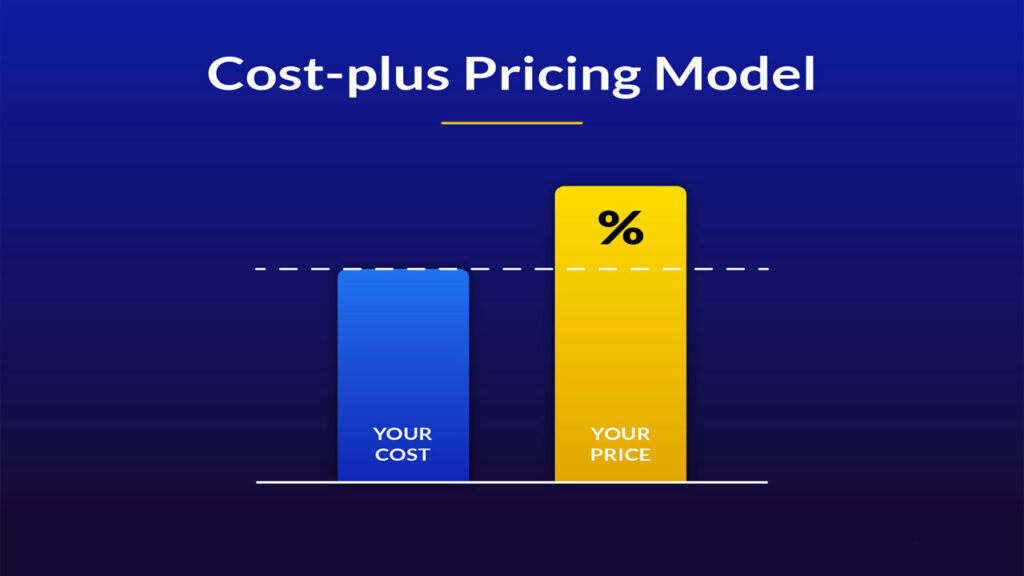
The third definition of FCP is Full Cost Pricing, which involves understanding all the costs incurred in advertising. This practice enables businesses to charge enough to cover total costs and generate profits for sustainable growth.
Critical Principles of Full Cost Pricing:
- Emphasis on Total Costs: Full Cost Pricing accounts for direct costs (e.g., media placements) and indirect costs (e.g., creative development, project management).
- Understanding the complete cost structure ensures campaigns are priced with profit margins in mind.
- Cost-Activity Relationship: Identifying the cost relationship between different advertising activities helps optimise resources and budgeting.
- Allows businesses to pinpoint cost-intensive areas that can be optimised for cost-efficiency.
- Profit-Based Pricing Strategies: With a clear understanding of costs, businesses can develop pricing strategies that maximise profitability without sacrificing campaign quality.
- Ensures long-term financial sustainability and better marketing practices.
Advantages of Full Cost Pricing:
- Adequate Budgeting: Helps organisations use resources more effectively, optimising budgets for a higher ROI.
- Higher Profit Margins: With full-cost knowledge, businesses can price their offerings to cover expenses and generate profits.
- Data-Driven Decision Making: Full cost pricing facilitates strategic budgeting, aligning financial goals with marketing decisions.
Final Thoughts
In conclusion, FCP offers three unique interpretations—full—cycle Performance, Full Composition Picture, and Full Cost Pricing—each providing valuable insights for optimizing advertising strategies. Applying these principles can lead to improved performance, increased customer satisfaction, and sustainable business growth.
- Full-cycle performance helps businesses analyse and improve each phase of the advertising cycle.
- Complete Composition Picture ensures coherent storytelling and visual consistency across all platforms.
- Full Cost Pricing provides a deeper understanding of campaign costs, enabling better budgeting and profitability.
Now that you understand the impact of FCP, you can begin transforming your advertising campaigns into more effective and impactful endeavours. Take the first step today and unlock your business’s full potential with FCP!
]]>Importance and Relevance:
Global digital advertising spending tiptops the mark of trillions of dollars, so marketers should focus on how the landscape works before embarking on digital advertising strategies. Being a small business or working with one of the big firms, internet advertising is central to ensuring that your message emerges from the cacophony of the market space. In a period when customers were already used to shopping digitally, if you can engage your audience in a targeted way, your brand can be made or broken.
What You Can Expect to Learn
In this paper, we will deploy many points about internet advertising that will walk you through its concept, significance, types, and best ways of implementation. The review will consider the role of digital marketing techniques/tools in brand success. Finally, through this analysis, you will acquire a comprehensive knowledge of internet advertising, the methods used to make an advertisement effective, and the key performance indicators marketers use.
Key Concepts and Frameworks
Throughout the post, we will introduce “directing concepts” that are usually the footnotes of internet ad promotion, such as:
- Focus on targeting and segmentation: Tracking buyers’ movements and defining the types of purchases.
- Make-Turn-On-Point Pay-Per-Click (PPC) Advertising: The explanation of the bidding and the matched phrases and their relation to clicks and sales.
- Search Engine Optimization (SEO): The synergism of SEO and business to achieve exposure through advertising.
- Return on Investment (ROI): A comparison of different procedures to give air a green light to your promotion activities.
Involving yourself in these thought sets and models will help you gain knowledge that can be quickly used in your advertising campaigns, which will help in brand familiarity, customer interactions, and user moves. Help us volcano the stompy but at the same exciting realm of internet advertising.
Understanding the Fundamentals of Internet Advertising

Net advertisement, also called online or digital ads, includes various registered methods for promotion. One can access products and services at any time via the Internet. Among the primary objectives of online promotions is to find potential clientele using the instruments provided by the specific network.
Important Aspects:
- Types of Internet Advertising: There are various Internet advertising formats, including display ads, social media ads, search engine marketing (SEM), native advertising, and email marketing. Each type serves different purposes and is aimed at a particular audience.
- Statistics: According to a recent Statista report, $500 billion will be spent on internet advertising globally by 2023, and modern marketing strategies are critical.
- Frameworks: The AIDA model, also known as Attention, Interest, Desire, and Action, is one of the basics that are commonly used in internet advertising strategies to monitor people’s interests and lead them effectively.
The Role of Targeting in Internet Advertising

A significant asset of the Internet advertising industry is the ability to single out individual audiences according to different criteria, making the customers find the advertisements more relevant.
Key Considerations
- Targeting Techniques: Marketers can benefit from demographic targeting, behavioral targeting, contextual targeting, and geolocation targeting, by which they can narrow down their choices and distinguish clientele at high precision.
- Benefits: The accurate focus makes it easier to reach conversion targets; thus, the amount of advertising probably spent is smoothly set by merely choosing the most profitable ones.
- Challenges: In fact, too-advanced targeting technology and behavior analysis are what develop in people’s nightmares. Companies must consider both the privacy settings and the precision of the targeting to ensure that all parties are satisfied.
Emerging Trends in Internet Advertising

In line with the development of technology, online advertising is constantly revised and remodeled, introducing fresh techniques and strategies to interact with users.
Current Developments:
- Programmatic Advertising: Programmatic ad buying is an automated process that allows advertisers to acquire commercial time directly from the media outlet without contacting a human seller.
- Influencer Marketing: Partnering with social media influencers has become more popular as brands try to attract niche viewers.
- Sustainability and Ethical Advertising: Consumers are growing more aware of the different sustainable methods. Brands that encourage social responsibility in advertising are the most likely to make a bridge to their customers and thus give them a competitive edge while doing it.
- Implications for Businesses: The trend of businesses breaking away from traditional advertising is crucial since these companies would not be able to maximize advertising impact or strengthen brand loyalty. This means doing things differently will not only attract more customers but also position the firm as a strong force in the digital beast.
Conclusion
In the current era of digital media, internet advertising is the key factor in the effectiveness of marketing tactics. Its importance cannot be emphasized enough because increasing visibility and reaching new levels fosters engagement and leads to conversions. On the part of businesses, through the comprehension and application of the ever-advancing sides of internet advertising, they can quickly and comprehensively be in charge and strongly associated with the target audience, build the brand, and get empirical evidence of the results. The main components of Internet advertising are such as:
- Targeted Advertising: Presenting ads to specific groups and areas to increase their fascination and engagement.
- Cost-Effectiveness: Providing more budget plan options and bringing companies of all sizes in creates a win-win situation for all players.
- Diverse Formats: Bringing out various ad looks like display advertising, social media posts, video advertising, and many others, thus contributing to brand creative message conveyance.
- Real-Time Analytics: Making these analysis reports gives us insights into the performances of these metrics. Hence, marketers can tweak strategies and maximize the ROI.
- Mobile Optimization: Ads are available on mobile devices and take the most advantage of users accessing the Internet through mobile devices. Internet advertising is a must for a company competing online and wants to be successful. By employing its elements properly, brands can accomplish their marketing objectives and ensure sustainable development.
- I will begin by developing marketing strategies in more general terms. Since the main aim is to attract customers to your brand, methods like entertainment, branding, or storytelling, institutional advertising can be considered a highly efficient technique not only as a sales approach but also as a social objective, such as caring for the environment.
- Marketing on the Internet is the wave of the future, and small business owners should see this as an opportunity to reach new geographical markets, attract new customers, and expose their products to global audiences. The increasing competition worldwide and the race for the company’s success are put in front of companies; people, especially the founders, are too used to being focused on the job.
- A company may compete using advertising only, but if something needs to be fixed with the quality of the products or the services, even the most attractive advertisement may fail to deliver the expected results.
- Institutional ads belong to a category of marketing communication tools that primarily aim to build a corporation’s brand reputation. Further, advertisers and companies that produce various products and provide services should first consider people’s needs; otherwise, there is an excellent chance that product integrity will be recovered due to the consumers needing to be more satisfied with the product meeting their personal needs. Let’s say you want to purchase a gadget for your 12-year-old son as a birthday present.
The Main Theme
In the underlying institutional marketing notion, organizations have become the major players, setting the market’s route. The purpose of this article is to explain the exact steps that companies take to achieve their goals regarding branding, for instance, processing the set requirements of the customers. Customer perception is one of the significant drawbacks, but look at it from this end: what success can marketing alone achieve if the service or the product is of poor quality? A company with a good image is. A set of institutional advertisements is a set of instruments that play the most crucial role in establishing a company’s brand. In addition, firms and organizations producing various generic goods and services must first consider the population’s needs. Otherwise, the product may be of low quality, and the customers may show discontentment as it contradicts their personal needs. Now let’s assume you want to buy a monoplane for your son, who is 12 years old, as his birthday gift.
What You Will Learn
Through the discussion of all of the subtleties of institutional advertising,
- Definition and Purpose: Explain the concept of institutional advertising and present a company’s marketing strategy, both of which are fundamental.
- Key Benefits: Getting to know the various ways through which institutional advertising contributes to the success of a company, such as brand loyalty, trust-building, and corporate social responsibility.
- Strategic Frameworks: Theoretical and practical frameworks examined in the study of effective institutional advertising campaigns.
- Examples and Best Practices: Staying benefited from the practical illustrations of some actual institutional advertising initiatives and the recognition of the best-promoting solutions.
Key Concepts and Framework
- Moreover, this post will introduce basic concepts, such as corporate branding, public relations strategies, and audience engagement techniques.
- The plans that concentrate on message design, target audience analysis, and campaign evaluation will be beneficial. They will help me to understand institutional advertising practically. In a nutshell, I believe that this discussion on institutional advertising will be of immense benefit to you, be it you are a marketer, businessperson, or someone who is not deeply engrossed in the advertising industry, will provide you with an excellent platform to venture the fascinating area of brand and corporate communication.
Understanding Institutional Advertising: An Overview

Strategic institutional advertising function is advertising for a specific company or fund instead of offering its product or services. This communication targets influencing public perception, and thus, it is necessary for the company to have a transparent and good relationship with its audience, including clients, supporters, and the local community. Advertising has to be informative and image-invoking to create a strong bond with the audience.
The Purpose of Institutional Advertising
The primary function of institutional advertising is communicating a company’s identity and how it is seen in the marketplace.
Subpoints:
- Brand Building: Institutional advertising builds brand appeal and sets a brand apart from its competition. For instance, since companies like Coca-Cola and Microsoft spend a lot of money on institutional advertising to build a consumer’s mind to a positive image more than just a product, they appear more attractive to the public than other companies.
- Public Relations: Based on the 2021 report by the Public Relations Society of America, successful institutional advertising companies can get as much as a 30% increase in customer trust. So, advertising, like this, is a transition not just to commodities but to one bridge, and here, the other issue of a company’s relationship with society is somehow addressed.
- Theory of Corporate Social Responsibility (CSR): Different companies use institutional advertising in their CSR strategy. By emphasizing their role in society and ethics in the community through events and philanthropy-based programs, organizations are able to win the hearts of people in their societies and, therefore, the approval to continue their activities in the community.
Challenges and Benefits of Institutional Advertising
Even though institutional advertising is an effective tool with many advantages, it also includes several issues and considerations that companies must manage with great caution.
Subpoints:
- Perception vs. Reality: One of the top challenges is maintaining the public’s perception. If the messages do not represent the company’s actions, it will likely cause an adverse reaction from the consumers and society. For example, a company campaigning about the environment while carrying out illegal mining will disillusion consumers.
- Effectiveness Measurement: Determining the success of institutional advertising can be challenging. Such an approach is quite popular, but there are cases when it doesn’t directly give financial benefits.
- Strategic Implementation: Organizations must make a strategic plan before advertising at the institute. This not only means they need to determine the target audiences, but they should also choose the proper media channels. The essence of generating original stories that resonate with your audience is that they may result in authentic engagement.
Emerging Trends in Institutional Advertising

While the marketing environment is changing, institutional advertising always stays up-to-date in its use of current technologies and new trends, which enhances its overall productivity.
Subpoints:
- Digital Transformation: The development of digital and social platforms has opened up new ways for brands to engage with their audience dynamically. eMarketer forecasts that digital advertising spending will reach US$500 billion globally in 2023, which shows that digital media is one of the most important channels in institutional campaigns.
- Focus on Authenticity: The modern customer is highly aware of the truth. The companies that are more successful in institutional advertising these days adopt an open and honest approach. The most successful productions are those where the participants tell real stories from their lives, whether it is the staff or the community members, and in so doing, build trust.
- Increased Tailoring of Messages: Data analysis is used to target customers more specifically based on their behavior and preferences. By gaining access to such a wide range of cutting-edge data methods, companies can compose communication that will allow them to gain better insight into their target markets.
In brief, an organization’s advertising is indeed a significant factor in its image development, and it also strengthens brand loyalty and consumer trust. By understanding the objective of this advertising technique, its challenges, and its future, companies can manufacture advertising techniques that are more effective today in the complexity of the market’s tough landscape.
Importance of Institutional Advertising
In short, institutional advertising is a distinct thought-out strategy that places, other than traditional ones, at the forefront of the mission and the public’s minds. This type of advertising yells out the word of the most essential values, mission statements, and corporate social responsibility, promoting a much stronger bond between a company and the public. In the hustle and bustle of businesses dealing with the pressure of higher competition and the rising sensitivity of the industry, institutional advertising is the key generator of communication and brand positioning. The Rationale and the Importance of:
- Brand Formation: Institutional advertising helps to create and improve a company’s reputation, making it different from its competitors.
- Engagement of Stakeholders: It interacts with varied stakeholders, such as employees, investors, customers, etc., forming trust and loyalty among them.
- Community Development: To the fore of the brand, CSR not only wins a town’s hearts by showing its utility and moral issues but also empowers society through its employment creation.
- Brand Growth: While a product merely illustrates an advertisement in a product-focused advertisement, institutional advertising is a continual strategy mainly aimed at establishing brand equity.
- Crisis Management: This type of advertising demonstrates that communication and the value of brands and companies in hard times have a positive impact on their image.
Advertising is generally a prerequisite for the more advanced levels of a business. This is because they do not think just about themselves but instead influence social perception and consumer loyalty.
]]>Advertising: Definition and Fundamental Concepts
- Advertising is a strategic communication process to promote products, services, or ideas to a specific audience.
- It combines various methods, from traditional media, including print and television, to digital channels, such as social media and search engines.
- Advertising is not only meant to inform customers about product specifications; its primary function is to encourage them to buy the product or contact the company.
The Role of Advertising in Modern Business
Advertising has many vital roles in the corporate world. First, it is a leading marketing technique for creating a brand that people recognize so that those who can show a product and get a feeling of simulation would buy it. For example, companies like Coca-Cola and Apple rely on advertising to maintain world recognition and customer patronage.
- Statistics & Insights: As per Statist, global advertising expenditures were estimated to be more than $700 billion in 2021, representing the high valuation that businesses give to advertising in their overall marketing strategies.
- Frameworks/Methodologies: One of the most well-known models is the AIDA model (Attention, Interest, Desire, Action), which describes a series of steps a buyer takes before buying a good. By being conversant with the model, advertisers can develop focused messages that are relevant at every stage.
Types of Advertising and Their Applications
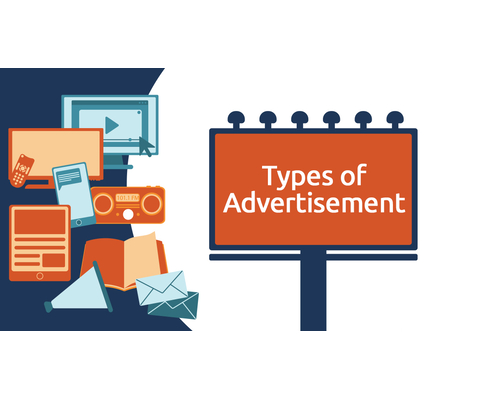
Advertising can take different forms and be designed to meet specific goals and target different groups of people. Traditional marketing encompasses print ads, TV commercials, and billboards, while digital marketing includes social media ads, search engine marketing, and email marketing campaigns.
- Real-World Applications: A good case is Nike, which employs digital advertising in conjunction with the influencers known on Instagram and TikTok to grab the younger generation’s attention. This illustrates how brands are adapting to digital trends.
- Challenges and Benefits: Advertising, on the one hand, is the best way to enhance a company’s visibility and revenue. Nonetheless, marketers have to be cautious because people could become tired of seeing the same ads all the time and might also be skeptical consumers. Advertisers primarily concentrate on personalization and targeted advertisements that use data analytics to ensure their effectiveness with consumers and minimize disturbances.
- Practical Strategies: To facilitate the creation of advertising, companies have to clear up the messages they want to send and pick the right mediums that best speak to their target groups. Another trick to using A/B testing that can dramatically improve ad performance is advertisers doing it to see which messages or formats work best.
Emerging Trends in Advertising

The advertising industry is developing mainly influenced by different trends that shape its future. One significant trend is the establishment of data-driven advertising, where companies use customer data in a very focused and tailored way to create ads.
- Insights and Trends: TikTok, a new platform, has introduced companies to video content, which is more interesting than a traditional picklist environment but needs user participation. In fact, the power of machine learning and AI can make real-time decisions and optimize complex targeting for any programmatic and automatic media buying, which is the most recent development in advertising space technology.
- Implications for the Industry: These shifts indicate that advertisers will have to be able to learn and evolve through listening to the clients and analyzing the market. On the other hand, companies that need to catch up on these issues may be refrained from the marketplace. For a business that aims to maximize the use of advertising, grasping its multiple characteristics is the first point. By reading the trendsetters and invigorating plans, firms can increase their visibility in all marketing channels, engage their audience, and push their businesses to grow.
Conclusion
Through the course of the conclusion, it is gradually mentioned that with the high pace of competition in the current marketplace, advertisers must become proficient in advertising. In the same way, they have to interact with their target audience closely. Advertising supplies the condition where creative ideas go hand in hand with strategy; this eventually drives how consumers react and allows brands to develop customer loyalty. By examining different aspects of advertising, such as types, business models, and psychological impacts, companies can develop creative campaigns that successfully meet customers and realize quantifiable outcomes.
Key Takeaways:
- Definition and Role: Advertising promotes products or services to sway a consumer’s perception and behavior.
- Components: It encompasses systematic planning, creative provision, messaging, and the proper media channels.
- Types of Advertising: Whether digital or traditional, all the types have their strength and are personalized for different audience segments.
- Targeting and Segmentation: Good commercial communication should include a clear understanding of the selected target group and then aim at catching the right people’s attention by just with the people who are being targeted to ensure their active participation.
- Impact on Consumer Behavior: Advertising influences customer choices and brand image, and thus, thinking about wording is very important.
- Cultural Relevance: Catchy advertising linked to the latest fashion fads and propriety values touches customers more personally. For businesses to integrate dynamic and fast-paced operations in the global marketplace, the essentials of advertising should be clear to them—business speak.
Main Theme
This article will look at the critical aspects of commercial advertising, its purpose, and the various media that can be used to achieve this. There have always been changes in advertising. An example of such change is the transformation of advertising from traditional methods like TV and print to contemporary platforms that provide social media and search engines. Presently, marketers have to wade through a difficult labyrinth to get their audience’s attention successfully.
What to Expect
By the end of the post, you will have a thorough understanding of commercial advertising, including perceptions regarding its strategic necessity for businesses. You can look forward to The Objectives of Commercial Advertising, which will explore the reasons behind businesses investing in advertising—whether it is to create a brand, generate sales, or build customer loyalty.
Key Components
When discussing this topic, it is necessary to introduce viewers to how advertisements can be well combined with several different factors, such as advertisement messages, design, and audience groups. We should not forget to explain the technique of advertisement using every element.
- Advertising Frameworks: We will define the basic components advertisers utilize in making and evaluating strategic advertising because AIDA (Attention, Interest, Desire, Action) and the 4 Ps (Product, Price, Place, Promotion) are the most popular frameworks.
- Emerging Trends: The key trends defining marketers’ success in commercial advertising, personalization, influencer marketing, and the importance of sustainability in branding are the areas of attention. Understanding commercial advertising is about more than just understanding the basic concepts. It also includes critical thinking regarding its continuous evolution and important positions in a marketing strategy. Whether you are a business owner…, a marketing professional, or a curious consumer, this post will be the perfect tool to benefit from this closely-knit world of business advertising.
Understanding Commercial Advertising: Definition and Purpose

Commercial advertising is a strategic communication process in which information about a particular product or service is sent through different media platforms to the target audience. The main purpose is to convince the public to take a specific action and purchase the purchase em.
Subpoints:
- Commercial advertising comprises multiple formats, including print ads, television commercials, online ads, and social media promotions. Each type has its benefits and appeals to particular sections of the consumers. Therefore, choosing the most suitable one decides the success of any business promotion.
- Case studies are powerful tools like Nike’s “Just Do It” campaign, demonstrating that the right message can affect people’s behavior and form strong brand loyalty. This slogan, a big favorite with people from different backgrounds, tells them to do their best to reach their fitness goals.
- As reported by Statista, the advertising spending that companies worldwide made on digital media in 2021 amazed us with $465 billion, and it inevitably became obvious that today, marketing is a digital career that completely depends on digital platforms for its promotion. This change is happening through the new habits of the consumer market; younger people are using online media more and more.
- Many advertising models, such as the AIDA model (Attention, Interest, Desire, Action), underline customers’ stages in response to the brand communication process, thereby setting up a framework for effective marketing campaigns via advertising.
Key Strategies in Commercial Advertising
One creative way companies improve their advertising is by adopting strategies that, among other things, help boost their brand awareness and customer engagement.
Subpoints:
- On the other hand, creating advertisements that evoke emotions can be beneficial. Based on the example of the Coca-Cola company, which made such a charismatic personification of the marketing concept, it was well noticed that the brand had a strong connection with its consumers because of the individualized bottles ETGNA!
- Under the influence of so-called ad fatigue, customers can reach a state where the abundance of advertising irritates them and leads to lower effectiveness. Thus, given the changing consumer profile, brands are regularly challenged to develop innovative and fresh marketing strategies to keep the interest of consumers alive through storytelling and interactive content.
- Digital commercial advertisements are digital spaces that serve as a platform for real-time performance tracking and precise targeting options. For example, with Google Ads, marketers can get to know their existing and potential customers with the data collected, and then they can make adjustments accordingly.
- Companies that want to give concrete tips to their employees can use social media influencers to promote authentic advertising. Influencer marketing could be an effective way of branding if the influencer and the brand share similar values. Therefore, the brand can reach out and interact with the targeted audience articles disliked by Brandsoup & influencers, increasing the campaign’s reach.
The Future of Commercial Advertising
The change of commercial advertising is determined by technological improvements, which you, as a brand, must be aware of in order to remain relevant.
Subpoints:
- AI and machine learning are, without a doubt, the greatest advertising game-changers in modern technology. For instance, advertisers use forecasting and propensity models to devise the best strategies for campaign ads that will reach their target audience even before the campaign starts.
- The main trend is moving from sustainable growth to corporate social responsibility. Thus, the emergent one is the emphasis on corporate social responsibility (CSR). At the same time, sustainable brands can connect with people of similar beliefs because they align their green credentials with their marketing. That way, they can attract ethical buyers and nurture their sense of eco-responsibility.
- Among the new technologies, technology imaging of images called virtual reality and augmented reality are now in wide use, making the business interesting. Instead of merely providing information, companies have started experimenting with interactive ads that allow consumers to try a product before purchasing it. They have noted positive customer responses to these actions.
- Companies should clearly understand the implications: it’s the only way to be the best in marketing and invest in innovative technologies to make advertising campaigns work. By adopting these new methodologies, companies will not only improve their marketing results. Still, they will also create a loyal fan base that will take much work to woo in a highly competitive environment.
Conclusion: The Significance of Commercial Advertising
Commercial advertising is the backbone of the modern economy since it brings businesses together with potential consumers. It is not only the way of presenting products and services but also the way of forming a brand image and encouraging consumers to behave as the brand wants. Breaking down the marketing process into its constituent components, e.g., strategy, creativity, media selection, and analytics, is how the business can adjust its digital marketing tactics to become the best company in its industry.
While we navigate this ever-changing advertising sector, businesses have to be flexible and stay on top of the trends and technologies that can help them expand their target market. Commercial advertising’s place in the marketing mix remains significant because it drives sales and customer identification relationships, which lead to brands and economies surging.
Key Takeaways:
- Consumer Focus: Commercial advertising is a key driver in the brand-customer relationship.
- Brand Visibility: It plays a crucial role in brand building by creating strong connections with the audience and lifting the brand, thus making the customers’ experience pretty simple by enabling them to select a particular product or service.
- Market Growth: Good adverts planned well can help the business grow significantly, in addition to the previously mentioned market growth.
- Strategic Planning: A careful arrangement of marketing resources through constructing an advertising scheme with the highest distribution and real-time data flexibility could ensure companies achieve the most from their invested money.
- Adaptability: Master how digital marketing works and make it your priority to be informed in this area.
To ensure the development of Advertising Commercials and their elements, besides improving marketing, companies will attain long-term goals in their markets only if this new product is endorsed long enough and the intended users are made aware of it through marketing.
]]>
To Understand the Elements of Advertising
In this digital-first world where everything is fast-paced, advertising has become the best tool businesses—large or small—need to hook onto their target audience. In this world where much is distracting, in this marketplace where many brand names are battling for attention, these elements have perhaps never been more crucial. After all, effective advertising promotes a product or service, but it also has to be there to establish a brand identity and customer loyalty. What are some of these essential elements that carry the day for the
Key Components of Advertising
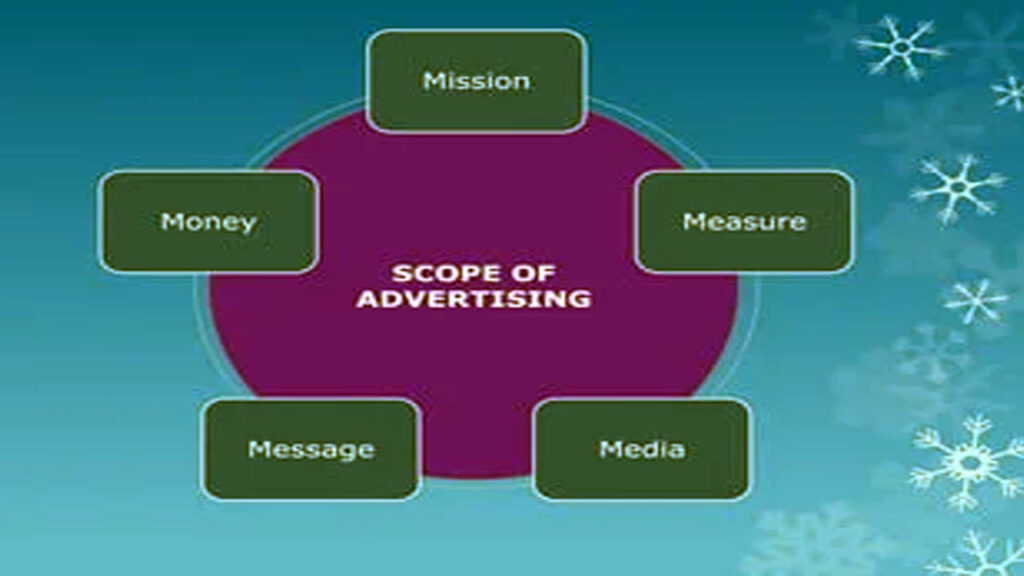
- Message: The advertisement should be exciting and, more importantly, directed toward fulfilling consumer wants or needs. A good, creative message forms the heart of the campaign because it will be the foundation of the whole process. Whether it’s extolling the unique virtues of the product or those of the brand itself, the message must reach your target customers and compel them to take action.
- Media: Choosing the most suitable medium is critical for effective access to the target market. With the existence of such numerous media, there is ample choice, from traditional media like broadcast television, radio, and print to digital media, social media, and search engines. Whatever the preferences of the target market and whatever the goals of the campaign are, the right media will depend on them. Taking a channel-optimized mix increases both reach and engagement.
- Planning: Timelines play a significant role in the success of an advertisement campaign. There is always a time for the audience to accept the message. Seasonal trends and events may also affect the performance of ads. For instance, the promotion of some products may run well during the holiday season due to the high interest of the consumers in those products.
- Audience Targeting: Advertising must target the correct people or target market. The advertiser requires demographic factors like age, gender, income level, and psychographics such as interests and lifestyle. Advertisers can message and choose media better suited for effective customer connections through audience segmentation and the development of detailed customer personas.
Knowing the Basic Components of Advertising: A Step-by-Step Analysis
- Message
- Core Message: The advertising message needs to be relevant, attention-grabbing, and communicating.
- Consumer Needs: A good ad message should speak directly to consumer needs, pains, or desires.
- Consistency: Consistency of the message across mediums ensures that the brand identity is consistently communicated.
- Emotional Appeal: Messages that are emotional—happiness, fear, excitement—often have a better impact and are more remembered.
- Medium

- Digital Channels: Websites, social media, email marketing, and other digital ads are significant in helping reach tech-savvy consumers.
- Traditional Media: Of course, print, television, and radio remain relevant for specific cohorts and add credibility to a campaign.
- Social Media Platforms: Every platform has different features, and marketers have to appeal to the specific characteristics of different audiences through various aspects.
- Choice of the Right Vehicle: The choice of a vehicle for communication efforts should focus on where the audience hangs out and what type of information delivery pleases them.
- Target Market

- Demographics: Knowing age, gender, and location can help tailor the ad to specific market groups.
- Psychographics: Information about lifestyle, interests, and values provides greater insight into how you might communicate with the target audience.
- Behavioural Data: All online behaviour says online behaviour (search history, purchasing habits) to more personalised and relevant ad campaigns.
- Segmentation: Segmentation of the audiences can lead to very targeted and message-effective ones.
- Creative Execution

- Visuals and Graphics: Catchy visuals can do much more to beautify an advertisement.
- Tone and Style: The tone should be matched with the personality that your brand owns and will stick out to the audience you have targeted.
- Storytelling: Story-telling messages elicit more richness in engagement than non-story-telling ones and are easier to consume, even with the most brutal messages.
- Creative Design: Unique creative designs give freshness to the advertisement in a very congested marketplace.
- Call-to-Action (CTA)

- Clarity: A clear CTA should not leave any scope for confusion over which action is expected as a result of exposure (e.g., “Buy Now,” “Sign Up Today”).
- Urgency: A call-to-action that creates urgency prompts faster action (e.g., “Limited Offer,” “Hurry, Don’t Miss Out!”).
- Visibility: The call to action should be evident and apparent in the ad.
- Relevance: This should align with the overall theme and campaign objective.
- Timing and Frequency

- Best Time: Timing is crucial to a campaign. Considering seasonality, holidays, and consumer behaviour will help in proper planning.
- Frequency: Repetition will strengthen a message, but too much of it may cause ad saturation.
- Seasonal Relevance: You need ads related to current events or something seasonal, which makes them more relevant and engaging.
- Ad Scheduling: Google Ads or Facebook Ads Manager can also determine when to present ads to a particular audience.
- Budget Allocation

- Channel-Specific Budgets: Allocate budget to different channels based on the ROI of every channel.
- Testing and Optimization: Test different ad formats and messages with a smaller budget to better leverage the company while scaling up.
- Monitoring Performance: Monitor which ads perform well and adjust the budget accordingly.
- ROI: Any dollar invested should yield overall benefits for the campaign, whether brand or direct activity.
- Consumer Engagement

- Interactive Ads: Quizzes, polls, or AR experiences can get increased recall and participation.
- Personalisation: Using the customers’ names and previous conversations with customer service makes the ad more effective.
- Mechanism of Feedback: The freedom to let customers comment or give feedback on a link can eventually result in maintaining healthier connections with them.
- Social Media Interaction: Social media ads that ask questions or simply request an opinion could generally relate better to people.
- Emerging Trends

- AI and Automation: It is possible to create technology-enabled quick-and-dirty ads using AI.
- Sustainability and Social Responsibility: Consumers have become accustomed to deciding which brands can display corporate responsibility.
- Interactive Content: This includes content related to augmented reality (AR), virtual reality (VR), and, finally, the ‘buy-now’ posts.
- Short-Form Video: TikTok and Instagram Reels demonstrate consumers are more interested in short-form, engaging video content.
- Tracking and Optimizing Performance

- KPIs (Key Performance Indicators): Identify the key performance indicators, such as click-through rate, impressions, and conversions.
- A/B Testing: Having different versions of ads to see what works and what does not.
- Real-Time Analytics: Using tools like Google Analytics and social media insights to see how things are doing and adjust based on those insights leads to sustainable success.
Final Words: Mastery of the Elements of Advertising
Understanding the core elements of what this post speaks to, a successful ad campaign is built upon. Using the right message, suitable medium, and creative engagement with the target audience enables brands to gain more visibility, build lasting relationships with their customers, and tell a story. Selling is just part of it, for creating a relationship pays long after one ad campaign is over.
- Build into the Appropriate Message: A message should be clear and relevant to meeting consumer needs or desires.
- Use an Appropriate Medium: Choose among digital, print, broadcast, or social media to reach your audience.
- Use Creativity in Engaging with the Audience: Design and story narratives highly enhance the strength of your advertisement.
- Build Relationship Storytelling: Focus on relationship storytelling, allowing loyalty and advocacy among your audience.
Mastering these pieces will enable businesses to shift their advertising efforts into gear. Advertising is a powerful means of driving growth, enhancing brand perception through better positioning and improving the long-term outcomes that result from advertising.
Keep in mind the principles discussed when embarking on an advertising journey so that the campaigns are attention-grabbing, loyalty—and advocacy-producing, and endearingly close and appreciable.
]]>Ready to talk with a marketing expert?

A Pragmatic and innovative way to enthrall your target group is just a click away!
Get in Touch
Rukmini Knowledge Park, Kattigenahalli, SH 104, Srinivasa Nagar, Bengaluru, Karnataka 560064
+91-990 247 8800
contact@gingermediagroup.com
Popular in Television Advertising
Udaya TV AdvertisingSun TV AdvertisingStar Plus AdvertisingTV 9 AdvertisingZee TV AdvertisingNDTV India AdvertisingColors TV AdvertisingPopular in Airport Advertising
Spice Jet AdvertisingMumbai Airport AdvertisingDelhi Airport AdvertisingEmirites AdvertisingIndiGo Airlines Domestic India AdvertisingPopular in Newspaper Advertising
Deccan Herald AdvertisingPrajavani AdvertisingThe Hindu AdvertisingEconomic Times AdvertisingDainik Jagran AdvertisingHindustan Times AdvertisingPopular in Magazine Advertising
Forbes AdvertisingCosmopolitan AdvertisingBusiness World AdvertisingVogue Magazine AdvertisingPopular in Sports Advertising
IPL AdvertisingPopular in Outdoor Advertising
Billboard AdvertisingBus Shelter AdvertisingMetro Pillar AdvertisingUnipole Advertising© Ginger Media Group 2025. All Rights Reserved.