The need to understand professional advertising arises from the ever-evolving landscape of consumer behaviour and technological advancements. As consumers become more discerning, businesses must adopt a strategic approach that leverages data analytics, audience segmentation, and creative storytelling to connect with potential customers. Implementing professional advertising allows companies to enhance brand awareness, generate leads, and foster customer loyalty.
Moreover, a professional advertising approach ensures consistency across various channels, reinforcing the brand message and improving overall recognition. By investing in high-quality advertising initiatives, businesses can differentiate themselves from competitors and establish credibility in their industry.
In conclusion, understanding and implementing professional advertising is not just beneficial—it’s essential for any business aiming to thrive in a dynamic marketplace. It is an investment that can lead to increased visibility, customer engagement, and business growth.
Overview of Professional Advertising
Professional Advertising refers to marketing strategies and promotional efforts designed to reach professionals in various industries. This includes targeted campaigns aimed at doctors, lawyers, engineers, and specialists who often make purchasing decisions based on specific expertise and knowledge. Professional advertising can take many forms, including trade publications, industry conferences, and online platforms tailored to professionals.
Importance of Knowing Professional Advertising
Understanding professional advertising is crucial for businesses that engage with niche markets effectively. Here are a few key reasons why knowledge of this term is impactful:
- Targeted Outreach: By recognising the nuances of professional advertising, companies can tailor their messages to resonate with their audience’s unique needs and preferences. This targeted approach increases the likelihood of conversion.
- Building Credibility: Effective professional advertising helps establish a brand’s credibility and thought leadership in its sector. By presenting information that addresses professionals’ specific challenges and interests, businesses can position themselves as trusted resources.
- Strategic Decision-Making: Knowing the implications of professional advertising allows organisations to make informed marketing decisions. Companies can allocate resources effectively by analysing industry trends and audience behaviours and creating campaigns that drive results.
- Enhanced ROI: Businesses that understand professional advertising techniques can create more efficient marketing strategies that deliver higher returns on investment. This is particularly relevant in competitive sectors where every dollar spent needs to be justified.
Professional Advertising: Definition, Purpose, Function, and Application
Definition
Professional advertising is the strategic use of promotional content to persuade a specific audience to utilise professional services. Unlike general advertising, which can target broader consumer demographics, professional advertising focuses on highly specialised fields such as medical, legal, financial, engineering, and other professional services. The advertising can take various forms, including digital marketing, print media, social media campaigns, and direct outreach, all geared toward enhancing the visibility and reputation of a professional service provider.
Purpose
Professional advertising primarily aims to communicate the value of a particular service or professional expertise to potential clients. Some key objectives include:
- Brand Awareness: To establish and increase brand recognition among target audiences.
- Lead Generation: To attract potential clients seeking specific professional services.
- Reputation Building: To enhance credibility and trust in the services offered, especially important in fields where clients rely on expertise.
- Encouraging Action: Prompt potential clients to make decisions, such as booking a consultation or availing themselves of the services.
- Market Differentiation: To highlight unique selling propositions (USPs) that differentiate a professional from competitors.
Function
Professional advertising functions through well-crafted strategies that align with business goals. Key functions include:
- Market Research: Understanding the target audience’s needs, preferences, and pain points effectively to tailor the advertising message.
- Message Development: Crafting compelling messages and narratives that resonate with the audience, emphasising outcomes and benefits.
- Multi-Channel Approach: Utilizing various platforms and media (like websites, social media, newsletters, and seminars) to reach professionals and clients effectively.
- Performance Analysis: Monitoring and evaluating the effectiveness of advertising campaigns through metrics such as engagement rates, conversion rates, and return on investment (ROI).
Application in Real-World Scenarios
Here are several examples showcasing the application of professional advertising in different industries:
- Healthcare Advertising
Scenario: A dental clinic wants to attract new patients.
Application: The clinic runs targeted social media campaigns showcasing patient testimonials, before-and-after photos, and special check-up promotions. It also uses search engine marketing (SEM) to appear in search results when potential patients look for dental services in its area. - Legal Services
Scenario: A law firm specialising in personal injury cases.
Application: The law firm invests in content marketing by publishing articles and case studies that educate potential clients about their rights. It also engages in community seminars where it offers free legal advice, advertising its services and expertise in the process. - Financial Consulting
Scenario: A financial advisor looking to reach high-net-worth individuals.
Application: The advisor uses targeted email marketing to share insightful financial tips, market updates, and invitations to exclusive seminars. Additionally, they leverage LinkedIn for networking and sharing expert insights, establishing themselves as a thought leader in the financial services sector. - Engineering Services
Scenario: An engineering consulting firm aiming to secure bids for large construction projects.
Application: The firm positions itself through professional presentations, industry publications, and attending relevant trade shows. It uses case studies to demonstrate past projects, emphasizing innovation and successful outcomes for prospective clients.
The Importance of Understanding Professional Advertising for Business Success
In today’s highly competitive business landscape, understanding professional advertising is crucial for organisations aiming to thrive and maintain their market presence. Effective advertising strategies can significantly impact brand awareness, customer engagement, and profitability. Here’s why mastering professional advertising is essential for any business:
- Building Brand Identity
Professional advertising helps businesses create a distinct brand identity that resonates with their target audience. By effectively communicating the brand’s values, mission, and unique selling propositions, companies can differentiate themselves from competitors and develop a strong emotional connection with consumers. A well-defined brand identity fosters trust and loyalty, vital for long-term success. - Expanding Reach and Exposure
In an era of abundant information, standing out is imperative. Understanding professional advertising allows businesses to craft campaigns that increase their visibility across various platforms, including social media, print, and digital channels. By utilising strategic advertising techniques, companies can reach a broader audience, engaging potential customers who may need to become more familiar with their products or services.
Final Thoughts
Professional advertising is integral to promoting specialised services and connecting businesses with a discerning clientele. It allows companies to thrive and achieve long-term success through strategic planning, understanding market trends, and creating compelling narratives. The examples and insights provided demonstrate that effective advertising is not just a tool but a powerful driver of brand recognition, customer engagement, and business growth.
]]>- Definition: Media vehicles are specific channels through which advertising messages are delivered.
- Diversity: Different media vehicles, such as television, radio, print, and social media, cater to varied demographics.
- Targeting: Choosing the right media vehicle ensures the intended audience receives the message.
- Cost-Effectiveness: Selecting appropriate media can optimize advertising budgets and enhance return on investment.
- Performance Measurement: Understanding media vehicles helps assess marketing strategies’ effectiveness.
Overview of Media Vehicle
A media vehicle refers to a specific channel or platform from which the advertising message is delivered to the audience. Examples of media vehicles include:
- Television shows
- Radio stations
- Newspapers
- Magazines
- Websites
- Social media platforms
The audience demographics and reach for each of these media vehicles differ, so selecting the right car is essential for advertisers to convey their intended message effectively.
Importance of Knowing Media Vehicles
Understanding media vehicles is essential for marketers and strategic decision-makers. Key areas of importance include:
- Target Audience Reach: Different media vehicles reach different audiences. Knowing which vehicles resonate with specific demographics enables brands to tailor their advertising efforts more effectively.
- Cost-Effectiveness: Choosing a suitable medium helps optimize budget spending. A well-chosen media vehicle can maximize reach with less expenditure, improving ROI.
- Message Compatibility: Each media vehicle has unique characteristics that affect how people perceive a message. Ensuring message compatibility with the chosen vehicle maximizes its effectiveness.
- Performance Measurement: Evaluating media-vehicle performance allows marketers to measure engagement rates, conversions, and other metrics, directly influencing future strategies.
- Strategic Decision Making: Staying informed about changes in media vehicles helps businesses make more innovative, adaptive decisions in the dynamic media space.
Understanding the Term
Media Vehicle Definition
A media vehicle is the medium or channel through which a message reaches its intended audience. Examples of media vehicles include:
- Television
- Radio
- Print (newspapers, magazines)
- Outdoor advertising
- Digital media (social media, websites, email)
Each of these media vehicles has unique characteristics, audience demographics, and levels of engagement, making it crucial for marketers to choose the right one for their objectives.
Purpose and Function
The primary purpose of a media vehicle is to act as a channel for delivering advertising messages to a target audience as effectively as possible. Key functions include:
- Audience Targeting: Different media vehicles target different population segments. For example, social media platforms like TikTok are ideal for reaching younger audiences, while older demographics may be more receptive to traditional TV or newspaper ads.
- Message Delivery: Media vehicles serve as the medium for delivering marketing messages. Advertising text, video, or audio, are adapted to fit the vehicle’s presentation.
- Brand Awareness: Repeated exposure through effective media vehicles enhances brand recognition and recall, reinforcing messages across multiple channels.
- Interactivity and Involvement: Many media vehicles, especially digital ones, allow for interaction. Brands can engage with their audience through comments, shares, or direct messages, building stronger relationships and gaining valuable feedback.
- Measurement and Analytics: Digital media vehicles offer advanced analytics, allowing businesses to track impressions, clicks, and conversions. This data helps shape future marketing strategies and define budget allocations.
Real-Life Examples of Media Vehicles

Media vehicles are applied across various industries and marketing campaigns:
- Product Launches: A new beverage brand may use TV commercials to create awareness while running social media ads targeting specific demographics. Outdoor advertising in high-traffic areas can further attract attention.
- Election Campaigns: Politicians often use a mix of television spots for broad reach, radio for local engagement, and social media to target specific voter groups.
- Event Promotion: For a music festival, organizers might use radio stations for ticket giveaways, social media for interactive promotions, and local entertainment magazines for detailed event coverage.
- Content Marketing: Brands use blogs as digital media to share valuable information. They then amplify this content through social media, email newsletters, and influencer partnerships to drive traffic to their website.
- E-commerce Promotions: Online retailers leverage media vehicles like email newsletters, social media ads, and influencer collaborations to drive website traffic and boost sales.
Importance of Understanding Media Vehicles: The Key to Success for Businesses

In today’s digitally driven marketplace, understanding media vehicles is vital for successful audience engagement. Key reasons include:
- Engagement with Target Audience: Selecting the right media vehicle ensures the message reaches the intended audience. Different demographics interact with media vehicles in unique ways. For example, younger consumers may prefer social media, while older demographics connect more with traditional media like TV or newspapers.
- Cost-Effectiveness: Knowing the most influential media vehicles helps businesses allocate their advertising budgets wisely, ensuring the highest ROI. Local businesses might find local radio ads more cost-effective, while national brands may benefit from digital strategies.
- Brand Awareness and Visibility: Strategically utilizing multiple media vehicles ensures a consistent message reaches the consumer across various touchpoints. A multi-channel approach increases brand visibility and recall.
- Market Trend Alignment: As the media landscape evolves, businesses must stay informed about emerging vehicles and their effectiveness. This adaptability allows businesses to remain competitive and take advantage of new opportunities.
- Measuring Effectiveness: Media vehicles allow businesses to measure campaign impact through metrics such as reach, engagement, and conversion rates. Analyzing this data helps refine marketing strategies for future campaigns, driving better overall performance.
Final Thoughts
Understanding media vehicles is a fundamental aspect of any successful marketing strategy. Selecting the right media vehicle ensures that messages reach the appropriate audience, maximize budget efficiency, and boost brand recognition. As the media landscape continues to evolve, businesses must stay informed and adaptable to leverage the full potential of media vehicles and ensure long-term success. By focusing on the strengths of each media channel, companies can enhance their marketing efforts and connect with their customers more effectively.
]]>Importance and Relevance
- Advertising campaign planning is indispensable for brands that desire to benefit from their marketing efforts.
- A unique marketing campaign can be the difference between catching the consumers’ eye and becoming just another advertisement in a world where numerous commercials bomb consumers daily. And it can prove critical.
- In companies, proper planning of marketing campaigns can make a difference; through this, they can increase brand awareness, customer involvement, and, eventually, sales.
- Mastering the art of campaign planning is the key to successfully navigating the complexity of different marketing channels, whether traditional media or social platforms.
- Advertising campaign planning is the best way to get invaluable practical insights and knowledge on how to go about things if you are a marketer who wants to cover more ground in the market or a business leader who is planning to stir up your audience engagement.
Understanding Advertising Campaign Planning
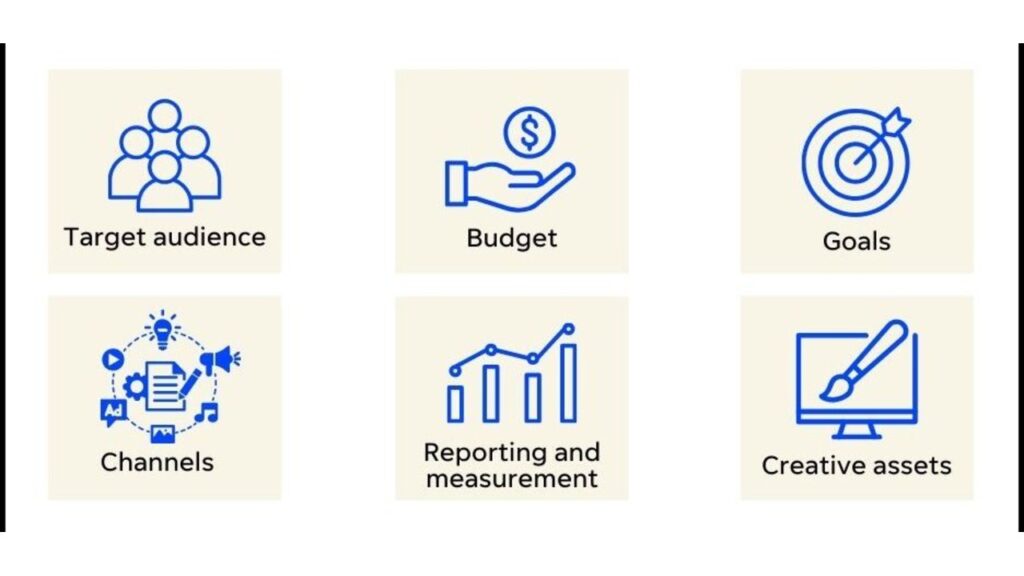
- In advertising campaign planning, a systematic method involves creating a structured approach for promoting a product, service, or brand.
- This approach is a collection of things central to its purpose, such as being adequately structured, based on data, and supporting specific marketing goals.
The Importance of Defining Campaign Objectives
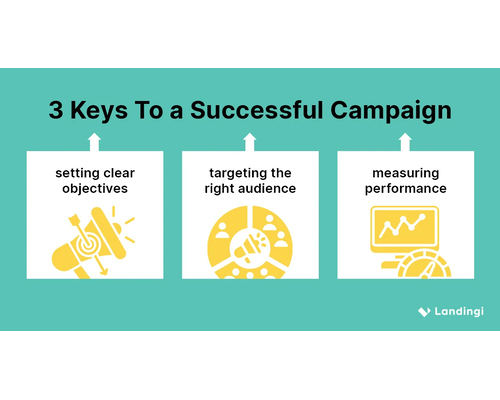
- The first, most vital, and most crucial process in advertising campaign planning is to identify clear and measurable objectives.
- This base is the one that everything else is founded on and being sure about what to do.
Specific, Measurable, Achievable, Relevant, Time-bound (SMART) Goals
- By applying the SMART structure, it is much easier to recognize the objectives of the marketing activity and thus make achieving those goals the campaign purpose.
- For example, instead of “increase sales,” a SMART goal will be “to achieve a sales growth of 20% in the subsequent quarter.” Detailed target varying facilitates keeping tabs on the process and estimating achievement at the end of the promotion.
Audience Targeting and Segmentation
- Comprehending the target audience is fundamental for a campaign to reach its objectives.
- The marketing research and data analyses reveal the demographic attributes, preferences, and behavior used for positioning or messaging.
- For example, campaigns directed at Gen Z and baby boomers will diverge immensely. It is indicated that by tailoring the campaigns to the audience’s taste, there is up to 50% more engagement.
Frameworks for Successful Campaigns
- Models such as AIDA (Attention, Interest, Desire, Action) give a shopper’s journey graphic for each stage of the campaign, thus fulfilling potential buyers’ specific needs and emotional aspects.
- Implementing a SWOT analysis (Strengths, Weaknesses, Opportunities, Threats) is another method to strengthen strategy and execution.
Crafting the Right Message and Channel Strategy
- Once the goals have been set, the following action is to create the right message and select the suitable communication channels for its delivery.
Message Development and Positioning
- To be relatable, the messaging should reflect the audience’s values and preferences.
- One good example is Nike’s and Apple’s ability to touch the hearts of their customers through their slogans and branding narrations.
- Differentiation of messages is a requirement in the marketplace as spectators; hence, you will have to give a good reason for consumers to turn to the brand instead of competitors.
Multi-Channel Approach
- Modern advertising systems are growing because of the diversity they are enforced with. Usually, a multi-channel strategy will be the best approach to achieve the desired results.
- Brands can use social media, email, television, and offline marketing methods to give customers consistent messages and remember.
- The collaboration of a social media campaign with influencer partners can not only expand the reach but also increase engagement.
Challenges and Considerations
- Every campaign entails several risks, such as budget deficiencies and limitations prescribed by particular channels.
- Effective planning implies the necessity of being adaptable, i.e., adjusting the tactics according to real-time data and customer feedback.
- Moreover, respecting the law and ethical considerations, such as data protection laws, should be the basis for maintaining the brand’s validity and trust.
Measuring Success and Making Adjustments
- The last action of the advertising campaign is measurement and analytical review, which are the most important when explaining the positive and negative messages.
Key Performance Indicators (KPIs)
- Identifying and tracking KPIs is crucial to the evaluation of the effectiveness of a campaign.
- The common ones are return on investment (ROI), click-through rates (CTR), conversion rates, and the total size of the audience that the promotional campaign reaches. By using these indicators, businesses can understand the outcomes of their advertisements.
Iterative Learning and Adjustments
- Considering the insights obtained by data, the direction of iterative learning requests brands to re-evaluate whether their choices provide more or less customer satisfaction.
- They can exploit the successes/inefficiencies in their campaign and reduce future brand electrolytes.
- A practical example of this would be knowing that the ad format led to more engagement, so to be the step to be followed, it should be significantly controlled for the wrong cases.
Emerging Trends in Advertising
- Keeрing an eye on contemporary moves in advertising, like the spreading use of artificial intelligence in data analysis or the video content trend, will give branding a competitive edge.
- Moreover, incumbents are faced with the dilemma of staying abreast of the constant changes in the market. Besides that, improving strategies to capture underserved customers is also an ever-lurking challenge.
- In a nutshell, a good advertising campaign is planned to let the companies reach their goals strategically, designing their messages for each platform that they either communicate their plan with or trying to be consistent with their approach to measuring metrics.
Conclusion
- Advertising campaign planning is the most crucial step in advertising, and it determines the differentiating factors between successful marketing endeavors and brand awareness.
- Through the specific means of presenting a business that does its work well and the company that is engaged in the advertiser creative, which both employees and consumers can understand, the advertiser will eventually attract more customers. This can be done through careful financial planning, ensuring customer loyalty, and brand enhancement.
- The elements of advertising campaign planning, such as research, strategic development, carrying it out, and assessment, create parties that drive involvement and accomplish the proper effectiveness when performing with one another.
- A systematic arrangement of the planning process ensures the alignment of all the components with the overall company objectives, consequently developing a lean process from origin to implementation.
Key Takeaways
- Strategic Objectives: The campaign’s clearly defined aims help focus its direction and measure its success.
- Target Audience: Knowing who your customers are makes the message more applicable and impactful (Try to remove this line).
- Channel Selection: Picking the most effective distribution platforms to spread the word gives us colossal brand visibility and engagement psychometrics that help determine how the cost should be spent.
- Creative Messaging: Impressive content holds the audience, encouraging them to purchase.
- Budget Management: A promising strategy allows resources to be used for their intended purpose.
- Performance Evaluation: Continuous monitoring allows us to modify them correctly and keep them effective for longer.
To produce comprehensive advertising campaigns pertinently and for the final objectives to surpass their plans, businesses need to prioritize each of them accordingly. Recognizing that successful campaign planning will lead to a higher degree of competitiveness in a world of varying priorities is key.
]]>Ready to talk with a marketing expert?

A Pragmatic and innovative way to enthrall your target group is just a click away!
Get in Touch
Rukmini Knowledge Park, Kattigenahalli, SH 104, Srinivasa Nagar, Bengaluru, Karnataka 560064
+91-990 247 8800
contact@gingermediagroup.com
Popular in Television Advertising
Udaya TV AdvertisingSun TV AdvertisingStar Plus AdvertisingTV 9 AdvertisingZee TV AdvertisingNDTV India AdvertisingColors TV AdvertisingPopular in Airport Advertising
Spice Jet AdvertisingMumbai Airport AdvertisingDelhi Airport AdvertisingEmirites AdvertisingIndiGo Airlines Domestic India AdvertisingPopular in Newspaper Advertising
Deccan Herald AdvertisingPrajavani AdvertisingThe Hindu AdvertisingEconomic Times AdvertisingDainik Jagran AdvertisingHindustan Times AdvertisingPopular in Magazine Advertising
Forbes AdvertisingCosmopolitan AdvertisingBusiness World AdvertisingVogue Magazine AdvertisingPopular in Sports Advertising
IPL AdvertisingPopular in Outdoor Advertising
Billboard AdvertisingBus Shelter AdvertisingMetro Pillar AdvertisingUnipole Advertising© Ginger Media Group 2025. All Rights Reserved.