Main Theme
This article will look at the critical aspects of commercial advertising, its purpose, and the various media that can be used to achieve this. There have always been changes in advertising. An example of such change is the transformation of advertising from traditional methods like TV and print to contemporary platforms that provide social media and search engines. Presently, marketers have to wade through a difficult labyrinth to get their audience’s attention successfully.
What to Expect
By the end of the post, you will have a thorough understanding of commercial advertising, including perceptions regarding its strategic necessity for businesses. You can look forward to The Objectives of Commercial Advertising, which will explore the reasons behind businesses investing in advertising—whether it is to create a brand, generate sales, or build customer loyalty.
Key Components
When discussing this topic, it is necessary to introduce viewers to how advertisements can be well combined with several different factors, such as advertisement messages, design, and audience groups. We should not forget to explain the technique of advertisement using every element.
- Advertising Frameworks: We will define the basic components advertisers utilize in making and evaluating strategic advertising because AIDA (Attention, Interest, Desire, Action) and the 4 Ps (Product, Price, Place, Promotion) are the most popular frameworks.
- Emerging Trends: The key trends defining marketers’ success in commercial advertising, personalization, influencer marketing, and the importance of sustainability in branding are the areas of attention. Understanding commercial advertising is about more than just understanding the basic concepts. It also includes critical thinking regarding its continuous evolution and important positions in a marketing strategy. Whether you are a business owner…, a marketing professional, or a curious consumer, this post will be the perfect tool to benefit from this closely-knit world of business advertising.
Understanding Commercial Advertising: Definition and Purpose
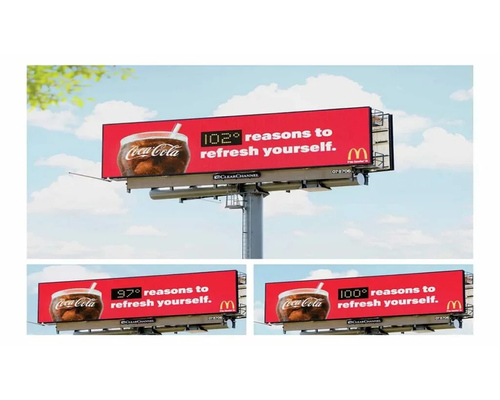
Commercial advertising is a strategic communication process in which information about a particular product or service is sent through different media platforms to the target audience. The main purpose is to convince the public to take a specific action and purchase the purchase em.
Subpoints:
- Commercial advertising comprises multiple formats, including print ads, television commercials, online ads, and social media promotions. Each type has its benefits and appeals to particular sections of the consumers. Therefore, choosing the most suitable one decides the success of any business promotion.
- Case studies are powerful tools like Nike’s “Just Do It” campaign, demonstrating that the right message can affect people’s behavior and form strong brand loyalty. This slogan, a big favorite with people from different backgrounds, tells them to do their best to reach their fitness goals.
- As reported by Statista, the advertising spending that companies worldwide made on digital media in 2021 amazed us with $465 billion, and it inevitably became obvious that today, marketing is a digital career that completely depends on digital platforms for its promotion. This change is happening through the new habits of the consumer market; younger people are using online media more and more.
- Many advertising models, such as the AIDA model (Attention, Interest, Desire, Action), underline customers’ stages in response to the brand communication process, thereby setting up a framework for effective marketing campaigns via advertising.
Key Strategies in Commercial Advertising
One creative way companies improve their advertising is by adopting strategies that, among other things, help boost their brand awareness and customer engagement.
Subpoints:
- On the other hand, creating advertisements that evoke emotions can be beneficial. Based on the example of the Coca-Cola company, which made such a charismatic personification of the marketing concept, it was well noticed that the brand had a strong connection with its consumers because of the individualized bottles ETGNA!
- Under the influence of so-called ad fatigue, customers can reach a state where the abundance of advertising irritates them and leads to lower effectiveness. Thus, given the changing consumer profile, brands are regularly challenged to develop innovative and fresh marketing strategies to keep the interest of consumers alive through storytelling and interactive content.
- Digital commercial advertisements are digital spaces that serve as a platform for real-time performance tracking and precise targeting options. For example, with Google Ads, marketers can get to know their existing and potential customers with the data collected, and then they can make adjustments accordingly.
- Companies that want to give concrete tips to their employees can use social media influencers to promote authentic advertising. Influencer marketing could be an effective way of branding if the influencer and the brand share similar values. Therefore, the brand can reach out and interact with the targeted audience articles disliked by Brandsoup & influencers, increasing the campaign’s reach.
The Future of Commercial Advertising
The change of commercial advertising is determined by technological improvements, which you, as a brand, must be aware of in order to remain relevant.
Subpoints:
- AI and machine learning are, without a doubt, the greatest advertising game-changers in modern technology. For instance, advertisers use forecasting and propensity models to devise the best strategies for campaign ads that will reach their target audience even before the campaign starts.
- The main trend is moving from sustainable growth to corporate social responsibility. Thus, the emergent one is the emphasis on corporate social responsibility (CSR). At the same time, sustainable brands can connect with people of similar beliefs because they align their green credentials with their marketing. That way, they can attract ethical buyers and nurture their sense of eco-responsibility.
- Among the new technologies, technology imaging of images called virtual reality and augmented reality are now in wide use, making the business interesting. Instead of merely providing information, companies have started experimenting with interactive ads that allow consumers to try a product before purchasing it. They have noted positive customer responses to these actions.
- Companies should clearly understand the implications: it’s the only way to be the best in marketing and invest in innovative technologies to make advertising campaigns work. By adopting these new methodologies, companies will not only improve their marketing results. Still, they will also create a loyal fan base that will take much work to woo in a highly competitive environment.
Conclusion: The Significance of Commercial Advertising
Commercial advertising is the backbone of the modern economy since it brings businesses together with potential consumers. It is not only the way of presenting products and services but also the way of forming a brand image and encouraging consumers to behave as the brand wants. Breaking down the marketing process into its constituent components, e.g., strategy, creativity, media selection, and analytics, is how the business can adjust its digital marketing tactics to become the best company in its industry.
While we navigate this ever-changing advertising sector, businesses have to be flexible and stay on top of the trends and technologies that can help them expand their target market. Commercial advertising’s place in the marketing mix remains significant because it drives sales and customer identification relationships, which lead to brands and economies surging.
Key Takeaways:
- Consumer Focus: Commercial advertising is a key driver in the brand-customer relationship.
- Brand Visibility: It plays a crucial role in brand building by creating strong connections with the audience and lifting the brand, thus making the customers’ experience pretty simple by enabling them to select a particular product or service.
- Market Growth: Good adverts planned well can help the business grow significantly, in addition to the previously mentioned market growth.
- Strategic Planning: A careful arrangement of marketing resources through constructing an advertising scheme with the highest distribution and real-time data flexibility could ensure companies achieve the most from their invested money.
- Adaptability: Master how digital marketing works and make it your priority to be informed in this area.
To ensure the development of Advertising Commercials and their elements, besides improving marketing, companies will attain long-term goals in their markets only if this new product is endorsed long enough and the intended users are made aware of it through marketing.
]]>What is Covert Advertising?

Covert advertising, sometimes known as stealth marketing, is a method by which businesses communicate their offerings without distracting or interrupting the addressee. In Full contrast to standard marketing, which dispatches direct and thereby aggressive messages, stealth advertising is embedded into the content without causing it to stand out or seem bothersome to consumers.
Importance of Covert Advertising
Covert advertising is a way of advertising that can effectively replace “desensitized” traditional marketing tactics. Research by Nielsen discovered that 84 percent of people around the world think that online ads are intrusive, while covert advertising, selling things discreetly, socializes and promotes the products subtly through relatable content and, therefore, is the preferred way.
Case Studies and Examples
- Product Placement in Film and TV: Product placement in movies and TV series has been happening since the industry-entertainment business was recognized; for example, the Coke intro in every episode of The Friends Show series subtly spreads brand awareness. Let the audience see and make a decision.
- Influencer Endorsements: Influencers are known to incorporate product mentions into their daily posts and stories without them being the main topic. This is one way for them to engage their followers without implicitly promoting the products. The relatedness and trustworthiness of the influencer’s relationship to the product will make a difference.
Frameworks Guiding Covert Advertising
Your customers hold particular beliefs. Business people may get various psychological ideas understood, such as the Elaboration Likelihood Model (ELM), which tells how to make people agree by either the deep cognitive process or the superficial cues. Stealth advertising focuses mainly on the peripheral route, assuming previous knowledge and emotions precede logic.
Benefits and Challenges of Covert Advertising

Although the accomplishment of covert advertising lies in producing engagement and relatability, the task of being secret while doing this also brings some challenges.
Benefits:
- Enhanced Consumer Trust: Some people can think of it as less of an intrusion and more of a genuine consumer approach. Thus, they will develop stronger bonds with the brands.
- Increased Recall: When a brand is integrated into captivating stories, readers are more likely to remember it.
Examples:
- One of the well-known YouTube channels describing a specific skincare routine mostly incorporates into practice products endorsed by the creator without the hint that it is an advertisement. Such viral videos create sufficient interest and even convert some viewers to buyers.
Challenges:
- Transparency Issues: Transparency issues can occur in cases where truthfulness is not obtained because consumers do not even know what they are consuming.
- Regulatory Scrutiny: Brands that are not transparent about marketing may face public backlash as the public is more likely to act on the word of mouth of their trusted peers or family members who they have a good relationship with or even for what a stranger said who gained their trust -influencers and their followers in particular.
Practical Strategies:
- Balance Authenticity and Disclosure: Companies must carefully distinguish between openness and subtleness; customers must know when a post sponsor is involved.
- Leverage User-Generated Content: Having a loyal fan base to encourage your audience to exchange their stories is the main target of covert advertising while creating a community, yet another way to do this.
Emerging Trends and Implications for Covert Advertising
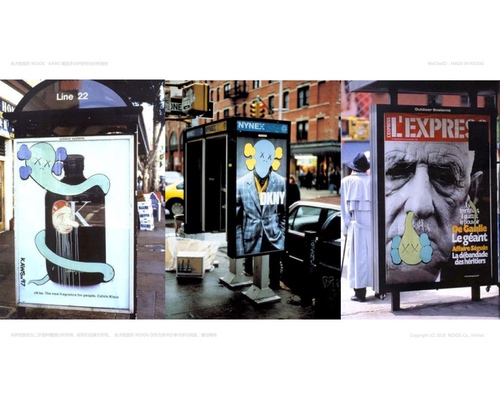
As consumers become smarter, the landscape of covert advertising is changing. For brands, knowledge of the latest is important for adapting their strategies effectively.
Current Trends:
- Social Media Integration: The new trend is that platforms like TikTok are popular with influencers who create exciting content for brands, combining the individual’s creativity with the topic’s virality to get consumer attention.
- Augmented Reality (AR) Experiences: The ongoing development of AR brands is trial and error. Companies are currently trying to develop virtual products that engage and inform their customers rather than just advertise.
Implications for the Industry:
With changes in gadgetry, so is the art of disguise commercials; advertisers must use the credibility of customers responsibly and respect their privacy in the marketing process. Brands that embrace consumer intelligence are bound to form a strong connection and, therefore, have an edge in a market with numerous competitors. To sum up, covert advertising opens up a new space for companies to connect with their customers more deeply. By understanding the strategies, considering the pros and cons, and looking at cutting-edge techniques, firms can make this landscape manageable and maintain a bond with their customers.
Conclusion
Today’s marketplace is driven by companies striving to establish authentic relations with their audiences through knowledge of covert advertising and the skills to modify such strategies if necessary. Covert advertising, which is the non-intrusive integration of promotional content into entertainment or media, is a great way for the brand to be known and involved in communication with consumers. Determine the probable consequences of the ethics and practical considerations of these actions and thus produce the kind of promotion that speaks to the demographic effectively.
Key Takeaways:
- Definition: Covert advertising subtly integrates promotional material into content to make it more agreeable for the consumer and less noticeable than traditional ads.
- Strategies: Successful covert advertising, which includes product placement, influencer partnerships, and narrative-driven advertising that is sales without being obvious to the target of the advertisement, is non-aggressively successful clandestine advertising.
- Implications: The effectiveness of the employed method might provoke ethical debates about transparency and trust in honesty, with the customer making a moral choice between these two.
- Examples: The best campaigns that use undercover marketing are known to be the ones by Coca-Cola in Hollywood, Nike with their endorsements of athletes, and media streaming companies that show brands in the scenes of the series without disturbing the flow of the stories.
The key to covert advertising involves companies that want to continue attracting new customers in a dynamic media ecosystem while building and sustaining healthy relationships with existing customers.
]]>- Understanding the critical aspects of good advertising copy makes straightforward communication become compelling stories that drive individual action and engagement.
- Advertising copy is that line between your brand and the customers: a guide from initial awareness by the customers all the way through the marketing funnel to a transactional purchase.
This blog is going to investigate those five central elements found in good advertising copy and how learning each one can ensure you create clear, compelling, and memorable messages.
The 5 Essential Elements of Ad Copy
1. Grabbing Attention Instantly

A headline is the most vital component of an advertisement. It will be the first thing a potential customer reads, and therefore, it acts as the entrance into the remainder of your message. In a snap of a second, it needs to grab one’s attention, create interest, and provide an irresistible reason for opening content and reading on.
- Purpose: The primary function of a headline is to capture the people’s attention. It then sets the rhythm for the remainder of the advertisement and determines whether the reader will continue reading into the ad or walk past it.
- Function: A good headline must be clear and straightforward, which is usually just a pointer to a benefit offered by a product or explaining a problem that the target audience is facing.
- Real-World Example: Think, for instance, of Apple’s famous “Think Different” campaign. This two-word headline is short and memorable, and it lets people immediately know what this brand means: innovation and nonconformity.
Writing a good headline requires getting in touch with the audience’s needs, interests, and motivations. A headline should be bold, have an impact, and align with your ad’s overall message.
2. Supporting the Main Message

A subheadline supplements the headline to keep the reader’s interest. It provides additional information that will expand on the promise or benefit made in the headline. A headline might catch a reader’s eye, but more is needed to keep their attention with that alone. The subheadline-with its extra information or added value to the reader involved.
- Use: The idea of a subheadline is to backstop the message in the headline, be even more precise, and get people to read more of it.
- Function: A great subheadline bridges the space between the headline and body copy, creating a smooth “flow” from headline to body copy.
- Example in Life: Consider an advertisement for a skincare product. The headline is “Unleash Your Best Skin Yet.” What’s a good subheadline? “Discover our range of natural, dermatologist-approved skincare products that rejuvenate and restore.”
Headlines usually go below or at the top of the subhead, and they are a teaser or hook to draw the reader into the ad. The best subheadlines do just enough to satisfy the reader’s curiosity without overwhelming them.
3. Body Copy: Translating the Core Message
Body copy is the heart of your advertisement. This is where you go to matter in-depth about your product or service. This section should bring value, answer all questions, and prevent all objections. It is now the chance to reveal all those features, benefits, and USPs that make your offering stand out from all others.
- Purpose: To educate and persuade. Body copy provides thoughtful arguments and evidence that makes a convincing case.
- Function: The copy must make sense as every paragraph owes up to one another to create an engaging story that draws the reader in.
- Real-World Example: For a high-end fitness application, the body copy could read as follows: “Our app offers customized workout plans, guided meditations, and nutrition coaching tailored to your needs. Over 1,000+ workouts from expert trainers are available 24/7 to get you closer to achieving your fitness goals than you ever thought possible.”.
The secret sauce for good body copy is to be short and to the point, focusing on how it will help your reader rather than listing features and using language that speaks directly to your audience. This means a copy that works as hard as possible in informing, persuading, or reinforcing your crucial message with each word used.
4. Call to Action (CTA): Urging Instant Action

A call to action, or a CTA for short, tells the reader what to do next. Whether it’s “Buy Now,” “Sign Up Today,” or “Learn More,” a CTA is a word-driven connection that drives the audience toward a definite action. An irresistible ad may fail without a compelling CTA.
- Purpose: A CTA should aim to persuade the visitor to take the next step, be it to purchase a newsletter subscription or contact the brand.
- Function: The best CTAs are clear, concise, and action-oriented, using urgency or emphasizing a benefit for acting fast.
- Real-World Application: A Call-to-Action for an online course could read, “Start Your Free Trial Now and Master New Skills in Just 30 Days!” This CTA not only tells the reader what to do but also reminds the reader of the benefit he will gain from taking the action.
The best CTAs are prominent, compelling, and directly connected with the ad’s goal. They need to resonate with the needs and wants of the target group so that it is easy for them to click “yes” to the next step.
5. Visuals: Supercharge the Impact of Your Copy
Although not technically part of the copy, visuals are the unsung heroes of effectiveness in the message. Compelling visuals can grab attention and build complex ideas visually and within a heartbeat while providing that emotional resonance, carrying along with it the accompanying text.
- Purpose: The visuals will enhance the written words by making the communication exciting and memorable.
- Function: All visuals must go with the tenor and the message of the copy: images, graphics, or video.
- Real-Life Example: In this case, for a travel agency advertisement, bright pictures of the island places would do the trick, such that when visualizing this, it would flood one’s mind with ideas of adventure and thrills, and so he will act on the CTA.
The best use of visuals is to ensure they are high-quality, relevant to the information they are accompanying, and not distracting from the overall message.
Final Thoughts
Learning to become a master copywriter in advertising cannot be done without knowledge of its components.
A heading, subheadline, body copy, CTA, and visuals make up the necessary parts of successfully communicating your brand’s message to your market.
When deployed thoughtfully, components of a cohesive message create a compelling story that persuades, influences and converts the target potential customers.
Critical Takeaways for Powerful Ad Copy:
Create an Effective Headline:
- Grab attention right off.
- Keep it short, engaging, and relevant.
- Create a sense of mystery or be unique.
Create a Strong Support Subheadline:
- Help to elaborate or expand the headline.
- Emphasize the promise of the headline.
- Engage the reader to keep reading.
Create Compelling Body Copy:
- Focus on the benefits and features of interest to your audience.
- Use Storytelling to Connect Emotionally
- Highlight your USP
Include a Clear, Powerful CTA
- Simple and actionable
- Create a Sense of Urgency: Should prompt immediate action
- Use persuasive words to motivate the reader to the next step
Deliver Relevant Visuals
- Use images, graphics, or videos to supplement what you are writing.
- Your visuals must be aligned with your overall message.
- Visuals can help in making an emotional impact much more substantial.
Ready to talk with a marketing expert?

A Pragmatic and innovative way to enthrall your target group is just a click away!
Get in Touch
Rukmini Knowledge Park, Kattigenahalli, SH 104, Srinivasa Nagar, Bengaluru, Karnataka 560064
+91-990 247 8800
contact@gingermediagroup.com
Popular in Television Advertising
Udaya TV AdvertisingSun TV AdvertisingStar Plus AdvertisingTV 9 AdvertisingZee TV AdvertisingNDTV India AdvertisingColors TV AdvertisingPopular in Airport Advertising
Spice Jet AdvertisingMumbai Airport AdvertisingDelhi Airport AdvertisingEmirites AdvertisingIndiGo Airlines Domestic India AdvertisingPopular in Newspaper Advertising
Deccan Herald AdvertisingPrajavani AdvertisingThe Hindu AdvertisingEconomic Times AdvertisingDainik Jagran AdvertisingHindustan Times AdvertisingPopular in Magazine Advertising
Forbes AdvertisingCosmopolitan AdvertisingBusiness World AdvertisingVogue Magazine AdvertisingPopular in Sports Advertising
IPL AdvertisingPopular in Outdoor Advertising
Billboard AdvertisingBus Shelter AdvertisingMetro Pillar AdvertisingUnipole Advertising© Ginger Media Group 2025. All Rights Reserved.