What is Hoarding Advertising?
Hoarding advertising uses large billboards strategically located in heavily populated areas to advertise a product, service, or brand. This type of outdoor advertisement is known for its size and ease of seeing, making it a very strong marketing instrument for companies that want to fortify their brand presence.
Subpoints:
- Important Information: Hoardings can be constructed from various materials, such as vinyl, metal, or fabric, and they can be illuminated or non-illuminated based on the objectives of the advertising campaign. An example of a successful hoarding campaign is the Coca-Cola “Open Happiness” campaign, which was exhibited on large billboards during major public events.
- Statistics: On the other hand, the Outdoor Advertising Association of America, which covers hoardings, has a 6.5% annual increase in this kind of advertising, meaning that it is more efficient in reaching a bigger audience.
- Frameworks: The AIDA (Attention, Interest, Desire, Action) model relating to hoarding advertising can be further understood by the brand for the customers, where the prominent commodity being shown attains the desired attention, triggers the necessary interest in the brand, creates a product-energy, and motivates the individual toward the purchase through better brand identification.
Varied Types of Hoarding Advertisements

There are different hoardinsements, each fitting the marketing needs and targeting various audiences.
Subpoints:
- Types: Distinct types of billboards, such as static hoardings, which are just plain fixed boards, represent one of the primary types. In contrast, the other prominent example is digital billboards, which can easily show dynamic content. 3D hoardings are another creative format involving people virtually and can be thrilling. For example, a well-known company in the beauty and makeup industry successfully developed a 3D hoarding system designed to deploy a plain image as a visual correlation of a time-lapse. Thus, it got much attention.
- Challenges & Benefits: Even though the placement is great and offers good visibility, companies still need help with such challenges as high costs or regulatory permission. Nevertheless, they create many benefits, including only one consistent brand recall over a long time and possibly reaching many people in a place with high traffic.
- Practical Strategies: Hoarding campaigns that function well involve details, such as advertising to a precise location after using the demographics and data obtained, along with strong visuals and to-the-point messages, and inserting QR codes for further interactive purposes.
The Future of Hoarding Advertising: Trends and Implications

With the advertising landscape progressing, hoarding advertising has to keep pace, and hence, it has to adopt new technologies and embrace new trends that contribute to its growth.
Subpoints:
- Insights: The predominant innovation seen lately is augmented reality (AR) technology, which is increasingly used in these ads and lets customers view and engage with the advertisement through their smartphones.
- Emerging Issues: In an era when only a full-sized TV would count as big, brands gave digital media ads general superiority, ignoring the inclination towards eyesight. Nobody can deny that traditional and digital marketing is the key to success because people become more tech-savvy daily.
- Industry Implications: Marketers who invest in hoarding advertising have a chance to make themselves noticeable in an otherwise full marketplace. Data analytics can improve targeting and make campaigns reach just the right prospective customers at the right time.
Conclusion
In the end, hoarding advertising is still known as one of the most powerful and persuasive forms of advertising, mostly positioned on streets and highways, and it guarantees the delivery of brands with high obtainment and direct communication. Companies can design engaging plans that will appeal to their target audience by using several types of hoardings, such as traditional and digital billboards, digital screens, and customizations of buildings. The huge reach that hoarding advertising provides due to its prolonged visibility and creativity contributes to its standing as an important part of the marketing strategy.
Key Highlights:
- Hoarding Advertising Defined: A kind of outdoor advertising in which big structures show promotional content.
- Types of Hoarding Advertising vary from traditional billboards to modern digital displays and artistic installations.
Benefits
- High Visibility: Situated in a crowded place so the advertisement can reach the maximum audience.
- Unconventional Creativity: Gives opportunities for creating trendsetting and iconic campaigns.
- Longevity: Advertising can be done for extensive periods and can, at the same time, maintain the brand identity and place.
- Real-Life Examples: Effective brands’ campaigns that used hoardings and entertained spectators.
An in-depth understanding of the role of hoardings in advertising campaigns enables organizations to efficiently capitalize on their strengths to create brand advocacy and generate customer loyalty.
]]>Advertising: Definition and Fundamental Concepts
- Advertising is a strategic communication process to promote products, services, or ideas to a specific audience.
- It combines various methods, from traditional media, including print and television, to digital channels, such as social media and search engines.
- Advertising is not only meant to inform customers about product specifications; its primary function is to encourage them to buy the product or contact the company.
The Role of Advertising in Modern Business
Advertising has many vital roles in the corporate world. First, it is a leading marketing technique for creating a brand that people recognize so that those who can show a product and get a feeling of simulation would buy it. For example, companies like Coca-Cola and Apple rely on advertising to maintain world recognition and customer patronage.
- Statistics & Insights: As per Statist, global advertising expenditures were estimated to be more than $700 billion in 2021, representing the high valuation that businesses give to advertising in their overall marketing strategies.
- Frameworks/Methodologies: One of the most well-known models is the AIDA model (Attention, Interest, Desire, Action), which describes a series of steps a buyer takes before buying a good. By being conversant with the model, advertisers can develop focused messages that are relevant at every stage.
Types of Advertising and Their Applications
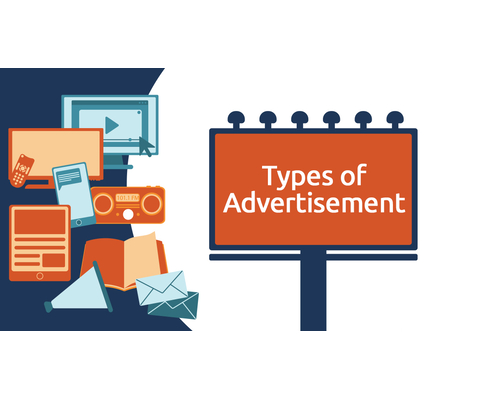
Advertising can take different forms and be designed to meet specific goals and target different groups of people. Traditional marketing encompasses print ads, TV commercials, and billboards, while digital marketing includes social media ads, search engine marketing, and email marketing campaigns.
- Real-World Applications: A good case is Nike, which employs digital advertising in conjunction with the influencers known on Instagram and TikTok to grab the younger generation’s attention. This illustrates how brands are adapting to digital trends.
- Challenges and Benefits: Advertising, on the one hand, is the best way to enhance a company’s visibility and revenue. Nonetheless, marketers have to be cautious because people could become tired of seeing the same ads all the time and might also be skeptical consumers. Advertisers primarily concentrate on personalization and targeted advertisements that use data analytics to ensure their effectiveness with consumers and minimize disturbances.
- Practical Strategies: To facilitate the creation of advertising, companies have to clear up the messages they want to send and pick the right mediums that best speak to their target groups. Another trick to using A/B testing that can dramatically improve ad performance is advertisers doing it to see which messages or formats work best.
Emerging Trends in Advertising

The advertising industry is developing mainly influenced by different trends that shape its future. One significant trend is the establishment of data-driven advertising, where companies use customer data in a very focused and tailored way to create ads.
- Insights and Trends: TikTok, a new platform, has introduced companies to video content, which is more interesting than a traditional picklist environment but needs user participation. In fact, the power of machine learning and AI can make real-time decisions and optimize complex targeting for any programmatic and automatic media buying, which is the most recent development in advertising space technology.
- Implications for the Industry: These shifts indicate that advertisers will have to be able to learn and evolve through listening to the clients and analyzing the market. On the other hand, companies that need to catch up on these issues may be refrained from the marketplace. For a business that aims to maximize the use of advertising, grasping its multiple characteristics is the first point. By reading the trendsetters and invigorating plans, firms can increase their visibility in all marketing channels, engage their audience, and push their businesses to grow.
Conclusion
Through the course of the conclusion, it is gradually mentioned that with the high pace of competition in the current marketplace, advertisers must become proficient in advertising. In the same way, they have to interact with their target audience closely. Advertising supplies the condition where creative ideas go hand in hand with strategy; this eventually drives how consumers react and allows brands to develop customer loyalty. By examining different aspects of advertising, such as types, business models, and psychological impacts, companies can develop creative campaigns that successfully meet customers and realize quantifiable outcomes.
Key Takeaways:
- Definition and Role: Advertising promotes products or services to sway a consumer’s perception and behavior.
- Components: It encompasses systematic planning, creative provision, messaging, and the proper media channels.
- Types of Advertising: Whether digital or traditional, all the types have their strength and are personalized for different audience segments.
- Targeting and Segmentation: Good commercial communication should include a clear understanding of the selected target group and then aim at catching the right people’s attention by just with the people who are being targeted to ensure their active participation.
- Impact on Consumer Behavior: Advertising influences customer choices and brand image, and thus, thinking about wording is very important.
- Cultural Relevance: Catchy advertising linked to the latest fashion fads and propriety values touches customers more personally. For businesses to integrate dynamic and fast-paced operations in the global marketplace, the essentials of advertising should be clear to them—business speak.
This blog post’s purpose is to reveal the selling point of product advertising—what it is, why it matters, and how it has changed in the prevailing digital era. We will disclose the underlying principles of successful product promotion strategies and investigate the details that make the difference to only partially successful campaigns.
They will learn from the article the strategies advertising can include, such as publications in traditional media and television, as well as new methods, such as social media advertising and partnering with influencers. Additionally, we will take a closer look at valuable concepts like the AIDA (Attention, Interest, Desire, Action) model—a principle that guides the creation of persuasive messages that your audience can relate to.
Through the article, you will hold a full-fledged review of product advertising along with its strategic role in the campaigns of the present time. You will be knowledgeable about practical ideas that will enable you to make the right decisions, whether you are a marketing person, a business owner, or just a curious person who wants to discover how products are delivered to customers. Let’s go more profound as we look at this essential aspect of the marketing world!
Understanding Product Advertising: Definition and Significance
Product advertising merely discusses promotional communications that seek to sell specific items to specific audiences. One of the main objectives is to inform and persuade consumers to buy one product by providing information about the product’s pros, the product’s-product’s distinctive features, and unique selling points that others do not have. This process, therefore, intensifies the consumers’ level of interest and promotes their purchase behaviors.
The Importance of Product Advertising

One primary function of product advertising is to develop brand awareness and change consumers’ perceptions.
- Customer Awareness: Product advertising guides buyers in identifying brand and product images in a labyrinthine marketplace. For instance, even the most watched brand giants like Apple and Coca-Cola spend fortunes on advertising to ensure their domination of the consumers’ psyches.
- Case Studies: Brands like Nike have effectively engaged in marketing campaigns that push their brand products and create strong emotional connections with customers, thus rendering customer loyalty and more sales from repeat business.
- Statistics: The American Association of Advertising Agencies reports that the average business that invests in ads sees a $2 return for each dollar spent on advertising, explaining why it is so successful.
A well-organized product advertising plan often consists of various models, such as the most competent AIDA model (Attention, Interest, Desire, Action), that marketers use to develop catchy lines to lead consumers through the purchasing process.
Crafting Effective Product Advertising Campaigns

Designing an advantageous product advertising campaign needs a good understanding of the target audience and the competitive landscape.
- Segmentation and Targeting: Companies mostly use market segmentation to identify certain consumer groups as characteristics of an advertising tactic. For example, the luxury brand Gucci targets high-income individuals by making them feel special in its advertising approach.
- Real-World Applications: Reflect on the advertising methods that companies are using at the time, such as the Christmas ones by giants such as Walmart, which promote family-oriented product launch deals.
- Challenges and Benefits: Although advertising is the main reason businesses are doing well, we must also discuss the obstacles associated with ad fatigue or ad-blocking software. Brands must communicate the proper message in a way that is not only creative but also clear to get the consumer to engage at the maximum level.
- Practical Strategies: One primary way brands can do this is by using social media platforms to push ads to targeted users. This results in higher ad efficiency, as the ad is seen by the desired customer.
Emerging Trends in Product Advertising

That is how digital marketing and the fast-changing digital sphere develop, and advertising approaches must adapt to new trends and strategies.
- Personalization: The audience expects to be featured in personalized experiences by the brands being talked about with ads about what they are looking for or their interactions with the brand. Amazon, for instance, refers to this fact as its plethora of algorithms that show three items similarly worth buying from one’s past purchase experience.
- Influencer Marketing: The use of social media influencers in product advertising is now seen as a highly effective tool. Companies can access a larger free pool of potential customers, as influencers usually have a number of fans who listen to their recommendations.
- Trends: Recent research proved that sustainable advertisement also reflects changing consumer behaviors. These days, retailers are deploying eco-friendly technologies in their products and services to make an emotional connection with their environmentally concerned customers.
- Industry Outcome: This calls for companies to be adaptable and dynamic by continuously tuning their promo style based on these new consumer demands and market factors.
Overall, successful product advertising is an intermediary between the customers and the product. The practice of product advertising, from the formulation of a strategic plan to its execution, therefore, plays a considerable role in the apprehension of the concept by brand elements and the building of customer communities.
Conclusion
The role of product advertising in the current sales-driven industry is undeniable as it helps market products visually, through the customers, and, finally, to achieve sales. The guidelines of product advertising are down to earth as to the empathic or affective domains of consumer behavior in the context of norms, communication, and advertising. To write differently, the definition of an effective product involves a product that is different from other products, but the funny part is that connections on an emotional level so the brand can hold its market
Key Takeaways:
- Definition and Purpose: It aims to stimulate sales by promoting (a/) a single product. The concept generates awareness of the product, stimulating the buyer’s interest and even the muscle to buy it.
- Target Audience: Marketing intelligently with the exact match for the kind of people we want to reach is a must.
- Advertising Channels: Different platforms, such as TV, radio, social media, and print media, offer diverse opportunities for advertising to be effective and efficient.
- Creative Messaging: Messaging that is attention-grabbing and easy to relate to the audience gives the consumer a helping hand in decision-making by making them more likely both to patronize the advertisement and persuade them to buy the product.
- Measurement of Success: Advertisers achieve the objective of measuring ad effectiveness against metrics such as reach, engagement, and conversions, leading to the maintenance of improvement and optimization.
To sum up, mastering the art of product advertising is crucial for companies planning to do well in an environment that changes frequently, as it influences their ability to attract and maintain clients.
]]>In this dynamic marketing and advertising scenario, attention to consumer affairs is essential and paramount. The AIDA model- an acronym for Attention, Interest, Desire, and Action- is the fundamental framework that guides marketers into formulating persuasive messages that capture the target audience’s minds. The AIDA model was designed early in the 20th century to describe a consumer’s sequence before finalizing the buying decision. From knowing each component of the model, businesses can create strategic marketing campaigns that move their potential customers from awareness to final action.
- Foundational Framework: The AIDA model is a foundational framework that helps marketers structure their mes
- Consumer Decision-Making: It outlines the stages of consumer decision-making and offers a step-by-step approach to turning a prospect into a loyal customer.
- Strategic Application: Applying the AIDA principles helps businesses craft focused marketing strategies that resonate deeply with the target audience.
Enduring Relevance of the AIDA Model
Although developed decades ago, the AIDA model evolved alongside changes in consumer behavior and marketing strategies. With the rise of digital channels, social media, and content marketing, the model remains applicable in today’s digital-first marketing landscape.
Key Points on Enduring Relevance:
- Adaptable Across Platforms: The AIDA model has transitioned from traditional advertising mediums (like print and television) to digital platforms, including social media and email marketing.
- Guiding Digital Strategies: The model’s principles are evident in modern marketing strategies such as content funnels, pay-per-click (PPC) advertising, and conversion rate optimisation (CRO).
- Consumer-Centric Approach: The model’s focus on consumer psychology ensures its relevance, as marketers can tailor each stage to meet evolving consumer expectations and trends.
Why is the AIDA Model Important?
The AIDA model provides a framework for marketers to intervene with their audience amid an already crowded marketplace. Understanding how consumers move from attention to action can shape the formation of messages that will attract attention, encourage genuine interest, and further inspire action.
Key Importance Points:
- Structured Framework: It is an evident and step-by-step process for formulating marketing messages in which each campaign element works together towards a common goal.
- Increased Interest: Because this model is trying to get a grasp on and hold on to interest, it keeps the audience from going to the action stage of drop-off.
- Optimized Conversion Rates: The AIDA model, when implemented correctly, is likely to boost conversion rates because each stage serves the consumer’s specific requirements and motivations.
AIDA Full Form
AIDA model comprises four elements that are used to represent the stages of the consumer’s journey:
A. Attention
This is the awareness stage, where the marketer tries to capture the audience’s attention in a noisy marketplace. If you don’t click, you do not proceed, and this sets the foundation for making an impression that stands out.
I. Interest
The interest tag occurs when customers start to become interested in your product or service. Marketers create interest by using relevant information, engaging content, and storytelling.
D. Desire
This step emphasizes emotional bonding with the potential customer, making the benefits and value of the offer more vivid to the eye. Interest must be changed into a desire to have or experience the product.
A. Action
The final call to action urges the consumer to take tangible actions, such as making a purchase or subscribing to a newsletter. Clear calls to action and user experience are crucial in this regard.
Attention: The First Step in Capturing Consumer Interest

The first stage of the AIDA model, “Attention,” is critical for making a striking impression. Grabbing consumer attention is crucial for any marketing campaign in a world saturated with information and competing messages. This phase is characterized by the need to stand out and be noticed amidst the noise.
Key Points on Attention:
- Eye-Catching Visuals: Utilize bold visuals, catchy headlines, and innovative formats to make your message stand out.
- Personalized Messaging: Tailor content to your target audience’s specific interests and preferences to increase relevance and resonance.
- Interactive Content: Leverage digital tools like interactive videos, quizzes, and live sessions to capture and hold the audience’s attention.
Interest: Building Engagement Through Relevant Content

Once attention is captured, the AIDA model’s next step is cultivating interest. This phase involves providing the audience with valuable and relevant information that piques their curiosity and encourages them to learn more.
Key Points of Interest:
- Storytelling Techniques: Use engaging narratives, case studies, or testimonials to illustrate how your product solves specific problems.
- Educational Content: Offer insights, tips, or how-to guides that provide value, positioning your brand as a trusted authority.
- Content Personalization: Tailor messages to address specific pain points and needs, making the audience feel understood and valued.
Desire: Creating a Compelling Case for Your Offering

As interest transforms into desire, marketers must effectively communicate their products’ or services’ benefits and values stage, focusing on creating a solid emotional connection with the audience and helping them visualize how the offering can enhance their lives.
Key Points on Desire:
- Emotional Appeal: Highlight features that evoke emotional responses, such as security, comfort, or aspiration.
- Unique Selling Propositions (USPs): Emphasize what sets your product apart from competitors to create a compelling case.
- Social Proof: Use testimonials, reviews, and endorsements to reinforce the desirability of your offering.
Action: Converting Interest into Sales

The final step in the AIDA model is “Action,” which aims to convert interest and desire into actual sales. To encourage action, clear calls to action (CTAs) that guide consumers through the next steps are essential.
Key Points on Action:
- Compelling CTAs: Use robust and actionable language encouraging immediate engagement, such as “Buy Now” or “Get Started.”
- Streamlined Path to Conversion: Optimize the user experience by ensuring the purchasing process is simple, quick, and hassle-free.
- Follow-Up Strategies: Implement retargeting campaigns and personalized follow-up emails to remind potential customers to complete their purchases.
Final Thoughts
The AIDA model represents the evergreen framework for understanding the consumer’s journey and designing an effective marketing strategy. By keeping potential customers under the motions of Attention, Interest, Desire, and Action, marketers can design campaigns that relate to and create value in terms of conversion.
Critical Points in Final Thoughts:
- Comprehensive Framework: The AIDA model provides a 360-degree view of the consumer’s journey, making designing targeted and effective campaigns easier.
- Versatility across channels: Its precepts can be applied to most marketing channels, from traditional to digital media.
- Sustainable success: Implementing AIDA will help businesses establish better relationships with customers, leading them towards sustainability over time.
An AIDA model is one of the foundational frameworks that might help marketers frame their message to guide customers progressively toward the buying process.
It explains the consumer buying process and provides a step-by-step procedure for converting a prospect into a loyal customer.
]]>Ready to talk with a marketing expert?

A Pragmatic and innovative way to enthrall your target group is just a click away!
Get in Touch
Rukmini Knowledge Park, Kattigenahalli, SH 104, Srinivasa Nagar, Bengaluru, Karnataka 560064
+91-990 247 8800
contact@gingermediagroup.com
Popular in Television Advertising
Udaya TV AdvertisingSun TV AdvertisingStar Plus AdvertisingTV 9 AdvertisingZee TV AdvertisingNDTV India AdvertisingColors TV AdvertisingPopular in Airport Advertising
Spice Jet AdvertisingMumbai Airport AdvertisingDelhi Airport AdvertisingEmirites AdvertisingIndiGo Airlines Domestic India AdvertisingPopular in Newspaper Advertising
Deccan Herald AdvertisingPrajavani AdvertisingThe Hindu AdvertisingEconomic Times AdvertisingDainik Jagran AdvertisingHindustan Times AdvertisingPopular in Magazine Advertising
Forbes AdvertisingCosmopolitan AdvertisingBusiness World AdvertisingVogue Magazine AdvertisingPopular in Sports Advertising
IPL AdvertisingPopular in Outdoor Advertising
Billboard AdvertisingBus Shelter AdvertisingMetro Pillar AdvertisingUnipole Advertising© Ginger Media Group 2025. All Rights Reserved.