Advertising Media:
- Television: AUDIOVISUAL content that provides reach to a large audience, usually during prime-time shows or events.
- Radio: Audio commercials that are likely to influence listeners when commuting or performing other tasks effectively.
- Print Media: Newspapers, magazines, and pamphlets focused on a particular subgroup and print.
- Digital Media: The Internet-working across websites, search engines, and other forms of social media to communicate to a digitally literate target group.
- Social media: Interacting with customers on Facebook, Instagram, and Twitter, among others, through targeted advertisements and interactive campaigns.
Sales Promotion:

A Sales Promotion is typically defined as an incentive for the customer to buy a product or service within a limited timeframe, such as:
- Discounts: A reduction in the price for some time or some period to attract more and more customers.
- Coupons: Coupons promising a reduction for subsequent purchases, prompting consumers to buy now or later.
- Loyalty Programs: Reward systems encourage repeat business by offering points or rewards for continued purchases.
Why you should know Advertising and Sales Promotion
- To Maximize Marketing Strategies:
Gaining awareness of the role of advertising and sales promotion can help one hone and adapt marketing strategies effectively.
- Correct Communication:
Knowing the target audience helps organizations create messages that resonate deeper within their intended population, thus making them more likely to be adopted by their targeted audience.
- Generation of Sales Revenue:
Knowledge of advertising and sales promotion is highly integrated with sales increases. A well-crafted campaign turns a probable customer into a repeat customer.
- Customer Loyalty:
The only way to achieve this is through practical and well-planned advertising and promotional strategies. Businesses can create good relationships with their customers, and they will want to buy from them repeatedly. These notions call for developing a competitive advantage in the marketplace.
Relevance in Strategic Decisions
- Market Analysis: Understanding advertising and sales promotion tools can help businesses understand market trends and the patterns of consumers’ behaviors in the target market. Campaign strategies can then be planned accordingly.
- Budget Allocation: Companies are equipped to allot resources effectively since this information on how to use marketing tools effectively facilitates full returns on investment and minimization of waste.
- Competitive Advantage: This knowledge of advertisement and sales promotion details gives firms the advantage of moving ahead of saturated markets as firms develop unique selling propositions that attract and retain customers.
- Performance Measurement: Understanding advertising effectiveness metrics and metrics about sales promotion programs helps companies measure their effectiveness, thus constantly trying to improve themselves.
Understanding advertising and promotional sales is essential for making strategic decisions. It gives any business the tools to effectively communicate with its customers, stimulate demand, and drive sales while remaining competitive.
Advertising and Sales Promotion: Purpose, Function, and Applied Practice
Purpose: Advertising aims to generate consciousness in customers’ minds regarding a specific product or service. It tries to communicate the features or benefits of the product or service and how and where to get it-simply put a buy signal.
Sales promotion creates a sense of urgency for consumers to buy now and not later. In other words, it promotes consumption without requiring the consumer’s involvement in the planning process. Examples are discount offers, coupons, contests, and free samples. It aims to prompt short-term consumer activity, increase sales volume, and enhance product visibility.
Functions
- Building Brand Awareness Advertising aims to make potential consumers aware of brand identity and values.
- Consumer Involvement: Effective advertisement attracts intense consumer interest by tugging at the heartstrings, telling a story, and through multichannel approaches, social media, broadcast television, and print.
- Generating Demand: Promotions enhance the likelihood of buying. The sale of a commodity can be complemented with incentive ties such as buy-one-get-one-free or any other form that will heighten consumers’ interest and anxiety levels.
- Sales Volume Increase: Promotions increase quantity to peak sales for a short period and clear the stock in the shortest period. This aspect will help achieve the set period.
- Creating Customer Loyalty: Advertisements and promotions can help build brand loyalty. Long-term customer relationship building is possible through constant interaction with customers through advertising and rewarding buyers through promotions.
Day-to-Day Applications:
Retail Business:
- Advertising: Retailers use television commercials and social media advertisements to inform about new arrivals or season sales. As the back-to-school season arrives, stores publish ads regarding their product line and competitive prices.
- Sales Promotion: For example, “Buy One, Get One 50% Off” on clothes and “Flash Sales” that are good for a limited time encourage impulse buying and clear seasonal inventory.
Consumer Electronics:
- Marketing: Consumers typically go through a phase of pre-launch exposure for electronic products. For example, electronics such as Apple iPhones have big ad pushes through various media outlets once new iPhones are released.
- Sales Promotion: Hi-tech companies can offer trade-in offers or bundle two products together to induce sales in food and beverages, as Coca-Cola did during the Super Bowl of a particular year, or make emotionally resonant commercials to strengthen their identity and bond with consumers.
- Sales Promotion: Seasonal campaign in the form of holiday-line products, special discounts,, or loyalty schemes, which reward with points to further support sales generated and maintain customer interest.
Services Industry:
- Advertising: Airlines and hotel service industries use Internet advertising and focused marketing to ensure that customers are captured during a travel season or festival.
- Sales Promotion: Flash sales on airline tickets for limited times for a stay at the hotel lure customers into booking, thereby luring them into promotional pricing.
To conclude, advertising and sales promotion are complementary interrelations that grow business marketplace visibility and, therefore, advertise sales in various industries. Knowing their definitions, purposes, and functions would help the business plan ahead for the effective accomplishment of marketing goals and develop an enhanced relationship with its consumers.
The Importance of Understanding Advertising and Sales Promotion for Businesses

In today’s marketplace, where competition reaches peaks and attention spans are dropping every minute, it’s imperative to know about advertising and sales promotion for sustainable success. The two go at the heart of marketing strategies, impacting brand visibility, customer engagements, and revenue growth. We discuss why mastery over advertising and sales promotion must be crucial for business and its impact in the sections below:
- Boosting Brand Visibility: Advertising communication creates a level of awareness among consumers that makes potential customers aware of a company’s products or services. Awareness is the first step to making a customer loyal and trusted.
- Customer Experience: Sales promotions involve customer engagement through incentives that are, by nature, immediate, such as discounts and offers. At a certain level of analyzing consumer behavior, businesses can formulate tactics of promotions that make sales, deepening relationships between the brand and consumer.
- Increases Sales and Revenue—Effective advertising may significantly increase sales. Firms will know when to organize promotions in relation to the buying peak based on their knowledge of market trends, thus maximizing revenue.
- What Makes the Business Stand Out—Defines Unique Selling Propositions: A thorough understanding of advertising and sales promotion aids a business in creating a niche for itself in the marketplace. Businesses can target their intended audience using different USPs and promotional methods.
- Adapting to Changes in the Market: The business environment keeps changing, meaning that businesses need to prepare advertisements and conduct sales promotions to alter or adapt to them. This means there will be relevance as well as competitiveness.
- Performance Measurement: Measuring effectiveness and ROI is part of a good advertising and sales promotion strategy. Data analysis helps companies measure ROI by judging marketing efforts so that informed decisions are made.
- Advertising and Sales Promotions: A sharp understanding of advertising and sales promotion provides insight into consumer behavior, prompting business houses to formulate targeted campaigns that will drive purchasing decisions.
Examples of Effective Advertising and Sales Promotion Campaigns in Real Life
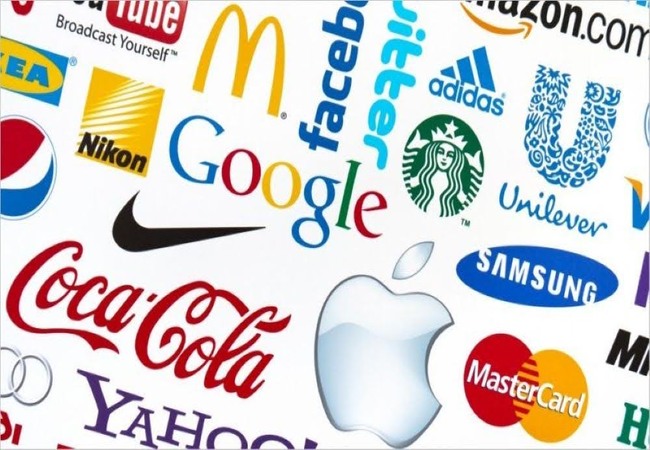
- Coca-Cola’s “Share a Coke” campaign provoked consumers to look for personalized bottles, leading to a 2% increase in sales.
- Nike’s “Just Do It” Promotion: This encourages participation and has sustained sales volumes, particularly during significant events.
- Old Spice’s “The Man Your Man Could Smell Like”: This hilarious campaign revitalized the brand and had sales increase by as much as 125%
- McDonald’s Monopoly Promotion: The thrill of winning has repeatedly kept customers coming in for these prizes.
- Amazon’s Prime Day: This is the biggest shopping day of the year, and it is unique to Amazon.
- Apple Product Launch Events: Expectation and excitement over the product leads to tremendous sales on the launch day
- Dove’s Real Beauty: Dove is an advertisement campaign that helped raise its sales and reputation.
- Starbucks Loyalty Program: The reward program encourages repeat business and retention as well as sales
- Guinness’ “Made of More”: Using compelling stories for advertising emotionally helped raise brand loyalty and market share.
- Target’s Seasonal Sales: Seasonal offers contribute significantly to the sales volume of peak shopping seasons.
These are a few examples of how good advertisement and sales promotion can increase brand awareness, customer retention, and sales in each field.
Final Thoughts
Advertising and promotion are not additional to a company’s marketing arsenal but an integral part of a comprehensive business plan. Mastering these essential components can help organizations increase brand recognition, encourage engagement, increase sales, differentiate themselves from the competition, adapt to market changes, and measure their effectiveness, ultimately manipulating the consumer’s behavior. Those who decide to prioritize their advertisement and sales promotion strategies will thrive since the marketplace continues to grow ahead.
]]>A business’s value proposition should be at the heart of its marketing strategy. Only when an online or offline marketing plan aims to drive and communicate a sustainable advantage over the competition can this core value align with it? Emerging trends are only balanced with successful tactics when serious results are sought.
A business can use marketing strategies to develop its organization and attract customers. Before exploring further, let’s first discuss what marketing strategies are and why companies must use them.
What Are Marketing Strategies?
Marketing strategies are planned to promote a new venture across different media and channels. They involve goals, target audiences, content creation strategies, performance indicators, etc.
Main Components of Marketing Strategies
- Target Groups: Knowing who can be targeted to tailor your marketing practices is essential.
- Goals: Reaching clear and measurable objectives ensures your marketing strategy is coherent with the overall business objectives.
- Content Creation: Relevant and engaging content would help you reach and connect with your audience.
- Key Performance Indicators: You need to track metrics to assess your marketing initiatives’ effectiveness to continue improving.
- Competitive Advantage: You can position your brand better if you uniquely know your product or service.
A strong marketing plan can give you an idea about who your prospective customers are and where you may satisfy them better than others. That would be your long-term view of communicating value, where the startup delivers for a target audience. Remember that the hybrid marketing strategy, comprising online and offline strategies, should guide what one would undertake for any marketing campaign.
Why Businesses Need Marketing Strategies

A marketing strategy is the most fantastic tool for business growth for any startup: it is a map that guides savvy decisions of companies. There is a framework in marketing strategies through segmentation, targeting, and positioning—a way that helps startups understand how they will get to their customers effectively.
Why Companies Need Marketing Strategies
- Guidance: They provide direction for companies in their marketing endeavors.
- Customer Engagement: It helps design products and services to meet customer needs.
- Communication: It guides how to communicate product information to the target audience effectively.
- Overcoming Challenges: Marketing strategies can help overcome hurdles and anticipate future challenges.
- Performance Tracking: Businesses can measure the success of their marketing initiatives.
Thus, these marketing strategies can be a mantra for business growth; they enable businesses to overcome hurdles and predict future challenges. Here are 11 effective marketing strategies that will help your startup flourish.
11 Marketing Strategies for Business Growth

As mentioned earlier, business operations would require a committed effort to turn out successful, yet more than commitment is required. A marketer must devise a plan ensuring relevance and sustainability in the marketplace. The following lines identify some effective offline marketing strategies that are not a sure shot at success but contribute to business growth.
CSR Importance

Corporate Social Responsibility (CSR) is defined as a business’s commitment to being a good corporate citizen for the benefit of the company itself, society, and various stakeholders. Participating in social causes not only sensitizes but also changes people’s perceptions.
- Competitive Advantage: Companies with CSR departments tend to remain ahead of the competition.
- Brand Attachment: Active involvement in social causes tends to deepen consumer attachment.
- Cost-Efficiency: CSR activities tend to beautify your brand image with minimal advertising expenditure.
- Positive Publicity: CSR will positively attract media and give an excellent image to the brand.
- Community Engagement: It helps create a good image and increase credibility in the community.
For example, through the “Shiksha – Padhega India, Badhega India” initiative by Procter & Gamble, education has successfully been provided to more than 280,000 poor children. Water conservation initiatives undertaken by Hindustan Unilever have also brought the message of environmental concern to society.

Event Sponsorship

Event sponsorship is a significant marketing activity that increases exposure and branding. It involves a thematic presentation or exposition that represents a business and allows it to connect with people.
- Face-to-Face Contact: Events allow customers to experience the brand for direct contact, thus improving a brand’s relationship.
- Networking: Companies can associate with other entrepreneurs regarding possible collaborations.
- Target Audience: Events attract the right kinds of people, ensuring that marketing efforts reach the target audience directly.
- Brand Experience: Live events create a memory; consumers get to experience the brand in a meaningful way.
- Community Presence: Local sponsorships help build the company’s image in the community.
Start-ups can organize various events, such as marathons, art exhibitions, and product launching events, to create buzz about their brand. Sponsorship increases visibility and brings the brand to the forefront of the industry.
Guerrilla Marketing

Guerrilla marketing is an unorthodox and innovative approach that focuses on word-of-mouth and personal communication. It is best for start-ups and tiny businesses that wish to stand out without burning their pockets.
- Cost-Effective: Guerrilla marketing activities usually require relatively low investments compared to traditional advertisements.
- Creativity: There are no set rules; the company can do whatever it feels would get it noticed.
- Local Sensibility: Works excellent for cities; attracts local audiences’ attention.
- Social Sharing: Novel campaigns will be shared more on social media, spreading the word organically.
- Instant Attention: Surprise and engaging marketing can grab people’s attention immediately.
For instance, the Anando Milk billboard on a skyscraper in Mumbai increased milk consumption among children and showed the world how innovative guerrilla marketing can trigger a target audience.
Trade Shows

Businesses can attend trade shows to gain more visibility and promotion for their products and services. This is always an opportunity for networking in the industry and even partnerships.
- Demos of Product: Trade fairs allow business organizations to showcase their products and services to interested individuals.
- Lead Generation: The exposure enables firms to collect leads and follow up on clients.
- Networking: Startups can connect and network with professionals in the same trade.
- Market Research: Observing the reaction of competitors to a similar product will help evaluate future courses.
- Validation: Trade fairs provide a direct route for companies to communicate with customers, making a firm more believable and fostering growth.
Offline Affiliate Marketing

Affiliate marketing is one of the best modes of marketing. In this mode, affiliated marketers market a company’s products or services at their physical locations, increasing the chances of selling exponentially.
- Direct Interaction: People can touch and feel the product, which increases the possibility of selling it.
- Cost-Effectiveness: Businesses incur a cost only on successful sales, reducing risks in marketing.
- Rewarding Promotion: Affiliate marketers are motivated to promote because they receive a commission from successful referrals.
- Brand Awareness: Local affiliates can create community awareness by focusing on the target market.
- Scalability: Startups can scale affiliate programs with business growth.
For example, Amazon’s affiliate program enables bloggers and site owners to earn a commission by creating links for Amazon products. This model has been rewarding for Amazon and its affiliates in terms of good sales.

Out-of-Home Advertising

Out-of-home advertising involves advertising outside of the home. It constitutes a very effective strategy for reaching a larger audience through various marketing efforts to promote a company’s products or services.
- Deeper Reach: Out-of-home advertising targets where the consumer spends most of their time, thereby increasing exposure to the advertisement.
- Image-Based Appeal: Innovative images usually attract and linger in the subconscious.
- Location-Based Marketing: Advertisements can be placed at prime-access locations to maximize visibility.
- Competitive Advantage: Unlike digital, there is relatively less clutter to compete against in OOH spaces.
- Brand Saliency: The more consumers see it, the more they remember and recall a brand.
Common OOH mediums include billboards, posters, and digital displays in shopping malls and transit stations, making them vital for brand visibility.

Public Relations Investment

Public relations (PR) manages a firm’s reputation through strategic communications and media relations. Unlike advertising, PR emphasizes earned media, while advertising focuses on paid placements.
- Trust Value: PR has virtues since it comprises real stories rather than paid advertisements.
- Media Relations: A link with journalists can lead to priceless media coverage.
- Storytelling: Compelling stories related to your brand can easily connect to your target audience.
- Crisis Management: PR methods help navigate difficult situations while maintaining a good public image during challenging times.
- Long-Term Impact: Good PR can have long-lasting beneficial effects, building consumer loyalty and trust over time.
Strategic media releases can create a positive buzz about a startup and lead to opportunities for interviews, guest blog posts, and speaking engagements.
Freebies and Samples

Free samples allow consumers to test your product without risk. It’s an excellent way to enhance visibility and sales conversion.
- Risk Reduction: Consumers may be more willing to try a product without financial risk.
- Brand Experience: Free samples allow consumers to experience the product first-hand.
- Enhanced Loyalty: Offering free samples can create a sense of gratitude that leads to loyalty.
- Customer Feedback: This strategy allows companies to gather customer insights on the product.
- Word of Mouth: Satisfied customers may share their positive experience, bringing in referrals.
Many beauty brands, such as L’Oréal and Sephora, employ this strategy during product launches and events.
Referral Programs

A referral program incentivizes existing customers to recommend your business to friends or family. This is an effective strategy as people tend to trust recommendations from others.
- Trust Factor: Referrals have more credibility; people tend to trust the recommendation more than advertisements.
- Cost-Effective: Referral programs can lower customer acquisition costs significantly.
- Customer Loyalty: Rewarding referrals can increase customer loyalty among existing customers.
- Expanding Customer Base: Each referral can lead to a growing customer base with minimal investment.
- Ease of Implementation: Setting up a referral program is straightforward and easily managed.
Dropbox successfully used a referral program to exponentially increase its user base, rewarding users with additional storage space for each referral they made.

Flyers Making

Another way to reach your target audience using your brand’s message is through free printed promotional materials. Flyer printing may be an old strategy, but that doesn’t mean it’s not helpful; this is especially applicable when attending a trade show or increasing awareness for your community.
Given so many design options, flyers are more accessible to design and may be printed using the finest techniques we provide: our offset or digital printing.
Flyers and brochures can be used in many ways to attract your target audience’s attention:
- Flyers will look more beautiful if printed with the best technology and quality.
- To interest readers, startups can use catchy headlines, bold colors, and vivid images.
Digital Marketing

A digital marketing strategy is a plan for creating an online presence using tools like:
- Social media
- Sponsored Search
- Organic search
- Other web-based platforms like your website
Digital marketing tactics aim to increase brand awareness for your business and attract new customers. In building a digital marketing strategy, a business needs to take into account:
- Owned media: The organization’s communication channels.
- Paid media: The purchased media.
- Earned media: External media.
Cafe Coffee Day (CCD) is the largest coffee store in India. One of this company’s most distinct features is that it rarely uses print, television, radio, and other traditional media forms of promotion. Their marketing strategy is firmly based on digital media, especially online and social media advertisements.
Major Takeaways
To summarize, the primary strategies discussed here include:
- Emphasizing the importance of CSR for brand perception and engagement.
- Utilizing event sponsorship for direct consumer interaction.
- Leveraging guerrilla marketing for creativity and cost-effectiveness.
- Participating in trade shows for networking and lead generation.
- Implementing affiliate marketing for community-based sales initiatives.
- Investing in out-of-home advertising for broader reach.
- Managing public relations for trust and credibility.
- Offering freebies to enhance product trial and loyalty.
- Establishing referral programs to utilize word-of-mouth marketing.
- Focusing on local SEO for targeted traffic.
- Engaging customers through effective email marketing campaigns.
Conclusion
Every business needs to grow, and implementing sound marketing strategies is critical to achieving this. Each marketing strategy mentioned here has unique advantages and can be implemented in various ways, depending on the business’s goals, resources, and target audience. Therefore, companies must choose the strategies that best align with their objectives and brand values. Companies can ensure sustainable growth and increased customer engagement by effectively utilizing these marketing strategies.
]]>As the commercial real estate market continues to grow in 2017, the need of the hour is to strengthen the segment by staying ahead of the digital curve. Out of all the real estate agents in your area, what is it that makes you different from the rest? As a real estate marketer, you need to put your customer’s needs first by choosing an approach that is subtle and focuses on humanizing your business. Example: Paper Cup Advertising

Did you know? 75% of a real estate agent’s business comes from referrals and word of mouth.
The digital marketing failures in the real estate industry are quite evident. 45% of inquiries on real estate websites never get a response. When it comes to digital marketing campaigns, most of the players in the real estate industry focus on generating traffic and acquiring as many leads as possible with very little emphasis on relevance. This kind of overgeneralised strategy is a big waste of time and money for agents and brokers.
It’s high time that the real estate industry finds a media that focuses on a well-thought-out strategy with proven tactics that creates relevant traffic, leads and ultimately clients. A medium that caters to all the above requirements is paper cup advertising

Rohan Builders, a construction & real estate company decided to invest its advertising spend on offline medium, paper cup marketing.

Founded in 1993, Rohan Builders aims at building a healthy lifestyle for city dwellers and creating a sustainable ecosystem. Rohan Group has diverse interests in real estate, industrial contracting, infrastructure development, and logistics. The group has a range of residential projects in Pune and Bangalore. The group has completed 3 residential projects in Bangalore and has 4 ongoing projects.
paper Cup advertising Campaign for Rohan Builders
Rohan Builders entered the GingerCup office with the aim to promote their ongoing residential project Rohan Akriti in Bangalore. The upcoming project is situated in the lush green suburbs of Kanakapura, South Bangalore. The reason they decided to go with paper cup marketing is because they had their target demographic clear in their mind. They were looking to target first-time homebuyers, men and women aged 25-40 and working couples who are on their way to start a family. For a target audience like this, custom paper cups inside corporates work wonders.

Every branded paper cup urged people to take the Rohan Akriti #BrainChallenge – A quiz competition created by Rohan Builders to attract new clients. Each question rewarded the person in some way or the other. From winning a free trip to Goa to winning to Rs. 1000 Amazon vouchers, the challenge was made for people who are looking for exciting discounts on their new home. With the association, Rohan Builders were looking to attract potential clients.
GingerCup conducted a similar pre-launch campaign for Brigade Group. To browse through pictures related to the campaign, click here.
Nothing can get simpler or more effective than branded paper cups to promote the offerings of the real estate market.
The medium gives you access to a wide audience, builds your brand and makes sure locals recognise you and your property. Unlike internet traffic that is only converted into leads, paper cup marketing generates leads that are of much value and relevance.
For a tailored cup marketing campaign, visit http://www.gingercup.com/ or send an email to contact@www.gingercup.com.
]]>Ready to talk with a marketing expert?

A Pragmatic and innovative way to enthrall your target group is just a click away!
Get in Touch
Rukmini Knowledge Park, Kattigenahalli, SH 104, Srinivasa Nagar, Bengaluru, Karnataka 560064
+91-990 247 8800
contact@gingermediagroup.com
Popular in Television Advertising
Udaya TV AdvertisingSun TV AdvertisingStar Plus AdvertisingTV 9 AdvertisingZee TV AdvertisingNDTV India AdvertisingColors TV AdvertisingPopular in Airport Advertising
Spice Jet AdvertisingMumbai Airport AdvertisingDelhi Airport AdvertisingEmirites AdvertisingIndiGo Airlines Domestic India AdvertisingPopular in Newspaper Advertising
Deccan Herald AdvertisingPrajavani AdvertisingThe Hindu AdvertisingEconomic Times AdvertisingDainik Jagran AdvertisingHindustan Times AdvertisingPopular in Magazine Advertising
Forbes AdvertisingCosmopolitan AdvertisingBusiness World AdvertisingVogue Magazine AdvertisingPopular in Sports Advertising
IPL AdvertisingPopular in Outdoor Advertising
Billboard AdvertisingBus Shelter AdvertisingMetro Pillar AdvertisingUnipole Advertising© Ginger Media Group 2025. All Rights Reserved.