- In-depth Tracking of Data: Google Analytics gives very in-depth tracking of visitors’ behaviour, engagement, and conversion metrics.
- Insight into User Behavior: Realize precisely how your visitors are navigating and interacting with your website.
- Performance Metrics: Track key metrics such as bounce rate, session duration, and page views to assess your website properly.
- Reports Created Based on Business Goals: Create reports tailored around the metrics best suited to business goals.
- Integration Capabilities: Combine Google Analytics with other tools, such as Google Ads, Search Console, and CRM software, for deeper analysis.
At this point, it’s clear that Google Analytics is a critical tool for businesses looking to maximize their digital strategies and grow their digital accounts continuously.
1. What is Google Analytics?

Google Analytics is a free service from Google that enables you to monitor and track any visitor who drops by your website and report on the traffic. Through it, you will find valuable insights into how users interact with your website, enabling you to make data-driven decisions to enhance user experience better and finally bring about your business objectives.
Core Features of Google Analytics
- Real-time Reporting:
Track actual user activity on your site, including the pages they currently view and their location. Real-time data will give you a quick sense of how marketing campaigns and alterations to the website are performing. - Audience Demographics:
Understand visitor demographics, such as age and gender, along with what they like and dislike. Knowing your audience is vital in adapting the content and marketing to maximise effectiveness in reaching their needs and wants. - Acquisition Channels:
Determine if visitors are coming to your website through organic search, pay-per-click ads, social media, or direct visits. This can help you understand which marketing channels to prioritise resource allocation in. - Behavior Flow:
Think of all the possible paths people take through your website. Viewing behaviour flow will give you an idea of where the bottleneck occurs, which might improve user experience and engagement with your company. - Conversion Tracking:
Set up and monitor specific goals, such as form submissions, sales, signups, etc. Conversion tracking allows you to monitor the effectiveness of your marketing campaigns and thus improve performance.
To get the most out of Google Analytics, you must be aware of these features that contribute significantly to your business’s success.
2. Google Analytics Setup

The proper configuration of Google Analytics ensures that data is collected accurately and that insights are meaningful. This process involves creating an account, adding a tracking code to the website, and configuring essential settings for smooth operation.
Setup Steps in Google Analytics
- Creating a Google Analytics Account:
Sign up for a free account on Google Analytics and follow the instructions to set up your property. Fill in details of your website, including URL and website category in the industry. - Install Tracking Code:
Once you have created your account, you will receive a unique tracking ID and a JavaScript tracking code. You should then include this code in the <head> section of each page on your site so that data can be collected. - Goals:
Select specific goals that are suited to your business objectives: maybe you want to make an actual sale, subscribe to a newsletter, or download a resource. Goals allow you to set up your conversions and measurements successfully. - Enable E-commerce Tracking:
If you are operating an e-commerce website, enable e-commerce tracking. This allows you to track sales, revenue, and product performance. It provides excellent insight into your sales funnel and helps you optimize your product line. - Link to Other Google Services:
Link Google Analytics to other Google services, including Google Ads, Search Console, and Data Studio. Linking these services enables you to analyse data across different platforms and create comprehensive reports.
Following these steps ensures you have Google Analytics set up correctly, providing a solid base for accurately tracking and analysing data.
3. Analyzing Audience Insights

Knowing your audience is critical to creating an effective marketing campaign. Google Analytics provides extensive information about visitors to your website so you can better tailor your content and your campaigns to their needs.
Key Audience Insights
- Demographic Information:
Access data about the age, gender, and interests of your website visitors. This will help you understand your audience and allow you to focus on creating suitable content for different segments. - Geo-Data:
Identify where your visitors are coming from down to the city level. Geographic insights can inform your marketing strategies, such as localised campaigns or region-specific promotions, to better engage your audience. - Device Usage:
Analyse the types of devices your visitors use to access your website, such as desktop computers, mobile, and tablets. Knowing device preferences helps you optimize your website for different platforms, ensuring a seamless user experience. - New vs. Returning Visitors:
Quantify the number of new visitors compared with the number of returning visitors. This metric helps you measure the success of retention strategies you’re currently using or identify areas that require increasing repeat visits. - User Interests:
Based on their online actions, look into your audience’s interests and affinities. Aligning your content with user interests can enhance engagement and drive higher levels of interaction on your website.
Using these audience insights, you can modify marketing plans, create more contextual content, and generally engage users better, pushing for more beneficial business results.
4. Website Performance Monitoring
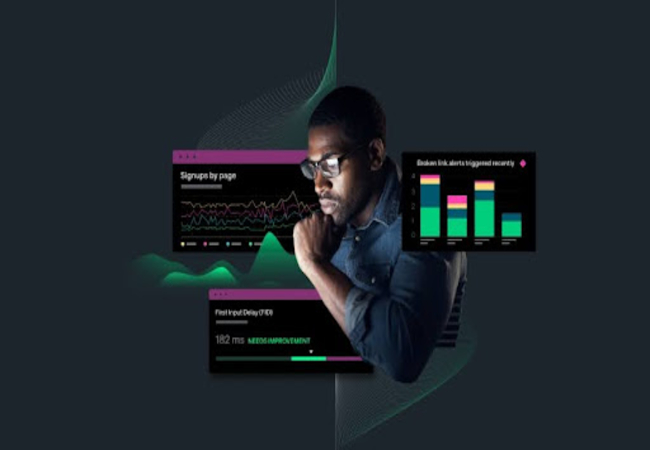
You should monitor your website’s performance to improve its effectiveness and achieve business objectives. Google Analytics provides detailed performance metrics that help you identify areas for improvement and track the effectiveness of your optimisation efforts.
Key Performance Metrics

- Page Views:
Track the total number of pages viewed on your website. High page views indicate strong user engagement, while low numbers suggest the need for more compelling content or better navigation. - Bounce Rate:
Measure the percentage of visitors who leave your website after viewing just one page. A high bounce rate can indicate issues with page relevance, load times, or user experience that need to be addressed. - Average Session Duration:
Analyse the average amount of time visitors spend on your website. Longer session durations typically signify that users find your content valuable and engaging. - Pages per Visit:
Monitor the number of pages users view during a single session. More pages per session suggest effective internal linking and engaging content that encourages users to explore further. - Load Time:
Assess the average time it takes for your web pages to load. Faster load times enhance user experience and can positively impact your search engine rankings and conversion rates.
Monitoring these performance metrics allows you to continuously optimize your website, improve user experience, and more effectively achieve your business objectives.
5. Optimization of Content Strategy
A well-defined content strategy attracts and retains website visitors. Google Analytics provides insights that help you understand which content performs best and how to optimize your content strategy for maximum impact.
Key Content Optimization Strategies
- Identify Best-Performing Content:
Use the Behavior > Site Content > All Pages report to identify which pages receive the most traffic. Understanding which content resonates with your audience allows you to create more of what they find valuable. - Analyse Content Engagement:
Evaluate metrics such as average time on page and bounce rate to assess how engaging your content is. High engagement indicates that your content meets user needs, while low engagement suggests the need for improvements. - Optimise for SEO:
Leverage the Acquisition > Search Console > Queries report to identify which search queries drive traffic to your site. Optimise your content with relevant keywords to improve search rankings and attract more organic traffic. - Content Gap Analysis:
Identify topics and keywords for which your competitors are ranking, but you are not. Creating content around these gaps can help you capture additional traffic and expand your audience’s reach. - User Flow Analysis:
Examine the paths users take through your website using the Behavior > Behavior Flow report. Understanding user journeys helps you structure your content to effectively guide visitors toward conversion goals.
Implementing these content optimisation strategies can enhance the relevance and effectiveness of your content, leading to increased engagement, higher search rankings, and improved business performance.
6. Measuring Conversions and Goals

Tracking conversions and setting up goals are among the most critical aspects of monitoring the success of your marketing efforts and understanding how users interact with your site. Google Analytics allows you to define and monitor specific goals that align with your business objectives.
Critical Strategies for Conversion Tracking
- Define Clear Goals:
Establish specific, measurable goals such as form submissions, product purchases, newsletter sign-ups, or account creations. Clear goals provide direction for your marketing strategies and help you measure success accurately. - Set Up Goal Funnels:
Create goal funnels to visualise the steps users take to complete a goal. Understanding where users drop off in the funnel allows you to identify and address obstacles that hinder conversions. - Track E-commerce Transactions:
If you operate an online store, enable e-commerce tracking to monitor sales, revenue, and product performance. Detailed e-commerce data helps you optimize your product offerings and sales strategies. - Use Event Tracking:
Implement event tracking to monitor specific user interactions, such as button clicks, video plays, or downloads. Event tracking provides insights into how users engage with different elements of your website. - Analyse Conversion Paths:
Using the Multi-Channel Funnels report, examine the sequences of interactions that lead to conversions. Understanding conversion paths helps you identify the most effective marketing channels and touchpoints.
By effectively tracking conversions and setting up goals, you can measure the impact of your marketing efforts, optimise your strategies for better performance, and achieve your business objectives more efficiently.
7. Employ Custom Dashboards and Reports
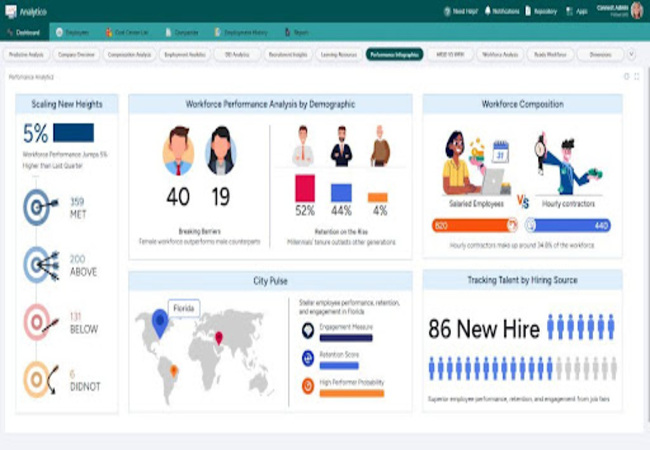
Custom dashboards and reports in Google Analytics enable you to focus on the metrics that matter most to your business. Tailoring your analytics interface to display relevant data can enhance your ability to make informed decisions quickly.
Critical Strategies for Custom Dashboards
- Create Customized Dashboards:
Design custom dashboards that highlight the key metrics relevant to your business goals. For example, a marketing dashboard might focus on traffic sources, conversion rates, and campaign performance, while an e-commerce dashboard could emphasise sales, revenue, and product performance. - Use Widgets Effectively:
Utilise widgets to display different types of data, such as tables, charts, and graphs, within your dashboards. Widgets allow you to visualise data in a way that is easy to interpret and actionable. - Automate Report Generation:
Schedule regular reports to be generated and emailed to stakeholders automatically. Automated reporting ensures that crucial team members stay informed about website performance without manual effort. - Share Dashboards with Team Members:
Collaborate with your team by sharing custom dashboards and reports. Shared dashboards facilitate communication and ensure that everyone is aligned with the latest insights and performance metrics. - Integrate with Other Tools:
Combine Google Analytics data with other tools like Google Data Studio for more advanced reporting and visualisation. Integration with other platforms can provide a more comprehensive view of your digital performance.
Leveraging custom dashboards and reports allows you to streamline your data analysis process, focus on the metrics that drive your business, and make more informed decisions.
8. Optimizing for SEO using Google Analytics

Search Engine Optimization (SEO) is critical for improving your website’s visibility in search engine results. Google Analytics provides essential data that can help you enhance your SEO strategies and achieve better search rankings.
Critical Strategies for SEO Enhancement
- Monitor Organic Traffic:
Track the volume of organic traffic your website receives and identify trends over time. Understanding fluctuations in organic traffic helps you assess the effectiveness of your SEO efforts and make necessary adjustments. - Analyse Landing Pages:
Identify which landing pages attract the most organic traffic and evaluate their performance. High-performing landing pages can serve as models for creating content that drives traffic and effectively engages users. - Evaluate Keyword Performance:
Use the Acquisition > Search Console > Queries report to analyse which keywords are driving traffic to your site. Identifying high-performing keywords allows you to optimize existing content and target new keywords for improved search visibility. - Optimise Content Based on User Behavior:
Examine metrics like bounce rate and average session duration for page ranking for specific keywords. Optimising content based on user behaviour ensures that visitors find the information they need, leading to higher engagement and better SEO performance. - Identify and Fix Technical SEO Issues:
Leverage insights from Google Search Console integrated with Google Analytics to identify and address technical SEO issues such as broken links, slow page load times, and mobile usability problems. Fixing these issues enhances your website’s overall SEO health and improves search rankings.
Implementing these SEO enhancement strategies can improve your website’s visibility in search engine results, attract more organic traffic, and achieve higher conversion rates.
9. Segmentation to Get More Insights

Segmentation in Google Analytics allows you to divide your data into meaningful subsets, enabling a more detailed analysis of user behaviour and website performance. By understanding different segments of your audience, you can tailor your marketing strategies to meet their needs better.
Critical Strategies for Effective Segmentation
- Demographic Segmentation:
Divide your target audience into segments based on demographic data like age, gender, and interests. Demographic segmentation helps you understand the preferences of different audience groups and customize your content and marketing efforts accordingly. - Geographic Segmentation:
Segment your audience based on geographic locations, such as country, region, or city. Geographic segmentation allows you to target specific regions with localised marketing campaigns and address the unique needs of different areas. - Behavioural Segmentation:
Divide your audience based on their behaviour on your website, such as pages visited, time spent, and actions taken. Behavioral segmentation helps you identify patterns and trends in user interactions, enabling you to optimize your website for better engagement and conversions. - Traffic Source Segmentation:
Analyse segments based on how users arrive at your website, whether through organic search, paid ads, social media, or referrals. Understanding traffic sources helps you evaluate the effectiveness of different marketing channels and allocate resources accordingly. - Device Segmentation:
Segment your audience based on the devices they use to access your website, such as desktop, mobile, or tablet. Device segmentation allows you to optimize your website’s performance and user experience for different platforms, ensuring a seamless experience for all users.
By utilizing segmentation, you gain deeper insights into your audience’s diverse aspects, allowing you to create more targeted and effective marketing strategies that drive better business outcomes.
10. Integrating Google Analytics with Other Tools
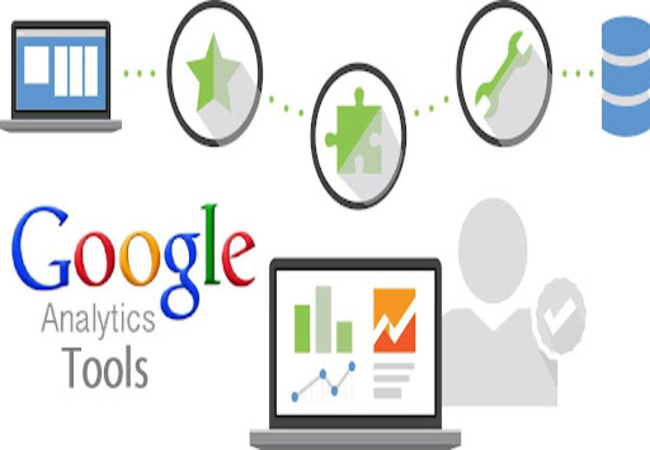
Integrating Google Analytics with other tools and platforms can enhance your data analysis capabilities and provide a more comprehensive view of your digital performance. Seamless integration allows you to combine data from multiple sources, enabling more informed decision-making.
Key Integration Strategies
- Google Ads Integration:
Link Google Analytics with Google Ads to track the performance of your advertising campaigns. This integration provides insights into how ad clicks translate into website interactions and conversions, helping you optimize your ad spend and improve campaign effectiveness. - Google Search Console Integration:
Connect Google Analytics with Google Search Console to gain a holistic view of your website’s search performance. This integration allows you to analyse how search queries drive traffic to your site and identify opportunities for SEO optimisation. - CRM Integration:
Integrate Google Analytics with Customer Relationship Management (CRM) systems like Salesforce to track customer interactions and measure the impact of your marketing efforts on sales and customer retention. This integration provides a unified view of customer data, enhancing your ability to personalise marketing strategies. - Email Marketing Integration:
Link Google Analytics with email marketing platforms like Mailchimp to track the performance of your email campaigns. Monitor metrics such as open rates, click-through rates, and conversions, enabling you to refine your email marketing strategies for better results. - E-commerce Platform Integration:
Integrate Google Analytics with e-commerce platforms like Shopify or WooCommerce to track sales performance, product popularity, and customer behaviour. This integration provides valuable insights into your online store’s performance, helping you optimise product offerings and marketing strategies.
By integrating Google Analytics with other tools, you can create a more comprehensive data ecosystem that enhances your ability to analyse and act on insights, ultimately driving better business performance.
Final Thoughts
Making the best use of Google Analytics is an ongoing strategy of planning, implementation, and continuous optimisation. Implementing the critical elements discussed here will not only enhance your website’s performance but also ensure that you harness the full potential of Google Analytics. Here are five final takeaways:
- Thorough Strategy Formulation:
Begin with a comprehensive analytics strategy that encompasses data tracking, audience analysis, performance measurement, and goal setting. - Investment in Quality Data Collection:
Utilise proper codes and settings when placing tracking codes to ensure accurate and comprehensive data collection. This is crucial for obtaining high-quality insights. - Data-Informed Decisions:
Rely on data and analytics to drive your marketing and optimisation decisions, ensuring that your efforts are practical and aligned with your business goals. - Adaptability and Flexibility:
Be flexible enough to change your strategy based on data insights and market conditions, ensuring competitiveness and responsiveness to evolving user needs. - Continuous Learning and Improvement:
Review your analytics data regularly, stay updated with new features, and continually refine your strategies based on insights to drive long-term growth and success.
By embracing these principles, your Google Analytics efforts will not only improve your website’s visibility and performance but also enable you to make informed, data-driven decisions that drive business growth and success. Implementing a strategic and comprehensive analytics approach ensures that your digital presence remains competitive and effective in the dynamic world of online marketing.
]]>Key Takeaways to Be Mentioned in the Introduction
- Deeper Insight in Making Decisions: RTB gives advertisers vital information regarding audience behavior and market dynamics, thus affording them a choice of where and when to invest their budget.
- Efficiency in Costs: RTB manages to identify areas of possible savings by allowing advertisers to place bids on ad spaces based on real-time data and keeps optimizing the human resources spent on dollar expenditures, thus leading to dollars being spent at their best impact.
- Better Customer Value: RTB aligns advertising activities with customer value by targeting relevant ads to the right people at the right time, improving the overall customer experience.
- Continuous Improvement: Since RTB happens in real time, regular analysis and alteration of the directions of the advertisements with some performance metrics will be done to promote continued optimization and improvement.
- Strategic Planning: RTB offers highly data-driven insights, which help corporations forecast better and make long-term decisions for directing their next moves in advertising campaigns.
In this blog, we will discuss the principles of Real-Time Bidding, why it is important today, and how an organization can take advantage of this process to improve advertising efficiency. Let’s share insights and practical ways to add RTB to your digital advertising campaign.
What is RTB Full Form?

RTB, or Real-Time Bidding, is a digital advertising concept based on an auction process for online ad space in real time. By utilizing user identification and behaviour patterns, organisations can target their ads more effectively to the right groups of people and with the right interests. This, therefore, results in more efficient usage of marketing budgets along with higher engagement from the target audiences.
Key Elements of RTB

- Demand-Side Platform (DSP):
A DSP platform enables users to manage multiple ad and data exchange accounts using a single interface. Its importance lies in the fact that it makes automated purchases, and users place advertisements on ad spaces in real-time by using user information to maximise relevance. - Supply-Side Platform:
SSPs help publishers optimise their ad space inventory to maximise revenue generation. Through them, the multiple ad exchanges allow publishers to reach the correct demand for their ad placements and, therefore, the potential for revenue maximisation. - Ad Exchanges:
An ad exchange is an entity where buyers and sellers interact on the price of ad space. Publishers are sellers, and advertisers are buyers, negotiating on price. Such exchanges also support the execution of RTB because the real-time auction process allows buyers and sellers to achieve optimal outcomes in terms of ad placements and prices.
Benefits of RTB
- Improved Decision Making:
RTB further aids decision-making by providing real-time user engagement and bid results statistics. For example, an e-commerce seller of attire can analyse which ads work best for demographics and rapidly switch campaigns to maximise returns on investment through RTB. - Cost Effectiveness:
RTB improves cost efficiency by automating the buying process and enabling advertisers to pay only for impressions that meet their targeted criteria. Organisations set budgets that optimise their spending and pay only for ads most likely to increase conversions. - Increased Communication and Coordination:
RTB enhances collaboration and openness between marketing and sales teams. Sharing real-time information and results helps these teams align strategies better to ensure cohesive campaigns that drive engagement and sales.
Core Principles of RTB
- Activity-based Approach:
Understanding user-specific activities is central to understanding RTB. If ads are targeted against users’ actions and interests, the campaigns tend to be more effective as advertising becomes more focused and successful. - Association of Activities with Costs:
Cost-related user activities associated with the advertiser allow the person to know the cost of running each advertisement. This is crucial in deciding on budget and campaign optimisation. - Constant Improvement:
The main feature of RTB is the assessment of performance metrics on continuous evaluation and feedback. This method adjusts campaigns according to performance metrics to make the advertising strategy work throughout the campaign period.
How to Put RTB Into Action
- Review current activities:
Observe traditional buying processes to identify where RTB can create more value. Analyse past campaign performances and user engagement behaviours. - Define Cost Drivers:
Determine your cost drivers, such as audience segments, the time of day bidders are likely to drive prices, and ad formats so there is an optimal bidding strategy and resource usage. - Leverage Performance Metrics:
Set up and monitor performance metrics to gauge the effectiveness of each ad campaign. Click-through rate and conversion rate are just two of the metrics that define effectiveness. - Engage Employees:
Get employees to collaborate with the RTB process to foster collaboration and innovation. The team should be encouraged to develop suggestions to improve strategies based on first-hand experiences and data insight. - Leverage Technology:
Utilise technology tools and platforms that facilitate the RTB process: machine learning algorithms and data analytics advance targeting and bidding.
Real-World Examples of RTB
- Case Study of an E-commerce Giant:
One e-commerce giant used RTB to promote specific products during the prime shopping seasons, resulting in a conversion rate that was 40% higher than that of similar traditional campaigns. - Automotive Industry Success:
For instance, one of the world’s biggest automobile manufacturers used RTB to target potential car buyers effectively effectively effectively. It supplemented the ads according to user behaviour’s search patterns, thus leading to a massive hike in leads and sales calls. - Travel Agency Application:
A travel agency used RTB to give dynamically priced travel deals to online users based on their behaviour. It yielded a 35% increase in bookings over a quarter.
Final Thoughts
RTB is an invaluable approach for organisations seeking to upgrade their digital advertising efficiency and reach. A good understanding of core concepts like audience targeting, bid management, and data analysis will allow businesses to run their activities resource-friendly while always being oriented towards improvement, thus unlocking much potential in operational processes and decision-making strategies.
Application of the principles of RTB in your business can lead to:
- Better Ad Targeting: You could hit the perfect target market by correctly identifying viewers to ensure that your advertising dollar is utilised to full effect.
- Better ROI: Maximize returns on your advertisements with real-time insights and data-driven strategies.
- Better Competitive Advantage: Automated bidding processes would allow you to stay ahead of market changes.
It is time for you to take advantage of RTB and its transformational impact on your business: start optimising your digital advertising approach now.
]]>Key Aspects of VOD:
Enhanced Decision-Making: VOD is a tool for gaining the customer’s insights and behaviours, thereby allowing companies to benefit from making a conscious choice to build content related to their audience.
Cost Efficiency: VOD not only eliminates the need for physical media and the cost of distribution, but it also points out areas that can be saved and other resources that can be reallocated, making it a low-cost option for distributing content.
Improved Customer Focus: VOD helps create content that is specially categorized according to the specific needs and interests of the viewers, who in turn are the factor that brings the most efficacy.
Continuous Improvement: A VOD service like this also ensures consistent monitoring of audience engagement metrics; the latter refers to the organization that can change its strategies according to real-time feedback and new industry trends.
Strategic Planning: VOD provides better projections of viewing patterns and the audience’s needs; as a result, long-term strategic planning corresponds to the fluctuation of the market.
This blog will delve into Video On Demand (VOD) principles, its relevance to modern business, and ways businesses can exploit it to improve customer engagement and loyalty. We are glad you are on board as we take the first step to understanding VOD and its utility!
Which is VOD (Video on Demand)?

Video on Demand (VOD) is a digital media distribution model allowing users to retrieve and stream video content conveniently. Unlike classical TV broadcasts, where the viewers are glued to the scheduled program, VOD is flexible and the most convenient because consumers prefer to see when they will watch it. Through the study of user viewing habits and preferences, companies can improve customer experience with the help of personalization and ultimately get the desired result of engagement and revenue.
Main Ingredients of VOD
Content Library: A rich and varied content library is the cornerstone for delivering VOD services. The feature provides diversity and ensures that a wide range of content will be available at all times, and thus, a variety of tastes and preferences will be satisfied. The value of this component is that it can be a subscriber attraction and preservation tool by offering perplexed content, popular shows, movies, and niche genres.
Streaming Technology: Soulservice’s OD service is streaming technology that decides the quality and dependability of the video content supplied to customers. Faster and more reliable streaming encourages users to return and become power users.
User Interface (UI): In an exemplary user interface, the navigation optimizes the user experience, which has become more intuitive. A user-friendly interface enables users to easily search content, view recommendations, and effectively check their view history, which is vital for engaging and retaining users.
Benefits of VOD

Improved Decision-Making: VOD platforms often use analytics to review trends and behaviours. The compiled data gives content creators and distributors beginner assignments on which content will be given out and backed. On the other hand, if a particular genre becomes hotter due to increased mileage, platforms might invest more in similar productions.
Cost Efficiency: VOD can bring savings for traditional broadcasting caused by operational costs like satellite transmission and licensing fees. Through the subscription model, firms can additionally stabilize their revenue streams by blending on-demand content to attract viewers at a lower cost.
Enhanced Communication and Collaboration: For firms that create content, the virtual space of VOD caters to better communication through technology such as marketing and production. The sharing of viewer information and insights makes different teams engage in a collaborative effort that leads to targeted marketing campaigns and a more aggressive content strategy.
Core Principles of VOD
Focus on Activities: A clear vision of user activities, like individual choices, the development trend, and user engagement, tells providers far more than even the most active communication means can. It allows them to tailor their content offerings actively. This approach delivers a unique personalized watching system to the user to match their preferences.
Link Activities to Costs: Differentiating which activities attract viewers and generate revenue is indispensable. With that data, VOD platforms should make those operations as efficient as possible by zeroing in on the least expensive strategies.
Continuous Improvement: The digital landscape is always in flux, underscoring the importance of constantly re-evaluating and giving feedback. Regularly refreshing the content libraries and incorporating the user’s input can positively impact the viewer.
Steps to Implement VOD
Analyze Current Activities: Taking the first step at looking at their content’s content’s engagement and viewer metrics serves to be done. This is where one can learn what truly brings a different perspective and how to evolve in the future when learning from others.
Establish Cost Drivers: By defining the elements that determine the manufacturing and distribution of content, the VOD provider can save a lot and allocate the pleasures to the right place in the budget.
Implement Performance Metrics: Creating such performance metrics will allow for not only defining but also monitoring factors, such as viewer’s return rate, the average time spent on causes, and the monthly subscriber increase, which are most likely behind the failure of the video-on-demand service.
Engage Employees: By adding personnel, a structured setup is achieved; this allows capsule buddies to give input. Thus, the solution that everyone acknowledges is to provide the client with what they love.
Leverage Technology: Advanced technologies, such as AI to recommend content, data analytics for performance tracking, and cloud services for storage, can enhance the capacity and integrity of the VOD platform.
Real-world examples of VOD

Netflix: As a first-mover in the VOD space, Netflix uses user data to design its content. Based on customer preferences, Netflix creates unique TV programs and movies that are tailored to the needs of its audience, which is one reason it has seen tremendous growth and international expansion.
Amazon Prime Video: Amazon uses its vast data store to offer users content such as films and series based on previous buying-related data combined with user-watching patterns. The tool provided here has even enhanced customer interaction on the platform.
Disney+: The introduction of Disney+ highlighted the significance of such a library with handpicked content. Consisting of a combination of franchises that people are used to and some new ones, Disney+ rose to a high position and nearly captured the whole VOD picture.
VOD is a significant change in video content consumption as it provides convenience, cost efficiency, and personalization. The proper application of the principles and methods listed above, as organizations can effectively position themselves in the on-demand video service field with the above tools, will drive companies to reach new heights of success. Thus, VOD (Video On Demand) is undoubtedly a valuable strategy for organizations toideliverent and engage customers in high-demand areas; companies achievably deploy their efficient use once they ultimately learn the basics, optimize the allocation of resources by adopting best practices, and keep abreast with the latest innovations. Build on the business area by cutting costs on ineffective management practices, which could be key for competitive companies. By abiding by the VOD philosophy in your business operations, you can get the following benefits:
- Superior Customer Satisfaction: Allow your content to be available on demand so that customers can participate in the offerings of services in your care when convenient.
- Additional Revenue Streams: Convert your material productively into subscription, rental, and ad-supported models to get the new revenue avenue opened.
- Flexible Content Distribution: Broaden your audience and extend your brand with the digital platform. It doesn’t rely on tangible media but helps you grow your market effortlessly. Now is the time to adopt VOD and feel the dynamic change it brings to your firm. Take the initial effort to better your content strategies and make your audience participate today!
In this blog, we’ll explore Media Kundli’s relevance for YourStory advertising, its impact on business growth, and how to use its insights effectively.
Critical Points in the Introduction:
- Strategic media plan aligning with audience behavior.
- Importance of audience insights for effective advertising.
- Optimizing advertising strategies with data-driven decisions.
- Importance of tailoring content for platforms like YourStory.
- Media Kundli’s role in business growth and advertising success.
What Is Media Kundli?
Media Kundli is a tool inspired by Astrology’s Kundli, where deep insights are drawn to predict success. Similarly, in the advertising world, Media Kundli provides insights into the success of ad campaigns by mapping out the media channels, demographics, and psychographics.
Key Media Kundli Components:
- Audience Insights: Understanding your target audience and which medium they prefer.
- Media Channel Selection: Choosing the best-suited medium to reach your target audience effectively.
- Strategic Planning: Developing a well-thought-out schedule to maximize visibility and engagement.
- Budgeting: Allocating the right amount of resources across mediums to ensure maximum return on investment (ROI).
- Performance Metrics: Tracking key performance indicators (KPIs) like engagement and conversion rates to assess the effectiveness of campaigns.
By applying these components, Media Kundli delivers custom, high-impact campaigns that drive business success.
Importance of Media Kundli in Advertising

Incompetitive market, understanding Media Kundli is crucial for enhancing advertising efforts, especially on content-driven platforms like YourStory. This is ideally suited for storytelling, making it an ideal match for the strategic insights Media Kundli provides.
Why Media Kundli Matters:
- Customized Strategies: Tailor advertisement strategies to resonate with your target audience’s interests and behaviors.
- High Return on Investment (ROI): Target the right platforms and reduce wasted resources by focusing on high-conversion channels.
- Data-Driven Decisions: Realign campaigns using audience insights and performance data for better outcomes.
- Brand Reach: Maximize your brand’s visibility in a crowded online space through well-positioned ads.
- Competitive Advantage: Gain an edge over competitors by making more informed decisions about spending and strategy. decisions
Media Kundli: Important Functions

Mediisundli pis critical in mapping out a complete media strategy for advertising on YourStory. Its functions help brands achieve effective media planning and execution.
Functions of Media Kundli:
- Audience Analysis: Gathering demographic (age, gender) and psychographic (income, lifestyle) data to build an accurate audience profile.
- Channel Choice: Selecting the best media channels to reach your specific audience. For example, a campaign targeting young professionals may focus on LinkedIn and Instagram, while another aimed at older audiences might use TV or newspapers.
- Planning the Right Timing: Timing ads to coincide with crucial decision-making ensures the message is delivered with the most impact.
- Budgeting: Efficiently allocating the advertising budget across different channels to achieve maximum ROI.
- Performance Monitoring: Tracking metrics like click-through rates, conversion rates, and engagement levels to evaluate campaign success.
Media Kundli and YourStory Advertising: Practical Uses
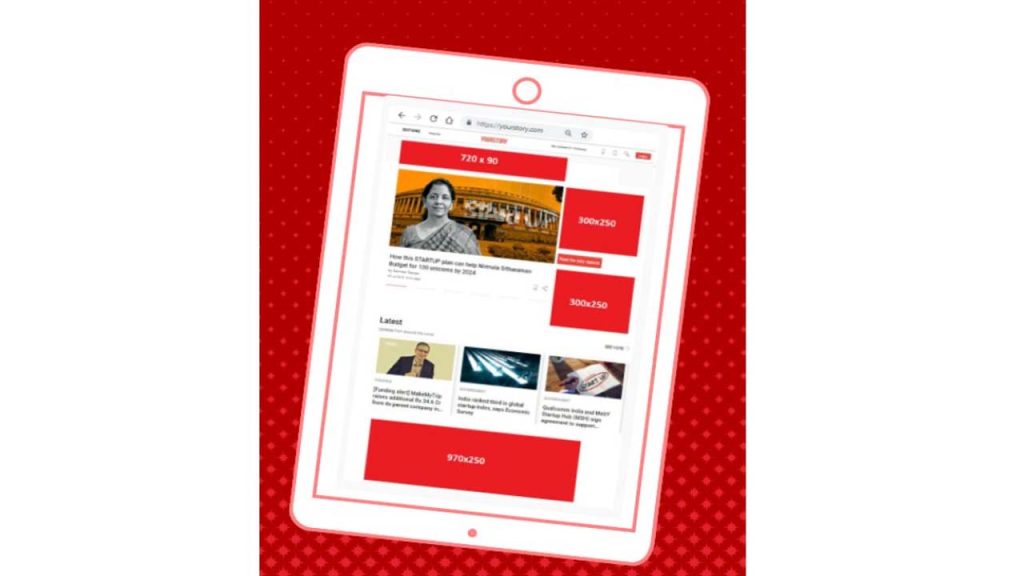
By utilizing Media Kundli, businesses can enhance their advertising on YourStory, a platform that thrives on storytelling and content-driven ads.
How Media Kundli Improves Advertising on YourStory:
- Launch Venture Campaigns: Craft targeted media strategies for launching ventures and attracting an engaged, innovation-hungry audience.
- Product Promotions: Utilize Media Kundli insights to tailor ads to fit the buying habits of YoYourStory’sudience.
- Event-Based Campaigns: Promote events like webinars or product launches using Media Kundli to target the right audience segments on YourStory.
- Lead Generation: Create ads that attract quality leads through storytelling, building trust and credibility with the audience.
- Brand Reach: Maximize brand visibility by integrating storytelling with Media KuKundli’sata-driven approach to ad placement.
Why Media Kundli is a Game-Changer for YourStory Advertising

Media Kundli is more than just a tool; it’s a strategic asset. It aims to fully harness the potential of YourStory advaad advertisement-data-driven to personalized, highly effective campaigns.
How Media Kundli Helps with YourStory Advertising:
- Personalized Campaigns: Use audience insights to design personalized ad campaigns that speak directly to the needs and interests of your target audience.
- Budget Optimization: Ensure that every dollar spent yields results by focusing on the most efficient platforms.
- Ongoing Improvement: Continuously refine campaigns through performance tracking, making them more effective over time.
- Higher Audience Interaction: Capitalize on YoYourStory’s slightly engaged audience by delivering content that resonates with them.
- Quantifiable Success: Use KPIs to measure and justify ad spend, allowing for better planning and execution of future campaigns.
Final Thoughts: Using Media Kundli for Advertising Succes
Media Kundli stands out as a critical tool for success in the highly competitive world of digital advertising. It provides businesses with deep audience insights, helps optimize media channels, and allows for data-driven decision-making. By tapping into the power of Media Kundli, companies can create more impactful campaigns, driving engagement and business growth.
Key Takeaways:
- Audience Insights: Know your audience and tailor your message accordingly.
- Channel Optimization: Select the right platforms to maximize reach and impact.
- Budget Efficiency: Allocate your budget wisely for the best results.
- Data-Driven Campaigns: Continuously refine your strategy based on data.
- Competitive Edge: Gain an advantage with targeted, measurable advertising strategies.
Media Kundli for YourStory advertising is a powerful approach to elevating your brand’s growth and engagement!
]]>Ready to talk with a marketing expert?

A Pragmatic and innovative way to enthrall your target group is just a click away!
Get in Touch
Rukmini Knowledge Park, Kattigenahalli, SH 104, Srinivasa Nagar, Bengaluru, Karnataka 560064
+91-990 247 8800
contact@gingermediagroup.com
Popular in Television Advertising
Udaya TV AdvertisingSun TV AdvertisingStar Plus AdvertisingTV 9 AdvertisingZee TV AdvertisingNDTV India AdvertisingColors TV AdvertisingPopular in Airport Advertising
Spice Jet AdvertisingMumbai Airport AdvertisingDelhi Airport AdvertisingEmirites AdvertisingIndiGo Airlines Domestic India AdvertisingPopular in Newspaper Advertising
Deccan Herald AdvertisingPrajavani AdvertisingThe Hindu AdvertisingEconomic Times AdvertisingDainik Jagran AdvertisingHindustan Times AdvertisingPopular in Magazine Advertising
Forbes AdvertisingCosmopolitan AdvertisingBusiness World AdvertisingVogue Magazine AdvertisingPopular in Sports Advertising
IPL AdvertisingPopular in Outdoor Advertising
Billboard AdvertisingBus Shelter AdvertisingMetro Pillar AdvertisingUnipole Advertising© Ginger Media Group 2025. All Rights Reserved.