Understanding the Foundations of Sports Marketing

Sports marketing is an important part of bringing fans closer to the teams, athletes, and events that are participating. The main objective is to create brand awareness among people who are interested in sports through various means, including digital platforms, sponsorships, and traditional advertising.
- Branding Importance: Building a brand that stands out from the crowd is vital. Organizations such as the New York Yankees and Manchester United partly show how a brand can be so powerful that it can even overpower the game and get the whole world to recognize the brand with which they associate themselves.
- Actual Stats: A 2022 Nielsen Sports report claims that 80% of sports fans who their beloved teams or athletes sponsor are more engaged in the brands, thus signifying the role of the right partnerships in a sports industry becoming a success.
- The theoretical foundation to make the best decision: The 4 P’s of marketing Product, Price, Place, and Promotion provide a powerful solution to developing successful marketing strategies for sports. Knowledge of these can help make the teams’ or events’ unique selling propositions easily understood.
Leveraging Digital Channels in Sports Marketing

Just like the technological revolution has affected the communication field, the same thing has happened with the sports marketing industry. Online channels such as social media, mobile apps, and content marketing have become important.
- Real-Life Scenarios: NBA teams use platforms like Instagram and TikTok to connect with fans through personal content, a successful way of connecting coach-players and fans. For example, the Golden State Warriors use storytelling to make people more attached to the team, thus maintaining a rigid wall with their fans.
- Challenges and Considerations: Although digital marketing offers a wide range of possibilities, it also faces the challenge of performing controversial tasks, such as managing online reputation and handling negative feedback. One way of taking control of such situations is to follow the crisis management model and thus minimize the risk of occurrence.
- Practical Strategies: Brands need to focus more on creating authentic and memorable content that their audience will read. Apart from other ways, telling good stories through videos, polls, and live interactions on social media will make one’s music and be the driving force protecting and promoting loyal fans.
Emerging Trends in Sports Marketing

Being dynamic while simultaneously keeping up with the currently ongoing sporting events in terms of marketing characterizes the marketing environment of sports. A good understanding of the trends that are due to arise is required for a company that wants to survive in the long run. The following areas are some of the ones that will be the most competitive:
- Sustainability Initiatives: To green a setting, several more businesses nowadays are turning to sustainability, as it improves the brand and customer experience. Moreover, the Seattle Seahawks realize the true potential of environmentally friendly activities; thus, they have designed a recycling program that has been appreciated by eco-friendly fans.
- Personalization and Data Analysis: The rise of big data has influenced the marketing world, as marketers have been capitalizing on the use of data to personalize consumers’ experiences. Developing personalized marketing that is both relevant and interesting to the target group can uplift the response rate and increase revenue.
- Implications for the Industry: Besides, as technology changes and fans’ expectations change, companies are supposed to adapt to innovation. Staying one step ahead of the new phenomena of music, like, for instance, those taking place in venues such as AR or improved mobile engagement, will be the best way to the end of the road, which is fan Tennessee.
The quintessence of effective sports marketing is to feel the base of the principles, use digital platforms well, and keep up with the latest trends. These strategies benefit organizations by enabling greater visibility and stronger connections with fans, ultimately resulting in growth and loyalty in the highly competitive sports industry.
Conclusion
The relevance of a good sports marketing strategy directly influences the growth and viability of sports organizations. At the same time, it offers practice for fan engagement and brand loyalty. In our Ultimate Sports Marketing Guide, we summarized the key parts of a solid marketing strategy that ensures a company is among those who can benefit from the enormous growth of the sector. By being familiar with sports marketing subtleties that include the use of social media and data analytics as well as developing community relationships and sponsorship partnerships, you can design campaigns that are tailored and that are the talk of the town that speak to the audience you want to serve and add the extra glam to your brand name.
Key Takeaways:
- Engagement is Crucial: Having good answers and relationships with the fans will boost loyalty and drive attendance.
- Data-Driven Strategies: Analytics can help align marketing efforts with audience tastes and trends.
- Social Media Presence: A lively and engaging social media strategy can significantly increase fans’ range and commitment.
- Sponsorship Opportunities: Strategic alliances can go a long way in boosting visibility and carrying extra revenues.
- Community Involvement: Interconnection with the local community produces goodwill, thus creating a better brand reputation.
By integrating these components into your sports marketing strategy, you can realize a holistic approach that will not only enable the business to meet its goals but also improve the sports culture to a whole new level.
]]>This section shall:
- Understand the dimensions of newspaper advertisements.
- Explain how advertising sizes relate to the potential for optimum reach and ROI.
- Share case studies on effective advertising strategies using newspaper ads.
- Illustrate how ad sizes relate to effective budgeting and audience targeting.
- Guide how to integrate newspaper advertisements into your overall marketing plan.
Let’s enter the world of newspaper advertising and learn how to make the best use of display advertising.
1. Importance of Newspaper Display Ad Size

Knowing the various sizes of newspaper display ads is crucial for a successful advertisement campaign. From classifieds to full-page displays, advertisers can choose the best size that effectively contains their content.
Problem with Sizing That Should Be Considered:
- Standardization: Newspaper adverts are standardized to facilitate the selection of space that would fit their content. Some of the sizes are full-page, half-page, quarter-page, and small spots.
- Visual Impact: The more visible ads are, the more attractive they look and grab attention; thus, they can suit eye-catching promotions.
- Cost Implications: Pricing structures typically depend on size, and more prominent ads usually attract more costs; knowing this helps firms budget appropriately.
- Ad Size and Reach: Full-page ads in major sections will likely be read, while smaller ads would suit niche markets.
- Creative Latitude: A full-page or larger ad allows for more creativity and details, whereas more minor ads suit only short messages but can still create an impact.
A business can get the correct dimensions for a display ad size so that the advertisement in a newspaper matches its budget, target audience, and campaign goals.
2. Maximizing Exposure and Interaction
The most important reason for choosing newspaper advertisements is to create mass exposure. Bigger ad sizes usually have a more eye-grabbing effect for campaigns focused on brand awareness or higher promotional impact.
Why Visibility and Engagement Matter:
- Larger Ad Sizes: Full-page ads hold the most visual real estate and can be used for launching new products, promoting events, or delivering brand messaging that must stand out.
- Headline Placement: Ads in high-traffic sections, like the front page, will attract more eyeballs and significantly increase engagement rates.
- Visually Appealing Graphics: Innovative and aesthetic ads will likely be remembered by readers, primarily when published in big formats.
- Repetition and Frequency: Repeating the same large-format ad in the same newspaper enhances the opportunity for your message to be seen multiple times by your audience.
- Niche Targeting: Ads of smaller sizes may prove helpful when utilized in relevant areas (classifieds or industry-specific supplements) to target readers more specifically.
From this perspective, advertisers can determine the ad size that better influences readers to take action and improve their chances of creating a successful newspaper advertising campaign.
3. Working Examples of Successful Newspaper Ad Campaigns
Many companies have used newspaper display ads in very successful advertising campaigns, employing different sizes and placements to maximize their return on investment. Below are a few examples demonstrating why the right size for your newspaper display ad is essential.
Ad Successful Campaigns:
- Regional Pizza Chain: A regional pizza chain ran a full-page ad to advertise a game-day special during Super Bowl season. It increased sales by 25% that month, catching the eye of football enthusiasts with its extra-large ad.
- Auto Dealership: An automobile dealer ran half-page ads for a year-end clearance sale, boosting foot traffic by 30% and test drives.
- Fitness Studio: A fitness studio printed quarter-page ads inviting people for a free trial, attracting 40% of visitors as paying members.
- Home Improvement Store: A season-specific campaign by a home improvement store to promote spring deals through large, colorful ads attracted 50% more foot traffic.
- Charity Fundraiser: A local charity ran a full-page ad for its annual charity gala, which resulted in a 35% increase in donations and attendance.
These examples demonstrate the versatility of newspaper ad sizes and how businesses can use this advertising medium in different ways to achieve desired marketing results.
4. Cost-Effectiveness, Audience Focus
Choosing the right size for your display ad impacts its visibility and significantly affects budget efficiency. Though more expensive, more prominent ads often return a higher investment if strategically placed and targeted.
Advantages of Budget Efficiency and Targeting:
- Cost per Impressions: Larger ads cost more but generate more impressions, making them a good investment for reaching large audiences.
- Niche Market Targeting: Medium and smaller ads in targeted sections or supplements (sports, business, real estate) can effectively reach specific audiences at a lower cost.
- Frequency Over Size: Sometimes, running smaller ads more frequently can outperform a single large ad due to continuous exposure to the target audience.
- Seasonal Discount: Newspapers often offer seasonal deals on ad sizes, especially when combined with digital advertising options, stretching marketing budgets further.
- Geo-Targeting: Regional editions of newspapers allow businesses to geographically target their placements for maximum reach in front of the right local audience.
By combining budget efficiency and audience targeting, businesses can maximize their newspaper advertising investment while minimizing costs.
5. Executing Newspaper Ads as a Part of an Overarching Marketing Plan
While newspaper ads remain effective for attracting customers, they should be part of a holistic marketing campaign that includes digital and offline channels. This ensures the brand message is harmonized across platforms, maximizing the overall effectiveness of marketing efforts.
How to Streamline Newspaper Ads:
- Align Digital Advertising: Print ads can drive traffic to a website, social media page, or online offer. QR codes or short URLs in newspaper ads help bridge print and digital.
- Brand Consistency: The design, language, and message of the newspaper ad should align with your digital ads, social media, and other marketing materials. Consistency across channels builds brand recognition.
- Measurable Results: Use promo codes or dedicated phone numbers in newspaper ads to evaluate ROI.
- Cross-Promotions: Run sales promotions or events using both print and online platforms. The more touchpoints you provide your target audience, the greater their engagement.
- Targeting Off-Line Audiences: Newspaper advertising works well for older populations or geographic areas where mobile devices are less prevalent.
By ensuring newspaper advertising aligns with your overall campaign, businesses can balance their approach, providing every opportunity for engagement is noticed across different channels.
Final Thoughts
Newspaper advertising remains integral to the modern marketing mix, providing a unique platform to reach desired audiences and generate engagement. Understanding the various sizes of display ads and their use can help maximize advertising efforts while maintaining cost efficiency and effectiveness.
Key Takeaways:
- Know Your Ad Sizes: Full-page spreads and small classified ads serve different purposes. Knowledge of each type, function, and cost is vital for an effective campaign.
- Maximize Visibility: Bigger ads attract more attention, but smaller ads can be placed more effectively when strategically placed.
- Optimize Your Budget: Align ad sizes with campaign goals and budget to achieve the best results without overshooting the mark.
- Integrate with Digital: Newspaper ads should support and complement other digital strategies.
- Track the Outcome: Use promo codes, QR codes, and dedicated contact points to measure ROI from newspaper ads.
These strategies will support your newspaper advertising campaign, promising impactful audience engagement and lead generation that can translate into business growth.
]]>In the forthcoming article, we will discuss the very basics of newspaper advertising and its spurring importance in the modern marketing mix. We will also discuss the many perks that companies can gain from newspaper advertising, including local audience loyalty and a physical option that can be used as a credibility factor.
Readers can expect to learn the main ideas of targeting the right Audience, finding the right location for ads, and the conceptual strengths of print over digital channels. We will also cover core ideologies like the Integrated Marketing Communications (IMC) formula, which signifies how newspaper advertising works best in partnership with digital endeavors to develop a congruous marketing program.
In analyzing the shifting marketing paradigm, this conversation will equip you with the knowledge to understand the ongoing significance of newspaper advertising, giving you the tools to harness its potential in your marketing ventures. People who are left to go for short and poignant ways of introducing themselves are, for example, small business owners, marketing professionals, or students of advertising who need it. Understanding the interplay of this medium with other contemporary trends is essential because the multifarious environment in the current marketing field demands this kind of expertise.
The Resurgence of Print Media in the Digital Age

Newspaper ads have recently seen a significant facelift, and traditional print is being digitally propped up. However, physical print media still satisfies the minimal needs of targeted users and is a profitable advertising method for verticals that show the best efficiency.
- Targeting and Audience Reach: Newspapers’ years of service have worked both ways with readers; that is, they have earned credibility and the trust of the local community readers sitting in the Audience. With no new online prospects, the paper problems look magnified in light of 2023 survey data, which shows that 45% of consumers still use newspapers for news. Meanwhile, local companies can improve their sales by releasing ads in these local newspapers to help them reach their target customers to the extent possible.
- Case Study: A local automotive dealer advertised the purchase of their vehicle through the launch of the quarterly set of color ads in regional newspapers. They insisted that increased foot traffic by 30% and sales by 20% after only three months were the results of using this strategy; thus, they got back their money through focused local ads. Induced by these methods, posed value, and a catchy call-to-action, the customer was led to decide on a peak.
- Frameworks and Techniques: Advertisement companies follow AIDA, where Cher’s song “Attention, Interest, Desire, Action (Name)” is perfectly sung for the newspaper ad. Catchy headlines are written as click baits, while informative content still holds attention, deals with feelings, and is written as such. A motivating offer leads to emotional interactions.
Integrating Newspaper Advertising with Digital Strategies

As marketing trends shift, the fusion and the use of print and digital advertising have become increasingly important. Digital marketing is becoming more advanced with the advent of new technologies, while print media is still a powerful and viable source of advertising. Newspaper advertising could be used as a support strategy to create a unified approach to brand messaging.
- Real-World Application: A health brand with national coverage released a print ad campaign in the newspapers to take over a broader market and create a successful new line of products. In print, the brand designed QR codes linked to offer video players and discounts exclusively on the website. With such an integrated approach, their targeted web traffic increased by 15% only because of print ads.
- Challenges and Considerations: A combination of marketing activities can lead to better results, but challenges remain. Advertisers must consistently communicate messages through different media and relate to consumer behaviors while reaching the right audiences. Furthermore, the cost of print advertising could be a stumbling block for small businesses, hence their need for a thorough budget plan.
- Practical Advice: According to a study from the Institute of Customer Experience Research, a company can reach its goal and increase its sales by using audience research and finding out where potential customers consume media. Similarly, programmatic advertising tools could indicate the opportune moment and location for campaigns.
Future Trends in Newspaper Advertising

Looking ahead, we realize that newspaper advertising is still changing. It is important for businesses to regularly monitor new trends and their progress.
- Emerging Trends: According to the new eco-friendly advertising strategies, newspapers are about to introduce new methods of using sustainable materials and green technology, as related to the consumer preference for eco-friendly alternatives. Newspapers are now green-oriented, and conventional means are cheaper or even of a better quality.
- Issues and Developments: It is efficient to utilize augmented reality in displaying messages in magazines as a novelty use case. Advertisers can create immersive experiences that resonate with readers and fuse the real with the virtual, easily eliciting the user’s reaction and interaction with the ad.
- Implications for the Industry: Newspaper advertising incorporating these trends can be used as a tool for businesses positioned to attract consumers of modern-style consumerism. Companies can easily make their brand stand out by focusing on ecological issues in their marketing campaigns, or should they have the know-how, they can creatively utilize technology to form a bond with the consumers on a deeper level.
In conclusion, even with the growth of digital systems, the traditional method of newspaper advertising can still be adopted and could be part of a well-defined marketing strategy when combined with present-day marketing tactics. By comprehending its complexity and desirably merging it with digital strategies, a company can take advantage of the advantages of both platforms.
Conclusion: The Significance of Newspaper Advertising
Newspaper advertising, the most powerful marketing tool in this dynamic digital networking era, is the most pivotal factor in marketing strategies. The unique ability of the media to localize their communication, the reliability they offer, and the detailed data they provide earmark their longevity. As an individual company trying to influence society or a considerable organization trying to affirm its position, newspaper advertising is a great way to achieve your goals.
Key Takeaways:
- Targeted Reach: The press practically determines a specific niche so that advertisers can advertise to a precisely figured audience with great precision.
- Local Engagement: Newspapers are not only information outlets but also socialization spots that can ultimately promote the linking of local businesses and communities.
- Credibility and Trust: These messages are printed in the newspaper; hence, people’s trust in traditional media as a guide to information sources makes newspapers the ideal platform for authentic brand building.
- Diverse Formats: For example, ad placements can be a part of publications, or the business can pay extra for a big, decorated ad or publish a classified ad.
- Long Shelf Life: In the past, the chances were good that people would read them well after they were printed, while online content would become stale remarkably quickly.
To sum up, although digital marketing methods have become widespread, newspaper advertising is still different with its exclusive advantages. Its traditional and localization features give businesses a strong reason to insert it into their promotional strategies, which would make it very effective in addressing their needs.
]]>This section shall:
- Understand the dimensions of newspaper advertisements.
- How advertising sizes relate to the potential for optimum reach and ROI.
- Case studies on effective advertising strategies with usage of newspaper ads.
- How ad sizes relate to effective budgeting and targeting of audiences.
- How to integrate newspaper advertisements into your overall marketing plan.
Let’s enter the world of newspaper advertising and learn how to make the best use of display advertising.
Importance of Newspaper Display Ad Size

Knowing the various sizes of newspaper display adverts will be crucial for a successful advertisement campaign. Beginning from classifieds to full-page displays, advertisers are optioned to opt for the best size that can effectively contain their content.
Problem with Sizing That Should Be Considered:
- Standardization: Newspaper adverts are standardized to make easy selection of what amount of space would fit their content. Some of the sizes are full-page size, half-page size, quarter-page size, and the small spots.
- Visual Impact: The more visible ads are, the more attractive they look and grab attention; thus, they can suit eye-catching promotions.
- Cost Implications: Pricing structures usually depend on size, and larger ads typically attract more cost; knowing this helps firms budget appropriately.
- Reach of the Message: Full-page ads in major sections are very likely to be read, while smaller ads would suit niche markets.
- Creative Latitude: A full-page or larger size of an ad would allow the market to absorb the richness of creativity and details more than using a smaller ad, which suits only short messages that can result in impact.
A business can get the right dimensions for display ad size so that the advertisement in a newspaper can be matched with its budget, target audience, and campaign goals.
Maximizing Exposure and Interaction
The most important reason for choosing newspaper advertisements is creating exposure among the masses. Bigger ad size usually has more eye-grabbing effect for campaigns focused on brand awareness or higher promotional impact.
Why Visibility and Engagement Matter:
- Larger Ad Sizes: Full-page ads hold the most visual real estate and can be used for launching new products, promoting events, or delivering brand messaging which must stand out.
- Headline Placement: Ads in high-traffic sections, such as the front page, will attract more eyeballs and can significantly inflate engagement rates.
- Visually Appealing Graphics: Innovative and aesthetic ads are likely to be remembered by readers highly, the more so when published in big formats.
- Repetition and Frequency: Repetition of the same large-format ad in the same newspaper enhances the opportunity for your message to be witnessed through your media several times by your audience.
- Niche Targeting: Ads of smaller sizes may also prove helpful if utilized in relevant areas (classifieds or industry-specific supplements) so that the readers can be targeted in a more specific manner.
From this perspective, advertisers can know the size of the ad better influence the readers to take action and improve their work to create a desirable newspaper advertising campaign.
Working Examples of Successful Newspaper Ad Campaigns

Many companies have used newspaper display ads in very successful advertising campaigns, but many used different sizes and placements to maximise their return on investment. Below are a few examples that demonstrate why the right size for your newspaper display ad is so important.
Ad Successful Campaigns:
- Regional Pizza Chain: A regional pizza chain ran a full page of copy to advertise a game-day special in the Super Bowl season. It increased sales by 25%. In that month, the extra-large ad caught the eye of football enthusiasts.
- Auto Dealership: For a year-end clearance sale, an automobile dealer ran half pages and boosted foot traffic by 30% and test drives.
- Fitness Studio: A fitness studio that recently inaugurated printed quarter-page ads inviting people for a free trial and attracted 40% of the people visiting the store for a free trial as paying members.
- Home Improvement Store: A season-specific campaign done by the home improvement store to promote deals on springs through large, colourful advertisements attracted 50% more foot traffic in the store.
- Charity Fundraiser: A local charity ran a full page for their annual charity gala, and donations to as well as attendance at this event increased by 35%.
Examples such as these reveal the versatility that newspaper ad sizes offer and how businesses can apply this advertising medium in different ways to achieve the desired marketing results.
Cost-Effectiveness, Audience Focus
Choosing the right size for your display ad will not only impact how visible your ad will be, but it will also play a major role in efficiency for your budget. Larger ads, although costlier, are likely to return an investment if placed and targeted correctly.
Advantages of Budget Efficiency and Targeting:
- Cost per Impressions: Larger ads cost more, but they tend to produce the most impressions as well, so it can be a good investment for reaching lots of people.
- Niche Market Targeting: Medium and smaller ads placed in targeted sections or supplements (such as sports, business, or real estate) can be very effective in reaching specific audiences at a much lower cost.
- Frequency Over Size: Sometimes, running smaller ads more frequently will outperform one large ad due to the continued exposure of your target audience.
- Seasonal Discount: Some newspapers usually have seasonal special deals on the ad sizes during certain times of the year and combine with their digital advertising options to stretch marketing dollars.
- Geo-Targeting: Regional editions of newspapers help businesses geographically target their placements for maximum reach and to ensure their advertisements appear in front of the right local audience.
By targeting the right mix of budget efficiency and targeted advertising, businesses can get the most out of their newspaper advertising dollars while keeping costs as low as possible.
Executing Newspaper Ads as a Part of an Overarching Marketing Plan

Although newspaper ads are still a very effective tool for bringing in customers, it is true that it is always essential to run them as part of a holistic marketing campaign, which also encompasses digital and offline channels. This harmonizes the message to the entire brand, thus allowing you to maximize the effectiveness of your marketing efforts.
How to Streamline Newspaper Ads:
- Align Digital Advertising: Print ads could work as a direct traffic builder to a website, social media site, or online offer. Adding QR codes or short URLs in ads in the newspaper will help find a bridge between print and digital.
- Brand Consistency: The design, language, and message of the newspaper ad should be similar to your digital ads, social media, and other marketing materials. Maintaining the branding message consistent across the channels helps build brand recognition.
- Measurable Results: A new promo code or a free-number can be added in the printed newspaper ad for evaluating return-on-investment in newspaper advertising.
- Cross-Promotions: Conduct events or sales promotions using both print and online/on-store-site. The greater touch this campaign will provide to the target audience, the higher will be the engagement of that target audience.
- Targeting Off-Line Audiences: If you’re trying to reach more senior populations or focused geographic areas, newspaper advertising works well for audiences that aren’t necessarily carrying cell phones around.
By just ensuring that your newspaper advertising is consistent with your overall campaign, businesses can have a balanced approach to making sure one channel’s opportunity for reach and engagement is not missed with another channel.
Final Thoughts
Newspaper advertising remains an integral part of the modern marketing mix today; it indeed provides a unique platform to reach the desired audiences and generate engagement. Here’s how understanding the various sizes of the display ads and their use can actually maximize advertising efforts while maintaining cost efficiency and effectiveness.
Takeaways:
- Know Your Ad Sizes: Whole-page spreads and small classified ads all fall on the board of ad sizes. It’s impressive how much knowledge will be required about every one of these types and their functions and costs to run an effective campaign.
- Maximise Visibility: Although bigger ads tend to draw more attention, smaller ads can be incredibly effective when placed in the right locations.
- Optimize Your Budget: Aligned to the campaign goals and budget, businesses will achieve the best results without overshooting the marks.
- Integrate with Digital: Your newspaper ad should then work by supporting and complementing other forms of digital strategies you’re utilising.
- Track the Outcome: The use of promo codes, QR codes, and dedicated contact points will help measure the return on investment for your newspaper ads.
These are some strategies that will support your campaign further in newspaper advertising, promising to make impactful strides with the audience and generate leads that are expected to convert businesses.
]]>Understanding Television Advertising
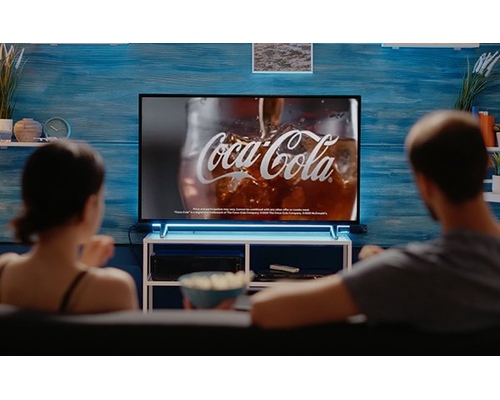
Television advertising, through the power of a visual medium, has been an impactful way of getting across the message over the years. As brands progress to permanently imprint themselves through the unique power this medium delivers, it is imperative to acknowledge and appreciate the subtleties of works.
The Mechanics of Television Advertising
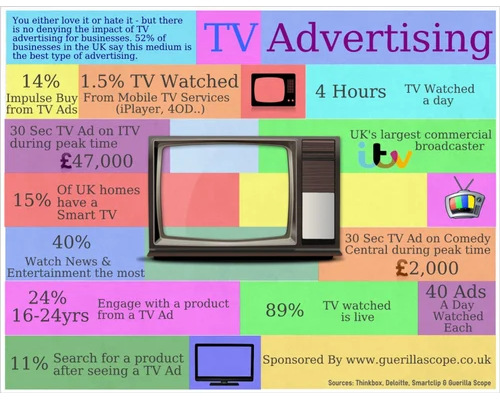
The art of television advertising hinges on several fundamental tenets: captivate the audience and effectively communicate the intended messages.
- Market Reach and Demographics: Despite a large number of U.S. households owning at least one TV, television remains a top media platform. However, the prevalence of TV in homes offers advertisers a broad market where specific demographic groups can be easily targeted, for instance, from toddlers to octogenarians, making them successful.
- Creative Storytelling: Many campaigns have made an impact through an engrossing, quite often d, dramatic story. For example, memorable examples such as the ads for the Super Bowl, which brands like Budweiser or Apple will make the audience think the sketch they did was epic.
- Time Slots and Scheduling: Advertisers should think carefully when picking the time slots as prime time is known to bring in more viewers, but at the same time, it costs them a fortune. Results of a survey show that the probability of top-rated commercial campaigns happening during prime time is twice that of off-peak periods. Therefore, commercials broadcasted during peak periods tend to engage viewers more.
Challenges and Benefits of Television Advertising
- Television advertising has proven to be a dynamic tool for bringing together the advertising world and consumers, although it is also facing setbacks. The variable nature of producing and airing advertising content on TV and its cost, which is usually very high, might also be a problem for most small businesses. On the other hand, such a commercial for 30 seconds at a significant event could cost around 1 million dollars, which may even lead to fear of a bad investment return.
- That said, it is hardly possible to record the success of a television spot through a direct mechanism, as in the case of digital ads. The success of television media mainly comes from market research and indirect measurement approaches, like questionnaires that enable the assessment of the effectiveness of an ad campaign. Also, as far as what the measurement of success encompasses, each platform has different terms of the partnership.
- However, the other side is the development of OTT platforms such as Netflix and Hulu, which have brought new technology to the audience and changed their habits. The declining traditional TV viewing patterns prompt advertisers to develop innovative strategies. The companies have now started looking into the possibilities of including products in the product placements and sponsorships they must create.
The Future of Television Advertising
Television advertising is a versatile, ever-changing medium that revolves around new technology and human behaviour preferences. The overlaps between the conventional and digital modes of advertising are vital for successful campaigns. To cover all bases, brands include omnichannel campaigns synchronising their TV promotions with the digital arm to ensure maximum touchpoint and engagement. Businesses harness the potential of data mining to provide customers with exclusive and personalised experiences tailored to them. Specifically, advertisers have access to consumer insights and are, therefore, equipped to modify their marketing messages to distinct isolated markets.
- Emerging Technologies: With the rise of augmented reality (AR) and virtual reality (VR), TV is no longer a limitation to marketing and has become more than what the potential of the old world could have been. Marketers nowadays are capable of creating real-life-like experiences through the usage of these technologies, which, therefore, results in more memorable and engaging advertisements.
In summary, understanding television advertising includes identifying its mechanics, resolving its difficulties, and seizing the opportunities of new trends. In this ever-changing environment, businesses should be up to date and always seek creativity, which is how they lure their target customers in.
Conclusion
However, television advertising is still helpful for brands that want to reach a broader audience via memorable and emotional branding messages. As the aspect of technology and how people interact and behave continue to change, it becomes more and more critical for businesses to grasp the key components and importance of television advertising if they want to become a force in their markets. Among other elements, three key areas are vital in the concept of television advertising such as:
- Broad Reach: In the ideal case, TVC is a way to advertise for brands across gender, age, and socio-economic groups of life to create visibility in the marketplace.
- Emotional Impact: The combination of the visuals and sound elements in television exposes the advertising world to creative convincing that intensifies the emotional bond with the viewers.
- Brand Recognition: By broadcasting on TV, you get regular exposure that builds equity, and thus, the name gets the required level of recognition to attract even more loyal consumers.
- Targeting Opportunities: Advances in data analysis enable advertisers to personalize messages and thus appeal to distinct customer segments, which ultimately results in higher penetration of the message and better campaign performance.
- Measurable Outcomes: Marketers can use television ad analysis to fine-tune their strategies depending on what analytics tells them about returns.
The advertising sector is undergoing a digital marketing revolution. It’s a trendy thing today, and despite the competition in the field, it remains a crucial strategic point encouraging engagement among companies using captivating brand messages generated for consumption, which leads to the establishment of customer relations, acceleration of sales and consumption, etc. Advertising not only remains an integral part of marketing but also is a media with a twist wherein that marketer who wants to court its offering, with its advancing yet traditional advertising means the most, must delve into the medium’s essence.
]]>Importance and Relevance
- Advertising campaign planning is indispensable for brands that desire to benefit from their marketing efforts.
- A unique marketing campaign can be the difference between catching the consumers’ eye and becoming just another advertisement in a world where numerous commercials bomb consumers daily. And it can prove critical.
- In companies, proper planning of marketing campaigns can make a difference; through this, they can increase brand awareness, customer involvement, and, eventually, sales.
- Mastering the art of campaign planning is the key to successfully navigating the complexity of different marketing channels, whether traditional media or social platforms.
- Advertising campaign planning is the best way to get invaluable practical insights and knowledge on how to go about things if you are a marketer who wants to cover more ground in the market or a business leader who is planning to stir up your audience engagement.
Understanding Advertising Campaign Planning
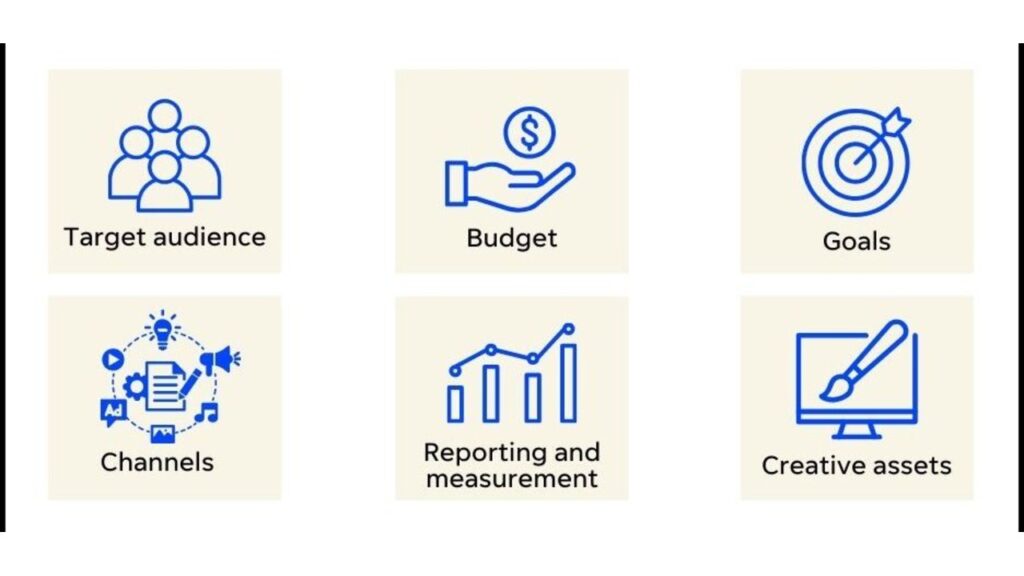
- In advertising campaign planning, a systematic method involves creating a structured approach for promoting a product, service, or brand.
- This approach is a collection of things central to its purpose, such as being adequately structured, based on data, and supporting specific marketing goals.
The Importance of Defining Campaign Objectives
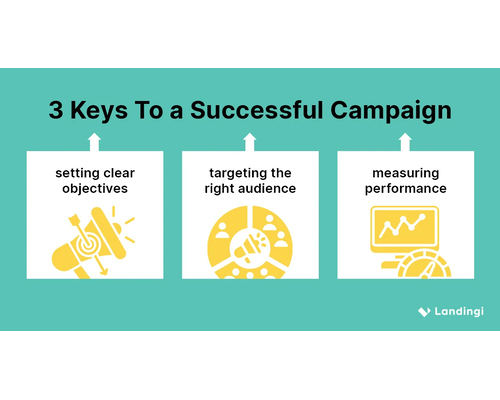
- The first, most vital, and most crucial process in advertising campaign planning is to identify clear and measurable objectives.
- This base is the one that everything else is founded on and being sure about what to do.
Specific, Measurable, Achievable, Relevant, Time-bound (SMART) Goals
- By applying the SMART structure, it is much easier to recognize the objectives of the marketing activity and thus make achieving those goals the campaign purpose.
- For example, instead of “increase sales,” a SMART goal will be “to achieve a sales growth of 20% in the subsequent quarter.” Detailed target varying facilitates keeping tabs on the process and estimating achievement at the end of the promotion.
Audience Targeting and Segmentation
- Comprehending the target audience is fundamental for a campaign to reach its objectives.
- The marketing research and data analyses reveal the demographic attributes, preferences, and behavior used for positioning or messaging.
- For example, campaigns directed at Gen Z and baby boomers will diverge immensely. It is indicated that by tailoring the campaigns to the audience’s taste, there is up to 50% more engagement.
Frameworks for Successful Campaigns
- Models such as AIDA (Attention, Interest, Desire, Action) give a shopper’s journey graphic for each stage of the campaign, thus fulfilling potential buyers’ specific needs and emotional aspects.
- Implementing a SWOT analysis (Strengths, Weaknesses, Opportunities, Threats) is another method to strengthen strategy and execution.
Crafting the Right Message and Channel Strategy
- Once the goals have been set, the following action is to create the right message and select the suitable communication channels for its delivery.
Message Development and Positioning
- To be relatable, the messaging should reflect the audience’s values and preferences.
- One good example is Nike’s and Apple’s ability to touch the hearts of their customers through their slogans and branding narrations.
- Differentiation of messages is a requirement in the marketplace as spectators; hence, you will have to give a good reason for consumers to turn to the brand instead of competitors.
Multi-Channel Approach
- Modern advertising systems are growing because of the diversity they are enforced with. Usually, a multi-channel strategy will be the best approach to achieve the desired results.
- Brands can use social media, email, television, and offline marketing methods to give customers consistent messages and remember.
- The collaboration of a social media campaign with influencer partners can not only expand the reach but also increase engagement.
Challenges and Considerations
- Every campaign entails several risks, such as budget deficiencies and limitations prescribed by particular channels.
- Effective planning implies the necessity of being adaptable, i.e., adjusting the tactics according to real-time data and customer feedback.
- Moreover, respecting the law and ethical considerations, such as data protection laws, should be the basis for maintaining the brand’s validity and trust.
Measuring Success and Making Adjustments
- The last action of the advertising campaign is measurement and analytical review, which are the most important when explaining the positive and negative messages.
Key Performance Indicators (KPIs)
- Identifying and tracking KPIs is crucial to the evaluation of the effectiveness of a campaign.
- The common ones are return on investment (ROI), click-through rates (CTR), conversion rates, and the total size of the audience that the promotional campaign reaches. By using these indicators, businesses can understand the outcomes of their advertisements.
Iterative Learning and Adjustments
- Considering the insights obtained by data, the direction of iterative learning requests brands to re-evaluate whether their choices provide more or less customer satisfaction.
- They can exploit the successes/inefficiencies in their campaign and reduce future brand electrolytes.
- A practical example of this would be knowing that the ad format led to more engagement, so to be the step to be followed, it should be significantly controlled for the wrong cases.
Emerging Trends in Advertising

- Keeрing an eye on contemporary moves in advertising, like the spreading use of artificial intelligence in data analysis or the video content trend, will give branding a competitive edge.
- Moreover, incumbents are faced with the dilemma of staying abreast of the constant changes in the market. Besides that, improving strategies to capture underserved customers is also an ever-lurking challenge.
- In a nutshell, a good advertising campaign is planned to let the companies reach their goals strategically, designing their messages for each platform that they either communicate their plan with or trying to be consistent with their approach to measuring metrics.
Conclusion
- Advertising campaign planning is the most crucial step in advertising, and it determines the differentiating factors between successful marketing endeavors and brand awareness.
- Through the specific means of presenting a business that does its work well and the company that is engaged in the advertiser creative, which both employees and consumers can understand, the advertiser will eventually attract more customers. This can be done through careful financial planning, ensuring customer loyalty, and brand enhancement.
- The elements of advertising campaign planning, such as research, strategic development, carrying it out, and assessment, create parties that drive involvement and accomplish the proper effectiveness when performing with one another.
- A systematic arrangement of the planning process ensures the alignment of all the components with the overall company objectives, consequently developing a lean process from origin to implementation.
Key Takeaways
- Strategic Objectives: The campaign’s clearly defined aims help focus its direction and measure its success.
- Target Audience: Knowing who your customers are makes the message more applicable and impactful (Try to remove this line).
- Channel Selection: Picking the most effective distribution platforms to spread the word gives us colossal brand visibility and engagement psychometrics that help determine how the cost should be spent.
- Creative Messaging: Impressive content holds the audience, encouraging them to purchase.
- Budget Management: A promising strategy allows resources to be used for their intended purpose.
- Performance Evaluation: Continuous monitoring allows us to modify them correctly and keep them effective for longer.
To produce comprehensive advertising campaigns pertinently and for the final objectives to surpass their plans, businesses need to prioritize each of them accordingly. Recognizing that successful campaign planning will lead to a higher degree of competitiveness in a world of varying priorities is key.
]]>- Environment and Surroundings: Indoor advertising takes place in ant, whereas environment outdoor advertising takes place in open spaces in public areas.
- Targeting Audience: There is an indication of a demographic affinity, whereas the reach is wider in the case of outdoor advertisements.
- Cost: Indoor advertisements are less expensive, but it is costlier to give increased coverage with outdoor advertisements.
- Time Spent in Attention: Indoor advertisements capture attention for extended periods, while outdoor advertising has to hold the viewer’s attention even within a fraction of a second.
- Content Intensity: Indoor advertisements are likely to be more verbose than outdoor ones, which usually tend to be short but highly creative.
Your choice between indoor and outdoor advertising depends on the nature of your product, your target audience, and even the desired impression. For instance, indoor ads enjoy a captive audience and a more focused environment. Outdoor ads take advantage of communicating to a broad audience using all their preferred exposure. This blog deeply deeply deeply explores some key differences between indoor and outdoor advertising—including unique characteristics, benefits, and ideal use cases.
For marketers, choosing the suitable medium is more than just visibility—crafting a message that resonates in the right setting. As such, each form of advertising has its strengths and limitations, and drawing the most appropriate one depends on a very detailed understanding of how each environment affects consumer behaviour. Let’s take a step forward and examine the critical differences between indoor and outdoor advertising.
Critical Differences Between Indoor and Outdoor Advertising
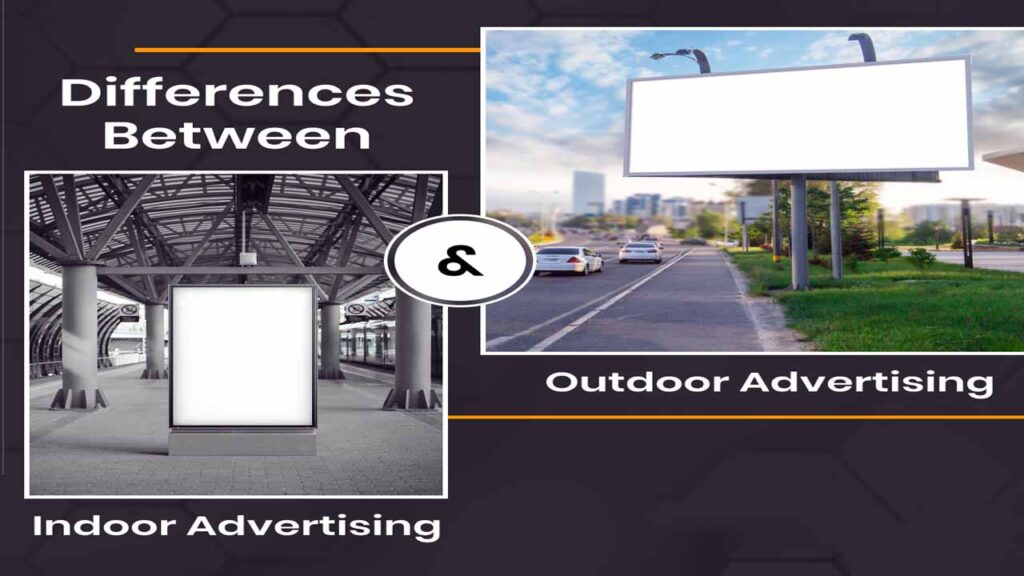
1. Surround and Environment
The environment that an advertisement receives would make the audience perceive it in a particular manner. Indoor advertising is performed within controlled surroundings—shopping malls, restaurants, gyms, and corporate buildings. Such an environment allows for more elaborate and intricate advertisements because the recipients are static and have much time to focus on the message. This ranges from typical indoor displays with digital screens, posters, and standees that offer a variety that easily integrates with the theme and ambience of the surroundings.
- Controlled Environment:
It is placed in regions where focus can be charged and executed with details. - Sophisticated Messaging:
The advertisements can bear longer messages and complicated designs to allure the viewers. - Audience Engagement:
Because they are stuck in place, the viewers have ample time to engage with the advertisement. - Integration with Environment:
Indoor large-format advertisements are designed to integrate correctly with the surrounding environment where they will be situated, providing a cohesive experience for the viewer. - Tapping Technology:
Digital display mediums, due to their dynamic content, contribute more to engagement opportunities.
On the other hand, outdoor advertising is distributed across open public places like highways, roads, transport stations, and city squares. In such cases, the primary goal of outdoor advertising is to be seen quickly since there is not enough time to read and comprehend the advertisement. Standard outdoor advertising comes in hoardings, posters, and transit ads, as their specialty encompasses broad visual activity supported by short messages. The environment is less controlled, and the ad must stand out against interfering elements like traffic, buildings, and other outdoor advertisements.
- High Visibility:
There is generally a much higher view of outdoor advertising, often a glance. - Short Message:
Since time is usually the constraint, messages must be short and catchy. - Active Content:
Outdoor billboard messages normally are action-grabbing, first-impression stimuli. - Competition:
In many ways, outdoor advertisements compete with the environment. So, images have to be striking. - Diverse Locations:
Such billboard messages can appear at various places, giving the advertisement more exposure to mixed crowds.
The environment also decides the content that will go well with it. Indoor advertisements can be detailed and subtle in their message, while outdoor advertisements must be relatively short and catchy. It is vital to understand the characteristics of the environment in which the advertisements are spread out, as this aspect will determine a flawless ad for an audience within each environment.
2. Targeting and Engagement with the Audience

One of the significant differences between indoor and outdoor advertising is the ability to target and engage specific audiences. Indoor advertising is targeted and allows strategic placement in locations where the target audience spends more time. For instance, pasting an advertisement on the walls of a gym for fitness enthusiasts or utilising digital signs in a technology store for branding the newest gadgets are examples where indoor advertisements may be crafted and tailored toward a targeted audience. This narrowed detail targeting could translate to more significant campaign involvement; the ads speak more directly to what the listener has within immediate space and interest.
- Location-specific Adverts:
It can be displayed indoors where the target demographics are more likely to view it. - Contextual Relevance:
Content can become relevant to the needs and interests of an audience in that particular setting. - Tailoring Opportunities:
The demographic present determines the type of tailoring indoor adverts may experience. - Interaction Opportunity:
The more extended exposure opportunity offers more elaborate messaging and possible interactions.
On the contrary, outdoor advertising aims to attract the attention of as many individuals as possible. It is primarily for mass awareness rather than individual targeting. This is because the demography spreads through outdoor ads, making it well-suited for products and services targeting a mass level. For instance, a national fast-food company can use billboard advertising to introduce a new menu item. People in private and public transport and pedestrians will be exposed to the billboard. Since one may have a concise exposure window to outdoor advertisements, creating a memorable visual with taglines is necessary.
- Highly Visible:
The target audience will be a diverse range of potential customers. - High Mass Appeal:
Fits products or services of broad market relevance. - Fast Impact:
Messages have to reach audiences quickly since they are often in motion. - Memorable Design:
The focus of outdoor advertising is on visual elements that are as influential as possible and, therefore, attention-grabbing. - Low Interaction:
By the nature of the exposure, low interaction can only be achieved with quick impressions, making visuals very critical.
The engagement levels also differ from one medium to another. An indoor ad benefits from a more engaged audience who may spend several minutes or more near the ad, while outdoor ads must make an impact within seconds. That is where the difference lies, and accordingly, the design and message in each ad type differ from one another: depth and detail for the indoor ads and simplicity and colour appeal for the outdoor ads.
3. Cost and ROI
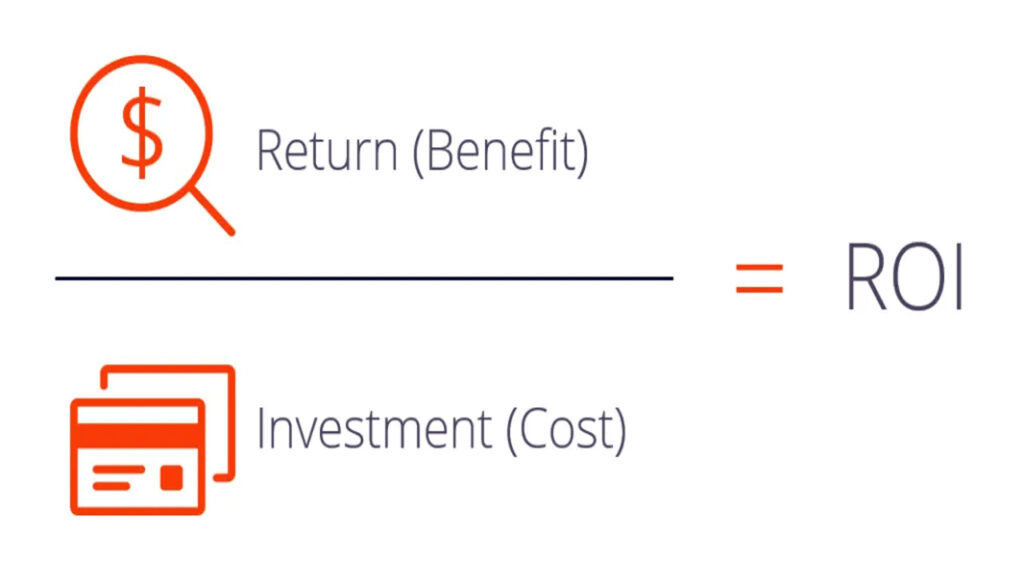
Indoor and outdoor advertising have an excellent cost disparity, whereby return on investment tends to be affected. Indoor advertising is relatively cheaper as it uses smaller advertisements within actual locations. The price will depend on factors such as the display size, the campaign duration, and niche targeting; indoor advertising would be a good fit for small businesses or local brands because it is cheaper and has a more effective return on investment.
- Low Overhead:
Indoor advertising productions tend to have a lower overhead. - Small Placements:
Targeted spending on focused demographics can be conducted through small placements. - Higher ROI:
Showing tailored messaging will yield higher conversion rates. - Budget Flexibility:
Brands can budget for targeted indoor spaces for specific periods. - Potential for Local Marketing:
For most local businesses, a successful strategy in indoor advertising would prove cost-effective.
Online advertising is simply the replacement. A billboard costs significantly more, especially when there is a lot of traffic and at strategic locations. However, the higher cost is justifiable through large-scale cover and brand reinforcement. In the case of giant corporations or national campaigns, outdoor advertising can generate high mileage through appreciation of solid brand awareness and top-of-the-mind recall.
- Higher Upfront Costs:
The initial investment for outdoor advertising is much higher. - Greater Reach Justification:
The cost is justifiable with broad exposure to the audience. - Brand Awareness:
Once the advertisement is blatant, it will likely increase the recall and recognition of the brand. - Large-Campaign Placement:
Outdoors work well when brand awareness strategies are used over a long period. - Market Saturation Opportunities:
Outdoor ads saturate specific regions for increased visibility and presence.
Deciding whether to use indoor or outdoor advertisement is critical as it means businesses should weigh their budgets, campaign goals, and the impact they anticipate getting for each. Indoor ads are usually more engaging; however, outdoor ads are where more awareness and visibility are made in deciding; therefore, much lies in choosing a style of advertisement that will give you the most return on investment and reach the goals set out during marketing.
Final Thoughts
Understanding the differences between indoor and outdoor advertising will guide any business in adequately using the media. The importance of intensive messaging through indoor ads works very well in places where people have enough time with the content. Outdoor ads—prominent, reaching a broad target audience—are used to spread large-scale awareness about the brand.
- Application of Purpose:
The choice between indoor and outdoor advertisements must match a particular marketing objective. - Behaviour of the Audience:
Understanding the impact of the environment on consumer behaviour is the only way forward. - Hybrid Approaches:
An amalgamation of indoor and outdoor ads is an all-inclusive approach to market coverage. - Choosing Ad Types:
The company has to evaluate the budget and expected return on investment. - Effectiveness Measurement:
The performance of the advertisement is measured constantly. This is a crucial step for devising advertising strategies.
Both indoor and outdoor advertising offer different advantages, and a business must choose according to its goals, budget, and ideal target group. A mix of the two can provide an all-around approach, reaching consumers at different stages of their day-to-day living. Whether in the form of a strategically positioned poster at a retail store or a gigantic billboard placed along a bushighwaywa ehighwahighway, retirement has a specific function within the rationale of a more extensive campaign.
]]>Why Is TV Channel Advertising Important?

Television advertising is the mainstay of marketing, especially in a competitive marketplace like India. As the media landscape changes rapidly, brand advertising in the best channels becomes essential. Here are five reasons why television advertising is so crucial to connect with the diverse market of India:
- Exposure of Channel Advertisement on a Greater Scale through Television:
Advertisements on TV reach a larger mass. Therefore, communicating with millions of audiences helps to connect the advertisement messages to them. In this highly diverse country, such channels can communicate with a varied mass base across different areas, cultures, and age groups. A brand can raise its message to a broader mass with more diversity while investing in the best television channels. - Maximum Brand Recall:
Television advertising increases brand visibility and awareness. The audiovisual elements ensure that the advertisements strike a chord in the minds of the viewers and create memorable associations. Such associations enhance brand recall, influence purchasing decisions, and have a lasting impact on the audience. - Attractive Advertisements by TV Channels:
TV allows brands to craft compelling, memorable messages. Using visuals, stories, and soundtracks, ads can emotionally connect viewers for brand loyalty. These influential messages remain long in viewers’ heads after the ad ends, further consolidating the brand’s presence. - Reach out to Target Market:
Modern TV advertising targets the correct audiences using data-driven planning strategies. Such plans help brands understand the demographics and timing, thereby allowing them to reach their target market segments at the perfect time with enhanced engagement and efficiency. - Improved Interaction and Conversion:
Attractive commercial advertisements attract viewers’ attention while watching their favorite TV program, resulting in high conversion rates. Creativity, targeting, and timely messages also lead to viewer excitement and call-to-action requests, making TV advertising a conversion driver.
Top 10 Best Indian TV Channels for Advertising in 2023
India has several very influential television channels covering all segments of the Indian population. Here is a list of the top 10 Indian TV channels for 2023 according to audience reach range and market influence. Each one of them caters to different types of campaign requirements in their distinct ways:
Star Plus

Star Plus is one of the leaders in Indian entertainment due to its offering of dramas, reality shows, and comedies. Since this is the most-watched channel in India, it carries a wide demographic range, ensuring unmatched visibility. On average, it reaches close to 288 million viewers, making it an ideal opportunity for brands to enhance their reach.
Sony SAB

Sony SAB is a family comedy content brand that showcases sitcoms and dramas with light reality shows. It reaches about 1,651.41 AMA ‘000 viewers. The content lines appeal to the target audience of viewers who look for entertainment and laughter, making it a perfect platform for branding targeting family-oriented markets.
Colors TV

Colors TV has hugely popular content, including daily soaps and big shows such as Bigg Boss and Khatron Ke Khiladi. Thus, the channel is amongst the best Hindi entertainment channels, appealing to an age group and region that can offer excellent visibility for the brand and engagement.
STAR Sports 1 Hindi

As India’s leading sports channel, Star Sports 1 Hindi features a variety of sports content, but cricket dominates. With an average weekly AMA ‘000 of 2,609.86, it is the perfect channel for brands to reach out to sports fans and tap into the euphoria of live sports telecasts.
Dangal

Dangal TV has become a critical player in the mix of dramas and movies with vast viewership. An average AMA ‘000 of 1,651.34 is a good option for brands targeting a broad audience in engaging storytelling formats.
Sun TV

A household name in Tamil-speaking households, Sun TV commands significant viewership in the South Indian market. Being one of the oldest regional channels, it offers brands a trusted platform to reach the Tamil-speaking audience with content that resonates on a local level.
STAR Pravah

Star Pravah is one of the most popular Marathi channels and has a highly loyal viewership. This channel has many Marathi dramas and films, making it the number one choice for any brand that wants to connect with audiences across Maharashtra and communities speaking in Marathi.
Sony Entertainment Television (SET)

Sony Entertainment Television, or SET, caters to the mass audience with interesting Hindi content on television and digital platforms. Its broad appeal makes it a panacea for brands who want traditional television advertising and digital reach through platforms like YouTube.
ABP News

ABP News is a leading Hindi news channel. Its audience is informed and engaged. Brands looking for audiences interested in news, politics, and current events find ABP News an effective platform with a credible, wide-ranging viewership.
Zee Telugu

Zee Telugu is a good option for Telugu-speaking audiences since it airs serials and reality shows. It is also an excellent channel for reaching South Indian viewers with local content based on region-specific tastes.
Successful Advertising Strategies on TV Channels

The appropriate strategy is essential to get the maximum out of TV advertisements by brands. Here are five powerful strategies for maximization of TV advertisements that reach the audience:
- Conduct Research on Your Target Market:
The best TV campaign is only possible by knowing precisely who you are dealing with. Brands should, therefore, examine demographics, viewing preferences, and habits. Important tools that can be used include Nielsen ratings and other market research options. This will help further focus advertising on where your target audience is watching television most frequently and at what hours of the day. - Write a Budget for Advertising on Television:
Quality television commercials involve proper budgeting. This includes not only the production and airing but also how the advertisement will say the right thing to the viewers. Budgeting will enable a brand to maximize its visibility without sacrificing cost-effectiveness by balancing quality and reach. - Build Persuasive Communication:
The essence of any advert is the message. Brands ought to create messages that are short and memorable and also resonate with their users in light of their core values. Data-driven information on viewers’ preferences proves useful when designing messages that capture one’s attention, evoke emotion, and drive engagement. - Use the Right Channel:
Selecting the right channel is also significant to reach the right target group. Brands must enter content and viewers existing in each channel and ensure that their ad reaches the viewer who might be most engaged with the message. It is, therefore, a strategic choice that not only maximizes exposure but also relevance. - Use the Best Time Slots:
The timing of an advertisement significantly influences its success or failure. Showing during peak hours or prime time multiplies the reach, but such time slots are expensive. However, other time slots that align with the viewing behavior of the target audience may also work effectively by balancing cost and visibility. - Measure the Effect of TV Advertising:
Campaign performance should be measured to enhance future strategies. Brands can calculate sales and find out who has responded to their campaign by conducting a survey that shows the number of people who reacted positively. This helps them make data-driven adjustments during their next campaign, which automatically results in efficiency and returns on investment for their marketing.
Conclusion
The best Indian television channels offer unparalleled 2023 opportunities for advertisers to reach millions of viewers and carry brand messages with a silver tongue. The following are some of the reasons why TV advertising still is a goldmine for marketers:
- Unparalleled Reach and Visibility:
Television channels provide an avenue to reach millions of viewers across diversified profiles and geographies. The exposure leads to an effective and widespread message. - High Brand Recall:
The audiovisual nature of TV advertisements leads to memory associations, which cause brand loyalty. The long-term effects ensure that the brands are fresh in consumers’ minds. - Creative Messaging Opportunities:
Televisions allow brands to tell interesting, emotionally evocative stories that personally resonate with the audience. This creative space of storytelling allows a brand to differentiate itself from the clutter. - Audience Precision:
Data-driven TV advertising ensures brands are talking to the right people. More engagement and efficiency come along with targeting people who would convert. - High ROI:
The right choice of channels, time slots, and messaging strategies results in a good investment in TV advertisements. Campaigns eventually become growth opportunities for brands.
With increasing competition in India’s advertisement market, using TV channels’ strengths will help enhance brand awareness, engage audiences, and bring meaningful results. Applying these strategies and carefully choosing channels will lead marketers to establish impactful campaigns for their brands.
Final Thoughts
- Understanding the media landscape in India is critical to effective advertising.
- Choosing the right channel and slot is crucial for maximizing visibility.
- An effective advertising strategy should be data-driven and focused on the target audience.
- Consistent measurement and adjustment can improve campaign performance.
- Brand storytelling on TV can create lasting connections with audiences.
By leveraging the powerful advertising opportunities of Indian television channels, brands can engage millions, drive conversions, and build loyalty in 2023 and beyond.
]]>Ready to talk with a marketing expert?

A Pragmatic and innovative way to enthrall your target group is just a click away!
Get in Touch
Rukmini Knowledge Park, Kattigenahalli, SH 104, Srinivasa Nagar, Bengaluru, Karnataka 560064
+91-990 247 8800
contact@gingermediagroup.com
Popular in Television Advertising
Udaya TV AdvertisingSun TV AdvertisingStar Plus AdvertisingTV 9 AdvertisingZee TV AdvertisingNDTV India AdvertisingColors TV AdvertisingPopular in Airport Advertising
Spice Jet AdvertisingMumbai Airport AdvertisingDelhi Airport AdvertisingEmirites AdvertisingIndiGo Airlines Domestic India AdvertisingPopular in Newspaper Advertising
Deccan Herald AdvertisingPrajavani AdvertisingThe Hindu AdvertisingEconomic Times AdvertisingDainik Jagran AdvertisingHindustan Times AdvertisingPopular in Magazine Advertising
Forbes AdvertisingCosmopolitan AdvertisingBusiness World AdvertisingVogue Magazine AdvertisingPopular in Sports Advertising
IPL AdvertisingPopular in Outdoor Advertising
Billboard AdvertisingBus Shelter AdvertisingMetro Pillar AdvertisingUnipole Advertising© Ginger Media Group 2025. All Rights Reserved.