What is Hoarding Advertising?
Hoarding advertising uses large billboards strategically located in heavily populated areas to advertise a product, service, or brand. This type of outdoor advertisement is known for its size and ease of seeing, making it a very strong marketing instrument for companies that want to fortify their brand presence.
Subpoints:
- Important Information: Hoardings can be constructed from various materials, such as vinyl, metal, or fabric, and they can be illuminated or non-illuminated based on the objectives of the advertising campaign. An example of a successful hoarding campaign is the Coca-Cola “Open Happiness” campaign, which was exhibited on large billboards during major public events.
- Statistics: On the other hand, the Outdoor Advertising Association of America, which covers hoardings, has a 6.5% annual increase in this kind of advertising, meaning that it is more efficient in reaching a bigger audience.
- Frameworks: The AIDA (Attention, Interest, Desire, Action) model relating to hoarding advertising can be further understood by the brand for the customers, where the prominent commodity being shown attains the desired attention, triggers the necessary interest in the brand, creates a product-energy, and motivates the individual toward the purchase through better brand identification.
Varied Types of Hoarding Advertisements
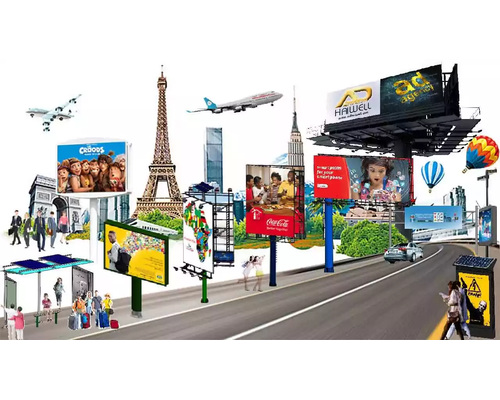
There are different hoardinsements, each fitting the marketing needs and targeting various audiences.
Subpoints:
- Types: Distinct types of billboards, such as static hoardings, which are just plain fixed boards, represent one of the primary types. In contrast, the other prominent example is digital billboards, which can easily show dynamic content. 3D hoardings are another creative format involving people virtually and can be thrilling. For example, a well-known company in the beauty and makeup industry successfully developed a 3D hoarding system designed to deploy a plain image as a visual correlation of a time-lapse. Thus, it got much attention.
- Challenges & Benefits: Even though the placement is great and offers good visibility, companies still need help with such challenges as high costs or regulatory permission. Nevertheless, they create many benefits, including only one consistent brand recall over a long time and possibly reaching many people in a place with high traffic.
- Practical Strategies: Hoarding campaigns that function well involve details, such as advertising to a precise location after using the demographics and data obtained, along with strong visuals and to-the-point messages, and inserting QR codes for further interactive purposes.
The Future of Hoarding Advertising: Trends and Implications
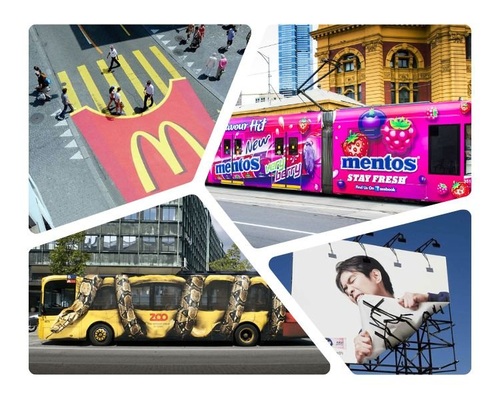
With the advertising landscape progressing, hoarding advertising has to keep pace, and hence, it has to adopt new technologies and embrace new trends that contribute to its growth.
Subpoints:
- Insights: The predominant innovation seen lately is augmented reality (AR) technology, which is increasingly used in these ads and lets customers view and engage with the advertisement through their smartphones.
- Emerging Issues: In an era when only a full-sized TV would count as big, brands gave digital media ads general superiority, ignoring the inclination towards eyesight. Nobody can deny that traditional and digital marketing is the key to success because people become more tech-savvy daily.
- Industry Implications: Marketers who invest in hoarding advertising have a chance to make themselves noticeable in an otherwise full marketplace. Data analytics can improve targeting and make campaigns reach just the right prospective customers at the right time.
Conclusion
In the end, hoarding advertising is still known as one of the most powerful and persuasive forms of advertising, mostly positioned on streets and highways, and it guarantees the delivery of brands with high obtainment and direct communication. Companies can design engaging plans that will appeal to their target audience by using several types of hoardings, such as traditional and digital billboards, digital screens, and customizations of buildings. The huge reach that hoarding advertising provides due to its prolonged visibility and creativity contributes to its standing as an important part of the marketing strategy.
Key Highlights:
- Hoarding Advertising Defined: A kind of outdoor advertising in which big structures show promotional content.
- Types of Hoarding Advertising vary from traditional billboards to modern digital displays and artistic installations.
Benefits
- High Visibility: Situated in a crowded place so the advertisement can reach the maximum audience.
- Unconventional Creativity: Gives opportunities for creating trendsetting and iconic campaigns.
- Longevity: Advertising can be done for extensive periods and can, at the same time, maintain the brand identity and place.
- Real-Life Examples: Effective brands’ campaigns that used hoardings and entertained spectators.
An in-depth understanding of the role of hoardings in advertising campaigns enables organizations to efficiently capitalize on their strengths to create brand advocacy and generate customer loyalty.
]]>What is Covert Advertising?

Covert advertising, sometimes known as stealth marketing, is a method by which businesses communicate their offerings without distracting or interrupting the addressee. In Full contrast to standard marketing, which dispatches direct and thereby aggressive messages, stealth advertising is embedded into the content without causing it to stand out or seem bothersome to consumers.
Importance of Covert Advertising
Covert advertising is a way of advertising that can effectively replace “desensitized” traditional marketing tactics. Research by Nielsen discovered that 84 percent of people around the world think that online ads are intrusive, while covert advertising, selling things discreetly, socializes and promotes the products subtly through relatable content and, therefore, is the preferred way.
Case Studies and Examples
- Product Placement in Film and TV: Product placement in movies and TV series has been happening since the industry-entertainment business was recognized; for example, the Coke intro in every episode of The Friends Show series subtly spreads brand awareness. Let the audience see and make a decision.
- Influencer Endorsements: Influencers are known to incorporate product mentions into their daily posts and stories without them being the main topic. This is one way for them to engage their followers without implicitly promoting the products. The relatedness and trustworthiness of the influencer’s relationship to the product will make a difference.
Frameworks Guiding Covert Advertising
Your customers hold particular beliefs. Business people may get various psychological ideas understood, such as the Elaboration Likelihood Model (ELM), which tells how to make people agree by either the deep cognitive process or the superficial cues. Stealth advertising focuses mainly on the peripheral route, assuming previous knowledge and emotions precede logic.
Benefits and Challenges of Covert Advertising
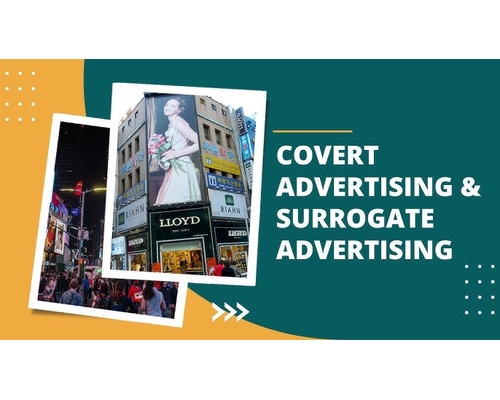
Although the accomplishment of covert advertising lies in producing engagement and relatability, the task of being secret while doing this also brings some challenges.
Benefits:
- Enhanced Consumer Trust: Some people can think of it as less of an intrusion and more of a genuine consumer approach. Thus, they will develop stronger bonds with the brands.
- Increased Recall: When a brand is integrated into captivating stories, readers are more likely to remember it.
Examples:
- One of the well-known YouTube channels describing a specific skincare routine mostly incorporates into practice products endorsed by the creator without the hint that it is an advertisement. Such viral videos create sufficient interest and even convert some viewers to buyers.
Challenges:
- Transparency Issues: Transparency issues can occur in cases where truthfulness is not obtained because consumers do not even know what they are consuming.
- Regulatory Scrutiny: Brands that are not transparent about marketing may face public backlash as the public is more likely to act on the word of mouth of their trusted peers or family members who they have a good relationship with or even for what a stranger said who gained their trust -influencers and their followers in particular.
Practical Strategies:
- Balance Authenticity and Disclosure: Companies must carefully distinguish between openness and subtleness; customers must know when a post sponsor is involved.
- Leverage User-Generated Content: Having a loyal fan base to encourage your audience to exchange their stories is the main target of covert advertising while creating a community, yet another way to do this.
Emerging Trends and Implications for Covert Advertising
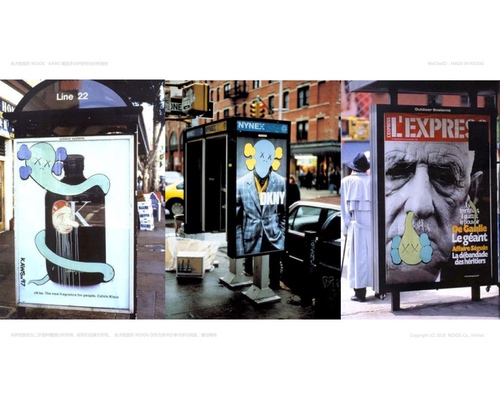
As consumers become smarter, the landscape of covert advertising is changing. For brands, knowledge of the latest is important for adapting their strategies effectively.
Current Trends:
- Social Media Integration: The new trend is that platforms like TikTok are popular with influencers who create exciting content for brands, combining the individual’s creativity with the topic’s virality to get consumer attention.
- Augmented Reality (AR) Experiences: The ongoing development of AR brands is trial and error. Companies are currently trying to develop virtual products that engage and inform their customers rather than just advertise.
Implications for the Industry:
With changes in gadgetry, so is the art of disguise commercials; advertisers must use the credibility of customers responsibly and respect their privacy in the marketing process. Brands that embrace consumer intelligence are bound to form a strong connection and, therefore, have an edge in a market with numerous competitors. To sum up, covert advertising opens up a new space for companies to connect with their customers more deeply. By understanding the strategies, considering the pros and cons, and looking at cutting-edge techniques, firms can make this landscape manageable and maintain a bond with their customers.
Conclusion
Today’s marketplace is driven by companies striving to establish authentic relations with their audiences through knowledge of covert advertising and the skills to modify such strategies if necessary. Covert advertising, which is the non-intrusive integration of promotional content into entertainment or media, is a great way for the brand to be known and involved in communication with consumers. Determine the probable consequences of the ethics and practical considerations of these actions and thus produce the kind of promotion that speaks to the demographic effectively.
Key Takeaways:
- Definition: Covert advertising subtly integrates promotional material into content to make it more agreeable for the consumer and less noticeable than traditional ads.
- Strategies: Successful covert advertising, which includes product placement, influencer partnerships, and narrative-driven advertising that is sales without being obvious to the target of the advertisement, is non-aggressively successful clandestine advertising.
- Implications: The effectiveness of the employed method might provoke ethical debates about transparency and trust in honesty, with the customer making a moral choice between these two.
- Examples: The best campaigns that use undercover marketing are known to be the ones by Coca-Cola in Hollywood, Nike with their endorsements of athletes, and media streaming companies that show brands in the scenes of the series without disturbing the flow of the stories.
The key to covert advertising involves companies that want to continue attracting new customers in a dynamic media ecosystem while building and sustaining healthy relationships with existing customers.
]]>Ready to talk with a marketing expert?

A Pragmatic and innovative way to enthrall your target group is just a click away!
Get in Touch
Rukmini Knowledge Park, Kattigenahalli, SH 104, Srinivasa Nagar, Bengaluru, Karnataka 560064
+91-990 247 8800
contact@gingermediagroup.com
Popular in Television Advertising
Udaya TV AdvertisingSun TV AdvertisingStar Plus AdvertisingTV 9 AdvertisingZee TV AdvertisingNDTV India AdvertisingColors TV AdvertisingPopular in Airport Advertising
Spice Jet AdvertisingMumbai Airport AdvertisingDelhi Airport AdvertisingEmirites AdvertisingIndiGo Airlines Domestic India AdvertisingPopular in Newspaper Advertising
Deccan Herald AdvertisingPrajavani AdvertisingThe Hindu AdvertisingEconomic Times AdvertisingDainik Jagran AdvertisingHindustan Times AdvertisingPopular in Magazine Advertising
Forbes AdvertisingCosmopolitan AdvertisingBusiness World AdvertisingVogue Magazine AdvertisingPopular in Sports Advertising
IPL AdvertisingPopular in Outdoor Advertising
Billboard AdvertisingBus Shelter AdvertisingMetro Pillar AdvertisingUnipole Advertising© Ginger Media Group 2025. All Rights Reserved.