Outdoor advertising is no longer static boards placed along highways. Modern creativity is dynamic and reinventing itself to grab the attention of an always-distraction-prone audience. The variety of options is endless, from bending realities with creative billboards to interactivity with surprise and delight-oriented guerrilla marketing stunts.
Why You Must Opt for Outdoor Advertising?
Outdoor advertising is also an art form that uses public outdoor places and objects in the advertisement of goods, services, or brands. This type of advertising encompasses billboards, transit ads, street furniture, and interactive installations. It often strives for a more local audience and appeals to a massive population.
The reach of innovative outdoor advertising ideas can catch a customer’s eye and leave a lasting imprint in that customer’s mind. With not a single day passing without exposure to digital advertisements, the tangibility of outdoor advertising is a powerful form of relating with customers. Some outdoor advertisement ideas can make people stop and talk.
Outdoor advertising uniquely blends in with everyday life. It converts billboards and street furniture into a fifth component of the city by allowing bus stops and pavements to serve as substrates for wonderful artistic works and brand stories. Beautiful billboard designs, surprise sidewalk chalk art, and successful guerrilla marketing campaigns that jump out of nowhere contribute to unique outdoor advertisement ideas that surprise, amuse, and engage.
Critical Benefits of Outdoor Advertising:
- Widespread Reach: The exposure reaches an enormous audience in some crowded places.
- Long-lasting Impressions: Brand interactions that become memorable.
- Physical Connection: A connection through the senses can be felt.
- Creative Expression: Imaginative and artistic expression is possible.
- Cultural Context: Inserts the brand into the fabric of urban culture.
Why It Matters
Outdoor advertising stands out in a digital world through creativity and outdoor presence. It reaches people’s lives and boosts brand loyalty by touching their lives through unique and exciting ways. As we walk through some outdoor advertising concepts, consider how they will make your brand come alive and keep the memory for longer.
Outdoor Advertising Concepts to Reinforce Your Brand
From the creative thinking of the marketing world comes new methods to catch an audience and make an impression; outdoor advertising, an integral part of the physical environment of any city, is one such massive stage. While traditional freeways and city streets are host to conventional ideas, innovation and quirkiness remind the classic medium of a new edge.
Billboards
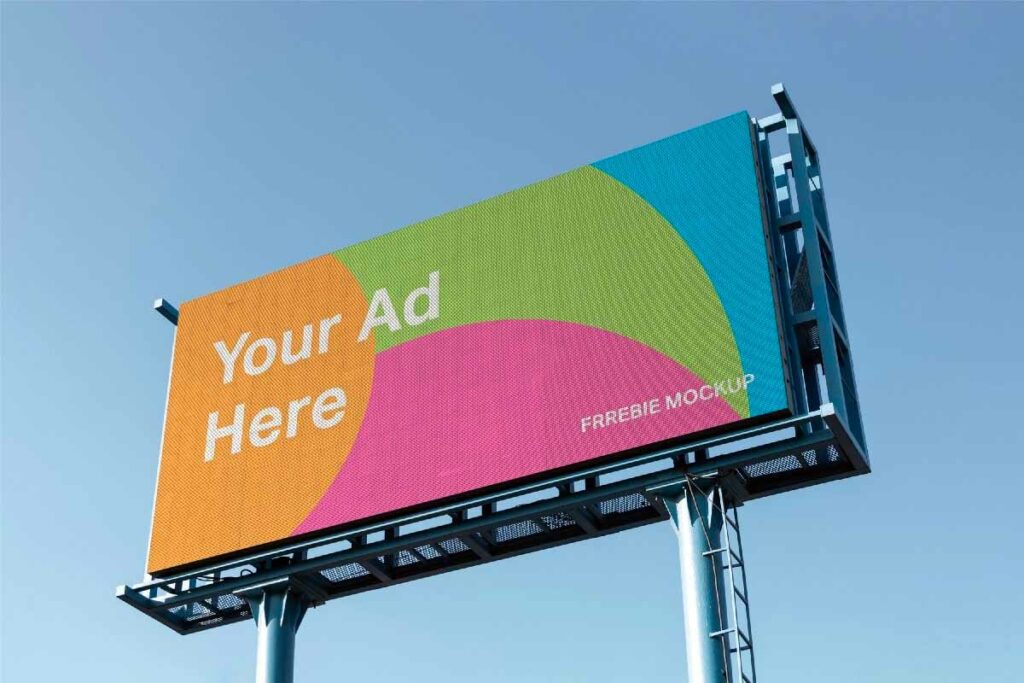
Billboards represent the tall icons of advertisement and are instantly immortalized as mute canvases for creative ideas. This time-honored classic should thrive on creativity and novelty to finally be utilized to the fullest.
- Dynamic Messaging: Every time a spectator passes, they get new messages, making the brand visible.
- Art Installations: Billboards are not billboards anymore. They can be art installations for some period.
- Involvement of Public: Different designs will stimulate talk and communication among a large section of the viewers.
- Lasting Impression: Creative billboards will keep floating in the public’s minds; this is one of the reasons why brands become unique.
- Artistic Billboard-Decoration of City Landscapes: Art-implied billboards beautify urban landscapes and enhance cultural identity.
The good news is that creativity is married effectively outdoors, and outdoor advertising does not allow such brands to get lost in such a cut-throat field. Transforming a billboard into more memorable art, rather than just an eye gouge, elevates brands to reach out to audiences.
Vehicle Wraps
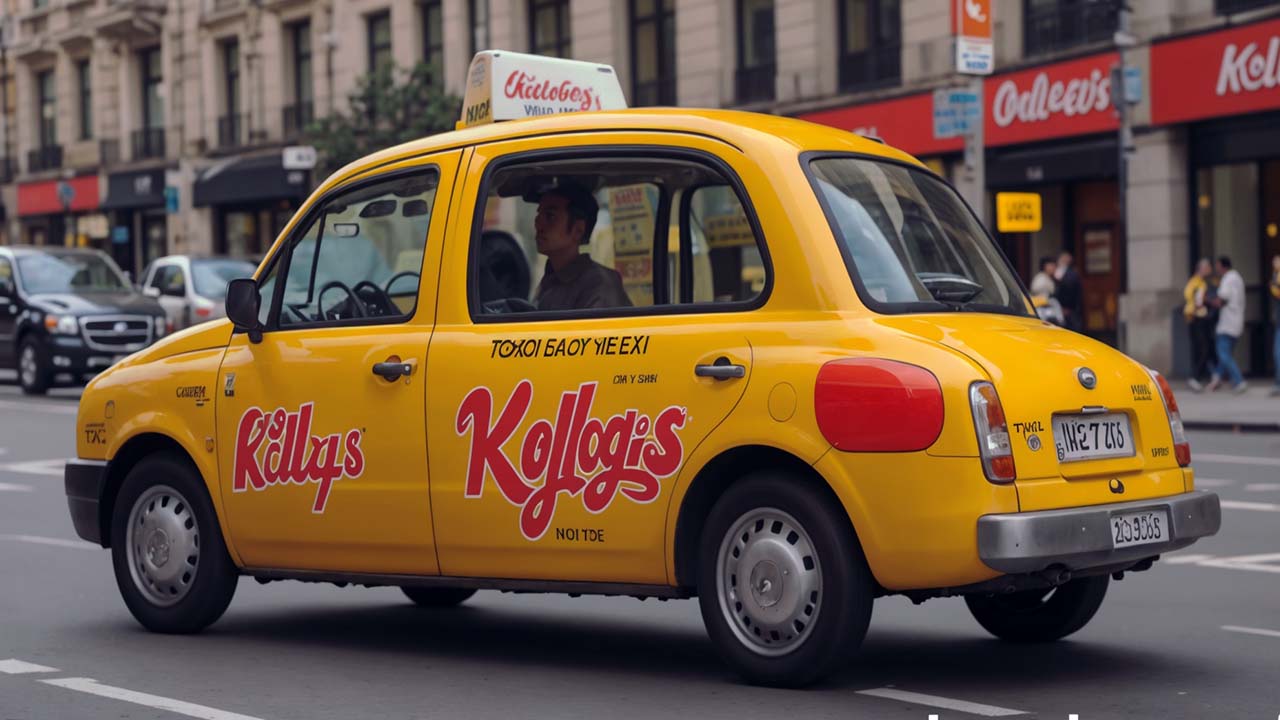
Vehicle wraps are one of the most creative and catchy forms of outdoor advertising. Standard vehicles can be turned into brilliant advertisements. This creative canvas allows brands to become a part of people’s daily lives.
- Movable Hoardings: The vehicle turns out to be a mobile hoarding machine that displays the brand’s message across the face of a city.
- Cost-effective: Vehicle wraps are much cheaper than the standard advertisement.
- Creative Messages: Such designs enhance brand messages and attract people to move past them.
- High Footfall Places: Cars in crowded places continuously expose the target audience to the messages.
- Brand Recall: The display of a vehicle wrap embeds the brand in a consumer’s mind.
As they drive through cities, the messages are constantly presented right before consumers’ faces, and thus, cars become a very effective tool for outdoor advertisement. Vehicle wraps can capture attention at every stop and provide a unique way of reaching audiences.
Guerrilla Marketing
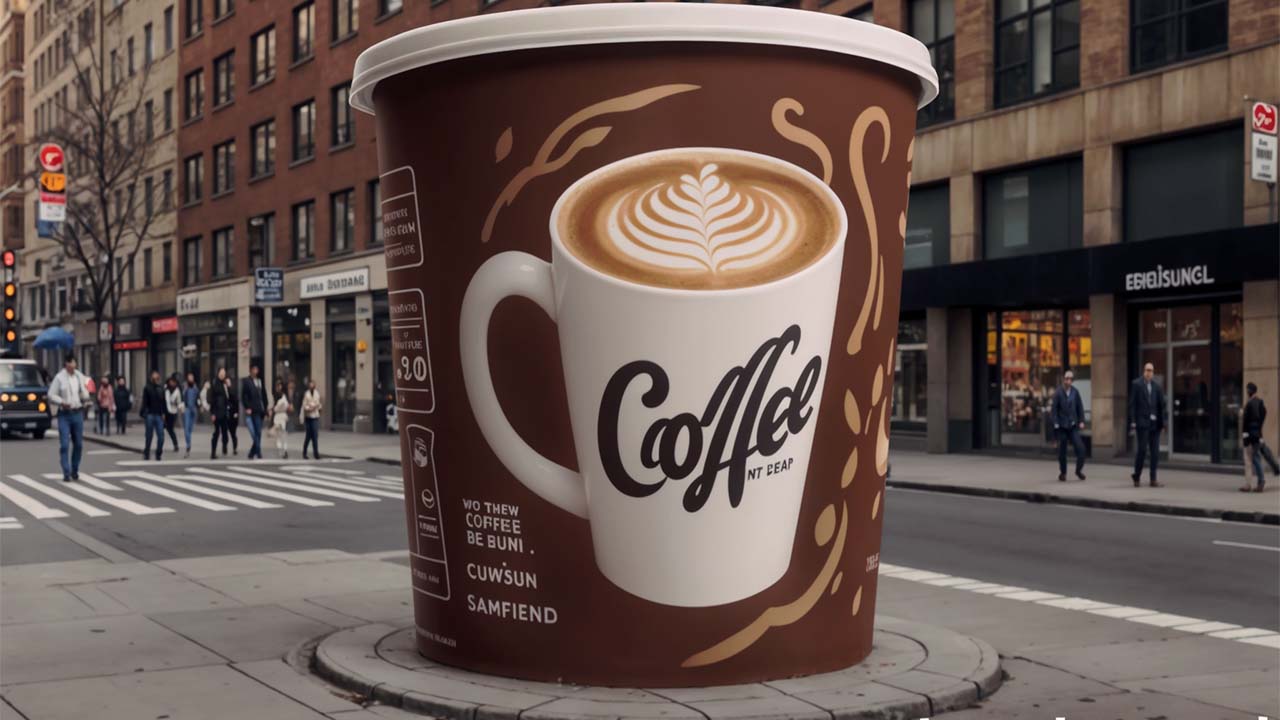
Guerrilla marketing is a highly unorthodox technique of creating buzz and grabbing attention by surprise and ingenuity. This form of outdoor advertising surpasses the norms of conventional marketing and engages people in remarkable ways.
- Surprise Engagements: Flash mobs or street performances can surprise unsuspecting passers-by.
- Street Graphics: Street art installations surprise, grab attention, and create conversations.
- Social Media Possibility: Unconventional campaigns go viral with social media sharing and get more visibility.
- Cost-effective Strategies: Guerrilla marketing is cheaper than standard advertising but very effective.
- Long-term Awareness: Memorable experiences translate to long-term brand recall and loyalty.
These memorable guerrilla tactics generate instant buzz but also promote long-term brand awareness. Only when brands think outside the box do they ensure their messages cut through the clutter of usual advertising.
Bus Stop Billboard Advertisements
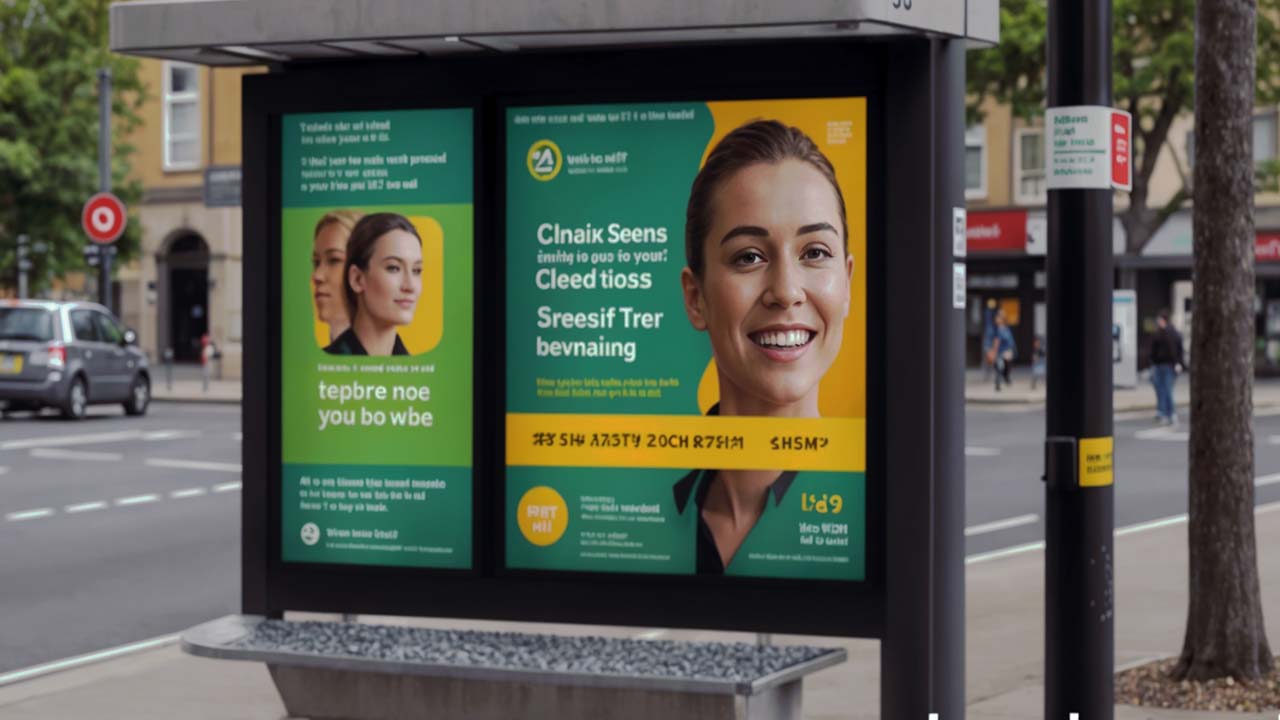
The stops offer the best advertising space as displaying those locations with digital content maximizes their exposure. These dynamic displays ensure not to let commuters’ attention wane so that in any moment of daily routine, a brand can capture their attention.
- High Visibility: Commuters spend their time waiting at a bus stop. This gives them sufficient opportunity to interact with your message.
- Dynamic Content: With digital displays, there is always time for updates of real-time content, making messages fresh and current.
- Targeted Messaging: Brands can customize their message to be delivered at the right time or demographic.
- Cost-Effective: Repetition from daily commutes reinforces brand messages without the financial burning hole.
- Interactive Potential: Screens can have interaction elements, thus engaging the user.
Bus stop advertisements form a fascinating stage for advertising as they weave together the cons of the traditional elements with the flexibility of digital content. This integration ensures that brands remain relevant and stimulating amidst a quickly changing urban landscape.
Street Chalk Art
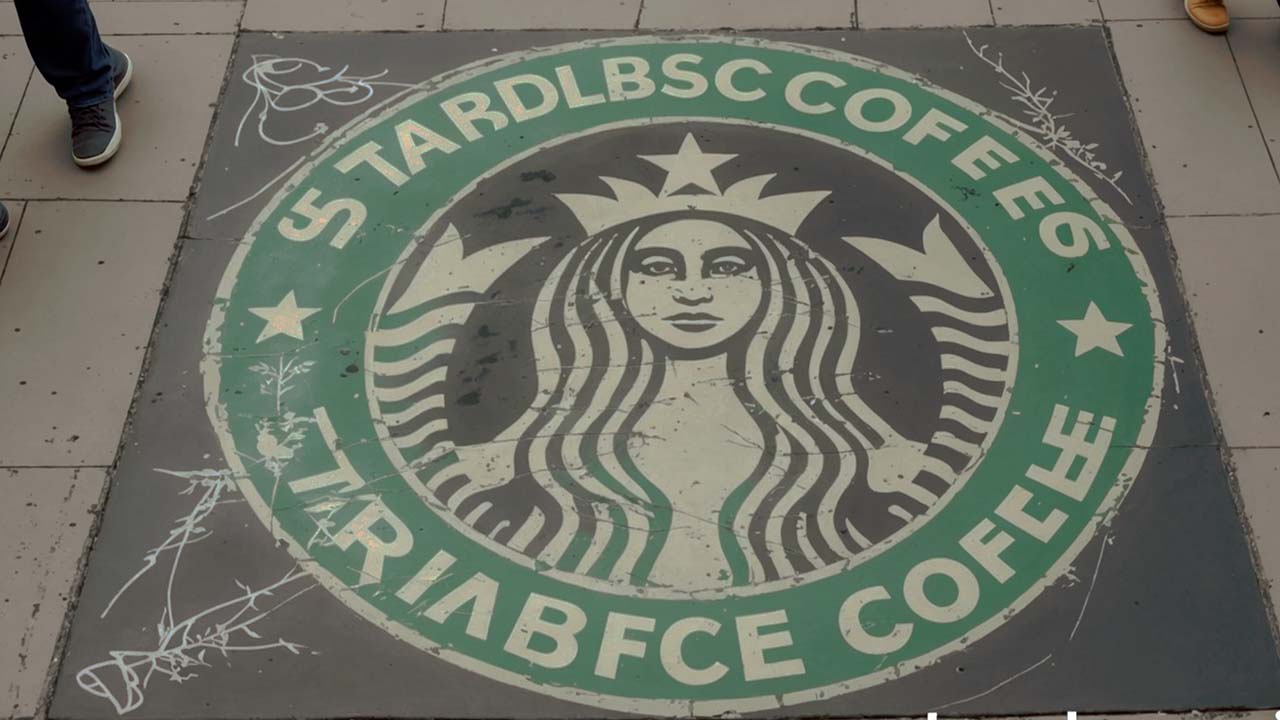
Sidewalk chalk art is a free yet highly effective outdoor advertising concept that quickly attracts people’s attention. Professional artists can craft appealing masterpieces directly associated with a brand, turning a drab sidewalk into a vibrant canvas.
- Creative Expression: Using chalk showcases creativity and adds vibrancy to a narrative of brand progress.
- Social Media Interactions: The wacky artworks generated usually tend to go viral on social media.
- Local Involvement: By its very nature, street art engages its audience as onlookers walk by.
- Economical: Chalk art can be done at a low price compared to the alternatives.
- Temporary Effectiveness: The transience of chalk art makes it so unique and temporary.
This innovative approach hooks the viewers and creates a brand memory, transforming plain streets into thrilling billboards. The creativity of chalk art entices people to reach out to brands in a fun and economical way.
Digital Signage
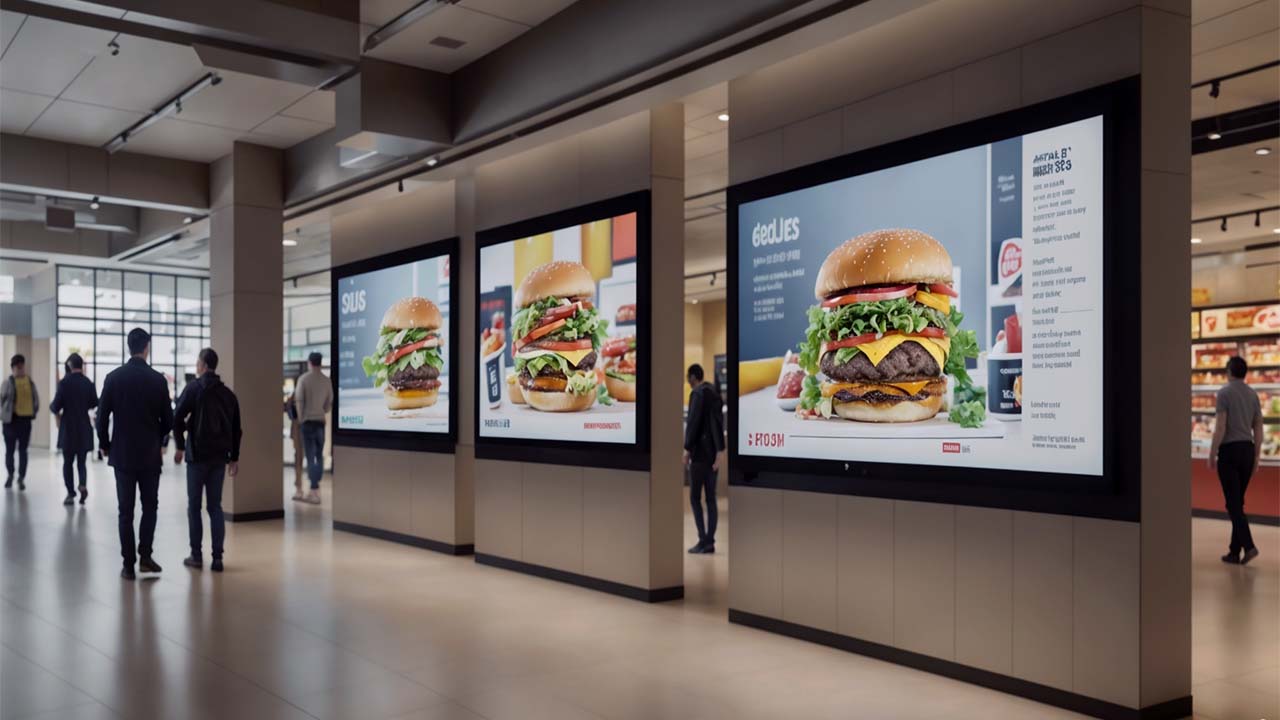
Embracing digital signage is a proactive strategy for ineffective outdoor advertising. Strategically positioning obvious digital screens in outdoor venues enables brands to present dynamic content to adapt to the changing landscape.
- Time-sensitive messages: Brands can adjust messages fast, depending on the latest events or promotions.
- Visual Impact: Dynamic displays of digital signs are attention-grabbing in increasingly crowded scenes.
- Realtime Reach: Strategically placed screens can engage various audiences across high-traffic areas.
- Engagement Opportunities: Digital signage engenders interactivity in engaging audiences.
- Data-Driven Insights: Brands have a chance to analyze performance metrics to adapt campaigns effectively.
The flashy and sleek look of digital signs renders them one of the most suitable means of communicating brand messages to the most comprehensive portion of the target audience. Brands that embrace digital signage allow themselves a greater chance at remaining vibrant and relevant in an ever-changing advertising world.
Street Furniture Advertising
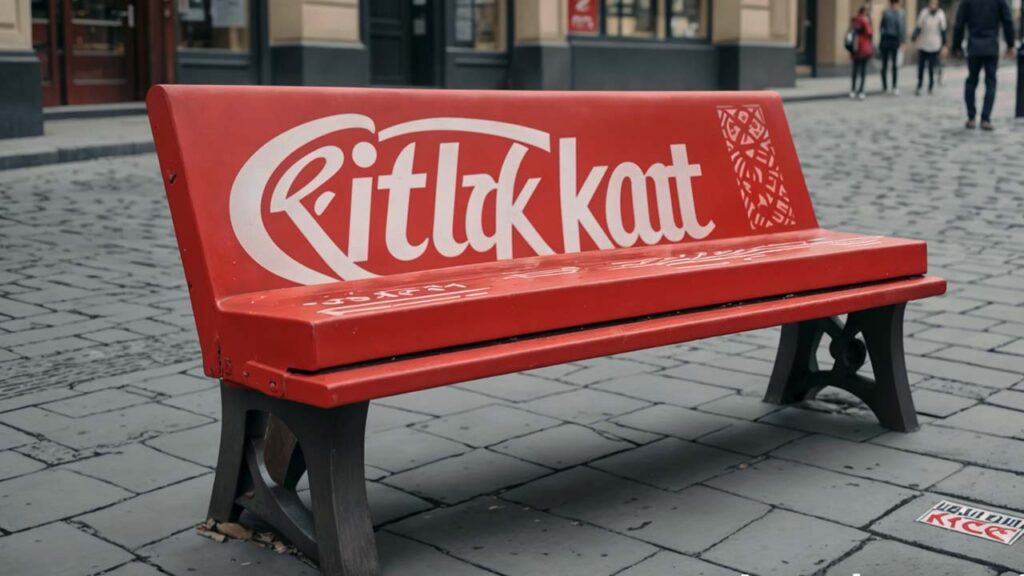
Street furniture advertising is the ultimate activation of merging branding with aesthetic urban design. Something as humdrum as a bench, kiosk, or bike-share station becomes an innovative method of advertising that fits in with the urban fabric.
- Organic: Street furniture is part of everyday life; these ads do not feel imposing.
- High foot traffic: Fixtures will attract their share of consistent through traffic.
- Creative Branding: Even mundane products can be made exciting brand ambassadors.
- Community Connection: Street furniture ads increase community attachment to localities.
- Long-term Exposure: Street furniture advertising stays in the marketplace longer and reinforces the message in people’s minds.
Brands that use street elements as advertisements strengthen their linkage with consumers. This form of outdoor advertising helps reinforce the brand identity and beautifies the urban environment.
Event Sponsorship
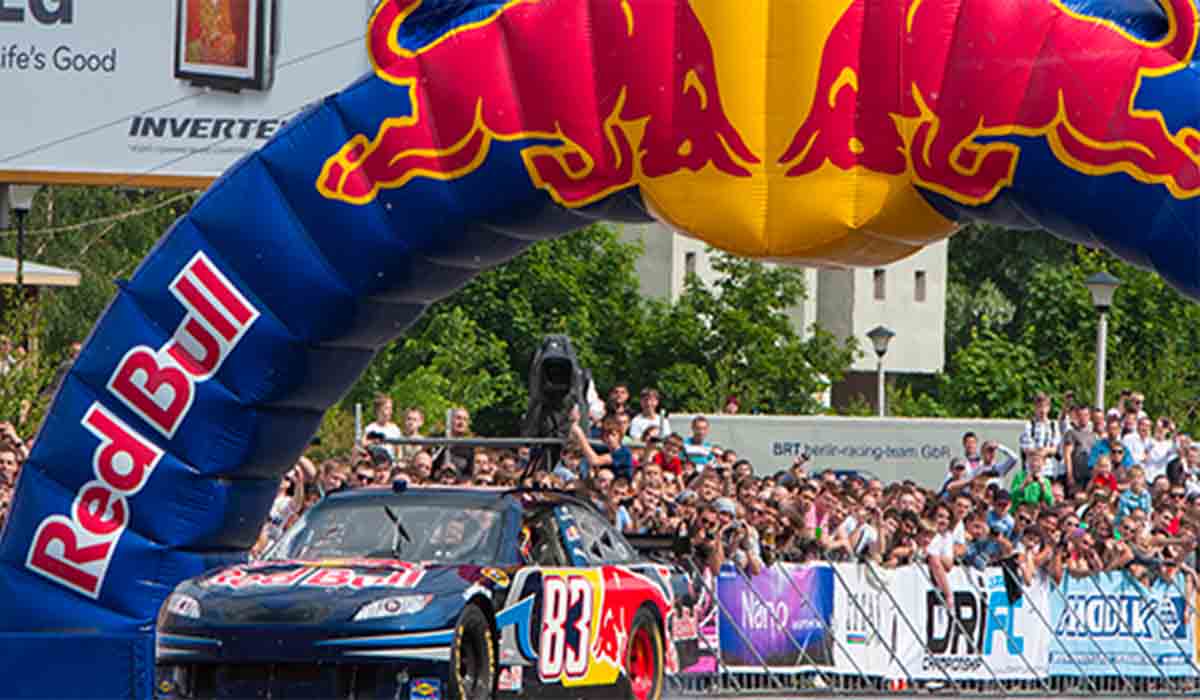
Event sponsorship is one of the most effective ways of advertising, as an event creates high-impact opportunities for interaction and real-time engagement. This allows brands to get associated with something bigger and connect with targeted audiences.
- Brand Alignment: Sponsors align themselves with events that resonate with their target demographic.
- Community Engagement: Events draw large crowds, creating a community buzz.
- Increased Visibility: Events create high exposure for sponsors through signage and promotional materials.
- Experiential Marketing: Brands create authentic experiences that lead to lasting impressions.
- Cross-Promotion: Sponsoring events enable collaborations and cross-promotion opportunities with other brands.
By sponsoring events, brands garner significant visibility and increase goodwill with target consumers. Leveraging events as a platform for outdoor advertising has become a vital part of marketing strategy.
Wall Murals
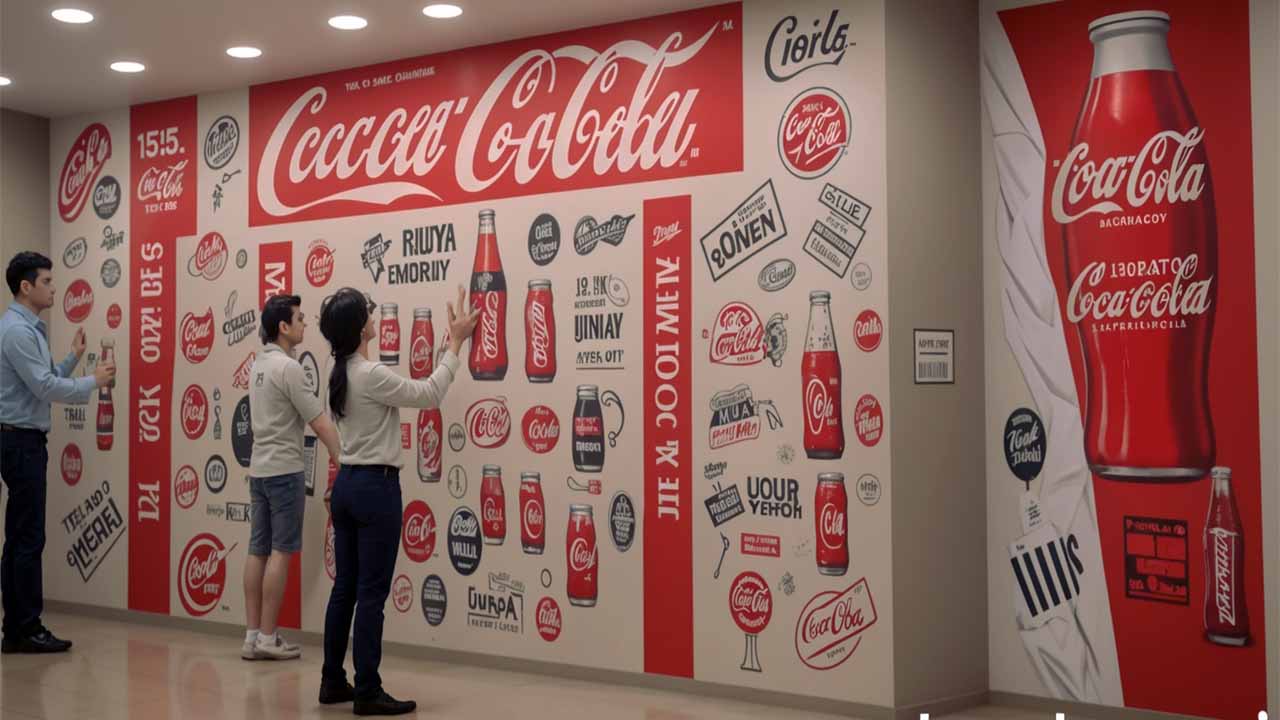
Murals are vibrant displays that evoke emotions through visual storytelling while creating unique branding experiences. They are stunning canvases that turn a blank wall into a captivating visual representation of a brand’s identity.
- Local Culture: By incorporating cultural elements, murals create a sense of place and enhance brand relevance.
- Engaging Art: Artistic expressions invite the audience to engage with the mural and the brand behind it.
- Photogenic Potential: Stunning murals encourage social media sharing, amplifying reach.
- Memorable Experiences: Eye-catching art evokes feelings and memories, promoting brand recall.
- Long-Lasting Impact: Unlike temporary advertisements, murals can last years, providing sustained exposure.
Murals turn an empty canvas into a dynamic advertising space, contributing to brand visibility. They connect the brand with the local community while creating vibrant urban landscapes.
Conclusion
As competition in the advertising space intensifies, creative outdoor advertising ideas can boost visibility and create lasting impressions. With outdoor advertising, creativity is unlimited, so brands must innovate and think beyond conventional advertising channels.
- Reach Wider Audiences: Captivating outdoor advertisements can reach a broad audience.
- Enhance Brand Visibility: Clever ideas elevate brand exposure and recognition.
- Encourage Engagement: Engaging formats prompt audience interaction.
- Leverage Local Culture: Connecting with local culture can create a stronger bond.
- Impressions that Last: Outdoor advertising offers lasting impressions that resonate.
These outdoor advertising ideas promote products and create engaging experiences that resonate with audiences, making them a valuable part of any marketing strategy.
]]>Indian real estate is volatile, highly competitive, and varied in customer needs. This dynamic and competitive market scenario requires innovative marketing strategies. A few key factors that make marketing in real estate so essential include:
- Emotional Attachment: The investment into property usually has a strong emotional attachment.
- Significant Investment: Property forms a high investment of their savings for customers.
- Varied Market: The Indian real estate sector involves residential, commercial, and industrial properties.
- Brand Loyalty: Repeat customers and word-of-mouth are likely to be an advantage for this market.
- Innovative Strategies: It has to be innovative to stand apart from the crowd in a market like this.
This blog will try to understand how real estate brands have revamped their marketing to suit these needs and expand in a very competitive market.
What are Real Estate Brands?

Real estate brands are firms that handle real estate, either through property management, purchase, sales, or development. Their activities can be connected to a wide range of classes of properties, from residential to commercial.
Critical Characteristics of Real Estate Brands
- Property Management: They handle developing and selling or letting residential and commercial properties.
- Bigger Network: Most of these brands work with a wider network of agents to sell homes based on negotiations.
- Revenue Generation: Revenue generation is mainly commission-based and generated when it sells any property.
- Market Influence: These real estate brands impact the infrastructure to a great extent.
- Economy Contributor: It is through these brands that one or another way the economy has a role to sustain. Employment and infrastructure boost the economy.
Real estate brands have always delivered accurate services, finding the proper property for the public and enhancing the country’s infrastructure.
Which are the Popular Real Estate Brands in India?
India is proud to have many successful brands in the real estate segment. These companies have emerged as leaders in their market through different services and quality projects.

Some Top Real Estate Brands of India
- DLF Ltd. is a much older and larger real estate company in India that was founded more than 75 years ago.
- Godrej Properties: Extremely acclaimed because they have won more than 250 awards for their innovative developments.
- NBCC India Ltd.: The government enterprise is tagged as “Navratna” in the industry.
- Indiabulls Real Estate Ltd.: Known for its luxurious commercial buildings.
- Oberoi Realty Ltd.: With assets of Rs 11,000 crores, the brand is famous for its premium developments.
This has set the luxury, quality, and innovation among brands, which has considerably contributed to India’s growth in the real estate market.
Top Marketing Strategies Case Study: Real Estate Brands
Real estate marketing has witnessed changes in the last couple of years in line with the shifting nature of consumers and technology. The following are some of the most relevant campaigns used by the leading brands.
Newspaper Ads
Print media is one of the intrinsically prevalent forms of advertisement for real estate.
- Widespread Reach: India still boasts a massive readership through newspapers and magazines.
- Reliability: Most Indians do not believe in digital formats, so it happens to be an excellent marketing medium.
- Cost-Efficient: This medium varies depending on the budget, from a full page in a national daily to a small insert in a local magazine.
- Targeted Audience: Magazines and newspapers often have demographics; therefore, brands can effectively target potential customers.
- Brand Recall: Casual readers notice the advertisements; thus, brand recall is possible when they are ready to invest.
Printed advertisements are definitely necessary for real estate brands to gain people’s trust and reach out to an array of audiences.

Hoardings
Hoardings are the most traditional form of advertising in real estate. It attracts the eyes of the beholder with its vast and magnificent hoardings.
- High Visibility: They are placed in key locations, so the brand message always hits a large crowd.
- 24/7 Exposure: Unlike digital advertising, hoardings never shut down, so they’re always open to passersby.
- Instant Recall: The consumer may not notice anything on the billboard, but they recall the brand name for subsequent recall.
- Emotional Appeal: Dream homes are captured in dream images of comfort and success on billboards.
- Brand Credibility: More billboards around the city by real estate advertisements increase the brand’s credibility.

Dream House Concept
Real estate brands use the dream house concept when marketing the property, speaking to the emotional side of the purchaser.
- Emotional Attachment: The buyer feels emotionally attached to the perfect house idea.
- Personalised Advertisement: The brand will use aspects like family-friendly environments and comfort that make this house fit for life.
- Long-Term Goals: This strategy works because most people want a house long before buying one.
- Repeat Business: A positive emotional connection could turn a buyer into a lifelong brand follower who purchases investments repeatedly.
- Word of Mouth Marketing: Happy and successful customers forward their search for a dream home to their friends and relatives, thereby expanding the brand’s network.
If marketing is aligned with the dreams and aspirations of its target customers, real estate brands can develop meaningful, long-lasting relationships with them.

Green Campaigns
With the increase in environmental concerns, environmental awareness is taking greater importance in real estate marketing.
- Eco-Friendly Selling Proposition: Brands sell ‘green’ properties to the concerned environment-conscious buyer.
- Less Carbon Emissions: Many real estate brands emphasize green construction techniques and energy-saving designs.
- Cause Marketing: Green campaigns further bring a positive value to the brand for participating in the more significant cause of the environment.
- Long-Term Savings: Energy saving and cost-cutting promises to all buyers now attract intelligent buyers.
- Government Support: Green technology investing by real estate companies can be supported through government incentives and support.
Green campaigns help establish the identity of real estate brands, demonstrating dedication to sustainability.

3D Presentation
3D technology has revolutionized how real estate brands present their projects to potential buyers.
- Visual Attraction: 3D representations provide a clear, detailed view of the property, enabling the buyer to envision their home.
- Communicating Better: This technology allows real estate agents to better describe projects and answer customer questions with real-time visualizations.
- Integration with Digital Marketing: These 3D models will integrate seamlessly into websites and digital advertisements, making the online customer experience more accessible.
- Reduced Site Visits: Buyers can view the property virtually, saving time and gaining easier accessibility.
- Higher Engagement: Buyers’ interest in dealing with those 3D models interacts with them more, which creates more inquiries and likely sales.
The use of 3D technology is one forward-thinking move that increases transparency and trust in the real estate market.

NGO Collaborations
This could be the most alluring and lucid real estate brand branding idea. Big companies dealing with property business always market how they take initiatives on giving back to society. They join hands with other businesses working for social welfare or NGOs so that they can also be considered a part of the cause.
- Along with the usual large revenue earnings and making profits, these companies have certain expectations placed on them.
- They reserve a portion of their earnings and donate it to charity.
- This helps them maintain a good image in the minds of the audience and increase the brand value.

Online Presence
It is absolutely clear that people have accustomed themselves to the culture of surfing the web before buying anything. Likewise, every business firm in the real estate market has well understood this. Virtually all real estate brands have their websites to expand better outreach.
- A professional website displays every piece of information, from catalogues to the prices of the properties.
- It becomes easier for people to find their way to the brand, and for companies to reach potential customers.
- This marketing strategy of real estate brands bridges the gap between the audience and companies, enabling direct dealings.

Digital Advertisements
Digital ads include multi-media advertisements on Television and Radio. These ads are positioned during content breaks or during shows so that they capture the attention of the viewers. This strategy provides advertisers with creative space to present a prospectus of properties to interested people.
- This marketing strategy involves audio ads on radio shows and video ads on television, which attract the audience significantly.
- Since most of the population owns TVs and digital radios, the aired ads reach the maximum number of people.

Final Thoughts
Real estate marketing is constantly changing based on customer needs and high competition in the field. All the above-mentioned tactics have enabled top real estate brands to not simply survive but even flourish in such a dynamic environment. They are successful in taking the lead ahead of their competitors through traditional and new digital communication channels, appealing to emotions, and investing in all new technologies.
- Emotional Appeal: Real estate brands capitalize on individualistic feelings attached to an investment in property.
- Sustainability Campaigns: Brands that support green sustainable initiatives attract responsible and conscious green consumers.
- Technology: Digital can be used to deliver 3D representation for a better holistic experience.
- Billboard: The nature of billboards makes them ubiquitous, and it will increase the awareness levels of an image.
- Cyber Life: A brand’s digital presence will bridge the gap between customers and brands.
Applying these measures will keep the real estate brands performing well in the market while developing closer and more long-term relationships with their customers.
]]>What is Outdoor Advertising

Outdoor advertising, simply put, is outdoor marketing or branding. It is the exposure of products, services, or ideas using graphics or other visual materials in outdoor spaces outside the home. Outdoor formats include billboards, posters, advertisements on buses and trains, and, increasingly, digital advertising screens set up in public spaces.
Outdoor advertising has widened in scope, as it can be done on highways, city centers, airports, bus stops, and more. Traditional advertisements refer to the activity of pasting posters in busy areas to achieve maximum visibility. Outdoor hoardings are thus one of the mainstays of the advertising business.
Key Features of Outdoor Advertising
- Everywhere Visible: Outdoor hoardings are installed at every visibly prominent place.
- Low Cost per Impression: Out-of-home advertisements cost less per impression than other mass advertising media.
- Long-Term Effect: Place-specific advertisements evoke impressions that linger in customers’ minds for a considerable time.
- Captive Audience: Individuals are more captive as they sit idle in transportation to watch any advertisement.
- Brand Recall: Consistent exposure to outdoor advertising yields high and significant effects on brand recall and recognition.
Types of Outdoor Advertising

Outdoor advertisement encompasses a wide-ranging message strategy placed outside one’s home. Various message strategies are used in outdoor advertising, from hoardings beside highways to bus posters that travel through the city.
1. Hoarding
Hoarding is regarded as one of the big traditional advertising formats. Positioned in busy urban areas beside highways or where the maximum number of audiences pass through, it offers brands a fantastic opportunity to deliver a message.
Advantages of Hoarding:
- Can be Easily Seen: Their strategic location ensures visibility for more people at a time.
- Creative Freedom: Provides a background for creative expression.
- Long Shelf Life: Ads remain in view for an extended period, leading to better recall.
- Localized Advertising: Can respond to events or local culture.
- Reach Masses: Effectively reaches a large audience in a short time.
2. Transit Advertising
Transit advertising refers to colorful ads displayed on buses, trains, and other public vehicles. This type of advertising allows brands to reach people as they move from one place to another.
Advantages of Transit Advertising:
- Mobility: Ads travel with people, reaching diverse audiences.
- Targeted Audience: Taps into specific segments through transit routes.
- Capture Imagination: Engaging artistic content captures the attention of passengers and passersby.
- Cost-Effective: Generally less expensive than traditional billboard advertising.
- More Exposures: Captive audiences inside transit vehicles offer more exposure opportunities.
3. Street Furniture
Street furniture advertising becomes part of the urban environment by placing advertisements on public benches, bus shelters, and restrooms.
Advantages of Street Furniture:
- Integration with Cityscape: Blends seamlessly into public spaces.
- Practical Knowledge: Serves both a utility and an informational purpose for commuters.
- More Time Spent: People tend to linger, increasing exposure.
- Cost-Effective: Generally less expensive than larger outdoor formats.
- Extremely Interactive: Engages passersby and encourages interaction.
4. Event Sponsorship
Event and festival sponsorships help companies engage with the local community. Kingfisher is an example of a company that effectively utilizes this strategy.
Benefits of Event Sponsorship:
- Community Outreach: Fosters connections with neighborhood markets.
- Brand Attachment: Ties consumers emotionally through events.
- Increased Visibility: Achieves significant visibility during major events.
- Favorable Brand Position: Connects brands with exciting experiences.
- Networking: Builds relationships between the brand and local markets.
5. Digital Screens
The modern touch in outdoor advertising is using digital screens, which add dynamism and movement to capture consumer attention through animated commercials or video clips.
Advantages of Digital Screens:
- Real-Time Updates: Allows for real-time ad changes.
- Graphics: Engaging animations and videos catch the audience’s attention.
- Targeted Messaging: Customizes messages based on the audience’s demographic profile.
- Better Engagement: Generates more interactions than static images.
6. Guerrilla Marketing
Guerrilla marketing employs unconventional and provocative methods, such as 3D street artworks or interactive installations, to gain attention.
Benefits of Guerrilla Marketing:
- Unconventional Tactics: Breaks through the noise of traditional methods.
- Viral Potential: Creative ideas can go viral on social media.
- Cost-Effective: More economical compared to conventional advertising.
- Memorable Experience: Provides long-lasting consumer impressions.
- Community Engagement: Actively involves the audience, enhancing brand association.
7. Outdoor Signage
Outdoor signage includes branding and way-finding signage, helping customers find their way and ensuring brand awareness.
Pros of Outdoor Signage:
- Clearness and Guidance: Provides valuable information to customers.
- Brand Identification: Connects signage to specific brands.
- Community Outreach: Engages passersby and potential customers.
- Aesthetic Value: Enhances the visual appeal of the area.
- Low Maintenance: Generally requires less upkeep than other formats.
8. Roadside Advertising Vans
Roadside advertising vans deliver messages to hard-to-reach areas, allowing brands to connect directly with consumers. Dabur effectively uses roadside vans to reach rural audiences.
Advantages of Mobile Advertising Vans:
- Reachability: Connects with inaccessible communities directly.
- Demonstration Opportunities: Allows hands-on product tests.
- Flexible Campaigns: Adapts to different geographies and populations.
- High Interaction: Foster’s one-to-one exposure, cementing relationships.
- Localized Message: Tailors content to regional tastes.
Why Outdoor Advertising is Important

Out-of-home advertising is integral to branding, offering visibility, and raising awareness. Here are some reasons why outdoor advertising matters to brands:
1. Maximising Reach in Diverse Demographics
- India is a melting pot of cultures, languages, and traditions.
- Outdoor advertising has the distinct advantage of reaching different demographics in a single instance.
- Traditional ads can visually capture people from various backgrounds in both urban cities and rural areas.
- This form of advertising helps bridge cultural differences and create a universal appeal across diverse audiences.
2. High Footfall Areas
- Imagine the bustling roads of Mumbai, the crowded markets in Delhi, or the busy crossings in Bangalore.
- Such areas have high foot traffic, making them ideal for hoardings and billboards to advertise product brands.
- For example, Amul strategically placed its boards at prime sites, creating catchy advertisement banners that leave a lasting impression on viewers.
- By placing ads in high-traffic locations, brands can achieve maximum exposure and visibility, driving consumer engagement.
3. Relevant in Terms of Culture and Language
- Outdoor advertisements are tailored to specific regions and languages, making them more relatable and effective.
- Customizing content for outdoor branding helps brands resonate deeply with local audiences.
- Brands like Fevicol have successfully integrated regional language and cultural references in their traditional ads, creating a strong emotional connection with the audience.
- This localized approach enhances brand recall and fosters a deeper relationship between the brand and its consumers.
4. Building Local Brand Presence
- Establishing a strong local brand presence is crucial for businesses across various cities and states.
- Outdoor advertising through well-placed banners and billboards helps create a sense of familiarity and community attachment.
- Brands like Bisleri have effectively used outdoor ads to become household names in multiple Indian cities.
- This strategy increases brand visibility and builds trust among local consumers.
5. Strong for Non-Digital Users
- While digital advertising has grown significantly, many of India’s population does not have regular internet access.
- Outdoor advertising ensures that these offline audiences are also reached, making it an inclusive advertising strategy.
- This approach helps close the gap between digitally connected consumers and those without access to the internet, ensuring that no potential customer is left behind.
- Brands can thus extend their reach beyond the digital landscape, tapping into a wider and more varied audience base.
6. Visual Impact in Urban and Rural Settings
- Well-crafted traditional hoardings’ visual presence is hard to ignore, making them an effective tool for brand promotion.
- Whether in urban areas with towering skyscrapers or rural landscapes, traditional hoardings have a strong visual appeal.
- Even brands like Vodafone have successfully adapted their advertising designs to suit both urban and rural imagery, creating innovative and engaging campaigns.
- These visually impactful ads capture the attention of passersby, leaving a memorable impression that enhances brand recall.
7. Cost-Effective and Long-Lasting Impact
- Outdoor advertising, such as billboards and hoardings, is cost-effective compared to other advertising mediums like TV or print.
- Once installed, these ads have a long shelf life and can continuously reach audiences without frequent updates.
- Outdoor ads’ durability and constant visibility make them a valuable investment for businesses looking to maximize their marketing budget.
- This long-lasting presence helps in building brand awareness over time, contributing to a sustained marketing effort.
8. Flexibility in Design and Messaging
- Outdoor advertisements offer flexibility in terms of design, messaging, and creativity.
- Brands can experiment with different formats, such as digital billboards, traditional posters, or interactive displays.
- The adaptability of outdoor advertising allows businesses to update their campaigns based on current trends, seasons, or local events.
- This dynamic approach helps brands stay relevant and maintain a strong connection with their target audience.
How to Plan a Successful Outdoor Campaign

Designing effective outdoor campaigns involves strategizing and implementing concepts to maximize reach. Here are steps for effective campaign design:
1. Understand Your Audience
- Audience Analysis: Identify target demographics and preferences.
- Cultural Sensitivity: Be aware of local customs and values.
- Consumer Behavior Insights: Gauge consumer behavior in your target market.
- Reachability: Ensure your ads are visible in critical areas.
- Feedback Mechanism: Implement ways to gather consumer feedback.
2. Choose the Right Format
- Format Selection: Choose formats based on campaign goals and budgets.
- Target Areas: Focus on locations that match audience demographics.
- Creativity: Ensure your chosen format allows for creative expression.
- Engagement Opportunities: Opt for formats with interactive elements.
- Compatibility: Align format with overall marketing strategy.
3. Focus on Compelling Design
- Visual Appeal: Use eye-catching designs that capture attention.
- Simplicity: Keep messages clear and concise.
- Color Psychology: Utilize color theory to evoke emotions.
- Brand Consistency: Ensure designs reflect the brand’s identity.
- Effective Typography: Select fonts for readability and impact.
4. Monitor and Optimize
- Performance Tracking: Measure the effectiveness of campaigns.
- A/B Testing: Experiment with different designs and formats.
- Audience Engagement Metrics: Monitor audience interactions and responses.
- Adjust Campaigns: Make changes based on performance data.
- Continual Improvement: Regularly refine strategies based on analytics.
5. Evaluate and Learn
- Feedback Collection: Gather consumer and stakeholder feedback post-campaign.
- ROI Assessment: Measure returns on investments and evaluate costs.
- Success Metrics: Analyze sales, reach, and brand awareness changes.
- Learning for Future Campaigns: Document findings for future campaigns.
- Team Reviews: Involve all stakeholders in holistic evaluation.
Case Studies: Successful Outdoor Advertising Campaigns

1. Coca-Cola’s “Share a Coke” Campaign
Coca-Cola replaced its iconic logo with famous names and phrases. The campaign became a massive success, leading to an increase in sales.
- Target Audience: Youth and teens.
- Engagement Strategy: Encouraged sharing on social media.
- Local Relevance: Adapted to different cultures with localized names.
- Community Interaction: Fostered personal connections with consumers.
- Effective Messaging: Leveraged emotional appeal effectively.
2. Spotify’s “Thanks 2016, It’s Been Weird” Campaign
Spotify engaged audiences by using colorful billboards featuring user-generated playlists and data. The playful tone resonated well, resulting in a spike in app downloads.
- Data-Driven Insights: Utilized data to create relatable content.
- Humor and Personality: Employed a light-hearted approach.
- Targeted Messaging: Resonated with diverse audience segments.
- Social Media Integration: Encouraged users to share their playlists.
- Viral Potential: Generated significant online buzz.
3. Airbnb’s “Live There” Campaign
Airbnb focused on promoting local experiences over tourist traps through captivating outdoor ads, resulting in heightened brand awareness.
- Emotional Appeal: Evoked feelings of belonging and community.
- Visual Storytelling: Created vibrant imagery showcasing local experiences.
- Cultural Relevance: Targeted diverse global markets.
- Community Involvement: Collaborated with locals to enhance authenticity.
- Increased Bookings: Resulted in significant growth in bookings.
New Trends in Outdoor Advertisement

Outdoor advertising is continuously evolving, with new trends shaping the landscape. Here are some emerging trends in outdoor ads:
1. Augmented Reality (AR) Integration
AR technology creates immersive consumer experiences, transforming static ads into interactive content.
- Consumer Engagement: Enables consumers to interact with brands.
- Enhanced Storytelling: Adds layers to the narrative, drawing users in.
- Memorable Experiences: Creates lasting impressions through engagement.
- Increased Sharing: Encourages sharing of experiences on social media.
- Innovative Branding: Sets brands apart from competitors.
2. Sustainability in Outdoor Ads
Brands increasingly focus on environmentally friendly outdoor advertising practices, promoting sustainability.
- Eco-Friendly Materials: Use of recyclable or biodegradable materials for hoardings.
- Digital Solutions: Reduces waste by using digital formats.
- Community Initiatives: Involvement in local sustainability programs.
- Positive Brand Image: Enhances brand reputation through responsible practices.
- Consumer Preference: Attracts environmentally-conscious consumers.
3. Data-Driven Advertising
Utilizing data analytics for targeted advertising is becoming more prevalent, helping brands optimize their outdoor ads.
- Audience Insights: Gathers insights into consumer preferences.
- Performance Metrics: Measures ad effectiveness in real-time.
- Dynamic Messaging: Adjusts campaigns based on data and audience engagement.
- More significant ROI: Improves overall return on investment for campaigns.
- Enhanced Targeting: Ensures messages reach the right audience at the right time.
4. Personalization
Brands customize outdoor ads to resonate with specific demographics, making campaigns more relevant.
- Location-Based Advertising: Targets messages based on consumer locations.
- Cultural Relevance: Tailors content to local customs and preferences.
- Demographic Segmentation: Targets messages based on audience profiles.
- Engagement Enhancement: Increases interactions through personalized content.
- Consumer Loyalty: Fosters stronger connections with targeted segments.
5. 3D Advertising
3D advertisements create stunning visual experiences, capturing consumer attention through depth and dimension.
- Visual Impact: Engaging visuals attract more consumers.
- Innovative Storytelling: Offers unique ways to tell brand stories.
- Increased Interactivity: Encourages consumer participation.
- Memorable Impressions: Leaves a lasting impression on the audience.
- Social Sharing: There is a higher likelihood of consumers sharing innovative ads on social media.
Final Thoughts
Outdoor advertising has endured, evolving to adapt to technological advancements and changing consumer behaviors. Its ability to reach a wide audience, create brand awareness, and drive sales makes it an essential component of any marketing strategy.
- Versatile Formats: Different formats ensure flexibility in reaching diverse audiences.
- Local Relevance: Community ties foster stronger brand connections.
- Cost-Effective: Yields a higher return on investment than many traditional advertising forms.
- Dynamic Engagement: Incorporating new technologies enhances consumer interactions.
- Sustainable Practices: Ensuring brands align with consumer values improves brand reputation.
What Is Traditional Advertising?
Traditional Advertising
Traditional or old advertising is the traditional marketing tool that uses print media, television, radio, billboards, and event marketing to reach consumers. These methods transmit direct messages about products and services to the target market, thereby being extremely effective for a mass market. This technique can be called ATL, Above The Line marketing.
Salient Features of Traditional Advertising
- Direct Message: Traditional advertising delivers clear, direct messages to consumers, thus allowing direct receptivity.
- Physical Presence: Ads in newspapers, magazines, or hoardings provide an experience that digital ads cannot offer.
- Establish Trust: Most customers feel that conventional ways of advertising are reliable because they have such a rich history associated with them.
- Reachability: Users who need to learn the basic details of technology or proper internet connectivity would very quickly understand the feel and know-how of traditional ads.
- Brand Consistency: Repeated exposure through traditional media will establish familiarity and trust for the brand.
Old advertising is a good base for brand promotion and lead generation by influencing markets through known channels.
Forms of Traditional Advertising

While digital marketing may rise, traditional marketing is still a mighty tool for companies. Following are some conventional marketing tactics that are delivering a good ROI for any business:
Print Ads
Print Advertising is still a signature product when it comes to old marketing. In this form, the advertising uses magazines, newspapers, pamphlets, and direct mail to address a large cross-section of people.
- Targeted Reach: Print ads can be placed in specific publications that target specific audiences.
- Tactile Material: With print ads, consumers can interact with the material at their own pace.
- High Interactions: Readers tend to spend more time with print media than clicking a button for online media, thus making the ad’s message stay longer in their minds.
- Credibility: Print ads are considered highly credible as opposed to online ones and thus can enhance trust in a brand.
- Long Term: Print advertisements are read more times so that the message can be read multiple times.
Print media can also facilitate the delivery of a message and build relationships with customers over a long time.
Billboards
Billboards are outdoor advertising hoardings that are put up on highways, traffic signals, and even main roads.
- Gross Exposures: The billboard size is large, and its design is eye-catching, so people tend to observe it and pay attention to what’s written on it.
- Geographic Targeting: The target audience can be reached by choosing specific locations.
- Brand Recall: The repetition of billboards ensures brand remembrance among the masses.
- Cost-Effective: Generally, billboards are less expensive in terms of impressions than digital media.
- Creative Expression: Billboards provide an opportunity for creative expression that attracts and engages the audience.
Through billboards, brands reach massive audiences, making it one of the essential components of their traditional media plan.
Television Advertisements
Television is still an effective way to advertise. The television commercial reaches almost every house, thus reaching homogeneous and heterogeneous populations very effectively.
- Widely Accessible: TV commercials can reach millions of viewers at one time. Such attributes make it an excellent mass marketing tool.
- Emotional Storytelling: The medium of television allows brands to connect with the target audiences through interesting emotional stories emotionally.
- Multisensory Interaction: The combination of video and audio naturally increases engagement and better message recall than audio or audio-visual.
- Live Event Tie-In: Commercials can be tied to important events, like sports finals.
- Established Brand Identity: Systematic advert placement on television is the best way to develop a brand’s existence and increase recognition.
Television advertising is still alive and kicking in 2024. For this aspect, television adverts will help a brand deeply relate its story to its audience.
Why Traditional Advertising Continues to Be Relevant in 2024
Digital marketing rapidly transforms the industry due to its numerous features and widespread access. There are many reasons why traditional advertising is still in use today:
Here are 5 reasons why traditional Advertising is still used over Digital Advertising
Prefer Traditional Ways

Many consumers still have an affinity for old-style advertising due to perceived authenticity and reliability.
- Brand Association: Repeated exposure to print advertisements and TV commercials develops brand association.
- Ease of Understanding: Consumers think old-style advertising is more understandable than the chaos of difficult digital ads.
- Fewer Distractions: It reduces the distraction found in a digital environment.
- Building Community: Local paper advertising and regional billboards develop community connections.
- Nostalgia: Some consumers have nostalgia about media, which increases response.
This trend indicates the necessity of merging the conventional with the new marketing strategies.
The Rise in Cross-Functional Marketing

Combining digital and traditional marketing genres ensures better reach in the targeted sector.
- Cross-Promotion: It increases potential exposure through multiple channels by integrating both forms of media.
- Integrated Campaign: A single message that flows between one form and another is continuing for the audience.
- Increased Engagement: Different format designs for more significant engagement or participation on the part of the audience.
- More Inclusive Audience: A hybrid marketing approach tastes different among the generations.
- Knowledge-Based Innovation: Insights attained from each strategy will aid future marketing decisions.
Hybrid marketing allows a brand to reach audiences in various ways, creating more effective outcomes.

The Long Life of Traditional Advertising

Although the digital platform grows, traditional advertising has lived longer than expected.
- Traditional methods are secure because of their long-standing methods, thus ensuring reliability.
- Continuous Engagement: People consume more media products through traditional media, so a captive audience is always available.
- Easy: The ease of traditional advertising is a source of solace for the consumer who likes things that are not confusing.
- Broader Reach: Traditional advertisements can penetrate audiences who do not use digital.
- Longer Haul: Traditional media means that advertisements will be forgotten immediately when a consumer deletes the internet.
Traditional advertising is gold for brands looking to have meaningful engagements with consumers.
5 Reasons Why Traditional Advertising is Used More Than Digital Advertising

As we progress, let’s discuss the robust reasons why traditional advertising thrives in the digital age:
Dealing with Digital Overload
Individuals spend hours online and quickly get tired of too many digital ads.
- Ad Fatigue: Excessive exposure to digital ads elicits a response that is not engagement but disengagement with irritation.
- Greater Engagement: Traditional advertising offers greater engagement levels than many digital formats.
- Authenticity: Traditional advertising has a better chance of being found authentic by the consumer than digital options.
- Less Intrusiveness: Traditional advertisements are less intrusive, paving the way for more natural interaction.
- Cost-Effective: Most traditional advertising methods are inexpensive compared to the expenditure on digital fraud.
Cutting through the Noise of Digital: Traditional advertisements can cut through the noise in digital media and attract consumers’ attention effectively.
More Transparency and Trust
Generally, people believe the traditional marketing processes more than their digital version.
- Authentic Interactions: One-to-one engagements can attain credibility and transparency.
- Less Fraud: Traditional advertising is known to have lesser fraud means, so people trust more.
- Safe Source: The power and credibility of the brand can be assured through strong media sources.
- Physical Evidence: When the advertisements are visible to the public, it becomes tangible proof that the brand exists in the market.
- Proven Outcome: Advertisement through traditional means has a proven track record for creating an outcome where a return on investment is noticed.
This establishes trust; hence, brands are more inclined to opt for traditional advertising to develop customer relationships.
Cheap to Pocket
The majority of advertisement traditions happen to be cheap, hence accessible to every kind of business.
- Less Upfront Investment: Generally, most traditional marketing mediums require lower up-front investments than digital ones.
- Longer Run Time: Ads in print media or billboards exist longer; hence, there is a more significant ROI.
- Cheap Options: Many forms of traditional advertising can fit businesses with almost every budget.
- Less Competition: Traditional advertising may give extensive exposure for lesser prices in less saturated markets.
- Local Focus: Small business owners who want to advertise locally have more accessible options at affordable prices.
These financial benefits make traditional advertising relevant even in the present times.
Digital and Traditional Marketing
A balanced approach combines digital and traditional marketing, making the campaign all the more effective.
- All-Inclusive Strategies: The two can be amalgamated to create an all-encompassing brand marketing strategy.
- Channel Assortment: Channels can be coupled to multiply the distribution of marketing messages and amplify the campaigns.
- Behavioral Targeting: Traditional methods can also be targeted according to behavioral analytics.
- Broader Audience Reach: The ability to create cross-channel marketing strategies broadens the audience reach.
- Leveraging: Utilizing traditional advertisement’s reliability allows for better reception in digital contexts.
Hence, brands can optimize marketing efforts through integration and leverage cross-promotional marketing strategies.
Local Markets Matter
In the business field, personal connections will always be critical to the success of local companies. Traditional advertisements tend to have a more substantial local impact than digital ones.
- Community Engagement: Customers like to engage with local businesses; traditional advertising can create a personal touch.
- Local Preferences: Traditional methods address the needs and preferences of the local audience.
- Building Relationships: Old-style ads help establish deeper relationships with the local market.
- Immediate Availability: Local businesses can drive traffic through advertisement via the local audience.
- Sense of Belonging: People relate to brands they can see in their community and understand their relevance.
So, the engagement from the local audience will promote local businesses, keeping traditional advertising relevant.
Final Thoughts
As the business landscape evolves with emerging technologies and changing consumer behaviors, traditional advertising remains a relevant and effective marketing strategy. Integrating traditional and digital methods ensures broader reach and engagement, while the trusted nature of conventional advertising fosters credibility and brand loyalty.
- Traditional advertising connects with consumers on a personal level.
- The longevity and credibility of traditional ads help build trust.
- The local impact of traditional ads can drive business success.
- An integrated marketing approach can amplify brand visibility.
- Traditional advertising continues to offer cost-effective solutions.
In a world dominated by digital media, it’s essential to recognize the value and effectiveness of traditional advertising. It remains a critical tool in a marketer’s toolkit, ensuring brands connect with their audiences meaningfully.
]]>Ready to talk with a marketing expert?

A Pragmatic and innovative way to enthrall your target group is just a click away!
Get in Touch
Rukmini Knowledge Park, Kattigenahalli, SH 104, Srinivasa Nagar, Bengaluru, Karnataka 560064
+91-990 247 8800
contact@gingermediagroup.com
Popular in Television Advertising
Udaya TV AdvertisingSun TV AdvertisingStar Plus AdvertisingTV 9 AdvertisingZee TV AdvertisingNDTV India AdvertisingColors TV AdvertisingPopular in Airport Advertising
Spice Jet AdvertisingMumbai Airport AdvertisingDelhi Airport AdvertisingEmirites AdvertisingIndiGo Airlines Domestic India AdvertisingPopular in Newspaper Advertising
Deccan Herald AdvertisingPrajavani AdvertisingThe Hindu AdvertisingEconomic Times AdvertisingDainik Jagran AdvertisingHindustan Times AdvertisingPopular in Magazine Advertising
Forbes AdvertisingCosmopolitan AdvertisingBusiness World AdvertisingVogue Magazine AdvertisingPopular in Sports Advertising
IPL AdvertisingPopular in Outdoor Advertising
Billboard AdvertisingBus Shelter AdvertisingMetro Pillar AdvertisingUnipole Advertising© Ginger Media Group 2025. All Rights Reserved.