
RACE, an absolutely essential tool these days, helps to improvise business processes, boost engagement, and optimize marketing strategies. The full form of RACE is Reach, Act, Convert, and Engage. The RACE framework has been designed as an effective strategic model to enable a business to design a perfect customer journey, thereby enhancing the overall marketing performance of that business. In this blog, we talk about the basics of RACE and its constituent elements that provide a road to success in any modern organization.
- Reach: The first step included in the journey of the customer. It attracts potential customers.
- Act: It helps create an interaction with the brand, such as website visits and social media engagements.
- Convert: At this conversion stage, leads become paying customers.
- Engage Long-term relationships with the customer for higher loyalty and repeat purchases.
- RACE Strategy: Integrated Strategy in Optimizing the Leverage of Marketing Channels Efficiency and Returns on Investments.
What is RACE?
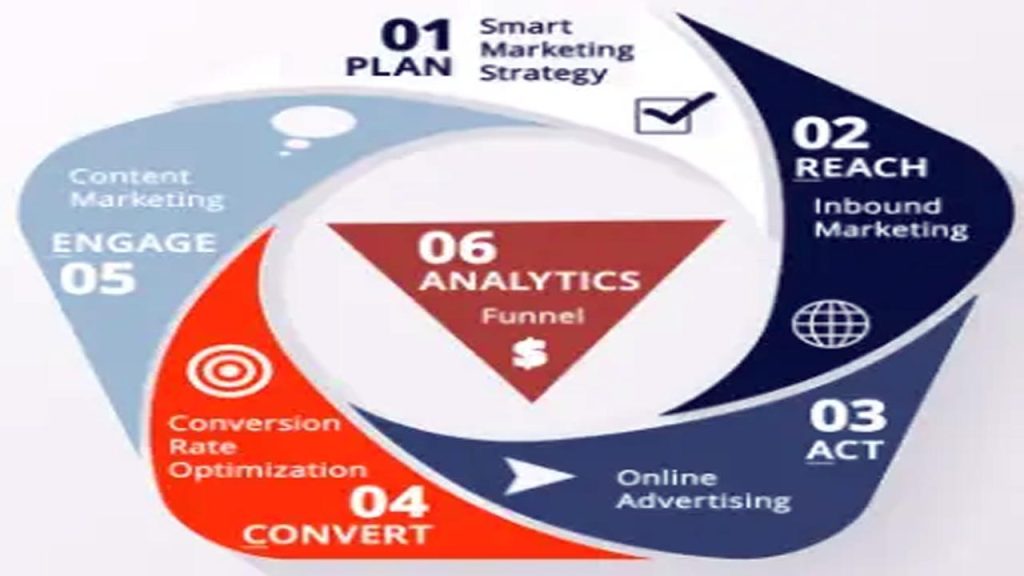
RACE is a strategic framework organizations use to leverage a structured process for digital engagement while enhancing marketing performance. By understanding the four levels: Reach, Act, Convert, and Engage, businesses can optimize the process for customers, improve conversion rates, and deepen brand loyalty. Every phase in the RACE cycle presents opportunities for improvement in an organization’s approach to marketing.
Important Elements of RACE:
- Reach: The process through digital channels like social media, SEO content marketing to attract potential customers.
- It is the most critical stage as this is when brand awareness and interest are created, and you get in front of the right audience.
- Act: It involves encouraging customers to interact with your brand, such as visiting your website or sharing a post on social media.
- Building trust at this level makes the user want to interact with your brand while building a connection with the right customers.
- Convert: It transforms an engaged user into a paying customer.
- This stage guides leads into the sales funnel, converting them into potential buyers via well-optimized processes.
- Engage: Creating long-term relations with customers after a sale.
- Keeping customers interested in a product after their purchase triggers repeat business and loyalty, leading to continuous business growth.
Advantages of RACE
The RACE framework provides various benefits to modern organizations as it covers a major part of the customer journey. Using this structured process, businesses can ensure that their marketing strategies are optimized in terms of both performance and customer satisfaction.
- Better Decisions: The insights achieved through each of the RACE process stages will allow businesses to make more informed decisions in consistency with their objectives.
- Analysis of engagement data leads firms to bestow upon their company new strategies according to what works and what does not with the target.
- Cost-Effectiveness: By focusing on those activities that provide maximum ROI, there is better resource allocation.
- The unnecessary expenses are curbed here so that ample attention is given to concentrate efforts toward giving maximum multiplier effect in marketing practices.
- Customers First Approach: The need is put across at the forefront of customer needs; hence, the firm attends to this factor and reacts accordingly based on the sentiments of the audience.
- Customer-centric inspires customers to be loyal and be involved in more brand work.
- Continuous Improvement: RACE emphasizes the continuous review of marketing activities to ensure continuous growth and optimization.
- Businesses can keep themselves at the competition bar by aligning their actions according to performance metrics.
- Collaboration and Communication: The RACE model encourages teamwork to ensure that every department aligns itself with the business objective.
- Well-defined goals and identified roles within this framework ensure transparency and effective communication.
Steps to Implement RACE
Businesses should execute business with an orchestrated approach that combines key strategies and performance metrics for proper operation of the RACE framework. This improves the optimization process in the customer journey and enhances business results.
- Examine Current Activities: Look at what is currently being marketed to identify the firm’s strengths, weaknesses, and areas for improvement.
- Gaps in customer journeys will determine where to create emphasis on the best-performing business strategy.
- Design Cost Drivers: What is driving cost at every stage of the RACE model.
- Efficiency would rise since resource allocation and distribution will be known.
- Develop Performance Measures: Track engagement and conversion at every stage of the framework to measure success.
- Data-driven insights will empower businesses to make appropriate adjustments.
- Employee Engagement: Engage all departments in the process of implementation. This brings a sense of ownership and responsibility to the employees.
- When active, staff play their role in executing the marketing plan in the right manner.
- Utilize Technology: Make use of CRM systems and marketing automation to facilitate smooth operation and monitor the progress.
- It enhances the efficiency of RACE and also enables businesses to scale their efforts correspondingly.
Real-Life Implementations of RACE
This framework proved to be effective in any industry to enhance the performance of any marketing undertaking as well as the relationship between the organization and the customers. The following is a number of success examples of applying the RACE model by businesses.
- Retail: A leading eCommerce retailer applied the RACE framework for the purpose of raising customer engagement, mainly on the stage of Convert. By optimizing the checkout process, the company saw an increase in conversion by 25%.
- Consumer Goods: The global consumer goods brand applied RACE to enhance its Reach Strategy; indeed, the outcome was a significant spike in the presence of the brand and customer acquisition through targeted campaigns.
- Software: A software firm implemented the Engage phase with a loyalty program, raising the rate of return by 40% while enhancing advocacy among the satisfied users.
- Healthcare: Hospitals introduced the use of RACE in the promotion of patient engagement, particularly through online outreach programs, which has helped make booking an appointment and after-care follow-ups easier and more efficient for the hospital.
- Hospitality: Hotels have utilized the Engage stage to create long-term customer relations through tailored offers and loyalty plans that have helped in consumer retention.
Final Thoughts
The RACE framework hence works as a very powerful tool for businesses to enhance their marketing efficiency, strengthen interactions with customers, and perfect their entire customer journey. Businesses can now, through these individual steps of the campaign-to-marketing funnel: Reach, Act, Convert, and Engage, gain scope for growth, increase customer satisfaction, and ultimately make profits.
- Employee Engagement: RACE implementation thus helps in constructing a sense of belonging and gives impetus to teams, thereby enhancing performance.
- Better Decision Making: Decisions made in real-time are data-based, so there is always a marketing approach that works.
- Increased ROI: Proper usage of all the stages increases the return on investments.
- Customer Loyalty: Engaging customers beyond the point of purchasing something more results in an enhanced, strong relationship that makes them brand advocates.
- Sustainable Growth: Continued assessment and optimization of marketing efforts will eventually lead to long-term success.
Now is the time to embrace the RACE framework and experience the transformative impact it can have on your organization. As already known, to be competitive enough in today’s market, businesses focus on improving customer interactions with them and maintaining sustainability, ensuring sustainable growth.
]]>What is 3D Advertising?
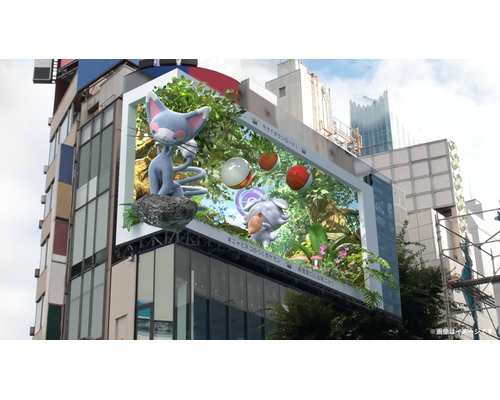
The concept of 3D advertising is a fresh hit in marketing. It uses three-dimensional visuals to establish a connection with potential customers and thus strengthen their engagement with the brand. This kind of advertising involves the impression of depth and perspective and sometimes incorporates interactive elements. Only such a setup can hold their feelings while ensuring creativity. With the numerous entities feeding the market, businesses must be keen to use 3D advertising to connect with the audience and invite their participation through memorability, among other factors.
The Power of Immersive Experiences
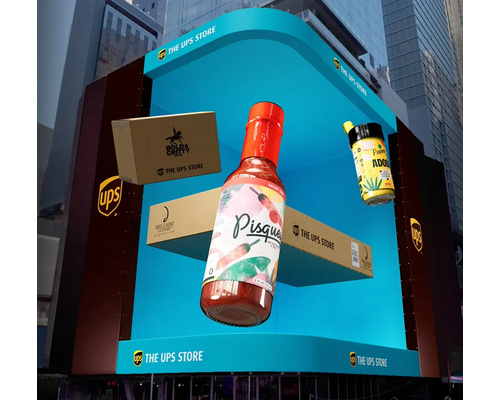
One of the most critical aspects of 3D advertising is its ability to be a fascinating and interactive product that engages the user. A recent study reveals that ads with 3D can have a higher engagement rate of up to 80%. Viewing such a product that is not two-dimensional but instead has depth and dimension causes people to be drawn to it and not just view the advertisement without interacting with it.
- Case Study: AR took off when IKEA employed it in their advertising campaign to customers, offering them the facilities for visualizing a 3D model of a particular piece of furniture in their homes, which led to an increase of 30% in the store’s conversion rates.
- Frameworks: The employment of the “Immersive Framework” in 3D advertising enumerates that the goal of the approach is to create user-centric contact that is highly personalized, emotionally striking, and interactive to the audiences. In doing so, a brand can excel in setting itself apart from its competitors by developing products and services that are not replaceable.
Challenges and Considerations in Implementation
Although the AR benefits of using 3D advertising are innumerable, some businesses are facing several implementation hurdles. The technical challenges are colossal, be it in 3D modelling or incorporating it in advertising, but innovation is reducing the obstacles for smaller companies to combat.
- Challenges: Production costs and the need for specialist-skilled personnel could sometimes lead to a fall-off. Further, the inclusion of technology trends should be equally emphasized.
- Practical Advice: Brand owners should consult agencies with expertise in 3D technology or explore new 3D software tools that make saving for tech self-taught programs. Along with SEO, it is important to include digital marketing elements in the DOM for the campaign to reach far and wide.
Emerging Trends in 3D Advertising
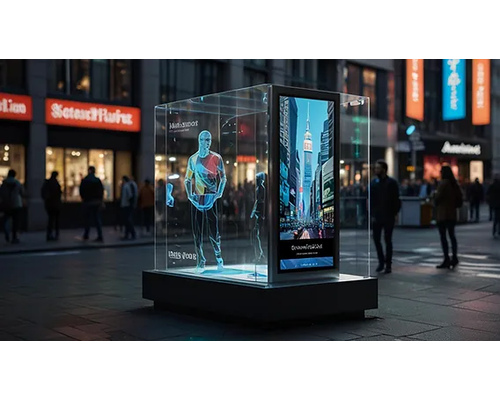
Moreover, advancements in 3D technologies encourage a variety of new AR applications. These trends strongly suggest a shift towards completely digital worlds and a rise in the usage of VR and AR to introduce more engaging, creative, and interactive advertising.
- Trends: Metaverse platforms’ popularity continues to grow, which means brands can now come up with 3D advertising solutions not only in reality but within virtual environments as well. Companies are experimenting with integrating brand experiences in these digital spaces, creating opportunities for customer interaction at another level.
- Implications: For marketers, keeping up with these changes is mandatory to cope with the new realities. As consumers get used to more complex advertising forms, 3D ad formats will likely be brands leading the market. Going along with such modifications entails investment in innovative technologies and a quest to learn more about captivating audiences in a 3D digital world. Consequently, 3D advertising is now more than just the latest fashion; it is a different way for brands to connect with their audience. By offering immersive experiences, finding solutions to technological issues, and predicting future trends, corporations can harness the full potential of 3D advertising to drive engagement and develop brand loyalty.
Conclusion:
The Significance of 3D Advertising
In the ever-dynamic data space, one-off shots of 3D ads are now spawning as the sole force leading the realm of ads captivating and sending messages to men and women. By turning classic advertising into a more visual and emotional experience, 3D advertising not only achieves a high level of perception but also touches the minds of potential customers at an emotional level. As technology advances, the importance of 3D elements in the marketing mix becomes manifest, and thus, brands have more freedom to create differentiation in otherwise competitive market scenarios.
Key Components of 3D Advertising:
- Enhanced Engagement: 3D visuals lead to interactive experiences that keep viewers engaged longer than traditional ads do.
- Realism and Detail: Using lifelike designs and motion, 3D ads offer a more detailed view of products through motion that enables the consumers to see them in their own lives.
- Brand Differentiation: Using 3D advertising technology, brands can set themselves apart from the competition and create a unique image in consumers’ minds.
- Cross-Platform Versatility: 3D content can be easily adapted to work well on various platforms such as social media, websites, and even virtual reality environments, thus reaching a broad audience.
- Improved Conversion Rates: The revolutionary nature of 3D advertising is usually the reason for the increase in conversion rates, as customers are more likely to engage with and recall visually appealing content.
Focusing on these elements, companies can use 3D advertising to empower their marketing strategies and increase their awareness and loyalty toward their target audience. Being open to this novel approach is the key to competitiveness in today’s rapidly changing advertising industry.
]]>Complementing the staggering sea of information and advertising now facing consumers, it may be that the power of appealing storytelling has never been as important. FPV not only offers a deeper emotional connection between brands and their targets but also helps distinguish brands from each other in a chaotic market. A company embracing this view can make experiences richer for its audience, leading to deeper resonance, engagement, brand loyalty, and conversions.
Key Takeaways:
- Consumer Attention: First-person view captures interesting narratives that sum up the amount of information available today.
- Marketing Differentiation: Brands can differentiate through FPV since they present unique experiences to the consumer.
- Emotional Connection: An emotive connection is created for both the brands and the consumers via FPV since this enhances brand loyalty.
What is a First Person View?
FPV means the form of narration where the reader or audience directly positions themselves into the shoes of the narrator. It involves marketing, for this strategy is called content creation, where a consumer can feel or experience a product, service, or brand. Together with the application of visual and audio combined with narrative storytelling, brands can help their audience feel that they are experiencing the event instead of just merely watching.
Key Features of FPV:
- Storytelling Immersion: With FPV, brands can relate stories that put the viewer within the action, thus creating an involvement immersion.
- Authenticity: It institutes credibility and accessibility by using real experiences, through the eyes of the user.
- Emotional Engagement: FPV invokes emotions, which further motivates them to buy and retain the loyalty to the brands as well.
FPV, to begin with, is very effective in video marketing by showcasing brand offerings within an engaging narration. Be it a tour operator promising an authentic experience or the demonstration of a product or even simply a customer testimonial, FPV provides authenticity in things that conventional advertising sorely lacks. It can, in many ways, evoke emotions and stimulate relatability, thereby affecting purchasing decisions.
With authentic connectivity with brands now being a desire of the consumer, FPV, in the digital age, forms an indispensable tool to build trust and credibility. From real life to stories, as seen through the lens of the user, this shall be one tool that brands inculcate a feeling of community and engagement within its target audience.
Why is First-Person View Important?
The importance of FPV in marketing cannot be overstated. First, it maximizes the use of the user’s involvement by making the experience more immersive. When people feel connected directly to a story, they would likely remember it and tell others about it. Organic sharing amplifies brand reach and visibility in such a way that it raises brand awareness.
Significance of FPV
- Boosted User Engagement: Immersive experiences lead to better retention of the brand message.
- Increased Shareability: Engaging content really encourages the customers to share with friends experiences about the brand, thereby increasing the visibility of the brand.
- Brand Awareness: As many customers remember and share FPV content, it creates a positive contribution to overall brand recognition.
It also falls in line with the desire of the emerging consumer for authenticity. A world in which consumers increasingly distrust traditional advertising, being authentic in the very nature of the content itself, in FPV will help build consumer trust. Real experiences and voices provided to consumers serve as a kind of transparency endearing to today’s consumer, especially in sectors like travel, food, and lifestyle, where personal experiences play a large part in their purchasing decision.
FPV may also bring about an increase in conversion rates. Reviews showed that cinemagraphic storytelling meant higher engagements, which eventually led to conversions. The manner in which a brand can communicate with its audience on emotional levels whereby compelling stories lead to action; consumers may buy, opt to newsletters, or engage with the brand on social media.
Implementing First-Person View within Marketing Strategies

To make FPV seamlessly work in any marketing tactic, the brand needs to cover several focal elements. First and foremost, they should focus on storytelling. This means creating stories that are relatable and moves the heart emotionally. Through video, social media posts, or blog, the story should be central to the experience.
Implementation Strategies of FPV:
- Focus on Storytelling: Create relatable narratives that connect emotionally with your audience.
- Use Rich Media: Good picture and video qualities make FPV more interesting.
- Engage User-Generated Content: Help customers be authentic through content generated by consumers by sharing their experiences.
Visual content is quite an important aspect in FPV. Brands would have to rely on high-quality imagery and videos that capture what the story being put across seeks to convey. For instance, a travel company would have videos that show spectacular sceneries and personal experiences of other travelers who have been there before, making it easier for the audience to visualize the same scenes.
Another compelling way to introduce FPV could be through user-generated content. It makes customers speak about their experience with the brand, and such authentic content will help to appeal to prospective consumers. Real stories and testimonials also add another layer of credibility to the messaging.
Finally, technology can take FPV to the next level. VR and AR are new tools that can immediately transfer consumers into immersive experiences. Brands must take advantage of such technologies to create an unforgettable experience that captures and locks into attention.
Effective Practices in Creating Good FPV Content
To make effective FPV content, one must approach it carefully, putting audience experience at the top of the list. Here are a few good practices to abide by:
Good Practices:
- Know Your Audience: Know and understand who your target audience is. As much as possible, create content that would appeal to them.
- Authenticity is the Key: The FPV content should be true to life in such a way that trust can be developed while building credibility on your brand.
- Consistent Messaging: The consistent messaging about what you want to convey through your narratives will help create a stronghold of a brand identity.
Knowing your audience is fundamental to every successful FPV campaign. You will identify their interests, preferences, and pain points so as to tailor the FPV content that would reach them, thus engaging and creating a much deeper connection.
Authenticity is the Key Word:
Authenticity is required in FPV marketing. Brands must make sure that whatever they are posting is real and authentic. They may use real customers and their stories or any behind-the-scenes insights. Authentic stories help build not only trust but also relatability for the consumer.
Consistency in Communication:
The stories may vary, but the overall message should be that of the brand. Consistency cements a brand’s identity and makes it easier for the audience to relate the story back to the brand. This is mainly the case in FPV marketing, where storytelling becomes a critical function.
Good FPV Campaigns
To illustrate just how effective FPV can be in marketing, let us explore some fantastic campaigns that have used this technique quite effectively.
Prominent FPV Campaigns
- GoPro: It puts forward exciting adventures from the user’s perspective with user-generated content. This experiential approach not only speaks of the product’s capabilities but also resonates the need for adventure and authenticity.
- Airbnb: First-person testimonials of both the host and travelers are featured throughout the marketing campaigns of Airbnb, and there is an added personal touch to enhance the credibility and appeal of the brand.
- Nike: Nike has been successful with FPV on ad campaigns having athletes sharing their personal journeys in inspiring the viewer to connect at a deeper emotional level.
GoPro: This marketing strategy bases itself on the concept of user-generated content. GoPro is presenting the product in a showcase to the viewers as they share the excitement of such thrilling adventures by means of cameras. Hence, it is a true immersive strategy that does not only market the product but also arouses the consumer’s desire for thrill and authenticity of adventure. In this context, the FPV content that GoPro generates continues to help strengthen the sense of community among users sharing the same passions.
Airbnb: Airbnb runs highly effective marketing campaigns in FPV with testimonials of hosts and travelers on camera. It employs real-life stories and experiences to attach a personal facet that makes it sound more authentic and appealing. This way, the brand builds an image and ease for the potential customer to project him/herself into such new accommodation, thus igniting an emotional attachment with the brand.
Nike: Nike seems capable of utilizing the idea of FPV in athlete-back shares their stories and struggles. Since such reports are from the views of the first-person testimonies, FPV allows viewers to become more emotionally connected with Nike. This approach to storytelling for Nike extends its dedication toward aiding people thus relating to its identity.
Obstacles for Implementing FPV
While FPV has its various upsides, it also has its downsides and hassles that brands need to address. In going through these challenges, brands may prepare themselves in the best ways possible to surmount the risks.
Common Challenges
- Resource-Intensive: High-quality FPV content usually calls for hours of time and resources.
- Audience Saturation: With FPV’s unprecedented growing popularity, being ‘heard’ among the noise is much of a challenge.
This challenge of being authentic and not overdramatizing an experience may be a bridge too far for brands looking to deliver immersive experiences.
Resource Intensive:
Creations with FPV are very resource-intensive. Thus, more investment is required by brands in terms of high-quality production, expensive skilled manpower, and advanced technology to create very immersive experiences. Such situations may turn out to be a bridge too far for smaller brand players or even start-ups with lean budgets. To be able to have more impactful FPV campaigns, quality must beat quantity.
In a world filled with all these saturated audiences, getting increasingly bigger with the proliferation of FPV content, it can be pretty tough to cut through the noise. In such a scenario, creativity and innovation become critical. Uniqueness in forms of telling stories and new angles helps create interest and point out a brand while differentiating itself from its competition.
Authenticity:
FPV content aims to emulate experiences, and too polished a presentation can lose its authenticity. Finding that balance between the quality of the production and the element of authenticity is crucial. Brands need to consider unique experiences and authentic stories instead of trying to make all things into too much of a production among their audience.
Final Thoughts
The First-Person View technique is a very powerful storytelling tool in the competitive marketing sphere. Branded companies can connect at much deeper levels, engage, and promote conversion by submerging their customers in genuine experience. Brands must focus on creativity, authenticity, and understanding of the target audience for which this evolutionary approach will make sense.
- Adopt the FPV Perspective: Use FPV to create an immersive experience that will resonate with their audience.
- Authenticity and Creativity: Engage authenticity within the right proportions with high-quality production, for the use of the FPV content to be most effective.
- Audience Connection: Knowing who the target audience is and what they like will amplify the impact of a FPV strategy.
So remember, FPV is about storytelling. Share real experiences and connect emotionally to meaningfully create narratives that bring captivation and conversion. Embark on the power of FPV; let your brand narrative spin in new, exciting ways.
]]>In this dynamic marketing and advertising scenario, attention to consumer affairs is essential and paramount. The AIDA model- an acronym for Attention, Interest, Desire, and Action- is the fundamental framework that guides marketers into formulating persuasive messages that capture the target audience’s minds. The AIDA model was designed early in the 20th century to describe a consumer’s sequence before finalizing the buying decision. From knowing each component of the model, businesses can create strategic marketing campaigns that move their potential customers from awareness to final action.
- Foundational Framework: The AIDA model is a foundational framework that helps marketers structure their mes
- Consumer Decision-Making: It outlines the stages of consumer decision-making and offers a step-by-step approach to turning a prospect into a loyal customer.
- Strategic Application: Applying the AIDA principles helps businesses craft focused marketing strategies that resonate deeply with the target audience.
Enduring Relevance of the AIDA Model
Although developed decades ago, the AIDA model evolved alongside changes in consumer behavior and marketing strategies. With the rise of digital channels, social media, and content marketing, the model remains applicable in today’s digital-first marketing landscape.
Key Points on Enduring Relevance:
- Adaptable Across Platforms: The AIDA model has transitioned from traditional advertising mediums (like print and television) to digital platforms, including social media and email marketing.
- Guiding Digital Strategies: The model’s principles are evident in modern marketing strategies such as content funnels, pay-per-click (PPC) advertising, and conversion rate optimisation (CRO).
- Consumer-Centric Approach: The model’s focus on consumer psychology ensures its relevance, as marketers can tailor each stage to meet evolving consumer expectations and trends.
Why is the AIDA Model Important?
The AIDA model provides a framework for marketers to intervene with their audience amid an already crowded marketplace. Understanding how consumers move from attention to action can shape the formation of messages that will attract attention, encourage genuine interest, and further inspire action.
Key Importance Points:
- Structured Framework: It is an evident and step-by-step process for formulating marketing messages in which each campaign element works together towards a common goal.
- Increased Interest: Because this model is trying to get a grasp on and hold on to interest, it keeps the audience from going to the action stage of drop-off.
- Optimized Conversion Rates: The AIDA model, when implemented correctly, is likely to boost conversion rates because each stage serves the consumer’s specific requirements and motivations.
AIDA Full Form
AIDA model comprises four elements that are used to represent the stages of the consumer’s journey:
A. Attention
This is the awareness stage, where the marketer tries to capture the audience’s attention in a noisy marketplace. If you don’t click, you do not proceed, and this sets the foundation for making an impression that stands out.
I. Interest
The interest tag occurs when customers start to become interested in your product or service. Marketers create interest by using relevant information, engaging content, and storytelling.
D. Desire
This step emphasizes emotional bonding with the potential customer, making the benefits and value of the offer more vivid to the eye. Interest must be changed into a desire to have or experience the product.
A. Action
The final call to action urges the consumer to take tangible actions, such as making a purchase or subscribing to a newsletter. Clear calls to action and user experience are crucial in this regard.
Attention: The First Step in Capturing Consumer Interest
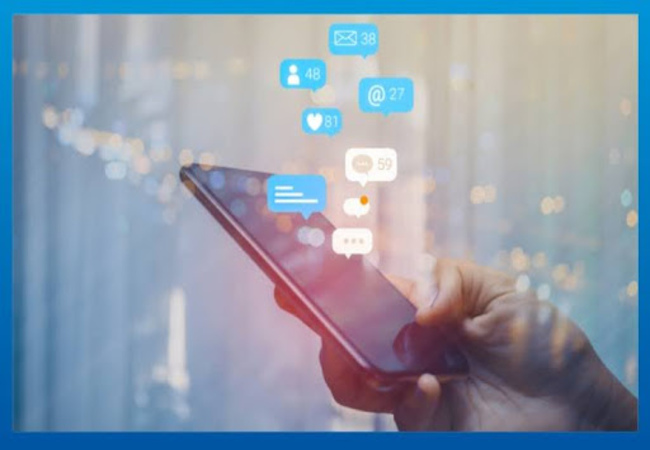
The first stage of the AIDA model, “Attention,” is critical for making a striking impression. Grabbing consumer attention is crucial for any marketing campaign in a world saturated with information and competing messages. This phase is characterized by the need to stand out and be noticed amidst the noise.
Key Points on Attention:
- Eye-Catching Visuals: Utilize bold visuals, catchy headlines, and innovative formats to make your message stand out.
- Personalized Messaging: Tailor content to your target audience’s specific interests and preferences to increase relevance and resonance.
- Interactive Content: Leverage digital tools like interactive videos, quizzes, and live sessions to capture and hold the audience’s attention.
Interest: Building Engagement Through Relevant Content
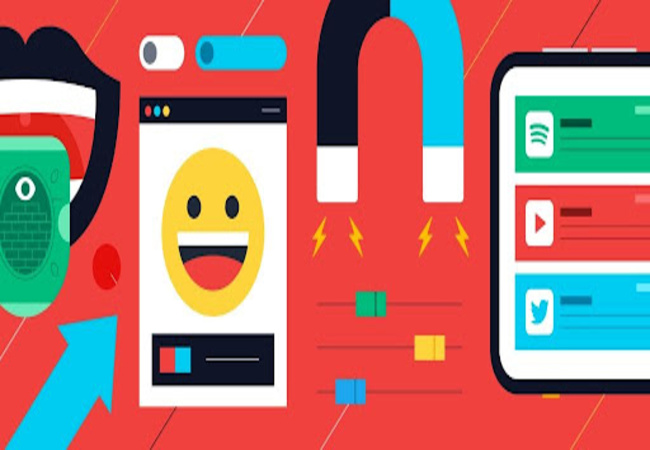
Once attention is captured, the AIDA model’s next step is cultivating interest. This phase involves providing the audience with valuable and relevant information that piques their curiosity and encourages them to learn more.
Key Points of Interest:
- Storytelling Techniques: Use engaging narratives, case studies, or testimonials to illustrate how your product solves specific problems.
- Educational Content: Offer insights, tips, or how-to guides that provide value, positioning your brand as a trusted authority.
- Content Personalization: Tailor messages to address specific pain points and needs, making the audience feel understood and valued.
Desire: Creating a Compelling Case for Your Offering
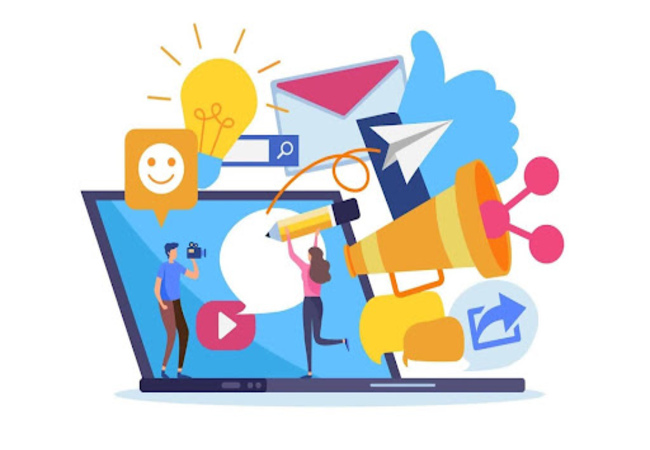
As interest transforms into desire, marketers must effectively communicate their products’ or services’ benefits and values stage, focusing on creating a solid emotional connection with the audience and helping them visualize how the offering can enhance their lives.
Key Points on Desire:
- Emotional Appeal: Highlight features that evoke emotional responses, such as security, comfort, or aspiration.
- Unique Selling Propositions (USPs): Emphasize what sets your product apart from competitors to create a compelling case.
- Social Proof: Use testimonials, reviews, and endorsements to reinforce the desirability of your offering.
Action: Converting Interest into Sales
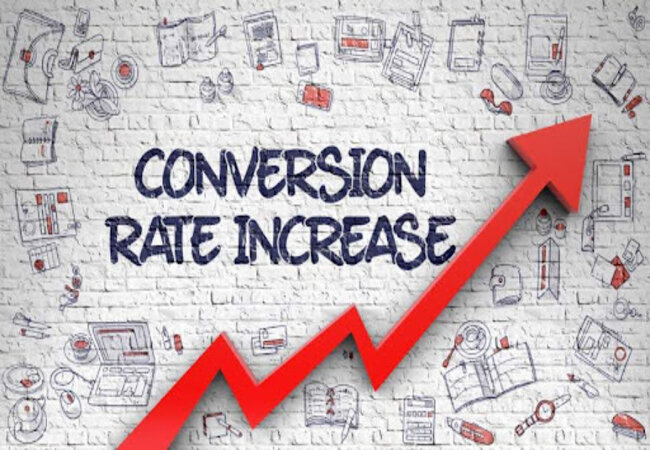
The final step in the AIDA model is “Action,” which aims to convert interest and desire into actual sales. To encourage action, clear calls to action (CTAs) that guide consumers through the next steps are essential.
Key Points on Action:
- Compelling CTAs: Use robust and actionable language encouraging immediate engagement, such as “Buy Now” or “Get Started.”
- Streamlined Path to Conversion: Optimize the user experience by ensuring the purchasing process is simple, quick, and hassle-free.
- Follow-Up Strategies: Implement retargeting campaigns and personalized follow-up emails to remind potential customers to complete their purchases.
Final Thoughts
The AIDA model represents the evergreen framework for understanding the consumer’s journey and designing an effective marketing strategy. By keeping potential customers under the motions of Attention, Interest, Desire, and Action, marketers can design campaigns that relate to and create value in terms of conversion.
Critical Points in Final Thoughts:
- Comprehensive Framework: The AIDA model provides a 360-degree view of the consumer’s journey, making designing targeted and effective campaigns easier.
- Versatility across channels: Its precepts can be applied to most marketing channels, from traditional to digital media.
- Sustainable success: Implementing AIDA will help businesses establish better relationships with customers, leading them towards sustainability over time.
An AIDA model is one of the foundational frameworks that might help marketers frame their message to guide customers progressively toward the buying process.
It explains the consumer buying process and provides a step-by-step procedure for converting a prospect into a loyal customer.
]]>By utilizing the rickshaws’ widespread presence, rickshaw advertising is a dynamic type of outdoor marketing that capitalizes on the bustling energy of metropolitan environments. These three-wheeled cars act as mobile billboards for marketers, giving them the opportunity to reach a wide range of consumers in busy places.
The outside of these cars are usually covered in rickshaw advertisements, which include colorful and striking images together with strong messaging. This type of advertising offers a practical yet affordable means of reaching target audiences, particularly in areas with high population densities where traditional advertising channels may not be as successful.
Through the careful placement of advertisements on rickshaws, companies may significantly increase the exposure and recall value of their goods and services. Because rickshaws are naturally mobile, their exposure is increased even more, guaranteeing that brand messages are seen in a variety of marketplaces, thoroughfares, and neighborhoods.
For businesses looking to uplevel their marketing tactics in the face of urban dynamism, rickshaw advertising is a creative and effective technique because to its affordable, accessible, and targeted reach.
Types of Rickshaw Advertising

A vibrant aspect of contemporary marketing, rickshaw advertising uses a variety of creative techniques to entice city dwellers. Its adaptability is seen in the several kinds, all of which cleverly use the famous rickshaw as a platform for commercial advertising.
These techniques leverage mobility and inventiveness to attract audiences, from colorful wraps that turn these cars into moving billboards to digital screens that bring technology into the streets.
1. Wraps In Rickshaws
The process of rickshaw wraps entails completely wrapping the rickshaw in vivid, striking ads. Typically, these wraps include vibrant graphics, advertising messaging, and company logos. The benefit is their mobility; these billboards move around congested areas and draw attention from both cars and pedestrians.
By using wraps, brands can ensure that their message is seen by a large number of people in metropolitan locations and leave a lasting visual impression. Furthermore, the adaptability of design fosters innovation in the advertising of goods, services, or occasions, enhancing exposure and name recognition.
2. Screens For Digital Rickshaws
Rickshaws equipped with digital displays provide vibrant advertising possibilities. Multimedia material like movies, animations, and interactive ads are shown on these screens. Their advantage is that they can captivate people with dynamic material by using eye-catching images. In order to maximize impact, advertisers may target particular demographics and areas and modify content in real-time.
These digital displays give marketers a flexible way to efficiently contact their target audience by showing everything from real-time deals to promotional videos. Through the use of technology, they give conventional advertising techniques a contemporary spin while conveying powerful messages.
3. Rickshaw Banners
Banners or flags are fastened to the rickshaw frame to create an economical yet powerful advertising technique known as “rickshaw banners.” These banners seek for instant recognition and brand memory by displaying succinct slogans, logos, or product imagery.
Because of their price and ease of use, businesses looking to advertise locally frequently utilize them. The benefit is in their visibility; these banners follow traffic, highlighting the promoted product or service. They are a useful tool for raising brand exposure, particularly in congested areas of cities where there may not be as many traditional billboards.
4. Branded Rickshaw Seats
Adding graphics, phrases, or logos on the seat coverings or cushions is known as branding rickshaw seats. Passengers and the promoted brand may interact directly and intimately thanks to these unique touches. The rickshaw immerses customers in its branded surroundings as they sit there, increasing brand exposure and remember.
This kind of advertising effectively targets a captive audience by taking advantage of the near proximity of passengers to the branding features. It provides a subdued yet effective means of reinforcing brand messaging while commuting.
5. Rickshaw Tours For Promotion
Rickshaw tours that incorporate brand marketing are conducted by utilizing rickshaws as mobile platforms. Businesses use this tactic to provide tourists with scenic experiences while discreetly adding marketing messages and adverts all throughout the trip. Combining entertainment and advertising has the benefit of giving participants a one-of-a-kind and unforgettable experience.
With this strategy, companies may interact with consumers in a non-intrusive way and create pleasant brand impressions while providing a fun tour. Companies may successfully promote their products or services and leave a lasting impression on attendees by seamlessly integrating promotional information into the tour experience.
Advertising for rickshaws uses a variety of approaches, each with a special benefit for connecting with and involving people in busy cities. These techniques provide advertisers creative ways to engage with their target audience, whether through eye-catching covers, interactive digital screens, or subtly branding within the rickshaw itself.
Benefits of Rickshaw Advertising

Numerous advantages of rickshaw advertising meet the ever-changing demands of contemporary marketing tactics. Because of its distinct benefits, it’s a very appealing option for companies looking for high-impact, reasonably priced promotional solutions.
To begin with, the reach of ads is increased by the mobility of rickshaws. These cars maneuver through congested regions and traffic, exposing their passengers to a wide range of populations. By reaching commuters, drivers, and pedestrians, this mobility increases the visibility of advertisements beyond static billboards and maximizes brand exposure.
Second, customized and localized marketing is offered by rickshaw advertising. Advertisers may place rickshaws in key locations that correspond with the habits and tastes of their target demographic. By ensuring that messages are understood by the appropriate demographic groups, this focused strategy increases the effectiveness of advertising efforts.
Furthermore, it is noteworthy how economical rickshaw advertising is. Using rickshaws as advertising platforms is less expensive than using traditional advertising channels like television or print media. Because of its cost, startups and smaller companies with tighter marketing budgets may obtain a lot of attention without breaking the bank.
Rickshaw advertisements also provide for creative freedom in terms of layout and style. Advertisers have a variety of alternatives to creatively customize their campaigns, ranging from complete wraps to banners and digital displays. Because rickshaw advertisements are flexible, different images and messaging may be tried out to keep campaigns interesting and engaging.
Finally, rickshaw advertising promotes recall and interaction. Customers and companies may engage directly with these advertisements, particularly if they are made to be interactive or visually appealing. Because of their close proximity and the novelty of the medium, advertising are more likely to be remembered and engaged with by both pedestrians and passengers.
Rickshaw advertising offers a number of advantages for modern advertising tactics, including improved mobility, targeted marketing, cost effectiveness, design flexibility, and higher engagement.
Drawbacks of Rickshaw Adverts

Although rickshaw advertising has many benefits, it is not without drawbacks. A significant disadvantage is the possible reduction in reach in comparison to more expansive advertising channels. Rickshaws tend to be restricted to certain metropolitan or heavily inhabited areas, leaving less exposure in more rural or isolated locations.
Campaigns aiming at more diverse or dispersed groups might not be appropriate for this limited reach. Additionally, outside variables like the state of the weather or traffic congestion might have an impact on how successful rickshaw advertisements are.
Ads can be obscured or damaged by unfavorable weather, such as strong storms or rain, which affects their longevity and visibility. Similar to this, rickshaw travel may be hindered by traffic congestion in crowded metropolitan locations, which would lower the frequency and amount of exposure to prospective viewers.
Furthermore, the intricacy and quantity of ads may be limited by the size restrictions of rickshaws. In contrast to more expansive billboards or digital screens, rickshaws have very little area available, which may limit the quantity of information or detail that may be properly shown. This restriction could make it more difficult to convey complex ideas or images to the audience.
Finally, while though rickshaw advertisements are less expensive than many traditional forms of advertising, the costs of creating, producing, and preserving them may add up, particularly for large-scale campaigns or extended runs. These expenses may be difficult for businesses with tight budgetary limitations to control over the long run.
Despite these disadvantages, rickshaw advertising is still a strong choice for focused and localized ads since it can take advantage of its special benefits while working around its constraints. Advertisers should enhance their strategy and mitigate hurdles to maximize the impact of rickshaw ads within their marketing mix by being aware of these shortcomings.
Successful Campaign Techniques

Advertising campaigns for rickshaws that are successful rely on a number of essential strategies that optimize effect and audience involvement. Here are some of the most successful campaigns:
1. Visual Design
First, the cornerstone is compelling visual design. For instant attention-grabbing, vivid colors, inventive layouts, and eye-catching visuals are essential. Bright wraps, eye-catching digital screens, or eye-catching banners make sure the advertisement sticks out in the middle of the busy city, drawing attention from onlookers.
2. Strategic Placement
Ads are guaranteed to reach the targeted audience if high-traffic areas or certain target demographics are identified. Putting rickshaws where people are likely to congregate, in busy city centers, next to retail areas, or during events, aligns the campaign with that location.
3. Engagement
Interactivity as a means of engagement is another effective strategy. Participation from the audience is increased when interactive features are added to digital displays or when promotional activities are provided during rickshaw trips. Discounts via QR codes, competitions, or interactive displays increase participation and leave a lasting impression on the campaign.
4. Contextualized And Localized Messaging
This has a strong emotional resonance. A deeper connection is made when ads are customized to the language, cultural quirks, and personal preferences of the target audience. By guaranteeing that the message is in line with the community’s interests, contextual relevance increases the message’s impact and relatability.
5. Brand Identification
Brand identification is strengthened by consistency in branding across various rickshaw advertising formats. Brand familiarity and trust are fostered by a consistent design, positioning of the logo, and message that reinforces the brand in the audience’s mind.
6. Measuring And Adapting Are Essential Elements
Refinement is made possible by examining campaign success using measures like reach, engagement, and conversion rates. By making adjustments to strategy in light of these facts, campaign efficacy is continuously optimized over time.
Advertisers may construct effective and captivating rickshaw advertising campaigns by using these methods in a coordinated way. Adaptive tactics, cultural relevance, audience engagement, smart placement, appealing design, and brand consistency come together to create memorable and powerful promotions in the ever-changing urban environment.
Conclusion
Advertising on rickshaws becomes a lively and colorful instrument that can be used to engage a wide range of audiences with a variety of creative approaches. Every tactic adds a distinct flair to brand promotion, from the vibrant wraps that turn these cars like moving canvases to the interactive digital panels that seamlessly integrate technology with the streets.
The specialized and limited character of rickshaw advertising provides a niche but effective platform, despite its constraints in reach and location. Combining eye-catching visual design, clever positioning, interactive elements, localized message, brand coherence, and flexible tactics is essential for success.
By using these strategies, marketers traverse the city and produce ads that fit the beat of the metropolis. The way that rickshaw advertising combines inventiveness with mobility is a great example of how to incorporate promotion into the lively pulse of metropolitan areas and make a lasting impression on onlookers.
]]>Aren’t you surprised? We do not blame you. You’d expect this tech-savvy generation to ignore ancient advertising mediums because the digital world takes up most of their time. However, as a recent Kantar Study points out, their ad preferences don’t replicate their habits.
“Gen Z Use online like OOH (Out-of-Home).” This statement headlines Kantar Millward Brown’s advertising habits study. This is often a generation of individuals who’ve had Facebook and Instagram profiles all their life. They consider their smartphones a lifeline associated with degrees and an extension of themselves.
Today over eighty million young Millennials represent $200 billion in annual shopping for power.
Millennials and Gen Z comprise nearly 1/2 of the United States of America population and represent the foremost cogent shoppers. However, Millennials and Gen Z are the elusive central audiences to interact with, as they lead the charge on cord-cutting, ad-blocking, and radio-streaming.
The shift in audience consumption habits has resulted in a lot of investment in out-of-home (OOH) promotion. Irrelevant ads have a steadfast, evergreen quality that appeals to most younger shoppers and, in distinction to different media channels, can not be unnoted by skipping, fast-forwarding, or paying a lot to avoid ads.
Here are three reasons why out-of-home advertising is the best media for reaching Millennials & information Z:
Authentic and real-world expertise resonate.
One of the only things the overwhelming majority of Millennials agree on is that they don’t wish to be marketed to. Gen Y craves genuineness, with eighty-nine preferring easy ads and ninetieth noting they need a brand’s messages to match its actions.
Gen Z conjointly values genuineness and real-world experiences. In fact, in line with a recent international study by Kantar Millward Brown, OOH is the #1 most popular ad format among Millennials and Gen Z.
And in line with Nielsen, “One out of each four shoppers can post a picture of a door ad to Instagram.” Shoppers are 48% likely to click on a mobile ad once being exposed to a similar ad on associate degree out-of-home advertising initially.
While Gen Y and Z shoppers love content, they need very little tolerance for interruptive ads – creating irrelevant ads and experiential media is a vital medium for marketers as they appear to make awareness, relevance, and affinity with younger shoppers.
Shorter attention spans during a digitally saturated world

Gen Y and Z have voracious appetites for content but conjointly shorter attention spans. Gen Zers grew up with smartphones. Their 8-second span is even faster than Millennials, who pay grievous bodily harm of twelve seconds on average.
Gen Y and Z are aligned in their media consumption habits. They like watching videos on-demand. Over twenty-fifths of Gen Z watch live TV on mobile, with a better proportion streaming on-demand video.
Digital and social media ads have become more saturated and less effective than ever. Facebook and social platforms currently throttle branded content in the news feed, making it more durable for brands to achieve their target shoppers.
To overcome this challenge, brands are increasing their promoting pay and outside ads, bolstering direct-to-consumer engagement within the native market with authentic content relevant to their daily lives.
Improve Brand Engagement

With advertisements that address the problems of society at large, OOH advertising helps the brand engage audiences and leave a mark on their minds. According to various research, about 48% of millennials are more likely to click on the mobile advertisement of a brand after being exposed to an OOH advertisement of it first. People are more likely to know more about your brand if you are running an OOH advertising campaign, instead of an online marketing campaign.
Also, if your billboard addresses a social issue, it is more likely to be shared online by your target audience and reach millions of people. This will also bring down your expenditure while maximizing impact and revenue.
Improves Market Presence

With an increasing number of people going for in-store experiences, OOH advertising is at an all-time high. Over 92% of the people admitted to noticing an OOH advertisement while out shopping for groceries or other stuff. It also helps build customer loyalty. More people tend to buy from a brand they know about, instead of the brand about which they have only seen a few ads online. Thus, with OOH advertising your brand’s market presence is boosted and more people tend to know about your brand. This will certainly boost people’s trust and loyalty to the service.
Improves Social Media Presence

About 46% of people tend to share pictures of OOH advertising on their social media accounts if they find it as something relevant or something that they relate with. This helps boost the social media presence of your service hence improving the conversion rates and the number of likes on your page. This helps your service land on top of search engine pages and improve your conversion rates. This also helps bring down costs for advertisement as the major outreach is done via social media and your brand makes a mark socially while resonating with the masses.
Conclusion
OOH advertising is the number one form of advertising your brand nowadays. It is the form of advertising that not only helps you gain more customers but also helps your brand create a market presence, resonate with the masses and provide a social outlook to your brand as well. Hence, this form of advertising helps your brand shine through and gain attention from the ever-busy millennials and Gen Z.
Advertising at the right places, keeping in mind the short attention span of the audience definitely will help the brand carve a niche for itself. Having said that, it is extremely important that your brand does create its space in the market to outshine the other products and generate revenue.
Monitoring the public response will also help you plan the future course of advertisement for your brand and to ensure that your brand does create a market of its own.
We at Ginger Media understand that not everyone is well versed when it comes to OOH advertising. So, we are here to help you out! We would love to assist and make the task radically simpler for you!
Please feel free to drop us a comment to suggest what would you like to see more of. 
If you are a medium or a large-sized business in India, looking to do sustainable, profitable, effective offline marketing, OOH advertising, BTL activation, auto branding, bus branding, RWA or anything that has to do with traditional media and offline marketing, branding, give us a call at +91-8884442846 or drop us an email at contact@gingermediagroup.com.
]]>Brand Activation Fosters Engagement
With the barrage of marketing messages, it seems that consumers have become selective. The customers would rather prefer having real experiences rather than pitches for sales. Brand activation is an interactive way of engaging people so they can personally live within the brand. It goes beyond sell-buy relationships because it builds emotional ties.
- Building Trust: Brand activation gives brands the opportunity to gain the trust of the target group through direct contact and keeps the brand in their minds.
- Creating Emotional Bridges: Brand activation comes into action to work out positive, meaningful emotional bonds with customers through a series of activities and campaigns that eventually help them like the brand.
- Tactual Experience: Direct contact, feeling, and touching the brand can have a far deeper and longer-lasting impact on the consumer’s psyche than messages through regular media.
- Rapid Results: Because brand activation is an experience creation, the result is likely to be fast and measurable – such as higher sales or more engagement.
- Noise-cutting: Brand activation enables brands to stand out from the backdrop white noise of digital and print marketing messages by creating multi-sensory experiences for a high-value audience.
Brand Activation vs. Experiential Marketing
Although brand activation and experiential marketing are often used interchangeably, they have distinct roles to play in the marketing canvas. Both leave behind valuable experiences, but the core objective is different.
- Brand Activation vs. Experiential Marketing: Brand activation aims to ‘activate’ the trust of the consumer’s mind by involving them through involvement and emotional engagement. On the other hand, experiential marketing is more about offering a delightful experience with excellent remembrance of the brand.
- Goal-Oriented Approach: Brand activation always focuses on loyalty over time while integrating communication into a creative platform, whereas experiential marketing delivers experiences and provides instant engagements.
- Audience Involvement: Consumer involvement is a must in brand activation, whereas experiential marketing relies more on the impression by the experience.
- Holistic Experience: Brand activation always puts forward the combination of digital, physical and sensory elements of a strategy. Experiential marketing is event-based, and consumption is mostly one-time.
- Emotional vs. Sensory Focus: Brand activation concentrates on emotional experiences, whereas experiential marketing will do their best to keep customers’ senses alive.
Best Creative BTL Activities/Brand Activation Ideas
BTL marketing activities help brands interact with consumers in unique ways. Let’s explore some of the best creative ideas companies can use to execute effective brand activation campaigns.

Free Product Sampling
Free sampling of products is perhaps the best way to ensure that product reaches into the pocket of the consumer. It makes customers experience the brand intimately and thereby enhances the probability of a purchase
- Helps Build Trust: Free samples build the trust of consumers as they get a feel of the product before it is purchased.
- Instant Feedback: A consumer can give instant feedback that helps in making the product right and know its preference.
- Publicity through Word of Mouth: Sampling builds awareness and provokes referrals through word-of-mouth.
- Impulse Purchase: Among consumers, sampling enhances the impulse to buy by raising the buying propensity.
- Customer Return Boosts: Good experiences through free samples turn consumers into returning customers.

Event Games
The inclusion of games in BTL activities makes it exciting and compels consumers to interact with the engagement process by making it more interesting.
- Advertisement Break: Games break the feeling of a typical advertisement, thus making involvement with the brand more attractive.
- Increases Engagement: Gamification keeps consumers entertained and interested, increasing brand recall.
- Creates Memorable Experiences: Fun experiences leave an impression, making consumers more likely to associate with the brand.
- Involves Active Participation: Games encourage active participation, expanding brand activation reach.
- Flexibility for Integration: Brands can integrate their product or service creatively into games, embedding marketing messages effortlessly.

AR Photo Booths
AR may make photo booths more engaging. It gives consumers an opportunity to generate personal interactive content that they can share on social media, amplifying brand visibility.
- Interactive Layer: It enables an interactive experience, allowing the use of AR technology to take a new dimension in the way consumers interact with the brand.
- Share on Social Media: Consumers upload AR photos on social media, capturing larger audiences and generating user-generated content.
- Personalized Marketing: The AR booths can be displayed in an arc according to the user’s preference and create a dynamic connection with the brand.
- Memorable Moments: Customers take home an unforgettable experience and increase brand recall.
- Versatile Use: The AR photo booth can be utilized in mall events, in-store promotions, and trade show activation.

Cup Branding
Cup branding is an innovative BTL promotional activity wherein brands imprint their identity on paper cups in offices, colleges, and public areas, exposing the relevant audience to the brand repeatedly.
- Direct Exposure: The consumer has the cup for a few minutes, which implies dedicated, full-time exposure to the brand.
- Repeated Exposure: Every use of the cup during the day ensures that the brand name is remembered.
- Organic Word-of-Mouth Marketing: Interaction through cup branding will evoke conversation about the brand, which is organic word-of-mouth marketing.
- Cost-Effective: Cup branding is low-cost yet effective advertising.
- Eco-Friendly Appeal: The eco-friendly paper cups align the brand with sustainability and attract conscious consumers.
Flash Mobs
Flash mobs are a fun, exciting way to involve consumers in public spaces. They consist of entertainment and brand activation all put into one activity.
- Surprises and Delights: Flash mobs surprise bystanders with performances that are unforgettable.
- Viral Flare: Flash mobs can go viral with the help of social media, spreading the brand’s message far beyond the live audience.
- Audience Participation: Most flash mobs promote audience participation; therefore, an instant emotional connection is established with the brand.
- Buzz and Excitement: If executed properly, a flash mob is sure to create excitement and raise brand awareness.
- Versatile Applications: Flash mobs can be applied to any industry from food and beverages to technology, making them a versatile brand activation tool.
Final Thoughts
Brand activation and BTL marketing provide brands with excellent opportunities to reach out to their target audience at different levels. They help build enduring bonds of trust and emotional attachment between the brand and consumers, enhancing higher brand loyalty.
- Create Emotional Attachments: Brand activation allows consumers to develop deeper emotional bonds with the brands.
- Encourage Immediate Gratification: Most BTL activities induce instantaneous consumer action, such as buying or engaging with social media.
- Cutting Through the Clutter: BTL strategies represent a human interface cutting through the clutter of digital marketing.
- Meaningful Loyalty Over Time: Consumers will be more loyal to brands if they have any interaction with them.
- Flexible Across Industries: BTL activities can be tailored for any industry, whether FMCG or technology, making them highly practical.
Utilizing these top BTL activities and brand activation ideas will surely help brands attract their targeted audience, enable meaningful interaction with them, and consequently create high brand loyalty.
]]>- Paper cup advertising maximizes visibility.
- Minimum invasion but a really solid reinforcement of the brand message.
- Evokes a feeling of physical touch with the consumer at break time.
- Branding through this medium works well for events, conferences, and public areas.
- Paper cup advertising will make the brands develop recognition and loyalty.
What we are discussing in this blog: Why is brand engagement important? How is logo branding important? How can paper cup ads lead to the correct reach?
Why Brand Engagement Matters for Audience Engagement

Brand engagement is the process of engagement between the brand and its audience. In other words, a good, meaningful, and long-lasting bond is established. Brand engagement has become more important than ever in the age of social media and digital marketing. Engaging with your customers not only increases loyalty but also boosts brand advocacy—once you have a raving fan in your customer’s role, they will happily promote your brand on their blogs and social media networks.
- It builds trust: Engagement with your audience builds trust and credibility, which can lead to long-term success. Indeed, customers are more likely to choose brands they feel a connection with. Once you listen to your customers, respond to their feedback, and show them appreciation, you are cultivating a community that breeds loyalty.
- Increases Brand Loyalty: Chances are, steady interaction with the target audience will strengthen the emotional bonding developed by your target audience toward your brand. That enhances brand loyalty. More engaged customers will most likely have repeat purchases and recommend friends and family, which increases the customer base.
- Boost Brand Image: A brand that interacts with the audience looks more authentic and customer-friendly than those that don’t interact with people. Brands that put out their values and communicate two-way will go positively in the consumer’s eye.
- Enhances Customer Experience: Brand engagement tends to create a more personal relationship since the brand listens to and values customers’ opinions. When the customer feels that their opinion is valued, they are bound to engage with the brand positively for the best experience.
- Engages in Word of Mouth: People who are engaged with your brand are more likely to recommend your brand to others, greatly increasing your reach. This is among the most powerful forms of advertisement since it is received from trusted sources, friends, or relatives.
Paper cup marketing is the best way to reach out to the audience without any invasion. The cups will remind the customer visually about the brand, which makes the interaction between the brand and the consumer a more personal and effective one. Every sip from a branded cup defines the affiliation between the brand and the consumer, making a beverage like this a powerful branding opportunity.
Paper Cup Marketing: The Best Way to Advertise Toward the Target Audience

Paper cup advertising differs a bit and is smart in terms of marketing strategy, as brand logos on tea cups ensure one-way communication with the target audience. Really, due to the repeated usage of the mass group, this is one of the best mediums to create a brand presence. Associating brands with certain good experiences like coffee breaks or social get-togethers will let companies create some deep impressions in consumers’ minds.
In high-people-environment usage such as in offices, conferences, and cafes, paper cups are used, thus providing utmost visibility to the brands. The very act of sipping brings the brand into the mind of the customer every time, hence one is reminded of the brand, leading to higher recall of the brand. Paper cups place a message on the consumer directly through its daily routine and cannot be ignored like digital ads do.
- Cost-Effective Method: It’s inexpensive to project messages to vast audiences without the hefty, costly billboards. The cost of production and spreading paper cups is reasonably small, so such an alternative will appeal to brands that want to stretch their marketing dollars. Because of this affordability, brands could spend more on innovative designs and campaigns that strike a connection with customers.
- Non-Intrusive Advertising: Since the advertisements on the cups do not obstruct the customer’s activities, this form of advertisement can be reckoned as non-intrusive. It does not disrupt the daily activities of a customer as other forms of advertisement do. Other forms of advertisement can often interfere with the normal course of a customer’s day.
- Eco-Friendly: Most of the present paper cups depict eco-friendly issues and are hence in pace with the increasing demand of customers to have an environment-conscious consumer. The brands, therefore, that involve their business in eco-friendly issues, have the scope of attracting customers who are associated with ecological consciousness and require sustainability. Brands can express their interest in sustainability through biodegradable or recyclable cups while advocating their products effectively.
- Long-Term Impression and Recall: Because the customers have the cup for some minutes, the message of the brand will remain in their heads. This long time increases the possibility of customers recalling the brand while making future buying decisions. Touch: The sensation of carrying a well-designed cup is part of the total impact of branding.
The audience will keep interacting with the brand message, and brand recall and engagement will increase. The logo will be positioned in such a way that makes an ordinary cup very dynamic to exhibit marketing.
Best Marketing Ideas with Logo Branding

Brand Promotion
However, in today’s competitive environment, it’s sometimes more the case that just seeing your brand is an important consideration. Perhaps one of the most effective marketing ideas is using tea and coffee cups with logo branding: this encourages brand visibility and engagement. Using logos and branding elements on paper cups in a strategic manner tends to reinforce brand identity; there’s a unique visual association with the product.
- Direct Contact: With this logo on the paper cup, direct contact with your market will be made, creating a personal experience of your brand with each person interacting with it. Every sip taken by the customer reminds them of the brand, thus creating a link between the brand and the customer. This direct engagement leads to loyalty and a desire to come back to the brand for future purchases.
- Custom Designs: Creative designs and catchy taglines on the cups catch the eye of an individual, and your brand gets attention differently from competitors. Unique and artistic designs create interest and encourage people to share their experiences on social media platforms, and organic exposure is obtained for the brand. It also offers customization according to seasonal themes, events, or specific campaigns that increase dynamism in a marketing strategy.
- Memorable Branding: The logo branding on paper cups will make the brand memorable long after the drink is over. The positive association during a coffee break or casual meeting might be set up for repeat purchases and longer-term brand loyalty. Customers will also opt for brands they know, have good experiences with, and view around.
- Extended Reach: Paper cups follow the customer out of the store and into society, increasing the likelihood that people notice and are exposed to your brand in various venues. It therefore extends marketing reach beyond one point of sale because these cups might be carried into a business meeting, passed from friend to friend, or carelessly dropped at a cafeteria table—for instance—providing even more exposure.
- Brand Consistency: Branding consistency is secured since the logo is shown to be present on the paper cups, and this has the effect of promoting the brand message among various touch points. Branding consistency creates credibility and familiarity among customers, thus promoting recognition and trust in the brand. This consistent messaging affirms a uniform brand story that flows well when communicating with the target audience.
Paper cup brand marketing not only promotes the visibility of the brand but also provides an excellent and consistent brand image to the targeted audience. The visual nature of branding on cups creates a long-lasting association with the consumer, thus eventually increasing the level of brand loyalty.
Conversations With the Targeted Audience Through Paper Cup Advertisements

This is an effective engagement of the target audiences, and it’s a cornerstone of successful advertising. Paper cup ads come among one of those innovative ways for exposing the audience without overwhelming them with information. The perfect window that brands can make a connection in is a cup of coffee or tea, and this allows it to let consumers interact with it at the time they’re relaxing or enjoying.
- Captures Attention: A well-designed paper cup carrying an interesting message is most likely to attract immediate attention and make it even easier to convey the message across to the brand. It is a beauty that gets the customer to come and investigate closer. That moment of engagement could create curiosity concerning the brand and what it offers.
- Subliminal Impact: Since the people hold the cup for 5-7 minutes, the branding gets subliminally absorbed with a higher recall. This length of time is most effective in building brand familiarity, which can drive future purchasing decisions. The longer a customer experiences the brand, the more she/he is to recall when shopping.
- Creates Conversations: Paper cups are something that will make a consumer talk about your brand. When a consumer shares his drink with friends and colleagues, those are the moments when the consumer is having discussions about your brand and its products as well as current promotions with his friends and colleagues. Word-of-mouth marketing this way will drastically increase brand visibility and reputation.
- Non-Interpersonal: Since paper cup advertising does not have anything to do with a personal touch, its appeal is better positioned to be less obtrusive than direct marketing. The customers are not put under pressure, and therefore, they are left to get involved with the brand at their own pace to develop a positive attitude that they are not mastered by.
- Emotional Connection: The paper cups can display beautiful quotes or creative taglines, which can evoke emotional connections to the brand. If a person loves tea, they’ll take a tea break with a well-designed cup that would immediately remind them of their favorite drink. This emotional bonding will leave a lasting impression of the brand on the customer.
Final Thoughts
Paper cup marketing is, without a doubt, one of the most innovative means of advertising for brands. It effectively engages the audience in a non-intrusive, memorable manner. Tea cups with logo branding help in building trust, promoting visibility, and creating conversations—all leading to stronger customer relationships. This strategy resonates well with modern consumers who appreciate unique and creative marketing approaches.
- Non-intrusive yet effective engagement.
- Builds a strong emotional connection with the audience.
- Provides consistent and memorable brand messaging.
- Cost-effective solution for reaching a wide audience.
- Encourages word-of-mouth marketing among consumers.
In the realm of advertising, choosing the right medium can make all the difference, and teacup marketing stands out as a remarkable strategy that connects brands with their audience in a truly personal way.
]]>What are the Uses & benefits of Paper Cups Advertisements?
For promotion, paper cup ads create a positive conception of the brand. Custom printed coffee cup ads offer a great opportunity to expose your brand to a large number of people in a cost-effective way.
The uses and benefits of paper cup ads are plenty. Tea and coffee being among the most consumed beverages in the world have the potential to grab the attention of the target audience instantly. By turning to paper cup ads, you not only build awareness through repeated impressions but also achieve a positive brand marketing perception as your marketing message is associated with a warm beverage.
By marketing brands on paper cup ads, GingerCup is conserving the environment by promoting the use of paper cups over plastic cups. We also help brands gain visibility by including QR codes, website details and coupon codes on the paper cup ads.

Custom Printed Paper Cups with Ads Label
In the modern world, competitiveness is much more than anyone can imagine. If you truly want to stand out, your brand marketing plan has to be pretty darn good. Among the many ways is brand merchandising.
Today, businesses are resorting to various branding tools to spread the word about their offerings. One such medium to attract potential clients is custom-printed paper cup ads.
Paper cups with ad labels have the potential to make a product sell. Marketing does not always have to be expensive. By using everyday products such as paper cups, paper bags or paper napkins, a brand can create a niche for itself. Getting your promotion right the first time is what sets you apart from your competitors.
Beverages are a common product in offices, streets and shopping malls. Whenever your client moves around with a custom printed paper cup ad, your brand moves with them! This is a great way to advertise to onlookers. They become more interested to know about your product or service.
The modern world of brand marketing and promotion is volatile. If you want to win, you need to put your best foot forward. This is when your company will achieve success.

Cup Branding with innovative Ideas and creative Artwork
Apart from being purposeful, paper cup ads brew creativity. Contrary to a plain white boring paper cup, promotional paper cups have the power to invite people towards a brand. If an ad is creatively placed on a paper cup, it is bound to impress creativity lovers.
It also helps the target audience recognise and connect with a brand at a personal, innovative and engaging level.
Today, a lot of attention is paid to visual creativity. Coffee shop chains are especially hiring doodling artists to customise paper cups.
Promotion paper cups are not just left for their intended purpose but are a great choice for paper cup advertising as well.
When paper cup ads are branded creatively, it instantly changes the mood in an office. Nowadays, sharing quirky and innovative things on social media has become very common. When you put your brand marketing on an innovative medium like this, automatically more people become eager to learn about your offerings.
Another way to innovatively use paper cup ads for brand marketing is by attaching a product sample or coupon code. It is an added advantage to draw more people to your promotion campaign. 80% of associates recall seeing the sleeve of a custom printed paper cup ad when a sample is attached.
How Branded Paper Cups are Useful in Promotion?
Today, there are a large number of brand marketing strategies available. However, the need of the hour is to find a medium that is customised and can be used for promotion effectively. Paper cup advertising is one such medium that provides a brand with the required exposure. It kindles brand recall since the graphics and content printed on the paper cup ad are likely to be discussed and acted upon if a call to action is provided. It is one such offline medium where the chances of getting unnoticed are very less.
If for promotion and brand marketing a company uses flyers or brochures, chances are they may be thrown away without being read. With their favourite beverage in their hand, they do spend 5-7 minutes consuming it, thus giving ample time for the custom-printed ad to be noticed.

Brand Promotion in reaching the Right Audience
Today, most business start-ups have limited resources. On one hand, they have to manage their business and on the other, they have to deploy brand marketing tactics to spread the word about their business. Using paper cup advertising can help companies save a lot on advertising and promotion costs. Even with a narrow budget, the benefits are plenty.
The medium of custom-printed paper cup ads provides undivided exposure for a brand. In a corporate setting where employees a prone to getting their coffee kicked every now and then, paper cup ads are foolproof. During this time, when they have absolutely no disturbance, the paper cup ad does the talking for your brand. Branded paper cups also help in targeting the right set of people. It is a targeted form of advertising.
If a tuition service has to be advertised, custom-printed paper cups can be distributed all over colleges in a particular city to reach students and teachers.
What & how you may wonder? Well, cup brand marketing has the ability to take your advertising campaign into the palms of thousands of people every single day. Paper cup ads are also the perfect medium for a multi-channel campaign.

Brand Engagement in Tea Breaks
After water, tea and coffee is the most consumed beverage around the world. These two beverages have the aura to gather a large group of people around it. Whether it’s a business meeting in an organisation, lunch break or simply socialising, tea and coffee are an important part. Leveraging on this, GingerCup makes brands a part of tea breaks with paper cup ads.
In India, tea time is a very feel-good and personal moment. During tea breaks in offices, colleges and tea stalls, a lot of discussion brews around random things. People also tend to debate the content being advertised on the promotional paper cup ad. This further increases brand marketing and engagement during tea breaks.
Branded paper cups become the point of discussion in most corporate settings. This increases exposure for the brand, and even urges people to take a call to action. This can take the form of scanning a QR code, visiting the website, availing of a coupon or offer or simply clicking the custom-printed paper cup ad and uploading it on their social media handle.
No other medium has the ability to engage with a target group so close other than paper cup ad brand marketing.
]]>Ready to talk with a marketing expert?

A Pragmatic and innovative way to enthrall your target group is just a click away!
Get in Touch
Rukmini Knowledge Park, Kattigenahalli, SH 104, Srinivasa Nagar, Bengaluru, Karnataka 560064
+91-990 247 8800
contact@gingermediagroup.com
Popular in Television Advertising
Udaya TV AdvertisingSun TV AdvertisingStar Plus AdvertisingTV 9 AdvertisingZee TV AdvertisingNDTV India AdvertisingColors TV AdvertisingPopular in Airport Advertising
Spice Jet AdvertisingMumbai Airport AdvertisingDelhi Airport AdvertisingEmirites AdvertisingIndiGo Airlines Domestic India AdvertisingPopular in Newspaper Advertising
Deccan Herald AdvertisingPrajavani AdvertisingThe Hindu AdvertisingEconomic Times AdvertisingDainik Jagran AdvertisingHindustan Times AdvertisingPopular in Magazine Advertising
Forbes AdvertisingCosmopolitan AdvertisingBusiness World AdvertisingVogue Magazine AdvertisingPopular in Sports Advertising
IPL AdvertisingPopular in Outdoor Advertising
Billboard AdvertisingBus Shelter AdvertisingMetro Pillar AdvertisingUnipole Advertising© Ginger Media Group 2025. All Rights Reserved.