Why businesses can’t afford to ignore branding is that it:
- Differentiates your business from the noise in a crowded market
- Helps build customer loyalty and encourages repeated business
- Permits premium price positioning based on perceived value
- Fosters trust and credibility with existing and potential customers and stakeholders alike
- Boosts employee morale and unity through a sense of shared purpose and vision
- Influences even more visibility of your business via online and offline channels-which means far greater reach.
This blog will look at the Top 10 Branding Agencies in Jaipur, and what makes them unique along with their contributions to having a great branding strategy. We will look at major services offered, recent success stories, and what seems to make them stand out in the industry. Do you know that strong branding can increase revenue by up to 23%? Join us as we dive into the world of branding and give you insights on making your business sound even more vocal.
Top 10 Branding Agencies in Jaipur
In the vibrant city of Jaipur, the demand for branding agencies has surged as businesses recognize the importance of a strong brand identity in a competitive market. Whether you’re a startup looking to make your mark or an established company aiming to revamp your image, the right agency can propel your brand to new heights. This article is going to explain the best 10 branding agencies in Jaipur- their strength, and why they stand unique within the creative land.
Why Would One Need a Branding Agency?
It really can influence the business outcome when a branding agency has the attention given. Here are why:
- Experience and Expertise: Branding agencies are designed to possess expertise, which may assist in generating excellent brand strategy for the long term.
- Creativity: They bring innovative ideas and a fresh perspective that can set your brand apart.
- Efficiency: With experts handling your branding efforts, you can focus on other crucial aspects of your business.
The Criteria for Selection
When choosing a branding agency, several key factors come into play:
- Portfolio: Review their previous work to gauge their creativity and versatility.
- Client Testimonials: Feedback from previous clients can provide insight into their reliability and effectiveness.
- Services Offered: Look for agencies that offer a comprehensive range of services tailored to your specific needs.
Top 10 Branding Agencies in Jaipur
1. Ginger Media Group
Overview:
Ginger Media Group is a prominent branding agency in Jaipur that uses an all-inclusive approach to developing brands. The company focuses on creating an unforgettable brand story and making the story resonate with its audience.
- Key Services:
- Brand Strategy Development
- Digital Marketing
- Creative Design
- Why Choose Them: They are familiar with the practice of both traditional and digital branding and can design an engagement-boosting conversion-oriented strategy.
- Client Success: Some of the most prominent projects include complete branding for local startups and well-established brands that require a new look.
2. BrandLoom
Overview:
BrandLoom is a brand identity-building company with research-based strategies and creative execution.
- Key Services:
- Brand Positioning
- Graphic Design
- Social Media Management
- Why Them: The brand-centric nature provides individualized experience and tailor-made strategies depending upon the brand-specific requirements of different brands.
- Success Client: Several Brands have been established in Rajasthan which has resulted in increasing their visibility as well as their outreach.
3. Brand House
Overview:
The Brand House serves a range of branding services under the umbrella including everything from creating an icon in logos to launching them in detailed campaigns of marketing.
- Key Service:
- Logo Design and Visual Identity Design
- Content Development
- Website Design
- Why Select Them: They can bring all aspects of branding together so that their clients have one place for branding help.
- Client Successes: They are great at transforming older brand images into contemporary, attractive visuals.
4. DigiDaze
Overview:
DigiDaze is a digital branding agency specializing in joining technology and creativity to produce new-age solutions.
- Main Services:
- Digital Branding
- SEO Services
- Mobile App Development
- Why Choose Them: Their emphasis on integrating digital strategies with traditional branding makes them a versatile partner.
- Client Success: They have a track record of helping local businesses transition into the digital space seamlessly.
5. Design Factory India
Overview:
A creative powerhouse, Design Factory India specializes in visual communication and impactful branding.
- Key Services:
- Visual Identity
- Branding Consultation
- Photography and Videography
- Why Hire Them: Their aesthetics coupled with the stories of a brand would make a killer brand image.
- Customer Success Stories: They have delivered their services to a variety of clients from artisans to big-time corporations.
6. Innovate Graphics
What They Do:
Innovate Graphics is the culmination of innovative designing and marketing plans that increase branding.
- Key Services:
- Print Design
- Branding Solutions
- Advertising Services
- Why Choose Them: Their ability to think outside the box allows brands to capture attention effortlessly.
- Client Success: Clients have praised their unique designs which means higher engagement rates.
7. Swayamvar
Overview:
This agency lives by the belief that every brand has a story waiting to be told.
- Key Services:
- Brand Storytelling
- Logo Creation
- Event Management
- Why Choose Them: Their storytelling expertise can help your brand connect emotionally with its audience.
- Client Success: Swayamvar has successfully transformed narratives into engaging marketing campaigns.
8. Creativo
Overview:
Creativo specializes in integrating creativity with strategy to deliver exceptional branding experiences.
- Key Services:
- Strategy Development
- Online Branding
- Social Campaigns
- Why Choose Them: They are known for strategic thinking and exhaustive research before introducing branding programs.
- Client Success: The effective branding program they have given to their clients has increased their market reach a lot.
9. Vritti Solutions
About:
Vritti Solutions specializes in creative branding solutions that satisfy the needs of the market.
- Core Services:
- 3D Branding
- Brand Management
- Corporate Identity Development
- Why Pick Them: A dedication to creativity means your brand remains fresh and attractive.
- Client Satisfaction: Vritti Solutions can boast of carrying out projects on behalf of both startups as well as existing businesses.
10. Impact Digital
Overview:
The firm demonstrates a fine grasp of what is happening in the digital world; therefore, one would consider consulting them for up-to-date brand needs.
- Main Services:
- Digital Strategy
- Content Marketing
- Online Reputation Management.
- Why Choose Them: Their experience guarantees that brands will be such that they not only appear great but also prosper in a digital world.
- Client Success: They have helped thousands of brands make their online presence and get tangible results.
Selecting the Right Branding Agency
Selecting the right branding agency for your business is essential. Consider the following points while selecting a branding agency:
- Clear Goals: Define what you want from a branding agency and communicate during the initial consultations.
- Budget Awareness: Ensure that you have a budget in mind. Some agencies provide comprehensive packages that can be tailored to fit various financial plans.
- Trust and Compatibility: Build a relationship based on trust and ensure that the agency understands your vision.
Conclusion
The growing demand for branding expertise in Jaipur has been served well by these top ten branding agencies. Each one of them provides unique strengths and services, ensuring businesses find the right fit for their brand-building journey. Be it innovative storytelling, digital strategies, or aesthetic design, the right agency can help you develop a strong and memorable brand identity.
In the dynamic world of branding, it is the right choice that would eventually set the stage for success in your business. Engage with one of these agencies in Jaipur to make your brand come alive and claim the competitive advantage that is currently in demand in the market.
Conclusion
In a word, Jaipur is a thriving hub for creative talent, and its branding agencies are leading the way in the delivery of innovative solutions that will elevate businesses’ identities. Our look at the top 10 branding agencies gives an impression of the breadth of services that these companies provide, ranging from strategic positioning and visual identity design to holistic digital marketing strategies. Each of the agencies represents a unique blend of creativity, expertise, and industry knowledge, and each is better prepared to respond to a client’s diverse needs.
As businesses try to find niches in the highly competitive market today, the right branding agency can be a vital partner in ensuring that their message resonates with the target audience. Whether you are looking for strong visual storytelling, expert digital campaigns, or effective brand messaging, the agencies listed possess the skills and vision to launch your brand to new heights.
Finally, branding is an investment in the future strength of your business. The information and services that these agencies offer are not only good for immediate impact but also build long-term relationships with customers, creating brand loyalty and recognition over time. These branding firms, understand your goals and amplify your story, standing ready to guide you on the path to success in Jaipur’s thriving marketplace.
Outline
- Agency Diversity: The top 10 branding agencies in Jaipur are diverse in terms of their specializations, including traditional branding, digital marketing, and social media management. Through an analysis of these unique offerings, businesses can find the perfect partner that aligns with their objectives and vision.
- Client Satisfaction Focus: Every agency focuses on client satisfaction, which is core to their success. These firms engage in collaborative processes and tailored strategies with a focus on the importance of understanding the needs of their clients, thus making sure every branding project will have a long-lasting impact.
- Creative Excellence: What sets these agencies apart is creative excellence. How they come up with the perfect narrative, striking visuals, and well-planned campaign execution explains how creativity can be used to build brands that will spur business growth and recognition.
Why Choose Ginger Media Group for Advertising
- Track Record: Ginger Media Group has an impressive portfolio of successful advertising campaigns for various industries, showing the company’s ability to deliver results.
- Tailored Strategies: We believe in personalization. Our team works closely with clients to understand their unique needs and crafts customized branding strategies that resonate with their target audience.
- Creative Excellence: Our creative team is full of talented professionals who are passionate about storytelling. We craft compelling narratives that not only grab attention but also create brand loyalty.
- Data-Driven Approach: Using analytics and market research, we design advertising strategies that are data-informed, thus ensuring effective targeting and optimal ROI for our clients.
- The breadth of Services: Being one of the best branding agencies in Jaipur, we have a comprehensive suite of services that includes digital marketing, social media management, content creation, etc. Thus, we are a one-stop advertising solution.
- Client Focus: We keep the client on the top priority list. We maintain open communication and provide continuous support to ensure that the client gets personally connected with the campaign.
In a nutshell, given our powers of creativity, strategy, and commitment to client satisfaction, there is no other name on which one can rely for effective advertising solutions at Jaipur than Ginger Media Group.
]]>The need to understand professional advertising arises from the ever-evolving landscape of consumer behaviour and technological advancements. As consumers become more discerning, businesses must adopt a strategic approach that leverages data analytics, audience segmentation, and creative storytelling to connect with potential customers. Implementing professional advertising allows companies to enhance brand awareness, generate leads, and foster customer loyalty.
Moreover, a professional advertising approach ensures consistency across various channels, reinforcing the brand message and improving overall recognition. By investing in high-quality advertising initiatives, businesses can differentiate themselves from competitors and establish credibility in their industry.
In conclusion, understanding and implementing professional advertising is not just beneficial—it’s essential for any business aiming to thrive in a dynamic marketplace. It is an investment that can lead to increased visibility, customer engagement, and business growth.
Overview of Professional Advertising
Professional Advertising refers to marketing strategies and promotional efforts designed to reach professionals in various industries. This includes targeted campaigns aimed at doctors, lawyers, engineers, and specialists who often make purchasing decisions based on specific expertise and knowledge. Professional advertising can take many forms, including trade publications, industry conferences, and online platforms tailored to professionals.
Importance of Knowing Professional Advertising
Understanding professional advertising is crucial for businesses that engage with niche markets effectively. Here are a few key reasons why knowledge of this term is impactful:
- Targeted Outreach: By recognising the nuances of professional advertising, companies can tailor their messages to resonate with their audience’s unique needs and preferences. This targeted approach increases the likelihood of conversion.
- Building Credibility: Effective professional advertising helps establish a brand’s credibility and thought leadership in its sector. By presenting information that addresses professionals’ specific challenges and interests, businesses can position themselves as trusted resources.
- Strategic Decision-Making: Knowing the implications of professional advertising allows organisations to make informed marketing decisions. Companies can allocate resources effectively by analysing industry trends and audience behaviours and creating campaigns that drive results.
- Enhanced ROI: Businesses that understand professional advertising techniques can create more efficient marketing strategies that deliver higher returns on investment. This is particularly relevant in competitive sectors where every dollar spent needs to be justified.
Professional Advertising: Definition, Purpose, Function, and Application
Definition
Professional advertising is the strategic use of promotional content to persuade a specific audience to utilise professional services. Unlike general advertising, which can target broader consumer demographics, professional advertising focuses on highly specialised fields such as medical, legal, financial, engineering, and other professional services. The advertising can take various forms, including digital marketing, print media, social media campaigns, and direct outreach, all geared toward enhancing the visibility and reputation of a professional service provider.
Purpose
Professional advertising primarily aims to communicate the value of a particular service or professional expertise to potential clients. Some key objectives include:
- Brand Awareness: To establish and increase brand recognition among target audiences.
- Lead Generation: To attract potential clients seeking specific professional services.
- Reputation Building: To enhance credibility and trust in the services offered, especially important in fields where clients rely on expertise.
- Encouraging Action: Prompt potential clients to make decisions, such as booking a consultation or availing themselves of the services.
- Market Differentiation: To highlight unique selling propositions (USPs) that differentiate a professional from competitors.
Function
Professional advertising functions through well-crafted strategies that align with business goals. Key functions include:
- Market Research: Understanding the target audience’s needs, preferences, and pain points effectively to tailor the advertising message.
- Message Development: Crafting compelling messages and narratives that resonate with the audience, emphasising outcomes and benefits.
- Multi-Channel Approach: Utilizing various platforms and media (like websites, social media, newsletters, and seminars) to reach professionals and clients effectively.
- Performance Analysis: Monitoring and evaluating the effectiveness of advertising campaigns through metrics such as engagement rates, conversion rates, and return on investment (ROI).
Application in Real-World Scenarios
Here are several examples showcasing the application of professional advertising in different industries:
- Healthcare Advertising
Scenario: A dental clinic wants to attract new patients.
Application: The clinic runs targeted social media campaigns showcasing patient testimonials, before-and-after photos, and special check-up promotions. It also uses search engine marketing (SEM) to appear in search results when potential patients look for dental services in its area. - Legal Services
Scenario: A law firm specialising in personal injury cases.
Application: The law firm invests in content marketing by publishing articles and case studies that educate potential clients about their rights. It also engages in community seminars where it offers free legal advice, advertising its services and expertise in the process. - Financial Consulting
Scenario: A financial advisor looking to reach high-net-worth individuals.
Application: The advisor uses targeted email marketing to share insightful financial tips, market updates, and invitations to exclusive seminars. Additionally, they leverage LinkedIn for networking and sharing expert insights, establishing themselves as a thought leader in the financial services sector. - Engineering Services
Scenario: An engineering consulting firm aiming to secure bids for large construction projects.
Application: The firm positions itself through professional presentations, industry publications, and attending relevant trade shows. It uses case studies to demonstrate past projects, emphasizing innovation and successful outcomes for prospective clients.
The Importance of Understanding Professional Advertising for Business Success
In today’s highly competitive business landscape, understanding professional advertising is crucial for organisations aiming to thrive and maintain their market presence. Effective advertising strategies can significantly impact brand awareness, customer engagement, and profitability. Here’s why mastering professional advertising is essential for any business:
- Building Brand Identity
Professional advertising helps businesses create a distinct brand identity that resonates with their target audience. By effectively communicating the brand’s values, mission, and unique selling propositions, companies can differentiate themselves from competitors and develop a strong emotional connection with consumers. A well-defined brand identity fosters trust and loyalty, vital for long-term success. - Expanding Reach and Exposure
In an era of abundant information, standing out is imperative. Understanding professional advertising allows businesses to craft campaigns that increase their visibility across various platforms, including social media, print, and digital channels. By utilising strategic advertising techniques, companies can reach a broader audience, engaging potential customers who may need to become more familiar with their products or services.
Final Thoughts
Professional advertising is integral to promoting specialised services and connecting businesses with a discerning clientele. It allows companies to thrive and achieve long-term success through strategic planning, understanding market trends, and creating compelling narratives. The examples and insights provided demonstrate that effective advertising is not just a tool but a powerful driver of brand recognition, customer engagement, and business growth.
]]>In today’s competitive marketplace, the characteristics of advertisements are useful and essential for businesses that hope to make an impression and engage their customers. Advertising is much more than just another sale. It is a clever mix of creativity, psychological insight into the consumers’ minds, and emotional appeal to them. As companies scurry for consumer attention, these characteristics should form part of a critical foundation for developing powerfully effective advertising strategies.
Here’s why knowing the characteristics of advertising is pretty important today:

- Engagement of Consumers:
The suitable ads stimulate interest, compelling people to talk and share with social media. - Defining Brand Identity:
Strong advertisement helps build a brand’s identity and distinguishes it from competitors.
A well-crafted advertisement can communicate an idea explaining a brand’s values, mission, and USPs. - More Sales Conversion:
In most cases, well-designed ads result in higher conversion rates and revenue.
Advertisements build urgency that makes the consumer behave or act for buying or subscription to a service. - Social Presence and Reputation Management:
Advertising has become an important tool for managing and establishing a business’s social presence in today’s digital world.
Strategic advertising is used to develop a good brand reputation, which may create loyalty and advocacy for the brand in the market. - Adaptation with Trends and Consumer Behaviour:
Knowledge of advertising features empowers companies to be sensitive to changing trends, consumer behaviour, and technological times.
Data analytics and market research enable brands to develop campaigns that speak directly to the target audience. - Communication of Value Propositions:
Advertising acts as a medium where value propositions for products or services are made visible.
A well-executed advertisement strategy may help consumers feel their questions are answered and alleviate concerns so that they can better understand the purchase. - Influencing Purchase Decisions:
Advertising is crucial in changing attitudes and perceptions, leading them towards purchase.
A well-written message can make people feel, believe, and act accordingly. Hence, advertising has become an essential tool in marketing.
Characteristics of Effective Advertising
As we go on reading this blog on advertising, it will address most of the following key points:
- Characteristics of effective advertising
- Storytelling in grabbing the audience’s notice
- Emotional appeals as decision-makers for consumer behaviour
- Clarity and Brevity in Communication
Did you know that 73% of consumers have had an adverse reaction to an ad due to lack of relevance? Let’s discuss the essential characteristics that make advertising effective and critical to any successful marketing campaign.
1. Purposeful Message
Advertising is deliberately designed by themselves. Each advertisement is intended for a particular purpose, aimed at achieving specific goals:
- Sales generation:
Most advertisements are designed to induce prompt purchases.
Certain CTAs encourage potential buyers to “buy now” or “act fast.” - Awareness creation for a product, service, or brand:
Advertisements bring awareness of the product, service, or brand available to prospects.
The advertisements help prospects learn what they possess as alternatives. - Knowledge Power:
Some ads educate the consumers about the new products, features, or benefits.
Ensures the target audience understands what is on offer and how it resolves their needs.
2. Target Audience Focus

Good advertising acknowledges that all consumers are not the same—customer messages need to be targeted towards specific groups:
- Demographic Targeting:
Sometimes, advertisements are crafted for particular demographics based on age, gender, income brackets, and geographical area.
The more focused the message becomes, the more the relevant group hears it. - Psychographic Profiling:
Good advertising considers the kind of interests, attitudes, and lifestyles the target audience may have.
Messages are developed based on their interests and habits. - Behavioural Segmentation:
Analysis of behaviour and purchase history further specifies the message.
Targeted and relevant ads enhance the chances of getting high-engaged views.
3. Creativity and Innovation

In a competitive marketplace, advertising alone and creativity are everything. Creative ideas catch consumers’ eye and also create an impression that the advertisement is remembered:
- Visual Attraction:
Attractive images and exciting visuals are vital things for viewer attraction.
Different colours, typography, and images capture the feelings of the viewer. - Storytelling:
Creative storytelling creates engagement and loyalty.
Successful advertising integrates stories the consumer will recall. - Humor and Emotion:
Using humour or “emotional” content makes an ad more memorable.
Tugging at emotions allows a brand to connect on a human level, building better memory and recall.
4. Channels and Mediums Diversification

Advertising approaches and mediums are diverse to reach out to its audience, so is each of them used for:
- Digital Advertising:
Nowadays, the foundation from the bottom of the funnel, social media, search engines, and websites are at the centre of all advertising strategies.
Internet ads are interactive and measured in real-time. - Print Advertising:
Newspapers, magazines, booklets, and fliers can still work well with regional markets.
Print advertising may provide tangible imagery that some customers will enjoy. - Broadcast Advertising:
TV and radio advertising can still be a mass-reach vehicle.
Both deliver the ability to communicate to a mass audience and often carry an air of credibility.
5. Measurement and Analytics

A data-driven society calls for measuring an advertisement campaign’s effectiveness in the present day. Businesses have been making investments in analytics to understand the return they get on such investments:
- Performance Metrics:
Return on investment (ROI), click-through rates (CTR), and conversion rates are metrics that help marketers understand a campaign’s efficiency. - Consumer Insights:
Data Collection tools provide insights into the preferences and behaviour of consumers.
Brands can now focus on perfecting the advertising strategy to get better results. - A/B Testing:
This method relies on comparing two versions of an ad to determine which performs better.
Data-driven decision-making leads to more optimised advertising strategies.
6. Consistency and Brand Voice
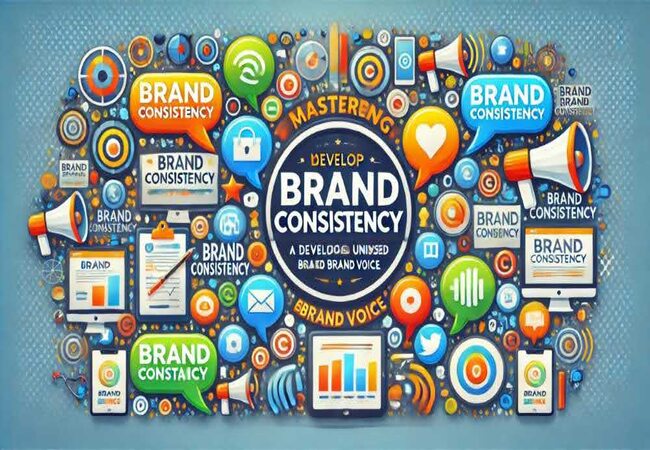
A good campaign should cultivate consistency and maintain the voice of the brand across all media:
- Brand Identity:
Each advertisement should relate to the core message of a specific brand’s values and personality.
A constant visual and verbal image makes consumers believe and trust. - Message Repetition:
Consistent exposure to a consistent message brands identify with.
Greater consumer awareness and remembrance occur through consistent communication. - Cross-Promotional Activities:
Incorporating advertisements into various media ensures the delivery of the same message about the brand.
Has a more significant impact and meaning.
7. Adherence to Regulatory Frameworks
Advertisements are subjected to several legislations and regulations through which the ethical messages are maintained:
- Advertisement Truthfulness:
Advertisements should not mislead or lie.
There should not be false statements or advertisements regarding the brands’ products or services. - Cultural Sensitivity:
Understanding and being sensitive to cultures does not make one suffer a backlash.
Messages in advertisements should not be hurting communities or demeaning them. - Data Privacy:
Using people’s data for digital advertising demands much stricter regulations, such as GDPR.
Keeping consumers’ information confidential is the most authentic way to build trust.
8. Flexibility

Gone are the days when advertising was merely a matter of stick and dough. The growth of advertising has to keep changing the guard to keep pace with the ever-changing world of trends and consumer behaviour:
- Trend Analysis:
Advertisements should be able to incorporate and adapt to the latest trends.
This keeps them relevant in the minds of the consumers. - Integration of Technology:
It can adopt technologies such as artificial intelligence (AI) and machine learning to enhance ad targeting and the overall effectiveness of the campaign. - Feedback Loops:
The mechanisms through which it can collect consumer feedback on the brand side would determine the changes in strategy.
Fast adjustments driven by an audience’s responses lead to effective outcomes.
Final Thoughts
In conclusion, understanding the nature of advertising is crucial for anyone navigating the marketing jungle. Below are the seven essential traits that make any advertisement effective: clarity, persuasion, relevance, creativity, emotion, consistency, and targeting. While these characteristics ensure an ad reaches people and affects them, each has an important role to play.
- Clarity:
Clarity is the first key to reaching an audience without affecting them. An advertisement might be handed over to the audience, but it wouldn’t affect people if its message is hazy and unclear.
Gives a clear understanding of the product or service being offered.
A straightforward message attracts attention and leads to higher engagement. - The Emotion Factor:
Relates the consumer to the brands.
Emotive adverts are more effective for memorable experiences that have higher loyalty levels. - Right Audience:
Success in advertising revolves around reaching the right target audience.
Message tailoring will likely lead to more excellent application, effectiveness, and return on investment.
As we take our steps forward in the world of fast movement and technology, we will consider all these elements of profile that help improve advertising strategies and enable businesses to create campaigns that are really meaningful to their target audience. Advertisements lean on these core features to promote enduring connections with consumers and boost sustainable growth for brands.
]]>- Unique
- Light-hearted
- Inventive
Is this what you think about when you hear the word Guerrilla Marketing? If so, then you are pretty close. This is marketed as a form of advertising to target their audience. The term was first used by the late business writer Jay Conrad Levinson in 1984 when he wrote a book, Guerilla Marketing, to develop creative marketing ideas.
The essence of guerrilla marketing lies in the element of surprise. The ultimate goal of marketing is to create enthusiasm in the market, but this method took a whole new level. So that people always remember it for a longer duration, they develop an emotional bond with the brand because of its unique, out-of-the-box appearance.
What is Guerilla Advertising?
Guerilla Marketing: Guerilla marketing is an unconventional, innovative, and resourceful tactic to direct a product/service/idea into the market by launching itself in a buzzing zone. This is helpful when the brand objective is Brand Awareness. The word itself comes from the types of tactics that predators use during marketing—attacking with ambush-style strategies, just like how guerrillas would attack.
Picture a surprise, wild move—that’s the core of guerilla marketing. The term “Guerrilla War” comes from ambushing methods in war to win it, which is quite similar to our Guerrilla Marketing, where marketers surprise the crowd with campaigns to attract people’s attention. The media strategy is also called the publicity strategy.
- The event staff wants to surprise people with something new and odd at a time not expected in front of as many people as possible, making an impression so that they talk about it later.
- Guerilla marketing is a great strategy for small firms to compete with giant firms because it’s cost-efficient and yields a more significant return.
Guerilla Advertising Advantages

Well, if your techniques belong to the “not stereotypical” end, you will surely benefit from guerrilla advertising. Some of them are:
Less Expensive
Guerilla marketing can be considered one of the best ways to run a campaign because it is far cheaper than other devices used in traditional marketing. The critical part here is time investment, the use of creative ideas, and the execution of them, which is relatively inexpensive.
Wide Reach
Guerilla marketing reaches better parts of society due to its creative and out-of-the-box campaigns, which spread like wildfire. This allows you to get a large number of people.
Create an Unforgettable Impact
Unlike regular ads you can turn off, guerilla marketing catches you off guard. It’s like when you get a surprise in the middle of nowhere. It leaves a lasting impact on your target audience like no other. They will remember it for the rest of their lives.
Word Of Mouth Marketing
This form of marketing is about more than selling the product outright but building buzz around the product or service due to its unexpected nature. Change what kind of thing people talk about the most. Of these, 90% of customers trust and purchase products through word-of-mouth marketing.
Build Brand Identity
Guerilla marketing is one of the best tools for creating a solid brand identity. Even if it’s advertised differently than the competition, it will stand out and remain memorable.
High Return On Investment
Even though you spend very little, your ROI will always be high. This is visible by observing how conversions, sales, and brand value increase.
Buzz In The Town
You’ve seen silly memes on WhatsApp or Instagram that you feel compelled to share. Guerilla marketing works similarly. The quirky campaigns often go viral, creating buzz around the product or service.
Builds Strong Relationships
Strong connections with online social media platforms are essential, but you can also engage local vendors, organizations, and business officials to help launch campaigns more effectively. These relationships will also help your campaigns in the future.
How to Make Guerilla Advertising Work for Your Business
Because guerilla marketing is about thinking outside the box, you can get it to work for your business in all kinds of ways. These are the seven best ways to get started in the field of guerilla marketing:
Make use of the space

- Utilize the front of your store to showcase your products in a way that entices passersby to stop and take pictures.
- Use the window area with vibrant images of your product to grab attention.
- You can also use the entrance to your store for attention-grabbing displays.
Hire Mascots

Be noticed by hiring someone to dress as a mascot, just like McDonald’s does with cartoon characters. Kids will get excited and want to take pictures, bringing attention to your brand. Parents will accompany them, helping to get great coverage for the brand.
Wear Your Brand T-Shirt

Employees should wear brand t-shirts, just like the employer. When you walk into a store, people will see and remember the brand name better. When they see it outside, they’ll remember the brand.
Fill the Wall With Your Creation

Hire an artist to color a city area with your brand and logo. This can create viral moments, as people can’t help but upload pictures of anything unique.
Distribute Free Gifts

Many big brands have events and giveaways with brand presence and messages. For example, when you visit a store, they might give you free products or services to promote their brand.
Roadshow

Plan a flash mob dance or shocking event in a prime area of the town. People will become curious to learn more about your product, which will likely go viral among the audience.
Use Video

You’ll need a big wall, a projector, and an area with decent foot traffic at night to do this. Play your ad campaign video at night when people are less hurried. If your video is appealing, people will take the time to watch it.
Make use of Chalk art

Many organizations employ chalk artists to draw their brand name on the sides of their retail outlets. This is one of the most popular guerilla marketing strategies. It will turn heads and bring attention to your brand if executed correctly.
Final Thoughts
Guerilla Advertising is a type of marketing in which businesses can be extremely creative without following the typical market trends. If the audience likes the tactics used by a brand, they can become trendsetters.
This form of publicity marketing involves risks, but business is about taking calculated risks. If you embrace some risk, add a touch of shock to your marketing efforts, and focus on creativity, you should experience the magic of guerrilla advertising!
]]>Ready to talk with a marketing expert?

A Pragmatic and innovative way to enthrall your target group is just a click away!
Get in Touch
Rukmini Knowledge Park, Kattigenahalli, SH 104, Srinivasa Nagar, Bengaluru, Karnataka 560064
+91-990 247 8800
contact@gingermediagroup.com
Popular in Television Advertising
Udaya TV AdvertisingSun TV AdvertisingStar Plus AdvertisingTV 9 AdvertisingZee TV AdvertisingNDTV India AdvertisingColors TV AdvertisingPopular in Airport Advertising
Spice Jet AdvertisingMumbai Airport AdvertisingDelhi Airport AdvertisingEmirites AdvertisingIndiGo Airlines Domestic India AdvertisingPopular in Newspaper Advertising
Deccan Herald AdvertisingPrajavani AdvertisingThe Hindu AdvertisingEconomic Times AdvertisingDainik Jagran AdvertisingHindustan Times AdvertisingPopular in Magazine Advertising
Forbes AdvertisingCosmopolitan AdvertisingBusiness World AdvertisingVogue Magazine AdvertisingPopular in Sports Advertising
IPL AdvertisingPopular in Outdoor Advertising
Billboard AdvertisingBus Shelter AdvertisingMetro Pillar AdvertisingUnipole Advertising© Ginger Media Group 2025. All Rights Reserved.