CGC is any content—text, images, videos, reviews, and social media posts, to name a few—created by someone other than the brand. This content is authentic, often unbiased, and strongly influences potential customers’ purchase decisions. In an era when consumers are skeptical of traditional advertising, CGC has emerged as a powerful tool for brands to build credibility, community, and deeper engagement with their audience.
Critical Aspects of CGC:
- Changing Dynamics of Marketing: Brands are no longer solely empowered to tell their message; consumers’ voices are more vital than ever.
- Authenticity Matters: Authentic views of products and services increase customer trust.
- Consumer Behavior Change: Social media experiences lead to more sharing of personal stories, changing how brands communicate with their audience.
The Role of Consumer-Generated Content in Modern Marketing

CGC is one of the most trusted forms of marketing because of its authenticity. Consumer research shows that many consumers trust CGC more than traditional advertising.
- Authentic Trust: CGC is viewed as more credible and trustworthy than traditional ads.
- Relatability: Consumers prefer stories that feel close to their reality.
CGC helps humanise a brand, creating a relatable image in an otherwise crowded market. It shows products in real-life use by consumers, offering cues like customer satisfaction, functionality, and unique uses that scripted brand campaigns often miss.
Benefits of CGC for Brands:
- Organic Promotion: A happy customer sharing their experience on social media can reach hundreds or thousands of people, leading to a ripple effect in brand visibility.
- Cost-Effective: CGC can generate thousands or millions of impressions without the direct advertising cost of traditional campaigns.
Types of Consumer-Generated Content and Their Impact
CGC comes in various forms, each impacting a brand’s reputation and marketing in different ways:
- Customer Reviews: Platforms like Yelp, Google Reviews, and Amazon rely heavily on reviews. Positive reviews enhance a brand’s credibility, while negative ones highlight areas for improvement.
- Social Media Posts: In real-time, Instagram, TikTok, and Twitter are flooded with user-generated content related to products. Hashtags and brand mentions amplify visibility and engagement.
- Unboxing Videos and Tutorials: YouTube and TikTok are filled with unboxing videos and tutorials, essential for tech and beauty products, as consumers need to see how a product works before purchasing.
Benefits of Utilizing CGC in Marketing Strategy
Brands that encourage or support CGC can reap several benefits:
- Authenticity: CGC showcases real-life use of products, increasing trust among target customers.
- Cost-Effective Content Production: Leveraging CGC helps reduce content production costs while maintaining a steady flow of fresh material.
- Brand Loyalty: CGC strengthens customer connections, turning them into brand advocates.
- Feedback Mechanism: By analyzing CGC, brands gain valuable insights into product strengths and areas for improvement.
How Brands Can Encourage Consumer-Generated Content

Fostering a robust and active community is critical to encouraging customers to create content for a brand. Here are some strategies:
1. Social Media Campaigns
Brands can launch hashtag campaigns or challenges where customers creatively use products, generating a wealth of CGC. Offering rewards such as discounts or complimentary samples for the best content can further motivate participation.
2. Share and Acknowledge User Content
Brands that share or acknowledge user-generated content encourage others to do the same. Featuring customer posts on official accounts or re-sharing reviews shows that a brand values customer input, leading to increased loyalty and engagement.
3. Influencer and Micro-Influencer Collaboration
Collaborating with micro-influencers, who may have smaller but highly engaged audiences, can significantly boost CGC efforts. Influencers create honest content, encouraging followers to do the same.
4. Leverage Reviews and Testimonials
Ask satisfied customers to leave reviews or testimonials. Offering discounts, loyalty points, or exclusive deals in exchange for feedback encourages participation. Shared reviews serve as social proof for potential buyers.
5. Competitions or Giveaways
Hosting online competitions or giveaways can inspire customers to create content. For example, brands can hold photo or video contests where users submit entries featuring their products for a chance to win prizes. This generates significant CGC and fosters customer engagement.
Final Thoughts
Consumer-generated content (CGC) has revolutionised how brands communicate with their audiences. CGC allows brands to establish trust, build community, and engage customers at a deeper level. Unlike traditional advertising, CGC offers authentic social proof, making it an essential tool in any modern marketing strategy.
Key Takeaways:
- Empowering Customers: CGC allows customers to be part of a brand’s story, fostering a sense of belonging.
- Future of Marketing: The relationship between brands and consumers through CGC signals a shift towards a more collaborative marketing discipline.
- Strategic Execution: Brands embracing CGC as a core strategy will activate engagement and build customer confidence.
To tap into the power of CGC, brands must create a welcoming environment that encourages customers to share their experiences. Social media campaigns, influencer partnerships, and customer recognition programs can foster vibrant communities of customers eager to contribute to the brand’s story.
The future of marketing lies in the co-creative relationship between brands and customers. By giving customers a voice in the conversation, brands can unlock CGC’s full potential and ensure long-term success.
]]>Importance of Understanding Types of Appeal
- The most important goal achieved by the two sides of this bargaining process is the knowledge of the two types of appeals in advertising. The two can have very different applications within a company’s marketing framework.
- For example, some advertisements affect consumers’ emotions so that they become more attached to the brand. Still, rational or logical appeals to consumers’ analytical parts are also quite popular.
Relevance in Strategic Decision-Making

- Adopting and mastering the ideas that appeal to the advertising industry is very important when strategic decision-making comes into the picture. If a brand identifies a particular appeal that its target consumers can resonate with, it can work with campaigns that reflect their taste. Hence, the engagement and conversions may rise. This wisdom helps the company put resources in the right direction, select the proper media channels, and form messages that get their attention and influence their buying decisions.
- In short,one of the main topics of advertising that need to be understood is how different kinds of appeal work in the context of innovative marketing tools, creating almost an emotional connection with the customer and thus significantly improving the business efficiency and success.
Types of Appeal in Advertising: Definition, Purpose, and Real-World Applications
Appeal in advertisements is the means of presenting information to the recipient in a particular manner that is expected by the intended reaction from the audience. Appeals are psychological buttons that potential buyers are skillfully enticed to interact with and potentially acquire a product or service. In their application of such means, various types of appeals are possible, each focusing on different emotions, needs, and value strings of its target audience. The most common types of appeal in advertising include:
- Emotional Appeal: It has the dedication to the audience’s sentiments and the motivation of feelings as the means to get the audience to bond and act on the message. This might include feelings of happiness, nostalgia, fear, or even sadness.
- Logical Appeal (Rational Appeal): Draws on numbers, percentages, and logical arguments to persuade buyers. This type of appeal entails using data and factual evidence that proves the validity of the brand’s claims.
- Ethical Appeal (Character or Credibility Appeal): This is hinged on creating credibility demonstrated through trustworthiness. It mainly involves the presentation of skills, testimony from significant personages, and the values the company holds dear.
- Social Appeal: It is about persuasion through belonging or social approval. This strategy is often used to demonstrate consumer desires to fit in through peer pressure and the adoption of shared social norms. In these cases, the message connects the service or the product with a higher acceptance status in this environment.
- Humor Appeal: Applying funniness or comic elements to draw in and amuse the viewer. Brought upon by laughter, it can help adverts be more memorable and create a good link with the brand.
- Fear Appeal: Enumerates the possibility of a bad result if no action is taken. This method of attraction is often encountered in advertising in health, insurance, and safety.
Purpose of Appeals in Advertising
The chief goal of appeals in advertising is to change consumers’ behavior by prompting a particular immediate response. The primary purposes are:
- Creating Awareness: To start a product or service to potential consumers.
- Building Interest: Motivating readers by using well-accepted or natural pivot points to make them want to monitor the situation.
- Encouraging Action: Inspiring customers to pay for, register, or contribute more to the brand.
- Differentiating the Brand: The way to make it seen among the others in a market is by focusing on the critical aspects of the meeting and the audience’s views.
Functions of Appeals in Advertising
- Engagement: Appeals are an essential part of attention capture and viewer engagement. A well-designed appeal can captivate a viewer for a longer time.
- Memorability: Emotional and humor appeals are two factors that, when included in the ads, can conjure up a picture in a consumer’s mind. This, in turn, will provoke remembrance of the brand.
- Persuasion: Ethos and pathos are used in appeals, and the author convinces consumers of something. Rational ones depend on credible evidence and logic. Hence, people can judge correctly and orient their market following based on those facts.
- Connection: One of the methods marketers can employ to emotionally connect and thus become more loyal and attached to their customers is through social or emotional appeals.
Real-World Applications of Appeals in Advertising
- Emotional Appeal in Charity Advertisements: Charities use stories of people in need to trigger an emotional response that people can relate to. For example, one of the ads could depict a family or a community in a problematic situation as a result of their husband’s imprisonment, or it might simply mention that the reader should think about what it would be like to be in their shoes, which would promote empathy and ways to give.
- Logical Appeal in Technology Advertising: Big tech companies like Intel and Samsung are some of the popular defenders of logical reasoning and are known for dispensing information about r&d and data science using charts, reports, and spreadsheets to advertise their products. For example, one ad might promote the new, improved phone by stating that it is 10% faster with six more hours of battery life and a better resolution alone, making it the only rational decision.
- Social Appeal in Fashion Advertising: Many fashion brands leverage the ‘power of the social media influencers to do the heavy lifting by selling the latest trends’ while consumers get inspired enough to buy creative clothes. Campaigns such as a party, accompanied by purchasing and wearing attractive and stylish clothes, have a way of telling people that they are calm and belong.
- Humor Appeal in Beverage Ads: Advertising companies like Budweiser and Coca-Cola are successful at comedy in their commercials by lightening the mood and imposing their particular brand of comedy. Such a product can be so attractive to consumers that they often buy it.
- Fear Appeal in Health Campaigns: Presently, the bring-about of the scare in promotional materials, especially those aimed at curtailing smoking, wraps around the Little Red Ribbon campaign. Apart from branding the images of diseases with their graphic forms and footage from those former smokers, which are used by the campaigns, the campaigns are also grounded on the fear of the likelihood of getting a disease like cancer or emphysema or the slowing down of the development of scars.
Conclusion
Advertisements can vary from utilizing different appeals. For example, defiant people can be adamant about their decision not to buy a product but be amazed when they come to appreciate how much they have in common with the product’s features. Companies can evoke a sense of admiration in consumers when looking for new and attractive connections between ordinary things and customers. The function of this appeal is to make customers who are objects of admiration of society; during riot advertisements, singing is on both sides, seeking engagement and persuasion.
]]>Understanding the Foundations of Sports Marketing

Sports marketing is an important part of bringing fans closer to the teams, athletes, and events that are participating. The main objective is to create brand awareness among people who are interested in sports through various means, including digital platforms, sponsorships, and traditional advertising.
- Branding Importance: Building a brand that stands out from the crowd is vital. Organizations such as the New York Yankees and Manchester United partly show how a brand can be so powerful that it can even overpower the game and get the whole world to recognize the brand with which they associate themselves.
- Actual Stats: A 2022 Nielsen Sports report claims that 80% of sports fans who their beloved teams or athletes sponsor are more engaged in the brands, thus signifying the role of the right partnerships in a sports industry becoming a success.
- The theoretical foundation to make the best decision: The 4 P’s of marketing Product, Price, Place, and Promotion provide a powerful solution to developing successful marketing strategies for sports. Knowledge of these can help make the teams’ or events’ unique selling propositions easily understood.
Leveraging Digital Channels in Sports Marketing

Just like the technological revolution has affected the communication field, the same thing has happened with the sports marketing industry. Online channels such as social media, mobile apps, and content marketing have become important.
- Real-Life Scenarios: NBA teams use platforms like Instagram and TikTok to connect with fans through personal content, a successful way of connecting coach-players and fans. For example, the Golden State Warriors use storytelling to make people more attached to the team, thus maintaining a rigid wall with their fans.
- Challenges and Considerations: Although digital marketing offers a wide range of possibilities, it also faces the challenge of performing controversial tasks, such as managing online reputation and handling negative feedback. One way of taking control of such situations is to follow the crisis management model and thus minimize the risk of occurrence.
- Practical Strategies: Brands need to focus more on creating authentic and memorable content that their audience will read. Apart from other ways, telling good stories through videos, polls, and live interactions on social media will make one’s music and be the driving force protecting and promoting loyal fans.
Emerging Trends in Sports Marketing

Being dynamic while simultaneously keeping up with the currently ongoing sporting events in terms of marketing characterizes the marketing environment of sports. A good understanding of the trends that are due to arise is required for a company that wants to survive in the long run. The following areas are some of the ones that will be the most competitive:
- Sustainability Initiatives: To green a setting, several more businesses nowadays are turning to sustainability, as it improves the brand and customer experience. Moreover, the Seattle Seahawks realize the true potential of environmentally friendly activities; thus, they have designed a recycling program that has been appreciated by eco-friendly fans.
- Personalization and Data Analysis: The rise of big data has influenced the marketing world, as marketers have been capitalizing on the use of data to personalize consumers’ experiences. Developing personalized marketing that is both relevant and interesting to the target group can uplift the response rate and increase revenue.
- Implications for the Industry: Besides, as technology changes and fans’ expectations change, companies are supposed to adapt to innovation. Staying one step ahead of the new phenomena of music, like, for instance, those taking place in venues such as AR or improved mobile engagement, will be the best way to the end of the road, which is fan Tennessee.
The quintessence of effective sports marketing is to feel the base of the principles, use digital platforms well, and keep up with the latest trends. These strategies benefit organizations by enabling greater visibility and stronger connections with fans, ultimately resulting in growth and loyalty in the highly competitive sports industry.
Conclusion
The relevance of a good sports marketing strategy directly influences the growth and viability of sports organizations. At the same time, it offers practice for fan engagement and brand loyalty. In our Ultimate Sports Marketing Guide, we summarized the key parts of a solid marketing strategy that ensures a company is among those who can benefit from the enormous growth of the sector. By being familiar with sports marketing subtleties that include the use of social media and data analytics as well as developing community relationships and sponsorship partnerships, you can design campaigns that are tailored and that are the talk of the town that speak to the audience you want to serve and add the extra glam to your brand name.
Key Takeaways:
- Engagement is Crucial: Having good answers and relationships with the fans will boost loyalty and drive attendance.
- Data-Driven Strategies: Analytics can help align marketing efforts with audience tastes and trends.
- Social Media Presence: A lively and engaging social media strategy can significantly increase fans’ range and commitment.
- Sponsorship Opportunities: Strategic alliances can go a long way in boosting visibility and carrying extra revenues.
- Community Involvement: Interconnection with the local community produces goodwill, thus creating a better brand reputation.
By integrating these components into your sports marketing strategy, you can realize a holistic approach that will not only enable the business to meet its goals but also improve the sports culture to a whole new level.
]]>Understanding Sports Advertising: An Overview
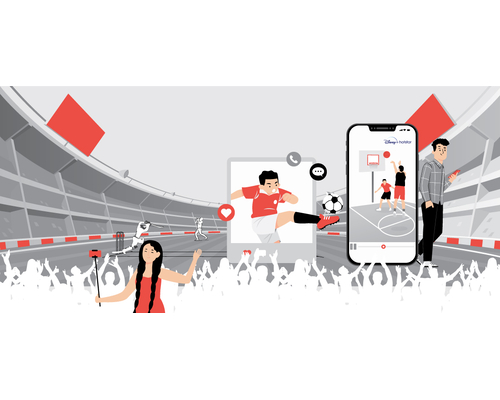
Sports advertising is a vital aspect of marketing. It uses the thrill of sports to enthuse people about products and services. It includes many promotional events, like sponsorship promises, advertising during broadcast events, social media campaigns, and event activations. Sports advertisement comprehension can display brand potential while offering the chance for the brand to be seen by, attract, and engage with new audiences.
The Impact of Sports Advertising on Brands
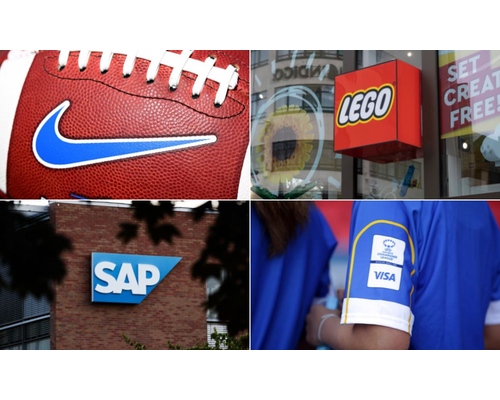
One significant benefit of sports advertising is its ability to create brand loyalty and recall through powerful emotional messages.
- Consumer Engagement: A Nielsen survey has shown that 70% of fans are more willing to purchase a product from a brand that sponsors their favourite team or athlete. The emotional attachment results in higher engagement, leading to a higher sales turnover.
- Case Studies: Nike and Adidas have effectively achieved this by creating fun and engaging content through athlete endorsements like Serena Williams and Lionel Messi. This has resulted in impactful advertising campaigns that appeal to consumers and merge sports culture with brand identity.
- Frameworks in Sports Marketing: The AIDA model, which consists of Attention, Interest, Desire, and Action, is generally required to define the type of sports that the brands desire to advertise. It hence serves as the introduction of the sports narratives that need to be used to capture the audience and have the audience follow through with the decision of the acquisition process.
Challenges and Benefits of Sports Advertising

Sports advertising is an industry long known for its many benefits. Still, it highlights some tricky situations that should be well navigated for sustainable results.
- High Competition: Many other brands are also involved in sports advertisements; thus, the entire market is whole. To make an impact, brands must be creative and think beyond the ordinary, using the “human touch” to connect with viewers and transfer the desired message.
- Balancing Sponsorship with Brand Identity: In sports advertising, the major challenge faced by companies is ensuring that their sponsorships align with their mission and message. Companies must carefully choose partners who match their goals and the type of partners their audience seeks.
- Strategies for Success: Corporations can increase their sports advertising efficiency through data analytics that provide insights into fan demographics, preferences, etc. Customised advertisements, such as those aligned with unique events or sports teams, have proved more beneficial as companies can be sure of such campaigns’ increased participation and relevance.
Emerging Trends in Sports Advertising

As the changes happening in the sports advertising arena never stop, new trends are being born that signal opportunities and considerations for brands.
- Digital and Social Media Integration: In addition to the growing number of sports fans who are now using digital platforms, companies are adjusting and have been able to communicate with brands through social media. Campaigns that allow users to create content and interactive features successfully engage people.
- Diversity and Inclusion: Brands are the most focused on presenting diversity in their advertisements, thus shouldering social responsibility. This contribution becomes a societal and individual pull for talents and fans, building a near-perfect setting for sports and associated products and services.
- Impact of Technology: Both augmented reality (AR) and virtual reality (VR) have become popular, with creators of the ads involved. They have the same purpose, i.e., advertising brands are recognised through interactive customer experiences.
Thus, sports advertising will remain a dynamic and powerful tool for brands to get their name out to consumers through widespread sports. Companies could drive their sales, whereas customer base loyalty would increase with the help of the passion and loyalty that sports cause.
Conclusion
In the marketing world, sports advertising is prominent as it is the primary tool of brand communication with the audiences. By using the emotional connection and loyalty that sports give, businesses can express the effectiveness of the sales chart in the long run.
Key Takeaways:
- Engagement with Audiences: Including sports advertising in their marketing strategies encourages brands to build emotional links between themselves and vehement fan communities. Thus, it is a key aspect of creating loyalty to the brand among consumers.
- Diverse Platforms: Nowadays, marketers can use various platforms, from social media to video-on-demand services, to engage sports fans. According to international panellists of the WIN 4 FINAL CONFERENCE of the <>KUFORRA<>, the platforms are quickly transforming the media landscape.
- Emotional Storytelling: Thus, the main idea behind sports advertising is not to persuade the viewer but to present them with an interesting story that causes them to connect with the brand pictorially.
- Sponsorship Opportunities: The mentioned entities’ involvement in sports only increases brand visibility and strengthens the brand identity.
- Targeted Marketing: Sports as a segment are open to sending powerful messages that fit the audiences’ expectations(WO stands for the world) and arrive fast at the best moment. Targeting is a tool that enables an image/product provider to provide a time-period and segment-specific message.
As marketing, brands can capture the interest of consumers when they offer the chance to be entertained and informed. For many companies, sports advertising has become very important. Dependencies and interdependencies among the inner sections of the marketing world have changed, and events are increasing in the digital world.
]]>Customers are the lifeline of any business or firm. As in the olden days, the customer is now the king. In the modern era of the digital world, a customer is a person who will either make or break your brand. Acquiring new customers can be much more costly than retaining existing ones. So, in the current business world, the calculation of CRC (Customer Retention Cost) is the most critical metric.

CRC: A Definition
CRC represents the cost incurred in retaining customers by employing customer retention strategies.
- Components: Marketing campaigns, Customer service initiatives, Loyalty programs
- Importance: High customer retention is effective because, in addition to minimizing the costs of acquiring a new customer, it tends to increase brand loyalty and, hence, customer lifetime value.
Understanding the intricacies of CRC allows businesses to invest in sound resources, marketing strategies, and customer engagement initiatives. This blog discusses the main concepts of CRC, why it matters in current business life, and some practical ways to maximize customer retention efforts.
What Is Customer Retention Cost?

CRC is the total cost that a business incurs to retain its customers. It involves keeping the customers satisfied and engaged so they do not have any reason to stop shopping. Therefore, CRC is a significant measure through which the financial outcome of the customer retention strategy can be understood and evaluated.
Components of CRC
- Marketing and Promotional Costs
- Costs incurred in loyalty programs or extra offers.
- They targeted marketing activities for existing customers.
- Customer Support and Service Costs
- Costs associated with hiring and training the employees.
- Operational Cost.
- Cost to operate the call centers and establish the CRM system.
- Development and Innovation Cost on Products
- Investments done in R&D post customer feedback.
- Continual development of the product to match the market demand.
- Customer Engagement Initiatives
- The cost incurred is for personal communications and feedback surveys.
- Activities directed toward developing a brand community.
- Analysis and Measurement Expenses
- Spend on analytics tools to track customer behavior.
- Cost towards determining the effectiveness of retention strategies.
Why CRC Management Is Significant

Managing Customer Retention Cost (CRC) is paramount for businesses looking to thrive in a competitive landscape.
Critical Reasons for Focusing on CRC:
- Cost Efficiency:
Retaining existing customers is often less expensive than acquiring new ones. Effective management of CRC can reduce overall marketing expenses. - Customer Lifetime Value (CLV):
Higher retention rates enhance the total revenue expected from a customer. Satisfied customers are more likely to make repeat purchases and refer others. - Brand Loyalty:
Lower CRC translates into higher customer satisfaction and loyalty. Loyal customers are more likely to advocate for the brand. - Competitive Advantage:
Customer retention becomes a reason for companies to stand out. A loyal customer base promotes sales and thus reinforces a brand. - Informed Decision-Making:
CRC can help with informed, fact-bound decisions in marketing and product development. Retention strategies need to be analyzed so that improvement can be targeted at the required areas.
Strategy for Optimizing Customer Retention Cost

Controlling Customer Retention Cost and Its Effectiveness to Drive Business Growth
Many companies use various strategies to control customer retention costs and maximize their effect on business growth.
Productive Strategies
- Program Loyalties:
Create loyalty programs that encourage repeat purchases. Appeal to brand loyal customers with appealing rewards, discounts, and promotions. - Improving Customer Service:
Develop training for staff and the adoption of CRM systems and respond promptly to all customer inquiries to improve experience. - Data Analytics:
Analyzing consumer behavior to tweak the approach to marketing. Improved retention strategy of decisions based on data. - Customer Feedback:
Seek active customer feedback through surveys and direct communication—product improvements and enhancements from understanding customer needs. - Personalization:
Use customer data to craft market messages specific to the target customer. Personal experiences have increased satisfaction and loyalty, as well as reduced CRC.
Customer Retention Cost is one of the primary metrics used to determine a business’s commitment to a relationship and its ability to sustain it throughout its life cycle.
- Sustainable Growth: Effective strategies of retention reduce cost but increase customer loyalty.
- Agility in Change: Companies should be more responsive to the changes in customer preferences and expectations.
- Meaningful Connections: Core priority in client satisfaction creates relationships beyond transactions, ensuring long-term success.
Final Thoughts
In today’s increasingly dynamic market, CRC is vital in building loyal customer bases that continuously create sustained growth and profitability. Optimising CRC may build long-term relationships into long-term performance and sustain continued marketplace competitiveness.
]]>
Transparency and clear communication are essential factors for building a healthy business and a target audience’s relationship. This was where advertisements reach in with the help of FAQs, which they use as an all-powerful tool. Although it has been used for a long time by many in their sites and support documentation, the form of the FAQ has ultimately become one of the central concepts to sell a product or a service, create trust, and make processes involving information easier. This blog takes the reader through the concept of FAQs in advertising, what it is, its relevance, and its implications on customer interaction.
What is the Use of FAQ in Advertising?
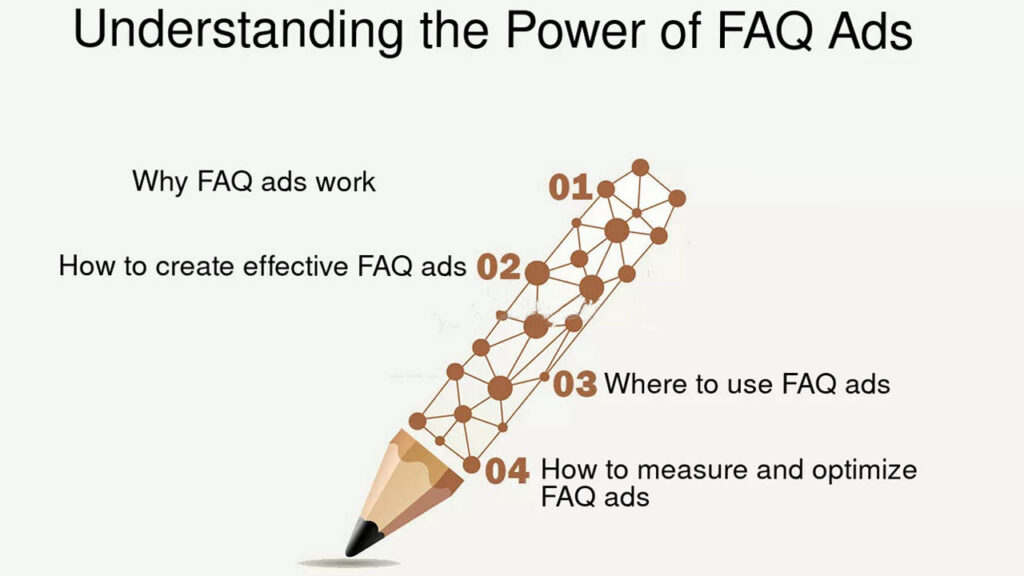
FAQs are far more than a list of answers, and today, in this competitive landscape, they are cornerstones in effective communication with customers. They help better articulate answers to common concerns, inquiries, and uncertainties prospective customers may have. Again, the complete FAQ, Frequently Asked Questions, is most widely used in mass communications to clarify common concerns, questions, and uncertainties that potential customers may carry.
FAQs have emerged as one of the most valued assets businesses operating in the advertising industry can own. They promote clarity, improve user experiences, and remove operational inefficiencies. Through all these, while taking proactive and offering comprehensive answers to all types of commonly asked questions that may have dawned in viewers’ minds towards the current business, a business can downgrade its need for direct support while making its way closer to its audience.
Advantages of Advertisers in Using FAQs
- Significantly Improved Decision Making: FAQs make the choo process essential by answering customers’ main questions when deciding on a purchase. The more open this is, the more the customer will be directed to making an informed decision, reducing doubts and boosting their trust in the brand.
- Cost efficiency: An elaborate FAQ will reduce the burden that a customer service team has to pass on. This minimises organisations’ activities, absorbs repetitive inquiries, and allocates more time to areas requiring individual attention.
- Improved Customer Orientation: Businesses will focus more on value provision as they provide FAQs answering their customers’ needs. This will improve the customer experience because FAQs constitute information that is readily available but focuses explicitly on specific pain points and concerns.
What Does FAQ Mean in Advertisement?
FAQ is just a short form of Frequently Asked Questions in Advertising. It is a standardized communication tool that eliminates questions about various products, services, or brands. By gathering and re-presenting such information in Q&A format, businesses will better overcome possible objections, remove scepticism, and give concise responses to improve customer satisfaction.
The Key Elements of an FAQ in Advertising
- Clarity and Conciseness: Good FAQs should focus on simple, correct answers. As much as possible, concise answers should avoid causing customers to feel frustrated from the bombardment of too many lengthy responses so that they can quickly get the answers they need.
- Relevance to Target Audience: The best FAQs are developed in response to the needs and expectations of the target market. Relevant FAQs indicate that the brand already knows the customers’ concerns, further strengthening customer loyalty.
- Update Consistently: FAQs must be updated regularly based on customer feedback, new product launches, and changing market conditions. Periodic updates increase value and help achieve business objectives aligned with market needs.
Advantages of FAQ in Advertisement

A smart FAQ strategy for advertisement can offer many more benefits than simply answering elementary questions. Here’s a list of some of the best benefits:
- Better Decision: FAQs educate product customers on product features, specifications, and variations. With such information, customers can make more accessible selections of products that better suit their needs.
- Cost-Efficiency: Fewer repetitive queries in volume will only ensure that the customer care teams address complex issues. Customers would find answers to their problems, meaning the resolution time would be faster and support costs reduced.
- Better Communication and Collaboration: A single FAQ page would generate the same consistent messaging across departments. This would enable complete alignment of all responses with the brand voice and objectives while helping the marketing and support teams work in harmony effectively.
Core Principles of FAQ in Advertising
To amplify the effectiveness of FAQs in advertising, core principles must be followed in value delivery and continuous improvement. Let’s dive into some of these fundamental principles:
- Focus on Customer Activities: The FAQs should be designed based on a comprehension of customers’ activities, including search, option comparison, and purchase decisions. The questions should be meaningful and valuable for the user.
- Utilising a Bridge Between User Activities and FAQs: By building an easily connectable relationship between user activities and FAQs, the primary questions to be answered can be assessed. Any organisation that answers these fundamental questions will undergo a significant transformation in customer experience.
- Growth and Development: Updating periodically with analytics, feedback, and trending changes keeps the FAQs current and in tune with needs. Improvement helps develop an active responsiveness culture in the organisation.
How to Develop FAQ in Advertising

Developing FAQs for your advertising strategy involves a step-by-step process. This is how it works, in detail:
- Analyse Customer Engagement: Analyze current customer inquiries, support tickets, and social media engagement to understand common questions and issues. Use the results to guide your FAQ template format.
- Cost Drivers: Identify the areas of customer service requests with high points and first line the FAQs. This will drive impact and value to the customers.
- Deploy Measures of Performance: Use metrics such as view count, engagement rates, and customer feedback to measure the success of FAQs. Empower cross-functional teams to assist in evolving content and ensure that FAQs are relevant to customers. Engage marketers, product developers, and customer service personnel to gain the maximum possible coverage of questions.
- Leverage Technology: Implement AI-enabled chatbots and responsive search bars to make FAQs more accessible. Technology would also facilitate updating FAQ content.
Practical Applications of FAQ in Advertising

To have a closer look at how exactly FAQs work, test the following practical applications:
- Zappos: Zappos has an elaborate FAQ page that responds to customer queries about shipping, returns, and product information. This has resulted in the highest customer satisfaction and repeated business for the company.
- Apple: FAQ pages developed by Apple convey technical questions, compatibility issues, and software updates to customers so they can solve a few problems themselves. This reduces the load on the support team and satisfies the users.
- Airbnb: The extended FAQ section of Airbnb contains booking procedures, payment options, and host policy. The company’s eye for detail and accuracy attracts users’ trust and reliance.
Final Thoughts: Using High FAQs to Unleash Hiding Talents in Advertisement
In short, understanding the FAQ Full Form in advertisement and using it properly creates a business strategy that every firm would like to take advantage of. Proper, accurate answers to frequently asked queries streamline operations within an organisation, reduce support costs, and improve the overall customer experience.
Principles of Best Practice of FAQ management will help business organisations through:
- Better Customer Experience: FAQs provide all the information upfront, making the journey smoother with less confusion.
- Increased Operational Efficiency: FAQs save the repetitive answering of common questions, freeing up the customer service team to attend to more complex inquiries.
- Improved Trust and Credibility: A well-formatted FAQ section shows customers that their questions are taken seriously, increasing the basis for trust.
Now is the time to tap into the power of FAQs in advertising and experience the transformative effects of communication strategies within your organisation. Take this first step toward optimised customer engagement and satisfaction.
]]>- Diverse Media: It includes differentiated media from television and radio to the digital media, including social media.
- Consumer Interaction: Not just about selling a product; it’s about forming some meaningful relationships between the consumer and the brand.
- Data-Driven: Analytics, along with data, play an essential role in targeting and personalizing advertisements.
- Constant Strategy Changes: Advertising strategies may evolve on a daily basis because of fast changes in technology.
- Business: Advertising would play a significant role in increasing the visibility trust from consumers, and growth of your business.
Changing Channels of Advertising

The use of advertising channels has instead changed positively with digital technologies. Old channels such as print, television, and radio are effective, but digital alternative media can coexist with them. This calls for agility in firms’ advertising strategies by changing old and new channels to reach their market.
- Traditional vs. Digital: Though an important tool, print media has been replaced by digital in terms of reach and effectiveness. Digital ads are set during the execution process in real time.
- Influence of Social Media: Today, Facebook, Instagram, and TikTok are more of the new frontier for advertising. Example: Influencer marketing with Facebook, Instagram, and TikTok tends to increase engagementa.
- Targeting in Digital: This is a boon, and the advertiser would target all three consumers according to their demographic, behavioral, or interest-wise preference, which makes the ad more personal and effective.
- Presence on Multiple Channels: Presence on multiple channels is currently a basic tool firms use to increase brand awareness. This will thereby help ensure that all their advertisements reach them wherever they are.
- Video Dominance: Video messages, particularly on social media applications, which include YouTube and TikTok, are currently at the top in advertising for it provides an immersive way for brands to communicate with their audience.
The Role of Consumer Psychology in Advertising

Given the importance of advertising effectiveness, consumer psychology would play a key role. How consumers think and feel would contribute to a better creation of some campaign that the business would engage in communication with their audience. Consumers’ emotions and motivations are what most advertisers use to attract attention and enforce action. Often, an advertisement will offer emotional appeal through happiness, fear, or even nostalgia.
- Behavioral Targeting: The data analytics process provides the facility for forecasting consumer behavior. This helps the advertiser decide on the right medium for advertising campaigns that will bring maximum impact for them.
- Brand Loyalty: By establishing campaigns that repeat without failure, advertising builds the loyalty feel among one-time buyers to become repeat customers.
- Molding Perception: Through strategic messaging, advertising can mold the perception of consumers toward the brand and its value.
- Call to Action: Good ads show a clear strong call to action that will take customers to wanted behaviors such as buying or signing up to use a service.
Role of Metrics and Measurement in Advertising

Measuring advertising is like flying blind without instruments. Metrics show us exactly where we stand in terms of how effectively our campaign is working and whether we are well within or out of reach in meeting the intended goals. Right now, many types of analytics tools exist to measure the effectiveness of advertising—from any engagements’ range of metrics to return on investments.
- Return on Investment (ROI): ROI measurement is absolutely necessary in determining the financial effectiveness of an advertising campaign.
- Engagement Metrics: These would include likes, shares, comments, and clicks to establish how many people are paying attention to an ad.
- Conversion Rates: By taking note of how many customers become after seeing an ad, the advertisers will be able to know the ROI generated by their campaigns.
- A/B Testing: In A/B testing, one can use more than one version of the ads to better understand what kind of content best appeals to the targeted audience.
- Attribution Models: These help advertising identify which touchpoints matter most in influencing consumer decisions.
Regulatory and Ethical Considerations in Advertising

As advertising progresses, so do its regulations and ethical practices. An advertiser needs on several laws and industry standards ensure that the campaigns are set or implemented legally and responsibly, especially now that consumers have increasingly become worried about data privacy and ethics in practice.
- Privacy Laws: These are laws, such as GDPR in Europe and CCPA in California, that offer protection for consumer data; thus, advertisers must be transparent about information collection and use.
- Truth in Advertising: This means that advertisers will not make misleading claims or claims which may be misrepresented in their communications. They will have to ensure that their advertisements are truthful and factual.
- Environmental Sustainability: Most consumers today expect the brand to contribute to social responsibility through advertisement. Greenwashing will violate a brand’s reputation.
- Cultural Sensitivity: Advertisers should remain sensitive to the differences between cultures and ensure they do not use campaigns that may passively offend or alienate them.
- Ethics of Targeted Advertising: While targeted adverts succeed in conversion, brands cannot leverage sensitive consumer information or exploit vulnerable groups.
Final Thoughts: The Expanding Scope of Advertising
The field of advertisement is on an ever-evolving plane. As time goes by, new technologies evolve, consumer tastes and preferences shift, and so do notions of what is proper or improper in ethical issues; advertisers must be more agile and innovative to be up to date. When companies want to connect with their audience meaningfully, it’s high time they embrace every means available in advertisement.
- Flexibility: Brands must be generally flexible and change their strategies to be relevant in a fast-moving marketplace.
- Data-Based Decision: Data is essential in creating targeted personal ads and speaking to customers.
- Consumer Centricity: The consumer must always remain in the advertising campaign’s center—their perception of trust and loyalty towards a brand matters.
- Innovation in Creativity: Effective advertising is nothing but creative and innovative methods that can punch holes in the noise and give way to achieving the desired effect.
- Long-Term Gains: Advertising can never be a silver bullet; it plays a critical role in long-run brand growth and sustenance.
Pull Marketing is a broader consumer-centric approach that focuses on attracting potential buyers by offering them the relevant content they need. Put differently, the company gains natural interest rather than forcing an advertisement on them. The key target for this marketing style is the consumers in their decision journey, and it is done while environmental circumstances change from one to another. We will look at the fundamental pull marketing strategies that emphasize their benefits and the appropriate applications.
This post contains details of the Pull Marketing strategy, which explains the advantages and practical applications of the concept. Pull marketing is a marketing technique in which an organization creates interest in potential customers by generating valuable content and experiences that are the customer’s customer’s pain points and preferences. This contrasts with pull marketing, which merely sends the consumers ad messages, and push marketing, a passive approach that does not bring business prospects.
We will be talking about pull marketing strategies, the types of techniques used in content marketing, social media engagement, SEO strategies, and the role of storytelling in this part. Moreover, we will analyze the diagram that shows how pull marketing strategies can be applied to the entire marketing mix as a part of the business’s overall relationship-building strategy with its audience.
Enter the special journey of pull marketing strategy and get the knowledge and skills essential to your strategic implementation of the same to initiate audience activation and complete the transaction through all the long-lasting portions in a competitive environment.
Understanding Pull Marketing Strategy

The other term used in the pull-marketing approach is demand generation, and it aims to provide a value-oriented experience that suits the customers’ desires and needs for a given product. Besides, it is not the push-the-goods approach but pull marketing that helps to create the loyalty of the customers and, fortunately, moves them to the business due to their experiences with the goal and the needs they seek to fulfill.
The Basics of Pull Marketing

Pull marketing is, at its essence, about creating awareness and interest in a product or service through well-directed activities that match potential customers’ needs. These may include content marketing, social media engagement, SEO, and influencer partnerships.
Important Information:
- The core purpose is to guide prospects on their customer journey stage by stage and finally bring them to the point of decision.
- On the other hand, examples of pull marketing are informative blog posts, stories, and the development and distribution of free resources, such as eBooks or webinars.
Insights and Statistics:
- HubSpot claims that businesses actively participating in content marketing can expect to see 55% more website visitors and 67% more leads than those that do not.
- Research conducted by Demand Metric has revealed that content marketing produces three times more leads per dollar spent than traditional marketing.
Frameworks and Methodologies:
-One of those is when brands use the inbound marketing methodology. It is a broadly applied framework that attracts customers by making meaningful content that solves problems and appeals to their needs and interests.
Real-World Applications of Pull Marketing

Pull marketing is increasingly practiced by companies of different sizes from diverse industries. They use case scenarios to make their services and products known and, at the same time, win people’s hearts in the right way.
Specific Examples:
- A software company might produce various detail-oriented tutorial videos and articles that provide solutions to common issues. This can help the company become a trusted entity in the segment and thus increase its possible customer base.
- Along with fashion brands, influencers on social media regularly bring their products closer to consumers through the attraction of their products, which gets accomplished organically by the influencers through the combination of content that befits their personal brand.
Challenges and Considerations:
- One of the difficulties in pull marketing is that it takes a lot of time to develop an audience and then get a tangible return. Investing the effort to ensure that quality content comes out on time will maintain consistency in content production.
- Conversely, brands also have to pay attention to customers’ choices and try to adapt to them to remain competitive.
Practical Advice:
- Companies’ practice is parallel to the creation of a content calendar that will continue to direct the interests of the target audience, ensuring a consistent flow of engagement and submission.
- To ensure the effectiveness of pull marketing strategies, insights from the analytics tools must be used to choose the right ones and adapt the strategies.
Emerging Trends in Pull Marketing

The development of consumer behavior is going in turn with the evolution of the pull landscape marketing.
Insights on Emerging Trends:
- One of the important developments involves videos like TikTok and Instagram Reels. The marketing trend is a huge shift towards using short, entertaining videos to connect with the audience.
- The personalized approach is yet another valid point on the list. New technologies have made it possible for businesses to gather and process information so that they can more accurately communicate with customers about products and services that match their tastes. The latter will further increase conversion rates and customer satisfaction.
Implications for the Industry:
- Those corporations occupy the minds of customers, and their strategies will certainly see customer loyalty over a long period as customers become more loyal to the kind of brand that understands their needs.
- The web’s relative importance has grown to such an extent that it is now challenging for enterprises to attract and retain customers’ attention. Therefore, they need to be ALIVE in all their dealings and authentic to their markets, thus ensuring that they pull in their targets as they want.
In conclusion, pull marketing is more than just a fad; it is a permanent change that companies have applied to their customer engagement practices. Companies can attract consumers better when they focus on adding value instead of trying to sell them products, thus creating real and lasting partnerships that will lead to sales and customer loyalty.
Conclusion
Pull marketing is a crucial strategy that uses customer demand to drive product awareness and sales. By concentrating on attracting customers using valuable content and meaning-driven interactions, brands become the creators of and the main force driving their growth from then on. One of the most crucial components of pull marketing is understanding the intertwining concepts of content marketing, social media engagement, and search engine optimization; these can improve a company’s visibility and profitability.
Key Takeaways:
- Consumer’s Choice is Crucial: Pull marketing is a technique that concentrates on the desires and tastes of customers, and as such, it is a long-term-oriented approach.
- Better Brand Cognizance: Pull marketing is a technique that increases brand recall by consciously and intricately marketing a product or service.
- Low-Cost Marketing: Using organic traffic channels, the technique is far more economical than traditional push models.
- King Content: Quality content is the preoccupation of pull marketing, thereby staying ahead of the pack as a thought leader in the respective industry.
- Measurability: Equipped with the right tools, companies can measure participation, conversion rates, and the overall performance of adverts.
Adopting a pull marketing strategy is a fantastic way to increase sales and create a community around your brand, which is especially important in these competitive times.
]]>Key Takeaways to Discuss in the Introduction:
- Creativity Catches the Eye: In the cacophony of multiple ads jostling for space in the media, creative content can bring a brand closer to its audience with one stroke.
- Cranks Up Emotional Connection: Creative campaigns elicit emotions and spark stronger connections between brands and consumers.
- Drives Brand Loyalty: Creative and engaging advertisements give confidence and create enduring loyalty.
- Provokes Action from Consumers: Creativity prompts consumers to interact, buy, and promote the brand.
- Keeping Pace with Market Trends: Creativity enables brands to be current by adjusting to changes in consumer lifestyle and trends.
What Is Creativity in Advertising?

Creativity is the backbone of successful advertising. It implies creating distinctive ideas that spark real, authentic feelings among consumers, not just mundane messages. The creativity in advertisement is different from the look-and-feel or the catchphrase. It is originality and storytelling. According to some studies published in Journal of Advertising Research, the most creative ads will likely reach the consumer’s recall and attention. Campaigns by Apple and Nike are the best examples of great creativity in forming memorable relations with consumers.
Key Elements of Creativity in Ads:
- Originality: Creativity refers to the generation of new, even bizarre ideas different from those reflected in any other brand.
- Explanation: Original content stands out in an otherwise cluttered marketplace and produces a deep impression on consumers and maximizes brand recall.
- Appeal to Emotions: The telling of emotional stories can facilitate an appeal to consumers’ emotions.
- Explanation: Tapping into people’s happiness, nostalgia, or empathy, creative ads help brands strike an effective relationship with their audience.
- Storytelling: Story-based advertisements hold depth and a sense behind the campaign.
- Explanation: Storytelling informs the customer of the values and mission behind the brand, so that he will believe and stick to the brand.
- Visual Communication: Beautiful visuals or smart graphics can powerfully express the message creatively.
- Explanation: Innovative visualization can catch the viewer’s attention and stands to say the message as short as possible while the message leaves a strong, long impression in the minds of the customers.
- Humor and Amusement: The consumers are likely to forward and remember more amusing and entertaining advertisements.
- Explanation: Something that makes one laugh is fantastic. Ads are made more enjoyable, therefore have a higher engagement which particularly in social media sites where the owners are sharing the contents because they think them funny.
The Elbow Room Between Creativity and Strategy
While creativity is paramount, it has to be aligned with strategic goals in order for the campaign to pay off. Creativity without strategy is useless, just like understanding the target market, brand goals, and market trends itself. An example would be Dove’s “Real Beauty” campaign, which creatively tackles societal standards of beauty to align with the core message of the brand. These strategic creative efforts helped propel them to drive sales and strengthen their brand.
Creativity vs. Strategy:
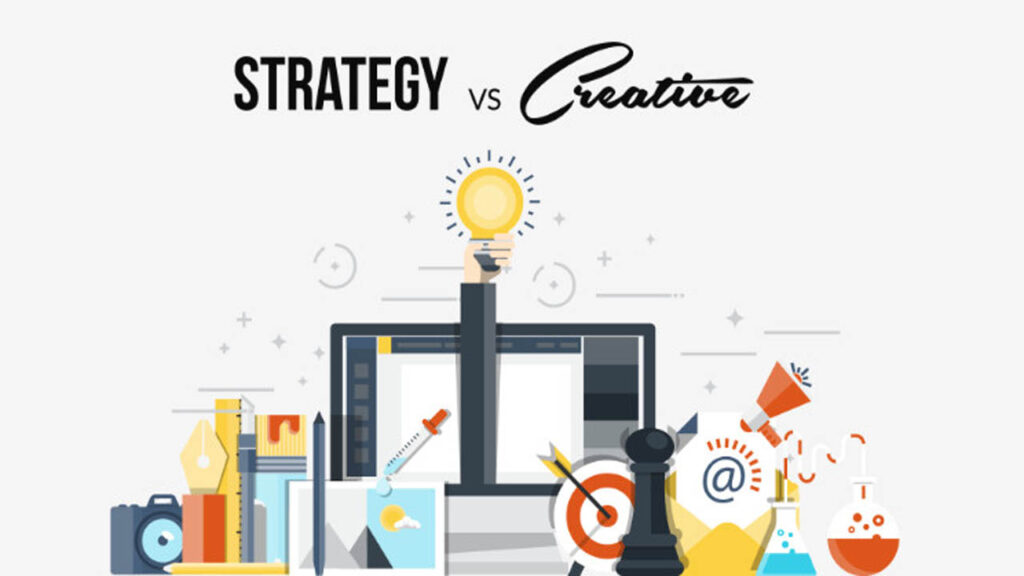
- Knowledge of Targeted Audience: The creative idea needs to strike a chord within the anticipated audience.
- Explanation: Knowing the demographics, preference, and behavior of the audience are important factors in devising creative campaigns that strike a chord with that group of people.
- Alignment with Brand Values: Innovative messaging needs to be sympathetic to the type of values from which the brand draws its central ideologies.
- Explanation: While an advertisement can be innovative, it should not lose its relevance because the brand operates on some kind of a mission and identity framework, thus giving it a clear message.
- Market Trends: The creativity must have a reflection on the current trends prevailing in the markets.
- Explanation: The use of market research would have let the advertisers take their creativity to markets at the right time and with an opportunity to acquire an evolutionary interest of the consumer.
- Goal-Oriented Creativity: The creative of the campaign must be aligned in support with business objectives.
- Explanation: Branding, customer interaction, or sales must be brought along with a cause or desired result in the creative advertisements.
- Measure Creativity: The refinements come in measuring creative ideas where creative works must be analyzed for effectiveness.
- Explanation: Creative campaigns have to include success measurements such as engagement rates, brand lift, and conversion to ensure creativity yields tangible business results.
The Future of Creativity in Advertising

As technology improves, so also is the advertising landscape changing. Therefore, there are quite many avenues for creativity that keep emerging in the field. The new trends include personalized advertising, augmented reality, and artificial intelligence that change the way brands interact with their consumers. For example, AR helps the consumer engage with products advertised through it, making advertisements very interactive and memorable. However, as campaigns rely so much on the use of these new technologies, they have to be intelligent in ensuring that their campaigns are genuine and interesting to consumers.
Evolving Trends in Creative Advertising:
- Customer-Centric Advertising: The usage of data to design targeted ads increases consumer involvement.
- Explanation: Personalized ads are often more relatable to consumers, and thus this can lead to a higher probability of engagement and conversion.
- Augmented Reality (AR): AR is an innovative opportunity for brands to interact with their audience through virtual, interactive experiences.
- Explanation: Experience through AR campaigns: Consumers have the ability to experience and engage with products in a light-hearted, fun, interactive way, opening up possibilities in advertising in a whole new way.
- Artificial Intelligence (AI): AI will be used to enhance ad targeting and campaign efficiency.
- Explanation: Brands will reach audiences more accurately with more data backing up the ads through the aid of AI. Satisfying consumer needs better, the creative process gets better at producing better results.
- Authenticity in High-Tech Campaigns: Authenticity in the High-Tech Campaign.
- Explanation: Admittedly, although having integrated new technologies into their campaigns, brands ought to stay authentic to their values as well as messaging in order to stay in the consumers’ hearts.
- Consumer Feedback in Creativity: Involving Consumers in the Creative Process.
- Explanation: By involving consumers in the creative process, brands may come closer to achieving their expectations.
Final Thoughts: The Role of Creativity in Advertising
Today, creativity becomes part of the important elements in the world of advertising. It grabs the attention of people, forms emotional attachment, and boosts brand loyalty in the saturated marketplace. Even though creative expression allows marketers to stand out with their brand, develop connections that really matter to consumers, and eventually stimulate calls for action. Additionally, while technology changes its role in the advertising industry, it is only through creativity that authentic yet appealing and successful campaigns are bound to be developed.
Key Importance of Creativity in Advertising:
- Captivates Audience Attention: Creativity cuts through the noise and grabs the attention of a consumer in a cluttered marketplace.
- Explanation: Since the creative content is unique and innovative, it has more chances of grabbing one’s attention and sustaining in the minds of consumers, thus achieving higher engagement.
- Builds Emotional Connections: Creative storytelling creates a very strong emotional relationship with the audience.
- Explanation: Emotions are involved in decision-making. Emotional appeals such as feelings of joy, nostalgia, or sympathy strengthen the connections between the customer and the brand.
- It Facilitates Brand Differentiation: Creative advertising enables brands to differ from other brands.
- Explanation: Brands that employ creativity can attract more market share and customer loyalty in a highly competitive market.
- Increases Consumer Engagement: Creative adverts enable consumers to not only participate in the content but also to share the same.
- Explanation: For example, creative work can lead to much higher engagement rates since most consumers like to share funny or thought-provoking advertisements, thus increasing brand awareness.
- Drives Results: Creativity ultimately drives better campaign performances and outcomes.
- Explanation: Creative ads often tend to drive higher conversions, sales, and overall brand success because of their appeal to an audience.
Key Points:
- Impact on Consumer Behaviour: Advertising significantly influences the marketing of products and services.
- Persuasive Communication Strategies: More strategies will be talked over that capture attention in an attempt to try out sales.
- Ethical Requiring Situations: Responsible practices in advertisements need honest and transparent terms.
Consumers are getting increasingly choosier, demanding brands that interpret themselves along with values. That said, it challenges companies to strategize on ethical aspects of advertising that resonate well with socially aware consumers. By this, more morally driven branding attracts more emotions from consumers. This will lead to brand loyalty and eventually promote profitability.
- Conscious Consumers: Today’s consumers want brands that support their value proposition.
- Emotional: Ethical advertising generates more relationship-building for brands with customers.
- Financial: Companies committed to ethical practices usually experience customer loyalty and increased sales.
Persuasion is the thin line between great art and manipulation. Though persuasive advertising is necessary to help drive sales, it must be used carefully not to tread any lines beyond ethical territories. The list should always include ensuring a strategy does not take advantage of consumer vulnerabilities or distribute false information. The goal should be an enlightening and inspiring marketing campaign rather than a deceptive one that manipulates consumers.
Ad Ethics

Advertising ethics is the morality approach to advertisement creation and distribution. Most of these aspects relate to issues such as truthfulness, fairness,, and respect toward the audiences. Ethical advertisements promote products or services without misleading customers or taking advantage of the vulnerable population.
Key Points:
- Moral Principles: Advertising ethics includes honesty, fairness, and audience respect.
- Enforcement of Responsibility: Advertisers should be mindful of the broader consequences of their advertisements.
- Influence through Regulation: Adherence to codes contributes to developing responsible advertising.
Feeling responsible is the most critical concern of advertisement ethics. It’s not just to the clients but certainly to society that advertisers have been entrusted with a responsibility to understand and take cognizance of the more tremendous implications of their messages and their ramifications on public perception or behavior. As media consumers evolve further, the ethical environment becomes more confusing, challenging advertisers to proactively deal with possible ethical dilemmas that develop out of advertisements.
In addition, the regulatory environment, to a large extent, dictates the ethics of advertising. Agencies and organizations establish norms that will ensure the industry embodies ethical behavior. The advertiser needs to be informed of the general direction of the regulations and strive to adapt to them, yet do more than the bare minimum from the law. By engendering an ethical culture within themselves, the advertisers contribute to how consumers perceive the marketplace; the more trust there is in the market, the easier it is to build consumer confidence.
Necessity of Ethics in Advertising
Building Consumer Confidence

Trust is one of the main parameters behind any healthy business relationship. Ethical advertising builds trust between brands and the consumers. If customers believe the brand to be honest and transparent, then they will want to spend time with that brand and buy it again and again. Conversely, unethical advertising can cause a lot of damage to the brand’s reputation while inviting customer dissatisfaction and loss of loyalty.
Key Take Away:
- Trust Building: Ethical practices lead to repeat purchases or repeat customers.
- Social Media Ripple Effect: The consumers share experiences promptly, making the ethical advertisement force multiply expeditiously.
- Long-Term Investment: Trust built through ethical advertisement may ensure significant returns.
It is an age where, with endless information at their disposal, consumers express their feelings—whether negative or positive- on social media. This time-sensitivity piques the opportunities for responsible, ethical advertisement. The brands that emphasize honesty build positive talk among the customers, as honesty generates conversations naturally. Otherwise, unethical maneuvers can land a brand in a situation of swift backlash; thus, harm can remain for a longer time and extend beyond transactions to the brand experience. Whenever consumers trust that a brand is running ethical affairs, they can easily endorse the brand to other consumers; this makes positive brand equity. Hence, creating trust through ethical advertisement is an investment in the long run, which fetches high returns.
Building Brand Prestige

A sound ethical ground not only builds trust but also strengthens a brand’s reputation in the marketplace. Most importantly, consumers are increasingly drawn to companies that operate on social responsibility and ethics. Ethical advertisements will help companies stand out and attract socially responsible consumers away from their competitors.
Key Take-Aways:
- Differentiation: Ethical advertisement makes a difference in a competitive marketplace.
- Positive Asset: A sound reputation is an asset that will help brands hold out against crises and fluctuations in market conditions.
- Ethical Practice: Leads to higher employee morale and retention.
A good reputation is a valuable asset to a brand. The better the reputation, the easier it is for a company to overcome market conditions and other crises. Brands with a questionable reputation will find it hard to regain consumer trust even when they have cleared their names from any crime. Ethical advertisement is thus necessary to ensure a good reputation for a brand in the long term.
Fair advertising practices lead to higher employee satisfaction and retention rates. Employees would be proud to work for brands that reflect their values. Such an atmosphere at work would be reflected in authentic brand messages, furthering the brand’s esteem in the consumer’s eyes.
Promoting Fair Competition

Ethical advertising promotes fair competition in industries. The reason is that when brands follow the same principles of truthfulness and transparency, a level playing field exists. Unethical practices like false advertising or deceptive marketing would be a blow to competition and thus create an uneven marketplace.
Key Points:
- Level Playing Field: Ethical standards ensure fair competition between brands.
- Encourage Innovation: Genuine value-based differentiation drives ethical practices among brands.
- Adherence to Ethical Standards: Promotes industry credibility through regulatory enforcement.
Competition and fairgrounds support innovation and creativity because brands must create grounds for differentiation based on real value rather than pseudo strategies. Healthy competition may lead to better products and services; hence, consumers’ welfare is incorporated into the effects. Ethical advertising would spur success for individual brands and the health of the market at large.
In addition, there are cases where regulatory agencies demand that different ethical practices to the standards be adopted so that equal competition is received and enjoyed by all. Whatever ethical practice an advertiser adopts ensures that the industry is credible. This joint adoption of ethics establishes consumer confidence and a marketplace where businesses compete on merit and value.
Promoting Social Responsibility

Advertising will influence the attitudes and behaviors of society. Therefore, an advertiser can bring social change by building campaigns based on ethical values. Examples include advertisements on inclusivity, diversity, or environmental sustainability issues that go a long way as consumers are emotionally charged to act.
Key Points:
- Positive Influence: Ethical advertising yields social change and responsibility.
- Identity with Movements: Brands that align with leading causes align with the socially conscious consumer.
- Building Community: This ethical approach towards advertising might bring a sense of belonging and connection with consumers.
Using responsible social advertising, brands can have their voice in initiating those conversations about issues that need to be discussed and align themselves with movements that call for change. Sustainability would be an excellent example of that—it creates a brand image and endangers consumers’ consumption choices. It creates a domino effect where people are inspired enough to make that change in their lives, too.
Socially responsible advertising also creates a group feeling among consumers. Brands that engage with social causes express concern for their audience’s values and concerns, growing the emotional bond between the brand and its customers. This association will increase loyalty and advocacy as consumers are empowered to support brands sharing their values.
Critical Ethical Issues in Advertising
False and Misleading Claims
False and misleading ads are among the most significant ethical issues advertising faces. There may be the exaggeration of the benefits of a product made by an advertiser, critical information may not be added in the ads, or ambiguous language might be used against consumers to mislead them. Such practices are unethical and have legal repercussions under the law of consumer protection.
Key Takeaways:
- Legal Consequences: False and misleading advertisements may lead to potential legal action against it and also give space for branding its reputation.
- Consumer Awareness: The Scourge of Social Media Increases Scrutiny of Advertising Claims.
- Cultural Shift: Brands Must Champion Truthfulness to Protect Industry Integrity.
The invention of social media has made it easier for consumers to vocalize their opinions; therefore, the scrutiny of advertisements is higher than in previous years. Misleading brand practices are mainly exposed by consumers, which destroys their reputations. In addition, regulatory agencies are becoming astute in enforcing stiffer punishments on brands that mislead consumers.
To address this issue, there has to be a cultural shift in the organization, establishing truth-telling as a norm when advertising to the public. Advertisers must develop robust verification processes to prove every advertisement claims one big lie. This would ensure consumer security, simultaneously strengthening the profession of advertising.
]]>Ready to talk with a marketing expert?

A Pragmatic and innovative way to enthrall your target group is just a click away!
Get in Touch
Rukmini Knowledge Park, Kattigenahalli, SH 104, Srinivasa Nagar, Bengaluru, Karnataka 560064
+91-990 247 8800
contact@gingermediagroup.com
Popular in Television Advertising
Udaya TV AdvertisingSun TV AdvertisingStar Plus AdvertisingTV 9 AdvertisingZee TV AdvertisingNDTV India AdvertisingColors TV AdvertisingPopular in Airport Advertising
Spice Jet AdvertisingMumbai Airport AdvertisingDelhi Airport AdvertisingEmirites AdvertisingIndiGo Airlines Domestic India AdvertisingPopular in Newspaper Advertising
Deccan Herald AdvertisingPrajavani AdvertisingThe Hindu AdvertisingEconomic Times AdvertisingDainik Jagran AdvertisingHindustan Times AdvertisingPopular in Magazine Advertising
Forbes AdvertisingCosmopolitan AdvertisingBusiness World AdvertisingVogue Magazine AdvertisingPopular in Sports Advertising
IPL AdvertisingPopular in Outdoor Advertising
Billboard AdvertisingBus Shelter AdvertisingMetro Pillar AdvertisingUnipole Advertising© Ginger Media Group 2025. All Rights Reserved.