Are you aware that ads with impactful copy can improve conversion rates by up to 20%? This data is compelling and shows the value of hiring skilled copywriters. In contrast, companies that are not focused on producing top-quality advertising materials often suffer from the loss of their potential customer pool and brand loyalty.
Here are a couple of reasons why companies should make advertising copy a focus in their plans:
- Helps improve brand recognition by using memorable and engaging messages.
- Do more to engage clients by maximizing your target audience’s feelings and beliefs.
- This leads to more significant sales by incorporating persuasive language and compelling calls to action.
- It creates a lasting impression and thus ensures that consumers will find it hard to erase your brand’s name from their minds.
- It helps build trust and communicate the values and personality of your brand.
In this blog, we will explore India’s top advertising copy examples, analyze what makes them effective, and provide insights into adapting these strategies for various businesses. Get ready to be motivated by successful campaigns that have won over Indian shoppers, and find out how you can do the same!
Top Advertising Copy Examples in India: Unpacking Creativity and Innovation
Advertising is a vital marketing tool that gets people’s attention, tells them what they want to know, and compels them to consume. Making an attractive advertisement is a joyful experience for creative and strategy professionals. India is the land of the brave and the artistic, housing a myriad of cases that materialize creative writing practices around new technology. This post will capture some ideas on India’s top advertising copy examples and describe why they are unique and unforgettable.
The Importance of Advertising Copy
Before moving on to the examples, the point is why advertising copy is essential, to begin with, should be understood:
- Creating a good impression: Copywriting is usually the first point where a brand is represented to its audience. Improving the initial impression fosters sustainable client commitments.
- Brand Messaging: Well-written text enshrines the brand character and supports it in terms of expression. Values, mission, and the whole character of a brand are transmitted through good copywriting.
- Emotional Engagement: Compelling copy provokes emotions that encourage consumers to take care of an action, whether purchasing a product or sharing a message with friends.
The Elements of Great Advertising Copy
These elements can help in crafting a fantastic advertising copy:
- Clarity: Copy should be clear and easily understandable, avoiding jargon and complex language.
- Relevance: It has to be appropriate to the needs and preferences of the targeted people and reflect those needs and preferences.
- Emotion: Attractive text that rouses emotions, joy, nostalgia, or the fear of time slipping away.
- Call to Action (CTA): Good copy includes a persuasive CTA that compels users to take direct action.
Top Advertising Copy Examples in India
Now, let’s delve into some standout advertising copy examples from India that have captivated audiences and set creativity benchmarks.
- Ginger Media Group
Campaign: “Social Media Solutions”
- Summary: Ginger Media Group, a prominent name in digital marketing and advertising, used catchy ad copy to claim its social media marketing prowess. The punchline “Turning Likes into Leads” describes their product very concisely.
- Key Elements:
- Clarity: The use is simple and direct.
- Relevance: The information is pertinent to lead customers through social platforms.
- Emotional Engagement: The companies what the meaning of the transformation of passive engagement to active engagement was already a metaphorical term.
2. Amul: The Taste of India

Campaign: “Amul: You are so fresh, happy, and alive!”
- Summary: Inspirational Amul is the adjective, as it was a witty advertising master over time. They would execute this new tagline of “The Taste of India” in many campaigns, resulting in high quality and sentimental and nationalistic feelings of the Hungama era.
- Key Elements:
- Cultural Relevance: Amul makes people feel as if they are eating a home-cooked meal by blending the sentiments of the Indian consumer into their products
- Witty Slogans: In the version of creative output, the campaigns renew. They are now infused with these new techniques, which sustain the brand in the era of innovative technology.
- Memorable Imagery: Each ad campaign, in which the mascot, the Amul girl, is the leading artistic expression, is different. The campaign seamlessly uses original images and text.
3. Tata Tea: Jaago Re
Campaign: “Jaago Re: Lead with a happier self by a fruitful tomorrow.”
- Summary: The Tata Tea “Jaago Re” campaign had the audience thinking about their society and how they can bring about the change they wish. The campaign’s lightbox of “Raise Yourself from the Dead” punched it like a stern fellow. That heading would drive in front of people to the point of waking up in the morning and not just physically going through the process.
- Key Elements:
- Social Relevance: They addressed social issues and molded the campaign into a referendum.
- Call to Action: The word “Wake Up” energizes and helps individuals to think and move instantly.
- Strong Messaging: The straightforward message – people are the ones who can create the change.
4. Fevicol: The Bond of Love
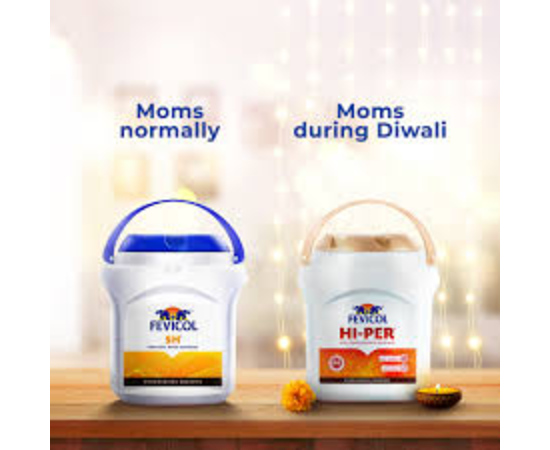
Campaign: “Fevicol: Stronger than Relationships”
- Summary: Fevicol is an adhesive glue company that pays close attention to using comics and replication in its campaigns. The line shows the product’s power compared to human relationships and makes people laugh.
- Key Elements:
- Humor: The clever twist on relationships makes the slogan memorable.
- Imagery: The copy is further upheld in the visual metaphor of the product holding up unlikely objects.
- Emotional Connection: The excerpt combines daily activities and feelings with the product, making it more relatable.
5. Cinthol: Alive is Awesome

Campaign: “Cinthol: Alive is Awesome”
- Summary: Cinthol’s campaign successfully depicts the youth’s love for life and energetic lifestyle, which the young adult target audience can identify with.
- Key Elements:
- Energy & Positivity: The line oozes positivity and motivation, which are the core values of younger audiences’ connection.
- Call to Action: It urges lifestyle change, which lifts people’s energy.
- Brand Personality: Constructs a perfect visual picture of a fresh company that lives with its business placement with Cinthol.
6. Old Spice: The Man Your Man Could Smell Like

Campaign: “Old Spice: You are Not a Boy, Boy”
- Summary: Old Spice, in a humoristic and ingeniously parodied way in India, is yet another example. The brand that deviates from the traditional view of masculinity has strongly emphasized its positioning in the Indian market.
- Key Elements:
- Witty Humor: The play “Men Are” ‘s blend of humor and masculinity is typical of the brand’s target audience.
- Catchy Phrasing: The rhyme, almost as if it is poetic, brings about the catchphrase of Zomato and captures one’s attention so quickly.
- Targeted Messaging: This product caters to a younger group of men who want products that make them unique.
7. Zomato: Never Have a Bad Meal Again
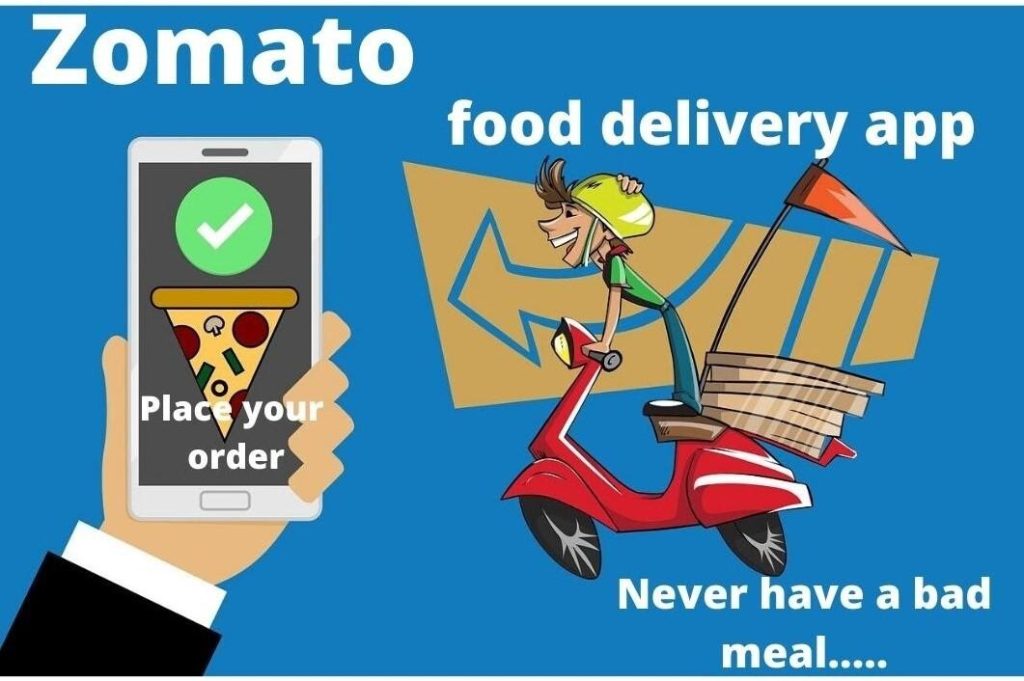
Campaign: “Zomato: Never Have a Bad Meal Again”
- Summary: Zomato’s copy represents security and trust. The tagline embodies a pleasurable dining experience, which resonates with the everyday consumer concern about food quality.
- Key Elements:
- Reassurance: It engenders consumer belief in the constant quality of service.
- Direct Approach: Brief language talks to potential customers” fears directly.
- Strong Call to Action: The underlying hint of the assertion is to opt for the right food experience with Zomato.
8. HDFC Bank: We Understanding Your Needs
Campaign: “We Understand Your Needs”
- Summary: HDFC Bank’s advertisement is filled with empathy and tries to build a relationship between the bank and its customers based on common needs, aims, and expectations.
- Key Elements:
- Customer-Centric Language: The pronoun “We” puts customers at the forefront, making them feel appreciated and recognized.
- Empathy and Trust: The communication results in a strong mutual connection of trust between the bank and its customers. The broader impact is to foster individual talks on financial fitness, which culminates in the strength of the brand image.
9. Myntra: Fashion for Every Mood
Campaign: “Fashion Namely for Every Mood”
- Summary: Myntra creates tailored ads to underscore individuality in dressing. This humming tagline zeroes in on the numerous quality products that match various people’s tastes.
- Key Elements:
- Emotional Connection: Attracts those who want to be themselves and stand out as individuals.
- Inclusivity: The slogan hints that people who vs. people who won’t should not be the only categories. It suggests fashion is for all.
- Strong Brand Positioning: It projects the store as a hip fashion place.
10. Maggi: 2-Minute Noodles
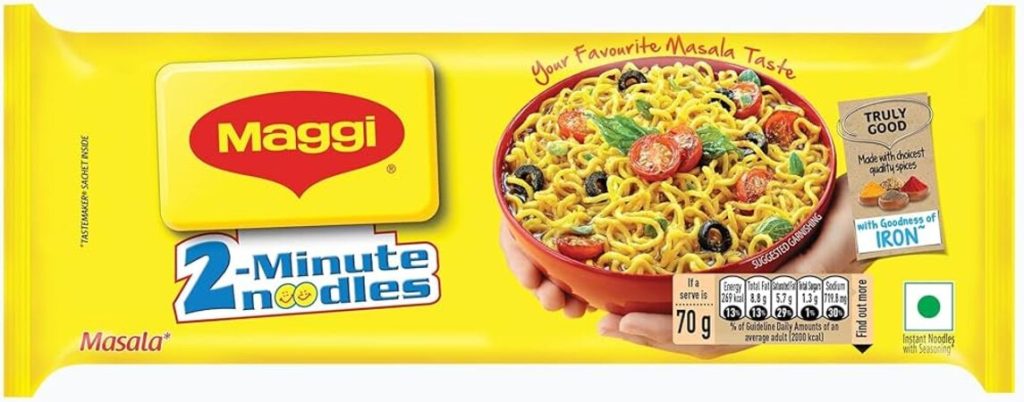
Campaign: “Maggi: 2-Minute Noodles Whenever You Want!”
- Summary: The text of Maggi revolves around the issue of convenience, which is prevalent and loved with simple goods for which a busy crowd is looking. Then, the recital has been etched as a legend of the culture of
- Key Elements:
- Simplicity: The message is direct and about the time factor (it saves time) on the customer’s side; Maggi is quick to deliver the quick fix (model). The customers feel understood when designing the product. The company has an advantage in installing customers without the problem of stemming technical issues.
- Lifestyle Relevance: It is related to the lifestyle of speed. Thus, it continues the concept of reliability.s
- Nostalgia Factor: Surprisingly, for most of us, regardless of how old we are, Maggi comes to us like a lovely memory when we think about our early years
Conclusion: The Power of Advertising Copy in India
As proved in the above cases, a good advertising script is not only information but also narratives that communicate effectively, bond, and drive action. Most of these creative ideas are culturally driven, running the humor and emotional lines that excite the target audience from the beginning of the campaign throughout its duration. Adopting creative advertising content is a prime requirement for brands ready to separate from the crowd in India’s market. As seen from these instances, well-crafted copy raises revenue emo, nationally binds the target audience to the brand, and promotes the brand image. With brands continuously moving forward in India, observing these model campaigns will offer ample insights into employing copy to hit the mark with the intended audience. If, with every campaign, it is the message that makes people think “yes,” “yes,” and, ultimately, “yes.”
Upon researching the best ad copy instances in India, we found that Indian ads are the brainchild of creativity, cultural peculiarities, and strategic messaging, which are instrumental to their uniqueness. These can range from bright campaigns that incorporate country-specific elements of culture to the use of language that is funny and clever wordplays. We celebrated prominent brands’ effectiveness in bonding with the audience through sentiments and authentic experiences. By scrutinizing methods such as plotlines, cultural portrayals, and the projection of characters as the primary vehicles of the message, we see advertising copy that is forceful in driving product sales and establishing strong brand images. Irrespective of whether traditional media or digital platforms are used, the way to write impressive advertising copy is the same: tight and precise. As brands continue to develop, the top of the era could be the teachers of the marketers to create new ideas and connect consumers on deeper grounds.
Outline
- Cultural Relevance in Advertising: A significant part of the success of advertising in India lies in the ability to address and conform to the diversity of culture. Advertisers draw upon festivals, social customs, and norms to communicate messages that seem as if they are already part of the audience’s cultural background. For example, smartphone ads around Diwali or Eid often highlight family gatherings, thus creating a feeling of warmth and nostalgia. This cultural resonance both impresses viewers and creates an emotional connection between them and the advertising material, making them remember the advert for longer.
- The Power of Storytelling: A meaningful plotline forms the basis of the greatest triumphs of advertisements. The utilization of the storytelling medium allows brands to communicate with the consumers at a level as deep as the exoneration of the product features and to create an emotional journey that is almost personal. For instance, many Indian ads Display plots that involve people facing difficulties or getting fulfilled, inviting the audience to imagine themselves in the story. This method helps pull the brand further and guarantees some purchasers who find the process interpersonal instead of just trading with the brand.
- Humor and Wit in Advertising: Humor, properly employed, is one of the most successful ways to grab the target audience’s attention. Innovative brands such as Fevicol and CRED have produced hilarious ads focusing on wit and everyday comedy to engage viewers. Not only does it entertain, but it also brings everyone together to the same experience, wherein the audience is tempted to chat about the ad and, on a broader level, about the brand. Such breakouts will add to the brand’s visibility and consumer loyalty, further indicating humor’s success as a marketing tactic.
Why Choose Ginger Media Group for Advertising
- Expertise in the Indian Market: Ginger Media Group is well-informed about the Indian advertising sector, enabling our company to develop advertising campaigns that appeal to local buyers and make us experts.
- Creative Approach: Our team identifies the most effective methods of using creativity and strategy to attract and intrigue your clients through messaging and visual arts.
- Diverse Portfolio: Having delivered project after project in as many categories as possible, we possess a broad range of creative and technological skills that allow us to customize solutions for individual clients.
- Data-Driven Strategies: We utilize cutting-edge techniques such as predictive modeling and machine learning to find similarities and predict the behavior of clients
- Multi-Channel Expertise: One of the main techniques that will be pursued is the use of different platforms to expand the reach of the customer to more users
- Client-Centric Focus: At Ginger Media, we strive to be our clients’ most efficient value creators by focusing on their immediate needs and better controlling the allocated resources.
- Proven Success Stories: To appreciate some of the best advertising campaigns for different clients in India, we refer to the portfolio and the work illustrating the capacity of copywriting and graphics to win over engaging viewers.
When you use a media agency such as Ginger Media Group, you harness our expertise to design advertisements that can get people to know about your brand and be heard as your brand intends to be.
]]>Advertising is constantly changing; as new concepts and strategies keep emerging to optimize marketing efforts, so does the level of engagement with the target audience. One concept that has taken centre stage in recent years is FCP. Advertising FCPs can have a variety of meanings, such as Full-Cycle Performance, Full Composition Picture, or Full Cost Pricing, and each yields a different view and style toward enhancing advertising performance. Regardless of which one it is, FCP, at the bottom line, ensures that better results are realised, resources are best allocated, and the overall marketing performance is enhanced.
Why FCP Matters:

- Holistic Strategy: FCP focuses on the advertising process, from planning to implementation and measurement, ensuring no piece is left hanging.
- ROI Enhanced: Businesses use the FCP philosophy to identify where changes need to be made, optimise resources, and maximise returns on investment.
- Data-Driven Decision Making: FCP adopts data-driven decisions using performance monitoring and analysis, enabling businesses to steer their strategy for constant improvement.
This blog will discuss the three critical understandings of FCP and how they have influenced today’s advertising strategies. We will break down the concept into three parts: how it is essential, what constitutes it, and the advantages of the main points.
1. Full-Cycle Performance in Advertisement

Full-cycle performance (FCP) is a holistic approach that considers every stage of the advertisement campaign—from its planning phase to its execution and analysis—to make strategic adjustments. It helps advertisers improve every step in the campaign’s lifecycle, maximising efficiency and effectiveness.
Core Components of Full-Cycle Performance:
- Enhanced Decision Making: Full-cycle performance enables advertisers to gather insights from data analysis to make informed decisions about campaign targeting, budgeting, and creative changes.
- Knowing which strategies yield the best results allows advertisers to focus on high-impact areas.
- Cost Efficiency: Analyzing the different stages of the campaign identifies areas of potential savings and better allocation, ensuring that every dollar spent is effective.
- It avoids wasteful spending and ensures investments are focused where people are engaged.
- Customer Alignment: FCP aligns advertising with customer choices, enhancing the ability to reach target audiences and potentially boosting brand loyalty.
- Brands can adapt their messaging to better connect with customers, fostering stronger relationships and long-lasting engagement.
- Continuous Improvement: Organizations can keep up with shifting market conditions and customer behaviour through regular strategy assessment and improvement.
- Campaigns are continuously optimised to meet the latest trends and audience expectations.
How to Implement Full-Cycle Performance:
- Plan Strategically: Set clear objectives and KPIs for the campaign.
- Track Progress: Measure performance metrics at every step of the campaign lifecycle.
- Data-Driven Adjustments: Make strategy tweaks based on insights gained from performance analysis.
2. Full Composition Picture in Advertising

Another interpretation of FCP is Full Composition Picture, a concept that focuses on delivering a cohesive and comprehensive message through various media formats. It ensures that every element of the advertisement—visual, textual, or auditory—harmonises into a unified message.
Critical Components of Full Composition Picture:
- Visual Elements: Visuals are crucial in capturing the audience’s attention. FCP emphasises the importance of explicit images, graphics, and videos that appeal to and reflect the brand’s personality.
- Maintaining visual coherence across platforms helps establish the brand’s identity and message.
- Narrative Structure: The storytelling style helps connect customers to the brand’s message. A good FCP tells a cohesive, compelling story that guides viewers on a journey aligned with the brand’s core values.
- A strong narrative ensures customers leave with a lasting memory of the advertisement.
- Brand Consistency: Message consistency and a unified tone and style across all channels are critical to establishing brand loyalty and recognition.
- FCP ensures that every advertisement’s visual, text and sound elements complement each other, reinforcing the brand’s identity.
Benefits of Full Composition Picture:
- Improved Audience Reaction: The advertisement’s cohesive storyline and strong visuals enhance it, encouraging the desired response from audiences.
- Simplified Production: FCP ensures creative aspects align with strategic goals, simplifying the management of multiple types of advertisements across various media platforms.
- Consistent messaging and visual cues help make the brand easier for the audience to remember.
3. Full Cost Pricing in Advertising
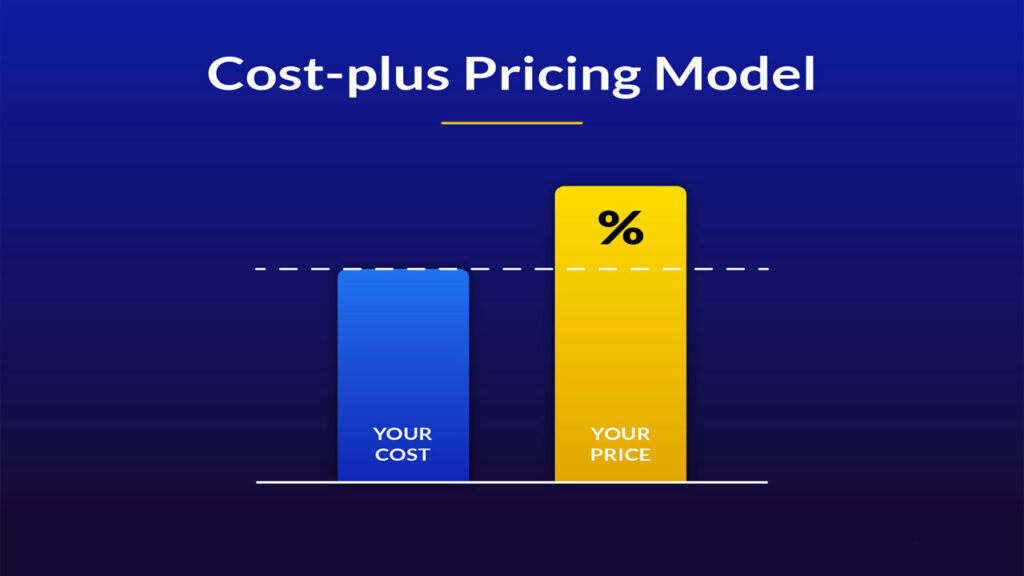
The third definition of FCP is Full Cost Pricing, which involves understanding all the costs incurred in advertising. This practice enables businesses to charge enough to cover total costs and generate profits for sustainable growth.
Critical Principles of Full Cost Pricing:
- Emphasis on Total Costs: Full Cost Pricing accounts for direct costs (e.g., media placements) and indirect costs (e.g., creative development, project management).
- Understanding the complete cost structure ensures campaigns are priced with profit margins in mind.
- Cost-Activity Relationship: Identifying the cost relationship between different advertising activities helps optimise resources and budgeting.
- Allows businesses to pinpoint cost-intensive areas that can be optimised for cost-efficiency.
- Profit-Based Pricing Strategies: With a clear understanding of costs, businesses can develop pricing strategies that maximise profitability without sacrificing campaign quality.
- Ensures long-term financial sustainability and better marketing practices.
Advantages of Full Cost Pricing:
- Adequate Budgeting: Helps organisations use resources more effectively, optimising budgets for a higher ROI.
- Higher Profit Margins: With full-cost knowledge, businesses can price their offerings to cover expenses and generate profits.
- Data-Driven Decision Making: Full cost pricing facilitates strategic budgeting, aligning financial goals with marketing decisions.
Final Thoughts
In conclusion, FCP offers three unique interpretations—full—cycle Performance, Full Composition Picture, and Full Cost Pricing—each providing valuable insights for optimizing advertising strategies. Applying these principles can lead to improved performance, increased customer satisfaction, and sustainable business growth.
- Full-cycle performance helps businesses analyse and improve each phase of the advertising cycle.
- Complete Composition Picture ensures coherent storytelling and visual consistency across all platforms.
- Full Cost Pricing provides a deeper understanding of campaign costs, enabling better budgeting and profitability.
Now that you understand the impact of FCP, you can begin transforming your advertising campaigns into more effective and impactful endeavours. Take the first step today and unlock your business’s full potential with FCP!
]]>Ready to talk with a marketing expert?

A Pragmatic and innovative way to enthrall your target group is just a click away!
Get in Touch
Rukmini Knowledge Park, Kattigenahalli, SH 104, Srinivasa Nagar, Bengaluru, Karnataka 560064
+91-990 247 8800
contact@gingermediagroup.com
Popular in Television Advertising
Udaya TV AdvertisingSun TV AdvertisingStar Plus AdvertisingTV 9 AdvertisingZee TV AdvertisingNDTV India AdvertisingColors TV AdvertisingPopular in Airport Advertising
Spice Jet AdvertisingMumbai Airport AdvertisingDelhi Airport AdvertisingEmirites AdvertisingIndiGo Airlines Domestic India AdvertisingPopular in Newspaper Advertising
Deccan Herald AdvertisingPrajavani AdvertisingThe Hindu AdvertisingEconomic Times AdvertisingDainik Jagran AdvertisingHindustan Times AdvertisingPopular in Magazine Advertising
Forbes AdvertisingCosmopolitan AdvertisingBusiness World AdvertisingVogue Magazine AdvertisingPopular in Sports Advertising
IPL AdvertisingPopular in Outdoor Advertising
Billboard AdvertisingBus Shelter AdvertisingMetro Pillar AdvertisingUnipole Advertising© Ginger Media Group 2025. All Rights Reserved.