Why businesses can’t afford to ignore branding is that it:
- Differentiates your business from the noise in a crowded market
- Helps build customer loyalty and encourages repeated business
- Permits premium price positioning based on perceived value
- Fosters trust and credibility with existing and potential customers and stakeholders alike
- Boosts employee morale and unity through a sense of shared purpose and vision
- Influences even more visibility of your business via online and offline channels-which means far greater reach.
This blog will look at the Top 10 Branding Agencies in Jaipur, and what makes them unique along with their contributions to having a great branding strategy. We will look at major services offered, recent success stories, and what seems to make them stand out in the industry. Do you know that strong branding can increase revenue by up to 23%? Join us as we dive into the world of branding and give you insights on making your business sound even more vocal.
Top 10 Branding Agencies in Jaipur
In the vibrant city of Jaipur, the demand for branding agencies has surged as businesses recognize the importance of a strong brand identity in a competitive market. Whether you’re a startup looking to make your mark or an established company aiming to revamp your image, the right agency can propel your brand to new heights. This article is going to explain the best 10 branding agencies in Jaipur- their strength, and why they stand unique within the creative land.
Why Would One Need a Branding Agency?
It really can influence the business outcome when a branding agency has the attention given. Here are why:
- Experience and Expertise: Branding agencies are designed to possess expertise, which may assist in generating excellent brand strategy for the long term.
- Creativity: They bring innovative ideas and a fresh perspective that can set your brand apart.
- Efficiency: With experts handling your branding efforts, you can focus on other crucial aspects of your business.
The Criteria for Selection
When choosing a branding agency, several key factors come into play:
- Portfolio: Review their previous work to gauge their creativity and versatility.
- Client Testimonials: Feedback from previous clients can provide insight into their reliability and effectiveness.
- Services Offered: Look for agencies that offer a comprehensive range of services tailored to your specific needs.
Top 10 Branding Agencies in Jaipur
1. Ginger Media Group

Overview:
Ginger Media Group is a prominent branding agency in Jaipur that uses an all-inclusive approach to developing brands. The company focuses on creating an unforgettable brand story and making the story resonate with its audience.
- Key Services:
- Brand Strategy Development
- Digital Marketing
- Creative Design
- Why Choose Them: They are familiar with the practice of both traditional and digital branding and can design an engagement-boosting conversion-oriented strategy.
- Client Success: Some of the most prominent projects include complete branding for local startups and well-established brands that require a new look.
2. BrandLoom

Overview:
BrandLoom is a brand identity-building company with research-based strategies and creative execution.
- Key Services:
- Brand Positioning
- Graphic Design
- Social Media Management
- Why Them: The brand-centric nature provides individualized experience and tailor-made strategies depending upon the brand-specific requirements of different brands.
- Success Client: Several Brands have been established in Rajasthan which has resulted in increasing their visibility as well as their outreach.
3. Brand House
Overview:
The Brand House serves a range of branding services under the umbrella including everything from creating an icon in logos to launching them in detailed campaigns of marketing.
- Key Service:
- Logo Design and Visual Identity Design
- Content Development
- Website Design
- Why Select Them: They can bring all aspects of branding together so that their clients have one place for branding help.
- Client Successes: They are great at transforming older brand images into contemporary, attractive visuals.
4. DigiDaze

Overview:
DigiDaze is a digital branding agency specializing in joining technology and creativity to produce new-age solutions.
- Main Services:
- Digital Branding
- SEO Services
- Mobile App Development
- Why Choose Them: Their emphasis on integrating digital strategies with traditional branding makes them a versatile partner.
- Client Success: They have a track record of helping local businesses transition into the digital space seamlessly.
5. Design Factory India
Overview:
A creative powerhouse, Design Factory India specializes in visual communication and impactful branding.
- Key Services:
- Visual Identity
- Branding Consultation
- Photography and Videography
- Why Hire Them: Their aesthetics coupled with the stories of a brand would make a killer brand image.
- Customer Success Stories: They have delivered their services to a variety of clients from artisans to big-time corporations.
6. Innovate Graphics

What They Do:
Innovate Graphics is the culmination of innovative designing and marketing plans that increase branding.
- Key Services:
- Print Design
- Branding Solutions
- Advertising Services
- Why Choose Them: Their ability to think outside the box allows brands to capture attention effortlessly.
- Client Success: Clients have praised their unique designs which means higher engagement rates.
7. Swayamvar
Overview:
This agency lives by the belief that every brand has a story waiting to be told.
- Key Services:
- Brand Storytelling
- Logo Creation
- Event Management
- Why Choose Them: Their storytelling expertise can help your brand connect emotionally with its audience.
- Client Success: Swayamvar has successfully transformed narratives into engaging marketing campaigns.
8. Creativo
Overview:
Creativo specializes in integrating creativity with strategy to deliver exceptional branding experiences.
- Key Services:
- Strategy Development
- Online Branding
- Social Campaigns
- Why Choose Them: They are known for strategic thinking and exhaustive research before introducing branding programs.
- Client Success: The effective branding program they have given to their clients has increased their market reach a lot.
9. Vritti Solutions

About:
Vritti Solutions specializes in creative branding solutions that satisfy the needs of the market.
- Core Services:
- 3D Branding
- Brand Management
- Corporate Identity Development
- Why Pick Them: A dedication to creativity means your brand remains fresh and attractive.
- Client Satisfaction: Vritti Solutions can boast of carrying out projects on behalf of both startups as well as existing businesses.
10. Impact Digital
Overview:
The firm demonstrates a fine grasp of what is happening in the digital world; therefore, one would consider consulting them for up-to-date brand needs.
- Main Services:
- Digital Strategy
- Content Marketing
- Online Reputation Management.
- Why Choose Them: Their experience guarantees that brands will be such that they not only appear great but also prosper in a digital world.
- Client Success: They have helped thousands of brands make their online presence and get tangible results.
Selecting the Right Branding Agency
Selecting the right branding agency for your business is essential. Consider the following points while selecting a branding agency:
- Clear Goals: Define what you want from a branding agency and communicate during the initial consultations.
- Budget Awareness: Ensure that you have a budget in mind. Some agencies provide comprehensive packages that can be tailored to fit various financial plans.
- Trust and Compatibility: Build a relationship based on trust and ensure that the agency understands your vision.
Conclusion
The growing demand for branding expertise in Jaipur has been served well by these top ten branding agencies. Each one of them provides unique strengths and services, ensuring businesses find the right fit for their brand-building journey. Be it innovative storytelling, digital strategies, or aesthetic design, the right agency can help you develop a strong and memorable brand identity.
In the dynamic world of branding, it is the right choice that would eventually set the stage for success in your business. Engage with one of these agencies in Jaipur to make your brand come alive and claim the competitive advantage that is currently in demand in the market.
Conclusion
In a word, Jaipur is a thriving hub for creative talent, and its branding agencies are leading the way in the delivery of innovative solutions that will elevate businesses’ identities. Our look at the top 10 branding agencies gives an impression of the breadth of services that these companies provide, ranging from strategic positioning and visual identity design to holistic digital marketing strategies. Each of the agencies represents a unique blend of creativity, expertise, and industry knowledge, and each is better prepared to respond to a client’s diverse needs.
As businesses try to find niches in the highly competitive market today, the right branding agency can be a vital partner in ensuring that their message resonates with the target audience. Whether you are looking for strong visual storytelling, expert digital campaigns, or effective brand messaging, the agencies listed possess the skills and vision to launch your brand to new heights.
Finally, branding is an investment in the future strength of your business. The information and services that these agencies offer are not only good for immediate impact but also build long-term relationships with customers, creating brand loyalty and recognition over time. These branding firms, understand your goals and amplify your story, standing ready to guide you on the path to success in Jaipur’s thriving marketplace.
Outline
- Agency Diversity: The top 10 branding agencies in Jaipur are diverse in terms of their specializations, including traditional branding, digital marketing, and social media management. Through an analysis of these unique offerings, businesses can find the perfect partner that aligns with their objectives and vision.
- Client Satisfaction Focus: Every agency focuses on client satisfaction, which is core to their success. These firms engage in collaborative processes and tailored strategies with a focus on the importance of understanding the needs of their clients, thus making sure every branding project will have a long-lasting impact.
- Creative Excellence: What sets these agencies apart is creative excellence. How they come up with the perfect narrative, striking visuals, and well-planned campaign execution explains how creativity can be used to build brands that will spur business growth and recognition.
Why Choose Ginger Media Group for Advertising
- Track Record: Ginger Media Group has an impressive portfolio of successful advertising campaigns for various industries, showing the company’s ability to deliver results.
- Tailored Strategies: We believe in personalization. Our team works closely with clients to understand their unique needs and crafts customized branding strategies that resonate with their target audience.
- Creative Excellence: Our creative team is full of talented professionals who are passionate about storytelling. We craft compelling narratives that not only grab attention but also create brand loyalty.
- Data-Driven Approach: Using analytics and market research, we design advertising strategies that are data-informed, thus ensuring effective targeting and optimal ROI for our clients.
- The breadth of Services: Being one of the best branding agencies in Jaipur, we have a comprehensive suite of services that includes digital marketing, social media management, content creation, etc. Thus, we are a one-stop advertising solution.
- Client Focus: We keep the client on the top priority list. We maintain open communication and provide continuous support to ensure that the client gets personally connected with the campaign.
In a nutshell, given our powers of creativity, strategy, and commitment to client satisfaction, there is no other name on which one can rely for effective advertising solutions at Jaipur than Ginger Media Group.
]]>Key Points to Consider
- Market Impact: CPG represents a significant portion of retail sales globally.
- Consumer Behavior: Understanding consumer preferences is key to product success.
- Innovation: Constant innovation is essential to stay relevant.
- Sustainability: The demand for sustainable products is on the rise.
- Digital Transformation: E-commerce is reshaping how CPG products are marketed and sold.
What Are Consumer Packaged Goods?
Consumer Packaged Goods (CPG) are items that are sold quickly and at relatively low cost. These goods are typically consumed on a daily basis and include a wide range of products such as food and beverages, toiletries, and cleaning products. The CPG sector is crucial for the economy, representing a large part of retail sales and employment.
Key Components of CPG
- Fast-Moving Nature: CPG items are sold quickly and are often restocked frequently. Their short shelf life encourages quick turnover and regular purchasing.
- Brand Loyalty: Many consumers develop loyalty to specific brands. This loyalty can significantly influence purchasing decisions and market share.
- Retail Distribution: CPG products are distributed through various retail channels, including supermarkets, convenience stores, and e-commerce platforms.
- Marketing Strategies: Effective marketing is crucial for CPG brands. Advertisements, promotions, and product placements play a vital role in driving sales.
- Packaging and Design: The visual appeal of product packaging can greatly impact consumer choices. Well-designed packaging can enhance brand recognition and attract potential buyers.
Understanding these components is essential for businesses seeking to succeed in the CPG industry.
The Importance of CPG in the Economy

CPG holds a vital position in the economy, influencing various sectors such as manufacturing, distribution, and retail. The growth of this sector has far-reaching implications, not only for businesses but also for consumers and the overall economy.
Economic Impact of CPG
- Employment Opportunities: The CPG sector creates millions of jobs worldwide, from manufacturing to retail. This broad employment base supports local economies and contributes to job stability.
- Consumer Spending: CPG represents a significant portion of consumer spending. As disposable incomes rise, consumers tend to spend more on packaged goods, driving economic growth.
- Supply Chain Dynamics: The CPG industry relies on complex supply chains that involve raw material procurement, manufacturing, and distribution. Efficiency in these processes can enhance productivity and reduce costs.
- Innovation Catalyst: The demand for innovative products drives research and development within the CPG sector. Companies are constantly looking for ways to improve existing products or create new ones that meet consumer needs.
- Global Trade: CPG products are traded globally, affecting international trade relationships. Exporting goods can enhance a country’s economic stability and influence trade policies.
The economic significance of CPG cannot be overstated, as it plays a crucial role in shaping market trends and consumer behavior.
Challenges Facing the CPG Industry

Despite its importance, the CPG sector faces several challenges that can impact growth and profitability. Recognizing these challenges is crucial for businesses aiming to navigate the complexities of the industry successfully.
Major Challenges in CPG
- Market Saturation: With numerous brands competing for consumer attention, the market can become saturated. Differentiating products becomes increasingly challenging.
- Changing Consumer Preferences: Today’s consumers are more health-conscious and environmentally aware. Brands must adapt to these preferences to remain relevant.
- Supply Chain Disruptions: Events like the COVID-19 pandemic have highlighted vulnerabilities in supply chains. Companies must develop resilient supply chains to mitigate risks.
- Regulatory Compliance: The CPG industry is subject to various regulations concerning product safety, labeling, and environmental impact. Compliance can be complex and costly.
- E-commerce Competition: The rise of online shopping has transformed the retail landscape. CPG brands must adapt their strategies to compete effectively in the digital marketplace.
Understanding these challenges can help businesses strategize effectively and position themselves for long-term success in the CPG market.
Strategies for Success in CPG

To thrive in the competitive landscape of consumer packaged goods, businesses must implement effective strategies that address industry challenges and leverage opportunities.
Effective Strategies for CPG Brands
- Focus on Innovation: Continuous innovation in product development and packaging can help brands stay ahead of competitors. This includes offering new flavors, healthier options, or sustainable packaging solutions.
- Leverage Data Analytics: Utilizing data analytics can provide insights into consumer behavior, helping brands make informed decisions regarding product development, pricing, and marketing strategies.
- Emphasize Sustainability: As consumers increasingly seek eco-friendly products, CPG brands should prioritize sustainability in their operations. This can include sourcing materials responsibly and minimizing waste.
- Enhance Digital Presence: Investing in a strong online presence can improve visibility and accessibility. Brands should utilize social media, e-commerce platforms, and digital marketing strategies to engage consumers effectively.
- Build Strong Relationships: Collaborating with retailers, suppliers, and other stakeholders can enhance brand visibility and distribution efficiency. Strong relationships can lead to mutually beneficial partnerships.
By implementing these strategies, CPG brands can position themselves for success in an ever-evolving market.
Conclusion: The Future of Consumer Packaged Goods
In conclusion, Consumer Packaged Goods (CPG) play a pivotal role in the global economy and significantly influence consumer behavior. By understanding the components, importance, challenges, and strategies related to CPG, businesses can navigate this dynamic industry more effectively.
Key Takeaways
- Market Influence: CPG represents a significant portion of retail sales globally.
- Adaptability: Brands must adapt to changing consumer preferences and market dynamics.
- Innovation is Key: Continuous innovation and data-driven strategies are essential for success.
- Sustainability Matters: The demand for sustainable products is growing, necessitating a focus on eco-friendly practices.
- Digital Transformation: A strong digital presence is crucial for engaging modern consumers and competing effectively.
The future of CPG is bright, but businesses must remain agile and responsive to market changes. Embracing innovation, sustainability, and digital transformation will be crucial for thriving in the consumer packaged goods sector.
]]>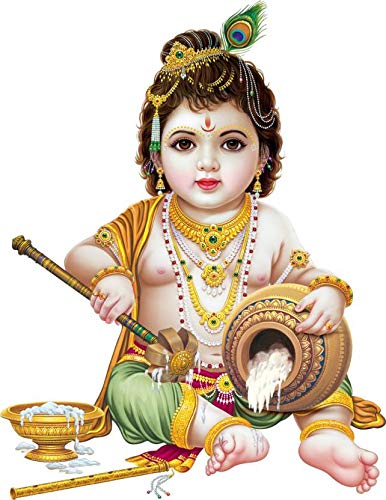
In this fast world with an impoverished intellectual heritage, if the teaching of Krishna is learned, that would be great in building up a brand, honing one’s leadership skills, and helping people become influential leaders. On this auspicious occasion of Shri Krishna Janmashtami, here are five key lessons that can be applicable to young entrepreneurs and brand managers today:
- Krishna’s charisma and teachings provide timeless wisdom; learning from the past can shape modern leadership.
- Krishna’s approach was earthy, motivational, and grounded.
- His lessons are valuable for brand managers as well as any entrepreneur.
- On this Janmashtami, let’s analyze the teachings of Krishna that we can adapt to business success.
5 Business Lessons Krishna Can Teach Us for Strategy and Entrepreneurship
Strategic Approach
This was a real example of having a strategic mind in Krishna’s life. At a time when the situation had gone quite bad for Pandavas, Krishna designed a strategy instead of depending on might or guns to find the solution to the crisis. His strategic brilliance helped him take the victory of Pandavas to prove that an efficient plan can go beyond the most significant hurdles.
- Designed Steps: Each crisis demands well-designed steps. A sound strategy is the best weapon to come out from a spot.
- Resourcefulness: Krishna did not rely upon weapons; he adopted wisdom and prudence in the design for success.
- Focus on Solutions: He underscored permanent solutions rather than quick gains to teach businesses a plan for sustainable success.
- Leadership through Example: His clever moves taught the Pandavas to make wise decisions without panicking in challenging situations.
- Victory by Vision: Krishna’s strategic foresight emphasized that winning is not all about power but vision and planning.
Lesson: Brand managers need to think strategically and generate solutions that work for long-term wins in challenging times. Like Krishna, they need to concentrate on building tight strategies to surmount any crisis.
Grounding Ability
Krishna lived an ordinary, earthy life despite his supremacy and divine powers. His stories depict a naughty but humble personality always rooted in his soil. This makes Krishna more relatable and loved by each one. Yet for this reason, not only his earthly essence but also his god-like stature make Krishna one of a kind.
- Humility in Leadership: Krishna’s ability shows that, as leaders and brand managers, humility is the most important thing they should have.
- Simplicity Works: Even in grandeur, simplicity clicks the heart. So Krishna’s straightforward approach to life connected him with the masses.
- Relatability: His earthiness made people feel very easily approachable, hence making him an accessible leader.
- Consistency: Krishna remained humble at high times as well as low. This lesson should strike the leaders of the brand about not losing their grounds under any circumstances.
- Emotional Connect: Staying grounded makes the brands emotionally connected to customers, thereby building trust and loyalty.
Lesson: Brand managers and entrepreneurs should never forget to be humble and remain grounded in whatever heights they climb. Be approachable and relatable, as this helps them build stronger teams and relate to customers.
Tacit Communicator and Motivator
Krishna was known for his powerful oratory talent and effective communication, especially when great moments of crisis occurred. In the fight, he used his sharp mind to convince Arjuna, who did not want to kill his kinsmen. Krishna’s words were very prudent and inspiring, lifting doubts in Arjuna.
- Effective Communication: Krishna’s communications were crystal clear, and effective dialogue could solve problems.
- Motivates the Team: Like Krishna motivated Arjuna, a real leader has to motivate the team members in difficult times.
- Words Lead the Way: Krishna’s words guided Arjuna to act with confidence. By the same token, reminding brand managers that they have to lead with the clarity of words.
- Optimism: Krishna was a person who always looked at the brighter side of every situation by focusing on positivity in their leadership and its dynamics.
- Building Trust: He connected emotionally through his words and maintained a stream of trust and respect from his people.
Lesson: What a brand manager should do: Use some motivational leadership to lift your team, mainly through the areas of effective communication. Positive communication is key to winning the trust of both team members and customers.
How Do You Reach Your Goal
Krishna was highly enthusiastic about helping people achieve their goals. He emphasized that everyone should have a purpose in life. His top three goals included the welfare of good people, the murder of sinful people, and making sure just values would dominate the earth. To him, all prosperity is a consequence of concentration and dedication towards goals.
- Well-defined Objectives: Krishna believed in defining objectives. He is teaching organizations the importance of having well-defined objectives.
- Commitment to Values: His commitment to good values ensures integrity, even with goal achievement.
- Persistence: The intention of Krishna to pursue and serve his purpose, among others, enlightens leaders that persistence is the means for attaining long-term success.
- Alignment to Vision: In the same way as Krishna’s goals fit the greater vision, companies should always ensure that their set goals fit their purpose and value.
- Inspiring through Action: Krishna’s goal-setting led people around him to remain tenacious and keep moving forward.
Lesson: Every entrepreneur and brand manager must set clear goals for him/herself and the team. Only then can success be attained through dedication, concentration, and proper alignment of goals with the company’s values.
Never Surrender to Stress
One of the incredible qualities about Krishna is that he remained calm under stress. He faced opposition most ferociously and, at times, had himself undergo adversities; Krishna never allowed stress to intervene between his thought processes. This led to calm conduct even while undergoing stress, and it is one of the important lessons for modern leaders.
- Calm Under Pressure: Remaining calm during turbulent moments describes how calmness leads to better decision-making.
- Mind Over Matter: Krishna teaches us to listen to our minds and keep an eye on solutions rather than problems.
- Peaceful Leadership: The very reason Krishna, even in trying circumstances, could lead with an easy calm, and he didn’t let himself be shaken by the chaos.
- Quality of Work: His ability to think proved useful for improving the quality of work, with Krishna making all the right decisions at the right time.
- Manage Stress: The challenge of present-day leadership is always working under pressure. Thus, modern-day leaders have to learn how to handle stress and keep a calm mind.
Lesson: Business leaders have to deal with stress effectively and keep their minds calm. Managing stress will boost quality work, and this will lead to fruitful results both for themselves and for the teams.
Final Thoughts
- Krishna’s messages have much to teach to the leaders of modern brands.
- Rational Thinking is the Way Ahead.
- Overcoming Business Barriers.
- Humility and groundedness are essential traits for effective leadership.
- Communication and motivation can uplift teams and drive success.
- It ensures better decision-making outcomes when someone remains poised under pressure.
Krishna’s teachings, though ancient, stand out as timeless wisdom applicable to entrepreneurs and brand managers alike today. Businesses can not only survive but thrive in such a competitive marketplace with these lessons. Let these lessons guide your path to success.
]]>At some point or the other, everybody would have come across the term ‘product placement’. This term is often used in context with movies and television.
In this modern environment, product placement is quickly becoming a way for brands to reach their target audience in a ‘subtle’ way.
Today, product placement is being done in movies and television shows beyond measure. For example, slipping in a laptop of a well-known brand into conversation between two characters where the logo can be spotted or the main protagonist shown wearing sneakers of a high-end brand. However, viewers are slowly becoming more and more aversive towards such placements. It is being done to such an extent that it is saturated.
According to Investopedia, Product Placement is ‘a form of advertising in which branded products and services are noticeable within a drama production with large audiences’.
It’s about time we change the ‘noticeable within a drama production’ part of the definition to a more personal experience. It’s high time the product is not just in a reel anymore, and is within the actual intended customer’s reach, and sometimes maybe even in the customer’s hand.
Brand Strategy
Whether it’s FedEx in Cast Away or Coke in the musical romantic drama, Taal, the product placement was pretty much a surrogate experience. The relevance was preserved while the communication only just gushed through the scenes. The target audience were hardly able to relate with the product through the associated actor and story line. The brand’s message too was a bit underplayed.
Similar tactics like these soon started to be overused. Relevance and integration of the product placement were given a backseat while mindless visibility continued the trend. Now, product placements are conveniently ignored by the audience.
To give a more personal experience, paper cup marketing came up. This trend preserves the relevance of the product and integrates it with a real-life situation instead of a story line. It takes the product closer to reality. If brands like FedEx and Coke use paper cup marketing as product placements, they will be able to interact with their target audience, up-close. Also, it increases the awareness and credibility of the brand. The audience too is able to relate to the product communication in an empowered way.
Branded paper cups places the products closer to the target audience, or literally in the audience’s hands. Seamless integration which is an essential component of product placement is preserved in this type of advertising. Recently, on an Indigo flight, passengers were served water in a cup with an ad by innovative water purifier company, Kent RO. The company planned the setup where everyone has a lot of time to notice, watch and analyse. In a way, the brand hit a sweet spot.
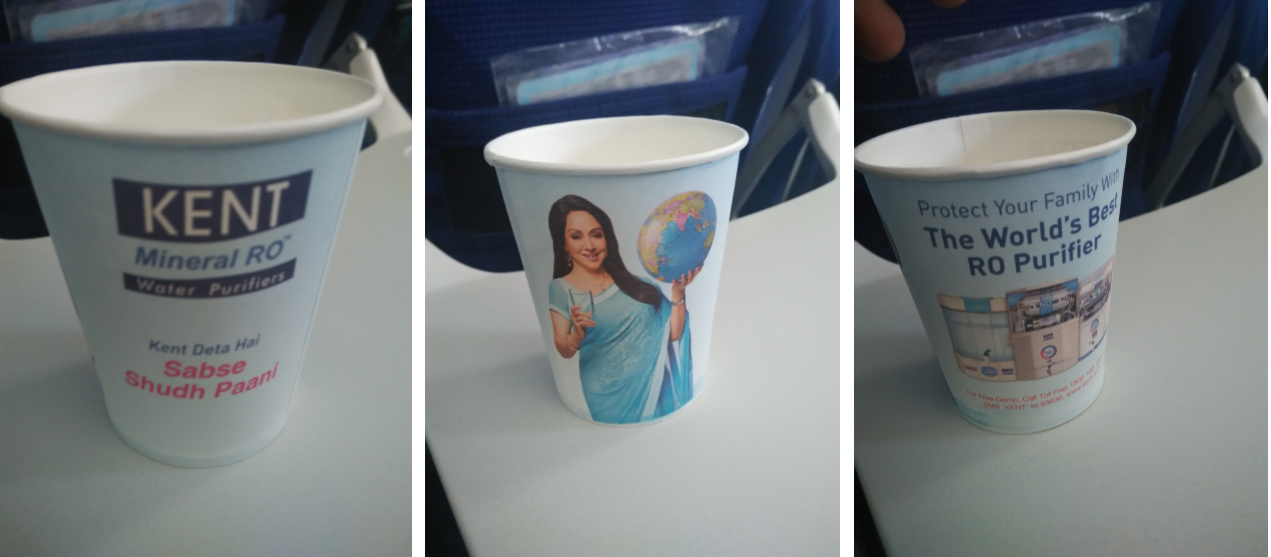
Thus, today, this type of paper cup marketing is replacing actual product placement as a marketing strategy. It’s moved to the very hands of the target audience where the story line is not just real, but is also personal and targeted to each one.
]]>Ready to talk with a marketing expert?

A Pragmatic and innovative way to enthrall your target group is just a click away!
Get in Touch
Rukmini Knowledge Park, Kattigenahalli, SH 104, Srinivasa Nagar, Bengaluru, Karnataka 560064
+91-990 247 8800
contact@gingermediagroup.com
Popular in Television Advertising
Udaya TV AdvertisingSun TV AdvertisingStar Plus AdvertisingTV 9 AdvertisingZee TV AdvertisingNDTV India AdvertisingColors TV AdvertisingPopular in Airport Advertising
Spice Jet AdvertisingMumbai Airport AdvertisingDelhi Airport AdvertisingEmirites AdvertisingIndiGo Airlines Domestic India AdvertisingPopular in Newspaper Advertising
Deccan Herald AdvertisingPrajavani AdvertisingThe Hindu AdvertisingEconomic Times AdvertisingDainik Jagran AdvertisingHindustan Times AdvertisingPopular in Magazine Advertising
Forbes AdvertisingCosmopolitan AdvertisingBusiness World AdvertisingVogue Magazine AdvertisingPopular in Sports Advertising
IPL AdvertisingPopular in Outdoor Advertising
Billboard AdvertisingBus Shelter AdvertisingMetro Pillar AdvertisingUnipole Advertising© Ginger Media Group 2025. All Rights Reserved.