These firms, too, will probably be nonexistent due to their gravity if they continue to intentionally exclude the gurus from their business strategy. Technological improvements, on the other hand, are those of the biggest modern trends. This observation is supported by market data because tech businesses are those that get the greatest benefits through digitization among all other types of businesses.
Top reasons the companies should not bypass marketing experts:
- Use revolutionary strategies that ally diversity and even gender to prove greater engagement and project visibility.
- Acquire participation of expert opinion that helps in deciphering the intricate wearable technology user behaviors this quarter.
- Undergo freshly emerged tactics and techniques that are reliant on advancements in technology to systematically move through digital advancement.
- Hike ROI through fact-analytics marketing measures
- Build networks and hang out with leaders of the sector for great opportunities in the future.
In this blog, we will talk about the value of the most important marketing gurus, check out the methods they have practiced, and bring to light examples from real life of their impact on businesses. Shockingly, more than 80% of the successful companies declare that their growth was due to insights they got from marketing specialists. Be with us as we explain how these guys can inject new life into your business by getting their insights!
Top Marketing Gurus in the World
Marketing gets constantly redone which in turn makes the people behind some of the most triumphant campaigns be picked as gurus in that area. These guys have significantly changed the market, crafted brand-new approaches, and modified the whole communication between businesses and their customers.
In this article, we will introduce you to some of the famous marketing gurus in the world, their great contributions, and the features that make them outstanding in the field.
- Philip Kotler
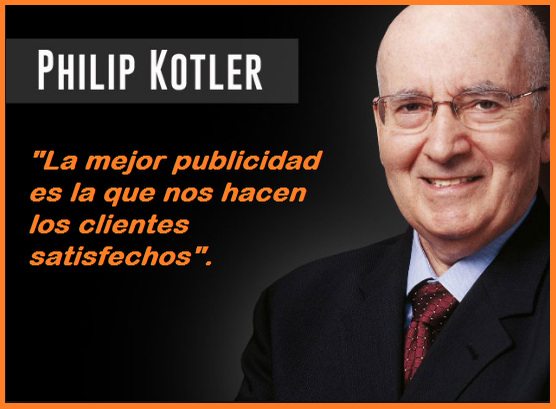
Philip Kotler is often called the “Father of Modern Marketing.” His work in the field of marketing theory is truly immeasurable; thus nobody can imagine marketing without him.
- A Wholesome Marketing Framework: The work of Kotler, a pioneer in modern marketing, paved the way for the call for a holistic view that considers customer understanding, market research, and marketing strategies. His frameworks are adopted far and wide by people who work or study in the field of business management and marketing.ooolnu
Seth Godin is a successful author and speaker whose visionary ideas in the field of marketing earned him wide recognition.
- Permission Marketing: The most impressive of Godin’s concepts is “Permission Marketing,” which reminds marketers of the need to seek customer consent before they market to them. This strategy has proven to be effective within the digital marketing era, where consumers crave personalization.
- Books and Online Presence: Godin is the author of several books that gained popularity among the marketing community such as “Purple Cow” and “This Is Marketing.” His blog and podcasts always fascinate marketers and entrepreneurs, as they are based on unconventional, dare-to-take-risks strategies and are focused on storytelling.
- The Tribes Concept: Godin not only introduced the words ‘tribes’ and ‘community,’ but he also greatly emphasized that language and effective marketing have to do heavily with building communities or ‘tribes’ around a brand. This thinking has permitted even small companies to concentrate on creating a body of committed customers who then become inadvertent marketers for them.
2. Gary Vaynerchuk

A force in digital media, Gary Vaynerchuk is a recurrent entrepreneur and VaynerMedia’s CEO. His marketing method primarily speaks directly to the Gen Z and millennial target groups.
- The Importance of Authenticity: Gary takes great pains in branding his messages in an authentic way and communicating them with transparency. He insists that today’s consumers want real brand interactions, as a result of which marketing is now more about creating human-to-human connections as opposed to superficial transactions.
- Social Media Mastery: In addition, Vaynerchuk is popular for his excellence in employing social media to connect the customers not only with the products but with the brand as well, thus enabling the last one to become more sustainable and even grow further. His tips on the art of social media marketing will take you through content creation, through audience engagement, thus giving you all the knowledge you need to start the product in the digital area.
- Content Creation: His strategy in content marketing stands out in that he actively chooses to produce a set of various types of content, each of which engages different potential customers, while eventually they will be gratified through his direct writings. His quote of “document, don’t create” reminds brands that they should be truthful about their communication and avoid focusing too much on promotional materials.
3. Neil Patel
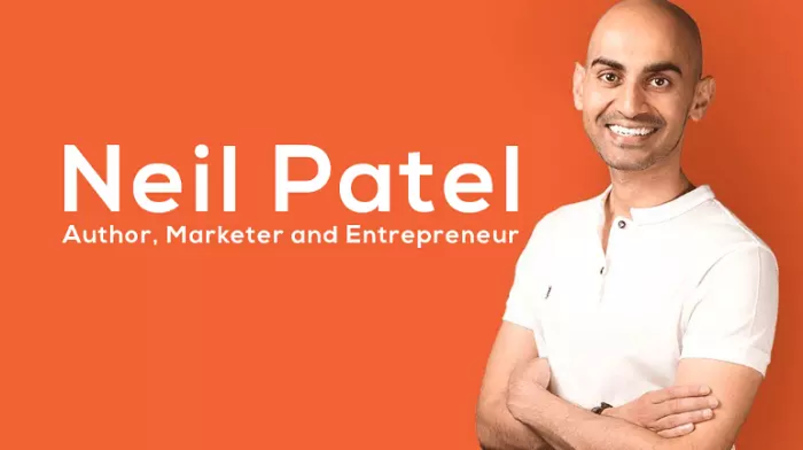
Neil Patel is an Internet marketer who has made a name for himself by becoming a force to be reckoned with in the world of marketing, thanks to his SEO and Content Marketing expertise.
- Digital Marketing Guru: Patel has been a player in startups like Crazy Egg and Hello Bar, offering businesses products that help in growing websites. Through his online marketing process, many companies have been able to enhance their searchability and widen their market reach.
- Educational Resources: He provides a wide range of learning materials in the form of his blog, podcasts, and YouTube channel, where he talks about SEO strategies, content marketing techniques, and digital growth hacks. His information is a well-spring from which several users have drawn no little profit, besides the education of the marketers themselves.
- Data-Driven Strategies: Patel believes that the use of models that are based on data and analytics in decision-making can allow firms to adopt strategies that are based on real evidence. His concentration on conversion rate optimization (CRQ) is responsible for data intelligence providing a clear picture of sales performance.
4. Brené Brown

Although first and foremost a researcher working in the field of vulnerability and leadership, Brené Brown’s use of her marketing ideas has a deep effect on the way brands connect with their customers at an emotional level.
- Connection through Vulnerability: One of the four elements that Brown insists should be present in every story is vulnerability. The campaign that makes consumers feel really from the heart results in the ones that will be more active in the loyalty program. This is because consumers will also want to remember which brands they truly are connected to in their hearts.
- Power of Storytelling: Through her storytelling emphasis, she has influenced the creation of many marketing campaigns wherein sales pitches moved from a rather boring form of information to highly intriguing narratives. Enterprises that tell the right story can hold the attention of their audience and attract them to continue their businesses.
- Research and Insights: Brown’s studies reveal key aspects of human connectivity; they are practical for a creative process. The cognitive part of the human is not physical and marketers must tell stories that reach deep inside the heart, making their relationship with customers more special.
5. Ann Handley
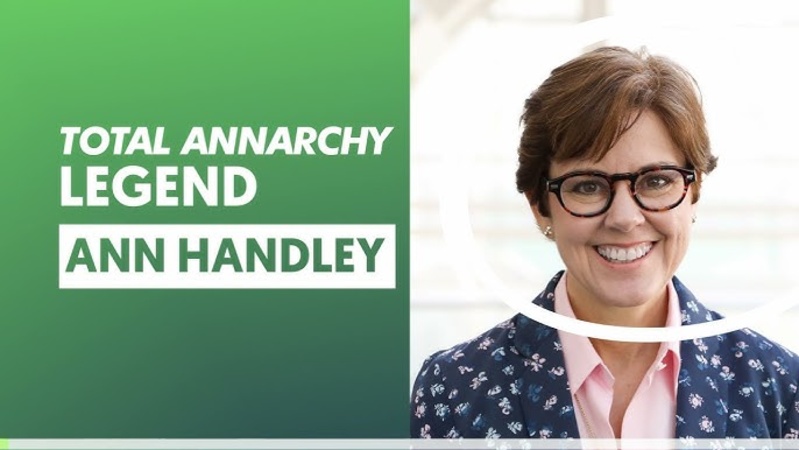
Ann Handley is an expert in digital marketing and a popular theorist of efficient content development.
- Content Marketing Expertise: Handley is a global content marketing pioneer and best-selling author who is looked upon as the driving force behind quality content. “Everybody Writes,” her book, is targeted at marketers who wish to be better writers, primarily with skills such as clarity and customer engagement.
- Developing Content Strategies: She suggests that instead of promoting brands, companies develop content strategies that are more client-centric. By means of this transition, they acquire the skill of winning over their patients through their trust-building attitude and thus continue to be their long-term partners.
- Speaking and Evangelism: MarketingProfs, founded by Handley, is a company where she successfully conducts workshops and seminars on content marketing and this topic. The phenomenon of this business channel’s empowerment is the emergence of unique and creative marketing ideas in any of the sectors.
6. Jay Baer

Jay Baer is a marketing consultant who is best known as the author of several books that deal with customer experience and social media marketing.
- Customer-Centric Approach: Baer is a proponent of practices that are client-focused in the efforts of the businesses. He claims that businesses should change gears and focus on creating great customer experiences, because they, in turn, will become their most loyal advocates.
- Content and Social Media Strategies: Baer is an expert who is engaged in sharing his insightful ideas and enabling businesses to maximize social media to bring customer engagement to a whole new level. He motivates companies to produce and deliver personalized content that fully fulfills the needs and expectations of customers.
- Emphasis on Listening: Baor hails the provision of listening as the guiding principle of good marketing as a paramount factor. By responding to customer comments and insights, companies can improve their strategies, thusly they create more predictive and engaging marketing loops.
7. Rand Fishkin

Rand Fishkin, a well-recognized digital marketer, and SEO pro is the founder of Moz and SparkToro. His involvement with the marketing segment has brought to the scene some out-of-the-box ideas for search engine optimization and audience intelligence.
- Innovations in SEO: Fishkin’s contributions to SEO have opened the avenue for marketers to operate through wiser, more strategic methods of online visibility. His perception of authentic search engine growth has been a command-in-chief for a multitude of trading companies to receive their rankings and reach through SEO practices that are more than effective.
- Transparency and Selling: Fishkin appreciates transparency in marketing and is a proponent of companies telling the truth about their tactics. His programs, like The Moz Blog, are the vehicles to enlighten and embolden marketers with truthful, insightful information.
- Community Building: To Fishkin, a community is more than a cluster of digital marketing ideas, it is the interaction that is the breeding ground for users’ affinity with the brand. He customizes campaigns for each business with the help of audience intelligence thereby making it easier for businesses to attract and retain customers.
8. Tiffany Dufu

Tiffany Dufu is a seasoned leadership expert and author whose books talk about women achieving their life goals while juggling the complexities of life.
- Empowerment in Marketing: Dufu mentions the necessity of the presence of diversity, along with the empowerment of women in marketing. In her textual strategies, she is pointing out authentic brand messaging that the female demographic, in a significant way now, can identify with, accounts for. It is a very significant point in the market today.
- The Role of Authenticity: She puts forward the idea that when it comes to brand recognition, companies can create a bond with the customers only by being authentic. The fact that women, in this case, are the most devoted because they feel the urge to connect only to those who express their moral values and steer to the experience only they have, is very important to brands.
- Mentoring and Community: In the marketing field, Dufu underlines the need for the concept of mentorship and community, which increases participation and the formation of support structures that can help the whole sector grow is a very crucial thing.
Conclusion
The marketing industry’s future is constantly changing, as it is affected by the creation of new technologies and the transformation of consumer behaviors. The contribution of the top marketers can be seen in shaping the strategies, which underpin successful campaigns today. Through the experience of their studies, these successful entrepreneurs keep inspiring marketers and firms all around the globe to visualize and initiate the use of the newest marketing techniques.
Key Takeaways:
- Diverse Expertise: The ingenuity of these marketing experts extends over a large array of specializations, from digital marketing to emotional branding.
- Focus on Authenticity: Authenticity and consumer genuineness are common themes and not only the big companies but also the small ones are willing to concentrate on this type of methodology.
- Teaching and Resources: Some of the gurus are the authors of the literature they suggest to the public, with the rest left to write down the very books, posts, and public speeches, making these materials an indirect means of a solid on-the-mark marketing job.
With the acumen of these guiding lights, organizations can tread the convoluted path of marketing with certainty, not only their strategies proving efficient, but also being powerful, and meaningful.
Final Thoughts on the Top Marketing Gurus in the World
Involved in a world full of changes, it is the contribution of thought leaders and industry founders that is of crucial importance to the thriving of marketing activities. The marketing gurus mentioned in the present post have changed the rules of current marketing not to mention the fact that they also became the ones to inspire the numerous professionals to be motivated and look for the newest caliber;
From experienced thinkers like Philip Kotler, who, through his basic principles, has provided a foundation leading to the increase of the marketing education technologies in the field, to Gary Vaynerchuk, a heroic figure in the digital world who, because of his knowledge of social media, has fortunately made an enormous change in the entrepreneurial business of the internet world, they brought us the coolest thing in history.
While we examined the unique strategies of these marketing elites, we realized that these guys all come with their methods, philosophies, and tactics. Therefore, their wealth of experience performs a dual role of showing that marketing is a mix of good old engineering and new technology and that it takes creativity, acumen, and an understanding of consumer behavior. The tour of their teachings is a bundle of lessons for those who, notwithstanding the decline in the attention economy, are ready to persevere.
Furthermore, the idea of non-stop learning and adjusting as a condition to be a successful marketing professional is a common thread that all these influencers talk about. In a situation where customers change preferences quickly, various technologies emerge and disappear, and staying with the game stands as a highly desired skill.
Each master in the ad mech fleet not only highlights the truth that everyone ought to keep pace with the fast-advancing marketing sphere but also stresses the importance of being a trendsetter by adopting cutting-edge technologies. To sum up, older or junior marketers can be improved by studying these marketing gurus who have some of the most brilliant strategies and careers to admire.
By enacting their teachings, marketers have the ability to make practices with the greatest impact would be the first step in their path toward the real audience. This requires us to approach the consumer as individuals and not as a group, that is to say, understand and address individual needs to be able to connect with them.
Moreover, technologies that allow for the proliferation of new economic models and the growth of the P2P economy will be emerging during the coming years. Let us, thus, be these trailblazers and keep the fire burning by grabbing the torch from the people who did step one and have laid the groundwork for us.
Outline
- The Evolution of Marketing Gurus: These section points are about the past, the unavoidable and sometimes misunderstood intermediate stage, and what has made people switch from observing new customs to reality and the influence of one’s thoughts. This stanza at once poses the questions and answers them pointing out the areas for the aforementioned paradigms’ shifts and proposing that such a displacement demands tactical acumen and strategic farsightedness.
- Key Contributions of Each Guru: This installment is a lengthy account of the articles, which begin with the identification of the classic hypotheses, introduce the original writings told about them, and devote books by the people. This occasion also informs the reader of the fact that the strength of their ideas passed down from one generation of marketers to another has become the basis of industry standards.
- Lessons for Modern Marketers: Tips that marketers can employ in their campaigns to connect with their targeted customers which they get from the teachings of those experts are also included in the chapter. For example, in a 2007 article on teaching, Calmer suggested that learners respond to more metaphorical language. The chapter’s main focus lies on creativity, technology integration, and lifelong learning as the important elements in creating a unique advertising experience and discovering the audience’s stance in the market.
- KOL is the full form of a Key Opinion Leader.
- KOLs affect certain niche markets.
- Experts or enthusiasts who have credibility.
- These are very valuable endorsements.
- Modern marketing is changing its role.
In this blog, we examine the importance of KOL marketing strategies and how they can be useful for companies that want to collaborate with KOLs in today’s competitive environment.
Key Components of KOL Marketing

To capitalize on KOL marketing, companies should concentrate on the main aspects that outline a successful campaign; this is the idea of the strategy.
Identifying Suitable KOLs
First and foremost, it is crucial to pinpoint a suitable key opinion leader who shares the company’s principles and target users.
- Interrogate the possible KOLs.
- Look at the relevancy and authority of the subject.
- Ascertain their actual engagement with followers.
- Forecast their demographics and followers’ sentiment using squared data charts and maps.
- Scan their activities to verify if they like the brand’s mission.
For example, the skincare brand could be associated with a dermatologist who is very concerned about the product’s ingredients and authenticity, making the collaboration between the KOL and the distributor quite airtight.
Establishing Genuine Relationships
High-quality KOL marketing can only be achieved by creating authentic connections with these influencers.
- Explain the main intentions of the KOL campaign to the influencers.
- Help the influencers to communicate information innovatively.
- Know what exactly a KOL is standing for.
- Form deliberate partnerships to benefit both.
- Improve the KOL’s idea by making your product a part of the message, but let them design the mode of expression.
Allowing the KOLs to voice their opinions and communicate impactfully with their followers will make the partnership more credible, and consumers will trust them more.
Creating Collaborative Content
Content is the king of Kol marketing. Cooperations with KOLs equate to relevant, authentic, and diverse content that the audience likes.
- Blog posts, social media posts, videos, and podcasts.
- The KOL’s style should be used to write the content and provide the reader with the KOL’s style, and readers should write content entertainingly.
- The promotional effort should focus subtly on a brand’s consciousness.
- In discussing personal topics, the KOL must maintain personal authority in the content.
For example, a fitness brand may collaborate with a fitness coach to create a training video, and the brand will be shown.
Measuring Campaign Success
Businesses will then be able to elucidate the efficiency of KOL marketing, and for this, they must keep monitoring the appropriate KPIs.
- Engagement rates (likes, comments, shares).
- The extension and visibility of posts.
- Conversion of visitors (clicks, sales).
- The reaction and feelings of the viewers about their audience.
- Overall brand sentiment improvement.
These analytics compel businesses to introduce and test new options based on data-driven insights.
The Benefits of KOL Marketing
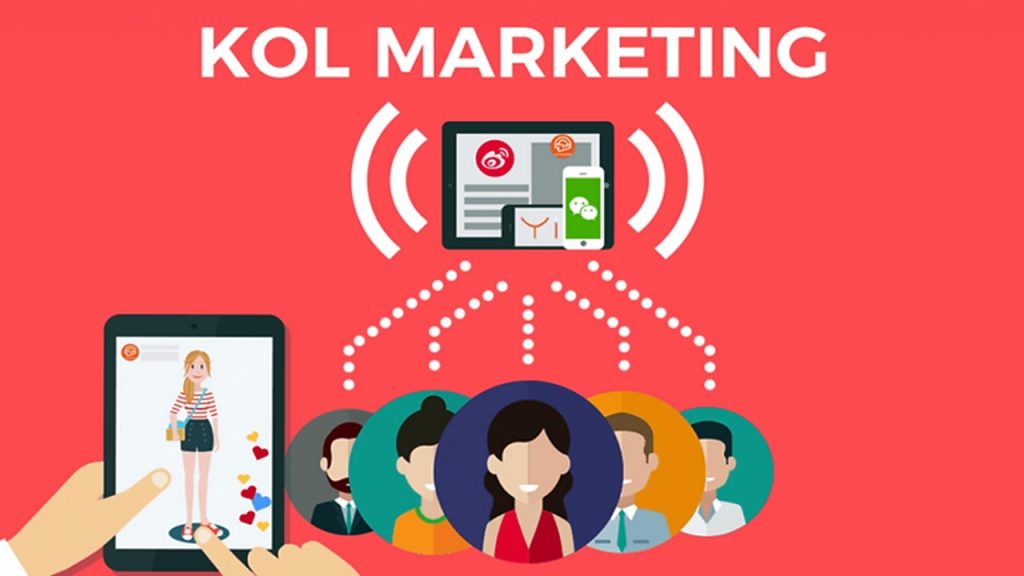
A KOL advertising strategy has many benefits, which is why it is a vital component of marketing nowadays.
Increased Brand Credibility
Teaming up with well-known KOLs is a winner for the brand’s credibility.
- KOLs are credible professionals in their industry.
- Followers see the endorsed brand as being trustworthy.
- It is a foundation of the confidence of consumers in a product recommendation.
- Results in better customer satisfaction.
- Rises the frequency of re-order.
Take, for example, a famous chef promoting a kitchen tool. People then easily believe the appliance and the brand’s sales rise.
Enhanced Reach and Visibility
KOLs are crucial to the growth and expansion of a brand’s appeal.
- They are of new target audiences through the association with influencer stars.
- Makes the brand visible through niche markets.
- The company can display the KOL on its social media channels, which is an effortless way to get more followers and get known by your target audience.
- An excellent means of introducing new items into the market.
- Increasing the company’s brand awareness in the sectors they are concerned with.
Working with a KOL with a strong bond in a given area also increases the chances of reaching potential customers.
Targeted Engagement
KOLs are making it possible for brands to target largely unattainable demographics effectively.
- An opportunity for the company to reach niche market segments through specialized KOLs.
- Create messages that are tailor-fit to the audience they speak to.
- Developing a customer’s personality and using non-verbal signs in selling).
- Align the brand’s beliefs with the preferences of the audience.
- Deepen the relationship with specific demographics on a long-term basis.
For example, one may collaborate with a KOL from a jewellery community who is a sustainability advocate, resulting in the message reaching eco-conscious consumers.
Consumer Trust Enhancement
KOLs contribute to regaining the trust of consumers who are increasingly sceptical of traditional advertisements.
- KOLs are usually seen as down-to-earth as well as genuine.
- Their recommendations are thought of as authentic.
- Implies they bond better with the buyers.
- Stimulates long-term customer loyalty to the brand.
- Bolster’s word-of-mouth marketing.
With the help of KOLs, businesses can establish trust and nurture stronger and more intimate relationships with their desired customer base.
Challenges of KOL Marketing
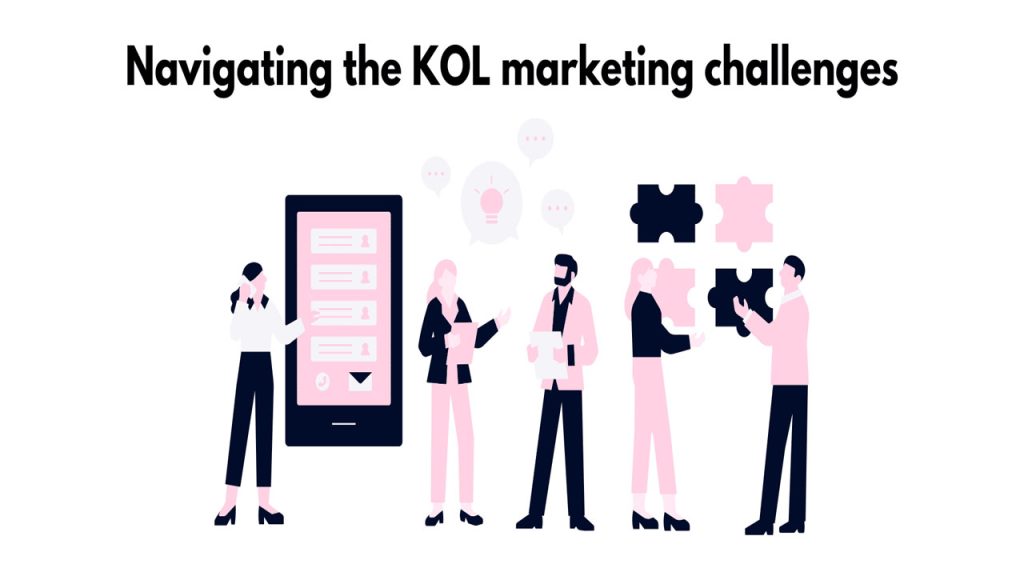
While Kol marketing presents various advantages, it also brings tough times. Brands must manage these issues effectively to get customers to cooperate with them for their campaigns.
Choosing the Right KOLs
A critical choice of KOL is the one that guarantees the message is the same as the target audience.
- Thoroughly research their background.
- Be sure of their marketing potential and their shared brand values.
- Before deciding, make sure you understand customer engagement and audience sentiment.
- Give priority to the ones that have expertise and are actively involved in the topic.
- Try never to be in a situation lacking the right message, which can influence the company’s image.
For instance, a discrepancy between a KOL’s value system and that of a brand might lead to a negative customer viewpoint.
Maintaining Authenticity
One of the adverse consequences of over-commercializing KOL marketing is a possible loss of reliability.
- Consumers do not like advertising products.
- Ensure the right marketing channel is designed to promote the right link with the energetic social media influencers.
- Each KOL should be free to speak their mind in their publications.
- Stay clear and open in partnerships to prove transparency.
- Refrain from requesting a considerable amount of product offers.
An authentic approach in marketing activities backed by authenticity ensures long-term successful relationships with the client.
Navigating Data Privacy Concerns
Data confidentiality is becoming more and more the top priority in Kol marketing.
- Be very careful with personal data protection laws and regulations.
- Let people know how you gather the data and give them the option not to participate.
- Ask for people’s consent and ensure they give it only after they have read the necessary information and agreed to the terms.
- Carry out stringent data protection measures.
- Sustaining adherence and observance of laws is very vital.
Case Studies of Successful KOL Campaigns
The analysis of the case studies gives an example of the power of specific kendo (KOL) marketing strategies that can be a major winning factor for brands.
Estée Lauder’s “The Estee Edit” Campaign
Estée Lauder’s collaboration with beauty influencers in its “The Estee Edition” campaign totally impressed younger audiences, and the results were positive.
- Targeted younger consumers through beauty influencers.
- Exhibited products through tutorials and reviews.
- Resulted in increased brand visibility.
- Boosted engagement and sales.
- Enhanced authenticity with genuine endorsements.
By partnering with the top KOLs, Estée Lauder made a deep link with their target group, significantly leading them to a sigh of success due to the powerful partnership.
Glossier’s Community-Driven Marketing
Glossier” target=”_blank”>https://www.glossier.com/, a startup reshaping KOL marketing within the beauty industry, has risen to fame for its community-driven approach, which includes the active participation of beauty enthusiasts.
- Built the community approach to marketing.
- Individuals willing to ask KOLs and producers about their products are those they work with.
- Vergara said they earned the trust of the people they follow by being themselves.
- In reality, the customer base already existed, and that was the kind of people who bought Glossier as the family brand.
- Apart from the products, Glossier as a company also became much more approachable.
The social proving strategy helped the company become a favourite in the beauty community.
Adidas’s Partnership with Influencers
On the other hand, Adidasadidas’ Thenright, 2021 collaboration with athletes and fitness KOLs was such a significant opportunity that they did not let it go without re
- Increased Adidas’s brand visibility within the fitness community.
- Strengthened Adidas’s brand loyalty through authentic partnerships.
- Drove Adidas’s sales by tapping into fitness enthusiasts.
One of the reasons Adidas remained one of the best brands was the use of authentic influencer partnerships.
Final Thoughts
To sum up, KOLs (Key Opinion Leaders) are the new wave in marketing; their work methods can potentially change modern marketing.
- KOL full form: Key Opinion Leader.
- Connects deeply with niche audiences.
- Builds consumer trust and authenticity.
- Enhances brand credibility and reach.
- Plays a pivotal role in influencer marketing.
Nowadays, organizations and industries are increasingly aware of the important role that KOLs play in marketing and seek to use their services to reach their target customers (social media is a list of platforms businesses can use to gain clients). The marketing of KOLs shows personal opinions that can be experienced with services offered by enterprises. It holds rewards and challenges as well. An attractive option for brands that wish to use KOL marketing in the long term can be a deep understanding of the workings of KOL strategies and the ability to master the possible difficulties as brands go through an increasingly competitive business environment.
]]>Understanding Electronic Advertising
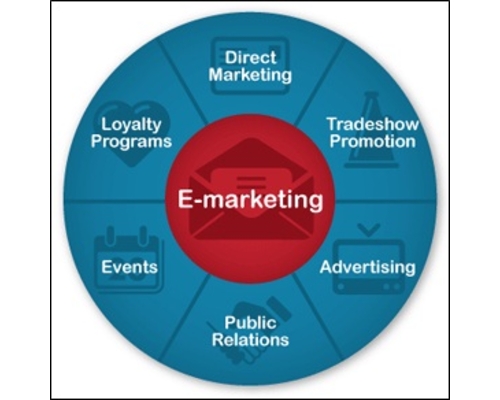
Electronic advertising, synonymous with digital advertising, refers to all marketing techniques that use electronic gadgets and digital channels. This marketing sector is the one that found new ways of operating the industry through new technology, which incidentally is the major focus of the current digital age. This sector is the one in which marketing practice itself has changed. Businesses now provide customers with such a way of buying products that they won’t even have to buy their homes. At present, the ease of purchasing a product can be felt not only by the customers but also by the businesses. Electronic advertising is a part of the marketing strategy that mainly aims to promote the selling of products or services. It is an important section because advertising companies make the consumers come to their business, while the customers make the companies come for their products. Their profit source comes from advertising companies.
- Important Information: Based on Statista’s information to the public, the global digital advertising expenditure is predicted to be around $500 billion in 2021, which means it is becoming increasingly crucial in marketing.
- Case Studies: Electronic advertising is an approach by brands (such as Nike and Coca-Cola) to the complex problem of creating campaigns that engage most audiences and increase brand awareness. Such advertising lets most companies successfully enter the minds of their consumers, thus evoking high brand recall and customer retention. As an illustration, Nike’s customized email campaigns can break the email list based on customers’ purchase behaviors, allowing them to have a high conversion rate.
- Frameworks and Theories: One of the most important things in electronic marketing is the AIDA model (Attention, Interest, Desire, Action), which directs electronic marketing and enables marketers to create content that develops a strong relationship with the audience.
Strategies for Effective Electronic Advertising

For digital advertising to be effective, the business must include a synchronized campaign or touchpoint strategy of various brands’ appropriate digital channels.
- Specific Examples: Google Ads allows technology marketers to promote their products by paying for them to be displayed in the top sections of Google’s search engine, which is search engine marketing. Also, Facebook ads are employed for social media targeting and picture sharing, which are Facebook’s unique offerings, and YouTube is used to create and upload video channels. Alongside this, each platform gives marketers features that target the precise audience’s memory. Hence, there is an increase in ad reach.
- Challenges and Benefits: The digital marketing capability to personalize marketing and its cost-effectiveness through precision targeting and measurement. Proving its trackability dilemma, is there (i.e., ad fatigue and ad block direct follow-up), or is it just a matter of customer annoyance? Marketers need to minimize this disturbing phenomenon by promoting a faster connection or something that attracts their eyes.
- Practical Advice: Businesses’ adoption of analytics is an essential prerequisite for generating successful ads, and positioning the A/B testing before ad creatives will give brands a means to shape their message according to the most persuasive ones. Sales teams also have the option to slice audience segments and analyze the real-time data, which will help a lot.
The Future of Electronic Advertising

The electronics advertising landscape changes as technology continues to evolve. Among the latest trends, artificial intelligence (AI), augmented reality (AR), and voice search will define the future of this industry.
- Emerging Trends: AI is used during ad bidding and purchasing to revolutionize how ad placements are managed, thanks to the dynamic response of companies in the market. Furthermore, AR is among the commodities making creating interactions that are extremely similar to reality possible; for example, users of the Oracle Retail cloud are trained through virtual simulations and can try on outfits without physically stepping into the store.
- Implications for the Industry: Electronic advertising takes the issue of privacy seriously because tight regulations are in place, and consumers are aware of their rights. The only important thing is ensuring the consumer knows everything you are doing and acquiring his consent.
- Insights for the Audience: In this space, companies’ use of these technologies, particularly those in marketing, will be a main factor in the digital conversion process. The companies will have to resort to technologies and legal regulations as solutions to these changes.
Electronic advertising is a changing and necessary instrument within everyday marketing strategies. As you transform your business, you will analyze the past, learn useful tools, and follow the most important trends.
Conclusion
Admittedly, electronic advertising is the most outstanding tool used in the digital environment today, and businesses have to make it a priority if they want to achieve their goals. Each component of electronic advertising, from search engine optimization to social media marketing, could equip the participants in the market with the techniques needed to compete in a competitive environment. Today, new advertising possibilities and methods have appeared with technological progress. By applying these pioneering techniques, businesses are, on the one hand, able to extend their scope and, hence, easily reach far and wide across the globe. On the other hand, they can build strong, long-lasting bonds with customers, bring more sales, and hence, have sustainable business development.
Key Takeaways:
- Broad Reach: Digital advertising assists companies in reaching out to people worldwide outside the traditional advertising channels.
- Targeted Campaigns: Sophisticated targeting possibilities offer marketers personalized strategies relatable to their chosen demographics.
- Cost-Effectiveness: Unlike traditional advertising, electronic methods are often cheaper and deliver reliable evidence of return on investment.
- Real-Time Feedback: By analyzing the results using the given tools, we can make snap decisions and reach out to our target audience with the most effective campaigns.
- Enhanced Engagement: The technology of augmented reality has taken off since the advent of Web 3.0, and it has increased the focus of the audience on getting immersed in the content, engaging with it, and spending more time on it.
To sum up, it is clear that digital advertising is not just a choice for contemporary enterprises; it is a vital prerequisite for those who aim to expand their business and stay relevant in today’s global market.
]]>Advertising: Definition and Fundamental Concepts
- Advertising is a strategic communication process to promote products, services, or ideas to a specific audience.
- It combines various methods, from traditional media, including print and television, to digital channels, such as social media and search engines.
- Advertising is not only meant to inform customers about product specifications; its primary function is to encourage them to buy the product or contact the company.
The Role of Advertising in Modern Business
Advertising has many vital roles in the corporate world. First, it is a leading marketing technique for creating a brand that people recognize so that those who can show a product and get a feeling of simulation would buy it. For example, companies like Coca-Cola and Apple rely on advertising to maintain world recognition and customer patronage.
- Statistics & Insights: As per Statist, global advertising expenditures were estimated to be more than $700 billion in 2021, representing the high valuation that businesses give to advertising in their overall marketing strategies.
- Frameworks/Methodologies: One of the most well-known models is the AIDA model (Attention, Interest, Desire, Action), which describes a series of steps a buyer takes before buying a good. By being conversant with the model, advertisers can develop focused messages that are relevant at every stage.
Types of Advertising and Their Applications
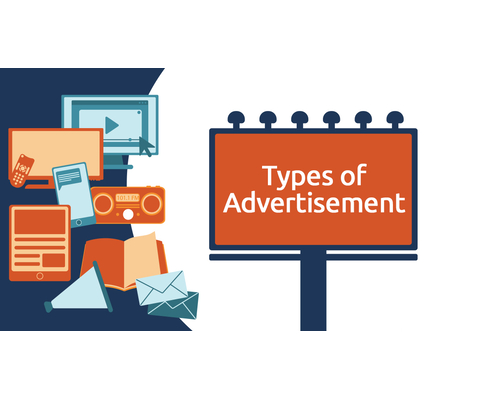
Advertising can take different forms and be designed to meet specific goals and target different groups of people. Traditional marketing encompasses print ads, TV commercials, and billboards, while digital marketing includes social media ads, search engine marketing, and email marketing campaigns.
- Real-World Applications: A good case is Nike, which employs digital advertising in conjunction with the influencers known on Instagram and TikTok to grab the younger generation’s attention. This illustrates how brands are adapting to digital trends.
- Challenges and Benefits: Advertising, on the one hand, is the best way to enhance a company’s visibility and revenue. Nonetheless, marketers have to be cautious because people could become tired of seeing the same ads all the time and might also be skeptical consumers. Advertisers primarily concentrate on personalization and targeted advertisements that use data analytics to ensure their effectiveness with consumers and minimize disturbances.
- Practical Strategies: To facilitate the creation of advertising, companies have to clear up the messages they want to send and pick the right mediums that best speak to their target groups. Another trick to using A/B testing that can dramatically improve ad performance is advertisers doing it to see which messages or formats work best.
Emerging Trends in Advertising

The advertising industry is developing mainly influenced by different trends that shape its future. One significant trend is the establishment of data-driven advertising, where companies use customer data in a very focused and tailored way to create ads.
- Insights and Trends: TikTok, a new platform, has introduced companies to video content, which is more interesting than a traditional picklist environment but needs user participation. In fact, the power of machine learning and AI can make real-time decisions and optimize complex targeting for any programmatic and automatic media buying, which is the most recent development in advertising space technology.
- Implications for the Industry: These shifts indicate that advertisers will have to be able to learn and evolve through listening to the clients and analyzing the market. On the other hand, companies that need to catch up on these issues may be refrained from the marketplace. For a business that aims to maximize the use of advertising, grasping its multiple characteristics is the first point. By reading the trendsetters and invigorating plans, firms can increase their visibility in all marketing channels, engage their audience, and push their businesses to grow.
Conclusion
Through the course of the conclusion, it is gradually mentioned that with the high pace of competition in the current marketplace, advertisers must become proficient in advertising. In the same way, they have to interact with their target audience closely. Advertising supplies the condition where creative ideas go hand in hand with strategy; this eventually drives how consumers react and allows brands to develop customer loyalty. By examining different aspects of advertising, such as types, business models, and psychological impacts, companies can develop creative campaigns that successfully meet customers and realize quantifiable outcomes.
Key Takeaways:
- Definition and Role: Advertising promotes products or services to sway a consumer’s perception and behavior.
- Components: It encompasses systematic planning, creative provision, messaging, and the proper media channels.
- Types of Advertising: Whether digital or traditional, all the types have their strength and are personalized for different audience segments.
- Targeting and Segmentation: Good commercial communication should include a clear understanding of the selected target group and then aim at catching the right people’s attention by just with the people who are being targeted to ensure their active participation.
- Impact on Consumer Behavior: Advertising influences customer choices and brand image, and thus, thinking about wording is very important.
- Cultural Relevance: Catchy advertising linked to the latest fashion fads and propriety values touches customers more personally. For businesses to integrate dynamic and fast-paced operations in the global marketplace, the essentials of advertising should be clear to them—business speak.
Understanding Corporate Advertising
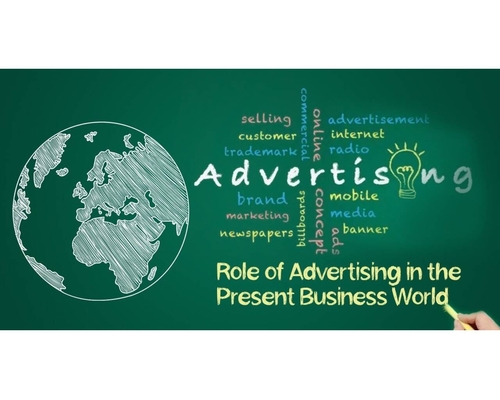
Corporate advertising is a strategic marketing tool that strongly targets a company in place of its specific products and services. Traditional advertising is quite different from corporate advertising as it is usually related to single items. Corporate advertising is about the overall image and reputation of the business, which is why it strengthens the connection with the audience and internal and external stakeholders.
Key Objectives of Corporate Advertising
The number one purpose of corporate advertising is to create a unique brand and perception of the marketplace. This goal can be segmented as follows:
- Reputation Management: Besides sending the message,’ We are business leaders dedicated to sustainable prosperity,’ a company can control its image and reputation by displaying its values, vision, and news of its victories. On the other hand, in the case of emergency incidents, companies can raise a flag to differentiate themselves. They can print advertisements to inform the public, explain their position, and offer transparency. Also, if they get that trust back from them, that is a positive outcome.
- Corporate Social Responsibility (CSR): Many companies are into CSR, and thus, they can use advertising platforms to get their CSR message heard by the public. For instance, suppliers like Patagonia and Ben & Jerry’s, with the powerful effect of communications, are concerned about the environment, so they use corporate advertising to talk about their sustainability, which is relevant to environmentally friendly citizens.
- Market Positioning: Corporate advertising can help companies set themselves apart in a competitive market. Studies indicate that brands perceived as socially responsible can have up to 50% higher customer loyalty.
Strategies and Tools for Effective Corporate Advertising
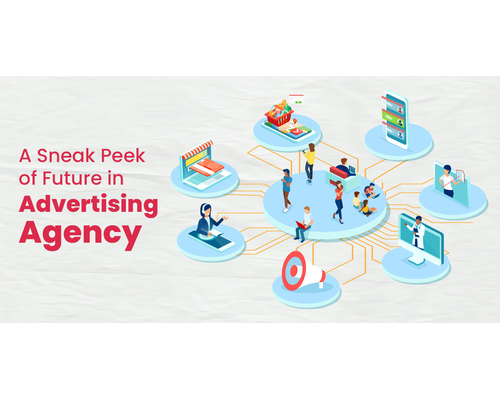
Many companies have to choose any one of the under-listed marketing options in this situation:
- Content Marketing: Blogging, tweeting, posting videos, and other forms of digital media can be very effective ways to inform and attract audiences to your brand. For example, one of Nike’s ad campaigns shares the tales of the athletes triumphant over the difficulties, thus eliciting strong emotional responses, connecting with the audience on a more personal level, and promoting their brand values.
- Sponsorships and Events: Corporations usually support products, services, or projects that align with their brand, such as activities or cultural events. This way, they let the public discover the brand positively and can reach a wider audience.
- Public Relations (PR): A communication strategy that complements advertisements should also be considered. The company can engage in other public relations activities, such as disseminating information related to social issues or supporting community initiatives. These opportunistic moments can be leveraged to proactively portray the company positively, increasing its public appeal.
Challenges and Considerations in Corporate Advertising
It is so true that corporate advertising has the potential to bring a lot of positive change to a company. But here are the hurdles associated with it:
- Authenticity: The audience is now extremely skeptical of your intentions. Being sincere and not telling one thing while doing another is very important. Anytime our goals are not perfectly in line, we risk allegations of “greenwashing” or “purpose-washing,” which can result in losing credibility.
- Target Audience: Corporations can find it challenging to identify the right audience segments because their messaging must be relatable to referent groups, such as customers, employees, investors, and the community.
- Evolving Landscape: Digital platforms and social media that have sprung up recently form the new world of corporate advertising. Of course, this is what keeps companies always on their toes, receptive, and molding their strategies into trends of the future. Content now must be interactive, inviting, and user-friendly to catch a large crowd’s eyes.
The Future of Corporate Advertising
The possible changes in corporate advertising in the future can be the result of the fast pace of technological advancements and the new tastes of customers:
- Personalization: The adoption of data analytics as a new model enabled companies to customize their ads according to specific customer interests and, hence, amaze them with high engagement.
- Sustainability Focus: People’s desire for sustainable products and services is growing. Therefore, a business will stand out the most if it utilizes mutually beneficial eco-friendly practices and communicates these to stakeholders transparently.
- Virtual Reality and Augmented Reality are advanced systems that easily lead customers to a world of wonder. Brands can now introduce storytelling that can be consumed only in full immersion, which not only deepens the customer’s relationship with the brand but also makes them even wiser.
Companies must monitor their corporate environment to keep pace with the changing stakeholder demands and preferences that the market is creating. Using transparency, openness, and involvement in corporate advertising will not only empower a company’s overall impression but also act as the main indicator of a company’s resilience in the market, cementing the bond between customers and stakeholders.
Conclusion
In the spirited and convoluted business world, corporate advertising remains a significant strategy for companies wanting to increase their brand image, build customer relationships, and maintain a competitive advantage. With this multi-pronged strategy, the focus is not only on marketing but also on reflecting the company’s vision, core values, and mission. Through different channels and methods, corporate advertising helps a company express what it sells, who it is, and what it stands for.
Significance of Corporate Advertising:
- Brand Recognition: It becomes a robust brand identity that lets the consumer instantly identify and relate to the company.
- Trust Building: A good corporate advertising campaign earns trust and credibility among customers, the wider community, and other stakeholders.
- Market Differentiation: It allows companies to distinguish themselves from their rivals by showing their values and offerings.
- Stakeholder Engagement: Engaging campaigns can build trust and strengthen relations with investors, partners, and employees.
- Social Responsibility: Advertising is an excellent option to demonstrate the company’s commitment to social responsibility, supporting its ethical standards and community initiatives.
Understanding Buzz Marketing
Buzz marketing is a promotional strategy whose primary goal is to activate a high interest level by spreading the word about a product or service. Social interaction is the main way that the brand’s platform and sharing information about it expect to get a vibrant and viral buzz that will immediately catch the eye of the respective customers. Charging the launched platform of the brand is by getting influencers engaged and users involved by messaging them informally and speaking candidly about the brand.
The Power of Word-of-Mouth

Buzz marketing’s main focus is thus not on creating awareness about the product but spreading the same via word-of-mouth marketing. On this occasion, personal recommendations would be sourced from friends, quite different from advertised brands.
- Importance of Trust: At best, 92% of consumers consider recommendations from friends and family the best way to find a good product or service. This may partly explain WOMM’s extreme impact on the consumer’s decision-making process.
- Case Study: The Ice Bucket Challenge, reaching the ultimate point of viralness, was not limited to the support of awareness for ALS, but it was an involvement of users, mostly the ones who either donated to this cause or shared their experiences online, which demonstrated that buzz through other techniques to set up a product marketing can make a moment.
- Frameworks: The “Hype Cycle” Carries people along on a new ride, another method to increase usage. They may try a new technology before they hear anyone endorse it. The Early Peak learns in buzz marketing, whether organizing short-lived promotions or going viral by creating real experiences and attention.
Creating Engaging Experiences

The second principle of buzz marketing consists of creating experiential perceived as engaging individuals to share the brand’s activity, usually in the kids and families demographic.
- Successful Campaigns: A few brands, even Nike, have connected people through regional events or sports campaigns, and the users are inspired to submit their content on social media. To illustrate, shoes not available year-round always lead to a successful launch because buyers are eager to share their experiences.
- Challenges: The most prominent buzz marketing issue is controlling the narrative. If you are not careful, negative views can spread as fast as positive ones. Companies must effectively handle crises that could make them look bad while staying calm.
- Strategies for Engagement: Brand promotion through memes or videos and user-generated content will be the best option for individuals to create buzz. Influencers are a good strategy because they can widen the outreach and improve the campaign’s reliability.
The Role of Digital Platforms

On a global scale, as we undergo digitalization, the role of online platforms is always of paramount importance in the buzz marketing process.
- Emerging Trends: Brands now use social media platforms such as TikTok and Instagram to target and communicate with customers differently. Quick, meaningful content that people can connect with is often so liked that it becomes a trend and thus leads to great publicity.
- Data Insights: A Sprout Social survey revealed that most consumers are highly likely to share information about a product with others if they come across it on social media. This may be done online to provide all the participants with one-of-a-kind attendance moments and open up a wide consumer base.
- Implications for Brands: Understanding platform dynamics and consumer behavior can help marketing teams design strategies. Providing interactive content, such as polls or live Q&As, will boost consumer engagement and raise interest in the brand.
To put it briefly, buzz marketing is an important method that produces a feeling of awe and inspires people to share their experiences. By being a repository of trust, sharing enthralling content, and maximizing digital networks, companies can successfully create a “buzz” that markets products and establishes a relationship with clients.
Conclusion
Buzz marketing is a breakthrough approach that capitalizes on word-of-mouth marketing to build excitement, anticipation, and engagement around the brand, product, or service. In the rapid digital revolution era, where many choices and advertisements swamp consumers, productive buzz marketing stands out. This method is naturally inclined to humans’ desire to share engaging opinions and suggestions, making it a vital part of today’s marketing tactics.
The main themes and components of buzz marketing include:
- Viral Content: Creating captivating and shareable content that users connect with and want to share.
- Social Media Engagement: The efficient and effective use of social media platforms, such as Instagram, Twitter, and TikTok, to bring out the best conversations and interactions users have with their peers.
- Influencer Partnerships are the practice of developing relationships with influencers to build the brand’s social proof and gain more public attention.
- Experiential Marketing: Creating experiences that grab the consumer’s attention and motivate them to share the excitement with others triggers word-of-mouth promotion.
- Community Building: The act of building or bettering a community by including your target community in engaging activities that will initiate more natural buzz. Competition of these elements allows various organizations to compete with each other to find the buzz due to their offerings, make them more noticeable on the market, and allow them to attract and keep their customers.
Nowadays, in a typical advertising disagreement}, you might get a glaze-eye treatment going; buzz marketing, on the other hand, is one of the strategies that cannot be different and efficient when getting consumers’ attention and getting them to stick to brands.
]]>Main Theme
This article will look at the critical aspects of commercial advertising, its purpose, and the various media that can be used to achieve this. There have always been changes in advertising. An example of such change is the transformation of advertising from traditional methods like TV and print to contemporary platforms that provide social media and search engines. Presently, marketers have to wade through a difficult labyrinth to get their audience’s attention successfully.
What to Expect
By the end of the post, you will have a thorough understanding of commercial advertising, including perceptions regarding its strategic necessity for businesses. You can look forward to The Objectives of Commercial Advertising, which will explore the reasons behind businesses investing in advertising—whether it is to create a brand, generate sales, or build customer loyalty.
Key Components
When discussing this topic, it is necessary to introduce viewers to how advertisements can be well combined with several different factors, such as advertisement messages, design, and audience groups. We should not forget to explain the technique of advertisement using every element.
- Advertising Frameworks: We will define the basic components advertisers utilize in making and evaluating strategic advertising because AIDA (Attention, Interest, Desire, Action) and the 4 Ps (Product, Price, Place, Promotion) are the most popular frameworks.
- Emerging Trends: The key trends defining marketers’ success in commercial advertising, personalization, influencer marketing, and the importance of sustainability in branding are the areas of attention. Understanding commercial advertising is about more than just understanding the basic concepts. It also includes critical thinking regarding its continuous evolution and important positions in a marketing strategy. Whether you are a business owner…, a marketing professional, or a curious consumer, this post will be the perfect tool to benefit from this closely-knit world of business advertising.
Understanding Commercial Advertising: Definition and Purpose

Commercial advertising is a strategic communication process in which information about a particular product or service is sent through different media platforms to the target audience. The main purpose is to convince the public to take a specific action and purchase the purchase em.
Subpoints:
- Commercial advertising comprises multiple formats, including print ads, television commercials, online ads, and social media promotions. Each type has its benefits and appeals to particular sections of the consumers. Therefore, choosing the most suitable one decides the success of any business promotion.
- Case studies are powerful tools like Nike’s “Just Do It” campaign, demonstrating that the right message can affect people’s behavior and form strong brand loyalty. This slogan, a big favorite with people from different backgrounds, tells them to do their best to reach their fitness goals.
- As reported by Statista, the advertising spending that companies worldwide made on digital media in 2021 amazed us with $465 billion, and it inevitably became obvious that today, marketing is a digital career that completely depends on digital platforms for its promotion. This change is happening through the new habits of the consumer market; younger people are using online media more and more.
- Many advertising models, such as the AIDA model (Attention, Interest, Desire, Action), underline customers’ stages in response to the brand communication process, thereby setting up a framework for effective marketing campaigns via advertising.
Key Strategies in Commercial Advertising
One creative way companies improve their advertising is by adopting strategies that, among other things, help boost their brand awareness and customer engagement.
Subpoints:
- On the other hand, creating advertisements that evoke emotions can be beneficial. Based on the example of the Coca-Cola company, which made such a charismatic personification of the marketing concept, it was well noticed that the brand had a strong connection with its consumers because of the individualized bottles ETGNA!
- Under the influence of so-called ad fatigue, customers can reach a state where the abundance of advertising irritates them and leads to lower effectiveness. Thus, given the changing consumer profile, brands are regularly challenged to develop innovative and fresh marketing strategies to keep the interest of consumers alive through storytelling and interactive content.
- Digital commercial advertisements are digital spaces that serve as a platform for real-time performance tracking and precise targeting options. For example, with Google Ads, marketers can get to know their existing and potential customers with the data collected, and then they can make adjustments accordingly.
- Companies that want to give concrete tips to their employees can use social media influencers to promote authentic advertising. Influencer marketing could be an effective way of branding if the influencer and the brand share similar values. Therefore, the brand can reach out and interact with the targeted audience articles disliked by Brandsoup & influencers, increasing the campaign’s reach.
The Future of Commercial Advertising
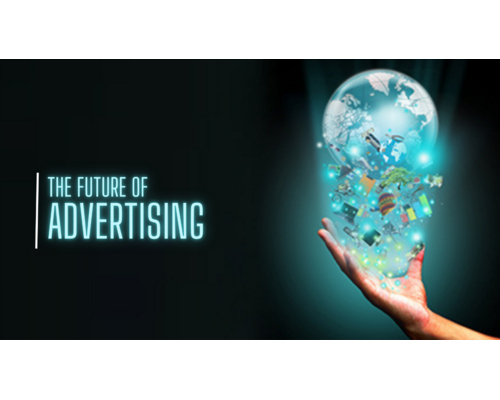
The change of commercial advertising is determined by technological improvements, which you, as a brand, must be aware of in order to remain relevant.
Subpoints:
- AI and machine learning are, without a doubt, the greatest advertising game-changers in modern technology. For instance, advertisers use forecasting and propensity models to devise the best strategies for campaign ads that will reach their target audience even before the campaign starts.
- The main trend is moving from sustainable growth to corporate social responsibility. Thus, the emergent one is the emphasis on corporate social responsibility (CSR). At the same time, sustainable brands can connect with people of similar beliefs because they align their green credentials with their marketing. That way, they can attract ethical buyers and nurture their sense of eco-responsibility.
- Among the new technologies, technology imaging of images called virtual reality and augmented reality are now in wide use, making the business interesting. Instead of merely providing information, companies have started experimenting with interactive ads that allow consumers to try a product before purchasing it. They have noted positive customer responses to these actions.
- Companies should clearly understand the implications: it’s the only way to be the best in marketing and invest in innovative technologies to make advertising campaigns work. By adopting these new methodologies, companies will not only improve their marketing results. Still, they will also create a loyal fan base that will take much work to woo in a highly competitive environment.
Conclusion: The Significance of Commercial Advertising
Commercial advertising is the backbone of the modern economy since it brings businesses together with potential consumers. It is not only the way of presenting products and services but also the way of forming a brand image and encouraging consumers to behave as the brand wants. Breaking down the marketing process into its constituent components, e.g., strategy, creativity, media selection, and analytics, is how the business can adjust its digital marketing tactics to become the best company in its industry.
While we navigate this ever-changing advertising sector, businesses have to be flexible and stay on top of the trends and technologies that can help them expand their target market. Commercial advertising’s place in the marketing mix remains significant because it drives sales and customer identification relationships, which lead to brands and economies surging.
Key Takeaways:
- Consumer Focus: Commercial advertising is a key driver in the brand-customer relationship.
- Brand Visibility: It plays a crucial role in brand building by creating strong connections with the audience and lifting the brand, thus making the customers’ experience pretty simple by enabling them to select a particular product or service.
- Market Growth: Good adverts planned well can help the business grow significantly, in addition to the previously mentioned market growth.
- Strategic Planning: A careful arrangement of marketing resources through constructing an advertising scheme with the highest distribution and real-time data flexibility could ensure companies achieve the most from their invested money.
- Adaptability: Master how digital marketing works and make it your priority to be informed in this area.
To ensure the development of Advertising Commercials and their elements, besides improving marketing, companies will attain long-term goals in their markets only if this new product is endorsed long enough and the intended users are made aware of it through marketing.
]]>What is Covert Advertising?

Covert advertising, sometimes known as stealth marketing, is a method by which businesses communicate their offerings without distracting or interrupting the addressee. In Full contrast to standard marketing, which dispatches direct and thereby aggressive messages, stealth advertising is embedded into the content without causing it to stand out or seem bothersome to consumers.
Importance of Covert Advertising
Covert advertising is a way of advertising that can effectively replace “desensitized” traditional marketing tactics. Research by Nielsen discovered that 84 percent of people around the world think that online ads are intrusive, while covert advertising, selling things discreetly, socializes and promotes the products subtly through relatable content and, therefore, is the preferred way.
Case Studies and Examples
- Product Placement in Film and TV: Product placement in movies and TV series has been happening since the industry-entertainment business was recognized; for example, the Coke intro in every episode of The Friends Show series subtly spreads brand awareness. Let the audience see and make a decision.
- Influencer Endorsements: Influencers are known to incorporate product mentions into their daily posts and stories without them being the main topic. This is one way for them to engage their followers without implicitly promoting the products. The relatedness and trustworthiness of the influencer’s relationship to the product will make a difference.
Frameworks Guiding Covert Advertising
Your customers hold particular beliefs. Business people may get various psychological ideas understood, such as the Elaboration Likelihood Model (ELM), which tells how to make people agree by either the deep cognitive process or the superficial cues. Stealth advertising focuses mainly on the peripheral route, assuming previous knowledge and emotions precede logic.
Benefits and Challenges of Covert Advertising

Although the accomplishment of covert advertising lies in producing engagement and relatability, the task of being secret while doing this also brings some challenges.
Benefits:
- Enhanced Consumer Trust: Some people can think of it as less of an intrusion and more of a genuine consumer approach. Thus, they will develop stronger bonds with the brands.
- Increased Recall: When a brand is integrated into captivating stories, readers are more likely to remember it.
Examples:
- One of the well-known YouTube channels describing a specific skincare routine mostly incorporates into practice products endorsed by the creator without the hint that it is an advertisement. Such viral videos create sufficient interest and even convert some viewers to buyers.
Challenges:
- Transparency Issues: Transparency issues can occur in cases where truthfulness is not obtained because consumers do not even know what they are consuming.
- Regulatory Scrutiny: Brands that are not transparent about marketing may face public backlash as the public is more likely to act on the word of mouth of their trusted peers or family members who they have a good relationship with or even for what a stranger said who gained their trust -influencers and their followers in particular.
Practical Strategies:
- Balance Authenticity and Disclosure: Companies must carefully distinguish between openness and subtleness; customers must know when a post sponsor is involved.
- Leverage User-Generated Content: Having a loyal fan base to encourage your audience to exchange their stories is the main target of covert advertising while creating a community, yet another way to do this.
Emerging Trends and Implications for Covert Advertising

As consumers become smarter, the landscape of covert advertising is changing. For brands, knowledge of the latest is important for adapting their strategies effectively.
Current Trends:
- Social Media Integration: The new trend is that platforms like TikTok are popular with influencers who create exciting content for brands, combining the individual’s creativity with the topic’s virality to get consumer attention.
- Augmented Reality (AR) Experiences: The ongoing development of AR brands is trial and error. Companies are currently trying to develop virtual products that engage and inform their customers rather than just advertise.
Implications for the Industry:
With changes in gadgetry, so is the art of disguise commercials; advertisers must use the credibility of customers responsibly and respect their privacy in the marketing process. Brands that embrace consumer intelligence are bound to form a strong connection and, therefore, have an edge in a market with numerous competitors. To sum up, covert advertising opens up a new space for companies to connect with their customers more deeply. By understanding the strategies, considering the pros and cons, and looking at cutting-edge techniques, firms can make this landscape manageable and maintain a bond with their customers.
Conclusion
Today’s marketplace is driven by companies striving to establish authentic relations with their audiences through knowledge of covert advertising and the skills to modify such strategies if necessary. Covert advertising, which is the non-intrusive integration of promotional content into entertainment or media, is a great way for the brand to be known and involved in communication with consumers. Determine the probable consequences of the ethics and practical considerations of these actions and thus produce the kind of promotion that speaks to the demographic effectively.
Key Takeaways:
- Definition: Covert advertising subtly integrates promotional material into content to make it more agreeable for the consumer and less noticeable than traditional ads.
- Strategies: Successful covert advertising, which includes product placement, influencer partnerships, and narrative-driven advertising that is sales without being obvious to the target of the advertisement, is non-aggressively successful clandestine advertising.
- Implications: The effectiveness of the employed method might provoke ethical debates about transparency and trust in honesty, with the customer making a moral choice between these two.
- Examples: The best campaigns that use undercover marketing are known to be the ones by Coca-Cola in Hollywood, Nike with their endorsements of athletes, and media streaming companies that show brands in the scenes of the series without disturbing the flow of the stories.
The key to covert advertising involves companies that want to continue attracting new customers in a dynamic media ecosystem while building and sustaining healthy relationships with existing customers.
]]>Ready to talk with a marketing expert?

A Pragmatic and innovative way to enthrall your target group is just a click away!
Get in Touch
Rukmini Knowledge Park, Kattigenahalli, SH 104, Srinivasa Nagar, Bengaluru, Karnataka 560064
+91-990 247 8800
contact@gingermediagroup.com
Popular in Television Advertising
Udaya TV AdvertisingSun TV AdvertisingStar Plus AdvertisingTV 9 AdvertisingZee TV AdvertisingNDTV India AdvertisingColors TV AdvertisingPopular in Airport Advertising
Spice Jet AdvertisingMumbai Airport AdvertisingDelhi Airport AdvertisingEmirites AdvertisingIndiGo Airlines Domestic India AdvertisingPopular in Newspaper Advertising
Deccan Herald AdvertisingPrajavani AdvertisingThe Hindu AdvertisingEconomic Times AdvertisingDainik Jagran AdvertisingHindustan Times AdvertisingPopular in Magazine Advertising
Forbes AdvertisingCosmopolitan AdvertisingBusiness World AdvertisingVogue Magazine AdvertisingPopular in Sports Advertising
IPL AdvertisingPopular in Outdoor Advertising
Billboard AdvertisingBus Shelter AdvertisingMetro Pillar AdvertisingUnipole Advertising© Ginger Media Group 2025. All Rights Reserved.