The need to understand professional advertising arises from the ever-evolving landscape of consumer behaviour and technological advancements. As consumers become more discerning, businesses must adopt a strategic approach that leverages data analytics, audience segmentation, and creative storytelling to connect with potential customers. Implementing professional advertising allows companies to enhance brand awareness, generate leads, and foster customer loyalty.
Moreover, a professional advertising approach ensures consistency across various channels, reinforcing the brand message and improving overall recognition. By investing in high-quality advertising initiatives, businesses can differentiate themselves from competitors and establish credibility in their industry.
In conclusion, understanding and implementing professional advertising is not just beneficial—it’s essential for any business aiming to thrive in a dynamic marketplace. It is an investment that can lead to increased visibility, customer engagement, and business growth.
Overview of Professional Advertising
Professional Advertising refers to marketing strategies and promotional efforts designed to reach professionals in various industries. This includes targeted campaigns aimed at doctors, lawyers, engineers, and specialists who often make purchasing decisions based on specific expertise and knowledge. Professional advertising can take many forms, including trade publications, industry conferences, and online platforms tailored to professionals.
Importance of Knowing Professional Advertising
Understanding professional advertising is crucial for businesses that engage with niche markets effectively. Here are a few key reasons why knowledge of this term is impactful:
- Targeted Outreach: By recognising the nuances of professional advertising, companies can tailor their messages to resonate with their audience’s unique needs and preferences. This targeted approach increases the likelihood of conversion.
- Building Credibility: Effective professional advertising helps establish a brand’s credibility and thought leadership in its sector. By presenting information that addresses professionals’ specific challenges and interests, businesses can position themselves as trusted resources.
- Strategic Decision-Making: Knowing the implications of professional advertising allows organisations to make informed marketing decisions. Companies can allocate resources effectively by analysing industry trends and audience behaviours and creating campaigns that drive results.
- Enhanced ROI: Businesses that understand professional advertising techniques can create more efficient marketing strategies that deliver higher returns on investment. This is particularly relevant in competitive sectors where every dollar spent needs to be justified.
Professional Advertising: Definition, Purpose, Function, and Application
Definition
Professional advertising is the strategic use of promotional content to persuade a specific audience to utilise professional services. Unlike general advertising, which can target broader consumer demographics, professional advertising focuses on highly specialised fields such as medical, legal, financial, engineering, and other professional services. The advertising can take various forms, including digital marketing, print media, social media campaigns, and direct outreach, all geared toward enhancing the visibility and reputation of a professional service provider.
Purpose
Professional advertising primarily aims to communicate the value of a particular service or professional expertise to potential clients. Some key objectives include:
- Brand Awareness: To establish and increase brand recognition among target audiences.
- Lead Generation: To attract potential clients seeking specific professional services.
- Reputation Building: To enhance credibility and trust in the services offered, especially important in fields where clients rely on expertise.
- Encouraging Action: Prompt potential clients to make decisions, such as booking a consultation or availing themselves of the services.
- Market Differentiation: To highlight unique selling propositions (USPs) that differentiate a professional from competitors.
Function
Professional advertising functions through well-crafted strategies that align with business goals. Key functions include:
- Market Research: Understanding the target audience’s needs, preferences, and pain points effectively to tailor the advertising message.
- Message Development: Crafting compelling messages and narratives that resonate with the audience, emphasising outcomes and benefits.
- Multi-Channel Approach: Utilizing various platforms and media (like websites, social media, newsletters, and seminars) to reach professionals and clients effectively.
- Performance Analysis: Monitoring and evaluating the effectiveness of advertising campaigns through metrics such as engagement rates, conversion rates, and return on investment (ROI).
Application in Real-World Scenarios
Here are several examples showcasing the application of professional advertising in different industries:
- Healthcare Advertising
Scenario: A dental clinic wants to attract new patients.
Application: The clinic runs targeted social media campaigns showcasing patient testimonials, before-and-after photos, and special check-up promotions. It also uses search engine marketing (SEM) to appear in search results when potential patients look for dental services in its area. - Legal Services
Scenario: A law firm specialising in personal injury cases.
Application: The law firm invests in content marketing by publishing articles and case studies that educate potential clients about their rights. It also engages in community seminars where it offers free legal advice, advertising its services and expertise in the process. - Financial Consulting
Scenario: A financial advisor looking to reach high-net-worth individuals.
Application: The advisor uses targeted email marketing to share insightful financial tips, market updates, and invitations to exclusive seminars. Additionally, they leverage LinkedIn for networking and sharing expert insights, establishing themselves as a thought leader in the financial services sector. - Engineering Services
Scenario: An engineering consulting firm aiming to secure bids for large construction projects.
Application: The firm positions itself through professional presentations, industry publications, and attending relevant trade shows. It uses case studies to demonstrate past projects, emphasizing innovation and successful outcomes for prospective clients.
The Importance of Understanding Professional Advertising for Business Success
In today’s highly competitive business landscape, understanding professional advertising is crucial for organisations aiming to thrive and maintain their market presence. Effective advertising strategies can significantly impact brand awareness, customer engagement, and profitability. Here’s why mastering professional advertising is essential for any business:
- Building Brand Identity
Professional advertising helps businesses create a distinct brand identity that resonates with their target audience. By effectively communicating the brand’s values, mission, and unique selling propositions, companies can differentiate themselves from competitors and develop a strong emotional connection with consumers. A well-defined brand identity fosters trust and loyalty, vital for long-term success. - Expanding Reach and Exposure
In an era of abundant information, standing out is imperative. Understanding professional advertising allows businesses to craft campaigns that increase their visibility across various platforms, including social media, print, and digital channels. By utilising strategic advertising techniques, companies can reach a broader audience, engaging potential customers who may need to become more familiar with their products or services.
Final Thoughts
Professional advertising is integral to promoting specialised services and connecting businesses with a discerning clientele. It allows companies to thrive and achieve long-term success through strategic planning, understanding market trends, and creating compelling narratives. The examples and insights provided demonstrate that effective advertising is not just a tool but a powerful driver of brand recognition, customer engagement, and business growth.
]]>The Main Theme: The Rise of Aston Band Advertising
- Aston Band Advertising is a marketing technique in which the ad is displayed as a small band at a particular location on the TV screen when it is shown during commercial breaks or live shots.
- Instead of traditional commercials running during the show, Aston Band Advertising gives brands a chance to shine among the audience without altering the viewing experience.
- Furthermore, the method is brilliant in today’s media world, where viewers are mostly multitaskers and seldom are stopped by ads. Hence, our investigation would zoom in on the inner workings of Aston Band Advertising, its benefits, and its increasing centrality in a world where the best user experience is the key.
What You’ll Gain from This Post
- As you go through this post, you will be able to clear up the whole problem of the television band Aston and tell the audience what it is, how it works, and why it is the main advertisement in the present era.
- Here, you will find an overview of key figures, examples of this approach’s success, and information on how brands can use this new method to drive more site traffic.
- Furthermore, we may discuss critical aspects such as the psychology of the viewer and ways of including the advertising they are doing in Aston Band Advertising in the promotion.
Key Concepts to Explore
- Definition and Mechanics: A detailed explanation of petty Aston Band Advertising that has branded this promotion on different TV channels.
- Viewer Engagement: This paper examines how Aston Band Advertising does not threaten overall viewer engagement when it is billboard-style.
- Comparative Effectiveness: Understanding how Aston Band Advertising compares to a standard advertisement in viewer retention and message recall.
- Implementation: The campaign signs campaign’s theme uses TheStrategies Thethe band, another strategy strategy themestrategiesthemestrategies’s.
Through the conclusion of this article, you will be fully armed with comprehensive knowledge about Aston Band Advertising and how it is a game-changer in the advertising industry today, thus giving you a competitive edge in your marketing decisions. Let us immerse ourselves in the Aston Band Advertising world and check out how it can take your brand to higher levels of television viewership.
What is Aston Band Advertising

- Aston band advertising is a type of television technique in which a company’s logos or messages are put on a specific banner, generally at the corner of the screen.
- This type of advertising provides companies with a new approach to promoting their products without disrupting the viewing experience. Consequently, it is becoming increasingly popular for brands that want to increase their visibility while keeping viewers engaged.
The Impact of Aston Band Advertising
- The efficiency of Aston Band advertising can be measured in various ways that show how viewers react and recall brands.
- Findings suggest that Aston bands, which are ads placed with lower intrusive, elicit higher audience duration than any typical ones, for example, a commercial for a car that may be the hero of intervention to designer interference.
- Bands such as these are purposefully less disturbing to the viewer, which makes people stick with and enjoy the content. When the brand is mentioned, the participant is asked to speculate, and the brand will provide a multiple-choice answer.
- The research even says that standard TV: The Power of the First Responder message breach induces a 65% decrease in new visitors.
- For example, promotions performed by middle-sized advertising analytics firms showed a 25% increase in the brand’s recall rate among viewers.
- Furthermore, some media companies use data analytics to ensure that marketing is targeted more for their target. The activity of brand message reinforcement during the shows in which the latter appears is not only done after brand and content creation parties cooperate, but viewers are also encouraged to continue enjoying the shows. It is a “win-w” n” situ” tion.
Advantages and Challenges of Aston Band Advertising
- Aston band advertisement, the trend of using a continuous and moving band of advertising logos (Aston) at sports events, offers several advantages, such as increased viewer engagement and more brand visibility, besides some of the hindrances that may come with it.
- One of the key issues is that the Aston band needs to be corrected as clutter or diverting the viewer’s attention if it is to be carefully thought out.
- Properly designed aston bands are essential; brands must ensure their logos or messages are still clear and readable even when made smaller. Moreover, the whole idea of aston band advertising can be biased by the kind of program sponsoring it.
- Ads placed during heated activities, such as sports tournaments, might get more attention than those incorporated into programs at a slower pace.
- The brands must include the planned placement of the advertising to maximise the effectiveness of their Aston band activities.
Aston Band Advertising

- New technologies have brought about new and exciting possibilities in aston band advertising. One trend is integrating interactive features, such as QR codes or texts within the aston band, enabling viewers to intermingle with brands easily.
- This interactivity drives engagement and allows brands to collect the interaction data shared with viewers.
- Moreover, consequent to the advent of streaming platforms and a change in the TV audience, Aston Band advertising will expand beyond the conventional linear TV mode. Now, brands can address the specific demographic through targeted aston band placements on various digital platforms.
- Thus, a multi-channel approach to the media will result in brand identification across multiple media. Companies that want to gain the maximum sales benefits from aston band advertising need to be knowledgeable about all these trends and change their plans to catch the attention of contemporary audiences.
- By adopting new models and reviewing audience tastes, companies can roll out effective campaigns that bolster these ties with clients and consequently bring these clients closer to the brand, thereby increasing loyalty and sales.
Conclusion
- Overall, a band advertising on TV stations is an intense and engaging marketing strategy that fruitfully attracts viewers.
- As TV viewers keep increasing the amount of stuff they watch, integrating commercials into the program provides a unique angle for the brands that wish to publicise their products effectively.
- Marketers must comprehend the importance of this approach and its main components, which in turn allows them to increase the efficiency of their advertising.
Key Takeaways:
- Enhanced Visibility: Aston band ads enhance notices to the highly occupied brands as they are part of the programming, so viewers get less engagement.
- Non-intrusive Format: These ads do not stand out and become like any other content, which lets the audience take the whole message without any break.
- Targeted Marketing: Companies can select the very show that their potential clients are enthusiastic about if they use this kind of marketing.
- Flexibility in the Messaging: This way, the content could be modified, or new ideas could be presented related to the different demographic segments.
- Performance Measurement: Advertisers can analyse viewership data and audience interaction to refine future campaigns. Having a deep knowledge of Aston Band advertising and utilising that knowledge to one’s onstage will produce TV marketing strategies more efficiently, introducing the brand to consumers and provoking their actions.
- I will begin by developing marketing strategies in more general terms. Since the main aim is to attract customers to your brand, methods like entertainment, branding, or storytelling, institutional advertising can be considered a highly efficient technique not only as a sales approach but also as a social objective, such as caring for the environment.
- Marketing on the Internet is the wave of the future, and small business owners should see this as an opportunity to reach new geographical markets, attract new customers, and expose their products to global audiences. The increasing competition worldwide and the race for the company’s success are put in front of companies; people, especially the founders, are too used to being focused on the job.
- A company may compete using advertising only, but if something needs to be fixed with the quality of the products or the services, even the most attractive advertisement may fail to deliver the expected results.
- Institutional ads belong to a category of marketing communication tools that primarily aim to build a corporation’s brand reputation. Further, advertisers and companies that produce various products and provide services should first consider people’s needs; otherwise, there is an excellent chance that product integrity will be recovered due to the consumers needing to be more satisfied with the product meeting their personal needs. Let’s say you want to purchase a gadget for your 12-year-old son as a birthday present.
The Main Theme
In the underlying institutional marketing notion, organizations have become the major players, setting the market’s route. The purpose of this article is to explain the exact steps that companies take to achieve their goals regarding branding, for instance, processing the set requirements of the customers. Customer perception is one of the significant drawbacks, but look at it from this end: what success can marketing alone achieve if the service or the product is of poor quality? A company with a good image is. A set of institutional advertisements is a set of instruments that play the most crucial role in establishing a company’s brand. In addition, firms and organizations producing various generic goods and services must first consider the population’s needs. Otherwise, the product may be of low quality, and the customers may show discontentment as it contradicts their personal needs. Now let’s assume you want to buy a monoplane for your son, who is 12 years old, as his birthday gift.
What You Will Learn
Through the discussion of all of the subtleties of institutional advertising,
- Definition and Purpose: Explain the concept of institutional advertising and present a company’s marketing strategy, both of which are fundamental.
- Key Benefits: Getting to know the various ways through which institutional advertising contributes to the success of a company, such as brand loyalty, trust-building, and corporate social responsibility.
- Strategic Frameworks: Theoretical and practical frameworks examined in the study of effective institutional advertising campaigns.
- Examples and Best Practices: Staying benefited from the practical illustrations of some actual institutional advertising initiatives and the recognition of the best-promoting solutions.
Key Concepts and Framework
- Moreover, this post will introduce basic concepts, such as corporate branding, public relations strategies, and audience engagement techniques.
- The plans that concentrate on message design, target audience analysis, and campaign evaluation will be beneficial. They will help me to understand institutional advertising practically. In a nutshell, I believe that this discussion on institutional advertising will be of immense benefit to you, be it you are a marketer, businessperson, or someone who is not deeply engrossed in the advertising industry, will provide you with an excellent platform to venture the fascinating area of brand and corporate communication.
Understanding Institutional Advertising: An Overview

Strategic institutional advertising function is advertising for a specific company or fund instead of offering its product or services. This communication targets influencing public perception, and thus, it is necessary for the company to have a transparent and good relationship with its audience, including clients, supporters, and the local community. Advertising has to be informative and image-invoking to create a strong bond with the audience.
The Purpose of Institutional Advertising
The primary function of institutional advertising is communicating a company’s identity and how it is seen in the marketplace.
Subpoints:
- Brand Building: Institutional advertising builds brand appeal and sets a brand apart from its competition. For instance, since companies like Coca-Cola and Microsoft spend a lot of money on institutional advertising to build a consumer’s mind to a positive image more than just a product, they appear more attractive to the public than other companies.
- Public Relations: Based on the 2021 report by the Public Relations Society of America, successful institutional advertising companies can get as much as a 30% increase in customer trust. So, advertising, like this, is a transition not just to commodities but to one bridge, and here, the other issue of a company’s relationship with society is somehow addressed.
- Theory of Corporate Social Responsibility (CSR): Different companies use institutional advertising in their CSR strategy. By emphasizing their role in society and ethics in the community through events and philanthropy-based programs, organizations are able to win the hearts of people in their societies and, therefore, the approval to continue their activities in the community.
Challenges and Benefits of Institutional Advertising
Even though institutional advertising is an effective tool with many advantages, it also includes several issues and considerations that companies must manage with great caution.
Subpoints:
- Perception vs. Reality: One of the top challenges is maintaining the public’s perception. If the messages do not represent the company’s actions, it will likely cause an adverse reaction from the consumers and society. For example, a company campaigning about the environment while carrying out illegal mining will disillusion consumers.
- Effectiveness Measurement: Determining the success of institutional advertising can be challenging. Such an approach is quite popular, but there are cases when it doesn’t directly give financial benefits.
- Strategic Implementation: Organizations must make a strategic plan before advertising at the institute. This not only means they need to determine the target audiences, but they should also choose the proper media channels. The essence of generating original stories that resonate with your audience is that they may result in authentic engagement.
Emerging Trends in Institutional Advertising

While the marketing environment is changing, institutional advertising always stays up-to-date in its use of current technologies and new trends, which enhances its overall productivity.
Subpoints:
- Digital Transformation: The development of digital and social platforms has opened up new ways for brands to engage with their audience dynamically. eMarketer forecasts that digital advertising spending will reach US$500 billion globally in 2023, which shows that digital media is one of the most important channels in institutional campaigns.
- Focus on Authenticity: The modern customer is highly aware of the truth. The companies that are more successful in institutional advertising these days adopt an open and honest approach. The most successful productions are those where the participants tell real stories from their lives, whether it is the staff or the community members, and in so doing, build trust.
- Increased Tailoring of Messages: Data analysis is used to target customers more specifically based on their behavior and preferences. By gaining access to such a wide range of cutting-edge data methods, companies can compose communication that will allow them to gain better insight into their target markets.
In brief, an organization’s advertising is indeed a significant factor in its image development, and it also strengthens brand loyalty and consumer trust. By understanding the objective of this advertising technique, its challenges, and its future, companies can manufacture advertising techniques that are more effective today in the complexity of the market’s tough landscape.
Importance of Institutional Advertising
In short, institutional advertising is a distinct thought-out strategy that places, other than traditional ones, at the forefront of the mission and the public’s minds. This type of advertising yells out the word of the most essential values, mission statements, and corporate social responsibility, promoting a much stronger bond between a company and the public. In the hustle and bustle of businesses dealing with the pressure of higher competition and the rising sensitivity of the industry, institutional advertising is the key generator of communication and brand positioning. The Rationale and the Importance of:
- Brand Formation: Institutional advertising helps to create and improve a company’s reputation, making it different from its competitors.
- Engagement of Stakeholders: It interacts with varied stakeholders, such as employees, investors, customers, etc., forming trust and loyalty among them.
- Community Development: To the fore of the brand, CSR not only wins a town’s hearts by showing its utility and moral issues but also empowers society through its employment creation.
- Brand Growth: While a product merely illustrates an advertisement in a product-focused advertisement, institutional advertising is a continual strategy mainly aimed at establishing brand equity.
- Crisis Management: This type of advertising demonstrates that communication and the value of brands and companies in hard times have a positive impact on their image.
Advertising is generally a prerequisite for the more advanced levels of a business. This is because they do not think just about themselves but instead influence social perception and consumer loyalty.
]]>
To Understand the Elements of Advertising
In this digital-first world where everything is fast-paced, advertising has become the best tool businesses—large or small—need to hook onto their target audience. In this world where much is distracting, in this marketplace where many brand names are battling for attention, these elements have perhaps never been more crucial. After all, effective advertising promotes a product or service, but it also has to be there to establish a brand identity and customer loyalty. What are some of these essential elements that carry the day for the
Key Components of Advertising
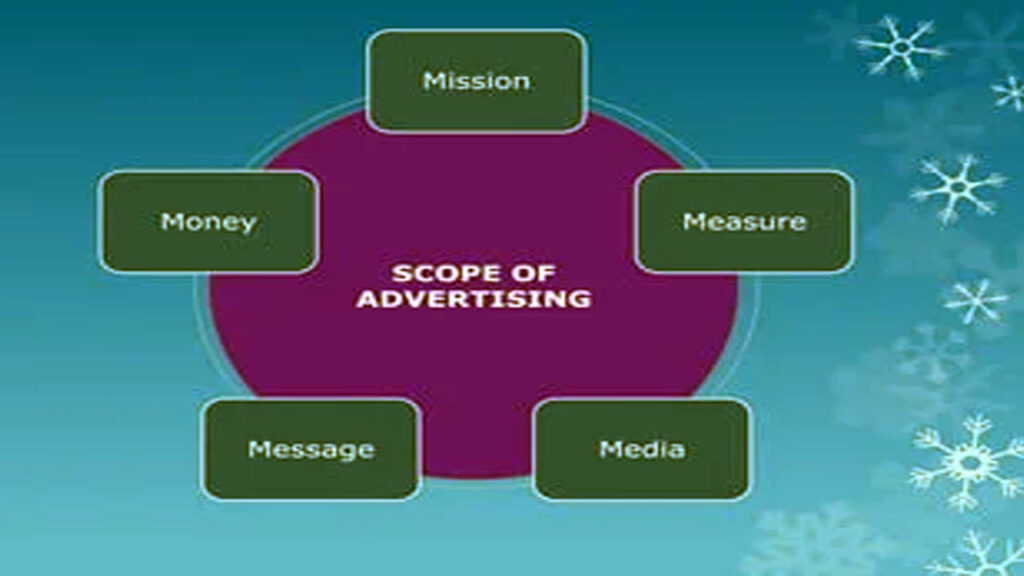
- Message: The advertisement should be exciting and, more importantly, directed toward fulfilling consumer wants or needs. A good, creative message forms the heart of the campaign because it will be the foundation of the whole process. Whether it’s extolling the unique virtues of the product or those of the brand itself, the message must reach your target customers and compel them to take action.
- Media: Choosing the most suitable medium is critical for effective access to the target market. With the existence of such numerous media, there is ample choice, from traditional media like broadcast television, radio, and print to digital media, social media, and search engines. Whatever the preferences of the target market and whatever the goals of the campaign are, the right media will depend on them. Taking a channel-optimized mix increases both reach and engagement.
- Planning: Timelines play a significant role in the success of an advertisement campaign. There is always a time for the audience to accept the message. Seasonal trends and events may also affect the performance of ads. For instance, the promotion of some products may run well during the holiday season due to the high interest of the consumers in those products.
- Audience Targeting: Advertising must target the correct people or target market. The advertiser requires demographic factors like age, gender, income level, and psychographics such as interests and lifestyle. Advertisers can message and choose media better suited for effective customer connections through audience segmentation and the development of detailed customer personas.
Knowing the Basic Components of Advertising: A Step-by-Step Analysis
- Message
- Core Message: The advertising message needs to be relevant, attention-grabbing, and communicating.
- Consumer Needs: A good ad message should speak directly to consumer needs, pains, or desires.
- Consistency: Consistency of the message across mediums ensures that the brand identity is consistently communicated.
- Emotional Appeal: Messages that are emotional—happiness, fear, excitement—often have a better impact and are more remembered.
- Medium

- Digital Channels: Websites, social media, email marketing, and other digital ads are significant in helping reach tech-savvy consumers.
- Traditional Media: Of course, print, television, and radio remain relevant for specific cohorts and add credibility to a campaign.
- Social Media Platforms: Every platform has different features, and marketers have to appeal to the specific characteristics of different audiences through various aspects.
- Choice of the Right Vehicle: The choice of a vehicle for communication efforts should focus on where the audience hangs out and what type of information delivery pleases them.
- Target Market

- Demographics: Knowing age, gender, and location can help tailor the ad to specific market groups.
- Psychographics: Information about lifestyle, interests, and values provides greater insight into how you might communicate with the target audience.
- Behavioural Data: All online behaviour says online behaviour (search history, purchasing habits) to more personalised and relevant ad campaigns.
- Segmentation: Segmentation of the audiences can lead to very targeted and message-effective ones.
- Creative Execution

- Visuals and Graphics: Catchy visuals can do much more to beautify an advertisement.
- Tone and Style: The tone should be matched with the personality that your brand owns and will stick out to the audience you have targeted.
- Storytelling: Story-telling messages elicit more richness in engagement than non-story-telling ones and are easier to consume, even with the most brutal messages.
- Creative Design: Unique creative designs give freshness to the advertisement in a very congested marketplace.
- Call-to-Action (CTA)

- Clarity: A clear CTA should not leave any scope for confusion over which action is expected as a result of exposure (e.g., “Buy Now,” “Sign Up Today”).
- Urgency: A call-to-action that creates urgency prompts faster action (e.g., “Limited Offer,” “Hurry, Don’t Miss Out!”).
- Visibility: The call to action should be evident and apparent in the ad.
- Relevance: This should align with the overall theme and campaign objective.
- Timing and Frequency

- Best Time: Timing is crucial to a campaign. Considering seasonality, holidays, and consumer behaviour will help in proper planning.
- Frequency: Repetition will strengthen a message, but too much of it may cause ad saturation.
- Seasonal Relevance: You need ads related to current events or something seasonal, which makes them more relevant and engaging.
- Ad Scheduling: Google Ads or Facebook Ads Manager can also determine when to present ads to a particular audience.
- Budget Allocation

- Channel-Specific Budgets: Allocate budget to different channels based on the ROI of every channel.
- Testing and Optimization: Test different ad formats and messages with a smaller budget to better leverage the company while scaling up.
- Monitoring Performance: Monitor which ads perform well and adjust the budget accordingly.
- ROI: Any dollar invested should yield overall benefits for the campaign, whether brand or direct activity.
- Consumer Engagement

- Interactive Ads: Quizzes, polls, or AR experiences can get increased recall and participation.
- Personalisation: Using the customers’ names and previous conversations with customer service makes the ad more effective.
- Mechanism of Feedback: The freedom to let customers comment or give feedback on a link can eventually result in maintaining healthier connections with them.
- Social Media Interaction: Social media ads that ask questions or simply request an opinion could generally relate better to people.
- Emerging Trends

- AI and Automation: It is possible to create technology-enabled quick-and-dirty ads using AI.
- Sustainability and Social Responsibility: Consumers have become accustomed to deciding which brands can display corporate responsibility.
- Interactive Content: This includes content related to augmented reality (AR), virtual reality (VR), and, finally, the ‘buy-now’ posts.
- Short-Form Video: TikTok and Instagram Reels demonstrate consumers are more interested in short-form, engaging video content.
- Tracking and Optimizing Performance

- KPIs (Key Performance Indicators): Identify the key performance indicators, such as click-through rate, impressions, and conversions.
- A/B Testing: Having different versions of ads to see what works and what does not.
- Real-Time Analytics: Using tools like Google Analytics and social media insights to see how things are doing and adjust based on those insights leads to sustainable success.
Final Words: Mastery of the Elements of Advertising
Understanding the core elements of what this post speaks to, a successful ad campaign is built upon. Using the right message, suitable medium, and creative engagement with the target audience enables brands to gain more visibility, build lasting relationships with their customers, and tell a story. Selling is just part of it, for creating a relationship pays long after one ad campaign is over.
- Build into the Appropriate Message: A message should be clear and relevant to meeting consumer needs or desires.
- Use an Appropriate Medium: Choose among digital, print, broadcast, or social media to reach your audience.
- Use Creativity in Engaging with the Audience: Design and story narratives highly enhance the strength of your advertisement.
- Build Relationship Storytelling: Focus on relationship storytelling, allowing loyalty and advocacy among your audience.
Mastering these pieces will enable businesses to shift their advertising efforts into gear. Advertising is a powerful means of driving growth, enhancing brand perception through better positioning and improving the long-term outcomes that result from advertising.
Keep in mind the principles discussed when embarking on an advertising journey so that the campaigns are attention-grabbing, loyalty—and advocacy-producing, and endearingly close and appreciable.
]]>What to Expect

We will cover every aspect of the retail industry throughout the comprehensive journey of this blog post. You will be able to learn several retail advertising methods, including traditional media, like advertising in print and outdoor advertising, and social media and online advertising, such as pay-per-click marketing and web display ad banners. Every one of these methods will be analyzed and disclosed in the paper, explaining how they can be used to connect with the audience.
There is also a chapter that deals with the profitability of retail advertising on factors such as brand identification, interactions with clients, and sales conversions. Furthermore, as of the present, we will, in addition to the pros, also look at the valid reasons why processes like well-thought advertising work better in competitive markets.
Moreover, the paper features illustrations of actual in-store advertising events that affirm the value of various tactics. Some key advertising principles and constructs that ensure the ad’s success include the AIDA model (Attention, Interest, Desire, Action) and the 4 Ps of marketing (Product, Price, Place, Promotion).
Whether you are an experienced marketer or a business owner just starting in the retail industry, this post will provide you with valuable ideas, practical strategies, and a more profound knowledge of how retail advertising can be used to fulfill your business plans. Join us as we unlock the key aspects that result in successful retail advertising in today’s context.
Understanding Retail Advertising: Types, Benefits, and Examples

The Essence of Retail Advertising
Retail advertising is a strategic communication process that retailers use to interact with end-users through product and service promotions. This advertising is designed to increase sales, assert brand name, and communicate about promotional activities.
- Types of Retail Advertising: The primary forms are print ads, digital marketing, social media promotions, TV commercials, and in-store displays. A shop window set up to attract foot traffic, and Facebook ads based locally can lead to satisfied customers in different places.
- Import customers of Product Positioning: Consumer attraction is often a pivotal point in retail advertising, where the first stage is to realize product placement in the market. Showcasing the development of “everyday low prices,” such as the Walmart case study, praises the successful placement of the brand and, consequently, the connection with budget-minded buyers.
- Statistical Insights: Retail advertising expenditures are expected to grow to $22 billion in the US solely with the US National Retail Federation.), as per the National Retail Federation, relating to the significance of this process in business.
The Impact of Retail Advertising on Consumer Behavior
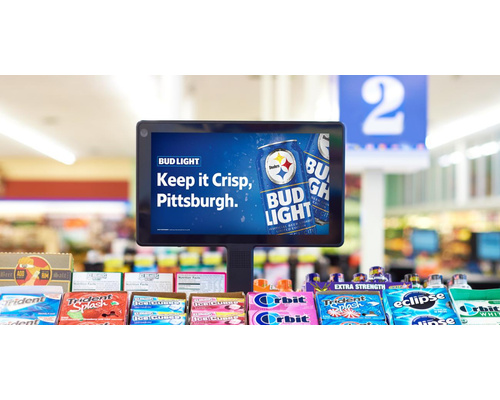
The reflection of retail marketing efficiency considered promotional factors and the significant influence on the consumer’s behavior and buying decisions.
- Real-World Applications: The experiment has shown that customers greeting with specific e-messages are more than 50% apt to buy more products from that seller. Therefore, promoting individualized marketing through e-surveys enables the retailer to get closer to customer delivery.
- Challenges and Benefits: Sales can hit and rise through ads. However, troubles are ahead, such as ad bombs and blockers of unfamiliar ads in digital markets. On the one hand, advertisements that are easy to understand and attract people usually lead to brand recall and customer loyalty; on the other hand, unclear and unattractive campaigns are some of the significant advertising challenges.
- Practical Strategies: Over the years, the best user has been seen in the A/B testing method to determine the most appealing ad format and the most potent formula to get the users involved. Applying visual design principles and sincere expressive acts could be the cues of the ad’s success.
Emerging Trends in Retail Advertising

Retail industry advertising is in the age of change, always being influenced by technological advancements and consumer preference changes.
- Insights and Developments: When the channels are not properly connected, the customer experience suffers, and retailers can’t convert. Retailers should reveal one branding idea simultaneously on social media, web pages, and physical stores.
- Emerging Trends: As influencer marketing is becoming a rapidly growing method to meet niche consumers, companies are now borrowing influencers’ stands and using social media platforms such as Instagram, hence expanding their market. Fashion retailers have further incorporated AR to create new layers of consumer entertainment for absolutely fantastic brand experiences.
- Industry Implications: To remain competitive in the changing retail landscape, brands should adjust their advertising strategies according to the market’s needs. An organization that employs data analytics will be able to better comprehend consumer behavior and then adjust the targeting aspect of marketing according to the consumer’s changing needs.
On the whole, retail advertising involves a lot of strategies and formats that significantly affect the purchasing behavior of consumers. As trends shift, the retailers want to be flexible and innovative. Such entails making ads that the clients want and aligning them with market trends. Using the experience of the internet, technologies, and the different possibilities businesses have, marketers will improve the effectiveness of their advertising and sustain growth.
Conclusion
To sum up, retail advertising is vital in customer-business corporate relations, acquiring income, and building a brand. Being conversant with the various types of retail advertising and their plusses is paramount to firms wishing to enhance their marketing strategies effectively. By using the right mix of advertising techniques, merchants can simultaneously get the target audience’s attention while designing messages that can touch people’s hearts and attract the crowd.
The key elements of retail advertising are:
- Types of Retail Advertising: From traditional methods such as newspapers and radio to modern ways of marketing like social media and email campaigns, each type provides unique benefits to different customers(general, etc).
- Benefits: Being successful in retail advertisement does the following: it magnifies the brand, wins higher customer engagement, and also raises the number of end goods customers. This, in turn, borrows a lot of ideas.
- Examples: Retail advertising has a rich and colorful history; for instance, marketers and brands have utilized seasonal times to push forward innovative and all-new promotional materials. Unique experiential marketing strategies can even be suggested to stimulate customers’ interest in otherwise overlooked or standard products in the market.
One of the essential skills for any retailer in the current dynamic scenario is the ability to stay truly connected with retail advertising trends and adaptable strategies and techniques that other competitors are using besides keeping up-to-date with all of the latest information.
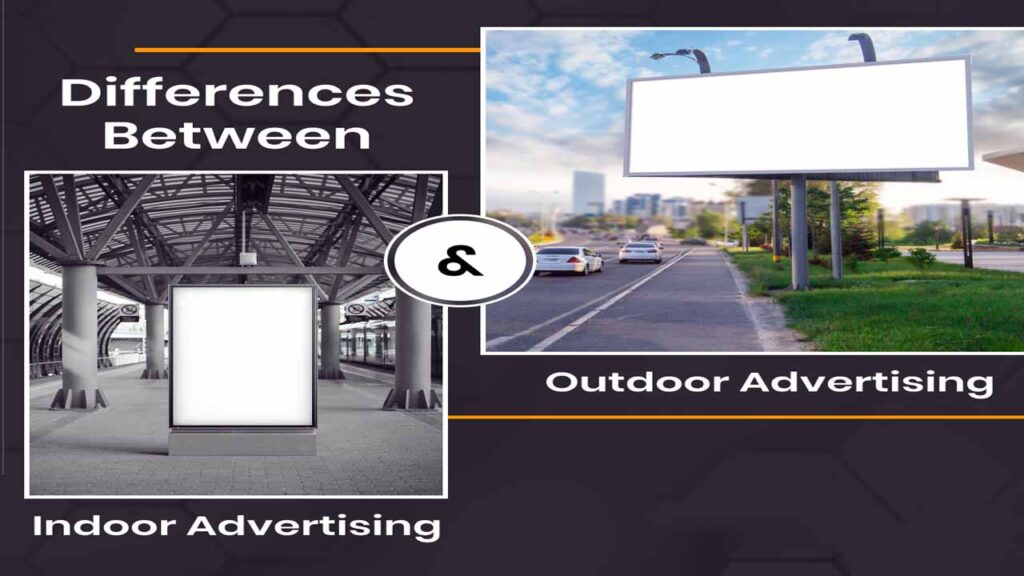
]]>- Environment and Surroundings: Indoor advertising takes place in ant, whereas environment outdoor advertising takes place in open spaces in public areas.
- Targeting Audience: There is an indication of a demographic affinity, whereas the reach is wider in the case of outdoor advertisements.
- Cost: Indoor advertisements are less expensive, but it is costlier to give increased coverage with outdoor advertisements.
- Time Spent in Attention: Indoor advertisements capture attention for extended periods, while outdoor advertising has to hold the viewer’s attention even within a fraction of a second.
- Content Intensity: Indoor advertisements are likely to be more verbose than outdoor ones, which usually tend to be short but highly creative.
Your choice between indoor and outdoor advertising depends on the nature of your product, your target audience, and even the desired impression. For instance, indoor ads enjoy a captive audience and a more focused environment. Outdoor ads take advantage of communicating to a broad audience using all their preferred exposure. This blog deeply deeply deeply explores some key differences between indoor and outdoor advertising—including unique characteristics, benefits, and ideal use cases.
For marketers, choosing the suitable medium is more than just visibility—crafting a message that resonates in the right setting. As such, each form of advertising has its strengths and limitations, and drawing the most appropriate one depends on a very detailed understanding of how each environment affects consumer behaviour. Let’s take a step forward and examine the critical differences between indoor and outdoor advertising.
Critical Differences Between Indoor and Outdoor Advertising
1. Surround and Environment
The environment that an advertisement receives would make the audience perceive it in a particular manner. Indoor advertising is performed within controlled surroundings—shopping malls, restaurants, gyms, and corporate buildings. Such an environment allows for more elaborate and intricate advertisements because the recipients are static and have much time to focus on the message. This ranges from typical indoor displays with digital screens, posters, and standees that offer a variety that easily integrates with the theme and ambience of the surroundings.
- Controlled Environment:
It is placed in regions where focus can be charged and executed with details. - Sophisticated Messaging:
The advertisements can bear longer messages and complicated designs to allure the viewers. - Audience Engagement:
Because they are stuck in place, the viewers have ample time to engage with the advertisement. - Integration with Environment:
Indoor large-format advertisements are designed to integrate correctly with the surrounding environment where they will be situated, providing a cohesive experience for the viewer. - Tapping Technology:
Digital display mediums, due to their dynamic content, contribute more to engagement opportunities.
On the other hand, outdoor advertising is distributed across open public places like highways, roads, transport stations, and city squares. In such cases, the primary goal of outdoor advertising is to be seen quickly since there is not enough time to read and comprehend the advertisement. Standard outdoor advertising comes in hoardings, posters, and transit ads, as their specialty encompasses broad visual activity supported by short messages. The environment is less controlled, and the ad must stand out against interfering elements like traffic, buildings, and other outdoor advertisements.
- High Visibility:
There is generally a much higher view of outdoor advertising, often a glance. - Short Message:
Since time is usually the constraint, messages must be short and catchy. - Active Content:
Outdoor billboard messages normally are action-grabbing, first-impression stimuli. - Competition:
In many ways, outdoor advertisements compete with the environment. So, images have to be striking. - Diverse Locations:
Such billboard messages can appear at various places, giving the advertisement more exposure to mixed crowds.
The environment also decides the content that will go well with it. Indoor advertisements can be detailed and subtle in their message, while outdoor advertisements must be relatively short and catchy. It is vital to understand the characteristics of the environment in which the advertisements are spread out, as this aspect will determine a flawless ad for an audience within each environment.
2. Targeting and Engagement with the Audience

One of the significant differences between indoor and outdoor advertising is the ability to target and engage specific audiences. Indoor advertising is targeted and allows strategic placement in locations where the target audience spends more time. For instance, pasting an advertisement on the walls of a gym for fitness enthusiasts or utilising digital signs in a technology store for branding the newest gadgets are examples where indoor advertisements may be crafted and tailored toward a targeted audience. This narrowed detail targeting could translate to more significant campaign involvement; the ads speak more directly to what the listener has within immediate space and interest.
- Location-specific Adverts:
It can be displayed indoors where the target demographics are more likely to view it. - Contextual Relevance:
Content can become relevant to the needs and interests of an audience in that particular setting. - Tailoring Opportunities:
The demographic present determines the type of tailoring indoor adverts may experience. - Interaction Opportunity:
The more extended exposure opportunity offers more elaborate messaging and possible interactions.
On the contrary, outdoor advertising aims to attract the attention of as many individuals as possible. It is primarily for mass awareness rather than individual targeting. This is because the demography spreads through outdoor ads, making it well-suited for products and services targeting a mass level. For instance, a national fast-food company can use billboard advertising to introduce a new menu item. People in private and public transport and pedestrians will be exposed to the billboard. Since one may have a concise exposure window to outdoor advertisements, creating a memorable visual with taglines is necessary.
- Highly Visible:
The target audience will be a diverse range of potential customers. - High Mass Appeal:
Fits products or services of broad market relevance. - Fast Impact:
Messages have to reach audiences quickly since they are often in motion. - Memorable Design:
The focus of outdoor advertising is on visual elements that are as influential as possible and, therefore, attention-grabbing. - Low Interaction:
By the nature of the exposure, low interaction can only be achieved with quick impressions, making visuals very critical.
The engagement levels also differ from one medium to another. An indoor ad benefits from a more engaged audience who may spend several minutes or more near the ad, while outdoor ads must make an impact within seconds. That is where the difference lies, and accordingly, the design and message in each ad type differ from one another: depth and detail for the indoor ads and simplicity and colour appeal for the outdoor ads.
3. Cost and ROI
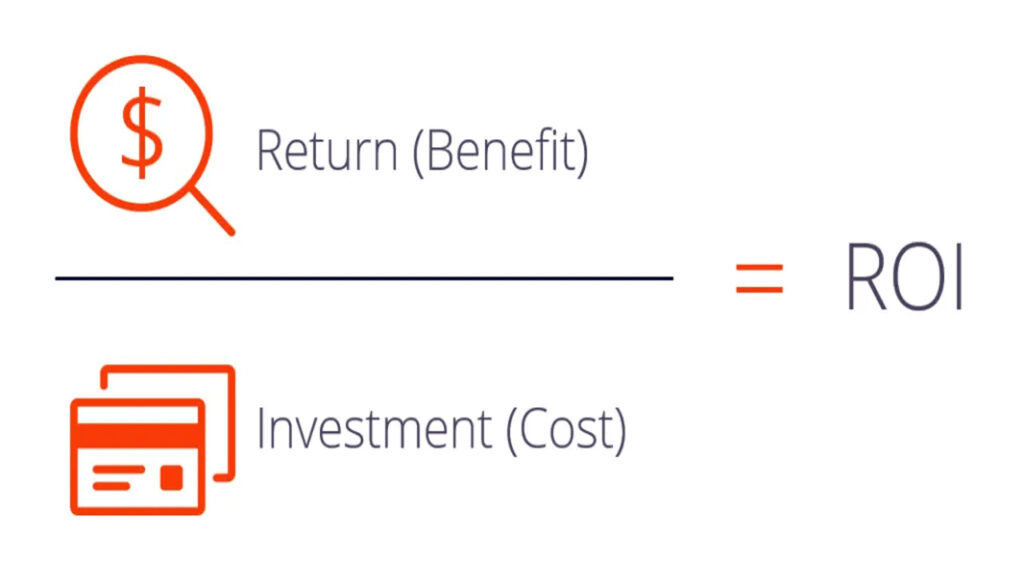
Indoor and outdoor advertising have an excellent cost disparity, whereby return on investment tends to be affected. Indoor advertising is relatively cheaper as it uses smaller advertisements within actual locations. The price will depend on factors such as the display size, the campaign duration, and niche targeting; indoor advertising would be a good fit for small businesses or local brands because it is cheaper and has a more effective return on investment.
- Low Overhead:
Indoor advertising productions tend to have a lower overhead. - Small Placements:
Targeted spending on focused demographics can be conducted through small placements. - Higher ROI:
Showing tailored messaging will yield higher conversion rates. - Budget Flexibility:
Brands can budget for targeted indoor spaces for specific periods. - Potential for Local Marketing:
For most local businesses, a successful strategy in indoor advertising would prove cost-effective.
Online advertising is simply the replacement. A billboard costs significantly more, especially when there is a lot of traffic and at strategic locations. However, the higher cost is justifiable through large-scale cover and brand reinforcement. In the case of giant corporations or national campaigns, outdoor advertising can generate high mileage through appreciation of solid brand awareness and top-of-the-mind recall.
- Higher Upfront Costs:
The initial investment for outdoor advertising is much higher. - Greater Reach Justification:
The cost is justifiable with broad exposure to the audience. - Brand Awareness:
Once the advertisement is blatant, it will likely increase the recall and recognition of the brand. - Large-Campaign Placement:
Outdoors work well when brand awareness strategies are used over a long period. - Market Saturation Opportunities:
Outdoor ads saturate specific regions for increased visibility and presence.
Deciding whether to use indoor or outdoor advertisement is critical as it means businesses should weigh their budgets, campaign goals, and the impact they anticipate getting for each. Indoor ads are usually more engaging; however, outdoor ads are where more awareness and visibility are made in deciding; therefore, much lies in choosing a style of advertisement that will give you the most return on investment and reach the goals set out during marketing.
Final Thoughts
Understanding the differences between indoor and outdoor advertising will guide any business in adequately using the media. The importance of intensive messaging through indoor ads works very well in places where people have enough time with the content. Outdoor ads—prominent, reaching a broad target audience—are used to spread large-scale awareness about the brand.
- Application of Purpose:
The choice between indoor and outdoor advertisements must match a particular marketing objective. - Behaviour of the Audience:
Understanding the impact of the environment on consumer behaviour is the only way forward. - Hybrid Approaches:
An amalgamation of indoor and outdoor ads is an all-inclusive approach to market coverage. - Choosing Ad Types:
The company has to evaluate the budget and expected return on investment. - Effectiveness Measurement:
The performance of the advertisement is measured constantly. This is a crucial step for devising advertising strategies.
Both indoor and outdoor advertising offer different advantages, and a business must choose according to its goals, budget, and ideal target group. A mix of the two can provide an all-around approach, reaching consumers at different stages of their day-to-day living. Whether in the form of a strategically positioned poster at a retail store or a gigantic billboard placed along a bushighwaywa ehighwahighway, retirement has a specific function within the rationale of a more extensive campaign.
]]>Ready to talk with a marketing expert?

A Pragmatic and innovative way to enthrall your target group is just a click away!
Get in Touch
Rukmini Knowledge Park, Kattigenahalli, SH 104, Srinivasa Nagar, Bengaluru, Karnataka 560064
+91-990 247 8800
contact@gingermediagroup.com
Popular in Television Advertising
Udaya TV AdvertisingSun TV AdvertisingStar Plus AdvertisingTV 9 AdvertisingZee TV AdvertisingNDTV India AdvertisingColors TV AdvertisingPopular in Airport Advertising
Spice Jet AdvertisingMumbai Airport AdvertisingDelhi Airport AdvertisingEmirites AdvertisingIndiGo Airlines Domestic India AdvertisingPopular in Newspaper Advertising
Deccan Herald AdvertisingPrajavani AdvertisingThe Hindu AdvertisingEconomic Times AdvertisingDainik Jagran AdvertisingHindustan Times AdvertisingPopular in Magazine Advertising
Forbes AdvertisingCosmopolitan AdvertisingBusiness World AdvertisingVogue Magazine AdvertisingPopular in Sports Advertising
IPL AdvertisingPopular in Outdoor Advertising
Billboard AdvertisingBus Shelter AdvertisingMetro Pillar AdvertisingUnipole Advertising© Ginger Media Group 2025. All Rights Reserved.