It’s easier to imagine success by identifying all the types of advertising media in this fast-paced marketing world. All the advertising campaigns aim to speak to the target audiences to whom it is addressed and then achieve the results; they choose appropriate combinations of the most suitable media channels to:
- Heighten visibility
- Boost engagement
- Kick the product conversions into high gear
While the dominance of digital media is undeniable, traditional and offline advertising channels such as:
- Outdoor advertising (e.g., billboards, transit ads)
- Print media (e.g., newspapers, magazines)
- Other offline methods (e.g., flyers, direct mail)
These methods remain highly effective, especially for local markets and specific audience segments. Balancing conventional means with digital media for effective reach is crucial and may be the most critical factor in:
- Impacting audiences in the most receptive manner
- Ensuring a holistic advertising approach
Why You Need to Understand Advertising Media Types
Understanding the different types of advertising media is not simply a matter of media placement, but rather understanding strengths and weaknesses, against which are aligned business goals, and then choosing those that best fit the message for the brand and target audience.
- Targeted Reach: Different media types help in reaching specific audience demographics. For instance, traditional media like television may have a broad reach, outdoor advertising targets audiences in particular locations, and social media offers tailored engagement options for niche audiences.
- Cost Management: Awareness of media costs allows businesses to allocate budgets wisely, focusing on channels that offer the best ROI. For example, while digital ads can be cost-effective for startups, large billboards might be more beneficial for local businesses.
- Message Customization: Understanding each media type enables marketers to adapt their message style—short and catchy for billboards, detailed and informative for blogs, or visual and engaging for social media.
- Campaign Measurement: Each medium provides unique metrics, making measuring performance and refining strategies based on real-time data easier. For example, while digital channels offer detailed analytics, outdoor campaigns can be tracked through foot traffic or coupon redemptions.
Traditional Advertising Media
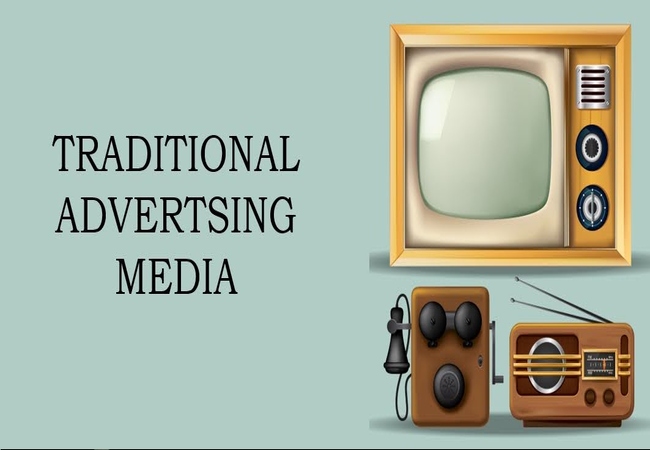
Traditional media include print, broadcasting, and out-of-home media. Even though digital channels are mushrooming around the corner, traditional media still contributes significantly to market reach, especially for newly established brands and local markets.
- Print Advertising includes newspapers, magazines, brochures, and flyers. It effectively targets specific age groups, such as older audiences who still prefer reading newspapers. It is helpful for industries where detailed information is crucial, such as real estate or automotive. It is best for building credibility and reinforcing brand image through high-quality visuals and long-form content.
- Broadcast Advertising encompasses television and radio ads. Television ads are ideal for reaching a mass audience quickly and are often used for product launches or branding campaigns. Radio ads are more localized and effective for small businesses targeting local audiences. They are ideal for creating memorable visual or auditory experiences that leave a lasting impact.
- Out-of-home advertising (OOH) includes billboards, transit ads, and posters. It captures attention in high-traffic areas like highways, city centers, and public transportation. Effective for brand awareness and reinforcing campaign messages through repeated exposure, OOH works well for promoting local businesses or time-sensitive offers.
Outdoor Advertising: Offline Visibility Creates Noise
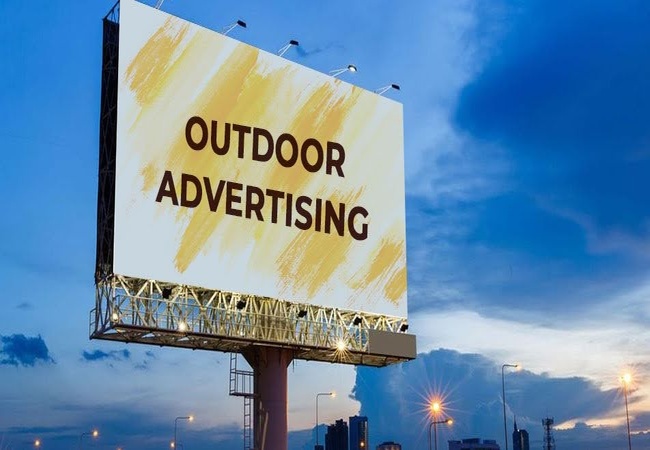
Outdoor marketing grabs people’s attention by placing them in areas where they can be seen in public. It is excellent for building brand awareness, event promotion, and driving foot traffic into individual businesses. There are several different types of outdoor advertisements, each with strengths that make a particular campaign stand out.
- Billboards: One of the most recognizable forms of outdoor advertising.
- Best suited for high-impact visual messages, ideal for brand recognition.
- Works well for both national brands and local businesses due to its high visibility.
- Effective when placed in high-traffic areas, such as highways or busy city intersections.
- Transit Advertising: Found on buses, trains, taxis, and subways.
- It is ideal for reaching commuters and urban audiences who spend significant time in transit.
- Offers a mobile way of reaching audiences, ensuring the message is seen in multiple locations.
- Effective for time-bound campaigns, such as sales promotions or event announcements.
- Street Furniture: Includes bus shelters, kiosks, benches, and telephone booths.
- Allows advertisers to engage with pedestrians and vehicular traffic in urban environments.
- Useful for hyper-local targeting and reinforcing brand messages in specific neighborhoods.
- Ideal for interactive ads, such as digital screens or QR codes, that encourage user engagement.
- Event and Venue Advertising: Includes signage at sports stadiums, concert halls, and conventions.
- It best captures audiences’ attention in a more relaxed and receptive environment.
- It is ideal for highly engagingly targeting niche markets, such as sports enthusiasts or music lovers.
- Works well for building a brand association with popular events or cultural gatherings.
Other Offline Methods of Advertising: As a means aside from Traditional and Digital

While broadcast forms such as print and outdoor advertising billboards are well-known, many other offline advertising media are lesser known and offer entirely different ways of reaching audiences. Strategic use of these can complement more extensive campaigns and leave a memorable brand experience.
- Direct Mail Advertising: This involves sending promotional materials such as brochures, catalogs, postcards, or letters to the target audience.
- Highly personalized and effective for targeting specific geographic or demographic groups.
- Works well for detailed product information, seasonal promotions, and exclusive discounts.
- Best for nurturing customer relationships and generating leads in a tangible format.
- Experiential Marketing: Involves creating immersive brand experiences that engage consumers directly.
- It is ideal for launching new products, building brand loyalty, and generating social media buzz.
- Effective for creating emotional connections with the audience through live events, pop-up stores, or interactive installations.
- Best for encouraging word-of-mouth marketing and enhancing brand recall.
- Point-of-sale (POS) and In-Store Advertising include promotional displays, banners, and digital screens in retail environments.
- Effective for influencing purchase decisions at the point of sale.
- Best for highlighting new arrivals, special offers, or product demonstrations.
- Works well for encouraging impulse buys and reinforcing brand messages in-store.
Digital Advertising Media Types
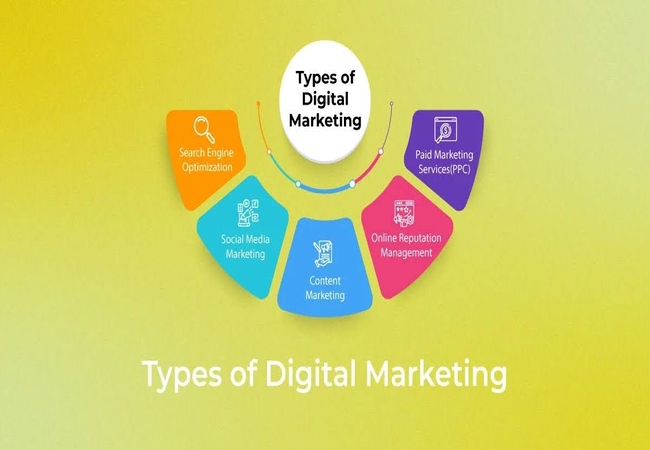
Digital advertising media have become essential marketing tools due to the internet and technology. Interactive and highly targeted avenues of engagement with audiences can ensure easier tracking and measurement of campaign success.
- Social Media Advertising: Platforms include Facebook, Instagram, LinkedIn, Twitter, and TikTok.
- Highly targeted, allowing businesses to reach specific demographics based on location, interests, and behavior.
- It is ideal for building communities, engaging in two-way communication, and promoting user-generated content.
- Best for running both organic and paid campaigns that can go viral and reach millions.
- Search Engine Marketing (SEM): Includes Google Ads, Bing Ads, and other PPC campaigns.
- Target users search for related products or services, making it highly conversion-focused.
- It allows for precise budget control, as advertisers only pay when users click their ads.
- Best for driving website traffic, generating leads, and increasing sales.
Final Thoughts
To create impactful and memorable campaigns, it’s essential to understand and strategically combine various advertising media types. Each type—whether traditional, digital, outdoor, or other offline channels—brings unique advantages that can help brands achieve diverse marketing objectives. By carefully analyzing the strengths of each medium, marketers can craft campaigns that resonate deeply with their target audiences, ensuring high engagement and optimal results.
- Utilize a Balanced Approach:
- Combine traditional and digital media to maximize reach and engagement.
- Use outdoor and offline ads to boost local visibility and brand recognition.
- Leverage experiential marketing for memorable brand interactions and in-store displays to influence purchasing decisions.
- Understand the Strengths of Each Media Type:
- Traditional Media: Best for building credibility and reaching broader audiences.
- Digital Media: Ideal for precise targeting, real-time engagement, and performance tracking.
- Outdoor Advertising: Perfect for high-impact visuals and reinforcing brand messages in strategic locations.
- Other Offline Methods: Excellent for personalization and creating immersive brand experiences.
- Create a Cohesive Multi-Channel Strategy:
- Develop unified messages that can be adapted for different media.
- Use cross-promotional strategies, such as integrating social media with experiential marketing events.
- Monitor performance across all media channels to refine and optimize campaigns based on data insights.
Frequently Asked Questions About Media Advertising
How do you select advertising media?
Selecting advertising media involves determining the target audience’s preferences and, depending on the campaign’s overall objectives, the channels to use. Other factors considered when making choices are reach, engagement potential, and budget.
What are forms of advertising media?
Advertising media refers to different forms, such as television, radio, print (newspapers and magazines), outdoor (billboards), and digital platforms like social media, websites, and email marketing. Each one has its strengths and is recommended to be used toward specific types of marketing objectives.
Why is advertising media important?
Advertising media is essential to a business because it will enable them to reach their audiences, increase the brand’s presence, and encourage and effectively drive sales. An effective advertising media strategy will undoubtedly support a brand’s growth and success more profoundly in markets.
Ad media tracks its ads’ effectiveness through key performance indicators, including reach, engagement, conversion rates, and return on investment. The businesses can then monitor their advertising activities through analytics tools and metrics.
What are some of the current advertising media trends?
Other contemporary trends involving advertising media include influencer marketing, personalization of content, using artificial intelligence in targeting, and social media becoming an increasingly critical platform. Therefore, keeping abreast of these trends would help a business understand which content to personalize, use its targeting facilities, and change market strategies to achieve better performance.
]]>We must understand television advertising and its language. There is only so much radio, TV, and online advertising available. Radio and television ads are significant examples of broadcast advertising.
Broadcast media, such as television and radio, reach a larger target audience than print media. General media is anchored by radio and television professionals and is meant for native or international usage.
A Quick Introduction to Broadcast Advertising
The definition of broadcast advertising has mostly stayed the same over the years, and this is what companies depend on when using it to reach their target markets and ultimately sell products or services. The format of TV advertising has evolved over the years, but its efficacy certainly hasn’t.
So basically, advertising television is an indispensable tool for businesses working to reach a large and diverse audience.
While it is an expense, many businesses find it worthwhile because it effectively grows brand loyalty, increases sales, and raises brand awareness.
Broadcast Advertising 101: Types of Broadcast Advertising

TV campaigns are where strategy meets psychology and creativity in a combination destined to appeal to viewers.
They can take the form of commercials, long-form advertising, PSAs, product placements, infomercials, and sponsored programming.
We have the broadcast media advertising:
Commercials
Of course, commercials are the foundation of TV advertising—a short video that captures viewers’ attention in around half a minute to two. In order to capture viewers’ interest, evoke emotions, and convey a relevant message quickly, advertisers have to come up with innovative ideas.
Long-Form Advertising
This is the type that would be seen in lifestyle programs and infomercials. It allows for a detailed review of the product. It educates the audience and ensures they know the product’s specificities, which builds trust and connection with them.
PSAs
While commercials focus on selling a product or service, PSAs promote awareness of and solutions to social problems. They address critical issues from racing safety, public health, and community programs.
Product placement

It is a discreet way of advertising that also efficiently brings a company’s goods or logos into TV shows. It enhances the viewer experience by using on-screen characters to interact with the advertised items and alter their customer’s purchasing behavior.
Infomercials
A larger format of 30-60 minutes, it combines entertainment and advertising. It transports the viewer to a foreign land, fills them in with all the details, and highlights all the benefits of a product.
Sponsored programming
This is a unique viewing experience that blends content with advertisers. The program or segment is sponsored by businesses that underwrite production in return for playing their commercial breaks.
Let’s Now Explore Parts of Broadcast Advertising

Elements of Advertising Copy in Broadcasting
Broadcast copy is an example of broadcast advertising. The advertising copy, or the main text in each ad, is designed to do one thing and one thing only: sell.
Well-done advertising copy drives sales, whether it’s to announce a new product or to direct traffic from landing pages with special deals or TOFU descriptions on e-commerce sites.
Broadcast Copy: The Components in Advertising
A Stated Goal
- The aim of the advertisement material should be evident right from the start. The more the copywriter knows about the aim of the copy, the better, as he has guidance with that. All advertisements will serve their purpose with the targeted pathway. Creative endeavors have a specified aim, and they show the copywriter how to unify the team and get everyone on the same page.
A Powerful Message
- So, the second element of successful advertising writing is a compelling message. In whatever form it takes, a good example here might be that you have a punchy title and then some rich textual information expanding on the title.
The heart of all advertising material is the message. It does more than simply capture the gist of what you are telling; it sticks in the minds of your audience.
Proof of Actual Benefits
- The ad delivers a solid and apparent reason for customers to want things by pinning down positive, measurable outcomes.
It helps people visualize the benefits of the good or service. Advertisers develop a powerful connection with the audience, get them willing to act, and show how these needs you want are satisfied.
An Attractive Offer

- Advertising copy must be strong and contain a powerful offer. The hook is what attracts readers and makes them curious about the offer, which is the groundwork of the writing.
- Obviously, a compelling offer is more than merely describing a product or service; it also speaks to inspiration, what truly motivates people’s decisions.
A Clear Tone
- The tone of the advertisement conveys the message and mood you wish to provoke in your audience. We must find a balance between the incentives and values of our target.
Confidence and trust. The power of presence. The professional confidently moves among business professionals, dropping confidence left, right, and center.
Yet, when you talk about popular leisure activities among Millennials, you should find a tone that resonates with their everyday life, showcases what they think of as fun and games, and maybe even something on the comedic or more accessible side.
A Clear Call to Action
- The last part of the copy – your call to action (CTA)! By turning a customer’s curiosity into commitment and guiding it in a desired direction that aligns with their objectives.
CTAs with direct and action-oriented verbs such as “grab the deal,” “act now,” or even “start your journey” provide more motive to take an immediate step.
A Means of Feedback
- Providing a short and relatable answer is basically the beginning of your company’s conversation with prospective clients. It conveys the intention to activity, be it a navigational landing page, an 800 number, or local retail premises.
This responsive link offers an easy click without all the hassle, providing customers with the experience and accessibility they seek.
Broadcast Advertising: Best Practices
Learn the ins and outs of broadcast advertising with these best practices, designed to help you increase your market effectiveness and capture your audience.
Start Small
- TV commercials are expensive, so you must be with a BETTER ONE and track how they perform well before throwing in more money. The basic idea then becomes to put up a few quick ads just to test them (I would run one or two simultaneously) and see how well they work and what works best in your first ad… you can build on it.
The Significance of Timing
- There are peak seasons in the television industry, just like in any other industry. The more people who tune in to see your ad, the more likely someone will notice your commercial.
When you are advertising, it is essential to take into consideration your landing season.
Place Quality First
- When making a commercial, pay attention to production quality. Even the most original and entertaining commercial will fall flat if a viewer expects it to sound impressive but cannot find the “volume” or epic picture quality from a television spot.
These are things that, although it may seem cheaper to start with lesser equipment and just buy higher time slots, you could invest in the shorter, high-quality commercial rather than cutting costs.
Budget-Friendly Branding
- Reaching your target audience is of the utmost importance for any marketing effort, but these peak viewing hours come with a big price tag.
They allow station staff to make innovative placement plans that stretch your cash during peak viewership and get your message in front of the people you want to see.
Last but not least, learn how to navigate broadcast advertising with confidence using best practices that include telling better stories and understanding data-driven insights.
Final Thoughts
Television Advertising and Us
We have touched base on several types of television advertising. Specifically, we observed the six major types of broadcast commercial advertising and the benefits and challenges of each. We appreciate the nuance of TV advertising, whether you go wide or take a soft touch with it.
With the proper knowledge, this high-impact crossover of creativity, technology, and audience might benefit your brand or message. There are many strategies for broadcast advertising, but the real trick is to understand and tailor one or more of them to your goals.
Frequently Asked Questions
1. The Effectiveness of Broadcast Ads
- Video results are similar to Media Science’s comparison of TV broadcast vs. streamed compared to mobile when it comes to Broadcast Advertising. Ads on the larger TV screen drive a 2.2x times increase in unaided recall and a 1.3x lift in purchase intent; ads on every other device led to an 18% lower unaided impact, for example.
2. How Broadcast Advertising Reaches a Target Audience
- A marketing strategy that employs media like radio and television to achieve identifiable target audiences using the transmission paths of air. Broadcast media advertising remains the most expensive form of reaching the largest audiences.
3. Which Approach to Marketing Strategy Does Broadcast Work Best With
- Market segmentations help create more active interactions with viewers without antagonizing them. With broadcast marketing, you work with brands to create more helpful material for raw visual needs. Broadcasting delivers on these.
Ready to talk with a marketing expert?

A Pragmatic and innovative way to enthrall your target group is just a click away!
Get in Touch
Rukmini Knowledge Park, Kattigenahalli, SH 104, Srinivasa Nagar, Bengaluru, Karnataka 560064
+91-990 247 8800
contact@gingermediagroup.com
Popular in Television Advertising
Udaya TV AdvertisingSun TV AdvertisingStar Plus AdvertisingTV 9 AdvertisingZee TV AdvertisingNDTV India AdvertisingColors TV AdvertisingPopular in Airport Advertising
Spice Jet AdvertisingMumbai Airport AdvertisingDelhi Airport AdvertisingEmirites AdvertisingIndiGo Airlines Domestic India AdvertisingPopular in Newspaper Advertising
Deccan Herald AdvertisingPrajavani AdvertisingThe Hindu AdvertisingEconomic Times AdvertisingDainik Jagran AdvertisingHindustan Times AdvertisingPopular in Magazine Advertising
Forbes AdvertisingCosmopolitan AdvertisingBusiness World AdvertisingVogue Magazine AdvertisingPopular in Sports Advertising
IPL AdvertisingPopular in Outdoor Advertising
Billboard AdvertisingBus Shelter AdvertisingMetro Pillar AdvertisingUnipole Advertising© Ginger Media Group 2025. All Rights Reserved.