Importance of Understanding Types of Appeal
- The most important goal achieved by the two sides of this bargaining process is the knowledge of the two types of appeals in advertising. The two can have very different applications within a company’s marketing framework.
- For example, some advertisements affect consumers’ emotions so that they become more attached to the brand. Still, rational or logical appeals to consumers’ analytical parts are also quite popular.
Relevance in Strategic Decision-Making

- Adopting and mastering the ideas that appeal to the advertising industry is very important when strategic decision-making comes into the picture. If a brand identifies a particular appeal that its target consumers can resonate with, it can work with campaigns that reflect their taste. Hence, the engagement and conversions may rise. This wisdom helps the company put resources in the right direction, select the proper media channels, and form messages that get their attention and influence their buying decisions.
- In short,one of the main topics of advertising that need to be understood is how different kinds of appeal work in the context of innovative marketing tools, creating almost an emotional connection with the customer and thus significantly improving the business efficiency and success.
Types of Appeal in Advertising: Definition, Purpose, and Real-World Applications

Appeal in advertisements is the means of presenting information to the recipient in a particular manner that is expected by the intended reaction from the audience. Appeals are psychological buttons that potential buyers are skillfully enticed to interact with and potentially acquire a product or service. In their application of such means, various types of appeals are possible, each focusing on different emotions, needs, and value strings of its target audience. The most common types of appeal in advertising include:
- Emotional Appeal: It has the dedication to the audience’s sentiments and the motivation of feelings as the means to get the audience to bond and act on the message. This might include feelings of happiness, nostalgia, fear, or even sadness.
- Logical Appeal (Rational Appeal): Draws on numbers, percentages, and logical arguments to persuade buyers. This type of appeal entails using data and factual evidence that proves the validity of the brand’s claims.
- Ethical Appeal (Character or Credibility Appeal): This is hinged on creating credibility demonstrated through trustworthiness. It mainly involves the presentation of skills, testimony from significant personages, and the values the company holds dear.
- Social Appeal: It is about persuasion through belonging or social approval. This strategy is often used to demonstrate consumer desires to fit in through peer pressure and the adoption of shared social norms. In these cases, the message connects the service or the product with a higher acceptance status in this environment.
- Humor Appeal: Applying funniness or comic elements to draw in and amuse the viewer. Brought upon by laughter, it can help adverts be more memorable and create a good link with the brand.
- Fear Appeal: Enumerates the possibility of a bad result if no action is taken. This method of attraction is often encountered in advertising in health, insurance, and safety.
Purpose of Appeals in Advertising
The chief goal of appeals in advertising is to change consumers’ behavior by prompting a particular immediate response. The primary purposes are:
- Creating Awareness: To start a product or service to potential consumers.
- Building Interest: Motivating readers by using well-accepted or natural pivot points to make them want to monitor the situation.
- Encouraging Action: Inspiring customers to pay for, register, or contribute more to the brand.
- Differentiating the Brand: The way to make it seen among the others in a market is by focusing on the critical aspects of the meeting and the audience’s views.
Functions of Appeals in Advertising
- Engagement: Appeals are an essential part of attention capture and viewer engagement. A well-designed appeal can captivate a viewer for a longer time.
- Memorability: Emotional and humor appeals are two factors that, when included in the ads, can conjure up a picture in a consumer’s mind. This, in turn, will provoke remembrance of the brand.
- Persuasion: Ethos and pathos are used in appeals, and the author convinces consumers of something. Rational ones depend on credible evidence and logic. Hence, people can judge correctly and orient their market following based on those facts.
- Connection: One of the methods marketers can employ to emotionally connect and thus become more loyal and attached to their customers is through social or emotional appeals.
Real-World Applications of Appeals in Advertising
- Emotional Appeal in Charity Advertisements: Charities use stories of people in need to trigger an emotional response that people can relate to. For example, one of the ads could depict a family or a community in a problematic situation as a result of their husband’s imprisonment, or it might simply mention that the reader should think about what it would be like to be in their shoes, which would promote empathy and ways to give.
- Logical Appeal in Technology Advertising: Big tech companies like Intel and Samsung are some of the popular defenders of logical reasoning and are known for dispensing information about r&d and data science using charts, reports, and spreadsheets to advertise their products. For example, one ad might promote the new, improved phone by stating that it is 10% faster with six more hours of battery life and a better resolution alone, making it the only rational decision.
- Social Appeal in Fashion Advertising: Many fashion brands leverage the ‘power of the social media influencers to do the heavy lifting by selling the latest trends’ while consumers get inspired enough to buy creative clothes. Campaigns such as a party, accompanied by purchasing and wearing attractive and stylish clothes, have a way of telling people that they are calm and belong.
- Humor Appeal in Beverage Ads: Advertising companies like Budweiser and Coca-Cola are successful at comedy in their commercials by lightening the mood and imposing their particular brand of comedy. Such a product can be so attractive to consumers that they often buy it.
- Fear Appeal in Health Campaigns: Presently, the bring-about of the scare in promotional materials, especially those aimed at curtailing smoking, wraps around the Little Red Ribbon campaign. Apart from branding the images of diseases with their graphic forms and footage from those former smokers, which are used by the campaigns, the campaigns are also grounded on the fear of the likelihood of getting a disease like cancer or emphysema or the slowing down of the development of scars.
Conclusion
Advertisements can vary from utilizing different appeals. For example, defiant people can be adamant about their decision not to buy a product but be amazed when they come to appreciate how much they have in common with the product’s features. Companies can evoke a sense of admiration in consumers when looking for new and attractive connections between ordinary things and customers. The function of this appeal is to make customers who are objects of admiration of society; during riot advertisements, singing is on both sides, seeking engagement and persuasion.
]]>Key Points to Consider
- Market Impact: CPG represents a significant portion of retail sales globally.
- Consumer Behavior: Understanding consumer preferences is key to product success.
- Innovation: Constant innovation is essential to stay relevant.
- Sustainability: The demand for sustainable products is on the rise.
- Digital Transformation: E-commerce is reshaping how CPG products are marketed and sold.
What Are Consumer Packaged Goods?
Consumer Packaged Goods (CPG) are items that are sold quickly and at relatively low cost. These goods are typically consumed on a daily basis and include a wide range of products such as food and beverages, toiletries, and cleaning products. The CPG sector is crucial for the economy, representing a large part of retail sales and employment.
Key Components of CPG
- Fast-Moving Nature: CPG items are sold quickly and are often restocked frequently. Their short shelf life encourages quick turnover and regular purchasing.
- Brand Loyalty: Many consumers develop loyalty to specific brands. This loyalty can significantly influence purchasing decisions and market share.
- Retail Distribution: CPG products are distributed through various retail channels, including supermarkets, convenience stores, and e-commerce platforms.
- Marketing Strategies: Effective marketing is crucial for CPG brands. Advertisements, promotions, and product placements play a vital role in driving sales.
- Packaging and Design: The visual appeal of product packaging can greatly impact consumer choices. Well-designed packaging can enhance brand recognition and attract potential buyers.
Understanding these components is essential for businesses seeking to succeed in the CPG industry.
The Importance of CPG in the Economy

CPG holds a vital position in the economy, influencing various sectors such as manufacturing, distribution, and retail. The growth of this sector has far-reaching implications, not only for businesses but also for consumers and the overall economy.
Economic Impact of CPG
- Employment Opportunities: The CPG sector creates millions of jobs worldwide, from manufacturing to retail. This broad employment base supports local economies and contributes to job stability.
- Consumer Spending: CPG represents a significant portion of consumer spending. As disposable incomes rise, consumers tend to spend more on packaged goods, driving economic growth.
- Supply Chain Dynamics: The CPG industry relies on complex supply chains that involve raw material procurement, manufacturing, and distribution. Efficiency in these processes can enhance productivity and reduce costs.
- Innovation Catalyst: The demand for innovative products drives research and development within the CPG sector. Companies are constantly looking for ways to improve existing products or create new ones that meet consumer needs.
- Global Trade: CPG products are traded globally, affecting international trade relationships. Exporting goods can enhance a country’s economic stability and influence trade policies.
The economic significance of CPG cannot be overstated, as it plays a crucial role in shaping market trends and consumer behavior.
Challenges Facing the CPG Industry

Despite its importance, the CPG sector faces several challenges that can impact growth and profitability. Recognizing these challenges is crucial for businesses aiming to navigate the complexities of the industry successfully.
Major Challenges in CPG
- Market Saturation: With numerous brands competing for consumer attention, the market can become saturated. Differentiating products becomes increasingly challenging.
- Changing Consumer Preferences: Today’s consumers are more health-conscious and environmentally aware. Brands must adapt to these preferences to remain relevant.
- Supply Chain Disruptions: Events like the COVID-19 pandemic have highlighted vulnerabilities in supply chains. Companies must develop resilient supply chains to mitigate risks.
- Regulatory Compliance: The CPG industry is subject to various regulations concerning product safety, labeling, and environmental impact. Compliance can be complex and costly.
- E-commerce Competition: The rise of online shopping has transformed the retail landscape. CPG brands must adapt their strategies to compete effectively in the digital marketplace.
Understanding these challenges can help businesses strategize effectively and position themselves for long-term success in the CPG market.
Strategies for Success in CPG

To thrive in the competitive landscape of consumer packaged goods, businesses must implement effective strategies that address industry challenges and leverage opportunities.
Effective Strategies for CPG Brands
- Focus on Innovation: Continuous innovation in product development and packaging can help brands stay ahead of competitors. This includes offering new flavors, healthier options, or sustainable packaging solutions.
- Leverage Data Analytics: Utilizing data analytics can provide insights into consumer behavior, helping brands make informed decisions regarding product development, pricing, and marketing strategies.
- Emphasize Sustainability: As consumers increasingly seek eco-friendly products, CPG brands should prioritize sustainability in their operations. This can include sourcing materials responsibly and minimizing waste.
- Enhance Digital Presence: Investing in a strong online presence can improve visibility and accessibility. Brands should utilize social media, e-commerce platforms, and digital marketing strategies to engage consumers effectively.
- Build Strong Relationships: Collaborating with retailers, suppliers, and other stakeholders can enhance brand visibility and distribution efficiency. Strong relationships can lead to mutually beneficial partnerships.
By implementing these strategies, CPG brands can position themselves for success in an ever-evolving market.
Conclusion: The Future of Consumer Packaged Goods
In conclusion, Consumer Packaged Goods (CPG) play a pivotal role in the global economy and significantly influence consumer behavior. By understanding the components, importance, challenges, and strategies related to CPG, businesses can navigate this dynamic industry more effectively.
Key Takeaways
- Market Influence: CPG represents a significant portion of retail sales globally.
- Adaptability: Brands must adapt to changing consumer preferences and market dynamics.
- Innovation is Key: Continuous innovation and data-driven strategies are essential for success.
- Sustainability Matters: The demand for sustainable products is growing, necessitating a focus on eco-friendly practices.
- Digital Transformation: A strong digital presence is crucial for engaging modern consumers and competing effectively.
The future of CPG is bright, but businesses must remain agile and responsive to market changes. Embracing innovation, sustainability, and digital transformation will be crucial for thriving in the consumer packaged goods sector.
]]>Advertising: Definition and Fundamental Concepts

- Advertising is a strategic communication process to promote products, services, or ideas to a specific audience.
- It combines various methods, from traditional media, including print and television, to digital channels, such as social media and search engines.
- Advertising is not only meant to inform customers about product specifications; its primary function is to encourage them to buy the product or contact the company.
The Role of Advertising in Modern Business
Advertising has many vital roles in the corporate world. First, it is a leading marketing technique for creating a brand that people recognize so that those who can show a product and get a feeling of simulation would buy it. For example, companies like Coca-Cola and Apple rely on advertising to maintain world recognition and customer patronage.
- Statistics & Insights: As per Statist, global advertising expenditures were estimated to be more than $700 billion in 2021, representing the high valuation that businesses give to advertising in their overall marketing strategies.
- Frameworks/Methodologies: One of the most well-known models is the AIDA model (Attention, Interest, Desire, Action), which describes a series of steps a buyer takes before buying a good. By being conversant with the model, advertisers can develop focused messages that are relevant at every stage.
Types of Advertising and Their Applications
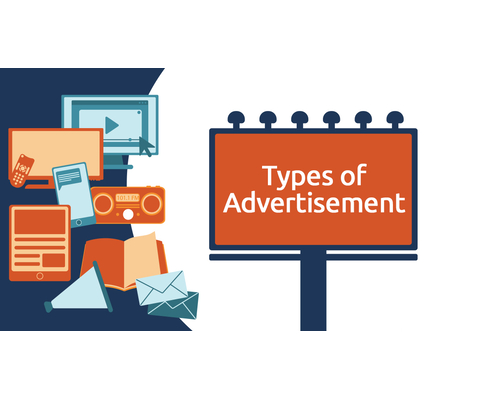
Advertising can take different forms and be designed to meet specific goals and target different groups of people. Traditional marketing encompasses print ads, TV commercials, and billboards, while digital marketing includes social media ads, search engine marketing, and email marketing campaigns.
- Real-World Applications: A good case is Nike, which employs digital advertising in conjunction with the influencers known on Instagram and TikTok to grab the younger generation’s attention. This illustrates how brands are adapting to digital trends.
- Challenges and Benefits: Advertising, on the one hand, is the best way to enhance a company’s visibility and revenue. Nonetheless, marketers have to be cautious because people could become tired of seeing the same ads all the time and might also be skeptical consumers. Advertisers primarily concentrate on personalization and targeted advertisements that use data analytics to ensure their effectiveness with consumers and minimize disturbances.
- Practical Strategies: To facilitate the creation of advertising, companies have to clear up the messages they want to send and pick the right mediums that best speak to their target groups. Another trick to using A/B testing that can dramatically improve ad performance is advertisers doing it to see which messages or formats work best.
Emerging Trends in Advertising

The advertising industry is developing mainly influenced by different trends that shape its future. One significant trend is the establishment of data-driven advertising, where companies use customer data in a very focused and tailored way to create ads.
- Insights and Trends: TikTok, a new platform, has introduced companies to video content, which is more interesting than a traditional picklist environment but needs user participation. In fact, the power of machine learning and AI can make real-time decisions and optimize complex targeting for any programmatic and automatic media buying, which is the most recent development in advertising space technology.
- Implications for the Industry: These shifts indicate that advertisers will have to be able to learn and evolve through listening to the clients and analyzing the market. On the other hand, companies that need to catch up on these issues may be refrained from the marketplace. For a business that aims to maximize the use of advertising, grasping its multiple characteristics is the first point. By reading the trendsetters and invigorating plans, firms can increase their visibility in all marketing channels, engage their audience, and push their businesses to grow.
Conclusion
Through the course of the conclusion, it is gradually mentioned that with the high pace of competition in the current marketplace, advertisers must become proficient in advertising. In the same way, they have to interact with their target audience closely. Advertising supplies the condition where creative ideas go hand in hand with strategy; this eventually drives how consumers react and allows brands to develop customer loyalty. By examining different aspects of advertising, such as types, business models, and psychological impacts, companies can develop creative campaigns that successfully meet customers and realize quantifiable outcomes.
Key Takeaways:
- Definition and Role: Advertising promotes products or services to sway a consumer’s perception and behavior.
- Components: It encompasses systematic planning, creative provision, messaging, and the proper media channels.
- Types of Advertising: Whether digital or traditional, all the types have their strength and are personalized for different audience segments.
- Targeting and Segmentation: Good commercial communication should include a clear understanding of the selected target group and then aim at catching the right people’s attention by just with the people who are being targeted to ensure their active participation.
- Impact on Consumer Behavior: Advertising influences customer choices and brand image, and thus, thinking about wording is very important.
- Cultural Relevance: Catchy advertising linked to the latest fashion fads and propriety values touches customers more personally. For businesses to integrate dynamic and fast-paced operations in the global marketplace, the essentials of advertising should be clear to them—business speak.
This blog post’s purpose is to reveal the selling point of product advertising—what it is, why it matters, and how it has changed in the prevailing digital era. We will disclose the underlying principles of successful product promotion strategies and investigate the details that make the difference to only partially successful campaigns.
They will learn from the article the strategies advertising can include, such as publications in traditional media and television, as well as new methods, such as social media advertising and partnering with influencers. Additionally, we will take a closer look at valuable concepts like the AIDA (Attention, Interest, Desire, Action) model—a principle that guides the creation of persuasive messages that your audience can relate to.
Through the article, you will hold a full-fledged review of product advertising along with its strategic role in the campaigns of the present time. You will be knowledgeable about practical ideas that will enable you to make the right decisions, whether you are a marketing person, a business owner, or just a curious person who wants to discover how products are delivered to customers. Let’s go more profound as we look at this essential aspect of the marketing world!
Understanding Product Advertising: Definition and Significance
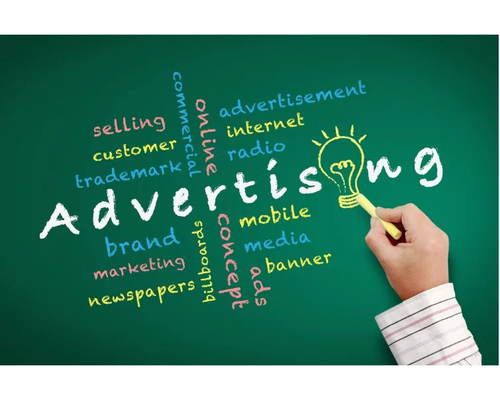
Product advertising merely discusses promotional communications that seek to sell specific items to specific audiences. One of the main objectives is to inform and persuade consumers to buy one product by providing information about the product’s pros, the product’s-product’s distinctive features, and unique selling points that others do not have. This process, therefore, intensifies the consumers’ level of interest and promotes their purchase behaviors.
The Importance of Product Advertising

One primary function of product advertising is to develop brand awareness and change consumers’ perceptions.
- Customer Awareness: Product advertising guides buyers in identifying brand and product images in a labyrinthine marketplace. For instance, even the most watched brand giants like Apple and Coca-Cola spend fortunes on advertising to ensure their domination of the consumers’ psyches.
- Case Studies: Brands like Nike have effectively engaged in marketing campaigns that push their brand products and create strong emotional connections with customers, thus rendering customer loyalty and more sales from repeat business.
- Statistics: The American Association of Advertising Agencies reports that the average business that invests in ads sees a $2 return for each dollar spent on advertising, explaining why it is so successful.
A well-organized product advertising plan often consists of various models, such as the most competent AIDA model (Attention, Interest, Desire, Action), that marketers use to develop catchy lines to lead consumers through the purchasing process.
Crafting Effective Product Advertising Campaigns

Designing an advantageous product advertising campaign needs a good understanding of the target audience and the competitive landscape.
- Segmentation and Targeting: Companies mostly use market segmentation to identify certain consumer groups as characteristics of an advertising tactic. For example, the luxury brand Gucci targets high-income individuals by making them feel special in its advertising approach.
- Real-World Applications: Reflect on the advertising methods that companies are using at the time, such as the Christmas ones by giants such as Walmart, which promote family-oriented product launch deals.
- Challenges and Benefits: Although advertising is the main reason businesses are doing well, we must also discuss the obstacles associated with ad fatigue or ad-blocking software. Brands must communicate the proper message in a way that is not only creative but also clear to get the consumer to engage at the maximum level.
- Practical Strategies: One primary way brands can do this is by using social media platforms to push ads to targeted users. This results in higher ad efficiency, as the ad is seen by the desired customer.
Emerging Trends in Product Advertising

That is how digital marketing and the fast-changing digital sphere develop, and advertising approaches must adapt to new trends and strategies.
- Personalization: The audience expects to be featured in personalized experiences by the brands being talked about with ads about what they are looking for or their interactions with the brand. Amazon, for instance, refers to this fact as its plethora of algorithms that show three items similarly worth buying from one’s past purchase experience.
- Influencer Marketing: The use of social media influencers in product advertising is now seen as a highly effective tool. Companies can access a larger free pool of potential customers, as influencers usually have a number of fans who listen to their recommendations.
- Trends: Recent research proved that sustainable advertisement also reflects changing consumer behaviors. These days, retailers are deploying eco-friendly technologies in their products and services to make an emotional connection with their environmentally concerned customers.
- Industry Outcome: This calls for companies to be adaptable and dynamic by continuously tuning their promo style based on these new consumer demands and market factors.
Overall, successful product advertising is an intermediary between the customers and the product. The practice of product advertising, from the formulation of a strategic plan to its execution, therefore, plays a considerable role in the apprehension of the concept by brand elements and the building of customer communities.
Conclusion
The role of product advertising in the current sales-driven industry is undeniable as it helps market products visually, through the customers, and, finally, to achieve sales. The guidelines of product advertising are down to earth as to the empathic or affective domains of consumer behavior in the context of norms, communication, and advertising. To write differently, the definition of an effective product involves a product that is different from other products, but the funny part is that connections on an emotional level so the brand can hold its market
Key Takeaways:
- Definition and Purpose: It aims to stimulate sales by promoting (a/) a single product. The concept generates awareness of the product, stimulating the buyer’s interest and even the muscle to buy it.
- Target Audience: Marketing intelligently with the exact match for the kind of people we want to reach is a must.
- Advertising Channels: Different platforms, such as TV, radio, social media, and print media, offer diverse opportunities for advertising to be effective and efficient.
- Creative Messaging: Messaging that is attention-grabbing and easy to relate to the audience gives the consumer a helping hand in decision-making by making them more likely both to patronize the advertisement and persuade them to buy the product.
- Measurement of Success: Advertisers achieve the objective of measuring ad effectiveness against metrics such as reach, engagement, and conversions, leading to the maintenance of improvement and optimization.
To sum up, mastering the art of product advertising is crucial for companies planning to do well in an environment that changes frequently, as it influences their ability to attract and maintain clients.
]]>- Diverse Media: It includes differentiated media from television and radio to the digital media, including social media.
- Consumer Interaction: Not just about selling a product; it’s about forming some meaningful relationships between the consumer and the brand.
- Data-Driven: Analytics, along with data, play an essential role in targeting and personalizing advertisements.
- Constant Strategy Changes: Advertising strategies may evolve on a daily basis because of fast changes in technology.
- Business: Advertising would play a significant role in increasing the visibility trust from consumers, and growth of your business.
Changing Channels of Advertising

The use of advertising channels has instead changed positively with digital technologies. Old channels such as print, television, and radio are effective, but digital alternative media can coexist with them. This calls for agility in firms’ advertising strategies by changing old and new channels to reach their market.
- Traditional vs. Digital: Though an important tool, print media has been replaced by digital in terms of reach and effectiveness. Digital ads are set during the execution process in real time.
- Influence of Social Media: Today, Facebook, Instagram, and TikTok are more of the new frontier for advertising. Example: Influencer marketing with Facebook, Instagram, and TikTok tends to increase engagementa.
- Targeting in Digital: This is a boon, and the advertiser would target all three consumers according to their demographic, behavioral, or interest-wise preference, which makes the ad more personal and effective.
- Presence on Multiple Channels: Presence on multiple channels is currently a basic tool firms use to increase brand awareness. This will thereby help ensure that all their advertisements reach them wherever they are.
- Video Dominance: Video messages, particularly on social media applications, which include YouTube and TikTok, are currently at the top in advertising for it provides an immersive way for brands to communicate with their audience.
The Role of Consumer Psychology in Advertising

Given the importance of advertising effectiveness, consumer psychology would play a key role. How consumers think and feel would contribute to a better creation of some campaign that the business would engage in communication with their audience. Consumers’ emotions and motivations are what most advertisers use to attract attention and enforce action. Often, an advertisement will offer emotional appeal through happiness, fear, or even nostalgia.
- Behavioral Targeting: The data analytics process provides the facility for forecasting consumer behavior. This helps the advertiser decide on the right medium for advertising campaigns that will bring maximum impact for them.
- Brand Loyalty: By establishing campaigns that repeat without failure, advertising builds the loyalty feel among one-time buyers to become repeat customers.
- Molding Perception: Through strategic messaging, advertising can mold the perception of consumers toward the brand and its value.
- Call to Action: Good ads show a clear strong call to action that will take customers to wanted behaviors such as buying or signing up to use a service.
Role of Metrics and Measurement in Advertising

Measuring advertising is like flying blind without instruments. Metrics show us exactly where we stand in terms of how effectively our campaign is working and whether we are well within or out of reach in meeting the intended goals. Right now, many types of analytics tools exist to measure the effectiveness of advertising—from any engagements’ range of metrics to return on investments.
- Return on Investment (ROI): ROI measurement is absolutely necessary in determining the financial effectiveness of an advertising campaign.
- Engagement Metrics: These would include likes, shares, comments, and clicks to establish how many people are paying attention to an ad.
- Conversion Rates: By taking note of how many customers become after seeing an ad, the advertisers will be able to know the ROI generated by their campaigns.
- A/B Testing: In A/B testing, one can use more than one version of the ads to better understand what kind of content best appeals to the targeted audience.
- Attribution Models: These help advertising identify which touchpoints matter most in influencing consumer decisions.
Regulatory and Ethical Considerations in Advertising

As advertising progresses, so do its regulations and ethical practices. An advertiser needs on several laws and industry standards ensure that the campaigns are set or implemented legally and responsibly, especially now that consumers have increasingly become worried about data privacy and ethics in practice.
- Privacy Laws: These are laws, such as GDPR in Europe and CCPA in California, that offer protection for consumer data; thus, advertisers must be transparent about information collection and use.
- Truth in Advertising: This means that advertisers will not make misleading claims or claims which may be misrepresented in their communications. They will have to ensure that their advertisements are truthful and factual.
- Environmental Sustainability: Most consumers today expect the brand to contribute to social responsibility through advertisement. Greenwashing will violate a brand’s reputation.
- Cultural Sensitivity: Advertisers should remain sensitive to the differences between cultures and ensure they do not use campaigns that may passively offend or alienate them.
- Ethics of Targeted Advertising: While targeted adverts succeed in conversion, brands cannot leverage sensitive consumer information or exploit vulnerable groups.
Final Thoughts: The Expanding Scope of Advertising
The field of advertisement is on an ever-evolving plane. As time goes by, new technologies evolve, consumer tastes and preferences shift, and so do notions of what is proper or improper in ethical issues; advertisers must be more agile and innovative to be up to date. When companies want to connect with their audience meaningfully, it’s high time they embrace every means available in advertisement.
- Flexibility: Brands must be generally flexible and change their strategies to be relevant in a fast-moving marketplace.
- Data-Based Decision: Data is essential in creating targeted personal ads and speaking to customers.
- Consumer Centricity: The consumer must always remain in the advertising campaign’s center—their perception of trust and loyalty towards a brand matters.
- Innovation in Creativity: Effective advertising is nothing but creative and innovative methods that can punch holes in the noise and give way to achieving the desired effect.
- Long-Term Gains: Advertising can never be a silver bullet; it plays a critical role in long-run brand growth and sustenance.
What to Expect

We will cover every aspect of the retail industry throughout the comprehensive journey of this blog post. You will be able to learn several retail advertising methods, including traditional media, like advertising in print and outdoor advertising, and social media and online advertising, such as pay-per-click marketing and web display ad banners. Every one of these methods will be analyzed and disclosed in the paper, explaining how they can be used to connect with the audience.
There is also a chapter that deals with the profitability of retail advertising on factors such as brand identification, interactions with clients, and sales conversions. Furthermore, as of the present, we will, in addition to the pros, also look at the valid reasons why processes like well-thought advertising work better in competitive markets.
Moreover, the paper features illustrations of actual in-store advertising events that affirm the value of various tactics. Some key advertising principles and constructs that ensure the ad’s success include the AIDA model (Attention, Interest, Desire, Action) and the 4 Ps of marketing (Product, Price, Place, Promotion).
Whether you are an experienced marketer or a business owner just starting in the retail industry, this post will provide you with valuable ideas, practical strategies, and a more profound knowledge of how retail advertising can be used to fulfill your business plans. Join us as we unlock the key aspects that result in successful retail advertising in today’s context.
Understanding Retail Advertising: Types, Benefits, and Examples

The Essence of Retail Advertising
Retail advertising is a strategic communication process that retailers use to interact with end-users through product and service promotions. This advertising is designed to increase sales, assert brand name, and communicate about promotional activities.
- Types of Retail Advertising: The primary forms are print ads, digital marketing, social media promotions, TV commercials, and in-store displays. A shop window set up to attract foot traffic, and Facebook ads based locally can lead to satisfied customers in different places.
- Import customers of Product Positioning: Consumer attraction is often a pivotal point in retail advertising, where the first stage is to realize product placement in the market. Showcasing the development of “everyday low prices,” such as the Walmart case study, praises the successful placement of the brand and, consequently, the connection with budget-minded buyers.
- Statistical Insights: Retail advertising expenditures are expected to grow to $22 billion in the US solely with the US National Retail Federation.), as per the National Retail Federation, relating to the significance of this process in business.
The Impact of Retail Advertising on Consumer Behavior
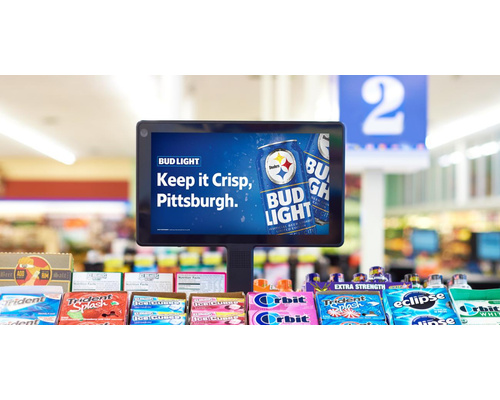
The reflection of retail marketing efficiency considered promotional factors and the significant influence on the consumer’s behavior and buying decisions.
- Real-World Applications: The experiment has shown that customers greeting with specific e-messages are more than 50% apt to buy more products from that seller. Therefore, promoting individualized marketing through e-surveys enables the retailer to get closer to customer delivery.
- Challenges and Benefits: Sales can hit and rise through ads. However, troubles are ahead, such as ad bombs and blockers of unfamiliar ads in digital markets. On the one hand, advertisements that are easy to understand and attract people usually lead to brand recall and customer loyalty; on the other hand, unclear and unattractive campaigns are some of the significant advertising challenges.
- Practical Strategies: Over the years, the best user has been seen in the A/B testing method to determine the most appealing ad format and the most potent formula to get the users involved. Applying visual design principles and sincere expressive acts could be the cues of the ad’s success.
Emerging Trends in Retail Advertising

Retail industry advertising is in the age of change, always being influenced by technological advancements and consumer preference changes.
- Insights and Developments: When the channels are not properly connected, the customer experience suffers, and retailers can’t convert. Retailers should reveal one branding idea simultaneously on social media, web pages, and physical stores.
- Emerging Trends: As influencer marketing is becoming a rapidly growing method to meet niche consumers, companies are now borrowing influencers’ stands and using social media platforms such as Instagram, hence expanding their market. Fashion retailers have further incorporated AR to create new layers of consumer entertainment for absolutely fantastic brand experiences.
- Industry Implications: To remain competitive in the changing retail landscape, brands should adjust their advertising strategies according to the market’s needs. An organization that employs data analytics will be able to better comprehend consumer behavior and then adjust the targeting aspect of marketing according to the consumer’s changing needs.
On the whole, retail advertising involves a lot of strategies and formats that significantly affect the purchasing behavior of consumers. As trends shift, the retailers want to be flexible and innovative. Such entails making ads that the clients want and aligning them with market trends. Using the experience of the internet, technologies, and the different possibilities businesses have, marketers will improve the effectiveness of their advertising and sustain growth.
Conclusion
To sum up, retail advertising is vital in customer-business corporate relations, acquiring income, and building a brand. Being conversant with the various types of retail advertising and their plusses is paramount to firms wishing to enhance their marketing strategies effectively. By using the right mix of advertising techniques, merchants can simultaneously get the target audience’s attention while designing messages that can touch people’s hearts and attract the crowd.
The key elements of retail advertising are:
- Types of Retail Advertising: From traditional methods such as newspapers and radio to modern ways of marketing like social media and email campaigns, each type provides unique benefits to different customers(general, etc).
- Benefits: Being successful in retail advertisement does the following: it magnifies the brand, wins higher customer engagement, and also raises the number of end goods customers. This, in turn, borrows a lot of ideas.
- Examples: Retail advertising has a rich and colorful history; for instance, marketers and brands have utilized seasonal times to push forward innovative and all-new promotional materials. Unique experiential marketing strategies can even be suggested to stimulate customers’ interest in otherwise overlooked or standard products in the market.
One of the essential skills for any retailer in the current dynamic scenario is the ability to stay truly connected with retail advertising trends and adaptable strategies and techniques that other competitors are using besides keeping up-to-date with all of the latest information.
]]>In this dynamic marketing and advertising scenario, attention to consumer affairs is essential and paramount. The AIDA model- an acronym for Attention, Interest, Desire, and Action- is the fundamental framework that guides marketers into formulating persuasive messages that capture the target audience’s minds. The AIDA model was designed early in the 20th century to describe a consumer’s sequence before finalizing the buying decision. From knowing each component of the model, businesses can create strategic marketing campaigns that move their potential customers from awareness to final action.
- Foundational Framework: The AIDA model is a foundational framework that helps marketers structure their mes
- Consumer Decision-Making: It outlines the stages of consumer decision-making and offers a step-by-step approach to turning a prospect into a loyal customer.
- Strategic Application: Applying the AIDA principles helps businesses craft focused marketing strategies that resonate deeply with the target audience.
Enduring Relevance of the AIDA Model
Although developed decades ago, the AIDA model evolved alongside changes in consumer behavior and marketing strategies. With the rise of digital channels, social media, and content marketing, the model remains applicable in today’s digital-first marketing landscape.
Key Points on Enduring Relevance:
- Adaptable Across Platforms: The AIDA model has transitioned from traditional advertising mediums (like print and television) to digital platforms, including social media and email marketing.
- Guiding Digital Strategies: The model’s principles are evident in modern marketing strategies such as content funnels, pay-per-click (PPC) advertising, and conversion rate optimisation (CRO).
- Consumer-Centric Approach: The model’s focus on consumer psychology ensures its relevance, as marketers can tailor each stage to meet evolving consumer expectations and trends.
Why is the AIDA Model Important?
The AIDA model provides a framework for marketers to intervene with their audience amid an already crowded marketplace. Understanding how consumers move from attention to action can shape the formation of messages that will attract attention, encourage genuine interest, and further inspire action.
Key Importance Points:
- Structured Framework: It is an evident and step-by-step process for formulating marketing messages in which each campaign element works together towards a common goal.
- Increased Interest: Because this model is trying to get a grasp on and hold on to interest, it keeps the audience from going to the action stage of drop-off.
- Optimized Conversion Rates: The AIDA model, when implemented correctly, is likely to boost conversion rates because each stage serves the consumer’s specific requirements and motivations.
AIDA Full Form
AIDA model comprises four elements that are used to represent the stages of the consumer’s journey:
A. Attention
This is the awareness stage, where the marketer tries to capture the audience’s attention in a noisy marketplace. If you don’t click, you do not proceed, and this sets the foundation for making an impression that stands out.
I. Interest
The interest tag occurs when customers start to become interested in your product or service. Marketers create interest by using relevant information, engaging content, and storytelling.
D. Desire
This step emphasizes emotional bonding with the potential customer, making the benefits and value of the offer more vivid to the eye. Interest must be changed into a desire to have or experience the product.
A. Action
The final call to action urges the consumer to take tangible actions, such as making a purchase or subscribing to a newsletter. Clear calls to action and user experience are crucial in this regard.
Attention: The First Step in Capturing Consumer Interest

The first stage of the AIDA model, “Attention,” is critical for making a striking impression. Grabbing consumer attention is crucial for any marketing campaign in a world saturated with information and competing messages. This phase is characterized by the need to stand out and be noticed amidst the noise.
Key Points on Attention:
- Eye-Catching Visuals: Utilize bold visuals, catchy headlines, and innovative formats to make your message stand out.
- Personalized Messaging: Tailor content to your target audience’s specific interests and preferences to increase relevance and resonance.
- Interactive Content: Leverage digital tools like interactive videos, quizzes, and live sessions to capture and hold the audience’s attention.
Interest: Building Engagement Through Relevant Content

Once attention is captured, the AIDA model’s next step is cultivating interest. This phase involves providing the audience with valuable and relevant information that piques their curiosity and encourages them to learn more.
Key Points of Interest:
- Storytelling Techniques: Use engaging narratives, case studies, or testimonials to illustrate how your product solves specific problems.
- Educational Content: Offer insights, tips, or how-to guides that provide value, positioning your brand as a trusted authority.
- Content Personalization: Tailor messages to address specific pain points and needs, making the audience feel understood and valued.
Desire: Creating a Compelling Case for Your Offering

As interest transforms into desire, marketers must effectively communicate their products’ or services’ benefits and values stage, focusing on creating a solid emotional connection with the audience and helping them visualize how the offering can enhance their lives.
Key Points on Desire:
- Emotional Appeal: Highlight features that evoke emotional responses, such as security, comfort, or aspiration.
- Unique Selling Propositions (USPs): Emphasize what sets your product apart from competitors to create a compelling case.
- Social Proof: Use testimonials, reviews, and endorsements to reinforce the desirability of your offering.
Action: Converting Interest into Sales

The final step in the AIDA model is “Action,” which aims to convert interest and desire into actual sales. To encourage action, clear calls to action (CTAs) that guide consumers through the next steps are essential.
Key Points on Action:
- Compelling CTAs: Use robust and actionable language encouraging immediate engagement, such as “Buy Now” or “Get Started.”
- Streamlined Path to Conversion: Optimize the user experience by ensuring the purchasing process is simple, quick, and hassle-free.
- Follow-Up Strategies: Implement retargeting campaigns and personalized follow-up emails to remind potential customers to complete their purchases.
Final Thoughts
The AIDA model represents the evergreen framework for understanding the consumer’s journey and designing an effective marketing strategy. By keeping potential customers under the motions of Attention, Interest, Desire, and Action, marketers can design campaigns that relate to and create value in terms of conversion.
Critical Points in Final Thoughts:
- Comprehensive Framework: The AIDA model provides a 360-degree view of the consumer’s journey, making designing targeted and effective campaigns easier.
- Versatility across channels: Its precepts can be applied to most marketing channels, from traditional to digital media.
- Sustainable success: Implementing AIDA will help businesses establish better relationships with customers, leading them towards sustainability over time.
An AIDA model is one of the foundational frameworks that might help marketers frame their message to guide customers progressively toward the buying process.
It explains the consumer buying process and provides a step-by-step procedure for converting a prospect into a loyal customer.
]]>What is Marketing?
Marketing is a general term that encompasses all those efforts made toward promoting and selling goods or services. It is understanding the needs of a customer, designing products to satisfy such needs, and then communicating how valuable those products are. Marketing begins with a product’s conception and continues even after one has sold the product. This continuous interaction ensures that customers are retained and repeat business is promoted.
Key Features of Marketing
Identifying Target Market
In good marketing, the accurate group of consumers toward whom a product or service would be relevant should be established. It is crucial for the fruitful formation of messages that most people could connect to for an organization working on demographics, interests, and consumer behavior.
- Market Segmentation: The huge market should be broken into smaller, easier-to-identify segments according to age, gender, income, and lifestyle for more successful marketing efforts.
- Personas: Developing personas of customers assists marketers in gaining insight into the psyche of customers and thereby creating marketing efforts in much more relevant forms.
Knowing Customer Needs
Marketing deeply has its roots in what constitutes the needs and desires of consumers. At its core, understanding what the needs and requirements of customers are could easily be achieved by developing a line of engagement with customers in the form of a survey, feedback, and even social listening.
- Market Research: Proper research allows a brand to have information about the trends of preferences of the customers, and hence it adjusts to the offerings of the brands according to the demand.
- Customer Journey Mapping: Identifying the journey from awareness to the purchase will help know the pain points, and areas of enhancement will be fetched out.
Competitive Advantage
In highly saturative markets, differentiation is the key. Proper marketing strategies help companies differentiate their offerings from the rest of the competitors based on the uniqueness of selling propositions that attract consumers.
- Brand Positioning: A defined brand identity and message mean consumers know what makes a brand different, hence why they would want to buy it instead of its competitors.
- Innovation: Ongoing marketing efforts prompt innovation and improvement of products by the brand so that they do not become obsolete because the market is always changing.
Profit Orientation
All marketing activities are aimed at producing income while giving the consumer the enjoyment and participation that they require. The marketer, therefore, will have to determine what the customer requires against what the organization needs concerning profitability.
- Revenue Generation: Marketing affects sales and revenue because of its campaigns since it targets the development of sales.
- Cost Management: Through assessment, the cost-effectiveness of marketing strategies is examined to ascertain whether resources are being put to their maximum use.
Communication Strategy
Marketing creates a communication channel between the brand and its customers, better knowledge, and also provides an interaction.
- Integrated Marketing Communication (IMC): Control various marketing tools or media like social media, email, and content marketing simultaneously so an identical message is communicated will increase awareness and trust in the brand.
- Storytelling: Creating wonderful stories about products creates an emotional bond between the customers and hence makes them more loyal to the brand.
Critical Functions of Marketing
Generation and Interpretation of Market Data
Marketing is key in researching and getting to know the trends of the market, which consumers behave according to competition. Such information enables companies to come up with products that meet the needs of the market.
- Data Collection: The use of surveys, interviews, or focus groups enables businesses to come up with insights into consumer preferences.
- Analytics Tools: Advanced analytics tools are ways of tracking consumer behavior online; hence, marketers can learn why people engage in certain activities and sell something.
- Competitor Analysis: Analyzing competitors’ marketing strategies helps to understand the lessons and opportunities for differentiation.
Product Designing
Product designing—here, effective marketing is required in which innovative and attractive design is being created, which will attract customers.
- User-Centered Design: Since consumers are participating in the design process, it assures the creation of products based on their needs.
- Prototyping: With rapid prototyping and testing, a company collects consumer feedback early in the development cycle, thereby reducing the chance of market failure.
- Iterative Improvements: Brands can improvise and enhance their product based on continuous consumer feedback after its launch.
Branding
Branding is an important part of marketing because it gives a product or service a unique identity. A strong brand builds customer loyalty and trust for the product.
- Brand Identity: A landmark logo, color scheme, and messaging facilitate easier identification and remembrance by customers.
- Brand Values: Communication of the values and mission resonates with consumers on a deeper level, provoking loyalty and attachment.
- Reputation Management: Today, managing public reputation through customer interaction is very crucial through public relations for any brand.
Customer Support
Marketing also acts as help from the company to facilitate the customer by gathering inquiries and feedback, hence enhancing itself because of the latter gathered from customers.
- Customer Service Training: Each customer service team shall be provided with appropriate skills and awareness to enhance customer experience.
- Feedback Loops: Feedback mechanisms shall be devised in such a way that the views of customers are gathered for analysis so that development shall be done based on facts rather than guesswork.
- Post-Sale Engagement: Post-sale engagement with the customer helps in developing loyalty and might eventually increase the prospect of repeat business.
Pricing Strategy
The right price is an important success factor for business. Marketing research helps in such situations identify competitive prices that attract consumers while still staying profitable.
- Value-Based Pricing: Here, the perceived value by consumers of a product results in pricing over costs and provides for more profit margins.
- Dynamic Pricing: A pricing strategy when applied in real-time to a fluctuating market environment, competition, and demand maximizes sales.
- Promotional Pricing: Time-bound prices provide an element of contingency that can increase volume sales to an enormous extent, mainly at the time of key shopping seasons.
Why is Marketing Important for Consumers?
Marketing is important to consumers due to its diversity in terms of the products that can offer solutions or respond to the concerns of consumers. As shown by Invoca, 81% of retail shoppers research online before going out to shop. Marketing provides consumers with easy ways to find research information about brands.
What are the benefits of marketing to consumers?
Product Availability
Marketing will ensure that the solutions developed meet the needs of a consumer. Analysing the demand in the market leads companies to give solutions to the issues in society.
- Needs Assessment: Marketers assess consumer needs and preferences to devise solutions that will really solve the problems.
- Innovative Solutions: Marketing drives innovation, leading to the creation of new products that improve consumers’ lives.
Product Accessibility
Marketing distributes the products as well. Transportation and shipping offer the delivery of important goods even to distant places.
- Logistics Optimization: This is another marketing strategy that optimizes logistics to provide products in haphazardly located places.
- E-commerce Growth: Online shopping is, on the other hand, emerging, enabling individuals to reach a product that is not readily accessible in their areas.
Affordability of the Product
Prices are a significant factor that influences consumer decisions. Marketing represents the prevailing marketplace in order to quote prices that are reasonable but competitive, making the goods and services cheaper to the consumer.
- Competitive Pricing: Determination of the value of consumers’ money by studying the competitors’ quotations.
- Sales Promotions: Effective pricing of a product makes a product more affordable to the buyer, especially when it is tagged at low prices or coupons. This makes it affordable to a budget-conscious consumer.
Welfare of Society
Products that solve specific problems of society help bring about higher consumer welfare. Marketing enables the development of solutions to better people’s lives.
- Social Good: Increasingly, companies are developing products that create social good, which can either be environmentally friendly alternatives or health-centered solutions.
- Community Relevant: Marketing campaigns that are meaningful for local communities build a sense of belongingness and well-being for consumers.
Economic Benefits
Positive marketing contributes to overall economic growth. Its creation of demand for some of the highly required products pushes up the value in the increase of a country’s GDP.
- Employment: Marketing is interpreted by businesses into an increase in sales; most will, in turn, employ more personnel to handle the demands and make value in the smaller economies.
- Consumer Expenditure: The fruit of an effective marketing campaign leads to an increase in consumer spending, which in turn benefits the economy in its pursuit towards stabilising its activities.

Why Is Marketing Important to Brands?
An effective and deliberate marketing plan enables a brand to be unique.
Advantages of Marketing to Brands
Significance of Customers
Marketing defines the value of a customer, therefore placing customers at the heart of the mission. A brand that seeks to fulfill the needs of its clients is bound to thrive.
- Consumer-Centered Approach: Creating fulfillment and loyalty.
- Customer Comments: Obtaining comments is consumer empowerment, therefore establishing trust with the brand.
Good Word-of-Mouth
Trust is the foundation of a brand-consumer relationship. Effective marketing has abundant good talk and recommendations that increase the reputation of the brand.
- Referral Programs: Happy customers are motivated to refer their friends and family, which constitutes a loyal customer base and increases the brand’s reach.
- Social Proof: Testimonials and case studies feature the value of products and help build trust among the potential.
Awareness Creation
Marketing insists on keeping boosting a brand and is always keeping it relevant to its target audience through such marketing.
- Advertising Campaigns: A great advertising campaign boosts brand recognition and makes the brand stay in people’s minds.
- Content Marketing: Valuable and informative content establishes the brand as a thought leader in the respective industry.
Emotional Connection
Emotional connections with the consumers are aligned with marketing strategies. This is predominantly a crucial factor for winning over customers.
- Brand Storytelling: Using a brand’s story to convey its values affirms feelings to the customers, making them feel close to the brand.
- Community Building: Creating a community around the brand establishes emotional bindings and loyalty.
Objectives
By being customer-centric, marketers can successfully fulfil marketing and sales missions with positive overall results.
- Goal Setting: Marketing goals and objectives should not drift far away from the organization’s outcome to ensure all efforts are channeled in the correct direction.
- Performance Measurement: Measuring marketing performance against the set objectives helps brands make adjustments to remain on track with great performance.
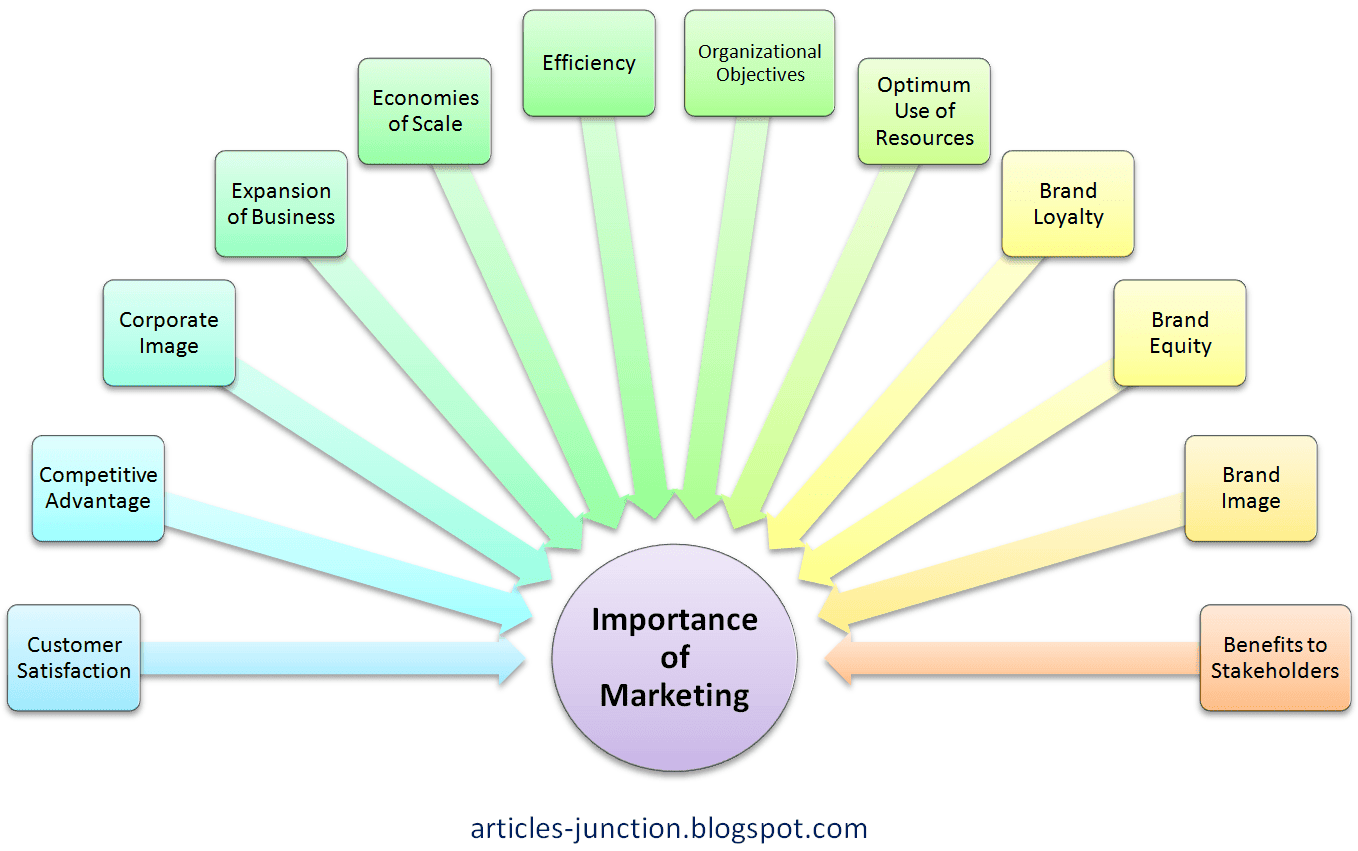
Final Thoughts
The relevance of marketing spans a much broader spectrum. In every business-related affair, marketing is a catalyst that uplifts the standard of living amongst people through the best product and services delivery. Concurring with this, it also does not reach a dead end in regard to contributing to the overall economic development of a country.
Key Takeaways:
- Improved Consumer Experience: Marketing makes the overall experience better for consumers because they get something worthwhile, which satisfies their requirements.
- Economic Growth: Marketing is what drives economic growth, developing demand and eventually a competitive market.
- Loyalty in Brands: The effort of marketing may accord loyalty to the brands because repeated consumers promise success of business for a more extended period.
- Creative Production: There is always pressure to provide products as per the needs of the customers, due to which innovation and creativity at the production stage are stimulated and encouraged.
- Social Benefit: Marketing is also involved in the promotion of products that can be used as a boon to society, thereby again pointing out the gain offered by effective marketing practices.
For all your marketing needs, contact us at +91 990 247 8800 or mail us at contact@gingermediagroup.com. We are a 360-degree marketing agency that promises to help brands fulfill all their desires.
]]>Ready to talk with a marketing expert?

A Pragmatic and innovative way to enthrall your target group is just a click away!
Get in Touch
Rukmini Knowledge Park, Kattigenahalli, SH 104, Srinivasa Nagar, Bengaluru, Karnataka 560064
+91-990 247 8800
contact@gingermediagroup.com
Popular in Television Advertising
Udaya TV AdvertisingSun TV AdvertisingStar Plus AdvertisingTV 9 AdvertisingZee TV AdvertisingNDTV India AdvertisingColors TV AdvertisingPopular in Airport Advertising
Spice Jet AdvertisingMumbai Airport AdvertisingDelhi Airport AdvertisingEmirites AdvertisingIndiGo Airlines Domestic India AdvertisingPopular in Newspaper Advertising
Deccan Herald AdvertisingPrajavani AdvertisingThe Hindu AdvertisingEconomic Times AdvertisingDainik Jagran AdvertisingHindustan Times AdvertisingPopular in Magazine Advertising
Forbes AdvertisingCosmopolitan AdvertisingBusiness World AdvertisingVogue Magazine AdvertisingPopular in Sports Advertising
IPL AdvertisingPopular in Outdoor Advertising
Billboard AdvertisingBus Shelter AdvertisingMetro Pillar AdvertisingUnipole Advertising© Ginger Media Group 2025. All Rights Reserved.