- Diverse Media: It includes differentiated media from television and radio to the digital media, including social media.
- Consumer Interaction: Not just about selling a product; it’s about forming some meaningful relationships between the consumer and the brand.
- Data-Driven: Analytics, along with data, play an essential role in targeting and personalizing advertisements.
- Constant Strategy Changes: Advertising strategies may evolve on a daily basis because of fast changes in technology.
- Business: Advertising would play a significant role in increasing the visibility trust from consumers, and growth of your business.
Changing Channels of Advertising

The use of advertising channels has instead changed positively with digital technologies. Old channels such as print, television, and radio are effective, but digital alternative media can coexist with them. This calls for agility in firms’ advertising strategies by changing old and new channels to reach their market.
- Traditional vs. Digital: Though an important tool, print media has been replaced by digital in terms of reach and effectiveness. Digital ads are set during the execution process in real time.
- Influence of Social Media: Today, Facebook, Instagram, and TikTok are more of the new frontier for advertising. Example: Influencer marketing with Facebook, Instagram, and TikTok tends to increase engagementa.
- Targeting in Digital: This is a boon, and the advertiser would target all three consumers according to their demographic, behavioral, or interest-wise preference, which makes the ad more personal and effective.
- Presence on Multiple Channels: Presence on multiple channels is currently a basic tool firms use to increase brand awareness. This will thereby help ensure that all their advertisements reach them wherever they are.
- Video Dominance: Video messages, particularly on social media applications, which include YouTube and TikTok, are currently at the top in advertising for it provides an immersive way for brands to communicate with their audience.
The Role of Consumer Psychology in Advertising

Given the importance of advertising effectiveness, consumer psychology would play a key role. How consumers think and feel would contribute to a better creation of some campaign that the business would engage in communication with their audience. Consumers’ emotions and motivations are what most advertisers use to attract attention and enforce action. Often, an advertisement will offer emotional appeal through happiness, fear, or even nostalgia.
- Behavioral Targeting: The data analytics process provides the facility for forecasting consumer behavior. This helps the advertiser decide on the right medium for advertising campaigns that will bring maximum impact for them.
- Brand Loyalty: By establishing campaigns that repeat without failure, advertising builds the loyalty feel among one-time buyers to become repeat customers.
- Molding Perception: Through strategic messaging, advertising can mold the perception of consumers toward the brand and its value.
- Call to Action: Good ads show a clear strong call to action that will take customers to wanted behaviors such as buying or signing up to use a service.
Role of Metrics and Measurement in Advertising

Measuring advertising is like flying blind without instruments. Metrics show us exactly where we stand in terms of how effectively our campaign is working and whether we are well within or out of reach in meeting the intended goals. Right now, many types of analytics tools exist to measure the effectiveness of advertising—from any engagements’ range of metrics to return on investments.
- Return on Investment (ROI): ROI measurement is absolutely necessary in determining the financial effectiveness of an advertising campaign.
- Engagement Metrics: These would include likes, shares, comments, and clicks to establish how many people are paying attention to an ad.
- Conversion Rates: By taking note of how many customers become after seeing an ad, the advertisers will be able to know the ROI generated by their campaigns.
- A/B Testing: In A/B testing, one can use more than one version of the ads to better understand what kind of content best appeals to the targeted audience.
- Attribution Models: These help advertising identify which touchpoints matter most in influencing consumer decisions.
Regulatory and Ethical Considerations in Advertising

As advertising progresses, so do its regulations and ethical practices. An advertiser needs on several laws and industry standards ensure that the campaigns are set or implemented legally and responsibly, especially now that consumers have increasingly become worried about data privacy and ethics in practice.
- Privacy Laws: These are laws, such as GDPR in Europe and CCPA in California, that offer protection for consumer data; thus, advertisers must be transparent about information collection and use.
- Truth in Advertising: This means that advertisers will not make misleading claims or claims which may be misrepresented in their communications. They will have to ensure that their advertisements are truthful and factual.
- Environmental Sustainability: Most consumers today expect the brand to contribute to social responsibility through advertisement. Greenwashing will violate a brand’s reputation.
- Cultural Sensitivity: Advertisers should remain sensitive to the differences between cultures and ensure they do not use campaigns that may passively offend or alienate them.
- Ethics of Targeted Advertising: While targeted adverts succeed in conversion, brands cannot leverage sensitive consumer information or exploit vulnerable groups.
Final Thoughts: The Expanding Scope of Advertising
The field of advertisement is on an ever-evolving plane. As time goes by, new technologies evolve, consumer tastes and preferences shift, and so do notions of what is proper or improper in ethical issues; advertisers must be more agile and innovative to be up to date. When companies want to connect with their audience meaningfully, it’s high time they embrace every means available in advertisement.
- Flexibility: Brands must be generally flexible and change their strategies to be relevant in a fast-moving marketplace.
- Data-Based Decision: Data is essential in creating targeted personal ads and speaking to customers.
- Consumer Centricity: The consumer must always remain in the advertising campaign’s center—their perception of trust and loyalty towards a brand matters.
- Innovation in Creativity: Effective advertising is nothing but creative and innovative methods that can punch holes in the noise and give way to achieving the desired effect.
- Long-Term Gains: Advertising can never be a silver bullet; it plays a critical role in long-run brand growth and sustenance.
What is Covert Advertising?

Covert advertising, sometimes known as stealth marketing, is a method by which businesses communicate their offerings without distracting or interrupting the addressee. In Full contrast to standard marketing, which dispatches direct and thereby aggressive messages, stealth advertising is embedded into the content without causing it to stand out or seem bothersome to consumers.
Importance of Covert Advertising
Covert advertising is a way of advertising that can effectively replace “desensitized” traditional marketing tactics. Research by Nielsen discovered that 84 percent of people around the world think that online ads are intrusive, while covert advertising, selling things discreetly, socializes and promotes the products subtly through relatable content and, therefore, is the preferred way.
Case Studies and Examples
- Product Placement in Film and TV: Product placement in movies and TV series has been happening since the industry-entertainment business was recognized; for example, the Coke intro in every episode of The Friends Show series subtly spreads brand awareness. Let the audience see and make a decision.
- Influencer Endorsements: Influencers are known to incorporate product mentions into their daily posts and stories without them being the main topic. This is one way for them to engage their followers without implicitly promoting the products. The relatedness and trustworthiness of the influencer’s relationship to the product will make a difference.
Frameworks Guiding Covert Advertising
Your customers hold particular beliefs. Business people may get various psychological ideas understood, such as the Elaboration Likelihood Model (ELM), which tells how to make people agree by either the deep cognitive process or the superficial cues. Stealth advertising focuses mainly on the peripheral route, assuming previous knowledge and emotions precede logic.
Benefits and Challenges of Covert Advertising

Although the accomplishment of covert advertising lies in producing engagement and relatability, the task of being secret while doing this also brings some challenges.
Benefits:
- Enhanced Consumer Trust: Some people can think of it as less of an intrusion and more of a genuine consumer approach. Thus, they will develop stronger bonds with the brands.
- Increased Recall: When a brand is integrated into captivating stories, readers are more likely to remember it.
Examples:
- One of the well-known YouTube channels describing a specific skincare routine mostly incorporates into practice products endorsed by the creator without the hint that it is an advertisement. Such viral videos create sufficient interest and even convert some viewers to buyers.
Challenges:
- Transparency Issues: Transparency issues can occur in cases where truthfulness is not obtained because consumers do not even know what they are consuming.
- Regulatory Scrutiny: Brands that are not transparent about marketing may face public backlash as the public is more likely to act on the word of mouth of their trusted peers or family members who they have a good relationship with or even for what a stranger said who gained their trust -influencers and their followers in particular.
Practical Strategies:
- Balance Authenticity and Disclosure: Companies must carefully distinguish between openness and subtleness; customers must know when a post sponsor is involved.
- Leverage User-Generated Content: Having a loyal fan base to encourage your audience to exchange their stories is the main target of covert advertising while creating a community, yet another way to do this.
Emerging Trends and Implications for Covert Advertising
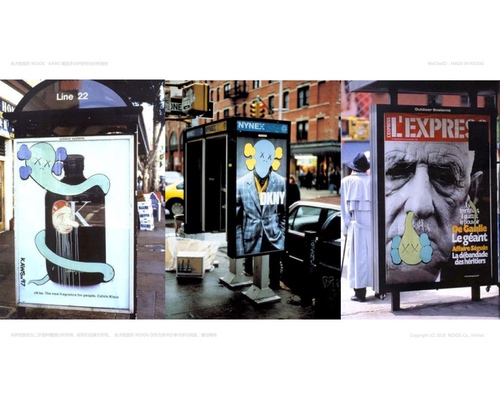
As consumers become smarter, the landscape of covert advertising is changing. For brands, knowledge of the latest is important for adapting their strategies effectively.
Current Trends:
- Social Media Integration: The new trend is that platforms like TikTok are popular with influencers who create exciting content for brands, combining the individual’s creativity with the topic’s virality to get consumer attention.
- Augmented Reality (AR) Experiences: The ongoing development of AR brands is trial and error. Companies are currently trying to develop virtual products that engage and inform their customers rather than just advertise.
Implications for the Industry:
With changes in gadgetry, so is the art of disguise commercials; advertisers must use the credibility of customers responsibly and respect their privacy in the marketing process. Brands that embrace consumer intelligence are bound to form a strong connection and, therefore, have an edge in a market with numerous competitors. To sum up, covert advertising opens up a new space for companies to connect with their customers more deeply. By understanding the strategies, considering the pros and cons, and looking at cutting-edge techniques, firms can make this landscape manageable and maintain a bond with their customers.
Conclusion
Today’s marketplace is driven by companies striving to establish authentic relations with their audiences through knowledge of covert advertising and the skills to modify such strategies if necessary. Covert advertising, which is the non-intrusive integration of promotional content into entertainment or media, is a great way for the brand to be known and involved in communication with consumers. Determine the probable consequences of the ethics and practical considerations of these actions and thus produce the kind of promotion that speaks to the demographic effectively.
Key Takeaways:
- Definition: Covert advertising subtly integrates promotional material into content to make it more agreeable for the consumer and less noticeable than traditional ads.
- Strategies: Successful covert advertising, which includes product placement, influencer partnerships, and narrative-driven advertising that is sales without being obvious to the target of the advertisement, is non-aggressively successful clandestine advertising.
- Implications: The effectiveness of the employed method might provoke ethical debates about transparency and trust in honesty, with the customer making a moral choice between these two.
- Examples: The best campaigns that use undercover marketing are known to be the ones by Coca-Cola in Hollywood, Nike with their endorsements of athletes, and media streaming companies that show brands in the scenes of the series without disturbing the flow of the stories.
The key to covert advertising involves companies that want to continue attracting new customers in a dynamic media ecosystem while building and sustaining healthy relationships with existing customers.
]]>Ready to talk with a marketing expert?

A Pragmatic and innovative way to enthrall your target group is just a click away!
Get in Touch
Rukmini Knowledge Park, Kattigenahalli, SH 104, Srinivasa Nagar, Bengaluru, Karnataka 560064
+91-990 247 8800
contact@gingermediagroup.com
Popular in Television Advertising
Udaya TV AdvertisingSun TV AdvertisingStar Plus AdvertisingTV 9 AdvertisingZee TV AdvertisingNDTV India AdvertisingColors TV AdvertisingPopular in Airport Advertising
Spice Jet AdvertisingMumbai Airport AdvertisingDelhi Airport AdvertisingEmirites AdvertisingIndiGo Airlines Domestic India AdvertisingPopular in Newspaper Advertising
Deccan Herald AdvertisingPrajavani AdvertisingThe Hindu AdvertisingEconomic Times AdvertisingDainik Jagran AdvertisingHindustan Times AdvertisingPopular in Magazine Advertising
Forbes AdvertisingCosmopolitan AdvertisingBusiness World AdvertisingVogue Magazine AdvertisingPopular in Sports Advertising
IPL AdvertisingPopular in Outdoor Advertising
Billboard AdvertisingBus Shelter AdvertisingMetro Pillar AdvertisingUnipole Advertising© Ginger Media Group 2025. All Rights Reserved.