- In-depth Tracking of Data: Google Analytics gives very in-depth tracking of visitors’ behaviour, engagement, and conversion metrics.
- Insight into User Behavior: Realize precisely how your visitors are navigating and interacting with your website.
- Performance Metrics: Track key metrics such as bounce rate, session duration, and page views to assess your website properly.
- Reports Created Based on Business Goals: Create reports tailored around the metrics best suited to business goals.
- Integration Capabilities: Combine Google Analytics with other tools, such as Google Ads, Search Console, and CRM software, for deeper analysis.
At this point, it’s clear that Google Analytics is a critical tool for businesses looking to maximize their digital strategies and grow their digital accounts continuously.
1. What is Google Analytics?

Google Analytics is a free service from Google that enables you to monitor and track any visitor who drops by your website and report on the traffic. Through it, you will find valuable insights into how users interact with your website, enabling you to make data-driven decisions to enhance user experience better and finally bring about your business objectives.
Core Features of Google Analytics
- Real-time Reporting:
Track actual user activity on your site, including the pages they currently view and their location. Real-time data will give you a quick sense of how marketing campaigns and alterations to the website are performing. - Audience Demographics:
Understand visitor demographics, such as age and gender, along with what they like and dislike. Knowing your audience is vital in adapting the content and marketing to maximise effectiveness in reaching their needs and wants. - Acquisition Channels:
Determine if visitors are coming to your website through organic search, pay-per-click ads, social media, or direct visits. This can help you understand which marketing channels to prioritise resource allocation in. - Behavior Flow:
Think of all the possible paths people take through your website. Viewing behaviour flow will give you an idea of where the bottleneck occurs, which might improve user experience and engagement with your company. - Conversion Tracking:
Set up and monitor specific goals, such as form submissions, sales, signups, etc. Conversion tracking allows you to monitor the effectiveness of your marketing campaigns and thus improve performance.
To get the most out of Google Analytics, you must be aware of these features that contribute significantly to your business’s success.
2. Google Analytics Setup

The proper configuration of Google Analytics ensures that data is collected accurately and that insights are meaningful. This process involves creating an account, adding a tracking code to the website, and configuring essential settings for smooth operation.
Setup Steps in Google Analytics
- Creating a Google Analytics Account:
Sign up for a free account on Google Analytics and follow the instructions to set up your property. Fill in details of your website, including URL and website category in the industry. - Install Tracking Code:
Once you have created your account, you will receive a unique tracking ID and a JavaScript tracking code. You should then include this code in the <head> section of each page on your site so that data can be collected. - Goals:
Select specific goals that are suited to your business objectives: maybe you want to make an actual sale, subscribe to a newsletter, or download a resource. Goals allow you to set up your conversions and measurements successfully. - Enable E-commerce Tracking:
If you are operating an e-commerce website, enable e-commerce tracking. This allows you to track sales, revenue, and product performance. It provides excellent insight into your sales funnel and helps you optimize your product line. - Link to Other Google Services:
Link Google Analytics to other Google services, including Google Ads, Search Console, and Data Studio. Linking these services enables you to analyse data across different platforms and create comprehensive reports.
Following these steps ensures you have Google Analytics set up correctly, providing a solid base for accurately tracking and analysing data.
3. Analyzing Audience Insights

Knowing your audience is critical to creating an effective marketing campaign. Google Analytics provides extensive information about visitors to your website so you can better tailor your content and your campaigns to their needs.
Key Audience Insights
- Demographic Information:
Access data about the age, gender, and interests of your website visitors. This will help you understand your audience and allow you to focus on creating suitable content for different segments. - Geo-Data:
Identify where your visitors are coming from down to the city level. Geographic insights can inform your marketing strategies, such as localised campaigns or region-specific promotions, to better engage your audience. - Device Usage:
Analyse the types of devices your visitors use to access your website, such as desktop computers, mobile, and tablets. Knowing device preferences helps you optimize your website for different platforms, ensuring a seamless user experience. - New vs. Returning Visitors:
Quantify the number of new visitors compared with the number of returning visitors. This metric helps you measure the success of retention strategies you’re currently using or identify areas that require increasing repeat visits. - User Interests:
Based on their online actions, look into your audience’s interests and affinities. Aligning your content with user interests can enhance engagement and drive higher levels of interaction on your website.
Using these audience insights, you can modify marketing plans, create more contextual content, and generally engage users better, pushing for more beneficial business results.
4. Website Performance Monitoring

You should monitor your website’s performance to improve its effectiveness and achieve business objectives. Google Analytics provides detailed performance metrics that help you identify areas for improvement and track the effectiveness of your optimisation efforts.
Key Performance Metrics

- Page Views:
Track the total number of pages viewed on your website. High page views indicate strong user engagement, while low numbers suggest the need for more compelling content or better navigation. - Bounce Rate:
Measure the percentage of visitors who leave your website after viewing just one page. A high bounce rate can indicate issues with page relevance, load times, or user experience that need to be addressed. - Average Session Duration:
Analyse the average amount of time visitors spend on your website. Longer session durations typically signify that users find your content valuable and engaging. - Pages per Visit:
Monitor the number of pages users view during a single session. More pages per session suggest effective internal linking and engaging content that encourages users to explore further. - Load Time:
Assess the average time it takes for your web pages to load. Faster load times enhance user experience and can positively impact your search engine rankings and conversion rates.
Monitoring these performance metrics allows you to continuously optimize your website, improve user experience, and more effectively achieve your business objectives.
5. Optimization of Content Strategy
A well-defined content strategy attracts and retains website visitors. Google Analytics provides insights that help you understand which content performs best and how to optimize your content strategy for maximum impact.
Key Content Optimization Strategies
- Identify Best-Performing Content:
Use the Behavior > Site Content > All Pages report to identify which pages receive the most traffic. Understanding which content resonates with your audience allows you to create more of what they find valuable. - Analyse Content Engagement:
Evaluate metrics such as average time on page and bounce rate to assess how engaging your content is. High engagement indicates that your content meets user needs, while low engagement suggests the need for improvements. - Optimise for SEO:
Leverage the Acquisition > Search Console > Queries report to identify which search queries drive traffic to your site. Optimise your content with relevant keywords to improve search rankings and attract more organic traffic. - Content Gap Analysis:
Identify topics and keywords for which your competitors are ranking, but you are not. Creating content around these gaps can help you capture additional traffic and expand your audience’s reach. - User Flow Analysis:
Examine the paths users take through your website using the Behavior > Behavior Flow report. Understanding user journeys helps you structure your content to effectively guide visitors toward conversion goals.
Implementing these content optimisation strategies can enhance the relevance and effectiveness of your content, leading to increased engagement, higher search rankings, and improved business performance.
6. Measuring Conversions and Goals

Tracking conversions and setting up goals are among the most critical aspects of monitoring the success of your marketing efforts and understanding how users interact with your site. Google Analytics allows you to define and monitor specific goals that align with your business objectives.
Critical Strategies for Conversion Tracking
- Define Clear Goals:
Establish specific, measurable goals such as form submissions, product purchases, newsletter sign-ups, or account creations. Clear goals provide direction for your marketing strategies and help you measure success accurately. - Set Up Goal Funnels:
Create goal funnels to visualise the steps users take to complete a goal. Understanding where users drop off in the funnel allows you to identify and address obstacles that hinder conversions. - Track E-commerce Transactions:
If you operate an online store, enable e-commerce tracking to monitor sales, revenue, and product performance. Detailed e-commerce data helps you optimize your product offerings and sales strategies. - Use Event Tracking:
Implement event tracking to monitor specific user interactions, such as button clicks, video plays, or downloads. Event tracking provides insights into how users engage with different elements of your website. - Analyse Conversion Paths:
Using the Multi-Channel Funnels report, examine the sequences of interactions that lead to conversions. Understanding conversion paths helps you identify the most effective marketing channels and touchpoints.
By effectively tracking conversions and setting up goals, you can measure the impact of your marketing efforts, optimise your strategies for better performance, and achieve your business objectives more efficiently.
7. Employ Custom Dashboards and Reports
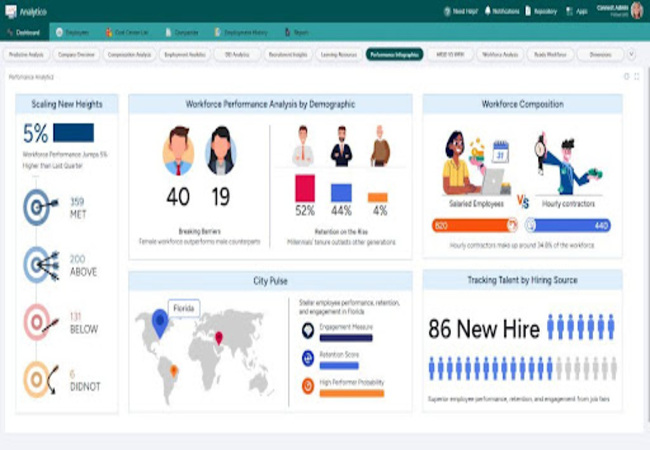
Custom dashboards and reports in Google Analytics enable you to focus on the metrics that matter most to your business. Tailoring your analytics interface to display relevant data can enhance your ability to make informed decisions quickly.
Critical Strategies for Custom Dashboards
- Create Customized Dashboards:
Design custom dashboards that highlight the key metrics relevant to your business goals. For example, a marketing dashboard might focus on traffic sources, conversion rates, and campaign performance, while an e-commerce dashboard could emphasise sales, revenue, and product performance. - Use Widgets Effectively:
Utilise widgets to display different types of data, such as tables, charts, and graphs, within your dashboards. Widgets allow you to visualise data in a way that is easy to interpret and actionable. - Automate Report Generation:
Schedule regular reports to be generated and emailed to stakeholders automatically. Automated reporting ensures that crucial team members stay informed about website performance without manual effort. - Share Dashboards with Team Members:
Collaborate with your team by sharing custom dashboards and reports. Shared dashboards facilitate communication and ensure that everyone is aligned with the latest insights and performance metrics. - Integrate with Other Tools:
Combine Google Analytics data with other tools like Google Data Studio for more advanced reporting and visualisation. Integration with other platforms can provide a more comprehensive view of your digital performance.
Leveraging custom dashboards and reports allows you to streamline your data analysis process, focus on the metrics that drive your business, and make more informed decisions.
8. Optimizing for SEO using Google Analytics

Search Engine Optimization (SEO) is critical for improving your website’s visibility in search engine results. Google Analytics provides essential data that can help you enhance your SEO strategies and achieve better search rankings.
Critical Strategies for SEO Enhancement
- Monitor Organic Traffic:
Track the volume of organic traffic your website receives and identify trends over time. Understanding fluctuations in organic traffic helps you assess the effectiveness of your SEO efforts and make necessary adjustments. - Analyse Landing Pages:
Identify which landing pages attract the most organic traffic and evaluate their performance. High-performing landing pages can serve as models for creating content that drives traffic and effectively engages users. - Evaluate Keyword Performance:
Use the Acquisition > Search Console > Queries report to analyse which keywords are driving traffic to your site. Identifying high-performing keywords allows you to optimize existing content and target new keywords for improved search visibility. - Optimise Content Based on User Behavior:
Examine metrics like bounce rate and average session duration for page ranking for specific keywords. Optimising content based on user behaviour ensures that visitors find the information they need, leading to higher engagement and better SEO performance. - Identify and Fix Technical SEO Issues:
Leverage insights from Google Search Console integrated with Google Analytics to identify and address technical SEO issues such as broken links, slow page load times, and mobile usability problems. Fixing these issues enhances your website’s overall SEO health and improves search rankings.
Implementing these SEO enhancement strategies can improve your website’s visibility in search engine results, attract more organic traffic, and achieve higher conversion rates.
9. Segmentation to Get More Insights

Segmentation in Google Analytics allows you to divide your data into meaningful subsets, enabling a more detailed analysis of user behaviour and website performance. By understanding different segments of your audience, you can tailor your marketing strategies to meet their needs better.
Critical Strategies for Effective Segmentation
- Demographic Segmentation:
Divide your target audience into segments based on demographic data like age, gender, and interests. Demographic segmentation helps you understand the preferences of different audience groups and customize your content and marketing efforts accordingly. - Geographic Segmentation:
Segment your audience based on geographic locations, such as country, region, or city. Geographic segmentation allows you to target specific regions with localised marketing campaigns and address the unique needs of different areas. - Behavioural Segmentation:
Divide your audience based on their behaviour on your website, such as pages visited, time spent, and actions taken. Behavioral segmentation helps you identify patterns and trends in user interactions, enabling you to optimize your website for better engagement and conversions. - Traffic Source Segmentation:
Analyse segments based on how users arrive at your website, whether through organic search, paid ads, social media, or referrals. Understanding traffic sources helps you evaluate the effectiveness of different marketing channels and allocate resources accordingly. - Device Segmentation:
Segment your audience based on the devices they use to access your website, such as desktop, mobile, or tablet. Device segmentation allows you to optimize your website’s performance and user experience for different platforms, ensuring a seamless experience for all users.
By utilizing segmentation, you gain deeper insights into your audience’s diverse aspects, allowing you to create more targeted and effective marketing strategies that drive better business outcomes.
10. Integrating Google Analytics with Other Tools
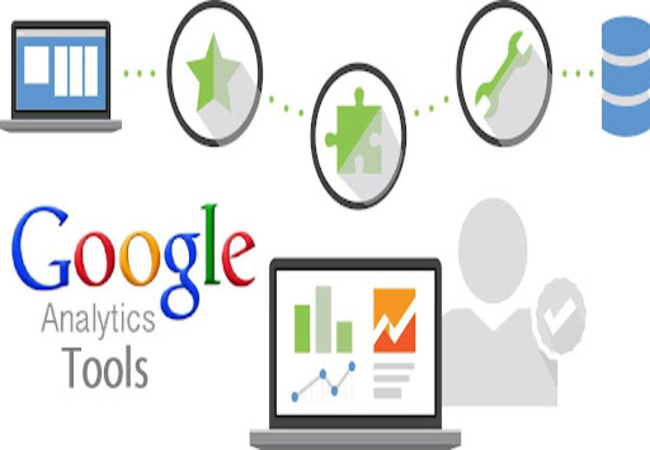
Integrating Google Analytics with other tools and platforms can enhance your data analysis capabilities and provide a more comprehensive view of your digital performance. Seamless integration allows you to combine data from multiple sources, enabling more informed decision-making.
Key Integration Strategies
- Google Ads Integration:
Link Google Analytics with Google Ads to track the performance of your advertising campaigns. This integration provides insights into how ad clicks translate into website interactions and conversions, helping you optimize your ad spend and improve campaign effectiveness. - Google Search Console Integration:
Connect Google Analytics with Google Search Console to gain a holistic view of your website’s search performance. This integration allows you to analyse how search queries drive traffic to your site and identify opportunities for SEO optimisation. - CRM Integration:
Integrate Google Analytics with Customer Relationship Management (CRM) systems like Salesforce to track customer interactions and measure the impact of your marketing efforts on sales and customer retention. This integration provides a unified view of customer data, enhancing your ability to personalise marketing strategies. - Email Marketing Integration:
Link Google Analytics with email marketing platforms like Mailchimp to track the performance of your email campaigns. Monitor metrics such as open rates, click-through rates, and conversions, enabling you to refine your email marketing strategies for better results. - E-commerce Platform Integration:
Integrate Google Analytics with e-commerce platforms like Shopify or WooCommerce to track sales performance, product popularity, and customer behaviour. This integration provides valuable insights into your online store’s performance, helping you optimise product offerings and marketing strategies.
By integrating Google Analytics with other tools, you can create a more comprehensive data ecosystem that enhances your ability to analyse and act on insights, ultimately driving better business performance.
Final Thoughts
Making the best use of Google Analytics is an ongoing strategy of planning, implementation, and continuous optimisation. Implementing the critical elements discussed here will not only enhance your website’s performance but also ensure that you harness the full potential of Google Analytics. Here are five final takeaways:
- Thorough Strategy Formulation:
Begin with a comprehensive analytics strategy that encompasses data tracking, audience analysis, performance measurement, and goal setting. - Investment in Quality Data Collection:
Utilise proper codes and settings when placing tracking codes to ensure accurate and comprehensive data collection. This is crucial for obtaining high-quality insights. - Data-Informed Decisions:
Rely on data and analytics to drive your marketing and optimisation decisions, ensuring that your efforts are practical and aligned with your business goals. - Adaptability and Flexibility:
Be flexible enough to change your strategy based on data insights and market conditions, ensuring competitiveness and responsiveness to evolving user needs. - Continuous Learning and Improvement:
Review your analytics data regularly, stay updated with new features, and continually refine your strategies based on insights to drive long-term growth and success.
By embracing these principles, your Google Analytics efforts will not only improve your website’s visibility and performance but also enable you to make informed, data-driven decisions that drive business growth and success. Implementing a strategic and comprehensive analytics approach ensures that your digital presence remains competitive and effective in the dynamic world of online marketing.
]]>Key Aspects of TRP:
- Enhanced Decision-Making: TRP provides businesses with vital information that aids them in formulating decisions, such as the best choice of media buying and advertising spots.
- Cost Efficiency: By identifying popular programs and their viewer demographics, firms can identify cost-saving aspects and efficiently utilize their advertising budgets.
- Improved Customer Focus: TRP ensures that advertising, an important part of the value chain, is aligned with customer value; therefore, the organization can prioritize the campaigns that bring the best incremental results to brand building.
- Continuous Improvement: Regularly assessing TRP data is an effective tool for businesses as it requires them to modify their strategies. By doing so, they improve their understanding of the clients and thus improve their content delivery.
- Strategic Planning: TRP allows better forecasting and strategic decision-making by showing the main topics of viewer trends, which is why they are in higher demand& that is the way to capture and retain subscribers.
This blog post will examine TRP principles, discuss their relevance in modern business practice, and show how companies can use TRP to communicate better with their audience. Let’s explore useful tips and show you how to integrate TRP into your business strategy!
What is TRP (Television Rating Point)?
The Television Rating Point (TRP) is an index of a television program’s popularity. It gauges a program’s viewership and provides data and metrics of viewer engagement. By discovering audiences’ viewing frequency and preferences, companies can benefit from using this knowledge to make targeted advertising, content creation, and programming decisions, thus optimizing efficacy and income.
Key Components of TRP
1. Audience Measurement: On the one hand, it is about identifying the viewer’s age, sex, and geographic location and knowing who watches what is of the utmost importance for the advertising industry and TV channels, as it allows them to better target content and ads to particular audience segments.
2. Rating Calculation: TRP is a figure arrived at after a program’s audience numbers are measured and its potential total is established. This quantitative technique enables networks to assess a series’ attractiveness and determine the best schedule and ad rates.
3. Viewer Engagement: Apart from the factor of the viewer’s number, interaction with the viewers and comprehension of the way they react to the content are the key elements of the process. It encompasses the audience’s opinions, online interactions with different platforms, and views. Together, these aspects represent the improvement of the stability of TRP metrics.
Benefits of TRP

- Improved Decision-Making: TRP enables TV stations and advertisers to make choices that are, in turn, deeply rooted in statistics. With a detailed idea, the TV network can program its popular shows during peak viewership times, thereby increasing the possibility of the ads’ higher market value.
- Cost Efficiency: Being able to suss out the TRP can be a game-changer in the profits accrued from marketing and advertising. The advertisers can brief names of the programs with higher ratings that help their marketing budget, which is spent on platforms with a broader reach to which they are getting better returns on investment.
- Enhanced Communication and Collaboration: Truthful information based on TRP findings involves partnerships between TV stations and advertisers. This, in turn, leads to the open discussion of target segments and retrieval tactics, and therefore, shared campaigns representing the audience are born.
Core Principles of TRP
- Focus on Activities: Knowing the patterns in which people watch television is key to understanding the activities that could influence the program’s popularity. By doing this, broadcasters can understand the needs of their audience and cater to the programs by giving their viewers more control over what they watch.
- Link Activities to Costs: There is a direct correlation between the audience’s activities and advertising costs. The higher show ratings that attract the most viewers can be why a TV station can set higher rates for ads, so advertisers may have to change their pricing policies regarding the rating ranges.
- Continuous Improvement: The television industry is hectic, and nothing has changed. Comprehending TRP trends is a typical KPI among TV networks and marketing corporations, as they always change according to the client’s needs.
Steps to Implement TRP Analysis
- Analyze Current Activities: For this purpose, companies must start by reviewing their audience size and understanding how their programs are working. This will lay the groundwork for the future programming decision-makers will develop to grab their audience’s attention and keep it led.
- Establish Cost Drivers: Discovering which media cost more but are also the most viewed, such as VODs and video via TV networks, is also influential, as ContentDeric, Visyon, and BCN content distribution, for instance. Organizations can thus optimize their business strategies.
- Implement Performance Metrics: Measuring and managing performance via TRP ratings will help companies determine their strengths and weaknesses, develop their best strategies, and modify them if necessary.
- Engage Employees: Including people responsible for all process phases, from contributing to the content to advertising, is a pivotal stage since their knowledge can provide new ways of thinking to create content and different marketing styles.
- Leverage Technology: Scientific signal processing is an equipment-based technology that would enable TV broadcasters to give instant feedback to program providers, allowing them to adjust content accordingly. The agency also suggested the benefits of using such technology in other mass media, such as newspapers and composite videos.
Real-world Examples of TRP
- Example 1: STAR TV Network The STAR TV network recognized that the audience wanted to watch specific shows most of the time by using expensive TRP analytics. Consequently, the network launched the prime-time series that earned ratings exceeding a million views during its debut week. The series was able.
- Example 2: NBC’s “This Is Us” The network took note of the viewer interest in the program and held the promotion of “This Is Us” during sports events to increase the number of viewers. In this sense, the mirror image of confirming the high TRP became the breaking sales record of the TV program.
- Example 3: HBO’s “Game of Thrones” HBO might have been aware of the interests of the show’s fanbase via TRP data so that they could organize the release of promos and airtime accordingly for the show. This led to the huge success of the premiere and the staggering number of subscriptions the service got.
In the final analysis, mastering the TRP through a proper study of the numbers and then enlisting a population-based sample could result in low statistical power. However, the content strategy could be future-proof because organizations will use content strategies to optimize profit to meet the audience’s needs. Also, companies will understand The Equation and how to apply it.
- Compiled Data: Briefly, TRP is a benchmark for quality for companies whose main objective is to become more familiar with their customers and accurately determine their watching patterns. Firms may become more efficient and make better decisions by understanding consumer preferences, using advertising resources more accurately, and through a content strategy that aims at continuous improvement. Company executives predicting and meeting customers’ needs and desires via TRP will have a very good management practice, which they develop by containing the right elements. You can use TRP-based practices in your business and get the following:
- High-quality audience data to guide programming and advertising decisions.
- Logical spending by approaching the right demographic at the right time.
- A better competitive position by implementing data-driven content strategies. Empower yourself now and employ TRP all over your business to turn your organization into a new page. Today, we are more willing to engage with you than ever before. Make sure you listen to them and act accordingly.
Key Aspects of VOD:
Enhanced Decision-Making: VOD is a tool for gaining the customer’s insights and behaviours, thereby allowing companies to benefit from making a conscious choice to build content related to their audience.
Cost Efficiency: VOD not only eliminates the need for physical media and the cost of distribution, but it also points out areas that can be saved and other resources that can be reallocated, making it a low-cost option for distributing content.
Improved Customer Focus: VOD helps create content that is specially categorized according to the specific needs and interests of the viewers, who in turn are the factor that brings the most efficacy.
Continuous Improvement: A VOD service like this also ensures consistent monitoring of audience engagement metrics; the latter refers to the organization that can change its strategies according to real-time feedback and new industry trends.
Strategic Planning: VOD provides better projections of viewing patterns and the audience’s needs; as a result, long-term strategic planning corresponds to the fluctuation of the market.
This blog will delve into Video On Demand (VOD) principles, its relevance to modern business, and ways businesses can exploit it to improve customer engagement and loyalty. We are glad you are on board as we take the first step to understanding VOD and its utility!
Which is VOD (Video on Demand)?

Video on Demand (VOD) is a digital media distribution model allowing users to retrieve and stream video content conveniently. Unlike classical TV broadcasts, where the viewers are glued to the scheduled program, VOD is flexible and the most convenient because consumers prefer to see when they will watch it. Through the study of user viewing habits and preferences, companies can improve customer experience with the help of personalization and ultimately get the desired result of engagement and revenue.
Main Ingredients of VOD
Content Library: A rich and varied content library is the cornerstone for delivering VOD services. The feature provides diversity and ensures that a wide range of content will be available at all times, and thus, a variety of tastes and preferences will be satisfied. The value of this component is that it can be a subscriber attraction and preservation tool by offering perplexed content, popular shows, movies, and niche genres.
Streaming Technology: Soulservice’s OD service is streaming technology that decides the quality and dependability of the video content supplied to customers. Faster and more reliable streaming encourages users to return and become power users.
User Interface (UI): In an exemplary user interface, the navigation optimizes the user experience, which has become more intuitive. A user-friendly interface enables users to easily search content, view recommendations, and effectively check their view history, which is vital for engaging and retaining users.
Benefits of VOD

Improved Decision-Making: VOD platforms often use analytics to review trends and behaviours. The compiled data gives content creators and distributors beginner assignments on which content will be given out and backed. On the other hand, if a particular genre becomes hotter due to increased mileage, platforms might invest more in similar productions.
Cost Efficiency: VOD can bring savings for traditional broadcasting caused by operational costs like satellite transmission and licensing fees. Through the subscription model, firms can additionally stabilize their revenue streams by blending on-demand content to attract viewers at a lower cost.
Enhanced Communication and Collaboration: For firms that create content, the virtual space of VOD caters to better communication through technology such as marketing and production. The sharing of viewer information and insights makes different teams engage in a collaborative effort that leads to targeted marketing campaigns and a more aggressive content strategy.
Core Principles of VOD
Focus on Activities: A clear vision of user activities, like individual choices, the development trend, and user engagement, tells providers far more than even the most active communication means can. It allows them to tailor their content offerings actively. This approach delivers a unique personalized watching system to the user to match their preferences.
Link Activities to Costs: Differentiating which activities attract viewers and generate revenue is indispensable. With that data, VOD platforms should make those operations as efficient as possible by zeroing in on the least expensive strategies.
Continuous Improvement: The digital landscape is always in flux, underscoring the importance of constantly re-evaluating and giving feedback. Regularly refreshing the content libraries and incorporating the user’s input can positively impact the viewer.
Steps to Implement VOD
Analyze Current Activities: Taking the first step at looking at their content’s content’s engagement and viewer metrics serves to be done. This is where one can learn what truly brings a different perspective and how to evolve in the future when learning from others.
Establish Cost Drivers: By defining the elements that determine the manufacturing and distribution of content, the VOD provider can save a lot and allocate the pleasures to the right place in the budget.
Implement Performance Metrics: Creating such performance metrics will allow for not only defining but also monitoring factors, such as viewer’s return rate, the average time spent on causes, and the monthly subscriber increase, which are most likely behind the failure of the video-on-demand service.
Engage Employees: By adding personnel, a structured setup is achieved; this allows capsule buddies to give input. Thus, the solution that everyone acknowledges is to provide the client with what they love.
Leverage Technology: Advanced technologies, such as AI to recommend content, data analytics for performance tracking, and cloud services for storage, can enhance the capacity and integrity of the VOD platform.
Real-world examples of VOD

Netflix: As a first-mover in the VOD space, Netflix uses user data to design its content. Based on customer preferences, Netflix creates unique TV programs and movies that are tailored to the needs of its audience, which is one reason it has seen tremendous growth and international expansion.
Amazon Prime Video: Amazon uses its vast data store to offer users content such as films and series based on previous buying-related data combined with user-watching patterns. The tool provided here has even enhanced customer interaction on the platform.
Disney+: The introduction of Disney+ highlighted the significance of such a library with handpicked content. Consisting of a combination of franchises that people are used to and some new ones, Disney+ rose to a high position and nearly captured the whole VOD picture.
VOD is a significant change in video content consumption as it provides convenience, cost efficiency, and personalization. The proper application of the principles and methods listed above, as organizations can effectively position themselves in the on-demand video service field with the above tools, will drive companies to reach new heights of success. Thus, VOD (Video On Demand) is undoubtedly a valuable strategy for organizations toideliverent and engage customers in high-demand areas; companies achievably deploy their efficient use once they ultimately learn the basics, optimize the allocation of resources by adopting best practices, and keep abreast with the latest innovations. Build on the business area by cutting costs on ineffective management practices, which could be key for competitive companies. By abiding by the VOD philosophy in your business operations, you can get the following benefits:
- Superior Customer Satisfaction: Allow your content to be available on demand so that customers can participate in the offerings of services in your care when convenient.
- Additional Revenue Streams: Convert your material productively into subscription, rental, and ad-supported models to get the new revenue avenue opened.
- Flexible Content Distribution: Broaden your audience and extend your brand with the digital platform. It doesn’t rely on tangible media but helps you grow your market effortlessly. Now is the time to adopt VOD and feel the dynamic change it brings to your firm. Take the initial effort to better your content strategies and make your audience participate today!
The Meaning of TRP (Television Rating Point)

The Basics of TRP: Definition and Importance
Television Rating Point (TRP) is a crucial tool in the TV and advertising industry used to assess the popularity of television series. A television program with 3 TRPs shows that the percentage of the public that watches a certain show is 3% compared to the number of viewers in a specific age group who attend the program.
Key Insights on TRP:
- Measurement Technique: Initially, intronic meters installed in select households were mainly figured out TRP. The data collected indicates the viewing habits over a given period, thus allowing networks to measure the performance of individual shows.
- Impact on Advertising: Advertisers are interested in TRP ratings for a better market impact. The best TRP grades can offer the highest advertising revenues as the networks price more for the ad space during the most popular programs. For example, in events like a grand sports event or a superhit series, the networks can ask for a premium rate for advertising.
- Industry Framework: The widely used approach for waterfall calculation is the “people meter,” which is the collection tool of this system; it uses the contained viewing patterns of all participants in the meter system and aggregates the information to give the composition of all audience preferences.
Real-World Applications of TRP
TRP is not just a figure; it is a factor that plays a significant role in programming, content development, and marketing strategies in the broadcasting industry.
Practical Examples:
- Content Development: Through TRP assessment, network executives and producers can specify the shows favored by the audience. Some broadcasters might decide to double down on the genre due to an unanticipated surge in reality show TRP ratings.
- Scheduling Decisions: Broadcasters use TRP ratings to map their programming time slots. A channel that can draw very high TRP ratings can receive a prime time slot to increase ad revenues and consequent viewership.
Challenges and Considerations:
- Accuracy Concerns: The conventional methods of TRP calculation have been blamed for mistakes and misrepresentations of the wide variety of views of the audience. The ratings can be altered due to sample size and demographic information, influencing them.
- Changing Viewing Habits: Digital streaming is the most popular way people consume video content today, and tastes are changing rapidly. Broadcasters must innovate and adapt by welcoming and incorporating OTT video on their TV platforms to keep TRP ratings precise.
Emerging Trends and Implications of TRP in the Industry
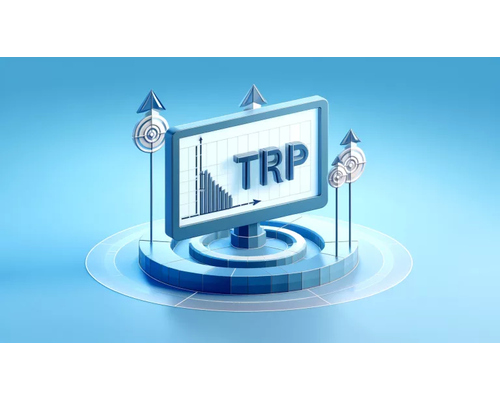
With the exponential growth of digital technology, the television viewing and audience measurement landscape is shifting radically.
Trends to Watch:
- Digital Integration: The existence of online platforms highlights the significance of TRP as it is an achievement, and traditional modes also do their measurement. The mixture of live TV and digital media numbers has become the primary way to a “round” measurement, not just broadcasting data but data for spectacle instances.
- Data Analytics and AI: These days, complex data analysis and modern artificial intelligence are deeply rooted in television entertainment. They gradually automate all processes and even predict what viewers will likely do. This is done through data mining of big data, whose value is harnessed by AI and data science to predict the major drivers of online visual engagement and customize the content more effectively.
Industry Implications:
- Content and Advertising Strategy: By understanding the TRP factor’s insightfulness and significantly evolving characteristics, broadcasters and advertisers shall develop effective strategies. Broadcasting services can break coverage discrepancy and extract relevant information from big data to create personalized and more effective ads that get shown to the right audiences at the right time.
- Future of Audience Measurement: Meeting the challenge of robustness and compliance with the global data privacy regulations that are required and also of the ability to transcend the operational and infrastructural limitations that have been common in the evaluation and measurement of audience metrics is expected to be a logical and direct outcome of the development of new methods and technologies. In conclusion, television programming rating (TRP) is a complex concept invaluable to players in the television industry. Bindingly, the shift in viewing habits aimed at exploration and derived from technological providers coalescing into one entertainment powerhouse calls for trend analytics and measurement innovations for the survival of the television and advertisement industry. The latter must be rightly positioned by the customer’s experiences and digital technologies.
Conclusion: Understanding the Meaning of TRP
To sum up, everybody involved in television media should be familiar with TRP (Television Rating Point) because it is a key report that describes the behaviors people show and how the owners of different channels drive these behaviors. The numbers may only provide part of the picture of the TV show’s liking and viewer participation, but it ultimately depicts the two. More than what shows are the most popular or require the most attention is needed selecting the right one that has gained a high TRP among viewers will do the job.
Key Takeaways:
- Definition of TRP: TRP is a scale that comes into play when shows are watched on TV. It’s a measurement of television shows using viewer ratings where a particular program has viewers in the number.
- Importance for Advertisers: It is symbolic for advertisers to make informed decisions about the best time slots and programs to place their ads to ensure the most significant sales impact and the highest popularity level, respectively.
- Audience Insights: Besides the demographic and likes of the viewing group, TRP data can provide television creators with information on the kind of content that satisfies viewers and makes them loyal to the creator.
- Impact on Programming: The model of television cast ratings depends on the TRP gained by the TV stations. Thus, the management can implement the mentioned activities, such as promotion, thus contributing to the TV content.
- Measurement Techniques: The data contributing to the rating is dependently collected according to different techniques that range from electronic devices to viewers’ diaries, which significantly increase the accuracy of the rate. By descending to our commoner, i.e., viewers, advertisers, and producers’ accomplishments of mutual understanding on price and product plays out, there will be a profound solution to the practice of television media in an improved manner as advertisers as well as producers in the bettering of the ads they created and the shows they produced by viewers’ involvement.
What Is a Content Calendar?
A content calendar is a hub for your content selling efforts and one of the foremost necessary tools at intervals in your selling toolkit. A content calendar permits you to prepare your efforts visually, whereas clear facultative communication of your campaign schedules and editorial plans.
It’s a straightforward installation of what’s due, what’s done, and each content project’s standing. It additionally clearly defines which agency is to blame for activities associated with each bit of content.
A content calendar aids your team, which often consists of various creative jobs, such as writers, editors, strategists, and designers, in understanding each project’s workflow.
While you will employ a program to keep your content organized, this can be not property or ascendible. Your content calendar has to be dynamic. Thus, it will fulfil its role because of your content strategy and set up the framework. It allows a holistic read of your content and wherever it’s going. It transforms strategic tenets into unjust plans.
Why you must Use a Content Calendar
There are several advantages and blessings to employing a content calendar. It may revolutionize the manner you propose, create, and promote content. Using a content calendar may considerably improve your operations and content quality, which may increase leads and profits.
Here are eight reasons why you must use a content calendar.
1. Keep Your Team Organized and Aligned

How does one presently supply or organize ideas? Are our content plans scribbled down in notebooks? Or, does one have endless conferences associated with the standing of projects?
These are each inefficient processes that are keeping you undone. A content calendar delivers an additional holistic read of your content strategy. It helps you uncover content gaps and additionally provides additional oversight. Thus you’re less seemingly to miss content deadlines!
2. Brainstorm higher

When your information is arranged according to topics, and your team clearly understands what is being worked on, it usually prompts people to consider novel ideas. Group action activities are crucial to producing engaging, captivating content and livening up your content calendar.
And they will genuinely happen at intervals of your content calendar. You’ll be able to produce an “idea” house that permits anyone concerned with the content method to place concepts into one repository. They’ll then be mentioned and completed.
3. Maintain Consistency

Consistency is essential in content marketing. To stay your audience engaged, you have got to be delivering content that helps them learn and is additionally amusive. Your audience is unlikely to expand if you update seldom and don’t routinely communicate with readers. A content calendar helps ensure that your team adheres to the established publication schedule and frequency.
4. Sustain Your Audience’s Interest

A content calendar allows you to check what topics you’ve liked so you don’t duplicate efforts and retain your themes. You’ll know not to choose issues randomly. Thus you’re additional, seemingly to stay your audience engaged.
5. keep Timely

With a content calendar, you’ll be able to plot specific events, holidays, or times of year necessary to your audience and your business. This implies you won’t miss out on opportunities to leverage these events and obtain before your potential customers in timely content. You’ll be able to ensure that you have content that speaks to what’s happening in their world, building your credibility.
6. Change Visibility Across groups
Collaboration on content across enormous groups is sophisticated. It is made more accessible by content calendars. The most potent companies align with several organizations. With a content calendar, you’ll be able to use a resource that helps everybody stay identical. Sales, marketing, product managers, and alternative stakeholders have clear visibility into content efforts, which might improve the relationships among groups and your culture.
7. Set up Social Media marketing higher

Content and social media marketing are two elements of your content selling strategy. A content calendar allows your social media team to schedule what’s going to be denoted and wherever permitting you to be additional consistent in posting.
Plus, with content automation options obtainable on some content calendar platforms, you’ll be able to save time in programming. This helps you cultivate an improved social media presence. As a result, you’ll be able to focus more on interacting with followers rather than manually publishing posts.
8. Track Performance additional with efficiency

It’s critical to assess the success of your content marketing initiatives. You wish to know what content is playing well and why; thus, you’ll be able to replicate it. By employing a content calendar that additionally allows reportage, you’ll be able to keep an eye fixed on your production and performance metrics and uncover insights to tell your future content setup and create it even simpler.
Having a content calendar is essential to your brand’s content-selling success. Thus, it’s not a possibility any longer. Employing a content calendar could be a foundational facet of your content strategy. Now, all you wish to try to do is use the correct one for your business.
Final Thoughts
A content calendar is the single supply of truth for a company’s marketing strategy. It provides an excellent tool and resource for organizing each short-run and semipermanent goal. Selecting the correct device and method for your team will significantly facilitate efficient and analytical chasing, whereas manufacturing content is aligned with your business goals. Does one have expertise in employing a content calendar? However, does one presently organize selling campaigns? Leave us a comment below; we tend to love hearing from our readers.
Visit our website GINGER MEDIA GROUP MORE RECOMMENDED BLOGS RELATED TO MARKETING
]]>It’s a significant challenge that stops several would-be content marketers from dead within their tracks; it’s one among many hurdles known in the IDG study on content selling that came out last week. Making a gradual stream of partaking content isn’t simple, but there are definite needs for executing a content strategy.
The quality of your content correlates powerfully with how favourably the content — and thus your entire content— is viewed by and served up in search engines.
If you’re convinced that making quality content is definitely worth the effort, the five heavily researched tips during this post will have you ever making winning content in no time.
But what’s simple to explain isn’t continuously straightforward to execute, particularly for brands. United Nations agency staff are already stretched thin and typically see “create quality content” as another task in a long line of blindly bold goals.
“Quality” isn’t a matter of judgment from internet searchers and search engines.
Ask ten marketers how they outline quality content, and you’re possible to listen to explanations that embrace a laundry list of buzzwords, phrases, and acronyms that few business homeowners have the time or the inclination to understand:
“It all comes right down to Dwell Time.”
“The key metric is Time on a website (TOS).”
“If your content is of top quality, it ought to acquire a meaty range of links.”
None of those statements is inherently wrong. However, they’re all fatally imperfect, primarily due to their quantity of after-the-fact goals that place all of the stress on judgment by search engines and internet searchers.
In different words, these are parts that are appraised once you style, create, and share your content.
What’s most vital for business homeowners, however, is to possess the way of knowing if your content can build authority, trust, and, hopefully, client love before you get to the present judgment by third parties.
Accurately assessing the effectiveness of your content needs a method that creates the creation of quality content possible and replicable for brands of all sizes.
Developing a full proof approach to produce quality content systematically
In the last decade, I’ve written for various print and online newspapers, magazines, online blogs, and redaction print and online blogs with several annual readers. Over that point, I’ve been lucky enough to assist many brands with content selling, content strategy, and SEO.
The biggest constant in each space of my work is that most brands struggle to produce quality content systematically.
For an extended time, I believed the perpetrator was a scarcity of talent, as most brands merely didn’t have it or goals. Since few areas are clear on what they ought to be or chasing Google and the different search engines.
But within the last three years, whereas operating with dozens of brands and managing an oversized, roaring selling weblog, I used to be able to uncover precisely what causes content creation issues, a way to eliminate those problems, and what the results are often once that rock is rolled away.
Here are the five ingredients I’ve found that your content must build trust for your whole and your audience is waiting for:
Compelling storytelling

We begin at the very best level; this may be tough even for seasoned marketers. Facts are vital. However, the power to bring drama and feeling and to weave a story in a very B2B business article is what ultimately breaks through. Real-world examples and analogies to current events and popular culture will create a story jump. Additionally, they make your story unforgettable.
Originality

Content curation has its place and could be a valuable service for your audience; by turning it into a clearinghouse for industry-oriented info, you let your audience apprehend that you need them to possess the most effective information where there’s no pride. However, merely curating content is limiting. To position your organization as a concept leader, it would help if you placed forth some original thinking.
Relevancy
Many organizations fill their social media feeds with what they assume they’re supposed to be talking about – weekend plans, the big Game, or the newest moving-picture show. Talking about weekend plans is an off-message if you’re a B2B organization. If your weblog is targeted at your thoughts on tangential topics, you’re off-message. Offer worth to your audience by being relevant to their business.
Professional writing

It would help if you had somebody who understands story structure, journalism’s inverted pyramid, and the fundamentals of synchronic linguistics. These ostensibly archaic notions are vital to delivering your message effectively.
Written for SEO
Nowadays, there’s no reason to write down one thing simply because you feel irresistible. It’s simple to use Google and different tools to determine what the audience is fascinated by. To avoid this crucial element of editorial analysis is the simply willful cognitive content.
Conclusion
Earning trust is well among your brand’s reach. Crafting dedicated content gets more accessible and additional replicable once you have a method, or list, if you’ll, to assist keep your steps so as. (Atul Gawande’s book, The list pronunciation, will facilitate.)
Armed with a solid whole, a worthy product or service, and the spirit of pushing the boundaries of your content creation, you’ll dominate your class quicker than you imagine victimizing the higher ingredients.
]]>Ready to talk with a marketing expert?

A Pragmatic and innovative way to enthrall your target group is just a click away!
Get in Touch
Rukmini Knowledge Park, Kattigenahalli, SH 104, Srinivasa Nagar, Bengaluru, Karnataka 560064
+91-990 247 8800
contact@gingermediagroup.com
Popular in Television Advertising
Udaya TV AdvertisingSun TV AdvertisingStar Plus AdvertisingTV 9 AdvertisingZee TV AdvertisingNDTV India AdvertisingColors TV AdvertisingPopular in Airport Advertising
Spice Jet AdvertisingMumbai Airport AdvertisingDelhi Airport AdvertisingEmirites AdvertisingIndiGo Airlines Domestic India AdvertisingPopular in Newspaper Advertising
Deccan Herald AdvertisingPrajavani AdvertisingThe Hindu AdvertisingEconomic Times AdvertisingDainik Jagran AdvertisingHindustan Times AdvertisingPopular in Magazine Advertising
Forbes AdvertisingCosmopolitan AdvertisingBusiness World AdvertisingVogue Magazine AdvertisingPopular in Sports Advertising
IPL AdvertisingPopular in Outdoor Advertising
Billboard AdvertisingBus Shelter AdvertisingMetro Pillar AdvertisingUnipole Advertising© Ginger Media Group 2025. All Rights Reserved.