- I will begin by developing marketing strategies in more general terms. Since the main aim is to attract customers to your brand, methods like entertainment, branding, or storytelling, institutional advertising can be considered a highly efficient technique not only as a sales approach but also as a social objective, such as caring for the environment.
- Marketing on the Internet is the wave of the future, and small business owners should see this as an opportunity to reach new geographical markets, attract new customers, and expose their products to global audiences. The increasing competition worldwide and the race for the company’s success are put in front of companies; people, especially the founders, are too used to being focused on the job.
- A company may compete using advertising only, but if something needs to be fixed with the quality of the products or the services, even the most attractive advertisement may fail to deliver the expected results.
- Institutional ads belong to a category of marketing communication tools that primarily aim to build a corporation’s brand reputation. Further, advertisers and companies that produce various products and provide services should first consider people’s needs; otherwise, there is an excellent chance that product integrity will be recovered due to the consumers needing to be more satisfied with the product meeting their personal needs. Let’s say you want to purchase a gadget for your 12-year-old son as a birthday present.
The Main Theme
In the underlying institutional marketing notion, organizations have become the major players, setting the market’s route. The purpose of this article is to explain the exact steps that companies take to achieve their goals regarding branding, for instance, processing the set requirements of the customers. Customer perception is one of the significant drawbacks, but look at it from this end: what success can marketing alone achieve if the service or the product is of poor quality? A company with a good image is. A set of institutional advertisements is a set of instruments that play the most crucial role in establishing a company’s brand. In addition, firms and organizations producing various generic goods and services must first consider the population’s needs. Otherwise, the product may be of low quality, and the customers may show discontentment as it contradicts their personal needs. Now let’s assume you want to buy a monoplane for your son, who is 12 years old, as his birthday gift.
What You Will Learn
Through the discussion of all of the subtleties of institutional advertising,
- Definition and Purpose: Explain the concept of institutional advertising and present a company’s marketing strategy, both of which are fundamental.
- Key Benefits: Getting to know the various ways through which institutional advertising contributes to the success of a company, such as brand loyalty, trust-building, and corporate social responsibility.
- Strategic Frameworks: Theoretical and practical frameworks examined in the study of effective institutional advertising campaigns.
- Examples and Best Practices: Staying benefited from the practical illustrations of some actual institutional advertising initiatives and the recognition of the best-promoting solutions.
Key Concepts and Framework
- Moreover, this post will introduce basic concepts, such as corporate branding, public relations strategies, and audience engagement techniques.
- The plans that concentrate on message design, target audience analysis, and campaign evaluation will be beneficial. They will help me to understand institutional advertising practically. In a nutshell, I believe that this discussion on institutional advertising will be of immense benefit to you, be it you are a marketer, businessperson, or someone who is not deeply engrossed in the advertising industry, will provide you with an excellent platform to venture the fascinating area of brand and corporate communication.
Understanding Institutional Advertising: An Overview

Strategic institutional advertising function is advertising for a specific company or fund instead of offering its product or services. This communication targets influencing public perception, and thus, it is necessary for the company to have a transparent and good relationship with its audience, including clients, supporters, and the local community. Advertising has to be informative and image-invoking to create a strong bond with the audience.
The Purpose of Institutional Advertising
The primary function of institutional advertising is communicating a company’s identity and how it is seen in the marketplace.
Subpoints:
- Brand Building: Institutional advertising builds brand appeal and sets a brand apart from its competition. For instance, since companies like Coca-Cola and Microsoft spend a lot of money on institutional advertising to build a consumer’s mind to a positive image more than just a product, they appear more attractive to the public than other companies.
- Public Relations: Based on the 2021 report by the Public Relations Society of America, successful institutional advertising companies can get as much as a 30% increase in customer trust. So, advertising, like this, is a transition not just to commodities but to one bridge, and here, the other issue of a company’s relationship with society is somehow addressed.
- Theory of Corporate Social Responsibility (CSR): Different companies use institutional advertising in their CSR strategy. By emphasizing their role in society and ethics in the community through events and philanthropy-based programs, organizations are able to win the hearts of people in their societies and, therefore, the approval to continue their activities in the community.
Challenges and Benefits of Institutional Advertising
Even though institutional advertising is an effective tool with many advantages, it also includes several issues and considerations that companies must manage with great caution.
Subpoints:
- Perception vs. Reality: One of the top challenges is maintaining the public’s perception. If the messages do not represent the company’s actions, it will likely cause an adverse reaction from the consumers and society. For example, a company campaigning about the environment while carrying out illegal mining will disillusion consumers.
- Effectiveness Measurement: Determining the success of institutional advertising can be challenging. Such an approach is quite popular, but there are cases when it doesn’t directly give financial benefits.
- Strategic Implementation: Organizations must make a strategic plan before advertising at the institute. This not only means they need to determine the target audiences, but they should also choose the proper media channels. The essence of generating original stories that resonate with your audience is that they may result in authentic engagement.
Emerging Trends in Institutional Advertising

While the marketing environment is changing, institutional advertising always stays up-to-date in its use of current technologies and new trends, which enhances its overall productivity.
Subpoints:
- Digital Transformation: The development of digital and social platforms has opened up new ways for brands to engage with their audience dynamically. eMarketer forecasts that digital advertising spending will reach US$500 billion globally in 2023, which shows that digital media is one of the most important channels in institutional campaigns.
- Focus on Authenticity: The modern customer is highly aware of the truth. The companies that are more successful in institutional advertising these days adopt an open and honest approach. The most successful productions are those where the participants tell real stories from their lives, whether it is the staff or the community members, and in so doing, build trust.
- Increased Tailoring of Messages: Data analysis is used to target customers more specifically based on their behavior and preferences. By gaining access to such a wide range of cutting-edge data methods, companies can compose communication that will allow them to gain better insight into their target markets.
In brief, an organization’s advertising is indeed a significant factor in its image development, and it also strengthens brand loyalty and consumer trust. By understanding the objective of this advertising technique, its challenges, and its future, companies can manufacture advertising techniques that are more effective today in the complexity of the market’s tough landscape.
Importance of Institutional Advertising
In short, institutional advertising is a distinct thought-out strategy that places, other than traditional ones, at the forefront of the mission and the public’s minds. This type of advertising yells out the word of the most essential values, mission statements, and corporate social responsibility, promoting a much stronger bond between a company and the public. In the hustle and bustle of businesses dealing with the pressure of higher competition and the rising sensitivity of the industry, institutional advertising is the key generator of communication and brand positioning. The Rationale and the Importance of:
- Brand Formation: Institutional advertising helps to create and improve a company’s reputation, making it different from its competitors.
- Engagement of Stakeholders: It interacts with varied stakeholders, such as employees, investors, customers, etc., forming trust and loyalty among them.
- Community Development: To the fore of the brand, CSR not only wins a town’s hearts by showing its utility and moral issues but also empowers society through its employment creation.
- Brand Growth: While a product merely illustrates an advertisement in a product-focused advertisement, institutional advertising is a continual strategy mainly aimed at establishing brand equity.
- Crisis Management: This type of advertising demonstrates that communication and the value of brands and companies in hard times have a positive impact on their image.
Advertising is generally a prerequisite for the more advanced levels of a business. This is because they do not think just about themselves but instead influence social perception and consumer loyalty.
]]>Understanding Corporate Advertising
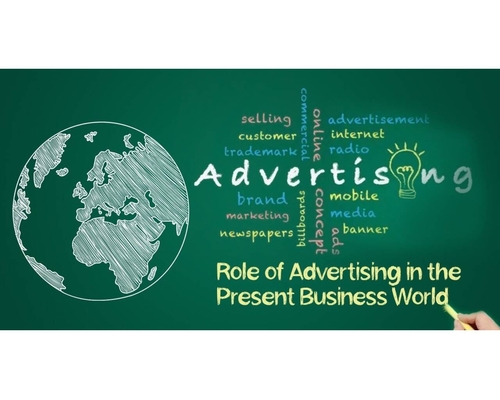
Corporate advertising is a strategic marketing tool that strongly targets a company in place of its specific products and services. Traditional advertising is quite different from corporate advertising as it is usually related to single items. Corporate advertising is about the overall image and reputation of the business, which is why it strengthens the connection with the audience and internal and external stakeholders.
Key Objectives of Corporate Advertising
The number one purpose of corporate advertising is to create a unique brand and perception of the marketplace. This goal can be segmented as follows:
- Reputation Management: Besides sending the message,’ We are business leaders dedicated to sustainable prosperity,’ a company can control its image and reputation by displaying its values, vision, and news of its victories. On the other hand, in the case of emergency incidents, companies can raise a flag to differentiate themselves. They can print advertisements to inform the public, explain their position, and offer transparency. Also, if they get that trust back from them, that is a positive outcome.
- Corporate Social Responsibility (CSR): Many companies are into CSR, and thus, they can use advertising platforms to get their CSR message heard by the public. For instance, suppliers like Patagonia and Ben & Jerry’s, with the powerful effect of communications, are concerned about the environment, so they use corporate advertising to talk about their sustainability, which is relevant to environmentally friendly citizens.
- Market Positioning: Corporate advertising can help companies set themselves apart in a competitive market. Studies indicate that brands perceived as socially responsible can have up to 50% higher customer loyalty.
Strategies and Tools for Effective Corporate Advertising

Many companies have to choose any one of the under-listed marketing options in this situation:
- Content Marketing: Blogging, tweeting, posting videos, and other forms of digital media can be very effective ways to inform and attract audiences to your brand. For example, one of Nike’s ad campaigns shares the tales of the athletes triumphant over the difficulties, thus eliciting strong emotional responses, connecting with the audience on a more personal level, and promoting their brand values.
- Sponsorships and Events: Corporations usually support products, services, or projects that align with their brand, such as activities or cultural events. This way, they let the public discover the brand positively and can reach a wider audience.
- Public Relations (PR): A communication strategy that complements advertisements should also be considered. The company can engage in other public relations activities, such as disseminating information related to social issues or supporting community initiatives. These opportunistic moments can be leveraged to proactively portray the company positively, increasing its public appeal.
Challenges and Considerations in Corporate Advertising
It is so true that corporate advertising has the potential to bring a lot of positive change to a company. But here are the hurdles associated with it:
- Authenticity: The audience is now extremely skeptical of your intentions. Being sincere and not telling one thing while doing another is very important. Anytime our goals are not perfectly in line, we risk allegations of “greenwashing” or “purpose-washing,” which can result in losing credibility.
- Target Audience: Corporations can find it challenging to identify the right audience segments because their messaging must be relatable to referent groups, such as customers, employees, investors, and the community.
- Evolving Landscape: Digital platforms and social media that have sprung up recently form the new world of corporate advertising. Of course, this is what keeps companies always on their toes, receptive, and molding their strategies into trends of the future. Content now must be interactive, inviting, and user-friendly to catch a large crowd’s eyes.
The Future of Corporate Advertising
The possible changes in corporate advertising in the future can be the result of the fast pace of technological advancements and the new tastes of customers:
- Personalization: The adoption of data analytics as a new model enabled companies to customize their ads according to specific customer interests and, hence, amaze them with high engagement.
- Sustainability Focus: People’s desire for sustainable products and services is growing. Therefore, a business will stand out the most if it utilizes mutually beneficial eco-friendly practices and communicates these to stakeholders transparently.
- Virtual Reality and Augmented Reality are advanced systems that easily lead customers to a world of wonder. Brands can now introduce storytelling that can be consumed only in full immersion, which not only deepens the customer’s relationship with the brand but also makes them even wiser.
Companies must monitor their corporate environment to keep pace with the changing stakeholder demands and preferences that the market is creating. Using transparency, openness, and involvement in corporate advertising will not only empower a company’s overall impression but also act as the main indicator of a company’s resilience in the market, cementing the bond between customers and stakeholders.
Conclusion
In the spirited and convoluted business world, corporate advertising remains a significant strategy for companies wanting to increase their brand image, build customer relationships, and maintain a competitive advantage. With this multi-pronged strategy, the focus is not only on marketing but also on reflecting the company’s vision, core values, and mission. Through different channels and methods, corporate advertising helps a company express what it sells, who it is, and what it stands for.
Significance of Corporate Advertising:
- Brand Recognition: It becomes a robust brand identity that lets the consumer instantly identify and relate to the company.
- Trust Building: A good corporate advertising campaign earns trust and credibility among customers, the wider community, and other stakeholders.
- Market Differentiation: It allows companies to distinguish themselves from their rivals by showing their values and offerings.
- Stakeholder Engagement: Engaging campaigns can build trust and strengthen relations with investors, partners, and employees.
- Social Responsibility: Advertising is an excellent option to demonstrate the company’s commitment to social responsibility, supporting its ethical standards and community initiatives.
Ready to talk with a marketing expert?

A Pragmatic and innovative way to enthrall your target group is just a click away!
Get in Touch
Rukmini Knowledge Park, Kattigenahalli, SH 104, Srinivasa Nagar, Bengaluru, Karnataka 560064
+91-990 247 8800
contact@gingermediagroup.com
Popular in Television Advertising
Udaya TV AdvertisingSun TV AdvertisingStar Plus AdvertisingTV 9 AdvertisingZee TV AdvertisingNDTV India AdvertisingColors TV AdvertisingPopular in Airport Advertising
Spice Jet AdvertisingMumbai Airport AdvertisingDelhi Airport AdvertisingEmirites AdvertisingIndiGo Airlines Domestic India AdvertisingPopular in Newspaper Advertising
Deccan Herald AdvertisingPrajavani AdvertisingThe Hindu AdvertisingEconomic Times AdvertisingDainik Jagran AdvertisingHindustan Times AdvertisingPopular in Magazine Advertising
Forbes AdvertisingCosmopolitan AdvertisingBusiness World AdvertisingVogue Magazine AdvertisingPopular in Sports Advertising
IPL AdvertisingPopular in Outdoor Advertising
Billboard AdvertisingBus Shelter AdvertisingMetro Pillar AdvertisingUnipole Advertising© Ginger Media Group 2025. All Rights Reserved.