Key Aspects of YTD:

- Enhanced Decision-Making: YTD furnishes stakeholders with valuable details on income, costs, and profits, thus enabling them to make sensible financial decisions.
- Cost Efficiency: By evaluating YTD data, organisations can discover areas to save money and resources and redistribute their assets, ensuring that the expenses align perfectly with the strategic goals.
- Improved Customer Focus: This type of YTD data analysis serves as a checklist for enterprises to ensure that customer value is the only consideration, producing high customer satisfaction and a more substantial and extended workforce relationship between the two.
- Continuous Improvement: The YTD process approach allows for periodic measurement and alteration of strategies, mainly based on measuring effectiveness, ultimately resulting in continuous improvement.
- Strategic Planning: The year-to-date period is the best time for businesses to ensure smooth operations by using it as a forecasting formula and long-term decision design tool that enables businesses to navigate the market’s changimarket’stions confidently. The blog post mentions YTD as a concept that is the nature of modern enterprises. It deciphers how top managers fully utilise the potential of this technology in order to achieve proper financial clarity.
What is YTD (Year-to-Date)?

YTD, which is Year-to-Date, is an accounting term that covers the period that starts at the beginning of the fiscal year and continues to the day of the writing period. The latter is a widely used concept in financial statement applications, performance analysis, and other report processes, which are used to determine the performance of an organisation in the early part of the fiscal year. This is done by comparing the figures for the respective reporting period with last year’s figures. Year results are then used to determine the appropriate goals and strategies.
Key Components of YTD

- Performance Metrics: The YTD business’s metrics campaign is the focal point for estimating the company’s health. An example could be the year-to-date revenue, expenses, and profit margin performance that provides a company with an easily comparable view of how it is performing its goals.
- Timeframe Analysis: Understanding the YTD timeframe is crucial to accurately portray the outcomes since reporting and comparing this data is necessary. A company can consider seasonal differences and other influences that may affect the business’s performance during this period to delve more deeply into why these data sets differ from others.
- Data Aggregation: The aggregation and the consolidation of data collected from different departments are the two factors that make up the practice of collecting data. This provides a more comprehensive understanding of the organisation’s level relative to last year and a continuous holistic analysis.
Benefits of YTD

- Improved Decision-Making: YTD data enables organisations to make better decisions based on actual performance tendencies. For instance, a retailer may increase inventory levels based on YTD sales data to maximise profit during high-demand seasons.
- Cost Efficiency: The YTD analysis identifies wasteful expenditures and generates money-saving ideas. For instance, a company may find that some operation costs are above the budget threshold, which may warrant reviewing or renegotiating contracts with vendors to pursue cost efficiency.
- Enhanced Communication and Collaboration: YTD reporting is a key factor in the trend of transparent communication in the company and, hence, better interdepartmental communication. Sales teams can report the YTD performance implications to the market to infuse the concepts of collaboration and shared goals.
Core Principles of YTD

- Focus on Activities: Identifying specific activities and their contributions to business outcomes is central. By monitoring YTD reports on specific initiatives, companies can determine the effectiveness of their strategies.
- Link Activities to Costs: Establishing relationships between activities and their corresponding costs allows companies to see the affected areas and declare resources more effectively.
- Continuous Improvement: The regular review of the YTD metrics creates an environment of continuous improvement, where the need for change is underlined, and the winning strategies are supported.
Steps to Implement YTD Analysis
- Analyse Current Activities: Start by examining the existing processes and the data of the current YTD metrics being tracked. This will involve gathering data from various sectors, such as financial reports and data related to the organisation’s established Cost Drivers. By knowing why some costs go up or down in your company, you can measure performance and manage expenses much more efficiently, thus moving closer to business success.
- Implement Performance Metrics: Create a suite of high-quality metrics, primarily for calculating the effort put into evaluation. The metrics are easy to track and will help the organisation achieve its objectives.
- Engage Employees: By including workers in the management, a spirit of cooperation is awakened, resulting in their commitment to their work and thus realising better outcomes.
- Leverage Technology: Utilizing financial software and data analytics tools helps the YTD analysis process, as getting accurate reports and visuals on the spot is convenient.
Real-World Examples of YTD
- Example 1: A Retail Chain A well-known retail chain executed YTD metrics to observe season sales trends. After comparing YTD figures with the holiday sales of the previous 3 years, they managed their inventory efficiently and gained 15% of the revenue from holiday sales.
- Example 2: A Manufacturing Company A factory kept a tally of YTD production costs and spotted which lines were unproductive. Based on the findings, they made some process improvements, deducting 10% from their cost without sacrificing quality, which is clear evidence of the YTD’s impact on operations.
- Example 3: A Tech Startup A young tech company did the math to determine the cost of a new user acquisition at YTD and how many new customers were a part of that revenue, which had increased. Without YTD, the probable target for improving a CAC value is virtually impossible (Huang et al., 2019). Therefore, marketing strategies must be constantly reviewed and updated; YTD comparisons are necessary for the company’s customer cost (CAC) to improve, and its monthly revenue will not increase by 25% over the year (Vollmer et al., 2016).
In short, the YTD is a piece of advice for those who would like to see the full scope of their internal processes and discover their successes or failures (Elazameen et al., 2020). On top of this, enterprises will be able to actively manage their resources to the fullest and set their objectives in the most effective manner
Year-to-date (YTD) is a very effective strategy for organisations seeking to increase performance tracking and financial analysis. Businesses can unlock many new potential use cases through practical YTD analysis that includes figures for revenue, expenses, and profitability from the beginning of the year to today, which is accurate resource allocation and continuous improvement. Among the challenges of the marketplace that come with the growing competition is the need for efficient management practices like YTD reporting to help meet those challenges. By mastering the practice of YTD in your company, you will be able to achieve:
- Financial Transparency: The company’s conditions become apparent to staff and managers during the year, allowing them to make better decisions based on the information received.
- Proactive Performance Management: Early identification of patterns and deviations will yield the opportunity to take timely action and make the necessary changes to meet the set milestones.
- Informed Resource Allocation: Employing YTD data-driven insights to make the right decisions on which areas the resources need to be spent and enumerate mutual benefits of both efficiency and growth.
The organisation should be fully involved in using YTD reporting, as it can solve most problems at the speed of light. You deserve improved financial management from today to infinity and beyond!
]]>Key Takeaways to Be Mentioned in the Introduction
- Deeper Insight in Making Decisions: RTB gives advertisers vital information regarding audience behavior and market dynamics, thus affording them a choice of where and when to invest their budget.
- Efficiency in Costs: RTB manages to identify areas of possible savings by allowing advertisers to place bids on ad spaces based on real-time data and keeps optimizing the human resources spent on dollar expenditures, thus leading to dollars being spent at their best impact.
- Better Customer Value: RTB aligns advertising activities with customer value by targeting relevant ads to the right people at the right time, improving the overall customer experience.
- Continuous Improvement: Since RTB happens in real time, regular analysis and alteration of the directions of the advertisements with some performance metrics will be done to promote continued optimization and improvement.
- Strategic Planning: RTB offers highly data-driven insights, which help corporations forecast better and make long-term decisions for directing their next moves in advertising campaigns.
In this blog, we will discuss the principles of Real-Time Bidding, why it is important today, and how an organization can take advantage of this process to improve advertising efficiency. Let’s share insights and practical ways to add RTB to your digital advertising campaign.
What is RTB Full Form?

RTB, or Real-Time Bidding, is a digital advertising concept based on an auction process for online ad space in real time. By utilizing user identification and behaviour patterns, organisations can target their ads more effectively to the right groups of people and with the right interests. This, therefore, results in more efficient usage of marketing budgets along with higher engagement from the target audiences.
Key Elements of RTB

- Demand-Side Platform (DSP):
A DSP platform enables users to manage multiple ad and data exchange accounts using a single interface. Its importance lies in the fact that it makes automated purchases, and users place advertisements on ad spaces in real-time by using user information to maximise relevance. - Supply-Side Platform:
SSPs help publishers optimise their ad space inventory to maximise revenue generation. Through them, the multiple ad exchanges allow publishers to reach the correct demand for their ad placements and, therefore, the potential for revenue maximisation. - Ad Exchanges:
An ad exchange is an entity where buyers and sellers interact on the price of ad space. Publishers are sellers, and advertisers are buyers, negotiating on price. Such exchanges also support the execution of RTB because the real-time auction process allows buyers and sellers to achieve optimal outcomes in terms of ad placements and prices.
Benefits of RTB
- Improved Decision Making:
RTB further aids decision-making by providing real-time user engagement and bid results statistics. For example, an e-commerce seller of attire can analyse which ads work best for demographics and rapidly switch campaigns to maximise returns on investment through RTB. - Cost Effectiveness:
RTB improves cost efficiency by automating the buying process and enabling advertisers to pay only for impressions that meet their targeted criteria. Organisations set budgets that optimise their spending and pay only for ads most likely to increase conversions. - Increased Communication and Coordination:
RTB enhances collaboration and openness between marketing and sales teams. Sharing real-time information and results helps these teams align strategies better to ensure cohesive campaigns that drive engagement and sales.
Core Principles of RTB
- Activity-based Approach:
Understanding user-specific activities is central to understanding RTB. If ads are targeted against users’ actions and interests, the campaigns tend to be more effective as advertising becomes more focused and successful. - Association of Activities with Costs:
Cost-related user activities associated with the advertiser allow the person to know the cost of running each advertisement. This is crucial in deciding on budget and campaign optimisation. - Constant Improvement:
The main feature of RTB is the assessment of performance metrics on continuous evaluation and feedback. This method adjusts campaigns according to performance metrics to make the advertising strategy work throughout the campaign period.
How to Put RTB Into Action
- Review current activities:
Observe traditional buying processes to identify where RTB can create more value. Analyse past campaign performances and user engagement behaviours. - Define Cost Drivers:
Determine your cost drivers, such as audience segments, the time of day bidders are likely to drive prices, and ad formats so there is an optimal bidding strategy and resource usage. - Leverage Performance Metrics:
Set up and monitor performance metrics to gauge the effectiveness of each ad campaign. Click-through rate and conversion rate are just two of the metrics that define effectiveness. - Engage Employees:
Get employees to collaborate with the RTB process to foster collaboration and innovation. The team should be encouraged to develop suggestions to improve strategies based on first-hand experiences and data insight. - Leverage Technology:
Utilise technology tools and platforms that facilitate the RTB process: machine learning algorithms and data analytics advance targeting and bidding.
Real-World Examples of RTB
- Case Study of an E-commerce Giant:
One e-commerce giant used RTB to promote specific products during the prime shopping seasons, resulting in a conversion rate that was 40% higher than that of similar traditional campaigns. - Automotive Industry Success:
For instance, one of the world’s biggest automobile manufacturers used RTB to target potential car buyers effectively effectively effectively. It supplemented the ads according to user behaviour’s search patterns, thus leading to a massive hike in leads and sales calls. - Travel Agency Application:
A travel agency used RTB to give dynamically priced travel deals to online users based on their behaviour. It yielded a 35% increase in bookings over a quarter.
Final Thoughts
RTB is an invaluable approach for organisations seeking to upgrade their digital advertising efficiency and reach. A good understanding of core concepts like audience targeting, bid management, and data analysis will allow businesses to run their activities resource-friendly while always being oriented towards improvement, thus unlocking much potential in operational processes and decision-making strategies.
Application of the principles of RTB in your business can lead to:
- Better Ad Targeting: You could hit the perfect target market by correctly identifying viewers to ensure that your advertising dollar is utilised to full effect.
- Better ROI: Maximize returns on your advertisements with real-time insights and data-driven strategies.
- Better Competitive Advantage: Automated bidding processes would allow you to stay ahead of market changes.
It is time for you to take advantage of RTB and its transformational impact on your business: start optimising your digital advertising approach now.
]]>Key Aspects of WMA:
- Enhanced Decision-Making: The method will present data that rationally leads to changes in goals and policies. Thus, companies will be able to use the data to act in a timely manner in the market.
- Cost Efficiency: WMA becomes a package of the most comfortable means that a company’s administrators can achieve, who see where to economize and optimize spending through manpower and money.
- Improved Customer Focus: WMA helps organizations prioritize activities that are most valued by the customer. Consequently, the workflow is more easily able to satisfy customer needs, as it is in good congruence with the consumer.
- Continuous Improvement: Utilizing a WMA-based assessment, companies can clearly define areas for improvement and redesign strategies based on the results of the recent performance metrics prepared monthly and the necessary information provided from the weekly reporting.
- Strategic Planning: However, the process is conducted such that a clear shot is made at the time of the decision by conducting better (more accurate) and long-term planning of the future forecasts instead of relying on historical performance, which is the wrong way.
This blog will explore the principles of Weighted Moving Average (WMA), its significance in modern business practices, and how organizations can exploit its potential for enhanced decision-making. Attend our program to gain real insights and complete the process of integrating WMA into your business strategy!
What is WMA?
WMA, or Weighted Moving Average, is a statistical time series data analysis and forecasting technique that is the foundation of its calculation. It is a method based on assigning different weights to past observations so that the resulting forecasts are closer to future trends. Organizations can achieve this by exploring and understanding the trends and patterns within their time series. This helpful information will enable them to manage stocks, predict sales, and conquer the different cycles of the business.
Key Components of WMA
Weight Allocation involves the distribution of definite permits to diverse data points according to their relevance. The key advantage of weight allocation is that it focuses more on recent data, which usually better reflects current trends than older ones.
- Data Smoothing: One way WMA can contribute to the overall usefulness of the model is by smoothing volatility within the data. This will help analysts see the main tendencies and cycles without much difficulty, as it reduces the noise from short-term fluctuations.
- Trend Identification: Another essential aspect that makes WMA valuable in its application is its ability to discover and interpret trends occurring over time. This approach assists organizations, in particular, in identifying trending patterns and locating problems that must be progressing.
Benefits of WMA
- Improved Decision-Making: WMA is a tool for making decisions based on trends. For instance, a retail business can analyze WMA sales data and detect a recent increase in demand for a specific item. They will, in turn, begin to stock up accordingly.
- Cost Efficiency: WMA improves cost efficiency so organizations can adjust stock levels effectively. A company can forecast demand accurately and, thus, avoid overstocking and high carrying costs, saving them resources.
- Enhanced Communication and Collaboration: WMA enables agencies to foster closer teamwork and transparency among departments. Forecasts that can be easily understood and are reliable help teams to work together with simplicity towards common goals.
Core Principles of WMA
- Focus on Activities: Activities’ understanding becomes the central point in the WMA context because it is this understanding that enables businesses to find data, which, to a large extent, affects the outcome by identifying the most critical data for further analysis.
- Link Activities to Costs: The relation between activities and the cost of implementing them is immediate; the cost ledger helps to show how much these variables contribute to the overall cost.
- Continuous Improvement: The WMA process’s basics are ongoing assessment and feedback. Moreover, it supports organizations in tweaking their forecasting methods, even developing perfect forms, and applying them at the right time.
Steps to Implement WMA
- Analyze Current Activities: To evaluate the current procedures, companies should go back and see what history reveals and what trends have been noted.
- Establish Cost Drivers: The initial forecasting process, which involves building the WMA model, includes, among other things, the periodic variations of the year and the unpredictable market; it helps establish the desired reliability of the model and develop an effective cost weight system that will lead to accurate results in the end.
- Implement Performance Metrics: The whole process of strategically setting the measures through the feedback and real-time networking that Windows, desktop, and mobile applications give you gives the firm the ability to do the right beginning of developing the results that will allow them to forecast the accuracies, and then they can act accordingly.
- Engage Employees: Participating in the process also gives employees a sense of responsibility and belonging, which can result in the incorporation of knowledge that can increase the quality of the forecasting process.
- Leverage Technology: Technology is another solution worth mentioning, that is more of a budget savior, what might be considered is the use of the modern technology platform to which the company subscribes. This platform encompasses the issuance of the demand forecast of suppliers/ partners/ customers using advanced analytics by predicting such aspects as sales, raw materials consumption, stock-keeping units, and feedback).
Real-World Examples of WMA
- Example 1: A big-name supermarket chain rolled out the WMA system for demand forecasting of seasonal products. The method helped them achieve an approximate 20% increase in sales during holidays and lower inventory levels, which led to heightened customer satisfaction.
- Example 2: A manufacturing company has been performing WMA for the last five years by analyzing production data. Thus, they found some new trends that indicated the company’s products were gradually becoming eco-friendly, and those indications helped them develop their new product policy.
- Example 3: Customer satisfaction drives marketing because it provides insight during the purchase. Hence, they choose and practice WMA to improve their marketing budget (the percentage ones) to take an advantageous position. Using clients’ product sale analyses, this customer retail outlet could allocate resources more effectively, achieving a 15% ROI from AP marketing investments.
Conclusion
Given this, Workforce Management Automation (WMA) should be considered an adequate and essential means for implementing companies that want to increase their efficiency at work, worker satisfaction, and, ultimately, productivity. Businesses can adequately plan and handle the workflow and enhancement by carefully selecting the most appropriate tools that are part of the program, scheduling optimization, demand forecasting, and performance analytics. As the market tumor is getting bigger and by that increasing competition, investing in WMA will likely turn from a new tendency to a new management standard.
By incorporating the principles of Workforce Management Automation into your business operations, you can achieve:
- Improved Resource Allocation: Aligning resource availability with workforce demand, as one of the means of reducing costs in labor, makes services reach their maximum potential.
- Enhanced Employee Engagement: This can be done by allowing employees to make requests and ask for their days off through the application. Also, the employees have access to self-service tools that enable them to plan their work schedules themselves, and thus, they can achieve work-life balance without any difficulties.
- Data-Driven Decision Making: This is then put to the best use with real-time data. It also ensures that informed decisions are made while changing the organization’s strategy based on the changing business environment is also possible. Now is the time to embrace Workforce Management Automation and experience the transformative effects it can have on your organisation. Take the first step toward enhancing efficiency and boosting productivity today!
Key Aspects of TRP:
- Enhanced Decision-Making: TRP provides businesses with vital information that aids them in formulating decisions, such as the best choice of media buying and advertising spots.
- Cost Efficiency: By identifying popular programs and their viewer demographics, firms can identify cost-saving aspects and efficiently utilize their advertising budgets.
- Improved Customer Focus: TRP ensures that advertising, an important part of the value chain, is aligned with customer value; therefore, the organization can prioritize the campaigns that bring the best incremental results to brand building.
- Continuous Improvement: Regularly assessing TRP data is an effective tool for businesses as it requires them to modify their strategies. By doing so, they improve their understanding of the clients and thus improve their content delivery.
- Strategic Planning: TRP allows better forecasting and strategic decision-making by showing the main topics of viewer trends, which is why they are in higher demand& that is the way to capture and retain subscribers.
This blog post will examine TRP principles, discuss their relevance in modern business practice, and show how companies can use TRP to communicate better with their audience. Let’s explore useful tips and show you how to integrate TRP into your business strategy!
What is TRP (Television Rating Point)?
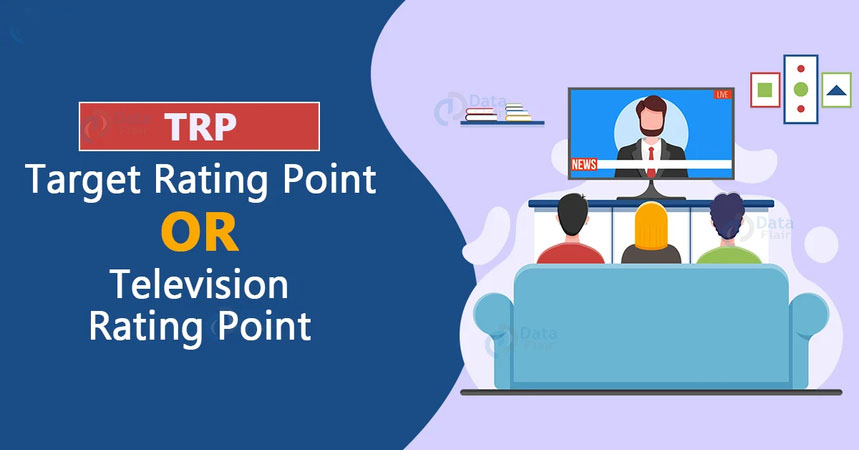
The Television Rating Point (TRP) is an index of a television program’s popularity. It gauges a program’s viewership and provides data and metrics of viewer engagement. By discovering audiences’ viewing frequency and preferences, companies can benefit from using this knowledge to make targeted advertising, content creation, and programming decisions, thus optimizing efficacy and income.
Key Components of TRP
1. Audience Measurement: On the one hand, it is about identifying the viewer’s age, sex, and geographic location and knowing who watches what is of the utmost importance for the advertising industry and TV channels, as it allows them to better target content and ads to particular audience segments.
2. Rating Calculation: TRP is a figure arrived at after a program’s audience numbers are measured and its potential total is established. This quantitative technique enables networks to assess a series’ attractiveness and determine the best schedule and ad rates.
3. Viewer Engagement: Apart from the factor of the viewer’s number, interaction with the viewers and comprehension of the way they react to the content are the key elements of the process. It encompasses the audience’s opinions, online interactions with different platforms, and views. Together, these aspects represent the improvement of the stability of TRP metrics.
Benefits of TRP

- Improved Decision-Making: TRP enables TV stations and advertisers to make choices that are, in turn, deeply rooted in statistics. With a detailed idea, the TV network can program its popular shows during peak viewership times, thereby increasing the possibility of the ads’ higher market value.
- Cost Efficiency: Being able to suss out the TRP can be a game-changer in the profits accrued from marketing and advertising. The advertisers can brief names of the programs with higher ratings that help their marketing budget, which is spent on platforms with a broader reach to which they are getting better returns on investment.
- Enhanced Communication and Collaboration: Truthful information based on TRP findings involves partnerships between TV stations and advertisers. This, in turn, leads to the open discussion of target segments and retrieval tactics, and therefore, shared campaigns representing the audience are born.
Core Principles of TRP
- Focus on Activities: Knowing the patterns in which people watch television is key to understanding the activities that could influence the program’s popularity. By doing this, broadcasters can understand the needs of their audience and cater to the programs by giving their viewers more control over what they watch.
- Link Activities to Costs: There is a direct correlation between the audience’s activities and advertising costs. The higher show ratings that attract the most viewers can be why a TV station can set higher rates for ads, so advertisers may have to change their pricing policies regarding the rating ranges.
- Continuous Improvement: The television industry is hectic, and nothing has changed. Comprehending TRP trends is a typical KPI among TV networks and marketing corporations, as they always change according to the client’s needs.
Steps to Implement TRP Analysis
- Analyze Current Activities: For this purpose, companies must start by reviewing their audience size and understanding how their programs are working. This will lay the groundwork for the future programming decision-makers will develop to grab their audience’s attention and keep it led.
- Establish Cost Drivers: Discovering which media cost more but are also the most viewed, such as VODs and video via TV networks, is also influential, as ContentDeric, Visyon, and BCN content distribution, for instance. Organizations can thus optimize their business strategies.
- Implement Performance Metrics: Measuring and managing performance via TRP ratings will help companies determine their strengths and weaknesses, develop their best strategies, and modify them if necessary.
- Engage Employees: Including people responsible for all process phases, from contributing to the content to advertising, is a pivotal stage since their knowledge can provide new ways of thinking to create content and different marketing styles.
- Leverage Technology: Scientific signal processing is an equipment-based technology that would enable TV broadcasters to give instant feedback to program providers, allowing them to adjust content accordingly. The agency also suggested the benefits of using such technology in other mass media, such as newspapers and composite videos.
Real-world Examples of TRP
- Example 1: STAR TV Network The STAR TV network recognized that the audience wanted to watch specific shows most of the time by using expensive TRP analytics. Consequently, the network launched the prime-time series that earned ratings exceeding a million views during its debut week. The series was able.
- Example 2: NBC’s “This Is Us” The network took note of the viewer interest in the program and held the promotion of “This Is Us” during sports events to increase the number of viewers. In this sense, the mirror image of confirming the high TRP became the breaking sales record of the TV program.
- Example 3: HBO’s “Game of Thrones” HBO might have been aware of the interests of the show’s fanbase via TRP data so that they could organize the release of promos and airtime accordingly for the show. This led to the huge success of the premiere and the staggering number of subscriptions the service got.
In the final analysis, mastering the TRP through a proper study of the numbers and then enlisting a population-based sample could result in low statistical power. However, the content strategy could be future-proof because organizations will use content strategies to optimize profit to meet the audience’s needs. Also, companies will understand The Equation and how to apply it.
- Compiled Data: Briefly, TRP is a benchmark for quality for companies whose main objective is to become more familiar with their customers and accurately determine their watching patterns. Firms may become more efficient and make better decisions by understanding consumer preferences, using advertising resources more accurately, and through a content strategy that aims at continuous improvement. Company executives predicting and meeting customers’ needs and desires via TRP will have a very good management practice, which they develop by containing the right elements. You can use TRP-based practices in your business and get the following:
- High-quality audience data to guide programming and advertising decisions.
- Logical spending by approaching the right demographic at the right time.
- A better competitive position by implementing data-driven content strategies. Empower yourself now and employ TRP all over your business to turn your organization into a new page. Today, we are more willing to engage with you than ever before. Make sure you listen to them and act accordingly.
Key Aspects of UTM:

- Enhanced Decision-Making: Countless UTM parameters contribute to the identification of the best ads and channels, which in turn can be utilized for planning more effective marketing strategies.
- Cost Efficiency: Through clear performance goals and effective analytics, corporations can discontinue ineffective marketing tactics and redirect resources to more productive activities.
- Improved Customer Focus: UTM tracking ensures that promotional operations are marvelously targeting the right people whose preferences and behavior are close to the chosen marketing approach.
- Continuous Improvement: As brands analyze and take in UTM data consistently, they can lessen or wholly cut off particular marketing campaigns that the customers have little or no interest in and then promote products they are after.
- Strategic Planning: Companies can better predict how their campaigns will pan out and sketch out their long-term plans effectively since UTM data provides records of campaign performance over time. In this blog, we will shed light on the concepts of UTM, highlight the value of this contemporary marketing tool, and illustrate how companies can release their potential for enhanced marketing performance. Please take advantage of our blog, where we will reveal the most essential information and the easiest way to embed UTM into your marketing strategy. Join us as we uncover valuable insights and practical steps to integrate UTM into your marketing strategy!
What Is UTM?

UTM, the so-called Urchin Tracking Module, is a powerful tool for digital marketing implemented based on URL tracking parameters that are added to the links. Notably, the capabilities for traffic analysis are spoken of here. Marketers can benefit from detailed information, such as the exact traffic sources, the most successful campaigns, and user reactions to the content. Thus, their marketing strategy will be refined, and their performance will improve.
Key Components of UTM
1. Source
The source section states the webpage the user clicked the link from, such as one of the search engines, social media platforms, or direct referrals. Correctly understanding the source factor is essential because this element allows marketers to analyze the channels that bring substantial traffic and leads.
2. Medium
This component identifies the means of communication, such as email, social media, or cost-per-click (CPC). This helps the organization expand its reach by pointing out the specific platforms that produce the best outcomes.
3. Campaign
This piece enables the marketer to give his campaigns individual names, adding context to the traffic sources. It is fundamental to see which marketing drives are the most successful in garnering attention. Moreover, these results can help make strategic improvements.
Benefits of UTM
- Improved Decision-Making: UTM parameters and the knowledge acquired from the various return couriers explain specifically where the traffic originates and how it is used on a website. For example, if a business suddenly sees how a specific email campaign is driving so much traffic and conversions, it may want to give an extra push to such communications.
- Cost Efficiency: By interpreting UTM data, corporations can determine which marketing plans give the maximum return on their investment. For instance, a business can discover that Facebook ads are a better option than Google Ads, so it can use that as a strategic way to spend lower-cost resources on other methods.
- Enhanced Communication and Collaboration: Building UTM provides appropriate teams with the opportunity to clearly communicate the execution of the work and the responsibilities shared among all team members. The graphics of the data related to the campaign performance can be seen by all team members, who can thus coordinate their efforts in the name of transparency and common goals.
Core Principles of UTM
Focus on Activities: The first approach to tracking specific marketing activities, putting them into light, allows you to gain insight into lead and sales generation through various engagement methods.
Link Activities to Costs: Correlation between activities and expenses is a key budget and forecast process element. By combining the two, organizations will benefit from the maximum utilization of their marketing funds.
Continuous Improvement: UTM is an outcome that comes into being through continuous assessment and feedback. Time and again, teams improve their strategies and choose the best approaches as they focus on analyzing the performance of the marketing campaigns.
Steps to Implement UTM
Analyze Current Activities: In order to successfully implement UTM, companies should first focus on assessing their existing marketing activities and tracking methods. This will help disclose gaps and opportunities.
Establish Cost Drivers: Define the reasons for the different costs arising in various marketing channels. Gaining insight into these motivators will help defer resource allocation.
Implement Performance Metrics: Form a system of tags for tracking URL performance with UTM. Tools like Google Analytics are essential to cover all the metrics regarding the system.
Engage Employees: Involving the staff members in the implementation process is a key element for fostering a culture of data-based decisions. Furthermore, we can have training sessions as part of the formation of a knowledge base to enlighten the employees on UTM usage.
Leverage Technology: The employment of an app that has the authority to track software and marketing analytics enhances the UTM process. Technology integration guarantees the correct capture of data and the actualization of real-time monitoring.
Real-World Examples of UTM
1. HubSpot
HubSpot smartly utilized UTM parameters to track the success of its ebook marketing campaign. The composite analysis of lead sources showed that social media was the most fruitful marketing platform, as it delivered the best results among the people who were found there, while email campaigns were the second best choice. This made them go for social media marketing.
2. REI
REI tagged UTM for the holiday campaign they ran, and through this campaign, UTM became a real insight for them, as email newsletters brought 40% of the copied ads that the display ads copy got. Then, they reinforced material for email marketing.
3. Airbnb
Airbnb analyzed the UTM parameterized data to examine the effectiveness of the promotional channels. They figured out that the referral program was the most beneficial, and they kept their marketing in that direction of their marketing strategically.
Conclusion
UTM is necessary for organizations that want to track marketing metrics through data analysis and monitoring. Adroit use of UTM is the byword of tracking and improving geospatial accuracy and analysis. They will be very adaptive towards implementing UTM in spatial concept learning.UTM (Universal Transverse Mercator) is an invaluable approach for organizations that provides accuracy and analysis. Put the following steps to the accomplishments of a business through the employment of UTM:
1. Exactness in spatial data representation.
2. Integrating geospatial analysis into business strategy for evaluating spatial accuracy, precision, and modeling.
3. Making the GIS process standardized and effective.
Now is the time to adopt UTM and see the radical changes it can bring to your company. Start applying geospatial organizing today to initiate the process of optimization!
]]>Key Aspects of VPS:

- Enhanced Decision-Making: It is a platform for making the right decisions, which will improve the need and performance of hosting services by providing valuable data.
- Cost Efficiency: It exposes areas for cost savings that lead to better budgeting because it does not rent its whole server and does not require all the websites to be loaded in one place.
- Improved Customer Focus: The site will run very efficiently, which is the fundamental aspect that will delight the web audience and thus increase customer’ satisfaction customers’.
- Continuous Improvement: A tech is a bedrock that allows for regular checking and changing of the website per new business needs.
- Strategic Planning is a tool for wisely using the planned resources that follow the expansion of the business; therefore, it is the most crucial feature of long-term decisions.
This blog post is an assignment to explore the principles of VPS hosting, its modern business practices, and the application of VPS in a scenario that is related to website performance. We invite you to join us as we disclose the insights and steps that are both useful and feasible for you to employ VPS in your business strategy!
What is VPS?

VPS is short for Virtual Private Server, a hosting service that looks much like a dedicated server in a shared hosting environment. By using virtualization technology VPS, the hosting provider can carve out different virtual servers from one physical server. Each server will have its own operating system, resources, and configurations. This enables companies to get the benefits of a dedicated server, like better performance and security, while the physical computer is shared. Firms can use VPS hosting for better scalability and control when they know their applications and websites’ demands and how to handle the servers properly.
Key Components of VPS
- Isolation: Isolation forms the basis of VPS. Each virtual server is a self-contained element, and, as a result, one VPS does not influence the rest; hence, its performance is not increased. With the proper side effects being efficiency and reliability in hosting, uptime becomes the most vital thing of the tasks involved in the security of the infrastructure.
- Resource allocation concerns partitioning CPU, RAM, and throughput among the virtual servers. A VPS is typically supplied with a set of resources that could be modified according to the needs of particular organizations. The flexibility gained now, because you can scale according to your changing needs, may have a significant influence on the whole system.
- Customization: Customization is one more critical component of VPS. Users have elevated authorization access, allowing them to install and configure software, set security parameters, and modify settings, making the hosting solution work better depending on their needs. This autonomy assists in better optimization for particular applications.
Benefits of VPS

- Improved Decision-Making: In addition to VPS hosting, a proper course of real-time data and analytics leverages business decision-making. For example, it is an e-commerce platform that can survey traffic patterns and distribute resources wisely to improve the user experience during the shopping season.
- Cost Efficiency: A VPS is more efficient in terms of the money spent on infrastructure and allows businesses to test the waters before scaling resources on demand. Companies only pay for whatever they need and thus do not need to bear the significant expenses related to dedicated servers. This is equivalent to the organization maintaining the same level of performance with much lower costs.
- Enhanced Communication and Collaboration: A VPS can create seamless communication and collaboration through tools hosted on the server, such as CRM systems and project management software, helping teams work together well regardless of location.
Core Principles of VPS

- Focus on Performance: Real-time data analytics on the performance of the applications running on the VPS is a key element in understanding why VPSs are essential. Companies can custom-develop their settings in areas of interest to bring performance up to the required level of different operations.
- Link Performance to Cost: By combining performance metrics with costs, corporations can make wise decisions. Firms’ costs are directly related to resource allocation and, thus, the optimization of their expenditures.
- Continuous Improvement: Achieving progress continually enables the agency to monitor its virtual private server (VPS) environments, embodying the points where necessary changes become feedback and performance metrics.
Steps to Implement VPS

- Analyze Current Hosting Environment: Let us examine the current hosting ecosystem, which persists in identifying the limitations and performance honk that need to be examined.
- Establish Resource Requirements: Identify the requirements essential to the anticipated workloads and decide on them. This will include looking at CPU, RAM, and bandwidth needs.
- Implement Performance Monitoring Tools: Get the tools set up to oversee the better part of performance and consumption, thanks to which you can regulate the resources as required.
- Engage IT Personnel: It would be wise if employees dealing with information technology were part of the rollout to ensure a fitting VPS installation that would suit the organization’s goals and requirements.
- Leverage Virtualization Technologies: Use sophisticated computer virtualization based on virtual servers to deliver the best outcomes of your VPS. These could be applications that make server backups, balance the load, or increase the system’s security level.
Real-World Examples of VPS
- E-commerce Website: A leading e-commerce solution switched from dedicated to VPS hosting to ensure performance during sales peak seasons. The transitional measure sped up page load time and improved shopper satisfaction, increasing the sales conversion rate.
- SaaS Application Provider: Through a VPS, a SaaS software vendor was able to create and administer an extensive user base and ensure the data’s security and compliance. The adaptability of VPS optimized them to scale their resources seamlessly and go one step further with their service while maintaining their perfect performance.
- Development and Testing Environments: A software development firm preferred VPS for their testing applications, which required isolation of the environments. This method enabled the developers to toy around with the idea without any worries that could potentially affect the system positively. As such, they were able to complete their application project in a short time.
The introduction and application of VPS technologies in business have enabled the achievement of greater efficiency, security, and lower costs. This is the case when VPS hosting is used as a solution to improve the performance of websites within organizations and the technical security required for these sites.
In conclusion
VPS (Virtual Private Server) hosting is an excellent strategy for businesses attempting to get a stronghold on their online presence and keep their business running efficiently. A definite result of successful server virtualization would be the efficient distribution of resources to websites. Investing time and effort in forming a stable user experience will allow businesses to improve decision-making strategies and operational processes, thus fully realizing their potential. The popularity of VPS hosting in the digital market is closely compared to the cloud.
When you embed VPS hosting principles into your business operations, you will be competent in getting your enterprises to the following points:
- Improved Website Performance: Eliminate slow page loads and ensure your site is always up and running properly so your customers find it convenient.
- Enhanced Security: Ensure that you are the only person who can access your data with the security features provided by the dedicated resources and the customizable firewall from the hosting server, which effectively blocks data leakage in case of any breach or attack.
- Scalability and Flexibility: Controlling your data as your business expands will seem extremely simple due to easily varying your hosting resources. This enables you to handle huge volumes of traffic promptly without causing any downtime at your site.
Isn’t it time you unleashed yourself into a new world of VPS hosting that has the potential to improve your organization? Get started with keeping your online business profitable today!
]]>Key Aspects of VR:
- Enhanced Decision-Making: VR facilitates the presentation of detailed statistics, allowing individuals to see trends and outcomes. This visualization improves the quality of the final decisions.
- Affordability: Using virtual Reality (VR) techniques in training and simulations will allow businesses to see where they can free up resources and direct them to more productive goals, thereby minimizing the cost of physical resources.
- Uplifted Client Concentration: The immersive nature of VR ensures that customers are provided with the most incredible benefits, such as the ability to create event-personalized experiences. In turn, this will lead to higher satisfaction rates. Continuous improvement technology is suitable for developing a work environment of innovation and companies’ capabilities to meet the market’s needs rapidly. Virtual Reality is an easily applicable tool that can simulate possible future events and poses many more issues we may proactively deal with. This blog will be a source of knowledge about VR, its application in modern business, and how organisations can use this technology to offer users the best experience that will engage them. Let’s resolve the issue and provide denotative measures to adopt VR in your business strategy.
What is VR (Virtual Reality)?
Virtual Reality (VR) is state-of-the-art technology that enables users to enter an immersive computer-generated environment and interact with 3D worlds and experiences as if they were present. Whether in gaming, education, healthcare, or entertainment, businesses using VR must continue to enhance training, increase engagement, and improve customer experiences in their different sectors.
The Central Components of VR
- VR Motion Equipment: One of the best things about VR headsets and motion controllers is/are the best hardware gadgets individuals use when doing something in the VR environment. The future of hardware is one of the most critical factors in enhancing the quality and Reality of users’ interactions.
- 3D Content Creation: The creation of realistic 3D content is the core of VR technology’s success. This part includes detailed graphics, sound design, and interactive elements, which ensure that users feel the presence and Reality of the virtual world.
- User Interaction: User interaction is how individuals connect with the VR environment using gestures, movements, or voice commands. This element is of the utmost importance because it affects how much the various techs are used and how well the users interact with and control them. Thus, it indirectly affects the outcome of the use case scenario.
Benefits of VR
- Improved Decision-Making: VR decision-making is facilitated through real-world scenarios like analysis and run. For illustration, a company may use VR as a simulation to demonstrate the logistics process, allowing the teams to apply the techniques before implementation at the site.
- Cost Efficiency: By switching from VR treatment in place of standard methods, companies can save money on both travel and training material costs. For example, a manufacturing company could emulate machine operations and avoid actual equipment costs- which may also be associated with unavailability.
- Enhanced Communication and Collaboration: VR encourages bonding and transparency among team members through virtual meetings, where people can meet up and work alongside each other “real-time by person” although scattered throughout different physical locations. This can be a ladder to which they climb to achieve goals as well as foster their relationship with each other.
Core Principles of VR
- Focus on Activities: All companies should prioritize understanding precisely what users will do in VR. But this approach, focused on activities, is the conduct of the competition, which operates through a strategy of customizing users’ experiences to the exact audience needs.
- Link Activities to Costs: Drawing a solid connection between the activities that are performed through VR and the specific money spent on each of them is a way by which organizations assess the short and long-term merits and demerits of VR investments.
- Continuous Improvement: Tech changesTech changes constantly; thus, a feedback loop is necessary for any VR program. Continual change in practices through the VR method to show the universe a point of that other software universe, which is user-centric and applicable.
Steps to Implement VR
- Analyze Current Activities: It is a key step to go through the current process, regardless of its convenience and virtues, and then understand where VR can be utilized optimally. This is the basis for proper implementation.
- Establish Cost Drivers: Organizations should establish the components contributing to costs in their VR projects to manage their resources adequately.
- Implement Performance Metrics: The most essential tools for this kind of exploration are setting up proper benchmarks that can be tracked. Such metrics can also include user engagement, training effectiveness, and feedback scores.
- Engage Employees: In-depth participative collaboration with workers in the development and application process guarantees they make their choice ahead of schedule, eventually resulting in more user-friendly designs; the user’s preferences will be the primary deciding factor.
- Leverage Technology: Using the most recent VR technologies and software platforms will result in the most vivid and furthest VR experiences, ensuring that organizations are always the first in this rapidly changing sector.
Real-World Examples of VR
- Example 1: Walmart has used VR to train employees in store management and implement practical solutions. In gaming situations, in contrast to real-world scenarios, employees learn all the practical matters apart from failure and mistakes, resulting in a significant improvement in service delivery and a more satisfied customer base.
- Example 2: Medical Training: The VR approach that the Medical University of South Carolina has incorporated for surgeons’ learning is a good example. By letting students practice in a controlled environment, students can be more prepared and confident before facing accurate procedures.
- Example 3: Travel and Tourism: Thomas Cook employed VR to allow tourists to tour their destinations virtually. This remarkable interaction aids the customer in decision-making, making them purchase more tours and be more satisfied. In short, virtual Reality is the latest developmental mechanism that has changed how organizations connect their workers and customers. At the same time, their understanding of fundamental elements, principles, and practical applications enables them to utilize VR technology efficiently to produce better outputs through training, collaboration, and other operational activities.
To summarize, VR is an excellent strategy for companies to improve employee training, customer engagement, and product development through innovative experiences. Properly distributed resources are gained when organizations take the time to understand how to use these technologies to their advantage. Company-wide continuous improvement programs should be linked closely with developing technology. Immersive simulation space, the correct certification of the facilities and adherence to the change program are the key components of the company’s sustainability in the VR technology adaptation process. As the pressures of the markets rise and the competition gets stronger, investing in VR will likely be one of the significant factors of effective management practices.
Using the fundamentals of VR in business management can bring these benefits:
- Improved Learning Experience: The immersive environment depicts real-life scenarios that improve the participants’ memory of knowledge and enhance their skill development.
- Better Customer Engagement: Introduce new and enjoyable digital experiences that will keep your customers engaged and guarantee cohesion with your brand.
- Developing High-Quality Products: Digital imaging technology will help with quicker prototyping and more demanding reviews, ensuring the project’s success later on.
Now is the time to introduce VR and closely monitor the changes it can bring to your organization. The first step to changing your training and customer communication practices today is now at your command!
]]>Key Aspects of VOD:
Enhanced Decision-Making: VOD is a tool for gaining the customer’s insights and behaviours, thereby allowing companies to benefit from making a conscious choice to build content related to their audience.
Cost Efficiency: VOD not only eliminates the need for physical media and the cost of distribution, but it also points out areas that can be saved and other resources that can be reallocated, making it a low-cost option for distributing content.
Improved Customer Focus: VOD helps create content that is specially categorized according to the specific needs and interests of the viewers, who in turn are the factor that brings the most efficacy.
Continuous Improvement: A VOD service like this also ensures consistent monitoring of audience engagement metrics; the latter refers to the organization that can change its strategies according to real-time feedback and new industry trends.
Strategic Planning: VOD provides better projections of viewing patterns and the audience’s needs; as a result, long-term strategic planning corresponds to the fluctuation of the market.
This blog will delve into Video On Demand (VOD) principles, its relevance to modern business, and ways businesses can exploit it to improve customer engagement and loyalty. We are glad you are on board as we take the first step to understanding VOD and its utility!
Which is VOD (Video on Demand)?

Video on Demand (VOD) is a digital media distribution model allowing users to retrieve and stream video content conveniently. Unlike classical TV broadcasts, where the viewers are glued to the scheduled program, VOD is flexible and the most convenient because consumers prefer to see when they will watch it. Through the study of user viewing habits and preferences, companies can improve customer experience with the help of personalization and ultimately get the desired result of engagement and revenue.
Main Ingredients of VOD
Content Library: A rich and varied content library is the cornerstone for delivering VOD services. The feature provides diversity and ensures that a wide range of content will be available at all times, and thus, a variety of tastes and preferences will be satisfied. The value of this component is that it can be a subscriber attraction and preservation tool by offering perplexed content, popular shows, movies, and niche genres.
Streaming Technology: Soulservice’s OD service is streaming technology that decides the quality and dependability of the video content supplied to customers. Faster and more reliable streaming encourages users to return and become power users.
User Interface (UI): In an exemplary user interface, the navigation optimizes the user experience, which has become more intuitive. A user-friendly interface enables users to easily search content, view recommendations, and effectively check their view history, which is vital for engaging and retaining users.
Benefits of VOD

Improved Decision-Making: VOD platforms often use analytics to review trends and behaviours. The compiled data gives content creators and distributors beginner assignments on which content will be given out and backed. On the other hand, if a particular genre becomes hotter due to increased mileage, platforms might invest more in similar productions.
Cost Efficiency: VOD can bring savings for traditional broadcasting caused by operational costs like satellite transmission and licensing fees. Through the subscription model, firms can additionally stabilize their revenue streams by blending on-demand content to attract viewers at a lower cost.
Enhanced Communication and Collaboration: For firms that create content, the virtual space of VOD caters to better communication through technology such as marketing and production. The sharing of viewer information and insights makes different teams engage in a collaborative effort that leads to targeted marketing campaigns and a more aggressive content strategy.
Core Principles of VOD
Focus on Activities: A clear vision of user activities, like individual choices, the development trend, and user engagement, tells providers far more than even the most active communication means can. It allows them to tailor their content offerings actively. This approach delivers a unique personalized watching system to the user to match their preferences.
Link Activities to Costs: Differentiating which activities attract viewers and generate revenue is indispensable. With that data, VOD platforms should make those operations as efficient as possible by zeroing in on the least expensive strategies.
Continuous Improvement: The digital landscape is always in flux, underscoring the importance of constantly re-evaluating and giving feedback. Regularly refreshing the content libraries and incorporating the user’s input can positively impact the viewer.
Steps to Implement VOD
Analyze Current Activities: Taking the first step at looking at their content’s content’s engagement and viewer metrics serves to be done. This is where one can learn what truly brings a different perspective and how to evolve in the future when learning from others.
Establish Cost Drivers: By defining the elements that determine the manufacturing and distribution of content, the VOD provider can save a lot and allocate the pleasures to the right place in the budget.
Implement Performance Metrics: Creating such performance metrics will allow for not only defining but also monitoring factors, such as viewer’s return rate, the average time spent on causes, and the monthly subscriber increase, which are most likely behind the failure of the video-on-demand service.
Engage Employees: By adding personnel, a structured setup is achieved; this allows capsule buddies to give input. Thus, the solution that everyone acknowledges is to provide the client with what they love.
Leverage Technology: Advanced technologies, such as AI to recommend content, data analytics for performance tracking, and cloud services for storage, can enhance the capacity and integrity of the VOD platform.
Real-world examples of VOD

Netflix: As a first-mover in the VOD space, Netflix uses user data to design its content. Based on customer preferences, Netflix creates unique TV programs and movies that are tailored to the needs of its audience, which is one reason it has seen tremendous growth and international expansion.
Amazon Prime Video: Amazon uses its vast data store to offer users content such as films and series based on previous buying-related data combined with user-watching patterns. The tool provided here has even enhanced customer interaction on the platform.
Disney+: The introduction of Disney+ highlighted the significance of such a library with handpicked content. Consisting of a combination of franchises that people are used to and some new ones, Disney+ rose to a high position and nearly captured the whole VOD picture.
VOD is a significant change in video content consumption as it provides convenience, cost efficiency, and personalization. The proper application of the principles and methods listed above, as organizations can effectively position themselves in the on-demand video service field with the above tools, will drive companies to reach new heights of success. Thus, VOD (Video On Demand) is undoubtedly a valuable strategy for organizations toideliverent and engage customers in high-demand areas; companies achievably deploy their efficient use once they ultimately learn the basics, optimize the allocation of resources by adopting best practices, and keep abreast with the latest innovations. Build on the business area by cutting costs on ineffective management practices, which could be key for competitive companies. By abiding by the VOD philosophy in your business operations, you can get the following benefits:
- Superior Customer Satisfaction: Allow your content to be available on demand so that customers can participate in the offerings of services in your care when convenient.
- Additional Revenue Streams: Convert your material productively into subscription, rental, and ad-supported models to get the new revenue avenue opened.
- Flexible Content Distribution: Broaden your audience and extend your brand with the digital platform. It doesn’t rely on tangible media but helps you grow your market effortlessly. Now is the time to adopt VOD and feel the dynamic change it brings to your firm. Take the initial effort to better your content strategies and make your audience participate today!
Key Aspects of UI:
- Enhanced Decision-Making: UI designs offer opportunities to reach the user’s mind and determine which behaviour is necessary to visualize the design choices they organically make.
- Cost Efficiency: Finding the prevailing areas of friction within the user interface is possible because businesses can manage the process more effectively, resulting in substantial savings and better resource distribution.
- Improved Customer Focus: UI designed with user experience as the primary target means that the ones that do not need such a high priority will be less used. That way, it can easily be seen that customer satisfaction is the main objective of that company.
- Continuous Improvement: Good design not only verifies test runs; the user interface should be tested before. The company should rethink which strategies work strategically for it and plan regular improvements to the user experience.
- Strategic Planning: A well-thought-out user interface will help the company forecast user engagement trends, such as ups and downs, which will, in turn, inform what users expect in the future. This blog will delve into UI principles, its importance in present business practices, and how to capture its potential for better user experience by organizations. Let’s go side by side with expert investigation and real-world examples of implementing UI strategies in your business framework!
What is UI (User Interface)?

UI (User Interface) is a user-centred design principle that communicates between end-users and digital products such as websites and apps. It refers to everything a user interacts with, including buttons, icons, sliders, text fields, and other visual elements. By properly evaluating and designing these elements, the customer’s fun, delight, and satisfaction can be maximized in a way that encourages their interaction.
Key Components of UI
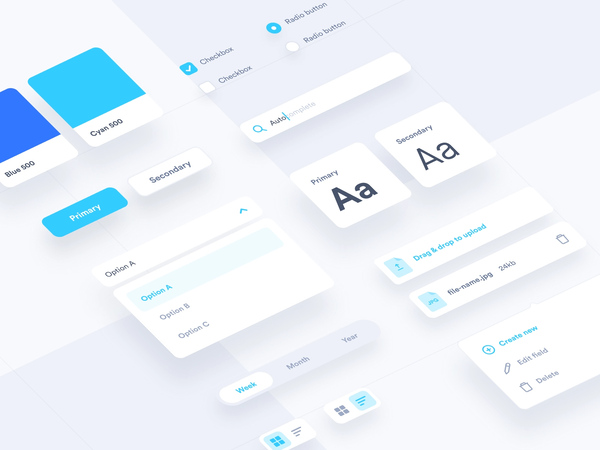
1. Visual Design: This component has a visual character because it imposes the quality of the user interface. It involves choosing the right colour schemes, typography, and layout, as the visual design allows for the most pleasing design, displaying the whole visual impression of the digital product.
2. Interaction Design: Interaction design is the process of defining the interaction between people and products. It is an area that deals with the design of interactive systems and, thus, the product’s execution.
3. Usability: Usability, which means how visitors can achieve their objectives when using a website, is very important for the success of any site. When a user interacts with a website, the site’s usability becomes easier and more efficient.
Benefits of UI

- Improved Decision-Making: UI is a part of interaction design and UX. It is concerned with the UI that a user uses to interact with a device and the visual appearance of the device. It is one of the disciplines of interaction design, processing human-computer interaction, and the design of on-screen information systems.
- Cost Efficiency: Simple, user-friendly applications enable businesses to save time and money. A good UI design makes it quicker for users to do their tasks since they can visualize the result of every action they take.
- Enhanced Communication and Collaboration: Mobile devices and gadgets have changed the way we interact and live. We cannot have a fully functional UI until we connect the dashboard’s functionality to the system’s performance.
Core Principles of UI

- Focus on Activities: Job roles and practices must be extracted from related user activities and clearly distinguished as core points. Discovering what a group of users would like to be able to do enables developers to implement a user interface that fulfils the initial requirements.
- Link Activities to Costs: The 21st century has witnessed the introduction of a new concept called the sharing economy in which companies like Uber and Airbnb rely on activity-based cost management. This enables a better view of the costs associated with different activities and helps in real-time decision-making.
- Continuous Improvement: Many apps and system improvements will likely be needed. Constant work with an idea, theurgic in all its aspects, comes out as the result of years of reading, meditation, and another kind of spiritual practice so that it can penetrate to the core of a work situation.
Steps to Implement UI

- Analyze Current Activities: Evaluate the end user experience and propose new improvement solutions for the existing interface design.
- Establish Cost Drivers: Factors regulating the expenditure of UI design and maintenance costs must be mentioned.
- Implement Performance Metrics: Configure and monitor the performance of aspects like user engagement and error rates to evaluate the UI’s effectiveness.
- Engage Employees: Employees’ participation in the UI development process helps make the collaborations with the users more real and, thus, makes them feel ownership of the product.
- Leverage Technology: Employ the best design tools or technology on the user interface to improve its features and provide the functionality and visual quality that allow the user to have a great experience.
Real-World Examples of UI

- Example 1: Airbnb: Airbnb implemented certain principles of user interface, which made the booking system more user-friendly and consequently led to increased facility use and user satisfaction.
- Example 2: Slack: Slack’s user interface is simple, which facilitates message communication that is fun to follow. This can lead to more collaboration and productivity in teams.
- Example 3: Dropbox: Dropbox developed a very clear UI design that simplified user file sharing. The easier and more intuitive Dropbox platform made using it more enjoyable for the users, increasing engagement and, thus, proving the significance of a good UI design.
It is now that the study’s preparation and final display can be articulated. The last section introduced a more descriptive approach to the topic. The study has added a new aspect to the explanation of the research. In conclusion, UI (User Interface) design is a significant approach for organizations to enhance user experience and engagement. Businesses can optimize their operation processes and decision-making opportunities by devising concrete solutions in intuitive design, employing resources for usability testing, and continually improving the UI design. Meeting the current market challenges and the fierce competition in any business, good UX design will undoubtedly be treated as a core to effectively managing the company’s product and service delivery. Adhering to the principles of UI design in business operations, you can accomplish:
- Small-scale user fulfilment due to easy and beautiful navigation and peers.
- Superior conversion rates owing to the decrease in friction in user interactions.
- There is even more brand loyalty as users are being given some points in the style and flow of the interface. According to recent research on the positive effects that a good UI design brings, the best approach would be to adopt this model right now. Make the first step to start being successful in the digital space and creating awesome user interactions!
Core Performance Enhancement Characteristics
- Enhanced Decision-Making: PI will offer the much-needed insights from data analyses, process evaluation, and other forms of empirical study. This will enable the leaders to make decisions that ensure success. It will also enable decision-makers to define trends and solutions related to issues, thereby resulting in better organizational outcomes.
- Cost Efficiency: PI identifies inefficiencies and cleans up the processes, outlining areas of probable savings and relocating resources, leading to healthier profit margins. Organizations can allocate resources to high-impact initiatives, ensuring more return on investment.
- Customer Focus: Performance Improvement ensures that everything done is aligned with customer value, assisting businesses in ensuring that initiatives focused on improving the customer experience take priority—a customer-centric approach results in more satisfied and loyal customers.
- Continuous Improvement: This approach develops a culture of frequently evaluating and reassessing strategies so that organizations remain agile and responsive in a fast-paced marketplace. Continuous growth keeps organizations ahead of industry trends.
- Strategic Plan: PI enhances accuracy in forecasts and long-range planning, preparing organizations for future problems and changes. This proactive approach helps organizations manage risks associated with changes in operations.
In this post, we will discuss Performance Improvement, its relevance in current business practice, and some ways that organizations can leverage its potential for operational efficiency. Stay with us as we provide valuable insight and practical steps toward incorporating Performance Improvement into your business strategy!
What is PI (Performance Improvement)?
PI, or Performance Indicator, is any measurable measure for evaluating how well an organization is doing or accomplishing a specific activity. Identifying the specific metrics that reflect performance in various domains can lead organizations to conclusions that drive strategic decisions and improve operational efficiencies.
Critical Components of PI:

- Component 1: Metrics Selection: Metrics selection is the process of selecting appropriate indicators that align with an organization’s goals. This is very important. Well-defined metrics allow an organization to focus on what matters and track progress.
- Component 2: Data Collection: This involves gathering the information necessary to compute the selected performance indicators. This is critical because data accuracy and timeliness underpin the reliability of the chosen indicators and, therefore, ensure informed decision-making.
- Component 3: Analysis and Reporting: This is the interpretation and reporting of performance data. Analyzing performance indicators and reporting findings support organizational transparency and accountability, leading to continuous improvement.
- Component 4: Continuous Monitoring: Performance indicator monitoring is one way the organization can stay on track. Regular evaluations help identify trends in advance and enable quick adjustments when things are headed wrong.
- Component 5: Stakeholder Engagement: Engaging stakeholders during the design and monitoring of Performance Indicators ensures everyone is focused and aware of the organization’s goals. This inclusivity can enhance motivation and accountability.
Benefits of PI
- Effective Decision Making: PI helps with making effective decisions by providing evidence about performance trends. For instance, if a sales team monitors the customer acquisition rate as its performance indicator, it can identify successful strategies and issues that require improvement for better data-driven decisions.
- Cost Efficiency: PI determines areas of inefficiency and how to distribute resources appropriately. Thus, monitoring production efficiency as a PI could uncover unnecessary costs associated with unproductive processes to streamline the organization.
- Improving Communication and Teamwork: Having performance indicators in place creates an atmosphere of openness and collective teamwork. Performance data can be shared across departments, and teams can look out for challenges and work toward common goals to ensure more cohesive organizational workings.
- Increased Accountability: Clear-cut KPIs render the organization answerable at every tier. Once employees know what they are measured against, they feel more invested in their roles.
- Agility: Tracking KPIs enables an organization to respond quickly to market changes. Agility can give the organization a competitive advantage, positioning the business to pivot as needed.
PI Principles
- Focus on Activities: It is vital to know the tangible activities that lead to performance. Organizations must focus on these activities to increase productivity and overall performance levels. Identifying high-impact actions helps efforts make a difference.
- Relating Activities to Costs: Performance management by relating activity to costs determines whether an organization properly measures cost consequences. This assessment helps identify where efficiency can be improved.
- Continual Improvement: Continuous tracking and feedback are needed to evaluate and refine performance indicators and techniques. A culture of improvement allows organizations to adapt to change and enhance overall performance.
- Alignment to Business Goals: Performance indicators should align with the organization’s overall goals to ensure that efforts contribute to achieving strategic priorities and enhance overall business performance.
- Accessibility and Comprehensibility: Simple and easy-to-understand performance indicators encourage participation and adherence. When workers understand what is being measured and why it matters, they respond positively to the assessment process.
How to Implement PI
- Review Current Work: Review current activities and identify those directly related to the organization’s goals. This provides a foundation for where PI is best suited.
- Identify Cost Drivers: Identify the factors that influence costs related to critical activities. This analysis enables proper linkage of performance data with financial metrics.
- Establish Performance Metrics: Implement relevant performance metrics aligned with organizational goals. This creates a structured way to measure efforts and identify areas needing improvement.
- Engage Employees: Involve employees to foster a sense of ownership and accountability towards achieving set performance targets. Their insights are invaluable for shaping effective strategies.
- Technology Leveraging: Utilize technology and tools to automate data collection and enhance monitoring of performance indicators. This can significantly improve the accuracy and efficiency of the process.
Practical Applications of PI
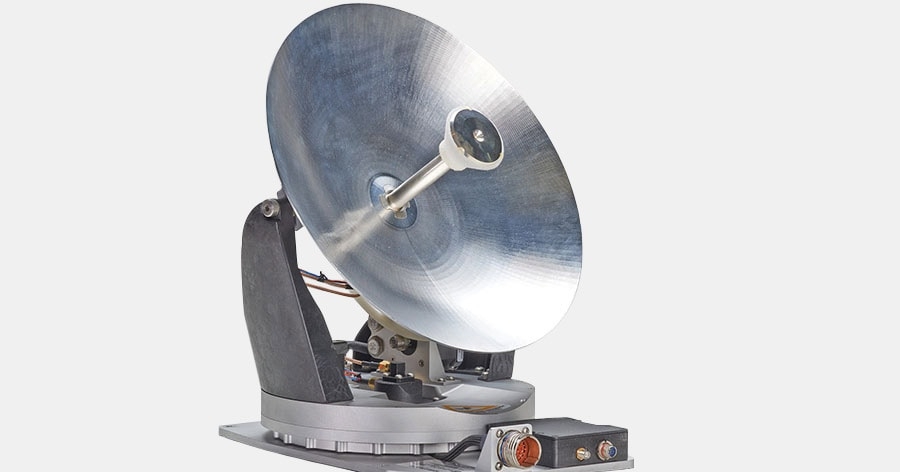
- Example 1: Manufacturing Company: A manufacturing firm used performance indicators to monitor the production lifecycle. By using equipment downtime as a key performance indicator, they identified bottlenecks affecting productivity. They implemented predictive maintenance schedules, increasing uptime by 25%.
- Example 2: Retail Chain: A retail chain tracked customer satisfaction scores as a performance indicator. Analyzing these scores revealed underperforming store locations in terms of service quality. The chain instituted a targeted training program, which led to a 15% increase in customer satisfaction across those stores within six months.
- Example 3: IT Service Provider: An IT service provider used performance indicators to analyze service response times. By setting benchmarks and closely monitoring performance, they streamlined support processes, reducing average response time from 24 hours to significantly improving client satisfaction.
- Example 4: Healthcare Facility: A healthcare system monitored patient wait times using performance measures. Using analytics, they improved workflow, decreasing mean wait times by 30% and dramatically improving patient satisfaction scores.
- Example 5: Financial Services Company: A financial services firm adopted performance indicators to assess client retention rates. Based on performance data, targeted outreach programs were initiated, resulting in a 20% higher retention rate within the same one-year period.
Performance Indicators are fundamental guides for organizations on their journey to strategic success. When properly understood and implemented, organizations can improve decision-making and efficiency, fostering a culture of continuous improvement.
Final Thoughts
The PI complete form is an excellent practice that companies, bound by the desire to improve performance, must adopt. An in-depth understanding of its core principles—process efficiency, resource allocation, and stakeholder engagement—dramatically unlocks the potential for operational processes and decision-making strategies. With market pressures and competition intensifying, investing in Performance Improvement (PI) will become a cornerstone of management success.
Key Takeaways:
- Enhanced Operational Efficiency: Streamlining workflows to reduce waste and increase productivity.
- Data-Informed Decision Making: Performance metrics help identify growth areas and focus strategic decisions.
- Better Team Engagement: Collaboration and communication across departments help employees realize common objectives.
- Increased Customer Satisfaction: Alignment of performance with customer expectations fosters loyalty and retention.
- Sustainable Success: This engenders sustainable success for individuals and organizations through a culture of constant improvement and change.
Now’s the moment to embrace Performance Improvement and experience firsthand the tremendous effects it can have on your company. Join us in taking that first small step toward changing business operations and unleashing sustainable growth today!
]]>Ready to talk with a marketing expert?

A Pragmatic and innovative way to enthrall your target group is just a click away!
Get in Touch
Rukmini Knowledge Park, Kattigenahalli, SH 104, Srinivasa Nagar, Bengaluru, Karnataka 560064
+91-990 247 8800
contact@gingermediagroup.com
Popular in Television Advertising
Udaya TV AdvertisingSun TV AdvertisingStar Plus AdvertisingTV 9 AdvertisingZee TV AdvertisingNDTV India AdvertisingColors TV AdvertisingPopular in Airport Advertising
Spice Jet AdvertisingMumbai Airport AdvertisingDelhi Airport AdvertisingEmirites AdvertisingIndiGo Airlines Domestic India AdvertisingPopular in Newspaper Advertising
Deccan Herald AdvertisingPrajavani AdvertisingThe Hindu AdvertisingEconomic Times AdvertisingDainik Jagran AdvertisingHindustan Times AdvertisingPopular in Magazine Advertising
Forbes AdvertisingCosmopolitan AdvertisingBusiness World AdvertisingVogue Magazine AdvertisingPopular in Sports Advertising
IPL AdvertisingPopular in Outdoor Advertising
Billboard AdvertisingBus Shelter AdvertisingMetro Pillar AdvertisingUnipole Advertising© Ginger Media Group 2025. All Rights Reserved.