This blog post’s purpose is to reveal the selling point of product advertising—what it is, why it matters, and how it has changed in the prevailing digital era. We will disclose the underlying principles of successful product promotion strategies and investigate the details that make the difference to only partially successful campaigns.
They will learn from the article the strategies advertising can include, such as publications in traditional media and television, as well as new methods, such as social media advertising and partnering with influencers. Additionally, we will take a closer look at valuable concepts like the AIDA (Attention, Interest, Desire, Action) model—a principle that guides the creation of persuasive messages that your audience can relate to.
Through the article, you will hold a full-fledged review of product advertising along with its strategic role in the campaigns of the present time. You will be knowledgeable about practical ideas that will enable you to make the right decisions, whether you are a marketing person, a business owner, or just a curious person who wants to discover how products are delivered to customers. Let’s go more profound as we look at this essential aspect of the marketing world!
Understanding Product Advertising: Definition and Significance
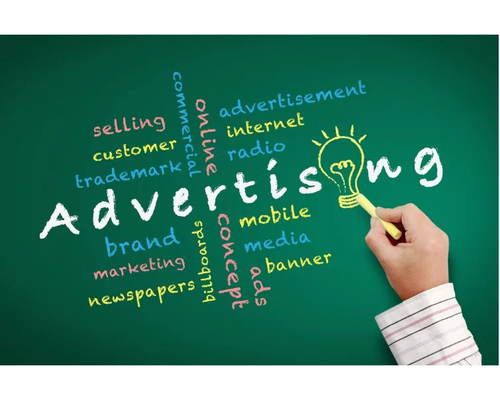
Product advertising merely discusses promotional communications that seek to sell specific items to specific audiences. One of the main objectives is to inform and persuade consumers to buy one product by providing information about the product’s pros, the product’s-product’s distinctive features, and unique selling points that others do not have. This process, therefore, intensifies the consumers’ level of interest and promotes their purchase behaviors.
The Importance of Product Advertising

One primary function of product advertising is to develop brand awareness and change consumers’ perceptions.
- Customer Awareness: Product advertising guides buyers in identifying brand and product images in a labyrinthine marketplace. For instance, even the most watched brand giants like Apple and Coca-Cola spend fortunes on advertising to ensure their domination of the consumers’ psyches.
- Case Studies: Brands like Nike have effectively engaged in marketing campaigns that push their brand products and create strong emotional connections with customers, thus rendering customer loyalty and more sales from repeat business.
- Statistics: The American Association of Advertising Agencies reports that the average business that invests in ads sees a $2 return for each dollar spent on advertising, explaining why it is so successful.
A well-organized product advertising plan often consists of various models, such as the most competent AIDA model (Attention, Interest, Desire, Action), that marketers use to develop catchy lines to lead consumers through the purchasing process.
Crafting Effective Product Advertising Campaigns

Designing an advantageous product advertising campaign needs a good understanding of the target audience and the competitive landscape.
- Segmentation and Targeting: Companies mostly use market segmentation to identify certain consumer groups as characteristics of an advertising tactic. For example, the luxury brand Gucci targets high-income individuals by making them feel special in its advertising approach.
- Real-World Applications: Reflect on the advertising methods that companies are using at the time, such as the Christmas ones by giants such as Walmart, which promote family-oriented product launch deals.
- Challenges and Benefits: Although advertising is the main reason businesses are doing well, we must also discuss the obstacles associated with ad fatigue or ad-blocking software. Brands must communicate the proper message in a way that is not only creative but also clear to get the consumer to engage at the maximum level.
- Practical Strategies: One primary way brands can do this is by using social media platforms to push ads to targeted users. This results in higher ad efficiency, as the ad is seen by the desired customer.
Emerging Trends in Product Advertising

That is how digital marketing and the fast-changing digital sphere develop, and advertising approaches must adapt to new trends and strategies.
- Personalization: The audience expects to be featured in personalized experiences by the brands being talked about with ads about what they are looking for or their interactions with the brand. Amazon, for instance, refers to this fact as its plethora of algorithms that show three items similarly worth buying from one’s past purchase experience.
- Influencer Marketing: The use of social media influencers in product advertising is now seen as a highly effective tool. Companies can access a larger free pool of potential customers, as influencers usually have a number of fans who listen to their recommendations.
- Trends: Recent research proved that sustainable advertisement also reflects changing consumer behaviors. These days, retailers are deploying eco-friendly technologies in their products and services to make an emotional connection with their environmentally concerned customers.
- Industry Outcome: This calls for companies to be adaptable and dynamic by continuously tuning their promo style based on these new consumer demands and market factors.
Overall, successful product advertising is an intermediary between the customers and the product. The practice of product advertising, from the formulation of a strategic plan to its execution, therefore, plays a considerable role in the apprehension of the concept by brand elements and the building of customer communities.
Conclusion
The role of product advertising in the current sales-driven industry is undeniable as it helps market products visually, through the customers, and, finally, to achieve sales. The guidelines of product advertising are down to earth as to the empathic or affective domains of consumer behavior in the context of norms, communication, and advertising. To write differently, the definition of an effective product involves a product that is different from other products, but the funny part is that connections on an emotional level so the brand can hold its market
Key Takeaways:
- Definition and Purpose: It aims to stimulate sales by promoting (a/) a single product. The concept generates awareness of the product, stimulating the buyer’s interest and even the muscle to buy it.
- Target Audience: Marketing intelligently with the exact match for the kind of people we want to reach is a must.
- Advertising Channels: Different platforms, such as TV, radio, social media, and print media, offer diverse opportunities for advertising to be effective and efficient.
- Creative Messaging: Messaging that is attention-grabbing and easy to relate to the audience gives the consumer a helping hand in decision-making by making them more likely both to patronize the advertisement and persuade them to buy the product.
- Measurement of Success: Advertisers achieve the objective of measuring ad effectiveness against metrics such as reach, engagement, and conversions, leading to the maintenance of improvement and optimization.
To sum up, mastering the art of product advertising is crucial for companies planning to do well in an environment that changes frequently, as it influences their ability to attract and maintain clients.
]]>Importance and Relevance
- Advertising campaign planning is indispensable for brands that desire to benefit from their marketing efforts.
- A unique marketing campaign can be the difference between catching the consumers’ eye and becoming just another advertisement in a world where numerous commercials bomb consumers daily. And it can prove critical.
- In companies, proper planning of marketing campaigns can make a difference; through this, they can increase brand awareness, customer involvement, and, eventually, sales.
- Mastering the art of campaign planning is the key to successfully navigating the complexity of different marketing channels, whether traditional media or social platforms.
- Advertising campaign planning is the best way to get invaluable practical insights and knowledge on how to go about things if you are a marketer who wants to cover more ground in the market or a business leader who is planning to stir up your audience engagement.
Understanding Advertising Campaign Planning
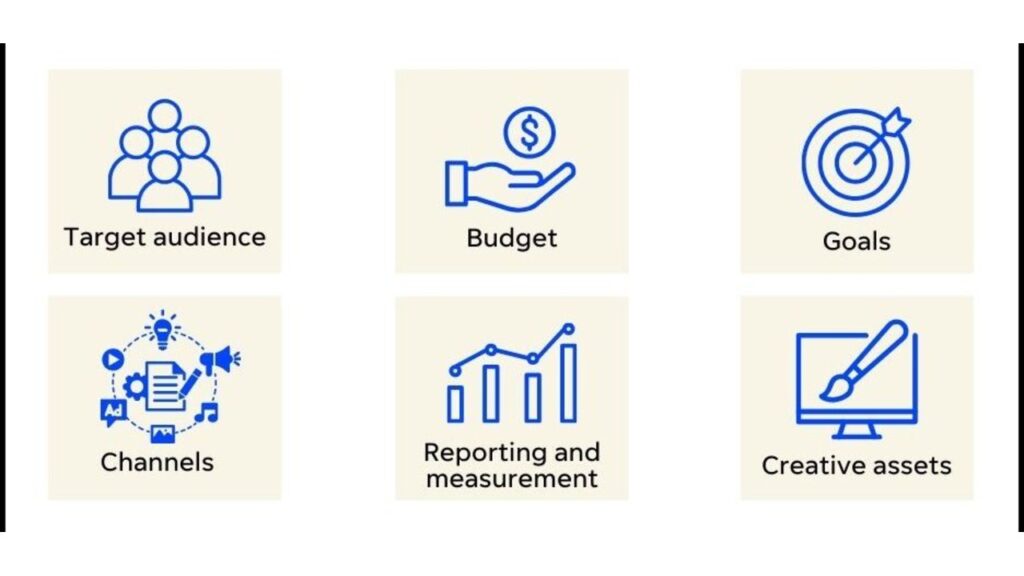
- In advertising campaign planning, a systematic method involves creating a structured approach for promoting a product, service, or brand.
- This approach is a collection of things central to its purpose, such as being adequately structured, based on data, and supporting specific marketing goals.
The Importance of Defining Campaign Objectives
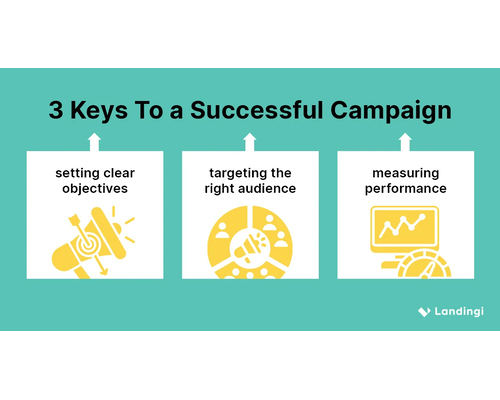
- The first, most vital, and most crucial process in advertising campaign planning is to identify clear and measurable objectives.
- This base is the one that everything else is founded on and being sure about what to do.
Specific, Measurable, Achievable, Relevant, Time-bound (SMART) Goals
- By applying the SMART structure, it is much easier to recognize the objectives of the marketing activity and thus make achieving those goals the campaign purpose.
- For example, instead of “increase sales,” a SMART goal will be “to achieve a sales growth of 20% in the subsequent quarter.” Detailed target varying facilitates keeping tabs on the process and estimating achievement at the end of the promotion.
Audience Targeting and Segmentation
- Comprehending the target audience is fundamental for a campaign to reach its objectives.
- The marketing research and data analyses reveal the demographic attributes, preferences, and behavior used for positioning or messaging.
- For example, campaigns directed at Gen Z and baby boomers will diverge immensely. It is indicated that by tailoring the campaigns to the audience’s taste, there is up to 50% more engagement.
Frameworks for Successful Campaigns
- Models such as AIDA (Attention, Interest, Desire, Action) give a shopper’s journey graphic for each stage of the campaign, thus fulfilling potential buyers’ specific needs and emotional aspects.
- Implementing a SWOT analysis (Strengths, Weaknesses, Opportunities, Threats) is another method to strengthen strategy and execution.
Crafting the Right Message and Channel Strategy
- Once the goals have been set, the following action is to create the right message and select the suitable communication channels for its delivery.
Message Development and Positioning
- To be relatable, the messaging should reflect the audience’s values and preferences.
- One good example is Nike’s and Apple’s ability to touch the hearts of their customers through their slogans and branding narrations.
- Differentiation of messages is a requirement in the marketplace as spectators; hence, you will have to give a good reason for consumers to turn to the brand instead of competitors.
Multi-Channel Approach
- Modern advertising systems are growing because of the diversity they are enforced with. Usually, a multi-channel strategy will be the best approach to achieve the desired results.
- Brands can use social media, email, television, and offline marketing methods to give customers consistent messages and remember.
- The collaboration of a social media campaign with influencer partners can not only expand the reach but also increase engagement.
Challenges and Considerations
- Every campaign entails several risks, such as budget deficiencies and limitations prescribed by particular channels.
- Effective planning implies the necessity of being adaptable, i.e., adjusting the tactics according to real-time data and customer feedback.
- Moreover, respecting the law and ethical considerations, such as data protection laws, should be the basis for maintaining the brand’s validity and trust.
Measuring Success and Making Adjustments
- The last action of the advertising campaign is measurement and analytical review, which are the most important when explaining the positive and negative messages.
Key Performance Indicators (KPIs)
- Identifying and tracking KPIs is crucial to the evaluation of the effectiveness of a campaign.
- The common ones are return on investment (ROI), click-through rates (CTR), conversion rates, and the total size of the audience that the promotional campaign reaches. By using these indicators, businesses can understand the outcomes of their advertisements.
Iterative Learning and Adjustments
- Considering the insights obtained by data, the direction of iterative learning requests brands to re-evaluate whether their choices provide more or less customer satisfaction.
- They can exploit the successes/inefficiencies in their campaign and reduce future brand electrolytes.
- A practical example of this would be knowing that the ad format led to more engagement, so to be the step to be followed, it should be significantly controlled for the wrong cases.
Emerging Trends in Advertising

- Keeрing an eye on contemporary moves in advertising, like the spreading use of artificial intelligence in data analysis or the video content trend, will give branding a competitive edge.
- Moreover, incumbents are faced with the dilemma of staying abreast of the constant changes in the market. Besides that, improving strategies to capture underserved customers is also an ever-lurking challenge.
- In a nutshell, a good advertising campaign is planned to let the companies reach their goals strategically, designing their messages for each platform that they either communicate their plan with or trying to be consistent with their approach to measuring metrics.
Conclusion
- Advertising campaign planning is the most crucial step in advertising, and it determines the differentiating factors between successful marketing endeavors and brand awareness.
- Through the specific means of presenting a business that does its work well and the company that is engaged in the advertiser creative, which both employees and consumers can understand, the advertiser will eventually attract more customers. This can be done through careful financial planning, ensuring customer loyalty, and brand enhancement.
- The elements of advertising campaign planning, such as research, strategic development, carrying it out, and assessment, create parties that drive involvement and accomplish the proper effectiveness when performing with one another.
- A systematic arrangement of the planning process ensures the alignment of all the components with the overall company objectives, consequently developing a lean process from origin to implementation.
Key Takeaways
- Strategic Objectives: The campaign’s clearly defined aims help focus its direction and measure its success.
- Target Audience: Knowing who your customers are makes the message more applicable and impactful (Try to remove this line).
- Channel Selection: Picking the most effective distribution platforms to spread the word gives us colossal brand visibility and engagement psychometrics that help determine how the cost should be spent.
- Creative Messaging: Impressive content holds the audience, encouraging them to purchase.
- Budget Management: A promising strategy allows resources to be used for their intended purpose.
- Performance Evaluation: Continuous monitoring allows us to modify them correctly and keep them effective for longer.
To produce comprehensive advertising campaigns pertinently and for the final objectives to surpass their plans, businesses need to prioritize each of them accordingly. Recognizing that successful campaign planning will lead to a higher degree of competitiveness in a world of varying priorities is key.
]]>Ready to talk with a marketing expert?

A Pragmatic and innovative way to enthrall your target group is just a click away!
Get in Touch
Rukmini Knowledge Park, Kattigenahalli, SH 104, Srinivasa Nagar, Bengaluru, Karnataka 560064
+91-990 247 8800
contact@gingermediagroup.com
Popular in Television Advertising
Udaya TV AdvertisingSun TV AdvertisingStar Plus AdvertisingTV 9 AdvertisingZee TV AdvertisingNDTV India AdvertisingColors TV AdvertisingPopular in Airport Advertising
Spice Jet AdvertisingMumbai Airport AdvertisingDelhi Airport AdvertisingEmirites AdvertisingIndiGo Airlines Domestic India AdvertisingPopular in Newspaper Advertising
Deccan Herald AdvertisingPrajavani AdvertisingThe Hindu AdvertisingEconomic Times AdvertisingDainik Jagran AdvertisingHindustan Times AdvertisingPopular in Magazine Advertising
Forbes AdvertisingCosmopolitan AdvertisingBusiness World AdvertisingVogue Magazine AdvertisingPopular in Sports Advertising
IPL AdvertisingPopular in Outdoor Advertising
Billboard AdvertisingBus Shelter AdvertisingMetro Pillar AdvertisingUnipole Advertising© Ginger Media Group 2025. All Rights Reserved.