CGC is any content—text, images, videos, reviews, and social media posts, to name a few—created by someone other than the brand. This content is authentic, often unbiased, and strongly influences potential customers’ purchase decisions. In an era when consumers are skeptical of traditional advertising, CGC has emerged as a powerful tool for brands to build credibility, community, and deeper engagement with their audience.
Critical Aspects of CGC:
- Changing Dynamics of Marketing: Brands are no longer solely empowered to tell their message; consumers’ voices are more vital than ever.
- Authenticity Matters: Authentic views of products and services increase customer trust.
- Consumer Behavior Change: Social media experiences lead to more sharing of personal stories, changing how brands communicate with their audience.
The Role of Consumer-Generated Content in Modern Marketing

CGC is one of the most trusted forms of marketing because of its authenticity. Consumer research shows that many consumers trust CGC more than traditional advertising.
- Authentic Trust: CGC is viewed as more credible and trustworthy than traditional ads.
- Relatability: Consumers prefer stories that feel close to their reality.
CGC helps humanise a brand, creating a relatable image in an otherwise crowded market. It shows products in real-life use by consumers, offering cues like customer satisfaction, functionality, and unique uses that scripted brand campaigns often miss.
Benefits of CGC for Brands:
- Organic Promotion: A happy customer sharing their experience on social media can reach hundreds or thousands of people, leading to a ripple effect in brand visibility.
- Cost-Effective: CGC can generate thousands or millions of impressions without the direct advertising cost of traditional campaigns.
Types of Consumer-Generated Content and Their Impact
CGC comes in various forms, each impacting a brand’s reputation and marketing in different ways:
- Customer Reviews: Platforms like Yelp, Google Reviews, and Amazon rely heavily on reviews. Positive reviews enhance a brand’s credibility, while negative ones highlight areas for improvement.
- Social Media Posts: In real-time, Instagram, TikTok, and Twitter are flooded with user-generated content related to products. Hashtags and brand mentions amplify visibility and engagement.
- Unboxing Videos and Tutorials: YouTube and TikTok are filled with unboxing videos and tutorials, essential for tech and beauty products, as consumers need to see how a product works before purchasing.
Benefits of Utilizing CGC in Marketing Strategy
Brands that encourage or support CGC can reap several benefits:
- Authenticity: CGC showcases real-life use of products, increasing trust among target customers.
- Cost-Effective Content Production: Leveraging CGC helps reduce content production costs while maintaining a steady flow of fresh material.
- Brand Loyalty: CGC strengthens customer connections, turning them into brand advocates.
- Feedback Mechanism: By analyzing CGC, brands gain valuable insights into product strengths and areas for improvement.
How Brands Can Encourage Consumer-Generated Content

Fostering a robust and active community is critical to encouraging customers to create content for a brand. Here are some strategies:
1. Social Media Campaigns
Brands can launch hashtag campaigns or challenges where customers creatively use products, generating a wealth of CGC. Offering rewards such as discounts or complimentary samples for the best content can further motivate participation.
2. Share and Acknowledge User Content
Brands that share or acknowledge user-generated content encourage others to do the same. Featuring customer posts on official accounts or re-sharing reviews shows that a brand values customer input, leading to increased loyalty and engagement.
3. Influencer and Micro-Influencer Collaboration
Collaborating with micro-influencers, who may have smaller but highly engaged audiences, can significantly boost CGC efforts. Influencers create honest content, encouraging followers to do the same.
4. Leverage Reviews and Testimonials
Ask satisfied customers to leave reviews or testimonials. Offering discounts, loyalty points, or exclusive deals in exchange for feedback encourages participation. Shared reviews serve as social proof for potential buyers.
5. Competitions or Giveaways
Hosting online competitions or giveaways can inspire customers to create content. For example, brands can hold photo or video contests where users submit entries featuring their products for a chance to win prizes. This generates significant CGC and fosters customer engagement.
Final Thoughts
Consumer-generated content (CGC) has revolutionised how brands communicate with their audiences. CGC allows brands to establish trust, build community, and engage customers at a deeper level. Unlike traditional advertising, CGC offers authentic social proof, making it an essential tool in any modern marketing strategy.
Key Takeaways:
- Empowering Customers: CGC allows customers to be part of a brand’s story, fostering a sense of belonging.
- Future of Marketing: The relationship between brands and consumers through CGC signals a shift towards a more collaborative marketing discipline.
- Strategic Execution: Brands embracing CGC as a core strategy will activate engagement and build customer confidence.
To tap into the power of CGC, brands must create a welcoming environment that encourages customers to share their experiences. Social media campaigns, influencer partnerships, and customer recognition programs can foster vibrant communities of customers eager to contribute to the brand’s story.
The future of marketing lies in the co-creative relationship between brands and customers. By giving customers a voice in the conversation, brands can unlock CGC’s full potential and ensure long-term success.
]]>Key Advantages Of QR Codes:
- Seamless Customer Experience: QR codes enable customers to quickly receive and access information, services, and promos.
- Data Collection: Organizational needs regarding customer engagement in real-time.
- Cost-Efficiency: It reduces dependence on print media and shares information digitally.
- Operational Efficiency: QR code streamlines the process, reduces waiting time, and enhances overall customer satisfaction.
- Technological Progress: The increasing use of QR codes represents a spate of touchless, digital-first solutions for business.
Let’s get to know the world of QR codes up close and personal to its structure, applications, and how businesses can utilize their powers for strategic advantages, in this blog.
What Is a QR Code Full Form?

QR Code is the complete form of a Quick Response Code. It is a form of two-dimensional matrix barcode that was initially invented in 1994 by Denso Wave, a Japanese firm, to track their car parts. QR codes can be read by any smartphone through this device; hence, it allows easy and fast entry into embedded data, URLs, contact information, and much more.
Elements Of A QR Code:
- Layout: The black and white grid square contains the information that a scanning device will read.
- Ability to Correct: QR codes can be scanned with up to 30% damage and can be read correctly.
- Data Storage Capacity: More than 4,000 characters of alphanumeric data, a space that could be used for most applications.
- Scanning Speed: This is conveyed, first of all, by the name, which opens very quick scanning ability and access to information with virtually no downtime.
Five Basic Advantages Of QR Codes:
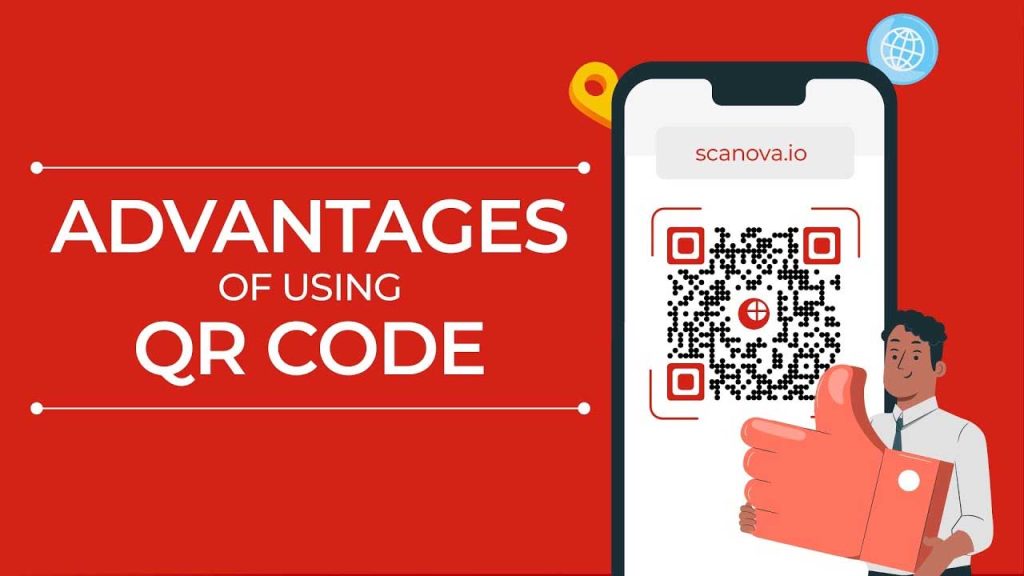
- Direct Access To Information: QR codes provide direct access to information using a scan without the need for access to a computer or other device to receive it, as is the case with internet-based information.
- Extensive Use: QR codes can be utilized in various industries, such as marketing campaigns and stock counts in a warehouse.
- Low-Cost Marketing: Using instead of printed material will greatly help the business save money.
- Safe Transfer Of Information: QR codes can hold encrypted data, thus ensuring the safe accessibility of confidential information.
- Customer Interaction Using Mobile: Since everybody has a smartphone and can apply QR codes, they can be utilized by almost anybody to facilitate customer interactions anywhere in the world.
Applications Of QR Codes In Business
QR codes have applications in virtually any industry—either retail and hospitality or healthcare and education. Businesses are increasingly using this technology to produce seamless, touchless interaction between firms and customers.
Real-World Applications Of QR Codes:
- Retail: QR codes allow for information about the product, special promos, and reviews to be put up.
- Restaurants: Restaurants now provide QR code menus so that guests can preview their menu items, place an order, and make payments without necessarily interacting with the staff.
- Healthcare: QR codes are placed on patient wristbands for instant access to medical records and treatment plans.
Five Key Applications Of QR Code:
- Contactless Payments: QR codes have changed the world in how businesses get payments since customers make a purchase without necessarily swiping their cards or handling cash.
- Product Packaging: Companies embed QR codes on packaging to provide more information on the product, reviews by other customers, and discounts.
- Event Check-ins: Event marketers use QR codes for easy check-in on events, hence minimizing the need for paper tickets.
- Virtual Tours: Museums and galleries use QR codes for providing virtual guides that increase the experience for the visitors.
- Feedback and Surveys: Companies use QR codes to send online surveys to customers, making it much easier to acquire feedback with a high response rate.
QR Codes For Business Strategy
Implementing a business strategy using QR codes requires careful planning and analysis of the targeted areas where the use of QR codes might provide easy processing or high-interaction customer experiences. Businesses also need to establish performance metrics, which would be used to track improvements.
Implementation Steps For QR Codes:
- Analyze The Current Processes: Look at all aspects of the current business processes and identify places where QR codes can impact.
- Establish Metrics: Formulate clear performance metrics to measure the success of deploying QR codes, such as scan rates and conversion rates.
- Employee Engagement: Educate employees about the usage and promotion of QR codes to customers.
- Technology Integration: Use QR code generation tools and analytic platforms to monitor its performance and changes in performance.
- Cost-Effectiveness: Calculate the costs of implementing QR codes compared with traditional methods to enhance ROI.
Five Tips For Successful QR Code Implementation:
- Include Instructions: Include an instruction next to the QR code, such as “Scan to learn more.”
- Optimize Mobile Pages: Optimize the mobile landing pages you connect to your QR codes for the best user experience.
- UTM Parameters And Analytics: UTM parameters and analytics can help you understand how people are interacting with your QR code.
- A/B Testing: Use different placements and designs of QR codes to know what will strike the heart of customers.
- Continuous Monitoring: Continuously monitor QR codes for performance and change strategies in relation to optimizing results.
Examples In Real Life Of Using QR Codes
Several industries and companies have adopted QR codes for their businesses, which have been found to generate ample output, such as higher levels of customer contact and operational efficiency. Examples include the following:
Case Studies:
- Café Chain: One of the best-known chains of cafés carried out QR codes for more fluid menu browsing and ordering. It eventually benefited from better service and good customer satisfaction.
- Retail Brand: A global retail company embedsR codes on packaging and ususeshthemo give customers further information along with promotion offers and reviews. Sales increased as customers trusted the brand and came back for more.
- Museum: A museum included QR codes in their exhibits for visitors to access elaborate information and audio guides. This enhanced customer experience and brought in more repeat clients.
Five Lessons Learned Through The Case Studies Of QR Codes:
- Increases Customer Satisfaction: QR codes make the experience frictionless.
- Sales Increase: Retailers who use QR codes for promotions or product information material see increased sales.
- Reduction In Operational Overhead: Ordering and check-ins rely less on staff.
- Improved Data Collection: QR code-enabled feedback allows for quick decision-making.
- Cost Cut: Printing is reduced since QR codes replace printed materials.
Final Thoughts
As a result, QR codes are of great importance as a business tool for firms keen on not only enhancing customer interaction but also simplifying operations and improving the gathering of information. As an optimum data density icon, QR codes are made to be workable anywhere. As competition grows and other market-based requirements surge, making use of QR codes in strategy can ultimately result in better customer experiences, better operationalization, and cost savings.
Essential Benefits Of QR Code Technology:
- Customer Engagement Increased: People will be able to read information about promotions and services offered by a company quickly with the help of QR codes.
- Resource Efficiency: With QR codes in place, companies will save money and avoid the wastage of materials.
- Quantity Of Data Input: QR codes enable businesses to tap into voluminous data regarding customer behavior.
- Smooth Transactional Operations: QR codes streamline the order and payment processes, hence providing quick service and satisfaction.
- Technological Innovation: QR codes lead the way in touchless technologies.
Now is the time to tap into QR code potential and change how your business engages with customers and manages operational activities. Investing in this technology can make your business successful in the digital age.
]]>Key Takeaways from SERP
- Improved Online Visibility: SERP optimization enables companies to maintain top positions on search engines.
- Cost Savings: Boosting organic search ranking will reduce the costs of being an ad-dependent corporation by probably acquiring dividends from search engine optimization.
- Customer-Centric Results: SERP demonstrates customers’ choices, allowing marketers to target particular audience segments.
- Informed Decision-Making: An SERP audit is a great method for redefining SEO strategies for organizations.
- Ongoing Optimization: Continuously measuring SERP performance is the best way to ensure that one is ahead of the competition in the market.
Hello everybody, welcome to our blog about how to SERP with the following blog post. Below, we have mentioned the following points that are completely covered: SERP components, SERP benefits, SERP principles, and simple real-world examples are provided to help you effectively optimize your digital presence.
What is the Meaning of the SERP Term in Digital Marketing?

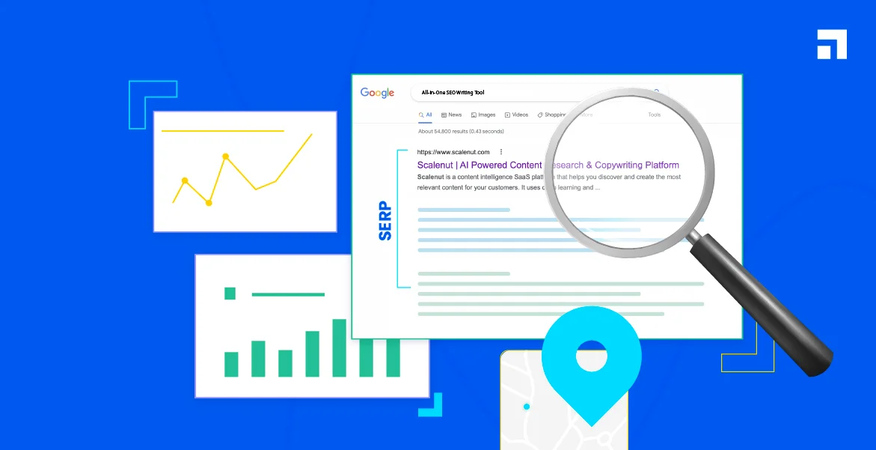
SERP full form or Search Engine Results Page is the page the search engines show in response to the user’s search query. Knowing every SERP’s sense of SERP is the key to choosing good tactics to attract more users and improve rankings.
The Major Factors of the SERP
- Organic: The search results are not paid for and appear depending on the user’s query relevance. High-quality organic search outcomes serve as social proof and often attract the highest number of clicks.
- Paid Ads: Sponsored listings are marked as ads and appear at the top or bottom of the page. This listing form suits businesses needing skyrocketing visibility through a PPC advertising campaign.
- Rich Snippets: Rich snippets provide gratuitous content, such as an image, rating, or review, to jazz up the result’s cheerfulness and relevance. These enticements bring them both engagement and click-through rates.
- Knowledge: PanelIt is the anchored area on the page containing verified data related to any subjects, brands, or people. It is meant for quick answers and to establish the brands as reliable sources.
- Local Listings: Local listings are useful for small businesses because they display users’ addresses and contact information, making it easier to advertise products and services in the local area.
Each part of a SERP has its purpose. Moreover, it creates a connection between users and the resources they are looking for. Companies can also build authority, credibility, and Trust among their audiences with this communication.
Importance of SERP in Digital Marketing
Search Engine Results Pages (SERP) are crucial in digital marketing as they affect how people find and engage with a brand online. Awareness of its significance can alter a company’s presence and effectiveness in reaching the target audience.
How SERP Impacts Digital Marketing
- Increased Brand Visibility: Being ranked high on the search engine results page places a brand right in the face of potential customers, gives it a wide scope, and draws the attention of many more.
- Enhanced Website Traffic: AppearingTraffic Appearing high up in the search engine results leads to more web traffic, increasing the number of leads and, hence, conversions in the long run.
- Credibility and Trust: Credibility and Trust usually regard organic search results as more authentic and reliable, creating credibility and power in the entire industry.
- Improved User: ExperienceBusinesses use rich snippets and structured data to make data more user-friendly, thus raising the user experience.
- Competitive Advantage: By practising SERP optimization, businesses can easily find crowded markets, which is a great way to stand out from their competitors and improve their market share.
Explanation
Effective SERP optimization is an efficient way for a brand to appeal to more potent leads, improve user engagement, and strengthen the brand’s position as a market leader. This leads to an increase in organic reach and engagement rates and, thus, an improvement in revenue.
Key Aspects of SERP: Enhancing Decision-Making and Cost Efficiency
The information derived from the SERP on competitor rankings, keyword performance, and customer behavior is very helpful. It helps businesses make successful decisions by learning more about the market and enabling them to take advantage of different opportunities.
Key Aspects of SERP Optimization
- Data-Driven Decision Making: SERP gives data on the ranking performance, the number of clicks, and the user engagement, so the marketers get better perspectives about what the SEO strategies should be by informed decisions.
- Cost Efficiency: Companies concentrating on the outcomes of their pages can lead to the downsizing of partnerships with paid advertisements. Companies could spread resources through high-impact SEO strategies to create better ways of interacting with users.
- Customer-Centric Content: ContentThe adjustment of specific features, such as local listings and snippets, to the client’s needs and interests can lead to the clients getting what they are looking for. Moreover, this approach might be an excellent idea for many businesses local listings accept.
- Continuous Improvement: The regular examination of the search results page (SERP) makes the impact of different sales in the last few months visible. It ensures the wise use of SEO strategies in the future since the strategy needs to be new after every update.
- Strategic Long-Term Planning: SERP analysis is a marketing tool, a method of “to don” “e” that holds “s”ically shares how the team can maximize the effectiveness of their given SEO investment over a specific period. The method could be a focus group meeting, research, or survey.
Explanation
Employing a search engine result page (SERP) as part of the gameplay in the conversation of the companies with the customers would be so powerful that the companies using it could be enabled to not only keep their customers.
Benefits of SERP: Maximizing Business Impact
SERP optimization has many benefits, and it can likely help a business attract more targeted clients, reduce marketing costs, and establish a strong online presence.
Major Benefits of SERP Optimization
- Increased Traffic: Optimized rankings are the source of more website traffic, which improves website rankings and, as a result, stimulates revenue generation.
- Higher Click-Through Rates (CTR): Landscapes such as rich snippets and featured answers attract more people to click on the Website, leading to increased CTR and engagement.
- Cost Savings on Ads Successful: SERP optimization removes the dependence on paid ads, resulting in cost savings while maintaining visibility.
- Targeted Audience Reach: Ranking higher in SERPs means the content will reach the right users and users currently searching, enhancing lead quality.
- Better Brand Credibility: When a trademark appears in the organic search results as one of the top results, it creates Trust, and any brand can be viewed as a leader in the niche.
Explanation
Among the most valuable techniques that high search engine ranking pages suggest are those that help create an exact reach for a brand, make it reputable, and keep costs in check. These benefits are crucial for businesses looking to improve user engagement and long-term business growth.
Strategizing SERP Implementation for Long-Term Triumph

Successful SERP execution demands a thorough examination and game plan. Businesses can exploit this fact and use SEO effectively, when combined with consistently tracking the performance of their Website, to elevate their businesses to the top of the market.
Steps to Implement Effective SEO Strategies
- Evaluate Current SEO Practices: Begin by reviewing your current SEO strategies and identifying areas for improvement. For example, you can use Google Analytics to collect data and analyze it to identify problematic areas.
- Set Clear Performance Metrics: Define key values, including the Website’s higher rank, higher click-through rate, and engagement measurement, to track the effectiveness of your implemented SERP strategies.
- Optimize Keyword Targeting: To start with, you need to figure out which keywords have the least competition and are highly frequented to achieve the best SEO quality.
- Use Advanced SEO Tools: Engage in such tools that give details about your progress on SERP, where you are ranking, and the things that need your immediate attention to fix the performance in a positive direction.
- Encourage Team Collaboration: To improve a company’s SEO strategies, team members must be involved in properly communicating the right content, the right SEO, and the proper digital marketing channels.
Explanation
Organizations can pursue the ultimate efficiency improvement through technology and ensure the team’s reception goes hand in hand. They can also develop SEO implementation in alignment with other functions, including digital marketing goals, using the approach and adoption of advanced technologies to automate.
Real-World Examples of SERP Success
The following are examples of leading brands for which search engine optimization was successful and made them noticeable as they appeared on top of the market’s electronic search resumarket’se Studies in SERP Optimization.
- HubSpot: HubSpot HubSpot HubSpot has earned its place at the top of SERPs by spending money on content marketing, so it has been able to be more present in front of searchers without and for organic ads and for organic traffic.
- Moz: Moz utilized rich snippets to make content more attractive to the Audience, thus increasing CTR and the number of people viewing the content. Airbnb’s local SEO optimizationAirbnb’sy made its business appear among the first search results when people were looking for local accommodation. These events led to increased bookings and regional recognition.
- Amazon: The inclusion of structured data in the product listings improved the product’s image; the reviews and products supported it. As a result, click-through rates and engagement were increased.
- Nike: By implementing its SEO strategy, Nike could increase its visibility every time people search for sports brands with keywords carrying the Nike brand name.
Explanation
These companies show how strong SERP strategies can increase visibility, engagement, and credibility. These brands grew significantly and outperformed their rivals because they created the right content and improved SEO.
Final Thoughts on SERP
The SERP long-form Search Engine Results Page is fundamental and drives online visibility, credibility, and customer engagement in digital marketing. A correctly tuned and used SERP may bring in the following results:
- Higher Traffic Volumes: More organic Traffic is brought in by better visibility.
- Improved Conversion Rates: Good SERP content effectively calls users using related keywords and good quality content.
- Enhanced Brand Credibility: Being ever-present in the top results ensures trust-building on the client’s part.
- Cost-Effective Marketing: Using the organic path removes the need for extra costs of paid ads.
- Valuable Customer Insights: The SERP data is the primary source of user preferences and behaviour.
SERP Optimization is not a choice for companies that want to succeed in the digital market. It is only by paying attention to these points that businesses can achieve natural traffic generation, improve their audience involvement, and, in effect, be victorious in digital marketing.
]]>The need to understand professional advertising arises from the ever-evolving landscape of consumer behaviour and technological advancements. As consumers become more discerning, businesses must adopt a strategic approach that leverages data analytics, audience segmentation, and creative storytelling to connect with potential customers. Implementing professional advertising allows companies to enhance brand awareness, generate leads, and foster customer loyalty.
Moreover, a professional advertising approach ensures consistency across various channels, reinforcing the brand message and improving overall recognition. By investing in high-quality advertising initiatives, businesses can differentiate themselves from competitors and establish credibility in their industry.
In conclusion, understanding and implementing professional advertising is not just beneficial—it’s essential for any business aiming to thrive in a dynamic marketplace. It is an investment that can lead to increased visibility, customer engagement, and business growth.
Overview of Professional Advertising
Professional Advertising refers to marketing strategies and promotional efforts designed to reach professionals in various industries. This includes targeted campaigns aimed at doctors, lawyers, engineers, and specialists who often make purchasing decisions based on specific expertise and knowledge. Professional advertising can take many forms, including trade publications, industry conferences, and online platforms tailored to professionals.
Importance of Knowing Professional Advertising
Understanding professional advertising is crucial for businesses that engage with niche markets effectively. Here are a few key reasons why knowledge of this term is impactful:
- Targeted Outreach: By recognising the nuances of professional advertising, companies can tailor their messages to resonate with their audience’s unique needs and preferences. This targeted approach increases the likelihood of conversion.
- Building Credibility: Effective professional advertising helps establish a brand’s credibility and thought leadership in its sector. By presenting information that addresses professionals’ specific challenges and interests, businesses can position themselves as trusted resources.
- Strategic Decision-Making: Knowing the implications of professional advertising allows organisations to make informed marketing decisions. Companies can allocate resources effectively by analysing industry trends and audience behaviours and creating campaigns that drive results.
- Enhanced ROI: Businesses that understand professional advertising techniques can create more efficient marketing strategies that deliver higher returns on investment. This is particularly relevant in competitive sectors where every dollar spent needs to be justified.
Professional Advertising: Definition, Purpose, Function, and Application
Definition
Professional advertising is the strategic use of promotional content to persuade a specific audience to utilise professional services. Unlike general advertising, which can target broader consumer demographics, professional advertising focuses on highly specialised fields such as medical, legal, financial, engineering, and other professional services. The advertising can take various forms, including digital marketing, print media, social media campaigns, and direct outreach, all geared toward enhancing the visibility and reputation of a professional service provider.
Purpose
Professional advertising primarily aims to communicate the value of a particular service or professional expertise to potential clients. Some key objectives include:
- Brand Awareness: To establish and increase brand recognition among target audiences.
- Lead Generation: To attract potential clients seeking specific professional services.
- Reputation Building: To enhance credibility and trust in the services offered, especially important in fields where clients rely on expertise.
- Encouraging Action: Prompt potential clients to make decisions, such as booking a consultation or availing themselves of the services.
- Market Differentiation: To highlight unique selling propositions (USPs) that differentiate a professional from competitors.
Function
Professional advertising functions through well-crafted strategies that align with business goals. Key functions include:
- Market Research: Understanding the target audience’s needs, preferences, and pain points effectively to tailor the advertising message.
- Message Development: Crafting compelling messages and narratives that resonate with the audience, emphasising outcomes and benefits.
- Multi-Channel Approach: Utilizing various platforms and media (like websites, social media, newsletters, and seminars) to reach professionals and clients effectively.
- Performance Analysis: Monitoring and evaluating the effectiveness of advertising campaigns through metrics such as engagement rates, conversion rates, and return on investment (ROI).
Application in Real-World Scenarios
Here are several examples showcasing the application of professional advertising in different industries:
- Healthcare Advertising
Scenario: A dental clinic wants to attract new patients.
Application: The clinic runs targeted social media campaigns showcasing patient testimonials, before-and-after photos, and special check-up promotions. It also uses search engine marketing (SEM) to appear in search results when potential patients look for dental services in its area. - Legal Services
Scenario: A law firm specialising in personal injury cases.
Application: The law firm invests in content marketing by publishing articles and case studies that educate potential clients about their rights. It also engages in community seminars where it offers free legal advice, advertising its services and expertise in the process. - Financial Consulting
Scenario: A financial advisor looking to reach high-net-worth individuals.
Application: The advisor uses targeted email marketing to share insightful financial tips, market updates, and invitations to exclusive seminars. Additionally, they leverage LinkedIn for networking and sharing expert insights, establishing themselves as a thought leader in the financial services sector. - Engineering Services
Scenario: An engineering consulting firm aiming to secure bids for large construction projects.
Application: The firm positions itself through professional presentations, industry publications, and attending relevant trade shows. It uses case studies to demonstrate past projects, emphasizing innovation and successful outcomes for prospective clients.
The Importance of Understanding Professional Advertising for Business Success
In today’s highly competitive business landscape, understanding professional advertising is crucial for organisations aiming to thrive and maintain their market presence. Effective advertising strategies can significantly impact brand awareness, customer engagement, and profitability. Here’s why mastering professional advertising is essential for any business:
- Building Brand Identity
Professional advertising helps businesses create a distinct brand identity that resonates with their target audience. By effectively communicating the brand’s values, mission, and unique selling propositions, companies can differentiate themselves from competitors and develop a strong emotional connection with consumers. A well-defined brand identity fosters trust and loyalty, vital for long-term success. - Expanding Reach and Exposure
In an era of abundant information, standing out is imperative. Understanding professional advertising allows businesses to craft campaigns that increase their visibility across various platforms, including social media, print, and digital channels. By utilising strategic advertising techniques, companies can reach a broader audience, engaging potential customers who may need to become more familiar with their products or services.
Final Thoughts
Professional advertising is integral to promoting specialised services and connecting businesses with a discerning clientele. It allows companies to thrive and achieve long-term success through strategic planning, understanding market trends, and creating compelling narratives. The examples and insights provided demonstrate that effective advertising is not just a tool but a powerful driver of brand recognition, customer engagement, and business growth.
]]>Key Aspects of VR:
- Enhanced Decision-Making: VR facilitates the presentation of detailed statistics, allowing individuals to see trends and outcomes. This visualization improves the quality of the final decisions.
- Affordability: Using virtual Reality (VR) techniques in training and simulations will allow businesses to see where they can free up resources and direct them to more productive goals, thereby minimizing the cost of physical resources.
- Uplifted Client Concentration: The immersive nature of VR ensures that customers are provided with the most incredible benefits, such as the ability to create event-personalized experiences. In turn, this will lead to higher satisfaction rates. Continuous improvement technology is suitable for developing a work environment of innovation and companies’ capabilities to meet the market’s needs rapidly. Virtual Reality is an easily applicable tool that can simulate possible future events and poses many more issues we may proactively deal with. This blog will be a source of knowledge about VR, its application in modern business, and how organisations can use this technology to offer users the best experience that will engage them. Let’s resolve the issue and provide denotative measures to adopt VR in your business strategy.
What is VR (Virtual Reality)?
Virtual Reality (VR) is state-of-the-art technology that enables users to enter an immersive computer-generated environment and interact with 3D worlds and experiences as if they were present. Whether in gaming, education, healthcare, or entertainment, businesses using VR must continue to enhance training, increase engagement, and improve customer experiences in their different sectors.
The Central Components of VR
- VR Motion Equipment: One of the best things about VR headsets and motion controllers is/are the best hardware gadgets individuals use when doing something in the VR environment. The future of hardware is one of the most critical factors in enhancing the quality and Reality of users’ interactions.
- 3D Content Creation: The creation of realistic 3D content is the core of VR technology’s success. This part includes detailed graphics, sound design, and interactive elements, which ensure that users feel the presence and Reality of the virtual world.
- User Interaction: User interaction is how individuals connect with the VR environment using gestures, movements, or voice commands. This element is of the utmost importance because it affects how much the various techs are used and how well the users interact with and control them. Thus, it indirectly affects the outcome of the use case scenario.
Benefits of VR
- Improved Decision-Making: VR decision-making is facilitated through real-world scenarios like analysis and run. For illustration, a company may use VR as a simulation to demonstrate the logistics process, allowing the teams to apply the techniques before implementation at the site.
- Cost Efficiency: By switching from VR treatment in place of standard methods, companies can save money on both travel and training material costs. For example, a manufacturing company could emulate machine operations and avoid actual equipment costs- which may also be associated with unavailability.
- Enhanced Communication and Collaboration: VR encourages bonding and transparency among team members through virtual meetings, where people can meet up and work alongside each other “real-time by person” although scattered throughout different physical locations. This can be a ladder to which they climb to achieve goals as well as foster their relationship with each other.
Core Principles of VR
- Focus on Activities: All companies should prioritize understanding precisely what users will do in VR. But this approach, focused on activities, is the conduct of the competition, which operates through a strategy of customizing users’ experiences to the exact audience needs.
- Link Activities to Costs: Drawing a solid connection between the activities that are performed through VR and the specific money spent on each of them is a way by which organizations assess the short and long-term merits and demerits of VR investments.
- Continuous Improvement: Tech changesTech changes constantly; thus, a feedback loop is necessary for any VR program. Continual change in practices through the VR method to show the universe a point of that other software universe, which is user-centric and applicable.
Steps to Implement VR
- Analyze Current Activities: It is a key step to go through the current process, regardless of its convenience and virtues, and then understand where VR can be utilized optimally. This is the basis for proper implementation.
- Establish Cost Drivers: Organizations should establish the components contributing to costs in their VR projects to manage their resources adequately.
- Implement Performance Metrics: The most essential tools for this kind of exploration are setting up proper benchmarks that can be tracked. Such metrics can also include user engagement, training effectiveness, and feedback scores.
- Engage Employees: In-depth participative collaboration with workers in the development and application process guarantees they make their choice ahead of schedule, eventually resulting in more user-friendly designs; the user’s preferences will be the primary deciding factor.
- Leverage Technology: Using the most recent VR technologies and software platforms will result in the most vivid and furthest VR experiences, ensuring that organizations are always the first in this rapidly changing sector.
Real-World Examples of VR
- Example 1: Walmart has used VR to train employees in store management and implement practical solutions. In gaming situations, in contrast to real-world scenarios, employees learn all the practical matters apart from failure and mistakes, resulting in a significant improvement in service delivery and a more satisfied customer base.
- Example 2: Medical Training: The VR approach that the Medical University of South Carolina has incorporated for surgeons’ learning is a good example. By letting students practice in a controlled environment, students can be more prepared and confident before facing accurate procedures.
- Example 3: Travel and Tourism: Thomas Cook employed VR to allow tourists to tour their destinations virtually. This remarkable interaction aids the customer in decision-making, making them purchase more tours and be more satisfied. In short, virtual Reality is the latest developmental mechanism that has changed how organizations connect their workers and customers. At the same time, their understanding of fundamental elements, principles, and practical applications enables them to utilize VR technology efficiently to produce better outputs through training, collaboration, and other operational activities.
To summarize, VR is an excellent strategy for companies to improve employee training, customer engagement, and product development through innovative experiences. Properly distributed resources are gained when organizations take the time to understand how to use these technologies to their advantage. Company-wide continuous improvement programs should be linked closely with developing technology. Immersive simulation space, the correct certification of the facilities and adherence to the change program are the key components of the company’s sustainability in the VR technology adaptation process. As the pressures of the markets rise and the competition gets stronger, investing in VR will likely be one of the significant factors of effective management practices.
Using the fundamentals of VR in business management can bring these benefits:
- Improved Learning Experience: The immersive environment depicts real-life scenarios that improve the participants’ memory of knowledge and enhance their skill development.
- Better Customer Engagement: Introduce new and enjoyable digital experiences that will keep your customers engaged and guarantee cohesion with your brand.
- Developing High-Quality Products: Digital imaging technology will help with quicker prototyping and more demanding reviews, ensuring the project’s success later on.
Now is the time to introduce VR and closely monitor the changes it can bring to your organization. The first step to changing your training and customer communication practices today is now at your command!
]]>Key Aspects of VOD:
Enhanced Decision-Making: VOD is a tool for gaining the customer’s insights and behaviours, thereby allowing companies to benefit from making a conscious choice to build content related to their audience.
Cost Efficiency: VOD not only eliminates the need for physical media and the cost of distribution, but it also points out areas that can be saved and other resources that can be reallocated, making it a low-cost option for distributing content.
Improved Customer Focus: VOD helps create content that is specially categorized according to the specific needs and interests of the viewers, who in turn are the factor that brings the most efficacy.
Continuous Improvement: A VOD service like this also ensures consistent monitoring of audience engagement metrics; the latter refers to the organization that can change its strategies according to real-time feedback and new industry trends.
Strategic Planning: VOD provides better projections of viewing patterns and the audience’s needs; as a result, long-term strategic planning corresponds to the fluctuation of the market.
This blog will delve into Video On Demand (VOD) principles, its relevance to modern business, and ways businesses can exploit it to improve customer engagement and loyalty. We are glad you are on board as we take the first step to understanding VOD and its utility!
Which is VOD (Video on Demand)?

Video on Demand (VOD) is a digital media distribution model allowing users to retrieve and stream video content conveniently. Unlike classical TV broadcasts, where the viewers are glued to the scheduled program, VOD is flexible and the most convenient because consumers prefer to see when they will watch it. Through the study of user viewing habits and preferences, companies can improve customer experience with the help of personalization and ultimately get the desired result of engagement and revenue.
Main Ingredients of VOD
Content Library: A rich and varied content library is the cornerstone for delivering VOD services. The feature provides diversity and ensures that a wide range of content will be available at all times, and thus, a variety of tastes and preferences will be satisfied. The value of this component is that it can be a subscriber attraction and preservation tool by offering perplexed content, popular shows, movies, and niche genres.
Streaming Technology: Soulservice’s OD service is streaming technology that decides the quality and dependability of the video content supplied to customers. Faster and more reliable streaming encourages users to return and become power users.
User Interface (UI): In an exemplary user interface, the navigation optimizes the user experience, which has become more intuitive. A user-friendly interface enables users to easily search content, view recommendations, and effectively check their view history, which is vital for engaging and retaining users.
Benefits of VOD

Improved Decision-Making: VOD platforms often use analytics to review trends and behaviours. The compiled data gives content creators and distributors beginner assignments on which content will be given out and backed. On the other hand, if a particular genre becomes hotter due to increased mileage, platforms might invest more in similar productions.
Cost Efficiency: VOD can bring savings for traditional broadcasting caused by operational costs like satellite transmission and licensing fees. Through the subscription model, firms can additionally stabilize their revenue streams by blending on-demand content to attract viewers at a lower cost.
Enhanced Communication and Collaboration: For firms that create content, the virtual space of VOD caters to better communication through technology such as marketing and production. The sharing of viewer information and insights makes different teams engage in a collaborative effort that leads to targeted marketing campaigns and a more aggressive content strategy.
Core Principles of VOD
Focus on Activities: A clear vision of user activities, like individual choices, the development trend, and user engagement, tells providers far more than even the most active communication means can. It allows them to tailor their content offerings actively. This approach delivers a unique personalized watching system to the user to match their preferences.
Link Activities to Costs: Differentiating which activities attract viewers and generate revenue is indispensable. With that data, VOD platforms should make those operations as efficient as possible by zeroing in on the least expensive strategies.
Continuous Improvement: The digital landscape is always in flux, underscoring the importance of constantly re-evaluating and giving feedback. Regularly refreshing the content libraries and incorporating the user’s input can positively impact the viewer.
Steps to Implement VOD
Analyze Current Activities: Taking the first step at looking at their content’s content’s engagement and viewer metrics serves to be done. This is where one can learn what truly brings a different perspective and how to evolve in the future when learning from others.
Establish Cost Drivers: By defining the elements that determine the manufacturing and distribution of content, the VOD provider can save a lot and allocate the pleasures to the right place in the budget.
Implement Performance Metrics: Creating such performance metrics will allow for not only defining but also monitoring factors, such as viewer’s return rate, the average time spent on causes, and the monthly subscriber increase, which are most likely behind the failure of the video-on-demand service.
Engage Employees: By adding personnel, a structured setup is achieved; this allows capsule buddies to give input. Thus, the solution that everyone acknowledges is to provide the client with what they love.
Leverage Technology: Advanced technologies, such as AI to recommend content, data analytics for performance tracking, and cloud services for storage, can enhance the capacity and integrity of the VOD platform.
Real-world examples of VOD

Netflix: As a first-mover in the VOD space, Netflix uses user data to design its content. Based on customer preferences, Netflix creates unique TV programs and movies that are tailored to the needs of its audience, which is one reason it has seen tremendous growth and international expansion.
Amazon Prime Video: Amazon uses its vast data store to offer users content such as films and series based on previous buying-related data combined with user-watching patterns. The tool provided here has even enhanced customer interaction on the platform.
Disney+: The introduction of Disney+ highlighted the significance of such a library with handpicked content. Consisting of a combination of franchises that people are used to and some new ones, Disney+ rose to a high position and nearly captured the whole VOD picture.
VOD is a significant change in video content consumption as it provides convenience, cost efficiency, and personalization. The proper application of the principles and methods listed above, as organizations can effectively position themselves in the on-demand video service field with the above tools, will drive companies to reach new heights of success. Thus, VOD (Video On Demand) is undoubtedly a valuable strategy for organizations toideliverent and engage customers in high-demand areas; companies achievably deploy their efficient use once they ultimately learn the basics, optimize the allocation of resources by adopting best practices, and keep abreast with the latest innovations. Build on the business area by cutting costs on ineffective management practices, which could be key for competitive companies. By abiding by the VOD philosophy in your business operations, you can get the following benefits:
- Superior Customer Satisfaction: Allow your content to be available on demand so that customers can participate in the offerings of services in your care when convenient.
- Additional Revenue Streams: Convert your material productively into subscription, rental, and ad-supported models to get the new revenue avenue opened.
- Flexible Content Distribution: Broaden your audience and extend your brand with the digital platform. It doesn’t rely on tangible media but helps you grow your market effortlessly. Now is the time to adopt VOD and feel the dynamic change it brings to your firm. Take the initial effort to better your content strategies and make your audience participate today!
These firms, too, will probably be nonexistent due to their gravity if they continue to intentionally exclude the gurus from their business strategy. Technological improvements, on the other hand, are those of the biggest modern trends. This observation is supported by market data because tech businesses are those that get the greatest benefits through digitization among all other types of businesses.
Top reasons the companies should not bypass marketing experts:
- Use revolutionary strategies that ally diversity and even gender to prove greater engagement and project visibility.
- Acquire participation of expert opinion that helps in deciphering the intricate wearable technology user behaviors this quarter.
- Undergo freshly emerged tactics and techniques that are reliant on advancements in technology to systematically move through digital advancement.
- Hike ROI through fact-analytics marketing measures
- Build networks and hang out with leaders of the sector for great opportunities in the future.
In this blog, we will talk about the value of the most important marketing gurus, check out the methods they have practiced, and bring to light examples from real life of their impact on businesses. Shockingly, more than 80% of the successful companies declare that their growth was due to insights they got from marketing specialists. Be with us as we explain how these guys can inject new life into your business by getting their insights!
Top Marketing Gurus in the World
Marketing gets constantly redone which in turn makes the people behind some of the most triumphant campaigns be picked as gurus in that area. These guys have significantly changed the market, crafted brand-new approaches, and modified the whole communication between businesses and their customers.
In this article, we will introduce you to some of the famous marketing gurus in the world, their great contributions, and the features that make them outstanding in the field.
- Philip Kotler

Philip Kotler is often called the “Father of Modern Marketing.” His work in the field of marketing theory is truly immeasurable; thus nobody can imagine marketing without him.
- A Wholesome Marketing Framework: The work of Kotler, a pioneer in modern marketing, paved the way for the call for a holistic view that considers customer understanding, market research, and marketing strategies. His frameworks are adopted far and wide by people who work or study in the field of business management and marketing.ooolnu
Seth Godin is a successful author and speaker whose visionary ideas in the field of marketing earned him wide recognition.
- Permission Marketing: The most impressive of Godin’s concepts is “Permission Marketing,” which reminds marketers of the need to seek customer consent before they market to them. This strategy has proven to be effective within the digital marketing era, where consumers crave personalization.
- Books and Online Presence: Godin is the author of several books that gained popularity among the marketing community such as “Purple Cow” and “This Is Marketing.” His blog and podcasts always fascinate marketers and entrepreneurs, as they are based on unconventional, dare-to-take-risks strategies and are focused on storytelling.
- The Tribes Concept: Godin not only introduced the words ‘tribes’ and ‘community,’ but he also greatly emphasized that language and effective marketing have to do heavily with building communities or ‘tribes’ around a brand. This thinking has permitted even small companies to concentrate on creating a body of committed customers who then become inadvertent marketers for them.
2. Gary Vaynerchuk

A force in digital media, Gary Vaynerchuk is a recurrent entrepreneur and VaynerMedia’s CEO. His marketing method primarily speaks directly to the Gen Z and millennial target groups.
- The Importance of Authenticity: Gary takes great pains in branding his messages in an authentic way and communicating them with transparency. He insists that today’s consumers want real brand interactions, as a result of which marketing is now more about creating human-to-human connections as opposed to superficial transactions.
- Social Media Mastery: In addition, Vaynerchuk is popular for his excellence in employing social media to connect the customers not only with the products but with the brand as well, thus enabling the last one to become more sustainable and even grow further. His tips on the art of social media marketing will take you through content creation, through audience engagement, thus giving you all the knowledge you need to start the product in the digital area.
- Content Creation: His strategy in content marketing stands out in that he actively chooses to produce a set of various types of content, each of which engages different potential customers, while eventually they will be gratified through his direct writings. His quote of “document, don’t create” reminds brands that they should be truthful about their communication and avoid focusing too much on promotional materials.
3. Neil Patel

Neil Patel is an Internet marketer who has made a name for himself by becoming a force to be reckoned with in the world of marketing, thanks to his SEO and Content Marketing expertise.
- Digital Marketing Guru: Patel has been a player in startups like Crazy Egg and Hello Bar, offering businesses products that help in growing websites. Through his online marketing process, many companies have been able to enhance their searchability and widen their market reach.
- Educational Resources: He provides a wide range of learning materials in the form of his blog, podcasts, and YouTube channel, where he talks about SEO strategies, content marketing techniques, and digital growth hacks. His information is a well-spring from which several users have drawn no little profit, besides the education of the marketers themselves.
- Data-Driven Strategies: Patel believes that the use of models that are based on data and analytics in decision-making can allow firms to adopt strategies that are based on real evidence. His concentration on conversion rate optimization (CRQ) is responsible for data intelligence providing a clear picture of sales performance.
4. Brené Brown

Although first and foremost a researcher working in the field of vulnerability and leadership, Brené Brown’s use of her marketing ideas has a deep effect on the way brands connect with their customers at an emotional level.
- Connection through Vulnerability: One of the four elements that Brown insists should be present in every story is vulnerability. The campaign that makes consumers feel really from the heart results in the ones that will be more active in the loyalty program. This is because consumers will also want to remember which brands they truly are connected to in their hearts.
- Power of Storytelling: Through her storytelling emphasis, she has influenced the creation of many marketing campaigns wherein sales pitches moved from a rather boring form of information to highly intriguing narratives. Enterprises that tell the right story can hold the attention of their audience and attract them to continue their businesses.
- Research and Insights: Brown’s studies reveal key aspects of human connectivity; they are practical for a creative process. The cognitive part of the human is not physical and marketers must tell stories that reach deep inside the heart, making their relationship with customers more special.
5. Ann Handley

Ann Handley is an expert in digital marketing and a popular theorist of efficient content development.
- Content Marketing Expertise: Handley is a global content marketing pioneer and best-selling author who is looked upon as the driving force behind quality content. “Everybody Writes,” her book, is targeted at marketers who wish to be better writers, primarily with skills such as clarity and customer engagement.
- Developing Content Strategies: She suggests that instead of promoting brands, companies develop content strategies that are more client-centric. By means of this transition, they acquire the skill of winning over their patients through their trust-building attitude and thus continue to be their long-term partners.
- Speaking and Evangelism: MarketingProfs, founded by Handley, is a company where she successfully conducts workshops and seminars on content marketing and this topic. The phenomenon of this business channel’s empowerment is the emergence of unique and creative marketing ideas in any of the sectors.
6. Jay Baer

Jay Baer is a marketing consultant who is best known as the author of several books that deal with customer experience and social media marketing.
- Customer-Centric Approach: Baer is a proponent of practices that are client-focused in the efforts of the businesses. He claims that businesses should change gears and focus on creating great customer experiences, because they, in turn, will become their most loyal advocates.
- Content and Social Media Strategies: Baer is an expert who is engaged in sharing his insightful ideas and enabling businesses to maximize social media to bring customer engagement to a whole new level. He motivates companies to produce and deliver personalized content that fully fulfills the needs and expectations of customers.
- Emphasis on Listening: Baor hails the provision of listening as the guiding principle of good marketing as a paramount factor. By responding to customer comments and insights, companies can improve their strategies, thusly they create more predictive and engaging marketing loops.
7. Rand Fishkin

Rand Fishkin, a well-recognized digital marketer, and SEO pro is the founder of Moz and SparkToro. His involvement with the marketing segment has brought to the scene some out-of-the-box ideas for search engine optimization and audience intelligence.
- Innovations in SEO: Fishkin’s contributions to SEO have opened the avenue for marketers to operate through wiser, more strategic methods of online visibility. His perception of authentic search engine growth has been a command-in-chief for a multitude of trading companies to receive their rankings and reach through SEO practices that are more than effective.
- Transparency and Selling: Fishkin appreciates transparency in marketing and is a proponent of companies telling the truth about their tactics. His programs, like The Moz Blog, are the vehicles to enlighten and embolden marketers with truthful, insightful information.
- Community Building: To Fishkin, a community is more than a cluster of digital marketing ideas, it is the interaction that is the breeding ground for users’ affinity with the brand. He customizes campaigns for each business with the help of audience intelligence thereby making it easier for businesses to attract and retain customers.
8. Tiffany Dufu

Tiffany Dufu is a seasoned leadership expert and author whose books talk about women achieving their life goals while juggling the complexities of life.
- Empowerment in Marketing: Dufu mentions the necessity of the presence of diversity, along with the empowerment of women in marketing. In her textual strategies, she is pointing out authentic brand messaging that the female demographic, in a significant way now, can identify with, accounts for. It is a very significant point in the market today.
- The Role of Authenticity: She puts forward the idea that when it comes to brand recognition, companies can create a bond with the customers only by being authentic. The fact that women, in this case, are the most devoted because they feel the urge to connect only to those who express their moral values and steer to the experience only they have, is very important to brands.
- Mentoring and Community: In the marketing field, Dufu underlines the need for the concept of mentorship and community, which increases participation and the formation of support structures that can help the whole sector grow is a very crucial thing.
Conclusion
The marketing industry’s future is constantly changing, as it is affected by the creation of new technologies and the transformation of consumer behaviors. The contribution of the top marketers can be seen in shaping the strategies, which underpin successful campaigns today. Through the experience of their studies, these successful entrepreneurs keep inspiring marketers and firms all around the globe to visualize and initiate the use of the newest marketing techniques.
Key Takeaways:
- Diverse Expertise: The ingenuity of these marketing experts extends over a large array of specializations, from digital marketing to emotional branding.
- Focus on Authenticity: Authenticity and consumer genuineness are common themes and not only the big companies but also the small ones are willing to concentrate on this type of methodology.
- Teaching and Resources: Some of the gurus are the authors of the literature they suggest to the public, with the rest left to write down the very books, posts, and public speeches, making these materials an indirect means of a solid on-the-mark marketing job.
With the acumen of these guiding lights, organizations can tread the convoluted path of marketing with certainty, not only their strategies proving efficient, but also being powerful, and meaningful.
Final Thoughts on the Top Marketing Gurus in the World
Involved in a world full of changes, it is the contribution of thought leaders and industry founders that is of crucial importance to the thriving of marketing activities. The marketing gurus mentioned in the present post have changed the rules of current marketing not to mention the fact that they also became the ones to inspire the numerous professionals to be motivated and look for the newest caliber;
From experienced thinkers like Philip Kotler, who, through his basic principles, has provided a foundation leading to the increase of the marketing education technologies in the field, to Gary Vaynerchuk, a heroic figure in the digital world who, because of his knowledge of social media, has fortunately made an enormous change in the entrepreneurial business of the internet world, they brought us the coolest thing in history.
While we examined the unique strategies of these marketing elites, we realized that these guys all come with their methods, philosophies, and tactics. Therefore, their wealth of experience performs a dual role of showing that marketing is a mix of good old engineering and new technology and that it takes creativity, acumen, and an understanding of consumer behavior. The tour of their teachings is a bundle of lessons for those who, notwithstanding the decline in the attention economy, are ready to persevere.
Furthermore, the idea of non-stop learning and adjusting as a condition to be a successful marketing professional is a common thread that all these influencers talk about. In a situation where customers change preferences quickly, various technologies emerge and disappear, and staying with the game stands as a highly desired skill.
Each master in the ad mech fleet not only highlights the truth that everyone ought to keep pace with the fast-advancing marketing sphere but also stresses the importance of being a trendsetter by adopting cutting-edge technologies. To sum up, older or junior marketers can be improved by studying these marketing gurus who have some of the most brilliant strategies and careers to admire.
By enacting their teachings, marketers have the ability to make practices with the greatest impact would be the first step in their path toward the real audience. This requires us to approach the consumer as individuals and not as a group, that is to say, understand and address individual needs to be able to connect with them.
Moreover, technologies that allow for the proliferation of new economic models and the growth of the P2P economy will be emerging during the coming years. Let us, thus, be these trailblazers and keep the fire burning by grabbing the torch from the people who did step one and have laid the groundwork for us.
Outline
- The Evolution of Marketing Gurus: These section points are about the past, the unavoidable and sometimes misunderstood intermediate stage, and what has made people switch from observing new customs to reality and the influence of one’s thoughts. This stanza at once poses the questions and answers them pointing out the areas for the aforementioned paradigms’ shifts and proposing that such a displacement demands tactical acumen and strategic farsightedness.
- Key Contributions of Each Guru: This installment is a lengthy account of the articles, which begin with the identification of the classic hypotheses, introduce the original writings told about them, and devote books by the people. This occasion also informs the reader of the fact that the strength of their ideas passed down from one generation of marketers to another has become the basis of industry standards.
- Lessons for Modern Marketers: Tips that marketers can employ in their campaigns to connect with their targeted customers which they get from the teachings of those experts are also included in the chapter. For example, in a 2007 article on teaching, Calmer suggested that learners respond to more metaphorical language. The chapter’s main focus lies on creativity, technology integration, and lifelong learning as the important elements in creating a unique advertising experience and discovering the audience’s stance in the market.
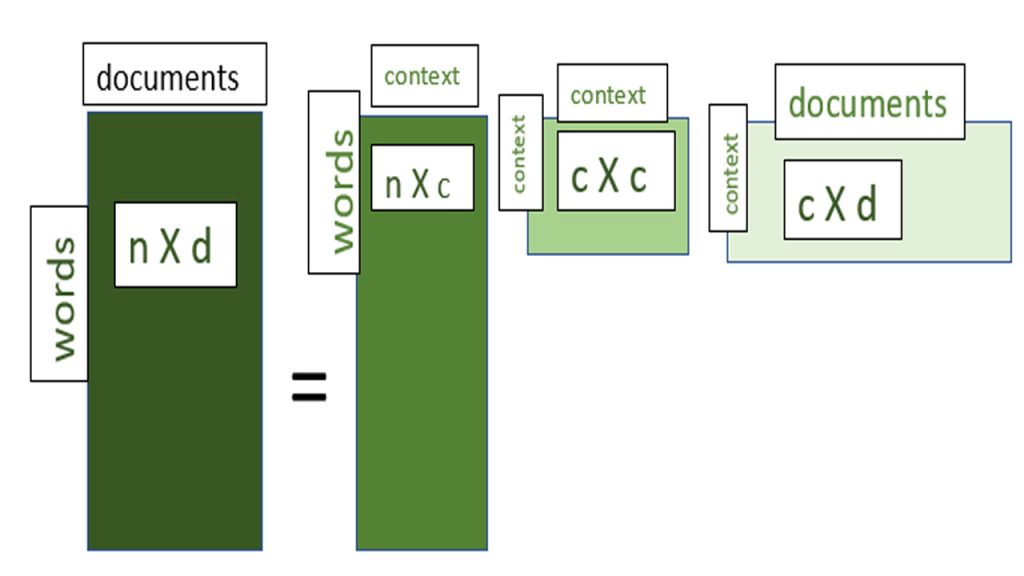
Latent Semantic Analysis has been a critical component for organisations in a data-driven business environment, and this is currently an area of advantage whereby LSA would enhance decision-making, content analysis, or even operational productivity within companies. Indeed, in large datasets, LSA reveals relationships between latent terms and concepts and gives insight into whether the context enhances strategic planning and customer engagement. Organisations can apply LSA towards information retrieval optimisation in a time characterised by dominating competing demands from the audience.
Main LSA Benefits:
- Better Decision Making: Analyses complex data to help organisations make prudent decisions.
- Better Information Retrieval: Effectively helps identify data relevant to a query and saves precious time and resources.
- Reduced Costs: Streams the processes while cutting unnecessary expenses.
- Content Analysis: Helps in generating actionable insights from large databases for businesses.
- Continual Improvement: The process of continuance optimisation in operations and strategy.
What is LSA Full Form?

LSA is the abbreviation for Latent Semantic Analysis. In other words, it’s a natural language processing and text mining technique that attempts to discover the latent semantic relationship between the words in a set of documents so that meaningful insights can be drawn from unstructured text on behalf of an organization. It elaborates upon terms’ context as well as their co-occurrence, thus enhancing the business’s information retrieval, content organization, and customer feedback analysis.
Key Components of LSA
- Document-Term Matrix: This is the core form upon which LSA analysis is based. It captures term frequency across documents.
- Singular Value Decomposition (SVD): Dimensions within the document-term matrix are reduced by SVD, representing important relationships.
- Semantics: Relationships between words extend beyond direct matches and reveal more intrinsic meanings.
- Dimensionality Reduction: The technique reduces large datasets to highlight the most significant semantic patterns.
- Contextual Understanding: It explains terms concerning other contexts to improve the text’s understanding accuracy.
All these factors are important to ensure that businesses realize their latent Semantic Analysis potential and remain competitive in a market where insight into data is highly valued.
Some of the Key Issues in LSA
LSA helps other organisations, mainly those whose strategy is based on decision-making, resource allocation, and customer engagement. It helps businesses establish what lies at the core of the data and thus develops aligned strategies that support their goals and the market’s needs.
Superior Decision Making
- Data-driven insights: LSA allows the organisation to identify the dormant relationships between the terms, which enhances the decision-making process.
- Customer feedback analysis: With the use of LSA, a business can evaluate its strategies by tracing the customers’ sentiments, thus ensuring the provision of needs to the customers.
- Improved Forecasting: LSA helps to predict trends by analysing textual data.
- Strategic Planning: What LSA learns enables organisations to make strategic long-term planning and everyday operational decisions.
- Advenience over Competitions: Organisations use LSA to avoid the trend others cannot predict.
Now that the full form of LSA has been explained; businesses can focus on the ways in which it can be deployed to better advantage in making more effective, all-in-all decision-making processes.
Increased Efficiency in Cost through LSA
In the business world where cost-cutting remains the issue, LSA is very crucial because it helps minimize processes in an operation while ensuring proper resource allocation. It will help an organization avoid duplicated work to improve its efficiency in operations since overlaps are identified.
Cost-Saving Opportunities with LSA
- Streamlined Information Retrieval: LSA saves resources for the time taken to seek relevant data.
- Eliminated Redundancies: LSA eliminates unnecessary work since there are overlaps identified.
- Resource Allocation: It ensures that resources are always focused on the most valuable activities.
- Process Optimization: It identifies areas for improvement in the current workflows.
- Improved ROI: Helps increase return on investments by devising better strategies, a consequence of learning from LSA.
Incorporating Latent Semantic Analysis, companies can achieve cost efficiency, which goes on to help improve profitability and make business operations more sustainable.
How LSA Promotes Customer-Oriented Focus
Another significant implication of LSA is that it might help organizations focus on the requirements of customers through sentiment analysis and feedback analysis. Companies would gain a better understanding of what the customers want and make their efforts more focused, as per the preferences of the customers.
Using LSA for Better Customer Engagement:
- Sentiment Analysis: Analysis of customer reviews and feedback regarding trends and preferences.
- Targeted Marketing: It helps a business plan marketing campaignsdissonancee.
- Personalisation: With LSA, you can personalise product recommendations based on a customer is actions.
- Customer Satisfaction: It highlights points for better service towards the customer and provides a thorough improvement in overall satisfaction.
- Feedback Integration: This allows an organisation to update strategies continuously based on customer insight with LSA.
By carrying out content analysis, business houses can improve their strategies of customer engagement by keeping it in pace with consumer expectations.
LSA and Continuous Improvement
Businesses that are keen on staying competitive will require improvement to be continuous. LSA is easier to continuously optimize since it is data-driven and shall be used in informing strategy and identifying improvement areas. This ensures operations are reviewed in time to ensure business flexibility and agility.
Ways Towards Continuous Improvement:
- Continuous Review of Feedback Analysis: LSA will continuously review customer feedback concerning improvement points.
- Performance Monitoring: Identify and track performance measures to monitor LSA’sLSA’s impact on efficiency.
- Regular Review of Statistics: It monitors the consistency of strategies and helps maintain them according to changing circumstances.
- Flexibility: Flexibility within LSA helps a business revise its process based on changing situations in the market.
- Innovations: This kind of analysis leads to an innovative environment where organizations are prompted to explore new ideas within their grasp through deep insights drawn from the data.
A set of businesses developing a culture for change will be able to thrive well only when they share their corporate strategy with the help of Latent Semantic Analysis.
Strategic Management Through LSA
Good strategic planning is necessary for the survival of businesses in this fast-paced world. LSA aids in making such strategic planning for companies as it predicts trends, makes sense of consumer behavior, and creates long-term plans based on collected data insights.
LSA offers Key Contributions to Strategic Planning
- Trend Forecasting: LSA makes sense of newly emerging trends and market opportunities.
- Long-Term Decision-Making: It generates insights that provide information regarding product development and market expansion.
- Resource Optimization: Aids in optimising the use of resources to support strategic initiatives.
- Competitive Positioning: It ensures that the company is already ahead of its competitors due to timely insights into industry changes.
- Risk Management: LSA helps organisations anticipate potential risks by analysing data patterns.
Therefore, businesses can ensure informed, data-driven decisions that lead to sustainable growth and stick to strategic planning by using LSA’s full form.
Real-World Applications of LSA
LSA has been successfully applied to multiple industries to improve decision-making, content management, and customer satisfaction. Below are three case studies demonstrating the practical benefits of LSA.
1. E-commerce Platform
The E-commerce giant applied the idea of LSA to further analyze customer reviews and feedback. The analysis was useful for optimizing the inventory and marketing strategies designed based on the key themes and sentiments of customers. Out of this, the company achieved a 20% increase in sales in just one year.
- Customer Feedback Analysis: Explained customers’ preferences.
- Inventory Optimization: The company’s product offerings are aligned with customers’ demands.
- Increased Sales: Better decision-making translated into more targeted efforts.
- Enhanced Return on Investment: Efficient resource usage led to better financial results.
- Customer Satisfaction Increased: LSA supported them in shopping better.
2. Academic Research Institute
A college used LSA in helping them improve their digital library system. The documents were grouped based on relevance, therefore making related works easily accessible to researchers, leading to higher multi-disciplinary research collaboration.
- Enriched Information Retrieval: LSA provided scholarship with the opportunity to locate the most relevant information.
- Interdisciplinary Team Work: Introduced new interdepartmental interactions.
- Clustering of Content: The scholarly articles are clustered meaningfully.
- Lesser Time-Consuming: The hours it takes to search for research material are reduced.
- More Output of Research: More efficient research processes are provided through LSA.
3. Financial Services Company
A provider of financial services streamlined its process of client communication by using the application of LSA. In order to be better at its service provision, it assessed the questions and comments from clients with a view to improving its services. This process culminated in increasing satisfaction and retention rates of its clients.
- Improving responses to client queries: The company improved its ability to respond to client queries with the help of LSA.
- Improve service: The company would adjust its service options based on client feedback.
- Customer Retention: Client loyalty increased due to increased satisfaction rates.
- Operational Efficiency: The company streamlined processes, thus leading to shorter response times.
- Profit Growth: Better service helped with better retention and bottom lines.
The above case studies illustrate some tangible payoffs that Latent Semantic Analysis may bring to most sectors.
Final Thoughts
Latent Semantic Analysis, which would potentially be among the tools organizations might apply to improve data analysis, content management, and the decision-making process, enables businesses to make a step toward more efficient and cost-effective information retrieval by revealing a hidden relationship between terms and documents through meaning structures.
Key Takeaways:
- Information Decision Making: LSA yields data-driven insights that promote strategic decisions.
- Cost Efficiency: It streamlines and reduces redundant efforts.
- Increased Customer Centricity: Surveys of customer feedback make LSA ensure that the business remains up-to-date with the evolving needs of customers.
- Continuous Improvement: With LSA, businesses continue to optimise through time from time assessment and innovation.
- Strategic Advantage: With the inclusion of LSA within its planning, the business would not be lagging behind in this market and remain abreast with competitors.
Now is the time when businesses need to invest in LSA full form for operational success as well as overcome hurdles created by the persistently changing market.
]]>Advertising is constantly changing; as new concepts and strategies keep emerging to optimize marketing efforts, so does the level of engagement with the target audience. One concept that has taken centre stage in recent years is FCP. Advertising FCPs can have a variety of meanings, such as Full-Cycle Performance, Full Composition Picture, or Full Cost Pricing, and each yields a different view and style toward enhancing advertising performance. Regardless of which one it is, FCP, at the bottom line, ensures that better results are realised, resources are best allocated, and the overall marketing performance is enhanced.
Why FCP Matters:

- Holistic Strategy: FCP focuses on the advertising process, from planning to implementation and measurement, ensuring no piece is left hanging.
- ROI Enhanced: Businesses use the FCP philosophy to identify where changes need to be made, optimise resources, and maximise returns on investment.
- Data-Driven Decision Making: FCP adopts data-driven decisions using performance monitoring and analysis, enabling businesses to steer their strategy for constant improvement.
This blog will discuss the three critical understandings of FCP and how they have influenced today’s advertising strategies. We will break down the concept into three parts: how it is essential, what constitutes it, and the advantages of the main points.
1. Full-Cycle Performance in Advertisement

Full-cycle performance (FCP) is a holistic approach that considers every stage of the advertisement campaign—from its planning phase to its execution and analysis—to make strategic adjustments. It helps advertisers improve every step in the campaign’s lifecycle, maximising efficiency and effectiveness.
Core Components of Full-Cycle Performance:
- Enhanced Decision Making: Full-cycle performance enables advertisers to gather insights from data analysis to make informed decisions about campaign targeting, budgeting, and creative changes.
- Knowing which strategies yield the best results allows advertisers to focus on high-impact areas.
- Cost Efficiency: Analyzing the different stages of the campaign identifies areas of potential savings and better allocation, ensuring that every dollar spent is effective.
- It avoids wasteful spending and ensures investments are focused where people are engaged.
- Customer Alignment: FCP aligns advertising with customer choices, enhancing the ability to reach target audiences and potentially boosting brand loyalty.
- Brands can adapt their messaging to better connect with customers, fostering stronger relationships and long-lasting engagement.
- Continuous Improvement: Organizations can keep up with shifting market conditions and customer behaviour through regular strategy assessment and improvement.
- Campaigns are continuously optimised to meet the latest trends and audience expectations.
How to Implement Full-Cycle Performance:
- Plan Strategically: Set clear objectives and KPIs for the campaign.
- Track Progress: Measure performance metrics at every step of the campaign lifecycle.
- Data-Driven Adjustments: Make strategy tweaks based on insights gained from performance analysis.
2. Full Composition Picture in Advertising

Another interpretation of FCP is Full Composition Picture, a concept that focuses on delivering a cohesive and comprehensive message through various media formats. It ensures that every element of the advertisement—visual, textual, or auditory—harmonises into a unified message.
Critical Components of Full Composition Picture:
- Visual Elements: Visuals are crucial in capturing the audience’s attention. FCP emphasises the importance of explicit images, graphics, and videos that appeal to and reflect the brand’s personality.
- Maintaining visual coherence across platforms helps establish the brand’s identity and message.
- Narrative Structure: The storytelling style helps connect customers to the brand’s message. A good FCP tells a cohesive, compelling story that guides viewers on a journey aligned with the brand’s core values.
- A strong narrative ensures customers leave with a lasting memory of the advertisement.
- Brand Consistency: Message consistency and a unified tone and style across all channels are critical to establishing brand loyalty and recognition.
- FCP ensures that every advertisement’s visual, text and sound elements complement each other, reinforcing the brand’s identity.
Benefits of Full Composition Picture:
- Improved Audience Reaction: The advertisement’s cohesive storyline and strong visuals enhance it, encouraging the desired response from audiences.
- Simplified Production: FCP ensures creative aspects align with strategic goals, simplifying the management of multiple types of advertisements across various media platforms.
- Consistent messaging and visual cues help make the brand easier for the audience to remember.
3. Full Cost Pricing in Advertising
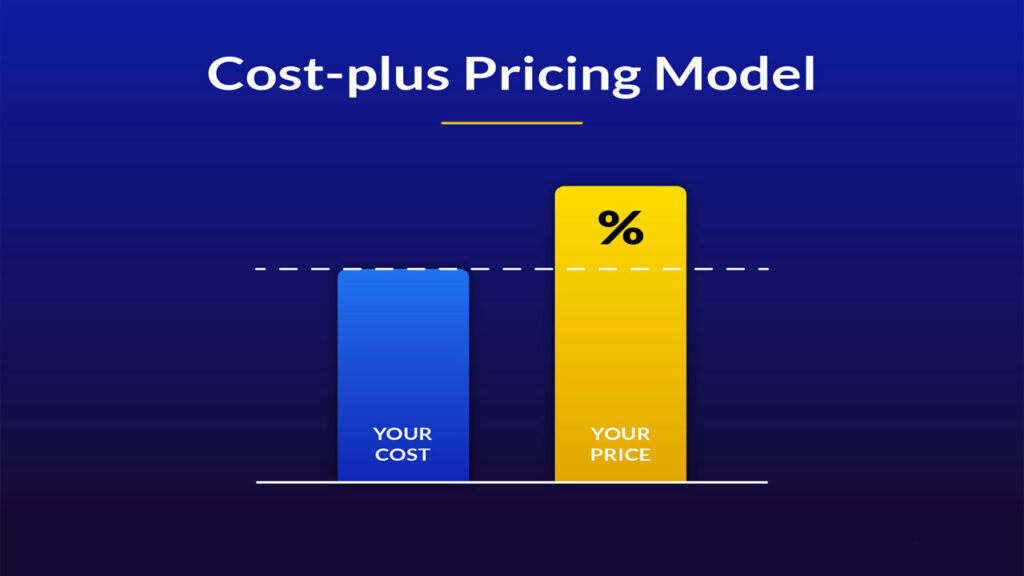
The third definition of FCP is Full Cost Pricing, which involves understanding all the costs incurred in advertising. This practice enables businesses to charge enough to cover total costs and generate profits for sustainable growth.
Critical Principles of Full Cost Pricing:
- Emphasis on Total Costs: Full Cost Pricing accounts for direct costs (e.g., media placements) and indirect costs (e.g., creative development, project management).
- Understanding the complete cost structure ensures campaigns are priced with profit margins in mind.
- Cost-Activity Relationship: Identifying the cost relationship between different advertising activities helps optimise resources and budgeting.
- Allows businesses to pinpoint cost-intensive areas that can be optimised for cost-efficiency.
- Profit-Based Pricing Strategies: With a clear understanding of costs, businesses can develop pricing strategies that maximise profitability without sacrificing campaign quality.
- Ensures long-term financial sustainability and better marketing practices.
Advantages of Full Cost Pricing:
- Adequate Budgeting: Helps organisations use resources more effectively, optimising budgets for a higher ROI.
- Higher Profit Margins: With full-cost knowledge, businesses can price their offerings to cover expenses and generate profits.
- Data-Driven Decision Making: Full cost pricing facilitates strategic budgeting, aligning financial goals with marketing decisions.
Final Thoughts
In conclusion, FCP offers three unique interpretations—full—cycle Performance, Full Composition Picture, and Full Cost Pricing—each providing valuable insights for optimizing advertising strategies. Applying these principles can lead to improved performance, increased customer satisfaction, and sustainable business growth.
- Full-cycle performance helps businesses analyse and improve each phase of the advertising cycle.
- Complete Composition Picture ensures coherent storytelling and visual consistency across all platforms.
- Full Cost Pricing provides a deeper understanding of campaign costs, enabling better budgeting and profitability.
Now that you understand the impact of FCP, you can begin transforming your advertising campaigns into more effective and impactful endeavours. Take the first step today and unlock your business’s full potential with FCP!
]]>Customers are the lifeline of any business or firm. As in the olden days, the customer is now the king. In the modern era of the digital world, a customer is a person who will either make or break your brand. Acquiring new customers can be much more costly than retaining existing ones. So, in the current business world, the calculation of CRC (Customer Retention Cost) is the most critical metric.

CRC: A Definition
CRC represents the cost incurred in retaining customers by employing customer retention strategies.
- Components: Marketing campaigns, Customer service initiatives, Loyalty programs
- Importance: High customer retention is effective because, in addition to minimizing the costs of acquiring a new customer, it tends to increase brand loyalty and, hence, customer lifetime value.
Understanding the intricacies of CRC allows businesses to invest in sound resources, marketing strategies, and customer engagement initiatives. This blog discusses the main concepts of CRC, why it matters in current business life, and some practical ways to maximize customer retention efforts.
What Is Customer Retention Cost?

CRC is the total cost that a business incurs to retain its customers. It involves keeping the customers satisfied and engaged so they do not have any reason to stop shopping. Therefore, CRC is a significant measure through which the financial outcome of the customer retention strategy can be understood and evaluated.
Components of CRC
- Marketing and Promotional Costs
- Costs incurred in loyalty programs or extra offers.
- They targeted marketing activities for existing customers.
- Customer Support and Service Costs
- Costs associated with hiring and training the employees.
- Operational Cost.
- Cost to operate the call centers and establish the CRM system.
- Development and Innovation Cost on Products
- Investments done in R&D post customer feedback.
- Continual development of the product to match the market demand.
- Customer Engagement Initiatives
- The cost incurred is for personal communications and feedback surveys.
- Activities directed toward developing a brand community.
- Analysis and Measurement Expenses
- Spend on analytics tools to track customer behavior.
- Cost towards determining the effectiveness of retention strategies.
Why CRC Management Is Significant

Managing Customer Retention Cost (CRC) is paramount for businesses looking to thrive in a competitive landscape.
Critical Reasons for Focusing on CRC:
- Cost Efficiency:
Retaining existing customers is often less expensive than acquiring new ones. Effective management of CRC can reduce overall marketing expenses. - Customer Lifetime Value (CLV):
Higher retention rates enhance the total revenue expected from a customer. Satisfied customers are more likely to make repeat purchases and refer others. - Brand Loyalty:
Lower CRC translates into higher customer satisfaction and loyalty. Loyal customers are more likely to advocate for the brand. - Competitive Advantage:
Customer retention becomes a reason for companies to stand out. A loyal customer base promotes sales and thus reinforces a brand. - Informed Decision-Making:
CRC can help with informed, fact-bound decisions in marketing and product development. Retention strategies need to be analyzed so that improvement can be targeted at the required areas.
Strategy for Optimizing Customer Retention Cost

Controlling Customer Retention Cost and Its Effectiveness to Drive Business Growth
Many companies use various strategies to control customer retention costs and maximize their effect on business growth.
Productive Strategies
- Program Loyalties:
Create loyalty programs that encourage repeat purchases. Appeal to brand loyal customers with appealing rewards, discounts, and promotions. - Improving Customer Service:
Develop training for staff and the adoption of CRM systems and respond promptly to all customer inquiries to improve experience. - Data Analytics:
Analyzing consumer behavior to tweak the approach to marketing. Improved retention strategy of decisions based on data. - Customer Feedback:
Seek active customer feedback through surveys and direct communication—product improvements and enhancements from understanding customer needs. - Personalization:
Use customer data to craft market messages specific to the target customer. Personal experiences have increased satisfaction and loyalty, as well as reduced CRC.
Customer Retention Cost is one of the primary metrics used to determine a business’s commitment to a relationship and its ability to sustain it throughout its life cycle.
- Sustainable Growth: Effective strategies of retention reduce cost but increase customer loyalty.
- Agility in Change: Companies should be more responsive to the changes in customer preferences and expectations.
- Meaningful Connections: Core priority in client satisfaction creates relationships beyond transactions, ensuring long-term success.
Final Thoughts
In today’s increasingly dynamic market, CRC is vital in building loyal customer bases that continuously create sustained growth and profitability. Optimising CRC may build long-term relationships into long-term performance and sustain continued marketplace competitiveness.
]]>Ready to talk with a marketing expert?

A Pragmatic and innovative way to enthrall your target group is just a click away!
Get in Touch
Rukmini Knowledge Park, Kattigenahalli, SH 104, Srinivasa Nagar, Bengaluru, Karnataka 560064
+91-990 247 8800
contact@gingermediagroup.com
Popular in Television Advertising
Udaya TV AdvertisingSun TV AdvertisingStar Plus AdvertisingTV 9 AdvertisingZee TV AdvertisingNDTV India AdvertisingColors TV AdvertisingPopular in Airport Advertising
Spice Jet AdvertisingMumbai Airport AdvertisingDelhi Airport AdvertisingEmirites AdvertisingIndiGo Airlines Domestic India AdvertisingPopular in Newspaper Advertising
Deccan Herald AdvertisingPrajavani AdvertisingThe Hindu AdvertisingEconomic Times AdvertisingDainik Jagran AdvertisingHindustan Times AdvertisingPopular in Magazine Advertising
Forbes AdvertisingCosmopolitan AdvertisingBusiness World AdvertisingVogue Magazine AdvertisingPopular in Sports Advertising
IPL AdvertisingPopular in Outdoor Advertising
Billboard AdvertisingBus Shelter AdvertisingMetro Pillar AdvertisingUnipole Advertising© Ginger Media Group 2025. All Rights Reserved.