Key Aspects of WMA:
- Enhanced Decision-Making: The method will present data that rationally leads to changes in goals and policies. Thus, companies will be able to use the data to act in a timely manner in the market.
- Cost Efficiency: WMA becomes a package of the most comfortable means that a company’s administrators can achieve, who see where to economize and optimize spending through manpower and money.
- Improved Customer Focus: WMA helps organizations prioritize activities that are most valued by the customer. Consequently, the workflow is more easily able to satisfy customer needs, as it is in good congruence with the consumer.
- Continuous Improvement: Utilizing a WMA-based assessment, companies can clearly define areas for improvement and redesign strategies based on the results of the recent performance metrics prepared monthly and the necessary information provided from the weekly reporting.
- Strategic Planning: However, the process is conducted such that a clear shot is made at the time of the decision by conducting better (more accurate) and long-term planning of the future forecasts instead of relying on historical performance, which is the wrong way.
This blog will explore the principles of Weighted Moving Average (WMA), its significance in modern business practices, and how organizations can exploit its potential for enhanced decision-making. Attend our program to gain real insights and complete the process of integrating WMA into your business strategy!
What is WMA?
WMA, or Weighted Moving Average, is a statistical time series data analysis and forecasting technique that is the foundation of its calculation. It is a method based on assigning different weights to past observations so that the resulting forecasts are closer to future trends. Organizations can achieve this by exploring and understanding the trends and patterns within their time series. This helpful information will enable them to manage stocks, predict sales, and conquer the different cycles of the business.
Key Components of WMA
Weight Allocation involves the distribution of definite permits to diverse data points according to their relevance. The key advantage of weight allocation is that it focuses more on recent data, which usually better reflects current trends than older ones.
- Data Smoothing: One way WMA can contribute to the overall usefulness of the model is by smoothing volatility within the data. This will help analysts see the main tendencies and cycles without much difficulty, as it reduces the noise from short-term fluctuations.
- Trend Identification: Another essential aspect that makes WMA valuable in its application is its ability to discover and interpret trends occurring over time. This approach assists organizations, in particular, in identifying trending patterns and locating problems that must be progressing.
Benefits of WMA
- Improved Decision-Making: WMA is a tool for making decisions based on trends. For instance, a retail business can analyze WMA sales data and detect a recent increase in demand for a specific item. They will, in turn, begin to stock up accordingly.
- Cost Efficiency: WMA improves cost efficiency so organizations can adjust stock levels effectively. A company can forecast demand accurately and, thus, avoid overstocking and high carrying costs, saving them resources.
- Enhanced Communication and Collaboration: WMA enables agencies to foster closer teamwork and transparency among departments. Forecasts that can be easily understood and are reliable help teams to work together with simplicity towards common goals.
Core Principles of WMA
- Focus on Activities: Activities’ understanding becomes the central point in the WMA context because it is this understanding that enables businesses to find data, which, to a large extent, affects the outcome by identifying the most critical data for further analysis.
- Link Activities to Costs: The relation between activities and the cost of implementing them is immediate; the cost ledger helps to show how much these variables contribute to the overall cost.
- Continuous Improvement: The WMA process’s basics are ongoing assessment and feedback. Moreover, it supports organizations in tweaking their forecasting methods, even developing perfect forms, and applying them at the right time.
Steps to Implement WMA
- Analyze Current Activities: To evaluate the current procedures, companies should go back and see what history reveals and what trends have been noted.
- Establish Cost Drivers: The initial forecasting process, which involves building the WMA model, includes, among other things, the periodic variations of the year and the unpredictable market; it helps establish the desired reliability of the model and develop an effective cost weight system that will lead to accurate results in the end.
- Implement Performance Metrics: The whole process of strategically setting the measures through the feedback and real-time networking that Windows, desktop, and mobile applications give you gives the firm the ability to do the right beginning of developing the results that will allow them to forecast the accuracies, and then they can act accordingly.
- Engage Employees: Participating in the process also gives employees a sense of responsibility and belonging, which can result in the incorporation of knowledge that can increase the quality of the forecasting process.
- Leverage Technology: Technology is another solution worth mentioning, that is more of a budget savior, what might be considered is the use of the modern technology platform to which the company subscribes. This platform encompasses the issuance of the demand forecast of suppliers/ partners/ customers using advanced analytics by predicting such aspects as sales, raw materials consumption, stock-keeping units, and feedback).
Real-World Examples of WMA
- Example 1: A big-name supermarket chain rolled out the WMA system for demand forecasting of seasonal products. The method helped them achieve an approximate 20% increase in sales during holidays and lower inventory levels, which led to heightened customer satisfaction.
- Example 2: A manufacturing company has been performing WMA for the last five years by analyzing production data. Thus, they found some new trends that indicated the company’s products were gradually becoming eco-friendly, and those indications helped them develop their new product policy.
- Example 3: Customer satisfaction drives marketing because it provides insight during the purchase. Hence, they choose and practice WMA to improve their marketing budget (the percentage ones) to take an advantageous position. Using clients’ product sale analyses, this customer retail outlet could allocate resources more effectively, achieving a 15% ROI from AP marketing investments.
Conclusion
Given this, Workforce Management Automation (WMA) should be considered an adequate and essential means for implementing companies that want to increase their efficiency at work, worker satisfaction, and, ultimately, productivity. Businesses can adequately plan and handle the workflow and enhancement by carefully selecting the most appropriate tools that are part of the program, scheduling optimization, demand forecasting, and performance analytics. As the market tumor is getting bigger and by that increasing competition, investing in WMA will likely turn from a new tendency to a new management standard.
By incorporating the principles of Workforce Management Automation into your business operations, you can achieve:
- Improved Resource Allocation: Aligning resource availability with workforce demand, as one of the means of reducing costs in labor, makes services reach their maximum potential.
- Enhanced Employee Engagement: This can be done by allowing employees to make requests and ask for their days off through the application. Also, the employees have access to self-service tools that enable them to plan their work schedules themselves, and thus, they can achieve work-life balance without any difficulties.
- Data-Driven Decision Making: This is then put to the best use with real-time data. It also ensures that informed decisions are made while changing the organization’s strategy based on the changing business environment is also possible. Now is the time to embrace Workforce Management Automation and experience the transformative effects it can have on your organisation. Take the first step toward enhancing efficiency and boosting productivity today!
Key Aspects of TRP:
- Enhanced Decision-Making: TRP provides businesses with vital information that aids them in formulating decisions, such as the best choice of media buying and advertising spots.
- Cost Efficiency: By identifying popular programs and their viewer demographics, firms can identify cost-saving aspects and efficiently utilize their advertising budgets.
- Improved Customer Focus: TRP ensures that advertising, an important part of the value chain, is aligned with customer value; therefore, the organization can prioritize the campaigns that bring the best incremental results to brand building.
- Continuous Improvement: Regularly assessing TRP data is an effective tool for businesses as it requires them to modify their strategies. By doing so, they improve their understanding of the clients and thus improve their content delivery.
- Strategic Planning: TRP allows better forecasting and strategic decision-making by showing the main topics of viewer trends, which is why they are in higher demand& that is the way to capture and retain subscribers.
This blog post will examine TRP principles, discuss their relevance in modern business practice, and show how companies can use TRP to communicate better with their audience. Let’s explore useful tips and show you how to integrate TRP into your business strategy!
What is TRP (Television Rating Point)?

The Television Rating Point (TRP) is an index of a television program’s popularity. It gauges a program’s viewership and provides data and metrics of viewer engagement. By discovering audiences’ viewing frequency and preferences, companies can benefit from using this knowledge to make targeted advertising, content creation, and programming decisions, thus optimizing efficacy and income.
Key Components of TRP
1. Audience Measurement: On the one hand, it is about identifying the viewer’s age, sex, and geographic location and knowing who watches what is of the utmost importance for the advertising industry and TV channels, as it allows them to better target content and ads to particular audience segments.
2. Rating Calculation: TRP is a figure arrived at after a program’s audience numbers are measured and its potential total is established. This quantitative technique enables networks to assess a series’ attractiveness and determine the best schedule and ad rates.
3. Viewer Engagement: Apart from the factor of the viewer’s number, interaction with the viewers and comprehension of the way they react to the content are the key elements of the process. It encompasses the audience’s opinions, online interactions with different platforms, and views. Together, these aspects represent the improvement of the stability of TRP metrics.
Benefits of TRP

- Improved Decision-Making: TRP enables TV stations and advertisers to make choices that are, in turn, deeply rooted in statistics. With a detailed idea, the TV network can program its popular shows during peak viewership times, thereby increasing the possibility of the ads’ higher market value.
- Cost Efficiency: Being able to suss out the TRP can be a game-changer in the profits accrued from marketing and advertising. The advertisers can brief names of the programs with higher ratings that help their marketing budget, which is spent on platforms with a broader reach to which they are getting better returns on investment.
- Enhanced Communication and Collaboration: Truthful information based on TRP findings involves partnerships between TV stations and advertisers. This, in turn, leads to the open discussion of target segments and retrieval tactics, and therefore, shared campaigns representing the audience are born.
Core Principles of TRP
- Focus on Activities: Knowing the patterns in which people watch television is key to understanding the activities that could influence the program’s popularity. By doing this, broadcasters can understand the needs of their audience and cater to the programs by giving their viewers more control over what they watch.
- Link Activities to Costs: There is a direct correlation between the audience’s activities and advertising costs. The higher show ratings that attract the most viewers can be why a TV station can set higher rates for ads, so advertisers may have to change their pricing policies regarding the rating ranges.
- Continuous Improvement: The television industry is hectic, and nothing has changed. Comprehending TRP trends is a typical KPI among TV networks and marketing corporations, as they always change according to the client’s needs.
Steps to Implement TRP Analysis
- Analyze Current Activities: For this purpose, companies must start by reviewing their audience size and understanding how their programs are working. This will lay the groundwork for the future programming decision-makers will develop to grab their audience’s attention and keep it led.
- Establish Cost Drivers: Discovering which media cost more but are also the most viewed, such as VODs and video via TV networks, is also influential, as ContentDeric, Visyon, and BCN content distribution, for instance. Organizations can thus optimize their business strategies.
- Implement Performance Metrics: Measuring and managing performance via TRP ratings will help companies determine their strengths and weaknesses, develop their best strategies, and modify them if necessary.
- Engage Employees: Including people responsible for all process phases, from contributing to the content to advertising, is a pivotal stage since their knowledge can provide new ways of thinking to create content and different marketing styles.
- Leverage Technology: Scientific signal processing is an equipment-based technology that would enable TV broadcasters to give instant feedback to program providers, allowing them to adjust content accordingly. The agency also suggested the benefits of using such technology in other mass media, such as newspapers and composite videos.
Real-world Examples of TRP
- Example 1: STAR TV Network The STAR TV network recognized that the audience wanted to watch specific shows most of the time by using expensive TRP analytics. Consequently, the network launched the prime-time series that earned ratings exceeding a million views during its debut week. The series was able.
- Example 2: NBC’s “This Is Us” The network took note of the viewer interest in the program and held the promotion of “This Is Us” during sports events to increase the number of viewers. In this sense, the mirror image of confirming the high TRP became the breaking sales record of the TV program.
- Example 3: HBO’s “Game of Thrones” HBO might have been aware of the interests of the show’s fanbase via TRP data so that they could organize the release of promos and airtime accordingly for the show. This led to the huge success of the premiere and the staggering number of subscriptions the service got.
In the final analysis, mastering the TRP through a proper study of the numbers and then enlisting a population-based sample could result in low statistical power. However, the content strategy could be future-proof because organizations will use content strategies to optimize profit to meet the audience’s needs. Also, companies will understand The Equation and how to apply it.
- Compiled Data: Briefly, TRP is a benchmark for quality for companies whose main objective is to become more familiar with their customers and accurately determine their watching patterns. Firms may become more efficient and make better decisions by understanding consumer preferences, using advertising resources more accurately, and through a content strategy that aims at continuous improvement. Company executives predicting and meeting customers’ needs and desires via TRP will have a very good management practice, which they develop by containing the right elements. You can use TRP-based practices in your business and get the following:
- High-quality audience data to guide programming and advertising decisions.
- Logical spending by approaching the right demographic at the right time.
- A better competitive position by implementing data-driven content strategies. Empower yourself now and employ TRP all over your business to turn your organization into a new page. Today, we are more willing to engage with you than ever before. Make sure you listen to them and act accordingly.
Key Aspects of UTM:
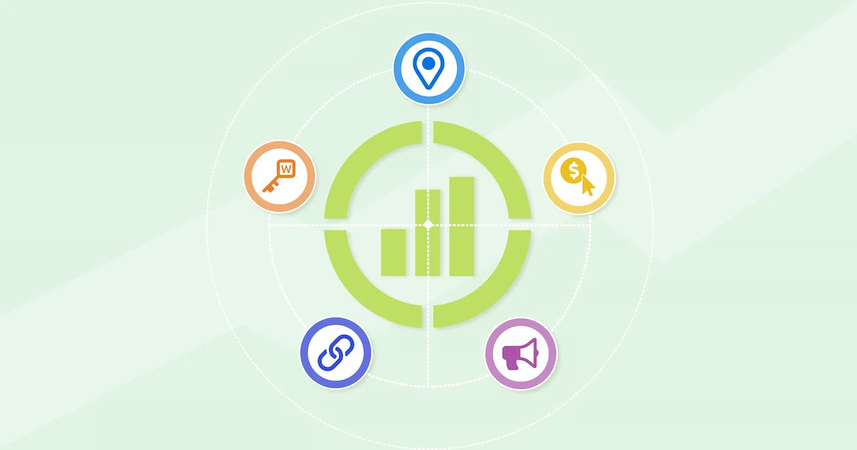
- Enhanced Decision-Making: Countless UTM parameters contribute to the identification of the best ads and channels, which in turn can be utilized for planning more effective marketing strategies.
- Cost Efficiency: Through clear performance goals and effective analytics, corporations can discontinue ineffective marketing tactics and redirect resources to more productive activities.
- Improved Customer Focus: UTM tracking ensures that promotional operations are marvelously targeting the right people whose preferences and behavior are close to the chosen marketing approach.
- Continuous Improvement: As brands analyze and take in UTM data consistently, they can lessen or wholly cut off particular marketing campaigns that the customers have little or no interest in and then promote products they are after.
- Strategic Planning: Companies can better predict how their campaigns will pan out and sketch out their long-term plans effectively since UTM data provides records of campaign performance over time. In this blog, we will shed light on the concepts of UTM, highlight the value of this contemporary marketing tool, and illustrate how companies can release their potential for enhanced marketing performance. Please take advantage of our blog, where we will reveal the most essential information and the easiest way to embed UTM into your marketing strategy. Join us as we uncover valuable insights and practical steps to integrate UTM into your marketing strategy!
What Is UTM?

UTM, the so-called Urchin Tracking Module, is a powerful tool for digital marketing implemented based on URL tracking parameters that are added to the links. Notably, the capabilities for traffic analysis are spoken of here. Marketers can benefit from detailed information, such as the exact traffic sources, the most successful campaigns, and user reactions to the content. Thus, their marketing strategy will be refined, and their performance will improve.
Key Components of UTM
1. Source
The source section states the webpage the user clicked the link from, such as one of the search engines, social media platforms, or direct referrals. Correctly understanding the source factor is essential because this element allows marketers to analyze the channels that bring substantial traffic and leads.
2. Medium
This component identifies the means of communication, such as email, social media, or cost-per-click (CPC). This helps the organization expand its reach by pointing out the specific platforms that produce the best outcomes.
3. Campaign
This piece enables the marketer to give his campaigns individual names, adding context to the traffic sources. It is fundamental to see which marketing drives are the most successful in garnering attention. Moreover, these results can help make strategic improvements.
Benefits of UTM
- Improved Decision-Making: UTM parameters and the knowledge acquired from the various return couriers explain specifically where the traffic originates and how it is used on a website. For example, if a business suddenly sees how a specific email campaign is driving so much traffic and conversions, it may want to give an extra push to such communications.
- Cost Efficiency: By interpreting UTM data, corporations can determine which marketing plans give the maximum return on their investment. For instance, a business can discover that Facebook ads are a better option than Google Ads, so it can use that as a strategic way to spend lower-cost resources on other methods.
- Enhanced Communication and Collaboration: Building UTM provides appropriate teams with the opportunity to clearly communicate the execution of the work and the responsibilities shared among all team members. The graphics of the data related to the campaign performance can be seen by all team members, who can thus coordinate their efforts in the name of transparency and common goals.
Core Principles of UTM
Focus on Activities: The first approach to tracking specific marketing activities, putting them into light, allows you to gain insight into lead and sales generation through various engagement methods.
Link Activities to Costs: Correlation between activities and expenses is a key budget and forecast process element. By combining the two, organizations will benefit from the maximum utilization of their marketing funds.
Continuous Improvement: UTM is an outcome that comes into being through continuous assessment and feedback. Time and again, teams improve their strategies and choose the best approaches as they focus on analyzing the performance of the marketing campaigns.
Steps to Implement UTM
Analyze Current Activities: In order to successfully implement UTM, companies should first focus on assessing their existing marketing activities and tracking methods. This will help disclose gaps and opportunities.
Establish Cost Drivers: Define the reasons for the different costs arising in various marketing channels. Gaining insight into these motivators will help defer resource allocation.
Implement Performance Metrics: Form a system of tags for tracking URL performance with UTM. Tools like Google Analytics are essential to cover all the metrics regarding the system.
Engage Employees: Involving the staff members in the implementation process is a key element for fostering a culture of data-based decisions. Furthermore, we can have training sessions as part of the formation of a knowledge base to enlighten the employees on UTM usage.
Leverage Technology: The employment of an app that has the authority to track software and marketing analytics enhances the UTM process. Technology integration guarantees the correct capture of data and the actualization of real-time monitoring.
Real-World Examples of UTM
1. HubSpot
HubSpot smartly utilized UTM parameters to track the success of its ebook marketing campaign. The composite analysis of lead sources showed that social media was the most fruitful marketing platform, as it delivered the best results among the people who were found there, while email campaigns were the second best choice. This made them go for social media marketing.
2. REI
REI tagged UTM for the holiday campaign they ran, and through this campaign, UTM became a real insight for them, as email newsletters brought 40% of the copied ads that the display ads copy got. Then, they reinforced material for email marketing.
3. Airbnb
Airbnb analyzed the UTM parameterized data to examine the effectiveness of the promotional channels. They figured out that the referral program was the most beneficial, and they kept their marketing in that direction of their marketing strategically.
Conclusion
UTM is necessary for organizations that want to track marketing metrics through data analysis and monitoring. Adroit use of UTM is the byword of tracking and improving geospatial accuracy and analysis. They will be very adaptive towards implementing UTM in spatial concept learning.UTM (Universal Transverse Mercator) is an invaluable approach for organizations that provides accuracy and analysis. Put the following steps to the accomplishments of a business through the employment of UTM:
1. Exactness in spatial data representation.
2. Integrating geospatial analysis into business strategy for evaluating spatial accuracy, precision, and modeling.
3. Making the GIS process standardized and effective.
Now is the time to adopt UTM and see the radical changes it can bring to your company. Start applying geospatial organizing today to initiate the process of optimization!
]]>Key Aspects of UI:
- Enhanced Decision-Making: UI designs offer opportunities to reach the user’s mind and determine which behaviour is necessary to visualize the design choices they organically make.
- Cost Efficiency: Finding the prevailing areas of friction within the user interface is possible because businesses can manage the process more effectively, resulting in substantial savings and better resource distribution.
- Improved Customer Focus: UI designed with user experience as the primary target means that the ones that do not need such a high priority will be less used. That way, it can easily be seen that customer satisfaction is the main objective of that company.
- Continuous Improvement: Good design not only verifies test runs; the user interface should be tested before. The company should rethink which strategies work strategically for it and plan regular improvements to the user experience.
- Strategic Planning: A well-thought-out user interface will help the company forecast user engagement trends, such as ups and downs, which will, in turn, inform what users expect in the future. This blog will delve into UI principles, its importance in present business practices, and how to capture its potential for better user experience by organizations. Let’s go side by side with expert investigation and real-world examples of implementing UI strategies in your business framework!
What is UI (User Interface)?

UI (User Interface) is a user-centred design principle that communicates between end-users and digital products such as websites and apps. It refers to everything a user interacts with, including buttons, icons, sliders, text fields, and other visual elements. By properly evaluating and designing these elements, the customer’s fun, delight, and satisfaction can be maximized in a way that encourages their interaction.
Key Components of UI
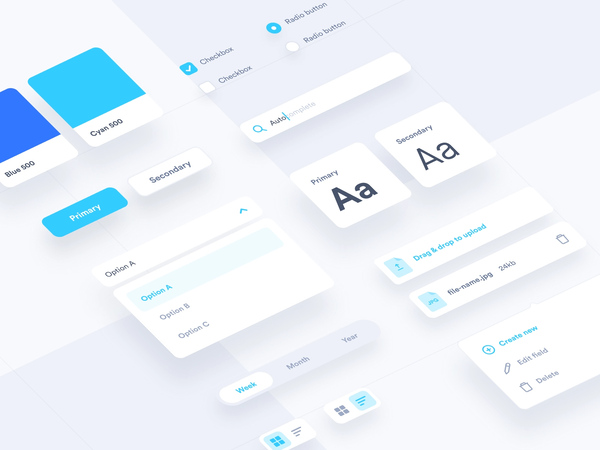
1. Visual Design: This component has a visual character because it imposes the quality of the user interface. It involves choosing the right colour schemes, typography, and layout, as the visual design allows for the most pleasing design, displaying the whole visual impression of the digital product.
2. Interaction Design: Interaction design is the process of defining the interaction between people and products. It is an area that deals with the design of interactive systems and, thus, the product’s execution.
3. Usability: Usability, which means how visitors can achieve their objectives when using a website, is very important for the success of any site. When a user interacts with a website, the site’s usability becomes easier and more efficient.
Benefits of UI

- Improved Decision-Making: UI is a part of interaction design and UX. It is concerned with the UI that a user uses to interact with a device and the visual appearance of the device. It is one of the disciplines of interaction design, processing human-computer interaction, and the design of on-screen information systems.
- Cost Efficiency: Simple, user-friendly applications enable businesses to save time and money. A good UI design makes it quicker for users to do their tasks since they can visualize the result of every action they take.
- Enhanced Communication and Collaboration: Mobile devices and gadgets have changed the way we interact and live. We cannot have a fully functional UI until we connect the dashboard’s functionality to the system’s performance.
Core Principles of UI

- Focus on Activities: Job roles and practices must be extracted from related user activities and clearly distinguished as core points. Discovering what a group of users would like to be able to do enables developers to implement a user interface that fulfils the initial requirements.
- Link Activities to Costs: The 21st century has witnessed the introduction of a new concept called the sharing economy in which companies like Uber and Airbnb rely on activity-based cost management. This enables a better view of the costs associated with different activities and helps in real-time decision-making.
- Continuous Improvement: Many apps and system improvements will likely be needed. Constant work with an idea, theurgic in all its aspects, comes out as the result of years of reading, meditation, and another kind of spiritual practice so that it can penetrate to the core of a work situation.
Steps to Implement UI

- Analyze Current Activities: Evaluate the end user experience and propose new improvement solutions for the existing interface design.
- Establish Cost Drivers: Factors regulating the expenditure of UI design and maintenance costs must be mentioned.
- Implement Performance Metrics: Configure and monitor the performance of aspects like user engagement and error rates to evaluate the UI’s effectiveness.
- Engage Employees: Employees’ participation in the UI development process helps make the collaborations with the users more real and, thus, makes them feel ownership of the product.
- Leverage Technology: Employ the best design tools or technology on the user interface to improve its features and provide the functionality and visual quality that allow the user to have a great experience.
Real-World Examples of UI

- Example 1: Airbnb: Airbnb implemented certain principles of user interface, which made the booking system more user-friendly and consequently led to increased facility use and user satisfaction.
- Example 2: Slack: Slack’s user interface is simple, which facilitates message communication that is fun to follow. This can lead to more collaboration and productivity in teams.
- Example 3: Dropbox: Dropbox developed a very clear UI design that simplified user file sharing. The easier and more intuitive Dropbox platform made using it more enjoyable for the users, increasing engagement and, thus, proving the significance of a good UI design.
It is now that the study’s preparation and final display can be articulated. The last section introduced a more descriptive approach to the topic. The study has added a new aspect to the explanation of the research. In conclusion, UI (User Interface) design is a significant approach for organizations to enhance user experience and engagement. Businesses can optimize their operation processes and decision-making opportunities by devising concrete solutions in intuitive design, employing resources for usability testing, and continually improving the UI design. Meeting the current market challenges and the fierce competition in any business, good UX design will undoubtedly be treated as a core to effectively managing the company’s product and service delivery. Adhering to the principles of UI design in business operations, you can accomplish:
- Small-scale user fulfilment due to easy and beautiful navigation and peers.
- Superior conversion rates owing to the decrease in friction in user interactions.
- There is even more brand loyalty as users are being given some points in the style and flow of the interface. According to recent research on the positive effects that a good UI design brings, the best approach would be to adopt this model right now. Make the first step to start being successful in the digital space and creating awesome user interactions!
Ready to talk with a marketing expert?

A Pragmatic and innovative way to enthrall your target group is just a click away!
Get in Touch
Rukmini Knowledge Park, Kattigenahalli, SH 104, Srinivasa Nagar, Bengaluru, Karnataka 560064
+91-990 247 8800
contact@gingermediagroup.com
Popular in Television Advertising
Udaya TV AdvertisingSun TV AdvertisingStar Plus AdvertisingTV 9 AdvertisingZee TV AdvertisingNDTV India AdvertisingColors TV AdvertisingPopular in Airport Advertising
Spice Jet AdvertisingMumbai Airport AdvertisingDelhi Airport AdvertisingEmirites AdvertisingIndiGo Airlines Domestic India AdvertisingPopular in Newspaper Advertising
Deccan Herald AdvertisingPrajavani AdvertisingThe Hindu AdvertisingEconomic Times AdvertisingDainik Jagran AdvertisingHindustan Times AdvertisingPopular in Magazine Advertising
Forbes AdvertisingCosmopolitan AdvertisingBusiness World AdvertisingVogue Magazine AdvertisingPopular in Sports Advertising
IPL AdvertisingPopular in Outdoor Advertising
Billboard AdvertisingBus Shelter AdvertisingMetro Pillar AdvertisingUnipole Advertising© Ginger Media Group 2025. All Rights Reserved.