
RACE, an absolutely essential tool these days, helps to improvise business processes, boost engagement, and optimize marketing strategies. The full form of RACE is Reach, Act, Convert, and Engage. The RACE framework has been designed as an effective strategic model to enable a business to design a perfect customer journey, thereby enhancing the overall marketing performance of that business. In this blog, we talk about the basics of RACE and its constituent elements that provide a road to success in any modern organization.
- Reach: The first step included in the journey of the customer. It attracts potential customers.
- Act: It helps create an interaction with the brand, such as website visits and social media engagements.
- Convert: At this conversion stage, leads become paying customers.
- Engage Long-term relationships with the customer for higher loyalty and repeat purchases.
- RACE Strategy: Integrated Strategy in Optimizing the Leverage of Marketing Channels Efficiency and Returns on Investments.
What is RACE?
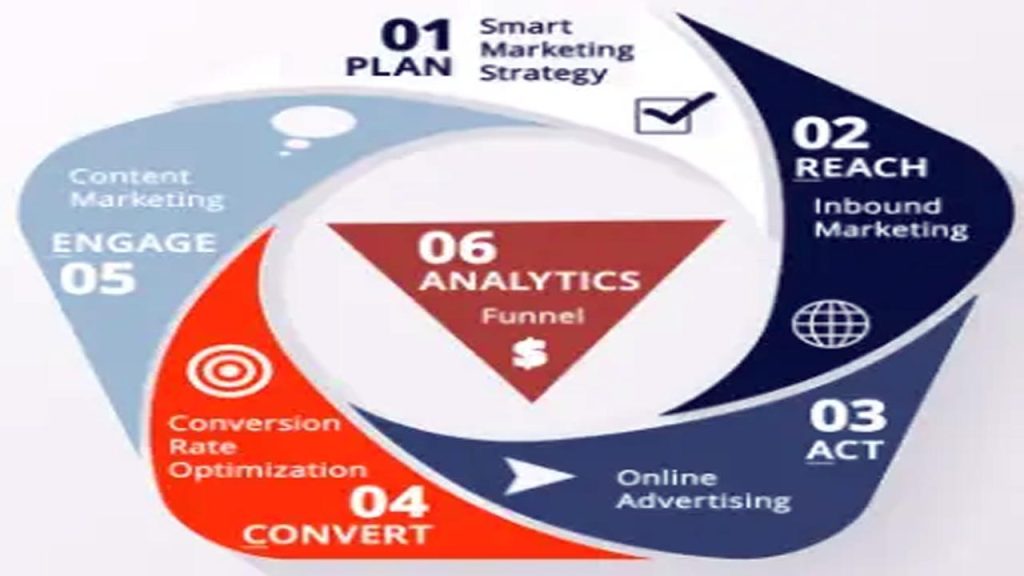
RACE is a strategic framework organizations use to leverage a structured process for digital engagement while enhancing marketing performance. By understanding the four levels: Reach, Act, Convert, and Engage, businesses can optimize the process for customers, improve conversion rates, and deepen brand loyalty. Every phase in the RACE cycle presents opportunities for improvement in an organization’s approach to marketing.
Important Elements of RACE:
- Reach: The process through digital channels like social media, SEO content marketing to attract potential customers.
- It is the most critical stage as this is when brand awareness and interest are created, and you get in front of the right audience.
- Act: It involves encouraging customers to interact with your brand, such as visiting your website or sharing a post on social media.
- Building trust at this level makes the user want to interact with your brand while building a connection with the right customers.
- Convert: It transforms an engaged user into a paying customer.
- This stage guides leads into the sales funnel, converting them into potential buyers via well-optimized processes.
- Engage: Creating long-term relations with customers after a sale.
- Keeping customers interested in a product after their purchase triggers repeat business and loyalty, leading to continuous business growth.
Advantages of RACE
The RACE framework provides various benefits to modern organizations as it covers a major part of the customer journey. Using this structured process, businesses can ensure that their marketing strategies are optimized in terms of both performance and customer satisfaction.
- Better Decisions: The insights achieved through each of the RACE process stages will allow businesses to make more informed decisions in consistency with their objectives.
- Analysis of engagement data leads firms to bestow upon their company new strategies according to what works and what does not with the target.
- Cost-Effectiveness: By focusing on those activities that provide maximum ROI, there is better resource allocation.
- The unnecessary expenses are curbed here so that ample attention is given to concentrate efforts toward giving maximum multiplier effect in marketing practices.
- Customers First Approach: The need is put across at the forefront of customer needs; hence, the firm attends to this factor and reacts accordingly based on the sentiments of the audience.
- Customer-centric inspires customers to be loyal and be involved in more brand work.
- Continuous Improvement: RACE emphasizes the continuous review of marketing activities to ensure continuous growth and optimization.
- Businesses can keep themselves at the competition bar by aligning their actions according to performance metrics.
- Collaboration and Communication: The RACE model encourages teamwork to ensure that every department aligns itself with the business objective.
- Well-defined goals and identified roles within this framework ensure transparency and effective communication.
Steps to Implement RACE
Businesses should execute business with an orchestrated approach that combines key strategies and performance metrics for proper operation of the RACE framework. This improves the optimization process in the customer journey and enhances business results.
- Examine Current Activities: Look at what is currently being marketed to identify the firm’s strengths, weaknesses, and areas for improvement.
- Gaps in customer journeys will determine where to create emphasis on the best-performing business strategy.
- Design Cost Drivers: What is driving cost at every stage of the RACE model.
- Efficiency would rise since resource allocation and distribution will be known.
- Develop Performance Measures: Track engagement and conversion at every stage of the framework to measure success.
- Data-driven insights will empower businesses to make appropriate adjustments.
- Employee Engagement: Engage all departments in the process of implementation. This brings a sense of ownership and responsibility to the employees.
- When active, staff play their role in executing the marketing plan in the right manner.
- Utilize Technology: Make use of CRM systems and marketing automation to facilitate smooth operation and monitor the progress.
- It enhances the efficiency of RACE and also enables businesses to scale their efforts correspondingly.
Real-Life Implementations of RACE
This framework proved to be effective in any industry to enhance the performance of any marketing undertaking as well as the relationship between the organization and the customers. The following is a number of success examples of applying the RACE model by businesses.
- Retail: A leading eCommerce retailer applied the RACE framework for the purpose of raising customer engagement, mainly on the stage of Convert. By optimizing the checkout process, the company saw an increase in conversion by 25%.
- Consumer Goods: The global consumer goods brand applied RACE to enhance its Reach Strategy; indeed, the outcome was a significant spike in the presence of the brand and customer acquisition through targeted campaigns.
- Software: A software firm implemented the Engage phase with a loyalty program, raising the rate of return by 40% while enhancing advocacy among the satisfied users.
- Healthcare: Hospitals introduced the use of RACE in the promotion of patient engagement, particularly through online outreach programs, which has helped make booking an appointment and after-care follow-ups easier and more efficient for the hospital.
- Hospitality: Hotels have utilized the Engage stage to create long-term customer relations through tailored offers and loyalty plans that have helped in consumer retention.
Final Thoughts
The RACE framework hence works as a very powerful tool for businesses to enhance their marketing efficiency, strengthen interactions with customers, and perfect their entire customer journey. Businesses can now, through these individual steps of the campaign-to-marketing funnel: Reach, Act, Convert, and Engage, gain scope for growth, increase customer satisfaction, and ultimately make profits.
- Employee Engagement: RACE implementation thus helps in constructing a sense of belonging and gives impetus to teams, thereby enhancing performance.
- Better Decision Making: Decisions made in real-time are data-based, so there is always a marketing approach that works.
- Increased ROI: Proper usage of all the stages increases the return on investments.
- Customer Loyalty: Engaging customers beyond the point of purchasing something more results in an enhanced, strong relationship that makes them brand advocates.
- Sustainable Growth: Continued assessment and optimization of marketing efforts will eventually lead to long-term success.
Now is the time to embrace the RACE framework and experience the transformative impact it can have on your organization. As already known, to be competitive enough in today’s market, businesses focus on improving customer interactions with them and maintaining sustainability, ensuring sustainable growth.
]]>In this dynamic marketing and advertising scenario, attention to consumer affairs is essential and paramount. The AIDA model- an acronym for Attention, Interest, Desire, and Action- is the fundamental framework that guides marketers into formulating persuasive messages that capture the target audience’s minds. The AIDA model was designed early in the 20th century to describe a consumer’s sequence before finalizing the buying decision. From knowing each component of the model, businesses can create strategic marketing campaigns that move their potential customers from awareness to final action.
- Foundational Framework: The AIDA model is a foundational framework that helps marketers structure their mes
- Consumer Decision-Making: It outlines the stages of consumer decision-making and offers a step-by-step approach to turning a prospect into a loyal customer.
- Strategic Application: Applying the AIDA principles helps businesses craft focused marketing strategies that resonate deeply with the target audience.
Enduring Relevance of the AIDA Model
Although developed decades ago, the AIDA model evolved alongside changes in consumer behavior and marketing strategies. With the rise of digital channels, social media, and content marketing, the model remains applicable in today’s digital-first marketing landscape.
Key Points on Enduring Relevance:
- Adaptable Across Platforms: The AIDA model has transitioned from traditional advertising mediums (like print and television) to digital platforms, including social media and email marketing.
- Guiding Digital Strategies: The model’s principles are evident in modern marketing strategies such as content funnels, pay-per-click (PPC) advertising, and conversion rate optimisation (CRO).
- Consumer-Centric Approach: The model’s focus on consumer psychology ensures its relevance, as marketers can tailor each stage to meet evolving consumer expectations and trends.
Why is the AIDA Model Important?
The AIDA model provides a framework for marketers to intervene with their audience amid an already crowded marketplace. Understanding how consumers move from attention to action can shape the formation of messages that will attract attention, encourage genuine interest, and further inspire action.
Key Importance Points:
- Structured Framework: It is an evident and step-by-step process for formulating marketing messages in which each campaign element works together towards a common goal.
- Increased Interest: Because this model is trying to get a grasp on and hold on to interest, it keeps the audience from going to the action stage of drop-off.
- Optimized Conversion Rates: The AIDA model, when implemented correctly, is likely to boost conversion rates because each stage serves the consumer’s specific requirements and motivations.
AIDA Full Form
AIDA model comprises four elements that are used to represent the stages of the consumer’s journey:
A. Attention
This is the awareness stage, where the marketer tries to capture the audience’s attention in a noisy marketplace. If you don’t click, you do not proceed, and this sets the foundation for making an impression that stands out.
I. Interest
The interest tag occurs when customers start to become interested in your product or service. Marketers create interest by using relevant information, engaging content, and storytelling.
D. Desire
This step emphasizes emotional bonding with the potential customer, making the benefits and value of the offer more vivid to the eye. Interest must be changed into a desire to have or experience the product.
A. Action
The final call to action urges the consumer to take tangible actions, such as making a purchase or subscribing to a newsletter. Clear calls to action and user experience are crucial in this regard.
Attention: The First Step in Capturing Consumer Interest

The first stage of the AIDA model, “Attention,” is critical for making a striking impression. Grabbing consumer attention is crucial for any marketing campaign in a world saturated with information and competing messages. This phase is characterized by the need to stand out and be noticed amidst the noise.
Key Points on Attention:
- Eye-Catching Visuals: Utilize bold visuals, catchy headlines, and innovative formats to make your message stand out.
- Personalized Messaging: Tailor content to your target audience’s specific interests and preferences to increase relevance and resonance.
- Interactive Content: Leverage digital tools like interactive videos, quizzes, and live sessions to capture and hold the audience’s attention.
Interest: Building Engagement Through Relevant Content

Once attention is captured, the AIDA model’s next step is cultivating interest. This phase involves providing the audience with valuable and relevant information that piques their curiosity and encourages them to learn more.
Key Points of Interest:
- Storytelling Techniques: Use engaging narratives, case studies, or testimonials to illustrate how your product solves specific problems.
- Educational Content: Offer insights, tips, or how-to guides that provide value, positioning your brand as a trusted authority.
- Content Personalization: Tailor messages to address specific pain points and needs, making the audience feel understood and valued.
Desire: Creating a Compelling Case for Your Offering

As interest transforms into desire, marketers must effectively communicate their products’ or services’ benefits and values stage, focusing on creating a solid emotional connection with the audience and helping them visualize how the offering can enhance their lives.
Key Points on Desire:
- Emotional Appeal: Highlight features that evoke emotional responses, such as security, comfort, or aspiration.
- Unique Selling Propositions (USPs): Emphasize what sets your product apart from competitors to create a compelling case.
- Social Proof: Use testimonials, reviews, and endorsements to reinforce the desirability of your offering.
Action: Converting Interest into Sales
The final step in the AIDA model is “Action,” which aims to convert interest and desire into actual sales. To encourage action, clear calls to action (CTAs) that guide consumers through the next steps are essential.
Key Points on Action:
- Compelling CTAs: Use robust and actionable language encouraging immediate engagement, such as “Buy Now” or “Get Started.”
- Streamlined Path to Conversion: Optimize the user experience by ensuring the purchasing process is simple, quick, and hassle-free.
- Follow-Up Strategies: Implement retargeting campaigns and personalized follow-up emails to remind potential customers to complete their purchases.
Final Thoughts
The AIDA model represents the evergreen framework for understanding the consumer’s journey and designing an effective marketing strategy. By keeping potential customers under the motions of Attention, Interest, Desire, and Action, marketers can design campaigns that relate to and create value in terms of conversion.
Critical Points in Final Thoughts:
- Comprehensive Framework: The AIDA model provides a 360-degree view of the consumer’s journey, making designing targeted and effective campaigns easier.
- Versatility across channels: Its precepts can be applied to most marketing channels, from traditional to digital media.
- Sustainable success: Implementing AIDA will help businesses establish better relationships with customers, leading them towards sustainability over time.
An AIDA model is one of the foundational frameworks that might help marketers frame their message to guide customers progressively toward the buying process.
It explains the consumer buying process and provides a step-by-step procedure for converting a prospect into a loyal customer.
]]>Ready to talk with a marketing expert?

A Pragmatic and innovative way to enthrall your target group is just a click away!
Get in Touch
Rukmini Knowledge Park, Kattigenahalli, SH 104, Srinivasa Nagar, Bengaluru, Karnataka 560064
+91-990 247 8800
contact@gingermediagroup.com
Popular in Television Advertising
Udaya TV AdvertisingSun TV AdvertisingStar Plus AdvertisingTV 9 AdvertisingZee TV AdvertisingNDTV India AdvertisingColors TV AdvertisingPopular in Airport Advertising
Spice Jet AdvertisingMumbai Airport AdvertisingDelhi Airport AdvertisingEmirites AdvertisingIndiGo Airlines Domestic India AdvertisingPopular in Newspaper Advertising
Deccan Herald AdvertisingPrajavani AdvertisingThe Hindu AdvertisingEconomic Times AdvertisingDainik Jagran AdvertisingHindustan Times AdvertisingPopular in Magazine Advertising
Forbes AdvertisingCosmopolitan AdvertisingBusiness World AdvertisingVogue Magazine AdvertisingPopular in Sports Advertising
IPL AdvertisingPopular in Outdoor Advertising
Billboard AdvertisingBus Shelter AdvertisingMetro Pillar AdvertisingUnipole Advertising© Ginger Media Group 2025. All Rights Reserved.