CGC is any content—text, images, videos, reviews, and social media posts, to name a few—created by someone other than the brand. This content is authentic, often unbiased, and strongly influences potential customers’ purchase decisions. In an era when consumers are skeptical of traditional advertising, CGC has emerged as a powerful tool for brands to build credibility, community, and deeper engagement with their audience.
Critical Aspects of CGC:
- Changing Dynamics of Marketing: Brands are no longer solely empowered to tell their message; consumers’ voices are more vital than ever.
- Authenticity Matters: Authentic views of products and services increase customer trust.
- Consumer Behavior Change: Social media experiences lead to more sharing of personal stories, changing how brands communicate with their audience.
The Role of Consumer-Generated Content in Modern Marketing

CGC is one of the most trusted forms of marketing because of its authenticity. Consumer research shows that many consumers trust CGC more than traditional advertising.
- Authentic Trust: CGC is viewed as more credible and trustworthy than traditional ads.
- Relatability: Consumers prefer stories that feel close to their reality.
CGC helps humanise a brand, creating a relatable image in an otherwise crowded market. It shows products in real-life use by consumers, offering cues like customer satisfaction, functionality, and unique uses that scripted brand campaigns often miss.
Benefits of CGC for Brands:
- Organic Promotion: A happy customer sharing their experience on social media can reach hundreds or thousands of people, leading to a ripple effect in brand visibility.
- Cost-Effective: CGC can generate thousands or millions of impressions without the direct advertising cost of traditional campaigns.
Types of Consumer-Generated Content and Their Impact
CGC comes in various forms, each impacting a brand’s reputation and marketing in different ways:
- Customer Reviews: Platforms like Yelp, Google Reviews, and Amazon rely heavily on reviews. Positive reviews enhance a brand’s credibility, while negative ones highlight areas for improvement.
- Social Media Posts: In real-time, Instagram, TikTok, and Twitter are flooded with user-generated content related to products. Hashtags and brand mentions amplify visibility and engagement.
- Unboxing Videos and Tutorials: YouTube and TikTok are filled with unboxing videos and tutorials, essential for tech and beauty products, as consumers need to see how a product works before purchasing.
Benefits of Utilizing CGC in Marketing Strategy
Brands that encourage or support CGC can reap several benefits:
- Authenticity: CGC showcases real-life use of products, increasing trust among target customers.
- Cost-Effective Content Production: Leveraging CGC helps reduce content production costs while maintaining a steady flow of fresh material.
- Brand Loyalty: CGC strengthens customer connections, turning them into brand advocates.
- Feedback Mechanism: By analyzing CGC, brands gain valuable insights into product strengths and areas for improvement.
How Brands Can Encourage Consumer-Generated Content

Fostering a robust and active community is critical to encouraging customers to create content for a brand. Here are some strategies:
1. Social Media Campaigns
Brands can launch hashtag campaigns or challenges where customers creatively use products, generating a wealth of CGC. Offering rewards such as discounts or complimentary samples for the best content can further motivate participation.
2. Share and Acknowledge User Content
Brands that share or acknowledge user-generated content encourage others to do the same. Featuring customer posts on official accounts or re-sharing reviews shows that a brand values customer input, leading to increased loyalty and engagement.
3. Influencer and Micro-Influencer Collaboration
Collaborating with micro-influencers, who may have smaller but highly engaged audiences, can significantly boost CGC efforts. Influencers create honest content, encouraging followers to do the same.
4. Leverage Reviews and Testimonials
Ask satisfied customers to leave reviews or testimonials. Offering discounts, loyalty points, or exclusive deals in exchange for feedback encourages participation. Shared reviews serve as social proof for potential buyers.
5. Competitions or Giveaways
Hosting online competitions or giveaways can inspire customers to create content. For example, brands can hold photo or video contests where users submit entries featuring their products for a chance to win prizes. This generates significant CGC and fosters customer engagement.
Final Thoughts
Consumer-generated content (CGC) has revolutionised how brands communicate with their audiences. CGC allows brands to establish trust, build community, and engage customers at a deeper level. Unlike traditional advertising, CGC offers authentic social proof, making it an essential tool in any modern marketing strategy.
Key Takeaways:
- Empowering Customers: CGC allows customers to be part of a brand’s story, fostering a sense of belonging.
- Future of Marketing: The relationship between brands and consumers through CGC signals a shift towards a more collaborative marketing discipline.
- Strategic Execution: Brands embracing CGC as a core strategy will activate engagement and build customer confidence.
To tap into the power of CGC, brands must create a welcoming environment that encourages customers to share their experiences. Social media campaigns, influencer partnerships, and customer recognition programs can foster vibrant communities of customers eager to contribute to the brand’s story.
The future of marketing lies in the co-creative relationship between brands and customers. By giving customers a voice in the conversation, brands can unlock CGC’s full potential and ensure long-term success.
]]>
Transparency and clear communication are essential factors for building a healthy business and a target audience’s relationship. This was where advertisements reach in with the help of FAQs, which they use as an all-powerful tool. Although it has been used for a long time by many in their sites and support documentation, the form of the FAQ has ultimately become one of the central concepts to sell a product or a service, create trust, and make processes involving information easier. This blog takes the reader through the concept of FAQs in advertising, what it is, its relevance, and its implications on customer interaction.
What is the Use of FAQ in Advertising?
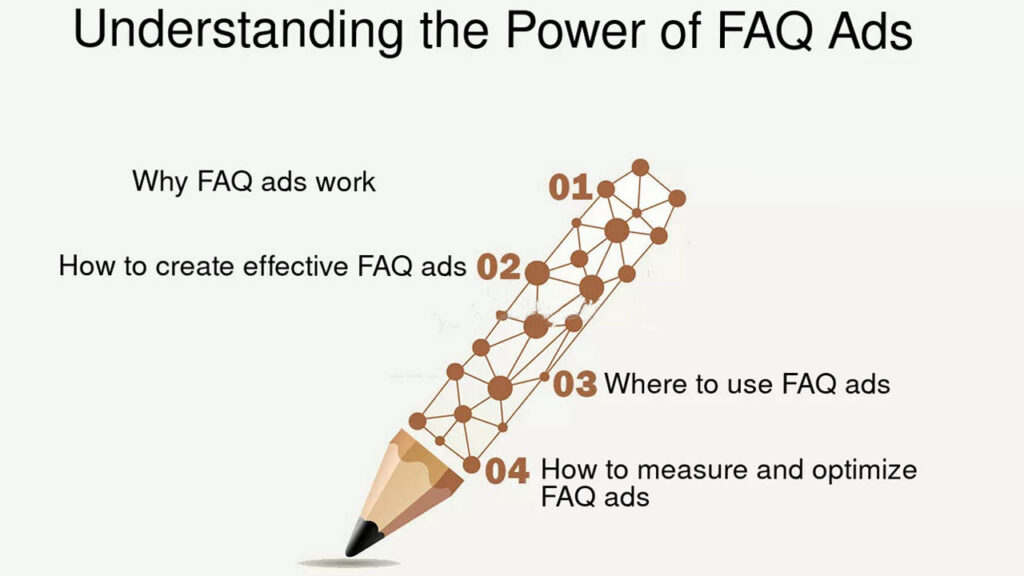
FAQs are far more than a list of answers, and today, in this competitive landscape, they are cornerstones in effective communication with customers. They help better articulate answers to common concerns, inquiries, and uncertainties prospective customers may have. Again, the complete FAQ, Frequently Asked Questions, is most widely used in mass communications to clarify common concerns, questions, and uncertainties that potential customers may carry.
FAQs have emerged as one of the most valued assets businesses operating in the advertising industry can own. They promote clarity, improve user experiences, and remove operational inefficiencies. Through all these, while taking proactive and offering comprehensive answers to all types of commonly asked questions that may have dawned in viewers’ minds towards the current business, a business can downgrade its need for direct support while making its way closer to its audience.
Advantages of Advertisers in Using FAQs
- Significantly Improved Decision Making: FAQs make the choo process essential by answering customers’ main questions when deciding on a purchase. The more open this is, the more the customer will be directed to making an informed decision, reducing doubts and boosting their trust in the brand.
- Cost efficiency: An elaborate FAQ will reduce the burden that a customer service team has to pass on. This minimises organisations’ activities, absorbs repetitive inquiries, and allocates more time to areas requiring individual attention.
- Improved Customer Orientation: Businesses will focus more on value provision as they provide FAQs answering their customers’ needs. This will improve the customer experience because FAQs constitute information that is readily available but focuses explicitly on specific pain points and concerns.
What Does FAQ Mean in Advertisement?
FAQ is just a short form of Frequently Asked Questions in Advertising. It is a standardized communication tool that eliminates questions about various products, services, or brands. By gathering and re-presenting such information in Q&A format, businesses will better overcome possible objections, remove scepticism, and give concise responses to improve customer satisfaction.
The Key Elements of an FAQ in Advertising
- Clarity and Conciseness: Good FAQs should focus on simple, correct answers. As much as possible, concise answers should avoid causing customers to feel frustrated from the bombardment of too many lengthy responses so that they can quickly get the answers they need.
- Relevance to Target Audience: The best FAQs are developed in response to the needs and expectations of the target market. Relevant FAQs indicate that the brand already knows the customers’ concerns, further strengthening customer loyalty.
- Update Consistently: FAQs must be updated regularly based on customer feedback, new product launches, and changing market conditions. Periodic updates increase value and help achieve business objectives aligned with market needs.
Advantages of FAQ in Advertisement

A smart FAQ strategy for advertisement can offer many more benefits than simply answering elementary questions. Here’s a list of some of the best benefits:
- Better Decision: FAQs educate product customers on product features, specifications, and variations. With such information, customers can make more accessible selections of products that better suit their needs.
- Cost-Efficiency: Fewer repetitive queries in volume will only ensure that the customer care teams address complex issues. Customers would find answers to their problems, meaning the resolution time would be faster and support costs reduced.
- Better Communication and Collaboration: A single FAQ page would generate the same consistent messaging across departments. This would enable complete alignment of all responses with the brand voice and objectives while helping the marketing and support teams work in harmony effectively.
Core Principles of FAQ in Advertising
To amplify the effectiveness of FAQs in advertising, core principles must be followed in value delivery and continuous improvement. Let’s dive into some of these fundamental principles:
- Focus on Customer Activities: The FAQs should be designed based on a comprehension of customers’ activities, including search, option comparison, and purchase decisions. The questions should be meaningful and valuable for the user.
- Utilising a Bridge Between User Activities and FAQs: By building an easily connectable relationship between user activities and FAQs, the primary questions to be answered can be assessed. Any organisation that answers these fundamental questions will undergo a significant transformation in customer experience.
- Growth and Development: Updating periodically with analytics, feedback, and trending changes keeps the FAQs current and in tune with needs. Improvement helps develop an active responsiveness culture in the organisation.
How to Develop FAQ in Advertising
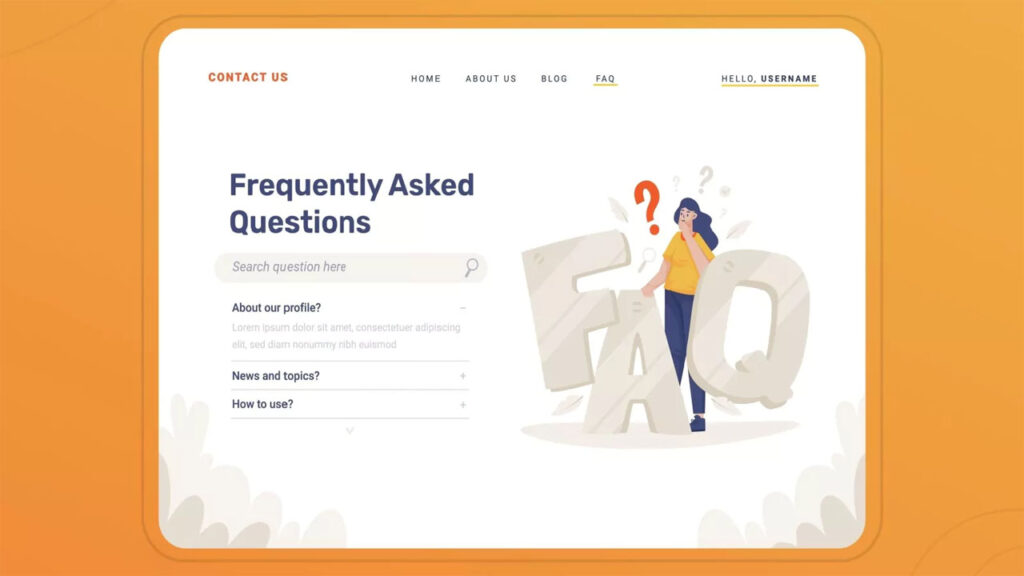
Developing FAQs for your advertising strategy involves a step-by-step process. This is how it works, in detail:
- Analyse Customer Engagement: Analyze current customer inquiries, support tickets, and social media engagement to understand common questions and issues. Use the results to guide your FAQ template format.
- Cost Drivers: Identify the areas of customer service requests with high points and first line the FAQs. This will drive impact and value to the customers.
- Deploy Measures of Performance: Use metrics such as view count, engagement rates, and customer feedback to measure the success of FAQs. Empower cross-functional teams to assist in evolving content and ensure that FAQs are relevant to customers. Engage marketers, product developers, and customer service personnel to gain the maximum possible coverage of questions.
- Leverage Technology: Implement AI-enabled chatbots and responsive search bars to make FAQs more accessible. Technology would also facilitate updating FAQ content.
Practical Applications of FAQ in Advertising

To have a closer look at how exactly FAQs work, test the following practical applications:
- Zappos: Zappos has an elaborate FAQ page that responds to customer queries about shipping, returns, and product information. This has resulted in the highest customer satisfaction and repeated business for the company.
- Apple: FAQ pages developed by Apple convey technical questions, compatibility issues, and software updates to customers so they can solve a few problems themselves. This reduces the load on the support team and satisfies the users.
- Airbnb: The extended FAQ section of Airbnb contains booking procedures, payment options, and host policy. The company’s eye for detail and accuracy attracts users’ trust and reliance.
Final Thoughts: Using High FAQs to Unleash Hiding Talents in Advertisement
In short, understanding the FAQ Full Form in advertisement and using it properly creates a business strategy that every firm would like to take advantage of. Proper, accurate answers to frequently asked queries streamline operations within an organisation, reduce support costs, and improve the overall customer experience.
Principles of Best Practice of FAQ management will help business organisations through:
- Better Customer Experience: FAQs provide all the information upfront, making the journey smoother with less confusion.
- Increased Operational Efficiency: FAQs save the repetitive answering of common questions, freeing up the customer service team to attend to more complex inquiries.
- Improved Trust and Credibility: A well-formatted FAQ section shows customers that their questions are taken seriously, increasing the basis for trust.
Now is the time to tap into the power of FAQs in advertising and experience the transformative effects of communication strategies within your organisation. Take this first step toward optimised customer engagement and satisfaction.
]]>Ready to talk with a marketing expert?

A Pragmatic and innovative way to enthrall your target group is just a click away!
Get in Touch
Rukmini Knowledge Park, Kattigenahalli, SH 104, Srinivasa Nagar, Bengaluru, Karnataka 560064
+91-990 247 8800
contact@gingermediagroup.com
Popular in Television Advertising
Udaya TV AdvertisingSun TV AdvertisingStar Plus AdvertisingTV 9 AdvertisingZee TV AdvertisingNDTV India AdvertisingColors TV AdvertisingPopular in Airport Advertising
Spice Jet AdvertisingMumbai Airport AdvertisingDelhi Airport AdvertisingEmirites AdvertisingIndiGo Airlines Domestic India AdvertisingPopular in Newspaper Advertising
Deccan Herald AdvertisingPrajavani AdvertisingThe Hindu AdvertisingEconomic Times AdvertisingDainik Jagran AdvertisingHindustan Times AdvertisingPopular in Magazine Advertising
Forbes AdvertisingCosmopolitan AdvertisingBusiness World AdvertisingVogue Magazine AdvertisingPopular in Sports Advertising
IPL AdvertisingPopular in Outdoor Advertising
Billboard AdvertisingBus Shelter AdvertisingMetro Pillar AdvertisingUnipole Advertising© Ginger Media Group 2025. All Rights Reserved.