Key SWOT Analysis Points
- Better Decision-Making: SWOT analysis provides critical insight into what makes an organization.
- Economical: Organizations can make optimal use of their resources, simplify the processes, and identify savings by knowing the strengths points and potential weaknesses.
- Customers’ Focus: Through SWOT analysis, one learns about market opportunities and competitive threats. This helps in planning a business’s activities to align with customers’ needs and values.
- Continuous Improvement: SWOT encourages ongoing evaluation of strategies to ensure better they are able to be in a continuous state of adapting to the ever-changing business environments.
- Strategic Planning: This analytical approach provides more accurate forecasting and long-term decision-making and helps the organization gain much-needed insights in uncertain times to improve growth.
In this blog, we are going to discuss the principles of SWOT analysis, its importance in modern business practices, and how organizations can tap into its potential for enhanced strategic success. Join us as we discover valuable insights and practical steps to integrate SWOT analysis into your business strategy!
What is SWOT Analysis?
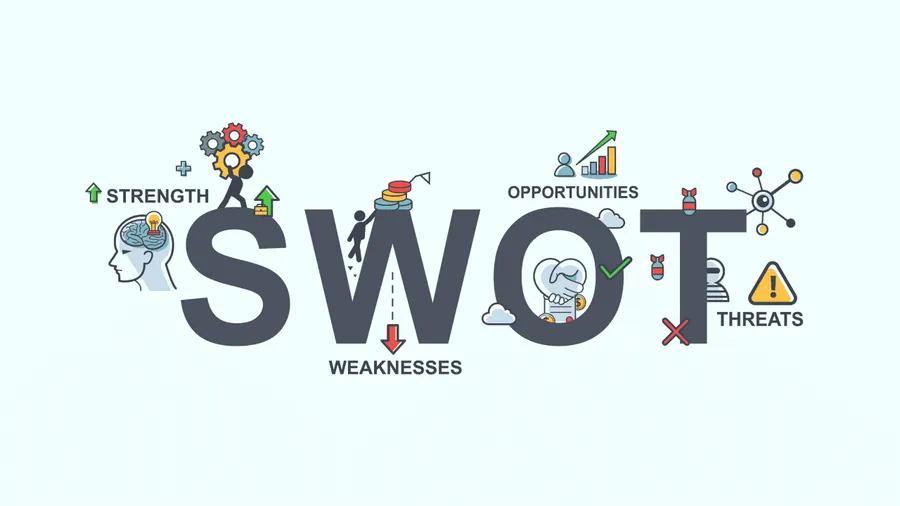
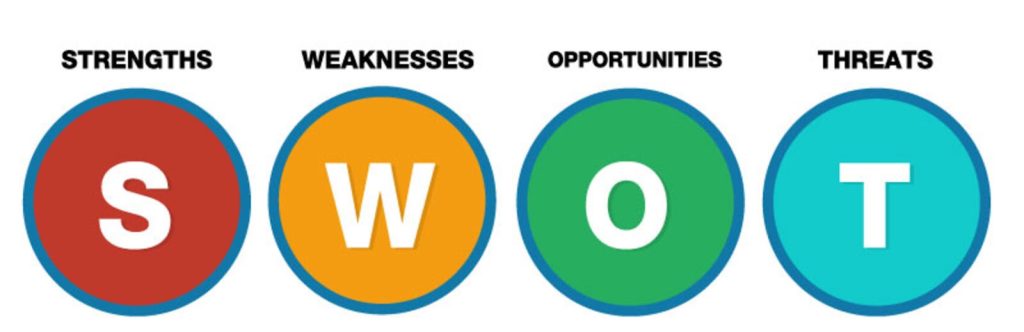
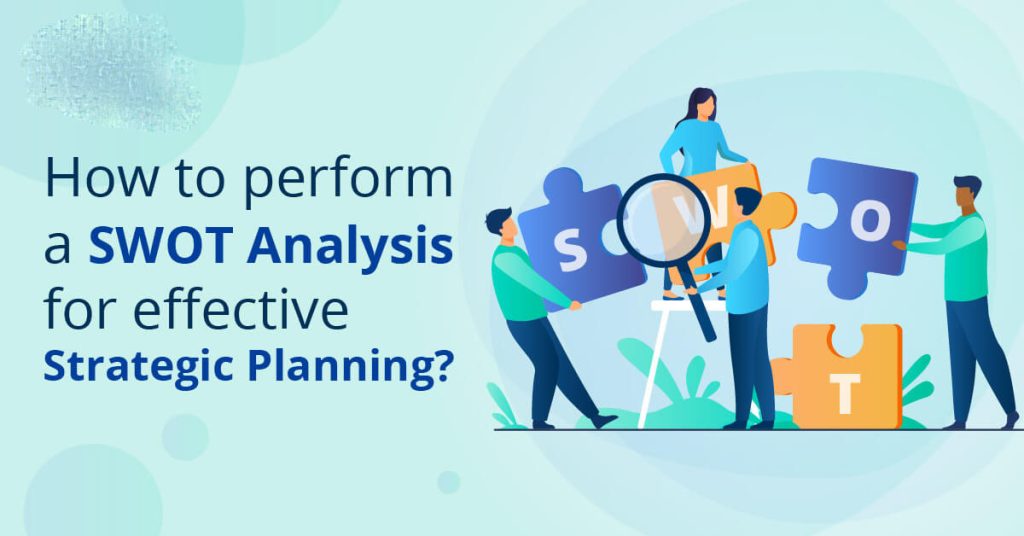
SWOT Analysis is a planning tool centered on the evaluation of the Strengths, Weaknesses, Opportunities, and Threats of an organization. This technique assists in having a complete understanding of internal capabilities as well as of the external environment in which an organization functions; hence, it enables organizations to make the right decisions and formulate proper strategies.
Components of SWOT Analysis
- Strengths: Determination of internal features or sources that provide a competitive advantage over others. Awareness of strength helps an organization in utilizing them.
- Weaknesses: The reason for understanding weaknesses is that it points out the areas where improvement is needed. Being transparent about weaknesses will allow organizations to address weaknesses beforehand.
- Opportunities: This aspect looks at external factors that could be exploited for growth or improvement. By identifying opportunities, organizations can develop strategies on how to capitalize on market trends that are favorable to the organization.
- Threats: The analysis of external threats enables organisations to know what risks they are exposed to. With threats identified, they devise plans to handle these risks and maintain their market share.
Implementation
After determining the elements of SWOT, the organizations need to take appropriate measures to exploit strengths, improve weaknesses, capture opportunities, and minimize threats effectively.
Benefits of SWOT Analysis
This helps in making sound decisions correctly as it clearly portrays the inside and out through what was shown. For example, the company identified its strength in modern technology while pointing out a weakness in customer services, and thus should improve on the service.
- Cost Efficiency: Organizations can optimize their operations and utilize resources more effectively by analyzing both the strengths and weaknesses. It is possible to save much money through redundant processes by optimizing resource utilization.
- Improved Communication and Collaboration: SWOT Analysis facilitates teamwork where all the departments are involved in making it a comprehensive study. This will bring about transparency and facilitate better strategic alignment throughout an organization.
- Risk Management: Knowing what could pose threats and weaknesses enables the development of strategies that would help minimize risks and enhance resilience as a whole.
- Opportunity Recognition: By assessing the conditions in the market, an organization can be able to recognize new ways for growth and innovation and remain ahead of competitors.
Core Principles of SWOT Analysis
- Focus on Activities: It is important to know what activities are and include the core competencies and processes and how they would add up to being either strengths or weaknesses.
- Link Activities to Costs: The fact that activities and costs go hand in hand makes possible the identification of costly weaknesses, which may then result in targeted improvements and cost cutting.
- Continuous Improvement: Strategy adaptation based on changing conditions requires continuous assessment and feedback to avoid losing the edge.
- Data-Driven Insights: Data analytics coupled with SWOT analysis may make the analysis more profound ,and the oorganisationcan can base strategies on evidence.
- CCross-functional involvement Teams from different functions bring diverse perspectives and insights that enhance the SWOT analysis process.
Steps to Implement SWOT Analysis
- Analyze Current Activities: First and foremost, SWOT analysis involves the analysis of the current activities in terms of processes and practices. Internal audits and stakeholder interviews can be used to assess this.
- Establish Cost Drivers: Factors that influence the organization’s strengths and weaknesses would be determined and recognized as a result of their influences on the profitability and performance.
- Begin Performance Metrics: Identify and track those performance metrics relevant to the established strengths and weaknesses for enabling organizations to monitor their own progress and adapt appropriately.
- Engage Employees: Perception by an employee is important in the SWOT analysis process since it helps with critical information gathering and promotes ownership of the process.
- Use Technology: The use of SWOT Analysis can be improved by making it more profound with the help of software tools and data analytics and making collaboration easier.
Actual Examples of SWOT Analysis
- Technology Firm: A leading technology firm used SWOT Analysis to analyse its market situation. The company realized that it had the strength of having a very good R&D capability, but at the same time, there was a threat of increasing competition. It innovated and remained an industry leader.
- Small Retail Business: The small retail business applied SWOT Analysis to discover the strengths of having strong local customer loyalty and the weaknesses in operational costs. It adopted the cost-cutting measure and increased profitability.
- Non-Profit Organization: The non-profit organization applied SWOT Analysis, which brought into light the strength of community support and weakness in funding. Discovering new opportunities for funding, it could adjust its resource allocation and enhance outreach efforts.
- Global Food Corporation: Multinational food company has applied SWOT Analysis on market trends and consumer preference. It discovered the emerging pattern of health issues (opportunity) while its supply chain management vulnerabilities could be considered as a threat.
- E-commerce Startup: This e-commerce startup realized its innovative marketing strategies (strength) but was facing very high customer acquisition costs which could be considered as weaknesses. The firm leveraged strengths and worked on weaknesses while optimising customer engagement tactics.
Conclusion
SWOT analysis is an effective tool by which organizations can improve strategic planning and decision making to enhance performance as well as support continued growth.
Final Thoughts
SWOT analysis is, hence, a great approach that holds much value for organisations that have to work on their strategic planning and decision-making processes. With the right understanding of strengths, weaknesses, opportunities, and threats; fair resource allocation, and steady efforts towards improvement, a business is able to unlock great potential within its operation process.
From the SWOT analysis applied in your business, you will achieve:
- Higher strategic focus: Identify your niche and leverage your unique strengths to differentiate yourself in the market.
- Better risk management: Get a clear view of potential threats and weaknesses that might be encountered so that you can prepare well for challenges.
- Higher opportunity for growth: Understand market trends and capitalise on them to drive innovation and expansion.
Now is the time to embrace SWOT analysis and experience the transformative effects it can have on your organisation. Take the first step toward effective strategic planning today!
]]>Key Aspects of WMA:
- Enhanced Decision-Making: The method will present data that rationally leads to changes in goals and policies. Thus, companies will be able to use the data to act in a timely manner in the market.
- Cost Efficiency: WMA becomes a package of the most comfortable means that a company’s administrators can achieve, who see where to economize and optimize spending through manpower and money.
- Improved Customer Focus: WMA helps organizations prioritize activities that are most valued by the customer. Consequently, the workflow is more easily able to satisfy customer needs, as it is in good congruence with the consumer.
- Continuous Improvement: Utilizing a WMA-based assessment, companies can clearly define areas for improvement and redesign strategies based on the results of the recent performance metrics prepared monthly and the necessary information provided from the weekly reporting.
- Strategic Planning: However, the process is conducted such that a clear shot is made at the time of the decision by conducting better (more accurate) and long-term planning of the future forecasts instead of relying on historical performance, which is the wrong way.
This blog will explore the principles of Weighted Moving Average (WMA), its significance in modern business practices, and how organizations can exploit its potential for enhanced decision-making. Attend our program to gain real insights and complete the process of integrating WMA into your business strategy!
What is WMA?
WMA, or Weighted Moving Average, is a statistical time series data analysis and forecasting technique that is the foundation of its calculation. It is a method based on assigning different weights to past observations so that the resulting forecasts are closer to future trends. Organizations can achieve this by exploring and understanding the trends and patterns within their time series. This helpful information will enable them to manage stocks, predict sales, and conquer the different cycles of the business.
Key Components of WMA
Weight Allocation involves the distribution of definite permits to diverse data points according to their relevance. The key advantage of weight allocation is that it focuses more on recent data, which usually better reflects current trends than older ones.
- Data Smoothing: One way WMA can contribute to the overall usefulness of the model is by smoothing volatility within the data. This will help analysts see the main tendencies and cycles without much difficulty, as it reduces the noise from short-term fluctuations.
- Trend Identification: Another essential aspect that makes WMA valuable in its application is its ability to discover and interpret trends occurring over time. This approach assists organizations, in particular, in identifying trending patterns and locating problems that must be progressing.
Benefits of WMA
- Improved Decision-Making: WMA is a tool for making decisions based on trends. For instance, a retail business can analyze WMA sales data and detect a recent increase in demand for a specific item. They will, in turn, begin to stock up accordingly.
- Cost Efficiency: WMA improves cost efficiency so organizations can adjust stock levels effectively. A company can forecast demand accurately and, thus, avoid overstocking and high carrying costs, saving them resources.
- Enhanced Communication and Collaboration: WMA enables agencies to foster closer teamwork and transparency among departments. Forecasts that can be easily understood and are reliable help teams to work together with simplicity towards common goals.
Core Principles of WMA
- Focus on Activities: Activities’ understanding becomes the central point in the WMA context because it is this understanding that enables businesses to find data, which, to a large extent, affects the outcome by identifying the most critical data for further analysis.
- Link Activities to Costs: The relation between activities and the cost of implementing them is immediate; the cost ledger helps to show how much these variables contribute to the overall cost.
- Continuous Improvement: The WMA process’s basics are ongoing assessment and feedback. Moreover, it supports organizations in tweaking their forecasting methods, even developing perfect forms, and applying them at the right time.
Steps to Implement WMA
- Analyze Current Activities: To evaluate the current procedures, companies should go back and see what history reveals and what trends have been noted.
- Establish Cost Drivers: The initial forecasting process, which involves building the WMA model, includes, among other things, the periodic variations of the year and the unpredictable market; it helps establish the desired reliability of the model and develop an effective cost weight system that will lead to accurate results in the end.
- Implement Performance Metrics: The whole process of strategically setting the measures through the feedback and real-time networking that Windows, desktop, and mobile applications give you gives the firm the ability to do the right beginning of developing the results that will allow them to forecast the accuracies, and then they can act accordingly.
- Engage Employees: Participating in the process also gives employees a sense of responsibility and belonging, which can result in the incorporation of knowledge that can increase the quality of the forecasting process.
- Leverage Technology: Technology is another solution worth mentioning, that is more of a budget savior, what might be considered is the use of the modern technology platform to which the company subscribes. This platform encompasses the issuance of the demand forecast of suppliers/ partners/ customers using advanced analytics by predicting such aspects as sales, raw materials consumption, stock-keeping units, and feedback).
Real-World Examples of WMA
- Example 1: A big-name supermarket chain rolled out the WMA system for demand forecasting of seasonal products. The method helped them achieve an approximate 20% increase in sales during holidays and lower inventory levels, which led to heightened customer satisfaction.
- Example 2: A manufacturing company has been performing WMA for the last five years by analyzing production data. Thus, they found some new trends that indicated the company’s products were gradually becoming eco-friendly, and those indications helped them develop their new product policy.
- Example 3: Customer satisfaction drives marketing because it provides insight during the purchase. Hence, they choose and practice WMA to improve their marketing budget (the percentage ones) to take an advantageous position. Using clients’ product sale analyses, this customer retail outlet could allocate resources more effectively, achieving a 15% ROI from AP marketing investments.
Conclusion
Given this, Workforce Management Automation (WMA) should be considered an adequate and essential means for implementing companies that want to increase their efficiency at work, worker satisfaction, and, ultimately, productivity. Businesses can adequately plan and handle the workflow and enhancement by carefully selecting the most appropriate tools that are part of the program, scheduling optimization, demand forecasting, and performance analytics. As the market tumor is getting bigger and by that increasing competition, investing in WMA will likely turn from a new tendency to a new management standard.
By incorporating the principles of Workforce Management Automation into your business operations, you can achieve:
- Improved Resource Allocation: Aligning resource availability with workforce demand, as one of the means of reducing costs in labor, makes services reach their maximum potential.
- Enhanced Employee Engagement: This can be done by allowing employees to make requests and ask for their days off through the application. Also, the employees have access to self-service tools that enable them to plan their work schedules themselves, and thus, they can achieve work-life balance without any difficulties.
- Data-Driven Decision Making: This is then put to the best use with real-time data. It also ensures that informed decisions are made while changing the organization’s strategy based on the changing business environment is also possible. Now is the time to embrace Workforce Management Automation and experience the transformative effects it can have on your organisation. Take the first step toward enhancing efficiency and boosting productivity today!
Core Performance Enhancement Characteristics
- Enhanced Decision-Making: PI will offer the much-needed insights from data analyses, process evaluation, and other forms of empirical study. This will enable the leaders to make decisions that ensure success. It will also enable decision-makers to define trends and solutions related to issues, thereby resulting in better organizational outcomes.
- Cost Efficiency: PI identifies inefficiencies and cleans up the processes, outlining areas of probable savings and relocating resources, leading to healthier profit margins. Organizations can allocate resources to high-impact initiatives, ensuring more return on investment.
- Customer Focus: Performance Improvement ensures that everything done is aligned with customer value, assisting businesses in ensuring that initiatives focused on improving the customer experience take priority—a customer-centric approach results in more satisfied and loyal customers.
- Continuous Improvement: This approach develops a culture of frequently evaluating and reassessing strategies so that organizations remain agile and responsive in a fast-paced marketplace. Continuous growth keeps organizations ahead of industry trends.
- Strategic Plan: PI enhances accuracy in forecasts and long-range planning, preparing organizations for future problems and changes. This proactive approach helps organizations manage risks associated with changes in operations.
In this post, we will discuss Performance Improvement, its relevance in current business practice, and some ways that organizations can leverage its potential for operational efficiency. Stay with us as we provide valuable insight and practical steps toward incorporating Performance Improvement into your business strategy!
What is PI (Performance Improvement)?
PI, or Performance Indicator, is any measurable measure for evaluating how well an organization is doing or accomplishing a specific activity. Identifying the specific metrics that reflect performance in various domains can lead organizations to conclusions that drive strategic decisions and improve operational efficiencies.
Critical Components of PI:

- Component 1: Metrics Selection: Metrics selection is the process of selecting appropriate indicators that align with an organization’s goals. This is very important. Well-defined metrics allow an organization to focus on what matters and track progress.
- Component 2: Data Collection: This involves gathering the information necessary to compute the selected performance indicators. This is critical because data accuracy and timeliness underpin the reliability of the chosen indicators and, therefore, ensure informed decision-making.
- Component 3: Analysis and Reporting: This is the interpretation and reporting of performance data. Analyzing performance indicators and reporting findings support organizational transparency and accountability, leading to continuous improvement.
- Component 4: Continuous Monitoring: Performance indicator monitoring is one way the organization can stay on track. Regular evaluations help identify trends in advance and enable quick adjustments when things are headed wrong.
- Component 5: Stakeholder Engagement: Engaging stakeholders during the design and monitoring of Performance Indicators ensures everyone is focused and aware of the organization’s goals. This inclusivity can enhance motivation and accountability.
Benefits of PI
- Effective Decision Making: PI helps with making effective decisions by providing evidence about performance trends. For instance, if a sales team monitors the customer acquisition rate as its performance indicator, it can identify successful strategies and issues that require improvement for better data-driven decisions.
- Cost Efficiency: PI determines areas of inefficiency and how to distribute resources appropriately. Thus, monitoring production efficiency as a PI could uncover unnecessary costs associated with unproductive processes to streamline the organization.
- Improving Communication and Teamwork: Having performance indicators in place creates an atmosphere of openness and collective teamwork. Performance data can be shared across departments, and teams can look out for challenges and work toward common goals to ensure more cohesive organizational workings.
- Increased Accountability: Clear-cut KPIs render the organization answerable at every tier. Once employees know what they are measured against, they feel more invested in their roles.
- Agility: Tracking KPIs enables an organization to respond quickly to market changes. Agility can give the organization a competitive advantage, positioning the business to pivot as needed.
PI Principles
- Focus on Activities: It is vital to know the tangible activities that lead to performance. Organizations must focus on these activities to increase productivity and overall performance levels. Identifying high-impact actions helps efforts make a difference.
- Relating Activities to Costs: Performance management by relating activity to costs determines whether an organization properly measures cost consequences. This assessment helps identify where efficiency can be improved.
- Continual Improvement: Continuous tracking and feedback are needed to evaluate and refine performance indicators and techniques. A culture of improvement allows organizations to adapt to change and enhance overall performance.
- Alignment to Business Goals: Performance indicators should align with the organization’s overall goals to ensure that efforts contribute to achieving strategic priorities and enhance overall business performance.
- Accessibility and Comprehensibility: Simple and easy-to-understand performance indicators encourage participation and adherence. When workers understand what is being measured and why it matters, they respond positively to the assessment process.
How to Implement PI
- Review Current Work: Review current activities and identify those directly related to the organization’s goals. This provides a foundation for where PI is best suited.
- Identify Cost Drivers: Identify the factors that influence costs related to critical activities. This analysis enables proper linkage of performance data with financial metrics.
- Establish Performance Metrics: Implement relevant performance metrics aligned with organizational goals. This creates a structured way to measure efforts and identify areas needing improvement.
- Engage Employees: Involve employees to foster a sense of ownership and accountability towards achieving set performance targets. Their insights are invaluable for shaping effective strategies.
- Technology Leveraging: Utilize technology and tools to automate data collection and enhance monitoring of performance indicators. This can significantly improve the accuracy and efficiency of the process.
Practical Applications of PI
- Example 1: Manufacturing Company: A manufacturing firm used performance indicators to monitor the production lifecycle. By using equipment downtime as a key performance indicator, they identified bottlenecks affecting productivity. They implemented predictive maintenance schedules, increasing uptime by 25%.
- Example 2: Retail Chain: A retail chain tracked customer satisfaction scores as a performance indicator. Analyzing these scores revealed underperforming store locations in terms of service quality. The chain instituted a targeted training program, which led to a 15% increase in customer satisfaction across those stores within six months.
- Example 3: IT Service Provider: An IT service provider used performance indicators to analyze service response times. By setting benchmarks and closely monitoring performance, they streamlined support processes, reducing average response time from 24 hours to significantly improving client satisfaction.
- Example 4: Healthcare Facility: A healthcare system monitored patient wait times using performance measures. Using analytics, they improved workflow, decreasing mean wait times by 30% and dramatically improving patient satisfaction scores.
- Example 5: Financial Services Company: A financial services firm adopted performance indicators to assess client retention rates. Based on performance data, targeted outreach programs were initiated, resulting in a 20% higher retention rate within the same one-year period.
Performance Indicators are fundamental guides for organizations on their journey to strategic success. When properly understood and implemented, organizations can improve decision-making and efficiency, fostering a culture of continuous improvement.
Final Thoughts
The PI complete form is an excellent practice that companies, bound by the desire to improve performance, must adopt. An in-depth understanding of its core principles—process efficiency, resource allocation, and stakeholder engagement—dramatically unlocks the potential for operational processes and decision-making strategies. With market pressures and competition intensifying, investing in Performance Improvement (PI) will become a cornerstone of management success.
Key Takeaways:
- Enhanced Operational Efficiency: Streamlining workflows to reduce waste and increase productivity.
- Data-Informed Decision Making: Performance metrics help identify growth areas and focus strategic decisions.
- Better Team Engagement: Collaboration and communication across departments help employees realize common objectives.
- Increased Customer Satisfaction: Alignment of performance with customer expectations fosters loyalty and retention.
- Sustainable Success: This engenders sustainable success for individuals and organizations through a culture of constant improvement and change.
Now’s the moment to embrace Performance Improvement and experience firsthand the tremendous effects it can have on your company. Join us in taking that first small step toward changing business operations and unleashing sustainable growth today!
]]>Ready to talk with a marketing expert?

A Pragmatic and innovative way to enthrall your target group is just a click away!
Get in Touch
Rukmini Knowledge Park, Kattigenahalli, SH 104, Srinivasa Nagar, Bengaluru, Karnataka 560064
+91-990 247 8800
contact@gingermediagroup.com
Popular in Television Advertising
Udaya TV AdvertisingSun TV AdvertisingStar Plus AdvertisingTV 9 AdvertisingZee TV AdvertisingNDTV India AdvertisingColors TV AdvertisingPopular in Airport Advertising
Spice Jet AdvertisingMumbai Airport AdvertisingDelhi Airport AdvertisingEmirites AdvertisingIndiGo Airlines Domestic India AdvertisingPopular in Newspaper Advertising
Deccan Herald AdvertisingPrajavani AdvertisingThe Hindu AdvertisingEconomic Times AdvertisingDainik Jagran AdvertisingHindustan Times AdvertisingPopular in Magazine Advertising
Forbes AdvertisingCosmopolitan AdvertisingBusiness World AdvertisingVogue Magazine AdvertisingPopular in Sports Advertising
IPL AdvertisingPopular in Outdoor Advertising
Billboard AdvertisingBus Shelter AdvertisingMetro Pillar AdvertisingUnipole Advertising© Ginger Media Group 2025. All Rights Reserved.