Key Aspects of VR:
- Enhanced Decision-Making: VR facilitates the presentation of detailed statistics, allowing individuals to see trends and outcomes. This visualization improves the quality of the final decisions.
- Affordability: Using virtual Reality (VR) techniques in training and simulations will allow businesses to see where they can free up resources and direct them to more productive goals, thereby minimizing the cost of physical resources.
- Uplifted Client Concentration: The immersive nature of VR ensures that customers are provided with the most incredible benefits, such as the ability to create event-personalized experiences. In turn, this will lead to higher satisfaction rates. Continuous improvement technology is suitable for developing a work environment of innovation and companies’ capabilities to meet the market’s needs rapidly. Virtual Reality is an easily applicable tool that can simulate possible future events and poses many more issues we may proactively deal with. This blog will be a source of knowledge about VR, its application in modern business, and how organisations can use this technology to offer users the best experience that will engage them. Let’s resolve the issue and provide denotative measures to adopt VR in your business strategy.
What is VR (Virtual Reality)?
Virtual Reality (VR) is state-of-the-art technology that enables users to enter an immersive computer-generated environment and interact with 3D worlds and experiences as if they were present. Whether in gaming, education, healthcare, or entertainment, businesses using VR must continue to enhance training, increase engagement, and improve customer experiences in their different sectors.
The Central Components of VR
- VR Motion Equipment: One of the best things about VR headsets and motion controllers is/are the best hardware gadgets individuals use when doing something in the VR environment. The future of hardware is one of the most critical factors in enhancing the quality and Reality of users’ interactions.
- 3D Content Creation: The creation of realistic 3D content is the core of VR technology’s success. This part includes detailed graphics, sound design, and interactive elements, which ensure that users feel the presence and Reality of the virtual world.
- User Interaction: User interaction is how individuals connect with the VR environment using gestures, movements, or voice commands. This element is of the utmost importance because it affects how much the various techs are used and how well the users interact with and control them. Thus, it indirectly affects the outcome of the use case scenario.
Benefits of VR
- Improved Decision-Making: VR decision-making is facilitated through real-world scenarios like analysis and run. For illustration, a company may use VR as a simulation to demonstrate the logistics process, allowing the teams to apply the techniques before implementation at the site.
- Cost Efficiency: By switching from VR treatment in place of standard methods, companies can save money on both travel and training material costs. For example, a manufacturing company could emulate machine operations and avoid actual equipment costs- which may also be associated with unavailability.
- Enhanced Communication and Collaboration: VR encourages bonding and transparency among team members through virtual meetings, where people can meet up and work alongside each other “real-time by person” although scattered throughout different physical locations. This can be a ladder to which they climb to achieve goals as well as foster their relationship with each other.
Core Principles of VR
- Focus on Activities: All companies should prioritize understanding precisely what users will do in VR. But this approach, focused on activities, is the conduct of the competition, which operates through a strategy of customizing users’ experiences to the exact audience needs.
- Link Activities to Costs: Drawing a solid connection between the activities that are performed through VR and the specific money spent on each of them is a way by which organizations assess the short and long-term merits and demerits of VR investments.
- Continuous Improvement: Tech changesTech changes constantly; thus, a feedback loop is necessary for any VR program. Continual change in practices through the VR method to show the universe a point of that other software universe, which is user-centric and applicable.
Steps to Implement VR
- Analyze Current Activities: It is a key step to go through the current process, regardless of its convenience and virtues, and then understand where VR can be utilized optimally. This is the basis for proper implementation.
- Establish Cost Drivers: Organizations should establish the components contributing to costs in their VR projects to manage their resources adequately.
- Implement Performance Metrics: The most essential tools for this kind of exploration are setting up proper benchmarks that can be tracked. Such metrics can also include user engagement, training effectiveness, and feedback scores.
- Engage Employees: In-depth participative collaboration with workers in the development and application process guarantees they make their choice ahead of schedule, eventually resulting in more user-friendly designs; the user’s preferences will be the primary deciding factor.
- Leverage Technology: Using the most recent VR technologies and software platforms will result in the most vivid and furthest VR experiences, ensuring that organizations are always the first in this rapidly changing sector.
Real-World Examples of VR
- Example 1: Walmart has used VR to train employees in store management and implement practical solutions. In gaming situations, in contrast to real-world scenarios, employees learn all the practical matters apart from failure and mistakes, resulting in a significant improvement in service delivery and a more satisfied customer base.
- Example 2: Medical Training: The VR approach that the Medical University of South Carolina has incorporated for surgeons’ learning is a good example. By letting students practice in a controlled environment, students can be more prepared and confident before facing accurate procedures.
- Example 3: Travel and Tourism: Thomas Cook employed VR to allow tourists to tour their destinations virtually. This remarkable interaction aids the customer in decision-making, making them purchase more tours and be more satisfied. In short, virtual Reality is the latest developmental mechanism that has changed how organizations connect their workers and customers. At the same time, their understanding of fundamental elements, principles, and practical applications enables them to utilize VR technology efficiently to produce better outputs through training, collaboration, and other operational activities.
To summarize, VR is an excellent strategy for companies to improve employee training, customer engagement, and product development through innovative experiences. Properly distributed resources are gained when organizations take the time to understand how to use these technologies to their advantage. Company-wide continuous improvement programs should be linked closely with developing technology. Immersive simulation space, the correct certification of the facilities and adherence to the change program are the key components of the company’s sustainability in the VR technology adaptation process. As the pressures of the markets rise and the competition gets stronger, investing in VR will likely be one of the significant factors of effective management practices.
Using the fundamentals of VR in business management can bring these benefits:
- Improved Learning Experience: The immersive environment depicts real-life scenarios that improve the participants’ memory of knowledge and enhance their skill development.
- Better Customer Engagement: Introduce new and enjoyable digital experiences that will keep your customers engaged and guarantee cohesion with your brand.
- Developing High-Quality Products: Digital imaging technology will help with quicker prototyping and more demanding reviews, ensuring the project’s success later on.
Now is the time to introduce VR and closely monitor the changes it can bring to your organization. The first step to changing your training and customer communication practices today is now at your command!
]]>Key Aspects of VOD:
Enhanced Decision-Making: VOD is a tool for gaining the customer’s insights and behaviours, thereby allowing companies to benefit from making a conscious choice to build content related to their audience.
Cost Efficiency: VOD not only eliminates the need for physical media and the cost of distribution, but it also points out areas that can be saved and other resources that can be reallocated, making it a low-cost option for distributing content.
Improved Customer Focus: VOD helps create content that is specially categorized according to the specific needs and interests of the viewers, who in turn are the factor that brings the most efficacy.
Continuous Improvement: A VOD service like this also ensures consistent monitoring of audience engagement metrics; the latter refers to the organization that can change its strategies according to real-time feedback and new industry trends.
Strategic Planning: VOD provides better projections of viewing patterns and the audience’s needs; as a result, long-term strategic planning corresponds to the fluctuation of the market.
This blog will delve into Video On Demand (VOD) principles, its relevance to modern business, and ways businesses can exploit it to improve customer engagement and loyalty. We are glad you are on board as we take the first step to understanding VOD and its utility!
Which is VOD (Video on Demand)?

Video on Demand (VOD) is a digital media distribution model allowing users to retrieve and stream video content conveniently. Unlike classical TV broadcasts, where the viewers are glued to the scheduled program, VOD is flexible and the most convenient because consumers prefer to see when they will watch it. Through the study of user viewing habits and preferences, companies can improve customer experience with the help of personalization and ultimately get the desired result of engagement and revenue.
Main Ingredients of VOD
Content Library: A rich and varied content library is the cornerstone for delivering VOD services. The feature provides diversity and ensures that a wide range of content will be available at all times, and thus, a variety of tastes and preferences will be satisfied. The value of this component is that it can be a subscriber attraction and preservation tool by offering perplexed content, popular shows, movies, and niche genres.
Streaming Technology: Soulservice’s OD service is streaming technology that decides the quality and dependability of the video content supplied to customers. Faster and more reliable streaming encourages users to return and become power users.
User Interface (UI): In an exemplary user interface, the navigation optimizes the user experience, which has become more intuitive. A user-friendly interface enables users to easily search content, view recommendations, and effectively check their view history, which is vital for engaging and retaining users.
Benefits of VOD

Improved Decision-Making: VOD platforms often use analytics to review trends and behaviours. The compiled data gives content creators and distributors beginner assignments on which content will be given out and backed. On the other hand, if a particular genre becomes hotter due to increased mileage, platforms might invest more in similar productions.
Cost Efficiency: VOD can bring savings for traditional broadcasting caused by operational costs like satellite transmission and licensing fees. Through the subscription model, firms can additionally stabilize their revenue streams by blending on-demand content to attract viewers at a lower cost.
Enhanced Communication and Collaboration: For firms that create content, the virtual space of VOD caters to better communication through technology such as marketing and production. The sharing of viewer information and insights makes different teams engage in a collaborative effort that leads to targeted marketing campaigns and a more aggressive content strategy.
Core Principles of VOD
Focus on Activities: A clear vision of user activities, like individual choices, the development trend, and user engagement, tells providers far more than even the most active communication means can. It allows them to tailor their content offerings actively. This approach delivers a unique personalized watching system to the user to match their preferences.
Link Activities to Costs: Differentiating which activities attract viewers and generate revenue is indispensable. With that data, VOD platforms should make those operations as efficient as possible by zeroing in on the least expensive strategies.
Continuous Improvement: The digital landscape is always in flux, underscoring the importance of constantly re-evaluating and giving feedback. Regularly refreshing the content libraries and incorporating the user’s input can positively impact the viewer.
Steps to Implement VOD
Analyze Current Activities: Taking the first step at looking at their content’s content’s engagement and viewer metrics serves to be done. This is where one can learn what truly brings a different perspective and how to evolve in the future when learning from others.
Establish Cost Drivers: By defining the elements that determine the manufacturing and distribution of content, the VOD provider can save a lot and allocate the pleasures to the right place in the budget.
Implement Performance Metrics: Creating such performance metrics will allow for not only defining but also monitoring factors, such as viewer’s return rate, the average time spent on causes, and the monthly subscriber increase, which are most likely behind the failure of the video-on-demand service.
Engage Employees: By adding personnel, a structured setup is achieved; this allows capsule buddies to give input. Thus, the solution that everyone acknowledges is to provide the client with what they love.
Leverage Technology: Advanced technologies, such as AI to recommend content, data analytics for performance tracking, and cloud services for storage, can enhance the capacity and integrity of the VOD platform.
Real-world examples of VOD
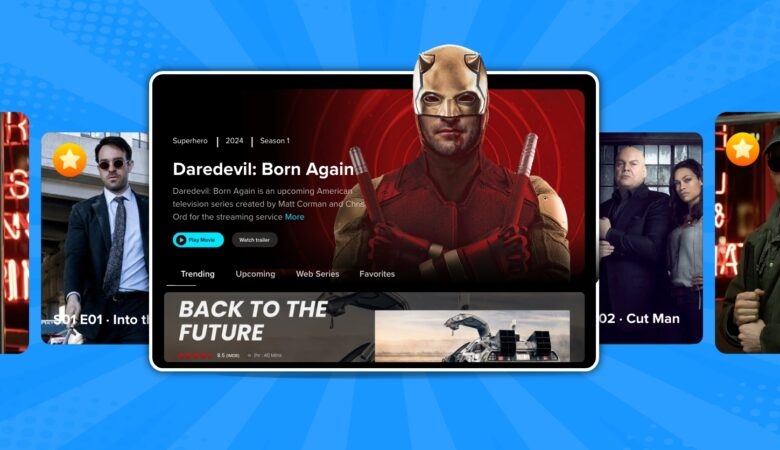
Netflix: As a first-mover in the VOD space, Netflix uses user data to design its content. Based on customer preferences, Netflix creates unique TV programs and movies that are tailored to the needs of its audience, which is one reason it has seen tremendous growth and international expansion.
Amazon Prime Video: Amazon uses its vast data store to offer users content such as films and series based on previous buying-related data combined with user-watching patterns. The tool provided here has even enhanced customer interaction on the platform.
Disney+: The introduction of Disney+ highlighted the significance of such a library with handpicked content. Consisting of a combination of franchises that people are used to and some new ones, Disney+ rose to a high position and nearly captured the whole VOD picture.
VOD is a significant change in video content consumption as it provides convenience, cost efficiency, and personalization. The proper application of the principles and methods listed above, as organizations can effectively position themselves in the on-demand video service field with the above tools, will drive companies to reach new heights of success. Thus, VOD (Video On Demand) is undoubtedly a valuable strategy for organizations toideliverent and engage customers in high-demand areas; companies achievably deploy their efficient use once they ultimately learn the basics, optimize the allocation of resources by adopting best practices, and keep abreast with the latest innovations. Build on the business area by cutting costs on ineffective management practices, which could be key for competitive companies. By abiding by the VOD philosophy in your business operations, you can get the following benefits:
- Superior Customer Satisfaction: Allow your content to be available on demand so that customers can participate in the offerings of services in your care when convenient.
- Additional Revenue Streams: Convert your material productively into subscription, rental, and ad-supported models to get the new revenue avenue opened.
- Flexible Content Distribution: Broaden your audience and extend your brand with the digital platform. It doesn’t rely on tangible media but helps you grow your market effortlessly. Now is the time to adopt VOD and feel the dynamic change it brings to your firm. Take the initial effort to better your content strategies and make your audience participate today!
Key Points to Consider
- Market Impact: CPG represents a significant portion of retail sales globally.
- Consumer Behavior: Understanding consumer preferences is key to product success.
- Innovation: Constant innovation is essential to stay relevant.
- Sustainability: The demand for sustainable products is on the rise.
- Digital Transformation: E-commerce is reshaping how CPG products are marketed and sold.
What Are Consumer Packaged Goods?
Consumer Packaged Goods (CPG) are items that are sold quickly and at relatively low cost. These goods are typically consumed on a daily basis and include a wide range of products such as food and beverages, toiletries, and cleaning products. The CPG sector is crucial for the economy, representing a large part of retail sales and employment.
Key Components of CPG
- Fast-Moving Nature: CPG items are sold quickly and are often restocked frequently. Their short shelf life encourages quick turnover and regular purchasing.
- Brand Loyalty: Many consumers develop loyalty to specific brands. This loyalty can significantly influence purchasing decisions and market share.
- Retail Distribution: CPG products are distributed through various retail channels, including supermarkets, convenience stores, and e-commerce platforms.
- Marketing Strategies: Effective marketing is crucial for CPG brands. Advertisements, promotions, and product placements play a vital role in driving sales.
- Packaging and Design: The visual appeal of product packaging can greatly impact consumer choices. Well-designed packaging can enhance brand recognition and attract potential buyers.
Understanding these components is essential for businesses seeking to succeed in the CPG industry.
The Importance of CPG in the Economy

CPG holds a vital position in the economy, influencing various sectors such as manufacturing, distribution, and retail. The growth of this sector has far-reaching implications, not only for businesses but also for consumers and the overall economy.
Economic Impact of CPG
- Employment Opportunities: The CPG sector creates millions of jobs worldwide, from manufacturing to retail. This broad employment base supports local economies and contributes to job stability.
- Consumer Spending: CPG represents a significant portion of consumer spending. As disposable incomes rise, consumers tend to spend more on packaged goods, driving economic growth.
- Supply Chain Dynamics: The CPG industry relies on complex supply chains that involve raw material procurement, manufacturing, and distribution. Efficiency in these processes can enhance productivity and reduce costs.
- Innovation Catalyst: The demand for innovative products drives research and development within the CPG sector. Companies are constantly looking for ways to improve existing products or create new ones that meet consumer needs.
- Global Trade: CPG products are traded globally, affecting international trade relationships. Exporting goods can enhance a country’s economic stability and influence trade policies.
The economic significance of CPG cannot be overstated, as it plays a crucial role in shaping market trends and consumer behavior.
Challenges Facing the CPG Industry
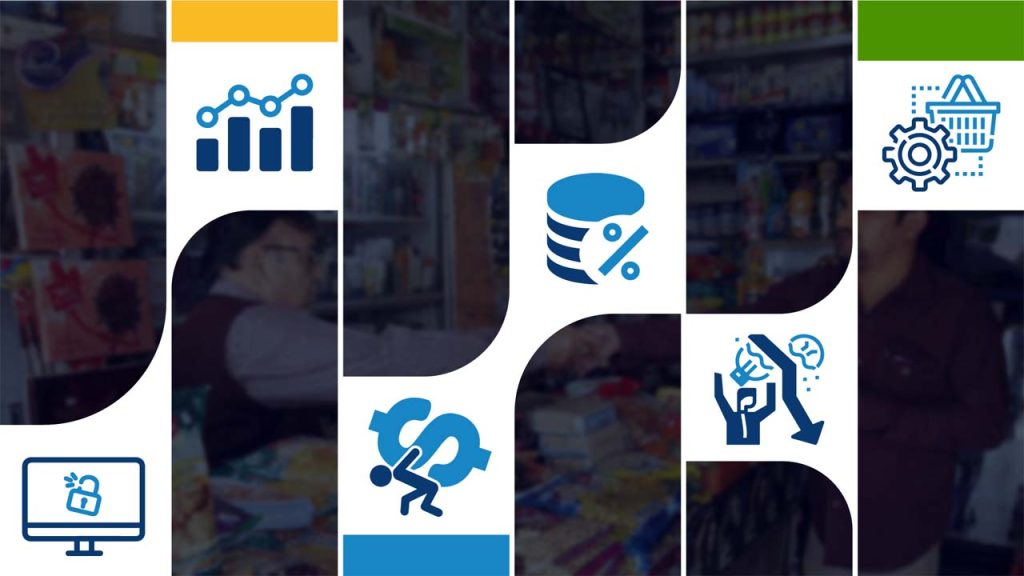
Despite its importance, the CPG sector faces several challenges that can impact growth and profitability. Recognizing these challenges is crucial for businesses aiming to navigate the complexities of the industry successfully.
Major Challenges in CPG
- Market Saturation: With numerous brands competing for consumer attention, the market can become saturated. Differentiating products becomes increasingly challenging.
- Changing Consumer Preferences: Today’s consumers are more health-conscious and environmentally aware. Brands must adapt to these preferences to remain relevant.
- Supply Chain Disruptions: Events like the COVID-19 pandemic have highlighted vulnerabilities in supply chains. Companies must develop resilient supply chains to mitigate risks.
- Regulatory Compliance: The CPG industry is subject to various regulations concerning product safety, labeling, and environmental impact. Compliance can be complex and costly.
- E-commerce Competition: The rise of online shopping has transformed the retail landscape. CPG brands must adapt their strategies to compete effectively in the digital marketplace.
Understanding these challenges can help businesses strategize effectively and position themselves for long-term success in the CPG market.
Strategies for Success in CPG

To thrive in the competitive landscape of consumer packaged goods, businesses must implement effective strategies that address industry challenges and leverage opportunities.
Effective Strategies for CPG Brands
- Focus on Innovation: Continuous innovation in product development and packaging can help brands stay ahead of competitors. This includes offering new flavors, healthier options, or sustainable packaging solutions.
- Leverage Data Analytics: Utilizing data analytics can provide insights into consumer behavior, helping brands make informed decisions regarding product development, pricing, and marketing strategies.
- Emphasize Sustainability: As consumers increasingly seek eco-friendly products, CPG brands should prioritize sustainability in their operations. This can include sourcing materials responsibly and minimizing waste.
- Enhance Digital Presence: Investing in a strong online presence can improve visibility and accessibility. Brands should utilize social media, e-commerce platforms, and digital marketing strategies to engage consumers effectively.
- Build Strong Relationships: Collaborating with retailers, suppliers, and other stakeholders can enhance brand visibility and distribution efficiency. Strong relationships can lead to mutually beneficial partnerships.
By implementing these strategies, CPG brands can position themselves for success in an ever-evolving market.
Conclusion: The Future of Consumer Packaged Goods
In conclusion, Consumer Packaged Goods (CPG) play a pivotal role in the global economy and significantly influence consumer behavior. By understanding the components, importance, challenges, and strategies related to CPG, businesses can navigate this dynamic industry more effectively.
Key Takeaways
- Market Influence: CPG represents a significant portion of retail sales globally.
- Adaptability: Brands must adapt to changing consumer preferences and market dynamics.
- Innovation is Key: Continuous innovation and data-driven strategies are essential for success.
- Sustainability Matters: The demand for sustainable products is growing, necessitating a focus on eco-friendly practices.
- Digital Transformation: A strong digital presence is crucial for engaging modern consumers and competing effectively.
The future of CPG is bright, but businesses must remain agile and responsive to market changes. Embracing innovation, sustainability, and digital transformation will be crucial for thriving in the consumer packaged goods sector.
]]>“What is the calculus of Innovation? The calculus of Innovation is quite simple: Knowledge drives Innovation, Innovation drives productivity, productivity drives economic growth.” by William Brody (born 1944), Scientist.
What is Innovation?
We’ll set out with the essence of Innovation – as in, what Innovation suggests to completely different folks. Maybe our perception of Innovation amounts to the total of where, and how we’ve lived. Though the term “innovation” could be coined later, Innovation itself is an associate degree antique construct. Thus, however, it’s been viewed and has evolved throughout your time.
Digitakl Innovation

At its core, Digital innovation uses digital technology and applications to enhance existing business processes and workforce potency, enhance client expertise, and launch new merchandise or business models. Today, digital Innovation is at the guts of each organization. You wish to modify internal operations to do things higher, faster, and cheaper, notice new ways to interact with users, and produce new merchandise and services to promote.
Innovation Transformation

We often use Innovation and transformation synonymously. We all know that Innovation is going on all around the globe, and in easy terms, it’s finding new ways to enhance or amend one thing that already exists for the greater good. Alternately, transformation results from moving from one state to a different state. This is typically (but not always) the introduction of a technology that does a replacement business and transforms the means we tend to live and work. This sort of Innovation typically eliminates existing industries or, at a minimum, entirely transforms them.
Types of Innovation

It is exceptional what number of folks are underneath the false assumption that firms are either innovative or not. This can be a polarizing and oversimplified perspective that doesn’t consider the various kinds of innovations that firms can and do pursue.
For this post, let’s break down Innovation into two dimensions: Technology and Market, which provides the world with the following four kinds of Innovation:
1) Incremental Innovation
Incremental Innovation is the most typical type of Innovation. It utilizes your existing technology and will increase the price to the client (features, style changes, etc.) in your current market. Most firms have interaction in progressive Innovation in one type or another.
2) Disruptive Innovation
Disruptive Innovation conjointly referred to as concealment innovation, involves applying new technology or processes to your company’s current market. It’sIt’s skulking since more individual technical schools can typically be inferior to existing market technology. This unique technology is commonly costlier, has fewer options, is more durable, and isn’t as aesthetically pleasing. It’sIt’s solely after many iterations that the newer technical school surpasses the recent and disrupts all existing firms.
3) Architectural Innovation
Architectural Innovation is solely taking the teachings, skills, and overall technology and applying them to a particular market. This Innovation is excellent at increasing new customers as long as the new market is receptive. Most of the time, the chance concerned with beaux arts innovation is low because of the reliance and intro of established technology.
4) Radical Innovation
Radical Innovation is what we expect principally once considering Innovation. It offers birth to new industries and involves making revolutionary technology. The heavier-than-air craft, as an example, wasn’t the primary mode of transportation; however, it was revolutionary because it allowed commercial air to develop and prosper.
Examples of Innovation

Innovation involves making new or improved versions of existing merchandise that increase and improve its use.
Some innovation examples include:
1) Apple opposition.
The success of the iPhone series is simple. What some organizations fail to acknowledge, however, is that its success is basically because of its existence as a series itself.
2) LG
LG introduced a replacement variety of screens versatile enough to roll sort of a newspaper. By determining the matter of movability, their completeness at once becomes a lot of enticing to customers within the marketplace for mobile devices.
3) Amazon
While Amazon’sAmazon’s success is basically because of its extensive product choice, easy use, and convenience, the introduction of its dash Button feature was a particularly flourishing service innovation.
4) Salesforce
Salesforce’sSalesforce’s introduction of their CRM system, a platform that provides each organization’s department a shared read of each client, is a radical innovation example and a particularly robust promoting innovation example.
5) Zara
Zara’sZara’s call to not pay any of their budgets on advertising could appear abnormal; however, In the end, their reliance on labelling and word of mouth has enabled a reallocation of financing toward economic production methods.
Key reasons why innovation and power are the key success factors within the VUCA World.
Seeing that the innovation method is vital for a company’s success within the markets and its existence, a relation between the network, structure, culture, motivation, skills, and learning must be established among the innovative firm.
1)Creative people pioneer new technologies to power the economic process and provide birth to new industries.
2)In Covid-19 times, a VUCA scenario, entrepreneurs extended on the far side of their boundaries in responding to issues thrust upon them. Particularly, the renewed entrepreneurial activity gave rise to new forms of international and local alliances.
3) Creativity and innovation may be the keys to your company’s success in achieving new levels of production, success in promoting itself, and internal harmony.
4)Creative thinking may also cause Innovation which will grow your business through exaggerated productivity. Once you “focus on what stuff you will contour and what stuff you have to be compelled to cut out,” keeping the systems performing well will build a more accessible, economic geographical point.
5) Like power, Innovation will take several forms—and, like recognizing power, recognizing Innovation may be more durable than one would assume. For one factor, it may be a “series of tiny, progressive changes” rather than one ground-breaking amendment.
Conclosion
A continuing dedication to power and innovative use of inventive concepts will drive business growth imposingly. All it takes is comfort with the approach and encouragement of the method.
Do you assume your company innovates frequently? have you ever, in fact, been innovating while not realizing it? However, may you start to encourage power and Innovation in your organization?
]]>Ready to talk with a marketing expert?

A Pragmatic and innovative way to enthrall your target group is just a click away!
Get in Touch
Rukmini Knowledge Park, Kattigenahalli, SH 104, Srinivasa Nagar, Bengaluru, Karnataka 560064
+91-990 247 8800
contact@gingermediagroup.com
Popular in Television Advertising
Udaya TV AdvertisingSun TV AdvertisingStar Plus AdvertisingTV 9 AdvertisingZee TV AdvertisingNDTV India AdvertisingColors TV AdvertisingPopular in Airport Advertising
Spice Jet AdvertisingMumbai Airport AdvertisingDelhi Airport AdvertisingEmirites AdvertisingIndiGo Airlines Domestic India AdvertisingPopular in Newspaper Advertising
Deccan Herald AdvertisingPrajavani AdvertisingThe Hindu AdvertisingEconomic Times AdvertisingDainik Jagran AdvertisingHindustan Times AdvertisingPopular in Magazine Advertising
Forbes AdvertisingCosmopolitan AdvertisingBusiness World AdvertisingVogue Magazine AdvertisingPopular in Sports Advertising
IPL AdvertisingPopular in Outdoor Advertising
Billboard AdvertisingBus Shelter AdvertisingMetro Pillar AdvertisingUnipole Advertising© Ginger Media Group 2025. All Rights Reserved.