Any digital display you see in public is known as DOOH advertising or digital out-of-home advertising.
If you look around, you will find this almost everywhere you go. Stadiums, malls, airports, hospitals.
The opposite of what static billboards are seen as today, digital billboards in this form of marketing may be the kind of novelty that marketers are looking for.
The DOOH market was estimated to be worth $41.06 billion in 2020, and the neuron, a statistical website, predicts that it will continue to grow, reaching an estimated $50.42 billion by 2026.
Additional relevant statistics about visibility and DOOH can be found on the website.
Here are a few examples:
Consumers detect digital out-of-home advertising in 49 per cent of cases.
52 per cent of viewers pay attention to all street-level digital out-of-home advertisement
The top 3 benefits of DOOH advertisements
DOOH advertisements have several benefits because of their programmatic nature.
2. Dynamic ads
3. More audience engagement
4. Real-time messaging
A networked computer can make simple changes to digital outdoor advertisements. For instance, the commercials may alter depending on what is happening in the match if you are in Mumbai and India and Australia are playing in the Wankhede Stadium.
Every time Dhoni hits a six, there may be drumrolls, and when someone is out, there may be a sad emoji.
McDonald’s made a clever move.
People received a free MC flurry when the temperature reached the target they set on a DOOH that recorded the temperature.
Check out this link on how they did it! So creative!
Dynamic ads
Digital out-of-home advertising has just started to realize its capabilities and the ads can be changed with respect to a lot of parameters, like recognizing voice, temperature, facial expressions
Imagine getting something for free based on your facial expressions. And, on top of that, a yawn!
Douwe Egberts coffee created just that.
They installed Digital out-of-home ads at airports, where people usually are jet-lagged and sleepy and many of them are yawning.
The coffee brand asked its users to come in front of the digital billboard and yawn. The algorithm captured this yawn and there they got a free cup of steaming hot coffee
Check out this link to see what went down at the airport with their digital out-of-home ads
Douwe Egberts – Bye Bye Red Eye
Audience engagement
Engaging with our audience is something that we all want our brands to do, right? But, a lot of times, we don’t always get the results we want.
The most important thing is to understand where your audience is because, in this case, the audience will be interacting with your advertisement ‘in person.’
Let’s take the example of the coffee ad mentioned above. People drink coffee to get energy and not fall asleep while working or studying.
Now, if Douwe Egberts Coffee had decided to implant that same advertisement in a mall, it would not have been as effective right?
They figured out exactly where people are sleepy the most (I would say company meetings if they’re boring. But we can’t advertise there anyways)
So they figured out the next best location, an airport. And their brand DOOH advertising campaign turned out to be successful.
Another example of a digital out-of-home advertisement that engaged with its audience is Coca-Cola.
Coca-Cola created a drinkable advertisement that creates the illusion that you actually taste the campaign. Helping the audience enjoy a Coke Zero with the help of technology.
Viewers see Coke Zero pouring into the screen of their smartphones, filling a glass, which ends up into an actual free Coke Zero that can be redeemed in big retail stores across the US.
Check out this link to see how it turned out.
Coca-cola Creates First Ever Drinkable Advertising Campaign
If you pay attention to the details like we do, you will notice something similar in all the above ads that I shared as examples.
“They all give away free stuff.”
The Mc Flurry, the Coffee, the Coca-Cola.
But, in turn, these brands received massive social media coverage for free, many people interacted with the brand’s DOOH advertising, people felt valued, and all in all, it was a huge win for all of them.
In conclusion, given the flexibility of what one can promote, how they can, or whether they can change it with a few clicks, digital out-of-home advertising is slowly taking the center stage in the world of offline marketing.
And with platforms facilitating the easy purchase of DOOH ads, it is not surprising to see that many have predicted huge markets for DOOH ads in the future years.
While we are on this topic, a common question might that you may have is:
Is DOOH better than OOH?
The critical difference between the DOOH and OOH is the letter “D”, or the word digital.
When you think of OOH ads, you immediately think of billboards. Something static. Now the major change is that digital out-of-home ads are dynamic, they are moving billboards, capturing the attention of viewers.
The ads can be changed via a networked computer, and algorithms can be created to change the ads based on a person’s behaviour (a smile, or a yawn)
So, does this mean DOOH ads are better than OOH ads?
We would say yes in some cases. For example, if your marketing strategy requires a programmatic element to it, then DOOH ads may be the best as compared to OOH ads.
But, if your marketing strategy or campaign is simple, or if you’re a small-sized brand, then OOH ads are the best for you as they tend to give higher ROI with less investment.
Many retail businesses & e-commerce businesses tend to do OOH advertising as it has proven to generate good ROI.
We recently published an article on how retail businesses can increase their walkins. Feel free to read the article.
Also, be sure to follow us on LinkedIn @Ginger Media Group, to receive insights, news, and ideas on offline marketing, OOH advertising, and innovative branding.
]]>What is outdoor and transit media branding?

Outdoor media is a form of media advertising which takes place outside the homes of people. That is, it is displayed in the form of billboards at flyovers, kiosks, digital billboards, hoardings, and signals near the road at the pedestrian path, the outdoors to be viewed by a mass population.
On the other hand, transit media branding also advertises outside, but it places advertisements on vehicles or transits which is why it is called transit media advertising. It is one of the prevalent ways of advertising for brands today.
Outdoor advertising differs from transit media advertising
1. Billboard Advertising
It is found that around 83% of people do remember the OOH advertisements they view 30 mins before shopping. Billboard advertising is on a rise. We view it as constantly evolving and changing advertising. In a highly digital world, hoarding advertising is done to provide a more realistic, immersive, and engaging brand experience to consumers. Billboard advertisements are stationary whereas transit advertisements like bus ads, auto rickshaw ads, or metro ads are non-stationary.
2. Street furniture
Street furniture is another popular form of OOH advertising that targets public-use furniture. For example, covering the sides of benches or a telephone booth. It is located in proximity to places where the brand’s target audience is present and gives customers an eye-level marketing experience. Street furniture advertising which is a form of guerilla marketing is restricted to specific places or residences. Whereas, transit ads are constantly moving in and around the city, traveling to the deepest corners of it.
3. DOOH Advertising
Looking at the emergence of digitalization in India, digital billboards are slowly making space for themselves in the Indian OOH industry and are allowing space for advertising that is even more striking and offers more space for innovation and creativity to brands. DOOH billboards have instilled customer engagement and interactivity over time. They display real-life graphics in simple yet super-engaging ways that connect with the human emotions of the average consumer. DOOH ads can be dynamic and can even be placed on transit vehicles. However, the majority of DOOH ads in India currently are non-transit ads and mainly cater to billboards, kiosks, or digital online ads.
Explore more outdoor advertising options you can invest in today
Types of transit media branding
1. Auto branding

Auto branding is a transit media branding done on auto-rickshaws. The brand is covered in the form of a printed flex around the auto-rickshaw. Auto branding advertisements are also called auto-hood advertisements. An average auto rickshaw in India runs 150 km and records more than 10,000 impressions a day making it one of the ideal choices of advertising for emerging brands and businesses. Vehicle advertising is shown to boost your brand name by 15 times as compared to other OOH advertising media
2. Metro branding
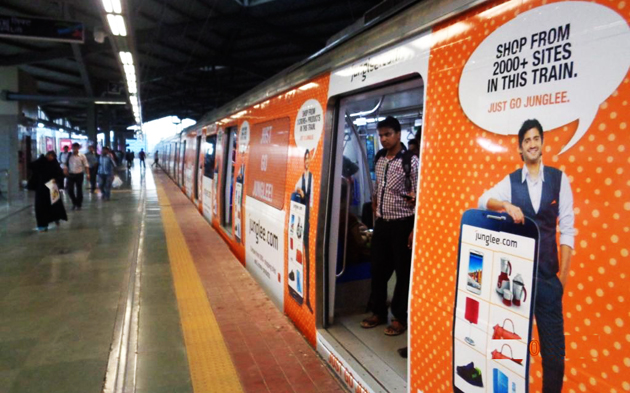
Metro and train advertising is a public transit branding method that involves advertising that is done in and outside metros or onto metro station assets. Metro station branding, metro full-wrap branding, and inside metro branding are great ways to target a more urbanized population. Commuters who regularly travel in metros and even trains for commutation purposes, tend to notice the vehicle’s outside branding wrapping. Be it while waiting at the platform or while looking around, metro and train branding is an effective way to catch your target audience’s attention and build a strong top-of-the-mind brand recall.
Metro branding is one of the forms of transit media advertising. If you wish to target even more commuters or corporate, working crowds, you can consider station branding as well.
3. Bus branding
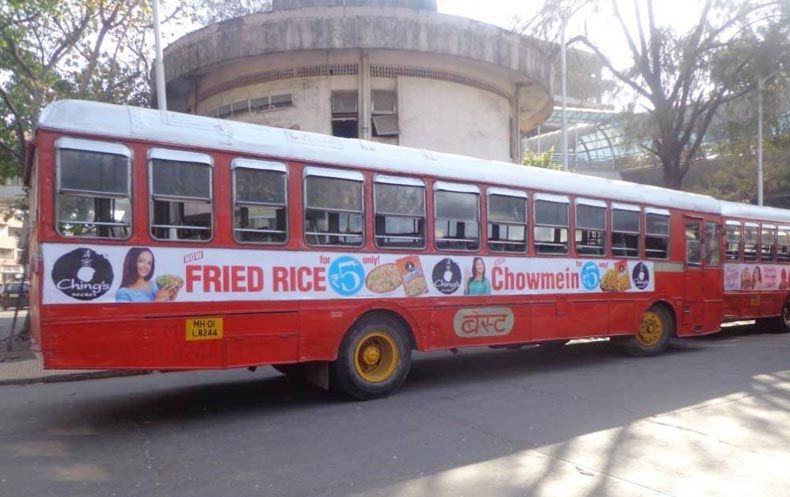
Bus branding is another kind of advertising wherein private and public buses aid in promoting the brand throughout the city or country. Bus branding is done through branded bus posters, bus wraps, backlit panel advertisements, advertising on bus sides, and bus seats. Also, a digital screen could be fitted inside the bus to engage even more consumers. An average urban bus travels around 150 to 300 kilometers per day covering 50K to 60K miles a year. The advertising mileage buses have proven to give is one of the main reasons why you will mostly see large-sized brands such as LIC, HDFC, Sony TV, or even top FMCG companies like Nestle, Hindustan Unilever doing regular bus branding campaigns to reach their target market.
4. Cab branding

Cab branding is a way of advertising your brand through cabs such as Uber or OLA or taxis. Cabs can act as mobile billboards, helping you target a more corporate audience. Cab branding is done by wrapping a poster or flex at the back, side panels, front or whole body of the cab. It increases brand visibility and helps in creating a better and stronger brand identity. Cab advertisements such as Uber or OLA ads are relatively less costly as compared to other transit media branding options such as metro branding or train advertising.
Advantages or benefits of Transit Media Branding
1. Transit media branding has a geographical plus point
Transit advertising is a wiser and smarter choice when it comes to local branding. Brands can make more out of their marketing budget by doing local branding to reach their target market.
They can select the market portion they desire to target and then place their ads on buses or trains in that specific region. Transit advertising is one of the highly classified mediums of advertising which is powerful for targeting the local consumer of a region. When a business decides to place transit advertisements in a select location, it is actively reaching out to people of a select demographic characteristic and background. For instance, a local restaurant advertises special offers on a bus stand that the customers often visit to reach that locality. This would help them be aware of the offers and products the place offers. This would in turn increase the customer footfall.
2. Transit media branding is cost-effective
Transit media advertising is like a large blanket spreading over a larger proportion of potential customers. It allows greater customer activation and acquisition at a lower cost. Therefore, transit media branding is one of the highly chosen methods of advertising for brands and businesses of all sizes. Unlike billboard advertising, you don’t need lakhs of rupees of budget to get started.
3. Provides you with long brand exposure time
While traveling in a bus or a plane, it is observed that people spend time noticing the brand around. For example, if you are on a seven hours flight and you see a brand wrap on the front seat, then you are likely to give it your attention both consciously and subconsciously. This is how it works. Even if it is a bus stand or a metro ride that displays your brand and that people use every day for traveling to work or other commutes, it aids in granting a longer exposure period. This would in turn make people refer to and choose your brand the next time they go shopping. Train advertising with full wraps is highly beneficial for brands. People following the same path would get your brand inside their minds without any effort, simply because it is displayed every day.
4. The coverage area is large in transit outdoor branding
Be it a bus or a cab, it is used by people for traveling almost all the time of the year. So when they enter or travel different streets or follow a particular route each day, so does your brand and that helps build a strong mind recall among your target audience. Transit media advertising facilitates effective brand activation through vehicles. For example, a bus with full wraps would display the brand in large size making it almost impossible to unsee for your target customers. Also, transit vehicles in India travel an average of 40 to 60 KM a day giving thousands of impressions. Transit media branding can help you spread your brand across a large geographical horizon repeatedly to build a good brand recall
Disadvantages or Cons of Transit media branding
1. Transit media branding depends on the public’s state of mind
We are humans and thus a collection of emotions. It is quite possible that at one point, an individual may not be in the mood to reflect upon and look around an advertisement. For example, a person sits on the bus and goes on to read a novel or take a nap. In this case, the purpose of transit media could remain quite defeated.
2. Routes may change overtime
A mode of public transport may not always take one way. According to the needs of the current times, the path of public transport is likely to change. During this time, it may not be able to cover a particular segment of the population.
3. Limitation on the creative front
Transit media cannot be highly customized and that is a disadvantage if we look the other way around. It is quite possible that at times the people who view the transit media advertising may not have a certain perception, need, or behavior of purchasing the particular product. For example, if a sports products ad is displayed to old-aged people, then they would never have the lifestyle of playing a sport actively at the age of 80. This is where there lies a boundary.
Conclusion
From the above key points, we can infer that while transit media advertising brings with it certain disadvantages, it is still quite effective in the long run. And today, various brands as discussed above are taking the help of transit media advertising to make their brand known to both local and non-local audiences. Transit media is not restricted to reaching one segment of the population but spreads the message throughout. Also, the cost involved is less compared to other advertising methods. Transit media acts as a moving brand billboard and it cannot be switched just like a television ad or even a digital online ad. It is seamless and offers brand visibility and brand activation in many ways!
Ginger Media Group is an established marketing agency that has done offline marketing for giant companies like OYO, Uber, Gillette, Unilet, & a lot more
Our agency focuses on a 360 degrees marketing approach that is customized to fit the requirements of our customers.
Checkout our transit media branding services
CONTACT
If you want to run an effective transit media campaign for your brand
Then contact us at,
+91 990 247 8800 or email at – contact@gingermediagroup.com
]]>When a brand surpasses its marketing creativity, they create these tactics that they use to sell its product to the customer. Let us look at some brands who not only managed to surpass that creativity, but also turned their ideas into successful marketing campaigns, with superb imagination, and exact execution.
Here Are The 5 Examples Of Big Brands That Adopted New Marketing Trends
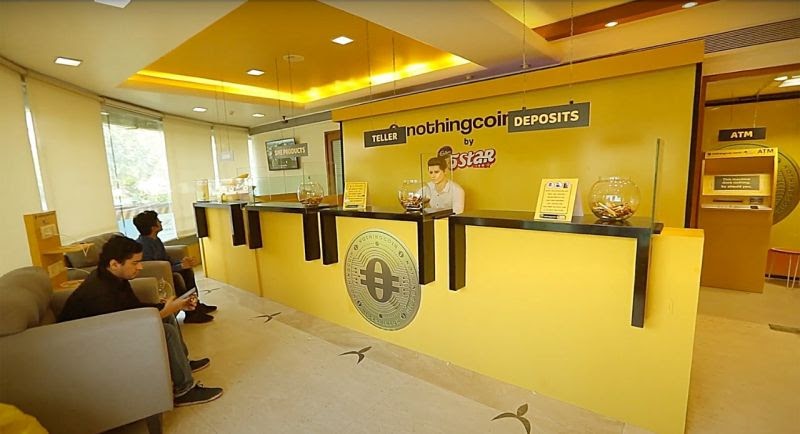
1. 5 Star and their Nothing Coins- Adopted New Marketing Trends
Envisioning a world, where you get awards for doing literally nothing, sounds unthinkable. Not any longer. With its all-new mission, Cadbury 5-star vows to give the clients exclusive rewards for sitting idle, or as they say, doing ‘nothing’.
Cadbury has forever been enthusiastic about executing innovative marketing techniques. Be it ‘Ramesh Suresh’ advertisements or its last brand campaign, where they needed us to do nothing.
However, this “no nothing” campaign backfired a little, there was this one comment that said, “if you do nothing all day, how will you earn?”
And, 5 stars came up with “nothing coins”!
Nothing Coin is the Cadbury 5-star’s digital money. Clients can mine Nothing Coins by basically enrolling on the official site (selective for cell phones). Register yourself by filling in the necessary details. Once effectively enrolled, tap on the Start button. You want to not do anything on your phone to acquire Nothing Coins. Assuming you begin using your telephone for surfing or checking out pictures from your gallery, the mining consequently stops.
Although not genuine money, Nothing coins can be exchanged at elite 5-star digital shopping centres or be traded for Jio-mart vouchers. Indeed, they didn’t stop there. Cadbury ventured to such an extreme as to make their bank! Nothing Coin Bank sits directly before the SBI Headoffice, Nariman Point, Mumbai.
Without anyone else, the Nothing coin crusade appears to be encouraging. The tweets have begun coming in, and people are astonished by what Cadbury has sent off.
Notwithstanding encountering a reaction to its past ‘Do Nothing’ campaign, Cadbury’s 5-star has chosen to stay with it. Indeed, this time giving something as a trade-off for ‘doing nothing.
2. Flipkart and their Super Coins – Adopted New Marketing Trends
Flipkart Super Coins is what the e-commerce giant is calling, a “first of its kind rewards system as part of the Flipkart Plus program that can be used to redeem exciting rewards.” Basically, Flipkart awards you points, which can be redeemed on your next order, against vouchers, discounts on third-party websites, and a lot more.
Flipkart Super Coins are also different from reward programs by other merchants in the sense that they are not restricted to purchases on Flipkart. Flipkart SuperCoins can also be used to purchase OTT subscriptions, get flight discounts, book hotels, and order food, among others.
3. Grofers exploring DOOH advertising in Mumbai – Adopted New Marketing Trends
Grofers, an online delivery service, launched a first-of-its-kind in the industry, a digital out-of-home, or DOOH advertising.
Beginning with CSI Mumbai Airport, the campaign effectively presented DOOH screens as another environment for digital display advertising. In addition to the airport, they initiated campaigns reporting the Grand Orange Bag Day sale across the Mumbai railway and metro screens to target suburban workers. The organization’s data-driven way to deal with DOOH empowered online and offline behaviour experiences to be applied to the crowds that came to the Mumbai air terminal and across the city.
4. Shoppers Stop and their first VR dressing room
Each design addict’s fantasy is to take a stab at as many articles without undressing and dressing again to wear them all: dresses, shoes, accessories… envision you can see them on you just picking the ones you like from an inventory.
the new venture by Shoppers Stop, a retail company that includes 74 stores in various urban cities all over the nation and highlights additionally a major online presence. It’s most likely because of its adoration for the web and the virtual world, that the organization thought it was smart to make it easier for customers to pick items, giving them a shot virtually on account of augmented reality.
The framework is simple: you go into a changing area where there’s an expanded reality mirror, called “Magic Mirror”; through the mirror you can pick among 1500 items sold by the organization and in a second you can see them directly on you. You can likewise blend and match the items, wearing more than one at a time.
5. M&S Clothes running an exchange program
Tapping on the trend of sustainability, M&S accepts that old garments ought to have a future: they ought to be assembled for a decent goal and not simply tossed out. It is consequently requesting that its clients get their preloved attire of any brand to stores across India. In return, the clients will get an M&S voucher worth Rs 600 for their commitment.
The Clothes Exchange is intended to diminish the huge number and huge loads of clothing sent by people in general to landfills all over the planet every year. All the garments contributed will be reused and reused and not a single item will go to a landfill.
]]>These CPMs are now, however, weakened by streaming TV and the option to ignore advertisements. The quality and binge-capacity of streaming are skyrocketing in the claim, especially since COVID, so businesses are constantly trying to keep up with fresh and creative approaches and keep customers eyes on the TV screen, but it is essentially a losing battle.
Many individuals (mostly Gen Z) are done watching on a conventional TV set. There is as yet one spot where brands have an engaged crowd: digital out-of-home (DOOH) advertising, more specifically Full motion Digital out-of-home ads
Here’s an example of how a full motion DOOH advertising looks:
What is full motion DOOH (digital out-of-home) advertising?
Full-motion digital billboards are the new TV. They are televisions that are larger than life, with eye-catching ads (frequently promoting Streaming television services themselves) that drivers can’t disregard. They’re giant televisions with no remote for the watcher to switch off, fast forward, or change the channel.
Only full motion ads can deliver an emotional connection with the observer that static ads essentially can’t. Also, an advertisement that conveys emotion is a memorable advertisement.
According to a study in the UK, research revealed that full motion DOOH ads are 2.5 times more impactful than static billboards or static DOOH
The sheer size of DOOH screens around the world makes it perfect for designers, and producers to work with. It is a canvas in between a bustling city and is available for people to view at any time. Marketers have the freedom and around 10 to 20 seconds of screen time to showcase their brand. A full-motion DOOH in a busy city like Mumbai, Delhi, and Gujrat can bring thousands and lakhs of viewers each month.
Currently, full-motion DOOH ads are getting more popular in foreign countries like the USA, and UK. However, with the growth in technology and ad spending, India might soon become one of the countries to adopt the trend of full-motion DOOH advertising.
Benefits of Full motion DOOH ads
When it comes to DOOH, it has several benefits and hence is gaining popularity among advertisers. Full-motion display ads are engaging and live, giving a more personal brand experience to your target audience.
Let’s have a deeper look at what are the benefits of full motion DOOH advertising:
1. You get to reach the younger audience and workaholics that do not watch TV
Almost everyone today in an urban city has an OTT subscription. Multiple if not one. If you want to target this demographic, grabbing their attention on the road can be the best choice. As the online space is getting more and more cluttered with ads, offline advertising such as full-motion DOOH can help your brand gain significant watch-time and viewership. Also, these ads are ‘non-skippable.’ Your target audience can’t help but notice it and your brand.
Apart from younger audiences, full motion DOOH displays also help in reaching an older generation of people who do not have time for TV and neither engage with your brand online. People who travel to work via road do not have time for TV in their life. They are probably going to watch TV only on the weekends, so grabbing their attention while they are on the way or back from formwork can be a great idea.
If your target audience includes people who have a busy schedule, you can also think of doing paper cup branding for your brand.
2. Gives your brand the freedom to become a storyteller
Full-motion DOOH ads give you the freedom to tell a story. You have the creative freedom to add characters, do live streaming, personalize your messaging, and personalize your brand communication. The displays being larger than life and dynamic only adds to the creative freedom brands can get with full-motion DOOH ads
Full-motion DOOH ads give brands the ability to connect with consumers on an emotional level. A study done by Neuro-Insights UK revealed that full-motion DOOH ads are 4 times more effective than DOOH ads in terms of engaging with consumers
3. Full-motion DOOH ads are adaptable in many scenarios
You have the power to change the ad via the click of a button. You can change it according to the time of the day, or get temperature into a picture, or a recent event that has happened in the city (for example a cricket match)
This makes the ad personal, and everyone remembers an advertisement that made them feel something personal, right?
Full-motion DOOH ads unlike DOOH ads or static OOH ads are comparatively more engaging and have proven to acquire more memory space in the minds of consumers. The only full motion can deliver a passionate association with the watcher that static ads essentially can’t.
While both static and full-motion content delivered high levels of positive emotional response, Neuro-Insight UK found that full-motion creative delivered more branded peaks of memory encoding.
Combining these two metrics reveals that full-motion DOOH has the ability to really influence consumers and connect with them on a much deeper, emotional, and psychological level.
Are you thinking to invest in full-motion DOOH advertising? What are your thoughts on this?
Share with us below, we would love to read!
Be sure to follow us on our social handles, and Linkedin to stay updated with the latest insights on OOH advertising and offline marketing.
Give us a call at +91 990 247 8800 if you’re looking to reach your target audience effectively offline.
Also, be sure to follow us on LinkedIn @Ginger Media Group, to receive insights, news, and ideas on offline marketing, OOH advertising, and innovative branding.
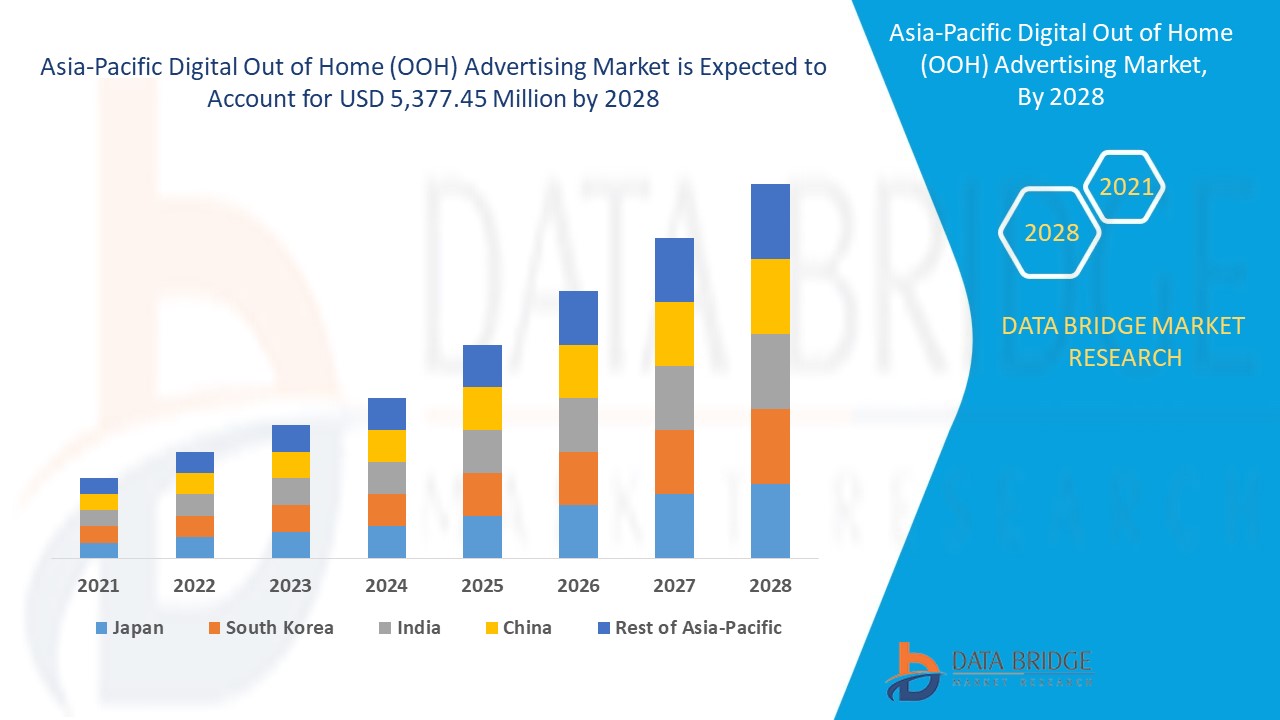
]]>
- Strategic Location-Based Advertising: Through DOOH advertising, consumers are permitted maximum flexibility and location-based engagement in their daily lives.
- Crackle-Savvy Screens: It is yet another channel by which brands would be able to reach audiences through crystal-clear animated content.
- Personalized Communications: Swiggy Instamart uses targeted communications to reach local demographics.
- Creative Campaigns: The brand applies creativity to compete within the heated competition.
- Mass Execution: DOOH advertisements in various cities help Swiggy connect with the maximum of its target audience.
Digital out-of-home (DOOH) advertising is essentially a new form of outdoor advertising media. It can be grouped into three categories, namely billboards, street furniture, and transit displays. Since the world today is highly technically advanced, DOOH helps advertisers deliver full-body animated images pointing out the story of their brand in an engaging and personalized manner.
Swiggy Instamart is a grocery and essentials delivery offshoot by Swiggy. This has hugely tapped into DOOH advertising to create a large market share. The recent campaigns undertaken by the brand exemplify the success of this method of advertising and assert how novel ideas are a requirement in today’s fast-paced market scenario.
Why Do People Like DOOH Advertising?
Increased Visibility
One of the advantages about DOOH advertising is that it catches people’s attention in heavily trafficked areas. While a print advertisement may just fit quite well into the surrounding environment, DOOH breaks away from the status quo because it assumes dynamic forms.
- Captures Attention of Passers-By: Since it is digital, it animates and captures people’s attention who are walking or driving by.
- Strategic Location: As messages are going to be viewed by the masses, advertisers can take strategic locations where their messages would reach a large audience.
- Real-Time Content Update: Brands can update their content at any time, so they can update according to a trend or event.
- Data-Driven Insights: In most cases, DOOH platforms present analytics for the brands to measure engagement with their audience.
- Increased Brand Recall: Visual and audio elements of DOOH may also heighten the experience for the consumer, making the brand much more memorable.
Flexibility and Customization
DOOH advertising offers extreme flexibility, allowing brands to customise messages based on location, time, and demographics. This kind of customisation further enhances the efficacy of campaigns.
- Localised Messaging: Brands can tailor their messages to resonate with specific local audiences and address regional preferences and cultural nuances.
- Dynamic Content: It can display varied content at diverse time points. Therefore, their campaigns canoptimisedized to reflect the difference in consubehaviourvior at different times of the day.
- Creative Freedom: They are provided with interactive elements in the digital format. Thus, it has opened up and made possible a lot of creative avenues that brands can undertake to engage with the consumers.
- Real-Time Data-Based Promotions: Brands will run their promotions based on the real-time data—for instance, the weather situation or any local event happening at that time.
- Link-Up with Social Media: DOOH can be integrated with social media campaigns, thereby amplifying the reach and impact of advertising efforts.
Cost-Effective Solutions
The cost of investing in DOOH advertising might come across as very high at inception but usually outweighs the cost in the long term.
- Wide Audience Coverage: A single campaign will get the brand to thousands of potential customers, making it a cost-effective means of mass advertisement.
- High Reach Rates: DOOH ads have more reach rates than traditional media, hence displaying a higher ROI.
- Print Costs Decline: The digital nature of DOOH eliminates the need for printed materials, leading to total cost-cutting in advertising.
- Campaign Lifetime Is Higher: DOOH campaigns can be extended to run longer, maximising the impact of an initial investment.
- Improved Brand Image: The entire image of a brand could be uplifted by a well-executed DOOH campaign so that a brand becomes more attractive to a target consumer.
Practical Example of Swiggy Instamart Using DOOH Advertising
Campaign Summary
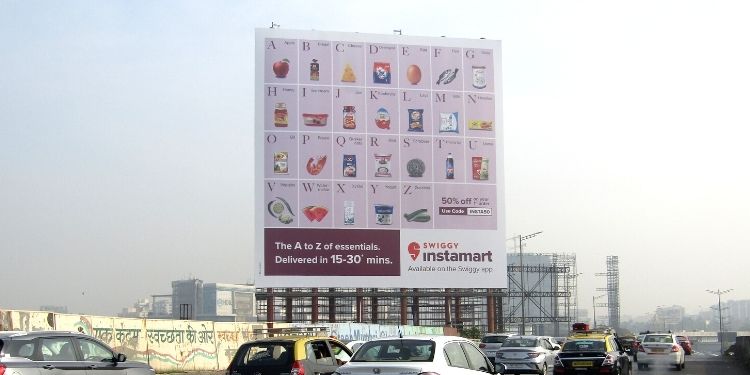
Swiggy Instamart has set a new benchmark in DOOH by establishing something appreciable in the horizon of brand visibility regarding food delivery services, which have to deal with the competition level that hails it as steep. The brand contracted Phantom Ideas, a creative agency based out of Bangalore, and they executed an exhaustive campaign, wisely reminding people of the service’s quick deliveries.
- Innovative Creatives: In total, 36 different creative advertisements were placed across various outdoor platforms, creating a powerful visual experience.
- Mass Heli-publication: The campaign rolled out across 17 cities, covering more than 10,000 hoardings, bus shelters, and airports.
- Urban Attack: Having soaked in at the high-density population locations, Swiggy reached maximum areas and interacted with its target group.
- Catchy One-Word Headlines: Capturing the promise of Swiggy delivering food fast.
- Visual Storytelling: It made use of vibrant and appealing visuals, which emotionally connected with the audience.
Creative Messaging
Swiggy Instamart’s campaign, through the creative expression of DOOH, was yet again successful in making the lead. Well, to the point, a concise headline was crucial to making communication concise for fast-moving consumer lifestyles.
- Variety Avenue: The campaign was talking about the wide varieties of products that would be delivered at speed—targeting the unmet consumer need.
- Speed Focus: Swiggy has highlighted the promise of instant delivery to position itself as the new solution when grocery needs are urgent.
- Visual Interest: Vibrant colours have been used, and captivating designs have attracted attention and elicited social shares.
- Resonating with the Consumer: The creatives are designed to resonate with the everyday consumer experience, making the brand more relatable.
Havas Media Partnership
Swiggy Instamart collaborated with Havas Media Tribes Group in another different yet equally impactful campaign to strengthen the presence of DOOH.
- Powerful Messages: Some of the great messages used in the campaign are “Till Supply Instantly” and “Till Comfort Instantly,” which bring out the quick service that Swiggy will offer.
- Transit Display: Everywhere, colourful transit displays were erected that engaged commuters with a memorable brand experience.
- Deep Penetration Approach: The campaign focused on deep penetration by ensuring the brand message reaches every potential customer of Swiggy.
- Comprehensive Coverage: The outdoor campaign aired all its advertisements across various formats, such as traditional billboards, uni poles, and bus shelters.
- Large Format Landmark Advertisements: Swiggy also featured Asia’s biggest billboard at the Bandra Western Express Highway in Mumbai.
Impact on Brand Visibility
Success Measurement
The success of Swiggy Instamart’s DOOH Campaigns can be measured by brand visibility, engagement rates, and consumer feedback.
- Brand Awareness: Wide reach and high frequency of communication helped increase brand awareness among consumers.
- Positive Consumer Response: The brand received positive feedback from Swiggy as consumers appreciated the prompt service offered by them.
- Higher Engagement Levels: As the DOOH advertisements were interactive, recall levels were also better since the individual would remember the brand after watching.
- Social Media Buzz: The extremely striking visual appeal of these advertisements made them go viral on social media, thus giving Swiggy that much mileage.
- Market Penetration: The campaigns penetrated all markets they were set to penetrate with new prospective customers and retention of existing customers.
Lessons Learnt
This strategy of Swiggy explains to other brands how to take this potential channel.
- Dive into Creativity: Whenever the marketplace is crowded, unique and creatively presented content makes all the difference.
- Know Your Target Audience: Knowing one’s target audience and calibrating the message significantly increases message effectiveness.
- Use Data: Brands can optimize their DOOH campaigns in real-time using data analytics to get maximum bang for their buck.
- Consistency: This is where a message goes through different channels. This is how brand identity and trust are set up with the consumers.
- Alignment to the Trend: Brands must adapt to new trends that evolve in ads to remain updated.
Conclusion
DOOH advertising, such as Swiggy Instamart’s experience, has also established the fact that this is a highly potential advertising medium because of its implementation in marketing nowadays.
- Dynamic Engagement: It is meaningful to the audience to make dynamic content that has participative engagement.
- Location-Based Strategies: Brands can finally target locations to really connect with their audience.
- Creative Collaboration: It bridges the potential of imaginative collaboration through advertising campaigns with good quality and reach.
- Measurable Impact: Results of DOOH advertising can be measured and analysed for continuity and improvement.
- Future of Advertising: The future of advertising will definitely be fashioned by innovative approaches like DOOH, advancing technology in time.
Swiggy Instamart has strategically used DOOH advertising that speaks volumes of its intentions toward brand growth while also being a benchmark for others in the industry. For businesses that look for or desire to increase their visibility and reach consumers, embracing DOOH advertising may be the key to unlocking new opportunities.
If you are a medium-sized Indian business, making the most of digital advertising strategies with a focus on dynamic outreach could be your game-changer.
]]>Ready to talk with a marketing expert?

A Pragmatic and innovative way to enthrall your target group is just a click away!
Get in Touch
Rukmini Knowledge Park, Kattigenahalli, SH 104, Srinivasa Nagar, Bengaluru, Karnataka 560064
+91-990 247 8800
contact@gingermediagroup.com
Popular in Television Advertising
Udaya TV AdvertisingSun TV AdvertisingStar Plus AdvertisingTV 9 AdvertisingZee TV AdvertisingNDTV India AdvertisingColors TV AdvertisingPopular in Airport Advertising
Spice Jet AdvertisingMumbai Airport AdvertisingDelhi Airport AdvertisingEmirites AdvertisingIndiGo Airlines Domestic India AdvertisingPopular in Newspaper Advertising
Deccan Herald AdvertisingPrajavani AdvertisingThe Hindu AdvertisingEconomic Times AdvertisingDainik Jagran AdvertisingHindustan Times AdvertisingPopular in Magazine Advertising
Forbes AdvertisingCosmopolitan AdvertisingBusiness World AdvertisingVogue Magazine AdvertisingPopular in Sports Advertising
IPL AdvertisingPopular in Outdoor Advertising
Billboard AdvertisingBus Shelter AdvertisingMetro Pillar AdvertisingUnipole Advertising© Ginger Media Group 2025. All Rights Reserved.