Understanding Electronic Advertising
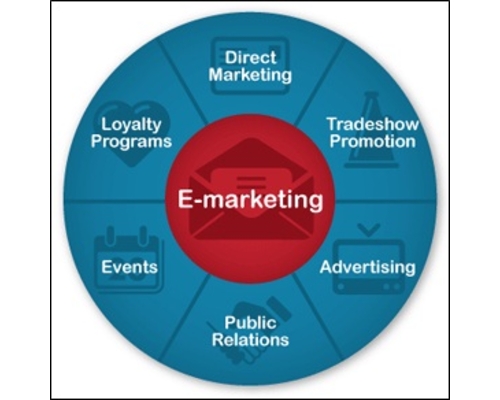
Electronic advertising, synonymous with digital advertising, refers to all marketing techniques that use electronic gadgets and digital channels. This marketing sector is the one that found new ways of operating the industry through new technology, which incidentally is the major focus of the current digital age. This sector is the one in which marketing practice itself has changed. Businesses now provide customers with such a way of buying products that they won’t even have to buy their homes. At present, the ease of purchasing a product can be felt not only by the customers but also by the businesses. Electronic advertising is a part of the marketing strategy that mainly aims to promote the selling of products or services. It is an important section because advertising companies make the consumers come to their business, while the customers make the companies come for their products. Their profit source comes from advertising companies.
- Important Information: Based on Statista’s information to the public, the global digital advertising expenditure is predicted to be around $500 billion in 2021, which means it is becoming increasingly crucial in marketing.
- Case Studies: Electronic advertising is an approach by brands (such as Nike and Coca-Cola) to the complex problem of creating campaigns that engage most audiences and increase brand awareness. Such advertising lets most companies successfully enter the minds of their consumers, thus evoking high brand recall and customer retention. As an illustration, Nike’s customized email campaigns can break the email list based on customers’ purchase behaviors, allowing them to have a high conversion rate.
- Frameworks and Theories: One of the most important things in electronic marketing is the AIDA model (Attention, Interest, Desire, Action), which directs electronic marketing and enables marketers to create content that develops a strong relationship with the audience.
Strategies for Effective Electronic Advertising

For digital advertising to be effective, the business must include a synchronized campaign or touchpoint strategy of various brands’ appropriate digital channels.
- Specific Examples: Google Ads allows technology marketers to promote their products by paying for them to be displayed in the top sections of Google’s search engine, which is search engine marketing. Also, Facebook ads are employed for social media targeting and picture sharing, which are Facebook’s unique offerings, and YouTube is used to create and upload video channels. Alongside this, each platform gives marketers features that target the precise audience’s memory. Hence, there is an increase in ad reach.
- Challenges and Benefits: The digital marketing capability to personalize marketing and its cost-effectiveness through precision targeting and measurement. Proving its trackability dilemma, is there (i.e., ad fatigue and ad block direct follow-up), or is it just a matter of customer annoyance? Marketers need to minimize this disturbing phenomenon by promoting a faster connection or something that attracts their eyes.
- Practical Advice: Businesses’ adoption of analytics is an essential prerequisite for generating successful ads, and positioning the A/B testing before ad creatives will give brands a means to shape their message according to the most persuasive ones. Sales teams also have the option to slice audience segments and analyze the real-time data, which will help a lot.
The Future of Electronic Advertising
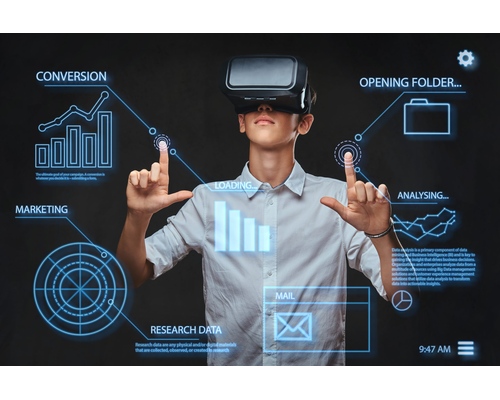
The electronics advertising landscape changes as technology continues to evolve. Among the latest trends, artificial intelligence (AI), augmented reality (AR), and voice search will define the future of this industry.
- Emerging Trends: AI is used during ad bidding and purchasing to revolutionize how ad placements are managed, thanks to the dynamic response of companies in the market. Furthermore, AR is among the commodities making creating interactions that are extremely similar to reality possible; for example, users of the Oracle Retail cloud are trained through virtual simulations and can try on outfits without physically stepping into the store.
- Implications for the Industry: Electronic advertising takes the issue of privacy seriously because tight regulations are in place, and consumers are aware of their rights. The only important thing is ensuring the consumer knows everything you are doing and acquiring his consent.
- Insights for the Audience: In this space, companies’ use of these technologies, particularly those in marketing, will be a main factor in the digital conversion process. The companies will have to resort to technologies and legal regulations as solutions to these changes.
Electronic advertising is a changing and necessary instrument within everyday marketing strategies. As you transform your business, you will analyze the past, learn useful tools, and follow the most important trends.
Conclusion
Admittedly, electronic advertising is the most outstanding tool used in the digital environment today, and businesses have to make it a priority if they want to achieve their goals. Each component of electronic advertising, from search engine optimization to social media marketing, could equip the participants in the market with the techniques needed to compete in a competitive environment. Today, new advertising possibilities and methods have appeared with technological progress. By applying these pioneering techniques, businesses are, on the one hand, able to extend their scope and, hence, easily reach far and wide across the globe. On the other hand, they can build strong, long-lasting bonds with customers, bring more sales, and hence, have sustainable business development.
Key Takeaways:
- Broad Reach: Digital advertising assists companies in reaching out to people worldwide outside the traditional advertising channels.
- Targeted Campaigns: Sophisticated targeting possibilities offer marketers personalized strategies relatable to their chosen demographics.
- Cost-Effectiveness: Unlike traditional advertising, electronic methods are often cheaper and deliver reliable evidence of return on investment.
- Real-Time Feedback: By analyzing the results using the given tools, we can make snap decisions and reach out to our target audience with the most effective campaigns.
- Enhanced Engagement: The technology of augmented reality has taken off since the advent of Web 3.0, and it has increased the focus of the audience on getting immersed in the content, engaging with it, and spending more time on it.
To sum up, it is clear that digital advertising is not just a choice for contemporary enterprises; it is a vital prerequisite for those who aim to expand their business and stay relevant in today’s global market.
]]>Important Issues to Discuss
- What is electronic advertising?
- Definition, scope, and meaning of electronic advertising.
- Knowledge of offline advertising.
- Differential reach and targeting.
- Cost comparison of both kinds of advertisement.
- Both strategies have a behavioral impact on consumers.
- Compelling comparison study of both techniques.
What is Electronic Advertising?
Electronic Advertising is the promotion of products or services through digital media channels. All the online channels, social media, newsletters, and advertisements displayed are part of electronic advertising. With international coverage, even small businesses can connect with diverse audiences diversified through different demographics. Some of the defining characteristics are:
- Global Reach: The electronic medium has made it possible to create an international platform that transcends geographical boundaries. Businesses can now reach markets in previously inaccessible regions through the internet and connectivity stretching worldwide.
- Targeted Marketing: Data Analytics Power enables precise targeting based on demographics, interests, and behavior of the user. This segmentation toward specific audience targeting allows advertising to reach maximum engagement and boast high conversion rates.
- Economic Solutions: From the cost perspective, electronic marketing is cheaper than traditional marketing. With many electronic marketing channels now creating adaptive pricing models, a business can budget while using performance metrics to filter out their spending.
- Measurable Outcomes: Electronic advertisements are trackable in real-time and can be analyzed immediately. This implies that advertisers can easily monitor engagement levels, click-through rates, conversions, and all the other data that informs the decision.
- Adaptability: One of the best characteristics of electronic advertising is that it can change according to market flow or audience preference in a matter of time. The ads can change instantly, and marketers try out different formats or messages to determine which works best.
Advantages of Electronic Advertising
- The Internet Reaches a Larger Number of People: The Internet reaches billions of people, making it easier for companies to reach more potential customers.
- Low Cost: In the case of digital campaigns, investments are significantly more minute compared to those of conventional campaigns.
- Targeting: Advertisers can target in ways that increase how relevant and convertible their ads are likely to be.
- Flexibility: Campaigns can be tailored through real-time data and feedback, allowing rapid adjustment.
- Interactive Content: Social media and other digital channels allow users to engage with audiences immediately, fostering communities around brands.
What is Offline Advertising?

Offline advertising refers to traditional, non-digital marketing strategies. It involves the broadest possible range of media—from billboards to print ads in newspapers or magazines, direct mail, and TV and radio commercials. Here’s a closer look at the defining aspects of offline advertising:
- Physical Presence: Offline advertisements take a physical form, which may fascinate a customer. A board hoarding right across the street or handbills stuck on the walls of a tiny, local coffee shop might appeal to the audience.
- Wider Reach: While electronic marketing may easily target niches, offline advertisements can target audiences without access to the Internet or who are older and far removed, for example.
- Credibility: Traditional advertisements are generally more credible. The consumer can be more prone to believe a print ad or a TV commercial running on a renowned media channel.
- Creativity and Interaction: Offline ads, like stand-out designs or interactive display, can be much more creative and even interactive. For instance, experiential marketing events have a lasting impact on people attending.
- Long-Term Effect: Offline media such as pamphlets or leaflets denote a long-term influence on consumer behavior as they stay with the customer for a long time, providing maximum visibility to the brand.
Benefits of Offline Marketing
- Tactile Communication: Physical advertisements help create a tactile impression, which improves the chances of recalling the brand.
- Extensive Demographic Reach: Offline techniques can reach customers who are not online, so they tend to provide extensive coverage.
- Prestige, Trust, and Reliability: Traditional advertisements carry a long history, thus creating prestige, trust, and reliability among the clients.
- Creative Scope: Offline media can create varied creative works that appeal to audiences through the physical experiences they create.
- Long-Lasting Impression: Print materials remain with the customer; hence, they can create long-lasting impressions of the brand for the client for extended periods.
Electronic vs. Offline Advertising

Electronic and offline forms of advertising are two different kinds of media that, when used appropriately, can complement each other. Essential differences are as follows:
Reaching and Targeting the Audience
- Electronic Advertising allows targeting based on demographics, interests, and behavior. Marketers can follow the online behavior of a target audience to communicate effectively with potential customers.
- Offline Advertising is mass communication, spreading out to reach more people, including those not using the internet, but it does not achieve the accuracy that electronic targeting does.
Budgeting & Cost
- Electronic Marketing is a much cheaper option by which any company can perform various activities within a flexible budget. The ROI on a real-time basis helps optimize the campaign spending.
- Offline Advertising: Print and broadcast media-based advertisements are often more costly but help develop a more credible brand image because they are established mediums.
Tangibility and Brand Perception
- Offline Advertising is highly tactile and allows the customer to better understand and perceive the brand being represented. It gives a pictorial depiction and is more likely to leave imprints in a consumer’s memory. Examples include printed hoardings, newspaper ads, or other print advertisements.
- Electronic Advertising does not touch but comes alive with interactive content. Consumers will perceive the brand in a very different way if the interactions take place only in the digital space.
Flexibility and Adaptability
- Electronic Advertising: Campaigns can change overnight based on market shifts or consumers’ needs. Fluidity dictates that brands may be able to stay relevant.
- Offline Advertising requires longer lead times for design and dissemination. Although not agile, offline advertising does support long-term branding activities.
Analytics and Metrics
- Electronic Advertising has deep analytics through which a marketer tracks user behavior, engagement, and conversion in real time.
- Offline Advertising: Effectiveness is hard to measure with traditional metrics. Generally, a campaign’s success depends on indirect indicators like sales or customer feedback.
Summary of Major Differences
- Reach Accuracy: Electronic advertising is more accurate as it is focused on the target and reaches a larger audience than offline advertising.
- Cost: Electronic methods seem to be cheaper, in contrast to the investment required for in-store and out-store advertising.
- Brand Image: Offline advertisements are more tangible, whereas electronic ads are more interactive.
- Flexibility: Updating electronic campaigns seems easy. However, making changes to in-store and out-of-store advertising takes some time.
- Analytics: Offline advertisement is only trackable a little.
Impact of Offline and Electronic Advertising

Offline and electronic advertisements differ in their effects on consumer behaviour and perception of the brand name. The awareness of this impact enables businesses to design their respective strategies more resourcefully.
Impact of Offline Advertising
- Creating Long-Lasting Imprints: Print media or billboard ads linger long in consumers’ minds, increasing brand recall.
- Building Trust and Credibility: Offline marketing builds trust, as traditional media is often perceived as more reliable than digital marketing. According to Nielsen, print ads have a trust factor of 56% among consumers.
- Reach to Local Audiences: Offline advertising reaches local markets, helping brands connect with communities and develop loyalty through localized efforts.
- Multisensory Connection: Offline ads touch multiple senses, which helps to create stronger emotional bonds with the brand.
- Supporting Brand Awareness: Offline strategies support long-run brand awareness and back up online efforts.
Impact of Digital Advertising
- Instant Gratification: Digital advertising grabs customers’ attention instantly, as it includes videos, polls, or other interactive tools that create instantaneous awareness.
- Feedback: This type of digital advertising helps give organizations instant feedback, which enables them to make proper changes according to customers’ feelings in their campaign strategies.
- Measurable Outputs: Organizations can measure the campaign’s output with real-time analytics; based on the output data, they can alter the strategy of future campaigns accordingly.
- Increased Global Reach: Electronic adverts allow a brand to access audiences worldwide across geographical and cultural lines.
- Cultivation of Brand Loyalty: Content relevant to the viewer’s life, such as targeted ads, helps create brand loyalty and goodwill in the long run.
Electronic vs. Offline Advertising: Which Way Does One Turn?

Electronic advertisement is often compared to offline advertisement, which raises questions about how businesses need to position themselves in light of both methods. There are several questions to be asked in which companies look into how each format would improve their bottom line.
Key points businesses must consider while deciding their advertising mix include:
- Consumer Base: Brands focusing on younger, tech-savvy audiences will want to invest more in digital channels. Businesses with older or local clientele should also look to traditional outlets.
- Campaign Goals: Brands must clarify whether they want quick engagement and immediate results (electronic) or longer-lasting brand recognition (offline).
- Resources: Budgets, staffing, and tools available will impact the effectiveness of one channel over the other.
- Integration Potential: Both channels could work in an integrated campaign, such as blending social media with TV and billboard ads.
- Industry Standards: Market trends will dictate which direction to take more heavily, depending on what’s successful for competitors and the industry overall.
Conclusion
Electronic and offline advertisements are major platforms various industries use to communicate with potential customers. Companies should weigh the benefits of each channel based on their target audience, budget, and business goals. Consider utilizing both approaches in tandem for a holistic strategy, tapping into the strengths of each. Offline advertising helps reinforce brand trust, while electronic advertising maximizes reach and interaction through cost-effective, interactive, and measurable means. Whether a company leans towards traditional or digital campaigns, or a mix of both, depends mainly on how well it understands its audience and objectives. Balancing both methods ensures that brands achieve widespread visibility and meaningful engagement.
]]>Ready to talk with a marketing expert?

A Pragmatic and innovative way to enthrall your target group is just a click away!
Get in Touch
Rukmini Knowledge Park, Kattigenahalli, SH 104, Srinivasa Nagar, Bengaluru, Karnataka 560064
+91-990 247 8800
contact@gingermediagroup.com
Popular in Television Advertising
Udaya TV AdvertisingSun TV AdvertisingStar Plus AdvertisingTV 9 AdvertisingZee TV AdvertisingNDTV India AdvertisingColors TV AdvertisingPopular in Airport Advertising
Spice Jet AdvertisingMumbai Airport AdvertisingDelhi Airport AdvertisingEmirites AdvertisingIndiGo Airlines Domestic India AdvertisingPopular in Newspaper Advertising
Deccan Herald AdvertisingPrajavani AdvertisingThe Hindu AdvertisingEconomic Times AdvertisingDainik Jagran AdvertisingHindustan Times AdvertisingPopular in Magazine Advertising
Forbes AdvertisingCosmopolitan AdvertisingBusiness World AdvertisingVogue Magazine AdvertisingPopular in Sports Advertising
IPL AdvertisingPopular in Outdoor Advertising
Billboard AdvertisingBus Shelter AdvertisingMetro Pillar AdvertisingUnipole Advertising© Ginger Media Group 2025. All Rights Reserved.