Why events should advertise using event advertising agencies:
- It elevates the visibility of a brand with creative and focused advertisement methods.
- Enhances audience engagement through engaging event experiences.
- Maximizes the usage of resources through event execution through an agency.
- Accesses industry insights to gain a competitive advantage in the market.
- Drives measurable results, guaranteeing a positive return on investment.
Here’s a dive into the best 10 event advertising agencies in Maharashtra, revealing their unique strengths and successful campaigns: We will discover important points to note while choosing an agency, testimonials from clients, and a checklist for businesses seeking to collaborate with professional event advertisers. Interestingly, did you know that businesses investing in event marketing see an average increase of 20% in sales? Let’s discover how these agencies can turn your vision into reality.
Top 10 Event Advertising Agencies in Maharashtra
Maharashtra, known for its vibrant culture, bustling cities, and diverse events, is home to some of the best event advertising agencies in India. These agencies help businesses and organizations effectively promote their events, ensuring maximum engagement and visibility. This article outlines the top creative event advertising agencies in Maharashtra, focusing on their unique strengths and services.
Why Choose an Event Advertising Agency?
Event advertising agencies can make all the difference in the success of your event. Here’s why:
- Professional Promotion: They are experts in devising customized marketing strategies.
- Integrated Marketing: They have a comprehensive approach that includes digital marketing, social media, and traditional advertising channels.
- Audience Engagement: With market trends knowledge, agencies ensure your event reaches the right audience with effective engagement tactics.
Selection Criteria
When choosing an event advertising agency, consider the following key criteria:
- Experience: An agency with a history of successful event promotion is a good choice.
- Client Portfolio: A long list of clients often speaks for itself in terms of credibility and reliability.
- Innovative Strategies: Creativity in approach can make a huge difference in making your event visible.
Let’s now look at the top 10 event advertising agencies in Maharashtra:
1. Ginger Media Group
Overview: Ginger Media Group is one of the top players in the event advertising line of business, known for innovation and exceptional service delivery.
Services:
- Social Media Campaigns: Ginger Media Group makes excellent social media campaigns for events, ensuring high reach and interaction.
- Event Promotion: The agency provides full-scale event promotion services, both through traditional and digital marketing tools.
- Creative Solutions: They create creative advertising solutions that connect with target audiences, thereby greatly increasing event attendance.
2. Livewire Events
Description: Founded in the heart of Mumbai, Livewire Events is an experiential marketing and event advertising company.
Services:
- Brand Activation: Livewire Events beautifully weaves brands into events, thereby creating memorable experiences for attendees.
- Event Management: They offer end-to-end event management services which include planning, execution, and post-event analysis.
- Digital Marketing: With a focus on digital marketing, Livewire efficiently markets events on various digital media channels.
3. PurplePR
About the Company: PurplePR is one of the leading agencies that has years of experience in strategic communication and event advertising.
Services:
- Public Relations: They provide PR services to generate buzz for an event and thus increase visibility both before and after.
- Content Creation: PurplePR specializes in developing interesting content that appeals to and informs the audience.
- Sponsorship Management: They also assist in securing sponsors, which can further raise the profile of your event.
4. Witty Communications
Description: Witty Communications is one of the most creative event promotion companies in the industry.
Services Provided:
- Experiential Marketing: They specialize in creating and executing unique experiential marketing campaigns for different events.
- Integrated Marketing Solutions: Witty Communications offers a holistic approach, combining traditional and digital marketing strategies.
- Audience Engagement: They are keen on audience engagement so that events do not fade away soon.
5. Wonder Events
Summary: Wonder Events is a full-service event management agency with pride in its out-of-the-box thinking.
Services:
- Event Conceptualization: Innovative ideas for themes of events are provided, thus setting the tone for unforgettable experiences.
- Social Media Marketing: Wonder Events effectively utilizes social media channels to promote events and engages influencers when required.
- On-site Management: Their on-site management team handles event execution at smooth levels, providing attention to attendees’ experience.
6. Celebrity Management Group (CMG)
Overview: CMG is a leader in an agency that deals with the management and promotion of high-profile events.
Services Offered:
- Celebrity Endorsements: They make use of their celebrity connections to heighten the appeal of the event and attract media attention.
- Publicity Campaigns: CMG designs publicity campaigns that create anticipation and excitement for their events.
- VIP Experiences: The agency specializes in the crafting of unique, exclusive experiences for VIP attendees to add significant value to the events.
7. Mindstorm Productions
Description: A creative agency specializing in the production of multimedia content and advertising events.
Services Offered:
- Video Marketing: They make outstanding video content necessary for event promotions and are primarily helpful on YouTube and Instagram.
- Graphic Design: Mindstorm offers graphic designing services of quality to produce advertisement material that makes a big catch in the minds of people.
- Integrated Promotions: They offer integrated marketing services that range from online ads to print.
8. Eventures
Overview: Headquartered in Pune, Eventures is a young agency that has been making waves in the event advertising world with ideas and creativity.
Services Offered:
- Creative Event Solutions: Eventures emphasizes tailoring its services according to the needs of each client for unique and customized experiences.
- Digital Outreach: The agency focuses on digital outreach strategies for today’s digital audience.
- Event Logistics: They also handle logistics to ensure everything is in place.
9. Spree Events
Overview: Spree Events is a creative agency known for its new approach to advertising events.
Services Offered:
- Customized Event Packages: They offer packages that suit budgets, providing great value for money.
- Sustainability Initiatives: Spree Events fosters sustainability in event management so that their clients are off the hook for such concerns.
- Strong Online Profile: They can provide a very strong online profile for events with focused social media campaigns and content marketing.
10. AKM Global
Description: AKM Global is an omnichannel agency offering a full suite of advertising services and includes events, too.
Services
- Advertising Campaigns: It designs well-rounded advertising campaigns that create waves about events.
- SEO and SEM Marketing: The agency employs SEO and SEM tactics to ensure events rank high on search engines, driving more traffic.
- Collaborative Promotions: AKM Global often collaborates with local businesses to enhance event visibility and engagement.
Conclusion
Selecting the right event advertising agency in Maharashtra can significantly affect the success of your next event. From creative strategies to effective execution, each of the agencies mentioned above brings unique strengths to the table. Whether you’re launching a new product, hosting a conference, or organizing a large festival, these agencies have the expertise and creativity to elevate your event to the next level.
Key Takeaways
- Ginger Media Group is a frontrunner in creative event advertising, known for its comprehensive services and innovative strategies.
- Experience and portfolio matter. Evaluate an agency’s background and client list before engaging with them.
- Integrated Marketing Solutions are crucial for maximizing event reach and engagement.
With this information, you’re now equipped to choose the best event advertising agency for your needs in Maharashtra!
Conclusion
In today’s competitive world, it is not only about the execution of an event but also about the promotion. Maharashtra is a land with a very rich culture and audience, so the number of event advertising agencies is abundant in terms of offering unique strategies and creative solutions to events of different kinds. Whether it is a huge festival or corporate function, the right agency makes all the difference in reaching the targeted audience and maximizing impact.
In this blog post, we are going to look at the top 10 event advertising agencies in Maharashtra, looking at their strengths, specialties, and reputations. We will highlight the innovative approaches each agency has used, client testimonials, and notable projects that show how they can come up with campaigns that are worth a lot. Whether you’re planning a wedding, concert, trade show, or promotional event, these agencies have the creative and industry know-how to take your event to new heights.
We also discussed the critical factors to look for in choosing an event advertising agency, especially the alignment of your goals with the agency’s offerings and how they communicate their processes. The relationship you build with your chosen agency is what brings your vision to life and ensures that the advertising effort is seamless.
By using one of these above-mentioned top-rated agencies, you can increase exposure for your event, connect meaningfully with the audience, and achieve the success you strive for. Here’s hoping this guide will provide valuable information for event organizers within Maharashtra, keeping you well-equipped as you pursue your next opportunity in event advertisement.
End
- Varied Strategies: Agencies have adopted distinct strategies depending on the kind of event they deal with so that clients can identify which best fits their needs.
- Communication Factor: The selected agency should communicate effectively with the client so that they can be understood by one another, thereby providing an opportunity for changes to be made and teamwork in executing the campaign.
- Maximum Impact: Choosing from the list of the best agencies will enable event organizers to create awareness, engage their audience, and make unforgettable experiences that will last even after the event is over.
Why Ginger Media Group for Your Event Advertising
- Event Advertising Experience: The staff at Ginger Media Group has vast experience in event advertising, which ensures that your campaign is left in the hands of the experts.
- Tailor-made Strategies: We know that every event is different. Our customized advertising strategy is designed according to your specific audience, goals, and budget to maximize ROI.
- Creative Techniques: Using the latest trends and technologies, we implement innovative methods such as social media marketing, influencer collaborations, and immersive experiences to engage your audience.
- Comprehensive Services: From digital marketing and PR to creative content creation, here is a holistic suite of event advertising services- all in one location.
- Proven Track Record: Our portfolio depicts successful campaigns we have run over the years with different events here in Maharashtra as proof of this ability to deliver results against client expectations.
- Strategic Partnerships: Through our connection to local media and influencers, we offer more exposure and interaction with the event.
- Data-Driven Approach: The use of analytics and market research helps us review and update strategies for better influence, giving you confidence in sound decision-making.
Ginger Media Group means committing the advertising of your event to an engaged partner driven to create influential results and lasting experiences.
]]>campaigns. Failure to do so can lead to missed opportunities and lower brand visibility.
Importance of event advertising agencies:
- Professionalism in successfully targeting the required audience.
- Innovative ideas and approaches that create a difference from others.
- Effective engagement through personalized marketing strategies
- Rich assets and networks from the industry
- Data-driven insights and advertising optimization.
- Credibility to the brands due to promotion by professionals.
In this article, we will explore Chennai’s Top 10 event advertising agencies, focusing on each agency’s USP and features. We will cover key selection criteria, review case studies that showcase effective campaigns and offer valuable advice for businesses considering partnering with an agency. Do you know that events with successful advertising can witness an increase in attendance by as much as 50%? That statistic underscores the critical role that effective event marketing plays in today’s business world. Stay tuned for a deep dive into Chennai’s best event advertising agencies!
Top 10 Event Advertising Agencies in Chennai
Chennai is known for its rich cultural heritage and bustling business environment. It houses several advertising agencies. Event advertising is one of the most important aspects of businesses that need to capture the attention of their target audience and ensure that the message of the brand is well received. In this article, we explore the Top 10 Event Advertising Agencies in Chennai that can elevate your event marketing strategies.
Why Choose an Event Advertising Agency?
There are various benefits of joining hands with an event advertising agency:
- Expertise and experience: Professional agencies have a vast knowledge of event marketing, thus ensuring that your event is well executed.
- Innovative concepts: Agencies usually have creative teams that can come up with unique themes and ideas customized to your brand.
- Logistical management: They take care of everything from coordinating vendors to managing the event on-site, giving you the ability to focus on the core message of the event.
What to Look for in an Event Advertising Agency
Here are some considerations when choosing an event advertising agency:
- Portfolio: Look through their previous work to see what they can creatively come up with and how they execute.
- Client testimonials: Testimonials from previous clients give you an insight into their professionalism and effectiveness.
- Services offered: Make sure they have all the comprehensive services, including strategic planning, design, logistics, and promotion.
Top 10 Event Advertising Agencies in Chennai
1. Ginger Media Group
Ginger Media Group is one of the top event advertising agencies in Chennai. They specialize in creating impactful experiences, blending creativity with technology, and amplifying brand stories.
- Holistic Services: The major services include conceptualization to execution, including digital marketing, event management, and experiential marketing. With proper closeness to the clients, all aspects of the event effectively represent the message of the brand for each client.
- Innovative Solutions: They boast of innovation and always apply the most advanced technologies such as AR and VR to make it more immersive to appeal to various levels of audiences.
- Diverse Clientele: Corporate events, product launches, or brand activations are some services in the portfolio with successful projects for a range of clients, showing flexibility in any given industry.
2. Witty Communications
Witty Communications is known for its innovative event solutions, focusing on engagement and brand promotion.
- Creative Strategies: They have a strong understanding of the client’s goals and develop strategies that ensure maximum participation from participants. This helps create a memorable interaction that leaves an impact.
- Full-Service Agency: Being capable of branding, design, and production, Witty Communications offers a holistic approach to event advertising that streamlines the process for the client.
- Client-Centric Approach: Their dedication to understanding client needs and continuous dialogue during the planning phase leads to successful outcomes that align with client expectations.
3. The Events Agency

The Events Agency is a meticulous planner and executioner, focusing on corporate and entertainment events.
- Tailored Solutions: They have tailored solutions to ensure the specific needs of each client are met with personal touches that will reinforce the brand identity at every event.
- Expert Team: The Events Agency has a skilled team that has experience working in the field of event management for many years, thus easily navigating the intricacies of event logistics.
- Impactful Branding: They focus on branding, which ensures that every event reinforces the message of the client, enhancing visibility and engagement.
4. Adorn Events
Adorn Events specializes in offering unique, bespoke experiences that make a difference for brands.
- Strategic Planning: They plan down to every detail: from venue choice to décor and every element is smoothened aligning with the branding purpose of the event.
- Cultural Sensitivity: Their awareness of the local culture helps them achieve an important aspect of events, which is appropriate integration with the audience.
- Diversified Reach: Adorn Events has managed events in different sectors, which reflects the versatility and depth of their work.
5. V2 Concepts

V2 Concepts is a vibrant agency that combines creativity with technology in event advertising.
- Engagement-driven: They design events to maximize audience engagement through interactive experiences and compelling storytelling.
- Technological Integration: With the use of tools and platforms for real-time feedback and audience interaction, V2 Concepts is at the forefront of modern event advertising.
- Expansive Network: Their extensive network of vendors and partners ensures seamless coordination and execution of events.
6. Buzzworks
Buzzworks is known for its innovative ideation processes and creative event solutions.
- Unique Ideas: The company has developed unique theme and concept ideas for clients’ branding and marketing strategies.
- Full Cycle Work: Pre-event promotion to post-event study, Buzzworks offers complete work to ensure every stage is completed flawlessly.
- Quality and Repute: Their work of quality ensures them a strong reputation among clients and audiences.
7. Provoke
Provoke is a niche marketer that focuses on experiential marketing and event management.
- Focus on Interaction: They prioritize creating immersive experiences that engage the audience, ensuring memorable interactions with the brand.
- Creative Collaborations: Known for working with local artists and influencers, Provoke brings a unique local flavour to events, enhancing audience connection.
- Performance Metrics: They emphasize measuring the effectiveness of their events through analytics, providing valuable insights for future improvement.
8. Eventful
Eventful is an agency built on the principle of making every event unforgettable.
- Attention to Detail: They focus on the minutiae to ensure that every part of the event adds value and contributes to the overall experience.
- Thematic Events: By developing compelling themes, Eventful enhances the storytelling aspects of corporate events, making them more engaging.
- Excellence Reputation: Time and again delivering high-quality events helped them earn repute and keep on becoming favorite clients among industries.
9. Starlit Events
Specializes in capturing audiences’ minds through spectacular events.
- Creative Design: Highly aesthetic sensitive; design skills ensure to be fabulous with eye-popping details making it an event truly unforgettable.
- Audience Experience: The company focuses on the experience of the audience and delivers the event to fit the anticipated profile of guests.
- Strategic Partnerships: Their association with different vendors augments their services and service delivery capabilities.
10. 360 Degree Events
The company is admired for its thorough approach to event management, so no detail goes unattended.
- Holistic Service Offering: The full-service model allows clients to obtain everything from venue selection to post-event reporting in one place.
- Commitment to Innovation: They are always ahead of their time, so events never go stale or out of date while still being fresh and relevant for the attendees.
- Dedicated Client Support: 360 Degree Events takes pride in the strength of client relationships by giving personalized service during the entire planning process.
Choosing the right event advertising agency is going to make all the difference for your event. The ones above are some of the best event advertising agencies in Chennai, with a variety of services that can be customized according to the requirements. Each agency brings something different to the table and will help ensure that whether it is a corporate meeting, a product launch, or an experiential marketing event, there’s someone who will make your vision a reality.
Remember to choose partners for your future events based on their credibility, innovative inputs, and commitment to giving memorable experiences. It would then ensure that your event becomes a success, more than expected, leaving a significant impression on your audience and would strongly convey your brand’s message.
The event advertising landscape in Chennai is as dynamic as the city itself, giving birth to a plethora of agencies that specialize in making events unforgettable. As we have seen, the top 10 event advertising agencies we highlighted each bring unique strengths, ensuring that your event not only reaches but resonates with your target audience. Agencies like XYZ Events dominate the scenario with their innovative marketing strategies, while ABC Creations shines through with their excellent creative design. They employ different tactics ranging from experiential marketing to digital advertising solutions, suited for various audiences.
Partnering with the right event advertising agency can significantly enhance the success of your event, providing you with the expertise and resources needed to not only plan an event but also amplify its visibility and engagement. Utilizing a blend of traditional advertising, social media outreach, and captivating content, these professionals can turn your vision into a reality.
In short, from corporate events, and weddings, to product launches and even music festivals, choosing one of these top-ranked agencies can convert your idea into an unforgettable experience. With the right use of skills and innovative event advertising strategies in Chennai by leading event advertising agencies, you would be able to execute it and reach the desired audience for that long-lasting impact.
Outline
- Agency Highlights: All the agencies in the blog highlight the creativity, strategic planning, and experience of agencies with various types of events. Understanding what you need from an agency will help you pick the best fit for your specific vision.
- Importance of Local Expertise: Locally based agency benefits include improved knowledge of local demographics, culture, and preferences, which can significantly help in the optimization of advertising messages. Local agencies can tap networks that provide more rapid communication with more tailored solutions.
- Steps to Choose the Right Agency: Considerations such as budget, the scope of services, and past work examples can guide your selection process. It’s crucial to have a clear understanding of your objectives to ensure alignment with the agency’s capabilities. Always ask for proposals and hold consultations to gauge compatibility.
Why Choose Ginger Media Group for Advertising
- Event Advertising Expertise: Ginger Media Group boasts years of experience in the advertising industry, understands the dynamics of event marketing, and will make sure your message resonates with the target audience.
- Creative Strategy Using Innovative Ideas and Unique Concept Development: The team uses advanced techniques and strategies customized for your unique event to increase visibility and engagement through different campaigns across various platforms.
- Strong Network: We have established good relations with venues, influencers, and media houses in Chennai. This allows us to make the most of your event’s outreach and impact for better results.
- Holistic Services: Ginger Media Group provides complete advertising solutions from conceptualization to execution. This helps in a smooth and effective campaign for your event.
- Analytics-Driven Methodology: With the help of analytics and market research, our strategies are tweaked to ensure optimal results for the investment made by bringing in targeted leads and measurable returns on investment.
- Customer-Centric Attention: Our passionate team works to understand your specific needs and visions and creates the right campaigns around your vision.
- Proven Track Record: Our portfolio boasts successful partnerships with various high-profile events, highlighting our ability to deliver successful advertising solutions consistently.
Choosing Ginger Media Group means partnering with a knowledgeable, innovative, and committed team to elevate your event’s advertising efforts and achieve remarkable outcomes.
]]>Businesses today have an imperative need to connect with the audience effectively. In such a fast-paced marketing world, the palette of techniques evolved significantly. Among these strategies, one that stands out and helps establish direct and personal communication with the consumer is Below the Line advertising. Unlike ATL, which is broad in approach and uses mass media like television, radio, and print to reach large audiences, BTL advertising is a form of direct communication that carries selected messages to the chosen audience. This leads to meaningful interaction with the brand as well as loyalty development.
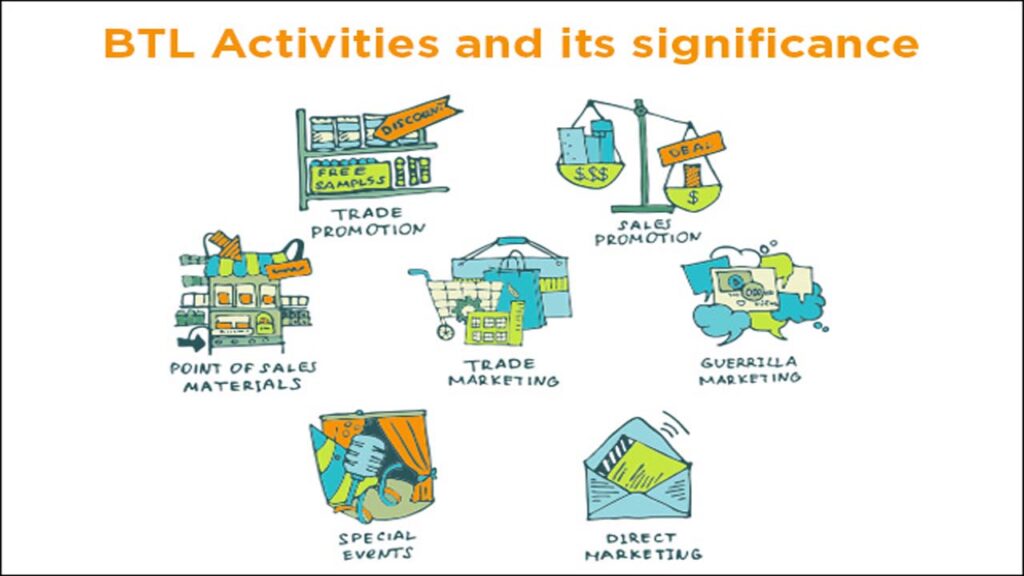
- Definition: Below the Line (BTL) marketing efforts are directed by direct and personalized communication with a targeted group of audiences.
- Key Objective: BTL strategies strive to communicate an active relationship and trigger immediate consumer action.
- Comparison with ATL: The ATL processes use mass communication media as a channel. Unlike this, BTL includes more focused and trackable media, such as direct mailers, in-store promotion, and online marketing.
- Example: Digital campaigns, experiential marketing, direct mailers, and product sampling are some BTL advertisements.
BTL advertising in today’s value-oriented, consumer-driven market is of immense worth. Such a market enables companies to utilize these strategies best because they help understand audiences and tailor messages accordingly with a higher return on investment.
Critical Components of BTL Advertising
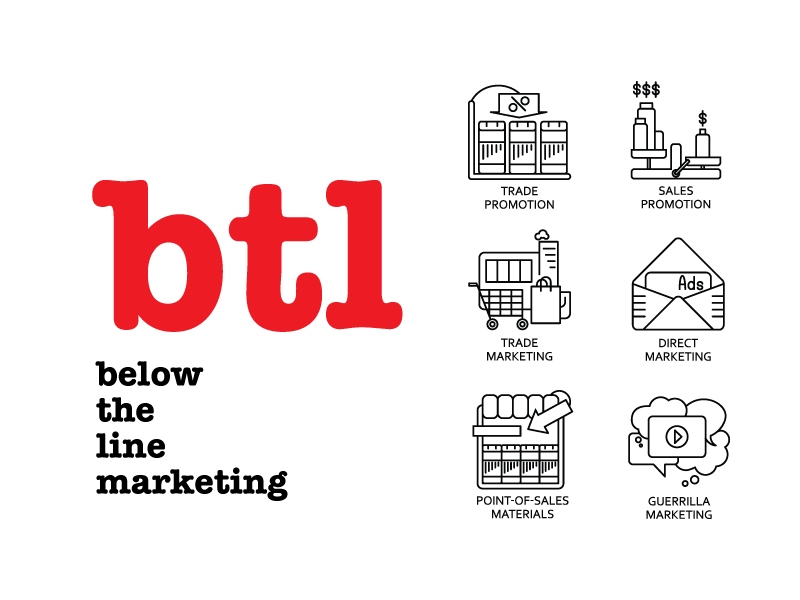
BTL advertising encompasses a variety of techniques, each tailored to interact directly with the audience. Here are some critical components of BTL strategies that help create a more personal and practical marketing approach:
- Direct Marketing
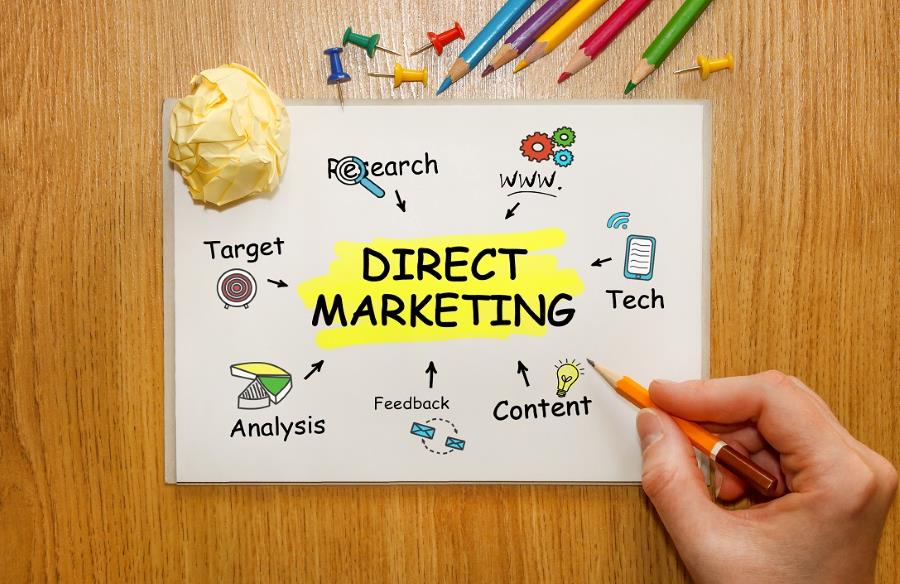
- Definition: Involves personalized communication through mail, telemarketing, or email.
- Targeted Messaging: Uses consumer data to create custom offers.
- Higher Conversion: Personalized coupons and offers boost engagement.
- Customer Loyalty: Tailored messages make consumers feel valued.
- Digital Integration: Combines physical and digital channels for a holistic strategy.
- Explanation: Direct marketing is a popular BTL method because it can reach specific customers with tailored messages. This results in higher engagement and conversion rates, making it an effective tool for generating sales and enhancing brand loyalty.
- Sponsorships and Events
- Brand Association: Aligns the brand with events, values, or specific audiences.
- Personal Interaction: Enables face-to-face engagement.
- Experience Creation: Events offer memorable, immersive experiences.
- Brand Visibility: Sponsorships increase brand recognition.
- Community Engagement: Builds stronger bonds through shared values.
- Explanation: Sponsorships and events allow brands to engage directly with their audience, creating positive associations and memorable experiences. Businesses can strengthen their brand presence by participating in community events or sponsoring relevant activities.
- Digital BTL Activities
- Social Media: Platforms like Instagram and Facebook enable targeted advertising.
- Influencer Marketing: Collaborations add authenticity and reach.
- Email Campaigns: Allows personalized, one-on-one communication.
- Real-Time Data: Provides metrics to measure campaign success.
- Interactive Content: Polls, quizzes, and videos engage audiences deeply.
- Explanation: Digital BTL strategies leverage modern platforms to reach consumers directly where they spend their time. Companies can tailor messages to consumer preferences and get instant feedback using tools like social media and email.
- Experiential Marketing
- Immersive Experiences: Interactive events encourage direct consumer participation.
- Emotional Connections: Create memorable moments that build loyalty.
- Word-of-Mouth Promotion: Satisfied participants spread positive experiences.
- Product Demonstrations: Consumers experience the product first-hand.
- Brand Differentiation: Unique experiences help brands stand out.
- Explanation: Experiential marketing engages consumers emotionally and creates a lasting impact by immersing them in unique brand experiences. This leads to stronger brand loyalty and increased consumer advocacy.
- Product Sampling and Trials
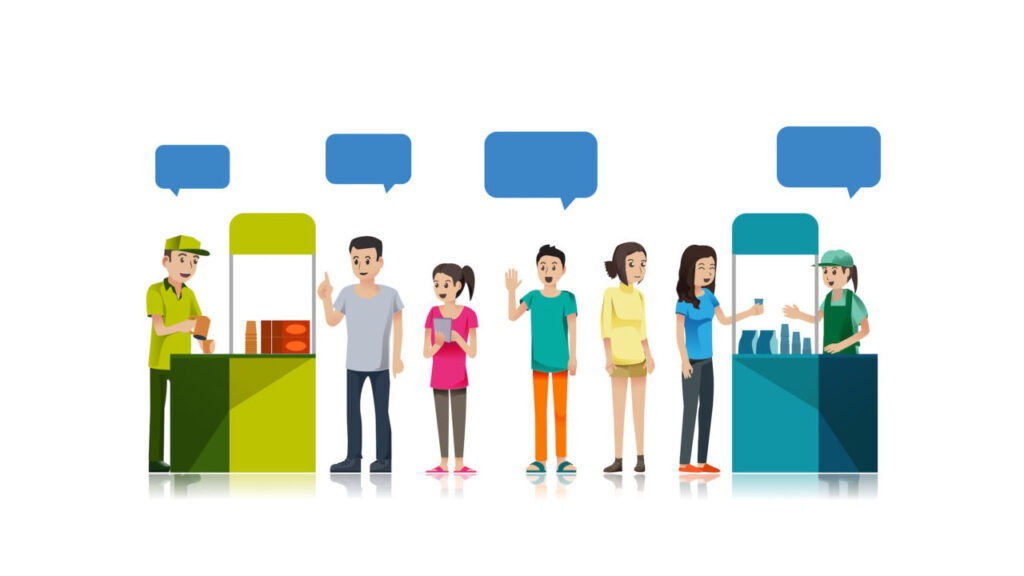
- Free Product Trials: Allows consumers to experience the product before purchase.
- In-Store Demonstrations: Showcases product features and benefits.
- Building Trust: Reduces consumer hesitation through hands-on experience.
- Immediate Feedback: Collects consumer opinions for improvement.
- Boosts Sales: Increases the likelihood of purchase through personal experience.
- Explanation: Product sampling and trials give potential customers a tangible experience of the product, increasing their confidence in making a purchase. This hands-on approach builds trust and enhances the likelihood of conversion.
Barriers to BTL Advertising

Despite the advantages BTL advertising can bring with it, it also poses several problems:
- Data Privacy Issues: Personalization has an intimate constituent as it is based on consolidating consumer data. Data privacy and transparency are the most significant.
- Budget Control: Small businesses will need a budget and, more importantly, the capability to use resources effectively when implementing a BTL campaign.
- Over-Saturation vs. Personalization: Too much messaging, too often, or too invasively can cause overexposure to a brand and lead to consumer fatigue.
Final Thoughts
- Meaningful Engagement: Personalized, direct messaging empowers enterprises to achieve meaningful engagements with their audience through BTL advertising.
- Data-Driven Approach: This approach keeps the BTL strategies aligned with the business objectives and is updated to meet changing customer needs.
- Future Relevance: Keep on doing BTL advertising as consumers’ preferences change, some sort of brand experience can be created, and continuing loyalty drives help.
Finally, BTL marketing goes beyond tactics, focusing on realistic relations with target consumers. By including BTL strategies in its marketing mix, an organization reinforces its brand presence and builds meaningful and lasting connections that deliver long-term success.
]]>Understanding Buzz Marketing
Buzz marketing is a promotional strategy whose primary goal is to activate a high interest level by spreading the word about a product or service. Social interaction is the main way that the brand’s platform and sharing information about it expect to get a vibrant and viral buzz that will immediately catch the eye of the respective customers. Charging the launched platform of the brand is by getting influencers engaged and users involved by messaging them informally and speaking candidly about the brand.
The Power of Word-of-Mouth
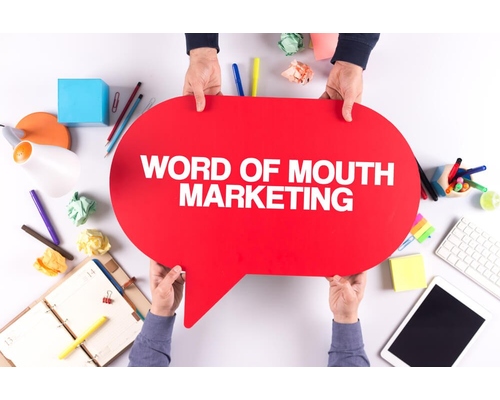
Buzz marketing’s main focus is thus not on creating awareness about the product but spreading the same via word-of-mouth marketing. On this occasion, personal recommendations would be sourced from friends, quite different from advertised brands.
- Importance of Trust: At best, 92% of consumers consider recommendations from friends and family the best way to find a good product or service. This may partly explain WOMM’s extreme impact on the consumer’s decision-making process.
- Case Study: The Ice Bucket Challenge, reaching the ultimate point of viralness, was not limited to the support of awareness for ALS, but it was an involvement of users, mostly the ones who either donated to this cause or shared their experiences online, which demonstrated that buzz through other techniques to set up a product marketing can make a moment.
- Frameworks: The “Hype Cycle” Carries people along on a new ride, another method to increase usage. They may try a new technology before they hear anyone endorse it. The Early Peak learns in buzz marketing, whether organizing short-lived promotions or going viral by creating real experiences and attention.
Creating Engaging Experiences
The second principle of buzz marketing consists of creating experiential perceived as engaging individuals to share the brand’s activity, usually in the kids and families demographic.
- Successful Campaigns: A few brands, even Nike, have connected people through regional events or sports campaigns, and the users are inspired to submit their content on social media. To illustrate, shoes not available year-round always lead to a successful launch because buyers are eager to share their experiences.
- Challenges: The most prominent buzz marketing issue is controlling the narrative. If you are not careful, negative views can spread as fast as positive ones. Companies must effectively handle crises that could make them look bad while staying calm.
- Strategies for Engagement: Brand promotion through memes or videos and user-generated content will be the best option for individuals to create buzz. Influencers are a good strategy because they can widen the outreach and improve the campaign’s reliability.
The Role of Digital Platforms
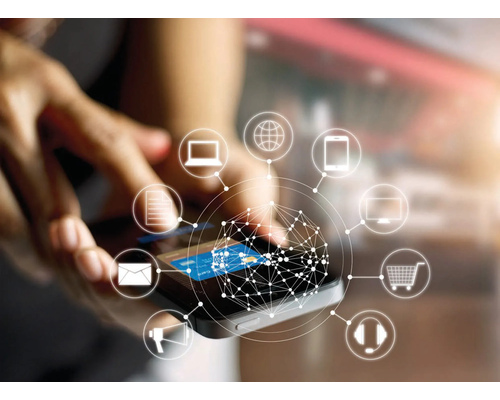
On a global scale, as we undergo digitalization, the role of online platforms is always of paramount importance in the buzz marketing process.
- Emerging Trends: Brands now use social media platforms such as TikTok and Instagram to target and communicate with customers differently. Quick, meaningful content that people can connect with is often so liked that it becomes a trend and thus leads to great publicity.
- Data Insights: A Sprout Social survey revealed that most consumers are highly likely to share information about a product with others if they come across it on social media. This may be done online to provide all the participants with one-of-a-kind attendance moments and open up a wide consumer base.
- Implications for Brands: Understanding platform dynamics and consumer behavior can help marketing teams design strategies. Providing interactive content, such as polls or live Q&As, will boost consumer engagement and raise interest in the brand.
To put it briefly, buzz marketing is an important method that produces a feeling of awe and inspires people to share their experiences. By being a repository of trust, sharing enthralling content, and maximizing digital networks, companies can successfully create a “buzz” that markets products and establishes a relationship with clients.
Conclusion
Buzz marketing is a breakthrough approach that capitalizes on word-of-mouth marketing to build excitement, anticipation, and engagement around the brand, product, or service. In the rapid digital revolution era, where many choices and advertisements swamp consumers, productive buzz marketing stands out. This method is naturally inclined to humans’ desire to share engaging opinions and suggestions, making it a vital part of today’s marketing tactics.
The main themes and components of buzz marketing include:
- Viral Content: Creating captivating and shareable content that users connect with and want to share.
- Social Media Engagement: The efficient and effective use of social media platforms, such as Instagram, Twitter, and TikTok, to bring out the best conversations and interactions users have with their peers.
- Influencer Partnerships are the practice of developing relationships with influencers to build the brand’s social proof and gain more public attention.
- Experiential Marketing: Creating experiences that grab the consumer’s attention and motivate them to share the excitement with others triggers word-of-mouth promotion.
- Community Building: The act of building or bettering a community by including your target community in engaging activities that will initiate more natural buzz. Competition of these elements allows various organizations to compete with each other to find the buzz due to their offerings, make them more noticeable on the market, and allow them to attract and keep their customers.
Nowadays, in a typical advertising disagreement}, you might get a glaze-eye treatment going; buzz marketing, on the other hand, is one of the strategies that cannot be different and efficient when getting consumers’ attention and getting them to stick to brands.
]]>It’s easier to imagine success by identifying all the types of advertising media in this fast-paced marketing world. All the advertising campaigns aim to speak to the target audiences to whom it is addressed and then achieve the results; they choose appropriate combinations of the most suitable media channels to:
- Heighten visibility
- Boost engagement
- Kick the product conversions into high gear
While the dominance of digital media is undeniable, traditional and offline advertising channels such as:
- Outdoor advertising (e.g., billboards, transit ads)
- Print media (e.g., newspapers, magazines)
- Other offline methods (e.g., flyers, direct mail)
These methods remain highly effective, especially for local markets and specific audience segments. Balancing conventional means with digital media for effective reach is crucial and may be the most critical factor in:
- Impacting audiences in the most receptive manner
- Ensuring a holistic advertising approach
Why You Need to Understand Advertising Media Types
Understanding the different types of advertising media is not simply a matter of media placement, but rather understanding strengths and weaknesses, against which are aligned business goals, and then choosing those that best fit the message for the brand and target audience.
- Targeted Reach: Different media types help in reaching specific audience demographics. For instance, traditional media like television may have a broad reach, outdoor advertising targets audiences in particular locations, and social media offers tailored engagement options for niche audiences.
- Cost Management: Awareness of media costs allows businesses to allocate budgets wisely, focusing on channels that offer the best ROI. For example, while digital ads can be cost-effective for startups, large billboards might be more beneficial for local businesses.
- Message Customization: Understanding each media type enables marketers to adapt their message style—short and catchy for billboards, detailed and informative for blogs, or visual and engaging for social media.
- Campaign Measurement: Each medium provides unique metrics, making measuring performance and refining strategies based on real-time data easier. For example, while digital channels offer detailed analytics, outdoor campaigns can be tracked through foot traffic or coupon redemptions.
Traditional Advertising Media
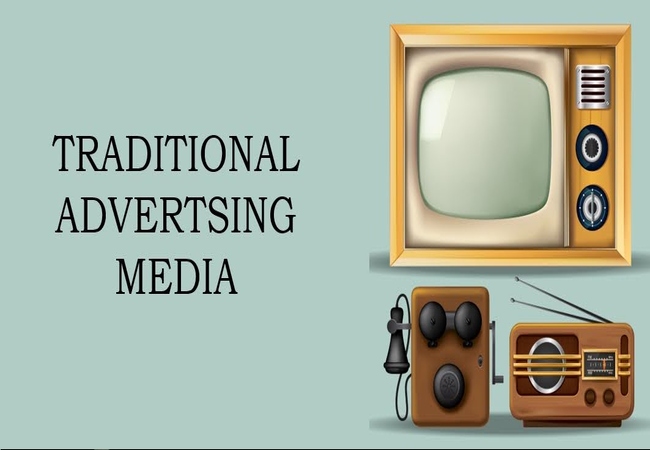
Traditional media include print, broadcasting, and out-of-home media. Even though digital channels are mushrooming around the corner, traditional media still contributes significantly to market reach, especially for newly established brands and local markets.
- Print Advertising includes newspapers, magazines, brochures, and flyers. It effectively targets specific age groups, such as older audiences who still prefer reading newspapers. It is helpful for industries where detailed information is crucial, such as real estate or automotive. It is best for building credibility and reinforcing brand image through high-quality visuals and long-form content.
- Broadcast Advertising encompasses television and radio ads. Television ads are ideal for reaching a mass audience quickly and are often used for product launches or branding campaigns. Radio ads are more localized and effective for small businesses targeting local audiences. They are ideal for creating memorable visual or auditory experiences that leave a lasting impact.
- Out-of-home advertising (OOH) includes billboards, transit ads, and posters. It captures attention in high-traffic areas like highways, city centers, and public transportation. Effective for brand awareness and reinforcing campaign messages through repeated exposure, OOH works well for promoting local businesses or time-sensitive offers.
Outdoor Advertising: Offline Visibility Creates Noise
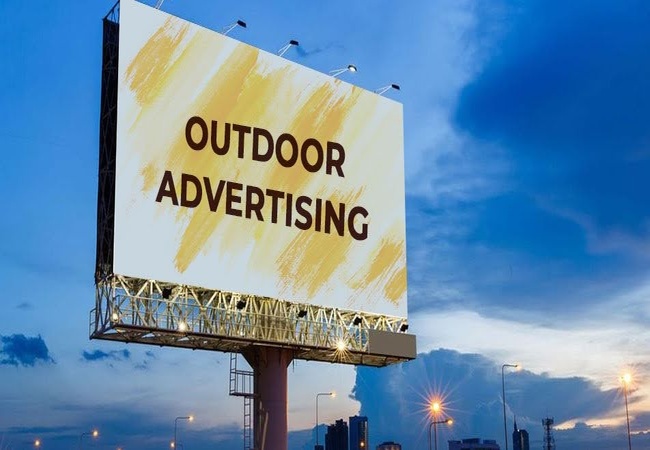
Outdoor marketing grabs people’s attention by placing them in areas where they can be seen in public. It is excellent for building brand awareness, event promotion, and driving foot traffic into individual businesses. There are several different types of outdoor advertisements, each with strengths that make a particular campaign stand out.
- Billboards: One of the most recognizable forms of outdoor advertising.
- Best suited for high-impact visual messages, ideal for brand recognition.
- Works well for both national brands and local businesses due to its high visibility.
- Effective when placed in high-traffic areas, such as highways or busy city intersections.
- Transit Advertising: Found on buses, trains, taxis, and subways.
- It is ideal for reaching commuters and urban audiences who spend significant time in transit.
- Offers a mobile way of reaching audiences, ensuring the message is seen in multiple locations.
- Effective for time-bound campaigns, such as sales promotions or event announcements.
- Street Furniture: Includes bus shelters, kiosks, benches, and telephone booths.
- Allows advertisers to engage with pedestrians and vehicular traffic in urban environments.
- Useful for hyper-local targeting and reinforcing brand messages in specific neighborhoods.
- Ideal for interactive ads, such as digital screens or QR codes, that encourage user engagement.
- Event and Venue Advertising: Includes signage at sports stadiums, concert halls, and conventions.
- It best captures audiences’ attention in a more relaxed and receptive environment.
- It is ideal for highly engagingly targeting niche markets, such as sports enthusiasts or music lovers.
- Works well for building a brand association with popular events or cultural gatherings.
Other Offline Methods of Advertising: As a means aside from Traditional and Digital
While broadcast forms such as print and outdoor advertising billboards are well-known, many other offline advertising media are lesser known and offer entirely different ways of reaching audiences. Strategic use of these can complement more extensive campaigns and leave a memorable brand experience.
- Direct Mail Advertising: This involves sending promotional materials such as brochures, catalogs, postcards, or letters to the target audience.
- Highly personalized and effective for targeting specific geographic or demographic groups.
- Works well for detailed product information, seasonal promotions, and exclusive discounts.
- Best for nurturing customer relationships and generating leads in a tangible format.
- Experiential Marketing: Involves creating immersive brand experiences that engage consumers directly.
- It is ideal for launching new products, building brand loyalty, and generating social media buzz.
- Effective for creating emotional connections with the audience through live events, pop-up stores, or interactive installations.
- Best for encouraging word-of-mouth marketing and enhancing brand recall.
- Point-of-sale (POS) and In-Store Advertising include promotional displays, banners, and digital screens in retail environments.
- Effective for influencing purchase decisions at the point of sale.
- Best for highlighting new arrivals, special offers, or product demonstrations.
- Works well for encouraging impulse buys and reinforcing brand messages in-store.
Digital Advertising Media Types
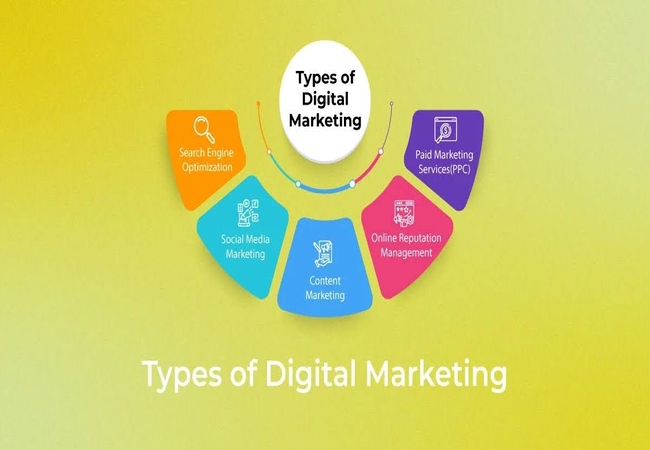
Digital advertising media have become essential marketing tools due to the internet and technology. Interactive and highly targeted avenues of engagement with audiences can ensure easier tracking and measurement of campaign success.
- Social Media Advertising: Platforms include Facebook, Instagram, LinkedIn, Twitter, and TikTok.
- Highly targeted, allowing businesses to reach specific demographics based on location, interests, and behavior.
- It is ideal for building communities, engaging in two-way communication, and promoting user-generated content.
- Best for running both organic and paid campaigns that can go viral and reach millions.
- Search Engine Marketing (SEM): Includes Google Ads, Bing Ads, and other PPC campaigns.
- Target users search for related products or services, making it highly conversion-focused.
- It allows for precise budget control, as advertisers only pay when users click their ads.
- Best for driving website traffic, generating leads, and increasing sales.
Final Thoughts
To create impactful and memorable campaigns, it’s essential to understand and strategically combine various advertising media types. Each type—whether traditional, digital, outdoor, or other offline channels—brings unique advantages that can help brands achieve diverse marketing objectives. By carefully analyzing the strengths of each medium, marketers can craft campaigns that resonate deeply with their target audiences, ensuring high engagement and optimal results.
- Utilize a Balanced Approach:
- Combine traditional and digital media to maximize reach and engagement.
- Use outdoor and offline ads to boost local visibility and brand recognition.
- Leverage experiential marketing for memorable brand interactions and in-store displays to influence purchasing decisions.
- Understand the Strengths of Each Media Type:
- Traditional Media: Best for building credibility and reaching broader audiences.
- Digital Media: Ideal for precise targeting, real-time engagement, and performance tracking.
- Outdoor Advertising: Perfect for high-impact visuals and reinforcing brand messages in strategic locations.
- Other Offline Methods: Excellent for personalization and creating immersive brand experiences.
- Create a Cohesive Multi-Channel Strategy:
- Develop unified messages that can be adapted for different media.
- Use cross-promotional strategies, such as integrating social media with experiential marketing events.
- Monitor performance across all media channels to refine and optimize campaigns based on data insights.
Frequently Asked Questions About Media Advertising
How do you select advertising media?
Selecting advertising media involves determining the target audience’s preferences and, depending on the campaign’s overall objectives, the channels to use. Other factors considered when making choices are reach, engagement potential, and budget.
What are forms of advertising media?
Advertising media refers to different forms, such as television, radio, print (newspapers and magazines), outdoor (billboards), and digital platforms like social media, websites, and email marketing. Each one has its strengths and is recommended to be used toward specific types of marketing objectives.
Why is advertising media important?
Advertising media is essential to a business because it will enable them to reach their audiences, increase the brand’s presence, and encourage and effectively drive sales. An effective advertising media strategy will undoubtedly support a brand’s growth and success more profoundly in markets.
Ad media tracks its ads’ effectiveness through key performance indicators, including reach, engagement, conversion rates, and return on investment. The businesses can then monitor their advertising activities through analytics tools and metrics.
What are some of the current advertising media trends?
Other contemporary trends involving advertising media include influencer marketing, personalization of content, using artificial intelligence in targeting, and social media becoming an increasingly critical platform. Therefore, keeping abreast of these trends would help a business understand which content to personalize, use its targeting facilities, and change market strategies to achieve better performance.
]]>Moreover, personalised campaigns tailored to specific demographics leverage data analytics for effective targeting. Virtual reality and immersive technologies provide a sneak peek into India’s tourist hotspots, enhancing engagement. Sustainable and responsible tourism is a key theme, emphasising eco-friendly practices and community involvement.
Inclusivity is another trend, promoting lesser-known destinations and highlighting the warmth of Indian hospitality. Compelling narratives focus on experiential journeys, creating emotional connections. With these trends, tourism advertisements in India are evolving to attract visitors and foster a sense of exploration and cultural appreciation.
Importance of Tourism Advertisements in India
Tourism advertisement India play a crucial role in showcasing the country’s rich cultural heritage, diverse landscapes, and vibrant traditions. These ads are powerful tools to attract visitors and boost the tourism industry, significantly contributing to the country’s economy. By highlighting iconic landmarks like the Taj Mahal, serene beaches, and bustling markets, these advertisements create an allure that captivates potential travellers.
Tourism ads promote popular destinations and shed light on lesser-known gems, encouraging exploration beyond the mainstream. Moreover, they contribute to fostering a positive image of India globally, dispelling misconceptions and attracting diverse tourists. This trend highlights India’s diverse and rich culinary heritage, enticing travellers with a flavorful journey.
These ads evoke a sense of wanderlust through enticing visuals and compelling narratives, prompting people to embark on memorable journeys. Tourism advertisements in India serve as ambassadors, inviting the world to experience the country’s beauty, hospitality, and cultural richness, fostering economic growth and cross-cultural exchanges.
Impact of Advertisement on Tourists

Tourism advertisement India plays a crucial role in shaping the experiences of tourists. These vibrant promotions showcase the country’s rich cultural heritage, diverse landscapes, and unique attractions. Advertisements Create awareness, enticing travellers with glimpses of breathtaking destinations like the Taj Mahal, vibrant markets, and scenic landscapes.
The impact is significant as it influences tourists’ decision-making processes. Compelling visuals and captivating narratives spark curiosity, encouraging people to explore India. Effective advertisements contribute to economic growth by attracting a steady influx of tourists, increasing local businesses’ revenue.
Moreover, advertisements serve as cultural ambassadors, fostering a positive image of India globally. Tourists often arrive with expectations shaped by these ads, contributing to the overall experience. However, it’s essential to maintain authenticity in advertising to ensure visitors encounter the true essence of India. Tourism advertisements in India are powerful tools that boost the economy and shape tourists’ perceptions, impacting their travel choices and experiences.
Top 8 Trends for 2023 Tourism Advertisements in India
Discover the latest trends in 2023 Indian tourism ads:
Hyper-Personalisation
In the dynamic world of tourism advertisement India, hyper-personalisation emerges as a key player. Understanding your audience becomes paramount — it’s like knowing your friend’s favourite flavour of ice cream. Imagine this: you’re planning a family holiday, and recently, you searched for “family holidays in Goa.” Now, picture scrolling through your feed and voila! An ad pops up, showcasing a cheerful family building sandcastles on a Goan beach. It’s not magic; it’s hyper-personalisation at its finest.
This strategy tailors ads based on what people like you are interested in and have done before. It’s like a personalised tour guide whispering, “Hey, I know you love family vacations, so check out this beautiful beach in Goa!”
In the tourism, where every click counts, hyper-personalisation is the secret sauce. It transforms advertisements from random pitches to tailored experiences, making potential travellers feel like the ad was made just for them. So, in the bustling world of tourism advertisement in India, remember the mantra: Know your audience, and let hyper-personalisation be your guide.
Micro-Influencers
In the vibrant tourism advertisement India, a new trend is taking the spotlight – micro-influencers. Forget the big celebrities; think local! These are social media rockstars from your favourite destinations. They’re like the cool kids next door who know all the hidden gems. Why?
Because when it comes to travel, we trust the advice of someone who feels like a friend. Micro-influencers are just that – your friendly neighbourhood guides. They’ve got engaged followers who hang onto their every recommendation.
Picture this: Instead of a big movie star promoting a fancy hotel, imagine a local Instagram guru sharing their favourite cosy homestay in the hills. It feels real, like getting tips from a friend who knows the place inside out.
So, in the world of tourism advertisement in India, it’s time to ditch the flashy celebs and tap into the authenticity of micro-influencers. They bring the charm, the realness, and the relatability that travellers crave.
Experiential Marketing
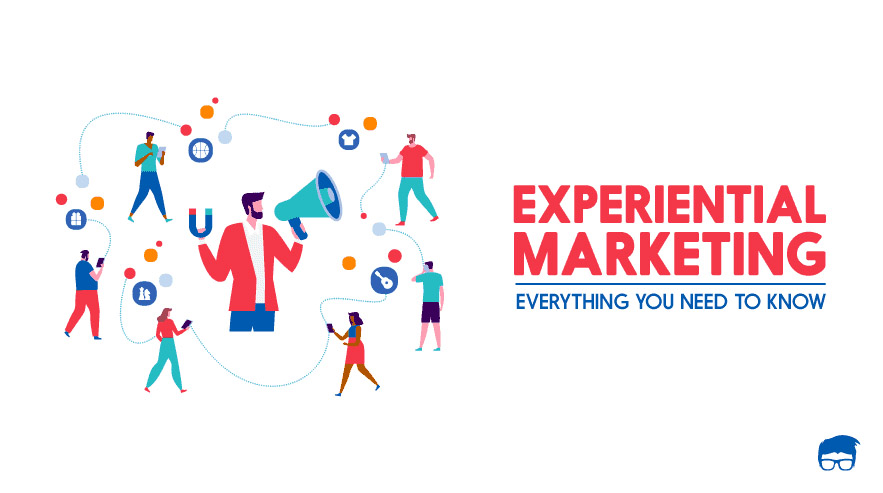
In the colourful area of tourism advertisement India, a captivating strategy is stealing the show: experiential marketing. It’s not just about showcasing places; it’s about selling the feeling, the thrill, and the joy of a destination.
Imagine this: Instead of a static image of a serene beach, picture an immersive video. Feel the rush of bungee jumping in Rishikesh, smell the aromatic spices in cooking classes in Kerala, or hear the roar of a tiger during a wildlife safari in Rajasthan. It’s like taking a sneak peek into the adventure that awaits.
Experiential marketing is all about stirring emotions and creating a connection. It’s not just saying, “Visit Rishikesh,” but showing the sheer excitement of taking that daring leap. It’s not just suggesting a trip to Kerala but letting you savour the flavours of a culture through a cooking class. So, in the tourism advertisement in India, remember: It’s not about the destination; it’s about the experience. Let the videos do the talking, the feeling, and the inviting. It’s not just a place; it’s a vibrant, immersive adventure waiting to be explored.
Sustainable Tourism

In the heart of tourism advertisement India, a rising star is taking the spotlight – sustainable tourism. Imagine a world where your vacation not only brings joy but also cares for the planet. That’s the magic of highlighting eco-friendly practices and responsible travel options.
Picture this: Ads not just showcase beautiful areas but also boast about how they are being preserved for generations to come.
It’s like inviting travellers to be Earth’s allies. From solar-powered hotels to wildlife conservation efforts, the focus is on experiences that don’t harm our planet. Sustainable tourism isn’t just a trend; it’s a movement. It’s about attracting travellers who care about the environment.
It’s saying, “Come, explore the beauty of India, and let’s ensure it stays beautiful.” These ads are a call to action, a promise that your adventure won’t leave a trail of harm but a footprint of care. So, in the world of tourism advertisement in India, let’s embrace the green wave. It’s not just a trip; it’s a journey that leaves the Earth smiling.
Short-Form Video Dominance
In the dynamic tourism advertisement India, short-form videos are stealing the spotlight. Think TikTok, Reels, and Shorts – these bite-sized wonders are the new rulers of the game, capturing attention in under 60 seconds to make an advertisement to promote tourism in India.
Imagine scrolling through your phone and stumbling upon a mini escape to India’s wonders – a burst of vibrant culture, breathtaking areas, and exciting activities all packed into a short video. It’s like a quick magic carpet ride into the heart of the destination.
Short-form video dominance is not just a trend; it’s a revolution. It’s about engaging viewers swiftly, leaving them in awe, and making them crave more. Whether it’s the majestic Taj Mahal, the bustling markets, or the serene backwaters, these videos are like postcards that come to life.
So, in the world of tourism advertisement in India, it’s time to embrace the short and snappy. These videos are the modern storytellers, weaving tales of beauty and adventure in just a few seconds. Let the reels roll, the TikToks dance, and the Shorts charm – India’s wonders await in a quick, delightful package.
Authenticity and Transparency

In the vibrant world of tourism advertisement in India, authenticity and transparency are the true stars. Forget the filters; it’s time to showcase the real, unfiltered beauty of India. Picture this: instead of polished perfection, ads that embrace imperfections tell the genuine stories that make India special.
Imagine flipping through a travel brochure and seeing not just glossy images but real moments captured by travellers like you. It’s about featuring user-generated content, snapshots of laughter, awe, and discovery. These are the stories that build trust and relatability.
Authenticity isn’t about hiding flaws; it’s about celebrating the uniqueness of each experience. It’s the bustling markets, the unexpected encounters, and the imperfect yet charming corners that make India unforgettable.
So, in the tourism advertisement in India, let’s wear our hearts on our sleeves. Let’s create ads that don’t just sell a destination but share the genuine emotions of those who’ve explored it. It’s time to connect on a real level because in authenticity, we find the true magic of India.
AI-powered Chatbots

In the exciting world of tourism advertisement in India, there’s a game-changer on the scene – AI-powered chatbots. Imagine having a friendly virtual assistant available 24/7 to make your travel dreams come true.
These chatbots are like travel wizards, ready to answer your questions, suggest amazing places, and even help you book your dream trip. No more stressing over time zones or waiting for office hours – the chatbots have your back.
Picture this: You’re curious about the best spots in India, and boom, a chatbot pops up, guiding you through the wonders of the country. It’s like having a travel buddy who never sleeps, always ready to share the best tips and tricks.
In tourism advertisement in India, AI-powered chatbots are the heroes of seamless travel planning. They bring the magic of instant assistance, turning the journey from stressful to stress-free. So, pack your bags and let the chatbots handle the rest – your Indian adventure awaits hassle-free!
Focus on Local Experiences

In the diverse area of tourism advertisement in India, there’s a call to go beyond the iconic Taj Mahal and explore the rich tapestry of local experiences. Imagine ads that are like treasure maps, leading you to hidden gems in every corner.
Think about cosy homestays in the Northeast, where you don’t just visit a place but become part of it. Picture yourself savouring the flavours of Tamil Nadu through culinary adventures that go beyond the ordinary. Feel the vibrancy of traditional festivals in West Bengal, where every dance and celebration tells a story.
It’s time to discover India beyond the postcard images. These ads are like invitations to a journey where each step unveils a new, authentic experience. From the misty mountains of the Northeast to the spicy trails of Tamil Nadu and the lively festivals in West Bengal, let the local experiences be the stars of your Indian adventure. It’s not just a trip; it’s a tapestry of memories waiting to be woven.
Final Thoughts
In 2023, tourism advertisement in India will change how they promote travel by focusing on personalised adventures, immersive experiences, and eco-friendly practices. These trends will captivate people and make them want to discover India’s rich cultural tapestry and varied areas. Advertisements now focus on showcasing customisable itineraries. So, prepare an advertisement to promote tourism in india!
]]>One ever-changing aspect of marketing is indoor advertising media, which includes a variety of techniques designed to captivate consumers in enclosed areas. Indoor advertising targets people inside particular locations, such as malls, airports, and business spaces, unlike outdoor advertising, which targets bystanders.
These advertisements take many forms, such as interactive displays placed in critical locations to draw captive audiences or digital screens and posters. Indoor advertising makes the most of dwell times, taking advantage of when people are in favourable settings for absorbing messages.
Using this method, content may be precisely targeted to the audience and demographics of the venue. Because indoor advertisements are versatile, marketers can create immersive and innovative campaigns that leverage consumer psychology to increase brand memory and engagement.
We examine the various indoor advertising media types in this investigation, highlighting their unique advantages and uses. Whether it’s the adaptability of interactive screens, the focused reach of digital displays, or the classic allure of posters, each media can make a significant impression on customers.
Is Indoor Advertising Media Beneficial?
A dynamic and calculated strategy, indoor advertising is ideal for companies looking to interact with their target market in small, controlled spaces. Unlike outdoor advertising, interior advertising uses certain locations such as transportation hubs, airports, and malls, providing a unique chance to target specific audiences with messages.
Indoor advertising goes beyond traditional marketing by providing quantifiable effects and the possibility of immersive experiences that create a lasting impression through contextual relevance and creative forms.
This type of advertising has a particular benefit in that it may draw in a captive audience, increasing brand memory and fostering high engagement levels. However, even with clear advantages, an efficient indoor advertising plan must still overcome obstacles like ad clutter and prices.
Benefits of Indoor Advertising Media
1. Targeted Reach
Ad placement is made possible by the distinct demographics drawn to indoor areas. Ads in airports, for example, reach a wide range of visitors, while those in gyms may specifically target fitness enthusiasts. This accuracy increases the possibility of connecting with potential customers.
2. High Engagement
People are less distracted in cramped areas, which makes it more likely that they will see and interact with advertisements. This trapped audience may move through these places more frequently or wait longer, giving ads plenty of exposure.
3. Improved Recall
Exposure to a brand regularly strengthens recall memory. When customers see advertisements frequently, they become accustomed to them, which helps them remember the brand better when making decisions.
4. Contextual Relevance
Indoor advertisements may complement their surroundings. For example, an advertisement for a food delivery service in a movie theatre foyer or a bookshop in a café feels contextually relevant and increases conversion rates.
5. Measurable Impact
Metrics for monitoring the efficacy of indoor advertising media are available. In these regulated environments, metrics like foot traffic, engagement rates, and conversion rates offer essential insights into the effectiveness of campaigns.
Different Types Of Indoor Advertising Media
Indoor media for advertising has a dynamic perspective of various media positioned carefully inside small areas to fascinate and engage viewers is what indoor advertising exemplifies. These settings, which range from the busy aisles of shopping centers to the fleeting moments at transit hubs, are ideal for connecting businesses with their target audiences.
These types of indoor advertising media provides a multimodal approach to consumer outreach. Businesses use interactive stands, digital screens, in-store displays, and experiential marketing to attract customers, spark interest, and build brand loyalty.
Crafting effective campaigns that connect inside these confined spaces and create a lasting impression on the audience requires an understanding of the subtleties and capabilities of each indoor advertising media.
Here are the different types of indoor advertising media:
1. Digital Screens

Malls, airports, and transit zones are home to high-definition digital screens that display dynamic content. They provide advertisers the freedom to alter their commercials and reach a variety of audiences with different messages.
These panels can include interactive components for increased interaction, and their colorful displays frequently draw attention. These displays provide an immersive viewing experience when placed in high-traffic areas of interior environments.
Indoor advertising media may run many campaigns at once, targeting various demographics at different times of the day, thanks to the ability to cycle advertising. Touchscreens and QR code integrations are examples of interactive elements that increase viewer engagement by enticing them to actively interact with the material on display.
2. Static Displays
In interior spaces, traditional static displays like posters, banners, and signs are often seen. Placed in strategic locations like restaurants, shopping centers, or event spaces, these displays provide an affordable way to communicate specific messages to onlookers.
These stationary exhibits act as anchors in the visual field, providing a constant presence that enhances the overall atmosphere of the area. They are a solid option for focused advertising because they consistently communicate information, whether promoting seasonal specials in retail settings or showing event details in conference buildings.
Furthermore, the flexibility of static displays permits prompt updates and alterations, guaranteeing pertinence and promptness in conveying brand stories in interior environments.
3. Interactive Kiosks
By offering amusement or information, touchscreen kiosks or interactive displays draw viewers in. These interactive kiosks, located in shopping centers or entertainment venues, let viewers connect with the material directly, making the experience memorable and encouraging further in-depth interaction with the promoted brand.
They operate as virtual assistants, helping with transactions, giving consumers access to real-time information, and even making the experience more enjoyable. These kiosks have developed into useful instruments for gathering customer information, giving companies insights into the preferences and actions of their customers.
Furthermore, immersive experiences may now be had at interactive kiosks thanks to technological breakthroughs like augmented reality (AR) and virtual reality (VR). This type is one of the most effective indoor advertising media.
4. In-Store Advertising
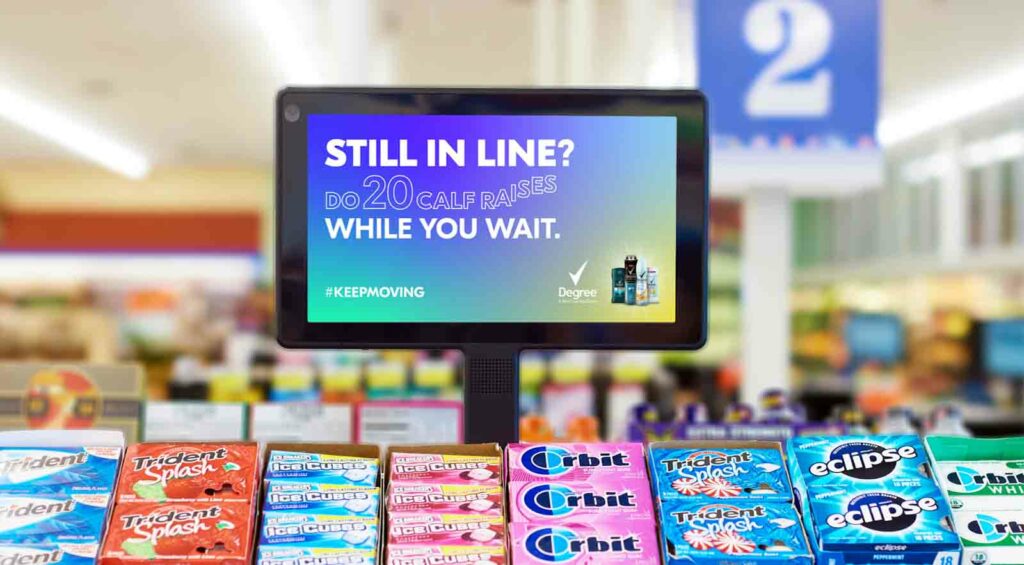
Product placements, end caps, and shelf displays are examples of in-store advertising in retail settings. At the point of sale, these well-placed commercials affect customer behavior directly by influencing purchase decisions.
Furthermore, digital signage in retail settings is included in the category of in-store advertising, which goes beyond static displays. The shopping experience is enhanced by interactive screens that are placed strategically next to product aisles and provide interesting material, product details, and even tailored suggestions.
These dynamic digital displays have the ability to alter promotions in real-time in response to user choices or real-time data, which increases their influence on consumer behaviour at the crucial point of purchase.
5. Transit Advertising
Advertisements that run inside trains, buses, and subways are aimed at passengers on their way. These advertisements maximize the captive audience and prolonged exposure time to increase brand awareness.
Using the commuter experience, transit advertising ensures that brands are woven into the routines of people’s everyday travels. Businesses capture customers’ full attention while they travel by inserting carefully placed advertisements inside transportation networks, turning inactive periods into worthwhile interaction opportunities.
When messaging are seamlessly incorporated into various areas, it not only increases brand awareness but also shapes customer behaviour by placing goods and services in the context of people’s daily lives.
6. Experiential Marketing
Through experiential marketing, brands provide immersive interior encounters. Pop-up stores, sponsored events, and interactive exhibits are effective ways to connect with consumers on a deeper level, create brand awareness, and leave a lasting impression.
By actively involving customers in the brand story, experiential marketing goes beyond traditional advertising. It promotes hands-on interaction, allowing people to touch, feel, and experience the spirit of the brand directly.
Through the use of workshops, live demonstrations, or gamification, companies are able to create unforgettable experiences that leave an emotional impression on customers. This, in turn, encourages consumer advocacy and brand loyalty. This is one of the significant indoor advertising media examples
7. Advertising In Elevators
Placing indoor advertising media posters in elevators guarantees a momentarily captivated audience. In retail centers or office buildings, elevator advertising successfully draws customers’ attention during brief journeys.
Because of its limited area and inevitable viewership, elevator advertising has a special chance for concise yet powerful messaging. These advertisements make the most of the little time that customers spend in elevators by showcasing promotions, succinct brand pitches, or captivating imagery.
As a result, every second matters when it comes to message retention and brand memory. Additionally, eye-level placement of elevator displays or posters can guarantee optimal viewing and interaction during these brief journeys.
8. Audio Advertising
In addition to visual media, audio cues such as background music, announcements, or radio-style commercials can be used in interior venues to engage consumers further. Audio advertising adds a further layer to visual media when used inside, resulting in a multisensory experience.
While announcements are placed purposefully to grab attention, background music sets the tone and impacts consumer behaviour subtly yet effectively. As customers move through these interior spaces, radio-style advertising that are adapted to the surroundings permeates the aural area, reiterating brand messaging and fostering a unified, immersive ambiance.
Because each kind of indoor advertising media has distinct qualities and benefits, companies may choose the best format for their needs based on campaign goals, target audience, and budget. Campaigns for indoor advertising may be made more impactful and effective by carefully combining these media.
Wrapping Up

We looked deep into the indoor advertising media definition, with its wide range of media that includes interactive, visual, and audio components, indoor advertising media offers a sophisticated and calculated method of interacting with viewers in confined spaces. Combining these channels produces a brand communication symphony that impacts customers more powerfully.
Through interactive kiosks, digital screens, in-store displays, and auditory cues such as announcements and background music, advertisers can create engaging experiences that appeal to the target audiences. This multi-sensory strategy is very effective because it enhances brand identification and recalls by using several aspects of human perception.
These ads are placed strategically in high-traffic locations like shopping centers, train stations, and performance spaces to guarantee maximum exposure to captive audiences. This increases brand visibility and enhances conversion rates.
Additionally, the adaptability of interactive kiosks and digital screens allows advertisers to supply dynamic material and modify messaging in real-time to match shifting customer habits or campaign goals. The marketing message’s total effect is increased when audio advertising and visual displays are combined to create an engaging story.
Indoor advertising media is becoming recognized as a flexible and effective approach that gives marketers a range of options to engage consumers in settings where they are most responsive.
These small spaces’ combination of interactive, visual, and audio components creates a memorable and captivating brand experience that strengthens bonds between businesses and customers over time.
]]>Brand Activation Fosters Engagement
With the barrage of marketing messages, it seems that consumers have become selective. The customers would rather prefer having real experiences rather than pitches for sales. Brand activation is an interactive way of engaging people so they can personally live within the brand. It goes beyond sell-buy relationships because it builds emotional ties.
- Building Trust: Brand activation gives brands the opportunity to gain the trust of the target group through direct contact and keeps the brand in their minds.
- Creating Emotional Bridges: Brand activation comes into action to work out positive, meaningful emotional bonds with customers through a series of activities and campaigns that eventually help them like the brand.
- Tactual Experience: Direct contact, feeling, and touching the brand can have a far deeper and longer-lasting impact on the consumer’s psyche than messages through regular media.
- Rapid Results: Because brand activation is an experience creation, the result is likely to be fast and measurable – such as higher sales or more engagement.
- Noise-cutting: Brand activation enables brands to stand out from the backdrop white noise of digital and print marketing messages by creating multi-sensory experiences for a high-value audience.
Brand Activation vs. Experiential Marketing
Although brand activation and experiential marketing are often used interchangeably, they have distinct roles to play in the marketing canvas. Both leave behind valuable experiences, but the core objective is different.
- Brand Activation vs. Experiential Marketing: Brand activation aims to ‘activate’ the trust of the consumer’s mind by involving them through involvement and emotional engagement. On the other hand, experiential marketing is more about offering a delightful experience with excellent remembrance of the brand.
- Goal-Oriented Approach: Brand activation always focuses on loyalty over time while integrating communication into a creative platform, whereas experiential marketing delivers experiences and provides instant engagements.
- Audience Involvement: Consumer involvement is a must in brand activation, whereas experiential marketing relies more on the impression by the experience.
- Holistic Experience: Brand activation always puts forward the combination of digital, physical and sensory elements of a strategy. Experiential marketing is event-based, and consumption is mostly one-time.
- Emotional vs. Sensory Focus: Brand activation concentrates on emotional experiences, whereas experiential marketing will do their best to keep customers’ senses alive.
Best Creative BTL Activities/Brand Activation Ideas
BTL marketing activities help brands interact with consumers in unique ways. Let’s explore some of the best creative ideas companies can use to execute effective brand activation campaigns.

Free Product Sampling
Free sampling of products is perhaps the best way to ensure that product reaches into the pocket of the consumer. It makes customers experience the brand intimately and thereby enhances the probability of a purchase
- Helps Build Trust: Free samples build the trust of consumers as they get a feel of the product before it is purchased.
- Instant Feedback: A consumer can give instant feedback that helps in making the product right and know its preference.
- Publicity through Word of Mouth: Sampling builds awareness and provokes referrals through word-of-mouth.
- Impulse Purchase: Among consumers, sampling enhances the impulse to buy by raising the buying propensity.
- Customer Return Boosts: Good experiences through free samples turn consumers into returning customers.

Event Games
The inclusion of games in BTL activities makes it exciting and compels consumers to interact with the engagement process by making it more interesting.
- Advertisement Break: Games break the feeling of a typical advertisement, thus making involvement with the brand more attractive.
- Increases Engagement: Gamification keeps consumers entertained and interested, increasing brand recall.
- Creates Memorable Experiences: Fun experiences leave an impression, making consumers more likely to associate with the brand.
- Involves Active Participation: Games encourage active participation, expanding brand activation reach.
- Flexibility for Integration: Brands can integrate their product or service creatively into games, embedding marketing messages effortlessly.

AR Photo Booths
AR may make photo booths more engaging. It gives consumers an opportunity to generate personal interactive content that they can share on social media, amplifying brand visibility.
- Interactive Layer: It enables an interactive experience, allowing the use of AR technology to take a new dimension in the way consumers interact with the brand.
- Share on Social Media: Consumers upload AR photos on social media, capturing larger audiences and generating user-generated content.
- Personalized Marketing: The AR booths can be displayed in an arc according to the user’s preference and create a dynamic connection with the brand.
- Memorable Moments: Customers take home an unforgettable experience and increase brand recall.
- Versatile Use: The AR photo booth can be utilized in mall events, in-store promotions, and trade show activation.

Cup Branding
Cup branding is an innovative BTL promotional activity wherein brands imprint their identity on paper cups in offices, colleges, and public areas, exposing the relevant audience to the brand repeatedly.
- Direct Exposure: The consumer has the cup for a few minutes, which implies dedicated, full-time exposure to the brand.
- Repeated Exposure: Every use of the cup during the day ensures that the brand name is remembered.
- Organic Word-of-Mouth Marketing: Interaction through cup branding will evoke conversation about the brand, which is organic word-of-mouth marketing.
- Cost-Effective: Cup branding is low-cost yet effective advertising.
- Eco-Friendly Appeal: The eco-friendly paper cups align the brand with sustainability and attract conscious consumers.
Flash Mobs
Flash mobs are a fun, exciting way to involve consumers in public spaces. They consist of entertainment and brand activation all put into one activity.
- Surprises and Delights: Flash mobs surprise bystanders with performances that are unforgettable.
- Viral Flare: Flash mobs can go viral with the help of social media, spreading the brand’s message far beyond the live audience.
- Audience Participation: Most flash mobs promote audience participation; therefore, an instant emotional connection is established with the brand.
- Buzz and Excitement: If executed properly, a flash mob is sure to create excitement and raise brand awareness.
- Versatile Applications: Flash mobs can be applied to any industry from food and beverages to technology, making them a versatile brand activation tool.
Final Thoughts
Brand activation and BTL marketing provide brands with excellent opportunities to reach out to their target audience at different levels. They help build enduring bonds of trust and emotional attachment between the brand and consumers, enhancing higher brand loyalty.
- Create Emotional Attachments: Brand activation allows consumers to develop deeper emotional bonds with the brands.
- Encourage Immediate Gratification: Most BTL activities induce instantaneous consumer action, such as buying or engaging with social media.
- Cutting Through the Clutter: BTL strategies represent a human interface cutting through the clutter of digital marketing.
- Meaningful Loyalty Over Time: Consumers will be more loyal to brands if they have any interaction with them.
- Flexible Across Industries: BTL activities can be tailored for any industry, whether FMCG or technology, making them highly practical.
Utilizing these top BTL activities and brand activation ideas will surely help brands attract their targeted audience, enable meaningful interaction with them, and consequently create high brand loyalty.
]]>Ready to talk with a marketing expert?

A Pragmatic and innovative way to enthrall your target group is just a click away!
Get in Touch
Rukmini Knowledge Park, Kattigenahalli, SH 104, Srinivasa Nagar, Bengaluru, Karnataka 560064
+91-990 247 8800
contact@gingermediagroup.com
Popular in Television Advertising
Udaya TV AdvertisingSun TV AdvertisingStar Plus AdvertisingTV 9 AdvertisingZee TV AdvertisingNDTV India AdvertisingColors TV AdvertisingPopular in Airport Advertising
Spice Jet AdvertisingMumbai Airport AdvertisingDelhi Airport AdvertisingEmirites AdvertisingIndiGo Airlines Domestic India AdvertisingPopular in Newspaper Advertising
Deccan Herald AdvertisingPrajavani AdvertisingThe Hindu AdvertisingEconomic Times AdvertisingDainik Jagran AdvertisingHindustan Times AdvertisingPopular in Magazine Advertising
Forbes AdvertisingCosmopolitan AdvertisingBusiness World AdvertisingVogue Magazine AdvertisingPopular in Sports Advertising
IPL AdvertisingPopular in Outdoor Advertising
Billboard AdvertisingBus Shelter AdvertisingMetro Pillar AdvertisingUnipole Advertising© Ginger Media Group 2025. All Rights Reserved.