Understanding Electronic Advertising
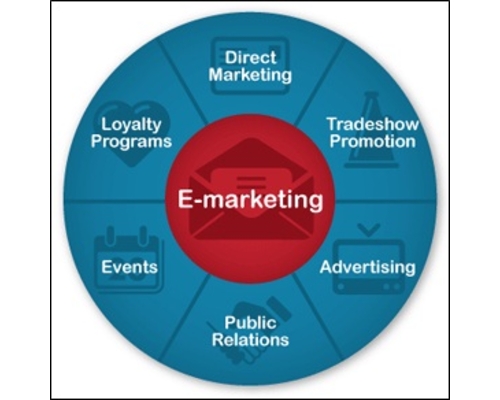
Electronic advertising, synonymous with digital advertising, refers to all marketing techniques that use electronic gadgets and digital channels. This marketing sector is the one that found new ways of operating the industry through new technology, which incidentally is the major focus of the current digital age. This sector is the one in which marketing practice itself has changed. Businesses now provide customers with such a way of buying products that they won’t even have to buy their homes. At present, the ease of purchasing a product can be felt not only by the customers but also by the businesses. Electronic advertising is a part of the marketing strategy that mainly aims to promote the selling of products or services. It is an important section because advertising companies make the consumers come to their business, while the customers make the companies come for their products. Their profit source comes from advertising companies.
- Important Information: Based on Statista’s information to the public, the global digital advertising expenditure is predicted to be around $500 billion in 2021, which means it is becoming increasingly crucial in marketing.
- Case Studies: Electronic advertising is an approach by brands (such as Nike and Coca-Cola) to the complex problem of creating campaigns that engage most audiences and increase brand awareness. Such advertising lets most companies successfully enter the minds of their consumers, thus evoking high brand recall and customer retention. As an illustration, Nike’s customized email campaigns can break the email list based on customers’ purchase behaviors, allowing them to have a high conversion rate.
- Frameworks and Theories: One of the most important things in electronic marketing is the AIDA model (Attention, Interest, Desire, Action), which directs electronic marketing and enables marketers to create content that develops a strong relationship with the audience.
Strategies for Effective Electronic Advertising

For digital advertising to be effective, the business must include a synchronized campaign or touchpoint strategy of various brands’ appropriate digital channels.
- Specific Examples: Google Ads allows technology marketers to promote their products by paying for them to be displayed in the top sections of Google’s search engine, which is search engine marketing. Also, Facebook ads are employed for social media targeting and picture sharing, which are Facebook’s unique offerings, and YouTube is used to create and upload video channels. Alongside this, each platform gives marketers features that target the precise audience’s memory. Hence, there is an increase in ad reach.
- Challenges and Benefits: The digital marketing capability to personalize marketing and its cost-effectiveness through precision targeting and measurement. Proving its trackability dilemma, is there (i.e., ad fatigue and ad block direct follow-up), or is it just a matter of customer annoyance? Marketers need to minimize this disturbing phenomenon by promoting a faster connection or something that attracts their eyes.
- Practical Advice: Businesses’ adoption of analytics is an essential prerequisite for generating successful ads, and positioning the A/B testing before ad creatives will give brands a means to shape their message according to the most persuasive ones. Sales teams also have the option to slice audience segments and analyze the real-time data, which will help a lot.
The Future of Electronic Advertising

The electronics advertising landscape changes as technology continues to evolve. Among the latest trends, artificial intelligence (AI), augmented reality (AR), and voice search will define the future of this industry.
- Emerging Trends: AI is used during ad bidding and purchasing to revolutionize how ad placements are managed, thanks to the dynamic response of companies in the market. Furthermore, AR is among the commodities making creating interactions that are extremely similar to reality possible; for example, users of the Oracle Retail cloud are trained through virtual simulations and can try on outfits without physically stepping into the store.
- Implications for the Industry: Electronic advertising takes the issue of privacy seriously because tight regulations are in place, and consumers are aware of their rights. The only important thing is ensuring the consumer knows everything you are doing and acquiring his consent.
- Insights for the Audience: In this space, companies’ use of these technologies, particularly those in marketing, will be a main factor in the digital conversion process. The companies will have to resort to technologies and legal regulations as solutions to these changes.
Electronic advertising is a changing and necessary instrument within everyday marketing strategies. As you transform your business, you will analyze the past, learn useful tools, and follow the most important trends.
Conclusion
Admittedly, electronic advertising is the most outstanding tool used in the digital environment today, and businesses have to make it a priority if they want to achieve their goals. Each component of electronic advertising, from search engine optimization to social media marketing, could equip the participants in the market with the techniques needed to compete in a competitive environment. Today, new advertising possibilities and methods have appeared with technological progress. By applying these pioneering techniques, businesses are, on the one hand, able to extend their scope and, hence, easily reach far and wide across the globe. On the other hand, they can build strong, long-lasting bonds with customers, bring more sales, and hence, have sustainable business development.
Key Takeaways:
- Broad Reach: Digital advertising assists companies in reaching out to people worldwide outside the traditional advertising channels.
- Targeted Campaigns: Sophisticated targeting possibilities offer marketers personalized strategies relatable to their chosen demographics.
- Cost-Effectiveness: Unlike traditional advertising, electronic methods are often cheaper and deliver reliable evidence of return on investment.
- Real-Time Feedback: By analyzing the results using the given tools, we can make snap decisions and reach out to our target audience with the most effective campaigns.
- Enhanced Engagement: The technology of augmented reality has taken off since the advent of Web 3.0, and it has increased the focus of the audience on getting immersed in the content, engaging with it, and spending more time on it.
To sum up, it is clear that digital advertising is not just a choice for contemporary enterprises; it is a vital prerequisite for those who aim to expand their business and stay relevant in today’s global market.
]]>Understanding Corporate Advertising
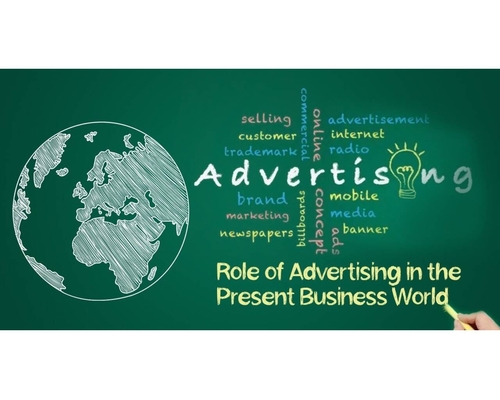
Corporate advertising is a strategic marketing tool that strongly targets a company in place of its specific products and services. Traditional advertising is quite different from corporate advertising as it is usually related to single items. Corporate advertising is about the overall image and reputation of the business, which is why it strengthens the connection with the audience and internal and external stakeholders.
Key Objectives of Corporate Advertising
The number one purpose of corporate advertising is to create a unique brand and perception of the marketplace. This goal can be segmented as follows:
- Reputation Management: Besides sending the message,’ We are business leaders dedicated to sustainable prosperity,’ a company can control its image and reputation by displaying its values, vision, and news of its victories. On the other hand, in the case of emergency incidents, companies can raise a flag to differentiate themselves. They can print advertisements to inform the public, explain their position, and offer transparency. Also, if they get that trust back from them, that is a positive outcome.
- Corporate Social Responsibility (CSR): Many companies are into CSR, and thus, they can use advertising platforms to get their CSR message heard by the public. For instance, suppliers like Patagonia and Ben & Jerry’s, with the powerful effect of communications, are concerned about the environment, so they use corporate advertising to talk about their sustainability, which is relevant to environmentally friendly citizens.
- Market Positioning: Corporate advertising can help companies set themselves apart in a competitive market. Studies indicate that brands perceived as socially responsible can have up to 50% higher customer loyalty.
Strategies and Tools for Effective Corporate Advertising

Many companies have to choose any one of the under-listed marketing options in this situation:
- Content Marketing: Blogging, tweeting, posting videos, and other forms of digital media can be very effective ways to inform and attract audiences to your brand. For example, one of Nike’s ad campaigns shares the tales of the athletes triumphant over the difficulties, thus eliciting strong emotional responses, connecting with the audience on a more personal level, and promoting their brand values.
- Sponsorships and Events: Corporations usually support products, services, or projects that align with their brand, such as activities or cultural events. This way, they let the public discover the brand positively and can reach a wider audience.
- Public Relations (PR): A communication strategy that complements advertisements should also be considered. The company can engage in other public relations activities, such as disseminating information related to social issues or supporting community initiatives. These opportunistic moments can be leveraged to proactively portray the company positively, increasing its public appeal.
Challenges and Considerations in Corporate Advertising
It is so true that corporate advertising has the potential to bring a lot of positive change to a company. But here are the hurdles associated with it:
- Authenticity: The audience is now extremely skeptical of your intentions. Being sincere and not telling one thing while doing another is very important. Anytime our goals are not perfectly in line, we risk allegations of “greenwashing” or “purpose-washing,” which can result in losing credibility.
- Target Audience: Corporations can find it challenging to identify the right audience segments because their messaging must be relatable to referent groups, such as customers, employees, investors, and the community.
- Evolving Landscape: Digital platforms and social media that have sprung up recently form the new world of corporate advertising. Of course, this is what keeps companies always on their toes, receptive, and molding their strategies into trends of the future. Content now must be interactive, inviting, and user-friendly to catch a large crowd’s eyes.
The Future of Corporate Advertising
The possible changes in corporate advertising in the future can be the result of the fast pace of technological advancements and the new tastes of customers:
- Personalization: The adoption of data analytics as a new model enabled companies to customize their ads according to specific customer interests and, hence, amaze them with high engagement.
- Sustainability Focus: People’s desire for sustainable products and services is growing. Therefore, a business will stand out the most if it utilizes mutually beneficial eco-friendly practices and communicates these to stakeholders transparently.
- Virtual Reality and Augmented Reality are advanced systems that easily lead customers to a world of wonder. Brands can now introduce storytelling that can be consumed only in full immersion, which not only deepens the customer’s relationship with the brand but also makes them even wiser.
Companies must monitor their corporate environment to keep pace with the changing stakeholder demands and preferences that the market is creating. Using transparency, openness, and involvement in corporate advertising will not only empower a company’s overall impression but also act as the main indicator of a company’s resilience in the market, cementing the bond between customers and stakeholders.
Conclusion
In the spirited and convoluted business world, corporate advertising remains a significant strategy for companies wanting to increase their brand image, build customer relationships, and maintain a competitive advantage. With this multi-pronged strategy, the focus is not only on marketing but also on reflecting the company’s vision, core values, and mission. Through different channels and methods, corporate advertising helps a company express what it sells, who it is, and what it stands for.
Significance of Corporate Advertising:
- Brand Recognition: It becomes a robust brand identity that lets the consumer instantly identify and relate to the company.
- Trust Building: A good corporate advertising campaign earns trust and credibility among customers, the wider community, and other stakeholders.
- Market Differentiation: It allows companies to distinguish themselves from their rivals by showing their values and offerings.
- Stakeholder Engagement: Engaging campaigns can build trust and strengthen relations with investors, partners, and employees.
- Social Responsibility: Advertising is an excellent option to demonstrate the company’s commitment to social responsibility, supporting its ethical standards and community initiatives.
Key Takeaways to Discuss in the Introduction:
- Creativity Catches the Eye: In the cacophony of multiple ads jostling for space in the media, creative content can bring a brand closer to its audience with one stroke.
- Cranks Up Emotional Connection: Creative campaigns elicit emotions and spark stronger connections between brands and consumers.
- Drives Brand Loyalty: Creative and engaging advertisements give confidence and create enduring loyalty.
- Provokes Action from Consumers: Creativity prompts consumers to interact, buy, and promote the brand.
- Keeping Pace with Market Trends: Creativity enables brands to be current by adjusting to changes in consumer lifestyle and trends.
What Is Creativity in Advertising?

Creativity is the backbone of successful advertising. It implies creating distinctive ideas that spark real, authentic feelings among consumers, not just mundane messages. The creativity in advertisement is different from the look-and-feel or the catchphrase. It is originality and storytelling. According to some studies published in Journal of Advertising Research, the most creative ads will likely reach the consumer’s recall and attention. Campaigns by Apple and Nike are the best examples of great creativity in forming memorable relations with consumers.
Key Elements of Creativity in Ads:
- Originality: Creativity refers to the generation of new, even bizarre ideas different from those reflected in any other brand.
- Explanation: Original content stands out in an otherwise cluttered marketplace and produces a deep impression on consumers and maximizes brand recall.
- Appeal to Emotions: The telling of emotional stories can facilitate an appeal to consumers’ emotions.
- Explanation: Tapping into people’s happiness, nostalgia, or empathy, creative ads help brands strike an effective relationship with their audience.
- Storytelling: Story-based advertisements hold depth and a sense behind the campaign.
- Explanation: Storytelling informs the customer of the values and mission behind the brand, so that he will believe and stick to the brand.
- Visual Communication: Beautiful visuals or smart graphics can powerfully express the message creatively.
- Explanation: Innovative visualization can catch the viewer’s attention and stands to say the message as short as possible while the message leaves a strong, long impression in the minds of the customers.
- Humor and Amusement: The consumers are likely to forward and remember more amusing and entertaining advertisements.
- Explanation: Something that makes one laugh is fantastic. Ads are made more enjoyable, therefore have a higher engagement which particularly in social media sites where the owners are sharing the contents because they think them funny.
The Elbow Room Between Creativity and Strategy
While creativity is paramount, it has to be aligned with strategic goals in order for the campaign to pay off. Creativity without strategy is useless, just like understanding the target market, brand goals, and market trends itself. An example would be Dove’s “Real Beauty” campaign, which creatively tackles societal standards of beauty to align with the core message of the brand. These strategic creative efforts helped propel them to drive sales and strengthen their brand.
Creativity vs. Strategy:
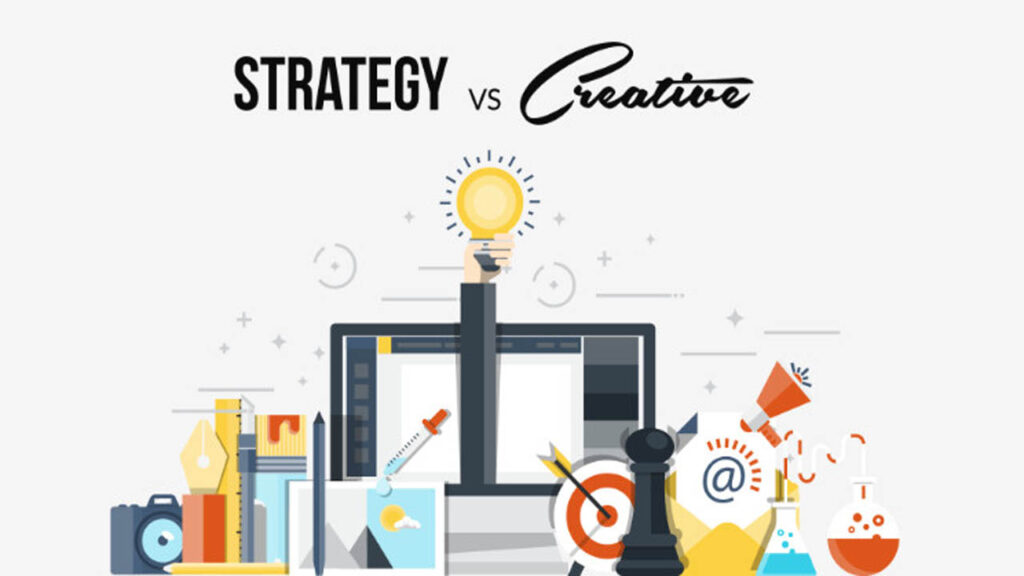
- Knowledge of Targeted Audience: The creative idea needs to strike a chord within the anticipated audience.
- Explanation: Knowing the demographics, preference, and behavior of the audience are important factors in devising creative campaigns that strike a chord with that group of people.
- Alignment with Brand Values: Innovative messaging needs to be sympathetic to the type of values from which the brand draws its central ideologies.
- Explanation: While an advertisement can be innovative, it should not lose its relevance because the brand operates on some kind of a mission and identity framework, thus giving it a clear message.
- Market Trends: The creativity must have a reflection on the current trends prevailing in the markets.
- Explanation: The use of market research would have let the advertisers take their creativity to markets at the right time and with an opportunity to acquire an evolutionary interest of the consumer.
- Goal-Oriented Creativity: The creative of the campaign must be aligned in support with business objectives.
- Explanation: Branding, customer interaction, or sales must be brought along with a cause or desired result in the creative advertisements.
- Measure Creativity: The refinements come in measuring creative ideas where creative works must be analyzed for effectiveness.
- Explanation: Creative campaigns have to include success measurements such as engagement rates, brand lift, and conversion to ensure creativity yields tangible business results.
The Future of Creativity in Advertising

As technology improves, so also is the advertising landscape changing. Therefore, there are quite many avenues for creativity that keep emerging in the field. The new trends include personalized advertising, augmented reality, and artificial intelligence that change the way brands interact with their consumers. For example, AR helps the consumer engage with products advertised through it, making advertisements very interactive and memorable. However, as campaigns rely so much on the use of these new technologies, they have to be intelligent in ensuring that their campaigns are genuine and interesting to consumers.
Evolving Trends in Creative Advertising:
- Customer-Centric Advertising: The usage of data to design targeted ads increases consumer involvement.
- Explanation: Personalized ads are often more relatable to consumers, and thus this can lead to a higher probability of engagement and conversion.
- Augmented Reality (AR): AR is an innovative opportunity for brands to interact with their audience through virtual, interactive experiences.
- Explanation: Experience through AR campaigns: Consumers have the ability to experience and engage with products in a light-hearted, fun, interactive way, opening up possibilities in advertising in a whole new way.
- Artificial Intelligence (AI): AI will be used to enhance ad targeting and campaign efficiency.
- Explanation: Brands will reach audiences more accurately with more data backing up the ads through the aid of AI. Satisfying consumer needs better, the creative process gets better at producing better results.
- Authenticity in High-Tech Campaigns: Authenticity in the High-Tech Campaign.
- Explanation: Admittedly, although having integrated new technologies into their campaigns, brands ought to stay authentic to their values as well as messaging in order to stay in the consumers’ hearts.
- Consumer Feedback in Creativity: Involving Consumers in the Creative Process.
- Explanation: By involving consumers in the creative process, brands may come closer to achieving their expectations.
Final Thoughts: The Role of Creativity in Advertising
Today, creativity becomes part of the important elements in the world of advertising. It grabs the attention of people, forms emotional attachment, and boosts brand loyalty in the saturated marketplace. Even though creative expression allows marketers to stand out with their brand, develop connections that really matter to consumers, and eventually stimulate calls for action. Additionally, while technology changes its role in the advertising industry, it is only through creativity that authentic yet appealing and successful campaigns are bound to be developed.
Key Importance of Creativity in Advertising:
- Captivates Audience Attention: Creativity cuts through the noise and grabs the attention of a consumer in a cluttered marketplace.
- Explanation: Since the creative content is unique and innovative, it has more chances of grabbing one’s attention and sustaining in the minds of consumers, thus achieving higher engagement.
- Builds Emotional Connections: Creative storytelling creates a very strong emotional relationship with the audience.
- Explanation: Emotions are involved in decision-making. Emotional appeals such as feelings of joy, nostalgia, or sympathy strengthen the connections between the customer and the brand.
- It Facilitates Brand Differentiation: Creative advertising enables brands to differ from other brands.
- Explanation: Brands that employ creativity can attract more market share and customer loyalty in a highly competitive market.
- Increases Consumer Engagement: Creative adverts enable consumers to not only participate in the content but also to share the same.
- Explanation: For example, creative work can lead to much higher engagement rates since most consumers like to share funny or thought-provoking advertisements, thus increasing brand awareness.
- Drives Results: Creativity ultimately drives better campaign performances and outcomes.
- Explanation: Creative ads often tend to drive higher conversions, sales, and overall brand success because of their appeal to an audience.
Key Takeaway
- Advertising is a crucial component of business success.
- It is a combination of creativity and strategy.
- Advertisement is a powerful influencer of consumer behavior.
- The objective of advertising is to build brand awareness and loyalty.
- Advertising Landscapes: The shapes and the waves are constantly changing, and thus, we have to adapt to them.
What Is an Advertisement?

In simple words, advertisements or “ads” are public announcements for products, services, people, events, and ideas. The purpose of making these is to increase visibility and attract the attention of consumers toward them, thereby selling their goods. Knowing which category an advertisement falls into is very important. Advertising captures public attention and channels it toward a particular product or service.
Ads today appear in a myriad of forms, ranging from print to digital media. They are now an intrinsic part of the modern marketplace and reach billboards, apps, and social media platforms.
Generally, an advertisement is a form of public communication aimed at informing or persuading prospective customers about some goods, services, or ideas.
Some Important Features of Advertisements
- The purpose is to be more conspicuous for the product or service in front of the target consumers.
- Engagement: Advertisements are expected to invoke emotions or intellect from the viewer or listener.
- Formats: Ads can take print or video and even digital media formats.
- Target Consumers: A good ad is always targeted to a specific group of the demographic.
- Call to Action: Most Ads include a call to action that encourages consumers to take action to make a move on the decision.
How Advertising Relates To Consumers and Businesses

As an influence on the lives of consumers as well as the policies of businesses, advertising has a significant role. Even though being a boon for companies, it wears the hat of a source for moral communication, too. It has been learnt that contemporary advertisement keeps nudging the customers to spend more and siphon away their savings or borrow.
In addition, advertising influences society’s value system. It can plead for norms and behaviors; hence, in many aspects, it socializes cultural ideals into very normalized customs. For instance, advertisements calling for family values or financial security can change consumer attitudes about saving and spending.
Main Effects of Advertising
- Consumer Behavior: Advertisements can be a significant determinant of purchasing decisions.
- Emotional Appeal: The advertisements can reach people’s hearts and address consumer aspirations and pain areas.
- Influence on Culture: Advertising upholds and normalizes cultural norms and values.
- High Spending: Good advertising fosters a spendthrift culture wherein many spend borrowed money.
- Brand Loyalty: Regular and human communication develops brand loyalty among consumers.
The 10 Attributes of Advertising You Should Know About
The following are the top 10 attributes of advertising:

Ubiquitous
From billboards along freeways to ads on your social media platforms, advertising surrounds you in everyday life, making sure that brands remain at the top of your consumers’ minds.
Multidimensional and Complicated

Advertising lies at the core of creativity, psychology, and strategy; behind each seemingly simple ad lie a web of market research, target audience analysis, and captivating storytelling.
- Indian best advertisers master the art of appealing to the diverse cultural nuances of the country with traditional values integral to modern outlooks.
- Creative ad campaigns pulled off by Fevicol on how great bonding is created by the adhesive, often with a humorous twist. These ads can go directly from being entertaining to promoting the product, leaving an impression on the viewer’s heart.
- The complexity lies in the creative process, which identifies the right channels and consumer behavior.
Advertising Reaches the Hearts

It is paradoxical because what it intends to do is reach the masses; yet, often, success comes when it connects personally.
- Advertisers give thorough thought into their message so that each pain point, aspiration, or feeling is reached.
- In India, where the whole world comes to celebrate its differences in languages, traditions, and lifestyle, advertisement plays its role to appropriately strike a chord.
- Brands like Cadbury are a perfect example, where their touching commercials transcend all languages to evoke feeling amongst everyone.
Sponsor Identified: Transparency

Transparency is the basic premise on which successful advertisement stands. The people are looking for authenticity and reliability, and these are fortified if an advertisement defines its Sponsor.
- Indian brands like Tanishq’s thought-provoking ads on societal norms could be a quintessential example.
- The identified Sponsor enhances credibility and accountability, so that one identifies the source from which he or she receives communication.
Benefits of Leveraging the Influence of Mass Media

It is an absolutely essential channel for mass reach, making it all part of a well-rounded advertising program.
- Advertisers want to talk to future consumers everywhere—from television to radio, newspapers, and new media.
- The diversity of language and cultures in India requires tailoring messages to suit different population segments.
- During the major Indian festivals of Diwali, many brands put out emotional ads that celebrate the aura of gifting and sharing, which goes right into the heart of the Indian psyche.
Two Ways of Communication: Impact

Effective communication of ads has, above all, their two-way nature. The advertisers talk to consumers expecting instantaneous feedback.
- The “Washing Powder Nirma” jingle is an example of how a simple, catchy tune can implant a brand message into the mind of consumers without having any interaction.
- Developing relevant, catchy messages proves important to attract the attention of the audience and to engrave the message in the mind of the masses.
Consistency Builds Recognition

The process of building an advertising personality with real presence for a brand gives it a solid brand identity.
- In consistency of tone, imagery, and message, the possibility that a brand will be seen or remembered becomes stronger.
- A quintessential Indian example is the “Dhara: Jalebi” advertisement, wherein a little boy refuses to let go of his favorite snack. Dhara’s repeated theme of innocence and bliss created a successful brand that still echoes in the minds of Indians.
Measurable: Advertising Success Evaluation

One of the most striking features of an advertisement is that it is absolutely measurable.
- Indian brands, including the iconic e-commerce website Flipkart, use data analytics to know how well their advertising campaigns are working.
- Using click-through rates, conversion rates, and engagement level metrics, advertisers can instantly know which approach is working and which one is not.
- Amazon India launched Great Indian Festival campaigns, closely following the trend, by monitoring all spikes in website visits, sales, and app downloads throughout the campaign period.
Bring a Touch of Trust Through Brief Introductions

The Indian advertisement space recognizes that building trust has to be there right from the outset.
- Brands like Dettol and Lifebuoy, with their hygienic and health products, make advertisements that quickly establish the reliability of their products.
- Such short information often involves real-life instances with which consumers can most likely relate to the brand.
- The iconic jingle of Dettol is “Mummy mane, Dettol ka dhula”, creating an instant association with the concern for hygiene.
Creating Emotional Connections
The most memorable advertisements are those that evoke emotions and create a lasting bond with the audience.
- Ads that tell stories, reflect cultural values, or tap into nostalgia resonate deeply with viewers.
- Indian advertisers have excelled in crafting emotionally charged campaigns, appealing to the heart and soul of the nation.
Why Is Advertising Important?

Ad is a tool that makes the business stick to its target audience. Selling is not just advertising; it’s more about experiences that provide memorability, awareness, and loyalty towards the brand. Advertising has really gained momentum in India, which brings forward the feelings of the diversified culture, traditions, and values of the country at this moment.
For instance, campaigns such as Amul’s advert with a hint of wit always appeal to people. The brand’s very suitable tagline, “Utterly Butterly Delicious”, and credible visuals have stood by the Indian consumer over the years.
Importance of Advertising
- Brand Awareness: Advertising helps in building brand awareness in the eyes of customers.
- Sales Mobilization: Proper advertisement mobilizes the motive of sales and reaps more income.
- Cultural Representation: Advertisements reflect a nation’s cultural values and heterogeneity.
- Consumer Involvement: Advertisements that hold consumers in their grip for years and increase consumer loyalty.
- Market Positioning: The essence of advertising is to lend a favorable position to a brand in the face of heavy market competition.
Future of Advertising

The future of advertising is personalisation, a trend being followed in the digital world. Brands are advancing their campaigns to use customer data to make targeted advertisements based on preferences and choices. For example, Amazon uses the history of browsing and purchases to make related recommendations.
But this time, personalisation goes hand in hand with data privacy. Modern audiences want engagement and immersion. Brands have no other way but to innovate and innovate constantly. For example, OnePlus launched its product using virtual reality in such a way that consumers could explore features in an interactive environment.
There is increasing interest in socially responsible advertising. New-age customers derive meaning from brands that are far more than just profit. Tata, for instance, has communicated itself through sustainability and social responsibility campaigns and hit the importance of values and beliefs to its consumers.
Critical Future Trends in Advertising
- Personalization: Advertisement according to consumer data and preference.
- Data Privacy: Finding the right chord between personalization, on one hand, and safeguarding consumer’s data privacy, on the other.
- Engagement: Immersive experiences to appeal to or pull the audience in.
- Social Responsibility: Sustainability and social responsibility in communications.
- Innovative Technologies: Use of AR and VR technologies to engage better with customers.
Final Thoughts
Advertising is an art activity, not just a science of communication – one truly requires an in-depth understanding of market preference, ethical aspects, and the combination of creativity. A corporation has to keep adapting to the times and watch how the world continues changing its outlook and patronizing trends.
Key Takeaways
- Effective advertising is a creative blend of strategies.
- Consumer behavior must be understood for effective advertisement.
- Transparency and trust are the foundation of long-term consumer relationships.
- Measurability helps always improve strategies for advertising.
- Social responsibility and innovation will define the future of advertising.
Due to these key principles, marketers can design highly popular and memorable ads that influence consumer behavior and build strength for brand loyalty. Because the face of advertising continues to change, these core characteristics will remain essential to success in such an industry.
]]>Ready to talk with a marketing expert?

A Pragmatic and innovative way to enthrall your target group is just a click away!
Get in Touch
Rukmini Knowledge Park, Kattigenahalli, SH 104, Srinivasa Nagar, Bengaluru, Karnataka 560064
+91-990 247 8800
contact@gingermediagroup.com
Popular in Television Advertising
Udaya TV AdvertisingSun TV AdvertisingStar Plus AdvertisingTV 9 AdvertisingZee TV AdvertisingNDTV India AdvertisingColors TV AdvertisingPopular in Airport Advertising
Spice Jet AdvertisingMumbai Airport AdvertisingDelhi Airport AdvertisingEmirites AdvertisingIndiGo Airlines Domestic India AdvertisingPopular in Newspaper Advertising
Deccan Herald AdvertisingPrajavani AdvertisingThe Hindu AdvertisingEconomic Times AdvertisingDainik Jagran AdvertisingHindustan Times AdvertisingPopular in Magazine Advertising
Forbes AdvertisingCosmopolitan AdvertisingBusiness World AdvertisingVogue Magazine AdvertisingPopular in Sports Advertising
IPL AdvertisingPopular in Outdoor Advertising
Billboard AdvertisingBus Shelter AdvertisingMetro Pillar AdvertisingUnipole Advertising© Ginger Media Group 2025. All Rights Reserved.