It’s easier to imagine success by identifying all the types of advertising media in this fast-paced marketing world. All the advertising campaigns aim to speak to the target audiences to whom it is addressed and then achieve the results; they choose appropriate combinations of the most suitable media channels to:
- Heighten visibility
- Boost engagement
- Kick the product conversions into high gear
While the dominance of digital media is undeniable, traditional and offline advertising channels such as:
- Outdoor advertising (e.g., billboards, transit ads)
- Print media (e.g., newspapers, magazines)
- Other offline methods (e.g., flyers, direct mail)
These methods remain highly effective, especially for local markets and specific audience segments. Balancing conventional means with digital media for effective reach is crucial and may be the most critical factor in:
- Impacting audiences in the most receptive manner
- Ensuring a holistic advertising approach
Why You Need to Understand Advertising Media Types
Understanding the different types of advertising media is not simply a matter of media placement, but rather understanding strengths and weaknesses, against which are aligned business goals, and then choosing those that best fit the message for the brand and target audience.
- Targeted Reach: Different media types help in reaching specific audience demographics. For instance, traditional media like television may have a broad reach, outdoor advertising targets audiences in particular locations, and social media offers tailored engagement options for niche audiences.
- Cost Management: Awareness of media costs allows businesses to allocate budgets wisely, focusing on channels that offer the best ROI. For example, while digital ads can be cost-effective for startups, large billboards might be more beneficial for local businesses.
- Message Customization: Understanding each media type enables marketers to adapt their message style—short and catchy for billboards, detailed and informative for blogs, or visual and engaging for social media.
- Campaign Measurement: Each medium provides unique metrics, making measuring performance and refining strategies based on real-time data easier. For example, while digital channels offer detailed analytics, outdoor campaigns can be tracked through foot traffic or coupon redemptions.
Traditional Advertising Media
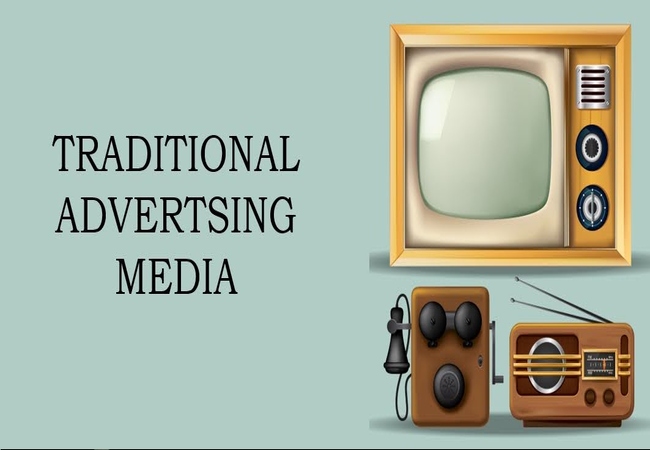
Traditional media include print, broadcasting, and out-of-home media. Even though digital channels are mushrooming around the corner, traditional media still contributes significantly to market reach, especially for newly established brands and local markets.
- Print Advertising includes newspapers, magazines, brochures, and flyers. It effectively targets specific age groups, such as older audiences who still prefer reading newspapers. It is helpful for industries where detailed information is crucial, such as real estate or automotive. It is best for building credibility and reinforcing brand image through high-quality visuals and long-form content.
- Broadcast Advertising encompasses television and radio ads. Television ads are ideal for reaching a mass audience quickly and are often used for product launches or branding campaigns. Radio ads are more localized and effective for small businesses targeting local audiences. They are ideal for creating memorable visual or auditory experiences that leave a lasting impact.
- Out-of-home advertising (OOH) includes billboards, transit ads, and posters. It captures attention in high-traffic areas like highways, city centers, and public transportation. Effective for brand awareness and reinforcing campaign messages through repeated exposure, OOH works well for promoting local businesses or time-sensitive offers.
Outdoor Advertising: Offline Visibility Creates Noise
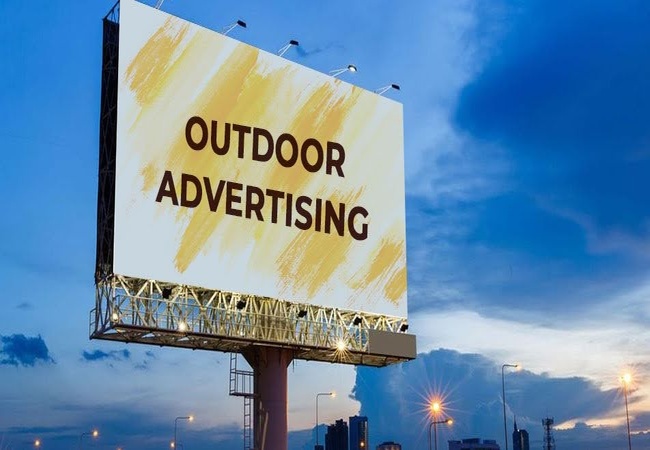
Outdoor marketing grabs people’s attention by placing them in areas where they can be seen in public. It is excellent for building brand awareness, event promotion, and driving foot traffic into individual businesses. There are several different types of outdoor advertisements, each with strengths that make a particular campaign stand out.
- Billboards: One of the most recognizable forms of outdoor advertising.
- Best suited for high-impact visual messages, ideal for brand recognition.
- Works well for both national brands and local businesses due to its high visibility.
- Effective when placed in high-traffic areas, such as highways or busy city intersections.
- Transit Advertising: Found on buses, trains, taxis, and subways.
- It is ideal for reaching commuters and urban audiences who spend significant time in transit.
- Offers a mobile way of reaching audiences, ensuring the message is seen in multiple locations.
- Effective for time-bound campaigns, such as sales promotions or event announcements.
- Street Furniture: Includes bus shelters, kiosks, benches, and telephone booths.
- Allows advertisers to engage with pedestrians and vehicular traffic in urban environments.
- Useful for hyper-local targeting and reinforcing brand messages in specific neighborhoods.
- Ideal for interactive ads, such as digital screens or QR codes, that encourage user engagement.
- Event and Venue Advertising: Includes signage at sports stadiums, concert halls, and conventions.
- It best captures audiences’ attention in a more relaxed and receptive environment.
- It is ideal for highly engagingly targeting niche markets, such as sports enthusiasts or music lovers.
- Works well for building a brand association with popular events or cultural gatherings.
Other Offline Methods of Advertising: As a means aside from Traditional and Digital

While broadcast forms such as print and outdoor advertising billboards are well-known, many other offline advertising media are lesser known and offer entirely different ways of reaching audiences. Strategic use of these can complement more extensive campaigns and leave a memorable brand experience.
- Direct Mail Advertising: This involves sending promotional materials such as brochures, catalogs, postcards, or letters to the target audience.
- Highly personalized and effective for targeting specific geographic or demographic groups.
- Works well for detailed product information, seasonal promotions, and exclusive discounts.
- Best for nurturing customer relationships and generating leads in a tangible format.
- Experiential Marketing: Involves creating immersive brand experiences that engage consumers directly.
- It is ideal for launching new products, building brand loyalty, and generating social media buzz.
- Effective for creating emotional connections with the audience through live events, pop-up stores, or interactive installations.
- Best for encouraging word-of-mouth marketing and enhancing brand recall.
- Point-of-sale (POS) and In-Store Advertising include promotional displays, banners, and digital screens in retail environments.
- Effective for influencing purchase decisions at the point of sale.
- Best for highlighting new arrivals, special offers, or product demonstrations.
- Works well for encouraging impulse buys and reinforcing brand messages in-store.
Digital Advertising Media Types
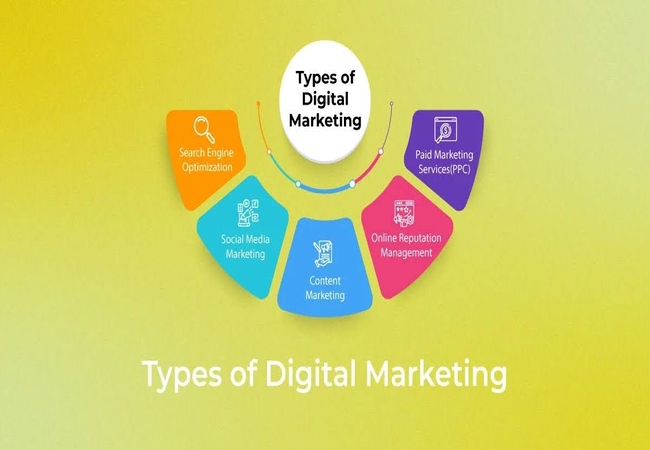
Digital advertising media have become essential marketing tools due to the internet and technology. Interactive and highly targeted avenues of engagement with audiences can ensure easier tracking and measurement of campaign success.
- Social Media Advertising: Platforms include Facebook, Instagram, LinkedIn, Twitter, and TikTok.
- Highly targeted, allowing businesses to reach specific demographics based on location, interests, and behavior.
- It is ideal for building communities, engaging in two-way communication, and promoting user-generated content.
- Best for running both organic and paid campaigns that can go viral and reach millions.
- Search Engine Marketing (SEM): Includes Google Ads, Bing Ads, and other PPC campaigns.
- Target users search for related products or services, making it highly conversion-focused.
- It allows for precise budget control, as advertisers only pay when users click their ads.
- Best for driving website traffic, generating leads, and increasing sales.
Final Thoughts
To create impactful and memorable campaigns, it’s essential to understand and strategically combine various advertising media types. Each type—whether traditional, digital, outdoor, or other offline channels—brings unique advantages that can help brands achieve diverse marketing objectives. By carefully analyzing the strengths of each medium, marketers can craft campaigns that resonate deeply with their target audiences, ensuring high engagement and optimal results.
- Utilize a Balanced Approach:
- Combine traditional and digital media to maximize reach and engagement.
- Use outdoor and offline ads to boost local visibility and brand recognition.
- Leverage experiential marketing for memorable brand interactions and in-store displays to influence purchasing decisions.
- Understand the Strengths of Each Media Type:
- Traditional Media: Best for building credibility and reaching broader audiences.
- Digital Media: Ideal for precise targeting, real-time engagement, and performance tracking.
- Outdoor Advertising: Perfect for high-impact visuals and reinforcing brand messages in strategic locations.
- Other Offline Methods: Excellent for personalization and creating immersive brand experiences.
- Create a Cohesive Multi-Channel Strategy:
- Develop unified messages that can be adapted for different media.
- Use cross-promotional strategies, such as integrating social media with experiential marketing events.
- Monitor performance across all media channels to refine and optimize campaigns based on data insights.
Frequently Asked Questions About Media Advertising
How do you select advertising media?
Selecting advertising media involves determining the target audience’s preferences and, depending on the campaign’s overall objectives, the channels to use. Other factors considered when making choices are reach, engagement potential, and budget.
What are forms of advertising media?
Advertising media refers to different forms, such as television, radio, print (newspapers and magazines), outdoor (billboards), and digital platforms like social media, websites, and email marketing. Each one has its strengths and is recommended to be used toward specific types of marketing objectives.
Why is advertising media important?
Advertising media is essential to a business because it will enable them to reach their audiences, increase the brand’s presence, and encourage and effectively drive sales. An effective advertising media strategy will undoubtedly support a brand’s growth and success more profoundly in markets.
Ad media tracks its ads’ effectiveness through key performance indicators, including reach, engagement, conversion rates, and return on investment. The businesses can then monitor their advertising activities through analytics tools and metrics.
What are some of the current advertising media trends?
Other contemporary trends involving advertising media include influencer marketing, personalization of content, using artificial intelligence in targeting, and social media becoming an increasingly critical platform. Therefore, keeping abreast of these trends would help a business understand which content to personalize, use its targeting facilities, and change market strategies to achieve better performance.
]]>One ever-changing aspect of marketing is indoor advertising media, which includes a variety of techniques designed to captivate consumers in enclosed areas. Indoor advertising targets people inside particular locations, such as malls, airports, and business spaces, unlike outdoor advertising, which targets bystanders.
These advertisements take many forms, such as interactive displays placed in critical locations to draw captive audiences or digital screens and posters. Indoor advertising makes the most of dwell times, taking advantage of when people are in favourable settings for absorbing messages.
Using this method, content may be precisely targeted to the audience and demographics of the venue. Because indoor advertisements are versatile, marketers can create immersive and innovative campaigns that leverage consumer psychology to increase brand memory and engagement.
We examine the various indoor advertising media types in this investigation, highlighting their unique advantages and uses. Whether it’s the adaptability of interactive screens, the focused reach of digital displays, or the classic allure of posters, each media can make a significant impression on customers.
Is Indoor Advertising Media Beneficial?
A dynamic and calculated strategy, indoor advertising is ideal for companies looking to interact with their target market in small, controlled spaces. Unlike outdoor advertising, interior advertising uses certain locations such as transportation hubs, airports, and malls, providing a unique chance to target specific audiences with messages.
Indoor advertising goes beyond traditional marketing by providing quantifiable effects and the possibility of immersive experiences that create a lasting impression through contextual relevance and creative forms.
This type of advertising has a particular benefit in that it may draw in a captive audience, increasing brand memory and fostering high engagement levels. However, even with clear advantages, an efficient indoor advertising plan must still overcome obstacles like ad clutter and prices.
Benefits of Indoor Advertising Media
1. Targeted Reach
Ad placement is made possible by the distinct demographics drawn to indoor areas. Ads in airports, for example, reach a wide range of visitors, while those in gyms may specifically target fitness enthusiasts. This accuracy increases the possibility of connecting with potential customers.
2. High Engagement
People are less distracted in cramped areas, which makes it more likely that they will see and interact with advertisements. This trapped audience may move through these places more frequently or wait longer, giving ads plenty of exposure.
3. Improved Recall
Exposure to a brand regularly strengthens recall memory. When customers see advertisements frequently, they become accustomed to them, which helps them remember the brand better when making decisions.
4. Contextual Relevance
Indoor advertisements may complement their surroundings. For example, an advertisement for a food delivery service in a movie theatre foyer or a bookshop in a café feels contextually relevant and increases conversion rates.
5. Measurable Impact
Metrics for monitoring the efficacy of indoor advertising media are available. In these regulated environments, metrics like foot traffic, engagement rates, and conversion rates offer essential insights into the effectiveness of campaigns.
Different Types Of Indoor Advertising Media
Indoor media for advertising has a dynamic perspective of various media positioned carefully inside small areas to fascinate and engage viewers is what indoor advertising exemplifies. These settings, which range from the busy aisles of shopping centers to the fleeting moments at transit hubs, are ideal for connecting businesses with their target audiences.
These types of indoor advertising media provides a multimodal approach to consumer outreach. Businesses use interactive stands, digital screens, in-store displays, and experiential marketing to attract customers, spark interest, and build brand loyalty.
Crafting effective campaigns that connect inside these confined spaces and create a lasting impression on the audience requires an understanding of the subtleties and capabilities of each indoor advertising media.
Here are the different types of indoor advertising media:
1. Digital Screens

Malls, airports, and transit zones are home to high-definition digital screens that display dynamic content. They provide advertisers the freedom to alter their commercials and reach a variety of audiences with different messages.
These panels can include interactive components for increased interaction, and their colorful displays frequently draw attention. These displays provide an immersive viewing experience when placed in high-traffic areas of interior environments.
Indoor advertising media may run many campaigns at once, targeting various demographics at different times of the day, thanks to the ability to cycle advertising. Touchscreens and QR code integrations are examples of interactive elements that increase viewer engagement by enticing them to actively interact with the material on display.
2. Static Displays
In interior spaces, traditional static displays like posters, banners, and signs are often seen. Placed in strategic locations like restaurants, shopping centers, or event spaces, these displays provide an affordable way to communicate specific messages to onlookers.
These stationary exhibits act as anchors in the visual field, providing a constant presence that enhances the overall atmosphere of the area. They are a solid option for focused advertising because they consistently communicate information, whether promoting seasonal specials in retail settings or showing event details in conference buildings.
Furthermore, the flexibility of static displays permits prompt updates and alterations, guaranteeing pertinence and promptness in conveying brand stories in interior environments.
3. Interactive Kiosks
By offering amusement or information, touchscreen kiosks or interactive displays draw viewers in. These interactive kiosks, located in shopping centers or entertainment venues, let viewers connect with the material directly, making the experience memorable and encouraging further in-depth interaction with the promoted brand.
They operate as virtual assistants, helping with transactions, giving consumers access to real-time information, and even making the experience more enjoyable. These kiosks have developed into useful instruments for gathering customer information, giving companies insights into the preferences and actions of their customers.
Furthermore, immersive experiences may now be had at interactive kiosks thanks to technological breakthroughs like augmented reality (AR) and virtual reality (VR). This type is one of the most effective indoor advertising media.
4. In-Store Advertising
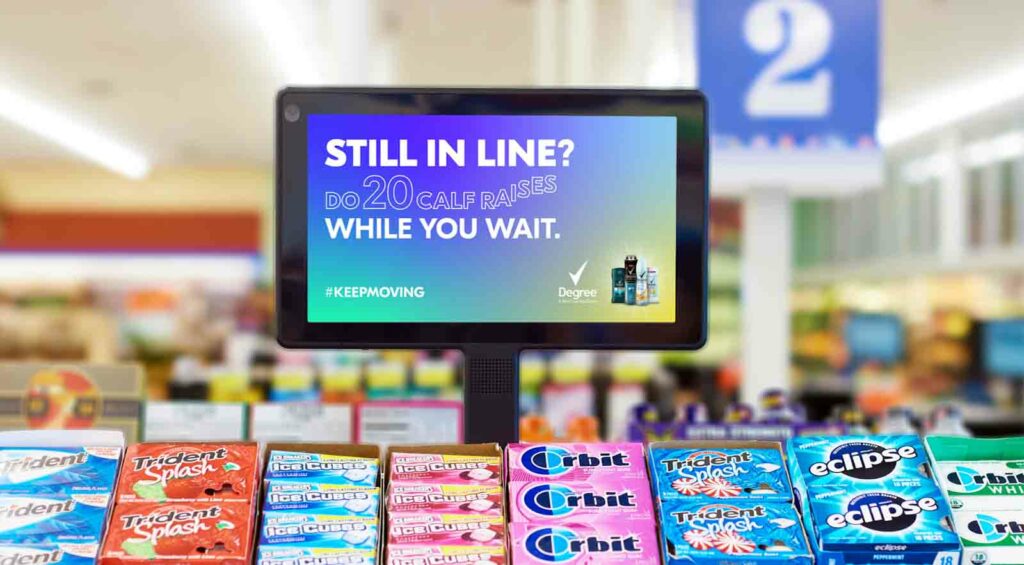
Product placements, end caps, and shelf displays are examples of in-store advertising in retail settings. At the point of sale, these well-placed commercials affect customer behavior directly by influencing purchase decisions.
Furthermore, digital signage in retail settings is included in the category of in-store advertising, which goes beyond static displays. The shopping experience is enhanced by interactive screens that are placed strategically next to product aisles and provide interesting material, product details, and even tailored suggestions.
These dynamic digital displays have the ability to alter promotions in real-time in response to user choices or real-time data, which increases their influence on consumer behaviour at the crucial point of purchase.
5. Transit Advertising
Advertisements that run inside trains, buses, and subways are aimed at passengers on their way. These advertisements maximize the captive audience and prolonged exposure time to increase brand awareness.
Using the commuter experience, transit advertising ensures that brands are woven into the routines of people’s everyday travels. Businesses capture customers’ full attention while they travel by inserting carefully placed advertisements inside transportation networks, turning inactive periods into worthwhile interaction opportunities.
When messaging are seamlessly incorporated into various areas, it not only increases brand awareness but also shapes customer behaviour by placing goods and services in the context of people’s daily lives.
6. Experiential Marketing
Through experiential marketing, brands provide immersive interior encounters. Pop-up stores, sponsored events, and interactive exhibits are effective ways to connect with consumers on a deeper level, create brand awareness, and leave a lasting impression.
By actively involving customers in the brand story, experiential marketing goes beyond traditional advertising. It promotes hands-on interaction, allowing people to touch, feel, and experience the spirit of the brand directly.
Through the use of workshops, live demonstrations, or gamification, companies are able to create unforgettable experiences that leave an emotional impression on customers. This, in turn, encourages consumer advocacy and brand loyalty. This is one of the significant indoor advertising media examples
7. Advertising In Elevators
Placing indoor advertising media posters in elevators guarantees a momentarily captivated audience. In retail centers or office buildings, elevator advertising successfully draws customers’ attention during brief journeys.
Because of its limited area and inevitable viewership, elevator advertising has a special chance for concise yet powerful messaging. These advertisements make the most of the little time that customers spend in elevators by showcasing promotions, succinct brand pitches, or captivating imagery.
As a result, every second matters when it comes to message retention and brand memory. Additionally, eye-level placement of elevator displays or posters can guarantee optimal viewing and interaction during these brief journeys.
8. Audio Advertising
In addition to visual media, audio cues such as background music, announcements, or radio-style commercials can be used in interior venues to engage consumers further. Audio advertising adds a further layer to visual media when used inside, resulting in a multisensory experience.
While announcements are placed purposefully to grab attention, background music sets the tone and impacts consumer behaviour subtly yet effectively. As customers move through these interior spaces, radio-style advertising that are adapted to the surroundings permeates the aural area, reiterating brand messaging and fostering a unified, immersive ambiance.
Because each kind of indoor advertising media has distinct qualities and benefits, companies may choose the best format for their needs based on campaign goals, target audience, and budget. Campaigns for indoor advertising may be made more impactful and effective by carefully combining these media.
Wrapping Up

We looked deep into the indoor advertising media definition, with its wide range of media that includes interactive, visual, and audio components, indoor advertising media offers a sophisticated and calculated method of interacting with viewers in confined spaces. Combining these channels produces a brand communication symphony that impacts customers more powerfully.
Through interactive kiosks, digital screens, in-store displays, and auditory cues such as announcements and background music, advertisers can create engaging experiences that appeal to the target audiences. This multi-sensory strategy is very effective because it enhances brand identification and recalls by using several aspects of human perception.
These ads are placed strategically in high-traffic locations like shopping centers, train stations, and performance spaces to guarantee maximum exposure to captive audiences. This increases brand visibility and enhances conversion rates.
Additionally, the adaptability of interactive kiosks and digital screens allows advertisers to supply dynamic material and modify messaging in real-time to match shifting customer habits or campaign goals. The marketing message’s total effect is increased when audio advertising and visual displays are combined to create an engaging story.
Indoor advertising media is becoming recognized as a flexible and effective approach that gives marketers a range of options to engage consumers in settings where they are most responsive.
These small spaces’ combination of interactive, visual, and audio components creates a memorable and captivating brand experience that strengthens bonds between businesses and customers over time.
]]>Key Takeaways
- Indoor advertising reaches a captive audience in high-traffic areas.
- Digital displays and wall posters are different types of media.
- The indoor location can offer many creative placement opportunities for your brands.
- Good brands always tap into indoor advertisements to reach the consumer.
- You need knowledge about your target audience to create a successful campaign in the indoor marketing context.
What is Indoor Advertising?

Indoor advertising means putting marketing material into an interior space for the consumer. Indoor advertisements take on many formats, including:
- Posters: Traditional yet effective posters can effectively transmit strong visual messages in high-traffic areas.
- Digital Screens: Dynamic and engaging, digital screens can display videos and advertisements that capture the eye.
- Interactive Displays enable consumers to interact directly with the brand, creating an immersive experience.
Why Indoor Advertising Works
Indoor advertising thrives in areas where people tend to congregate, offering a unique opportunity to capture attention. The following are key reasons why indoor advertising is impactful:
- Captive Audience: People spend massive chunks of time in malls, airports, and other places, making them more vulnerable to advertisements.
- Lower Diversion: Unlike when considering outdoor advertisements, which compete with several stimuli, indoor advertisements tend to engage audiences in an environment where they are not distracted by other competing stimuli.
- Targeted Messaging: Brands can tailor messages to specific demographics in a particular space.
- High Foot Traffic: People visit these popular venues, which guarantees the passage of many potential customers.
- Improved Engagement: In-store experiences will allow the consumer to associate with the brand, thus enhancing retention and recall.
In-Door Advertising Locations to Promote Your Brand

To get maximum indoor advertising benefits, brands must choose the correct location. Some of the best locations for indoor advertising are as follows:
Shopping Malls
Shopping malls are busy places with target customers. With footfall often in thousands, a brand can use prime locations such as:
- Near Escalators: Of course, the customer traversing between floors of an escalator may come across the ads.
- Food Courts: Hungry and waiting for the moment to fill your stomach, the waiting customers are prone to making impulsive decisions.
- Waiting Places near Restrooms: Waiting places near restrooms also become good spots for ads because of the waiting time.
Airports
Extremely long waiting periods have encouraged the airports to embrace the ads as a viable opportunity; therefore, the brands avail its luxurious space, and thus they employ:
- Digital Panels: Interactive video advertising for passengers on flights.
- Interactive Kiosk Displays: Informative kiosks that interact while catching the attention of one another, thus making the total experience of advertising personal yet relevant.
- Hoardings: Bright and shining hoardings people see on the way to significant stations.
Cinemas
Advertising in cinemas is a fabulous medium; generally, most people are very attentive while sitting in cinemas for some movie to start. The brands can use:
- Screen Ads: Pre-trailer ads can be highly effective in catching the viewers’ attention.
- Product Placement: Tie-up with film production houses for product placement increases brand presence in the storyline.
- Lobby Displays: Ads in the theater lobby can attract movie viewers while they wait for their shows.
Restaurants
Restaurants are a captive audience and can be reached through:
- Tabletop Ads: Innovative ads on tables or menus can advertise special deals and new items on the menu.
- Wall Posters: Brand partner promotions or special events can be created.
- Digital Menus: Brand messages can be posted in a digital menu format to complement the overall in-store customer experience.
Health and Fitness
Consumers at gyms can be highly targeted toward health and wellness advertising. These potential customers for health and wellness brands would see in-wall posters, including:
- Ads with fitness products and supplement lines.
- On screens playing workout techniques or featuring equipment and supplements.
- Event sponsorships: Sponsor fitness classes or events for effective brand promotion.
Top 10 Ways to Use Indoor Advertising to Promote Your Brand

Brands can use indoor advertising in many creative ways to reach a wider audience. There are ten effective strategies described below:
In-Store Product Displays
It is possible to develop attractive in-store product displays. Brands can make use of:
- Thematic Displays: Seasonal or thematic displays can attract attention and increase sales.
- Interactive Features: Touchpoints can be implemented to increase customer interaction.
- Prominent Location: All see and notice displays installed at eye level.
Interactive Kiosks
Interactive kiosks revolutionize customer engagement by providing information and enabling transactions. Interactive kiosks can be used to:
- Enhance Customer Experience: Customers may customize orders or find details about products.
- Data Reap: Customer preferences and behavior can be captured to target marketing.
- Sales Creation: Upsell possibilities can be created due to user activity.
Video Walls
Video walls can be visually very engaging to present brand messages. They consist of:
- Dynamic Content: Motion graphics and video capture attention.
- Opportunity to Engage: An opportunity for participation through interactivity.
- Flexibility: Malls, corporate offices – any place where these might be used.
QR Code Campaign
QR codes connect the offline with the online. Here again, QR codes present the opportunity for brands:
- Offer Deals: Reward customer interaction with promotional deals.
- Inform: Connect consumers to more product information or videos.
- Play Games: Develop experiences that are more engaging and interactive and can get users involved.
Event Sponsorships
Event sponsorships through indoor events allow brands to tap into a focused audience. The advantages include:
- Brand Awareness: Displays at an event can increase brand visibility.
- Networking: Direct communication with the target market increases the possibility of creating some meaningful relationships.
- Experiential Marketing: Providing an experience that people remember will make them loyal.
Loyalty Programs
Loyalty programs could be added to indoor advertisements to retain customers. Plans include:
- In-Store Promotions: The loyalty program’s points can be displayed digitally.
- Exclusive Offers: Exclusive offers would attract loyalty program members, increasing the number of participants in the program.
- Data Collection: Consumer data will be used to determine specific marketing efforts for subsequent marketing activities.
Augmented Reality Experiences
Augmented reality creates an immersive experience for customers. Brands can use AR when:
- Creating Engaging Screens: Allowing customers to engage with the product virtually.
- Enhancing Product Displays: Creating innovative ways for consumers to engage with products before buying them.
- Creating Interaction: AR interactions can create a buzz and encourage people to share it on social media.
Mobile Integration
The integration of the mobile application with indoor advertising is enhancing customer engagement. Brands can:
- Promote App Downloads: Incentives for downloading apps strengthen engagement.
- Send Push Notifications: Inform customers of offers while they are in the store.
- Provide Exclusive Content: Give them a cause to come back with a unique app experience.
Geotargeting Strategies
Geotargeting allows brands to offer location-specific deals. Brands can use:
- Location-Based Promotions: Inform customers of deals when they are near the store.
- Customer Movement Analytics: Knowing how customers move helps marketers hone their strategy.
- Higher Engagement: Targeted offers make it more likely for customers to convert.
Employee Brand Advocates
Indoor advertising also boosts employee morale and raises brand advocacy. Organizations can:
- Highlight Success Stories: Present the achievements of employees through digital screens.
- Promote Company Values: Internal messages enforce brand culture.
- Encourage Engagement: Engaged workers promote a happy workplace.
Success Story: Indian Brands That Use In-Store Advertising

Indian brands have easily added in-store advertising to their marketing mix. Here’s some of them:
Cafe Coffee Day
There is no coffee culture in India if it is not accompanied by Cafe Coffee Day. Their in-store advertisement includes:
- Interactive Menu Boards: Interactive menu boards involve the customers in the menu display.
- Creative Tabletop Designs: Creative designs have been known to start a conversation and enhance brand recall.
- Promotions on Digital Screens: CCD promotes the offers and events through screens.
Tanishq
Tanishq is the number-one jewelry brand in the world. Tanishq has dominated indoor mall advertising. Key elements of their strategy are:
- Kiosk Displays: Strategically located kiosks have stunning jewelry collections that attract footfalls.
- Beautiful Branding: Standardized brand image in every one of the indoor advertisements helps improve brand remembrance.
- Inviting Customer Experience: Catchy display causes customers to approach the products.
Vodafone
Vodafone has aptly leveraged indoor advertising at airports. It includes the following strategies:
- Interactive Digital Boards: Eye-catching and catchy content inform the idea of connectivity with the brand.
- Promotion Campaign: On-time promotions alert the traveler to deals that will create an enjoyable experience for him.
- Strategic Location Choices: Placement of ads near waiting areas ensures maximum views.
Final Thoughts
Indoor advertising presents many opportunities for brands to engage their target audience in innovative and impactful ways. Using various strategies and locations, brands can create memorable experiences that resonate with consumers. From interactive displays to strategic placements, the key is to craft compelling narratives that align with the brand’s messaging. With careful planning and execution, indoor advertising can lead to significant engagement and conversion rates, making it an essential component of any marketing strategy.
- Indoor advertising offers unique engagement opportunities.
- A well-placed ad can capture a captive audience.
- Innovative formats enhance consumer experiences.
- Understanding audience behavior is crucial for successful campaigns.
- Brands should leverage indoor advertising to create meaningful connections.
Ready to talk with a marketing expert?

A Pragmatic and innovative way to enthrall your target group is just a click away!
Get in Touch
Rukmini Knowledge Park, Kattigenahalli, SH 104, Srinivasa Nagar, Bengaluru, Karnataka 560064
+91-990 247 8800
contact@gingermediagroup.com
Popular in Television Advertising
Udaya TV AdvertisingSun TV AdvertisingStar Plus AdvertisingTV 9 AdvertisingZee TV AdvertisingNDTV India AdvertisingColors TV AdvertisingPopular in Airport Advertising
Spice Jet AdvertisingMumbai Airport AdvertisingDelhi Airport AdvertisingEmirites AdvertisingIndiGo Airlines Domestic India AdvertisingPopular in Newspaper Advertising
Deccan Herald AdvertisingPrajavani AdvertisingThe Hindu AdvertisingEconomic Times AdvertisingDainik Jagran AdvertisingHindustan Times AdvertisingPopular in Magazine Advertising
Forbes AdvertisingCosmopolitan AdvertisingBusiness World AdvertisingVogue Magazine AdvertisingPopular in Sports Advertising
IPL AdvertisingPopular in Outdoor Advertising
Billboard AdvertisingBus Shelter AdvertisingMetro Pillar AdvertisingUnipole Advertising© Ginger Media Group 2025. All Rights Reserved.