The Main Theme: The Rise of Aston Band Advertising
- Aston Band Advertising is a marketing technique in which the ad is displayed as a small band at a particular location on the TV screen when it is shown during commercial breaks or live shots.
- Instead of traditional commercials running during the show, Aston Band Advertising gives brands a chance to shine among the audience without altering the viewing experience.
- Furthermore, the method is brilliant in today’s media world, where viewers are mostly multitaskers and seldom are stopped by ads. Hence, our investigation would zoom in on the inner workings of Aston Band Advertising, its benefits, and its increasing centrality in a world where the best user experience is the key.
What You’ll Gain from This Post
- As you go through this post, you will be able to clear up the whole problem of the television band Aston and tell the audience what it is, how it works, and why it is the main advertisement in the present era.
- Here, you will find an overview of key figures, examples of this approach’s success, and information on how brands can use this new method to drive more site traffic.
- Furthermore, we may discuss critical aspects such as the psychology of the viewer and ways of including the advertising they are doing in Aston Band Advertising in the promotion.
Key Concepts to Explore
- Definition and Mechanics: A detailed explanation of petty Aston Band Advertising that has branded this promotion on different TV channels.
- Viewer Engagement: This paper examines how Aston Band Advertising does not threaten overall viewer engagement when it is billboard-style.
- Comparative Effectiveness: Understanding how Aston Band Advertising compares to a standard advertisement in viewer retention and message recall.
- Implementation: The campaign signs campaign’s theme uses TheStrategies Thethe band, another strategy strategy themestrategiesthemestrategies’s.
Through the conclusion of this article, you will be fully armed with comprehensive knowledge about Aston Band Advertising and how it is a game-changer in the advertising industry today, thus giving you a competitive edge in your marketing decisions. Let us immerse ourselves in the Aston Band Advertising world and check out how it can take your brand to higher levels of television viewership.
What is Aston Band Advertising

- Aston band advertising is a type of television technique in which a company’s logos or messages are put on a specific banner, generally at the corner of the screen.
- This type of advertising provides companies with a new approach to promoting their products without disrupting the viewing experience. Consequently, it is becoming increasingly popular for brands that want to increase their visibility while keeping viewers engaged.
The Impact of Aston Band Advertising
- The efficiency of Aston Band advertising can be measured in various ways that show how viewers react and recall brands.
- Findings suggest that Aston bands, which are ads placed with lower intrusive, elicit higher audience duration than any typical ones, for example, a commercial for a car that may be the hero of intervention to designer interference.
- Bands such as these are purposefully less disturbing to the viewer, which makes people stick with and enjoy the content. When the brand is mentioned, the participant is asked to speculate, and the brand will provide a multiple-choice answer.
- The research even says that standard TV: The Power of the First Responder message breach induces a 65% decrease in new visitors.
- For example, promotions performed by middle-sized advertising analytics firms showed a 25% increase in the brand’s recall rate among viewers.
- Furthermore, some media companies use data analytics to ensure that marketing is targeted more for their target. The activity of brand message reinforcement during the shows in which the latter appears is not only done after brand and content creation parties cooperate, but viewers are also encouraged to continue enjoying the shows. It is a “win-w” n” situ” tion.
Advantages and Challenges of Aston Band Advertising
- Aston band advertisement, the trend of using a continuous and moving band of advertising logos (Aston) at sports events, offers several advantages, such as increased viewer engagement and more brand visibility, besides some of the hindrances that may come with it.
- One of the key issues is that the Aston band needs to be corrected as clutter or diverting the viewer’s attention if it is to be carefully thought out.
- Properly designed aston bands are essential; brands must ensure their logos or messages are still clear and readable even when made smaller. Moreover, the whole idea of aston band advertising can be biased by the kind of program sponsoring it.
- Ads placed during heated activities, such as sports tournaments, might get more attention than those incorporated into programs at a slower pace.
- The brands must include the planned placement of the advertising to maximise the effectiveness of their Aston band activities.
Aston Band Advertising

- New technologies have brought about new and exciting possibilities in aston band advertising. One trend is integrating interactive features, such as QR codes or texts within the aston band, enabling viewers to intermingle with brands easily.
- This interactivity drives engagement and allows brands to collect the interaction data shared with viewers.
- Moreover, consequent to the advent of streaming platforms and a change in the TV audience, Aston Band advertising will expand beyond the conventional linear TV mode. Now, brands can address the specific demographic through targeted aston band placements on various digital platforms.
- Thus, a multi-channel approach to the media will result in brand identification across multiple media. Companies that want to gain the maximum sales benefits from aston band advertising need to be knowledgeable about all these trends and change their plans to catch the attention of contemporary audiences.
- By adopting new models and reviewing audience tastes, companies can roll out effective campaigns that bolster these ties with clients and consequently bring these clients closer to the brand, thereby increasing loyalty and sales.
Conclusion
- Overall, a band advertising on TV stations is an intense and engaging marketing strategy that fruitfully attracts viewers.
- As TV viewers keep increasing the amount of stuff they watch, integrating commercials into the program provides a unique angle for the brands that wish to publicise their products effectively.
- Marketers must comprehend the importance of this approach and its main components, which in turn allows them to increase the efficiency of their advertising.
Key Takeaways:
- Enhanced Visibility: Aston band ads enhance notices to the highly occupied brands as they are part of the programming, so viewers get less engagement.
- Non-intrusive Format: These ads do not stand out and become like any other content, which lets the audience take the whole message without any break.
- Targeted Marketing: Companies can select the very show that their potential clients are enthusiastic about if they use this kind of marketing.
- Flexibility in the Messaging: This way, the content could be modified, or new ideas could be presented related to the different demographic segments.
- Performance Measurement: Advertisers can analyse viewership data and audience interaction to refine future campaigns. Having a deep knowledge of Aston Band advertising and utilising that knowledge to one’s onstage will produce TV marketing strategies more efficiently, introducing the brand to consumers and provoking their actions.
Key Takeaways to Discuss in the Introduction:
- Creativity Catches the Eye: In the cacophony of multiple ads jostling for space in the media, creative content can bring a brand closer to its audience with one stroke.
- Cranks Up Emotional Connection: Creative campaigns elicit emotions and spark stronger connections between brands and consumers.
- Drives Brand Loyalty: Creative and engaging advertisements give confidence and create enduring loyalty.
- Provokes Action from Consumers: Creativity prompts consumers to interact, buy, and promote the brand.
- Keeping Pace with Market Trends: Creativity enables brands to be current by adjusting to changes in consumer lifestyle and trends.
What Is Creativity in Advertising?

Creativity is the backbone of successful advertising. It implies creating distinctive ideas that spark real, authentic feelings among consumers, not just mundane messages. The creativity in advertisement is different from the look-and-feel or the catchphrase. It is originality and storytelling. According to some studies published in Journal of Advertising Research, the most creative ads will likely reach the consumer’s recall and attention. Campaigns by Apple and Nike are the best examples of great creativity in forming memorable relations with consumers.
Key Elements of Creativity in Ads:
- Originality: Creativity refers to the generation of new, even bizarre ideas different from those reflected in any other brand.
- Explanation: Original content stands out in an otherwise cluttered marketplace and produces a deep impression on consumers and maximizes brand recall.
- Appeal to Emotions: The telling of emotional stories can facilitate an appeal to consumers’ emotions.
- Explanation: Tapping into people’s happiness, nostalgia, or empathy, creative ads help brands strike an effective relationship with their audience.
- Storytelling: Story-based advertisements hold depth and a sense behind the campaign.
- Explanation: Storytelling informs the customer of the values and mission behind the brand, so that he will believe and stick to the brand.
- Visual Communication: Beautiful visuals or smart graphics can powerfully express the message creatively.
- Explanation: Innovative visualization can catch the viewer’s attention and stands to say the message as short as possible while the message leaves a strong, long impression in the minds of the customers.
- Humor and Amusement: The consumers are likely to forward and remember more amusing and entertaining advertisements.
- Explanation: Something that makes one laugh is fantastic. Ads are made more enjoyable, therefore have a higher engagement which particularly in social media sites where the owners are sharing the contents because they think them funny.
The Elbow Room Between Creativity and Strategy
While creativity is paramount, it has to be aligned with strategic goals in order for the campaign to pay off. Creativity without strategy is useless, just like understanding the target market, brand goals, and market trends itself. An example would be Dove’s “Real Beauty” campaign, which creatively tackles societal standards of beauty to align with the core message of the brand. These strategic creative efforts helped propel them to drive sales and strengthen their brand.
Creativity vs. Strategy:
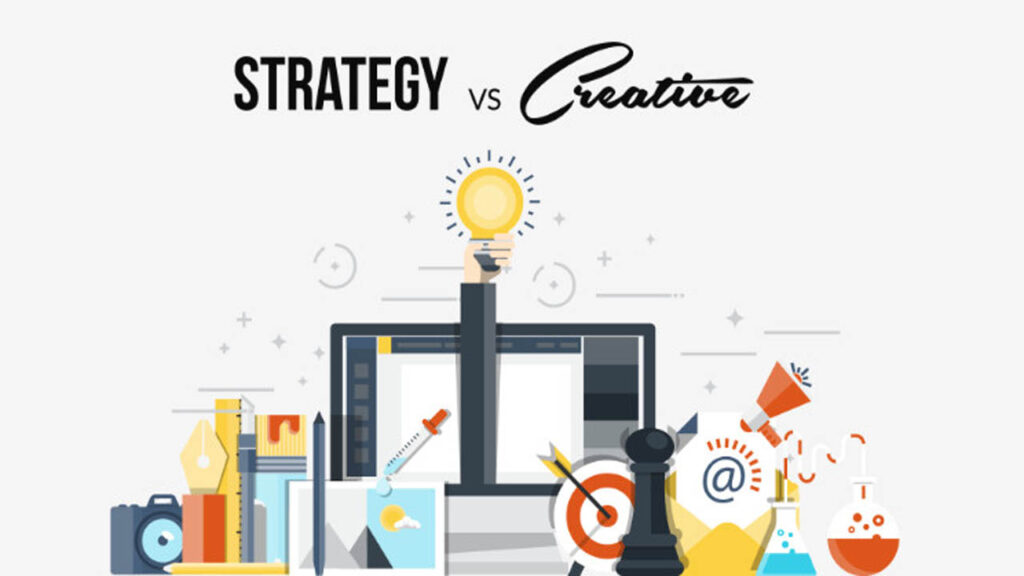
- Knowledge of Targeted Audience: The creative idea needs to strike a chord within the anticipated audience.
- Explanation: Knowing the demographics, preference, and behavior of the audience are important factors in devising creative campaigns that strike a chord with that group of people.
- Alignment with Brand Values: Innovative messaging needs to be sympathetic to the type of values from which the brand draws its central ideologies.
- Explanation: While an advertisement can be innovative, it should not lose its relevance because the brand operates on some kind of a mission and identity framework, thus giving it a clear message.
- Market Trends: The creativity must have a reflection on the current trends prevailing in the markets.
- Explanation: The use of market research would have let the advertisers take their creativity to markets at the right time and with an opportunity to acquire an evolutionary interest of the consumer.
- Goal-Oriented Creativity: The creative of the campaign must be aligned in support with business objectives.
- Explanation: Branding, customer interaction, or sales must be brought along with a cause or desired result in the creative advertisements.
- Measure Creativity: The refinements come in measuring creative ideas where creative works must be analyzed for effectiveness.
- Explanation: Creative campaigns have to include success measurements such as engagement rates, brand lift, and conversion to ensure creativity yields tangible business results.
The Future of Creativity in Advertising

As technology improves, so also is the advertising landscape changing. Therefore, there are quite many avenues for creativity that keep emerging in the field. The new trends include personalized advertising, augmented reality, and artificial intelligence that change the way brands interact with their consumers. For example, AR helps the consumer engage with products advertised through it, making advertisements very interactive and memorable. However, as campaigns rely so much on the use of these new technologies, they have to be intelligent in ensuring that their campaigns are genuine and interesting to consumers.
Evolving Trends in Creative Advertising:
- Customer-Centric Advertising: The usage of data to design targeted ads increases consumer involvement.
- Explanation: Personalized ads are often more relatable to consumers, and thus this can lead to a higher probability of engagement and conversion.
- Augmented Reality (AR): AR is an innovative opportunity for brands to interact with their audience through virtual, interactive experiences.
- Explanation: Experience through AR campaigns: Consumers have the ability to experience and engage with products in a light-hearted, fun, interactive way, opening up possibilities in advertising in a whole new way.
- Artificial Intelligence (AI): AI will be used to enhance ad targeting and campaign efficiency.
- Explanation: Brands will reach audiences more accurately with more data backing up the ads through the aid of AI. Satisfying consumer needs better, the creative process gets better at producing better results.
- Authenticity in High-Tech Campaigns: Authenticity in the High-Tech Campaign.
- Explanation: Admittedly, although having integrated new technologies into their campaigns, brands ought to stay authentic to their values as well as messaging in order to stay in the consumers’ hearts.
- Consumer Feedback in Creativity: Involving Consumers in the Creative Process.
- Explanation: By involving consumers in the creative process, brands may come closer to achieving their expectations.
Final Thoughts: The Role of Creativity in Advertising
Today, creativity becomes part of the important elements in the world of advertising. It grabs the attention of people, forms emotional attachment, and boosts brand loyalty in the saturated marketplace. Even though creative expression allows marketers to stand out with their brand, develop connections that really matter to consumers, and eventually stimulate calls for action. Additionally, while technology changes its role in the advertising industry, it is only through creativity that authentic yet appealing and successful campaigns are bound to be developed.
Key Importance of Creativity in Advertising:
- Captivates Audience Attention: Creativity cuts through the noise and grabs the attention of a consumer in a cluttered marketplace.
- Explanation: Since the creative content is unique and innovative, it has more chances of grabbing one’s attention and sustaining in the minds of consumers, thus achieving higher engagement.
- Builds Emotional Connections: Creative storytelling creates a very strong emotional relationship with the audience.
- Explanation: Emotions are involved in decision-making. Emotional appeals such as feelings of joy, nostalgia, or sympathy strengthen the connections between the customer and the brand.
- It Facilitates Brand Differentiation: Creative advertising enables brands to differ from other brands.
- Explanation: Brands that employ creativity can attract more market share and customer loyalty in a highly competitive market.
- Increases Consumer Engagement: Creative adverts enable consumers to not only participate in the content but also to share the same.
- Explanation: For example, creative work can lead to much higher engagement rates since most consumers like to share funny or thought-provoking advertisements, thus increasing brand awareness.
- Drives Results: Creativity ultimately drives better campaign performances and outcomes.
- Explanation: Creative ads often tend to drive higher conversions, sales, and overall brand success because of their appeal to an audience.
Advertising Media:
- Television: AUDIOVISUAL content that provides reach to a large audience, usually during prime-time shows or events.
- Radio: Audio commercials that are likely to influence listeners when commuting or performing other tasks effectively.
- Print Media: Newspapers, magazines, and pamphlets focused on a particular subgroup and print.
- Digital Media: The Internet-working across websites, search engines, and other forms of social media to communicate to a digitally literate target group.
- Social media: Interacting with customers on Facebook, Instagram, and Twitter, among others, through targeted advertisements and interactive campaigns.
Sales Promotion:

A Sales Promotion is typically defined as an incentive for the customer to buy a product or service within a limited timeframe, such as:
- Discounts: A reduction in the price for some time or some period to attract more and more customers.
- Coupons: Coupons promising a reduction for subsequent purchases, prompting consumers to buy now or later.
- Loyalty Programs: Reward systems encourage repeat business by offering points or rewards for continued purchases.
Why you should know Advertising and Sales Promotion
- To Maximize Marketing Strategies:
Gaining awareness of the role of advertising and sales promotion can help one hone and adapt marketing strategies effectively.
- Correct Communication:
Knowing the target audience helps organizations create messages that resonate deeper within their intended population, thus making them more likely to be adopted by their targeted audience.
- Generation of Sales Revenue:
Knowledge of advertising and sales promotion is highly integrated with sales increases. A well-crafted campaign turns a probable customer into a repeat customer.
- Customer Loyalty:
The only way to achieve this is through practical and well-planned advertising and promotional strategies. Businesses can create good relationships with their customers, and they will want to buy from them repeatedly. These notions call for developing a competitive advantage in the marketplace.
Relevance in Strategic Decisions
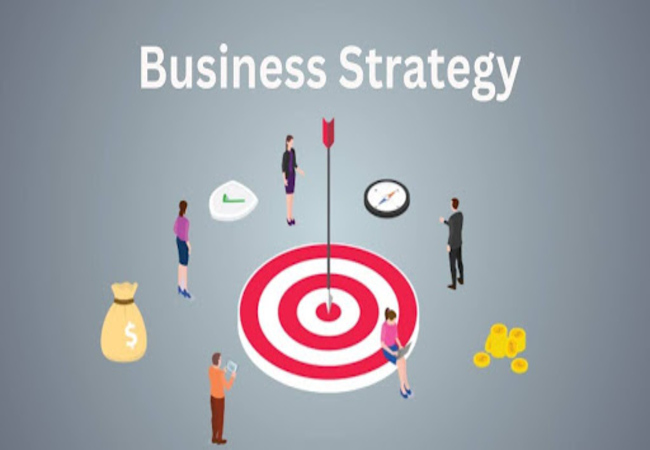
- Market Analysis: Understanding advertising and sales promotion tools can help businesses understand market trends and the patterns of consumers’ behaviors in the target market. Campaign strategies can then be planned accordingly.
- Budget Allocation: Companies are equipped to allot resources effectively since this information on how to use marketing tools effectively facilitates full returns on investment and minimization of waste.
- Competitive Advantage: This knowledge of advertisement and sales promotion details gives firms the advantage of moving ahead of saturated markets as firms develop unique selling propositions that attract and retain customers.
- Performance Measurement: Understanding advertising effectiveness metrics and metrics about sales promotion programs helps companies measure their effectiveness, thus constantly trying to improve themselves.
Understanding advertising and promotional sales is essential for making strategic decisions. It gives any business the tools to effectively communicate with its customers, stimulate demand, and drive sales while remaining competitive.
Advertising and Sales Promotion: Purpose, Function, and Applied Practice
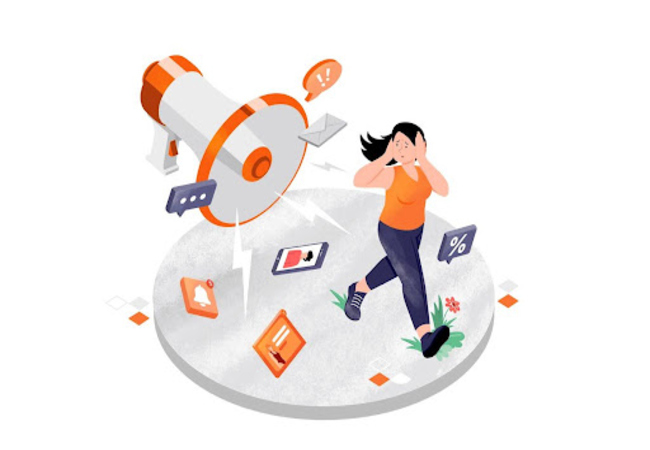
Purpose: Advertising aims to generate consciousness in customers’ minds regarding a specific product or service. It tries to communicate the features or benefits of the product or service and how and where to get it-simply put a buy signal.
Sales promotion creates a sense of urgency for consumers to buy now and not later. In other words, it promotes consumption without requiring the consumer’s involvement in the planning process. Examples are discount offers, coupons, contests, and free samples. It aims to prompt short-term consumer activity, increase sales volume, and enhance product visibility.
Functions
- Building Brand Awareness Advertising aims to make potential consumers aware of brand identity and values.
- Consumer Involvement: Effective advertisement attracts intense consumer interest by tugging at the heartstrings, telling a story, and through multichannel approaches, social media, broadcast television, and print.
- Generating Demand: Promotions enhance the likelihood of buying. The sale of a commodity can be complemented with incentive ties such as buy-one-get-one-free or any other form that will heighten consumers’ interest and anxiety levels.
- Sales Volume Increase: Promotions increase quantity to peak sales for a short period and clear the stock in the shortest period. This aspect will help achieve the set period.
- Creating Customer Loyalty: Advertisements and promotions can help build brand loyalty. Long-term customer relationship building is possible through constant interaction with customers through advertising and rewarding buyers through promotions.
Day-to-Day Applications:
Retail Business:
- Advertising: Retailers use television commercials and social media advertisements to inform about new arrivals or season sales. As the back-to-school season arrives, stores publish ads regarding their product line and competitive prices.
- Sales Promotion: For example, “Buy One, Get One 50% Off” on clothes and “Flash Sales” that are good for a limited time encourage impulse buying and clear seasonal inventory.
Consumer Electronics:
- Marketing: Consumers typically go through a phase of pre-launch exposure for electronic products. For example, electronics such as Apple iPhones have big ad pushes through various media outlets once new iPhones are released.
- Sales Promotion: Hi-tech companies can offer trade-in offers or bundle two products together to induce sales in food and beverages, as Coca-Cola did during the Super Bowl of a particular year, or make emotionally resonant commercials to strengthen their identity and bond with consumers.
- Sales Promotion: Seasonal campaign in the form of holiday-line products, special discounts,, or loyalty schemes, which reward with points to further support sales generated and maintain customer interest.
Services Industry:
- Advertising: Airlines and hotel service industries use Internet advertising and focused marketing to ensure that customers are captured during a travel season or festival.
- Sales Promotion: Flash sales on airline tickets for limited times for a stay at the hotel lure customers into booking, thereby luring them into promotional pricing.
To conclude, advertising and sales promotion are complementary interrelations that grow business marketplace visibility and, therefore, advertise sales in various industries. Knowing their definitions, purposes, and functions would help the business plan ahead for the effective accomplishment of marketing goals and develop an enhanced relationship with its consumers.
The Importance of Understanding Advertising and Sales Promotion for Businesses

In today’s marketplace, where competition reaches peaks and attention spans are dropping every minute, it’s imperative to know about advertising and sales promotion for sustainable success. The two go at the heart of marketing strategies, impacting brand visibility, customer engagements, and revenue growth. We discuss why mastery over advertising and sales promotion must be crucial for business and its impact in the sections below:
- Boosting Brand Visibility: Advertising communication creates a level of awareness among consumers that makes potential customers aware of a company’s products or services. Awareness is the first step to making a customer loyal and trusted.
- Customer Experience: Sales promotions involve customer engagement through incentives that are, by nature, immediate, such as discounts and offers. At a certain level of analyzing consumer behavior, businesses can formulate tactics of promotions that make sales, deepening relationships between the brand and consumer.
- Increases Sales and Revenue—Effective advertising may significantly increase sales. Firms will know when to organize promotions in relation to the buying peak based on their knowledge of market trends, thus maximizing revenue.
- What Makes the Business Stand Out—Defines Unique Selling Propositions: A thorough understanding of advertising and sales promotion aids a business in creating a niche for itself in the marketplace. Businesses can target their intended audience using different USPs and promotional methods.
- Adapting to Changes in the Market: The business environment keeps changing, meaning that businesses need to prepare advertisements and conduct sales promotions to alter or adapt to them. This means there will be relevance as well as competitiveness.
- Performance Measurement: Measuring effectiveness and ROI is part of a good advertising and sales promotion strategy. Data analysis helps companies measure ROI by judging marketing efforts so that informed decisions are made.
- Advertising and Sales Promotions: A sharp understanding of advertising and sales promotion provides insight into consumer behavior, prompting business houses to formulate targeted campaigns that will drive purchasing decisions.
Examples of Effective Advertising and Sales Promotion Campaigns in Real Life
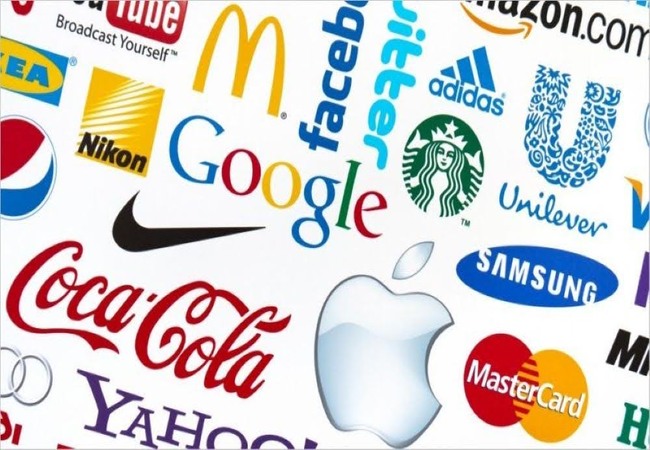
- Coca-Cola’s “Share a Coke” campaign provoked consumers to look for personalized bottles, leading to a 2% increase in sales.
- Nike’s “Just Do It” Promotion: This encourages participation and has sustained sales volumes, particularly during significant events.
- Old Spice’s “The Man Your Man Could Smell Like”: This hilarious campaign revitalized the brand and had sales increase by as much as 125%
- McDonald’s Monopoly Promotion: The thrill of winning has repeatedly kept customers coming in for these prizes.
- Amazon’s Prime Day: This is the biggest shopping day of the year, and it is unique to Amazon.
- Apple Product Launch Events: Expectation and excitement over the product leads to tremendous sales on the launch day
- Dove’s Real Beauty: Dove is an advertisement campaign that helped raise its sales and reputation.
- Starbucks Loyalty Program: The reward program encourages repeat business and retention as well as sales
- Guinness’ “Made of More”: Using compelling stories for advertising emotionally helped raise brand loyalty and market share.
- Target’s Seasonal Sales: Seasonal offers contribute significantly to the sales volume of peak shopping seasons.
These are a few examples of how good advertisement and sales promotion can increase brand awareness, customer retention, and sales in each field.
Final Thoughts
Advertising and promotion are not additional to a company’s marketing arsenal but an integral part of a comprehensive business plan. Mastering these essential components can help organizations increase brand recognition, encourage engagement, increase sales, differentiate themselves from the competition, adapt to market changes, and measure their effectiveness, ultimately manipulating the consumer’s behavior. Those who decide to prioritize their advertisement and sales promotion strategies will thrive since the marketplace continues to grow ahead.
]]>Ready to talk with a marketing expert?

A Pragmatic and innovative way to enthrall your target group is just a click away!
Get in Touch
Rukmini Knowledge Park, Kattigenahalli, SH 104, Srinivasa Nagar, Bengaluru, Karnataka 560064
+91-990 247 8800
contact@gingermediagroup.com
Popular in Television Advertising
Udaya TV AdvertisingSun TV AdvertisingStar Plus AdvertisingTV 9 AdvertisingZee TV AdvertisingNDTV India AdvertisingColors TV AdvertisingPopular in Airport Advertising
Spice Jet AdvertisingMumbai Airport AdvertisingDelhi Airport AdvertisingEmirites AdvertisingIndiGo Airlines Domestic India AdvertisingPopular in Newspaper Advertising
Deccan Herald AdvertisingPrajavani AdvertisingThe Hindu AdvertisingEconomic Times AdvertisingDainik Jagran AdvertisingHindustan Times AdvertisingPopular in Magazine Advertising
Forbes AdvertisingCosmopolitan AdvertisingBusiness World AdvertisingVogue Magazine AdvertisingPopular in Sports Advertising
IPL AdvertisingPopular in Outdoor Advertising
Billboard AdvertisingBus Shelter AdvertisingMetro Pillar AdvertisingUnipole Advertising© Ginger Media Group 2025. All Rights Reserved.