Many big companies can learn a lesson from the Uber advertisement campaign, as the multinational company is today highly admired for its cab advertisements and for allowing consumers to reserve rides using their applications on mobile phones. Let us discover some of the unique branding tricks of the cab that made Uber a worldwide leader in transportation by taking a case study about Uber’s marketing campaign.
About Uber: The Ride-Hailing Service of the World
Uber was born in 2008 over a cold Parisian street when Travis Kalanick waited outside the annual LeWeb technology conference for a failed cab. It was then that he hit on the idea. Imagine if we could hail a cab with our mobile. That’s what made a company later known as Uber.
It has now become a multinational company, moving people from countries of different origins while its original headquarters is still in San Francisco, California. The corporation was founded in 2009, and it has completely changed the world’s map by providing a hassle-free ride-hailing experience at an inexpensive price.
It serves over 100 cities in India. Uber has become a must-have product in the Indian transportation ecosystem, serving as the most convenient and affordable choice for millions of riders.
Key Uber Features
- Accessibility through Mobile: Users can easily book rides through mobile apps.
- Different Ride Options: Offers various rides to cater to people’s needs.
- International Reach: It provides its services in over 100 cities in India.
- User-Friendly Interface: The application interface is so user-friendly that anybody can use it.
- Competitive Pricing: The prices are highly competitive, making the product affordable to consumers.
Why Does Uber Market Do?
Uber marketing campaigns are implemented for different purposes, which are:
Reasons for Uber’s Marketing
- An Awareness for the Brand: The Indian market, comparatively, is new to Uber. Thus, there is a demand to develop brand awareness among Indians who could be its consumers. Marketing and advertisements may best give recognition and awareness for Uber services.
- Attract Newer Customers: Uber wants to attract new clients for its ride-hailing services in India. Increased visibility and awareness through marketing could bring more customers to try Uber’s services.
- Distinguish from Competition: India has several domestic and international competitors in the ride-hailing category. Uber’s advertisement distinguishes it from every competitor in that context alone. With such marketing, the company has a better chance of positioning it as holding a more significant value proposition or distinct features.
- Retention of Existing Customers: Competition in the Indian market is quite high. Hence, the service offerings of the marketing campaign done by Uber to its customers, along with various benefits and features, can make it possible to retain them since they are attracted to multiple repeat businesses.
- Building Trust among Users: Marketing builds trust among people when service offerings are promoted in a market with many service providers. In that context, people will find Uber reliable for ride-hailing services.
Uber: Best Marketing Campaigns Case Study
The following ten Uber branding strategies have helped the Uber advertising team relate to its target audience in a much more intimate and interesting way.
Uber “Badhte Chale” Ad featuring Virat Kohli
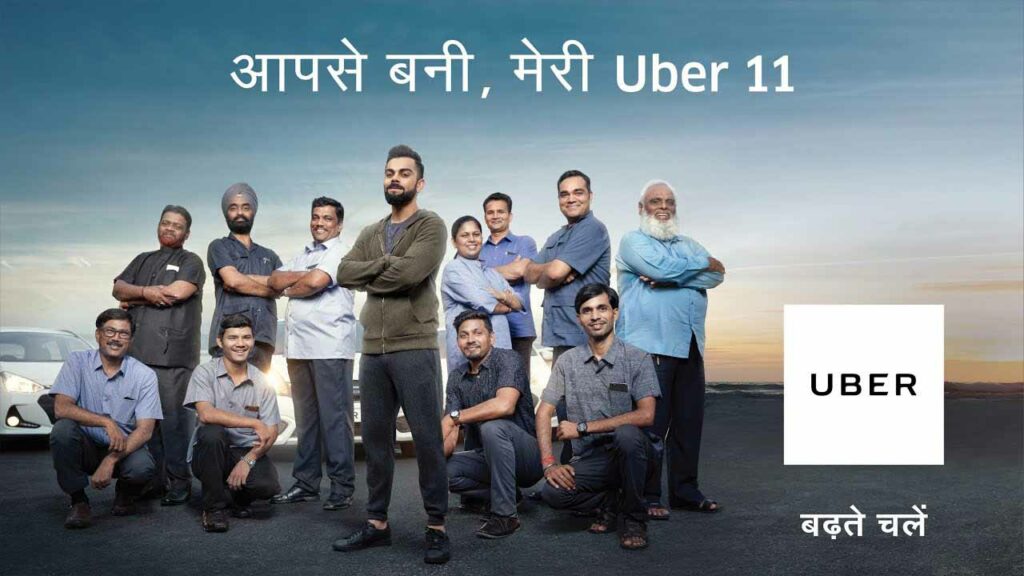
Every day, Uber connects millions of Indians to their destination. Considering this, Uber recently launched its new ad campaign, “Badhte Chalein,” carrying the theme that every trip is more than a journey; it’s a step forward on the more significant journey of life. The basis of “Badhte Chalein” is the brand’s new campaign, which looks to help Uber become a facilitator of social change.
- Forward-Looking Message: It is an inspiring yet approachable-looking and forward-looking campaign.
- Influential Brand Ambassador: The fact that Virat Kohli is in it connects pretty well with the audience.
- Emotional Resonance: It talks about the emotional side of the rider’s experience through enhancing brand relatability to the customer.
- Closes its Commitment to Sustainability: Responsible usage of resources is marketed toward fitting the positive social values of the brand.
- Inviting Inclusiveness: The advertisement invites inclusivity and participation from all sections of society, thus making it more attractive.
Referral Campaign: “Office Heroes”

Instead of throwing millions of dollars into the usual campaigns, Uber was ready to take a chance on a good customer experience. To get the Uber marketing campaign rolling, Uber targeted offices, asking office employees to become “Office Heroes.”
- Incentivized Referrals: Sizeable discounts and free rides encouraged Uber to solicit existing customers and invite new customers to Uber.
- Gamification in Experience: There was significant competition among colleagues, which increased participation.
- Building Community: This activity created a community of office-goers that eventually became brand ambassadors.
- Low-Cost Marketing Activity: Contrasted to traditional marketing activity, the referral campaign was significantly low-cost.
- Long-Term Customer Relationship: Due to focusing on rewarding referral customer relationships, relationships were built long-term.
Uber “Rider Zero” Campaign

Uber rolled out its Rider Zero campaign across Bangalore, Mumbai, and Delhi NCR in 2013. It also roped in influencer profiles in each city, “trying out” Uber for the first time secretly. Influential Indians were gifted unique access to the service and asked to share it with their massive audience online.
- Creating Buzz Pre-Launch: This also generated excitement and buzz in the market even before the launch of Uber.
- Influencer Marketing: This campaign leveraged local influencers to tap into existing fan bases that built credibility for the brand.
- Social Media Amplification: The amplification of the campaign on social media increased the reach and engagement.
- Building Anticipation: The secrecy will always generate curiosity and anticipate potential users.
- High-Profile Endorsements: Getting known personalities as their first set of users lends prestige.
Strategic Tie-Up with Zomato
The entire strength of the marketing campaign of Uber is through branding partnerships. Uber has had strategic alliances with other very famous products and companies, which were revolutionary. In 2015, Uber allowed users to book a cab using the Zomato application to reach their desired restaurants. In 2016, Uber had tied up with BookMyShow as the official operations partner for the ongoing T20 Cricket season.
- Cross-Promotion: With Zomato as its partner, Uber gained a solid base to access another large customer base of foodies.
- User Interface Improves: It ensured user comfort during the ride-booking process while ordering food.
- Brand Association: Association with other big brands has given Uber higher brand mileage and visibility.
- Seasonal Promotion: The partnership with BookMyShow played on the glamour of T20 cricket, hence raising the instances of ride-booking during the matches.
- Added Value Services: The partnership allowed Uber to offer extra value to its customers since it improved loyalty.
Uber Innovative “Bas Socho Aur Chal Pado” Campaign

Uber launched a 360-degree campaign called ‘Bas Socho Aur Chal Pado’ in March 2022 intending to raise the visibility of its economic categories of trips and help people rediscover how they could travel daily. The ad pays homage to the indomitable spirit of the Indian ordinary citizen being so bold in pursuing their dreams without all things holding them back.
- Culturally Relevant Content: The ad campaign consisted of ads in various regional languages, making the viewer relate better.
- Celebrating Everyday Heroes: It celebrates familiar people’s aspirations, making it aspirational.
- More Visibility: Highlighting the economical travel options available for the users made the campaign reach out to cost-conscious customers.
- Multimedia Approach: This ensured maximum reach and engagement through various media channels.
- Helped Common Commuters: The campaign was capable enough to encourage the ordinary commuters to think of Uber for their daily commutation purpose.
The #UberPatang Advertisement Campaign

Festive branding is no innovation; however, for a newly established international cab service company to market itself against customers in their environment is an excellent decision. Since the promotional campaign was underway, Uber’s advertisement team decided to accelerate their reach by being “approachable” to the customers at the time of their need.
- Cultural Relevance: The campaign targeted customers when celebrating the festival of Makar Sankranti, making the campaign more relevant.
- Community Building: The distribution of kites and sweets proved goodwill and reached out to the community.
- Localized Marketing: A campaign running during festivals depicted cultural sensitivity and awareness.
- Live Interactive Experiences: The campaign turned out to be a highly interactive experience, which increased customer participation to the fullest.
- Brand Loyalty: When the brand speaks to customers about critical cultural moments, the chances for brand loyalty increase.
Uber #RentalHealthDay Campaign
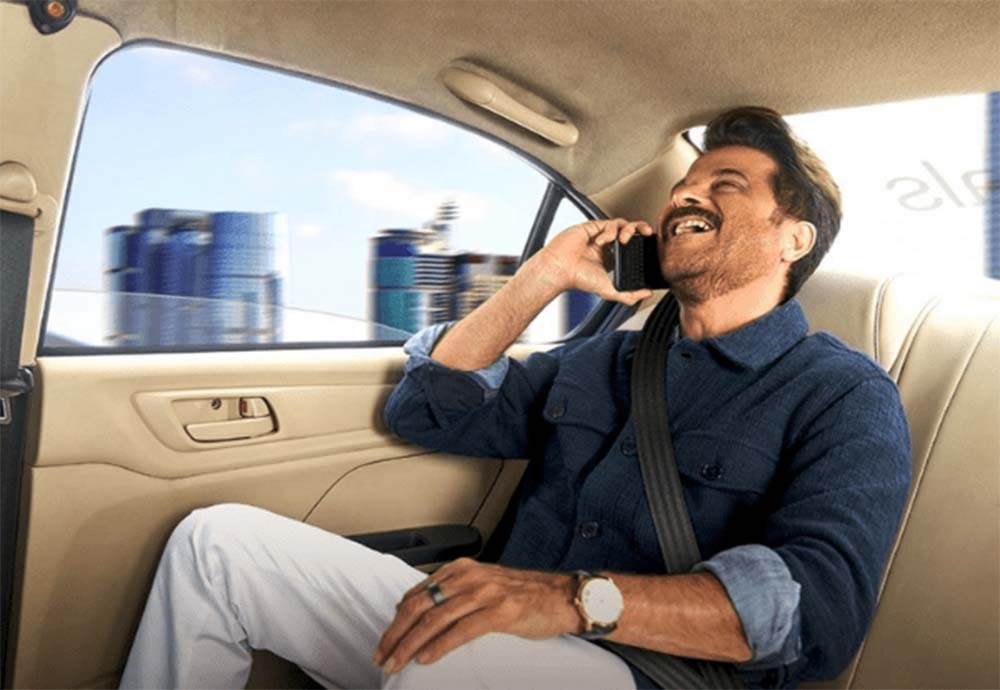

Uber has recently launched #RentalHealthDay for 2022, bringing forward its newest transport service, Uber Rentals. The ad talks about the stress that a long, busy day can lead to, and its objective is to help the rider get through their health and wellness.
- Focus on Customer Wellness: The primary focus on the customers’ mental well-being showed care from the brand side.
- Encouragement of Healthy Living: The campaign motivates people to seek well-being, connecting deeply with the audience.
- Community Engagement: Such a campaign fosters community interaction and engagement through shared experiences.
- Diverse Messaging: It speaks to a diverse audience while motivating them to use its services.
- Reputation for Caring: Building a reputation for being a caring service increases long-term brand loyalty.
Uber #WithinHerReach Campaign
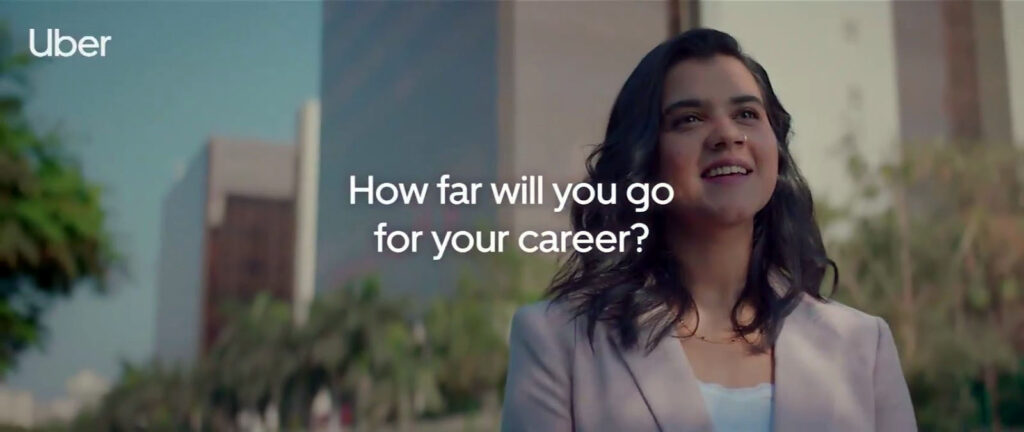
As part of the efforts to bring every opportunity #WithinHerReach, a dialogue initiated by Uber in 2019, Uber India has come out with a new initiative.
- The marketing campaign highlights that 3 out of every 5 women limit their job opportunities to only within a 1-kilometre radius of their homes.
- The advertisement appeared on the front page of The Hindustan Times to launch the campaign.
- The campaign continues to elicit conversations on the cause through multiple channels, including LinkedIn, Twitter, Instagram, and among industry decision-makers.
Uber: Official Sponsor of the 2019 ICC Men’s World Cup


Indians see cricket not as a sport but as an emotion, and Uber has tapped into that sentiment perfectly.
- Uber sponsored the ICC Men’s Cricket World Cup in 2019 as the largest transport company in the world.
- The campaign titled “This World Cup, Every Fan Wins” was designed to bring a sense of community, putting cricket fans at the center of the festivities.
- Under the sponsorship agreement, Uber became the first transport and food delivery company to strike a deal with the International Cricket Council (ICC) for the Men’s Cricket World Cup.
- The organization informed that the event was expected to attract an estimated 1.5 billion viewers worldwide.
“The Safe for Each Other 2.0” Campaign During the COVID-19 Pandemic
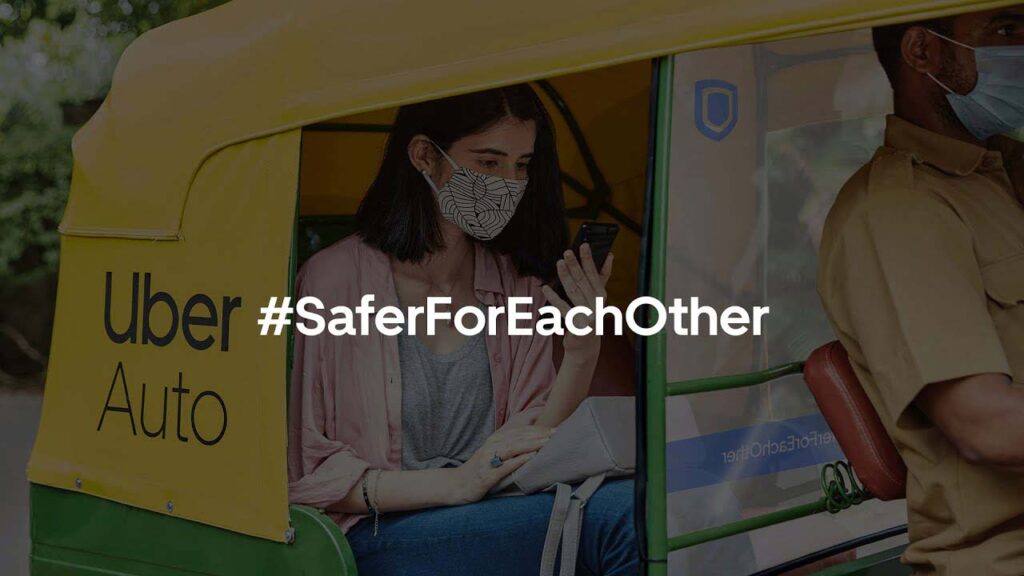
In response to the COVID-19 outbreak, Uber launched its “Safer For Each Other 2.0” advertising campaign as a way to assure users of the safety measures taken by the organization to ensure the well-being of passengers and drivers.
- Examples of safety measures include separators installed in cars and vehicles sanitized at regular intervals.
- To create awareness of Uber’s safety features, the advertising team employed a 360-degree approach, utilizing print, radio, and all digital and other media.
- Uber is revolutionizing the way people move safely, and this campaign aims to reinforce that fact.
Final Thoughts
Uber’s marketing strategies exemplify how a brand can resonate deeply with its audience by being culturally relevant, user-centric, and innovative. By adapting to local nuances and leveraging emotional connections, Uber has established itself as a service and a vital part of the community. Learning from Uber’s successful campaigns can provide valuable insights for businesses looking to elevate their marketing efforts.
]]>In an era dominated by digital platforms, Paper Boat masterfully blended tradition with modernity. Their social media presence was marked by a consistent visual identity that resonated with the essence of their products. Paper Boat harnessed the power of digital marketing to create a brand that resonates with the Indian audience.
What is Paper Boat?

Paper Boat is more than just a beverage company; it’s a purveyor of memories, traditions, and flavours. Launched in 2013 by Hector Beverages, Paper Boat set out on a mission to rekindle the warmth and joy of childhood through its range of ethnic Indian drinks. Paper Boat’s success story lies not only in its flavorful beverages but also in its innovative advertising strategies.
The brand created a seamless blend of nostalgia and modernity, striking a chord with Indians of all ages. Their digital campaigns transported viewers back to carefree days while showcasing the brand’s contemporary outlook. From classics like Aam Panna and Jaljeera to regional favourites like Kokum and Thandai, Paper Boat’s concoctions is a delightful journey through India’s rich culinary heritage.
Why Does Paper Boat Do Marketing?

Marketing is the lifeline of any brand, and Paper Boat recognises this well. In a dynamic market, brand visibility and engagement are crucial to staying afloat. By employing various strategies, Paper Boat effectively communicates its unique selling points, connecting with its audience on various levels.
How Paper Boat Reached Where It Is Today

Paper Boat, a brand under Hector Beverages, is synonymous with reviving traditional Indian beverages and evoking nostalgia. The brand has created a strong emotional connection with its audience, transcending mere consumption to become an experience. Its marketing strategies, rooted in Indian culture, have played a crucial role in its success.
Founding Story
Paper Boat’s journey began with the vision to bring back childhood flavours and the charm of homemade beverages. The founders, Neeraj Kakkar and Neeraj Biyani, recognised the untapped potential of traditional Indian drinks and embarked on a mission to bring them back to the mainstream. Their dedication and passion laid the foundation for Paper Boat’s success.
Innovative Product Line
Paper Boat struck gold by introducing a range of traditional Indian beverages such as Aam Panna, Jaljeera, and Kokum Sherbet. These drinks appealed not only to the taste buds but also to the memories associated with homemade recipes. The brand’s commitment to quality and authenticity helped it stand out in a market flooded with artificial flavours.
Local Sourcing
A noteworthy aspect of Paper Boat’s success is its emphasis on sourcing ingredients locally. By partnering with rural farmers and suppliers, the brand supports local communities and ensures its products’ freshness and authenticity. This approach resonates well with Indian consumers who value the ‘Made in India’ sentiment.
Distribution Strategy
Paper Boat’s distribution strategy is as unique as its products. The brand recognised the importance of reaching consumers even in remote areas. By strategically placing its products in modern retail outlets and traditional mom-and-pop stores, Paper Boat made its beverages accessible across the country.
Packaging Design
The packaging design of Paper Boat drinks plays a pivotal role in its success. The brand’s approach to packaging is akin to storytelling, where each package evokes a sense of nostalgia. Whether it’s the shape of the container resembling a paper boat or the vibrant illustrations depicting each beverage’s essence, the packaging creates a sense of curiosity and anticipation among consumers.
Customer Engagement
Paper Boat’s marketing goes beyond selling products – creating memorable experiences. Through social media campaigns, interactive storytelling, and user-generated content, the brand engages with its customers personally. This engagement fosters brand loyalty and transforms customers into brand advocates.
Collaborations and Tie-ups
The brand’s collaborations and tie-ups with various Indian festivals, movies, and cultural events have further amplified its visibility. For instance, partnering with Bollywood movies to create limited-edition drinks related to the movie’s theme creates consumer buzz and excitement.
Adaptation to Trends
In a rapidly evolving market, Paper Boat has demonstrated its ability to adapt to changing consumer preferences. While staying true to its core values, the brand has introduced healthier variants and innovative flavours to cater to health-conscious consumers without compromising taste.
Top Paper Boat Marketing Campaigns
Paper Boat, a brand under Hector Beverages, has become a beacon of nostalgia and tradition in the modern beverage industry. By blending a deep understanding of regional flavours, sentiments, and memories with innovative digital strategies, Paper Boat has created a distinct identity.

Let’s dive into some of their most notable campaigns that have left an indelible mark on Indian consumers.
Rains of Joy
In a country where the arrival of monsoons is a collective celebration, Paper Boat leveraged this emotional connection to create its “Rains of Joy” campaign. They captured the essence of rainy days and the accompanying childhood memories through vivid visuals and heartwarming narratives. Paper Boat associated its beverages with these cherished moments, from sipping a hot chai to enjoying piping-hot pakoras. This campaign boosted sales and carved a place in the hearts of those reminiscing about their monsoon experiences.
Flavours of Festivity
India’s cultural diversity is manifested in its festivals, each brimming with unique flavours and rituals. Paper Boat tapped into this cultural tapestry with its “Flavors of Festivity” campaign.
By aligning their beverages with festivals like Diwali, Holi, and Eid, they showcased the brand as an integral part of the celebration. The campaign cleverly used social media platforms to share festival-related content, recipes, and stories, fostering a sense of togetherness among consumers even during these virtual interactions.
Taste of Tradition
The Indian palate is deeply connected to traditional recipes passed down through generations. Paper Boat capitalised on this sentiment by introducing its “Taste of Tradition” campaign. By highlighting beverages inspired by age-old recipes like Aam Panna and Jaljeera, the brand successfully positioned itself as a custodian of culinary heritage.
Engaging storytelling accompanied by visually appealing content made this campaign a hit among those seeking nostalgia in their modern lives.
Childhood Chronicles
Paper Boat’s “Childhood Chronicles” campaign took a nostalgic trip down memory lane. The brand created a strong emotional pull by showcasing beverages reminiscent of childhood. The use of relatable anecdotes and visuals resonated with a wide audience, transcending age barriers. Whether it was the tangy taste of ‘Aamras’ or the sweet allure of ‘Rose Sherbet,’ Paper Boat managed to rekindle childhood memories with every sip.
Local Love
India’s strength lies in its rich regional diversity, and Paper Boat celebrated this diversity through its “Local Love” campaign. By introducing region-specific flavours like Aamras from Gujarat and Kokum from Maharashtra, the brand tapped into the collective pride of each region. This campaign celebrated local ingredients and established a strong regional bond, appealing to consumers’ regional identities.
Ingredients Unveiled
One factor that sets Paper Boat apart is its dedication to natural ingredients. In their “Ingredients Unveiled” campaign, the brand took audiences on a visual journey through the sourcing and preparation of their beverages. By emphasising its commitment to authenticity and quality, Paper Boat managed to not only highlight its unique selling proposition but also foster trust among its customers.
Sip of Stories
The “Sip of Stories” campaign is a testament to the power of consumer-generated content. Paper Boat encouraged its customers to share their personal stories and experiences associated with their drinks. This user-generated content engaged the audience and created a sense of community around the brand. From heartwarming tales to amusing anecdotes, these stories added a genuine touch to the brand’s image.
Fruitful Wellness
Paper Boat cleverly integrated wellness into its marketing strategy in a health-conscious era. The “Fruitful Wellness” campaign spotlighted the nutritional benefits of their beverages, tapping into the growing demand for healthier options. By emphasising the use of traditional Indian ingredients with modern health benefits, the brand successfully positioned itself as a healthier alternative without compromising taste.
Doodles of Delight
Paper Boat’s packaging design is a canvas for creativity. With the “Doodles of Delight” campaign, the brand turned its packaging into interactive storytelling tools. Incorporating doodles, riddles, and games on their packaging engaged children and adults who couldn’t resist the charm of these delightful elements. This innovative approach turned each drink into a mini-adventure, enhancing the overall consumer experience.
Joyful Jingles
One aspect not overlooked in Paper Boat’s marketing success is its catchy jingles. These tunes are more than just background music; they’re auditory symbols of the brand’s identity. The memorable jingles have helped establish brand recall and created a sense of familiarity and joy among consumers.
Final Thoughts
Paper Boat’s digital marketing journey is a testament to the power of storytelling, creativity, and a deep understanding of the Indian audience. By blending traditional flavours with modern marketing techniques, the brand has carved a niche in the hearts of millions.
As we sip on our favourite Paper Boat drinks, we’re reminded that a dash of nostalgia, a splash of authenticity, and a sprinkle of innovation can create a recipe for enduring success in the ever-evolving advertising landscape. In the vibrant world of Paper Boat, every sip truly is a sip of memories, creativity, and the essence of India itself.
]]>What is Chumbak?

Chumbak is not a lifestyle brand; it is Indian culture and creativity. Bangalore is its headquarters, and it roams out products with a vast range of clothes, home decor, accessories, and quirky gifts. Chumbak is different from other players in the market because of its capability to use traditional Indian motifs with modern designs and aesthetically pleasing and culturally relevant results.
Key Highlights of Chumbak
- Vibrant colors and playful designs: Chumbak features products known for their bright colors and lively designs that appeal to the young and urban crowd.
- Variety of products: It is available in various forms, such as home décor products, cushions, wall art, personal accessories, and attires, which reach out to many customers.
- Engaging in-store experience: The in-store experience is engaging, involving creative displays that clearly mention the uniqueness of the brand and engage with the customer.
- Strong philosophy: Chumbak communicates to its customers that its brand celebrates their individuality and creativity. This is evident in its marketing campaign and product offerings.
- Customer-centric approach: Chumbak seeks active customer feedback, which it absorbs into its product development and marketing programs to ensure relevance in the marketplace.
Chumbak efficiently employed both online and offline marketing channels to increase its brand image and create dedicated customers. Its strategy for branding and marketing differentiated it and made Chumbak one of the leading lifestyle brands in India.
Why Does Chumbak Do Marketing?

Chumbak’s marketing strategies are channeled into creating intomcreatingl recall in the minds of its target audience while enhancing brand awareness and engagement. The brand remains well aware that effective marketing does not mean selling but translating narratives and creating experiences based on which customers can remember them.
Why Marketing for Chumbak?
- Emotional Connection: Chumbak’s marketing initiatives are primarily based on the premise of telling a story so that people can connect with the brand like a person would with a friend. It connects with customers through emotion when it narrates the stories of creativity and individuality.
- Customer Involvement: The brand keeps its audience interested in its story through interactive marketing strategies, especially contests and influencer collaborations.
- Brand Awareness: Innovative offline and online marketing has allowed Chumbak to build considerable market visibility, making it a name that pops up in consumers’ minds.
- Brand Loyalty: Chumbak has created loyal customers based on delivering a high-quality product and exciting marketing campaigns, where people become associated with the brand’s philosophy.
- Market Differentiation: The quirkiness, vibrancy, and whimsy of the Chumbak products, in addition to novel marketing concepts, distinguish them dramatically from others in this oversaturated market.
Chumbak uses marketing to sell products and create a community of people who share creativity and individuality.
Top Marketing Campaigns of Chumbak
Chumbak has successfully executed many marketing campaigns through which the brand profile gets uplifted and resonates well with the target audience. Here, we will discuss some of the very impactful campaigns through which the brand became popular and famous.
Make it Yours #WithChumbak Campaign

The “Make it Yours #WithChumbak” campaign was a massive initiative to enhance the brand’s visibility and how varied Chumbak’s products could be. Such a campaign with famous Bollywood actress Sara Ali Khan highlighted that Chumbak’s home decor items can change the routine space into an intimately treasured one.
Key Campaign Attributes
- Celebrity Endorsement: Using a film star like Sara Ali Khan helped Chumbak’s brand reach more audiences, particularly young consumers who aspire to have her style.
- Visual Storytelling: The campaign used scintillating pictures and videos of its products against stylish backgrounds, making them seem more attractive to the masses.
- Interactive Social Media Campaign: The campaign appealed to consumers to take pictures of Chumbak products and upload them using the hashtag #WithChumbak in an attempt to create a community around the brand.
- In-Store Promotions: To complement the online campaign, Chumbak provided a captivating point-of-sale display in retail stores, which ensured the products’ visibility and consequently positively impacted the shopping experience.
- Feedback Loop: The company sought customers’ opinions through social media and in-store conversations, allowing it to develop its products and marketing plan based on consumers’ tastes.
It ensures that more attention is given to individual products and underlines Chumbak’s positioning as a lifestyle brand that inspires self-expression and creativity.
“A Little Quirk is All We Need”

The entire idea of the “A Little Quirk is All We Need” campaign was to enjoy individuality and peculiarity in customers. A Little Quirk really pleased all the women. It’s really up to Chumbak to tell how it can enhance daily life by adding just that little bit of creativity.
Key elements of the campaign
- Relatable Stories: Chumbak executed the relatable stories of every single woman who includes the product in her life, thereby connecting easily to the brand.
- Events for Engagement: Chumbak events directly provide customers with the brand’s experience, making it a memorable interaction, not just about shopping.
- Social Media Activation: The idea was to compel the audience to share their stories about adding quirk and weirdness to life. Hence, the campaign fostered a sense of belonging among individuals and created engagement.
- Brand Association: The campaign against unifying individuality encapsulated Chumbak’s brand philosophy regarding creativity and lifestyle, thus reinforcing its identity as a brand.
This campaign effectively made Chumbak an inspirational brand, which frees the consumer to be unique and creative.
PyaarVyaar Campaign

The PyaarVyaar campaign focused on love and relationships, creating an emotional connection with consumers. This campaign featured different gifting options from Chumbak, making it the go-to place for thoughtful gifts during special occasions.
Critical Elements of the Campaign
- Campaign Gift Focus: The campaign highlighted Chumbak’s extensive range of gifting products so that customers would consider the brand for their gifting requirements.
- User-Generated Content: Chumbak allowed customers to share their love stories and experiences with Chumbak products, thereby utilising user-generated content for authenticity.
- Emotional Appeal: The campaign touched hearts by being an emotion-related connection with love and relationships.
- Social Media Competitions: The engaging social media competitions asked users to participate and share their stories, increasing brand visibility.
- In-Store Marketing Activities: In-store marketing activities with attractive and special offers complemented this online campaign, driving footfalls and sales throughout the campaign period.
The campaign saw great traction and promoted Chumbak’s gifting products. As a result, Chumbak’s sales have increased, and there are more brand-loyal people.
You X Chumbak Campaign

The fresh faces that the You X Chumbak campaign unveiled for commercials discovered the creative ability of its target audience. This was effective enough to involve the youth generation in the brand’s process.
Key Messages of the Campaign
- Open Invitation to Participate: The campaign invited the youth to submit their photographs, thereby creating community and ownership in consumers.
- Multi-City Engagement: Chumbak Events in multiple cities allowed localised engagement to be brought to more people’s attention.
- Offline and Online Integration: The event seamlessly dovetailed into online submissions, maximising reach and participation.
- Youth-Centric Messaging: The messaging was brought in line with the aspirations and creativity of young adults.
- Brand Visibility: Using real customers in the commercials made Chumbak more authentic and relatable, strengthening the brand’s bond with the audience.
The You X Chumbak campaign is a prime example of how brands can leverage community engagement to amplify their marketing efforts and forge authentic connections.
#BobbyMissing Campaign

The campaign for #BobbyMissing was a very creative way of launching the New Delhi store of Chumbak based on an amusing character from its product line—a bobblehead named Bobby. It created much chatter and engagement to draw attention toward the new outlet.
Key Elements
- Character-Driven Narrative: This story was based on Bobby’s cheerful character, which made it interesting and engaging to the viewer.
- Teaser Strategy: Chumbak teased everyone regarding Bobby’s location by creating suspense in all those locations; hence, more curiosity was created among the followers.
- Interactive Social Media Campaign: To let customers guess and discover where Bobby is lost to increase engagement and participation.
- In-Store Activation: The campaign went even further by opening a big store as part of the initiative to drive traffic and excitement among customers.
- Potential to go Viral: The quirkiness of the campaign makes it shareable and share-worthy on social media platforms.
This campaign enabled Chumbak to launch a new store and ensure that it generated conversation and excitement among consumers.
End-of-Season Sale Campaign

Chumbak launched an End of Season Sale Campaign that targeted buyers with personally crafted messages. Using persona-based targeting, Chumbak ensured the right audience received a message relevant to their interests. Here’s how they approached it:
- Customer Grouping: Chumbak segmented customers by interests, such as apparel, accessories, or home decor.
- Persona Creation: Specific personas were crafted for each category, such as “The Fashionista” or “The Home Decor Enthusiast”.
- Personalised Messaging: With detailed personas, Chumbak tailored communications to resonate more with each customer.
- Special Deals and Discounts: Exclusive offers were provided to entice engagement among target customers.
- Tracking Engagement: Chumbak monitored engagement metrics to measure success, identifying effective strategies and areas needing improvement.
Chumbak aimed to ensure this campaign’s effectiveness by combining persona-based targeting with real-time engagement tracking.
Chumbak Marketing Campaign: Do Up Your Space

touches to customers’ living spaces. Launched in June 2019, this campaign highlighted home décor items that add colour and creativity to any space. Here’s an overview:
- Product Range: The campaign featured diverse products, including wall clocks, throw pillows, cushions, mugs, cutting boards, and tableware.
- Engaging Content: Chumbak created videos, tutorials, and blogs that guided customers on styling their spaces with Chumbak products.
- Interactive Contests: Customers participated in contests, which offered rewards such as home decor items, gift vouchers, and other attractive prizes.
- Sustainable Design: The campaign emphasised unique, colourful, sustainable products that enhance living space.
- Inspiring Creativity: Through art and design, the campaign encouraged customers to transform their spaces with personality.
Chumbak’s ‘Do Up Your Space’ campaign inspired customers to make their homes vibrant, personalized spaces with unique décor.
Conclusion
Chumbak has redefined the Indian lifestyle brand narrative with its vibrant, quirky products and engaging marketing strategies. Its innovative campaigns successfully craft a story around the brand that resonates with consumers, making it more than just a shopping destination.
Key Takeaways from Chum Bak’s Campaigns
- Engagement through Storytelling: Narratives that connect emotionally with consumers create a lasting impact.
- User Involvement: Encouraging user-generated content fosters community and brand loyalty.
- Diversity in Campaigns: Creative approaches ensure that various aspects of the brand’s identity are highlighted, reaching different audience segments.
- Multi-Channel Strategy: Integrating online and offline efforts increases brand visibility and consumer interaction.
- Emotional Marketing: Tapping into emotions in marketing messages creates a deeper connection with the audience.
These strategies helped Chumbak stand out and set a benchmark for lifestyle brands in India, showing how creative and engaging marketing can lead to significant growth and brand loyalty.
Final Thoughts
- Chumbak has built a strong brand identity through its marketing campaigns.
- Emotional storytelling and user involvement are critical for modern marketing success.
- Multi-channel strategies are essential for maximising reach and engagement.
- Unique branding sets Chumbak apart in a crowded marketplace.
- Chumbak serves as a benchmark for effective and innovative marketing strategies.
Nike marketing campaigns are about much more than selling stuff; they encapsulate the brand’s ethos and inspire millions to stretch limits. The following are key points concerning Nike’s successful marketing strategies:
- Emotional Association: The company appeals to a customer’s emotions.
- Innovations at its Core: It also underscores innovation through its products, advertising, and promotional activities.
- Inspiring Sportsmen: The company’s campaign most often involves sportsmen overcoming barriers to inspire consumers.
- Target audience is varied: Nike appeals to every section of society.
- Innovative Use of Technology: Nike engages and interacts with people through its innovative technologies.
Among the top marketing strategies in the major is Nike. This company is also an example in the present and future, as people look to endorse innovative ways. Connecting individuals deeply in an emotional perspective using recognized phrases such as “Just Do It” is just enough for Nike’s foothold in the marketplace.
What is Nike?

Nike, Inc., is an American multinational company founded in 1964. The company specializes in designing and manufacturing shoes, sportswear, and gear and sells them worldwide. It is currently the world’s largest manufacturer of shoes and apparel, establishing quality and innovation as the benchmark.
Key Features of Nike
- Product Line: The company offers various products, from running shoes to casual wear, sportswear, and accessories.
- With technological and design innovations, Nike ensures its products meet the diverse needs of athletes and fitness enthusiasts.
- Global Reach: Nike sells its products in over 190 countries, making it a brand name. This broad reach enables Nike to hold its position in the market while increasing its customer base.
- Brand Image: Nike is a brand name associated with quality athletic equipment and has been at the forefront of sportswear innovation. It has created a great brand image through decades of effective marketing and quality products.
- Innovative Products: Nike continues to fund research and development to produce cutting-edge athletic gear, which positions the company alongside other rivals in this fast-changing market.
- Cultural Impact: Nike has become a symbol of culture, with its influence cutting across fashion, sports, and lifestyle. The brand’s participation in different movements made it stick around beyond just being sportswear.
In a nutshell, Nike is above any brand: it is a global phenomenon that embodies aspiration, performance, and innovation.
Why Nike Markets?

Nike’s primary marketing strategy is to emotionally connect with customers and establish itself as the market leader in sports equipment. This becomes the foundation for sales and encourages a fit lifestyle.
Why Nike Hones Its Focus on Marketing
- Emotional Appeal: Nike’s marketing is highly based on personal stories and aspirations. By relating to consumers emotionally, Nike creates loyalty and trust.
- Brand Leadership: The goal is to be the first brand that strikes one’s mind when thinking about athletic gear. By consistently portraying itself as a leader, the brand gains authority in the market.
- Inspiration: Nike inspires people to follow their passions and lead active lives. The company has athletes with some kind of barrier, which the public can easily associate with.
- Targeted Communication: Nike develops communications designed to reach a particular group of people. The company can market its products correctly by knowing its consumers’ diverse needs.
- The adoption of new technologies allows Nike to interact more with its customers. Nike connects to its consumers through technology such as social media campaigns and interactive experiences.
In short, Nike’s marketing philosophy revolves around creating a story through which the consumer identifies at an extremely deep level so that he becomes a part of the brand’s journey.
Best Nike Marketing Campaigns
Nike’s marketing campaigns are just a legend. Creativity and motivational, solid, and empowering messages blend. Here are eight campaigns that symbolize the excellence of Nike in marketing:
Just Do It

- Launched in: 1988
- Impact: The slogan encouraged people to break barriers and overcome difficulties and became a general appeal.
- Media Used: The print and outdoor ads covered the broadest range of consumers.
- Emotional Association: It built a tremendous emotional association for consumers with Nike.
- Cultural Relevance: Over the years, “Just Do It” has grown from a marketing phrase to an inspirational one that rouses millions.
The Last Shot

- Campaign Summary: It was launched in 2002 and featured basketball icon Michael Jordan. It focused on the last shot in a game.
- Message: A message of perseverance and never giving up resonated with athletes and sports lovers.
- Visual Attraction: The campaign brought out sports drama and excitement, enhancing its appeal.
- Brand Inspiration: It positioned Nike as an inspirational figure in the athletic community, further consolidating its market dominance.
- Emotional Resonance: It focused on a pivotal moment in sports, which connected it with the audience on a deep level, making them feel part of the action.
Find Your Greatness

- Essence: It was more about Nike’s sportswear—something to improve people’s abilities in it.
- Inspiration content: Video clips depicting how various athletes went beyond one hurdle after another appeared within the message.
- Target Audience: The advertising addressed an extensive range of strict athletes to enthusiastic exercisers.
- Media Used: Print and outdoors, in addition to all new online media, with this mass-reach opportunity, there ended the full set.
- Cultural Influence: It pushed people into sports and exercise by making greatness within anyone’s reach.
Breaking2

- Overview: “Breaking2” is one of the most innovative ideas ever, as it tried to break the barrier of two hours set up for a marathon.
- Novelty Approach: This combination of two diverse entities, sports, and technology, displays Nike’s willingness to be innovative.
- Live Show: Its primary focus is holding the live show where leading runners try to break the record and capture everyone’s attention worldwide.
- Engagement: Nike involved people in history; that way, it made them form community and excitement.
- Marketing Strategy: The campaign proved Nike’s creative intent; there was a sense of ambition about the limits of sporting performance.
Dream Crazy

- Overview: “Dream Crazy” was a powerful commercial by Nike featuring a dramatic short film with athletes overcoming challenge after challenge.
- Message of Ambition: It provoked ambition in viewers to have the dream regardless of all odds.
- Celebrity Endorsement: It consisted of sportspersons, thus making the advertisement more real and extensive.
- Cultural Relevance: The advertisement was relevant to customers as it represented the issues of society and their struggle for social causes.
- Brand Fit: This advertisement aptly reflected Nike’s vision, thereby increasing its credibility as a brand that promotes ambition and toughness.
Bo Knows

- Campaign Idea: The “Bo Knows” advertisement with NFL and MLB sportsman Bo Jackson perfectly combines comedy and sporting brilliance.
- Cross-Cultural Appeal: It showcased Jackson’s sportiveness across diverse sports and became a sight to the giant crowds.
- Celebrity Pull Factor: The ad campaign used the celebrity factor tagged along with Jackson to enhance brand visibility and product sales.
- Humor Innovation: The humor-based approach made the campaign memorable and amplified engagement value.
- Long-Term Contribution: It is the most classic instance of Celebrity Endorsement in any advertisement campaign.
Nike Women

- Synopsis: “Nike Women” promoted women’s athletic wear and assisted in giving women athletes the force for empowerment.
- Celebration of Women: It reflected the best performances of women athletes, thus speaking directly to the women consumer’s heart.
- Inspirational Messaging: This campaign had excellent imagery and storytelling that inspired women to work for their athletic pursuits.
- Market Positioning: This campaign communicated Nike’s commitment to diversity and inclusion in sports.
- Brand Loyalty: The theme of empowerment among women created much loyalty in female consumers.
Nike ID

- Campaign Overview: The Nike ID changed the way consumers of sports apparel could engage with the brand’s product.
- Personalization: This campaign allowed customers to act out their individuality when they chose personalized shoes and sportswear.
- Interactive Experience: An online, accessible interface enhances customer engagement with the brand.
- Brand Love: The possibility of tailoring strengthened consumers’ emotional attachment to the brand.
- Market Impact: This innovative approach increased brand awareness and sales, indicating the power of personalization in marketing.
Conclusion
Nike shines through a comprehensive and innovative advertising strategy in a market total of with a brandwidth company’s ability to inspire and engage its audience emotionally makes it a leading name in the sports apparel industry. By creating relatable stories, leveraging technology, and positioning itself as a symbol of empowerment, Nike has carved out a niche that resonates with diverse consumers.
Final Thoughts
- Emotional Marketing: Nike successfully taps into consumers’ emotions, creating connections beyond the initial purchase.
- Innovative Strategies: Using cutting-edge marketing strategies keeps the brand fresh and relevant.
- Cultural Impact: Nike’s influence extends beyond sportswear, making it a cultural icon.
- Diversity: The brand targets a broad audience, from elite athletes to fitness enthusiasts.
- Community Building: Through its campaigns, Nike fosters a sense of community among its consumers, reinforcing brand loyalty.
Nike has become more than just a brand; it is a movement that encourages people to dream big and push their limits.
]]>McDonald’s advertising has used a variety of offline food branding campaigns to reach its target audiences. The McDonald’s branding campaigns have been varied and practical, ranging from television commercials to print campaigns to radio spots.
McDonald’s fast food advertising also uses packaging and merchandising to engage customers and build loyalty. McDonald’s has even developed its mobile app, which allows customers to order food and access exclusive content.
What is McDonald’s?

McDonald’s is a multinational fast food chain founded in 1940 in San Bernardino, California. It is one of the largest chains of fast-food restaurants in the world and operates in over 100 countries. The company is famous for its burgers, fries, and other fast food items served quickly and conveniently.
McDonald’s is known for its food branding campaigns, which have helped the company establish itself as a household name. The McDonald’s advertising campaigns are designed to appeal to a wide range of audiences and to promote the brand as a fun and family-friendly place to eat. The company has also been innovative in its approach to food branding, using packaging and menu boards to build a strong brand identity.
Why does McDonald’s do marketing?

McDonald’s is one of the most recognizable fast-food chains in the world and has been in business for over 70 years. McDonald’s spends millions of dollars annually on McDonald’s advertising, promotions, and branding initiatives to reach its target audience.
One of the main goals of the marketing strategy of McDonald’s is to position the brand as a convenient, affordable, and satisfying food option. McDonald’s advertising has created a strong brand image through its iconic golden arches logo and familiar packaging.
Another critical aspect of the marketing campaign of McDonald’s is its focus on product innovation. The company is constantly introducing new menu items and experimenting with new ingredients and cooking methods.
This helps keep customers interested in the brand and attracts new customers looking for something different. Additionally, McDonald’s advertising invests heavily in research and development to ensure that its food offerings are delicious and nutritious.
Top Marketing Campaigns by McDonald’s
McDonald’s is known for its successful offline McDonald’s branding campaigns that promote its brand and connect with customers. Let us explore the top 8 McDonald’s branding Campaigns of all time in this case study on the marketing campaign of McDonald’s:
1. Marketing Campaign of McDonald’s: I’m Lovin’ It

“I’m Lovin’ It” is a McDonald’s advertising campaign launched in 2003. The campaign focused on the brand’s positive image and customer experience, with the slogan “I’m Lovin’ It” serving as the central message. The slogan was meant to convey a sense of optimism and happiness, emphasizing the enjoyable and satisfying experience customers can expect when dining at McDonald’s.
The “I’m Lovin’ It” campaign was a global initiative rolled out in multiple countries and translated into several languages. This McDonald’s marketing campaign was accompanied by a series of television commercials, print advertisements, and in-store promotions that showcased the brand’s food offerings, menu items, and customer experience.
2. Marketing Campaign of McDonald’s: Come as You Are

In this case study on the marketing campaign of McDonald’s the second campaign in the “Come as You Are” campaign. It was launched as a part of McDonald’s marketing campaign in 2005 to showcase the brand as a welcoming place for all customers, regardless of their background or social status. The campaign was built around the slogan “Come as You Are,” which emphasized the inclusive and non-judgmental atmosphere of McDonald’s restaurants.
The “Come as You Are” campaign was widely promoted through various media channels, including television commercials, print advertisements, and in-store promotions. The “Come as You Are” campaign was well-received by customers and helped reinforce McDonald’s image as a friendly and inclusive brand.
3. Marketing Campaign of McDonald’s: McCafé

The “McCafé” campaign was launched by McDonald’s in 2009 to promote the brand’s premium coffee and café-style beverages. The campaign was centred around the “McCafé” brand name and the slogan “It’s what coffee should taste like.” This slogan emphasized the high-quality and enjoyable taste of McCafé’s coffee offerings, which included a range of hot and cold beverages, such as espresso, cappuccino, and lattes.
The “McCafé” campaign helped establish McDonald’s as a leader in the premium coffee market, and the McCafé brand has since become a vital part of the company’s overall marketing campaign of McDonald’s.
4. Marketing Campaign of McDonald’s: Food, Folks, and Fun

“Food, Folks, and Fun” is a classic marketing campaign launched by McDonald’s in the 1960s. The campaign was centred around the slogan “Food, Folks, and Fun,” which emphasized the brand’s commitment to providing high-quality food, friendly service, and enjoyable customer dining experiences. The “Food, Folks, and Fun” slogan became synonymous with the McDonald’s brand and was widely recognized as the company’s tagline for many years.
The “Food, Folks, and Fun” campaign was widely promoted through various media channels, including television commercials, print advertisements, and in-store promotions. The campaign helped establish McDonald’s as a trusted and reliable, fast food source and played a significant role in building the brand’s reputation as a popular destination for families and friends.
5. Marketing Campaign of McDonald’s: Lovin’ Beats Hatin

The “Lovin’ Beats Hatin'” campaign was a marketing effort launched by McDonald’s in 2014 to promote love and positivity. The slogan “Lovin’ Beats Hatin'” encouraged customers to spread love and kindness and emphasized inclusiveness, happiness, and optimism.
The campaign successfully spread its positive message and reinforced McDonald’s image as a brand focused on positivity and happiness. Overall, the “Lovin’ Beats Hatin'” campaign helped reinforce McDonald’s image as an optimistic brand.
6. Marketing Campaign of McDonald’s: Experience of the Future

The “Experience of the Future” is a marketing campaign launched by McDonald’s to showcase the company’s commitment to innovation and customer experience. The campaign highlighted the company’s investments in technology and design, enhancing the customer experience and making it more convenient, efficient, and enjoyable.
The “Experience of the Future” campaign was promoted through various television and print advertisements. The fast food advertising showcased McDonald’s Marketing campaign commitment to modernizing the customer experience and staying ahead of the curve in the fast food industry. The campaign helped reinforce McDonald’s image as a forward-thinking brand and continues to play an essential role in the marketing campaign of McDonald’s.
7. Marketing Campaign of McDonald’s: My McDonald’s

The “My McDonald’s” campaign was launched by McDonald’s to celebrate the personal connection customers have with the brand and its food. The campaign encouraged customers to share their favourite McDonald’s menu items, memories, and experiences with the brand and to showcase their unique and personal connection with the company.
The “My McDonald’s” campaign was promoted through various channels, including television commercials, print advertisements, and digital media. The campaign utilized social media platforms to engage customers and encourage them to share their stories and experiences with McDonald’s. The “My McDonald’s” campaign helped reinforce the brand’s connection with its customers.
8. Marketing Campaign of McDonald’s: Simpler is Better

The “Simpler is Better” campaign was a McDonald’s marketing campaign effort that focused on the company’s commitment to using simple, high-quality ingredients in its menu items. The campaign emphasized the idea that by using simple and wholesome ingredients, McDonald’s could offer customers great-tasting food they could feel good about eating. The slogan “Simpler is Better” reinforced this message and showcased the company’s commitment to using simple and wholesome ingredients.
The “Simpler is Better” campaign was promoted through various channels, including television commercials, print advertisements, and digital media. The campaign successfully reinforced McDonald’s image as a brand that values simplicity, quality, and taste.
Conclusion
Marketing campaign of McDonald’s has launched several successful campaigns over the years, each with its unique message and goals. These marketing campaigns have helped McDonald’s connect with its customers, reinforce its brand image, and stay ahead of the curve in the fast food industry. Whether you’re a fan of McDonald’s for its quality or simple ingredients, there’s no denying the impact these marketing campaigns have had on the brand.
]]>There is nothing accidental about the success of JioMart as a grocery shopping platform in India. Effective targeted marketing campaigns ensure massive customer outreach by strategically utilising suitable advertisement media. Here are some of the prime reasons behind the successful marketing of JioMart, listed below:
- 360-Degree Marketing: JioMart applies an integrated approach for marketing through both the online and offline mediums, covering radio, TV, and print to reach the entire cross-section of people.
- Customer-Centric Offers: Dhamaka Offer and Super Savers are those kinds of campaigns that are targeting customers by providing them with discounts and other special offers.
- Campaign-Based Engagement: The brand connects with audiences through specific festivals and events.
- Novel Campaigns: JioMart is doing well by building unique campaigns like door-to-door sales and mass media outreach.
- Brand Loyalty and Trust: Targeted campaigns helped build JioMart’s customer loyalty.
Let us now discuss each of the above elements in detail to see how the JioMart marketing campaign alters the grocery shopping experience in India.
What is JioMart?

jioMart is an e-commerce company. With JioMart, a customer can purchase household essentials from their homes. Conveniences and affordability can be availed while shopping for groceries, electronics, home decor, and personal care items with JioMart. Here is how JioMart lures the modern buyer:
- Wide Product Range: It offers various products to cater to daily needs, from groceries to household items, electronics, and more.
- Flexible Payment Options: Customers can pay in cash on delivery or through several digital payment options.
- User-Friendly Website: Its well-structured website makes JioMart available to potential customers worldwide.
- Attractive Deals: The company attracts customers’ attention through constant discounts, cashback, and other deals.
- Cost-Effectiveness: JioMart is available at a low price for basic things, making it within reach and affordable for many households.
The essence of JioMart is founded on cost-effective shopping, which eliminates time and money waste and leads to highly effective online grocery shopping.
Why Does JioMart Do Marketing?

JioMart must use marketing as part of its strategy to raise awareness and attract and retain customers. Here are the major reasons JioMart spends so much on marketing.
- Customer Awareness: Since JioMart advertises through various mediums, it reaches the customers and makes them aware of its products and services.
- Building Trust: Marketing will help JioMart establish relationships with its customers. This will ensure that customers are loyal to the company and trust it.
- Target Audience Insights: Through marketing, JioMart gathers information on the target audience’s needs, enabling the company to provide more personalised services.
- Competitive Advantage: With immense competition in the e-commerce world, marketing differentiates JioMart from other companies, thus setting it apart.
- Expansion of Offerings: Marketing helps JioMart promote new products and services, thus helping it grow and expand.
Marketing is not an option for JioMart; it is necessary to build and maintain a strong presence in the Indian market.
Top Marketing Campaigns by JioMart
JioMart has successfully conducted several campaigns that were specific in strategy, and all of them have targeted direct attention towards their campaign. A few of the most impactful campaigns that have furthered the popularity of JioMart are described herein below:
JioMart’s Dhamaka Offer

The Dhamaka Offer campaign was launched in June 2020, right after the lockdown was eased off due to COVID-19. It was JioMart’s entry into the market.
- Strategic Timing: Post-lockdown launch tapped into the demand for alternative online shopping.
- Extensive Advertising: Dhamaka Offer was made on a vast scale with advertising, print, and digital media, through the reach of a vast audience.
- Expansion of Customer Base: The campaign’s attractive discounts and offers increased by acquiring customers, further expanding the reach of JioMart.
- Brand Visibility: The ads ran across various platforms, ensuring the brand had maximum exposure with JioMart.
- Customer Experience: Such offers created an enjoyable shopping experience, encouraging repeat customers.
The Dhamaka Offer is one of the most famous success stories that prove the utility of timely and highly prominent advertisements.
JioMart Super Savers Campaign

The JioMart Super Savers campaign was launched in April 2021. It was based on an awareness theme and offered heavy discounts to attract new and existing customers.
- Boosting Sales Volume: Heavy discounts increase JioMart’s sales volume and add overall revenue.
- Branding with Value: Super Savers provided value branding for JioMart as a cheaper marketplace.
- Customer Loyalty: The potential of this scheme to establish loyalty towards the customer’s side is enhanced due to opportunities for savings.
- Offer: Super Savers offers savings opportunities at discounted rates on grocery items and has expanded more concerning JioMart’s scale.
- Brand Strengthening: A strong brand was built upon this product by launching the JioMart offer on affordable groceries.
Numerous other promotional schemes, such as the Bhagao Sale, have also enhanced JioMart’s sales.
Bhagao Sale

It launched in July 2020 with a vast Bhagao Sale campaign, which provided discounts on thousands of products.
- Media Use Strategy: JioMart would make TV, Radio, and Print Advertisements that spread the campaign and message from every nook and corner through maximum campaign reach.
- Customer Offers This type of discount and deals on goods and products offered value to customers through various offers that would attract and move them towards the site.
- Mass Marketing: A mass marketing campaign is possible at the macro level because, through such a campaign, the metro and tier-three towns’ reach also comes under its area, increasing the brand awareness of a firm or company.
- Catchy Slogans and Visuals: Catchy slogans and visuals make the campaign more impactful and catch viewers’ attention.
- Increased Market Penetration: The campaign’s reach helped JioMart penetrate the Indian market even more resoundingly.
The Bhagao Sale has cemented JioMart’s status as a grocery shopping destination for the cost-conscious consumer.
Door-to-Door Campaign

The door-to-door campaign of JioMart involves sending representatives to houses to introduce JioMart’s services and offerings.
- Personalised Interaction: The ambassadors elaborated on the product and its promotional offer based on the local needs of the target customers.
- Customer Association: The in-person engagement enhanced trust and familiarity with the brand name.
- Geo-Locational Promotion: Geographical concentration has assisted JioMart in targeting higher customer potential areas.
- Ease-of-Availability Promotional: The campaign emphasised convenient shopping and easy delivery with JioMart.
- Better Recall Value for the Brand: In-person engagement also generated better recall value because, naturally, more people prefer shopping from JioMart.
The door-to-door campaign bore testimony that customised marketing techniques can effectively strengthen customer relations.
JioMart Tyohar Ready Sale Marketing Campaign

The Tyohar Ready Sale at JioMart can be described as the new generation of shopping festivals, offering various products at discounted rates. People could save on groceries, clothing, electronics, home appliances, etc.
- The sale provided cashback and extra offers.
- It was a perfect store for shopping for all celebration requirements from one marketplace.
The campaign was a huge success, with thousands of customers across India thronging to avail of discounts and deals on a wide range of products. It created excitement among customers as they waited all year for such benevolent festive sales.
Marketing Campaign of JioMart: Bestival Sale
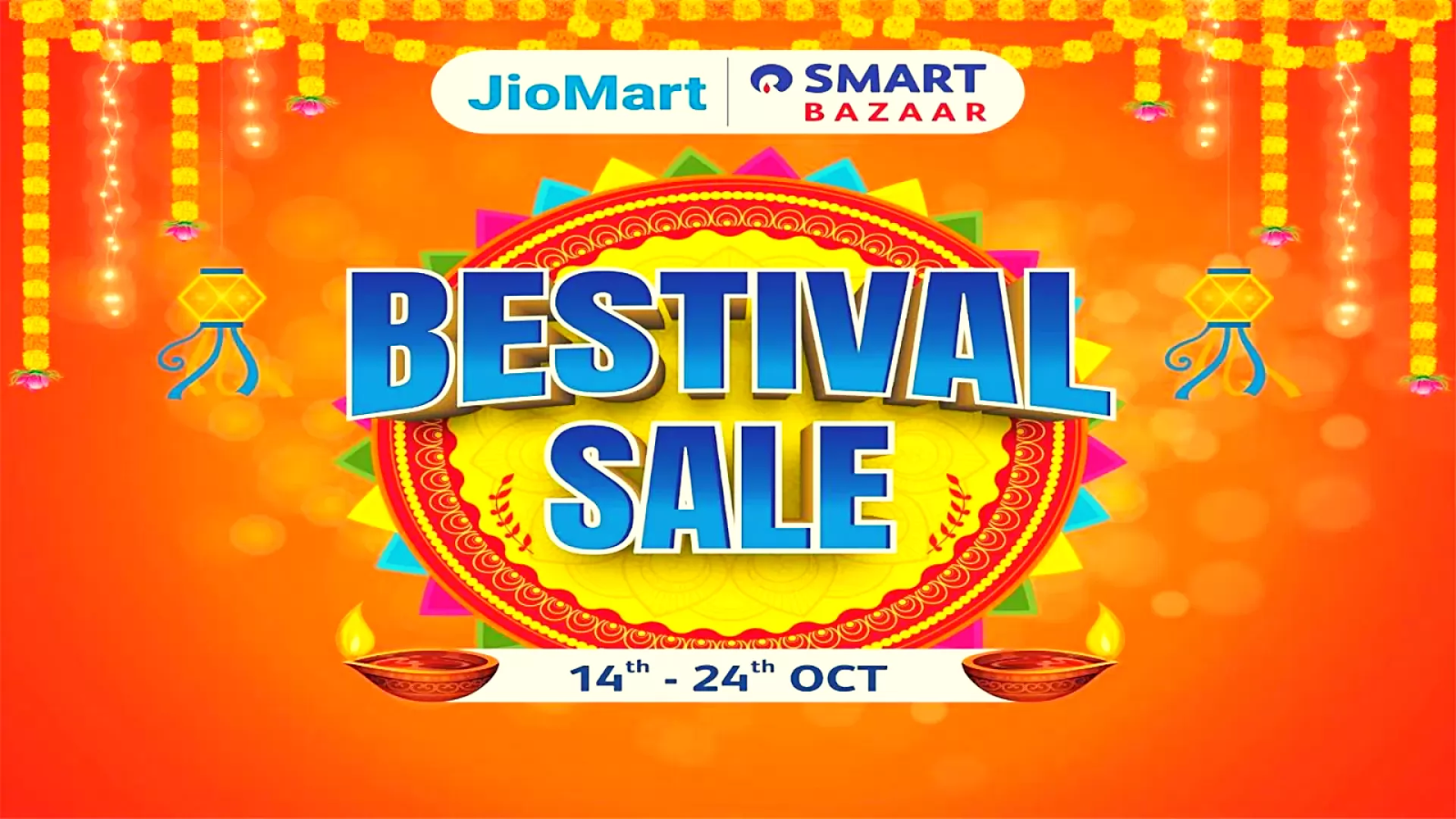
One of the best examples of a perfect marketing strategy is the Bestival Sale campaign powered by JioMart. The campaign went viral based on a comprehensive marketing strategy that included advertisement, branding, and strategically positioned grocery promotions.
- Through proper advertisement, JioMart successfully reached the target populace and created hype for the campaign.
- JioMart expanded the campaign’s outreach by leveraging its established networks and influencers.
The Bestival Sale succeeded for JioMart, with increased sales and enhanced customer engagement. This case study proves that effective marketing strategies like advertisements, branding, and strategic promotions can lead to excellent business results. Moreover, it highlights the importance of understanding the market and crafting campaigns tailored to reach the right audience.
JioMart Marketing Campaign: Every Day

The JioMart Everyday campaign is a masterpiece that helped the platform emerge as one of the biggest in India. It offers customers over 3 million products and more than 2,000 brands, with over 8 million customers shopping monthly.
- The campaign focused on providing a wide range of products at competitive pricing.
- It offered hassle-free delivery and an excellent customer service experience.
The JioMart Everyday campaign gave customers a unique shopping experience and significantly impacted India’s traditional market.
JioMart Marketing Campaign: Express Plus

The success of the JioMart Express Plus campaign was its focus on ease and simplicity for customers shopping for their daily essentials.
- The campaign offered convenient shopping for grocery items, household items, fruits and vegetables, and other essentials.
- Customers appreciated the Plus Express service, which allowed them to order from the comfort of their homes and receive doorstep delivery.
This campaign fostered customer loyalty, with many returning to the website regularly for everyday needs, enjoying the convenience and service provided by JioMart Express Plus.
Final Thoughts
JioMart’s strategic marketing campaigns have played a pivotal role in its prominence in e-commerce. By employing various innovative tactics, JioMart has effectively engaged consumers and established a strong brand presence. Here are some key takeaways from JioMart’s marketing success:
- Integrated Approach: A mix of online and offline marketing strategies increases brand visibility.
- Customer-Centric Strategies: Customer-focused offers create a loyal customer base.
- Engaging Campaigns: Unique and engaging campaigns build trust and awareness.
- Market Responsiveness: Timely responses to market needs ensure sustained growth.
- Strong Brand Presence: A well-structured marketing campaign can transform brand identity.
JioMart is an exemplary model for emerging brands, showcasing how thoughtful marketing can drive business growth and customer loyalty in a competitive market landscape.
]]>Looking closely at the market, it is considered the “good guy” because most of Adidas’ advertising is practical and people-related, even though it features high-profile celebrities and athletes. The image of the brand Adidas in the eyes of the audience is seen as inspiring and motivating in exchange for how naturally its campaigns are styled.
The emphasis of Adidas’ branding has always been on creating a positive impact in people’s minds. Let’s dive into the case study of the marketing campaigns of Adidas
What is Adidas?
Adidas is a multinational corporation, based in Germany that manufactures footwear, clothing, and related accessories. Founded by Adolf Dassler in 1924, the sportswear company has more than 2,000 stores all over the world. Starting from the development of spiked athletic shoes, called spikes, the brand now produces all sorts of footwear, sportswear, and accessories for men, women, and children.

Leaving behind top companies like Reebok, Puma, Lululemon, Jordan, etc., it has become the largest footwear manufacturer in Europe. The brand has maintained its image as inclusive and diverse, as witnessed by the earliest logo consisting of three leaves, in which the left is for North and South America, the top for Europe and Africa, and the right for Asia.
Due to its constructive branding and pragmatic image, it is preferred by prominent athletes and famous personalities. One interesting thing about the company and its marketing is it is seen as a brand for the typical audience, keeping in mind its sustainability at reasonable prices. All the products offered by the company are considered to be highly functional, environment-friendly, and qualitative.
Why does Adidas do marketing?
The competition in the sports industry has become tougher than ever as people now have realized the profound scope of athletics. And since Adidas is the second-largest player in the sportswear industry, it needs to keep up its game in order to maintain its position above the rest companies and step up to beat the topmost company. And that is exactly why Adidas needs marketing campaigns.

Also, there always are new products launched through the company, and in order to make sure that the target audience is aware of new collections and lines, marketing is necessary. Marketing campaigns, along with, promoting the brand and its products, provide some credibility and assurance to the customers. People get an overall idea of what they are about to get into.
Apart from this, it has a reputation to maintain. People, unknowingly build certain expectations from such organizations, and marketing campaigns help keep up a positive image. Adidas advertising helps the corporation display its core values and ethics to the public out there.
Top Marketing Campaigns (Offline) Case Study: Adidas
Here is a list comprising marketing campaigns of Adidas, that helped the brand make it to the top of the industry.
Impossible Is Nothing
This was the most popular and powerful campaign of Adidas branding. The idea of the campaign was inspired by the great athlete, Muhammad Ali’s words. The campaign started in the form of a commercial advertisement, featuring Muhammad Ali himself with other prominent athletes like David Beckham, Zidane, Platini, etc. The voice-over and the background music were specially composed to complement the motivational and athletic vibe of the video.

In this ad, all these athletes were shown playing football with ordinary kids on the street, bridging the gap between famous stars and common people. The idea and vibe of the entire commercial were very inspiring and encouraging to go the extra mile. And that’s what grabbed the attention of the viewers and made it one of the best ads of all time.
Just Browsing, Thanks!
This was literally the smoothest and most appealing marketing campaign ever. It was launched in the form of a poster that featured Derrick Rose and a collaborated line of shoes, called “D Rose 3.5.” Derrick Rose is a basketball player, and he can be seen jumping to pick a pair of shoes in the poster ad as well.
The interesting catch of this campaign was that the brand introduced a contest in which the shoes from the collection were placed 10 feet high, and whoever jumped that high will get those sneakers for free. This idea drove a lot of traffic to the stores and energized the target audience. Also, this ad made it to the Cannes Lions International Festival of Creativity 2014 as a nominee.

Take The Deal, Dare to Create
This Adidas advertising campaign was launched to promote their new boot collection and introduce their soccer brand, Adidas Football. Some of the most popular football players like Lionel Messi and Paul Pogba were featured in the commercial advertisement. The theme of the ad produced a very sci-fi and energetic vibe with the use of upbeat music and neon colors.
Additionally, people were highly fascinated with animation and visual effects. This marketing campaign’s motive was to inspire people to build something unique and special of their own by going bold or taking the deal. Successfully, the commercial ad received about 2.5 million views in just 2 minutes on YouTube.

Your Future Is Not Mine
This marketing campaign was designed to introduce and promote new NMD shoes and sneakers from Adidas Originals. The campaign was launched with a video ad that shows a lot of young adults walking toward their future. A powerful track by Daisy Hamel Buffa named “Your Future Is Not Mine” was also composed which perfectly complemented the video.

The whole idea of this campaign was directed at the younger generation i.e. the millennials and GenZs telling them that they should walk on their own unique paths. An optimistic message of believing in one’s aspirations and creating their own future is given out by Adidas. The ad received a huge positive response from the viewers.
There Aren’t Plenty Of Fish In The Sea Anymore
As the name suggests, this ad was a green campaign launched by Adidas, in collaboration with Parley, a non-profit organization that looks after oceans. The brand very smartly used the cause marketing here to promote their new collection of shoes that are made of plastic removed from the oceans and seas.
This Adidas advertising was designed in a way that looked like an awareness poster rather than a promotional ad. Showing environmental concerns and spreading awareness about how oceans are getting toxic attracted customers to the brand. Subconsciously, it buttered up the brand image as well.

Adidas Performance
This marketing campaign was launched in the 90s when the company was on the verge of bankruptcy, and this was an attempt to get back in the game. The most important thing about this marketing campaign was the introduction of its new logo, the 3 stripes. This marketing campaign advertised the innovative technologies and changes in the branding process used by the brand.
Also, the motive was to promote the new equipment line called “Adidas Performance”. The collection was specially designed for professional athletes and their high-functioning needs. Staggeringly, this marketing campaign proved to be a success in the market.

Adidas Style
This marketing campaign of Adidas was also launched with the important motive of introducing the newest logo, a circle with 3-claw-like stripes. It represented the company’s take on fashion-oriented projects. The audience was impressed with the new trendy collection that included more than just footwear.

The collection featured a line of stylish line of clothing, shoes, and accessories created in collaboration with Yohji Yamamoto, the famous Japanese fashion designer. The line was named Y-3 and became really popular among people.
Conclusion
Concluding all the above points, it can be derived that Adidas advertising has always been inspiring and motivational ads that people can relate with. The brand smartly strategizes and collaborates with high-profile athletes and celebrities that put them and common people on the same level. The sportswear company has also used the idea of cause marketing to show its concern and responsibility toward the environment. The brand has never failed to put out its moral values and ethics.
]]>Even as the world slowly started to reopen, the impact of COVID-19 on the advertising industry was quite evident. The impact of the pandemic had a long-term influence on consumer behaviour and brand-to-customer interaction.
In the wake of the COVID-19 pandemic, advertising strategies have been changed and adapted to fit the new reality. In this article, we will discuss how the pandemic has impacted advertising, from how companies have adjusted their ad campaigns, to the impact on digital marketing budgets.
Importance of advertising during the pandemic

Advertising has always been a crucial element of every business, but it is much more critical during a crisis like COVID-19. During the pandemic became a concern for marketers as it was used to create and maintain brand awareness, communicate changes in services, support the economy, and provide helpful information.
With many individuals confined at home and spending more time online, it became critical for businesses to continue promoting to keep their brand presence in the minds of customers so that when things return to normal, consumers will remember and select them over the competition.
Advertising also contributed to increased consumer confidence and kept money flowing in the economy, which is especially crucial during a downturn such as a pandemic. It gave customers useful information about staying safe and healthy during the epidemic, or even promoted social distancing measures.
How did the pandemic change ad strategies?
Covid-19 triggered a significant revolution in how businesses advertise. With the majority of the population suffering to make ends meet during the pandemic, advertisers’ techniques had to be adjusted to avoid looking insensitive or out of touch.
This trend toward emotional marketing required firms to embrace narrative rather than depending on hard-selling strategies and slogans. Advertising messages were targeted to customers’ emotional concerns and to provide comfort during difficult times. Ads in particular focus on:
- How can families cope with day-to-day living during a pandemic?
- How can people remain productive when working from home?
- Local companies in need of assistance.
- Options and experiences for at-home entertainment.
- Healthcare and cleaning materials are examples of household necessities.
Businesses had to retrain themselves on effective marketing techniques, stressing needs and appealing to consumers’ emotions. Advertising was more concerned with connecting than with selling items.
Impact of COVID-19 on the advertising industry in India
There was a substantial impact of the pandemic on the advertising industry. The pandemic has prompted businesses to adjust fast to the new reality, from budget cuts to changes in marketing methods.
This section of the blog focuses on the impact of COVID-19 on the advertising industry and what these imply for the evolution of marketing!
Changed consumer behaviour

Consumer behaviour and media consumption was significantly affected on a large scale due to the impact of COVID-19 on the advertising industry. With more individuals remaining at home, online shopping and streaming services have increased. As a result, digital advertising has increased, notably on social media and streaming platforms.
Traditional advertising strategies, such as television and print, suffered a loss in viewership and reading, resulting in a reduction in ad expenditure in these sectors. Since the pandemic continues to influence daily life, changes in consumer behaviour and media consumption will probably continue to alter the advertising sector in the future.
Customers expect more relevant and personalised content that speaks directly to their interests and needs to interact with them on a deeper level. As a result, businesses today must employ data-driven insights to design targeted campaigns that offer personalised messages depending on user behaviour.
Increased focus on digital advertising strategies and e-commerce

The epidemic accelerated the transition to digital advertising and e-commerce. E-commerce has also grown significantly, with companies spending on online shops and advertising strategies to increase sales. As the pandemic influenced daily life, this trend toward digital marketing and e-commerce is expected to continue.
Due to the sudden shift to online shopping, businesses had to swiftly revise their plans by stepping up their digital presence and spending on digital marketing. This included utilising social media platforms with targeted advertising strategies as well as increasing their SEO optimization efforts to guarantee they showed higher search results.
Moreover, companies changed their services to match the new social distance norm, as well as contactless payment methods such as PayPal and Apple Pay. This enabled them to reach out to more people and maintain revenues despite store closures around the country.
Introduction of new advertising trends

The impact of the pandemic on the advertising industry led advertisers to seek out different strategies to reach their target consumers.
Online outlets
As more individuals stayed at home owing to Covid-19 limitations, internet advertising grew in popularity. Prominent online channels such as social media, websites, and blogs may assist firms in increasing visibility and reaching a broader audience.
Virtual events
Due to the epidemic, there has also been a growth in virtual events, with many firms taking use of this new medium for marketing objectives. Virtual events may be an efficient forum for introducing new products or services or raising brand recognition.
Influencer marketing
This trend currently encompasses a wide range of social media sites, including YouTube, Instagram, Twitter, and TikTok. Brands built greater trust from their consumers and create a deeper relationship that will endure longer than the epidemic by utilising influencers’ validation with their audiences.
Budget cuts and reduced ad spending

Budget cuts and lower ad expenditures are the most serious impact of COVID-19 on the advertising industry. Advertising expenditures have been trimmed to save expenses as many firms face financial instability and decreasing income.
This resulted in a decline in overall advertising spend, particularly in conventional advertising mediums such as television and print. Nonetheless, as more customers spend time online during lockdowns and social distancing measures, digital advertising has experienced a minor uptick.
Covid-19 influenced the digital advertising business as well, with direct response efforts being particularly badly impacted due to supply chain interruptions and increased competition from other marketers vying for consumer attention.
Examples of advertising campaigns during the pandemic
COVID-19 had an unprecedented impact on the advertising industry. Here are some of the advertising campaigns that were successful during the COVID-19 outbreak;
“Thank you for not riding with UBER”- UBER

The company praises individuals for not riding and staying at home by saying, “Thank You For Not Riding” and a note of thanks that concludes, “Stay at home for many who cannot.” The corporation promised to give 10 million free rides for key workers who must report to work due to an emergency.
Zero contact delivery- Dominos

In response to the coronavirus outbreak, Domino’s Pizza has implemented “zero-touch delivery” across all of its 1,325 locations. Domino’s allowed consumers to get their orders without any contact with delivery personnel under the new delivery strategy. The goal was to secure the safety of both consumers and delivery personnel.
“It’s Between You”- WhatsApp

Working from home accelerated the use of digital marketing technologies and approaches. Consequently, companies wanted to showcase items and services that were appropriate for the age of social distancing. The “It’s Between You” commercial from WhatsApp caught how the app’s capabilities can assist recreate in-person discussions and bring people closer together.
A campaign by TrulyMadly

TrulyMadly, a dating app, employed its match-making algorithm to link donors with patients who needed plasma to treat Covid-19. At this time, communication was primarily confined to digital, with only messages of safety and optimism. They decided to employ the same technology that supports their matchmaking mechanism for couples to assist COVID-19 patients in finding the perfect plasma donor.
Takeaways…
As we move forward, the impact of COVID-19 on the advertising industry continues to be felt. It pushed businesses to shift their attention away from product details and advantages and toward a more emotionally sensitive approach.
Businesses have to swiftly adjust to changing conditions, modifying their tactics to emphasize digital marketing and e-commerce while preserving a connection to conventional media. It will be interesting to see how the advertising industry will continue to evolve to meet the demands of the changing market.
]]>What is Café Coffee Day?

Café Coffee Day, popularly known as CCD, is India’s homegrown coffee house chain, owned by Coffee Day Enterprises. It opened its doors in 1996 in Bangalore, Karnataka, and has since become synonymous with coffee culture in India.
Main Points:
- Inspiration: The German coffee brand Tchibo inspired the brand and aimed to introduce coffee culture to India.
- Foundation: The first CCD outlet was launched in 1996 with the slogan, “A lot can happen over coffee.”
- Export Market: CCD exports its coffee beans to international markets, including the United States, Europe, and Japan.
- Over 1,000 Outlets: CCD now operates more than 1,000 outlets across India, catering to a broad audience, particularly the youth.
- Customer-Centric: By focusing on customer demographics and psychographics, CCD has managed to stay relevant despite the evolving coffee market.
The atmosphere at CCD outlets has made them a hub for students, professionals, and families alike. The brand has successfully tapped into the concept of coffee being more than just a beverage—it’s an experience.
Why Does Café Coffee Day Market?

CCD has always prioritized marketing as a core component of its success. CCD’s marketing strategies have helped it discover a distinct identity in a competitive market with brands like Starbucks and Barista.
Key Marketing Reasons:
- Generating Demand: CCD uses marketing to ensure that it’s always at the top of customers’ minds when they think about coffee.
- Relevance: By constantly running new campaigns and introducing fresh products, CCD stays relevant to its target audience, especially the youth.
- Creating Competition: Marketing helps CCD differentiate itself from competitors by focusing on its unique brand values.
- Increasing Access: With outlets in malls, business districts, and universities, CCD makes coffee accessible to many customers.
- Affordability: CCD offers various pricing options, making it a destination for students, office-goers, and families.
Marketing has played a crucial role in transforming CCD into a social and cultural experience rather than just a place to get coffee.
Best Offline Marketing Campaigns by Café Coffee Day
CCD has consistently launched innovative offline marketing campaigns that have resonated with its audience. These campaigns reflect CCD’s deep understanding of its consumer base and its ability to craft messages that appeal to them.
Sit Down Campaign

The “Sit Down” campaign was one of CCD’s most memorable and impactful marketing efforts. The campaign encouraged people to take a break from their fast-paced lives, sit down, and enjoy meaningful conversations over coffee.
Main Components:
- Slogan: “All the greatest things happen when people sit down and talk,” emphasizing CCD as a place for connections.
- Target Audience: Youth professionals and students were the primary targets, reinforcing CCD’s image as a space for relaxation and socializing.
- TV Commercial: The campaign featured a two-minute TV commercial showing people from different walks of life coming together at CCD.
- Emotional Connection: The campaign successfully positioned CCD as more than just a coffee shop; it symbolized relationships and friendships.
This campaign helped CCD strengthen its position as a social hub and significantly increased footfall, especially among the youth.
Local for Vocal with Wow! Momo

After the COVID-19 pandemic, CCD launched the “Local for Vocal” campaign in collaboration with Wow! Momo. The goal was to promote local brands and create a unique dining experience by offering coffee and momos.
Key Campaign Elements:
- Partnership: CCD introduced Wow! Momo stalls in select outlets, offering customers coffee and momos.
- Target Audience: The campaign targeted millennials and Gen Z, who appreciate quick, affordable meals.
- Pandemic Impact: The campaign helped maintain steady footfall during the pandemic when other restaurants struggled.
- Social Media Presence: The campaign gained traction on social media, where CCD has a significant following.
- Increased Sales: Both brands saw a noticeable increase due to the collaboration.
The campaign was a win-win for both brands, as it tapped into the demand for comfort food and supported the “Vocal for Local” initiative.
Hershey’s Kisses for Mother’s Day

CCD teamed up with Hershey’s for a unique Mother’s Day campaign, offering cappuccinos topped with foam shaped like Hershey’s Kisses. The campaign was designed to tug at customers’ heartstrings and create a memorable experience.
Key Campaign Highlights:
- Mother’s Day Special: CCD offered cappuccinos with Hershey’s Kisses foam for a limited time.
- Emotional Appeal: The slogan “Say it with a Kiss” emphasises the emotional connection between mothers and their children.
- Target Audience: The campaign resonated with millennials and Gen Z, who are drawn to brands that evoke emotional responses.
- Social Media Engagement: Customers shared photos of their cappuccinos on social media, creating a buzz around the campaign.
- Brand Partnership: Hershey’s partnership with Hershey’s helped both brands increase awareness and engagement.
This campaign leveraged emotional marketing to create a strong connection with customers, reinforcing CCD’s reputation as a brand that cares about memorable moments.
Engagement Campaigns through Social Media

Social media has been crucial to CCD’s marketing strategy, helping the brand engage with its audience and create a sense of community. With over 5 million followers on platforms like Instagram, Facebook, and Twitter, CCD runs creative campaigns that resonate with coffee lovers.
Important Attributes:
- Campaigns: Initiatives like “What’s Your Coffee Mood?” and “School of Cool” help CCD connect with its audience.
- Interactive Content: CCD frequently runs online polls, quizzes, and contests to keep its followers engaged.
- Seasonal Offers: CCD posts special offers on Instagram during festivals and seasons, driving foot traffic to its outlets.
- User-Generated Content: CCD encourages customers to share their coffee experiences on social media using the hashtag #CaféCoffeeDay.
- Influencer Marketing: CCD collaborates with social media influencers to expand its reach among millennials and Gen Z.
Through its social media campaigns, CCD has built a loyal online community that regularly engages with the brand.
Channels Will Shift for Varying Target Audiences
CCD tailors its marketing strategies to different customer segments based on their unique preferences and needs. This segmentation ensures that CCD’s marketing messages are relevant and practical.
Key Approaches:
- Youth Campaigns: CCD’s calm, laid-back image attracts young customers.
- Corporate Tie-In: CCD offers loyalty cards and discounts for office-goers, making it a convenient choice for working professionals.
- Product Innovations: CCD introduces new products like cold brews and vegan snacks to appeal to health-conscious customers.
- Regional Adaptations: CCD tailors its offerings to regional preferences, such as offering more tea options in North India.
- Event Sponsorships: CCD sponsors cultural and educational events targeting students and professionals.
By catering to the needs of different customer segments, CCD ensures that its marketing efforts are always relevant and practical.

Case Studies of CCD’s Marketing Campaigns
Two case studies demonstrate how CCD’s marketing campaigns have delivered tangible results.
Case Study 1: Impact of Sit Down Campaign on Foot Traffic
The “Sit Down” campaign significantly impacted CCD’s foot traffic, particularly among students and young professionals.
Key Outcomes:
- 15% Increase in Footfalls: The campaign led to a 15% increase in foot traffic at CCD outlets, especially in urban areas.
- Increased Stay Time: Customers who came for a quick coffee stayed longer and ordered more items, increasing the average transaction value.
- Social Media Buzz: The campaign generated significant buzz on social media, with customers sharing their “Sit Down” moments.
The success of this campaign shows how CCD used emotional marketing to drive foot traffic and customer loyalty.

Case Study 2: Wow! Momo Partnership Boosts Sales
The partnership with Wow! During the “Local for Vocal” campaign, Momo helped both brands boost their sales, even during the pandemic.
Key Results:
- 20% Sales Growth: The tie-up led to a 20% increase in sales for both CCD and Wow! Momo.
- Increased Footfall: The presence of Wow! Momo kiosks in CCD outlets attracted customers who might have yet to visit otherwise.
- Synergies in Brand Awareness: Both brands benefited from increased awareness and engagement among their target audiences.
This case study highlights the importance of strategic partnerships in marketing.
Conclusion
Café Coffee Day has mastered combining innovative products with effective marketing campaigns. Its ability to connect emotionally with its customers and stay relevant through strategic collaborations and partnerships has made CCD a beloved brand in India.
Final Thoughts:
- Emotional Marketing: CCD’s campaigns often evoke strong emotions, making them memorable for customers.
- Collaborations: Strategic partnerships with brands like Wow! Momo and Hershey’s have helped CCD stay relevant in a competitive market.
- Social Media Engagement: CCD’s strong presence allows it to maintain a close relationship with its audience.
- Targeting Youth: CCD has established itself as a social hub by consistently targeting young professionals and students.
- Constant Innovation: CCD’s ability to introduce new products and adapt to customer preferences keeps its marketing campaigns fresh and engaging.
]]>
OOH, attribution reporting helps you to understand:
- How your marketing activities perform in the real world.
- How to optimize and prioritize your next campaign.
- How your target audience responds to specific brand messaging.
Benefits of Station Branding
Acquisition of rights to a station’s branding allows you to utilize advanced technologies and an excellent mix of AI that can really boost the foot traffic at your store and scrolls at your website. Station branding helps not just in expanding local store visits, but it also tracks real-time customer responses to do things better the next time.
Brands that invest in station branding gain access to a unique marketing platform that allows for direct engagement with a captive audience. The strategic placement of branding in high-traffic areas ensures that your message reaches a wide variety of potential customers, which is particularly beneficial in urban environments where commuters are constantly on the move.
- Increased Visibility: Branding rights ensure that your brand is prominently displayed in high-traffic areas, maximizing visibility. The positioning of ads within the station ensures that commuters will encounter your branding multiple times, creating a lasting impression.
- Targeted Marketing: With the ability to reach a captive audience, station branding allows for targeted marketing strategies tailored to commuters. Ads can be designed to resonate with the demographic that uses the station, enhancing the relevance of the messaging.
- Enhanced Customer Engagement: Interactive and engaging advertisements at stations foster a connection with commuters, encouraging them to engage with the brand. This can include digital displays that allow for real-time interaction or promotions that are specifically designed for that location.
- Cost-Effective Advertising: Compared to traditional advertising methods, station branding can be a more cost-effective solution with a longer-lasting impact. The ability to reach a concentrated audience over time often results in higher return on investment (ROI) compared to other forms of advertising.
- Data Collection and Analysis: Station branding can be integrated with technology to collect valuable data on customer behavior, preferences, and foot traffic. This information can be leveraged to refine marketing strategies and improve future campaigns.
For example, LIC, the largest Indian state-owned insurance company, created ripples in the branding space by purchasing the station branding rights of the Andheri Metro Station in Mumbai. The metro station was named LIC Andheri, and this strategic location facilitated mass visibility of the brand and offered a ground for innovative communication with its commuters.
Station Branding is Less Cluttered
There is no scope for any mixing or clutter. At stations, there are limited places for brand promotion. Therefore, it does not allow multiple brands to get in, leading to less distraction. This uncluttered environment is one of the most significant advantages of station branding.
- Focused Attention: With fewer brands competing for attention, commuters can focus on your messaging without being overwhelmed. This clarity allows for a more significant impact on the audience, as they can easily absorb the information being presented.
- Streamlined Messaging: A less cluttered environment allows for clear and concise messaging, enhancing brand recall. The simplicity of your advertising can be a powerful tool in ensuring that your brand remains top-of-mind for potential customers.
- Visual Impact: The ability to create visually striking displays that stand out in a minimalistic setting is crucial. When there’s less competition for visual space, your brand’s aesthetic can take center stage, making it more memorable.
- Reduced Competition: The exclusivity of station branding can make your brand the center of attention. Since there are fewer advertisements in the vicinity, your message can dominate the visual landscape.
- Higher Engagement Rates: With less distraction, consumers are more likely to engage with your advertisements and absorb your brand message. This heightened engagement can lead to increased interest and, ultimately, conversions.
The focused advertising space at stations allows brands to convey their messages more effectively, ensuring that commuters remember their offerings. The overall impact of a less cluttered advertising space cannot be overstated—it allows brands to truly shine and resonate with their audience.
High Brand Reinforcement
A person who journeys daily to the office or college may come to know the unique selling propositions (USPs) as well as promotional offers of the brand. This constant exposure leads to capturing the minds of daily travelers, effectively reinforcing brand recognition.
- Consistency in Exposure: Frequent exposure to branding reinforces brand loyalty and recognition over time. Daily commuters are likely to see your brand repeatedly, which helps solidify your brand in their minds.
- Emotional Connection: Daily commuters form emotional connections with brands they encounter regularly. This emotional connection can lead to brand loyalty, where customers are more likely to choose your brand over competitors due to familiarity.
- Increased Curiosity: As commuters see your branding frequently, they may develop curiosity about your offerings, leading to engagement. This curiosity can be leveraged to create special promotions or events that encourage interaction.
- Influence on Purchase Decisions: Reinforced branding can significantly impact the decision-making process for potential customers. When faced with options, consumers are more inclined to choose brands they recognize and trust.
- Building Trust: Regular interactions help build trust in the brand, making consumers feel more comfortable with their purchasing decisions. Trust is a crucial component of customer loyalty, and frequent visibility contributes significantly to this.
The visibility is highly increased, and people are more attracted and attentive toward your brand offerings. Since it’s a non-intrusive method of advertising, consumers are more receptive to respond. This high level of reinforcement can translate into significant business growth over time.

High Brand Awareness and Recall
This is the reason people tend to choose and pick products and services they see frequently. The increased frequency helps in creating a sense of faith in the brand and its services, reinforcing its presence in the consumer’s mind.
- Frequent Touchpoints: The more often customers see your brand, the more likely they are to remember it. These repeated interactions help establish your brand as a staple in their daily lives.
- Credibility Boost: Regular exposure in public areas enhances the credibility of your brand, making it more trustworthy. When consumers see your branding consistently, it communicates stability and reliability.
- Word of Mouth: Increased awareness leads to higher chances of customers discussing your brand, further amplifying reach. Satisfied customers are more likely to recommend your brand to friends and family, expanding your customer base.
- Familiarity Breeds Trust: When customers are familiar with your brand, they are more likely to trust it over lesser-known competitors. This trust is essential in converting potential customers into loyal patrons.
- Effective Messaging: With continuous exposure, your brand messaging becomes ingrained in the audience’s minds, leading to long-term recall. The effectiveness of your messaging can significantly impact customer engagement and loyalty.
Metro smart cards or metro or train wraps allow awareness to spread at a much quicker pace than expected. The ease of access to information, combined with high visibility, ensures that commuters are always aware of your brand.
Station Branding Can Be Highly Spacious
Station branding allows sufficient space throughout the station for hoarding advertising, railing advertising, putting backlit panels, and many more. This ample space is a crucial advantage for brands looking to make a significant impact.
- Diverse Advertising Formats: The spacious environment at stations allows for various advertising formats, increasing creativity in campaigns. Brands can explore different media types, from large-scale prints to interactive digital displays.
- Visibility Across Platforms: Utilizing multiple advertising platforms within the station increases the chances of reaching a broader audience. The strategic placement of ads allows for comprehensive visibility across different commuter routes.
- Strategic Placement: Brands can strategically place advertisements to capture the attention of commuters at different points. This placement can be tailored based on peak foot traffic times and locations within the station.
- Enhanced Interaction: Spacious branding opportunities can allow for interactive displays that engage the audience further. Interactive technology, such as touch screens or QR codes, can create a more immersive experience.
- Greater Reach: With a well-planned branding strategy, brands can achieve greater reach and visibility within the station. The expansive nature of the branding space allows for comprehensive campaigns that target various demographics.
Branding in DMRC (Delhi Metro Rail Corporation) can be a great idea. With a highly intensive network of almost 103 Delhi Metro Stations, DMRC covers the major lines of Red, Violet, Green, and Blue. It operates metro stations in the National Capital of the Delhi Region.
People associated with the city have felt that metros and trains are part of the city, making them an easy, convenient, and feasible traveling option. This perceived convenience adds to the effectiveness of station branding.
The footfall is never less, and thus it is one of the best modes to attract customers. Metro stations have intriguing yet informative ads. There is less clutter and a proper place where the branding can be organized effectively, making it easy for people to see and connect with the brand emotionally.
Bisleri International Pvt. Ltd., one of the most notable mineral water brands, has signed an agreement with Mumbai Metro to set up a number of kiosks across major stations, making healthy mineral water easily accessible to commuters. This strategic move not only reinforces Bisleri’s brand presence but also meets a practical need for travelers.
Final Thoughts
With a suitable OOH advertising collaboration at train, metro, and bus stations, your brand is going to develop a great push towards an efficient and smart offline marketing campaign that would fail to captivate a large audience.
Key Takeaways:
- Station branding provides high visibility with targeted marketing to a captive audience.
- A less cluttered environment enhances brand recall and engagement.
- Regular exposure reinforces brand loyalty and trust among consumers.
- Spacious advertising opportunities allow for diverse formats and strategic placements.
Investing in station branding can offer brands a significant advantage in establishing a strong presence in high-traffic areas, leading to increased awareness, engagement, and ultimately, sales.
]]>Ready to talk with a marketing expert?

A Pragmatic and innovative way to enthrall your target group is just a click away!
Get in Touch
Rukmini Knowledge Park, Kattigenahalli, SH 104, Srinivasa Nagar, Bengaluru, Karnataka 560064
+91-990 247 8800
contact@gingermediagroup.com
Popular in Television Advertising
Udaya TV AdvertisingSun TV AdvertisingStar Plus AdvertisingTV 9 AdvertisingZee TV AdvertisingNDTV India AdvertisingColors TV AdvertisingPopular in Airport Advertising
Spice Jet AdvertisingMumbai Airport AdvertisingDelhi Airport AdvertisingEmirites AdvertisingIndiGo Airlines Domestic India AdvertisingPopular in Newspaper Advertising
Deccan Herald AdvertisingPrajavani AdvertisingThe Hindu AdvertisingEconomic Times AdvertisingDainik Jagran AdvertisingHindustan Times AdvertisingPopular in Magazine Advertising
Forbes AdvertisingCosmopolitan AdvertisingBusiness World AdvertisingVogue Magazine AdvertisingPopular in Sports Advertising
IPL AdvertisingPopular in Outdoor Advertising
Billboard AdvertisingBus Shelter AdvertisingMetro Pillar AdvertisingUnipole Advertising© Ginger Media Group 2025. All Rights Reserved.