The need to understand professional advertising arises from the ever-evolving landscape of consumer behaviour and technological advancements. As consumers become more discerning, businesses must adopt a strategic approach that leverages data analytics, audience segmentation, and creative storytelling to connect with potential customers. Implementing professional advertising allows companies to enhance brand awareness, generate leads, and foster customer loyalty.
Moreover, a professional advertising approach ensures consistency across various channels, reinforcing the brand message and improving overall recognition. By investing in high-quality advertising initiatives, businesses can differentiate themselves from competitors and establish credibility in their industry.
In conclusion, understanding and implementing professional advertising is not just beneficial—it’s essential for any business aiming to thrive in a dynamic marketplace. It is an investment that can lead to increased visibility, customer engagement, and business growth.
Overview of Professional Advertising
Professional Advertising refers to marketing strategies and promotional efforts designed to reach professionals in various industries. This includes targeted campaigns aimed at doctors, lawyers, engineers, and specialists who often make purchasing decisions based on specific expertise and knowledge. Professional advertising can take many forms, including trade publications, industry conferences, and online platforms tailored to professionals.
Importance of Knowing Professional Advertising
Understanding professional advertising is crucial for businesses that engage with niche markets effectively. Here are a few key reasons why knowledge of this term is impactful:
- Targeted Outreach: By recognising the nuances of professional advertising, companies can tailor their messages to resonate with their audience’s unique needs and preferences. This targeted approach increases the likelihood of conversion.
- Building Credibility: Effective professional advertising helps establish a brand’s credibility and thought leadership in its sector. By presenting information that addresses professionals’ specific challenges and interests, businesses can position themselves as trusted resources.
- Strategic Decision-Making: Knowing the implications of professional advertising allows organisations to make informed marketing decisions. Companies can allocate resources effectively by analysing industry trends and audience behaviours and creating campaigns that drive results.
- Enhanced ROI: Businesses that understand professional advertising techniques can create more efficient marketing strategies that deliver higher returns on investment. This is particularly relevant in competitive sectors where every dollar spent needs to be justified.
Professional Advertising: Definition, Purpose, Function, and Application
Definition
Professional advertising is the strategic use of promotional content to persuade a specific audience to utilise professional services. Unlike general advertising, which can target broader consumer demographics, professional advertising focuses on highly specialised fields such as medical, legal, financial, engineering, and other professional services. The advertising can take various forms, including digital marketing, print media, social media campaigns, and direct outreach, all geared toward enhancing the visibility and reputation of a professional service provider.
Purpose
Professional advertising primarily aims to communicate the value of a particular service or professional expertise to potential clients. Some key objectives include:
- Brand Awareness: To establish and increase brand recognition among target audiences.
- Lead Generation: To attract potential clients seeking specific professional services.
- Reputation Building: To enhance credibility and trust in the services offered, especially important in fields where clients rely on expertise.
- Encouraging Action: Prompt potential clients to make decisions, such as booking a consultation or availing themselves of the services.
- Market Differentiation: To highlight unique selling propositions (USPs) that differentiate a professional from competitors.
Function
Professional advertising functions through well-crafted strategies that align with business goals. Key functions include:
- Market Research: Understanding the target audience’s needs, preferences, and pain points effectively to tailor the advertising message.
- Message Development: Crafting compelling messages and narratives that resonate with the audience, emphasising outcomes and benefits.
- Multi-Channel Approach: Utilizing various platforms and media (like websites, social media, newsletters, and seminars) to reach professionals and clients effectively.
- Performance Analysis: Monitoring and evaluating the effectiveness of advertising campaigns through metrics such as engagement rates, conversion rates, and return on investment (ROI).
Application in Real-World Scenarios
Here are several examples showcasing the application of professional advertising in different industries:
- Healthcare Advertising
Scenario: A dental clinic wants to attract new patients.
Application: The clinic runs targeted social media campaigns showcasing patient testimonials, before-and-after photos, and special check-up promotions. It also uses search engine marketing (SEM) to appear in search results when potential patients look for dental services in its area. - Legal Services
Scenario: A law firm specialising in personal injury cases.
Application: The law firm invests in content marketing by publishing articles and case studies that educate potential clients about their rights. It also engages in community seminars where it offers free legal advice, advertising its services and expertise in the process. - Financial Consulting
Scenario: A financial advisor looking to reach high-net-worth individuals.
Application: The advisor uses targeted email marketing to share insightful financial tips, market updates, and invitations to exclusive seminars. Additionally, they leverage LinkedIn for networking and sharing expert insights, establishing themselves as a thought leader in the financial services sector. - Engineering Services
Scenario: An engineering consulting firm aiming to secure bids for large construction projects.
Application: The firm positions itself through professional presentations, industry publications, and attending relevant trade shows. It uses case studies to demonstrate past projects, emphasizing innovation and successful outcomes for prospective clients.
The Importance of Understanding Professional Advertising for Business Success
In today’s highly competitive business landscape, understanding professional advertising is crucial for organisations aiming to thrive and maintain their market presence. Effective advertising strategies can significantly impact brand awareness, customer engagement, and profitability. Here’s why mastering professional advertising is essential for any business:
- Building Brand Identity
Professional advertising helps businesses create a distinct brand identity that resonates with their target audience. By effectively communicating the brand’s values, mission, and unique selling propositions, companies can differentiate themselves from competitors and develop a strong emotional connection with consumers. A well-defined brand identity fosters trust and loyalty, vital for long-term success. - Expanding Reach and Exposure
In an era of abundant information, standing out is imperative. Understanding professional advertising allows businesses to craft campaigns that increase their visibility across various platforms, including social media, print, and digital channels. By utilising strategic advertising techniques, companies can reach a broader audience, engaging potential customers who may need to become more familiar with their products or services.
Final Thoughts
Professional advertising is integral to promoting specialised services and connecting businesses with a discerning clientele. It allows companies to thrive and achieve long-term success through strategic planning, understanding market trends, and creating compelling narratives. The examples and insights provided demonstrate that effective advertising is not just a tool but a powerful driver of brand recognition, customer engagement, and business growth.
]]>Key Aspects of UTM:
- Enhanced Decision-Making: Countless UTM parameters contribute to the identification of the best ads and channels, which in turn can be utilized for planning more effective marketing strategies.
- Cost Efficiency: Through clear performance goals and effective analytics, corporations can discontinue ineffective marketing tactics and redirect resources to more productive activities.
- Improved Customer Focus: UTM tracking ensures that promotional operations are marvelously targeting the right people whose preferences and behavior are close to the chosen marketing approach.
- Continuous Improvement: As brands analyze and take in UTM data consistently, they can lessen or wholly cut off particular marketing campaigns that the customers have little or no interest in and then promote products they are after.
- Strategic Planning: Companies can better predict how their campaigns will pan out and sketch out their long-term plans effectively since UTM data provides records of campaign performance over time. In this blog, we will shed light on the concepts of UTM, highlight the value of this contemporary marketing tool, and illustrate how companies can release their potential for enhanced marketing performance. Please take advantage of our blog, where we will reveal the most essential information and the easiest way to embed UTM into your marketing strategy. Join us as we uncover valuable insights and practical steps to integrate UTM into your marketing strategy!
What Is UTM?

UTM, the so-called Urchin Tracking Module, is a powerful tool for digital marketing implemented based on URL tracking parameters that are added to the links. Notably, the capabilities for traffic analysis are spoken of here. Marketers can benefit from detailed information, such as the exact traffic sources, the most successful campaigns, and user reactions to the content. Thus, their marketing strategy will be refined, and their performance will improve.
Key Components of UTM
1. Source
The source section states the webpage the user clicked the link from, such as one of the search engines, social media platforms, or direct referrals. Correctly understanding the source factor is essential because this element allows marketers to analyze the channels that bring substantial traffic and leads.
2. Medium
This component identifies the means of communication, such as email, social media, or cost-per-click (CPC). This helps the organization expand its reach by pointing out the specific platforms that produce the best outcomes.
3. Campaign
This piece enables the marketer to give his campaigns individual names, adding context to the traffic sources. It is fundamental to see which marketing drives are the most successful in garnering attention. Moreover, these results can help make strategic improvements.
Benefits of UTM
- Improved Decision-Making: UTM parameters and the knowledge acquired from the various return couriers explain specifically where the traffic originates and how it is used on a website. For example, if a business suddenly sees how a specific email campaign is driving so much traffic and conversions, it may want to give an extra push to such communications.
- Cost Efficiency: By interpreting UTM data, corporations can determine which marketing plans give the maximum return on their investment. For instance, a business can discover that Facebook ads are a better option than Google Ads, so it can use that as a strategic way to spend lower-cost resources on other methods.
- Enhanced Communication and Collaboration: Building UTM provides appropriate teams with the opportunity to clearly communicate the execution of the work and the responsibilities shared among all team members. The graphics of the data related to the campaign performance can be seen by all team members, who can thus coordinate their efforts in the name of transparency and common goals.
Core Principles of UTM
Focus on Activities: The first approach to tracking specific marketing activities, putting them into light, allows you to gain insight into lead and sales generation through various engagement methods.
Link Activities to Costs: Correlation between activities and expenses is a key budget and forecast process element. By combining the two, organizations will benefit from the maximum utilization of their marketing funds.
Continuous Improvement: UTM is an outcome that comes into being through continuous assessment and feedback. Time and again, teams improve their strategies and choose the best approaches as they focus on analyzing the performance of the marketing campaigns.
Steps to Implement UTM
Analyze Current Activities: In order to successfully implement UTM, companies should first focus on assessing their existing marketing activities and tracking methods. This will help disclose gaps and opportunities.
Establish Cost Drivers: Define the reasons for the different costs arising in various marketing channels. Gaining insight into these motivators will help defer resource allocation.
Implement Performance Metrics: Form a system of tags for tracking URL performance with UTM. Tools like Google Analytics are essential to cover all the metrics regarding the system.
Engage Employees: Involving the staff members in the implementation process is a key element for fostering a culture of data-based decisions. Furthermore, we can have training sessions as part of the formation of a knowledge base to enlighten the employees on UTM usage.
Leverage Technology: The employment of an app that has the authority to track software and marketing analytics enhances the UTM process. Technology integration guarantees the correct capture of data and the actualization of real-time monitoring.
Real-World Examples of UTM
1. HubSpot
HubSpot smartly utilized UTM parameters to track the success of its ebook marketing campaign. The composite analysis of lead sources showed that social media was the most fruitful marketing platform, as it delivered the best results among the people who were found there, while email campaigns were the second best choice. This made them go for social media marketing.
2. REI
REI tagged UTM for the holiday campaign they ran, and through this campaign, UTM became a real insight for them, as email newsletters brought 40% of the copied ads that the display ads copy got. Then, they reinforced material for email marketing.
3. Airbnb
Airbnb analyzed the UTM parameterized data to examine the effectiveness of the promotional channels. They figured out that the referral program was the most beneficial, and they kept their marketing in that direction of their marketing strategically.
Conclusion
UTM is necessary for organizations that want to track marketing metrics through data analysis and monitoring. Adroit use of UTM is the byword of tracking and improving geospatial accuracy and analysis. They will be very adaptive towards implementing UTM in spatial concept learning.UTM (Universal Transverse Mercator) is an invaluable approach for organizations that provides accuracy and analysis. Put the following steps to the accomplishments of a business through the employment of UTM:
1. Exactness in spatial data representation.
2. Integrating geospatial analysis into business strategy for evaluating spatial accuracy, precision, and modeling.
3. Making the GIS process standardized and effective.
Now is the time to adopt UTM and see the radical changes it can bring to your company. Start applying geospatial organizing today to initiate the process of optimization!
]]>Key Points About Google Tag Manager:
- Simplified Tag Management: GTM makes it easier since marketers can get access to managing and deploying tracking codes without necessarily having a significant amount of coding knowledge.
- One Central Place for Implementation and Management of Tracking Codes: End-users get a single point to apply and manage the various tracking codes—they might include Google Analytics and Google Ads Tag.
- Agility Speed: Marketing campaigns will live faster on the market since the tag’s automated deployment eliminates the developer’s participation in it.
- Improved Visibility: GTM provides advanced tracking capabilities, which help us closely understand user actions or behaviour and associated site performance.
- Friendly Solution in Cost: Moreover, being absolutely free, GTM is a budget-friendly option for businesses in a struggle to maintain the smooth operation of the digital marketing process.
Using GTM allows businesses to streamline their marketing processes, deploy tags efficiently, and gain deeper insights into their site’s performance. In this blog post, we will explore the full form of GTM, its functionalities, and its role in simplifying data management for businesses.
The key agenda of Google Tag Manager is to make tag management easy and efficient. Users will be able to run and, in fact, have control over their tracking codes, such as Google Analytics, Facebook Pixel, or other custom scripts within one place. This eliminates the hassle of making alterations individually on every page. The chances of errors are kept at bay, and the tag is implemented faster. With businesses indulging in data-driven marketing, a tool like GTM ensures their adaptability level and agility remain high.
Moreover, GTM’s automated deployment of tags allows businesses to set their marketing campaigns faster and measure with higher accuracy. This platform offers an easy interface that provides marketers with power to work on creating and editing tags without forcing them to involve the developer every single time for the change. This blog will look at the basics of Google Tag Manager, the benefits of Google Tag Manager in digital marketing, and why businesses today need to utilise this tool to maximise their online presence.
What is Google Tag Manager?
Google Tag Manager is a tag management system that helps manage and deploy marketing and analytics tags in websites or mobile apps without involving the underlying code. It acts as a central hub to add, edit, and manage tags, making it easier for marketers and developers to track user interactions on the site.
Main Features of Google Tag Manager:
- User Interface: This guarantees that the users can easily create and manage tags without needing technical skills.
- Tag, Trigger, and Variable Structure: This structure allows for customising tracking by first defining tags as little code snippets, triggers or activation rules, and variables or dynamic placeholders.
- Third-Party Tags Integration: GTM allows the integration with a wide range of third-party tools, especially Google Ads Tag and Facebook Analytics, which helps in further handling more extensive tracking across various platforms.
- Version Control: With GTM, users can create multiple versions of their tags. Thus, changes can be tracked easily, and previous configurations can be reverted to when necessary.
With these extended flexibility features, users can utilise customised HTML tags for more complex tracking solutions. GTM’s versatility and ease of use have been a major reason why businesses tend toward a better model that could help streamline their digital marketing operations. One of the strong features that defines GTM is its structure, which is called Tag, Trigger, and Variable.
- Tag: This means some code that will track the actions of the user being done on your website, such as page views, clicks, or form submission.
- Trigger: This means when and where the tag is activated. For example, the tag is activated the moment a user clicks the button.
- Variables: These are placeholders in terms of dynamic values to be used as part of tags or triggers.
This structure allows for so much flexibility that users are allowed to customize their tags even further in order to track any interactions of their choice and, in-depth, determine the behaviour of users. It also enables people to enable a great number of third-party tags, such as Google Ads, Facebook Analytics, and LinkedIn Insights. This means that GTM is yet another all-in-one solution through which different tools can be integrated to make life easier when managing all those tags and ensuring consistent data collection from all platforms. Using GTM is the best way that businesses can avoid confusion caused by manual coding by focusing on analysing the data to make meaningful marketing decisions.
Why Google Tag Manager Crucial for Digital Marketing?
Google Tag Manager is needed for digital marketing because it simplifies tracking user interactions and campaign measurement. The biggest benefit of GTM is that it reduces dependency on developers.
Why Does Google Tag Manager Help Marketers?
One of the most significant reasons GTM must find a place in the digital marketing toolkit is that it helps marketers reduce their dependency on Developers.
Reduced Dependency on Developers:
Tag management lets marketers create and manage their tags themselves, which really simplifies tracking processes and accelerates campaign launches.
Other Benefits:
- Improved Site Performance: GTM manages the firing of a number of tags on a website, thereby outgrowing the susceptibility to redundant or conflicting tags, which can hinder the speed of the webpage load times.
- Improved Tracking Capabilities: GTM permits the tracking of user involvement, such as video engagement and scroll depth. These will allow sophisticated insights into optimisation.
- Better User Experience: GTM ensures asynchronous tag firing, thereby improving page load times, which, in effect, improves the general user experience.
Another known cause is campaign measurement. Marketers could fine-tune their efforts by acquiring real-time data because the tool is highly accurate.
In traditional tag management, introducing or modifying tracking codes usually requires changes to the website’s source code; hence, it takes some time and is susceptible to errors. GTM has an interface that is easy to use, and marketers may come up with or deploy a tag without necessarily asking someone to do it for them, hence reducing time and reducing the likelihood of error.
Site performance is yet another benefit brought along with GTM. As it is easy to manage tags on the site that act, the chances of going to redundant or overlapping tags in areas where they are needed the least will slow down the page loading time. The tags in GTM fire asynchronously. So, the tags do not necessarily cause delays in site performance and ensure a responsive experience for users. This is even done through performance optimisation, which is essential since site speed is a prime ranking factor in both SEO and user satisfaction.
GTM also allows businesses to track even more complex interactions with customers, like video engagement, scroll depth, and e-commerce transactions. Companies may have a far more granular view of the way users interact with them if available data from these insights can be used appropriately. With more advanced features of GTM, businesses can create customized tracking solutions that resonate with their particular goals and better measure the success of their campaigns.
Key Features of Google Tag Manager
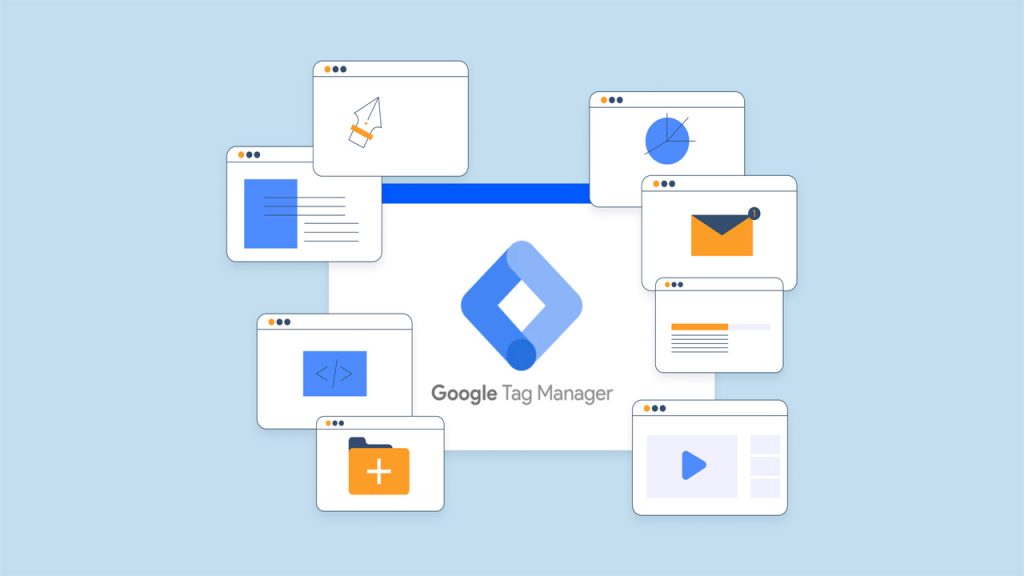
Google Tag Manager comes with indispensable features that could add tremendous strength to the hands of digital marketers and web developers.
Some of the Notable Features of GTM are as Below:
- Preview and Debug Mode: It has preview and debug modes for tags’ performance, where users can test their tags in real-time, even before deployment. He, regarding performance, says they get instant feedback.
- Built-In Tag Templates: GTM offers pre-configured templates for the most common tags. The simplicity of the implementation process saves marketers a lot of time.
- Version Control: Several versions of the user’s container are maintained so that changes can be tracked, and if something is wrong, other setups can be reverted to that version.
- Tracking Custom Events: GTM enables businesses to establish custom event tracking for particular user activities. This will provide a deeper view of engagement metrics.
- Cross-Domain Tracking: GTM tracks different domains necessary for the respective businesses using multiple web properties or sites.
Preview and Debug Mode are among the many features. Here, one can test their tags before deploying them live. This mode provides real-time feedback about how tags, triggers, and variables perform, ensuring that everything works just right before going live. The ability to preview and debug tags in a controlled environment lowers the risks of errors being committed and ensures that data is accurately acquired.
Another critical feature of GTM is Built-In Tag Templates. Building on Built-In Tag Templates allows the user to set up most common tags easily, such as Google Analytics, AdWords Conversion Tracking, and Facebook Pixel, among others Us.ing pre-..configured templates enables a marketer to avoid the need to write custom code in order to quickly set up tags, which is very convenient for marketers who are not programming experts but still implement complex tracking solutions.
Another use of GTM Version Control is to generate and maintain different versions of a container for its users. Whenever there is a change to the tags, triggers, or variables, GTM generates a new version that can be reviewed, tested, and rolled back if needed. Thus, a version control system of this kind also secures possible changes and reverts if required for added protection and flexibility. It also allows teams to test various tracking configurations without altering the existing configuration.
Getting Started with Google Tag Manager
Getting started with Google Tag Manager is effortless, especially for non-tech-savvy ones.
Steps for Setting Up GTM:
- Set Up a GTM Account: Navigate to the Google Tag Manager homepage, sign in using a Google account, and create a new account for your business.
- Create a New Container: After creating an account, create a container for your website or mobile app.
- Install the GTM Code on Your Website: After the container is created, GTM will provide you with a piece of code that needs to be added to your website.
- Configure Your Tags, Triggers, and Variables: Create the required tags, define the triggers for them, and set up variables as needed.
- Test and Publish: Use the preview and debug mode to test your tags and ensure they work correctly before publishing your container.
The first step to setting up Google Tag Manager is to sign up for an account with Google Tag Manager. The sign-up process is easy; one needs to sign in with their Google Account and create a new GTM account that they can later name after their business or website. The next step will be to create a new container in which users can house tags that will track user interactions on their website or app. GTM provides you with a unique code snippet that will need to be added to the website to begin tracking.
Once the GTM code is installed, it is a matter of creating tags and establishing triggers. In a nutshell, GTM provides users with easy and swift access to tag management, enabling them to streamline their marketing processes and gain insightful analytics.
Final Thoughts
Google Tag Manager is an indispensable tool that allows marketers to manage and deploy tracking codes efficiently without extensive coding knowledge. Its capabilities to streamline tag management, improve site performance, and enhance tracking accuracy make it essential for digital marketing efforts. Businesses should leverage GTM to optimize their marketing campaigns, gain deeper insights into user behaviour, and ultimately improve their online presence. By reducing dependency on developers and providing a user-friendly interface, GTM empowers marketers to take charge of their tracking needs and focus on making data-driven decisions.
]]>- I will begin by developing marketing strategies in more general terms. Since the main aim is to attract customers to your brand, methods like entertainment, branding, or storytelling, institutional advertising can be considered a highly efficient technique not only as a sales approach but also as a social objective, such as caring for the environment.
- Marketing on the Internet is the wave of the future, and small business owners should see this as an opportunity to reach new geographical markets, attract new customers, and expose their products to global audiences. The increasing competition worldwide and the race for the company’s success are put in front of companies; people, especially the founders, are too used to being focused on the job.
- A company may compete using advertising only, but if something needs to be fixed with the quality of the products or the services, even the most attractive advertisement may fail to deliver the expected results.
- Institutional ads belong to a category of marketing communication tools that primarily aim to build a corporation’s brand reputation. Further, advertisers and companies that produce various products and provide services should first consider people’s needs; otherwise, there is an excellent chance that product integrity will be recovered due to the consumers needing to be more satisfied with the product meeting their personal needs. Let’s say you want to purchase a gadget for your 12-year-old son as a birthday present.
The Main Theme
In the underlying institutional marketing notion, organizations have become the major players, setting the market’s route. The purpose of this article is to explain the exact steps that companies take to achieve their goals regarding branding, for instance, processing the set requirements of the customers. Customer perception is one of the significant drawbacks, but look at it from this end: what success can marketing alone achieve if the service or the product is of poor quality? A company with a good image is. A set of institutional advertisements is a set of instruments that play the most crucial role in establishing a company’s brand. In addition, firms and organizations producing various generic goods and services must first consider the population’s needs. Otherwise, the product may be of low quality, and the customers may show discontentment as it contradicts their personal needs. Now let’s assume you want to buy a monoplane for your son, who is 12 years old, as his birthday gift.
What You Will Learn
Through the discussion of all of the subtleties of institutional advertising,
- Definition and Purpose: Explain the concept of institutional advertising and present a company’s marketing strategy, both of which are fundamental.
- Key Benefits: Getting to know the various ways through which institutional advertising contributes to the success of a company, such as brand loyalty, trust-building, and corporate social responsibility.
- Strategic Frameworks: Theoretical and practical frameworks examined in the study of effective institutional advertising campaigns.
- Examples and Best Practices: Staying benefited from the practical illustrations of some actual institutional advertising initiatives and the recognition of the best-promoting solutions.
Key Concepts and Framework
- Moreover, this post will introduce basic concepts, such as corporate branding, public relations strategies, and audience engagement techniques.
- The plans that concentrate on message design, target audience analysis, and campaign evaluation will be beneficial. They will help me to understand institutional advertising practically. In a nutshell, I believe that this discussion on institutional advertising will be of immense benefit to you, be it you are a marketer, businessperson, or someone who is not deeply engrossed in the advertising industry, will provide you with an excellent platform to venture the fascinating area of brand and corporate communication.
Understanding Institutional Advertising: An Overview

Strategic institutional advertising function is advertising for a specific company or fund instead of offering its product or services. This communication targets influencing public perception, and thus, it is necessary for the company to have a transparent and good relationship with its audience, including clients, supporters, and the local community. Advertising has to be informative and image-invoking to create a strong bond with the audience.
The Purpose of Institutional Advertising
The primary function of institutional advertising is communicating a company’s identity and how it is seen in the marketplace.
Subpoints:
- Brand Building: Institutional advertising builds brand appeal and sets a brand apart from its competition. For instance, since companies like Coca-Cola and Microsoft spend a lot of money on institutional advertising to build a consumer’s mind to a positive image more than just a product, they appear more attractive to the public than other companies.
- Public Relations: Based on the 2021 report by the Public Relations Society of America, successful institutional advertising companies can get as much as a 30% increase in customer trust. So, advertising, like this, is a transition not just to commodities but to one bridge, and here, the other issue of a company’s relationship with society is somehow addressed.
- Theory of Corporate Social Responsibility (CSR): Different companies use institutional advertising in their CSR strategy. By emphasizing their role in society and ethics in the community through events and philanthropy-based programs, organizations are able to win the hearts of people in their societies and, therefore, the approval to continue their activities in the community.
Challenges and Benefits of Institutional Advertising
Even though institutional advertising is an effective tool with many advantages, it also includes several issues and considerations that companies must manage with great caution.
Subpoints:
- Perception vs. Reality: One of the top challenges is maintaining the public’s perception. If the messages do not represent the company’s actions, it will likely cause an adverse reaction from the consumers and society. For example, a company campaigning about the environment while carrying out illegal mining will disillusion consumers.
- Effectiveness Measurement: Determining the success of institutional advertising can be challenging. Such an approach is quite popular, but there are cases when it doesn’t directly give financial benefits.
- Strategic Implementation: Organizations must make a strategic plan before advertising at the institute. This not only means they need to determine the target audiences, but they should also choose the proper media channels. The essence of generating original stories that resonate with your audience is that they may result in authentic engagement.
Emerging Trends in Institutional Advertising

While the marketing environment is changing, institutional advertising always stays up-to-date in its use of current technologies and new trends, which enhances its overall productivity.
Subpoints:
- Digital Transformation: The development of digital and social platforms has opened up new ways for brands to engage with their audience dynamically. eMarketer forecasts that digital advertising spending will reach US$500 billion globally in 2023, which shows that digital media is one of the most important channels in institutional campaigns.
- Focus on Authenticity: The modern customer is highly aware of the truth. The companies that are more successful in institutional advertising these days adopt an open and honest approach. The most successful productions are those where the participants tell real stories from their lives, whether it is the staff or the community members, and in so doing, build trust.
- Increased Tailoring of Messages: Data analysis is used to target customers more specifically based on their behavior and preferences. By gaining access to such a wide range of cutting-edge data methods, companies can compose communication that will allow them to gain better insight into their target markets.
In brief, an organization’s advertising is indeed a significant factor in its image development, and it also strengthens brand loyalty and consumer trust. By understanding the objective of this advertising technique, its challenges, and its future, companies can manufacture advertising techniques that are more effective today in the complexity of the market’s tough landscape.
Importance of Institutional Advertising
In short, institutional advertising is a distinct thought-out strategy that places, other than traditional ones, at the forefront of the mission and the public’s minds. This type of advertising yells out the word of the most essential values, mission statements, and corporate social responsibility, promoting a much stronger bond between a company and the public. In the hustle and bustle of businesses dealing with the pressure of higher competition and the rising sensitivity of the industry, institutional advertising is the key generator of communication and brand positioning. The Rationale and the Importance of:
- Brand Formation: Institutional advertising helps to create and improve a company’s reputation, making it different from its competitors.
- Engagement of Stakeholders: It interacts with varied stakeholders, such as employees, investors, customers, etc., forming trust and loyalty among them.
- Community Development: To the fore of the brand, CSR not only wins a town’s hearts by showing its utility and moral issues but also empowers society through its employment creation.
- Brand Growth: While a product merely illustrates an advertisement in a product-focused advertisement, institutional advertising is a continual strategy mainly aimed at establishing brand equity.
- Crisis Management: This type of advertising demonstrates that communication and the value of brands and companies in hard times have a positive impact on their image.
Advertising is generally a prerequisite for the more advanced levels of a business. This is because they do not think just about themselves but instead influence social perception and consumer loyalty.
]]>Understanding Buzz Marketing
Buzz marketing is a promotional strategy whose primary goal is to activate a high interest level by spreading the word about a product or service. Social interaction is the main way that the brand’s platform and sharing information about it expect to get a vibrant and viral buzz that will immediately catch the eye of the respective customers. Charging the launched platform of the brand is by getting influencers engaged and users involved by messaging them informally and speaking candidly about the brand.
The Power of Word-of-Mouth

Buzz marketing’s main focus is thus not on creating awareness about the product but spreading the same via word-of-mouth marketing. On this occasion, personal recommendations would be sourced from friends, quite different from advertised brands.
- Importance of Trust: At best, 92% of consumers consider recommendations from friends and family the best way to find a good product or service. This may partly explain WOMM’s extreme impact on the consumer’s decision-making process.
- Case Study: The Ice Bucket Challenge, reaching the ultimate point of viralness, was not limited to the support of awareness for ALS, but it was an involvement of users, mostly the ones who either donated to this cause or shared their experiences online, which demonstrated that buzz through other techniques to set up a product marketing can make a moment.
- Frameworks: The “Hype Cycle” Carries people along on a new ride, another method to increase usage. They may try a new technology before they hear anyone endorse it. The Early Peak learns in buzz marketing, whether organizing short-lived promotions or going viral by creating real experiences and attention.
Creating Engaging Experiences

The second principle of buzz marketing consists of creating experiential perceived as engaging individuals to share the brand’s activity, usually in the kids and families demographic.
- Successful Campaigns: A few brands, even Nike, have connected people through regional events or sports campaigns, and the users are inspired to submit their content on social media. To illustrate, shoes not available year-round always lead to a successful launch because buyers are eager to share their experiences.
- Challenges: The most prominent buzz marketing issue is controlling the narrative. If you are not careful, negative views can spread as fast as positive ones. Companies must effectively handle crises that could make them look bad while staying calm.
- Strategies for Engagement: Brand promotion through memes or videos and user-generated content will be the best option for individuals to create buzz. Influencers are a good strategy because they can widen the outreach and improve the campaign’s reliability.
The Role of Digital Platforms

On a global scale, as we undergo digitalization, the role of online platforms is always of paramount importance in the buzz marketing process.
- Emerging Trends: Brands now use social media platforms such as TikTok and Instagram to target and communicate with customers differently. Quick, meaningful content that people can connect with is often so liked that it becomes a trend and thus leads to great publicity.
- Data Insights: A Sprout Social survey revealed that most consumers are highly likely to share information about a product with others if they come across it on social media. This may be done online to provide all the participants with one-of-a-kind attendance moments and open up a wide consumer base.
- Implications for Brands: Understanding platform dynamics and consumer behavior can help marketing teams design strategies. Providing interactive content, such as polls or live Q&As, will boost consumer engagement and raise interest in the brand.
To put it briefly, buzz marketing is an important method that produces a feeling of awe and inspires people to share their experiences. By being a repository of trust, sharing enthralling content, and maximizing digital networks, companies can successfully create a “buzz” that markets products and establishes a relationship with clients.
Conclusion
Buzz marketing is a breakthrough approach that capitalizes on word-of-mouth marketing to build excitement, anticipation, and engagement around the brand, product, or service. In the rapid digital revolution era, where many choices and advertisements swamp consumers, productive buzz marketing stands out. This method is naturally inclined to humans’ desire to share engaging opinions and suggestions, making it a vital part of today’s marketing tactics.
The main themes and components of buzz marketing include:
- Viral Content: Creating captivating and shareable content that users connect with and want to share.
- Social Media Engagement: The efficient and effective use of social media platforms, such as Instagram, Twitter, and TikTok, to bring out the best conversations and interactions users have with their peers.
- Influencer Partnerships are the practice of developing relationships with influencers to build the brand’s social proof and gain more public attention.
- Experiential Marketing: Creating experiences that grab the consumer’s attention and motivate them to share the excitement with others triggers word-of-mouth promotion.
- Community Building: The act of building or bettering a community by including your target community in engaging activities that will initiate more natural buzz. Competition of these elements allows various organizations to compete with each other to find the buzz due to their offerings, make them more noticeable on the market, and allow them to attract and keep their customers.
Nowadays, in a typical advertising disagreement}, you might get a glaze-eye treatment going; buzz marketing, on the other hand, is one of the strategies that cannot be different and efficient when getting consumers’ attention and getting them to stick to brands.
]]>About Ola: The Homegrown Transportation Giant
- Ola is one of India’s largest ride-hailing companies, operating in countries like Australia, New Zealand, and the United Kingdom.
- Established in 2010, Ola has evolved into a recognized brand in the transport sector.
- It is known for its innovative technology and user-friendly mobile app, allowing customers to book and track rides in real-time.
- Ola focuses on providing safe, affordable transportation to meet diverse customer needs across various regions.
- The company’s marketing and innovation efforts have made it a trusted brand in the global ride-hailing industry.
- Ola’s campaigns have won awards and accolades, transforming the transport industry and improving the quality of life for commuters.
Why Does Ola Do Marketing?
- Ola aims to reach a wider audience and make transportation accessible beyond major cities like Mumbai, Delhi, and Bangalore.
- The idea of an on-demand taxi service was once a distant dream for many Indian households, but Ola made it a reality.
- Ola provides a reliable platform for over 1.2 billion Indians, allowing convenient travel without needing a personal vehicle.
- The company’s marketing efforts include humorous ads and engaging campaigns, boosting brand recognition and revenue.
- Using effective branding techniques, Ola achieved rapid growth, capturing nearly 50% of the market share by 2022.
- The strategic approach allowed Ola to connect with a diverse customer base across different demographics.
- Ola’s emphasis on technology and innovation is a critical competitive advantage in the market.
Best Marketing Campaigns of Ola: A Case Study
Ola #FarakPadtaHai Ad Campaign


- It was launched in 2017, focusing on the country’s youth.
- She highlighted issues like traffic congestion and environmental degradation.
- It was introduced on World Environment Day (June 5, 2017) to promote ride-sharing.
- They included TV ads and offline activities to raise awareness about ride-sharing benefits.
- I resonated with the youth eager to support sustainable transportation solutions.
The April Fool’s Day “Ola Air Pro” Campaign

- An April Fool’s prank in 2021 featuring an announcement of an electric flying car named “Ola AirPro.”
- It is marketed as a fully autonomous vehicle set to revolutionize urban transport.
- A promotional video featured Ola executives, making the campaign appear legitimate.
- Customers realized it was a prank, showcasing Ola’s creativity and ability to engage its audience.
The Offline Taxi Kiosks Campaign


- She introduced taxi kiosks across India to reach customers without smartphones.
- They allow users to book rides quickly without needing the Ola app.
- She helped Ola tap into new markets and increase its brand presence.
- They provided a seamless booking experience for those unfamiliar with app-based services.
Ola “Ab Khulenge Naye Raaste” Advertisement Campaign


- Aimed at promoting Ola Bike, a micro-mobility service available in 150 cities.
- “Ab Khulenge Naye Raaste” emphasizes affordability and convenience for short-distance travel.
- It featured a humorous video ad communicating adaptable transport solutions for Indian roads.
- The narrative was engaging and relatable, attracting a broad customer base.
Ola #MomsOnTheMove Advertisement Campaign

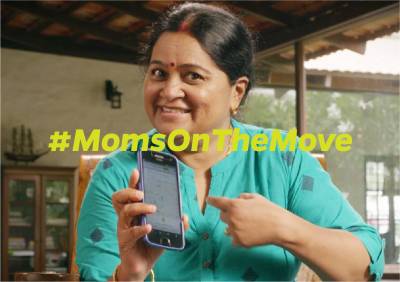
- We celebrated the heroism of mothers navigating modern society’s challenges.
- She is focused on acknowledging the strength and resilience of mothers.
- The campaign aimed to resonate deeply with the audience, encouraging societal change in the perception of mothers.
- Allowed Ola to connect emotionally with customers and showcased its commitment to empowering all segments of society.
The #Olaboat Campaign During Chennai Floods

- It was launched during the Chennai floods, providing rescue services using boats.
- They offered essential supplies like food and water to stranded individuals.
- She demonstrated Ola’s social responsibility and community support.
- The service initially lasted three days but was extended due to ongoing needs.
Ola Share Pass Campaign

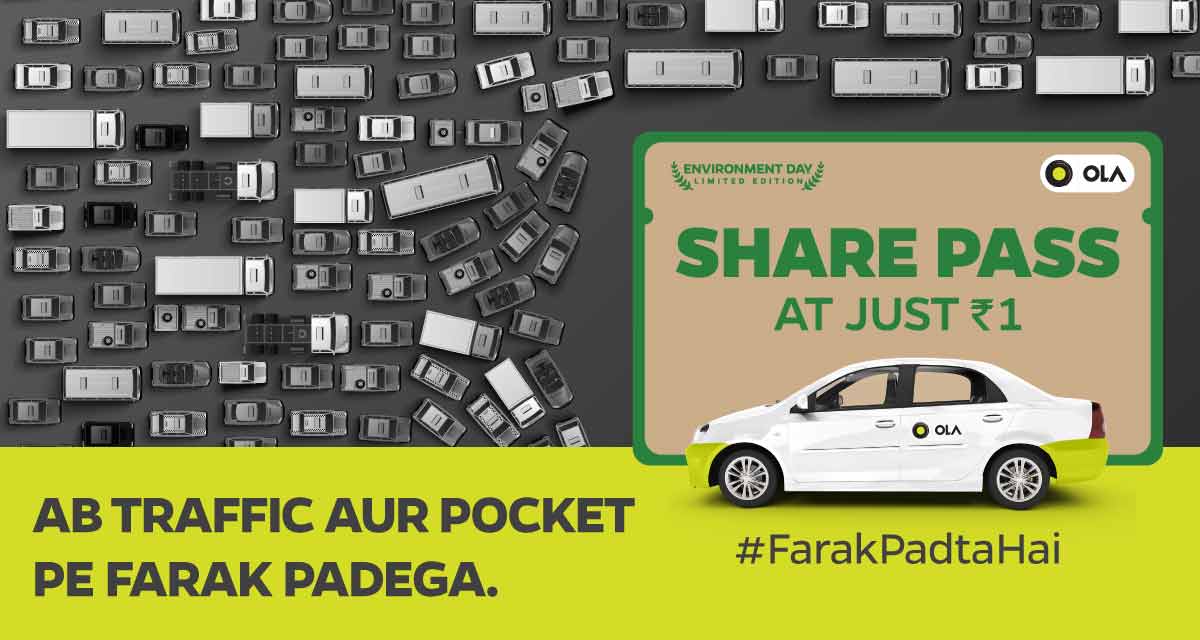
- She introduced the Ola Share Pass, offering shared rides for just 1 INR.
- Addressed customers’ initial reluctance to share rides with strangers.
- We have successfully built trust, with millions of users opting for the shared pass.
- The campaign highlighted Ola’s effort to promote ride-sharing and reduce traffic congestion.
Ola “Ghoomo Responsibly” Ad Campaign


- We are focused on responsible tourism, partnering with seven leading State Tourism Departments.
- It is aligned with the United Nation’s theme for World Tourism Day in 2019.
- She encouraged tourists to explore offbeat locations and be responsible travelers.
- She collaborated with Shenaz Treasury, a travel YouTuber, for a 7-state, 12-day journey.
- She has promoted sustainable tourism and Ola’s commitment to environmentally friendly practices.
Final Thoughts
- Ola has executed various marketing campaigns that boosted brand awareness and customer retention.
- We utilized both traditional and modern channels to reach our target audience effectively.
- The company’s innovative engagement strategies have maintained its leadership in the ride-hailing industry.
- Ola sets new benchmarks, driving growth and transforming the transportation sector.
The countdown has begun as Flipkart gears up to set the e-commerce world ablaze with its highly anticipated event, the Flipkart Big Billion Days 2023. Running from the 8th to the 15th of October, this week-long extravaganza promises to be a shopper’s paradise, offering incredible deals and discounts on a vast array of products.
What makes this year’s Big Billion Days even more special is the 24-hour early access exclusively for Flipkart Plus members, giving them a head start on the best deals. With a slew of captivating campaigns and partnerships with various businesses, Flipkart is all set to redefine the online shopping experience.
What Exactly is Flipkart Big Billion Days?


Flipkart Big Billion Days is not just another online shopping sale; it’s an annual shopping extravaganza that has redefined how millions of Indians shop online. Launched in 2014, this mega event has become a household name and eagerly awaited by shoppers across the country.
During these designated days, Flipkart offers jaw-dropping discounts, exclusive deals, and a vast array of products ranging from electronics and fashion to home essentials and more. It’s a time when consumers can snag their favorite products at prices that seem almost too good to be true.
What sets Big Billion Days apart is its scale and grandeur. The event is not just about discounts; it’s a comprehensive shopping experience with interactive campaigns, contests, and partnerships that create a buzz across the nation. It’s a celebration of shopping, and every year, Flipkart strives to outdo itself, making it an event that consumers eagerly anticipate.
Top 6 Flipkart Big Billion Days Campaigns
The heart of Flipkart Big Billion Days lies in its captivating campaigns. Let’s have a look at the top 6 campaigns of 2023:
Campaign 1: Flipkart Bade Sale ka Bada Trailer……Sale se pehle, sale ke daam!

The excitement surrounding Flipkart’s Big Billion Days is perfectly captured in the campaign “Flipkart Bade Sale ka Bada Trailer… Sale Se Pehle, Sale Ke Daam!” This TV ad is all about building anticipation and promoting the Early Bird Specials that make this shopping extravaganza even more thrilling.
The ad cleverly likens the Big Billion Days to a blockbuster movie, with the tagline “Bade Sale ka Bada Trailer” (The grand trailer of a big sale). It hints at the incredible deals and discounts that shoppers can expect during the event, creating a sense of excitement and curiosity.
What sets this campaign apart is its emphasis on the prices being as attractive as the sale itself. The phrase “Sale Se Pehle, Sale Ke Daam” underscores the value that early bird shoppers can enjoy. It’s a compelling invitation to seize the best deals before they’re gone. This campaign not only builds anticipation but also encourages shoppers to plan ahead and take advantage of the Early Bird Specials during Big Billion Days.
Campaign 2: “Low Se Low Me Ye Look Lelo”


Flipkart’s Big Billion Days 2023 kicks off with a captivating campaign that’s all about upgrading your style without emptying your wallet. Titled “Low Se Low Me Ye Look Lelo,” this hoarding ad campaign encapsulates the essence of the event in a few simple words.
The message is clear: fashion lovers can now revamp their wardrobes with the latest trends and styles without breaking the bank. It’s a fashion fiesta where you can find unbeatable deals on clothing, accessories, and more, ensuring that looking your best becomes affordable for everyone.
The use of catchy, colloquial language in Hindi (“Low Se Low Me Ye Look Lelo”) instantly connects with the masses, making it relatable and easy to remember. This campaign sets the tone for the Big Billion Days, promising fashion-forward shoppers an opportunity to elevate their style game while keeping their budget in check. So, get ready to turn heads and make a statement with your style during this year’s Big Billion Days!
Campaign 3: If no one honks at the signal, iphone 14 price will drop by Rs. 3000/- on the big billion days


In a creative twist that blends urban life with tech excitement, Flipkart’s Big Billion Days campaign presents a captivating hoarding ad: “If No One Honks at the Signal, iPhone 14 Price Drops by Rs. 3000/-.”
The campaign engages viewers by posing a unique challenge – the price of the iPhone 14 will be slashed by a generous Rs. 3000/- during Big Billion Days if, by some serendipitous coincidence, no one honks their car horns at a traffic signal. It adds an element of unpredictability and fun to the shopping event, encouraging participation and creating anticipation among potential buyers.
This innovative approach not only promotes the iPhone 14 but also adds an element of excitement to the entire Big Billion Days experience, making it more than just a sale – it’s a memorable event filled with surprises and savings. Get ready to keep your ears open and your fingers poised to click during this year’s Big Billion Days!
Campaign 4: If your boss gives chutti to watch IND vs AFG, the price of iphone 14 will drop by Rs. 4000/- on the big billion days


Flipkart’s Big Billion Days campaign continues to amaze with its innovative and humorous approach. The “If Your Boss Gives Chutti to Watch IND vs AFG, the Price of iPhone 14 Drops by Rs. 4000/-” hoarding ad is a brilliant fusion of cricket fervor and tech enthusiasm.
This campaign ingeniously captures the essence of a common workplace daydream – getting a day off to watch a crucial cricket match. It presents an irresistible proposition: if, by some miraculous turn of events, your boss grants you a ‘chutti’ (leave) to catch the IND vs AFG cricket showdown during Big Billion Days, Flipkart will reward you with a whopping Rs. 4000/- discount on the iPhone 14.
With a playful and relatable twist, this campaign not only adds excitement to the cricket season but also turns it into a shopping opportunity. It perfectly embodies the spirit of Big Billion Days – where shopping is not just about buying products; it’s about creating unforgettable experiences. So, gear up for a match, and who knows, your boss’s decision might just lead to a fantastic deal on the iPhone 14!
Campaign 5: Big Billion Days, Naam hi kaafi hai


“Big Billion Days, Naam Hi Kaafi Hai” – a campaign that resonates with the sheer magnitude and excitement surrounding Flipkart’s annual shopping extravaganza. This TV ad, featuring the iconic Amitabh Bachchan and the charismatic Alia Bhatt, encapsulates the grandeur and appeal of Big Billion Days.
The ad showcases the star power of these Bollywood legends, who, with their presence, emphasize that the name “Big Billion Days” itself speaks volumes. It’s not just a sale; it’s a shopping event of epic proportions. The tagline, “Naam Hi Kaafi Hai,” conveys the idea that when Flipkart announces Big Billion Days, there’s no need for further explanation – it’s a shopping phenomenon that everyone knows and eagerly anticipates.
Amitabh Bachchan and Alia Bhatt add a touch of glamour and credibility to the event, making it clear that Big Billion Days 2023 is going to be a spectacle like no other. This campaign sets the stage for a shopping bonanza that promises massive discounts.
Campaign 6: Har Need k Liye Best Deals

Flipkart’s Big Billion Days 2023 gets a musical and charismatic touch with the campaign “Har Need K Liye Best Deals.” Promoted by the vivacious Neha Kakkar and the ever-cool Jackie Shroff, this TV ad combines entertainment and shopping in a delightful package.
The highlight of this campaign is Neha Kakkar’s catchy rap song that encapsulates the essence of Big Billion Days. With her energetic and relatable lyrics, Neha Kakkar communicates that Flipkart offers the best deals for every need, be it electronics, fashion, or home essentials. Her infectious energy and musical talent bring a vibrant and youthful vibe to the advertisement.
Jackie Shroff adds his signature charm to the campaign, making it even more appealing to a diverse audience. Together, they make it clear that whatever your shopping needs may be, Flipkart’s Big Billion Days has you covered with unbeatable deals and offers. This campaign promises a shopping experience that’s not just about savings but also about celebrating individual preferences and desires.
How Flipkart is Leveraging Partnerships with different businesses?


Flipkart’s Big Billion Days has evolved into a retail juggernaut that doesn’t just rely on its own offerings but strategically leverages partnerships with a diverse range of businesses to enrich the shopping experience.
Additionally, Flipkart embraces partnerships with banks and financial institutions to offer attractive cashback and EMI options. One prominent example of this is its collaboration with leading banks like ICICI Bank, Axis Bank, and Kotak Bank, offering a substantial 10% instant discount on debit/credit card and EMI transactions. This move not only adds financial convenience but also enhances the value proposition for customers, making the shopping experience even more attractive.
Entertainment partnerships are another facet of Flipkart’s strategy, bringing in celebrities and influencers to create buzz and excitement. These collaborations enhance the shopping experience by offering exclusive content, contests, and interactions with famous personalities.
Lastly, Flipkart’s collaborations extend to logistics and delivery networks, ensuring efficient and timely deliveries even during the high-demand Big Billion Days. Additionally, Flipkart’s exchange offers on old smartphones make it easier for shoppers to upgrade to the latest devices at reduced costs.
In sum, Flipkart’s smart partnerships with brands, banks, entertainers, and logistics providers amplify the event’s appeal, making Big Billion Days a holistic and rewarding shopping extravaganza.
Final Thoughts
Flipkart Big Billion Days 2023 promises to be an unparalleled shopping spectacle. With its ingenious campaigns, star-studded endorsements, and strategic partnerships with leading banks, Flipkart is set to deliver an unforgettable shopping experience. As the countdown begins, shoppers can anticipate massive discounts, exclusive deals, and a celebration of their unique needs and desires. Get ready for a week of excitement and savings, because when it comes to online shopping festivals, Flipkart’s Big Billion Days is in a league of its own.
]]>In this blog, we will dig deeper into the following areas to analyze the importance and effectiveness of offline marketing deeply.
- What is Offline Marketing?
- Why Choose Offline Marketing?
- Top Offline Marketing Campaigns of All Time
- Final Thoughts on the Importance of Offline Marketing
Offline marketing is not dead and buried, as many of the best-known pieces of advertising of all time have been executed using this method. Let’s see how, even today, it forms a vital part of the marketing mix.
What is Offline Marketing?

Offline marketing, also known as traditional marketing, refers to any type of marketing that does not involve the Internet or digital media. Offline marketing is as old as tradition, and most global brands have reached success through these methods. On the other hand, digital marketing seems ubiquitous and is soaking in more of the world’s attention and marketing dollars. In some cases, however, offline marketing is still perfectly acceptable because it focuses on niche audiences or local markets.
Critical Characteristics of Offline Marketing:
- Off-line Media: This type of marketing media does not apply to electronic mass media, like the Internet. However, its only sources are traditional media: television commercials, radio, print advertisements, billboards, and outdoor advertisements.
- Reach for the Target Group: Offline marketing will allow an organisation to reach messages to a targeted geographical area or a particular group within society to give meanings they can understand and appreciate.
- Customer Contact: Often, prominent people perceive offline campaigns as more concrete and tangible, giving credence to the brand and creating a more profound attachment to customers.
- Brand Awareness and Loyalty: Many consumers may recall a catchy jingle running on television or see that billboard strategically placed long after the online ad fades to oblivion, giving offline marketing staying power that some digital campaigns sometimes don’t.
- Part of Digital Marketing: Offline marketing campaigns can complement online efforts to create maximum visibility and brand recognition through a multi-channel strategy.
Benefits of Offline Marketing
- Broader Reach: The more traditional marketing instruments involve easier ways to reach people who might not be interested in interactive and engaging web-based communications.
- More Intense Experience: Paper-based ads, pamphlets, and hoardings are more memorable compared to their online version.
- Trust: TV and print media ads, among many others, are considered much more trust-provoking than any form of internet-based communication.
- Less Clutter: There is such a solid push to explore digital marketing. Therefore, the offline channels face lesser clutter and competition to grab anyone’s attention.
Offline marketing can be as effective as digital marketing, especially targeting specific demographics or local markets. It has helped significantly in developing customer loyalty and trust.
Why Offline Marketing?

Now that we know offline marketing, we should ask ourselves why businesses continue investing in it despite this tidal wave of digital influence shaping today’s business world. Offline marketing offers too many benefits, making it an integral part of a total marketing system.
- Building Strong Local Connections
Target locality using offline marketing, but businesses will also be able to support the community sense among locals. Businesses establish credibility and brand familiarity in targeted regions Through simple billboards, flyers, and even sponsoring local events.
Example: A dealership of cars uses radio commercials or mailed invitations for car sales events to increase exposure for the customer within proximity of the location. - Target Niches
Offline advertising is also very effective for niche targeting by interest. Companies can reach a narrow section of their customers through sponsoring events, speciality magazine advertising, or direct mail.
Example: An outdoor gear luxury brand might sponsor a local hiking event or advertise in specialized adventure magazines to focus on avid hikers. - Brand Awareness
TV commercials, hoardings, and other offline marketing elements tend not to be forgotten and have a better chance of provoking brand recall. Since most consumers enjoy iconic ads that ran several years ago when they were young, offline marketing is less likely to reach saturation.
Usage Example: The “Share a Coke” Coca-Cola campaign facilitated branded labels to speak directly to the masses; hence, the brand was recalled instantly. - Fewer Saturation Channels
Offline channels are no longer as cluttered as they once were with the onslaught of digital marketing. Thus, there is less competition for an offline marketer in terms of competing for consumers’ attention. An effective running of an offline marketing campaign shall attract brand attention, considering that the clutter is better than other channels.
Example: The exact number of or half that number of advertisements is pretty easy to grab with a billboard pasted on a traffic thoroughfare compared to a digital advertisement competing online. - Building Trust and Credibility
The messages of offline advertisements would most likely ring as more believable to consumers. That is the case mainly if they feature on television, radio, or print. Companies can tap into that trustworthiness by harnessing the history of media to help build credibility through a sound brand image.
Example: A law firm can use advertisements on local news stations on TV to set credibility before the public while attaining the target audience who trusts the former.
Offline marketing is effective simply because, in many situations, it can achieve a degree of credibility that digital marketing cannot. Thus, any effective marketing campaign must integrate offline marketing. Offline marketing enables businesses to ensure that people hear their intended message by supporting their digital efforts.
Top Offline Marketing Campaigns Ever
While most of the marketing campaigns clicked pretty amazingly online, it was from the world of offline marketing that some of the most legendary campaigns have struck the charts. Eight of the most successful offline marketing campaigns have left an impact.
Uber: ‘Safer For Each Other 2.0’

To supplement these efforts, Uber has carried out several safety measures, such as car walls and always disinfecting cars for the protection of their clients and drivers. The company launched ‘Safer For Each Other 2.0,’ which is the second phase of its advertisement campaign to win the trust of passengers.
- Uber’s ‘Safer For Each Other 2.0’ program intends to place a daily automobile safety icon behind the drapes of the firm.
- The campaign used print, radio, and other amplification channels for a 360-degree approach, letting as many people hear about Uber’s commitment to safety.
Coca-Cola’s “Share a Coke”

Another of the greatest marketing campaigns of all time is Coca-Cola’s “Share a Coke.” This managed to connect the company on a personal level with the customer, which compelled people to share bottles of Coke with their friends and family.
- It brought in a personal connection with customers while also making them feel part of the Coca-Cola family.
- The commercial raised sales of Coca-Cola products because the consumers were encouraged to buy several bottles and share them with their loved ones.
- The campaign fostered brand loyalty, as consumers felt compelled to continue buying the products after exposure to the “Share a Coke” campaign.
Toyota’s Offline Campaign: “Oh, What a Feeling”

The advertisement had an ear-sticking jingle, “Oh, What a Feeling,” in the TV, radio, and print ads. The ad jingle was focused on the message of fun with a Toyota Corolla.
- A catchy melody adorned the commercial that featured a young couple and their new car, promising fun times ahead.
- The campaign was extremely successful and catapulted Toyota to the pinnacle of the automobile industry overnight.
- It was effective at building brand recognition and loyalty, and sales of the Corolla soared after the advertisement aired.
Marlboro: “The Marlboro Man”

The Marlboro Man is the legendary embodiment of the American West and its pioneering spirit. With an increase in the number of male smokers in the United States, the iconic Marlboro Man was created to capture their attention.
- The Marlboro Man changed the face of cigarette sales in the United States.
- He became a stereotype of the American cowboy, a look that was effectively used to sell both cigarettes and the associated culture.
L’Oréal: “Because You’re Worth It”

One of the most classic marketing campaigns in history, L’Oréal’s “Because You’re Worth It” campaign, epitomizes a well-crafted slogan and message.
- The campaign made the public believe in the value and worthiness of the product.
- It gave consumers a sense of power and reminded them that they are worth the extra money spent on a luxury item.
- This approach brought great success and helped make it one of the most recognizable and successful marketing campaigns of all time.
Apple: “Get a Mac”

Apple Inc. developed a series of commercials in which two actors play the roles of a PC and a Mac, targeting Windows users.
- The campaign was one of the most celebrated and influential campaigns ever created.
- It established the modern branding paradigm, making it a commonly used marketing strategy that remains effective today.
- The creativity and innovation of this campaign are still appreciated, making it a standout example of effective advertising.
Geico: “So Easy a Caveman Can Do It”

Among the most successful offline marketing campaigns of recent years, Geico’s “So Easy a Caveman Can Do It” was a standout.
- The campaign’s success was due to its clever writing and humor, poking fun at caveman stereotypes such as being uneducated or primitive.
- The comprehensive campaign included television commercials, as well as print, radio, and outdoor advertising.
- The print and radio commercials featured cavemen telling jokes, while outdoor commercials showcased large billboard pictures accompanied by slogans about cavemen.
Dove: “Real Beauty”

Dove’s “Real Beauty” campaign is one of the most remarkable offline advertising campaigns ever. It challenged traditional beauty ideals portrayed in commercials and encouraged women to love and embrace their bodies.
- The campaign included workshops, seminars, and even beauty pageants, all aimed at celebrating women as they are and promoting body positivity.
- It was a very successful campaign, promoting women’s empowerment and inclusion, and remains an iconic example of impactful marketing.
Final Thoughts
The best campaigns stand the test of time. So long as offline marketing still engages audiences and creates powerful emotional connections, it remains essential.
If the past decade has taught us anything, the most successful advertising campaigns marry the digital with the tangible. Offline marketing holds the keys to connecting deeply with your target audience, which will keep you in a competitive position in any industry.
- Offline marketing is not dead; it’s thriving and can achieve remarkable success.
- It builds trust and credibility among customers by being more concrete and tangible.
- There is less clutter in offline channels, making them more effective for grabbing attention.
- Successful campaigns are memorable and can resonate with consumers for years.
- Integrating offline marketing into your overall strategy can enhance brand awareness and loyalty.
By fusing offline and online marketing strategies, we can ensure brands leap new territories.
]]>What is Chumbak?

Chumbak is not a lifestyle brand; it is Indian culture and creativity. Bangalore is its headquarters, and it roams out products with a vast range of clothes, home decor, accessories, and quirky gifts. Chumbak is different from other players in the market because of its capability to use traditional Indian motifs with modern designs and aesthetically pleasing and culturally relevant results.
Key Highlights of Chumbak
- Vibrant colors and playful designs: Chumbak features products known for their bright colors and lively designs that appeal to the young and urban crowd.
- Variety of products: It is available in various forms, such as home décor products, cushions, wall art, personal accessories, and attires, which reach out to many customers.
- Engaging in-store experience: The in-store experience is engaging, involving creative displays that clearly mention the uniqueness of the brand and engage with the customer.
- Strong philosophy: Chumbak communicates to its customers that its brand celebrates their individuality and creativity. This is evident in its marketing campaign and product offerings.
- Customer-centric approach: Chumbak seeks active customer feedback, which it absorbs into its product development and marketing programs to ensure relevance in the marketplace.
Chumbak efficiently employed both online and offline marketing channels to increase its brand image and create dedicated customers. Its strategy for branding and marketing differentiated it and made Chumbak one of the leading lifestyle brands in India.
Why Does Chumbak Do Marketing?

Chumbak’s marketing strategies are channeled into creating intomcreatingl recall in the minds of its target audience while enhancing brand awareness and engagement. The brand remains well aware that effective marketing does not mean selling but translating narratives and creating experiences based on which customers can remember them.
Why Marketing for Chumbak?
- Emotional Connection: Chumbak’s marketing initiatives are primarily based on the premise of telling a story so that people can connect with the brand like a person would with a friend. It connects with customers through emotion when it narrates the stories of creativity and individuality.
- Customer Involvement: The brand keeps its audience interested in its story through interactive marketing strategies, especially contests and influencer collaborations.
- Brand Awareness: Innovative offline and online marketing has allowed Chumbak to build considerable market visibility, making it a name that pops up in consumers’ minds.
- Brand Loyalty: Chumbak has created loyal customers based on delivering a high-quality product and exciting marketing campaigns, where people become associated with the brand’s philosophy.
- Market Differentiation: The quirkiness, vibrancy, and whimsy of the Chumbak products, in addition to novel marketing concepts, distinguish them dramatically from others in this oversaturated market.
Chumbak uses marketing to sell products and create a community of people who share creativity and individuality.
Top Marketing Campaigns of Chumbak
Chumbak has successfully executed many marketing campaigns through which the brand profile gets uplifted and resonates well with the target audience. Here, we will discuss some of the very impactful campaigns through which the brand became popular and famous.
Make it Yours #WithChumbak Campaign

The “Make it Yours #WithChumbak” campaign was a massive initiative to enhance the brand’s visibility and how varied Chumbak’s products could be. Such a campaign with famous Bollywood actress Sara Ali Khan highlighted that Chumbak’s home decor items can change the routine space into an intimately treasured one.
Key Campaign Attributes
- Celebrity Endorsement: Using a film star like Sara Ali Khan helped Chumbak’s brand reach more audiences, particularly young consumers who aspire to have her style.
- Visual Storytelling: The campaign used scintillating pictures and videos of its products against stylish backgrounds, making them seem more attractive to the masses.
- Interactive Social Media Campaign: The campaign appealed to consumers to take pictures of Chumbak products and upload them using the hashtag #WithChumbak in an attempt to create a community around the brand.
- In-Store Promotions: To complement the online campaign, Chumbak provided a captivating point-of-sale display in retail stores, which ensured the products’ visibility and consequently positively impacted the shopping experience.
- Feedback Loop: The company sought customers’ opinions through social media and in-store conversations, allowing it to develop its products and marketing plan based on consumers’ tastes.
It ensures that more attention is given to individual products and underlines Chumbak’s positioning as a lifestyle brand that inspires self-expression and creativity.
“A Little Quirk is All We Need”

The entire idea of the “A Little Quirk is All We Need” campaign was to enjoy individuality and peculiarity in customers. A Little Quirk really pleased all the women. It’s really up to Chumbak to tell how it can enhance daily life by adding just that little bit of creativity.
Key elements of the campaign
- Relatable Stories: Chumbak executed the relatable stories of every single woman who includes the product in her life, thereby connecting easily to the brand.
- Events for Engagement: Chumbak events directly provide customers with the brand’s experience, making it a memorable interaction, not just about shopping.
- Social Media Activation: The idea was to compel the audience to share their stories about adding quirk and weirdness to life. Hence, the campaign fostered a sense of belonging among individuals and created engagement.
- Brand Association: The campaign against unifying individuality encapsulated Chumbak’s brand philosophy regarding creativity and lifestyle, thus reinforcing its identity as a brand.
This campaign effectively made Chumbak an inspirational brand, which frees the consumer to be unique and creative.
PyaarVyaar Campaign

The PyaarVyaar campaign focused on love and relationships, creating an emotional connection with consumers. This campaign featured different gifting options from Chumbak, making it the go-to place for thoughtful gifts during special occasions.
Critical Elements of the Campaign
- Campaign Gift Focus: The campaign highlighted Chumbak’s extensive range of gifting products so that customers would consider the brand for their gifting requirements.
- User-Generated Content: Chumbak allowed customers to share their love stories and experiences with Chumbak products, thereby utilising user-generated content for authenticity.
- Emotional Appeal: The campaign touched hearts by being an emotion-related connection with love and relationships.
- Social Media Competitions: The engaging social media competitions asked users to participate and share their stories, increasing brand visibility.
- In-Store Marketing Activities: In-store marketing activities with attractive and special offers complemented this online campaign, driving footfalls and sales throughout the campaign period.
The campaign saw great traction and promoted Chumbak’s gifting products. As a result, Chumbak’s sales have increased, and there are more brand-loyal people.
You X Chumbak Campaign

The fresh faces that the You X Chumbak campaign unveiled for commercials discovered the creative ability of its target audience. This was effective enough to involve the youth generation in the brand’s process.
Key Messages of the Campaign
- Open Invitation to Participate: The campaign invited the youth to submit their photographs, thereby creating community and ownership in consumers.
- Multi-City Engagement: Chumbak Events in multiple cities allowed localised engagement to be brought to more people’s attention.
- Offline and Online Integration: The event seamlessly dovetailed into online submissions, maximising reach and participation.
- Youth-Centric Messaging: The messaging was brought in line with the aspirations and creativity of young adults.
- Brand Visibility: Using real customers in the commercials made Chumbak more authentic and relatable, strengthening the brand’s bond with the audience.
The You X Chumbak campaign is a prime example of how brands can leverage community engagement to amplify their marketing efforts and forge authentic connections.
#BobbyMissing Campaign

The campaign for #BobbyMissing was a very creative way of launching the New Delhi store of Chumbak based on an amusing character from its product line—a bobblehead named Bobby. It created much chatter and engagement to draw attention toward the new outlet.
Key Elements
- Character-Driven Narrative: This story was based on Bobby’s cheerful character, which made it interesting and engaging to the viewer.
- Teaser Strategy: Chumbak teased everyone regarding Bobby’s location by creating suspense in all those locations; hence, more curiosity was created among the followers.
- Interactive Social Media Campaign: To let customers guess and discover where Bobby is lost to increase engagement and participation.
- In-Store Activation: The campaign went even further by opening a big store as part of the initiative to drive traffic and excitement among customers.
- Potential to go Viral: The quirkiness of the campaign makes it shareable and share-worthy on social media platforms.
This campaign enabled Chumbak to launch a new store and ensure that it generated conversation and excitement among consumers.
End-of-Season Sale Campaign

Chumbak launched an End of Season Sale Campaign that targeted buyers with personally crafted messages. Using persona-based targeting, Chumbak ensured the right audience received a message relevant to their interests. Here’s how they approached it:
- Customer Grouping: Chumbak segmented customers by interests, such as apparel, accessories, or home decor.
- Persona Creation: Specific personas were crafted for each category, such as “The Fashionista” or “The Home Decor Enthusiast”.
- Personalised Messaging: With detailed personas, Chumbak tailored communications to resonate more with each customer.
- Special Deals and Discounts: Exclusive offers were provided to entice engagement among target customers.
- Tracking Engagement: Chumbak monitored engagement metrics to measure success, identifying effective strategies and areas needing improvement.
Chumbak aimed to ensure this campaign’s effectiveness by combining persona-based targeting with real-time engagement tracking.
Chumbak Marketing Campaign: Do Up Your Space

touches to customers’ living spaces. Launched in June 2019, this campaign highlighted home décor items that add colour and creativity to any space. Here’s an overview:
- Product Range: The campaign featured diverse products, including wall clocks, throw pillows, cushions, mugs, cutting boards, and tableware.
- Engaging Content: Chumbak created videos, tutorials, and blogs that guided customers on styling their spaces with Chumbak products.
- Interactive Contests: Customers participated in contests, which offered rewards such as home decor items, gift vouchers, and other attractive prizes.
- Sustainable Design: The campaign emphasised unique, colourful, sustainable products that enhance living space.
- Inspiring Creativity: Through art and design, the campaign encouraged customers to transform their spaces with personality.
Chumbak’s ‘Do Up Your Space’ campaign inspired customers to make their homes vibrant, personalized spaces with unique décor.
Conclusion
Chumbak has redefined the Indian lifestyle brand narrative with its vibrant, quirky products and engaging marketing strategies. Its innovative campaigns successfully craft a story around the brand that resonates with consumers, making it more than just a shopping destination.
Key Takeaways from Chum Bak’s Campaigns
- Engagement through Storytelling: Narratives that connect emotionally with consumers create a lasting impact.
- User Involvement: Encouraging user-generated content fosters community and brand loyalty.
- Diversity in Campaigns: Creative approaches ensure that various aspects of the brand’s identity are highlighted, reaching different audience segments.
- Multi-Channel Strategy: Integrating online and offline efforts increases brand visibility and consumer interaction.
- Emotional Marketing: Tapping into emotions in marketing messages creates a deeper connection with the audience.
These strategies helped Chumbak stand out and set a benchmark for lifestyle brands in India, showing how creative and engaging marketing can lead to significant growth and brand loyalty.
Final Thoughts
- Chumbak has built a strong brand identity through its marketing campaigns.
- Emotional storytelling and user involvement are critical for modern marketing success.
- Multi-channel strategies are essential for maximising reach and engagement.
- Unique branding sets Chumbak apart in a crowded marketplace.
- Chumbak serves as a benchmark for effective and innovative marketing strategies.
As the company grew, GoDaddy advertising began implementing more traditional GoDaddy advertising strategies, such as television commercials, radio spots, and billboard ads. By leveraging a comprehensive marketing campaign, GoDaddy has become a domain reseller and hosting web industry leader.
This case study on the marketing campaign of GoDaddy examines the marketing strategies GoDaddy has implemented over the years, from its early days as a domain reseller to its current position as a global hosting service provider, to provide an in-depth look at the strategies that have allowed the company to become an industry leader.
What is GoDaddy?

GoDaddy is an industry leader in domain name registration, hosting services, and website building. They provide innovative products and services that help customers get online quickly, easily, and affordably. Through GoDaddy marketing campaign, it has become a household name in the web hosting industry. They have utilized multiple GoDaddy advertising methods, such as television commercials, web banners, TV advertising, and radio advertising.
Their unique branding, hosting service advertising, and domain reseller advertising have been critical to their success. This case study on the marketing campaign of GoDaddy will reveal that their strategies have been effective in increasing their customer base, as well as increasing brand awareness.
Why GoDaddy does marketing?

The main motive of the website is to stay competitive. To achieve it, the company needs to establish a robust marketing campaign. By developing an effective marketing plan, GoDaddy can reach its target audience and communicate its brand message. The GoDaddy marketing campaign is designed to promote its hosting service advertising and domain reseller advertising to increase brand awareness and establish a strong presence in the digital space.
GoDaddy also uses marketing to stay ahead of the competition. By investing in marketing, GoDaddy can develop new products and services to meet customer needs and quickly respond to market changes. This allows GoDaddy to stay ahead of the competition and remain a leader in the web hosting and domain registration industries.
Top Marketing Campaigns (Offline) Case Study: GoDaddy
The offline marketing campaign of GoDaddy aims to promote the company’s products, services, and brand to offline audiences. These campaigns are all designed to reach potential customers who may not be as tech-savvy as those found online. The GoDaddy advertising campaign is an integral part of its overall marketing efforts and is an effective way to reach new customers.
1. Marketing campaign of GoDaddy: Super Bowl Commercials

GoDaddy launched its Super Bowl commercial in the year 2005, and their campaign was attention-grabbing and humorous. The most famous GoDaddy advertising was in 2011 when they aired a commercial featuring a puppy being sold online. The customer was surprised that the puppy was being shipped to him.
GoDaddy used this ad to emphasize the importance of having an online presence and the ease with which it could be done with their services. This marketing campaign of GoDaddy attracted a lot of eyeballs which is clear from this case study on the marketing campaign of GoDaddy.
2. Marketing campaign of GoDaddy: Famous figures

Another GoDaddy ad featuring MS Dhoni in his Bijness Bhai persona was released. GoDaddy unveiled Bijness Bhai, the second stage of its Indian marketing campaign, in the middle of the frenzy of the Indian Premier League. The campaign’s goal was to raise awareness of how GoDaddy’s online goods and services can assist small businesses in India in constructing a fully functional and integrated online presence.
Dhoni was shown praising and promoting the benefits of GoDaddy in this commercial. This GoDaddy branding successfully showed viewers how easy it was to create an online presence with their services.
3. ‘Faces Behind Change’ Campaign

GoDaddy’s ‘Faces Behind Change’ campaign was an offline marketing campaign designed to highlight the individual stories of entrepreneurs. The campaign featured real-life GoDaddy customers who used the company’s products and services to launch successful businesses.
The campaign was launched in print and TV ads and included a series of inspiring stories about the owners of these companies. The campaign successfully increased brand recognition and showcased how GoDaddy can help people achieve their dreams. It also encouraged customers to share their stories and join the GoDaddy community.
4. Marketing campaign of GoDaddy: The Visible campaign

The campaign was launched to inspire and empower more women entrepreneurs to go online and make opportunities more inclusive. Otherwise, ‘invisible’ to millions while offline only. The campaign TVC focused on the need to take businesses online, highlighting how GoDaddy is a one-stop solution and a leading provider of online tools and solutions for small businesses.
The campaign TVC further reiterated GoDaddy advertising mission to give its customers the tools, insights, and people to transform their ideas and personal initiative into success. This marketing campaign of GoDaddy boosted the usage of the website among people.
5. Marketing campaign of GoDaddy: The Go Daddy Garage

The Go Daddy Garage campaign was an advertising campaign launched by GoDaddy. The campaign inspired entrepreneurs to take the next step in their business journey by creating an online presence with Go Daddy. The campaign featured videos and articles featuring entrepreneurs who have done successful businesses with Go Daddy.
The campaign’s central message was that Go Daddy provides entrepreneurs with the tools and resources to build a professional online presence. The campaign also encouraged entrepreneurs to utilize the Go Daddy Garage, a virtual workspace for entrepreneurs to collaborate and build their businesses.
6. Go Daddy: Make Your Mark campaign

GoDaddy’s Make Your Mark campaign was an initiative launched by the web hosting and domain provider to empower small businesses and entrepreneurs to reach their dreams. Their Make Your Mark campaign was designed to provide small business owners with the tools they need to make their mark on the world.
It encouraged them to use their creativity and passion to create a website that is uniquely theirs. The Make Your Mark campaign also encouraged business owners to use the power of the internet to reach their goals and share their stories.
7. Go Daddy’s Make Your Presence Count campaign

In the summer of 2018, Go Daddy began their Make Your Presence Count campaign to encourage entrepreneurs and small business owners to establish a credible web presence for their companies. The campaign was based on the premise that a website and internet presence can benefit local companies.
The Make Your Presence Count campaign featured a series of online videos and other pieces of content that showcased how entrepreneurs could realize success with the help of a website and online presence.
Conclusion
GoDaddy advertising has proven to be a leader in the marketing space with its creative and bold campaigns. Their campaigns have resonated with customers and have successfully driven sales and brand awareness.
This case study on the marketing campaign of GoDaddy was successful in increasing brand awareness. Their offline media, like television and outdoor GoDaddy branding, helped them reach the desired target audience.
]]>Ready to talk with a marketing expert?

A Pragmatic and innovative way to enthrall your target group is just a click away!
Get in Touch
Rukmini Knowledge Park, Kattigenahalli, SH 104, Srinivasa Nagar, Bengaluru, Karnataka 560064
+91-990 247 8800
contact@gingermediagroup.com
Popular in Television Advertising
Udaya TV AdvertisingSun TV AdvertisingStar Plus AdvertisingTV 9 AdvertisingZee TV AdvertisingNDTV India AdvertisingColors TV AdvertisingPopular in Airport Advertising
Spice Jet AdvertisingMumbai Airport AdvertisingDelhi Airport AdvertisingEmirites AdvertisingIndiGo Airlines Domestic India AdvertisingPopular in Newspaper Advertising
Deccan Herald AdvertisingPrajavani AdvertisingThe Hindu AdvertisingEconomic Times AdvertisingDainik Jagran AdvertisingHindustan Times AdvertisingPopular in Magazine Advertising
Forbes AdvertisingCosmopolitan AdvertisingBusiness World AdvertisingVogue Magazine AdvertisingPopular in Sports Advertising
IPL AdvertisingPopular in Outdoor Advertising
Billboard AdvertisingBus Shelter AdvertisingMetro Pillar AdvertisingUnipole Advertising© Ginger Media Group 2025. All Rights Reserved.