
RACE, an absolutely essential tool these days, helps to improvise business processes, boost engagement, and optimize marketing strategies. The full form of RACE is Reach, Act, Convert, and Engage. The RACE framework has been designed as an effective strategic model to enable a business to design a perfect customer journey, thereby enhancing the overall marketing performance of that business. In this blog, we talk about the basics of RACE and its constituent elements that provide a road to success in any modern organization.
- Reach: The first step included in the journey of the customer. It attracts potential customers.
- Act: It helps create an interaction with the brand, such as website visits and social media engagements.
- Convert: At this conversion stage, leads become paying customers.
- Engage Long-term relationships with the customer for higher loyalty and repeat purchases.
- RACE Strategy: Integrated Strategy in Optimizing the Leverage of Marketing Channels Efficiency and Returns on Investments.
What is RACE?
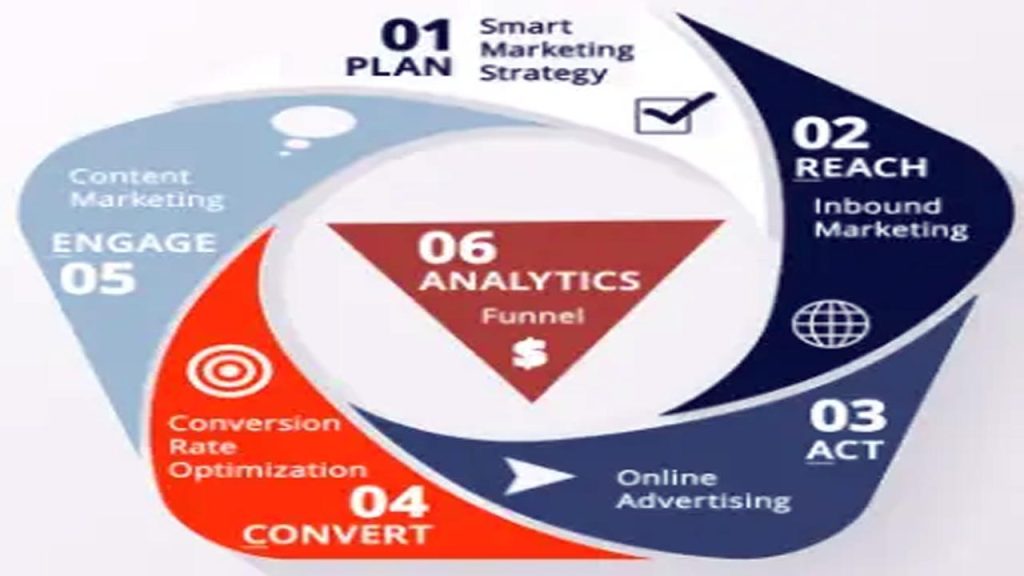
RACE is a strategic framework organizations use to leverage a structured process for digital engagement while enhancing marketing performance. By understanding the four levels: Reach, Act, Convert, and Engage, businesses can optimize the process for customers, improve conversion rates, and deepen brand loyalty. Every phase in the RACE cycle presents opportunities for improvement in an organization’s approach to marketing.
Important Elements of RACE:
- Reach: The process through digital channels like social media, SEO content marketing to attract potential customers.
- It is the most critical stage as this is when brand awareness and interest are created, and you get in front of the right audience.
- Act: It involves encouraging customers to interact with your brand, such as visiting your website or sharing a post on social media.
- Building trust at this level makes the user want to interact with your brand while building a connection with the right customers.
- Convert: It transforms an engaged user into a paying customer.
- This stage guides leads into the sales funnel, converting them into potential buyers via well-optimized processes.
- Engage: Creating long-term relations with customers after a sale.
- Keeping customers interested in a product after their purchase triggers repeat business and loyalty, leading to continuous business growth.
Advantages of RACE
The RACE framework provides various benefits to modern organizations as it covers a major part of the customer journey. Using this structured process, businesses can ensure that their marketing strategies are optimized in terms of both performance and customer satisfaction.
- Better Decisions: The insights achieved through each of the RACE process stages will allow businesses to make more informed decisions in consistency with their objectives.
- Analysis of engagement data leads firms to bestow upon their company new strategies according to what works and what does not with the target.
- Cost-Effectiveness: By focusing on those activities that provide maximum ROI, there is better resource allocation.
- The unnecessary expenses are curbed here so that ample attention is given to concentrate efforts toward giving maximum multiplier effect in marketing practices.
- Customers First Approach: The need is put across at the forefront of customer needs; hence, the firm attends to this factor and reacts accordingly based on the sentiments of the audience.
- Customer-centric inspires customers to be loyal and be involved in more brand work.
- Continuous Improvement: RACE emphasizes the continuous review of marketing activities to ensure continuous growth and optimization.
- Businesses can keep themselves at the competition bar by aligning their actions according to performance metrics.
- Collaboration and Communication: The RACE model encourages teamwork to ensure that every department aligns itself with the business objective.
- Well-defined goals and identified roles within this framework ensure transparency and effective communication.
Steps to Implement RACE
Businesses should execute business with an orchestrated approach that combines key strategies and performance metrics for proper operation of the RACE framework. This improves the optimization process in the customer journey and enhances business results.
- Examine Current Activities: Look at what is currently being marketed to identify the firm’s strengths, weaknesses, and areas for improvement.
- Gaps in customer journeys will determine where to create emphasis on the best-performing business strategy.
- Design Cost Drivers: What is driving cost at every stage of the RACE model.
- Efficiency would rise since resource allocation and distribution will be known.
- Develop Performance Measures: Track engagement and conversion at every stage of the framework to measure success.
- Data-driven insights will empower businesses to make appropriate adjustments.
- Employee Engagement: Engage all departments in the process of implementation. This brings a sense of ownership and responsibility to the employees.
- When active, staff play their role in executing the marketing plan in the right manner.
- Utilize Technology: Make use of CRM systems and marketing automation to facilitate smooth operation and monitor the progress.
- It enhances the efficiency of RACE and also enables businesses to scale their efforts correspondingly.
Real-Life Implementations of RACE
This framework proved to be effective in any industry to enhance the performance of any marketing undertaking as well as the relationship between the organization and the customers. The following is a number of success examples of applying the RACE model by businesses.
- Retail: A leading eCommerce retailer applied the RACE framework for the purpose of raising customer engagement, mainly on the stage of Convert. By optimizing the checkout process, the company saw an increase in conversion by 25%.
- Consumer Goods: The global consumer goods brand applied RACE to enhance its Reach Strategy; indeed, the outcome was a significant spike in the presence of the brand and customer acquisition through targeted campaigns.
- Software: A software firm implemented the Engage phase with a loyalty program, raising the rate of return by 40% while enhancing advocacy among the satisfied users.
- Healthcare: Hospitals introduced the use of RACE in the promotion of patient engagement, particularly through online outreach programs, which has helped make booking an appointment and after-care follow-ups easier and more efficient for the hospital.
- Hospitality: Hotels have utilized the Engage stage to create long-term customer relations through tailored offers and loyalty plans that have helped in consumer retention.
Final Thoughts
The RACE framework hence works as a very powerful tool for businesses to enhance their marketing efficiency, strengthen interactions with customers, and perfect their entire customer journey. Businesses can now, through these individual steps of the campaign-to-marketing funnel: Reach, Act, Convert, and Engage, gain scope for growth, increase customer satisfaction, and ultimately make profits.
- Employee Engagement: RACE implementation thus helps in constructing a sense of belonging and gives impetus to teams, thereby enhancing performance.
- Better Decision Making: Decisions made in real-time are data-based, so there is always a marketing approach that works.
- Increased ROI: Proper usage of all the stages increases the return on investments.
- Customer Loyalty: Engaging customers beyond the point of purchasing something more results in an enhanced, strong relationship that makes them brand advocates.
- Sustainable Growth: Continued assessment and optimization of marketing efforts will eventually lead to long-term success.
Now is the time to embrace the RACE framework and experience the transformative impact it can have on your organization. As already known, to be competitive enough in today’s market, businesses focus on improving customer interactions with them and maintaining sustainability, ensuring sustainable growth.
]]>Key Aspects of UTM:
- Enhanced Decision-Making: Countless UTM parameters contribute to the identification of the best ads and channels, which in turn can be utilized for planning more effective marketing strategies.
- Cost Efficiency: Through clear performance goals and effective analytics, corporations can discontinue ineffective marketing tactics and redirect resources to more productive activities.
- Improved Customer Focus: UTM tracking ensures that promotional operations are marvelously targeting the right people whose preferences and behavior are close to the chosen marketing approach.
- Continuous Improvement: As brands analyze and take in UTM data consistently, they can lessen or wholly cut off particular marketing campaigns that the customers have little or no interest in and then promote products they are after.
- Strategic Planning: Companies can better predict how their campaigns will pan out and sketch out their long-term plans effectively since UTM data provides records of campaign performance over time. In this blog, we will shed light on the concepts of UTM, highlight the value of this contemporary marketing tool, and illustrate how companies can release their potential for enhanced marketing performance. Please take advantage of our blog, where we will reveal the most essential information and the easiest way to embed UTM into your marketing strategy. Join us as we uncover valuable insights and practical steps to integrate UTM into your marketing strategy!
What Is UTM?

UTM, the so-called Urchin Tracking Module, is a powerful tool for digital marketing implemented based on URL tracking parameters that are added to the links. Notably, the capabilities for traffic analysis are spoken of here. Marketers can benefit from detailed information, such as the exact traffic sources, the most successful campaigns, and user reactions to the content. Thus, their marketing strategy will be refined, and their performance will improve.
Key Components of UTM
1. Source
The source section states the webpage the user clicked the link from, such as one of the search engines, social media platforms, or direct referrals. Correctly understanding the source factor is essential because this element allows marketers to analyze the channels that bring substantial traffic and leads.
2. Medium
This component identifies the means of communication, such as email, social media, or cost-per-click (CPC). This helps the organization expand its reach by pointing out the specific platforms that produce the best outcomes.
3. Campaign
This piece enables the marketer to give his campaigns individual names, adding context to the traffic sources. It is fundamental to see which marketing drives are the most successful in garnering attention. Moreover, these results can help make strategic improvements.
Benefits of UTM
- Improved Decision-Making: UTM parameters and the knowledge acquired from the various return couriers explain specifically where the traffic originates and how it is used on a website. For example, if a business suddenly sees how a specific email campaign is driving so much traffic and conversions, it may want to give an extra push to such communications.
- Cost Efficiency: By interpreting UTM data, corporations can determine which marketing plans give the maximum return on their investment. For instance, a business can discover that Facebook ads are a better option than Google Ads, so it can use that as a strategic way to spend lower-cost resources on other methods.
- Enhanced Communication and Collaboration: Building UTM provides appropriate teams with the opportunity to clearly communicate the execution of the work and the responsibilities shared among all team members. The graphics of the data related to the campaign performance can be seen by all team members, who can thus coordinate their efforts in the name of transparency and common goals.
Core Principles of UTM
Focus on Activities: The first approach to tracking specific marketing activities, putting them into light, allows you to gain insight into lead and sales generation through various engagement methods.
Link Activities to Costs: Correlation between activities and expenses is a key budget and forecast process element. By combining the two, organizations will benefit from the maximum utilization of their marketing funds.
Continuous Improvement: UTM is an outcome that comes into being through continuous assessment and feedback. Time and again, teams improve their strategies and choose the best approaches as they focus on analyzing the performance of the marketing campaigns.
Steps to Implement UTM
Analyze Current Activities: In order to successfully implement UTM, companies should first focus on assessing their existing marketing activities and tracking methods. This will help disclose gaps and opportunities.
Establish Cost Drivers: Define the reasons for the different costs arising in various marketing channels. Gaining insight into these motivators will help defer resource allocation.
Implement Performance Metrics: Form a system of tags for tracking URL performance with UTM. Tools like Google Analytics are essential to cover all the metrics regarding the system.
Engage Employees: Involving the staff members in the implementation process is a key element for fostering a culture of data-based decisions. Furthermore, we can have training sessions as part of the formation of a knowledge base to enlighten the employees on UTM usage.
Leverage Technology: The employment of an app that has the authority to track software and marketing analytics enhances the UTM process. Technology integration guarantees the correct capture of data and the actualization of real-time monitoring.
Real-World Examples of UTM
1. HubSpot
HubSpot smartly utilized UTM parameters to track the success of its ebook marketing campaign. The composite analysis of lead sources showed that social media was the most fruitful marketing platform, as it delivered the best results among the people who were found there, while email campaigns were the second best choice. This made them go for social media marketing.
2. REI
REI tagged UTM for the holiday campaign they ran, and through this campaign, UTM became a real insight for them, as email newsletters brought 40% of the copied ads that the display ads copy got. Then, they reinforced material for email marketing.
3. Airbnb
Airbnb analyzed the UTM parameterized data to examine the effectiveness of the promotional channels. They figured out that the referral program was the most beneficial, and they kept their marketing in that direction of their marketing strategically.
Conclusion
UTM is necessary for organizations that want to track marketing metrics through data analysis and monitoring. Adroit use of UTM is the byword of tracking and improving geospatial accuracy and analysis. They will be very adaptive towards implementing UTM in spatial concept learning.UTM (Universal Transverse Mercator) is an invaluable approach for organizations that provides accuracy and analysis. Put the following steps to the accomplishments of a business through the employment of UTM:
1. Exactness in spatial data representation.
2. Integrating geospatial analysis into business strategy for evaluating spatial accuracy, precision, and modeling.
3. Making the GIS process standardized and effective.
Now is the time to adopt UTM and see the radical changes it can bring to your company. Start applying geospatial organizing today to initiate the process of optimization!
]]>- Definition: Media vehicles are specific channels through which advertising messages are delivered.
- Diversity: Different media vehicles, such as television, radio, print, and social media, cater to varied demographics.
- Targeting: Choosing the right media vehicle ensures the intended audience receives the message.
- Cost-Effectiveness: Selecting appropriate media can optimize advertising budgets and enhance return on investment.
- Performance Measurement: Understanding media vehicles helps assess marketing strategies’ effectiveness.
Overview of Media Vehicle
A media vehicle refers to a specific channel or platform from which the advertising message is delivered to the audience. Examples of media vehicles include:
- Television shows
- Radio stations
- Newspapers
- Magazines
- Websites
- Social media platforms
The audience demographics and reach for each of these media vehicles differ, so selecting the right car is essential for advertisers to convey their intended message effectively.
Importance of Knowing Media Vehicles
Understanding media vehicles is essential for marketers and strategic decision-makers. Key areas of importance include:
- Target Audience Reach: Different media vehicles reach different audiences. Knowing which vehicles resonate with specific demographics enables brands to tailor their advertising efforts more effectively.
- Cost-Effectiveness: Choosing a suitable medium helps optimize budget spending. A well-chosen media vehicle can maximize reach with less expenditure, improving ROI.
- Message Compatibility: Each media vehicle has unique characteristics that affect how people perceive a message. Ensuring message compatibility with the chosen vehicle maximizes its effectiveness.
- Performance Measurement: Evaluating media-vehicle performance allows marketers to measure engagement rates, conversions, and other metrics, directly influencing future strategies.
- Strategic Decision Making: Staying informed about changes in media vehicles helps businesses make more innovative, adaptive decisions in the dynamic media space.
Understanding the Term
Media Vehicle Definition
A media vehicle is the medium or channel through which a message reaches its intended audience. Examples of media vehicles include:
- Television
- Radio
- Print (newspapers, magazines)
- Outdoor advertising
- Digital media (social media, websites, email)
Each of these media vehicles has unique characteristics, audience demographics, and levels of engagement, making it crucial for marketers to choose the right one for their objectives.
Purpose and Function
The primary purpose of a media vehicle is to act as a channel for delivering advertising messages to a target audience as effectively as possible. Key functions include:
- Audience Targeting: Different media vehicles target different population segments. For example, social media platforms like TikTok are ideal for reaching younger audiences, while older demographics may be more receptive to traditional TV or newspaper ads.
- Message Delivery: Media vehicles serve as the medium for delivering marketing messages. Advertising text, video, or audio, are adapted to fit the vehicle’s presentation.
- Brand Awareness: Repeated exposure through effective media vehicles enhances brand recognition and recall, reinforcing messages across multiple channels.
- Interactivity and Involvement: Many media vehicles, especially digital ones, allow for interaction. Brands can engage with their audience through comments, shares, or direct messages, building stronger relationships and gaining valuable feedback.
- Measurement and Analytics: Digital media vehicles offer advanced analytics, allowing businesses to track impressions, clicks, and conversions. This data helps shape future marketing strategies and define budget allocations.
Real-Life Examples of Media Vehicles

Media vehicles are applied across various industries and marketing campaigns:
- Product Launches: A new beverage brand may use TV commercials to create awareness while running social media ads targeting specific demographics. Outdoor advertising in high-traffic areas can further attract attention.
- Election Campaigns: Politicians often use a mix of television spots for broad reach, radio for local engagement, and social media to target specific voter groups.
- Event Promotion: For a music festival, organizers might use radio stations for ticket giveaways, social media for interactive promotions, and local entertainment magazines for detailed event coverage.
- Content Marketing: Brands use blogs as digital media to share valuable information. They then amplify this content through social media, email newsletters, and influencer partnerships to drive traffic to their website.
- E-commerce Promotions: Online retailers leverage media vehicles like email newsletters, social media ads, and influencer collaborations to drive website traffic and boost sales.
Importance of Understanding Media Vehicles: The Key to Success for Businesses

In today’s digitally driven marketplace, understanding media vehicles is vital for successful audience engagement. Key reasons include:
- Engagement with Target Audience: Selecting the right media vehicle ensures the message reaches the intended audience. Different demographics interact with media vehicles in unique ways. For example, younger consumers may prefer social media, while older demographics connect more with traditional media like TV or newspapers.
- Cost-Effectiveness: Knowing the most influential media vehicles helps businesses allocate their advertising budgets wisely, ensuring the highest ROI. Local businesses might find local radio ads more cost-effective, while national brands may benefit from digital strategies.
- Brand Awareness and Visibility: Strategically utilizing multiple media vehicles ensures a consistent message reaches the consumer across various touchpoints. A multi-channel approach increases brand visibility and recall.
- Market Trend Alignment: As the media landscape evolves, businesses must stay informed about emerging vehicles and their effectiveness. This adaptability allows businesses to remain competitive and take advantage of new opportunities.
- Measuring Effectiveness: Media vehicles allow businesses to measure campaign impact through metrics such as reach, engagement, and conversion rates. Analyzing this data helps refine marketing strategies for future campaigns, driving better overall performance.
Final Thoughts
Understanding media vehicles is a fundamental aspect of any successful marketing strategy. Selecting the right media vehicle ensures that messages reach the appropriate audience, maximize budget efficiency, and boost brand recognition. As the media landscape continues to evolve, businesses must stay informed and adaptable to leverage the full potential of media vehicles and ensure long-term success. By focusing on the strengths of each media channel, companies can enhance their marketing efforts and connect with their customers more effectively.
]]>Advertising is constantly changing; as new concepts and strategies keep emerging to optimize marketing efforts, so does the level of engagement with the target audience. One concept that has taken centre stage in recent years is FCP. Advertising FCPs can have a variety of meanings, such as Full-Cycle Performance, Full Composition Picture, or Full Cost Pricing, and each yields a different view and style toward enhancing advertising performance. Regardless of which one it is, FCP, at the bottom line, ensures that better results are realised, resources are best allocated, and the overall marketing performance is enhanced.
Why FCP Matters:
- Holistic Strategy: FCP focuses on the advertising process, from planning to implementation and measurement, ensuring no piece is left hanging.
- ROI Enhanced: Businesses use the FCP philosophy to identify where changes need to be made, optimise resources, and maximise returns on investment.
- Data-Driven Decision Making: FCP adopts data-driven decisions using performance monitoring and analysis, enabling businesses to steer their strategy for constant improvement.
This blog will discuss the three critical understandings of FCP and how they have influenced today’s advertising strategies. We will break down the concept into three parts: how it is essential, what constitutes it, and the advantages of the main points.
1. Full-Cycle Performance in Advertisement
Full-cycle performance (FCP) is a holistic approach that considers every stage of the advertisement campaign—from its planning phase to its execution and analysis—to make strategic adjustments. It helps advertisers improve every step in the campaign’s lifecycle, maximising efficiency and effectiveness.
Core Components of Full-Cycle Performance:
- Enhanced Decision Making: Full-cycle performance enables advertisers to gather insights from data analysis to make informed decisions about campaign targeting, budgeting, and creative changes.
- Knowing which strategies yield the best results allows advertisers to focus on high-impact areas.
- Cost Efficiency: Analyzing the different stages of the campaign identifies areas of potential savings and better allocation, ensuring that every dollar spent is effective.
- It avoids wasteful spending and ensures investments are focused where people are engaged.
- Customer Alignment: FCP aligns advertising with customer choices, enhancing the ability to reach target audiences and potentially boosting brand loyalty.
- Brands can adapt their messaging to better connect with customers, fostering stronger relationships and long-lasting engagement.
- Continuous Improvement: Organizations can keep up with shifting market conditions and customer behaviour through regular strategy assessment and improvement.
- Campaigns are continuously optimised to meet the latest trends and audience expectations.
How to Implement Full-Cycle Performance:
- Plan Strategically: Set clear objectives and KPIs for the campaign.
- Track Progress: Measure performance metrics at every step of the campaign lifecycle.
- Data-Driven Adjustments: Make strategy tweaks based on insights gained from performance analysis.
2. Full Composition Picture in Advertising
Another interpretation of FCP is Full Composition Picture, a concept that focuses on delivering a cohesive and comprehensive message through various media formats. It ensures that every element of the advertisement—visual, textual, or auditory—harmonises into a unified message.
Critical Components of Full Composition Picture:
- Visual Elements: Visuals are crucial in capturing the audience’s attention. FCP emphasises the importance of explicit images, graphics, and videos that appeal to and reflect the brand’s personality.
- Maintaining visual coherence across platforms helps establish the brand’s identity and message.
- Narrative Structure: The storytelling style helps connect customers to the brand’s message. A good FCP tells a cohesive, compelling story that guides viewers on a journey aligned with the brand’s core values.
- A strong narrative ensures customers leave with a lasting memory of the advertisement.
- Brand Consistency: Message consistency and a unified tone and style across all channels are critical to establishing brand loyalty and recognition.
- FCP ensures that every advertisement’s visual, text and sound elements complement each other, reinforcing the brand’s identity.
Benefits of Full Composition Picture:
- Improved Audience Reaction: The advertisement’s cohesive storyline and strong visuals enhance it, encouraging the desired response from audiences.
- Simplified Production: FCP ensures creative aspects align with strategic goals, simplifying the management of multiple types of advertisements across various media platforms.
- Consistent messaging and visual cues help make the brand easier for the audience to remember.
3. Full Cost Pricing in Advertising
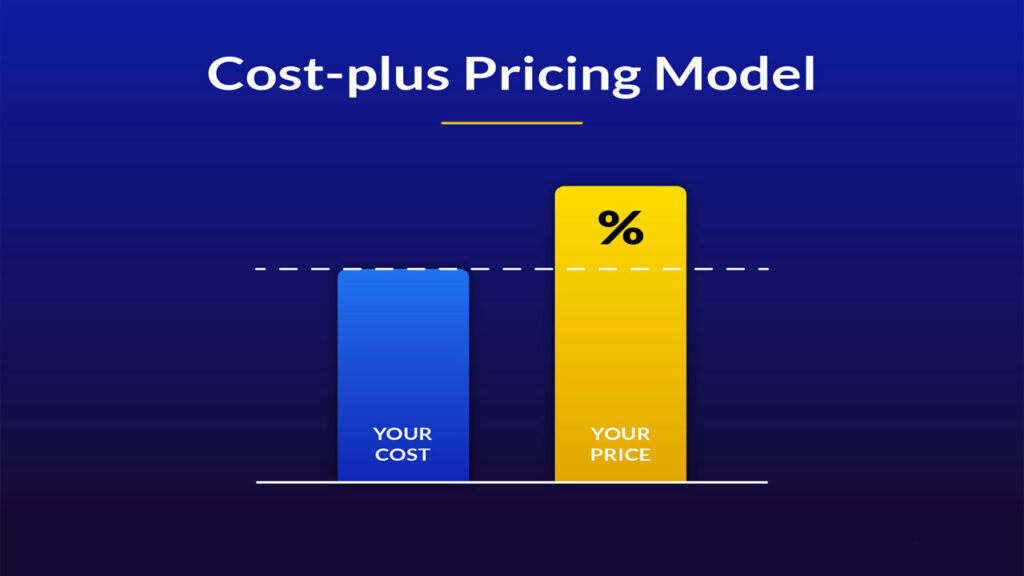
The third definition of FCP is Full Cost Pricing, which involves understanding all the costs incurred in advertising. This practice enables businesses to charge enough to cover total costs and generate profits for sustainable growth.
Critical Principles of Full Cost Pricing:
- Emphasis on Total Costs: Full Cost Pricing accounts for direct costs (e.g., media placements) and indirect costs (e.g., creative development, project management).
- Understanding the complete cost structure ensures campaigns are priced with profit margins in mind.
- Cost-Activity Relationship: Identifying the cost relationship between different advertising activities helps optimise resources and budgeting.
- Allows businesses to pinpoint cost-intensive areas that can be optimised for cost-efficiency.
- Profit-Based Pricing Strategies: With a clear understanding of costs, businesses can develop pricing strategies that maximise profitability without sacrificing campaign quality.
- Ensures long-term financial sustainability and better marketing practices.
Advantages of Full Cost Pricing:
- Adequate Budgeting: Helps organisations use resources more effectively, optimising budgets for a higher ROI.
- Higher Profit Margins: With full-cost knowledge, businesses can price their offerings to cover expenses and generate profits.
- Data-Driven Decision Making: Full cost pricing facilitates strategic budgeting, aligning financial goals with marketing decisions.
Final Thoughts
In conclusion, FCP offers three unique interpretations—full—cycle Performance, Full Composition Picture, and Full Cost Pricing—each providing valuable insights for optimizing advertising strategies. Applying these principles can lead to improved performance, increased customer satisfaction, and sustainable business growth.
- Full-cycle performance helps businesses analyse and improve each phase of the advertising cycle.
- Complete Composition Picture ensures coherent storytelling and visual consistency across all platforms.
- Full Cost Pricing provides a deeper understanding of campaign costs, enabling better budgeting and profitability.
Now that you understand the impact of FCP, you can begin transforming your advertising campaigns into more effective and impactful endeavours. Take the first step today and unlock your business’s full potential with FCP!
]]>Ready to talk with a marketing expert?

A Pragmatic and innovative way to enthrall your target group is just a click away!
Get in Touch
Rukmini Knowledge Park, Kattigenahalli, SH 104, Srinivasa Nagar, Bengaluru, Karnataka 560064
+91-990 247 8800
contact@gingermediagroup.com
Popular in Television Advertising
Udaya TV AdvertisingSun TV AdvertisingStar Plus AdvertisingTV 9 AdvertisingZee TV AdvertisingNDTV India AdvertisingColors TV AdvertisingPopular in Airport Advertising
Spice Jet AdvertisingMumbai Airport AdvertisingDelhi Airport AdvertisingEmirites AdvertisingIndiGo Airlines Domestic India AdvertisingPopular in Newspaper Advertising
Deccan Herald AdvertisingPrajavani AdvertisingThe Hindu AdvertisingEconomic Times AdvertisingDainik Jagran AdvertisingHindustan Times AdvertisingPopular in Magazine Advertising
Forbes AdvertisingCosmopolitan AdvertisingBusiness World AdvertisingVogue Magazine AdvertisingPopular in Sports Advertising
IPL AdvertisingPopular in Outdoor Advertising
Billboard AdvertisingBus Shelter AdvertisingMetro Pillar AdvertisingUnipole Advertising© Ginger Media Group 2025. All Rights Reserved.