Key Takeaways to Be Mentioned in the Introduction
- Deeper Insight in Making Decisions: RTB gives advertisers vital information regarding audience behavior and market dynamics, thus affording them a choice of where and when to invest their budget.
- Efficiency in Costs: RTB manages to identify areas of possible savings by allowing advertisers to place bids on ad spaces based on real-time data and keeps optimizing the human resources spent on dollar expenditures, thus leading to dollars being spent at their best impact.
- Better Customer Value: RTB aligns advertising activities with customer value by targeting relevant ads to the right people at the right time, improving the overall customer experience.
- Continuous Improvement: Since RTB happens in real time, regular analysis and alteration of the directions of the advertisements with some performance metrics will be done to promote continued optimization and improvement.
- Strategic Planning: RTB offers highly data-driven insights, which help corporations forecast better and make long-term decisions for directing their next moves in advertising campaigns.
In this blog, we will discuss the principles of Real-Time Bidding, why it is important today, and how an organization can take advantage of this process to improve advertising efficiency. Let’s share insights and practical ways to add RTB to your digital advertising campaign.
What is RTB Full Form?
RTB, or Real-Time Bidding, is a digital advertising concept based on an auction process for online ad space in real time. By utilizing user identification and behaviour patterns, organisations can target their ads more effectively to the right groups of people and with the right interests. This, therefore, results in more efficient usage of marketing budgets along with higher engagement from the target audiences.
Key Elements of RTB

- Demand-Side Platform (DSP):
A DSP platform enables users to manage multiple ad and data exchange accounts using a single interface. Its importance lies in the fact that it makes automated purchases, and users place advertisements on ad spaces in real-time by using user information to maximise relevance. - Supply-Side Platform:
SSPs help publishers optimise their ad space inventory to maximise revenue generation. Through them, the multiple ad exchanges allow publishers to reach the correct demand for their ad placements and, therefore, the potential for revenue maximisation. - Ad Exchanges:
An ad exchange is an entity where buyers and sellers interact on the price of ad space. Publishers are sellers, and advertisers are buyers, negotiating on price. Such exchanges also support the execution of RTB because the real-time auction process allows buyers and sellers to achieve optimal outcomes in terms of ad placements and prices.
Benefits of RTB
- Improved Decision Making:
RTB further aids decision-making by providing real-time user engagement and bid results statistics. For example, an e-commerce seller of attire can analyse which ads work best for demographics and rapidly switch campaigns to maximise returns on investment through RTB. - Cost Effectiveness:
RTB improves cost efficiency by automating the buying process and enabling advertisers to pay only for impressions that meet their targeted criteria. Organisations set budgets that optimise their spending and pay only for ads most likely to increase conversions. - Increased Communication and Coordination:
RTB enhances collaboration and openness between marketing and sales teams. Sharing real-time information and results helps these teams align strategies better to ensure cohesive campaigns that drive engagement and sales.
Core Principles of RTB
- Activity-based Approach:
Understanding user-specific activities is central to understanding RTB. If ads are targeted against users’ actions and interests, the campaigns tend to be more effective as advertising becomes more focused and successful. - Association of Activities with Costs:
Cost-related user activities associated with the advertiser allow the person to know the cost of running each advertisement. This is crucial in deciding on budget and campaign optimisation. - Constant Improvement:
The main feature of RTB is the assessment of performance metrics on continuous evaluation and feedback. This method adjusts campaigns according to performance metrics to make the advertising strategy work throughout the campaign period.
How to Put RTB Into Action
- Review current activities:
Observe traditional buying processes to identify where RTB can create more value. Analyse past campaign performances and user engagement behaviours. - Define Cost Drivers:
Determine your cost drivers, such as audience segments, the time of day bidders are likely to drive prices, and ad formats so there is an optimal bidding strategy and resource usage. - Leverage Performance Metrics:
Set up and monitor performance metrics to gauge the effectiveness of each ad campaign. Click-through rate and conversion rate are just two of the metrics that define effectiveness. - Engage Employees:
Get employees to collaborate with the RTB process to foster collaboration and innovation. The team should be encouraged to develop suggestions to improve strategies based on first-hand experiences and data insight. - Leverage Technology:
Utilise technology tools and platforms that facilitate the RTB process: machine learning algorithms and data analytics advance targeting and bidding.
Real-World Examples of RTB
- Case Study of an E-commerce Giant:
One e-commerce giant used RTB to promote specific products during the prime shopping seasons, resulting in a conversion rate that was 40% higher than that of similar traditional campaigns. - Automotive Industry Success:
For instance, one of the world’s biggest automobile manufacturers used RTB to target potential car buyers effectively effectively effectively. It supplemented the ads according to user behaviour’s search patterns, thus leading to a massive hike in leads and sales calls. - Travel Agency Application:
A travel agency used RTB to give dynamically priced travel deals to online users based on their behaviour. It yielded a 35% increase in bookings over a quarter.
Final Thoughts
RTB is an invaluable approach for organisations seeking to upgrade their digital advertising efficiency and reach. A good understanding of core concepts like audience targeting, bid management, and data analysis will allow businesses to run their activities resource-friendly while always being oriented towards improvement, thus unlocking much potential in operational processes and decision-making strategies.
Application of the principles of RTB in your business can lead to:
- Better Ad Targeting: You could hit the perfect target market by correctly identifying viewers to ensure that your advertising dollar is utilised to full effect.
- Better ROI: Maximize returns on your advertisements with real-time insights and data-driven strategies.
- Better Competitive Advantage: Automated bidding processes would allow you to stay ahead of market changes.
It is time for you to take advantage of RTB and its transformational impact on your business: start optimising your digital advertising approach now.
]]>
RACE, an absolutely essential tool these days, helps to improvise business processes, boost engagement, and optimize marketing strategies. The full form of RACE is Reach, Act, Convert, and Engage. The RACE framework has been designed as an effective strategic model to enable a business to design a perfect customer journey, thereby enhancing the overall marketing performance of that business. In this blog, we talk about the basics of RACE and its constituent elements that provide a road to success in any modern organization.
- Reach: The first step included in the journey of the customer. It attracts potential customers.
- Act: It helps create an interaction with the brand, such as website visits and social media engagements.
- Convert: At this conversion stage, leads become paying customers.
- Engage Long-term relationships with the customer for higher loyalty and repeat purchases.
- RACE Strategy: Integrated Strategy in Optimizing the Leverage of Marketing Channels Efficiency and Returns on Investments.
What is RACE?
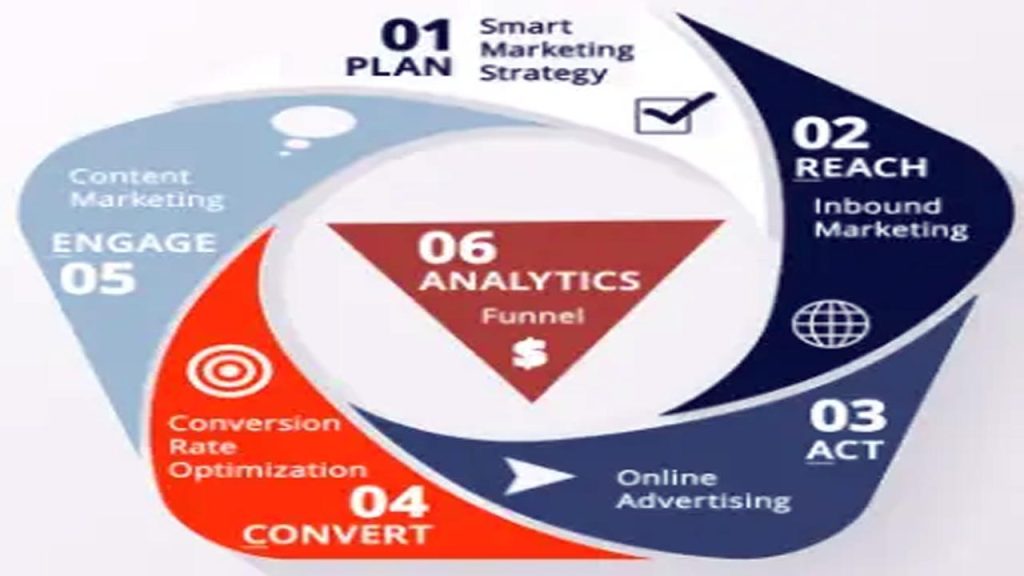
RACE is a strategic framework organizations use to leverage a structured process for digital engagement while enhancing marketing performance. By understanding the four levels: Reach, Act, Convert, and Engage, businesses can optimize the process for customers, improve conversion rates, and deepen brand loyalty. Every phase in the RACE cycle presents opportunities for improvement in an organization’s approach to marketing.
Important Elements of RACE:
- Reach: The process through digital channels like social media, SEO content marketing to attract potential customers.
- It is the most critical stage as this is when brand awareness and interest are created, and you get in front of the right audience.
- Act: It involves encouraging customers to interact with your brand, such as visiting your website or sharing a post on social media.
- Building trust at this level makes the user want to interact with your brand while building a connection with the right customers.
- Convert: It transforms an engaged user into a paying customer.
- This stage guides leads into the sales funnel, converting them into potential buyers via well-optimized processes.
- Engage: Creating long-term relations with customers after a sale.
- Keeping customers interested in a product after their purchase triggers repeat business and loyalty, leading to continuous business growth.
Advantages of RACE
The RACE framework provides various benefits to modern organizations as it covers a major part of the customer journey. Using this structured process, businesses can ensure that their marketing strategies are optimized in terms of both performance and customer satisfaction.
- Better Decisions: The insights achieved through each of the RACE process stages will allow businesses to make more informed decisions in consistency with their objectives.
- Analysis of engagement data leads firms to bestow upon their company new strategies according to what works and what does not with the target.
- Cost-Effectiveness: By focusing on those activities that provide maximum ROI, there is better resource allocation.
- The unnecessary expenses are curbed here so that ample attention is given to concentrate efforts toward giving maximum multiplier effect in marketing practices.
- Customers First Approach: The need is put across at the forefront of customer needs; hence, the firm attends to this factor and reacts accordingly based on the sentiments of the audience.
- Customer-centric inspires customers to be loyal and be involved in more brand work.
- Continuous Improvement: RACE emphasizes the continuous review of marketing activities to ensure continuous growth and optimization.
- Businesses can keep themselves at the competition bar by aligning their actions according to performance metrics.
- Collaboration and Communication: The RACE model encourages teamwork to ensure that every department aligns itself with the business objective.
- Well-defined goals and identified roles within this framework ensure transparency and effective communication.
Steps to Implement RACE
Businesses should execute business with an orchestrated approach that combines key strategies and performance metrics for proper operation of the RACE framework. This improves the optimization process in the customer journey and enhances business results.
- Examine Current Activities: Look at what is currently being marketed to identify the firm’s strengths, weaknesses, and areas for improvement.
- Gaps in customer journeys will determine where to create emphasis on the best-performing business strategy.
- Design Cost Drivers: What is driving cost at every stage of the RACE model.
- Efficiency would rise since resource allocation and distribution will be known.
- Develop Performance Measures: Track engagement and conversion at every stage of the framework to measure success.
- Data-driven insights will empower businesses to make appropriate adjustments.
- Employee Engagement: Engage all departments in the process of implementation. This brings a sense of ownership and responsibility to the employees.
- When active, staff play their role in executing the marketing plan in the right manner.
- Utilize Technology: Make use of CRM systems and marketing automation to facilitate smooth operation and monitor the progress.
- It enhances the efficiency of RACE and also enables businesses to scale their efforts correspondingly.
Real-Life Implementations of RACE
This framework proved to be effective in any industry to enhance the performance of any marketing undertaking as well as the relationship between the organization and the customers. The following is a number of success examples of applying the RACE model by businesses.
- Retail: A leading eCommerce retailer applied the RACE framework for the purpose of raising customer engagement, mainly on the stage of Convert. By optimizing the checkout process, the company saw an increase in conversion by 25%.
- Consumer Goods: The global consumer goods brand applied RACE to enhance its Reach Strategy; indeed, the outcome was a significant spike in the presence of the brand and customer acquisition through targeted campaigns.
- Software: A software firm implemented the Engage phase with a loyalty program, raising the rate of return by 40% while enhancing advocacy among the satisfied users.
- Healthcare: Hospitals introduced the use of RACE in the promotion of patient engagement, particularly through online outreach programs, which has helped make booking an appointment and after-care follow-ups easier and more efficient for the hospital.
- Hospitality: Hotels have utilized the Engage stage to create long-term customer relations through tailored offers and loyalty plans that have helped in consumer retention.
Final Thoughts
The RACE framework hence works as a very powerful tool for businesses to enhance their marketing efficiency, strengthen interactions with customers, and perfect their entire customer journey. Businesses can now, through these individual steps of the campaign-to-marketing funnel: Reach, Act, Convert, and Engage, gain scope for growth, increase customer satisfaction, and ultimately make profits.
- Employee Engagement: RACE implementation thus helps in constructing a sense of belonging and gives impetus to teams, thereby enhancing performance.
- Better Decision Making: Decisions made in real-time are data-based, so there is always a marketing approach that works.
- Increased ROI: Proper usage of all the stages increases the return on investments.
- Customer Loyalty: Engaging customers beyond the point of purchasing something more results in an enhanced, strong relationship that makes them brand advocates.
- Sustainable Growth: Continued assessment and optimization of marketing efforts will eventually lead to long-term success.
Now is the time to embrace the RACE framework and experience the transformative impact it can have on your organization. As already known, to be competitive enough in today’s market, businesses focus on improving customer interactions with them and maintaining sustainability, ensuring sustainable growth.
]]>Ready to talk with a marketing expert?

A Pragmatic and innovative way to enthrall your target group is just a click away!
Get in Touch
Rukmini Knowledge Park, Kattigenahalli, SH 104, Srinivasa Nagar, Bengaluru, Karnataka 560064
+91-990 247 8800
contact@gingermediagroup.com
Popular in Television Advertising
Udaya TV AdvertisingSun TV AdvertisingStar Plus AdvertisingTV 9 AdvertisingZee TV AdvertisingNDTV India AdvertisingColors TV AdvertisingPopular in Airport Advertising
Spice Jet AdvertisingMumbai Airport AdvertisingDelhi Airport AdvertisingEmirites AdvertisingIndiGo Airlines Domestic India AdvertisingPopular in Newspaper Advertising
Deccan Herald AdvertisingPrajavani AdvertisingThe Hindu AdvertisingEconomic Times AdvertisingDainik Jagran AdvertisingHindustan Times AdvertisingPopular in Magazine Advertising
Forbes AdvertisingCosmopolitan AdvertisingBusiness World AdvertisingVogue Magazine AdvertisingPopular in Sports Advertising
IPL AdvertisingPopular in Outdoor Advertising
Billboard AdvertisingBus Shelter AdvertisingMetro Pillar AdvertisingUnipole Advertising© Ginger Media Group 2025. All Rights Reserved.